
Lemon Balm Tea: Growing and Using This Calming Herb

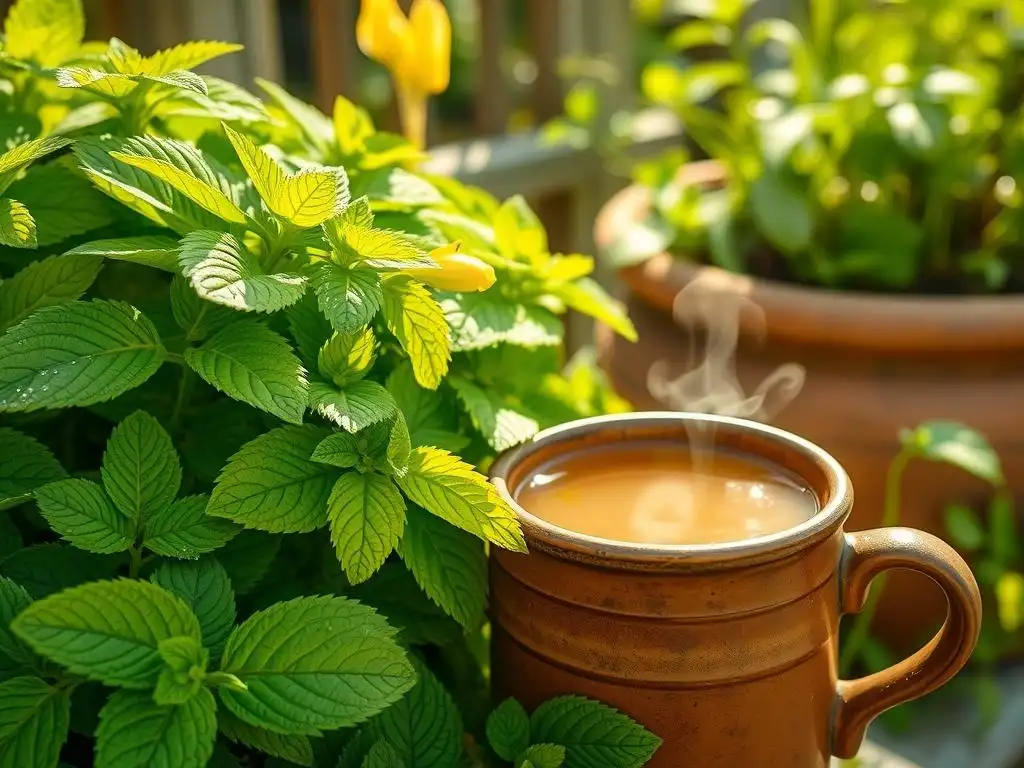
Welcome to CultivateYourFood, your guide to a thriving, sustainable garden! Ready to transform your backyard into a haven of fresh, organic produce? Discover the secrets to effortless home cultivation, from planting to harvest. We'll show you how easy it is to grow your own herbs, starting with our insightful article on growing organic lemon balm tea – a calming herb with a myriad of uses. Learn how to cultivate this fragrant treasure and unlock the benefits of homegrown goodness. Let's get started!
-
Growing Organic Lemon Balm Tea: A Step-by-Step Guide
- Selecting the Perfect Lemon Balm Variety for Your Garden
- Preparing Your Soil for Optimal Lemon Balm Growth
- Planting Lemon Balm Seeds or Starts: A Comprehensive Guide
- Providing Ideal Sunlight and Watering for Thriving Lemon Balm
- Organic Pest and Disease Control for Lemon Balm Plants
- Harvesting Lemon Balm for Tea: Timing and Techniques
- Drying and Storing Lemon Balm for Year-Round Use
- Making Delicious and Calming Lemon Balm Tea
- Beyond the Cup: Other Uses for Lemon Balm
- Sustainable Practices for Growing Lemon Balm
- Frequently Asked Questions
- Final Reflection: The Enduring Power of Lemon Balm
- Unlock the Soothing Power of Lemon Balm: Grow Your Own!
Growing Organic Lemon Balm Tea: A Step-by-Step Guide
Cultivating your own lemon balm for tea offers a rewarding experience, connecting you directly with nature's calming properties while embracing sustainable gardening practices. This guide will walk you through the process of growing organic lemon balm, from selecting the right variety to harvesting your first soothing cup of tea.
We'll cover everything you need to know to successfully grow this versatile herb in your garden, ensuring a bountiful harvest of fragrant leaves perfect for brewing delicious and healthy lemon balm tea. Learning to grow organic lemon balm not only provides you with a natural remedy but also contributes to a healthier environment by avoiding pesticides and promoting biodiversity.
This detailed guide provides practical, step-by-step instructions, perfect for both beginner and experienced gardeners seeking to incorporate this beneficial herb into their lives. Let's dive into the world of organic lemon balm cultivation and discover the simple joy of growing your own calming tea.
Selecting the Perfect Lemon Balm Variety for Your Garden
Choosing the right lemon balm variety is crucial for a successful harvest. Several varieties exist, each with slightly different characteristics. Consider factors such as climate, space availability, and your desired leaf size and flavor profile when making your selection. Some varieties are known for their particularly strong citrusy aroma, while others boast larger leaves, ideal for quicker tea production. Research different cultivars beforehand to identify the best fit for your needs.
For example, if you live in a region with shorter growing seasons, you might opt for a faster-maturing variety. Consider also the size of your garden; some varieties grow more compactly than others. This careful selection process ensures you'll enjoy optimal growth and a plentiful harvest of high-quality lemon balm leaves. Remember to source seeds or plants from reputable organic suppliers to maintain the integrity of your organic garden.
Preparing Your Soil for Optimal Lemon Balm Growth
Lemon balm thrives in well-drained, fertile soil with a slightly acidic to neutral pH (around 6.0-7.0). Before planting, amend your soil with compost or other organic matter to improve its structure, drainage, and nutrient content. This step is essential for healthy growth and abundant leaf production. Poorly drained soil can lead to root rot, while nutrient-deficient soil will result in smaller, less flavorful leaves. A soil test can help you determine your soil's pH and nutrient levels, allowing you to make informed adjustments.
Incorporate a generous amount of compost – at least 2-3 inches – to enrich the soil with essential nutrients and improve its water retention capacity. This will create a thriving environment for your lemon balm to flourish. Remember, healthy soil is the foundation for healthy plants! 🌱
Planting Lemon Balm Seeds or Starts: A Comprehensive Guide
Lemon balm can be propagated from seeds or starts (young plants). Starting from seeds requires more patience, as germination can take several weeks. However, it's a cost-effective method. Alternatively, purchasing starts from a reputable nursery offers a faster route to a thriving lemon balm patch.
Regardless of your chosen method, ensure your soil is well-prepared and the location receives at least 6 hours of sunlight daily. If starting from seeds, sow them directly into the prepared soil about ¼ inch deep and spaced approximately 12-18 inches apart. Keep the soil consistently moist until germination occurs. For starts, dig holes slightly larger than the root ball and gently place the plants in the holes, ensuring the top of the root ball is level with the soil surface.
Water thoroughly after planting. Regular watering, especially during dry periods, is crucial for optimal growth. Consistent moisture, combined with nutrient-rich soil, will set the stage for a bountiful harvest of organic lemon balm, ready for your next batch of calming tea.
Providing Ideal Sunlight and Watering for Thriving Lemon Balm
Lemon balm ( Melissa officinalis) thrives in full sun to partial shade. Six to eight hours of direct sunlight daily is ideal for optimal growth and essential oil production, crucial for the flavor and aroma of your tea. However, in hotter climates, afternoon shade can prevent scorching, especially for younger plants. Observe your plants; if the leaves appear wilted or pale despite adequate watering, consider providing some shade during the hottest part of the day.
Watering is key to healthy lemon balm. The soil should be consistently moist but not waterlogged. Overwatering can lead to root rot, a common problem for many herbs. Aim for a watering schedule that keeps the soil evenly moist to a depth of a few inches. Check the soil moisture regularly by sticking your finger a couple of inches into the soil; if it feels dry, it's time to water.
During dry spells, you may need to water more frequently, perhaps daily, especially for plants in containers. Mulching around the base of your plants with organic matter like straw or compost helps retain soil moisture, reducing the frequency of watering. Remember, consistent moisture is vital for robust growth and a plentiful harvest for your organic lemon balm tea. Avoid overhead watering to prevent fungal diseases.
Organic Pest and Disease Control for Lemon Balm Plants
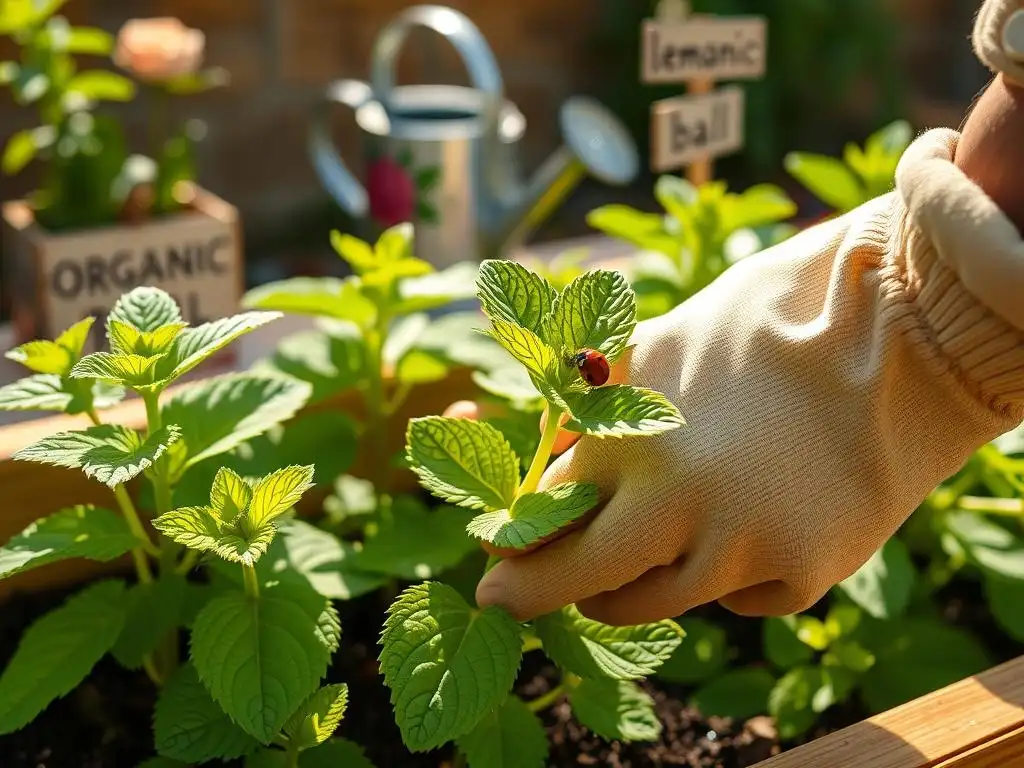
Lemon balm is generally a resilient herb, but it can be susceptible to certain pests and diseases, especially if growing conditions are not optimal. Practicing preventative measures is crucial for maintaining healthy, organic plants. Regularly inspect your plants for signs of pests or diseases. Early detection is key to effective and sustainable control.
Common pests include aphids, spider mites, and whiteflies. For organic pest control, consider using insecticidal soap, neem oil, or introducing beneficial insects like ladybugs. These natural solutions effectively target pests without harming beneficial pollinators or introducing harmful chemicals to your organic garden. Strong blasts of water from a hose can also dislodge many soft-bodied insects.
Fungal diseases like powdery mildew can also affect lemon balm, particularly in humid conditions. Good air circulation is essential to prevent fungal growth. Spacing plants appropriately allows for better airflow. Avoid overhead watering to minimize moisture on the leaves. If powdery mildew appears, consider using a diluted baking soda solution or a neem oil spray as an organic treatment. Always prioritize preventative measures to minimize the need for any treatment. Remember, a healthy and vigorous plant is less susceptible to pest and disease problems.
Harvesting Lemon Balm for Tea: Timing and Techniques
The best time to harvest lemon balm for tea is during the peak of its growing season, usually when the plant is actively flowering. This is typically between late spring and early summer. However, you can harvest multiple times throughout the growing season, as long as you don't cut back too aggressively. Leaving at least a third of the plant's height allows for continued growth and prevents stressing the plant.
For harvesting, use clean pruning shears or scissors to cut stems just above a node, which is where new growth originates. This encourages bushier growth and a more abundant harvest. Harvest the leaves and stems in the morning after the dew has dried to maximize the essential oil content. You can harvest individual leaves or larger stems, depending on your preference. For tea, both leaves and stems can be used, although some prefer to use only the leaves for a milder flavor.
After harvesting, you can use the lemon balm immediately to make fresh tea or preserve it for later use. Drying is a simple method for preserving the herb. Hang small bunches upside down in a cool, dark, and well-ventilated area until they are completely dry and brittle.
Once dried, store the lemon balm in airtight containers in a cool, dark, and dry place to maintain its flavor and aroma for several months. This ensures you have a supply of organic lemon balm for your tea throughout the year. Proper harvesting and storage techniques are crucial for maintaining the quality and potency of your organic lemon balm tea.
Drying and Storing Lemon Balm for Year-Round Use
Drying lemon balm properly preserves its flavor and medicinal properties, allowing you to enjoy its benefits throughout the year. Several methods ensure optimal results, each with its own advantages and disadvantages. Air drying is the simplest and most traditional method. Harvest stems in the morning after the dew has dried, ensuring the leaves are completely dry to the touch.
Bundle several stems together loosely using rubber bands and hang them upside down in a cool, dark, and well-ventilated area, away from direct sunlight. This process usually takes one to two weeks, depending on humidity levels. Regularly check for dryness; the leaves should crumble easily when touched.
Another popular method is using a dehydrator. This offers faster drying times and more consistent results. Dehydrators provide a controlled environment with adjustable temperature and airflow, minimizing the risk of mold or mildew. Follow the manufacturer's instructions, generally setting the temperature between 95-115°F (35-46°C). Spread the lemon balm leaves in a single layer on the dehydrator trays to ensure even drying. This method typically takes 4-8 hours, depending on the thickness of the leaves and the dehydrator's settings. Properly dried lemon balm leaves should be brittle and easily crumble.
Once dried, store your lemon balm in airtight containers. Glass jars are ideal, offering protection from light and moisture. You can also use airtight plastic containers or resealable bags, but glass is generally preferred for preserving the herb's aroma and flavor. Store the dried lemon balm in a cool, dark, and dry place away from strong odors.
Proper storage helps maintain the quality and potency of your lemon balm for up to a year. Remember to label your containers with the date of harvest for easy tracking. Proper drying and storage are essential for maintaining the quality of your homegrown organic lemon balm, allowing you to enjoy this soothing herb in your tea blends year-round.
This careful attention to detail ensures you're maximizing the benefits of your organic gardening efforts and reaping the rewards of a flavorful and healthy harvest. The process is relatively simple, but it's the attention to detail that will make the difference in the final product. Don't rush the drying process, and your efforts will be rewarded with high-quality lemon balm for your organic lemon balm tea.
Making Delicious and Calming Lemon Balm Tea
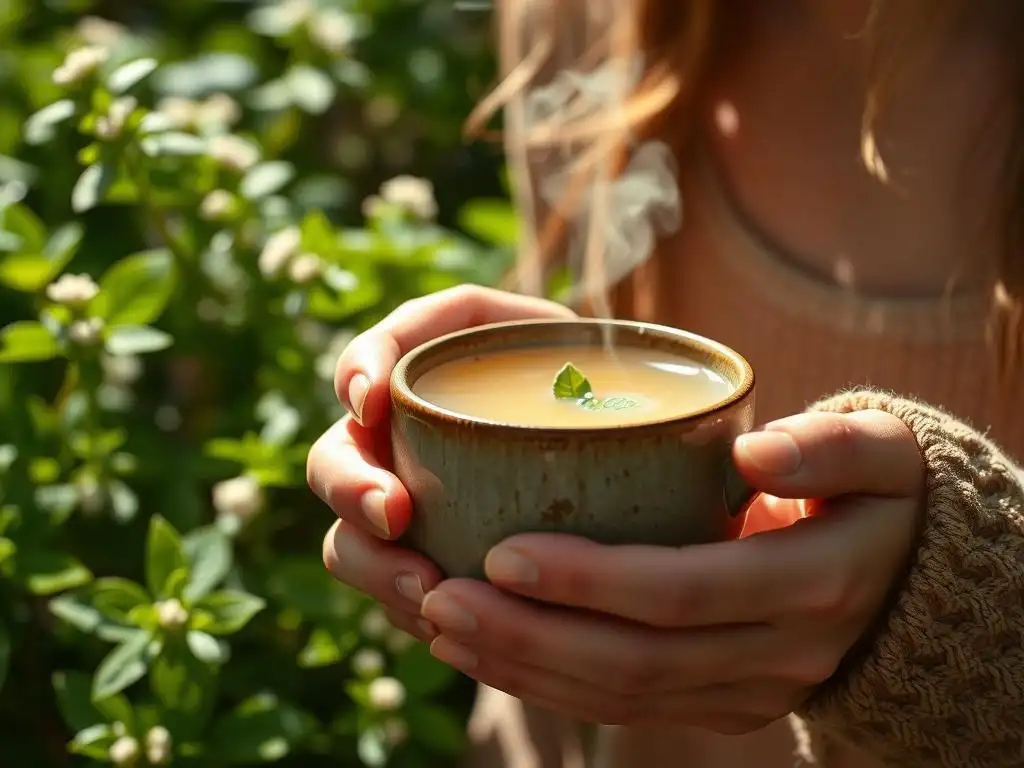
This section focuses on the simple yet rewarding process of transforming your homegrown organic lemon balm into a soothing and flavorful tea. We'll explore various brewing methods, ensuring you achieve the perfect cup every time. Growing your own organic lemon balm guarantees a superior, pesticide-free tea, rich in beneficial compounds.
Preparing Lemon Balm Tea: Simple Brewing Methods
There are several ways to prepare lemon balm tea, each offering a slightly different flavor profile and strength. The key is to use fresh, high-quality leaves for the best results. Remember, you're aiming for a Grow organic lemon balm tea experience that highlights the natural goodness of your harvest.
Here are three simple methods:
- Method 1: The Classic Infusion: Bring freshly filtered water to a near boil (around 200°F or 93°C). Add 1-2 teaspoons of fresh lemon balm leaves (or 1 teaspoon dried) per cup of water. Steep for 5-7 minutes, then remove the leaves. This method provides a gentle, balanced flavor.
- Method 2: The Cold Brew: Place 1/4 cup of fresh lemon balm leaves in a jar. Pour 4 cups of cold, filtered water over the leaves. Seal the jar and refrigerate for at least 4 hours, or preferably overnight. This method results in a smoother, less bitter tea.
- Method 3: The Iced Tea: Prepare lemon balm tea using either the classic infusion or cold brew method. Once brewed, pour the tea into a glass filled with ice. You can add a sweetener (honey or maple syrup are good choices) to taste. This refreshing beverage is perfect for warmer days.
Remember to adjust the steeping time and leaf quantity to your preference. Experiment to find your ideal balance of flavor and strength. Using organic lemon balm grown in your garden ensures a superior, chemical-free tea experience.
Enhancing Your Lemon Balm Tea: Adding Flavor and Benefits
While lemon balm tea is delicious on its own, you can enhance its flavor and therapeutic properties by adding other ingredients. This allows you to customize your Grow organic lemon balm tea experience to fit your taste and wellness goals.
Here are a few ideas:
- Citrus Boost: Add a slice of lemon or orange to your tea for an extra citrusy zing. This complements the lemon balm's natural lemony notes perfectly.
- Herbal Blend: Combine lemon balm with other calming herbs, such as chamomile, lavender, or catnip, for a synergistic blend of flavors and relaxation benefits.
- Sweetener: A touch of honey or maple syrup can enhance the sweetness and round out the flavor profile without masking the delicate lemon balm notes. Avoid refined sugar to keep your tea healthy and natural.
- Spices: A pinch of cinnamon or ginger can add warmth and complexity to your tea. These spices also offer additional health benefits.
Health Benefits of Organic Lemon Balm Tea: A Closer Look
Lemon balm, particularly when grown organically, is rich in antioxidants and possesses several potential health benefits. While more research is needed to definitively establish these benefits, many individuals report positive experiences. Remember, Grow organic lemon balm tea is a path towards a healthier and more flavorful beverage.
Here are some potential benefits often associated with lemon balm tea:
- Stress and Anxiety Relief: Lemon balm has traditionally been used to reduce stress and anxiety. Its calming properties may help promote relaxation and improve mood.
- Improved Sleep: Some studies suggest that lemon balm may improve sleep quality, although more research is necessary to confirm these findings.
- Cognitive Function: Preliminary studies indicate that lemon balm may enhance cognitive function and memory, particularly in individuals with mild cognitive impairment.
- Immune System Support: Lemon balm contains compounds with potential antiviral and antibacterial properties, contributing to its potential immune-boosting effects. Growing your own organic lemon balm ensures you're reaping the maximum benefits of these compounds.
Remember, while lemon balm tea offers many potential benefits, it's not a replacement for medical treatment. Consult with a healthcare professional before using lemon balm tea to treat any health condition. Enjoy your homegrown, organic lemon balm tea!
Lemon Balm Tea Recipes: From Classic to Creative
Lemon balm tea is incredibly versatile, lending itself to both simple preparations and more complex, flavorful infusions. The classic method highlights the herb's natural lemony sweetness, while creative recipes allow you to explore its complementary pairings. Let's delve into some options, showcasing the diverse possibilities of this calming beverage.
One of the simplest and most effective ways to enjoy lemon balm tea is through a straightforward infusion. Simply steep 1-2 teaspoons of fresh or dried lemon balm leaves in a cup of freshly boiled water for 5-10 minutes. The longer the steeping time, the stronger the flavor will be. Strain the leaves before drinking and enjoy the soothing, slightly lemony taste.
For a sweeter version, you can add a touch of honey or maple syrup to taste. This basic recipe is a perfect starting point for exploring the nuances of lemon balm's flavor profile. Remember to always use organic lemon balm for the purest and most healthful tea.
For a more complex and flavorful tea, consider experimenting with complementary herbs and spices. A delightful combination involves blending lemon balm with chamomile for a particularly calming and relaxing drink. The floral notes of chamomile beautifully complement the lemony fragrance of lemon balm, creating a soothing and aromatic infusion perfect for unwinding after a long day. Experiment with the ratio of lemon balm to chamomile to find your preferred flavor balance. A good starting point would be a 2:1 ratio of lemon balm to chamomile. Growing both herbs organically in your garden ensures a truly fresh and flavorful tea.
Another creative approach is to combine lemon balm with other fruits and herbs to create unique flavor profiles. Adding a few slices of fresh lemon or orange enhances the citrusy notes of the lemon balm, creating a zesty and refreshing beverage. Similarly, incorporating fresh mint leaves adds a cool and invigorating twist, while a pinch of ginger provides a warming and spicy accent.
These combinations offer a delightful exploration of taste and aroma, transforming a simple tea into a sophisticated and flavorful experience. Remember to adjust the quantities of each ingredient to your personal preference, exploring different flavor combinations to discover your unique signature lemon balm tea blend. Growing your own organic ingredients allows for complete control over the quality and freshness of your tea.
Finally, consider experimenting with iced lemon balm tea. Simply brew a strong batch of lemon balm tea, allow it to cool, and then chill it in the refrigerator. Serve over ice with a slice of lemon or a sprig of fresh mint for a refreshing summer beverage. The versatility of lemon balm makes it an ideal choice for both hot and cold infusions, offering a delightful and adaptable drink for any season. This approach perfectly showcases the adaptability of Grow organic lemon balm tea, proving its usefulness beyond just a hot beverage.
Beyond the Cup: Other Uses for Lemon Balm
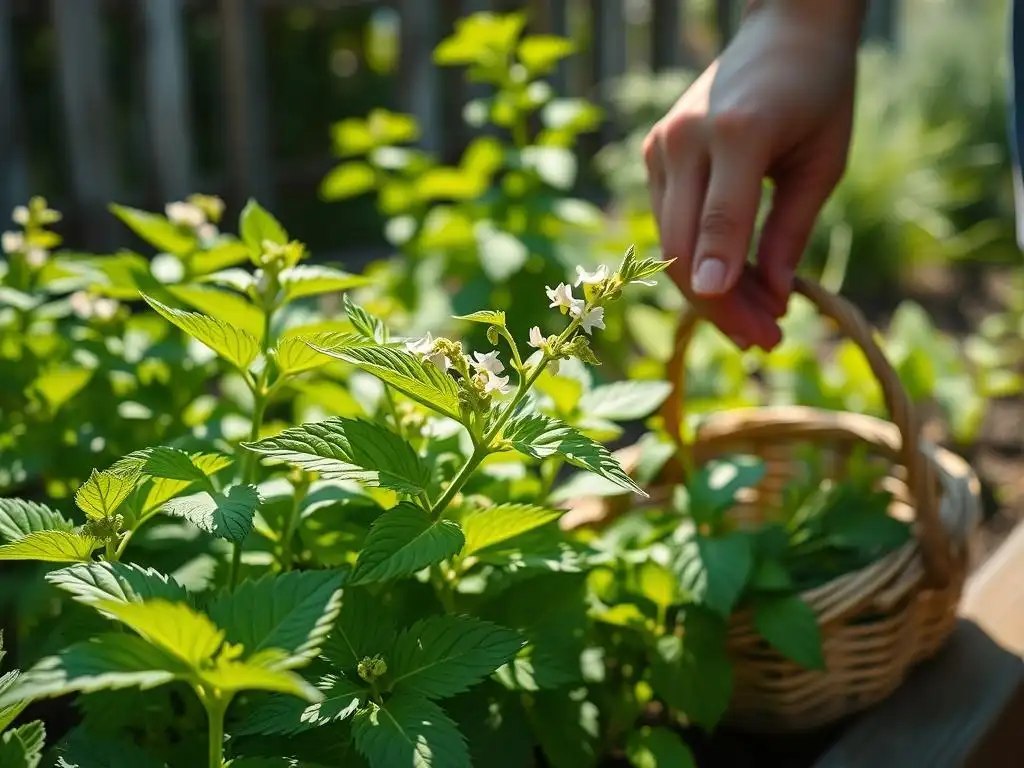
Lemon balm, prized for its calming tea, offers much more than a soothing beverage. Its versatility extends far beyond the cup, finding applications in culinary arts, natural beauty routines, and even traditional medicine. Growing organic lemon balm allows you to harness its multifaceted benefits, transforming this humble herb into a valuable asset in your home. Let's explore some of its fascinating alternative uses.
Using Lemon Balm in Cooking: Savory and Sweet Applications
Lemon balm's subtly lemony and slightly minty flavor profile lends itself beautifully to both sweet and savory dishes. Its delicate nature means it shouldn't overpower other ingredients, instead adding a refreshing complexity.
In savory cooking, finely chopped lemon balm leaves can elevate the flavor of salads, soups, and sauces. Imagine adding a vibrant, fresh touch to a summer gazpacho or a creamy tomato soup. It pairs exceptionally well with fish, chicken, and even lamb, providing a refreshing counterpoint to richer meats. Experiment with adding it to pesto for a unique twist, or use it as a garnish for grilled vegetables.
For sweet applications, lemon balm shines in desserts and beverages. Infuse it into simple syrups for cocktails or homemade lemonade, creating a sophisticated and aromatic drink. Add chopped leaves to fruit salads or yogurt parfaits for a burst of refreshing citrus. Lemon balm can even be incorporated into baked goods like muffins or cookies, lending a subtle lemony fragrance and a hint of minty coolness. The possibilities are truly endless! Remember to use fresh, organically grown lemon balm for the best flavor and to avoid potential pesticide residues.
Lemon Balm for Natural Skincare and Beauty
Beyond its culinary uses, lemon balm boasts impressive skincare benefits. Its anti-inflammatory and antiseptic properties make it a valuable addition to natural beauty routines.
Many find that applying a diluted lemon balm infusion topically can soothe irritated skin and reduce redness. Some anecdotal evidence suggests it can help with minor skin irritations like insect bites or rashes. However, it's crucial to perform a patch test before widespread application to rule out any allergic reactions. Remember, always consult a dermatologist for persistent skin conditions.
The herb's potential antioxidant properties are also being explored for their potential benefits in anti-aging skincare. While more research is needed in this area, the presence of antioxidants suggests a possible role in protecting skin from damage caused by free radicals. Many homemade skincare recipes incorporate lemon balm extracts or infused oils for their purported benefits. You can find numerous recipes online for DIY face masks, toners, and lotions containing lemon balm. The incorporation of organically grown lemon balm ensures purity and avoids potentially harmful chemicals found in commercial products.
Lemon Balm's Role in Traditional Medicine and Herbal Remedies
Lemon balm has a long history in traditional medicine, used for centuries to address various ailments. It's important to note that while traditional uses exist, scientific evidence supporting these claims is often limited and more research is needed. Always consult a healthcare professional before using lemon balm for medicinal purposes, especially if you have pre-existing health conditions or are taking other medications.
Traditionally, lemon balm has been associated with calming effects, potentially helping to reduce stress and anxiety. Some people use it to promote relaxation and improve sleep quality. However, these effects are not scientifically proven in all cases and individual responses may vary.
Historically, lemon balm has also been used to support digestive health and immune function. Again, more research is needed to substantiate these traditional uses with robust scientific evidence. The potential benefits of organically grown lemon balm, free from pesticides and herbicides, are particularly relevant in this context, ensuring purity and minimizing potential adverse reactions. Remember: Self-treating can be risky; always consult a qualified healthcare provider for any health concerns.
Sustainable Practices for Growing Lemon Balm
Growing organic lemon balm tea isn't just about producing a delicious and healthy beverage; it's about nurturing the plant and the environment. This section focuses on sustainable practices that will help you cultivate thriving lemon balm plants while minimizing your environmental impact. We'll delve into composting, water conservation, and the crucial avoidance of harmful chemicals. Remember, healthy soil equals healthy plants, leading to a bountiful harvest of fragrant lemon balm for your tea.
Composting for Healthy Lemon Balm Plants
Composting is a cornerstone of sustainable gardening, providing a rich, nutrient-dense soil amendment for your lemon balm. Instead of relying on chemically-produced fertilizers, which can harm beneficial soil organisms and contaminate groundwater, composting offers a natural and effective way to feed your plants. By recycling kitchen scraps and yard waste, you create a powerful fertilizer that improves soil structure, water retention, and overall plant health.
For optimal lemon balm growth, aim for a balanced compost mix. This typically includes brown materials (like dried leaves, twigs, and shredded paper) and green materials (such as fruit and vegetable scraps, grass clippings, and coffee grounds). Maintain a proper carbon-to-nitrogen ratio (around 25:1 to 30:1) for efficient decomposition. Regularly turn your compost pile to ensure proper aeration and faster breakdown.
The resulting compost can then be incorporated into your lemon balm planting bed, enriching the soil with essential nutrients and microorganisms. A healthy soil ecosystem is key to growing robust, disease-resistant lemon balm plants, leading to a superior organic lemon balm tea. Consider adding worm castings to your compost for an extra boost of nutrients!
Water Conservation Techniques for Lemon Balm
Water conservation is paramount in sustainable gardening, especially during dry spells. Lemon balm, while relatively drought-tolerant once established, benefits from consistent moisture, particularly during its initial growth stages. Overwatering, however, can lead to root rot and other plant diseases. Therefore, employing efficient watering techniques is crucial.
Instead of relying on frequent shallow watering, opt for deep, infrequent watering. This encourages deeper root growth, making the plant more resilient to drought conditions. Use a soaker hose or drip irrigation system to deliver water directly to the roots, minimizing evaporation and runoff. Mulching around your lemon balm plants with organic materials like straw or shredded bark helps retain soil moisture, reducing the frequency of watering.
Regularly monitor the soil moisture levels by checking the top few inches of soil. Water only when the soil feels dry to the touch. By implementing these water-wise practices, you can significantly reduce your water consumption while ensuring healthy lemon balm growth for your organic lemon balm tea. This is crucial for reducing your environmental footprint and promoting sustainable gardening practices.
Avoiding Chemical Pesticides and Fertilizers in Your Lemon Balm Garden
The use of chemical pesticides and fertilizers is antithetical to organic gardening. These chemicals can harm beneficial insects, contaminate soil and water, and ultimately compromise the quality of your lemon balm tea. Instead, embrace natural pest control methods and organic fertilization strategies.
For pest control, consider introducing beneficial insects like ladybugs, which prey on aphids and other common lemon balm pests. Handpicking pests is also an effective, albeit labor-intensive, method. Encourage biodiversity in your garden by planting a variety of flowers and herbs that attract beneficial insects. Organic neem oil can be used as a natural insecticide if necessary, but always follow label instructions carefully.
For fertilization, remember the benefits of composting detailed above. You can also use liquid seaweed fertilizer, which is a natural and readily available organic option rich in micronutrients. By avoiding chemical inputs, you ensure the purity and safety of your homegrown lemon balm, guaranteeing a truly organic and healthy lemon balm tea. This commitment to organic practices contributes to a healthier environment and enhances the overall quality of your harvest.
Frequently Asked Questions
How do I grow organic lemon balm?
To grow organic lemon balm, start with certified organic seeds or cuttings. Plant in well-drained soil with plenty of sunlight or partial shade. Water regularly, but avoid overwatering.
What is the best way to harvest lemon balm for tea?
Harvest lemon balm leaves before the plant flowers, ideally in the morning after the dew has dried. Cut stems about 6 inches above the ground to encourage new growth.
Can I grow lemon balm in containers?
Yes, lemon balm grows well in containers, making it ideal for patios or balconies. Choose a pot at least 12 inches in diameter with drainage holes.
How do I ensure my lemon balm remains organic?
Avoid using chemical pesticides or fertilizers. Use organic pest control methods such as companion planting or neem oil. Practice crop rotation to prevent soilborne diseases.
What are the benefits of drinking lemon balm tea?
Lemon balm tea is known for its calming properties, and may help with stress relief and better sleep. It's also rich in antioxidants.
Final Reflection: The Enduring Power of Lemon Balm
The simple act of growing and brewing your own lemon balm tea connects us to a rich history of herbal remedies and offers a powerful antidote to the stresses of modern life. In a world increasingly dominated by fast-paced technology and constant demands, the quiet ritual of tending a lemon balm plant and savoring its calming infusion offers a profound sense of peace and self-sufficiency.
The influence of herbal remedies like lemon balm extends far beyond the garden gate; it speaks to our innate connection with nature and the enduring power of traditional practices. These simple, natural solutions offer a refreshing alternative to the often overwhelming array of chemical-based products available today. Nature provides the cure for every disease.
– Hippocrates. This ancient wisdom resonates deeply as we rediscover the therapeutic benefits of plants like lemon balm, reminding us of the profound healing potential found in the natural world.
Now, consider your own life. Imagine the tranquility of nurturing a lemon balm plant, watching it thrive, and then harvesting its leaves to create a soothing cup of tea. Will you embrace the opportunity to cultivate this calming herb and experience its restorative benefits firsthand? Start small; a single pot or a small patch in your garden is all it takes to begin your journey towards a more peaceful, naturally balanced life. The journey begins with a seed, a little soil, and a desire for a calmer, more connected existence.
Unlock the Soothing Power of Lemon Balm: Grow Your Own!
Thank you for exploring the wonderful world of lemon balm with us! We hope you've discovered its calming properties and the ease of growing this versatile herb. Ready to put your newfound knowledge into practice?
- Start your own lemon balm patch: Even a small pot on your windowsill can yield a bountiful harvest. Remember our advice on sunlight and watering? Put it to good use!
- Share your lemon balm journey: Tell us about your experience growing and using lemon balm in the comments below. What delicious recipes are you planning to try?
- Experiment with different ways to use lemon balm: Beyond tea, consider incorporating it into your cooking, homemade skincare products, or even a relaxing bath.
What delightful discovery awaits you next with lemon balm? Let's discuss in the comments!