
The Magic of Calendula: Planting for Skin Health and Natural Dye

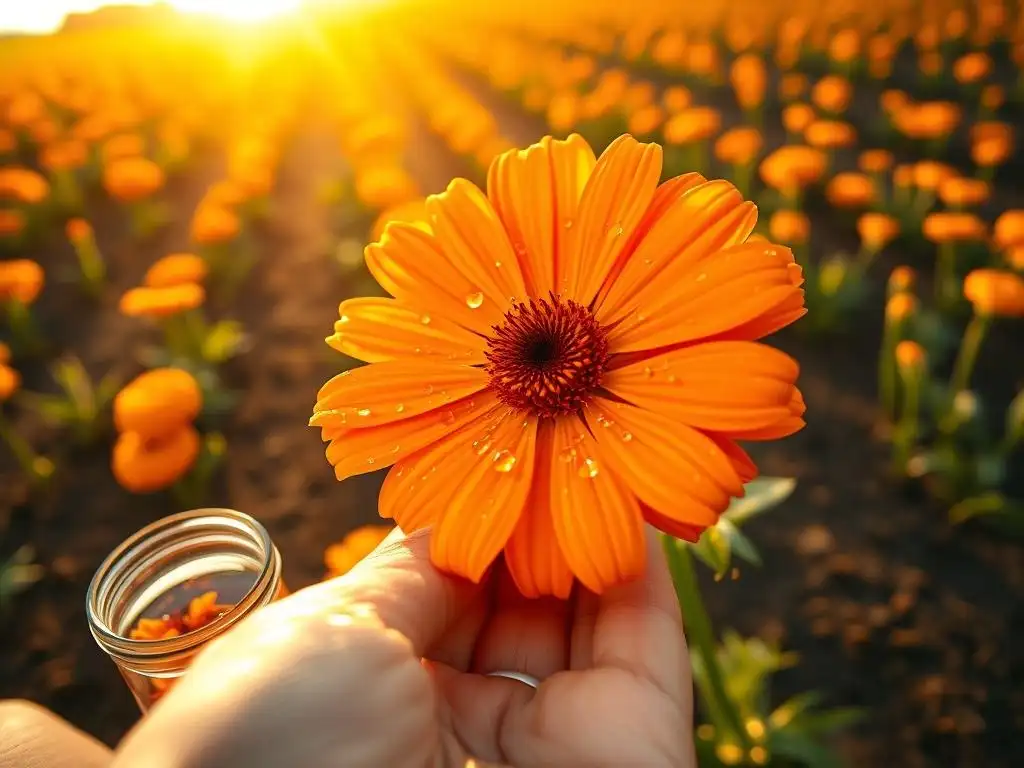
Welcome to CultivateYourFood, your guide to a thriving, sustainable garden! Are you ready to unlock the secrets of homegrown goodness? This website is dedicated to empowering you to cultivate your own fruits, vegetables, and herbs. We're starting with something truly special: discover the remarkable benefits of growing calendula, from its organic skincare properties to its vibrant natural dye capabilities. Learn how to cultivate this versatile herb and unlock its hidden potential – read on to uncover the magic!
- Grow Calendula: Organic Skin Benefits and Beyond
-
Planting Calendula for Optimal Growth
- Selecting the Ideal Location and Soil Conditions for Calendula
- Preparing the Soil: Ensuring Optimal Nutrient Content for Abundant Blooms
- Sowing Calendula Seeds: A Step-by-Step Guide for Successful Germination
- Transplanting Calendula Seedlings: Timing and Techniques for Healthy Growth
- Watering and Fertilizing Calendula: Maintaining Optimal Growth Conditions
- Calendula Care: Pest and Disease Management
-
Harvesting and Utilizing Calendula for Skin Benefits and Dye
- Harvesting Calendula Flowers: Timing and Techniques for Maximum Yield
- Drying Calendula Flowers: Preserving the Medicinal Properties and Color
- Making Calendula Infused Oil: A Simple Guide for Skin Care
- Creating Calendula Salve: A Natural Remedy for Minor Skin Irritations
- Using Calendula for Natural Dyeing: Achieving Vibrant Colors on Fabrics
- Calendula's Role in Sustainable Gardening Practices
- Frequently Asked Questions
- Final Reflection: Cultivating Calendula: A Journey of Beauty, Healing, and Sustainability
- Unleash the Power of Calendula: Grow Your Own Beauty and Color!
Grow Calendula: Organic Skin Benefits and Beyond
Calendula ( Calendula officinalis), also known as pot marigold, is far more than just a pretty flower adorning summer gardens. This vibrant orange-yellow bloom boasts a rich history of medicinal uses, particularly for skincare, making it a prized addition to any home garden focused on natural remedies and sustainable living. This article will explore the remarkable benefits of growing organic calendula, focusing on its potent skin-healing properties and its application as a natural dye. We'll guide you through the process of planting, nurturing, and harvesting this versatile plant, empowering you to cultivate your own source of natural skincare and vibrant color.
Learn how to harness the power of calendula to improve your skin health and create beautiful, organic dyes, all while embracing sustainable gardening practices. Get ready to unlock the magic of calendula! 🌼
Understanding Calendula's Medicinal Properties for Skin Health
Calendula's popularity in skincare stems from its impressive array of therapeutic properties. For centuries, it has been used to soothe irritated skin, promote healing, and reduce inflammation. Its effectiveness is attributed to a rich cocktail of beneficial compounds, including triterpenoid saponins, flavonoids, and carotenoids. These components work synergistically to:
- Promote wound healing: Calendula extracts have demonstrated significant efficacy in accelerating the healing process of minor wounds, burns, and abrasions. Studies show improved tissue regeneration and reduced scarring.
- Soothe irritated skin: Calendula's anti-inflammatory properties make it ideal for calming irritated, inflamed skin conditions like eczema, psoriasis, and diaper rash. Its gentle nature makes it suitable even for sensitive skin.
- Reduce redness and swelling: The anti-inflammatory action of calendula helps to visibly reduce redness and swelling associated with skin irritations and inflammation.
- Possess antiseptic properties: Calendula also exhibits antiseptic properties, helping to protect against infection and promote a clean healing environment.
The use of calendula in skincare is widespread, finding its way into creams, lotions, ointments, and even essential oils. Growing your own organic calendula ensures you have a readily available supply of this potent natural remedy, free from harmful pesticides and additives.
Calendula's Anti-Inflammatory and Antiseptic Actions: A Deep Dive
The anti-inflammatory and antiseptic actions of calendula are primarily attributed to its chemical composition. The presence of triterpenoid saponins, such as calendulosides, are key players in reducing inflammation. These compounds inhibit the release of inflammatory mediators, thus lessening the severity of inflammatory responses in the skin.
Furthermore, calendula's antiseptic properties are linked to its high concentration of flavonoids, which possess antioxidant and antimicrobial activities. These compounds help to combat bacteria and other microorganisms that can impede wound healing and contribute to skin infections. The exact mechanisms are still being researched, but the observed effects are consistently positive, supporting the traditional uses of calendula in wound care and skincare. Several clinical trials support these findings, highlighting calendula's potential as a safe and effective natural alternative for various skin ailments. [Specific study details pending]
Sourcing Organic Calendula Seeds: Choosing the Right Variety for Your Garden
Selecting high-quality organic calendula seeds is crucial for ensuring a healthy and productive harvest. Look for reputable seed suppliers that prioritize organic farming practices and provide detailed information about their seeds. When choosing a variety, consider:
- Flower color: Calendula comes in various shades of orange, yellow, and even bicolors. Choose a variety that appeals to you aesthetically and suits your gardening preferences.
- Flower size: Different varieties produce flowers of varying sizes. Larger flowers generally yield more petals for harvesting.
- Growth habit: Some calendula varieties are more compact, while others are taller and more sprawling. Select a variety that suits your garden space and planting style.
- Disease resistance: Opt for varieties known for their resistance to common calendula diseases to minimize potential problems during cultivation.
Remember to check the seed packet for information on planting time, spacing, and other important cultivation details. Starting your calendula from seed offers greater control over the growing process and ensures the organic integrity of your plants. Happy gardening! 🌱
Planting Calendula for Optimal Growth
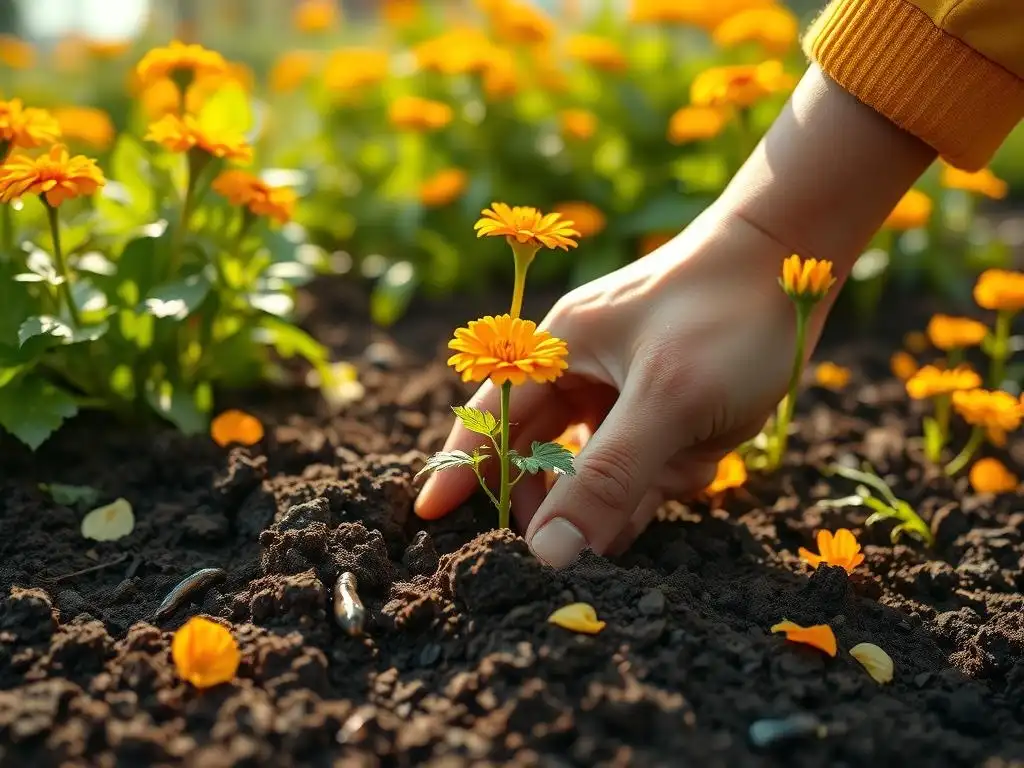
Calendula ( Calendula officinalis), also known as pot marigold, is a remarkably versatile plant offering a wealth of benefits. Its vibrant orange and yellow blooms are not only visually stunning but also boast potent medicinal properties, making it a prized addition to any organic garden focused on skin health and natural dyes. Growing calendula organically ensures you reap the full spectrum of its benefits, free from harmful pesticides and chemicals. This section will guide you through the process of planting calendula for optimal growth, maximizing your harvest of these beautiful and beneficial flowers.
Selecting the Ideal Location and Soil Conditions for Calendula
Choosing the right location is paramount for successful calendula cultivation. Calendula thrives in sunny spots receiving at least six hours of direct sunlight daily. While it can tolerate partial shade, reduced sunlight will impact bloom production and potentially diminish the plant's medicinal potency. Think of a sunny border, a raised bed, or even large containers positioned in a sunny area of your garden.
Soil conditions significantly influence calendula's growth. It prefers well-drained soil that is rich in organic matter. Heavy clay soils should be amended with compost or other organic materials to improve drainage and aeration. The ideal soil pH is slightly acidic to neutral, ranging from 6.0 to 7.0. Before planting, test your soil pH using a home testing kit to ensure it falls within this range. Amendments such as peat moss or sulfur can help lower the pH if necessary, while lime can raise it. Remember, healthy soil is the foundation for healthy plants!
Preparing the Soil: Ensuring Optimal Nutrient Content for Abundant Blooms
Preparing the soil before planting is crucial for maximizing calendula's growth potential. This involves removing weeds and any debris that might compete with your calendula plants for nutrients and water. Then, enrich the soil with a generous amount of compost. Compost provides essential nutrients, improves soil structure, and enhances water retention. Consider using a balanced organic fertilizer, avoiding synthetic options to maintain the integrity of your organic growing practice.
You can also incorporate other organic matter like well-rotted manure or leaf mold to further boost soil fertility. The goal is to create a nutrient-rich environment that promotes vigorous growth and abundant blooms. Remember to thoroughly mix the amendments into the soil to a depth of about 12 inches. This thorough preparation will ensure your calendula plants have the best possible start.
Sowing Calendula Seeds: A Step-by-Step Guide for Successful Germination
Calendula is easily grown from seed, making it an accessible choice for home gardeners. Direct sowing is generally preferred, as calendula doesn't transplant well. The best time to sow seeds is in spring, after the last frost, or in the fall for a spring bloom. Here's a step-by-step guide:
- Prepare the seedbed: Loosen the soil to a depth of about ½ inch.
- Sow the seeds: Plant seeds about ¼ inch deep and 12-18 inches apart. For larger areas, you can broadcast the seeds and thin them later.
- Gently water: Water the seeds gently after sowing, ensuring the soil remains moist but not waterlogged. Avoid overwatering, as this can lead to seed rot.
- Thin seedlings: Once seedlings emerge and have a few true leaves, thin them to the desired spacing, leaving the strongest plants.
- Maintain moisture: Consistent moisture is key to healthy growth. Water regularly, especially during dry periods, but avoid overwatering. Mulching can help retain moisture and suppress weeds.
Following these steps will help you achieve successful germination and a bountiful harvest of calendula, ready to be used for their numerous skin benefits and natural dyeing properties. Remember to observe your plants regularly for any signs of pests or diseases and take appropriate organic measures to address any issues. Happy gardening!
Transplanting Calendula Seedlings: Timing and Techniques for Healthy Growth
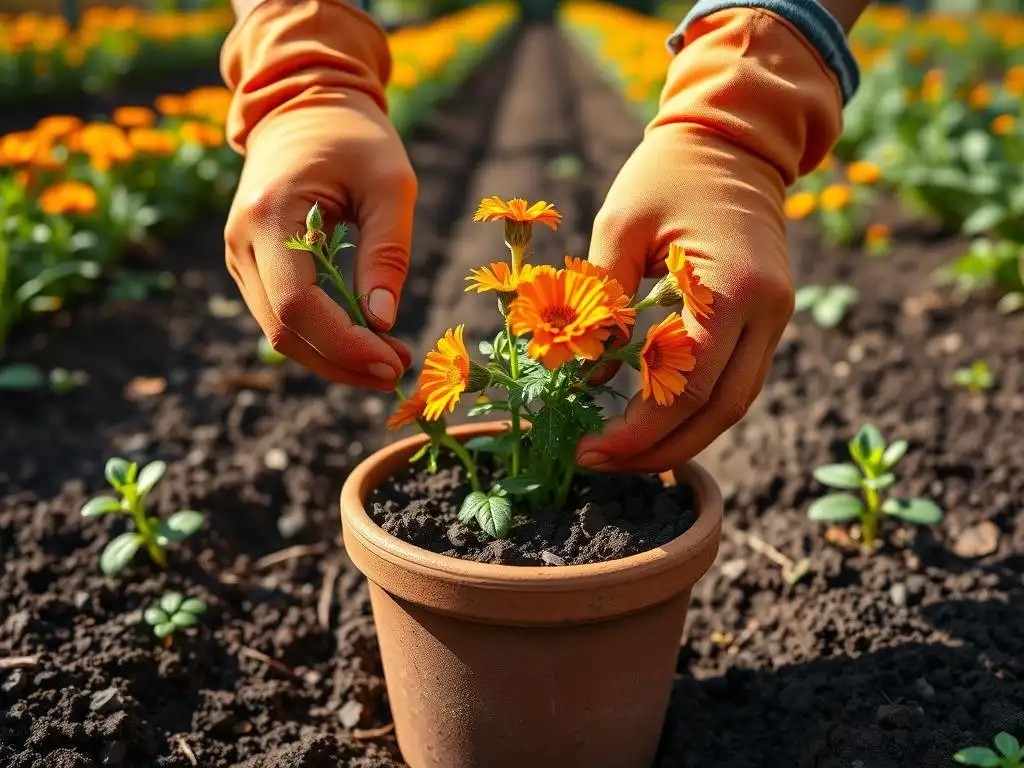
Transplanting calendula seedlings requires a gentle touch and careful timing to ensure minimal stress on the young plants. The ideal time to transplant is after the last frost and when the soil has warmed sufficiently. This typically occurs in spring or early summer, depending on your climate. Aim for soil temperatures of at least 60°F (15°C). Before transplanting, prepare the soil by loosening it and incorporating compost to improve drainage and fertility. This organic approach aligns perfectly with the sustainable practices advocated on CultivateYourFood.
When transplanting, choose a location that receives at least six hours of sunlight daily. Calendula thrives in sunny conditions. Gently remove the seedlings from their containers, taking care not to damage the delicate roots. If the roots are root-bound, carefully loosen them before planting. Dig holes slightly larger than the root ball and place the seedlings at the same depth they were growing in their containers.
Space the plants 6-12 inches apart, depending on the variety. After planting, water thoroughly to settle the soil around the roots. Regular watering, especially during dry spells, is crucial for successful establishment. Mulching around the plants can help retain soil moisture and suppress weeds, further enhancing the organic growing process.
Remember to avoid overwatering, as this can lead to root rot. Observe your plants closely – wilting is a sign of inadequate watering, while yellowing leaves might suggest overwatering or nutrient deficiencies. Careful observation and adjustments are key to successfully transplanting calendula seedlings. Monitoring the growth of your calendula plants and addressing any issues promptly will contribute to a successful harvest.
Watering and Fertilizing Calendula: Maintaining Optimal Growth Conditions
Consistent watering is crucial for healthy calendula growth, particularly during dry periods. However, overwatering can be detrimental, leading to root rot. Aim for consistently moist but not soggy soil. Water deeply and less frequently, allowing the top inch or two of soil to dry out slightly between waterings. The frequency will depend on your climate and soil type; you might need to water daily in hot, dry conditions, while less frequent watering might suffice in cooler, wetter climates. Observe your plants for signs of underwatering (wilting) or overwatering (yellowing leaves).
Regarding fertilization, calendula is relatively low-maintenance and doesn't require heavy fertilization. In fact, excessive nitrogen can lead to lush foliage at the expense of flower production. A balanced, organic fertilizer applied sparingly is sufficient. Compost tea, a natural and sustainable option, is an excellent choice.
You can also use a diluted liquid seaweed fertilizer, another environmentally friendly option. Avoid using synthetic fertilizers, as they can disrupt the soil's natural balance and may not be beneficial for the plant's overall health and the organic integrity of your garden. Remember that the key to successful calendula cultivation lies in providing consistent moisture and a well-balanced nutrient supply, achieved through mindful watering and the judicious use of organic fertilizers. This organic approach is essential for harnessing the plant's full potential for both skin health and natural dye production, aligning with the ethos of CultivateYourFood.
Calendula Care: Pest and Disease Management
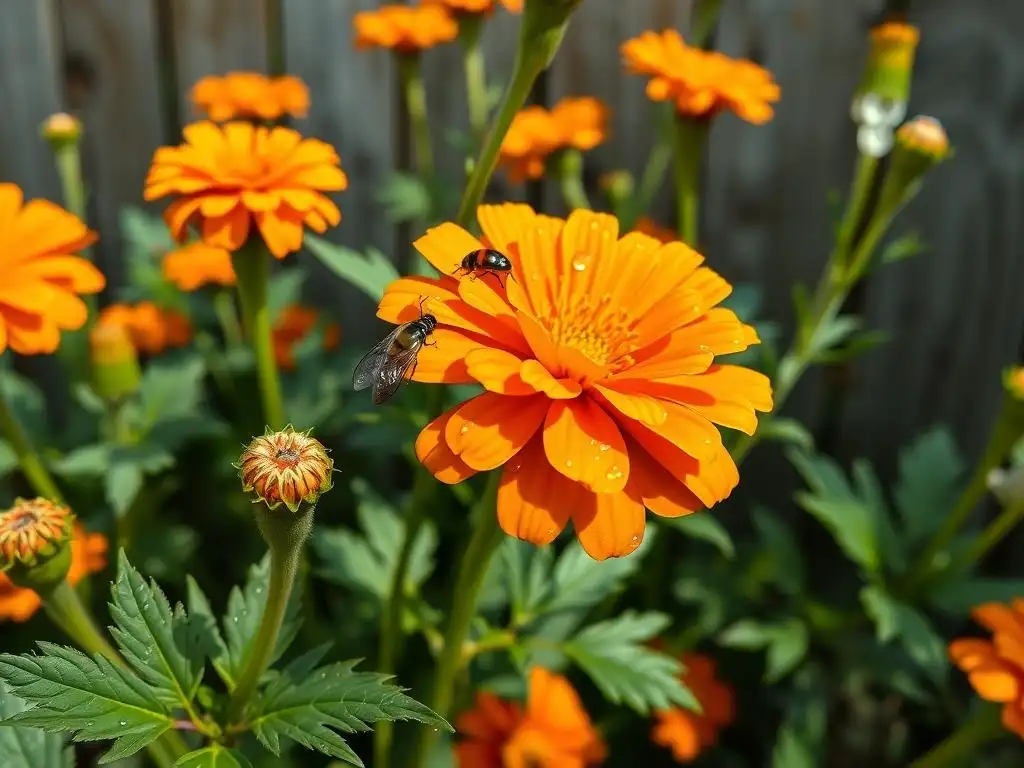
Growing calendula organically for skin benefits and natural dye requires diligent pest and disease management. While calendula is generally a hardy plant, neglecting its health can significantly impact yield and quality. This section details common issues, preventative measures, and organic solutions to keep your calendula thriving.
Common Calendula Pests and Diseases: Identification and Prevention
Calendula, despite its resilience, can fall prey to several pests and diseases. Early detection and preventative measures are crucial for successful organic cultivation. Let's explore some common threats:
- Aphids: These tiny, sap-sucking insects cluster on young shoots and buds, stunting growth and causing leaf curling. Regular inspection, especially during dry spells, is key. Look for small, pear-shaped insects, often green, black, or brown.
- Whiteflies: Similar to aphids, whiteflies suck plant sap, leading to yellowing leaves and reduced vigor. They're easily identified by their small, white, winged bodies.
- Spider mites: These microscopic pests spin fine webs on the undersides of leaves, causing stippling and discoloration. Look for fine webbing and tiny moving specks.
- Powdery mildew: This fungal disease manifests as a white, powdery coating on leaves, stems, and flowers. It thrives in humid conditions and can severely impact plant health.
- Botrytis blight (Gray mold): This fungal disease causes gray, fuzzy mold on plant tissues, often during periods of high humidity and poor air circulation. It can lead to rotting and plant death.
Prevention is key: Proper spacing between plants promotes good air circulation, reducing the risk of fungal diseases. Rotating your calendula planting location yearly helps prevent disease buildup in the soil. Choosing disease-resistant varieties can also significantly reduce the likelihood of infestation. Maintaining healthy soil through composting and organic fertilization strengthens the plant's natural defenses.
Organic Pest Control Methods for Calendula: Sustainable Practices
When pests do appear, opt for organic pest control methods that are gentle on beneficial insects and the environment while protecting your calendula's health and your skin's well-being since you'll be using the flowers. Here are some effective strategies:
- Insecticidal soap: This readily available solution is effective against aphids, whiteflies, and spider mites. Apply as directed, ensuring thorough coverage.
- Neem oil: Derived from the neem tree, this oil acts as a natural insecticide and fungicide. It disrupts the life cycle of many pests and can also help prevent fungal diseases. Apply according to product instructions.
- Diatomaceous earth: This naturally occurring substance acts as a desiccant, dehydrating and killing soft-bodied insects like aphids and spider mites. Sprinkle it around the base of plants and on affected foliage.
- Companion planting: Strategically planting certain herbs and flowers alongside calendula can deter pests. For example, planting marigolds nearby can repel many common garden pests.
Preventing and Treating Common Calendula Diseases: Natural Remedies
Organic approaches are equally effective for managing calendula diseases. Here are some natural remedies:
- Baking soda solution: A mixture of baking soda and water can help control powdery mildew. Apply as a foliar spray, ensuring thorough coverage.
- Milk spray: Diluted milk can also help combat powdery mildew. The proteins in milk inhibit fungal growth. Again, thorough application is crucial.
- Compost tea: A nutrient-rich compost tea strengthens the plant's immune system, making it more resistant to diseases. Regular application promotes robust growth and enhances resilience.
- Improving air circulation: Proper spacing and pruning improve air circulation, reducing humidity and minimizing the risk of fungal diseases like botrytis blight. Regularly remove any dead or decaying plant material to prevent fungal spores from spreading.
Remember, consistent monitoring and prompt action are crucial for maintaining healthy calendula plants. By implementing these organic pest and disease management techniques, you can successfully grow calendula organically, reaping the benefits for both your skin and your dye projects. The resulting vibrant flowers will be a testament to your sustainable gardening practices.
Harvesting and Utilizing Calendula for Skin Benefits and Dye
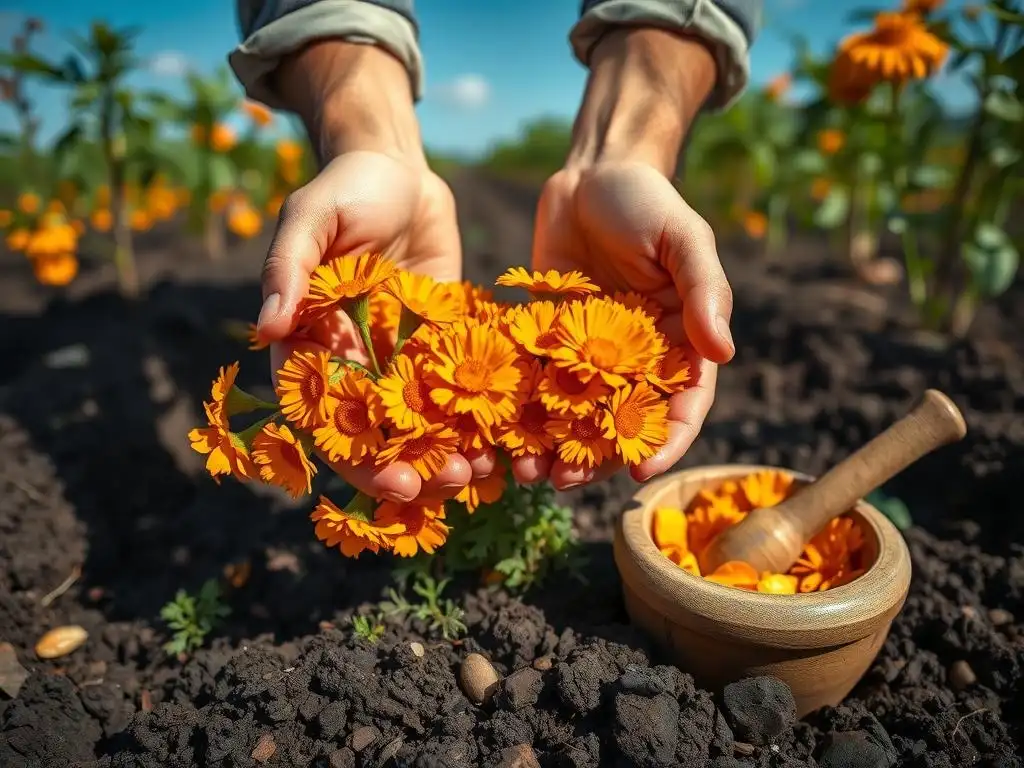
This section delves into the practical aspects of cultivating calendula, focusing on harvesting techniques that maximize both the medicinal properties and the vibrant color used for natural dyes. We'll explore optimal harvesting times, drying methods to preserve potency, and a simple guide for creating your own calendula-infused oil for skincare. Growing calendula organically ensures you reap the maximum skin benefits.
Harvesting Calendula Flowers: Timing and Techniques for Maximum Yield
Harvesting calendula at the right time is crucial for obtaining the highest concentration of beneficial compounds and the most vibrant color for dyeing. The ideal time is when the flowers are fully open, exhibiting their rich, saturated color – typically in the morning after the dew has dried. Avoid harvesting on damp days, as this can lead to mold growth during the drying process.
The best yield is achieved by picking the flower heads individually, snipping the stem just below the bloom with sharp scissors or pruning shears. This prevents damage to the plant and encourages further flowering. Don't be afraid to harvest generously; calendula plants are resilient and will continue to produce blossoms throughout the growing season. A good rule of thumb is to harvest approximately one-third of the open flowers at a time to allow the plant to continue its growth and flowering cycle. Consistent harvesting actually stimulates more flower production!
Consider the following factors for optimal harvesting:
- Flower Maturity: Look for fully opened flowers with vibrant orange petals.
- Time of Day: Harvest in the morning after the dew has evaporated.
- Weather Conditions: Avoid harvesting during rain or high humidity.
- Harvest Frequency: Harvest regularly, aiming for about one-third of the open flowers at a time.
Drying Calendula Flowers: Preserving the Medicinal Properties and Color
Proper drying techniques are essential for preserving the potent medicinal properties and vibrant color of calendula flowers. Air drying is the preferred method, as it allows for gentle dehydration without damaging the delicate petals or diminishing their active compounds.
Here's a step-by-step guide:
- Preparation: Gently clean the harvested flowers, removing any debris or damaged petals.
- Arrangement: Arrange the flowers in a single layer on a clean, well-ventilated surface, such as a screen, mesh tray, or clean paper towels. Avoid overcrowding, ensuring good airflow between the flowers.
- Location: Place the flowers in a dark, dry, and well-ventilated area, away from direct sunlight. Direct sunlight can cause fading and degrade the active compounds. A cool, dark room or a shaded outdoor area is ideal.
- Drying Time: The drying time depends on the weather conditions and the thickness of the petals; it usually takes about 1-3 weeks. The flowers are fully dry when they crumble easily.
- Storage: Once dry, store the calendula petals in airtight containers in a cool, dark, and dry place to prevent moisture absorption and maintain their potency. Proper storage is essential for preserving the organic calendula's benefits for skin and dye applications.
Using a dehydrator is another option, but air drying is generally preferred for maintaining the integrity of the plant's active compounds and vibrant color for natural dyeing purposes.
Making Calendula Infused Oil: A Simple Guide for Skin Care
Calendula-infused oil is a versatile and effective skincare remedy known for its soothing and healing properties. This simple process allows you to harness the benefits of organically grown calendula for your skin.
Ingredients:
- 1 cup of dried calendula flowers (organically grown for best results)
- 2 cups of high-quality carrier oil (such as olive oil, sunflower oil, or sweet almond oil)
Instructions:
- Combine: Place the dried calendula flowers in a clean glass jar. Pour the carrier oil over the flowers, ensuring they are completely submerged.
- Infuse: Seal the jar tightly and place it in a cool, dark place. Allow the mixture to infuse for at least 4-6 weeks, shaking the jar gently every few days. Longer infusion times (up to 8 weeks) will result in a more potent oil.
- Strain: After the infusion period, strain the oil through a fine-mesh sieve or cheesecloth, pressing gently to extract as much oil as possible. Discard the spent calendula flowers.
- Storage: Store the finished calendula-infused oil in a clean, dark glass bottle in a cool, dark place. This oil can be used as a moisturizer, massage oil, or added to homemade skincare products. Its anti-inflammatory properties make it especially beneficial for sensitive skin.
Remember to always use organic calendula and high-quality carrier oils to ensure the purity and effectiveness of your infused oil. Enjoy the benefits of your homegrown, organic calendula for healthy, radiant skin!
Creating Calendula Salve: A Natural Remedy for Minor Skin Irritations
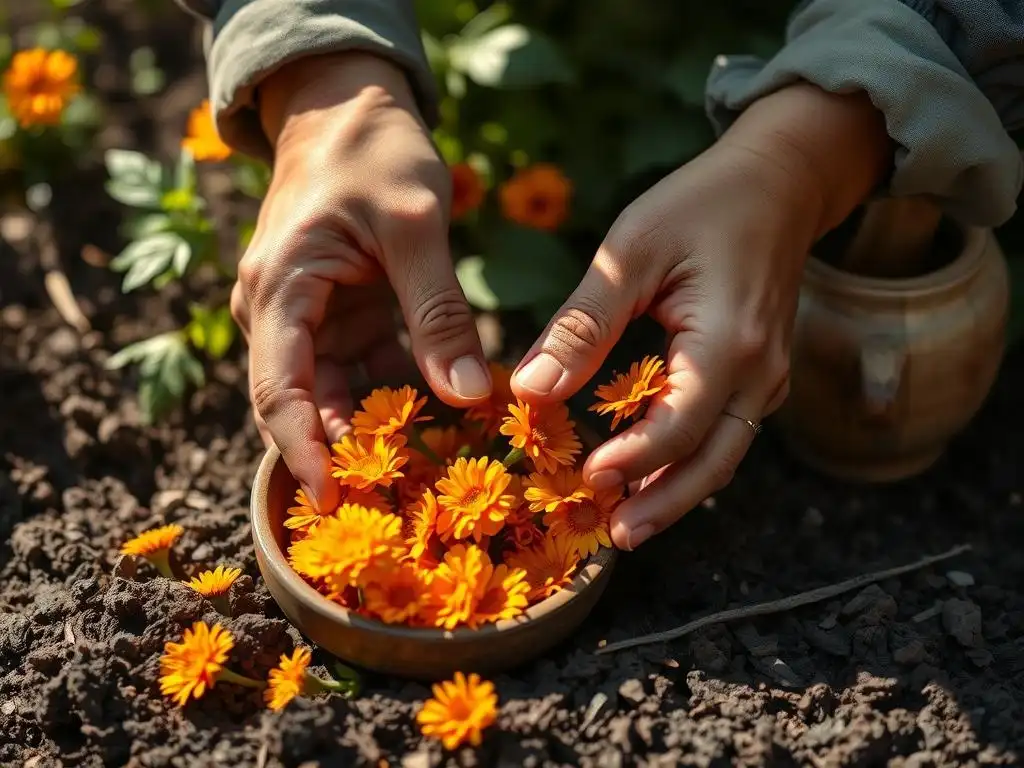
Calendula salve, a soothing balm made from calendula flowers, offers a gentle yet effective treatment for minor skin irritations. Its anti-inflammatory and antiseptic properties make it ideal for soothing burns, rashes, and cuts. Creating your own salve allows you to control the ingredients, ensuring a pure and potent product free from harsh chemicals often found in commercial remedies. The process involves infusing calendula flowers in a carrier oil, typically olive oil or coconut oil, before combining it with beeswax to create a solid salve.
The infusion process is crucial for extracting the beneficial compounds from the calendula petals. This typically involves gently heating the oil and flowers together for several hours, allowing the oil to absorb the calendula's healing properties. This slow, gentle extraction method ensures that the active components are effectively transferred into the oil, maximizing the salve's potency.
After straining the infused oil, it's combined with beeswax, which provides the salve's structure and consistency. The ratio of oil to beeswax determines the salve's firmness. A higher beeswax ratio results in a firmer salve, while a lower ratio produces a softer, more spreadable consistency.
This homemade calendula salve can be a valuable addition to your home remedy kit. Its versatility makes it suitable for a wide range of minor skin issues. Remember, while calendula salve is generally safe, individuals with known allergies to ragweed or other plants in the Asteraceae family should exercise caution. Always perform a patch test on a small area of skin before applying it liberally.
Furthermore, for severe skin conditions, it's always best to consult a healthcare professional. The process of making calendula salve is rewarding, empowering you to harness the healing power of nature for your skin's well-being. The subtle, slightly earthy scent adds to the overall sensory experience of using this natural remedy.
Using Calendula for Natural Dyeing: Achieving Vibrant Colors on Fabrics
Calendula petals offer a surprisingly versatile option for natural dyeing, yielding a range of warm, sunny hues from pale yellow to a deeper, more intense orange, depending on the mordant used and the concentration of the dye bath. This makes it a popular choice for dyeing fabrics like wool, silk, and cotton, adding a touch of natural vibrancy to your textile projects. The process is relatively simple, yet requires attention to detail to achieve the desired color intensity and fastness.
Preparing the dye bath involves simmering a significant quantity of calendula flowers in water for an extended period. The longer the flowers simmer, the richer and deeper the color will be. The use of a mordant, a substance that helps the dye bind to the fabric fibers, is crucial for colorfastness. Common mordants include alum, which is readily available and relatively inexpensive, and iron, which can produce more complex and varied shades.
The choice of mordant significantly impacts the final color outcome. For instance, alum typically produces yellows and oranges, while iron can shift the color towards brownish-orange or even rusty tones. The fabric should be thoroughly cleaned and pre-treated before dyeing to ensure even color absorption.
The actual dyeing process involves submerging the prepared fabric into the simmering calendula dye bath. Gentle stirring and maintaining a consistent temperature are key to achieving even coloration. The longer the fabric remains in the dye bath, the deeper the color will become. After dyeing, the fabric needs to be rinsed thoroughly with cool water to remove any excess dye and mordant.
Finally, the dyed fabric should be allowed to air dry away from direct sunlight to prevent fading. Experimenting with different mordants and dyeing times allows for a wide range of color variations, making calendula dyeing a creative and rewarding process. This sustainable approach to dyeing offers an eco-friendly alternative to synthetic dyes, allowing you to create unique and naturally colored textiles. The resulting colors are soft, subtle, and possess a certain rustic charm.
Calendula's Role in Sustainable Gardening Practices
Calendula ( Calendula officinalis), with its vibrant orange and yellow blooms, is more than just a pretty face in the garden. Its inclusion aligns perfectly with the principles of sustainable gardening, offering multiple benefits that reduce reliance on synthetic inputs and promote ecological balance. Growing calendula organically maximizes these advantages, enhancing both the plant's medicinal properties and its contribution to a thriving garden ecosystem.
This section will explore how calendula fits into a holistic, sustainable gardening approach, focusing on its role as a companion plant and its attraction of beneficial insects. Understanding these aspects helps gardeners cultivate not only healthy calendula but also a robust and resilient garden as a whole. The organic cultivation of calendula, free from pesticides and herbicides, ensures the purity of its potential medicinal uses, while simultaneously promoting biodiversity and soil health.
Calendula as a Companion Plant: Benefits for Other Garden Vegetables
Calendula acts as a remarkable companion plant, improving the health and yield of various vegetables through a number of mechanisms. Its strong scent is known to repel certain common garden pests, such as aphids, whiteflies, and spider mites, thereby reducing the need for chemical pest control. This natural pest deterrence is a cornerstone of sustainable gardening practices. For example, planting calendula amongst tomatoes has shown a significant reduction in tomato hornworm infestations. Similarly, its presence near cucumbers and squash can help deter squash bugs and other pests.
Furthermore, calendula's shallow roots help improve soil aeration, making it easier for other plants to access nutrients and water. This is especially beneficial in heavy clay soils. The calendula's presence also contributes to soil health by attracting earthworms and other beneficial soil organisms. These organisms improve soil structure and fertility, reducing the need for synthetic fertilizers.
| Vegetable | Pest Repelled by Calendula | Other Benefits |
|---|---|---|
| Tomatoes | Aphids, whiteflies, tomato hornworms | Improved soil aeration, enhanced nutrient uptake |
| Cucumbers & Squash | Squash bugs, spider mites | Improved soil aeration, pest deterrence |
| Leafy Greens | Aphids, whiteflies | Improved soil structure, enhanced growth |
The strategic placement of calendula within your vegetable garden is crucial. Interplanting – scattering calendula plants amongst your vegetables – is often the most effective approach. However, remember that calendula's benefits are most potent when grown organically, without the use of synthetic pesticides or fertilizers.
Calendula and Pollinators: Attracting Beneficial Insects to Your Garden
Beyond pest control, calendula plays a vital role in attracting beneficial insects to your garden. Its bright, showy flowers are highly attractive to pollinators such as bees, butterflies, and hoverflies. These beneficial insects are essential for pollination, contributing significantly to the yield and health of your entire garden. The more pollinators you attract, the more successful your vegetable and herb crops will be. This is a key aspect of creating a robust and resilient ecosystem within your garden.
Furthermore, calendula attracts predatory insects such as ladybugs and lacewings. These insects feed on many common garden pests, providing natural pest control. This synergy between attracting pollinators and beneficial predators underscores the multifaceted advantages of incorporating calendula into your sustainable gardening strategy.
The abundance of pollen and nectar in calendula flowers provides a crucial food source for these beneficial insects, especially during periods when other flowering plants may be scarce. This sustained food supply helps maintain a healthy population of beneficial insects throughout the growing season, contributing to a more balanced and self-regulating garden ecosystem. The organic cultivation of calendula further ensures that these beneficial insects are not harmed by harmful pesticides.
This creates a positive feedback loop, where a healthy calendula plant supports a healthy garden ecosystem, and vice versa. This symbiotic relationship is a testament to the power of sustainable gardening practices.
Frequently Asked Questions
How do I grow calendula organically?
Calendula thrives in full sun and well-draining soil. Start seeds directly outdoors after the last frost or start indoors 6-8 weeks prior. Use organic compost to enrich the soil and avoid chemical pesticides.
What are the skin benefits of calendula?
Calendula has anti-inflammatory and antiseptic properties, making it excellent for soothing irritated skin. It's often used to treat eczema, rashes, and minor wounds. It can also help reduce redness and inflammation.
When is the best time to harvest calendula for skin care?
Harvest calendula flowers when they are fully open but before they start to wilt, ideally in the morning after the dew has dried. This ensures the highest concentration of beneficial compounds.
How can I use calendula to make a skin remedy?
You can create calendula infused oil by steeping the flowers in a carrier oil like olive oil. Alternatively, you can make a calendula tea to use as a toner or compress. Always perform a patch test before applying to a large area.
Besides skincare, what other uses does calendula have?
Calendula is also a fantastic natural dye for fabrics and cosmetics, producing beautiful shades of yellow to orange. It's also used in some culinary applications, though the petals have a slightly bitter taste. It's important to ensure it's organically grown if intended for consumption.
Final Reflection: Cultivating Calendula: A Journey of Beauty, Healing, and Sustainability
The resurgence of interest in natural remedies, coupled with a growing awareness of sustainable practices, makes the cultivation of calendula more relevant than ever. This vibrant flower offers not only a potent path to radiant skin but also a gentle, earth-friendly approach to dyeing, proving that beauty and responsibility can coexist beautifully.
The journey of growing calendula, from seed to bloom, has been a deeply enriching experience, mirroring the cyclical nature of life itself. The process of nurturing these delicate plants, witnessing their growth, and then harvesting their healing properties has fostered a profound connection with nature. We do not inherit the earth from our ancestors; we borrow it from our children.
This sentiment underscores the importance of sustainable practices like organic calendula cultivation, ensuring future generations can also benefit from this remarkable plant.
Now, consider your own journey. What small steps can you take to incorporate more natural, sustainable practices into your life? Perhaps you'll start a small herb garden, explore natural remedies for skincare, or simply appreciate the beauty of a single calendula bloom. Embrace the magic of calendula, not just for its tangible benefits, but for the mindful connection it fosters with the earth and with yourself. Let its vibrant spirit inspire you to cultivate a more beautiful and sustainable future.
Unleash the Power of Calendula: Grow Your Own Beauty and Color!
Thanks for exploring the wonderful world of calendula with us! You've learned how versatile this plant is, benefiting both skincare and crafting. Now it's time to put your knowledge to the test.
Here's what you can do next:
- Start growing calendula today! Sow seeds or buy seedlings and watch this amazing plant thrive in your garden. This is the first step to enjoying homegrown calendula.
- Share your progress! Post pictures of your blooming plants or creations on social media and tag us—we'd love to see them!
- Get creative with your harvest. Explore uses beyond skincare; perhaps add calendula petals to your cooking for unique colors or create beautiful, natural dyes.
Ready to transform your garden and beauty routine? What will you create first with your calendula?