
Microwave Drying Rosemary: A Speedy Guide for Aroma


Unlock the secrets to a bountiful home harvest with CultivateYourFood! We're passionate about empowering you to grow your own fruits, vegetables, and herbs using sustainable methods. Intrigued by the art of preserving your harvest? Discover the surprisingly effective technique of fast rosemary microwave drying—a game-changer for maintaining the vibrant aroma of your homegrown herbs. Dive in and learn how to maximize your yield and savor the freshest flavors nature has to offer.
- Why Microwave Drying Rosemary? Advantages of Fast Rosemary Microwave Drying
- Preparing Rosemary for Microwave Drying: A Step-by-Step Guide
- Microwave Drying Rosemary: The Process
- Storing Dried Rosemary to Maintain Aroma
- Troubleshooting Common Microwave Drying Issues
- Frequently Asked Questions
- Final Reflection: Preserving the Sun's Kiss: Rosemary's Aromatic Legacy
- Unlock the Aromatic Power of Dried Rosemary!
Why Microwave Drying Rosemary? Advantages of Fast Rosemary Microwave Drying
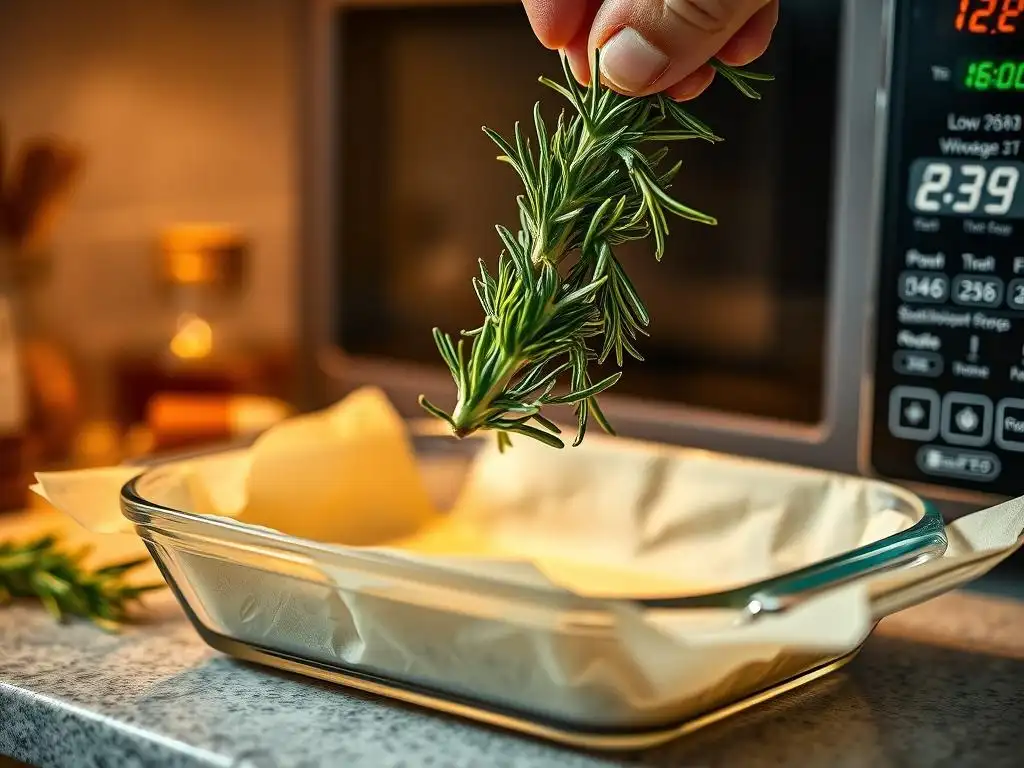
Rosemary, with its intensely fragrant needles and versatile culinary uses, is a prized herb in many gardens. Preserving its potent aroma and flavor for year-round enjoyment is a key concern for home gardeners. While traditional air drying and oven drying methods are popular, microwave drying offers a compelling alternative, especially for those seeking speed and efficiency. This guide explores the benefits of microwave drying rosemary, comparing it to conventional techniques and highlighting its impact on preserving the herb's valuable essential oils.
We'll equip you with the knowledge to make informed decisions about how to best preserve your homegrown rosemary harvest, ensuring you enjoy its distinctive aroma and flavor for months to come. This method is particularly beneficial for smaller harvests, allowing for quick processing and minimal loss of quality. Learn how to achieve fast rosemary microwave drying while maintaining the vibrant character of this beloved herb.
Preserving Rosemary's Vibrant Aroma: A Comparison with Traditional Methods
Traditional methods like air drying and oven drying are effective but can be time-consuming. Air drying, while preserving aroma well, can take several days to weeks, depending on humidity and airflow. This extended drying time increases the risk of mold or spoilage, especially in humid climates.
Oven drying, while faster than air drying, requires careful monitoring to prevent burning and can sometimes result in a less intense aroma compared to other methods. Microwave drying, however, offers a significant advantage by significantly reducing drying time while maintaining a high level of aroma retention. This is because the controlled microwave heat gently removes moisture without excessively damaging the volatile aromatic compounds responsible for rosemary's distinct fragrance.
Below is a comparison table summarizing the key differences:
| Method | Drying Time | Aroma Retention | Ease of Use | Risk of Spoilage | Energy Consumption |
|---|---|---|---|---|---|
| Air Drying | 1-3 weeks | High | Easy | Moderate | Low |
| Oven Drying | 2-4 hours | Moderate to High | Moderate | Low | Moderate |
| Microwave Drying | 5-15 minutes | High | Easy | Low | Low |
Speed and Efficiency: Time-Saving Benefits of Microwave Drying Rosemary
One of the most significant advantages of microwave drying rosemary is its speed. While air drying can take up to three weeks, and oven drying several hours, microwave drying typically takes only 5 to 15 minutes, depending on the amount of rosemary and the microwave's power. This makes it an ideal method for busy gardeners or those with smaller harvests. The rapid drying time minimizes the risk of spoilage and allows for quick processing of the herb, ensuring that the maximum amount of its beneficial compounds are preserved.
This efficiency translates to a significant time saving, allowing you to dedicate more time to other gardening tasks or simply enjoy the fruits (or herbs!) of your labor. The speed also makes it a more sustainable option, as less energy is consumed compared to longer drying methods.
Maintaining Essential Oils: Impact of Microwave Drying on Rosemary's Potency
The preservation of rosemary's essential oils is crucial for maintaining its aroma and flavor. Microwave drying, when done correctly, has been shown to be effective in preserving a high percentage of these essential oils. Unlike oven drying, which can lead to some loss of volatile compounds due to high temperatures, microwave drying uses a more gentle process. The controlled heat helps to evaporate the water content without significantly damaging the delicate aromatic compounds.
This results in a dried rosemary that retains its vibrant color, strong aroma, and full flavor profile. Further research is needed to definitively quantify the exact retention rates compared to other methods, but anecdotal evidence and preliminary studies suggest comparable or even superior retention compared to traditional methods. Proper technique, including using appropriate microwave settings and monitoring the drying process, is key to preserving the maximum amount of these valuable essential oils.
Preparing Rosemary for Microwave Drying: A Step-by-Step Guide
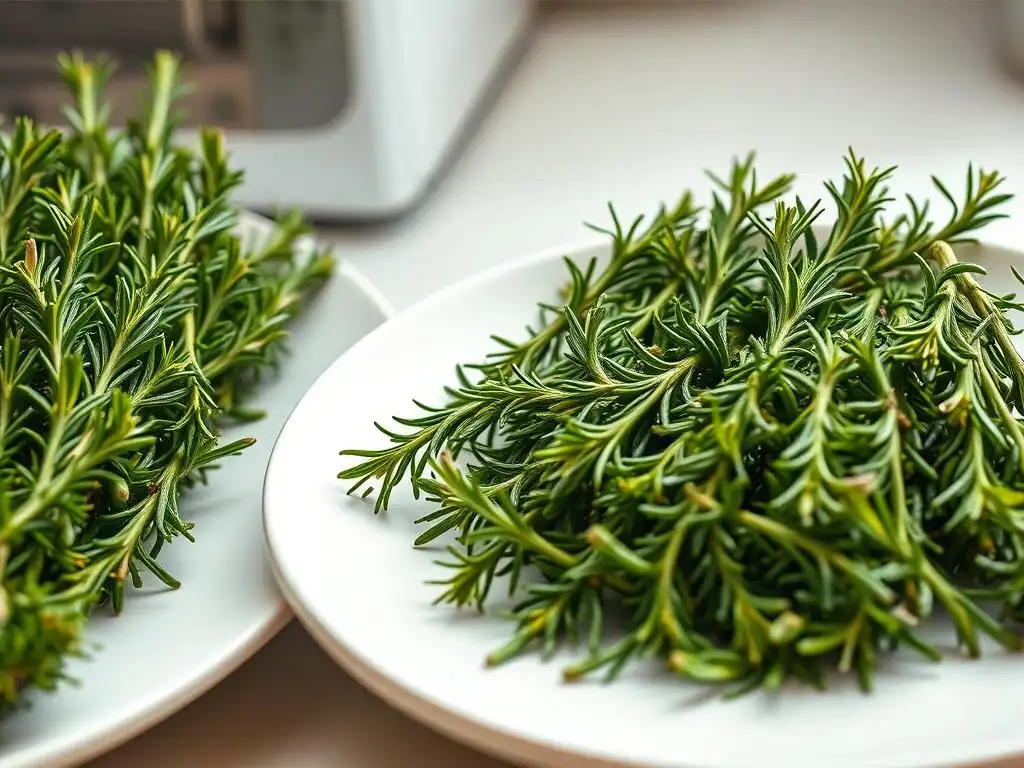
This section details the crucial preparatory steps before microwave drying your rosemary, ensuring optimal results and preserving the herb's vibrant aroma. Remember, proper preparation is key to achieving a fast and effective drying process while maintaining the quality of your rosemary. This method prioritizes speed for the keyword "Fast rosemary microwave drying," but still needs careful attention to detail.
Harvesting Rosemary at its Peak: Timing and Technique for Optimal Aroma
Harvesting rosemary at the right time is paramount for achieving the best flavor and aroma in your dried herb. The ideal time is just before the plant flowers, typically in late spring or early summer. At this stage, the essential oil concentration is highest, resulting in a more potent and aromatic dried product. Avoid harvesting during the hottest part of the day, as this can damage the delicate leaves and reduce oil content.
The best technique involves using sharp pruning shears or scissors to snip off approximately 4-6 inches of stem tips, leaving plenty of foliage on the plant for continued growth. Avoid pulling sprigs, as this can damage the plant and reduce future yield. Remember, the goal is to sustainably harvest your rosemary, ensuring a plentiful supply for years to come. This careful approach ensures you maximize the aromatic compounds crucial for achieving the best results with your "Fast rosemary microwave drying" method.
Cleaning and Prepping Rosemary Sprigs: Removing Debris and Excess Moisture
Before drying, thoroughly clean your harvested rosemary sprigs. Gently rinse them under cool, running water to remove any dirt, insects, or other debris that might have accumulated on the leaves. Avoid soaking the sprigs, as excessive moisture will prolong the drying time and potentially lead to mold growth. After rinsing, gently pat the sprigs dry with a clean kitchen towel or paper towels. Removing excess moisture is vital for successful microwave drying and helps prevent uneven drying and potential spoilage. This step is especially important for achieving effective "Fast rosemary microwave drying."
Arranging Rosemary for Even Drying: Optimizing Microwave Distribution
The arrangement of your rosemary sprigs within the microwave is critical for ensuring even drying and preventing hotspots. Overcrowding can lead to uneven drying and potentially burning some sprigs while others remain damp. A single layer arrangement is ideal. Consider using a microwave-safe plate or shallow dish. Space the sprigs evenly, ensuring there's adequate airflow between them.
This allows for uniform microwave energy distribution, crucial for achieving the desired "Fast rosemary microwave drying" outcome. Experiment with different arrangements to find what works best for your microwave and the quantity of rosemary you are processing. Remember to check frequently to prevent burning! A slightly damp, but not soggy, feel to the leaves signifies that the drying is progressing optimally.
Microwave Drying Rosemary: The Process
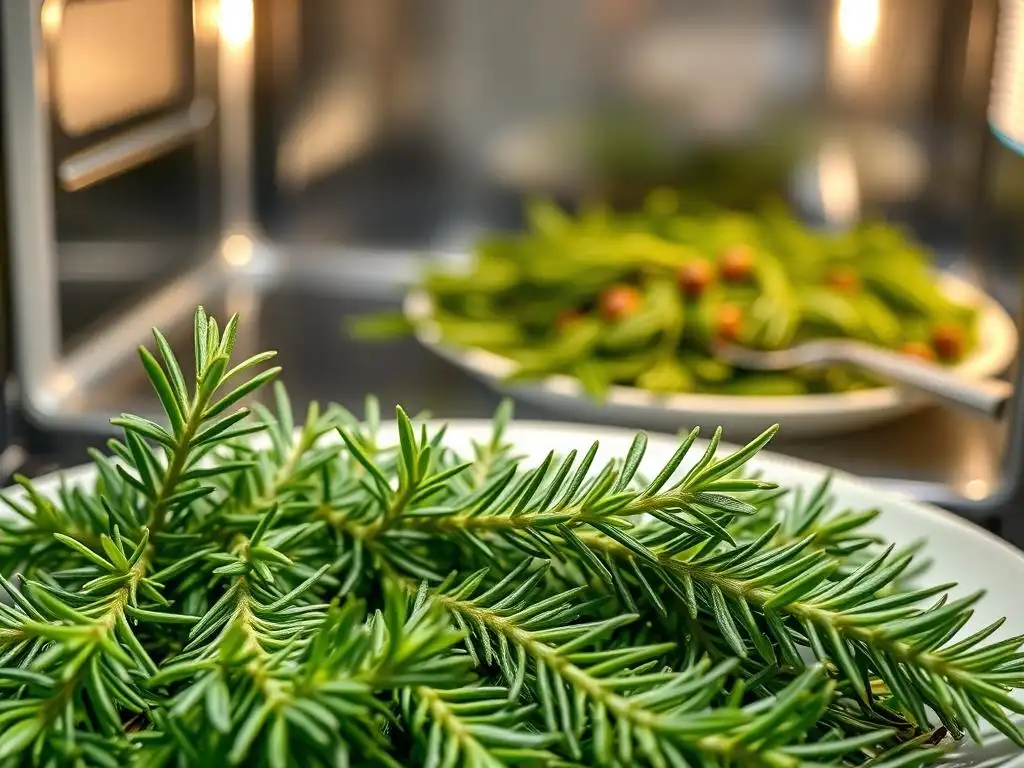
This section details the step-by-step process of microwave drying rosemary, focusing on techniques to preserve its vibrant aroma. Remember, consistent monitoring is crucial for achieving optimal results. Improper drying can lead to a loss of essential oils, resulting in a less flavorful and aromatic final product. This method offers a fast rosemary microwave drying solution, perfect for the busy home gardener.
Setting the Microwave Power: Finding the Right Balance for Aroma Retention
The key to successful microwave drying of rosemary lies in finding the perfect balance of power and time. Too high a power, and you risk burning the herb and destroying its delicate oils, resulting in a bitter taste and a diminished fragrance. Too low, and the drying process will take excessively long, potentially leading to mold growth.
Experimentation is key, but a good starting point is to use 30% power on your microwave. This lower setting allows for gentler drying, preserving more of the rosemary's volatile aromatic compounds. Remember to always check your microwave's manual to understand its power levels and settings. Some microwaves might have different power designations (e.g., wattage instead of percentage). For example, a 1000-watt microwave set at 30% power would use approximately 300 watts.
It's important to note that the optimal power setting can vary depending on the microwave's wattage and the quantity of rosemary being dried. Start with a smaller batch to test the ideal power setting for fast rosemary microwave drying in your specific appliance. Larger batches might require slight adjustments in power or time to prevent uneven drying.
Drying Time and Monitoring: Observing Changes in Rosemary's Texture and Color
Drying time is highly dependent on several factors, including the amount of rosemary, the microwave's power setting, and the initial moisture content of the herb. However, a general guideline is to check the rosemary every 30-60 seconds, starting at a low power setting.
The texture and color of the rosemary are the best indicators of its drying progress. As it dries, the leaves will become increasingly brittle and change color from a vibrant green to a duller, darker green or even a brownish-green. The stems will also become more rigid and less flexible. Avoid over-drying, as this will result in a loss of essential oils and a less desirable product.
Here's a table summarizing typical drying times and observations:
| Time (minutes) | Power Setting (%) | Rosemary Appearance | Notes |
|---|---|---|---|
| 1-2 | 30 | Slightly softened, minimal color change | Monitor closely |
| 3-5 | 30 | Leaves starting to crisp, color slightly duller | Check for brittleness |
| 6-8 | 30 | Leaves brittle, color noticeably darker | Almost fully dried, check for dryness |
| >8 | 30 | Very brittle, potentially over-dried | Stop immediately if excessively brittle |
Remember, these times are just estimates. Always visually inspect your rosemary frequently and adjust accordingly.
Preventing Over-Drying: Signs of Properly Dried Rosemary
Over-dried rosemary will be extremely brittle, easily crumbling into dust, and potentially have a burnt or acrid scent. Properly dried rosemary, on the other hand, should be crisp but not powdery. It should retain its aromatic qualities and snap cleanly when bent. The leaves should be easily removed from the stems.
The color should be a duller green, but not brown or black. The stems will be rigid and easily snap. If you notice any signs of burning (dark brown or black spots), you’ve over-dried the rosemary. Discard any burnt portions immediately.
Properly dried rosemary should store well for several months if stored in an airtight container in a cool, dark, and dry place. This helps to maintain its flavor and aroma for longer periods. This ensures you can enjoy the benefits of your fast rosemary microwave drying method for weeks to come.
Storing Dried Rosemary to Maintain Aroma

Preserving the vibrant aroma of your freshly dried rosemary is crucial to maximizing its culinary and craft applications. Improper storage can lead to rapid degradation of essential oils, resulting in a dull and less flavorful herb. This section details the best practices for storing your hard-earned rosemary harvest, ensuring its aroma remains potent for as long as possible. We'll explore optimal containers and environments to maintain the quality of your dried rosemary. Remember, fast rosemary microwave drying is only half the battle; proper storage is equally vital for preserving its unique characteristics.
Proper Storage Containers for Optimal Aroma Preservation
The container you choose significantly impacts the longevity of your rosemary's aroma. Airtight containers are paramount to prevent moisture absorption and oxidation, both of which can diminish the herb's fragrance and flavor. Here's a breakdown of suitable options:
- Airtight Glass Jars: These are the ideal choice. Glass is non-reactive, preventing any chemical interaction with the rosemary. Ensure the lid seals tightly to create an airtight environment. Dark-colored glass offers additional protection against light degradation.
- Food-Grade Plastic Containers with Tight-Fitting Lids: While not as ideal as glass, high-quality food-grade plastic containers with airtight seals can be a suitable alternative. Avoid using recycled plastic containers, as these may contain residual odors or chemicals.
- Zip-Top Bags (for Short-Term Storage): These are acceptable for short-term storage, but not recommended for long-term preservation. Properly seal the bag to remove as much air as possible. However, the risk of moisture and air ingress is higher compared to glass or airtight plastic.
Avoid using porous containers like cardboard boxes or paper bags, as these will readily absorb moisture and allow air circulation, leading to faster degradation of the rosemary's aroma.
Ideal Storage Environment for Long-Term Rosemary Aroma Retention
Even with the perfect container, the storage environment plays a crucial role in preserving your rosemary's aroma. Here are some key considerations:
- Cool, Dark, and Dry Place: This is the gold standard. A cool pantry, cupboard, or drawer away from direct sunlight and heat sources is best. Fluctuations in temperature and humidity can negatively impact the herb's quality. Aim for a consistently cool and dry environment.
- Temperature Control: Maintaining a consistent temperature between 50°F and 60°F (10°C and 15°C) is optimal. Higher temperatures accelerate the degradation of essential oils, leading to a loss of aroma and flavor.
- Humidity Control: Excessive humidity can lead to mold growth. Keep the storage area dry to prevent this. Consider using a humidity monitor to track the moisture levels in your storage space. Ideally, humidity should be kept low, around 40-50%.
Proper storage significantly extends the shelf life of your dried rosemary, allowing you to enjoy its rich aroma and flavor for months to come. Remember, even with meticulous storage, the intensity of the aroma will gradually diminish over time.
Using Dried Rosemary in Cooking and Crafts: Recipes and Applications
Dried rosemary, especially when dried quickly using fast rosemary microwave drying methods, retains much of its flavour and is incredibly versatile. Its robust aroma enhances countless dishes and crafts.
Here are some popular applications:
- Cooking: Dried rosemary is a fantastic addition to roasted vegetables (potatoes, carrots, parsnips), meats (lamb, chicken, pork), soups, stews, and sauces. A teaspoon of dried rosemary often equals a tablespoon of fresh. Remember to add it towards the end of cooking to preserve its flavor.
- Crafts: Dried rosemary sprigs can be used in potpourris, wreaths, and other decorative crafts. Its pleasant scent adds a natural and aromatic touch to homemade gifts.
- Recipe Example (Roasted Vegetables): Toss 1 lb of chopped vegetables (e.g., potatoes, carrots, onions) with 1 tbsp olive oil, 1 tsp dried rosemary, salt, and pepper. Roast at 400°F (200°C) for 30-40 minutes, or until tender.
This detailed approach ensures that your dried rosemary maintains its potent aroma, maximizing its utility in both culinary and craft applications. By following these storage and usage guidelines, you can fully appreciate the rewards of your homegrown herbs. 🌿
Troubleshooting Common Microwave Drying Issues
Microwave drying rosemary, while a fast method, presents unique challenges. Understanding and addressing potential issues is crucial for achieving optimal results and preserving the herb's vibrant aroma. This section focuses on troubleshooting common problems encountered during microwave drying, providing practical solutions to ensure a successful drying process every time. Mastering these techniques elevates your fast rosemary microwave drying experience, yielding high-quality, flavorful dried rosemary.
Dealing with Uneven Drying: Tips and Tricks for Consistent Results
Uneven drying is a frequent problem with microwave drying. The intense heat can cause some sprigs to dry completely while others remain damp. This leads to inconsistent quality and can affect the final aroma and shelf life. To achieve consistent results, several strategies can be implemented.
First, ensure you are using a microwave-safe dish with sufficient space to allow for even airflow. Overcrowding hinders proper circulation, leading to uneven drying. A single layer is ideal; consider using multiple smaller dishes rather than one large one.
Second, the arrangement of the rosemary sprigs matters. Avoid clumping; spread them out in a single layer, ensuring they are not overlapping. This allows for uniform exposure to microwave energy. Experiment with different arrangements to find what works best in your microwave.
Third, consider rotating the dish halfway through the drying process. Many microwaves have hot spots, and rotating the dish helps to distribute the heat more evenly, preventing uneven drying. This simple step can significantly improve the consistency of your dried rosemary.
Finally, monitor the drying process closely. Regularly check the rosemary for dryness; uneven drying often starts subtly. Adjust drying times according to your microwave's power and the amount of rosemary. A little patience and observation go a long way in achieving consistent results.
Preventing Rosemary Burning: Adjusting Power and Time for Optimal Results
Burning is a serious concern when microwave drying rosemary. Overexposure to high heat can quickly scorch the herb, ruining its flavor and aroma. The key to preventing burning lies in careful adjustment of power levels and drying times.
Experimentation is key to finding the optimal settings for your specific microwave. Start with lower power settings (e.g., 30-50%) and shorter drying intervals (e.g., 30-second bursts). Observe closely for signs of burning – discoloration, smoking, or a burnt smell.
Adjust the power and time incrementally based on your observations. Remember that a slightly lower power setting for a longer time is generally preferable to high power for a short burst. This gentler approach helps prevent scorching while ensuring thorough drying.
The amount of rosemary also affects drying time and power requirements. Larger batches require longer drying times and may necessitate adjustments to power settings. Always start with smaller batches to get a feel for your microwave's capabilities before scaling up.
Addressing Moisture Retention: Strategies for Thorough Drying
Even with careful attention to power and time, some moisture retention can occur. This can lead to mold growth during storage, compromising the quality and safety of your dried rosemary. Several techniques can be employed to ensure thorough drying.
One effective strategy is to use a microwave-safe, vented container. The vents allow for better air circulation, promoting faster and more even drying, reducing the chances of moisture retention.
Another approach is to add a layer of paper towels to the dish. The paper towels absorb excess moisture, contributing to faster and more complete drying. However, carefully monitor for any burning; replace the paper towels if necessary.
After microwave drying, allow the rosemary to air dry completely. Transfer the dried rosemary to a well-ventilated area for a few hours to allow any remaining moisture to evaporate. This final step ensures thorough drying and improves the overall quality and shelf life of the dried herb. Properly dried rosemary should be brittle and easily crumble. If it's still pliable, it needs more drying.
Frequently Asked Questions
Can I really dry rosemary in the microwave?
Yes! Microwave drying is a fast and efficient method for drying rosemary, preserving its aroma and flavor much quicker than air drying. It's perfect for smaller quantities.
How long does microwave drying rosemary take?
Drying time depends on the amount of rosemary and your microwave's power, but it typically takes between 2 to 5 minutes. Check frequently to avoid burning.
What's the best way to prepare rosemary for microwave drying?
Ensure your rosemary sprigs are clean and dry. Arrange them in a single layer on a microwave-safe plate, avoiding overcrowding. This allows for even drying.
Will microwave drying affect the rosemary's aroma?
While some aroma compounds might be lost, microwave drying generally preserves the essential oils responsible for rosemary's distinctive fragrance better than other fast methods.
What should I do with my dried rosemary after microwave drying?
Once completely dry and brittle, store your rosemary in an airtight container in a cool, dark, and dry place to maintain its aroma and flavor for extended use.
Final Reflection: Preserving the Sun's Kiss: Rosemary's Aromatic Legacy
The rapid pace of modern life often leaves us yearning for simpler times, for the connection to nature that's easily lost in the daily grind. This yearning for authenticity is precisely why mastering techniques like microwave drying rosemary holds such significance today. It's a small act, a quiet rebellion against the disposability of pre-packaged herbs, a reclaiming of the sensory experience of truly fresh, intensely aromatic rosemary.
The subtle art of preserving herbs like rosemary speaks volumes about our relationship with the natural world. It's a practice that transcends mere culinary convenience; it's a connection to generations past who understood the value of preserving nature's bounty. The earth laughs in flowers.
- Ralph Waldo Emerson. This quote beautifully encapsulates the joy and satisfaction found in nurturing and preserving the vibrant essence of a plant like rosemary, ensuring its aroma and flavor endure long after harvest. The process itself, from the careful selection of sprigs to the careful monitoring of the microwave drying, becomes a meditative practice, a mindful connection to the earth's gifts.
Consider the impact of this simple technique. You've not only preserved the vibrant aroma of rosemary for future use but also taken a small step towards a more sustainable and mindful lifestyle. Think about the potential: imagine the possibilities of preserving other herbs and spices, reducing food waste, and deepening your connection with the natural world. Now, I invite you to experiment, to explore the possibilities of preserving your own herbs, and to savor the rich rewards of a life enriched by the simple act of mindful preservation.
Unlock the Aromatic Power of Dried Rosemary!
Thank you for exploring the world of microwave-dried rosemary! You've learned how to quickly preserve this amazing herb's vibrant flavor and aroma. Ready to put your new skills to the test?
- Immediately dry a fresh bunch of rosemary using the microwave method described above. Experiment and perfect your technique!
- Share your successes (or challenges!) drying rosemary in the comments below. Let's build a community of herb enthusiasts!
- Consider all the delicious dishes you can now easily season with your freshly dried rosemary. What culinary adventure awaits you?
What amazing recipe will you enhance with the fragrant power of your home-dried rosemary?