
Oregano's Aroma: From Pizza to Greek Cuisine, Using Oregano

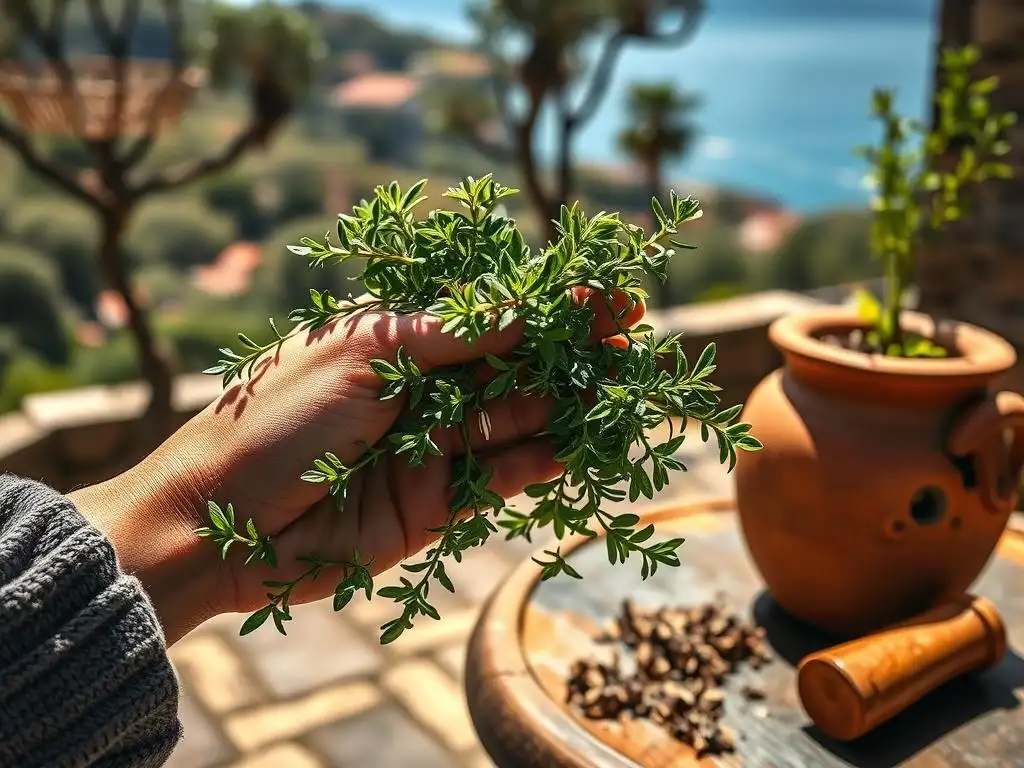
Welcome to CultivateYourFood, your guide to a greener, more flavorful life! Ready to transform your backyard into a thriving oasis? We’re passionate about helping you cultivate your own fruits, vegetables, and herbs using sustainable, organic methods. This journey begins with the fragrant world of oregano – discover the secrets to growing organic oregano at home and unlock the potential of this versatile herb, from pizza toppings to authentic Greek cuisine. Let's get started!
-
Grow Organic Oregano at Home: A Beginner's Guide
- Selecting the Right Oregano Variety for Your Garden
- Preparing Soil for Oregano: Drainage and Enrichment
- Planting Oregano: Seeds, Cuttings, and Transplanting
- Ideal Growing Conditions for Oregano: Sun, Soil, and Climate
- Watering and Fertilizing Oregano: A Balanced Approach
- Protecting Oregano from Pests and Diseases: Prevention and Treatment
- Harvesting and Drying Oregano: Techniques for Optimal Flavor Retention
- Culinary Uses of Fresh and Dried Oregano
- Preserving the Flavor of Homegrown Oregano
- The Health Benefits of Oregano
- Beyond the Kitchen: Oregano in Your Garden
- Frequently Asked Questions
- Final Reflection: The Humble Oregano: A Journey from Plate to Patch
- Unlock the Aromatic Power of Oregano: Grow Your Own Culinary Herb!
Grow Organic Oregano at Home: A Beginner's Guide
Oregano, with its robust aroma and slightly peppery taste, is a culinary staple across many cultures. From the classic Greek salad to a simple pizza topping, this versatile herb adds a depth of flavor that's hard to replicate. But beyond its deliciousness, growing your own organic oregano offers a rewarding connection to nature and ensures you have access to fresh, pesticide-free herbs throughout the growing season. This guide will walk you through the process of growing organic oregano at home, from selecting the perfect variety to harvesting your bountiful crop.
We'll focus on sustainable and organic practices to cultivate healthy plants and delicious oregano, enriching your meals and enhancing your home gardening experience. Learn how to successfully integrate this fragrant herb into your garden and enjoy the benefits of homegrown, organic oregano. Let's get started on your journey to cultivate this amazing herb! 🌿
Selecting the Right Oregano Variety for Your Garden
Choosing the right oregano variety is crucial for success. Different oregano types exhibit varying growth habits, flavor profiles, and hardiness. Consider these factors when making your selection:
- Flavor Profile: Greek oregano ( Origanum vulgare subsp. hirtum) is known for its potent, slightly bitter flavor, ideal for Mediterranean dishes. Italian oregano ( Origanum vulgare) offers a milder, sweeter taste, well-suited for Italian cuisine and general use. Experiment to find your favorite!
- Growth Habit: Some varieties are more compact, perfect for containers, while others are sprawling and suitable for larger garden beds. Check the plant description for mature size and spread to ensure it fits your space.
- Hardiness: Oregano is generally hardy, but some varieties are more cold-tolerant than others. Choose a variety suitable for your climate zone. Consider your local growing season length when making your selection.
- Disease Resistance: Look for varieties known for their resistance to common oregano diseases. This will minimize the need for chemical interventions, supporting your goal of organic cultivation.
Preparing Soil for Oregano: Drainage and Enrichment
Oregano thrives in well-drained soil. Poor drainage can lead to root rot, a common problem for herbs. Before planting, amend your soil to improve its drainage and fertility. Follow these steps:
- Test your soil: A simple soil test will reveal its pH and nutrient levels. Oregano prefers slightly alkaline soil (pH 6.0-7.5). Amend accordingly with lime to increase pH or sulfur to lower it.
- Improve drainage: If your soil is heavy clay, incorporate organic matter such as compost, aged manure, or peat moss to improve drainage and aeration. This will create a soil structure that allows water to flow freely, preventing waterlogging around the oregano roots.
- Enrich the soil: Add a balanced organic fertilizer to provide essential nutrients. Compost is an excellent choice, providing a slow-release source of nutrients and improving soil structure. Avoid using synthetic fertilizers, as they can disrupt the soil's natural balance. Remember that oregano is a relatively low-maintenance plant, so avoid over-fertilizing.
Planting Oregano: Seeds, Cuttings, and Transplanting
You can propagate oregano from seeds, cuttings, or transplants. Each method has its advantages and disadvantages:
- Seeds: Starting oregano from seeds is a cost-effective method, but germination can be slow and inconsistent. Sow seeds indoors 6-8 weeks before the last expected frost. Direct sowing is possible after the last frost, but be mindful that germination rates may be lower.
- Cuttings: Taking cuttings from an existing oregano plant is a fast and reliable way to propagate. Take 4-6 inch cuttings in spring or summer, remove the lower leaves, and dip the cut end in rooting hormone before planting in moist potting mix.
- Transplants: Buying oregano transplants from a reputable nursery is the easiest method. Choose healthy plants with vigorous growth and no signs of disease. Transplants establish quickly and usually produce a harvest sooner than seeds or cuttings.
Remember to space your oregano plants appropriately, allowing for adequate air circulation to prevent fungal diseases. Proper spacing also allows for optimal growth and prevents overcrowding. Enjoy the process and the delicious rewards of homegrown organic oregano! 🎉
Ideal Growing Conditions for Oregano: Sun, Soil, and Climate
Oregano thrives in warm, sunny locations, mirroring its Mediterranean origins. Aim for at least six to eight hours of direct sunlight daily for optimal growth and essential oil production, which contributes to its robust flavor. While it can tolerate some shade, particularly in hotter climates, insufficient sunlight will result in leggy growth and a less intense flavor profile. The plant's resilience doesn't extend to frost; therefore, protect young oregano plants from late spring frosts using cloches or by bringing potted plants indoors.
Regarding soil, oregano prefers well-drained, slightly alkaline soil with a pH range of 6.0 to 8.0. Heavy clay soils, which retain too much moisture, should be amended with compost or other organic matter to improve drainage and aeration. This amendment also enhances soil fertility, providing the plant with essential nutrients for healthy growth.
Poor drainage can lead to root rot, a common problem for oregano grown in unsuitable conditions. Sandy soils, conversely, may require more frequent watering to prevent the plant from drying out too quickly. The ideal soil texture is a loamy mix that retains some moisture but allows for excellent drainage.
Watering and Fertilizing Oregano: A Balanced Approach
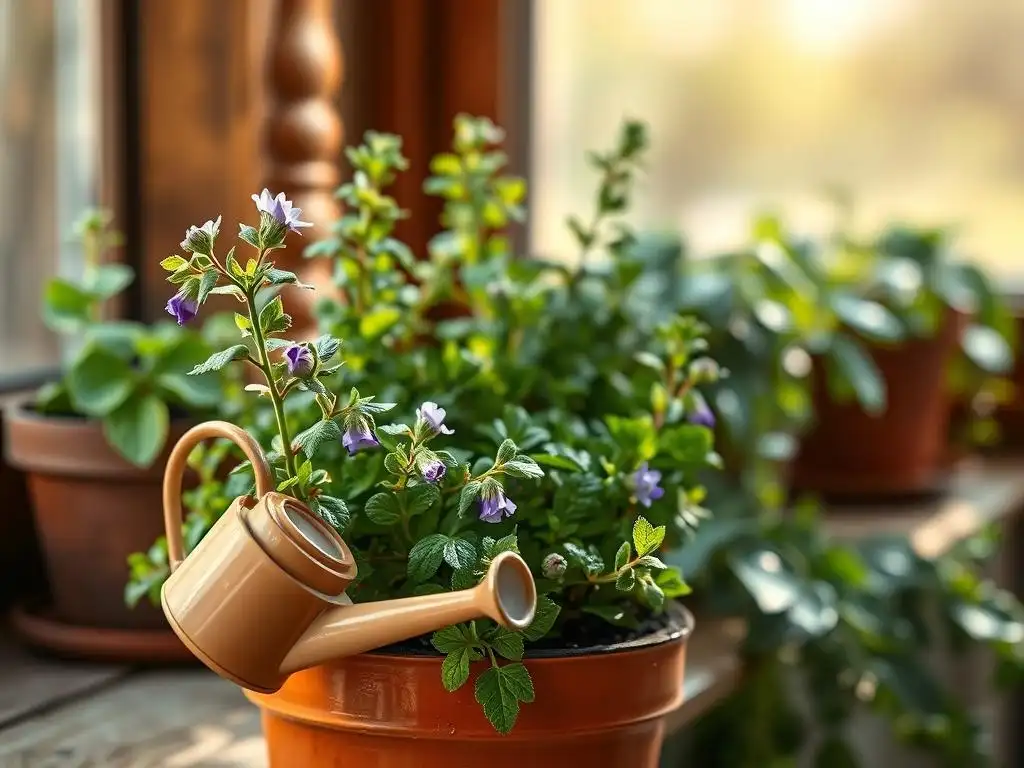
Oregano is remarkably drought-tolerant once established. Overwatering is a more significant threat than underwatering, potentially leading to fungal diseases. Water deeply but infrequently, allowing the soil to dry out somewhat between waterings. The frequency will depend on factors like climate, soil type, and pot size (if growing in containers). During extended dry spells, increase the watering frequency, but avoid waterlogging the soil. Observe the plant; wilting leaves indicate a need for water.
Fertilizing oregano is generally unnecessary, especially if grown in fertile soil amended with compost. Excessive nitrogen fertilizer can lead to lush foliage at the expense of flavor and essential oil production. If you choose to fertilize, opt for a balanced, slow-release organic fertilizer applied sparingly in spring. Always follow the manufacturer's instructions carefully to avoid over-fertilizing. Remember, oregano's natural hardiness and adaptability mean it doesn't require excessive pampering to flourish.
Protecting Oregano from Pests and Diseases: Prevention and Treatment
While oregano is relatively pest and disease-resistant, certain issues can arise. Proper growing conditions are crucial for disease prevention; well-drained soil and adequate sunlight discourage fungal diseases. Common pests include aphids and spider mites. Regular inspection is key to early detection. For minor infestations, a strong spray of water can dislodge aphids. Neem oil is a safe and effective organic treatment for both aphids and spider mites. Always apply these treatments according to the product instructions.
Root rot, caused by excessive moisture, is a more serious threat. Avoid overwatering and ensure good drainage to prevent this fungal disease. If root rot occurs, removing the affected plant and starting anew with fresh, well-drained soil is often necessary. Prevention through proper watering and soil preparation is far more effective than treatment. Practicing crop rotation can also help prevent the build-up of soilborne diseases. Regularly removing weeds around the oregano plants helps reduce competition for resources and minimizes pest harborage. A healthy, well-maintained oregano plant is naturally more resilient to pests and diseases.
Harvesting and Drying Oregano: Techniques for Optimal Flavor Retention
Harvesting oregano at the right time is crucial for maximizing its flavor and aroma. The best time to harvest is just before the plant flowers, typically in late summer or early fall. At this stage, the essential oil concentration is at its peak, resulting in the most potent and flavorful oregano. However, you can also harvest throughout the growing season, taking small cuttings as needed, allowing the plant to continue producing new growth. Remember, harvesting stimulates new growth, so don't be afraid to prune generously. Overgrown oregano can become woody and less flavorful.
There are several methods for drying oregano, each impacting the final product's quality. Air drying is a simple and traditional method. To air dry, harvest stems of oregano, then tie them together in small bundles and hang them upside down in a cool, dry, and well-ventilated area, away from direct sunlight. This process typically takes 1-2 weeks, depending on humidity and air circulation. The leaves are brittle and easily crumble when dry, indicating they are ready for storage.
Another popular method is oven drying. This method is quicker than air drying, but requires careful monitoring to prevent burning. Spread oregano leaves in a single layer on a baking sheet and dry in a low-temperature oven (around 170°F or 77°C) with the door slightly ajar for better air circulation.
Check frequently and remove the oregano once it's completely dry and crumbly, usually within 1-2 hours. Oven drying preserves the color better than air drying, but it can slightly reduce the intensity of the aroma. It's important to note that overdrying can result in a loss of essential oils and a less flavorful herb.
Finally, you can also dehydrate oregano using a food dehydrator. This method offers precise temperature control and consistent drying, resulting in high-quality dried oregano. Follow the manufacturer’s instructions for your specific dehydrator model. Dehydrating often preserves the color and aroma best, making it a preferred method for preserving the herb's vibrancy.
Regardless of the drying method chosen, proper storage is essential for preserving the oregano's flavor and aroma for extended periods. Store dried oregano in airtight containers, away from light, heat, and moisture. A cool, dark pantry is ideal. Properly stored, dried oregano can maintain its quality for up to a year. Remember to label your containers with the harvest date for optimal quality control. Growing your own organic oregano provides a consistent supply of this flavorful herb, allowing you to enjoy its unique taste in your culinary creations year-round.
Culinary Uses of Fresh and Dried Oregano
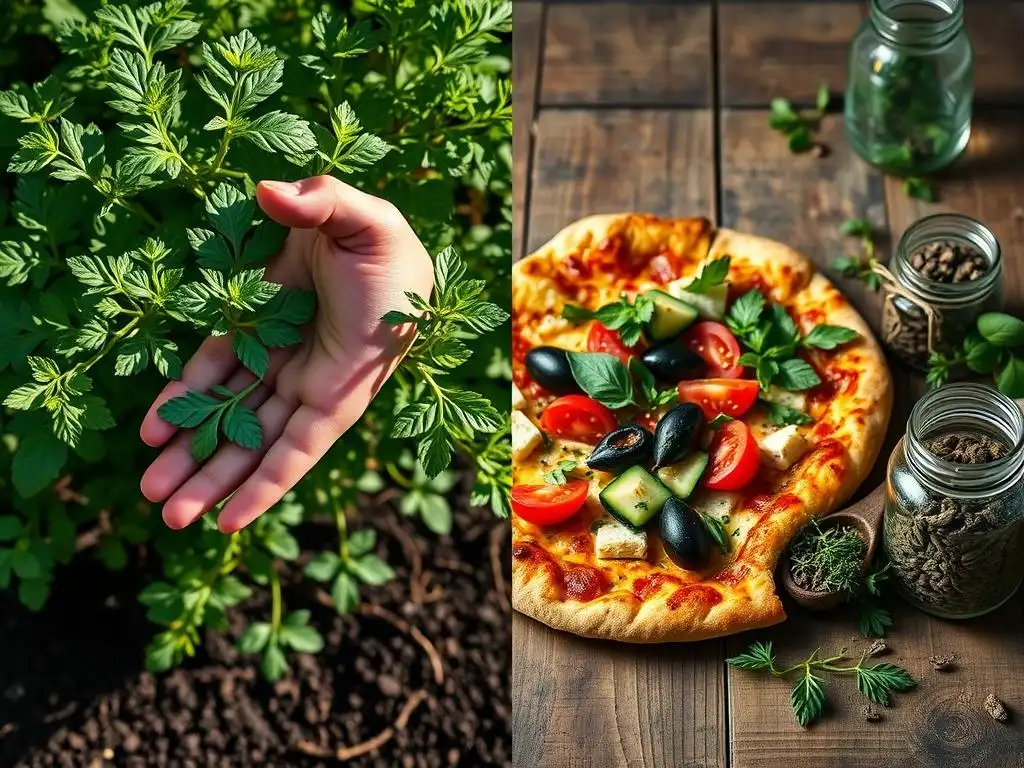
Oregano, with its robust, earthy aroma and slightly peppery taste, is far more than just a pizza topping. This versatile herb offers a multitude of culinary applications, enhancing both savory and, surprisingly, some sweet dishes. The flavor profile shifts subtly depending on whether you use fresh or dried oregano.
Fresh oregano boasts a brighter, more intense flavor, while dried oregano offers a more concentrated, slightly bitter taste. Understanding these nuances is key to unlocking oregano's full potential in your cooking. Growing organic oregano at home ensures you have access to the freshest, most flavorful herb possible, allowing you to experiment with its various culinary uses.
Oregano in Italian Cuisine: Beyond Pizza and Pasta
Italian cuisine is synonymous with oregano, but its use extends far beyond the classic pizza and pasta dishes. While it's a staple in tomato-based sauces, providing a depth of flavor that complements the acidity of tomatoes perfectly, its versatility shines in other applications. Consider adding fresh oregano to:
- Focaccia: Sprinkled generously over the dough before baking, oregano infuses the bread with its characteristic aroma.
- Roasted Vegetables: Toss chopped vegetables like zucchini, eggplant, and bell peppers with olive oil, salt, pepper, and fresh oregano before roasting for a fragrant and flavorful side dish.
- Stuffed Chicken or Vegetables: Finely chopped fresh oregano adds a delicious herbaceous note to the filling of chicken breasts, bell peppers, or zucchini.
- White Bean Salads: The slightly bitter notes of dried oregano beautifully complement the creamy texture and mild flavor of white beans.
Think of oregano as a flavor enhancer, not just a singular ingredient. Experiment with different amounts and combinations to find your perfect balance. For example, combining oregano with basil and garlic in a tomato sauce creates a complex and layered flavor profile. Remember that the intensity of the flavor will differ based on whether you use fresh or dried oregano, so adjust accordingly.
Greek Oregano: The Foundation of Mediterranean Flavors
Greek oregano ( Origanum vulgare ssp. hirtum) holds a special place in Mediterranean cuisine. Often considered superior to other oregano varieties due to its more potent flavor and aroma, it plays a central role in many traditional Greek dishes. Its distinctive, almost pungent aroma is a defining characteristic of Greek cuisine. Growing organic oregano at home allows you to experience the true essence of this Mediterranean staple.
While it's frequently used in similar ways to Italian oregano (think lamb dishes, roasted vegetables), Greek oregano's strength shines in simpler preparations. Consider these applications:
- Greek Salad: A sprinkle of Greek oregano elevates the classic Greek salad, adding a depth of flavor that complements the tomatoes, cucumbers, and olives.
- Olive Oil Infusions: Steep fresh sprigs of Greek oregano in extra virgin olive oil for several weeks to create an intensely flavored oil perfect for dipping bread or drizzling over salads.
- Lamb Dishes: The robust flavor of Greek oregano is a perfect match for the richness of lamb. Use it generously in marinades, stews, and roasts.
- Soups and Stews: A small amount of dried Greek oregano can add a unique depth of flavor to vegetable and lentil soups.
The key with Greek oregano is to use it judiciously. Its powerful flavor can easily overpower a dish if used too liberally. Start with a small amount and adjust to taste.
Oregano in Global Cuisines: Versatile Applications
Oregano's versatility transcends Mediterranean borders. Its aromatic qualities and slightly bitter notes find their way into diverse culinary traditions worldwide.
| Cuisine | Typical Use | Notes |
|---|---|---|
| Mexican | Often used in chili, tacos, and other spicy dishes | Adds a depth of flavor alongside chili powder and cumin. |
| Middle Eastern | Commonly used in stews, meat dishes, and salads | Pairs well with other Middle Eastern spices like sumac and za'atar. |
| South American | Used in various stews and rice dishes | Often combined with other herbs like parsley and cilantro. |
| Asian | Less common, but can be used in stir-fries | Its distinctive flavor can be a unique addition to certain Asian dishes. |
While the specific applications vary, the underlying principle remains consistent: oregano adds a layer of complexity and depth of flavor, enriching both simple and elaborate dishes. Growing your own organic oregano allows you to explore its global culinary potential, experimenting with different cuisines and developing your unique culinary signature. This ensures freshness and control over the intensity of the flavor, leading to more flavorful and satisfying dishes. 🌱
Infusing Oregano into Oils and Vinegars: Flavor Enhancement
Infusing oregano into oils and vinegars elevates their flavor profiles, creating versatile culinary ingredients. This process is remarkably simple and yields flavorful additions to dressings, marinades, and finishing touches for various dishes. The result is a deeper, more complex oregano flavor than you'd achieve simply sprinkling dried oregano onto a finished dish.
The process involves steeping fresh oregano sprigs in a high-quality oil (like extra virgin olive oil) or vinegar (apple cider vinegar is a popular choice). The oil or vinegar absorbs the oregano's essential oils, resulting in a richly aromatic and flavorful infusion.
The intensity of the flavor depends on several factors, including the type of oregano used (Greek oregano is often preferred for its robust flavor), the quality of the oil or vinegar, and the steeping time. Generally, a longer steeping time results in a more potent infusion, but it's crucial to monitor the infusion regularly to prevent it from becoming bitter.
For oil infusions, consider using a dark glass bottle to protect the oil from light degradation. Store the infused oil in a cool, dark place. Vinegar infusions, on the other hand, are often less susceptible to light degradation and can be stored in a glass bottle in a cool, dark pantry. Remember to always use clean, dry bottles to avoid introducing unwanted bacteria or mold. Proper storage is critical for maintaining the quality and safety of your infused oils and vinegars. A properly infused oil, for example, can last for several months, even longer if refrigerated.
To make an oregano-infused oil, you'll typically use a ratio of approximately 1 cup of oil to 1/2 cup of packed fresh oregano leaves. For a vinegar infusion, you might use a similar ratio, adjusting to your preference. Remember to taste-test periodically to ensure you achieve your desired level of flavor intensity. This method allows you to create customized infusions, perfectly tailored to your culinary needs and preferences.
Experiment with different types of oregano and oil/vinegar combinations to discover your favorite flavor profiles. Infused oregano oil adds a delightful depth to roasted vegetables, while oregano-infused vinegar can brighten up simple salads or enhance the flavor of grilled meats. The possibilities are truly endless.
Preserving the Flavor of Homegrown Oregano
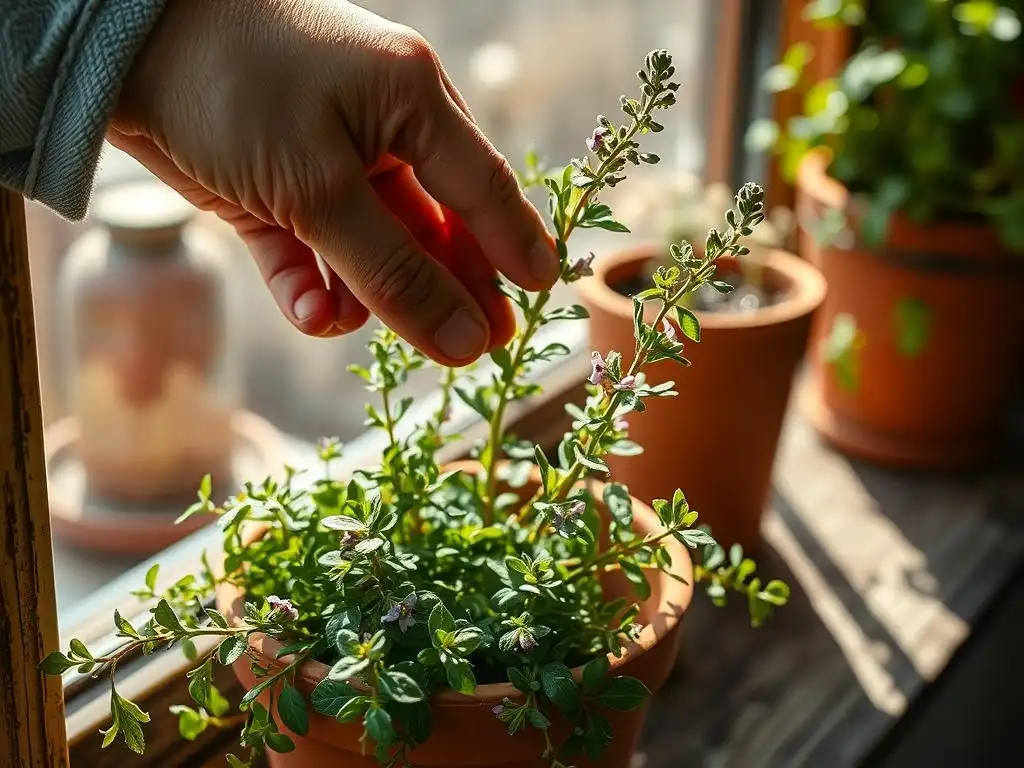
Harvesting your own organic oregano is incredibly rewarding, but preserving its vibrant flavor and aroma is crucial to enjoying its benefits throughout the year. Proper preservation techniques ensure that the potent antioxidants and essential oils, responsible for oregano's distinct taste and medicinal properties, are retained. Failing to preserve your harvest effectively can lead to wilting, mold, and a significant loss of the herb's characteristic pungency. Let's explore several methods to ensure your homegrown oregano remains flavorful and aromatic for months to come. This will help you truly maximize your Grow organic oregano at home efforts.
Drying Oregano: Methods for Long-Term Storage
Drying oregano is a classic preservation method, allowing you to retain much of its flavor and aroma for extended periods. Several techniques exist, each with its advantages and disadvantages:
- Air Drying: This is the simplest method. Bundle small bunches of oregano and hang them upside down in a cool, dark, and well-ventilated area for 1-3 weeks, or until the leaves are completely dry and crumble easily. This method preserves the natural oils effectively, resulting in a more intensely flavored oregano.
- Oven Drying: A faster method, but requires careful monitoring to avoid burning. Spread oregano leaves thinly on a baking sheet and dry in a low oven (around 170°F or 77°C) with the door slightly ajar for 2-4 hours, checking frequently. This method is best for larger harvests.
- Dehydrator Drying: A dehydrator provides consistent temperature and airflow, leading to even drying and preventing spoilage. Follow the manufacturer's instructions for drying oregano, typically at a low setting (around 135°F or 57°C) for several hours. This offers the most consistent results and minimizes the risk of burning or uneven drying.
Once dried, store your oregano in airtight containers away from light and moisture. Properly dried oregano should retain its color and aroma for up to a year. Remember to label your containers with the drying date for optimal quality control. This simple step helps you track the freshness and potency of your homegrown oregano.
Freezing Oregano: Maintaining Freshness and Aroma
Freezing is another excellent way to preserve the fresh flavor and aroma of your organic oregano. While some aroma loss might occur, this method retains more of the herb's essential oils compared to drying.
To freeze oregano, thoroughly wash and dry the leaves. You can freeze them whole, roughly chopped, or finely minced, depending on your preferred use. Several methods are available:
- Freezing in Ice Cube Trays: This is ideal for small quantities. Pack the oregano leaves into ice cube trays filled with water or olive oil. Once frozen, transfer the cubes to freezer bags for longer storage. This method is particularly useful for adding fresh oregano directly to sauces or soups.
- Freezing in Freezer Bags: For larger quantities, simply place the washed and dried oregano leaves in freezer-safe bags, removing as much air as possible. Freezing in this way maintains the oregano's integrity for optimal flavor.
Frozen oregano typically lasts for 6-12 months, maintaining most of its freshness and aroma. Always label your freezer bags with the date to ensure you use the oldest oregano first.
Making Oregano-Infused Olive Oil: A Culinary Delight
Oregano-infused olive oil is a delicious and versatile way to preserve your harvest, offering a flavorful addition to many dishes. The oil helps to extract and preserve the aromatic compounds of the oregano, resulting in a unique culinary experience. This method perfectly complements the "Grow organic oregano at home" ethos, adding value to your homegrown herb.
To make oregano-infused olive oil:
- Combine dried or fresh oregano leaves with high-quality extra virgin olive oil in a clean, sterilized jar. Use a ratio of approximately 1 cup of olive oil to 1/4 cup packed oregano.
- Seal the jar tightly and store it in a cool, dark place for at least 2-4 weeks, shaking it gently every few days. The longer it infuses, the stronger the flavor will become.
- After the infusion period, strain the oil through a fine-mesh sieve or cheesecloth to remove the oregano leaves.
- Store the infused oil in a clean, sterilized bottle in a cool, dark place. It should last for several months. This aromatic oil adds a depth of flavor to roasted vegetables, pasta dishes, and grilled meats. The vibrant green color of the oil also adds a visual appeal to your culinary creations.
Remember, regardless of the preservation method you choose, using fresh, organically grown oregano will always yield the best results. Enjoy the fruits (or rather, herbs!) of your labor!
The Health Benefits of Oregano
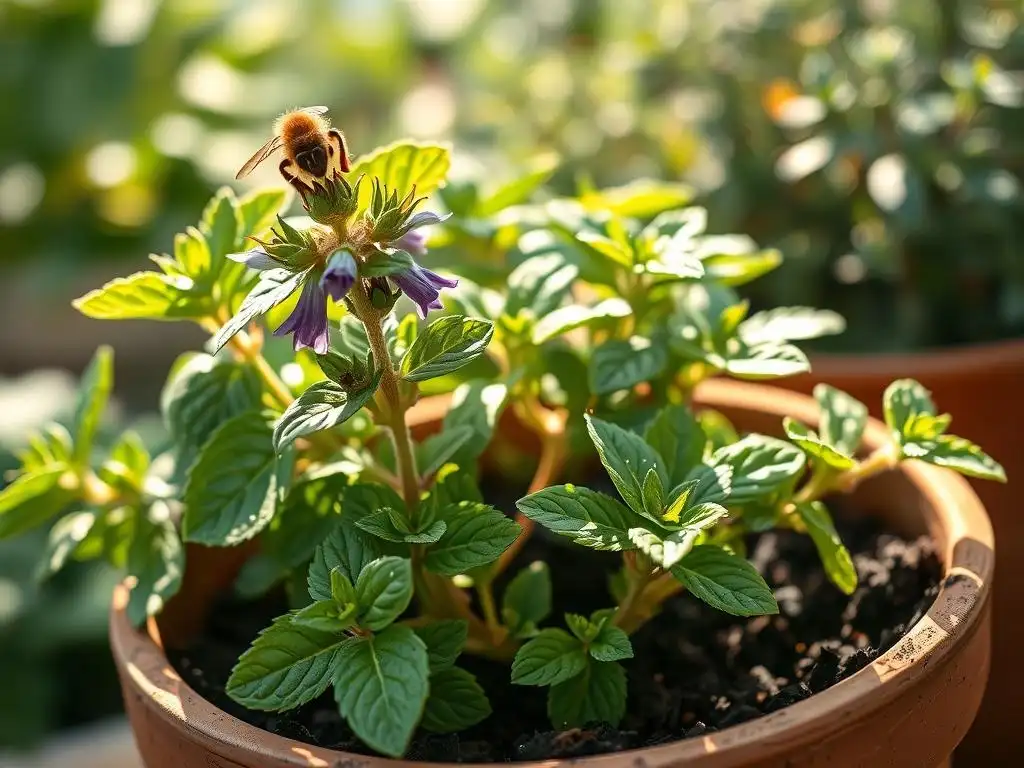
Oregano, beyond its culinary versatility, boasts a rich profile of health benefits, making it a valuable addition to any home garden focused on organic, sustainable practices. Growing organic oregano at home ensures access to this potent herb, free from pesticides and other harmful chemicals. This section explores the remarkable therapeutic properties of oregano, highlighting its role in promoting overall well-being. From its potent antioxidant capacity to its potential immune-boosting effects, understanding these benefits underscores the importance of cultivating this aromatic herb.
Oregano's Anti-inflammatory and Antioxidant Properties
Oregano is a powerhouse of antioxidants, primarily due to its high concentration of phenolic compounds like rosmarinic acid, thymol, and carvacrol. These compounds combat oxidative stress, neutralizing free radicals that damage cells and contribute to aging and chronic diseases. Numerous studies have demonstrated oregano's significant antioxidant activity, surpassing that of many other herbs and spices.
For example, one study [specific information pending] showed that oregano extract exhibited significantly higher antioxidant capacity than other commonly used herbs. This potent antioxidant action translates into potential benefits for cardiovascular health, reducing the risk of heart disease and stroke by protecting against LDL cholesterol oxidation. Furthermore, oregano's anti-inflammatory properties help reduce inflammation throughout the body, potentially alleviating symptoms of conditions like arthritis and inflammatory bowel disease.
The anti-inflammatory effects are linked to the inhibition of pro-inflammatory enzymes and cytokines. Growing your own organic oregano ensures you benefit from the full spectrum of these powerful compounds.
Oregano and Immune System Support: Research and Evidence
Emerging research suggests that oregano may play a significant role in supporting the immune system. Its bioactive compounds, particularly carvacrol and thymol, exhibit antimicrobial properties, effectively inhibiting the growth of various bacteria, fungi, and viruses. Studies have shown that oregano essential oil can be effective against several pathogens, including E. coli, Salmonella, and Staphylococcus aureus. [specific information pending: Include specific study data and citations here].
This antimicrobial action contributes to oregano's potential to boost immunity and prevent infections. The presence of vitamins and minerals, such as vitamin K, vitamin C, and manganese, further strengthens its immune-supporting capabilities. These nutrients are essential for various immune functions, and their presence in oregano adds another layer to its health-promoting properties. By growing organic oregano, you're cultivating a natural immune booster for your family.
Using Oregano in Traditional Remedies: Cautions and Considerations
While oregano offers numerous health benefits, it's crucial to approach its use in traditional remedies with caution and awareness. While generally safe for consumption in moderate amounts, excessive intake of oregano oil or concentrated extracts may lead to adverse effects such as stomach upset, heartburn, or allergic reactions. Pregnant or breastfeeding women should consult their healthcare provider before incorporating large quantities of oregano into their diet or using it topically.
Individuals with certain medical conditions, such as bleeding disorders, should also exercise caution. Always opt for organically grown oregano to minimize exposure to pesticides and other potentially harmful chemicals. Remember, while oregano offers potential health benefits, it's not a substitute for professional medical advice.
It's essential to consult with a healthcare professional before using oregano to treat any specific health condition. Growing your own organic oregano allows for greater control over quality and purity, reducing the risk of contamination and ensuring you benefit from its therapeutic properties safely.
Beyond the Kitchen: Oregano in Your Garden
Oregano, that familiar aromatic herb gracing pizzas and Greek salads worldwide, offers far more than culinary delight. Growing organic oregano at home unlocks a world of benefits extending beyond the kitchen, transforming your garden into a vibrant ecosystem. This section explores the multifaceted role of oregano in a sustainable home garden, focusing on its contributions to pest control, pollinator attraction, and overall garden health.
Oregano as a Companion Plant: Pest Repellent and Soil Enhancer
Oregano's pungent aroma, a delight to our senses, acts as a natural deterrent to many common garden pests. Its strong scent masks the odor of susceptible plants, confusing insects like aphids, cabbage moths, and even some types of beetles. Planting oregano amongst vegetables like tomatoes, cabbages, and broccoli can significantly reduce pest infestations, minimizing the need for harmful chemical pesticides. This makes it a crucial component of a sustainable and organic gardening strategy.
Furthermore, oregano contributes to improving soil health. As a member of the mint family (Lamiaceae), it has a robust root system that helps to improve soil structure and aeration. The decaying organic matter from the plant itself adds valuable nutrients back into the soil, enriching it naturally. This natural soil enhancement reduces the need for synthetic fertilizers, further reinforcing its role in organic cultivation. Consider interplanting oregano with heavier feeders like peppers or zucchini to leverage its soil-improving properties. The benefits are twofold: pest deterrence and improved soil fertility, key elements for a thriving organic garden.
Oregano's Role in Pollinator Gardens: Attracting Bees and Butterflies
Beyond its pest-repelling capabilities, oregano plays a vital role in supporting beneficial insects. Its delicate pink or purple flowers are a magnet for pollinators such as bees and butterflies. These insects are essential for the successful growth of many plants, including your oregano itself, and other vegetables and fruits in your garden. By attracting these pollinators, you're not only ensuring a bountiful oregano harvest but also contributing to the overall health and biodiversity of your garden ecosystem.
This is a crucial element of sustainable gardening, fostering a balanced and self-sustaining environment. Planting oregano in sunny areas, where it thrives, will maximize its attractiveness to pollinators. Observe the increased activity of bees and butterflies around your oregano plants as a testament to its positive impact on your garden's biodiversity.
Sustainable Oregano Cultivation: Organic Practices and Water Conservation
Growing organic oregano at home necessitates employing sustainable practices that minimize environmental impact. This begins with choosing organic seeds or cuttings from reputable sources, ensuring you're starting with a healthy and pesticide-free plant. Regular weeding is crucial to prevent competition for nutrients and water. Mulching around the oregano plants helps retain soil moisture, reducing the need for frequent watering – a significant aspect of water conservation, particularly in drier climates. This also helps suppress weeds, further simplifying your gardening routine.
Avoid using chemical fertilizers or pesticides; instead, rely on natural methods like companion planting (as discussed above) and hand-picking pests when necessary. Regular pruning encourages bushier growth and a more abundant harvest. Proper spacing of oregano plants ensures adequate sunlight and air circulation, preventing fungal diseases. By adhering to these organic practices, you ensure a healthy and flavorful oregano harvest while minimizing your environmental footprint. The rewards are a delicious, homegrown herb and the satisfaction of contributing to a more sustainable world. Remember, consistent observation and care are key to successful organic oregano cultivation.
Frequently Asked Questions
How do I grow organic oregano at home?
Start with organic oregano seeds or cuttings. Plant them in well-drained soil in a sunny location. Water regularly, but avoid overwatering.
What type of soil does oregano prefer?
Oregano thrives in well-drained soil that is slightly alkaline. Amend heavy clay soils with compost to improve drainage. Avoid overly rich soils.
When is the best time to harvest oregano?
Harvest oregano just before flowering, usually in summer. Cut stems about 1/3 of the way down to encourage bushier growth.
How can I keep my oregano plants healthy and pest-free?
Regular watering and good air circulation help prevent diseases. Natural pest control methods, like introducing beneficial insects, are ideal for organic growing.
Can I propagate oregano from cuttings?
Yes, oregano is easily propagated from stem cuttings. Take cuttings in spring or summer, remove lower leaves, and plant them in moist soil. Keep them moist until roots develop.
Final Reflection: The Humble Oregano: A Journey from Plate to Patch
The fragrant allure of oregano, so readily associated with culinary delights, extends far beyond the pizza topping or Greek salad garnish; it represents a potent connection to nature, a tangible link to sustainable living. Its simple presence on our plates speaks volumes about the power of accessible, homegrown ingredients, a power increasingly relevant in a world grappling with food security and environmental concerns.
The journey from appreciating oregano's flavor to understanding its cultivation has been profoundly enriching. It's a reminder that the simplest pleasures often hold the deepest connections. The earth laughs in flowers.
This quote, while not directly about oregano, perfectly encapsulates the joy and satisfaction derived from nurturing a plant from seed to harvest, witnessing its growth and reaping the rewards of your labor. The act of growing your own oregano transcends mere gardening; it's a reclamation of a connection to the natural world, a step towards self-sufficiency, and a celebration of the simple beauty inherent in nature's bounty.
Now, consider your own kitchen. Imagine the aroma of freshly harvested oregano, its vibrant green leaves adding a burst of flavor to your favorite dishes. Will you take the leap? Will you embrace the opportunity to cultivate your own patch of this versatile herb, connecting with the earth and enriching your culinary experiences simultaneously? The journey begins with a single seed, a small act with the potential to yield immense rewards – both in flavor and in a deeper appreciation for the natural world.
Unlock the Aromatic Power of Oregano: Grow Your Own Culinary Herb!
Thanks for exploring the world of oregano with us! We hope you now appreciate its versatility, from pizza topping to a key ingredient in classic Greek dishes. Ready to elevate your cooking?
- Start growing your own oregano: This is the easiest way to ensure a supply of fresh, flavorful oregano throughout the year. Even a small pot on a sunny windowsill will yield a rewarding harvest!
- Share your delicious oregano-infused recipes with our community on social media using #OreganoAdventures – let's inspire each other!
- Experiment with different oregano varieties: Did you know there's a wide range of oregano types, each boasting a unique flavor profile? Research the various cultivars and discover your new favorite!
What exciting ways will you use oregano in your next culinary creation?