
The Power of Peppermint: Growing This Refreshing Herb at Home

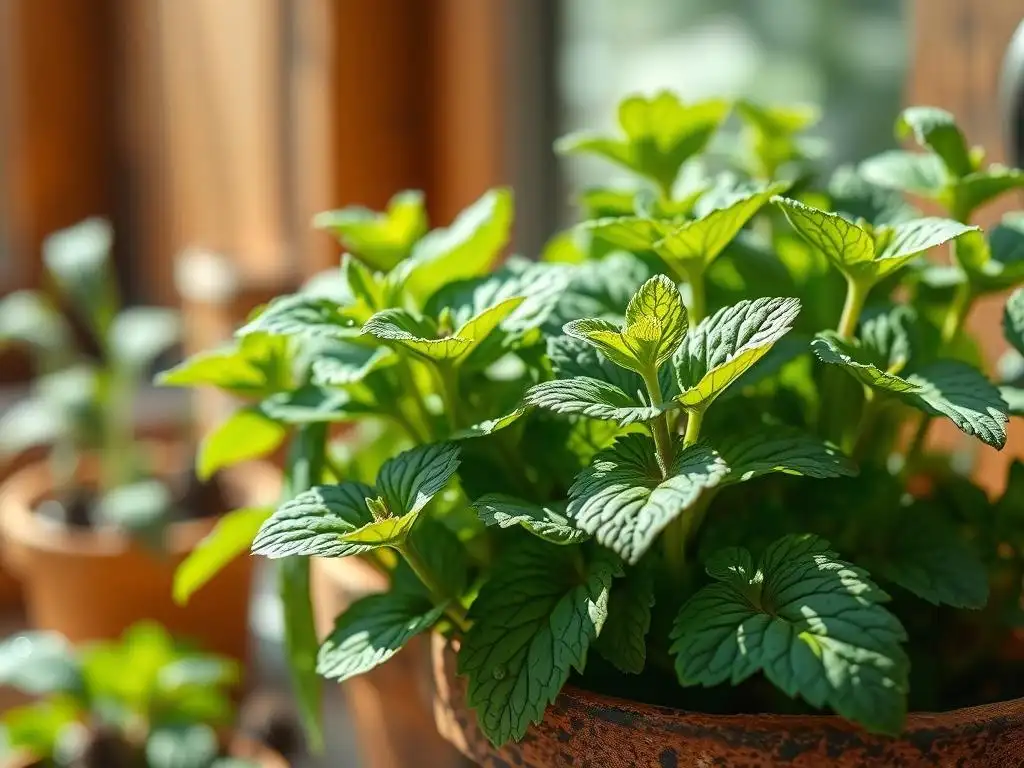
Welcome to CultivateYourFood, your guide to a greener, more flavorful life! Are you ready to experience the unparalleled satisfaction of harvesting your own homegrown herbs? Then let us introduce you to the world of organic peppermint, a surprisingly simple yet incredibly rewarding herb to cultivate. Discover the secrets to successfully growing this refreshing plant from seed to harvest in our comprehensive guide, "The Power of Peppermint: Growing This Refreshing Herb at Home"—and unlock the potential of your own backyard garden. Let's get growing!
- Understanding Peppermint: Varieties and Uses
- Planning Your Peppermint Patch: Site Selection and Soil Preparation
- Planting Your Peppermint: From Seed to Transplant
- Nurturing Your Peppermint Plants: Watering, Weeding, and Fertilizing
- Harvesting and Preserving Your Homegrown Peppermint
- Propagating Peppermint: Expanding Your Peppermint Patch
- Troubleshooting Common Peppermint Growing Problems
- Enjoying the Rewards of Your Homegrown Peppermint
- Frequently Asked Questions
- Final Reflection: The Enduring Allure of Homegrown Peppermint
- Unleash Your Inner Gardener: Grow Your Own Peppermint!
Understanding Peppermint: Varieties and Uses
Peppermint, with its invigorating aroma and refreshing taste, is more than just a delicious addition to your cup of tea. This versatile herb boasts a rich history of culinary and medicinal uses, making it a valuable addition to any home garden.
Growing organic peppermint at home not only provides you with a readily available supply of this potent herb, but also allows you to control the quality and sustainability of your harvest, ensuring you're benefiting from nature's goodness without the harmful effects of pesticides. This guide will walk you through everything you need to know about cultivating this remarkable plant successfully in your own backyard, from selecting the perfect variety to harvesting and utilizing its many benefits.
We will explore the various types of peppermint available, their unique characteristics, and how to choose the best fit for your garden space and needs, while emphasizing the advantages of growing organic peppermint. We'll also delve into the diverse culinary and medicinal applications of this amazing herb, highlighting its versatility and the numerous ways it can enhance your well-being.
Choosing the Right Peppermint Variety for Your Garden
Choosing the right peppermint variety is crucial for successful cultivation. Several varieties exist, each with slightly different characteristics. For example, Mentha × piperita (common peppermint) is widely available and known for its strong, classic peppermint flavor. Other varieties, like chocolate peppermint or apple mint, offer unique flavor profiles. When selecting your variety, consider the following factors:
- Space: Peppermint is a vigorous grower and can spread rapidly. Consider planting it in a container to control its spread, especially if you have limited space.
- Climate: Peppermint thrives in cool, moist environments. Choose a variety that is well-suited to your local climate.
- Intended Use: If you primarily plan to use peppermint for culinary purposes, a variety with a strong, distinct flavor might be ideal. For medicinal purposes, research varieties known for specific properties.
- Hardiness: Different varieties possess different hardiness zones. Select a variety suitable for your geographical location and climate.
Consider this simplified table to help you make your decision:
| Peppermint Variety | Flavor Profile | Growth Habit | Hardiness Zone |
|---|---|---|---|
| Common Peppermint ( Mentha × piperita) | Classic Peppermint | Spreading | 3-9 |
| Chocolate Peppermint | Chocolatey Peppermint | Spreading | 3-9 |
| Apple Mint | Fruity, Apple-like | Spreading | 4-9 |
| Spearmint ( Mentha spicata) | Milder, sweeter mint | Spreading | 4-9 |
Remember to always check the specific requirements of your chosen variety before planting.
Culinary and Medicinal Applications of Peppermint
Peppermint's versatility extends far beyond its refreshing aroma. It's a beloved ingredient in countless culinary creations and possesses a wide range of medicinal properties.
In the kitchen, peppermint adds a zesty touch to various dishes and beverages. It's commonly used in:
- Desserts: Peppermint chocolate chip cookies, peppermint brownies, and candy canes are just a few examples.
- Drinks: Peppermint tea, mojitos, and infused water are refreshing options.
- Savory Dishes: Lamb dishes, salads, and sauces can benefit from the addition of a few fresh peppermint leaves.
Medicinally, peppermint is known for its:
- Digestive benefits: It can help relieve indigestion, bloating, and nausea.
- Pain-relieving properties: Peppermint oil is often used to alleviate headaches and muscle aches.
- Respiratory benefits: It can help clear congestion and soothe coughs.
Remember that while peppermint offers various health benefits, it's crucial to consult a healthcare professional before using it for medicinal purposes, especially if you have underlying health conditions or are taking medication.
The Benefits of Organic Peppermint Cultivation
Growing organic peppermint at home offers numerous advantages compared to purchasing commercially grown peppermint. By avoiding pesticides and herbicides, you're ensuring a cleaner, healthier product free from harmful chemicals. Furthermore, organic cultivation contributes to environmental sustainability by reducing the impact of agricultural practices on the ecosystem. You'll also enjoy the satisfaction of nurturing your plants from seed to harvest, knowing exactly where your peppermint comes from and how it was grown.
The freshness and flavor of homegrown organic peppermint significantly surpasses that of commercially produced counterparts. Moreover, growing your own peppermint can be a cost-effective solution in the long run, providing a continuous supply of this versatile herb for your culinary and medicinal needs. Finally, the process itself is incredibly rewarding, connecting you with nature and promoting a sense of self-sufficiency. 🌱
Planning Your Peppermint Patch: Site Selection and Soil Preparation
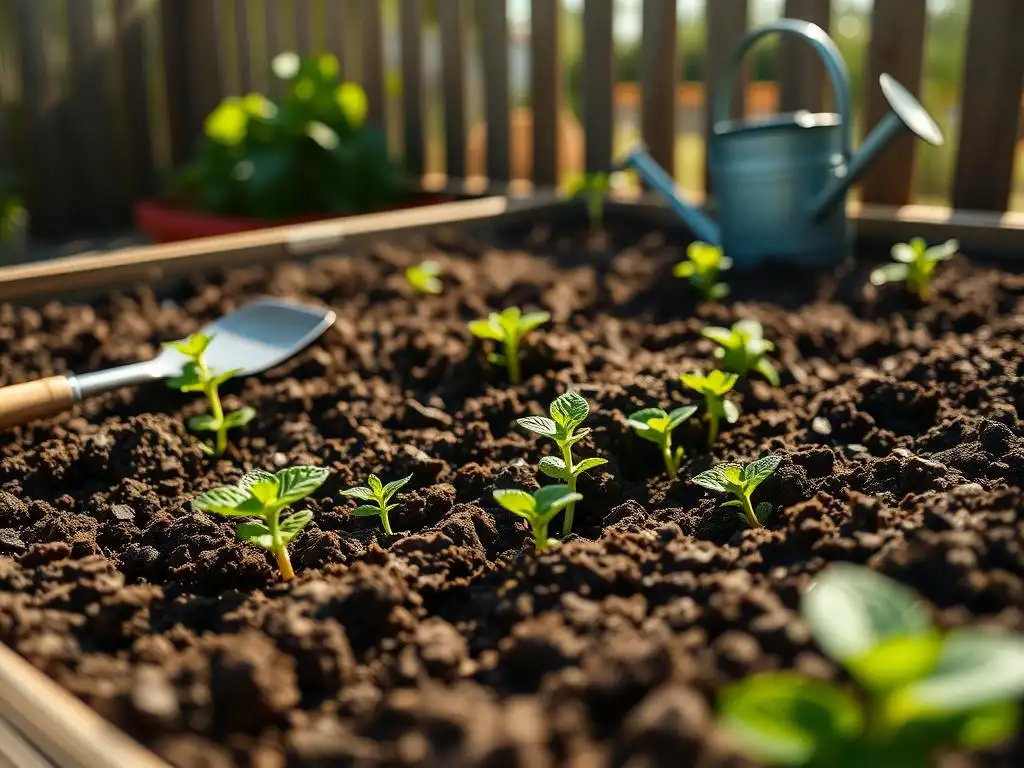
Growing organic peppermint at home is a rewarding experience, offering a readily available supply of this versatile herb for culinary and medicinal uses. However, success hinges on careful planning, starting with site selection and soil preparation. This section details the crucial steps to ensure your peppermint thrives.
Ideal Growing Conditions for Organic Peppermint
Peppermint ( Mentha × piperita) prefers specific conditions to flourish. Understanding these needs is paramount for cultivating healthy, robust plants. Optimal growth occurs in areas with consistently moist, well-drained soil. Avoid locations prone to waterlogging, which can lead to root rot and ultimately kill your plants. Remember, while peppermint tolerates partial shade, it truly thrives in full sun, receiving at least six hours of direct sunlight daily.
This sunlight exposure is crucial for essential oil production, which contributes to the plant's potent aroma and medicinal properties. Furthermore, consider the surrounding environment; avoid planting near aggressive plants that could compete for resources. Choosing a location that provides ample space for the plant to spread is also vital, as peppermint is a vigorous grower. Finally, the ideal soil pH for organic peppermint is slightly acidic to neutral, ranging from 6.0 to 7.0.
Preparing the Soil for Optimal Growth: Soil Amendments and Fertility
Before planting your peppermint, enrich the soil to ensure optimal growth and yield. Start by testing your soil's pH using a home testing kit. Amendments are key to achieving the desired pH range (6.0-7.0). If your soil is too alkaline, adding organic matter like composted manure or peat moss will help lower the pH.
Conversely, if the soil is too acidic, incorporating lime will raise the pH. Beyond pH, soil fertility is critical. Peppermint is a relatively heavy feeder, requiring nutrient-rich soil. Incorporate well-rotted compost or aged manure into the soil before planting to provide essential nutrients and improve soil structure.
This organic approach ensures a healthy growing environment while adhering to organic gardening principles. Consider a soil test to determine the specific nutrient deficiencies and amend accordingly. Adding a layer of mulch after planting helps retain moisture, suppress weeds, and regulate soil temperature, further enhancing your plants' growth. This helps with water retention, particularly important during dry spells.
Sunlight Requirements for Thriving Peppermint Plants
Sunlight plays a pivotal role in the successful cultivation of organic peppermint. While peppermint can tolerate some shade, achieving optimal growth and essential oil production requires ample sunlight. Aim for a location that receives at least six hours of direct sunlight daily. Less sunlight can result in leggy growth, reduced essential oil content, and a weaker overall plant.
However, excessively hot, intense sunlight, especially in the afternoon, can scorch the leaves. Therefore, consider the intensity of sunlight in your specific location and adjust accordingly. In particularly hot climates, providing some afternoon shade might be beneficial.
Observing your plants for signs of stress, such as wilting or leaf burn, will help you determine if adjustments to their sun exposure are necessary. Remember, consistent sunlight is key to growing healthy and vigorous peppermint plants, maximizing their yield and aromatic qualities. Experimentation with sun exposure is a crucial aspect of cultivating this versatile herb.
Planting Your Peppermint: From Seed to Transplant
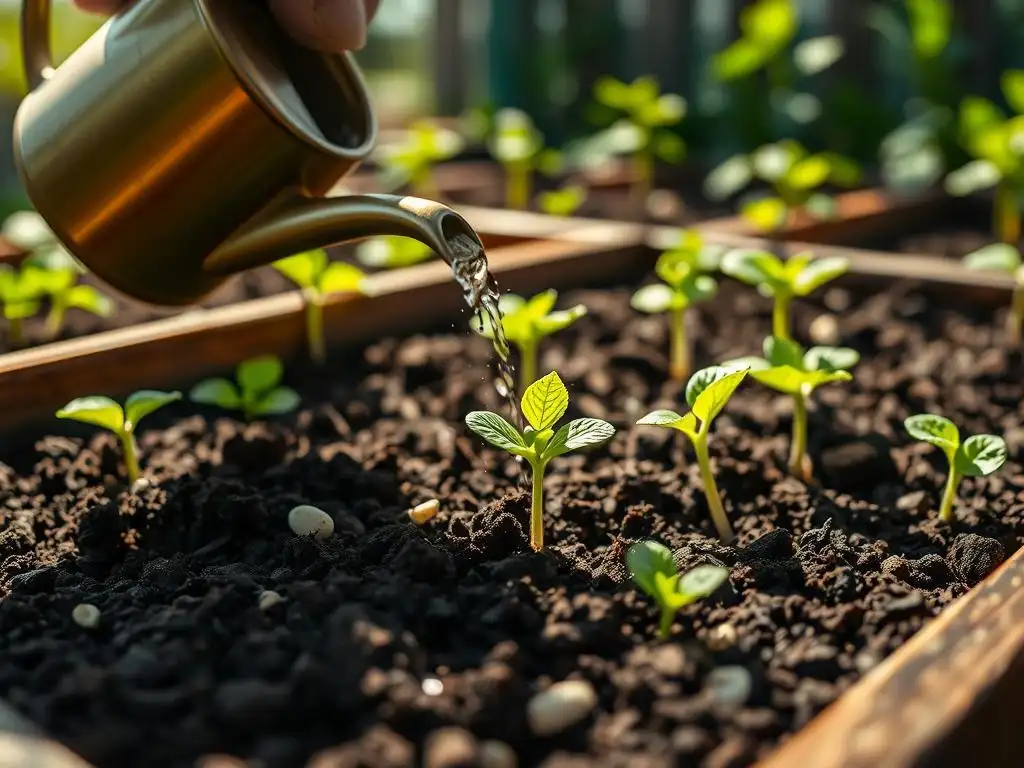
Growing organic peppermint at home offers a rewarding experience, providing fresh leaves for culinary and medicinal uses. While peppermint readily spreads through rhizomes, starting from seed offers a unique approach, allowing you to cultivate specific varieties and ensuring a healthy, vigorous plant. Let's explore the process, from seed germination to successful transplanting.
Starting Peppermint from Seed: A Step-by-Step Guide
Starting peppermint from seed requires patience and attention to detail. Peppermint seeds are notoriously tiny and have a low germination rate. However, with the right technique, you can significantly improve your chances of success.
First, choose high-quality organic peppermint seeds from a reputable supplier. Look for seeds specifically labeled for home gardening and organic cultivation. Avoid seeds that appear old or damaged.
Next, prepare your seed-starting mix. A well-draining, sterile mix is crucial. You can purchase a pre-made seed-starting mix or create your own by combining equal parts peat moss, vermiculite, and perlite. This blend provides excellent aeration and moisture retention.
Sow the seeds thinly onto the surface of the moistened seed-starting mix, gently pressing them into the soil but not burying them deeply. Cover the seed tray with clear plastic wrap to maintain humidity and warmth, crucial for germination. Place the tray in a warm location (around 70-75°F or 21-24°C) with indirect sunlight.
Regularly check the moisture level, misting the surface as needed to prevent the mix from drying out. Germination typically takes 2-4 weeks, but it can vary depending on the seed quality and environmental conditions. Once seedlings emerge, remove the plastic wrap and provide them with adequate indirect sunlight.
As the seedlings grow, ensure they receive sufficient light. If natural light is limited, consider using grow lights to supplement. Once the seedlings have developed their first true leaves (not the cotyledons), you can begin fertilizing them with a diluted, organic fertilizer. Follow the manufacturer's instructions carefully, avoiding over-fertilizing, which can harm young plants.
Transplanting Peppermint Seedlings: Timing and Technique
Once your peppermint seedlings have developed several sets of true leaves (usually around 4-6 weeks after germination) and are about 2-3 inches tall, it's time to transplant them. This transition from the seed tray to their final growing location is crucial for healthy growth and establishment.
Choose a location that receives at least 6 hours of sunlight per day. Peppermint thrives in well-drained soil rich in organic matter. Amend your soil with compost or other organic matter to improve its structure and fertility. Before transplanting, gently loosen the soil with a garden fork or trowel.
Carefully remove the seedlings from the seed tray, ensuring you don't damage their delicate roots. Gently separate the seedlings if they are clustered together. Dig individual holes slightly larger than the root ball of each seedling. Place each seedling in its hole, ensuring the top of the root ball is level with the soil surface.
After planting, gently firm the soil around the base of each seedling. Water thoroughly to help settle the soil and encourage root growth. Mulch around the plants with organic material like straw or shredded leaves to help retain moisture and suppress weeds. This helps maintain consistent soil moisture, reducing the need for frequent watering.
Spacing Peppermint Plants for Healthy Growth
Proper spacing is vital for the healthy growth and yield of your organic peppermint. Overcrowding can lead to competition for resources, resulting in weaker plants and reduced essential oil production. Conversely, planting too far apart wastes valuable space in your garden.
The ideal spacing for peppermint plants is approximately 12-18 inches apart. This spacing allows for adequate airflow, preventing fungal diseases and promoting healthy leaf development. Remember that peppermint spreads aggressively through rhizomes, so even with proper spacing, you'll likely need to manage its growth to prevent it from taking over your garden.
Consider planting your peppermint in containers if space is limited or you want to better control its spread. Large containers (at least 12 inches in diameter) filled with well-draining soil are ideal. This method also makes harvesting and managing the plant easier. Regularly monitor your peppermint plants for signs of overcrowding and take necessary steps to thin them out if needed. This may involve removing some plants or dividing established clumps. This ensures each plant has enough space to thrive, maximizing your harvest of fresh, organic peppermint. 🌱
Nurturing Your Peppermint Plants: Watering, Weeding, and Fertilizing
Growing organic peppermint at home requires more than just planting; it necessitates consistent care to ensure a thriving and healthy herb garden. This section focuses on the crucial aspects of watering, weeding, and fertilizing your peppermint plants using sustainable, organic methods. Remember, a happy plant is a productive plant!
Watering Your Peppermint Plants: Maintaining Soil Moisture
Peppermint, like many herbs, thrives in consistently moist but not waterlogged soil. Overwatering can lead to root rot, while underwatering results in wilting and stunted growth. The key is to maintain a balance. Aim for the soil to be consistently damp to a depth of a few inches. You can check this by sticking your finger into the soil; if it feels dry, it's time to water.
The frequency of watering will depend on several factors, including climate, soil type, and the size of your peppermint plants. In hot, dry climates, you may need to water daily, perhaps even twice a day during intense heat. In cooler, more humid climates, watering every other day or even less frequently might suffice. Observe your plants closely; drooping leaves are a clear indication of thirst.
For optimal watering practices, consider using a drip irrigation system or soaker hoses. These methods deliver water directly to the roots, minimizing evaporation and ensuring efficient water usage. Avoid overhead watering, as this can encourage fungal diseases. Early morning watering is also recommended, allowing the leaves to dry before nightfall and reducing the risk of fungal growth. Remember, consistent moisture is key to cultivating healthy and vibrant peppermint plants. Proper watering is a fundamental aspect of growing organic peppermint at home successfully.
Weeding and Pest Control: Organic Methods for a Healthy Peppermint Patch
Weeds compete with your peppermint plants for water, nutrients, and sunlight, hindering their growth and potentially introducing pests and diseases. Regular weeding is therefore crucial for maintaining a healthy peppermint patch. Hand-weeding is the most effective and environmentally friendly approach, allowing you to carefully remove weeds without disturbing the peppermint roots. Mulching around your peppermint plants can also help suppress weed growth and retain soil moisture. Use organic mulch such as straw or shredded leaves.
Pest control for peppermint should also focus on organic methods. Many common garden pests can be deterred using natural remedies. For example, neem oil is an effective organic insecticide that can control aphids and other sap-sucking insects. Introducing beneficial insects like ladybugs can also help control pest populations naturally. Regularly inspect your plants for signs of pests or diseases, and address any issues promptly to prevent widespread infestation. A proactive approach to pest and weed control is vital for successful organic peppermint cultivation.
Fertilizing Peppermint: Organic Options for Enhanced Growth
While peppermint is not a heavy feeder, providing it with regular organic fertilizer can boost its growth and essential oil production. Avoid using synthetic fertilizers, as these can disrupt the soil's natural balance and harm beneficial microorganisms. Instead, opt for organic options such as compost, worm castings, or aged manure.
Compost is an excellent source of nutrients and improves soil structure, promoting healthy root development. Worm castings, also known as vermicompost, are a rich source of micronutrients and enhance soil fertility. Aged manure, if available, provides a slow-release source of nutrients.
Applying a thin layer of organic fertilizer around the base of your peppermint plants every few weeks during the growing season will help ensure optimal growth and yield. Remember that over-fertilizing can be detrimental, so start with small amounts and adjust based on your plants' response. By using organic fertilization practices, you contribute to a sustainable and healthy growing environment for your organic peppermint.
Harvesting and Preserving Your Homegrown Peppermint
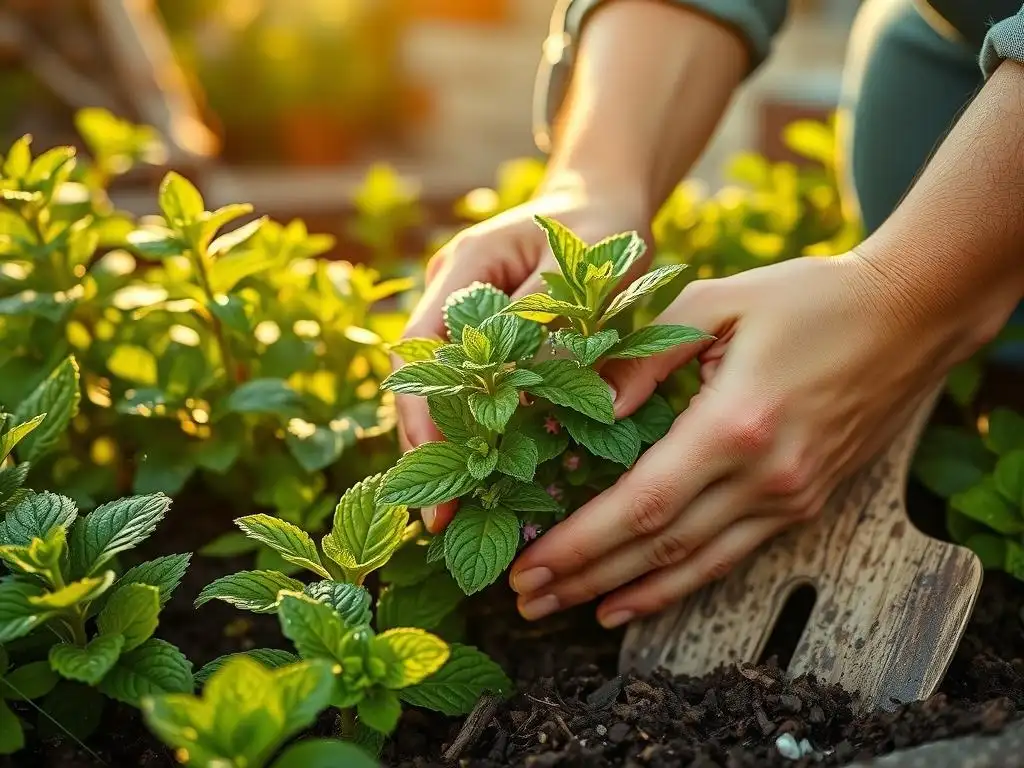
This section focuses on maximizing the yield and longevity of your organically grown peppermint. Proper harvesting and preservation techniques are crucial for enjoying the delightful flavor and aroma of your homegrown peppermint throughout the year. We'll explore the best times to harvest, along with effective drying and freezing methods to ensure your peppermint remains at its best.
Knowing When to Harvest Peppermint for Optimal Flavor and Aroma
The timing of your peppermint harvest significantly impacts its quality. Harvesting at the peak of its flavor and aroma is key. For the most potent essential oils and vibrant flavor, aim to harvest your peppermint just before the plant begins to flower. This typically occurs in the summer, around 6-8 weeks after planting, depending on your climate and variety. Look for healthy, vibrant green leaves. Avoid harvesting after a heavy rain, as wet leaves are more prone to spoiling.
To ensure a continuous supply of fresh peppermint, consider a staggered harvest. Instead of harvesting the entire plant at once, harvest only the top third to one-half of the plant, leaving the lower leaves intact to promote further growth. This method allows for multiple harvests throughout the growing season, extending your enjoyment of fresh peppermint. Think of it like pruning – it encourages bushier growth!
Drying Peppermint for Long-Term Storage: Techniques and Tips
Drying peppermint is an excellent way to preserve its flavor and aroma for months. Proper drying prevents mold and bacterial growth, ensuring your peppermint retains its quality. There are several methods you can use:
- Air Drying: This is the simplest method. Harvest stems of peppermint, and bundle them together using rubber bands. Hang the bundles upside down in a cool, dark, and well-ventilated area. Avoid direct sunlight, which can fade the color and diminish the essential oils. Drying time will vary depending on humidity and temperature, but generally takes 1-2 weeks. Once completely dry, the leaves should crumble easily.
- Oven Drying: For faster drying, you can use a low-heat oven. Spread the peppermint leaves in a single layer on a baking sheet. Dry at a low temperature (around 170°F or 77°C) with the oven door slightly ajar, for better air circulation. Check regularly and remove from oven once the leaves are dry and brittle. This method is quicker, but requires more attention to avoid burning.
Once your peppermint is completely dry, store it in airtight containers in a cool, dark, and dry place. Glass jars are ideal. Properly dried peppermint can retain its flavor and aroma for up to a year.
Freezing Peppermint to Preserve Freshness
Freezing is another effective method for preserving fresh peppermint. Freezing helps retain more of the herb's vibrant color and fresh flavor compared to drying.
To freeze peppermint, wash and thoroughly dry the leaves. You can freeze them whole, but chopping them into smaller pieces is often more convenient for later use. Pack the chopped peppermint into freezer-safe bags or containers, removing as much air as possible. Label and date the containers for easy identification. Frozen peppermint can last for up to 12 months. You can use frozen peppermint directly in smoothies, soups, or other recipes without thawing. Alternatively, you can thaw it and use it like fresh peppermint.
Remember, proper storage is crucial regardless of the preservation method you choose. Airtight containers in a cool, dark, and dry place are your best bet for maximizing the shelf life of your homegrown, organic peppermint. Enjoy the fruits (or rather, leaves!) of your labor!
Propagating Peppermint: Expanding Your Peppermint Patch
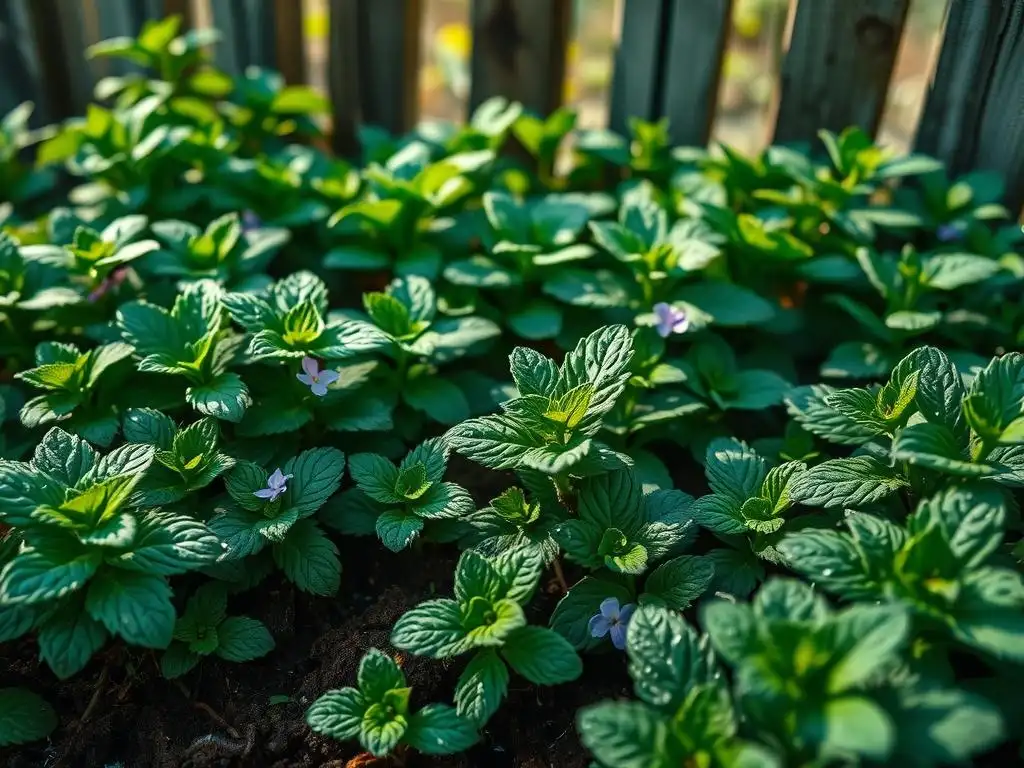
Growing organic peppermint at home offers a rewarding experience, providing fresh leaves for culinary and medicinal uses. But a single plant can quickly become overwhelmed. Fortunately, peppermint is remarkably easy to propagate, allowing you to expand your patch and share the bounty with friends and family. This section details the most effective methods for propagating your own organic peppermint plants, ensuring a plentiful supply of this versatile herb.
Dividing Established Peppermint Plants: A Simple Propagation Method
Dividing established peppermint plants is arguably the simplest and most successful propagation method. Mature peppermint plants develop extensive root systems, creating numerous growth points. By carefully dividing these roots, you can create several new, independent plants. This method is best performed in spring or early autumn, when the plant is actively growing but not under the stress of intense heat or freezing temperatures.
To begin, gently dig up the entire peppermint plant. Try to get as much of the root system as possible. Then, using a sharp, clean knife or spade, divide the root ball into sections, ensuring each section has several healthy stems and a good portion of roots. Each section should be at least 4-6 inches in diameter.
Replant these divisions at the same depth as the original plant, spacing them appropriately to allow for growth. Water thoroughly after planting. This method offers a high success rate and quickly yields multiple plants. Remember to use organic soil to maintain your commitment to organic growing practices.
Taking Cuttings from Peppermint Plants: A Detailed Guide
Taking stem cuttings is another effective technique for propagating peppermint. This method involves taking healthy stems from your existing plant and encouraging them to develop roots in a suitable medium. While slightly more involved than division, it allows you to create multiple plants from a single mother plant without disturbing its root system.
Select healthy, non-flowering stems approximately 4-6 inches long. Use sharp, clean pruning shears to make a clean cut just below a node (the point where leaves or branches emerge from the stem). Remove the lower leaves from the cutting, leaving only the top 2-3 sets of leaves. This reduces water loss and allows the plant to focus its energy on root development.
Dip the cut end of the stem in a rooting hormone (optional, but can improve success rates) and plant the cuttings in a well-draining potting mix, such as a blend of peat moss, perlite, and vermiculite. Keep the soil consistently moist but not waterlogged. Cover the cuttings with a clear plastic bag or humidity dome to maintain high humidity, which helps promote root development. Place the cuttings in a location with bright, indirect light.
Roots should develop within a few weeks. Once rooted, you can carefully transplant your new peppermint plants into your garden or larger containers. This method requires more attention to detail but offers a viable alternative for expanding your peppermint patch.
Growing Peppermint from Runners: An Easy Propagation Technique
Peppermint, like many mints, spreads aggressively through runners – horizontal stems that grow along the soil surface and produce new plants at their nodes. This natural propagation method is incredibly easy and requires minimal effort. Simply allow your peppermint plant to spread naturally, and you’ll find new shoots emerging from these runners. These shoots can be carefully separated from the mother plant and transplanted to create new plants.
When new shoots are large enough (at least a few inches tall and with several leaves), gently separate them from the runner. Ensure each new plant has its own set of roots. You can use a small trowel or your fingers to carefully lift and separate the new plant. Transplant the separated plants to a new location, ensuring adequate spacing for growth.
Water thoroughly. This is a remarkably low-maintenance method that leverages the natural spreading habit of peppermint to effortlessly expand your organic peppermint garden. This method is ideal for those seeking a truly hands-off approach to propagation, making it suitable for even beginner gardeners. Remember to monitor the growth to prevent overcrowding.
Troubleshooting Common Peppermint Growing Problems
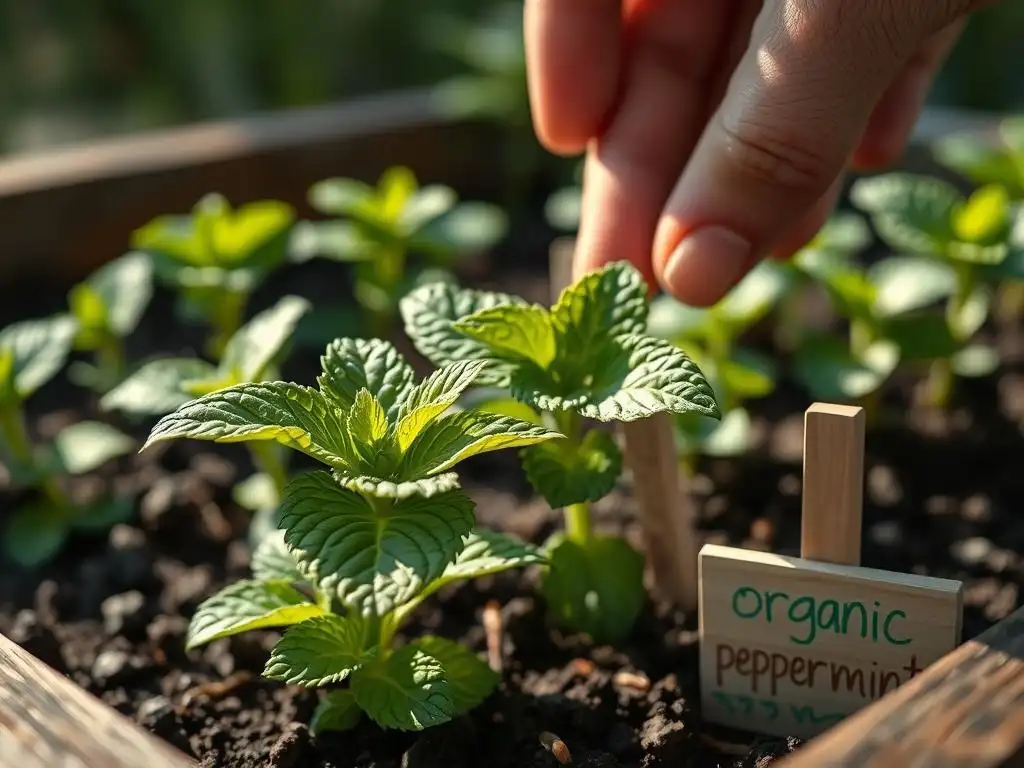
Growing organic peppermint at home can be incredibly rewarding, but like any plant, it faces its challenges. This section delves into common problems encountered while cultivating this refreshing herb and provides practical solutions for a thriving peppermint patch. Understanding these issues and implementing preventative measures is key to successfully growing organic peppermint. Let's address some frequent hurdles.
Dealing with Common Peppermint Pests and Diseases
Peppermint, while generally hardy, can be susceptible to certain pests and diseases, especially in less-than-ideal growing conditions. Early detection and appropriate treatment are crucial.
Several common pests can affect peppermint plants. Aphids, tiny sap-sucking insects, are a frequent culprit, causing stunted growth and leaf curling. Spider mites, another common pest, create fine webbing on leaves and cause stippling. Both can be managed through a combination of methods. A strong spray of water can dislodge aphids, while introducing beneficial insects like ladybugs can help control both aphids and spider mites naturally. For more severe infestations, insecticidal soap, a safer alternative to harsh chemicals, can be effective. Remember to always follow the instructions on the packaging carefully.
Fungal diseases, such as powdery mildew, can also impact peppermint. This disease appears as a white, powdery coating on the leaves, hindering photosynthesis and plant growth. Good air circulation is crucial to prevent powdery mildew. Spacing plants adequately and avoiding overhead watering can significantly reduce the risk. If an infection occurs, removing affected leaves and using a fungicide (following label instructions meticulously) may be necessary. In the case of root rot, caused by overwatering and poor drainage, removing affected plants and improving soil drainage are essential steps. Prevention is key; ensure well-draining soil and avoid overwatering.
Addressing Nutrient Deficiencies in Peppermint Plants
Nutrient deficiencies can manifest in various ways, impacting the overall health and yield of your peppermint. Recognizing the symptoms and addressing them promptly is vital for maintaining a thriving peppermint patch.
A common sign of a nutrient deficiency is yellowing leaves. This can indicate a lack of nitrogen, a crucial nutrient for leaf growth. Applying a balanced organic fertilizer, rich in nitrogen, can remedy this. Compost tea, a natural and effective fertilizer, is an excellent choice for organic peppermint cultivation. Alternatively, you can use other organic nitrogen sources like aged manure or blood meal.
Other deficiencies, such as a lack of iron or magnesium, can also cause yellowing leaves, but often with distinct patterns. Iron deficiency usually affects the younger leaves, while magnesium deficiency tends to impact the older leaves. Soil testing can help identify specific nutrient deficiencies. Based on the results, you can amend your soil with appropriate organic supplements to provide the necessary nutrients. Remember to always follow the instructions on any fertilizer packaging to avoid over-fertilizing.
Solving Common Peppermint Growing Challenges: Specific Problem-Solving Strategies
Beyond pests and diseases, other challenges can hinder the growth of your organic peppermint. Addressing these challenges effectively will significantly contribute to a healthy and productive harvest.
Problem: Slow or Stunted Growth. Possible Causes: Poor soil quality, insufficient sunlight, lack of water, or nutrient deficiency. Solutions: Amend the soil with compost, ensure at least 6 hours of sunlight daily, water consistently, and fertilize as needed.
Problem: Wilting Leaves. Possible Causes: Overwatering, underwatering, or extreme temperatures. Solutions: Adjust watering practices, provide shade during extreme heat, and ensure proper soil drainage.
Problem: Flowering Too Early. Possible Causes: Stress from environmental conditions or nutrient imbalances. Solutions: Minimize stress factors, such as extreme temperatures or drought, and ensure a balanced nutrient supply. Pinching back flower buds can encourage more leaf growth.
Problem: Peppermint Not Spreading. Possible Causes: Crowding, poor soil conditions, or insufficient moisture. Solutions: Thin out crowded plants, improve soil quality with organic matter, and maintain consistent moisture levels.
By proactively addressing these potential problems, you can significantly improve your chances of successfully growing healthy and vibrant organic peppermint at home, reaping the rewards of this incredibly versatile herb. Remember, consistent monitoring and prompt action are key to maintaining a thriving peppermint patch.
Enjoying the Rewards of Your Homegrown Peppermint
Using Fresh and Dried Peppermint in Cooking and Beverages
Growing organic peppermint at home offers a delightful array of culinary and beverage applications. Fresh peppermint leaves, with their vibrant green color and invigorating aroma, add a unique touch to numerous dishes. Consider finely chopping fresh leaves to sprinkle over salads, fruit platters, or even lamb dishes for a refreshing contrast. Their peppery, slightly sweet flavor pairs wonderfully with summer fruits like strawberries and watermelon. Infusing fresh leaves in water or lemonade creates a naturally sweet and refreshing drink, perfect for a hot summer's day. The possibilities are truly endless!
Beyond fresh applications, drying peppermint leaves allows for year-round enjoyment. Harvesting on a dry, sunny day ensures optimal preservation. After gently washing and patting dry, carefully arrange the leaves on a screen or tray in a well-ventilated area, away from direct sunlight. Once completely dried (usually within 1-2 weeks), store the leaves in an airtight container in a cool, dark place.
Dried peppermint can then be used to create flavorful teas, added to baked goods, or incorporated into spice blends for savory dishes. Think of adding a pinch to your homemade granola or using it as a unique ingredient in your next batch of cookies! 🍪
Making Peppermint Tea: A Simple and Refreshing Recipe
Creating your own peppermint tea is incredibly easy and rewarding. Here's a simple recipe using your homegrown organic peppermint:
- Ingredients:
- 1 cup freshly boiled water
- 1-2 teaspoons fresh peppermint leaves (or 1 teaspoon dried)
- Honey or maple syrup (optional, to taste)
- Lemon wedge (optional)
- Instructions:
- Place the peppermint leaves in a tea infuser or directly into a mug.
- Pour the boiling water over the leaves.
- Steep for 5-7 minutes, or to your desired strength. Longer steeping times will result in a stronger, more potent brew.
- Remove the infuser or leaves.
- Add honey or maple syrup, and a lemon wedge if desired.
- Enjoy your homemade, organic peppermint tea! 🍵
This simple recipe allows you to fully appreciate the subtle nuances of your homegrown peppermint. Experiment with different steeping times to find your perfect cup. You can also blend peppermint with other herbs like chamomile or lemon balm for a unique flavor profile. Remember, the quality of your tea is directly related to the quality of your ingredients, making homegrown peppermint the perfect choice for a truly exceptional cup.
Creating Peppermint Essential Oil: Steam Distillation Method
Producing peppermint essential oil at home requires a more involved process, utilizing steam distillation. While this method necessitates specialized equipment (a still), the rewarding outcome—a high-quality, pure essential oil—makes it worthwhile for dedicated herb enthusiasts. This method allows you to capture the potent aroma and therapeutic properties of your organically grown peppermint.
The steam distillation process involves carefully placing your harvested peppermint leaves in the still's chamber. Steam is then introduced, causing the essential oil to vaporize. This vapor is then channeled through a condenser, where it cools and separates into oil and water. The essential oil, being lighter, floats to the top and can be carefully collected. This process requires precise temperature control and careful observation to avoid damaging the delicate compounds within the oil.
The resulting peppermint essential oil can be used for aromatherapy, skincare, or as a natural remedy (always consult a professional before using essential oils therapeutically). Remember, safety is paramount when working with essential oils and distillation equipment. Always follow safety guidelines and use appropriate protective gear. The process, while demanding, provides a deeply satisfying connection to the entire growing and processing cycle, from seed to final product. 🌿
Frequently Asked Questions
How do I start growing organic peppermint at home?
Begin by planting peppermint rhizomes or cuttings in a well-draining pot filled with organic soil. Ensure the pot is large enough to accommodate the plant's spreading roots. Consistent watering is key.
What kind of sunlight does peppermint need?
Peppermint thrives in full sun to partial shade. Aim for at least four to six hours of sunlight per day, but protect it from the intense afternoon sun in hot climates.
How often should I water my organic peppermint?
Keep the soil consistently moist, but not soggy. Water regularly, especially during hot and dry periods. Overwatering can lead to root rot.
How can I prevent pests and diseases in my organic peppermint?
Regularly inspect your plants for pests. Use organic pest control methods such as neem oil or insecticidal soap. Good air circulation can also help prevent diseases.
When and how should I harvest my organic peppermint?
Harvest peppermint by cutting stems just above a leaf node. The best time to harvest is during the morning after the dew has dried, when the essential oil content is highest. You can harvest multiple times throughout the growing season.
Final Reflection: The Enduring Allure of Homegrown Peppermint
The simple act of nurturing a peppermint plant from seed to harvest offers more than just a refreshing cup of tea; it connects us to a timeless tradition of self-sufficiency and the profound satisfaction of growing our own food. In a world increasingly reliant on mass-produced goods, the ability to cultivate even a small patch of organic peppermint speaks volumes about our desire for connection with nature and control over our own well-being.
The influence of homegrown herbs extends far beyond the kitchen table. It fosters a deeper appreciation for the natural world, encouraging mindful observation and a respect for the delicate balance of ecosystems. The glory of gardening: hands in the dirt, head in the sun, heart with nature. To nurture a garden is to feed not just the body, but the soul.
This quote perfectly encapsulates the emotional reward of tending to a peppermint plant, a reward that extends beyond the tangible benefits of fresh leaves. The process itself is a meditative practice, a quiet escape from the demands of modern life.
Now, consider your own space. Do you have a sunny windowsill, a small balcony, or even a patch of earth yearning to be cultivated? Imagine the invigorating aroma of freshly picked peppermint, the cool sensation of its leaves against your skin, the pure satisfaction of knowing you've nurtured this vibrant herb from seed to cup. Take the first step today. Plant a peppermint sprig, a seed, or even just the intention to connect with the earth through the simple act of growing your own organic peppermint. The journey, as much as the destination, is a rewarding experience.
Unleash Your Inner Gardener: Grow Your Own Peppermint!
Thank you for exploring the wonderful world of peppermint with us! We hope you've gained valuable insights into cultivating this refreshing herb. Now it's time to put that knowledge into practice.
Here are a few ways to get started:
- Begin planting your peppermint today! Whether you start from seed or cuttings, the first step is the most rewarding. Imagine those fragrant leaves already!
- Share your peppermint growing experience with our community on social media – use #CultivateYourPeppermint and tag @CultivateYourFood to inspire others.
- Explore the diverse world of peppermint varieties – did you know there are many types with unique flavors and aromas? Experiment to discover your favorite!
Ready to transform your garden into a fragrant oasis? What's your favorite way to use fresh peppermint?