
Protecting Rosemary and Thyme from Pests and Diseases: Organic Strategies

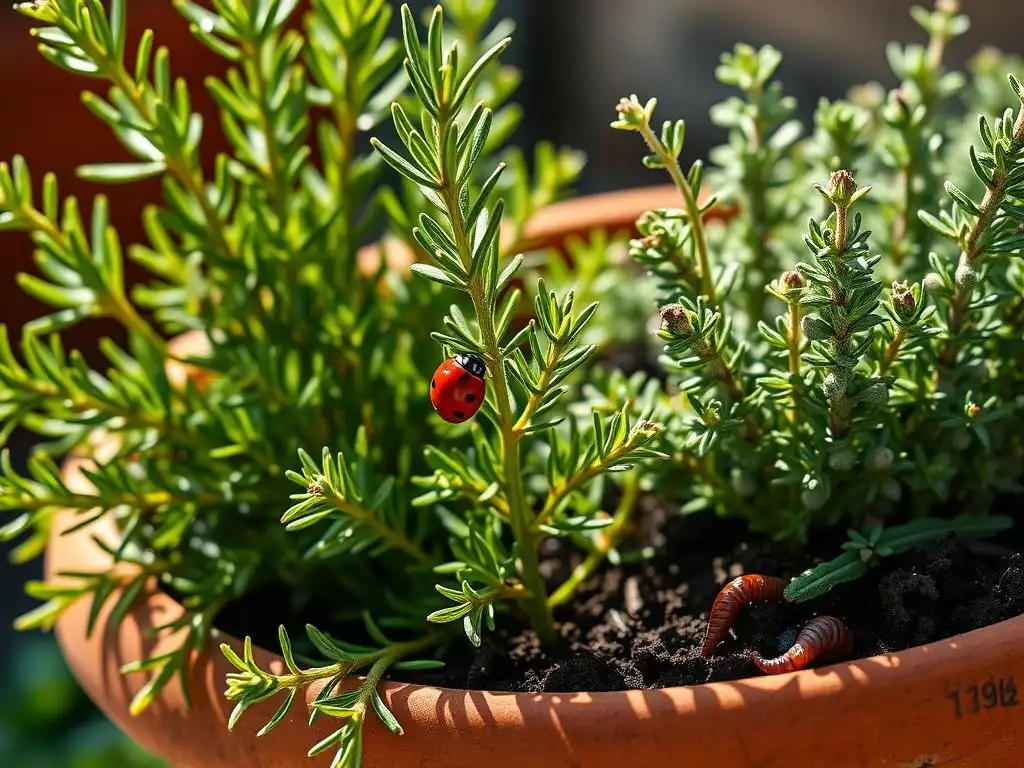
Ready to unlock the secrets of a thriving herb garden? At CultivateYourFood, we empower you to grow your own delicious and healthy fruits, vegetables, and herbs using sustainable methods. This article dives deep into organic pest control for rosemary and thyme, revealing simple yet effective strategies to keep your precious herbs flourishing. Discover how to protect your plants naturally and harvest an abundance of fragrant, pest-free herbs. Let's get started!
- Understanding Common Rosemary and Thyme Pests
- Organic Pest Control Methods for Rosemary and Thyme
- Preventing Diseases in Rosemary and Thyme: Organic Approaches
- Organic Disease Control Strategies for Rosemary and Thyme
- Harvesting and Storing Rosemary and Thyme for Optimal Health
- Troubleshooting Common Rosemary and Thyme Problems: Organic Solutions
-
Frequently Asked Questions
- What are some common pests that affect rosemary and thyme?
- How can I organically control pests on my rosemary and thyme?
- Is there a way to prevent pests from attacking my rosemary and thyme?
- Does companion planting help with rosemary and thyme pest control?
- What role do rosemary and thyme play in organic pest control for other plants?
- Final Reflection: Nurturing Resilience in Our Gardens and Ourselves
- Unlock Your Herb Garden's Potential: Grow Stronger, Healthier Rosemary & Thyme
Understanding Common Rosemary and Thyme Pests
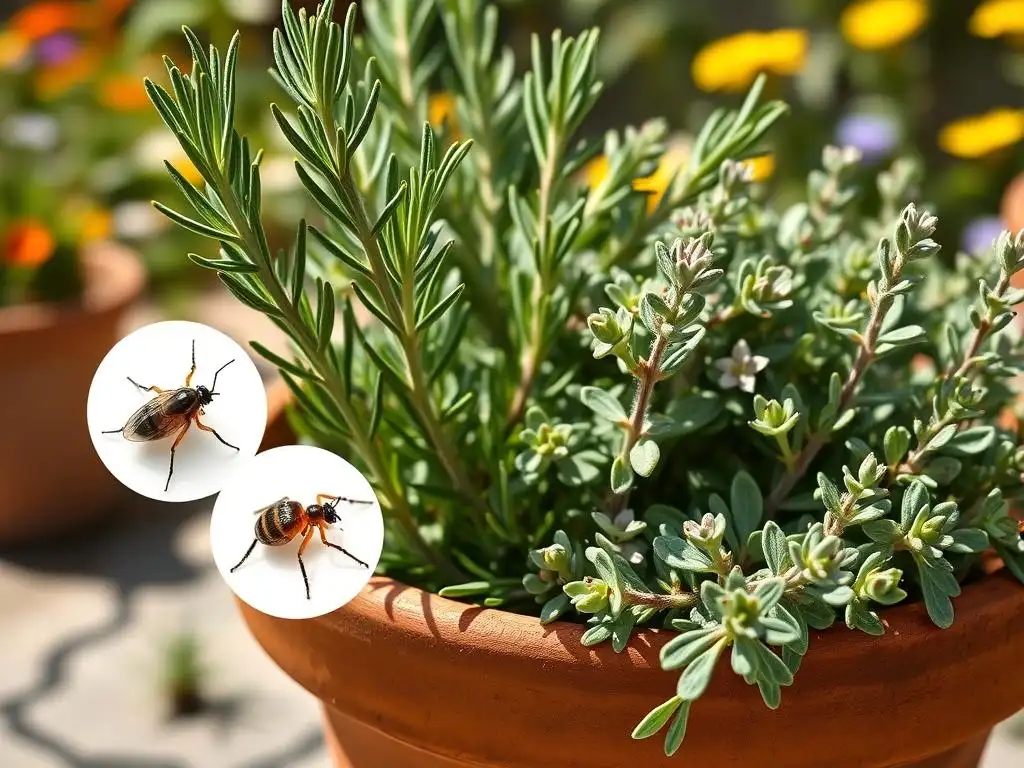
Rosemary and thyme, beloved aromatic herbs, are relatively resilient plants, but they're not immune to pest infestations and diseases. This guide focuses on organic pest control methods for these herbs, offering practical solutions to protect your precious plants and ensure a bountiful harvest. We'll explore common pests affecting both rosemary and thyme, the telltale signs of infestation, and effective organic strategies to combat these issues, emphasizing sustainable and environmentally friendly practices in line with the principles of organic gardening.
Successfully implementing these techniques will not only safeguard your herbs but also contribute to a healthier garden ecosystem. This is crucial for maintaining a thriving and productive herb garden, free from harmful chemicals and promoting biodiversity.
Learning to identify and address pest problems early is key to preventing widespread damage and ensuring the longevity of your rosemary and thyme plants. The goal is to cultivate healthy, robust herbs using methods that are both effective and respectful of the environment.
Identifying Rosemary Pests: Spider Mites, Whiteflies, and Aphids
Rosemary, with its needle-like leaves, can be a haven for several tiny pests. Three common culprits are spider mites, whiteflies, and aphids. Spider mites are microscopic arachnids that suck the sap from leaves, causing stippling and yellowing. Heavy infestations can lead to leaf browning and defoliation. Whiteflies, small white insects, cluster on the undersides of leaves, also feeding on sap and leaving behind a sticky honeydew that can attract sooty mold.
Aphids, small pear-shaped insects, are usually found in colonies on new growth and likewise suck plant sap, causing leaf distortion and wilting. Early detection is vital. Regularly inspect your rosemary plants, paying close attention to the undersides of leaves. A magnifying glass can be helpful in identifying these tiny pests.
Identifying these pests early is crucial. Consider using a magnifying glass to assist with inspection, especially for spider mites. Regularly inspecting your plants can prevent minor infestations from becoming major problems.
Recognizing Thyme Pests: Aphids, Thrips, and Caterpillars
Thyme, while generally hardy, is susceptible to its own set of pests. Aphids, as mentioned previously, are a common problem, often congregating on young shoots and buds. Thrips, tiny, slender insects, are another threat. They also suck plant sap, leaving behind silvery streaks or stippling on the leaves.
Caterpillars, the larval stage of moths and butterflies, can cause significant damage by chewing on leaves and stems, leaving behind noticeable holes and defoliation. Similar to rosemary, regular inspection is key. Look for signs of feeding damage, such as holes in leaves or distorted growth. A watchful eye can help you identify and address these issues before they cause significant harm to your thyme plants.
Assessing the Damage: Recognizing Signs of Infestation in Rosemary and Thyme
Recognizing the early signs of pest infestation is crucial for effective organic pest control. For both rosemary and thyme, look for these common indicators:
| Pest | Rosemary Symptoms | Thyme Symptoms |
|---|---|---|
| Spider Mites | Stippling, yellowing, leaf browning, webbing | Stippling, yellowing, leaf browning |
| Whiteflies | Sticky honeydew, sooty mold, yellowing leaves | Sticky honeydew, sooty mold, yellowing leaves |
| Aphids | Leaf curling, distortion, wilting, honeydew | Leaf curling, distortion, wilting, honeydew |
| Thrips | Silvery streaks or stippling on leaves | Silvery streaks or stippling on leaves |
| Caterpillars | Holes in leaves, defoliation | Holes in leaves, defoliation |
Remember, early detection is key to minimizing damage and preventing the spread of infestation. Regular monitoring, combined with the knowledge of these signs, allows for timely intervention and the implementation of effective organic control measures. This proactive approach helps ensure the health and vitality of your rosemary and thyme plants.
Organic Pest Control Methods for Rosemary and Thyme
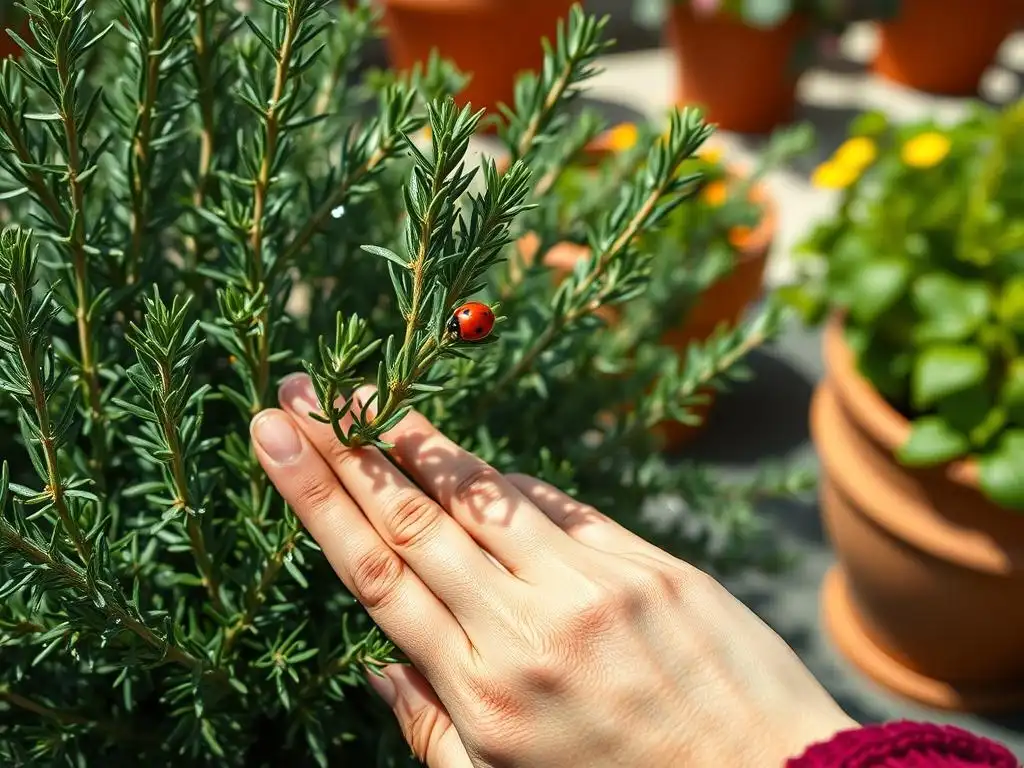
Rosemary and thyme, while relatively hardy herbs, are not immune to pest infestations and diseases. Employing organic pest control methods is crucial for maintaining the health of your plants and ensuring the safety of your culinary creations. This section details effective, sustainable strategies to protect your rosemary and thyme from common threats while adhering to organic gardening principles. We'll explore natural pesticides, beneficial insects, and cultural practices that promote healthy herb growth and discourage pest activity.
This approach prioritizes the long-term health of your plants over quick fixes, contributing to a thriving and sustainable herb garden. The goal is to establish a robust ecosystem in your garden that naturally resists pests, minimizing the need for harsh chemical interventions. This holistic approach to organic pest control for rosemary and thyme ensures both healthy plants and a safe environment.
Effective Natural Pesticides for Rosemary and Thyme Pests
Many effective organic pesticides can combat common rosemary and thyme pests without harming beneficial insects or contaminating your herbs. These natural solutions offer a safer and more environmentally friendly alternative to synthetic pesticides, aligning with the principles of organic gardening and protecting the health of your garden ecosystem. Remember to always follow the instructions on the product label for safe and effective application. Consistent monitoring of your plants is key to early pest detection and timely intervention, preventing major infestations.
Neem Oil Application for Pest Control in Rosemary and Thyme
Neem oil, derived from the neem tree, is a versatile and effective organic pesticide. It disrupts the life cycle of many common herb pests, including aphids, spider mites, and whiteflies. Applying neem oil as a preventative measure can significantly reduce the risk of infestation. For rosemary and thyme, a diluted neem oil spray applied weekly during the growing season can offer excellent protection.
Always shake well before use and ensure thorough coverage of the plant, including the undersides of leaves where pests often hide. Remember to test a small area first to ensure your plants don't have an adverse reaction. Consistent application is crucial for maintaining pest control. Proper dilution is also essential to avoid harming the plants.
Diatomaceous Earth: A Natural Insecticide for Herb Gardens
Diatomaceous earth (DE) is a naturally occurring sedimentary rock composed of fossilized diatoms. Its microscopic particles act as a physical insecticide, causing dehydration and death in soft-bodied insects like aphids, slugs, and caterpillars. DE can be applied as a dust around the base of your rosemary and thyme plants, creating a barrier that pests find difficult to cross.
It's important to use food-grade diatomaceous earth for use around edible plants. Reapply DE after watering or rain, as it can be washed away. While DE is generally safe, wearing a mask during application is recommended to avoid inhaling the fine dust.
Insecticidal Soap: A Safe and Effective Organic Solution
Insecticidal soap is another effective organic pesticide, particularly useful against soft-bodied insects like aphids, mealybugs, and spider mites. It works by disrupting the cell membranes of insects, leading to dehydration and death. Insecticidal soap is generally less harmful to beneficial insects than other pesticides and is biodegradable, making it a suitable choice for organic gardening. Apply insecticidal soap according to the product instructions, ensuring thorough coverage of the plants. Repeat applications may be necessary, depending on the severity of the infestation. Always test a small area before widespread application to check for any negative impact on the plants.
Beneficial Insects: Attracting Natural Predators to Your Herb Garden
Encouraging beneficial insects in your herb garden offers a natural and sustainable approach to pest control. These insects act as natural predators, reducing the need for chemical interventions. By creating a welcoming environment for these helpful creatures, you can establish a balanced ecosystem that naturally regulates pest populations. This approach minimizes the reliance on external pest control methods, promoting a healthy and thriving herb garden.
Ladybugs: Natural Predators of Aphids
Ladybugs are voracious predators of aphids, a common pest of rosemary and thyme. Adult ladybugs and their larvae consume large numbers of aphids, significantly reducing aphid populations. Attracting ladybugs to your garden can be achieved by planting flowers that attract them, such as yarrow, dill, and fennel. Avoid using pesticides that could harm ladybugs. Providing shelter, such as small rocks or logs, can also encourage ladybugs to stay in your garden. Regular monitoring will help you assess the ladybug population's effectiveness in controlling aphids.
Lacewings: Effective Control for Thrips and Other Small Pests
Lacewings are another beneficial insect that can help control various herb pests, including thrips, spider mites, and aphids. Both the adult lacewings and their larvae are predatory, feeding on a wide range of small insects. To attract lacewings, consider planting flowering plants that provide nectar and pollen, such as cosmos, sunflowers, and Queen Anne's lace.
Avoid using broad-spectrum insecticides that could harm lacewings. Maintaining a diverse and healthy garden ecosystem is key to attracting and supporting these beneficial insects, promoting a natural balance and reducing the need for chemical pest control. The presence of lacewings is a good indicator of a thriving and balanced garden ecosystem.
Preventing Diseases in Rosemary and Thyme: Organic Approaches
Rosemary and thyme, while relatively hardy herbs, are susceptible to certain diseases, particularly in environments with poor growing conditions. Implementing organic disease prevention strategies is crucial for maintaining healthy, thriving plants and maximizing your harvest. This section focuses on proactive measures to minimize disease risk, ensuring robust growth and minimizing the need for reactive interventions. Effective organic pest control for rosemary and thyme begins with disease prevention.
Maintaining Proper Soil Drainage to Prevent Root Rot
Root rot, caused by various fungi thriving in waterlogged soil, is a common problem for rosemary and thyme. These herbs prefer well-drained soil; excessive moisture suffocates their roots, leading to decay and ultimately, plant death. Preventing root rot involves careful consideration of soil composition and watering practices.
Poor drainage can manifest as consistently soggy soil, even after light watering. This indicates a need for soil amendment. Adding organic matter like compost significantly improves drainage. Compost not only enhances drainage but also provides essential nutrients, further boosting plant health and resilience against diseases. Amend heavy clay soils with generous amounts of compost, perlite, or coarse sand to improve aeration and water percolation.
Furthermore, mindful watering is crucial. Water deeply but infrequently, allowing the soil to dry out slightly between waterings. Avoid overhead watering, which can lead to excessive leaf moisture and encourage fungal growth. Instead, opt for drip irrigation or watering at the base of the plant. Regularly monitor the soil moisture level using your finger; if the top inch feels dry, it's time to water. Consistent monitoring is key to preventing overwatering, a leading cause of root rot in rosemary and thyme.
Ensuring Adequate Air Circulation to Reduce Fungal Diseases
Good air circulation is paramount in preventing fungal diseases in rosemary and thyme. Fungal pathogens thrive in humid, stagnant air. Dense planting or overcrowding restricts airflow, creating ideal conditions for fungal spores to germinate and spread. This results in leaf spots, powdery mildew, and other fungal infections which can significantly impact plant health and yield.
To ensure sufficient air circulation, plant rosemary and thyme with adequate spacing between individual plants. This allows for free movement of air around the foliage, reducing humidity and minimizing the risk of fungal diseases. The recommended spacing varies depending on the variety and mature size of the plant, but generally, aim for at least 12-18 inches between plants.
Pruning is another vital technique to improve air circulation. Regularly prune overcrowded branches to open up the plant canopy, allowing for better airflow. Remove any dead or diseased leaves promptly to prevent the spread of fungal pathogens. In addition to pruning, consider the location of your planting. Avoid planting rosemary and thyme in shaded areas with poor air circulation. Choose a sunny spot with good air movement to minimize the risk of fungal diseases.
Choosing Disease-Resistant Rosemary and Thyme Varieties
Selecting disease-resistant varieties is a proactive approach to minimizing disease problems in your herb garden. Different cultivars exhibit varying levels of resistance to common diseases. Opting for known disease-resistant varieties can significantly reduce the likelihood of encountering significant disease issues.
While a complete list of disease-resistant cultivars requires further research [specific information pending], seeking advice from local nurseries or experienced gardeners can provide valuable insights into varieties that perform well in your specific region and demonstrate inherent resistance to common rosemary and thyme ailments. This proactive selection can save time, effort, and potential plant loss associated with disease management. Investing time in selecting robust varieties is a foundational step in organic pest control for rosemary and thyme. The initial investment in disease-resistant plants pays off significantly in long-term plant health and reduced disease management needs.
Avoiding Overwatering: A Key to Healthy Rosemary and Thyme
Overwatering is a significant contributor to fungal diseases in rosemary and thyme. These hardy herbs are remarkably drought-tolerant and prefer well-drained soil. Soggy soil creates the perfect environment for fungal pathogens to thrive, leading to root rot and other debilitating conditions. Root rot, in particular, manifests as wilting, yellowing leaves, and ultimately, plant death. The fungus attacks the roots, preventing them from absorbing essential nutrients and water, even if you're diligently watering. This is a common problem, especially for beginners who may be overly enthusiastic about watering their newly planted herbs.
To avoid overwatering, ensure your rosemary and thyme are planted in well-draining soil. This might involve amending heavy clay soil with compost or perlite to improve aeration. Before watering, check the soil moisture level by inserting your finger a couple of inches into the soil. Water only when the top inch or two feels dry.
During periods of heavy rainfall, consider providing some shelter or allowing the soil to dry out completely before watering again. Remember, it's better to underwater slightly than to overwater, as these herbs are much more resilient to temporary dryness than to consistently wet conditions. Regularly inspect your plants for signs of wilting or yellowing leaves – these could be early indicators of overwatering and potential fungal issues.
Early detection allows for timely intervention, preventing the problem from escalating. Remember, prevention is always better than cure when it comes to organic pest and disease control. By paying close attention to watering practices, you significantly reduce the risk of fungal diseases and maintain the health and vitality of your rosemary and thyme.
Organic Disease Control Strategies for Rosemary and Thyme
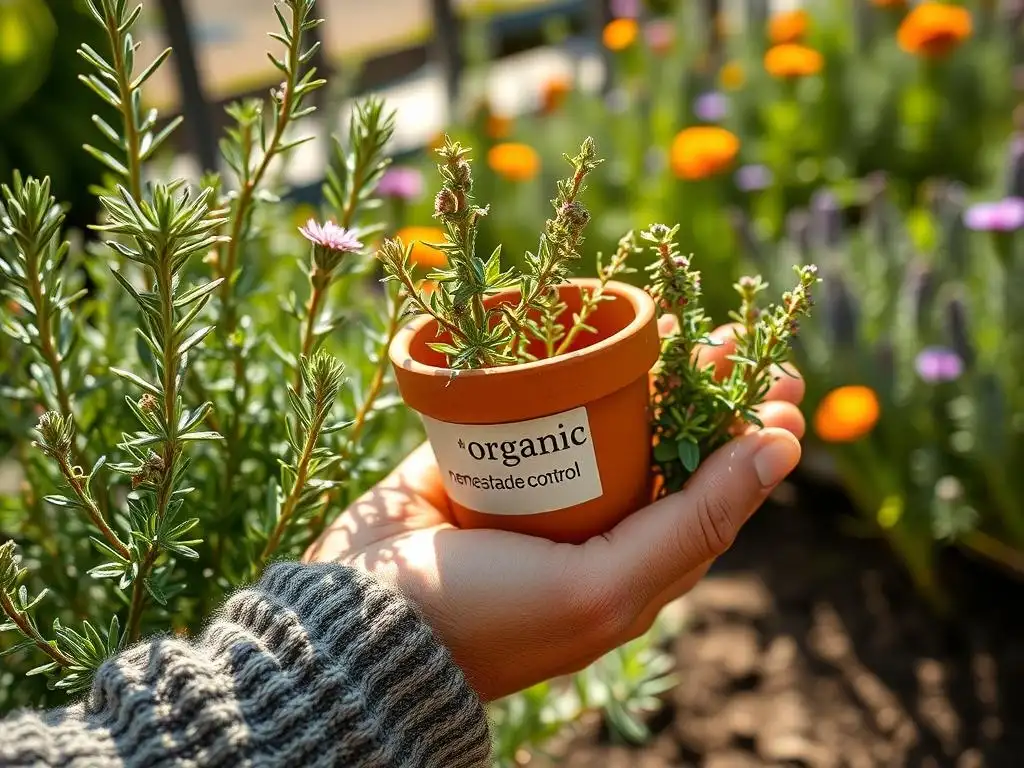
Rosemary and thyme, while generally hardy herbs, are susceptible to certain diseases, particularly fungal infections. Effective organic pest control for rosemary and thyme hinges on proactive measures to bolster plant health and resilience. This section focuses on organic strategies to combat common diseases affecting these aromatic herbs, emphasizing prevention and environmentally friendly solutions. Remember, early detection and intervention are crucial for successful organic disease management. The goal is to create a thriving environment where these plants can flourish and resist diseases naturally.
Using Compost Tea to Enhance Soil Health and Disease Resistance
Healthy soil is the cornerstone of healthy plants. Compost tea, a liquid extract brewed from compost, is a potent organic solution for boosting soil health and enhancing plant immunity. It's rich in beneficial microbes that outcompete disease-causing pathogens, improving nutrient uptake and overall plant vigor.
Regular applications of compost tea can significantly reduce the susceptibility of rosemary and thyme to fungal infections like root rot and leaf spot. For best results, brew your compost tea according to established methods, ensuring it's properly aerated and free from harmful bacteria. Applying it every 2-4 weeks, especially during the growing season, can provide substantial protection.
Observe your plants closely; if you notice signs of disease, increasing the frequency of compost tea applications might help. Remember to use a high-quality compost rich in diverse microbial life for optimal results. The improved soil structure resulting from regular compost tea application also aids in drainage, reducing the risk of waterlogged soil which often contributes to fungal diseases.
Applying Baking Soda Solution to Combat Fungal Diseases
Baking soda (sodium bicarbonate) is a readily available and effective organic fungicide for mild fungal infections in rosemary and thyme. Its alkaline nature disrupts the growth of many fungal pathogens. A simple solution can be prepared by mixing 1 tablespoon of baking soda with 1 gallon of water. This solution should be sprayed directly onto affected plant parts, ensuring thorough coverage of leaves and stems.
Repeat applications every 7-10 days, as needed. While baking soda is generally safe, avoid over-application as it can potentially damage the plants. Always conduct a small test spray on a single leaf before treating the whole plant to assess for any adverse reactions.
This organic pest control method is most effective as a preventative measure or for treating early stages of fungal infections. For severe infestations, consider more robust organic treatments. Remember to always spray in the early morning or late evening to avoid sun scorch on the leaves.
Employing Copper Fungicide for Severe Fungal Infections (Use Sparingly)
Copper fungicides, while considered organic, should be used judiciously due to their potential environmental impact. They are effective against a broad spectrum of fungal pathogens and can be a last resort for severe infections in rosemary and thyme that haven't responded to milder treatments. Always follow the product instructions carefully and adhere to recommended application rates.
Copper fungicides can build up in the soil over time, so rotate with other organic methods to avoid potential negative effects. This is a stronger intervention, best suited for severe outbreaks of diseases like leaf blight or stem canker. Before applying, carefully identify the disease to ensure copper fungicide is the appropriate treatment.
Observe any changes in plant health after application and adjust accordingly. Sustainable organic gardening prioritizes prevention, hence the recommendation to utilize this method sparingly and only as a last resort for severe fungal infections. Consider this a supplementary option to your broader organic pest control strategy for rosemary and thyme.
Harvesting and Storing Rosemary and Thyme for Optimal Health

Optimal harvesting and storage are crucial aspects of organic pest control for rosemary and thyme. By harvesting at the right time and employing proper drying techniques, you significantly reduce the likelihood of pest infestations and disease outbreaks, while simultaneously preserving the herbs' essential oils and flavor profiles for longer periods. This section details best practices to maximize the health and longevity of your rosemary and thyme harvest.
Timely Harvesting to Minimize Pest and Disease Pressure
The timing of your rosemary and thyme harvest significantly impacts their susceptibility to pests and diseases. Harvesting at peak flavor and before the plants become stressed or weakened is key. For rosemary, the best time is typically in the late spring or early summer, just before the plant begins to flower.
This period usually coincides with the most potent concentration of essential oils, contributing to a richer flavor and aroma. Harvesting at this stage also reduces the plant's vulnerability to diseases that may take hold as it matures and its energy is diverted to seed production. Moreover, harvesting early prevents overcrowding, which can increase humidity and create ideal conditions for fungal growth.
Thyme, on the other hand, generally benefits from harvesting after its flowering period, usually in the summer or early fall. This allows the plant to fully develop its essential oils, resulting in a more robust flavor. Similar to rosemary, harvesting thyme before it becomes stressed or diseased is essential. Regularly pruning or trimming thyme, even outside of the main harvest, can improve air circulation, reducing the risk of fungal diseases.
This also encourages bushier growth, leading to a more abundant harvest in the future. Remember that consistent, smaller harvests throughout the growing season are often preferable to a single large harvest. This minimizes stress on the plants and allows for continuous replenishment of essential oils.
Proper Drying Techniques to Preserve Rosemary and Thyme for Long-Term Use
Proper drying techniques are essential for preserving the quality and extending the shelf life of your harvested rosemary and thyme. Air drying is generally the preferred method for organic gardening, as it avoids the use of chemicals or high heat that can degrade the herbs' essential oils and delicate flavors.
Here's a step-by-step guide to air drying your herbs:
- Harvesting: Cut stems of rosemary and thyme in the morning after the dew has dried. This helps prevent mold growth during the drying process.
- Bundling: Gather small bunches of rosemary and thyme, securing them with rubber bands or twine. Avoid making the bundles too thick, as this can hinder proper air circulation and lead to spoilage.
- Hanging: Hang the bundles upside down in a dark, well-ventilated area with good air circulation. A cool, dry space is ideal. Avoid direct sunlight, which can bleach the herbs and diminish their flavor.
- Drying Time: Allow the herbs to dry for approximately 2-3 weeks, or until the leaves are brittle. The drying time may vary depending on humidity and temperature.
- Storage: Once completely dry, carefully remove the leaves from the stems. Store the dried leaves in airtight containers in a cool, dark, and dry place. Proper storage helps protect the herbs from moisture and pests, extending their shelf life for several months.
Using these organic pest control methods and proper storage techniques will ensure your rosemary and thyme remain healthy and flavorful throughout the year. Remember that proactive measures, such as good sanitation and appropriate spacing, are equally important in maintaining healthy herbs. Regular inspection for signs of pests or diseases is also critical for early intervention and effective management. By combining these strategies, you can enjoy a bountiful and healthy harvest of rosemary and thyme, all while embracing sustainable and organic practices.
Troubleshooting Common Rosemary and Thyme Problems: Organic Solutions
Rosemary and thyme, while relatively hardy herbs, are not immune to pests and diseases. Successful organic pest control for rosemary and thyme relies on proactive preventative measures and swift, targeted intervention when problems arise. This section focuses on common issues and their organic solutions, empowering you to cultivate thriving rosemary and thyme plants. Effective organic pest control for rosemary and thyme hinges on understanding the underlying causes of problems, not just treating symptoms.
Dealing with Yellowing Leaves: Diagnosing and Treating Nutrient Deficiencies
Yellowing leaves in rosemary and thyme often signal nutrient deficiencies. While a sudden, widespread yellowing might indicate a more serious issue (like root rot – see below), gradual yellowing in older leaves typically points to a lack of essential nutrients. This is particularly common in poorly draining soil or soil that hasn't been amended with organic matter.
Several key nutrients can cause yellowing:
- Nitrogen Deficiency: Manifests as a general yellowing, starting with older leaves. Nitrogen is crucial for chlorophyll production, so its absence directly impacts leaf color. Organic solutions include adding compost tea, aged manure, or a nitrogen-rich organic fertilizer like blood meal. Avoid over-fertilizing, as excess nitrogen can lead to leggy growth.
- Iron Deficiency (Chlorosis): Appears as yellowing between leaf veins, leaving the veins themselves green. This is often associated with alkaline soil. To correct this, you can apply chelated iron, a form of iron that is more readily absorbed by plants, or amend the soil with organic matter to improve drainage and lower the pH.
- Magnesium Deficiency: Similar to iron deficiency, but often starts on the older leaves with yellowing between the veins. Epsom salts (magnesium sulfate) dissolved in water can be applied as a foliar spray or directly to the soil. However, always follow package instructions carefully.
To diagnose the specific deficiency, consider the pattern of yellowing, the age of the affected leaves, and the overall health of the plant. Soil testing can provide valuable insights into nutrient levels. Remember, a balanced approach to soil health is key to preventing nutrient deficiencies. Regular application of compost or other organic matter improves soil structure and provides a steady supply of nutrients.
Addressing Stunted Growth: Identifying and Correcting Environmental Factors
Stunted growth in rosemary and thyme can stem from several environmental factors. These herbs need well-draining soil, ample sunlight, and proper watering. Let's examine the most common culprits:
- Poor Drainage: Soggy soil suffocates roots, restricting nutrient uptake and leading to stunted growth. Improve drainage by amending heavy clay soils with compost, perlite, or vermiculite. Ensure your planting location has good drainage, avoiding areas that tend to accumulate water.
- Insufficient Sunlight: Rosemary and thyme thrive in full sun (at least 6-8 hours daily). If your plants are in a shaded location, they may struggle to grow properly. Relocating them to a sunnier spot is the best solution.
- Water Stress: Both underwatering and overwatering can cause stunted growth. Underwatering leads to wilting and reduced growth, while overwatering damages roots and hinders nutrient absorption. Consistent, moderate watering is crucial. Allow the soil to dry slightly between waterings.
- Pest Infestations: While not directly causing stunted growth, severe infestations of root-feeding insects can indirectly hinder growth by damaging the root system. Inspect the roots for signs of damage, and if necessary, employ organic pest control methods (discussed later in this article).
Managing Wilting Plants: Addressing Watering Issues and Root Problems
Wilting rosemary and thyme plants are often a sign of either underwatering or more serious root problems. Let's explore the causes and organic solutions:
- Underwatering: The most common cause of wilting. The plants will feel dry to the touch, and the leaves will be brittle. Deep watering, allowing the water to penetrate the root zone thoroughly, is the solution. Regular watering, especially during dry spells, is essential.
- Overwatering: While less common, overwatering can also cause wilting. In this case, the soil will be excessively wet, and the leaves may appear limp and yellow. Improve drainage as mentioned above and avoid overwatering. Allow the soil to dry out between waterings to prevent root rot.
- Root Rot: A serious fungal disease caused by excessive moisture. Symptoms include wilting, yellowing leaves, and a foul odor emanating from the soil. Unfortunately, once root rot sets in, it's often difficult to save the plant. Prevention is key. Ensure good drainage and avoid overwatering. If root rot is suspected, carefully remove the plant, inspect the roots, and consider replacing the soil. Consider using a fungicide as a last resort, however, organic solutions are limited in this case.
Remember, observing your plants regularly and understanding their needs are the cornerstones of successful organic pest control and overall plant health. Early intervention is key to preventing minor issues from escalating into major problems. By addressing these common issues promptly and using organic methods, you can ensure a healthy and bountiful harvest of rosemary and thyme.
Frequently Asked Questions
What are some common pests that affect rosemary and thyme?
Rosemary and thyme can be susceptible to aphids, whiteflies, and caterpillars. These pests can sap plant vigor and reduce yield. Proper monitoring is key.
How can I organically control pests on my rosemary and thyme?
Beneficial insects like ladybugs and lacewings can help control pest populations. You can also use neem oil or insecticidal soap as natural deterrents. Always follow product instructions carefully.
Is there a way to prevent pests from attacking my rosemary and thyme?
Yes! Healthy plants are less susceptible to pests. Ensure your rosemary and thyme receive adequate sunlight, water, and well-draining soil. Proper spacing also improves air circulation, reducing pest issues.
Does companion planting help with rosemary and thyme pest control?
Yes, companion planting can be beneficial. Planting marigolds or lavender near your rosemary and thyme can deter some pests. These plants naturally repel insects and improve the overall garden health.
What role do rosemary and thyme play in organic pest control for other plants?
Rosemary and thyme themselves are natural pest deterrents. Their strong aromas can repel certain insects, protecting neighboring plants. They are excellent additions to any organic garden.
Final Reflection: Nurturing Resilience in Our Gardens and Ourselves
The health of our herbs, like the health of our communities, depends on a holistic approach. Ignoring the delicate balance of nature in our gardens, whether through harsh chemical interventions or neglect, ultimately undermines the very bounty we seek. The resilience of rosemary and thyme, and indeed all living things, is a testament to the power of organic practices.
The journey of cultivating these aromatic plants, free from harmful pesticides, has been a profound lesson in interconnectedness. It's a reminder that our actions ripple outwards, impacting not only the immediate environment but also the wider ecosystem. The earth laughs in flowers.
– Ralph Waldo Emerson. This simple statement encapsulates the joy and responsibility inherent in nurturing life, organically and sustainably. It's a practice that extends beyond the garden, influencing our choices in other aspects of life, encouraging a mindful approach to our consumption and impact on the world.
Now, consider your own garden – be it a window box, a balcony pot, or a sprawling landscape. What steps can you take today to embrace organic practices? Will you commit to creating a haven for beneficial insects, to understanding the needs of your plants, and to celebrating the natural rhythms of growth and decay? The journey towards a healthier, more sustainable future begins with a single seed, a single mindful choice, in our own little corner of the world.
Unlock Your Herb Garden's Potential: Grow Stronger, Healthier Rosemary & Thyme
Thank you for learning about nurturing your rosemary and thyme! You've gained valuable knowledge to protect your herbs from pests and diseases organically. Ready to put your new skills into practice?
- Craft a personalized pest-control plan: Assess your herb garden, noting any problems and tailoring your organic approach accordingly. Remember the tips on companion planting—try them!
- Share your experiences: Join the CultivateYourFood community and share your successes and challenges. We'd love to hear about your herb garden and learn from any setbacks.
- Try one new organic remedy: Choose a method from the article and try it this week. Small steps make a big difference!
Ready to see your rosemary and thyme thrive? What's the first organic strategy you'll use in your herb garden?