
Rosemary and Thyme: Creative Culinary Uses and Recipes


Welcome to CultivateYourFood, your guide to a greener, more flavorful life! Ready to transform your backyard into a vibrant, organic oasis? We'll show you how. But first, let's tantalize your taste buds with our exploration of creative rosemary thyme recipes – a delicious journey into the world of herb gardening that's sure to inspire you to plant your own aromatic haven. Discover the secrets to successful cultivation and unlock the potential of homegrown herbs – the possibilities are endless!
- Unlocking the Culinary Potential of Rosemary and Thyme
- Creative Rosemary and Thyme Recipes for Everyday Cooking
- Infusing Rosemary and Thyme for Enhanced Flavors
- Rosemary and Thyme in Baking: Sweet and Savory Delights
- Beyond the Kitchen: Other Uses for Rosemary and Thyme
- Growing Your Own Rosemary and Thyme for Fresh Culinary Creations
-
Frequently Asked Questions
- What makes rosemary and thyme such popular culinary herbs?
- Where can I find fresh rosemary and thyme for my recipes?
- How can I best store fresh rosemary and thyme to maintain their flavor?
- Are there any specific dishes where rosemary and thyme particularly shine?
- Beyond cooking, are there other uses for rosemary and thyme?
- Final Reflection: Aromatic Adventures Beyond the Herb Garden
- Unlock the Aromatic Power of Rosemary & Thyme!
Unlocking the Culinary Potential of Rosemary and Thyme
Rosemary and thyme, two aromatic herbs readily grown in home gardens, offer a world of culinary possibilities beyond their traditional roles in roasts and stews. This article explores the diverse and creative ways you can integrate these powerful herbs into your cooking, transforming everyday meals into flavourful masterpieces. From classic pairings to unexpected combinations, we'll delve into the unique characteristics of rosemary and thyme, highlighting their versatility and inspiring you to experiment with fresh, homegrown ingredients.
Whether you're a seasoned chef or a kitchen novice, this guide will equip you with the knowledge and inspiration to elevate your dishes using the fragrant bounty of your herb garden. We'll cover various creative rosemary thyme recipes, perfect for enhancing your culinary skills and embracing the sustainable joys of homegrown cooking.
Let's unlock the full potential of these readily available herbs and discover how they can add depth and complexity to your culinary creations. 🌿
The Versatile Flavors of Rosemary: Beyond the Roast
Rosemary, with its strong, piney aroma and slightly bitter taste, is far more versatile than its common association with roasted meats might suggest. Its robust flavor profile holds up well in various cooking methods and complements a wide range of ingredients.
Consider these creative applications:
- Rosemary-Infused Oils and Vinegars: Infusing olive oil or balsamic vinegar with fresh rosemary sprigs creates flavorful additions to salads, marinades, and dips. Simply steep the sprigs in the oil or vinegar for a few weeks, then strain before use. The resulting infusion adds a depth of flavor that's unmatched.
- Rosemary Shortbread: The herbaceous notes of rosemary beautifully complement the buttery sweetness of shortbread. Adding finely chopped rosemary to the dough creates a sophisticated and fragrant treat, perfect for afternoon tea or alongside cheese.
- Rosemary-Lemon Roasted Vegetables: Rosemary's robust flavor pairs exceptionally well with the brightness of lemon. Roasting vegetables like potatoes, carrots, and broccoli with rosemary and lemon creates a flavorful and aromatic side dish. Adding a sprinkle of sea salt enhances the natural sweetness of the vegetables.
- Rosemary and Garlic Crust for Bread: Elevate your homemade bread by adding a flavorful crust infused with rosemary and garlic. This aromatic combination adds a delightful savory touch to your bread, creating a beautiful presentation and a delicious taste.
Thyme's Subtlety: Exploring its Culinary Applications
Unlike rosemary's bold presence, thyme offers a more subtle yet equally impactful flavor profile. Its delicate, earthy notes add complexity without overpowering other ingredients, making it a highly versatile herb in the kitchen.
Let's explore some inventive uses for thyme:
- Thyme-Infused Honey: Infusing honey with fresh thyme creates a unique and flavorful sweetener perfect for drizzling over roasted meats, yogurt, or using in baked goods. The delicate floral notes of thyme beautifully complement the sweetness of the honey.
- Thyme-Crusted Chicken or Fish: A simple crust of breadcrumbs, thyme, and lemon zest can transform a plain chicken breast or fish fillet into a flavorful and elegant dish. The thyme adds a subtle earthy note that perfectly complements the protein.
- Thyme and Mushroom Risotto: The earthy notes of thyme complement the savory richness of mushrooms in a risotto. The thyme adds a depth of flavor and enhances the overall texture of the creamy rice dish.
- Thyme-Infused Butter: Create a flavorful compound butter by combining softened butter with finely chopped thyme and a pinch of salt. This flavorful butter is perfect for spreading on bread, grilled vegetables, or adding to pasta dishes. The subtle aromatic notes of thyme add a delicate flavor that elevates any dish.
This exploration of rosemary and thyme’s culinary potential showcases their versatility and ability to transform simple dishes into flavor-packed experiences. Remember to always use fresh, homegrown herbs whenever possible for the best flavor and aroma. Enjoy experimenting with these delightful herbs in your own kitchen! 🧑🍳
Creative Rosemary and Thyme Recipes for Everyday Cooking

This section explores exciting ways to incorporate rosemary and thyme, two robust and flavorful herbs easily grown in your home garden, into your daily culinary creations. We'll move beyond the typical sprinkle and delve into recipes that showcase these herbs' unique capabilities, transforming simple dishes into culinary masterpieces. These recipes emphasize fresh, organic ingredients, perfectly complementing the homegrown nature of your herbs. Let's cultivate your culinary skills! 🌿
Rosemary Roasted Chicken with Lemon and Garlic
This classic recipe gets a boost of fresh, homegrown flavor with the addition of your own rosemary. The aroma alone will fill your kitchen with the inviting scent of a perfect Sunday roast.
This recipe serves 4-6 people and requires approximately 1.5 hours of preparation and cooking time.
Ingredients:
- 1 whole chicken (approximately 3-4 pounds)
- 2 lemons, one juiced, one thinly sliced
- 4 cloves garlic, minced
- 2 tablespoons olive oil
- 4 sprigs fresh rosemary, roughly chopped
- Salt and freshly ground black pepper to taste
Instructions:
- Preheat your oven to 375°F (190°C).
- Rinse the chicken thoroughly and pat it dry.
- In a small bowl, combine the olive oil, minced garlic, lemon juice, salt, and pepper.
- Carefully loosen the skin of the chicken breast and thighs. Rub the garlic-lemon mixture generously under the skin and over the entire chicken.
- Stuff the cavity of the chicken with lemon slices and rosemary sprigs.
- Place the chicken in a roasting pan and roast for 1 hour and 15 minutes, or until the internal temperature reaches 165°F (74°C). Baste the chicken with pan juices halfway through cooking.
- Let the chicken rest for 10 minutes before carving and serving. The resulting juices can be used to make a delicious gravy.
Thyme-Infused Honey Glazed Carrots
This simple side dish elevates the humble carrot to new heights with the sweet and earthy notes of thyme. The honey glaze adds a touch of sweetness that perfectly balances the herbaceousness of the thyme. The vibrant orange color also adds a beautiful visual appeal to your plate.
This recipe serves 4 and requires approximately 30 minutes of preparation and cooking time.
Ingredients:
- 1 pound carrots, peeled and chopped
- 2 tablespoons olive oil
- 2 tablespoons honey
- 1 tablespoon fresh thyme leaves
- Salt and freshly ground black pepper to taste
Instructions:
- Preheat your oven to 400°F (200°C).
- Toss the chopped carrots with olive oil, salt, and pepper.
- Spread the carrots in a single layer on a baking sheet.
- In a small bowl, combine the honey and thyme leaves.
- Drizzle the honey-thyme mixture over the carrots.
- Roast for 20-25 minutes, or until the carrots are tender and slightly caramelized.
Rosemary and Thyme Roasted Vegetables with Balsamic Glaze
This versatile recipe allows you to use a variety of seasonal vegetables, showcasing the complementary flavors of rosemary and thyme. The balsamic glaze adds a tangy depth that enhances the overall taste profile. It's a perfect side dish for any occasion, or a hearty vegetarian main course.
This recipe serves 4 and requires approximately 45 minutes of preparation and cooking time.
Ingredients:
- 1 pound assorted vegetables (e.g., broccoli florets, bell peppers, zucchini, red onion), chopped into bite-sized pieces
- 2 tablespoons olive oil
- 1 tablespoon fresh rosemary, chopped
- 1 tablespoon fresh thyme leaves
- 2 tablespoons balsamic glaze
- Salt and freshly ground black pepper to taste
Instructions:
- Preheat your oven to 425°F (220°C).
- Toss the chopped vegetables with olive oil, rosemary, thyme, salt, and pepper.
- Spread the vegetables in a single layer on a baking sheet.
- Roast for 30-35 minutes, or until the vegetables are tender and slightly charred.
- Drizzle with balsamic glaze before serving. The slight bitterness of the balsamic perfectly complements the earthy herbs.
This exploration of creative rosemary and thyme recipes demonstrates the versatility and deliciousness these herbs bring to the table. Remember to always use fresh, homegrown herbs whenever possible for the best flavor and aroma! 🧑🍳
Rosemary-Garlic Bread with Thyme Butter
This recipe elevates simple garlic bread to a fragrant and flavorful experience, perfect for accompanying roasted vegetables, soups, or grilled meats. The combination of rosemary and thyme complements the garlic beautifully, creating a herbaceous and savory taste sensation. The key is using fresh, high-quality herbs for the most intense flavor profile.
To begin, you'll need a baguette or similar crusty bread. A sourdough loaf works particularly well due to its tangy flavor that contrasts beautifully with the herbs. Slice the bread into roughly 1-inch thick slices. For the garlic butter, soften ½ cup of unsalted butter and mix it thoroughly with 2-3 cloves of minced garlic, 2 tablespoons of finely chopped fresh rosemary, and 1 tablespoon of finely chopped fresh thyme. A touch of salt and freshly ground black pepper enhances the flavor profile.
Spread the herb butter generously over each slice of bread. You can either arrange the bread slices on a baking sheet or in a baking dish. For a crispier crust, broil the bread for 2-3 minutes, keeping a close eye to prevent burning. Alternatively, bake at 375°F (190°C) for 10-12 minutes, or until golden brown and the butter is melted and bubbly. The aroma alone will fill your kitchen with the delightful scent of herbs and garlic!
This recipe is easily adaptable. For a spicier kick, add a pinch of red pepper flakes to the butter. Experiment with different types of bread; a focaccia or ciabatta would also be delicious. Remember to adjust the amount of herbs to your personal preference.
Some might prefer a more intense rosemary flavor, while others might opt for a more balanced blend of rosemary and thyme. The beauty of this recipe lies in its simplicity and adaptability, making it a perfect weeknight side dish or appetizer. Enjoy the fragrant and delicious results of your culinary creativity with this simple yet elegant rosemary and thyme infused garlic bread!
Infusing Rosemary and Thyme for Enhanced Flavors
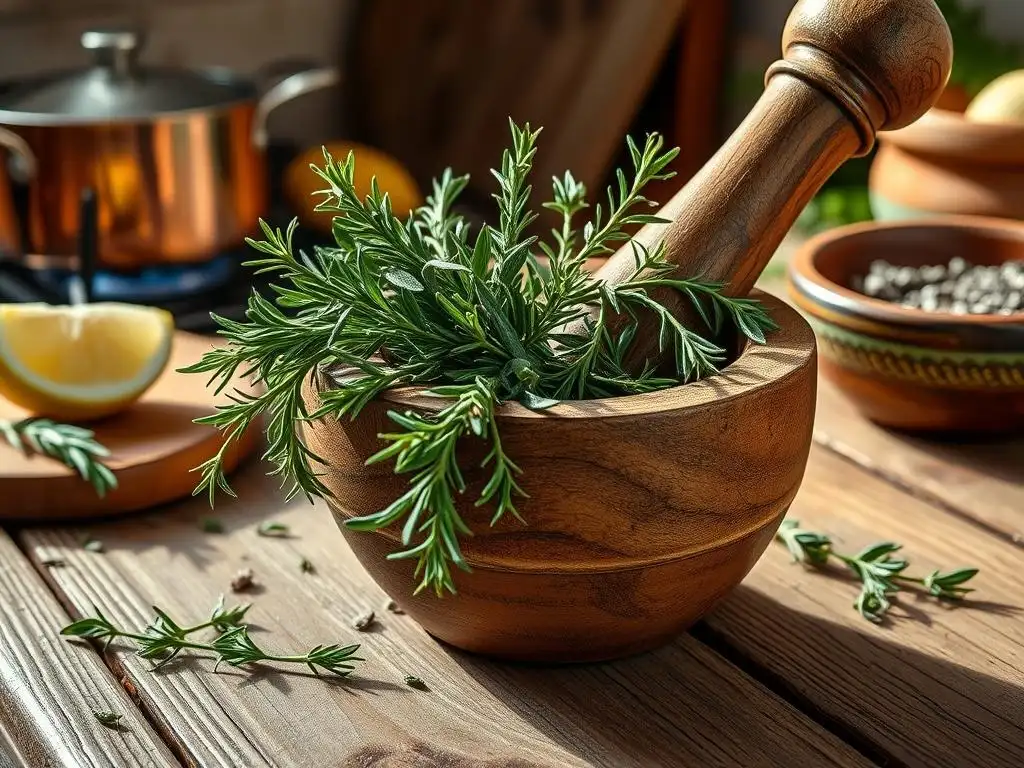
Rosemary and thyme, beyond their culinary versatility in fresh or dried forms, offer incredible opportunities for flavor enhancement through infusion. This process involves steeping the herbs in oils or vinegars, creating concentrated flavor bombs perfect for elevating your dishes. The resulting infusions are not only intensely aromatic but also boast a longer shelf life than their fresh counterparts, making them ideal for stocking your pantry.
Infused oils and vinegars are incredibly versatile, adding depth and complexity to a wide range of recipes, from simple dressings to sophisticated sauces. The process itself is surprisingly simple, requiring minimal equipment and time, making it a worthwhile endeavor for even the busiest home cooks. Let's explore some simple recipes to get you started on your infusion journey.
Rosemary-Infused Olive Oil: A Simple Recipe
Creating rosemary-infused olive oil is incredibly straightforward. The key is using high-quality extra virgin olive oil and fresh rosemary sprigs. Avoid using dried rosemary, as it can impart a bitter taste. Here's a step-by-step guide:
- Gather your ingredients: You'll need approximately 1 cup of extra virgin olive oil and 4-6 fresh rosemary sprigs, depending on the intensity of flavor desired.
- Prepare the rosemary: Rinse the rosemary sprigs gently under cold water and pat them dry. Remove any damaged leaves.
- Combine and infuse: Place the rosemary sprigs in a clean, dry glass bottle or jar. Pour the olive oil over the rosemary, ensuring the sprigs are completely submerged.
- Infuse in a cool, dark place: Seal the bottle tightly and let it infuse in a cool, dark place for at least 2-3 weeks, or up to 6 weeks for a more intense flavor. Shake the bottle gently every few days to ensure even infusion.
- Strain and store: After the infusion period, strain the oil through a fine-mesh sieve or cheesecloth to remove the rosemary sprigs. Store the infused oil in a clean, airtight container in a cool, dark place. It should last for several months.
This rosemary-infused oil is perfect for drizzling over roasted vegetables, grilled meats, or crusty bread. It adds a beautiful aroma and a subtle, yet powerful, rosemary flavor to any dish. Experiment with the infusion time to adjust the intensity of the rosemary flavor to your liking.
Thyme-Infused Vinegar: A Culinary Enhancement
Similar to rosemary-infused oil, thyme-infused vinegar is a simple yet elegant way to enhance the flavors of your culinary creations. The process is almost identical, but the result is a bright, herbaceous vinegar perfect for salad dressings, marinades, and sauces. Here's how to create your own thyme-infused vinegar:
- Select your ingredients: You will need approximately 1 cup of high-quality white wine vinegar or apple cider vinegar (depending on your preferred flavor profile) and 4-6 fresh thyme sprigs.
- Prepare the thyme: Rinse the thyme sprigs thoroughly and pat them dry.
- Infuse the vinegar: Place the thyme sprigs in a clean glass bottle or jar. Pour the vinegar over the thyme, ensuring all the sprigs are completely submerged.
- Infuse in a cool, dark location: Seal the jar tightly and let it infuse in a cool, dark place for at least 2-4 weeks. Shake gently every few days to distribute the flavor evenly.
- Strain and store: After the infusion period, strain the vinegar through a fine-mesh sieve or cheesecloth to remove the thyme sprigs. Store the infused vinegar in a clean, airtight container in a cool, dark place. It will keep for several months.
This thyme-infused vinegar adds a delightful, subtly peppery flavor to salads and marinades. It’s particularly delicious when used in vinaigrettes with olive oil and Dijon mustard. The acidity of the vinegar complements the thyme beautifully, creating a balanced and sophisticated flavor.
Creating Rosemary and Thyme Salt Blends
Rosemary and thyme salt blends are another fantastic way to utilize these aromatic herbs. These blends offer a convenient and flavorful way to season a wide range of dishes, from roasted meats and vegetables to soups and stews. The process is simple, requiring only dried herbs and salt. Here are a few blend variations:
| Blend Name | Ingredients | Notes |
|---|---|---|
| Classic Rosemary Thyme | 1 cup sea salt, 2 tbsp dried rosemary, 1 tbsp dried thyme | A balanced blend, ideal for everyday use. |
| Zesty Rosemary Thyme | 1 cup sea salt, 2 tbsp dried rosemary, 1 tbsp dried thyme, 1 tsp lemon zest | Adds a bright citrus note. |
| Spicy Rosemary Thyme | 1 cup sea salt, 2 tbsp dried rosemary, 1 tbsp dried thyme, ½ tsp red pepper flakes | Provides a warm, spicy kick. |
To create your blend, simply combine the ingredients in a bowl and mix thoroughly. Store the blend in an airtight container in a cool, dark place. This homemade blend makes a wonderful and thoughtful gift, especially during the holiday season. Remember to label your containers clearly with the blend name and date. Experiment with different ratios of herbs and spices to create your signature blend! 🌿🧂
Rosemary and Thyme in Baking: Sweet and Savory Delights

Rosemary and thyme, typically associated with savory dishes, surprisingly lend themselves beautifully to baking, adding depth and complexity to both sweet and savory treats. Their aromatic profiles complement a wide range of flavors, creating unique and memorable culinary experiences. This section explores several creative recipes that highlight the versatility of these herbs in baking, focusing on the distinct flavors they impart and the techniques needed for optimal results.
Mastering these recipes will allow you to elevate your baking game and impress your guests with unexpected yet delicious herb-infused creations. Let's explore some delightful possibilities for incorporating these potent herbs into your baking repertoire.
Rosemary shortbread cookies offer a sophisticated twist on a classic. The subtle piney notes of rosemary beautifully complement the buttery richness of the shortbread, creating a surprisingly harmonious flavor profile. The key to success lies in using fresh rosemary, finely chopped, to avoid overpowering the delicate shortbread base. Over-baking can lead to dryness, so careful attention to baking time is crucial.
Here's a recipe outline:
- Ingredients: 1 cup (2 sticks) unsalted butter, softened; ½ cup granulated sugar; 2 ½ cups all-purpose flour; ¼ teaspoon salt; 2 tablespoons finely chopped fresh rosemary.
- Instructions:
- Cream together the softened butter and sugar until light and fluffy.
- Gradually add the flour and salt, mixing until just combined.
- Stir in the chopped rosemary.
- Chill the dough for at least 30 minutes.
- Roll out the dough to about ¼ inch thickness and cut into desired shapes.
- Bake at 350°F (175°C) for 12-15 minutes, or until lightly golden.
- Let cool completely on a wire rack before serving.
Thyme and Rosemary Biscuits: A Savory Delight
These savory biscuits are perfect as an accompaniment to soups, stews, or even as a base for a flavorful cheese board. The combination of thyme and rosemary provides a complex herbal aroma, enhancing the buttery, flaky texture of the biscuits. The addition of a touch of grated Parmesan cheese further elevates the savory profile. Remember to avoid overmixing the dough, as this can result in tough biscuits.
Recipe highlights:
- Ingredients: 2 cups all-purpose flour; 1 tablespoon baking powder; ½ teaspoon salt; ¼ cup cold unsalted butter, cut into cubes; 1 cup buttermilk; 1 tablespoon finely chopped fresh thyme; 1 tablespoon finely chopped fresh rosemary; 2 tablespoons grated Parmesan cheese.
- Instructions:
- Preheat oven to 450°F (230°C).
- Whisk together flour, baking powder, and salt.
- Cut in the cold butter using a pastry blender or your fingers until the mixture resembles coarse crumbs.
- Stir in the herbs and Parmesan cheese.
- Gradually add the buttermilk, mixing until just combined. Do not overmix.
- Drop by rounded tablespoons onto a baking sheet.
- Bake for 12-15 minutes, or until golden brown.
Rosemary and Thyme Scones with Honey Drizzle
These scones offer a delightful balance of sweet and savory flavors. The rosemary and thyme add a unique herbal complexity to the sweetness of the scones, creating a sophisticated and unforgettable treat. A simple honey drizzle adds a touch of extra sweetness and complements the herbal notes perfectly. For optimal results, use cold ingredients and handle the dough gently to ensure a tender crumb.
Recipe overview:
- Ingredients: 2 cups all-purpose flour; 2 teaspoons baking powder; ½ teaspoon baking soda; ¼ teaspoon salt; ¼ cup granulated sugar; ¼ cup cold unsalted butter, cut into cubes; 1 cup buttermilk; 1 tablespoon finely chopped fresh rosemary; 1 tablespoon finely chopped fresh thyme; Honey for drizzling.
- Instructions:
- Preheat oven to 400°F (200°C).
- Whisk together flour, baking powder, baking soda, salt, and sugar.
- Cut in the cold butter until the mixture resembles coarse crumbs.
- Stir in the herbs.
- Gradually add the buttermilk, mixing until just combined.
- Turn the dough out onto a lightly floured surface and gently pat into a 1-inch thick circle.
- Cut into wedges and place on a baking sheet.
- Bake for 15-20 minutes, or until golden brown.
- Drizzle with honey before serving.
These recipes provide a starting point for your creative culinary journey with rosemary and thyme. Experiment with different combinations and flavor profiles to discover your own signature herb-infused baked goods! Remember that the quality of your herbs significantly impacts the final flavor, so using fresh, high-quality rosemary and thyme is key to achieving the best results. 🌿😋
Beyond the Kitchen: Other Uses for Rosemary and Thyme
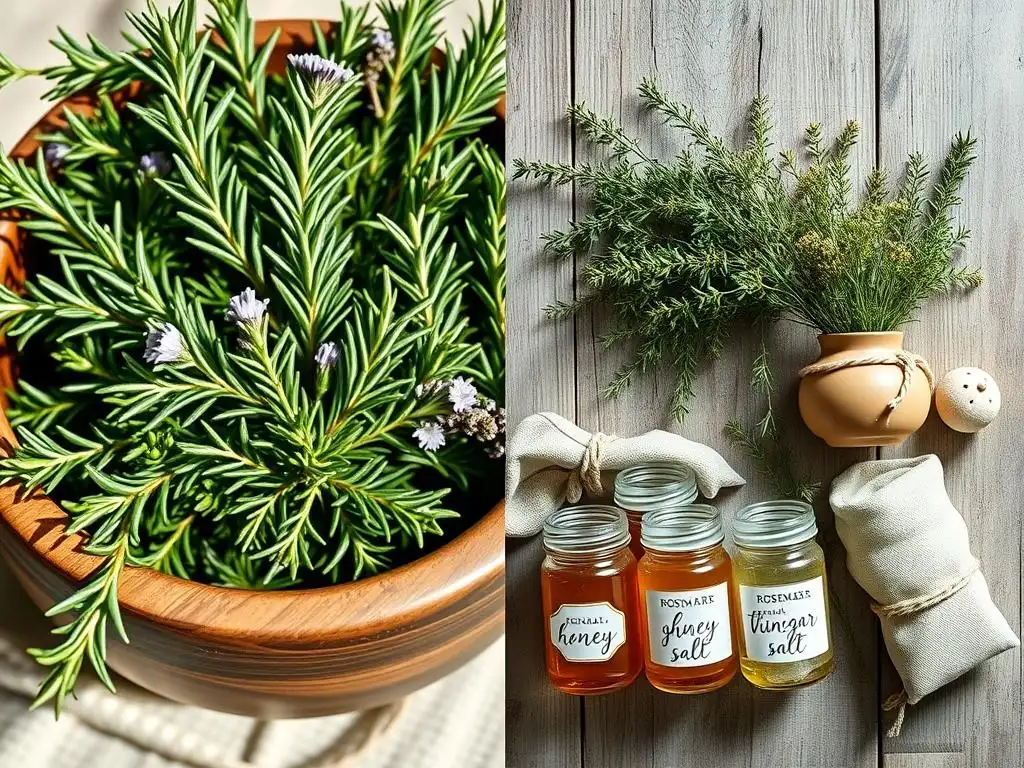
Rosemary and thyme, celebrated for their culinary versatility, offer much more than just flavor enhancements. These fragrant herbs possess a surprising array of additional uses, extending their value beyond the kitchen and into various aspects of home and personal care. Their potent aromatic compounds contribute to their effectiveness in natural remedies and household applications, making them truly multifaceted plants. This section explores some creative, sustainable ways to utilize these remarkable herbs.
Rosemary and Thyme for Natural Pest Control
The strong, pungent aromas of rosemary and thyme act as natural deterrents to various common garden pests. Their essential oils contain compounds that repel insects and other unwanted visitors. This makes them a valuable asset in any sustainable gardening practice, reducing reliance on harsh chemical pesticides.
Several methods leverage these pest-repelling properties:
- Companion Planting: Planting rosemary and thyme amongst vulnerable vegetables and flowers can create a protective barrier. The scent interferes with the insects' ability to locate their target plants. For example, planting rosemary near cabbage can help deter cabbage moths. Similarly, thyme planted near tomatoes may reduce tomato hornworm infestations. The effectiveness varies depending on the specific pest and environmental conditions, but it's a generally beneficial practice.
- Rosemary and Thyme Infusions: Steeped rosemary and thyme leaves in water create a natural insecticide spray. Allow the mixture to cool before spraying directly onto affected plants, focusing on the undersides of leaves where pests often hide. This method requires careful monitoring, as it's not a long-lasting solution and may need repeated application. [Specific dilution ratios pending further research].
- Dried Herb Bundles: Creating small bundles of dried rosemary and thyme and placing them strategically around the garden can also deter pests. This is a simple and visually appealing method, especially effective in enclosed spaces like greenhouses or smaller gardens. The aroma gradually disperses, creating a protective atmosphere. Remember to replace the bundles periodically, as their potency diminishes over time.
Rosemary and Thyme in Potpourri and Herbal Sachets
The enduring fragrance of rosemary and thyme makes them ideal ingredients for potpourri and herbal sachets. These aromatic blends not only add a pleasant scent to your home but also offer potential benefits such as insect repellency and air purification. Creating your own potpourri and sachets is a simple and rewarding process, allowing you to customize the blend according to your preferences and the available herbs.
Here's a guide to incorporating rosemary and thyme into these aromatic crafts:
- Potpourri: Dried rosemary and thyme sprigs, combined with other fragrant dried flowers and botanicals (such as lavender, chamomile, or rose petals), create a beautiful and fragrant potpourri. Adding a few drops of essential oils can enhance the scent and prolong its longevity. The mixture should be stored in an airtight container in a cool, dark place to maintain its fragrance.
- Herbal Sachets: Small muslin bags filled with dried rosemary and thyme leaves make delightful herbal sachets. These can be placed in drawers, closets, or linen cupboards to impart a fresh, clean scent and repel moths. You can personalize these sachets by adding other dried herbs or flowers, such as lavender or lemon balm. The combination of rosemary and thyme offers a particularly robust and invigorating scent.
The versatility of rosemary and thyme extends far beyond culinary applications. Their inherent properties make them valuable additions to sustainable gardening practices and also provide a simple way to add natural fragrance and freshness to your home. Experimenting with these creative uses allows you to fully appreciate the multifaceted nature of these wonderful herbs. Enjoy the process of discovering new ways to incorporate these fragrant plants into your life!
Growing Your Own Rosemary and Thyme for Fresh Culinary Creations
This section focuses on successfully cultivating rosemary and thyme in your home garden, ensuring a continuous supply of fresh herbs for your creative culinary endeavors. Growing your own herbs offers unparalleled freshness and flavor, significantly enhancing the taste of your "Creative rosemary thyme recipes". Let's explore the specifics of planting, caring for, and harvesting these aromatic plants.
Planting and Caring for Rosemary
Rosemary ( Salvia rosmarinus) thrives in well-drained soil and enjoys plenty of sunshine. Planting is best done in spring or fall, allowing the roots to establish themselves before extreme temperatures arrive. Choose a location that receives at least six hours of direct sunlight daily. While rosemary is relatively drought-tolerant once established, consistent watering, especially during dry spells, promotes vigorous growth. Overwatering, however, can lead to root rot, so ensure good drainage.
Consider the variety of rosemary you choose. There are upright and prostrate varieties, each with slightly different growth habits. Upright varieties can reach heights of several feet, while prostrate varieties spread horizontally. Select the type best suited to your garden space and aesthetic preferences. Proper spacing is crucial; overcrowding can hinder air circulation and increase the risk of disease. Allow at least 18-24 inches between plants for optimal growth. Regular pruning helps maintain the shape and encourages bushier growth, yielding more herbs for your cooking. A light pruning after flowering will also keep the plant compact and productive.
Cultivating Thyme: A Comprehensive Guide
Thyme ( Thymus vulgaris), a low-growing perennial, is remarkably adaptable and easy to grow. It prefers well-drained soil and full sun, but can tolerate partial shade. Unlike rosemary, thyme is less sensitive to overwatering, but still benefits from excellent drainage to prevent root problems. Planting thyme is straightforward; simply sow seeds directly into the garden bed or transplant seedlings in spring or fall.
Several thyme varieties exist, each with unique flavor profiles. Common thyme ( Thymus vulgaris) is a versatile choice, while lemon thyme offers a bright citrusy note. Creeping thyme varieties are excellent ground covers, adding both flavor and visual appeal to your garden. Spacing is less critical than with rosemary; 6-12 inches between plants is generally sufficient. Regular harvesting encourages bushier growth. Pinch back stems regularly to maintain a compact shape and increase branching, leading to a higher yield of this essential herb for your creative rosemary thyme recipes.
Thyme Propagation Techniques
Thyme can also be propagated easily from cuttings. Take 4-6 inch cuttings from healthy stems, remove the lower leaves, and plant them in moist potting mix. Keep the mix consistently moist until roots develop.
Harvesting Rosemary and Thyme for Optimal Flavor
Harvesting rosemary and thyme at the right time maximizes their flavor and aroma. For rosemary, harvest stems selectively throughout the growing season, cutting back to encourage new growth. The best time to harvest is just before flowering, typically in early summer. Avoid taking more than one-third of the plant at a time to prevent stressing it. You can harvest both leaves and stems; the stems themselves can be used in some dishes or dried for later use.
Thyme, similarly, is best harvested before flowering. Pinch off individual sprigs or cut back stems as needed. The delicate leaves of thyme are easily removed from the stems, making them perfect for fresh additions to your favorite dishes. Regular harvesting promotes bushier growth and higher yields.
Both rosemary and thyme can be dried for later use; simply hang upside-down bunches in a cool, dark, and well-ventilated area. Proper drying preserves their flavor and aroma for use in your "Creative rosemary thyme recipes" throughout the year. Remember to always use clean and sharp pruning shears or scissors for harvesting to avoid damaging the plants and prevent the spread of diseases.
Frequently Asked Questions
What makes rosemary and thyme such popular culinary herbs?
Rosemary and thyme are popular due to their robust flavors and versatility. They complement a wide range of dishes, from roasted meats to soups and stews, adding a depth of flavor that's hard to replicate. They also offer significant health benefits.
Where can I find fresh rosemary and thyme for my recipes?
You can find fresh rosemary and thyme at most farmers' markets and many grocery stores, often in the produce section. Alternatively, you can grow your own using seeds or starter plants; it's easier than you might think!
How can I best store fresh rosemary and thyme to maintain their flavor?
Store fresh sprigs in a glass of water in the refrigerator, similar to cut flowers. Alternatively, wrap them loosely in a damp paper towel and place them in a plastic bag in the fridge. Avoid washing until ready to use.
Are there any specific dishes where rosemary and thyme particularly shine?
Rosemary and thyme excel in roasted meats, such as lamb, chicken, and pork. They also pair beautifully with root vegetables, potatoes, and beans, adding a savory depth to soups and stews. Consider using them in bread or pizza dough for an aromatic twist.
Beyond cooking, are there other uses for rosemary and thyme?
Yes! Both herbs have aromatherapy benefits and can be used in potpourris or herbal teas. Rosemary is also known for its purported memory-boosting properties.
Final Reflection: Aromatic Adventures Beyond the Herb Garden
The vibrant world of rosemary and thyme extends far beyond simple seasoning; these humble herbs are culinary canvases waiting to be explored. Their potent fragrances and diverse flavor profiles offer endless possibilities for creative expression in the kitchen, a fact increasingly relevant in today's food-conscious world where people seek both deliciousness and unique experiences.
The enduring appeal of rosemary and thyme lies not only in their taste but also in their cultural significance, woven into the fabric of countless culinary traditions across the globe. Their evocative aromas transport us to sun-drenched Mediterranean landscapes or rustic Provençal kitchens. The best things in life are simple,
a sentiment perfectly encapsulating the magic these herbs bring to even the most elaborate dishes. Their versatility allows for both simple elegance and complex flavor combinations, constantly inspiring new culinary innovations and reinterpretations of classic recipes.
Now, it's your turn to embark on your own aromatic adventure. Don't be afraid to experiment, to let your creativity flow, and to discover the unique magic that rosemary and thyme can bring to your own culinary creations. Let the fragrant steam guide you, and savor the journey of transforming simple herbs into extraordinary dishes. The possibilities are as boundless as your imagination.
Unlock the Aromatic Power of Rosemary & Thyme!
Thank you for exploring the wonderful world of rosemary and thyme with us! We hope you've discovered new ways to enhance your cooking with these flavorful herbs. Ready to put your newfound knowledge into practice?
- Craft a unique herb blend: Experiment with combining rosemary and thyme with other spices to create a custom blend for your favorite dishes. Consider unexpected flavor combinations – what exciting new tastes can you discover?
- Share your culinary creations: Show us your rosemary and thyme dishes! Share photos on social media using #CultivateYourFood and tag us – we'd love to see your inspired cooking.
- Grow your own herbs: Take your culinary journey further by planting your own rosemary and thyme. It's surprisingly easy, and the fresh aroma and flavor will elevate your cooking.
What delicious rosemary and thyme recipe will you create next?