
Rosemary and Thyme: Creative Ways to Use Fresh Herbs


Welcome to CultivateYourFood, your guide to a thriving home garden! Ready to transform your backyard into a bountiful oasis? We're passionate about helping you grow your own fruits, vegetables, and herbs using sustainable, organic methods. Discover the incredible versatility of fresh herbs with our article on Creative uses fresh rosemary thyme – learn how to elevate your cooking and unlock the full potential of your herb garden. Let's get growing!
- Unlocking the Culinary Potential of Fresh Rosemary and Thyme
- Preserving the Harvest: Extending the Life of Your Herbs
- Rosemary and Thyme in Home Remedies and Natural Beauty
- Growing Your Own Rosemary and Thyme: A Guide to Sustainable Harvesting
- Recipes Showcasing Fresh Rosemary and Thyme
- Frequently Asked Questions
- Final Reflection: The Unexpected Symphony of Rosemary and Thyme
- Unleash Your Inner Herb Alchemist!
Unlocking the Culinary Potential of Fresh Rosemary and Thyme
Rosemary and thyme, two aromatic herbs renowned for their distinctive flavors, transcend their traditional roles as mere culinary seasonings. This article delves into the exciting world of creative applications for fresh rosemary and thyme, moving beyond the familiar sprinkle on roasted meats and exploring innovative ways to infuse these potent herbs into your cooking and baking. Whether you're a seasoned home cook or a gardening enthusiast eager to utilize your bountiful harvest, discover how these versatile herbs can elevate your culinary creations to new heights.
We'll explore unique applications, from infusing oils and vinegars to incorporating them into baked goods, showcasing the incredible versatility and flavor profiles these herbs offer. Get ready to unlock the full potential of fresh rosemary and thyme and transform your everyday dishes into extraordinary culinary experiences! This guide will help you achieve "Creative uses fresh rosemary thyme" in your kitchen.
Beyond Basic Seasoning: Unique Rosemary Applications
Rosemary, with its intensely piney and slightly citrusy aroma, offers a surprising range of culinary possibilities beyond the standard roast chicken. Think beyond the usual seasoning! Its robust flavor profile stands up beautifully to rich meats, but it also adds a sophisticated touch to unexpected dishes. For instance, consider adding finely chopped rosemary to your morning scrambled eggs for a burst of herbaceous flavor. Or, try incorporating rosemary sprigs into your homemade pasta dough for a subtle, savory twist. The possibilities are endless!
Rosemary also pairs exceptionally well with legumes. Adding a few sprigs to a pot of simmering lentils or beans not only imparts a delightful aroma but also enhances the overall depth of flavor. Experiment with adding rosemary to your favorite bean salads or stews for a surprising and delightful result.
Finally, don't underestimate the power of rosemary in marinades. Its strong flavor profile beautifully complements lamb, beef, and pork. A simple marinade of olive oil, rosemary, garlic, and lemon juice can transform even the most basic cut of meat into a flavorful masterpiece.
Infusing Flavor: Rosemary-Infused Oils and Vinegars
Infusing oils and vinegars with rosemary is a simple yet elegant way to elevate the flavor of your dishes. This method allows the herb's essential oils to fully permeate the liquid, creating a richly aromatic and flavorful condiment. To make rosemary-infused olive oil, simply add fresh rosemary sprigs to a bottle of high-quality olive oil. Let it sit in a cool, dark place for at least two weeks, shaking occasionally, before straining and using. The resulting oil is perfect for drizzling over salads, roasted vegetables, or even crusty bread.
Similarly, rosemary-infused vinegar adds a unique depth of flavor to salad dressings, marinades, and sauces. The process is identical to infusing oil; simply steep fresh rosemary sprigs in your favorite vinegar for several weeks before straining. Experiment with different types of vinegar, such as balsamic or red wine vinegar, to discover your preferred flavor profile. Remember to always use high-quality ingredients for the best results. The resulting infused oils and vinegars make wonderful gifts, too!
Rosemary's versatility extends beyond savory dishes; it also adds a delightful, unexpected touch to baked goods. Incorporate finely chopped rosemary into bread dough for a fragrant and savory loaf. The herb's strong flavor complements the earthy notes of whole wheat bread particularly well. Consider adding a few sprigs to your favorite quick bread recipe for a flavorful twist. The aroma alone will fill your kitchen with a comforting, herby scent.
Rosemary's piney notes also surprisingly complement sweet treats. Experiment with adding a small amount of finely chopped rosemary to cookies, muffins, or even cakes. The subtle herbal notes can balance the sweetness, creating a unique and sophisticated flavor combination. Pair it with citrus fruits like lemon or orange for an even more complex flavor profile. Don't be afraid to experiment and find your own signature rosemary-infused baked goods!
Creative Thyme Uses: Beyond Traditional Dishes
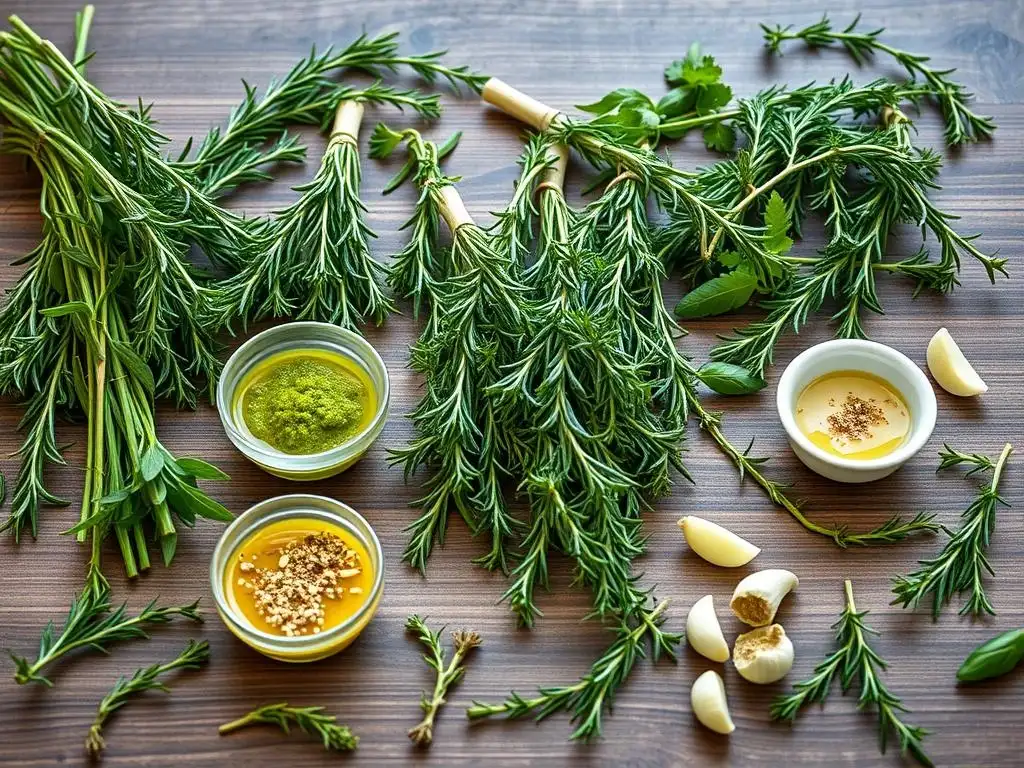
Thyme, with its subtly lemony and earthy notes, transcends its role as a mere culinary garnish. Its versatility extends far beyond traditional roasts and stews, offering exciting possibilities for the adventurous home cook. Consider incorporating thyme into unexpected dishes to elevate their flavor profiles.
For instance, a sprinkle of fresh thyme elevates the simplicity of grilled cheese sandwiches, adding a sophisticated herbaceous touch that complements the melted cheese beautifully. Think of the surprising depth of flavor thyme brings to creamy soups, such as potato leek or butternut squash. The subtle pungency cuts through the richness, creating a balanced and complex taste experience.
Beyond savory applications, thyme finds its place in sweet treats. Imagine the delightful aroma of thyme-infused honey, perfect for drizzling over yogurt or using as a unique glaze for roasted root vegetables. Thyme's subtle sweetness pairs remarkably well with fruits like pears and apples, making it a fantastic addition to crumbles or pies. Experiment with adding a few sprigs to your favorite fruit jams or chutneys for an unexpected twist.
The possibilities are truly endless, limited only by your imagination and willingness to experiment. Remember to always use fresh thyme for the most vibrant flavor; its delicate aroma is best enjoyed when freshly harvested from your garden. Don't be afraid to experiment with different quantities to find your perfect balance.
Thyme's Aromatic Power: Infusions and Potpourris
Thyme's aromatic properties extend beyond the culinary realm, offering a wealth of opportunities for creating fragrant infusions and delightful potpourris. The potent aroma of thyme, with its characteristic notes of pine and earthiness, lends itself beautifully to homemade infusions. A simple thyme-infused oil is surprisingly easy to make: simply steep fresh thyme sprigs in a high-quality olive oil for several weeks in a cool, dark place.
This aromatic oil can then be used in cooking, as a massage oil, or even as a base for homemade soaps. Similarly, a thyme-infused vinegar adds a complex depth of flavor to salad dressings and marinades.
For those seeking a more decorative and aromatic application, thyme readily lends itself to the creation of charming potpourris. Combine dried thyme sprigs with other fragrant herbs like lavender and rosemary, along with dried flowers and citrus peels, to create a unique and personalized blend. This fragrant mixture can be placed in small sachets and tucked away in drawers or closets to impart a refreshing, naturally-derived scent. Alternatively, you can create a larger potpourri arrangement in a decorative bowl, adding a touch of rustic charm to any room.
The subtle, earthy fragrance of thyme adds a calming and inviting atmosphere to your home, reminding you of the fresh scent of your garden throughout the year. Remember to properly dry your thyme before including it in a potpourri to prevent mold growth. Proper drying techniques are essential for maintaining the herb's aroma and longevity.
Preserving the Harvest: Extending the Life of Your Herbs
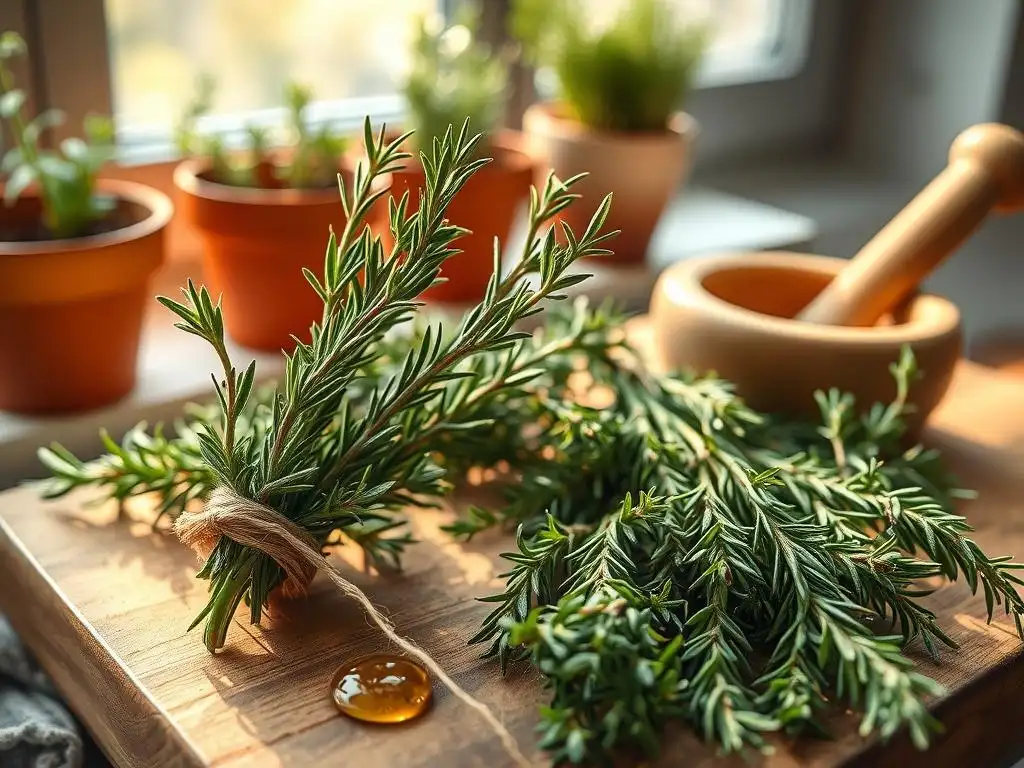
Growing your own rosemary and thyme offers a delightful connection to nature and the freshest flavors imaginable. But what happens when your plants are overflowing with more herbs than you can possibly use fresh? Don't let your hard work go to waste!
Preserving your harvest is key to enjoying the bounty of your herb garden throughout the year. Several methods offer excellent ways to maintain the vibrant aromas and flavors of rosemary and thyme, ensuring you can savor their deliciousness long after the growing season ends. This section will explore effective and creative methods for preserving your rosemary and thyme harvest, maximizing both their culinary and aromatic potential.
Drying Rosemary and Thyme for Year-Round Use
Drying herbs is a classic preservation technique, perfect for rosemary and thyme. This method retains much of their flavor and aroma, making them ideal for use in soups, stews, potpourris, and other culinary applications. The key to successful drying is ensuring proper air circulation to prevent mold and mildew.
Here's a step-by-step guide:
- Harvesting: Harvest rosemary and thyme sprigs in the morning after the dew has dried. Choose stems with healthy, vibrant leaves.
- Preparation: Gently rinse the herbs under cool water and pat them dry with a clean towel. Remove any damaged or wilted leaves.
- Drying Methods:
- Air Drying: Bundle small bunches of herbs together and hang them upside down in a cool, dark, and well-ventilated area. Avoid direct sunlight, which can fade the color and diminish the aroma. This method usually takes 1-2 weeks.
- Oven Drying: Preheat your oven to the lowest setting (ideally below 170°F or 77°C). Spread the herbs in a single layer on a baking sheet lined with parchment paper. Dry for 2-3 hours, checking frequently to prevent burning.
- Storage: Once completely dry, the leaves should crumble easily. Store the dried herbs in airtight containers in a cool, dark, and dry place. Properly stored, dried rosemary and thyme can retain their flavor and aroma for up to a year.
Freezing Fresh Rosemary and Thyme for Optimal Flavor Retention
Freezing is another excellent method for preserving the vibrant flavors and colors of rosemary and thyme. While drying does concentrate the flavors, freezing helps retain more of the fresh herb's original taste and texture.
Here's how to freeze your herbs effectively:
- Preparation: Wash and thoroughly dry your rosemary and thyme sprigs. Remove any damaged leaves.
- Freezing Methods:
- Whole Sprigs: This method is ideal for using in soups or stews where you can easily add a sprig to the pot and remove it later. Wrap small bunches of herbs tightly in plastic wrap or place them in freezer bags.
- Chopped Herbs: Chop the rosemary and thyme finely and store them in ice cube trays filled with a little olive oil or water. Once frozen, transfer the cubes to a freezer bag for longer storage. This allows for easy portioning when using in recipes.
- Storage: Properly frozen rosemary and thyme will retain its quality for up to 6 months.
Making Rosemary and Thyme-Infused Salts and Blends
Creating your own rosemary and thyme-infused salts and blends is a fantastic way to add a unique and aromatic touch to your cooking. These blends make wonderful gifts and are perfect for seasoning roasted vegetables, meats, and even popcorn!
Here's a simple recipe for Rosemary Thyme Sea Salt:
| Ingredient | Quantity | Notes |
|---|---|---|
| Coarse Sea Salt | 2 cups | Use a high-quality sea salt |
| Dried Rosemary | 2 tablespoons | Finely chopped |
| Dried Thyme | 1 tablespoon | Finely chopped |
| Optional: Garlic Powder | ½ teaspoon | Adds a savory depth of flavor |
| Optional: Black Pepper | ¼ teaspoon | A touch of spice |
Instructions:
- Combine all ingredients in a bowl and mix thoroughly.
- Store the blend in an airtight container in a cool, dark place. This blend will last for several months.
This method allows you to create unique flavor combinations, experimenting with different herbs and spices to suit your taste. You can also add other dried herbs like oregano or marjoram, or even chili flakes for a spicy kick. The possibilities are endless! 🌿 Enjoy the creative process and the delicious results of your homemade herb blends!
Rosemary and Thyme in Home Remedies and Natural Beauty
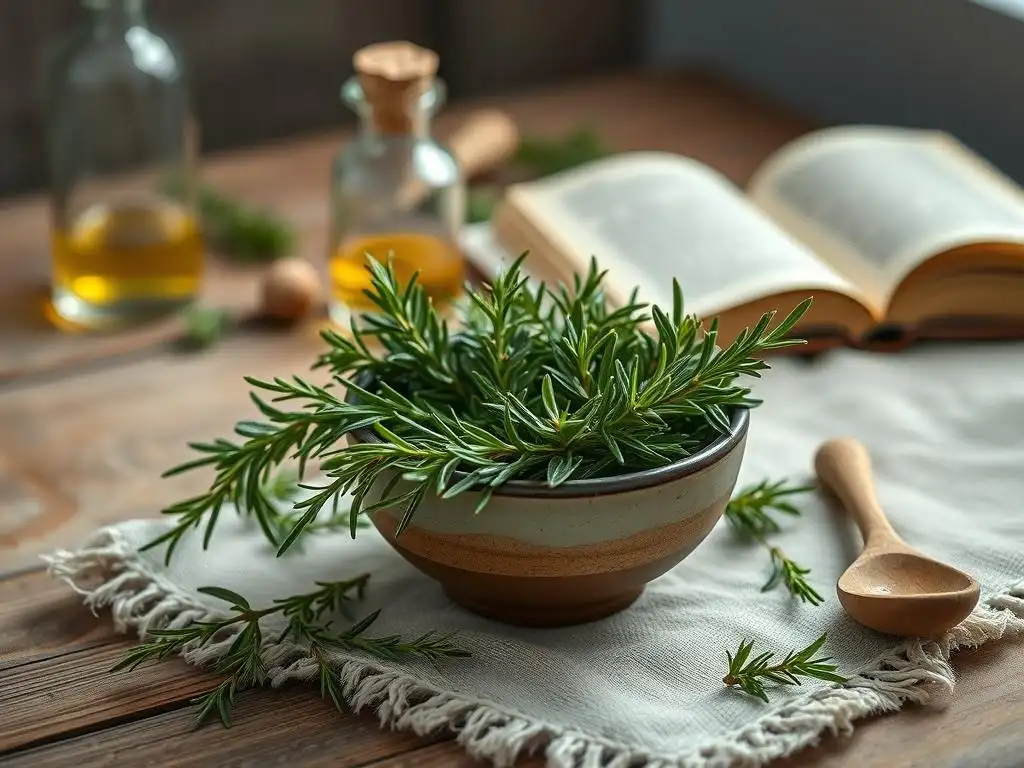
Rosemary and thyme, beyond their culinary applications, offer a wealth of benefits for home remedies and natural beauty routines. Their potent aromatic compounds and medicinal properties have been utilized for centuries in traditional medicine and continue to inspire DIY solutions for common ailments and beauty concerns. This section explores the specific uses of these versatile herbs in creating natural, effective, and sustainable products for your home.
Understanding the unique properties of each herb allows for targeted application and maximizes their therapeutic potential. We'll delve into specific examples and practical applications to guide you in harnessing the power of these incredible plants.
Rosemary's Benefits: Hair Care and Aromatherapy
Rosemary is renowned for its stimulating properties, particularly beneficial for hair growth and scalp health. Its essential oil, rich in antioxidants, is thought to improve circulation to the scalp, potentially encouraging hair follicle activity and reducing hair loss. 1 Many individuals report thicker, healthier hair after incorporating rosemary oil into their hair care routines. This can be achieved through various methods: adding a few drops to your shampoo or conditioner, creating a rosemary hair rinse, or even applying a diluted rosemary oil directly to the scalp.
Furthermore, rosemary's invigorating aroma makes it a valuable tool in aromatherapy. Its scent is often described as uplifting and clarifying, potentially easing stress and improving focus. Inhaling rosemary essential oil, either directly from the bottle (with caution) or through a diffuser, can be a helpful way to combat fatigue and promote mental clarity. Remember to always dilute essential oils before applying them to the skin and consult with a professional aromatherapist for personalized guidance. The potent nature of essential oils necessitates careful handling and usage.
The versatility of rosemary extends beyond hair care and aromatherapy. Its antibacterial and antifungal properties make it a potential aid in treating minor skin irritations. However, always conduct a patch test before widespread application to check for any allergic reactions. Further research into its specific antimicrobial effects is ongoing, highlighting the potential for future discoveries in its medicinal applications.
Thyme's Healing Properties: Natural Remedies and Uses
Thyme, another powerhouse herb, boasts impressive antimicrobial and antiseptic properties. Its essential oil, particularly rich in thymol, exhibits potent activity against a broad spectrum of bacteria and fungi. 2 This makes thyme a valuable natural remedy for various ailments. Traditionally, thyme has been used to soothe coughs and alleviate respiratory congestion. A thyme tea, prepared by steeping fresh or dried thyme in hot water, can provide relief from minor respiratory symptoms. However, it's crucial to remember that thyme should not be considered a substitute for medical treatment for serious respiratory conditions.
Beyond respiratory health, thyme’s antiseptic properties lend themselves to wound care. Diluted thyme essential oil can be applied topically to minor cuts and scrapes to promote healing and prevent infection. Again, a patch test is always recommended before wider application. The use of thyme in this manner necessitates caution and should be complemented by proper wound care practices. For significant injuries, always seek professional medical attention.
Thyme's application extends to oral hygiene. Its antibacterial properties can contribute to improved oral health. Rinsing the mouth with a diluted thyme infusion may aid in reducing bacteria and freshening breath. However, this should not replace regular dental hygiene practices, such as brushing and flossing.
Creating DIY Rosemary and Thyme-Based Products
The creation of DIY products using rosemary and thyme is both rewarding and economical. Here are a few examples:
| Product | Ingredients | Instructions | Benefits |
|---|---|---|---|
| Rosemary Hair Rinse | Fresh rosemary sprigs, water | Boil rosemary in water, strain, and cool. Use as a final rinse after shampooing. | Promotes hair growth, adds shine, reduces dandruff |
| Thyme-Infused Honey | Honey, fresh thyme sprigs | Steep thyme in honey for several weeks. | Soothes coughs, eases sore throats |
| Rosemary and Thyme Bath Soak | Dried rosemary and thyme, Epsom salts, water | Add herbs and salts to warm bathwater. | Relaxes muscles, soothes skin |
Creating these products requires careful attention to detail and hygiene. Ensure all ingredients are clean and fresh, and sterilize any containers you use. Always conduct a patch test before applying any DIY product to a large area of skin. Remember that these suggestions are for informational purposes only and should not replace professional medical advice.
1 Further research is needed to fully understand the mechanisms and efficacy of rosemary for hair growth.
2 The antimicrobial activity of thyme varies depending on the concentration and type of thyme used.
Growing Your Own Rosemary and Thyme: A Guide to Sustainable Harvesting
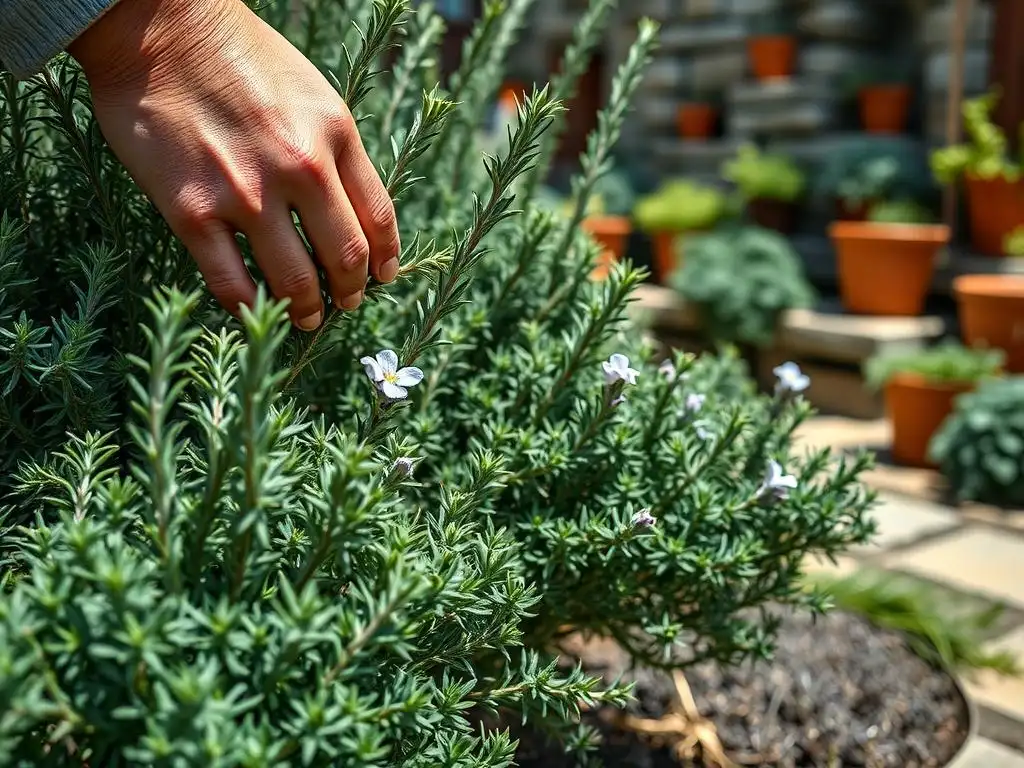
This section focuses on maximizing your rosemary and thyme yield while employing sustainable practices. Understanding the growth habits of these hardy herbs is crucial for a bountiful harvest. We'll explore optimal growing conditions and techniques to ensure a continuous supply of fresh herbs for your culinary creations. This directly relates to "Creative uses fresh rosemary thyme" by ensuring you have a readily available source of high-quality herbs.
Optimizing Rosemary and Thyme Growth for Abundant Harvests
Rosemary and thyme thrive in well-drained soil with plenty of sunshine. Aim for at least 6-8 hours of direct sunlight daily. Poor drainage can lead to root rot, a common problem for these Mediterranean herbs. To improve drainage, amend heavy clay soils with compost or other organic matter. This improves soil structure and aeration, vital for healthy root development.
The type of soil also impacts growth. A slightly alkaline soil (pH 6.0-7.5) is ideal. Regular soil testing using a home testing kit can help monitor pH levels and nutrient content. Adjustments can be made with lime to increase alkalinity or organic matter to improve overall soil health.
Proper watering is essential. Avoid overwatering, which can lead to fungal diseases. Water deeply but infrequently, allowing the soil to dry slightly between waterings. Mulching around the plants helps retain moisture and suppress weeds, reducing the need for frequent watering. A layer of organic mulch, such as straw or wood chips, is beneficial.
Nutrient-rich soil is crucial for robust growth. While rosemary and thyme are relatively low-maintenance, regular fertilization with a balanced organic fertilizer during the growing season (spring and summer) will boost growth and flavor. Avoid using synthetic fertilizers, opting instead for compost tea or other organic options to maintain soil health and align with sustainable gardening practices.
Sustainable Harvesting Techniques for Fresh Herbs
Harvesting your rosemary and thyme sustainably ensures a continuous supply of fresh herbs while promoting the health of your plants. The key is to prune regularly and avoid taking too much at once. Over-harvesting can stress the plants, leading to reduced growth and even death.
For rosemary, prune stems back by about one-third to encourage bushier growth. Harvest sprigs by pinching or cutting just above a leaf node. This promotes branching and denser growth, leading to a more abundant harvest in the future. The best time to harvest rosemary is in the morning after the dew has dried.
Thyme, similarly, benefits from regular pruning. Pinch or cut back stems to encourage bushier growth and prevent legginess. Harvest sprigs as needed, leaving enough foliage for the plant to continue growing. Harvesting thyme throughout the growing season will encourage new growth and prevent the plant from becoming woody.
Consider using sharp, clean shears or pruning snips to avoid damaging the plants. This minimizes the risk of disease transmission and ensures clean cuts that promote healthy regrowth. Always use clean tools to prevent the spread of diseases.
Remember to compost any plant material that is not used, further promoting sustainable practices within your garden. This reduces waste and enriches the soil for future plantings.
Pest Control and Organic Practices for Rosemary and Thyme
Rosemary and thyme are relatively pest-resistant, but occasional problems can arise. Employing organic pest control methods is crucial for maintaining a healthy garden and aligning with sustainable practices.
Common pests include aphids and spider mites. Regularly inspect your plants for signs of infestation. A strong spray of water can often dislodge aphids. For more persistent infestations, consider using insecticidal soap or neem oil, both effective organic pest control options. These are readily available at most garden centers.
Preventative measures are key. Maintaining healthy plants through proper watering, fertilization, and pruning makes them less susceptible to pests and diseases. Good air circulation around plants also helps prevent fungal diseases. Spacing plants appropriately ensures sufficient air circulation and reduces the risk of pest and disease outbreaks.
Organic practices also extend to disease prevention. Avoid overwatering, which creates conditions favorable for fungal growth. Ensure good drainage and air circulation to prevent the development of fungal diseases. Remove and destroy any affected plant material promptly to prevent the spread of disease. This proactive approach minimizes the need for chemical intervention. Remember, healthy plants are less prone to pest and disease issues. 🌱
Recipes Showcasing Fresh Rosemary and Thyme
This section explores exciting culinary applications for your homegrown rosemary and thyme, emphasizing the unique flavors each herb brings to a dish. Using fresh herbs offers a superior taste and aroma compared to dried alternatives, enhancing your cooking experience and creating dishes bursting with flavor. We'll focus on recipes that highlight the distinct characteristics of rosemary and thyme, showcasing their versatility in both savory and (to a lesser extent) sweet applications. Remember to harvest your rosemary and thyme just before using them for the most vibrant flavor.
Roasted Chicken with Lemon and Rosemary
A classic pairing, rosemary and lemon complement chicken beautifully. This recipe is simple yet elegant, perfect for a weeknight dinner or a special occasion. The intense, slightly piney aroma of rosemary infuses the chicken, creating a succulent and flavorful roast.
The key to success lies in using fresh rosemary sprigs. Don't just chop it finely; tuck sprigs under the chicken skin and scatter them generously in the roasting pan. This allows the aroma to fully permeate the meat.
Ingredients:
- 1 whole chicken (approximately 3-4 pounds)
- 1 large lemon, thinly sliced
- 4-6 sprigs fresh rosemary
- 2 tablespoons olive oil
- Salt and freshly ground black pepper to taste
Instructions:
- Preheat your oven to 400°F (200°C).
- Rinse the chicken and pat it dry.
- Place lemon slices and rosemary sprigs inside the chicken cavity.
- Rub the chicken skin with olive oil, then season generously with salt and pepper.
- Place the chicken in a roasting pan and roast for 1 hour and 15 minutes, or until the internal temperature reaches 165°F (74°C).
- Let the chicken rest for 10 minutes before carving and serving. The resting period allows the juices to redistribute, resulting in a more tender and flavorful bird.
Thyme-Roasted Vegetables with Parmesan
Thyme's earthy, slightly lemony flavor pairs exceptionally well with roasted vegetables. This recipe offers a simple yet sophisticated side dish, perfect for accompanying grilled meats or fish. The thyme adds a layer of complexity to the vegetables' natural sweetness, creating a balanced and delicious dish. Feel free to experiment with your favorite seasonal vegetables.
Ingredients:
- 1 pound mixed vegetables (e.g., broccoli florets, carrots, bell peppers, zucchini)
- 2 tablespoons olive oil
- 2 tablespoons fresh thyme leaves
- 1/4 cup grated Parmesan cheese
- Salt and freshly ground black pepper to taste
Instructions:
- Preheat your oven to 400°F (200°C).
- Toss the vegetables with olive oil, thyme leaves, salt, and pepper.
- Spread the vegetables in a single layer on a baking sheet.
- Roast for 20-25 minutes, or until tender and slightly browned.
- Sprinkle with Parmesan cheese during the last 5 minutes of roasting.
- Serve immediately. The Parmesan adds a salty, umami note that complements the thyme and roasted vegetables perfectly.
Rosemary and Thyme Roasted Lamb with Garlic and Potatoes
This recipe showcases the robust flavors of rosemary and thyme, perfectly complementing the richness of lamb. The combination of herbs, garlic, and potatoes creates a hearty and flavorful dish, ideal for a special occasion or a comforting weekend meal. The slow roasting process ensures the lamb is tender and juicy, while the potatoes absorb the delicious herb-infused flavors. Remember to adjust cooking time depending on the size and cut of your lamb.
Ingredients:
- 2 pounds boneless leg of lamb, trimmed
- 1 pound small red potatoes, halved or quartered
- 4 cloves garlic, minced
- 4 sprigs fresh rosemary
- 2 tablespoons fresh thyme leaves
- 2 tablespoons olive oil
- Salt and freshly ground black pepper to taste
Instructions:
- Preheat oven to 350°F (175°C).
- In a large bowl, combine potatoes, garlic, rosemary, thyme, olive oil, salt, and pepper.
- Place the lamb on top of the potatoes.
- Roast for 1 hour and 15 minutes to 1 hour and 45 minutes, or until the lamb reaches your desired doneness (internal temperature of 145°F (63°C) for medium-rare).
- Let the lamb rest for 10-15 minutes before carving and serving. The resting period allows the juices to redistribute, resulting in a more tender and flavorful roast. Serve with the roasted potatoes. The potatoes will have absorbed the flavors of the lamb and herbs, creating a delicious side dish.
Frequently Asked Questions
What are some creative ways to use fresh rosemary and thyme?
Rosemary and thyme are incredibly versatile! Use them to flavor roasted meats and vegetables, add depth to soups and stews, or create delicious herb-infused oils and vinegars.
Can I freeze fresh rosemary and thyme?
Yes! Freezing preserves their flavor. Chop the herbs, place them in ice cube trays with a little water or oil, and freeze. Once frozen, transfer to freezer bags for long-term storage.
How do I store fresh rosemary and thyme to maintain freshness?
Wrap the herbs loosely in a damp paper towel and store them in a plastic bag in the refrigerator. This will help them stay fresh for up to a week.
Beyond cooking, what other uses do rosemary and thyme have?
Rosemary and thyme have many uses beyond cooking! They can be used in natural cleaning products, added to homemade bath products, or even used as potpourri for a pleasant aroma.
Where can I find more information on growing rosemary and thyme at home?
To learn more about growing your own rosemary and thyme, visit the CultivateYourFood website for detailed guides on planting, care, and harvesting using sustainable and organic practices. We cover everything from seed starting to pest control!
Final Reflection: The Unexpected Symphony of Rosemary and Thyme
The vibrant, aromatic world of fresh herbs extends far beyond simple garnishes; they are culinary canvases waiting to be explored. The possibilities for creative use of rosemary and thyme, as we've discovered, are truly limitless, impacting not only our palates but also our overall approach to cooking and enjoying food. This isn't just about recipes; it's about rediscovering the sensory richness available in our kitchens.
The influence of fresh herbs, particularly rosemary and thyme, on our culinary landscape is undeniable. Their ability to transform simple dishes into extraordinary experiences speaks to a deeper connection with nature and the art of cooking. The best things in life are simple, but not easy.
This quote perfectly encapsulates the effort involved in sourcing and preparing fresh herbs, but also the rewarding simplicity of their impact on our meals. From infused oils and vinegars to unique marinades and even homemade beauty products, their versatility continues to inspire innovation and creativity in both professional and home kitchens.
Consider the possibilities: Imagine the fragrant aroma of rosemary-infused olive oil drizzled over crusty bread, or the earthy warmth of thyme-roasted vegetables gracing your dinner table. You, the reader, now hold the key to unlocking this world of culinary creativity. Experiment, explore, and let the fragrant power of rosemary and thyme elevate your cooking to new heights. Embrace the unexpected, and discover the symphony of flavors waiting to be unleashed in your own kitchen.
Unleash Your Inner Herb Alchemist!
Thanks for exploring the wonderful world of herbs with us! We hope you've discovered new ways to enhance your cooking and incorporate fresh, flavorful herbs into your daily life. Now it's time to put your newfound knowledge into practice.
- Craft your signature herb blend: Experiment with different combinations of herbs and spices to create a unique seasoning for your favorite dishes. Share your creation with us in the comments—we'd love to hear about it!
- Grow your own: Even a small herb garden on your windowsill can provide a constant supply of fresh herbs. Starting with easy-to-grow varieties is a great way to begin.
- Challenge yourself: Find a new recipe that uses herbs prominently and give it a try. Share your culinary adventure on social media using #CultivateYourFood!
Ready to transform your kitchen into a fragrant oasis? What exciting flavor combinations will you discover?