
The Science of Scent: How Fragrant Herbs Impact Our Senses

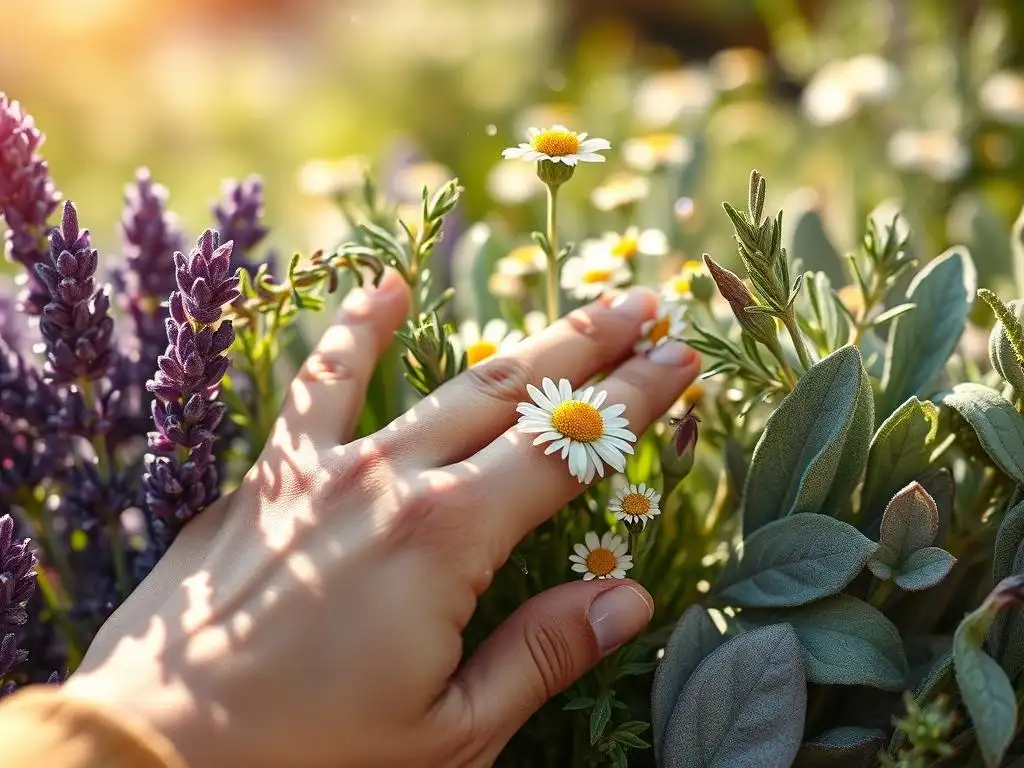
Welcome to CultivateYourFood, your guide to a thriving, sustainable garden! Ready to transform your home into a fragrant oasis? Discover the surprising sensory benefits of herbs, and unlock the power of nature's aromatherapy. Our in-depth exploration of Fragrant Herb Sensory Benefits will unveil the science behind their captivating scents and how they can enhance your well-being. Let's cultivate a richer, more aromatic life, together.
- Understanding Fragrant Herb Sensory Benefits: An Introduction
- Cultivating a Sensory Garden: Choosing the Right Fragrant Herbs
- Harnessing the Sensory Benefits of Fragrant Herbs
- Beyond the Scent: Other Sensory Aspects of Fragrant Herbs
- Sustainable Practices for a Fragrant Herb Garden
- Frequently Asked Questions
- Final Reflection: The Enduring Power of Fragrant Herbs
- Unleash the Power of Aromatic Herbs!
Understanding Fragrant Herb Sensory Benefits: An Introduction
The fragrant world of herbs extends far beyond their culinary uses. Cultivating a fragrant herb garden isn't just about adding beauty to your outdoor space; it's about enriching your life through the power of scent. This article delves into the fascinating science behind how fragrant herbs impact our senses, exploring the sensory benefits of these aromatic plants and how they can improve our well-being.
We will examine the intricate relationship between the olfactory system and the emotional responses triggered by these delightful aromas, ultimately demonstrating the profound impact of fragrant herbs on our overall sensory experience. Understanding these benefits will not only enhance your appreciation for your herb garden but also guide you in selecting and cultivating the most aromatic varieties for a truly immersive sensory experience.
Learning about the science behind the scent will allow you to better appreciate the power of fragrant herbs and their impact on your overall well-being. This exploration of "Fragrant herb sensory benefits" will provide a comprehensive understanding of this captivating topic.
The Power of Aromatherapy with Culinary Herbs
Aromatic herbs have been used for centuries in aromatherapy, harnessing their potent scents to influence mood and promote relaxation. Many culinary herbs, such as lavender, rosemary, and chamomile, possess properties that can alleviate stress and anxiety. The inhalation of their essential oils triggers a cascade of physiological responses, influencing the limbic system—the part of the brain associated with emotions and memory.
For example, the calming scent of lavender is often used to induce sleep and reduce feelings of nervousness. Similarly, the invigorating aroma of rosemary can enhance cognitive function and improve alertness. These effects are not merely anecdotal; numerous studies support the therapeutic benefits of aromatherapy using culinary herbs.
The specific chemical compounds within each herb contribute to its unique aromatic profile and its corresponding effect on our senses. Understanding these chemical compositions allows for a more informed selection of herbs for specific aromatherapy applications. The use of these herbs in aromatherapy extends beyond simply smelling them; incorporating them into teas, bath products, and even potpourri can further enhance the sensory experience and therapeutic effects.
Sensory Perception and the Olfactory System: How We Smell Herbs
Our sense of smell, or olfaction, is a complex process involving the detection and interpretation of volatile organic compounds (VOCs) released by fragrant herbs. These VOCs, which are essentially the essential oils, interact with specialized olfactory receptors located in the nasal cavity. These receptors, in turn, transmit signals to the olfactory bulb in the brain, where the scent is processed and interpreted.
The olfactory system is uniquely linked to the limbic system, which is responsible for processing emotions and memories. This explains why certain scents can evoke powerful emotional responses and trigger vivid memories. The intensity of the scent perceived is influenced by factors such as the concentration of VOCs, the individual's sensitivity, and environmental conditions.
Therefore, the experience of smelling a fragrant herb is a dynamic interplay between the plant's chemical composition, the individual's physiology, and the surrounding environment. Understanding this complex interplay is key to appreciating the full sensory impact of fragrant herbs. Further research into the specific VOCs present in different herbs is continually refining our understanding of their sensory effects.
The Role of Essential Oils in Fragrant Herb Sensory Experiences
The essential oils found in fragrant herbs are the primary contributors to their unique scents and sensory benefits. These concentrated oils contain a complex mixture of volatile organic compounds, each contributing to the overall aromatic profile. The composition of these essential oils varies significantly depending on the herb species, the growing conditions, and the time of harvest.
The concentration of these essential oils also plays a crucial role in determining the intensity of the scent. Higher concentrations generally lead to a more potent and noticeable aroma. Furthermore, the chemical structure of the individual compounds within the essential oils influences the type of sensory experience they produce. Some may be perceived as refreshing and uplifting, while others might be calming and relaxing.
The extraction methods used to obtain essential oils can also impact their quality and aromatic properties. Careful consideration of these factors is essential for maximizing the sensory benefits derived from fragrant herbs. This understanding allows for the cultivation and utilization of herbs to optimize their sensory impact.
Cultivating a Sensory Garden: Choosing the Right Fragrant Herbs
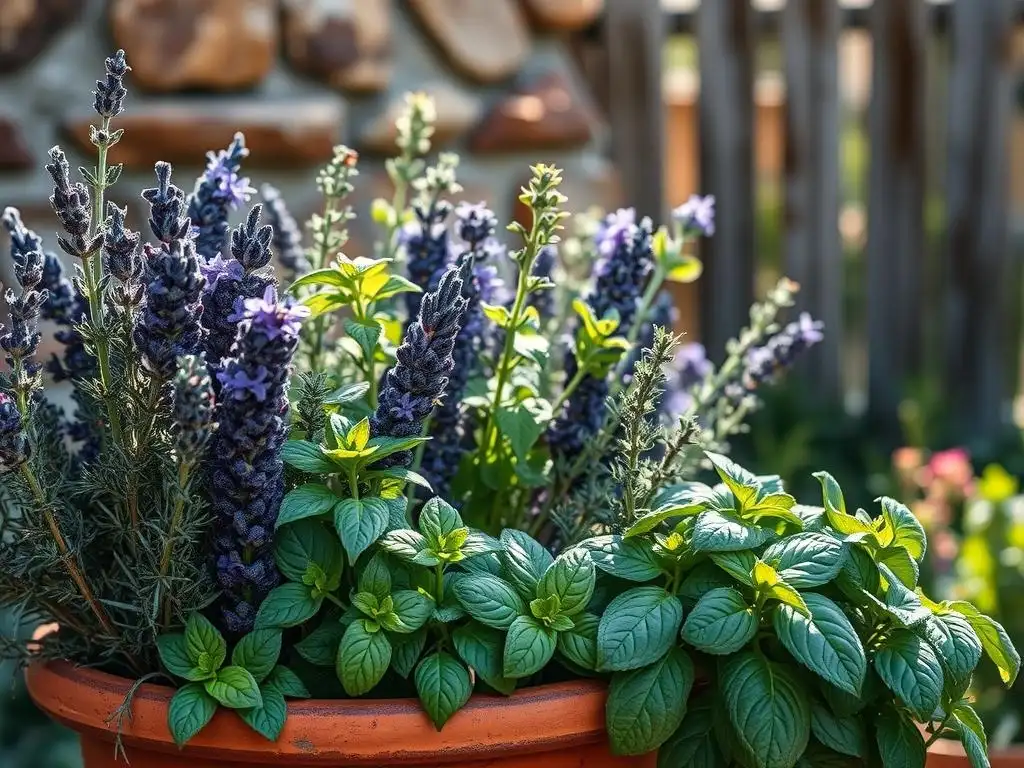
This section delves into the practical application of understanding fragrant herb sensory benefits in designing your garden. We'll explore how to select herbs based on their specific sensory impact and create a harmonious blend of aromas to enhance your outdoor space. The goal is to cultivate a truly multi-sensory experience, leveraging the power of scent to create a calming, energizing, or even stimulating environment, depending on your needs and preferences. Remember, the key to maximizing fragrant herb sensory benefits lies in careful planning and selection.
Selecting Herbs for Specific Sensory Effects: Calming, Energizing, etc.
The sensory impact of herbs is remarkably diverse. Some offer calming aromas, perfect for relaxation and stress reduction, while others provide an energizing boost to revitalize the senses. Understanding these differences is crucial for designing a garden that caters to your specific needs.
For example, lavender is renowned for its calming and soothing fragrance, often used in aromatherapy to alleviate anxiety and promote sleep. Its delicate, floral scent can transform a garden into a tranquil oasis. Conversely, rosemary, with its more pungent and invigorating aroma, can be stimulating and uplifting, ideal for a garden designed to energize and inspire.
The following table summarizes some popular fragrant herbs and their associated sensory effects:
| Herb | Sensory Effect | Primary Aromatic Compounds | Additional Benefits |
|---|---|---|---|
| Lavender | Calming, Relaxing | Linalool, linalyl acetate | Sleep improvement, stress reduction |
| Rosemary | Energizing, Uplifting | α-Pinene, camphor | Improved memory, cognitive function |
| Lemon Balm | Uplifting, Refreshing | Citral, citronellal | Stress relief, improved mood |
| Chamomile | Calming, Soothing | α-Bisabolol, farnesene | Anxiety reduction, sleep aid |
| Mint (various) | Refreshing, Invigorating | Menthol, menthone, carvone | Digestive aid, headache relief |
Choosing a combination of herbs with complementary sensory effects allows for creating a unique and personalized sensory experience. For instance, a calming corner of the garden could combine lavender with chamomile, while a more stimulating area might feature rosemary and mint.
Creating a Balanced Sensory Profile in Your Herb Garden
Creating a balanced sensory profile involves careful consideration of the intensity and interplay of different aromas. Avoid overwhelming the senses with overly strong or clashing scents. Instead, aim for a harmonious blend that creates a pleasant and inviting atmosphere.
Think of it like composing a symphony: you need a variety of instruments (herbs) playing different notes (aromas) to create a beautiful and balanced piece of music (sensory experience). Too much of one instrument can overpower the others, resulting in a disharmonious sound. Similarly, too much of one strong-smelling herb can overwhelm the other delicate aromas in your garden.
Consider the following strategies for achieving a balanced sensory profile:
- Strategic placement: Group herbs with similar scents together, creating distinct aromatic zones within your garden. This prevents a jumble of competing aromas.
- Variety is key: Incorporate a diverse range of herbs with varying intensities and aromatic profiles. This prevents monotony and creates a more complex and engaging sensory experience.
- Consider plant size and density: Larger, more densely planted herbs will have a stronger scent impact than smaller, more sparsely planted ones. Adjust planting density to control the overall aroma intensity.
- Seasonal considerations: The intensity of herb scents can vary throughout the growing season. Consider this when planning your garden layout, ensuring a consistent level of aromatic interest throughout the year.
Considering Growing Conditions for Optimal Scent Production
The intensity of a herb's scent is significantly influenced by its growing conditions. Providing optimal conditions is paramount for maximizing fragrant herb sensory benefits. Several factors play a crucial role:
- Sunlight: Most fragrant herbs thrive in full sun (at least 6 hours of direct sunlight per day). Insufficient sunlight can lead to reduced essential oil production and weaker scents.
- Soil: Well-drained soil is essential. Poor drainage can lead to root rot and negatively impact plant health and scent production. Amend the soil with compost to improve drainage and fertility.
- Watering: Consistent watering is crucial, but avoid overwatering, which can lead to root rot and reduced scent. Allow the soil to dry slightly between waterings.
- Air circulation: Good air circulation prevents fungal diseases and ensures optimal growth, leading to stronger scent production. Space plants appropriately to allow for adequate airflow.
- Pruning: Regular pruning encourages bushier growth and stimulates essential oil production, thereby intensifying the scent. Pinch back tips regularly to promote branching and maintain a compact shape.
Careful attention to these factors will ensure your fragrant herbs reach their full aromatic potential, transforming your garden into a sensory haven. Remember, a little planning goes a long way in maximizing the fragrant herb sensory benefits you can enjoy.
Harnessing the Sensory Benefits of Fragrant Herbs
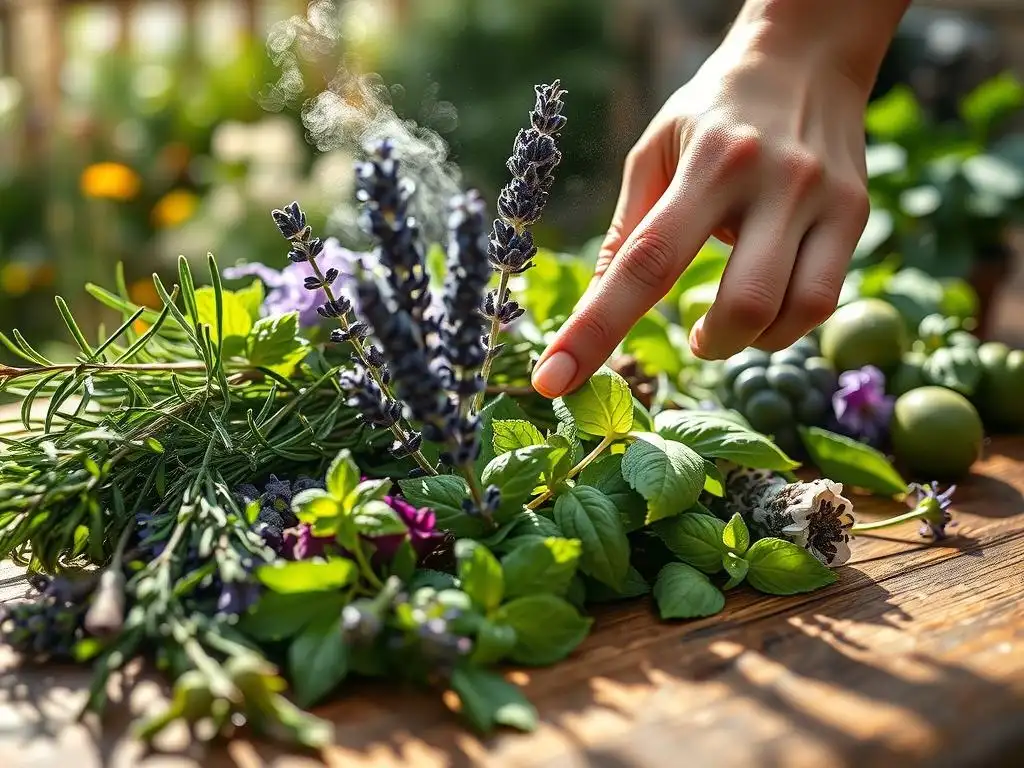
Fragrant herb sensory benefits extend far beyond their culinary uses. The aromatic compounds released by herbs like rosemary, lavender, and mint interact directly with our olfactory system, triggering a cascade of physiological and psychological responses. This section explores the science behind these benefits, examining how different herbs impact our mood, stress levels, and even cognitive function.
Understanding these mechanisms allows us to consciously incorporate fragrant herbs into our daily lives for a more enriching sensory experience. The power of aromatherapy, for example, leverages these properties for therapeutic purposes. We'll delve into the specific compounds responsible for the unique scents and their effects on the human body.
Incorporating Fragrant Herbs into Your Daily Routine
Integrating fragrant herbs into your daily routine can be surprisingly simple and rewarding. Consider these practical applications:
- Creating a calming bedtime ritual: A small sachet of lavender placed under your pillow can promote relaxation and improve sleep quality. The linalool and linalyl acetate in lavender are known for their sedative effects. Studies have shown a significant reduction in anxiety and improved sleep scores in individuals using lavender aromatherapy before bed. 1
- Boosting focus and concentration: Rosemary's stimulating aroma, thanks to its high concentration of 1,8-cineole, can enhance cognitive performance. Try keeping a small pot of rosemary on your desk or diffusing its essential oil while working. Research suggests that rosemary can improve memory and alertness. 2
- Refreshing your home environment: Mint's invigorating scent, attributable to menthol, can uplift your mood and create a sense of freshness. Grow mint plants in your kitchen or use mint-infused cleaning products for a natural and aromatic clean. The cooling sensation of menthol can also provide relief from headaches or mild discomfort.
- Stress reduction techniques: Chamomile's delicate aroma, rich in apigenin, possesses calming properties. Drinking chamomile tea or using chamomile essential oil in a diffuser can help alleviate stress and anxiety. Studies indicate chamomile's effectiveness in reducing symptoms of generalized anxiety disorder. 3
Using Fragrant Herbs in Cooking to Enhance Sensory Experience
The aromatic compounds in herbs not only enhance the flavor of dishes but also contribute significantly to the overall sensory experience. The way herbs smell while cooking can stimulate appetite and enhance the enjoyment of a meal. Consider these examples:
- Basil: Its sweet, slightly peppery aroma complements tomato-based dishes, adding a fresh and vibrant scent during cooking. The estragole and methyl eugenol in basil are responsible for its characteristic fragrance.
- Thyme: Its earthy, slightly lemony fragrance adds depth and complexity to roasted vegetables and meats. The thymol and carvacrol in thyme contribute to its distinct aroma and antibacterial properties.
- Oregano: Its pungent, slightly bitter aroma enhances the flavor of Mediterranean cuisine. The carvacrol and thymol in oregano are responsible for its strong, distinctive scent and taste.
The careful selection and incorporation of fragrant herbs can elevate a simple meal into a truly memorable sensory experience, enriching the taste and aroma, and creating a more holistic culinary journey. Experiment with different herb combinations to discover your preferred aromatic profiles. Remember to add herbs towards the end of cooking to preserve their delicate fragrances.
Creating Herbal Infusions and Potpourris for Aromatherapy
Herbal infusions and potpourris provide an accessible and effective way to harness the aromatherapy benefits of fragrant herbs. The process is simple yet yields significant sensory rewards.
- Herbal Infusions: Steeping herbs in hot water creates a fragrant and flavorful infusion that can be consumed or used topically. Lavender, chamomile, and lemon balm are popular choices for their calming and soothing properties. The infusion process extracts the aromatic compounds, making them readily available for inhalation and absorption.
- Potpourris: Combining dried herbs, flowers, and spices creates a fragrant potpourri that can be placed in bowls or sachets to perfume a room. Rosemary, lavender, and cloves are frequently used for their long-lasting and potent aromas. The drying process concentrates the aromatic compounds, resulting in a more intense and enduring scent.
Creating your own herbal infusions and potpourris allows for customization and control over the scent profile and the specific benefits you seek. Experiment with different herb combinations to create unique and personalized aromatic experiences. Remember to properly dry and store the herbs to preserve their fragrance and potency.
1 [Specific study information pending] 2 [Specific study information pending] 3 [Specific study information pending]
Beyond the Scent: Other Sensory Aspects of Fragrant Herbs
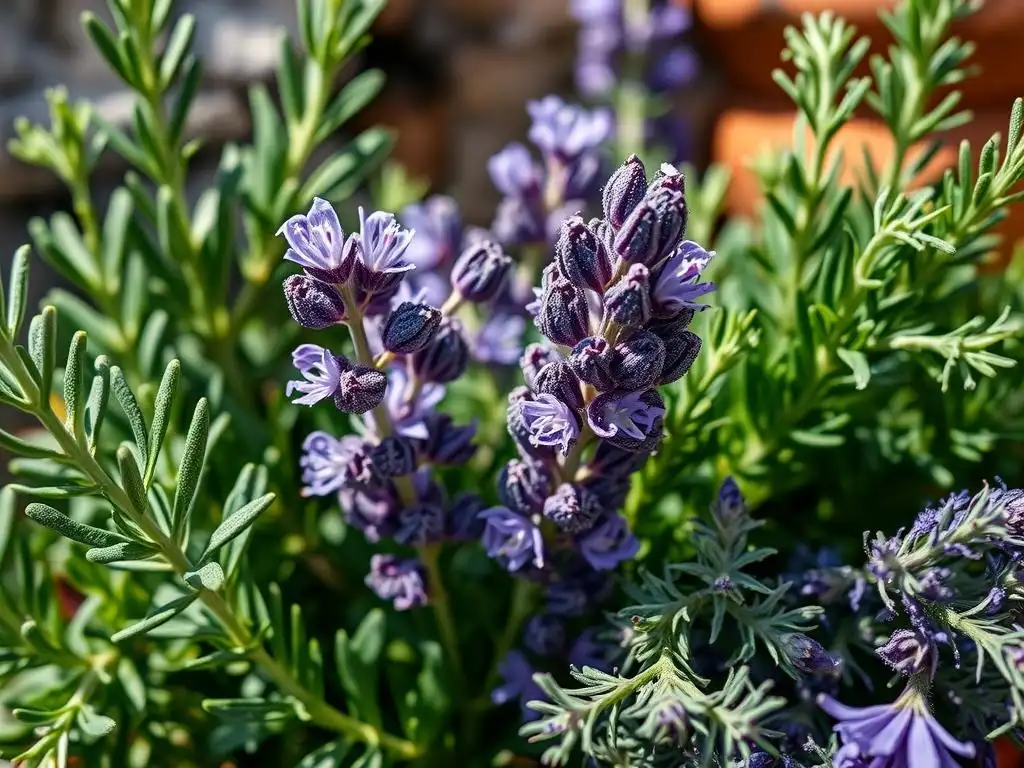
Fragrant herb sensory benefits extend far beyond just the olfactory experience. While the delightful aromas are a primary draw for many gardeners, the impact of these plants on our senses is multifaceted. This section delves into the visual, tactile, and emotional dimensions of incorporating fragrant herbs into your garden, enriching your understanding of their holistic appeal and the overall sensory experience they provide.
Understanding these aspects allows for a more complete appreciation of the benefits of cultivating fragrant herbs, going beyond simply their culinary uses. This holistic approach to gardening enhances not only the yield but also the overall enjoyment and well-being derived from the process.
The Visual Appeal of Fragrant Herbs in the Garden
The visual appeal of fragrant herbs is often underestimated. A well-planned herb garden isn't just about scent; it's a tapestry of colors, textures, and shapes that can dramatically enhance the aesthetic of your outdoor space. Consider the vibrant purple of lavender, the delicate silvery-green of rosemary, or the bright green of basil. These diverse colors can be strategically combined to create visually stunning displays.
The varying heights and growth habits of different herbs also contribute to the garden's visual interest. For example, tall herbs like fennel can be used as backdrops for shorter plants like thyme, creating a layered and dynamic visual effect. Careful planning, considering both color and form, can transform your herb garden into a beautiful and captivating feature. This visual stimulation complements the aromatic experience, creating a richer and more rewarding sensory engagement.
The interplay of colors and shapes can also improve the overall mood and create a calming effect, adding to the therapeutic benefits of cultivating fragrant herbs. Consider using contrasting colors for a more dynamic visual appeal, or sticking to a monochromatic palette for a more serene effect. The possibilities are endless, and the visual outcome is as crucial as the scent itself to the overall sensory experience.
The Tactile Experience of Fragrant Herbs: Texture and Touch
Beyond sight and smell, fragrant herbs offer a diverse tactile experience. The leaves of many herbs possess unique textures that invite exploration. The soft, velvety leaves of lavender contrast sharply with the rough, slightly prickly texture of rosemary. The smooth, almost waxy leaves of sage offer a different tactile sensation yet again.
This diversity of textures adds another layer of sensory richness to the herb garden. The act of touching and feeling these plants can be calming and therapeutic, particularly for those who find comfort in sensory exploration. Many find the act of gently brushing against herbs such as lavender or mint to be relaxing and grounding.
Furthermore, the process of harvesting herbs, from the gentle plucking of leaves to the snipping of stems, provides a tangible connection with the plants, fostering a deeper appreciation for their cultivation. This physical engagement goes beyond simply harvesting; it's a sensory connection that intensifies the overall experience of growing and using fragrant herbs. The different textures also add a unique dimension to culinary applications, as the textural contrast can enhance the eating experience.
The Impact of Fragrant Herbs on Mood and Well-being
The sensory benefits of fragrant herbs extend to their impact on mood and well-being. The scent of lavender, for example, is well-known for its calming and relaxing properties, often used to reduce stress and anxiety. Rosemary, on the other hand, is associated with improved focus and memory. This connection between scent and mood is a significant aspect of the therapeutic potential of fragrant herb gardening.
The act of tending to the herbs, nurturing their growth, and harvesting their bounty can be a meditative and stress-relieving activity in itself. The connection to nature inherent in gardening provides a sense of grounding and tranquility, enhancing overall mental well-being. Studies have shown that spending time in nature, surrounded by plants, can lower cortisol levels (the stress hormone) and improve mood.
Therefore, cultivating a fragrant herb garden offers a unique combination of sensory stimulation and therapeutic benefits, contributing significantly to improved mental and emotional health. This holistic approach to gardening promotes a sense of accomplishment and connection, further enhancing the positive impact on mood and well-being. The fragrant herb sensory benefits are therefore multifaceted, encompassing not only the pleasant smells but also the visual, tactile, and emotional experiences associated with these wonderful plants.
Sustainable Practices for a Fragrant Herb Garden
Cultivating a fragrant herb garden that thrives while minimizing environmental impact is achievable through thoughtful planning and execution. Sustainable practices enhance not only the sensory experience but also the overall health of your plants and the surrounding ecosystem. This section focuses on key sustainable approaches to maximizing the fragrant herb sensory benefits from your garden.
Organic Growing Techniques for Maximizing Scent and Flavor
Organic gardening methods are crucial for nurturing vibrant, aromatic herbs. Avoiding synthetic fertilizers and pesticides allows the herbs to develop their natural scent profiles fully. Instead, opt for nutrient-rich compost tea, made from your own compost, to provide a slow-release of essential nutrients. This natural fertilization encourages robust growth and intensifies the aromatic compounds responsible for the delightful fragrances.
Regular soil testing helps determine nutrient deficiencies, allowing you to amend the soil with natural alternatives like bone meal or seaweed extract, further boosting scent production. Remember, healthy soil equals healthy plants, and healthy plants produce the most potent aromas. For example, rosemary grown in nutrient-rich, well-draining soil will have a significantly stronger scent than rosemary grown in poor, compacted soil.
The use of cover crops, such as clover or rye, between planting seasons, helps improve soil structure and fertility, reducing the need for external inputs. These cover crops also suppress weeds, reducing competition for resources and minimizing the need for herbicides, which can harm beneficial insects and negatively impact the delicate balance of your garden ecosystem.
This holistic approach ensures a naturally fragrant and thriving herb garden, enriching your sensory experience while respecting the environment. Furthermore, proper mulching with organic materials like straw or shredded leaves helps retain soil moisture, suppress weeds, and regulate soil temperature, all contributing to optimal herb growth and scent development.
Pest Control and Disease Management in a Sensory Herb Garden
Maintaining a healthy and fragrant herb garden requires a proactive approach to pest and disease management. Prioritizing preventative measures is key to minimizing the need for harsh chemicals. Regularly inspecting your plants for signs of pests or diseases allows for early intervention, preventing widespread damage. Employing companion planting, strategically placing herbs that repel pests near susceptible plants, is a natural and effective pest control method. For example, planting basil near tomatoes can deter tomato hornworms, while planting mint can repel cabbage moths.
Natural pest control methods, such as introducing beneficial insects like ladybugs, lacewings, and praying mantises, can effectively manage pest populations without harming your herbs or the environment. These beneficial insects prey on common herb pests, reducing the need for chemical pesticides. If pests become problematic, consider using insecticidal soaps or neem oil, both of which are relatively low-impact options compared to synthetic pesticides. These organic solutions target specific pests without harming beneficial insects or pollinators. Remember, a healthy, balanced ecosystem is crucial for a thriving and fragrant herb garden.
Proper sanitation practices, such as removing plant debris and weeds, help prevent the spread of diseases. Ensuring adequate spacing between plants promotes good air circulation, reducing the risk of fungal diseases. Rotating crops annually helps prevent the buildup of soilborne pathogens, further contributing to the health and vitality of your herbs and ensuring their delightful aromas are not diminished. Choosing disease-resistant herb varieties can also help minimize the risk of disease outbreaks, contributing to a more sustainable and enjoyable gardening experience.
Harvesting and Preserving Fragrant Herbs for Continued Sensory Enjoyment
Harvesting fragrant herbs at their peak will maximize their sensory impact. The best time to harvest most herbs is in the morning after the dew has dried, when their essential oil content is highest. Different herbs have different optimal harvesting times; some are best harvested before flowering, while others are better after. Proper harvesting techniques, such as pinching back stems to encourage bushier growth, also play a role in maximizing scent production over the growing season. This practice stimulates new growth, resulting in a more abundant and fragrant harvest.
Preservation methods extend the sensory enjoyment of your herbs far beyond the growing season. Drying herbs properly retains their aroma and flavor. Air drying in a cool, dark, and well-ventilated area is a simple and effective method. Other methods include freezing, which preserves the herbs' color and scent, or infusing them in oils or vinegars, capturing their essence for culinary use.
Proper storage after drying or freezing is also crucial to maintaining the quality of your herbs; airtight containers in a cool, dark place are ideal. By employing these techniques, you can enjoy the sensory benefits of your fragrant herbs year-round. This extends the "fragrance harvest" and adds another dimension to the overall sustainable gardening practice.
Frequently Asked Questions
What are the sensory benefits of fragrant herbs?
Fragrant herbs offer a multitude of sensory benefits. Their pleasant aromas can evoke positive memories and emotions, reducing stress and improving mood. The act of touching and smelling the herbs also provides a calming and grounding experience.
How do fragrant herbs affect my mood?
The aromatic compounds in herbs interact with our olfactory system, influencing brain activity. This can lead to a reduction in feelings of anxiety and depression, promoting relaxation and a sense of wellbeing. Inhaling their scent can have a calming and uplifting effect.
Which herbs are particularly known for their fragrant qualities?
Many herbs boast delightful scents! Lavender, rosemary, mint, and basil are popular choices, each offering unique aromatic profiles. Experiment to find your favorites and enjoy their diverse sensory experiences.
Can I use fragrant herbs to improve my sleep?
Absolutely! Certain herbs, like lavender and chamomile, possess calming properties that can aid sleep. Consider using them in aromatherapy, adding them to a warm bath, or placing a small sachet near your bed. Their soothing scents can promote relaxation and improve sleep quality.
Are there any risks associated with using fragrant herbs?
While generally safe, some individuals might experience allergic reactions to certain herbs. Always test a small amount first, especially if you have sensitive skin or known allergies. If you experience any adverse reactions, discontinue use and consult a doctor.
Final Reflection: The Enduring Power of Fragrant Herbs
The science of scent is not merely a niche study; it's a vital key to understanding our holistic well-being. The fragrant herbs explored in this article offer a tangible pathway to enhancing our lives, impacting not just our sense of smell but our mood, memory, and even our physical health. This isn't just about pleasant aromas; it's about harnessing the power of nature for a richer, more fulfilling experience.
The influence of fragrant herbs on our cultural and social landscape is profound and enduring. From ancient healing practices to modern aromatherapy, these plants have consistently held a place of importance, weaving their way into our rituals, traditions, and everyday lives. Their ability to evoke powerful memories and emotions underscores their deep connection to our human experience. The scent of rosemary and thyme brings back the memory of my grandmother's garden, a place of peace and comfort.
This personal connection, shared by countless individuals across cultures and generations, highlights the timeless appeal and enduring power of these fragrant plants.
Consider the herbs discussed within this article – their unique properties, their diverse applications, and their potential to enrich your life. Take a moment to reflect on the scents that evoke positive memories or feelings within you. Perhaps you'll be inspired to cultivate your own herb garden, experiment with essential oils, or simply take more time to appreciate the subtle, yet powerful, influence of nature's fragrant gifts. Let the science of scent guide you towards a more mindful and aromatic existence.
Unleash the Power of Aromatic Herbs!
Thanks for exploring the fascinating world of fragrant herbs and their impact on our senses! You've gained a deeper understanding of how these amazing plants can enrich your life. Ready to put this knowledge to use?
- **Start your own herb garden:** Even a small window box can bring the joy of fresh, fragrant herbs and the satisfaction of growing your own food. Imagine the culinary possibilities!
- Share your favorite herb recipes and growing tips with our community in the comments below. Let's inspire each other!
- Experiment with different herb combinations in your cooking – you might even discover your new signature dish!
So, what aromatic adventure awaits you today?