
Steeping Times for Herbal Teas: A Guide to Perfect Infusions

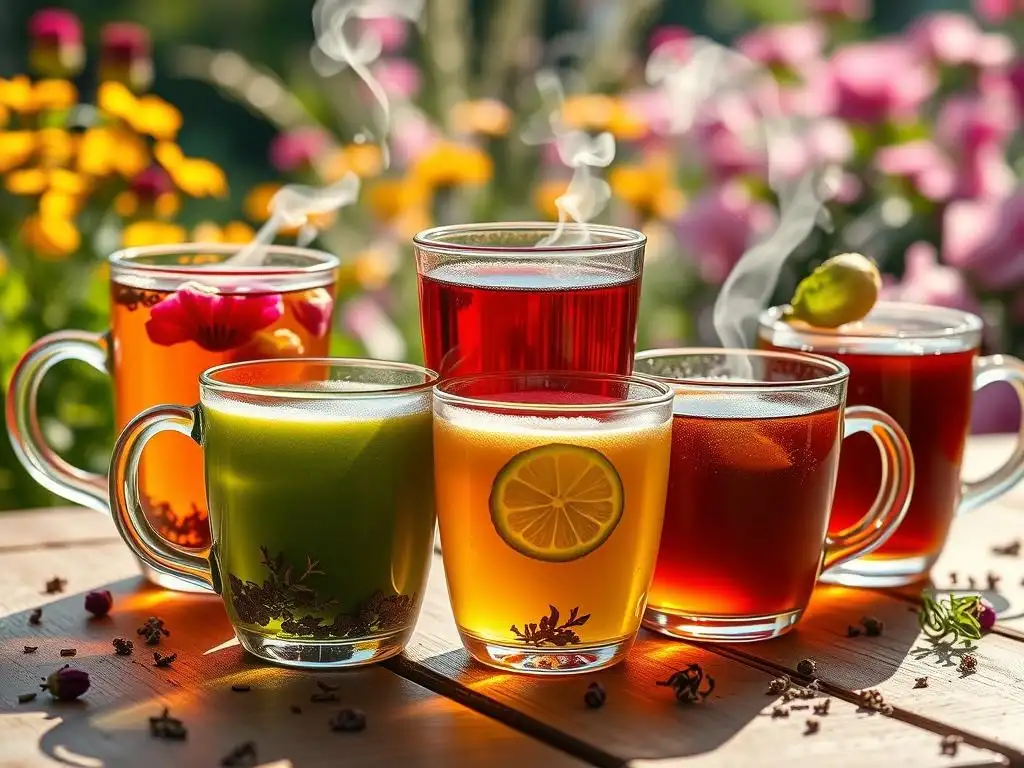
Welcome to CultivateYourFood, your guide to nurturing a thriving home garden! Ready to unlock the secrets to bountiful harvests and delicious, homegrown goodness? We're passionate about sustainable and organic practices, and we're excited to share our expertise with you. Discover the art of perfect herbal infusions with our in-depth guide on Best herbal tea steeping times, and embark on a journey to cultivate your own flavorful teas from your very own garden. Let's get growing!
- Understanding Herbal Tea Steeping: Achieving the Optimal Flavor
- Best Herbal Tea Steeping Times: A Comprehensive Guide
- Advanced Techniques for Perfect Herbal Tea Infusions
- Troubleshooting Common Herbal Tea Steeping Issues
- Storing and Preserving Your Herbal Teas for Optimal Flavor
- Beyond Steeping: Exploring Different Herbal Tea Brewing Methods
- Frequently Asked Questions
- Final Reflection: Unlocking the Aromatic Potential of Herbal Teas
- Unlock the Full Flavor: Your Journey to Herbal Tea Perfection
Understanding Herbal Tea Steeping: Achieving the Optimal Flavor
Brewing the perfect cup of herbal tea is an art, a delicate dance between water temperature, steeping time, and the inherent characteristics of the herbs themselves. This comprehensive guide delves into the crucial aspect of steeping times for herbal teas, helping you unlock the full potential of your homegrown herbs and achieve consistently delicious infusions. Mastering steeping times is key to unlocking the nuanced flavors and therapeutic benefits each herb offers, transforming your everyday tea ritual into a truly rewarding experience.
From the vibrant citrus notes of lemon balm to the soothing earthiness of chamomile, understanding the ideal steeping time for each herb is paramount in achieving the best possible taste and maximizing the health benefits. This guide will equip you with the knowledge to become a true herbal tea expert, ensuring every cup is a perfect reflection of your carefully cultivated garden.
We'll explore the science behind steeping, identify factors that influence steeping time, and provide practical solutions for avoiding common steeping pitfalls. Let's embark on this journey to brewing the best herbal tea!
The Importance of Precise Steeping Times for Herbal Teas
The steeping time directly impacts the flavor and potency of your herbal tea. Under-steeping results in a weak, bland infusion that lacks the desired intensity of flavor and medicinal properties. Over-steeping, on the other hand, can lead to a bitter, astringent brew that may even be unpleasant to drink.
Think of it like baking a cake – precise measurements are crucial for achieving the perfect outcome. Similarly, adhering to the correct steeping time for your chosen herbs ensures you extract the optimal balance of beneficial compounds and flavors, avoiding any unwanted bitterness or lack of taste. This is particularly important when using delicate herbs like lavender or chamomile, which can easily become bitter if over-steeped.
Conversely, robust herbs like rooibos may require longer steeping times to fully release their complex flavor profiles. Achieving the "sweet spot" in steeping time translates to a more flavorful, aromatic, and potentially more beneficial cup of tea. The following table provides a general guideline, but remember that these are just starting points – experimentation is key to discovering your personal preferences.
| Herb Type | General Steeping Time Range (minutes) | Notes |
|---|---|---|
| Chamomile | 5-7 | Delicate flavor, easily over-steeped. |
| Lavender | 5-10 | Floral aroma, can become bitter if over-steeped. |
| Lemon Balm | 3-5 | Refreshing citrus notes, short steeping time recommended. |
| Peppermint | 5-7 | Strong, minty flavor, can withstand slightly longer steeping times. |
| Rooibos | 7-10 | Robust flavor, requires longer steeping for full flavor extraction. |
| Rosehips | 10-15 | Tart flavor, longer steeping time enhances the tartness and vitamin C. |
| Note: This is a general guideline. Experiment to find your preference! |
Factors Influencing Herbal Tea Steeping Time: Leaf Type and Water Temperature
Several factors interact to determine the optimal steeping time for your herbal tea. The type of herb is paramount. Delicate herbs like chamomile and lavender require shorter steeping times to avoid bitterness, while heartier herbs like rooibos can withstand longer infusions. The fineness of the herb also plays a role; finely chopped herbs generally require less steeping time than coarsely chopped or whole leaves.
The water temperature is another critical element. Using water that is too hot can scorch the herbs, leading to a bitter taste and destroying some beneficial compounds. Conversely, using water that is too cool may not extract enough flavor or medicinal properties. Generally, using water between 180-212°F (82-100°C) for most herbs is a good starting point, but adjustments may be needed depending on the specific herb and your desired strength.
Finally, the amount of herb used relative to the amount of water directly influences the strength and flavor of the final infusion. More herbs generally require a longer steeping time to fully extract their flavor potential. Experimentation is key to finding the perfect balance for your taste.
Avoiding Over-Steeping and Under-Steeping: Signs and Solutions
Recognizing the signs of over-steeping and under-steeping is crucial for achieving consistently delicious herbal teas. Under-steeped tea will taste weak and lack the full depth of flavor and aroma characteristic of the herb. It might also lack the desired therapeutic benefits. Over-steeped tea, on the other hand, will have a bitter, astringent, and often unpleasant taste.
It may also have a dull or muddy color. To avoid these issues, start with the recommended steeping times listed above as a baseline and adjust based on your preferences. If your tea tastes weak, try increasing the steeping time by a minute or two. If it tastes bitter, reduce the steeping time and potentially use slightly cooler water.
Don't be afraid to experiment! Each herb has its own unique personality, and the perfect steeping time will vary depending on your preferences and the specific herb you are using. Remember, consistent experimentation will lead to your mastery of the art of herbal tea steeping, ensuring every cup is a perfect, flavorful experience.
Best Herbal Tea Steeping Times: A Comprehensive Guide
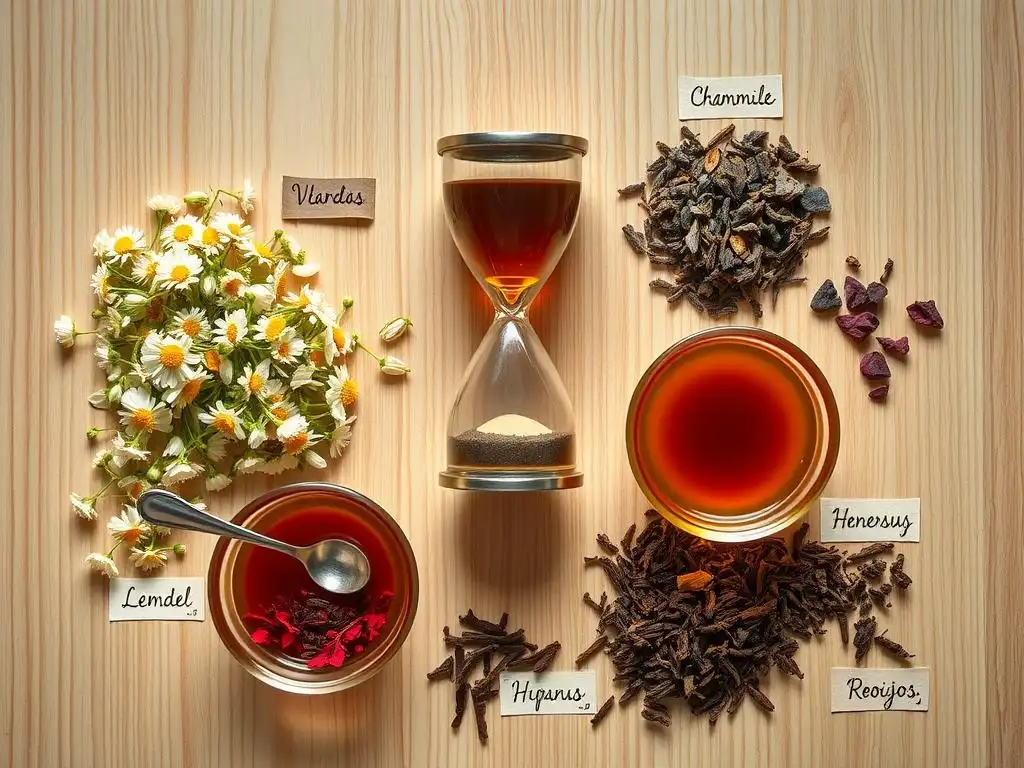
This section delves into the optimal steeping times for various herbal teas, offering a nuanced understanding of how steeping duration impacts flavor and potency. Finding the best herbal tea steeping time is a journey of experimentation, but this guide provides a solid foundation for your explorations. Mastering steeping techniques is crucial for unlocking the full potential of your homegrown herbs, maximizing their therapeutic benefits and creating delightful infusions. We'll explore not only individual herb steeping times but also the art of blending multiple herbs and adjusting steeping times to suit your palate.
Steeping Times for Common Herbal Teas: Chamomile, Peppermint, and More
Achieving the perfect cup of herbal tea hinges on precise steeping. Over-steeping can lead to bitterness, while under-steeping results in a weak, flavorless brew. The table below outlines recommended steeping times for some popular herbal teas. Remember that these are guidelines; the ideal time might slightly vary depending on the herb's freshness, the water temperature, and your personal taste preferences.
| Herb | Recommended Steeping Time (minutes) | Notes |
|---|---|---|
| Chamomile | 5-7 | Delicate flavor; longer steeping can produce bitterness. |
| Peppermint | 5-10 | Robust flavor; can withstand longer steeping times without significant bitterness. |
| Lemon Balm | 5-8 | Similar to chamomile, a delicate flavor that benefits from shorter steeping. |
| Lavender | 5-7 | Floral and fragrant; over-steeping can result in a harsh taste. |
| Hibiscus | 5-10 | Tart and refreshing; longer steeping intensifies the flavor. |
| Rooibos | 5-10 | Naturally sweet; can tolerate longer steeping times. |
| Rosehips | 10-15 | Tangy and slightly astringent; longer steeping extracts more flavor. |
Remember to always use freshly harvested or high-quality dried herbs for the best results. The age and storage conditions of your herbs can affect their flavor and potency, impacting the ideal steeping time. Experimentation is key! Start with the recommended time and adjust based on your preference.
Adjusting Steeping Time Based on Personal Preference: Finding Your Perfect Brew
The "best" steeping time is subjective. What one person considers a perfectly balanced brew, another might find too strong or weak. Factors such as the desired intensity of flavor, the type of water used (filtered water is recommended), and even the type of teapot can influence the final product.
Experimentation is vital in discovering your ideal steeping time. Begin with the recommended time listed above for your chosen herb. If the tea is too weak, increase the steeping time by one minute increments, tasting after each adjustment. Conversely, if the tea is too strong or bitter, reduce the steeping time.
Keep detailed notes on your experiments to track your findings and refine your technique. This personalized approach ensures that every cup is tailored to your exact preferences, leading to a more enjoyable and rewarding herbal tea experience. Consider the nuances of the flavor profile you are looking for: are you aiming for a subtle, delicate taste, or a bold, robust infusion? This will heavily influence your ideal steeping time.
Steeping Multiple Herbs: Combining Flavors and Adjusting Steeping Times
Blending multiple herbs opens up a world of flavor possibilities. However, combining herbs requires careful consideration of their individual steeping times and flavor profiles. The general rule is to start with the herb that requires the shortest steeping time. Add other herbs in order of increasing steeping time.
For instance, if you're combining chamomile (5-7 minutes) and peppermint (5-10 minutes), steep the chamomile first. After the recommended time for the chamomile has passed, add the peppermint and continue steeping for the remaining time needed for the peppermint. This prevents the more delicate herb from becoming over-steeped and bitter. Always taste test your blend to ensure the flavors complement each other and are balanced to your liking.
Remember to adjust the overall steeping time according to the herbs used and the desired strength of the final infusion. Don't be afraid to experiment with different combinations and ratios to discover your signature herbal tea blends! The possibilities are endless! 🌿
Advanced Techniques for Perfect Herbal Tea Infusions
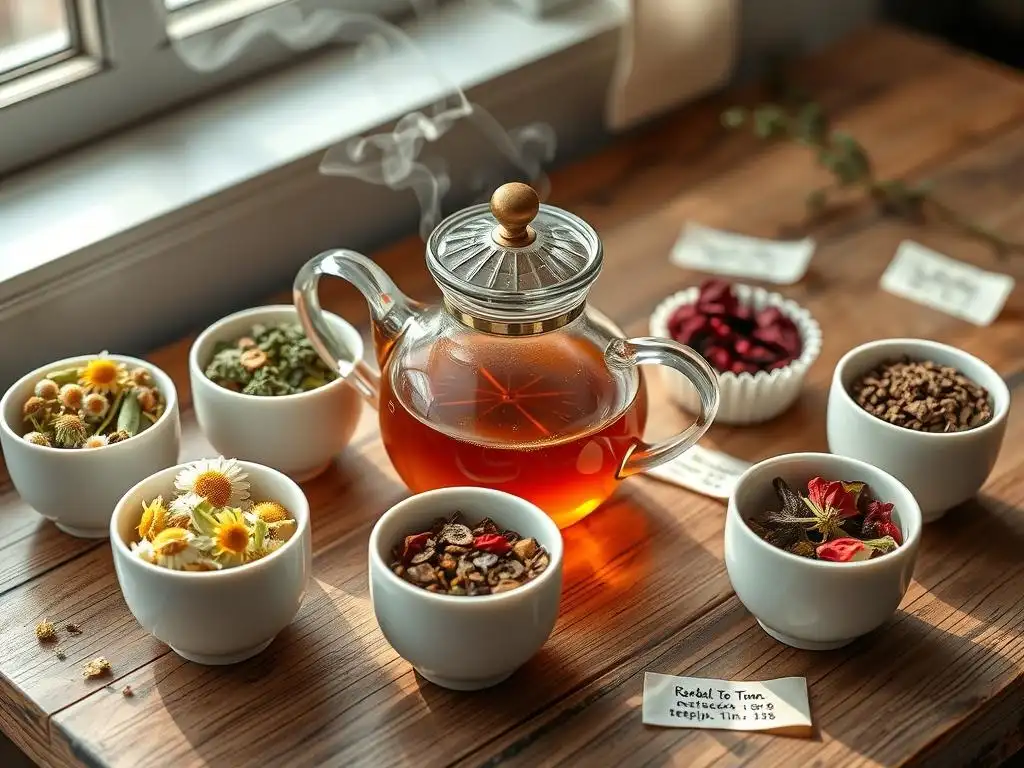
This section delves into more advanced techniques to elevate your herbal tea brewing game, ensuring you consistently achieve the best herbal tea steeping times and optimal flavor profiles. We'll explore methods beyond the basics, focusing on maximizing the potential of your homegrown herbs.
Cold Steeping Herbal Teas: A Gentle Method for Enhanced Flavor
Cold steeping, a gentler approach to herbal tea preparation, offers unique advantages. Unlike hot water infusions which can sometimes lead to bitterness or a harsh taste, cold steeping extracts the delicate flavors and aromas of herbs more subtly. This method is particularly beneficial for delicate herbs like chamomile, lavender, and rose petals, preserving their nuanced characteristics.
The process is simple: place your chosen herbs (roughly 1-2 teaspoons per cup of water) in a clean jar or container. Add cold, filtered water, ensuring the herbs are fully submerged. Cover the container and refrigerate for at least 4-12 hours, or even overnight for a more intense flavor. The longer steeping time allows for a gradual extraction of compounds, resulting in a smoother, less astringent tea.
Experiment with different steeping times to find your preferred flavor intensity. For example, a 4-hour steep might yield a lighter, more refreshing chamomile tea, while a 12-hour steep could produce a richer, more complex flavor profile. Remember to strain the tea thoroughly before serving, removing all plant matter to avoid sediment. Cold-steeped herbal teas are best served chilled, making them a refreshing summer beverage.
Second Steep: Maximizing the Flavor from Your Herbal Tea Leaves
Don't discard your used herbal tea leaves after your first infusion! Many herbs still retain significant flavor compounds after the initial steeping. A second steep, using the same leaves, can provide a lighter, more nuanced cup of tea. This is especially effective with robust herbs like peppermint or ginger.
After your first steep, simply add fresh, hot (or cold, depending on your initial method) water to the used leaves. Let it steep for a shorter period than the first infusion—about half the original steeping time is usually sufficient. The resulting tea will be less intense but still flavorful. This practice reduces waste and maximizes the value of your precious homegrown herbs. Think of it as a bonus cup, further optimizing your yield and minimizing your environmental impact. This is a great way to stretch your herb supply and appreciate the full potential of each harvest.
Using Different Water Sources for Optimal Infusion: Filtered vs. Spring Water
The quality of your water significantly impacts the taste of your herbal tea. Using filtered water eliminates chlorine and other impurities that can affect the flavor and aroma of your infusion. Chlorine, in particular, can react with delicate compounds in the herbs, leading to an unpleasant taste.
While filtered water provides a clean base, spring water, with its natural minerals and slightly higher pH, can sometimes enhance the taste of certain herbal teas. The mineral content can subtly interact with the plant compounds, contributing to a more complex and layered flavor profile. However, the effect varies depending on the specific herb and the mineral composition of the spring water.
Experiment with both filtered and spring water to determine which yields the best results for your favorite herbal teas. Keep a detailed note of your findings — water source, herb type, steeping time, and your tasting notes — to refine your brewing technique over time. This meticulous approach will help you identify the optimal combination for each type of herbal tea, ensuring you consistently produce superior infusions. This systematic experimentation will contribute to your mastery of the art of herbal tea making.
Troubleshooting Common Herbal Tea Steeping Issues
This section delves into common problems encountered when steeping herbal teas and provides practical solutions to achieve the perfect cup every time. Finding the best herbal tea steeping times is crucial, but even with precise timing, issues can arise. Let's explore some of the most frequent challenges and how to overcome them.
Bitter Herbal Tea: Causes and Solutions for Over-Steeping
A bitter herbal tea is often a sign of over-steeping. While some herbs naturally possess a slightly assertive flavor, excessive steeping time extracts excessive tannins and other bitter compounds, ruining the delicate balance of the infusion. The ideal steeping time varies greatly depending on the herb; for instance, chamomile, known for its gentle nature, might only need 5-7 minutes, while a robust rooibos could tolerate 10-12 minutes. Over-steeping is easily remedied; however, it's crucial to understand the underlying causes.
Several factors contribute to bitterness beyond simply leaving the tea in the water too long:
- Water Temperature: Using water that's too hot can scorch delicate herbs, releasing excessive bitterness. Always check recommended water temperatures for specific herbs. Generally, boiling water (212°F or 100°C) is too hot for most herbal teas. Aim for temperatures between 180-200°F (82-93°C).
- Herb Type and Quality: Certain herbs, such as rosemary or thyme, naturally contain more bitter compounds than others like lavender or lemon balm. Low-quality, dried herbs that have been improperly stored can also contribute to bitterness. Look for herbs that are vibrant in color and aroma – a good indicator of freshness.
- Steeping Vessel: The material of your tea infuser or teapot can impact the taste. Metal infusers can sometimes impart a metallic taste, while porous materials like clay may absorb some of the flavor compounds.
Solutions:
- Reduce Steeping Time: Experiment with shorter steeping times, starting with the lower end of the recommended range. Reduce the time in 1-minute increments until you achieve the desired flavor profile.
- Lower Water Temperature: Use slightly cooler water, especially for delicate herbs. A thermometer is a valuable tool for precise temperature control.
- Use High-Quality Herbs: Invest in fresh, high-quality herbs from reputable sources. Proper storage is also essential to maintain freshness and prevent bitterness.
- Consider Blending: Blending bitter herbs with sweeter ones can balance the overall flavor. For example, combine a slightly bitter rosemary with sweet chamomile and a touch of honey.
Weak Herbal Tea: Troubleshooting Under-Steeping and Poor Leaf Quality
A weak herbal tea can result from under-steeping, using too little herb, or employing low-quality ingredients. This leads to a diluted, flavorless infusion that doesn't fully capture the herb's potential. Achieving the perfect strength requires careful consideration of several factors.
Several factors can result in weak herbal tea:
- Insufficient Steeping Time: Not allowing enough time for the herbs to release their flavor compounds results in a weak infusion. Always follow the recommended steeping time for your chosen herb.
- Low Herb-to-Water Ratio: Using too little herb relative to the amount of water will produce a weak brew. Experiment with increasing the amount of herb until you achieve the desired strength.
- Poor Herb Quality: Stale, old, or improperly stored herbs will have less flavor and aroma. Ensure you're using fresh, high-quality herbs. Signs of poor quality include dull color, lack of aroma, and a generally brittle texture.
- Over-dilution: Adding too much extra water after steeping can also weaken the flavor.
Solutions:
- Increase Steeping Time: Gradually increase the steeping time, observing the changes in flavor.
- Increase Herb Quantity: Add more herb to the water. Start with small increments and adjust as needed.
- Use Fresh, High-Quality Herbs: Invest in fresh, high-quality herbs for optimal flavor and aroma. Store herbs properly in airtight containers in a cool, dark, and dry place.
- Use a Fine Mesh Infuser: A fine mesh infuser ensures that all the herb's flavor compounds are extracted properly.
Cloudy Herbal Tea: Identifying and Addressing Sediment Issues
Cloudy herbal tea is a common issue, often caused by fine particles from the herbs remaining suspended in the liquid. While not always indicative of a problem, it can be visually unappealing. The cloudiness can stem from several sources and usually doesn't affect the taste, but it can be addressed for aesthetic reasons.
Several factors can cause cloudiness:
- Finely Ground Herbs: Using finely ground herbs increases the likelihood of sediment remaining in the tea. Larger pieces of herb are less likely to cloud the infusion.
- Herb Type: Some herbs naturally release more sediment than others.
- Insufficient Filtration: Using a coarse infuser or strainer allows more particles to pass through.
- Mineral Content of Water: Hard water containing high mineral content can contribute to cloudiness.
Solutions:
- Use Larger Herb Pieces: Use larger pieces of herb for less sediment.
- Strain Twice: Strain the tea through a fine-mesh strainer twice for better filtration.
- Allow to Settle: Allow the tea to sit for a few minutes after steeping, allowing the sediment to settle at the bottom. Carefully pour the tea, leaving the sediment behind.
- Use Filtered Water: Using filtered water may reduce cloudiness caused by mineral content.
Remember, achieving the best herbal tea steeping times involves understanding your herbs and adjusting your technique based on the specific herb used and your personal preferences. Experimentation is key to mastering the art of perfect herbal tea infusions. 🍵
Storing and Preserving Your Herbal Teas for Optimal Flavor
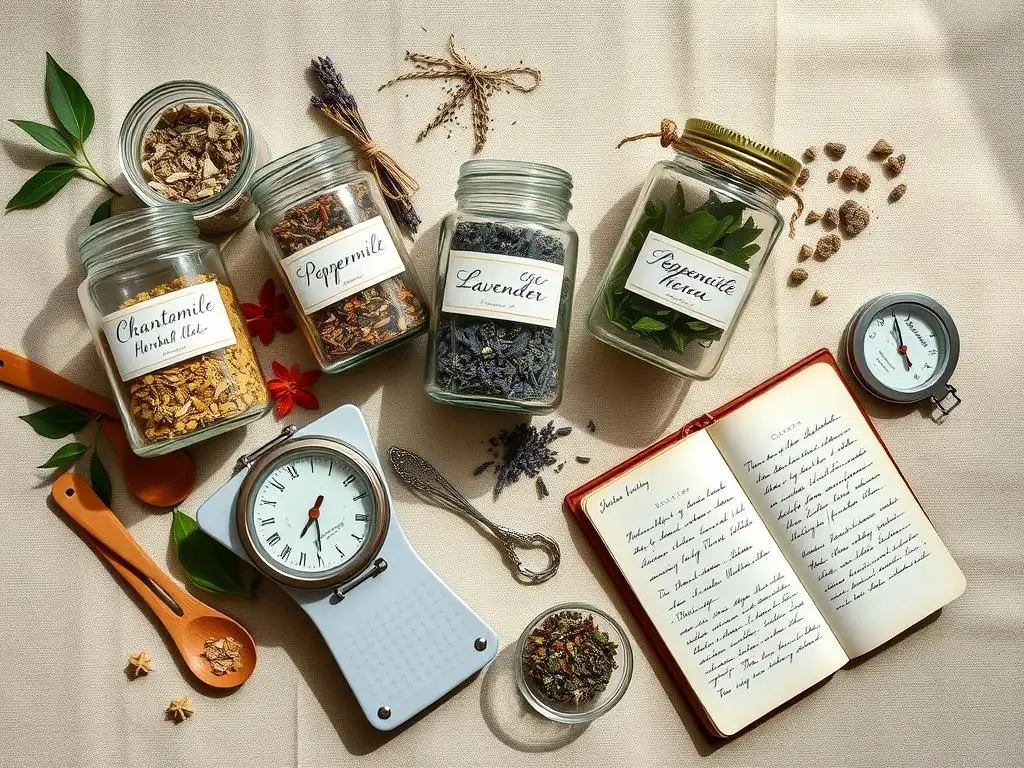
Proper storage is crucial for maintaining the quality and flavor of your homegrown herbal teas. Improper storage can lead to a loss of aromatic compounds, resulting in a less flavorful and potentially even stale brew. The goal is to keep your herbs dry, dark, cool, and airtight to prevent oxidation and the growth of mold or bacteria.
This ensures your carefully cultivated herbs retain their vibrant flavors and therapeutic properties for as long as possible. Achieving the best herbal tea steeping times relies heavily on the quality of the herbs used, and proper storage plays a key role in maintaining that quality.
Proper Storage Techniques for Maintaining Herbal Tea Quality
Several methods can help preserve your herbal tea's quality. The most effective methods involve minimizing exposure to light, moisture, and air.
- Airtight Containers: Glass jars with tight-fitting lids are ideal. Dark-colored glass offers additional protection against light degradation. Avoid using plastic containers, as they can leach chemicals into your herbs over time. Consider using smaller containers to reduce the amount of air exposed to your herbs each time you open the container.
- Cool, Dark, and Dry Location: Store your jars in a cool, dark, and dry place, away from direct sunlight and sources of heat or moisture. A pantry or cupboard is usually suitable. Avoid storing your herbs in the refrigerator, as the fluctuating temperature and humidity can negatively impact their quality.
- Proper Drying: Before storage, ensure your herbs are thoroughly dried. Even slightly damp herbs are susceptible to mold and bacterial growth, quickly spoiling your precious harvest. Proper drying is a critical first step in ensuring a long shelf life and maintaining the best herbal tea steeping times.
- Labeling and Dating: Clearly label each jar with the name of the herb and the date of harvesting or packaging. This helps you track the freshness of your herbs and ensures you use the oldest herbs first, maximizing freshness across your collection.
Extending the Shelf Life of Your Dried Herbs for Consistent Infusions
While proper storage significantly extends the shelf life of your dried herbs, they will eventually lose some of their potency and flavor. However, several techniques can help maximize their lifespan and ensure consistent infusions.
- Freezing: For long-term storage, freezing your herbs can help preserve their flavor and aroma even longer than optimal storage at room temperature. Place your dried herbs in airtight freezer bags to minimize moisture exposure and prevent freezer burn. Freezing slows down the degradation process, extending the shelf life considerably.
- Using Smaller Batches: Instead of storing large quantities of herbs in a single container, consider dividing them into smaller, more manageable batches. This minimizes exposure to air each time you use your herbs, significantly increasing their overall shelf life.
- Regular Inspection: Periodically inspect your stored herbs for any signs of mold, discoloration, or unusual odors. Discard any herbs that show signs of spoilage to prevent contamination of your other herbs and ensure you consistently brew with the highest-quality ingredients for the best herbal tea steeping times.
By following these guidelines, you can ensure your homegrown herbs remain flavorful and aromatic, providing you with delightful and healthy herbal infusions for a longer period. Remember, consistent quality starts with proper cultivation and extends through careful drying and storage practices.
Beyond Steeping: Exploring Different Herbal Tea Brewing Methods
This section delves into alternative methods for brewing herbal teas beyond the standard steeping technique, focusing on maximizing flavor and aroma extraction while maintaining the integrity of the herbs. Finding the best herbal tea steeping times is only one aspect of creating the perfect cup. The method of brewing significantly impacts the final taste and experience.
French Press Method for Herbal Teas: A Rich and Full-Bodied Brew
The French press offers a unique brewing experience for herbal teas, resulting in a richer, more full-bodied infusion than traditional steeping. This method allows for more direct contact between the herbs and the hot water, leading to a more thorough extraction of essential oils and flavor compounds. This is particularly beneficial for robust herbs like rooibos or those with subtle flavors that might be lost in a standard tea bag.
To achieve the best herbal tea steeping times with a French press, follow these steps:
- Heat the Water: Use freshly drawn water heated to around 200°F (93°C) – slightly cooler than for black tea. Boiling water can scorch delicate herbs.
- Add Herbs: Place your chosen herbs directly into the French press. A general guideline is to use approximately one tablespoon of herbs per cup of water, but adjust according to your preference and the herb's strength.
- Pour and Steep: Slowly pour the hot water over the herbs, ensuring all are thoroughly saturated. Steep for 4-7 minutes, depending on the herb. Experiment to find the ideal steeping time for your preferred taste and strength. More robust herbs may require slightly longer steeping.
- Press and Serve: Gently press the plunger down to separate the herbs from the liquid. Avoid pressing too hard, as this can lead to bitterness. Pour immediately and enjoy your full-bodied herbal infusion!
The French press method is particularly suited for herbs with a more earthy or robust flavor profile. For example, using this method for chamomile might yield a more intense, floral aroma. For delicate herbs, however, a shorter steeping time is recommended to avoid bitterness.
Herbal Tea Bags: Convenience and Flavor Considerations
Herbal tea bags offer convenience and are readily available. However, the best herbal tea steeping times and the overall flavor profile can vary significantly depending on the quality and type of tea bag. Loose leaf herbs generally offer a superior flavor experience due to the lack of constraints imposed by a tea bag.
Many commercially produced herbal tea bags contain smaller pieces of herbs, potentially limiting the surface area available for extraction. This can result in a weaker infusion, even with longer steeping times. Consequently, you might need to adjust your steeping time (often increasing it) to achieve the desired strength. Look for tea bags made with larger pieces of herbs for better flavor extraction.
Here's a table summarizing steeping times for common herbs using tea bags:
| Herb | Recommended Steeping Time (Tea Bag) | Notes |
|---|---|---|
| Chamomile | 5-7 minutes | Adjust based on desired strength |
| Peppermint | 5-8 minutes | Can handle slightly longer steeping times |
| Rooibos | 5-10 minutes | Can be steeped longer for a stronger brew |
| Hibiscus | 5-7 minutes | Shorter steeping prevents excessive tartness |
| Lemon Balm | 4-6 minutes | Delicate herb; avoid over-steeping |
Remember that these are guidelines; taste testing is crucial for determining the optimal steeping time for your specific tea bag and preference.
Infusing Herbal Teas in a Teapot: Tips for Optimal Extraction
Using a teapot for brewing herbal teas allows for better control over the steeping process compared to tea bags. This method is ideal for maximizing flavor and aroma extraction, especially for loose leaf herbs. Achieving the best herbal tea steeping times with a teapot involves careful attention to water temperature, herb quantity, and steeping duration.
To optimize the infusion process in a teapot:
- Water Temperature: Use freshly boiled water, but allow it to cool slightly (around 200°F or 93°C) before pouring over the herbs. This prevents scorching and preserves the delicate flavors.
- Herb Quantity: Generally, use one tablespoon of loose leaf herbs per cup of water. Adjust according to your taste and the herb's strength.
- Steeping Time: Experiment with different steeping times to find what works best for your chosen herbs. Start with a shorter steeping time and gradually increase it until you achieve the desired flavor intensity.
Using a teapot allows for a more visually appealing brewing experience. Observing the color and clarity of the infusion can help determine the optimal steeping time. A darker, more concentrated brew often indicates a longer steeping time. However, over-steeping can result in bitterness, so regular monitoring is essential. Remember to always remove the herbs promptly once the desired strength is reached. Enjoy your perfectly brewed herbal tea!
Frequently Asked Questions
What are the best steeping times for herbal teas?
Steeping times vary greatly depending on the herb. Generally, 10-15 minutes is a good starting point for most herbs, but some, like chamomile, might only need 5-7 minutes, while others, such as rooibos, can steep for up to 20 minutes. Always check the specific instructions for your chosen herb.
How does steeping time affect the flavor of my herbal tea?
Over-steeping can lead to a bitter and astringent taste, while under-steeping might result in a weak and flavorless brew. Finding the optimal steeping time for each herb is key to achieving the perfect balance of flavor and aroma.
Can I reuse tea bags for herbal infusions?
Generally, it's not recommended to reuse herbal tea bags. The first steep extracts the most flavor and beneficial compounds. Reusing them will likely result in a significantly weaker and less flavorful tea.
What's the difference between steeping and brewing herbal tea?
While often used interchangeably, "steeping" generally refers to the method of infusing loose leaf or bagged herbs in hot water, while "brewing" might encompass more complex processes involving specific equipment or techniques. However, both aim to extract flavor and beneficial compounds from the herbs.
What type of water is best for steeping herbal teas?
Using filtered or spring water is recommended for the best flavor. Avoid using hard water, as it can affect the taste and potentially leave a residue. The water temperature should also be appropriate for the specific herb; generally, near-boiling water is used, but some herbs prefer cooler water.
Final Reflection: Unlocking the Aromatic Potential of Herbal Teas
The perfect cup of herbal tea isn't just about taste; it's about unlocking the full spectrum of its beneficial properties. Achieving this requires understanding the nuances of steeping time, a detail often overlooked in our fast-paced lives. Mastering this simple technique elevates the humble herbal infusion from a simple beverage to a mindful ritual.
The journey of exploring optimal steeping times has been a deeply personal one, revealing the intricate relationship between time, temperature, and the resulting flavor profile. It's a journey that connects us to the ancient traditions of herbalism and reminds us of the simple pleasures found in slowing down and appreciating the natural world. The art of tea is more than just a beverage; it's a journey of discovery, a moment of tranquility, and a celebration of nature's bounty.
This quote perfectly encapsulates the experience of finding the ideal steeping time for your favorite blend, transforming a routine into a mindful practice.
Now, consider your own tea ritual. What adjustments can you make to enhance your experience? Experiment with different steeping times for your favorite blends, noting the subtle shifts in flavor and aroma. Embrace the process of discovery, and allow the art of tea to enrich your daily life. Let the perfect cup become a moment of mindful connection, a pause in the rush, and a celebration of the simple pleasures that life offers.
Unlock the Full Flavor: Your Journey to Herbal Tea Perfection
Thanks for exploring the wonderful world of herbal teas with us! We hope you've discovered new ways to appreciate the unique flavors and health benefits of your favorite blends. Now it's time to put your knowledge into practice!
- Brew the perfect cup: Experiment with different steeping times and water temperatures to find the ideal infusion for your favorite herbs. Note the subtle shifts in flavor as you adjust these variables, and create your own personalized steeping guide!
- Share your discoveries: Tell us about your favorite herbal tea blends and your preferred steeping methods. What surprising flavor combinations have you created?
- Share the experience: Invite a friend to join you for a tea tasting. Compare your experiences and discover new favorites together.
Ready to elevate your herbal tea experience? What will you brew first?