
Sunlight Requirements for Parsley and Cilantro: Maximizing Your Harvest

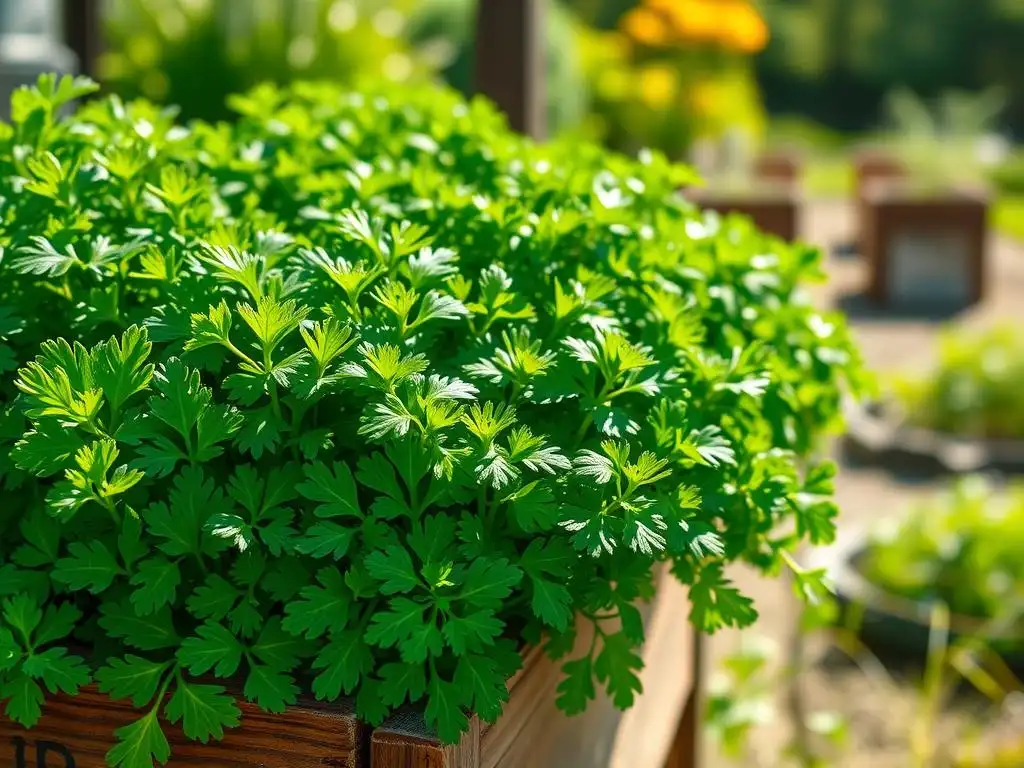
Welcome to CultivateYourFood, your guide to a thriving, sustainable garden! Are you ready to unlock the secrets to bountiful harvests? Learn how to maximize your yield with the right sunlight—we’ll explore the essential sun needs of parsley and cilantro, ensuring a vibrant and plentiful harvest. Discover the optimal conditions for these popular herbs and take your herb gardening to the next level! Dive in and learn more about the Parsley Cilantro sun needs harvest now!
- Understanding Parsley and Cilantro Sun Needs for Optimal Growth
- Sunlight Intensity and Herb Growth: A Detailed Look
- Optimizing Sunlight Exposure for a Bountiful Parsley and Cilantro Harvest
- Parsley and Cilantro Sun Needs Based on Climate
- Troubleshooting Sunlight Issues: Diagnosing and Solving Problems
- Maximizing Your Parsley and Cilantro Harvest Through Proper Sunlight Management
- Frequently Asked Questions
- Final Reflection: Harvesting the Sun's Bounty
- Unlock Your Herb Garden's Potential!
Understanding Parsley and Cilantro Sun Needs for Optimal Growth
Parsley and cilantro, two incredibly versatile and flavorful herbs, are popular additions to home gardens. However, maximizing their yield hinges on understanding their specific sunlight requirements. This article will delve into the nuances of sunlight exposure for both parsley and cilantro, providing practical advice to help you cultivate a bountiful harvest using sustainable and organic methods.
We'll explore the ideal sunlight conditions for each herb, highlighting the subtle differences that can significantly impact their growth and the quantity of flavorful leaves you can harvest. By understanding these needs, you can optimize your planting location and cultivation techniques, ensuring a thriving herb garden that provides you with fresh, delicious parsley and cilantro all season long.
This guide will cover both the benefits and drawbacks of different sunlight levels, helping you make informed decisions to achieve the best possible results for your specific growing conditions. Let's get started on your journey to a healthier, more flavorful herb garden!
Parsley's Sunlight Preferences: Partial Shade to Full Sun
Parsley, known for its vibrant green leaves and distinct flavor, thrives in a range of sunlight conditions. While it can tolerate full sun, especially in cooler climates, it generally performs best in locations receiving partial shade, particularly during the hottest part of the day. This means approximately 4-6 hours of direct sunlight is ideal. More than that, especially in hotter climates, can lead to leaf scorch and reduced overall growth. Think of it like this: a few hours of morning sun followed by dappled shade in the afternoon is perfect.
The benefits of partial shade for parsley include:
- Reduced leaf scorch: Intense sun can burn parsley leaves, impacting both their appearance and flavor.
- Improved leaf color: Partial shade helps maintain the vibrant green color that we associate with healthy parsley.
- Increased moisture retention: Shade helps the soil retain moisture, reducing the frequency of watering.
However, too little sun (less than 4 hours) can result in leggy growth, with fewer, smaller leaves. Therefore, finding that sweet spot of 4-6 hours of sunlight is crucial for a healthy, productive parsley plant.
Cilantro's Sunlight Preferences: Partial Shade to Full Sun, But with a Twist
Cilantro, with its bright, citrusy flavor, shares a similar sunlight preference to parsley. It also benefits from partial shade, especially in hot climates, to prevent leaf scorch and maintain optimal growth. Like parsley, 4-6 hours of direct sunlight per day is generally considered ideal. However, cilantro exhibits a unique characteristic: it bolts (goes to seed) more quickly in hot, sunny conditions.
This "bolting" process is influenced by several factors, including temperature and sunlight intensity. While a little bolting is natural, excessive exposure to hot, sunny conditions accelerates this process, leading to a reduction in the quantity of harvestable leaves and a change in flavor. To delay bolting and prolong the cilantro harvest:
- Choose a location with morning sun and afternoon shade. This mitigates the intense afternoon heat.
- Consider succession planting. Plant new cilantro seeds every few weeks to ensure a continuous supply of fresh leaves.
- Regular harvesting: Frequent harvesting encourages bushier growth and can delay bolting.
By understanding these nuances, you can effectively manage your cilantro's environment and enjoy a more extended harvest of its flavorful leaves. Remember, consistent watering and well-drained soil are also key factors in achieving a successful cilantro crop.
Sunlight Intensity and Herb Growth: A Detailed Look
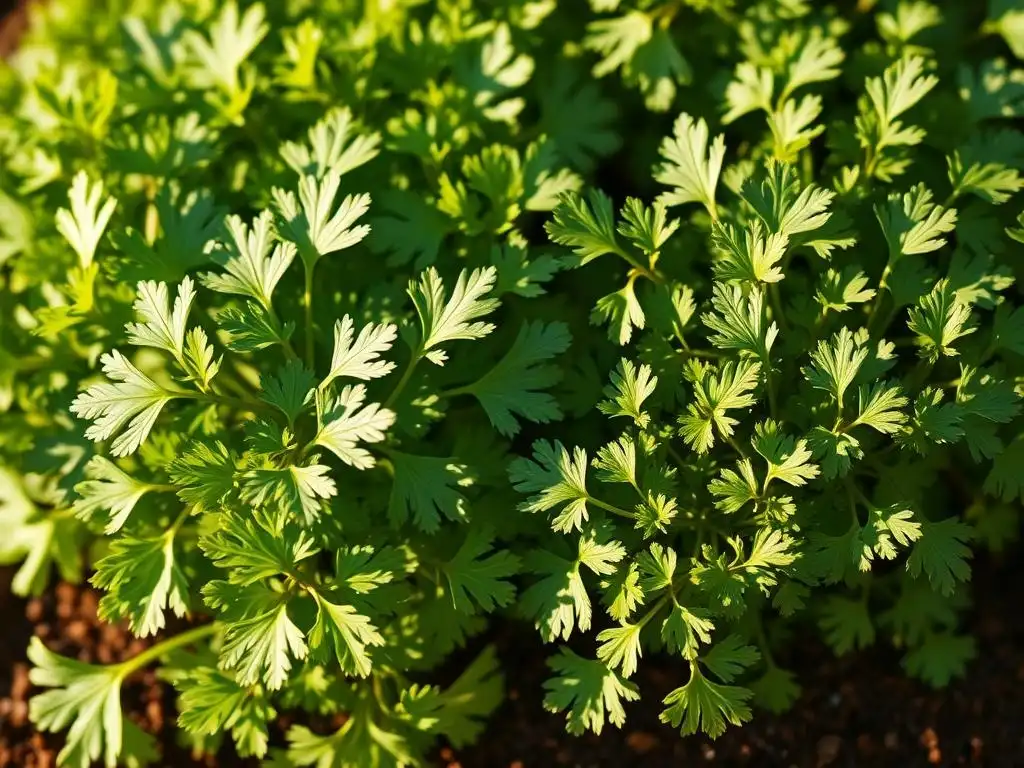
Understanding the sunlight requirements of parsley and cilantro is crucial for maximizing your harvest. These herbs, while both members of the Apiaceae family, have slightly different sun preferences, impacting their growth, flavor, and overall yield. This section delves into the specifics of sunlight intensity and its effect on these popular culinary herbs, providing practical guidance for optimal growth in your home garden. Optimizing sun exposure contributes significantly to a bountiful harvest of healthy, flavorful parsley and cilantro. Mastering the nuances of sunlight needs is key to successful parsley cilantro sun needs harvest.
The Impact of Direct Sunlight on Parsley and Cilantro
Parsley, particularly the curly leaf variety, generally thrives in partial shade to full sun conditions. While it can tolerate several hours of direct sunlight, especially in cooler climates, prolonged exposure to intense midday sun can lead to leaf scorch and reduced growth. The ideal scenario for parsley is approximately 4-6 hours of sunlight daily, with some protection from the harshest rays during the hottest part of the day. This can be achieved through strategic planting (e.g., under taller plants) or the use of shade cloth.
Cilantro, on the other hand, prefers slightly less direct sunlight than parsley. Too much direct sun can cause the plant to bolt (flower prematurely), resulting in a bitter taste and a decrease in leaf production. For optimal cilantro growth, aim for 3-4 hours of direct sunlight, supplemented by some light shade. This balanced approach ensures a longer harvesting period and a more flavorful yield. Remember, the intensity of sunlight also varies based on geographical location and time of year.
Indirect Sunlight and its Effect on Herb Yield
Indirect sunlight, or dappled shade, plays a significant role in the successful cultivation of both parsley and cilantro. Even with the optimal amount of direct sun, periods of indirect light offer several benefits. The gentler light prevents leaf burn and helps maintain consistent moisture levels in the soil, preventing stress and promoting robust growth. The combination of direct and indirect sunlight is often the key to achieving a plentiful parsley cilantro sun needs harvest.
Consider the following: planting parsley and cilantro in areas with morning sun and afternoon shade can significantly improve their health and yield. This strategy allows the plants to receive the necessary light for photosynthesis without the harsh midday sun stress. Observe your garden's microclimates; some areas might naturally offer more dappled shade than others. Utilize these naturally occurring conditions to your advantage. Experimenting with different planting locations within your garden can help you determine the perfect balance of sunlight for your specific environment.
Overexposure to Sun: Signs of Sun Stress in Parsley and Cilantro
Recognizing the signs of sun stress is crucial for timely intervention. Overexposure to sunlight manifests differently in parsley and cilantro. In parsley, sun stress often presents as wilting, leaf scorch (brown, crispy edges), and stunted growth. The leaves may appear brittle and easily crumble.
Cilantro, under excessive sunlight, will bolt prematurely. This is characterized by a rapid development of flower stalks, reducing the number of harvestable leaves. The leaves will become smaller, thinner, and develop a noticeably bitter taste. Additionally, both herbs may exhibit overall reduced vigor and a decline in their lush green color.
Addressing sun stress involves providing shade, either through relocation, the use of shade cloth, or strategic planting among taller plants. Regular watering is vital to help mitigate the effects of sun stress and maintain soil moisture. Early detection and prompt action can save your parsley and cilantro plants, ensuring a successful harvest. Pay close attention to the subtle changes in your plants to ensure a healthy parsley cilantro sun needs harvest.
Optimizing Sunlight Exposure for a Bountiful Parsley and Cilantro Harvest
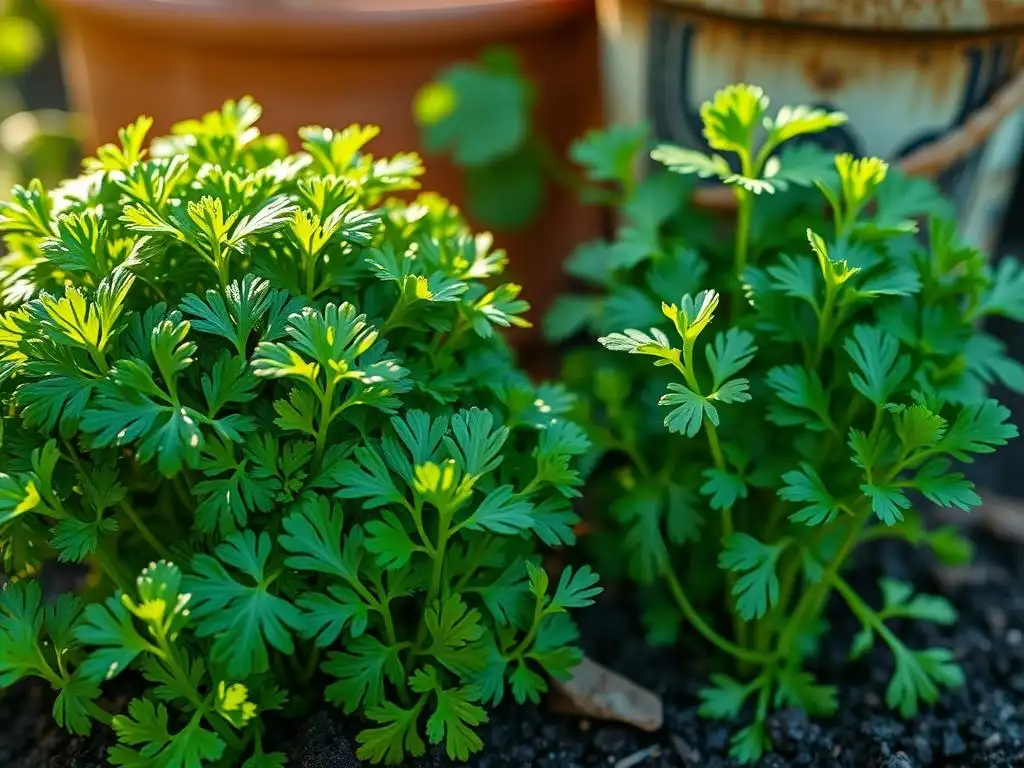
Parsley and cilantro, while both vibrant herbs, have subtly different sunlight needs that significantly impact their growth and yield. Understanding these nuances is crucial for maximizing your harvest. Both herbs thrive in cool weather, and excessive heat can negatively affect their flavor and overall health, leading to bolting (premature flowering) which diminishes leaf production. The key to a successful harvest lies in providing the just right amount of sunlight. This section delves into specific strategies to achieve optimal sunlight exposure for both herbs, ensuring a lush and flavorful crop. We'll explore ideal planting locations, shade management techniques, and the strategic use of row covers to regulate sunlight intensity. Mastering these techniques will allow you to cultivate robust parsley and cilantro plants, resulting in an abundant harvest throughout the growing season. This careful management of sun exposure is key to achieving the best results for your "Parsley cilantro sun needs harvest".
Ideal Planting Locations for Parsley and Cilantro
The best location for planting parsley and cilantro involves careful consideration of sunlight exposure. Both herbs prefer partial shade, especially during the hottest part of the day. An ideal spot would receive approximately 4-6 hours of direct sunlight daily, preferably in the morning.
This allows the plants to photosynthesize effectively without experiencing the stress of intense afternoon sun. Avoid planting them in areas that receive full sun all day, as this can scorch their leaves and lead to premature bolting. Consider planting them in a slightly shaded area under taller plants or near a structure that provides some afternoon protection.
Remember, the intensity of the sun varies depending on your geographical location and the time of year. In hotter climates, even 4 hours of direct sun might be excessive, requiring additional shading measures. In cooler climates, a bit more sun might be beneficial, but still avoid prolonged exposure to harsh midday rays.
For example, planting parsley and cilantro near a north-facing wall or fence can provide excellent afternoon shade. Alternatively, integrating them into a mixed-herb bed, with taller herbs offering natural shade, can be beneficial. Observing your garden's microclimate – areas with naturally cooler temperatures and better air circulation – is critical to identifying the ideal spots for your parsley and cilantro.
Creating Shade for Your Herbs During Peak Sun Hours
During the hottest months, even a location with primarily morning sun might require additional shade protection for parsley and cilantro. This is especially true during peak sun hours (typically between 10 am and 4 pm). Several simple and effective methods can be implemented to create this crucial shade:
- Temporary Shade Cloth: Lightweight shade cloth offers a versatile solution. It can be easily draped over the plants during the hottest part of the day and removed in the evening or during cooler periods. A 50% shade cloth is typically sufficient.
- Using Existing Structures: Strategically utilize existing structures like fences, trellises, or even large potted plants to cast shade on your herbs during the afternoon.
- Companion Planting: Taller plants, such as sunflowers or tomatoes, can act as natural shade providers, protecting the more delicate parsley and cilantro. However, ensure the companion plants don't overcrowd or compete for resources.
Remember, the goal isn't to deprive the herbs of all sunlight, but rather to moderate the intensity of the afternoon sun and prevent leaf scorch. Regular monitoring of your plants' health is crucial to adjust shading as needed. Observe the leaves; wilting or browning indicates too much sun exposure, while leggy growth might mean inadequate sunlight.
Using Row Covers to Manage Sunlight Exposure
Row covers provide another effective method for managing sunlight exposure for parsley and cilantro. These lightweight fabrics offer protection from intense sun, wind, and even some pests. They can be used to create a microclimate that is cooler and more humid, beneficial for these herbs. Row covers with higher light transmission (allowing more sunlight through) can be used during cooler months to supplement sunlight, while denser covers can be used during hot periods to reduce sun intensity.
When using row covers, it's vital to ensure adequate air circulation to prevent the build-up of humidity and potential fungal diseases. Avoid completely enclosing the plants; leave sufficient space for airflow. Regularly check the plants for signs of stress, such as yellowing leaves or stunted growth.
Adjust the row cover's density or remove it entirely if necessary. Row covers offer a precise way to control the amount of sunlight reaching your herbs, facilitating the fine-tuning of light exposure and optimizing your "Parsley cilantro sun needs harvest". Proper use of row covers, along with thoughtful plant placement, significantly enhances your chances of a bountiful harvest.
Parsley and Cilantro Sun Needs Based on Climate
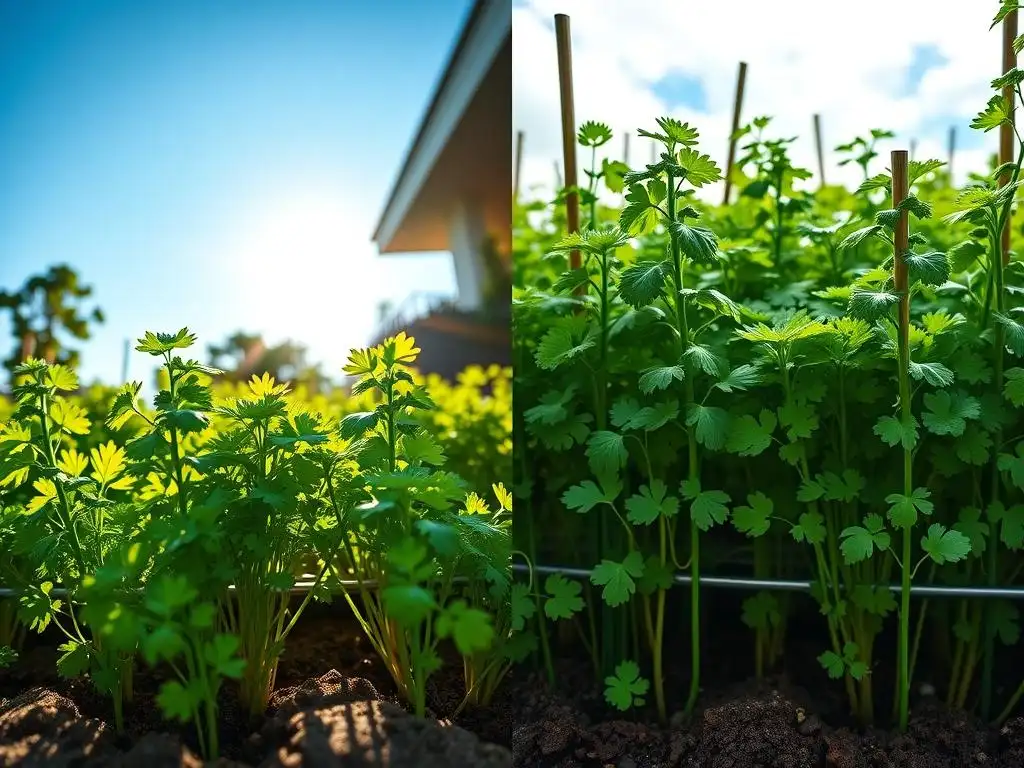
Understanding the sunlight requirements for parsley and cilantro is crucial for maximizing your harvest. These herbs, while both members of the Apiaceae family, have slightly different sun preferences, and these preferences are further modified by the climate in which they are grown. Optimizing sun exposure directly impacts the plant's growth rate, leaf production, and overall flavor profile. Ignoring these needs can lead to leggy, weak plants producing small, less flavorful leaves, or even plant death.
This section will detail the specific sunlight needs of parsley and cilantro based on climate variations, helping you cultivate lush, vibrant herbs in your garden, no matter your location. Proper sun management is a key element in achieving a bountiful harvest, and this information will equip you to master this aspect of herb gardening. The keyword "Parsley cilantro sun needs harvest" is central to this discussion.
Sunlight Requirements in Hot Climates
In hot climates (defined here as regions with consistently high temperatures and intense sunlight, averaging over 80°F/27°C during the growing season), both parsley and cilantro benefit from some shade, especially during the hottest part of the day. Direct, intense sunlight can scorch the leaves, leading to wilting and reduced growth.
- Parsley: While it tolerates more sun than cilantro, even parsley in hot climates should ideally receive at least 4-6 hours of morning sun, followed by afternoon shade. Consider planting it in a location that receives dappled shade during the hottest hours or providing artificial shade using shade cloth or strategically placed taller plants. This will help prevent leaf burn and maintain optimal growth. Insufficient shade can result in a reduced yield of smaller, less flavorful leaves.
- Cilantro: Cilantro is even more sensitive to intense heat and direct sun. Aim for 3-4 hours of morning sun, followed by afternoon shade. More shade is often better than less in hot climates. Providing adequate shade is particularly important for extending the cilantro plant's lifespan, as it tends to bolt (go to seed) quickly in hot, sunny conditions. This bolting significantly reduces the plant's leaf production, diminishing your harvest.
The following table summarizes the ideal sunlight exposure for parsley and cilantro in hot climates:
| Herb | Morning Sun (hours) | Afternoon Shade | Total Daily Sunlight (hours) |
|---|---|---|---|
| Parsley | 4-6 | Essential | 4-6 (with afternoon shade) |
| Cilantro | 3-4 | Essential | 3-4 (with afternoon shade) |
Sunlight Requirements in Cool Climates
In cooler climates (defined here as regions with average temperatures below 75°F/24°C during the growing season and less intense sunlight), both parsley and cilantro can tolerate more direct sun. However, even in these conditions, excessive sun exposure can still lead to stress and reduced growth, especially during the peak of summer.
- Parsley: In cooler climates, parsley can thrive with 6-8 hours of direct sunlight per day. However, monitor the plants closely for signs of stress, such as wilting or leaf discoloration. If these signs appear, provide some afternoon shade. Remember, even in cooler regions, intense midday sun can still cause problems.
- Cilantro: Cilantro in cooler climates can handle 5-6 hours of direct sunlight, but again, monitor for signs of stress. Providing some afternoon shade can extend the growing season and prevent bolting, especially as temperatures rise later in the season. Consistent watering is also critical in maintaining adequate moisture for the plant. A lack of sufficient moisture will likely increase the plant’s sensitivity to sun.
The following table summarizes the ideal sunlight exposure for parsley and cilantro in cool climates:
| Herb | Direct Sunlight (hours) | Afternoon Shade | Total Daily Sunlight (hours) |
|---|---|---|---|
| Parsley | 6-8 | Optional | 6-8 (with optional afternoon shade) |
| Cilantro | 5-6 | Optional | 5-6 (with optional afternoon shade) |
Remember that these are guidelines. The specific sunlight requirements for your parsley and cilantro may vary depending on other factors such as soil type, water availability, and the specific cultivar you are growing. Careful observation of your plants will help you determine the optimal sun exposure for your unique growing conditions. Always prioritize monitoring your plants for signs of stress, adjusting your approach as needed to ensure a healthy and bountiful harvest. 🌿
Troubleshooting Sunlight Issues: Diagnosing and Solving Problems
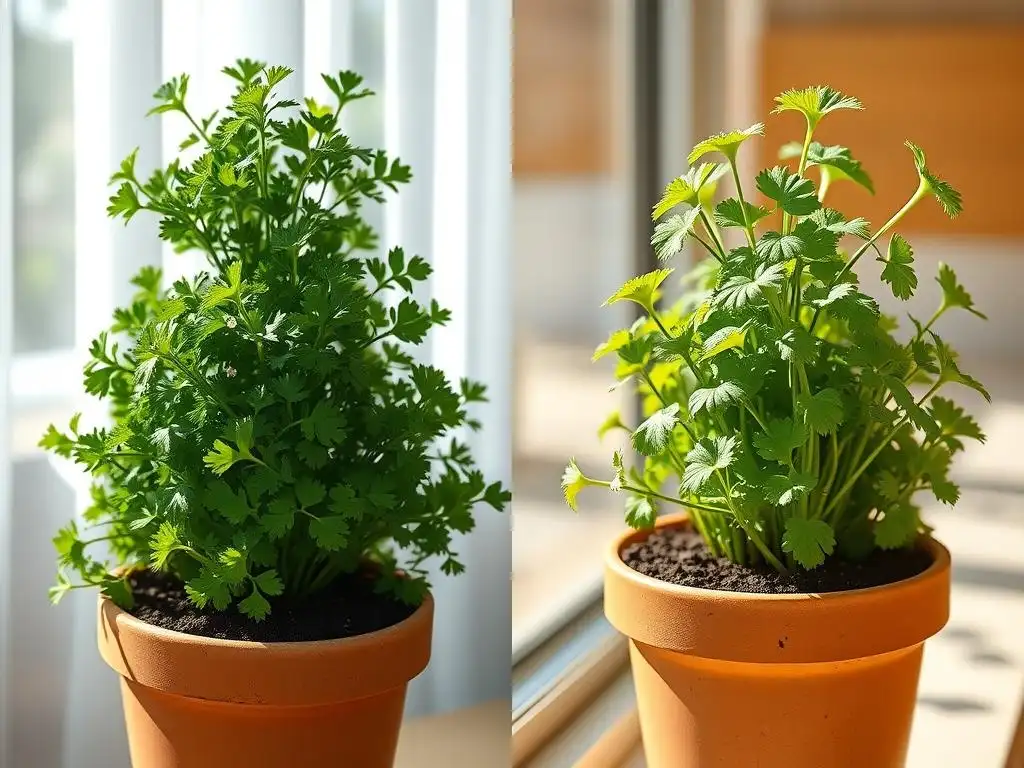
Growing vibrant parsley and cilantro hinges on understanding and meeting their specific sunlight needs. While both herbs thrive in partial shade, insufficient or excessive sun exposure can significantly impact their growth and yield, ultimately affecting your harvest. This section will guide you through identifying signs of sunlight problems and adjusting your planting strategy for optimal results. Mastering these techniques will ensure a bountiful harvest of these flavorful herbs, maximizing your homegrown culinary experience. This is crucial for optimizing your "Parsley cilantro sun needs harvest".
Identifying Signs of Insufficient Sunlight
Insufficient sunlight is a common problem for both parsley and cilantro, often leading to leggy, weak growth and a reduced harvest. Here's how to spot the warning signs:
- Pale, Yellowing Leaves: A lack of sunlight inhibits chlorophyll production, resulting in pale or yellow leaves, particularly noticeable in the lower parts of the plant. This is a classic indicator of insufficient light, affecting the overall photosynthetic process. The plants will struggle to produce the energy needed for robust growth.
- Slow Growth Rate: Parsley and cilantro grown in too much shade will exhibit significantly slower growth rates compared to those receiving adequate sunlight. You'll notice a noticeable difference in height and density between plants in sunny and shady locations.
- Long, Weak Stems: Plants reaching for sunlight in low-light conditions will develop long, thin, and weak stems. This "stretching" is the plant's attempt to maximize its exposure to available light. The weaker stems are more susceptible to damage and less able to support the weight of the leaves.
- Reduced Flavor and Aroma: While less visually obvious, insufficient sunlight also diminishes the essential oils responsible for the characteristic flavor and aroma of parsley and cilantro. The resulting herbs will be less potent and flavorful, impacting their culinary appeal. This is a key factor when considering the "Parsley cilantro sun needs harvest."
- Increased Susceptibility to Disease: Weak plants are more vulnerable to pests and diseases. Insufficient sunlight weakens the plant's immune system, making it more susceptible to fungal infections and infestations.
Identifying Signs of Excessive Sunlight
While partial shade is ideal, too much direct sunlight can also negatively impact parsley and cilantro. These are the telltale signs of sun stress:
- Wilting and Browning: Excessive sun exposure can cause the leaves to wilt, dry out, and even brown at the edges. This is a clear sign of dehydration and sun scorch. The leaves are losing water faster than the plant can replenish it.
- Leaf Burn: Severe sun stress can lead to leaf burn, characterized by crisped, brown, and dead patches on the leaves. This damage is irreversible and reduces the plant's overall yield.
- Stunted Growth: Ironically, excessive sunlight can stunt growth, just like insufficient sunlight. The plant's resources are diverted to repairing sun damage, hindering overall development.
- Premature Bolting: Bolting (flowering) can be triggered by excessive heat and stress from intense sunlight, especially in warmer climates. Bolting redirects the plant's energy from leaf production to seed production, resulting in a less productive harvest. This is particularly crucial when considering "Parsley cilantro sun needs harvest."
- Reduced Leaf Production: As the plant struggles to cope with intense sunlight, it may reduce leaf production to conserve resources, leading to a smaller overall yield.
Adjusting Your Planting Strategy Based on Observations
Once you've identified whether your parsley and cilantro are receiving too little or too much sun, you can adjust your planting strategy accordingly:
- Insufficient Sunlight: Relocate the plants to a location that receives at least 4-6 hours of indirect sunlight per day. Consider using shade cloth to gradually acclimate plants moved from deep shade to partial sun. You might also need to prune leggy plants to encourage bushier growth.
- Excessive Sunlight: Move the plants to a shadier location, perhaps under the dappled shade of a tree or a structure offering some protection from the afternoon sun. You could also use shade cloth to filter the intensity of the sunlight. Water consistently to prevent dehydration and provide adequate soil moisture. Mulching the soil can help to regulate soil temperature and reduce water loss.
By carefully observing your plants and adjusting their environment as needed, you can ensure they receive the optimal amount of sunlight, resulting in a healthy, vibrant, and bountiful harvest of delicious parsley and cilantro. Remember, understanding the "Parsley cilantro sun needs harvest" is key to successful herb gardening.
Maximizing Your Parsley and Cilantro Harvest Through Proper Sunlight Management
Parsley and cilantro, beloved culinary herbs, have subtly different sunlight requirements that significantly impact their growth and yield. Understanding these nuances is crucial for maximizing your harvest. While both thrive in cool weather, their sun tolerance varies, affecting leaf production, flavor intensity, and overall plant health. Ignoring these differences can lead to disappointing harvests – leggy, pale parsley, or bitter, bolt-prone cilantro. Let's delve into the specifics to optimize your herb garden.
Harvesting Techniques for Parsley and Cilantro Grown in Different Light Conditions
The optimal harvesting time and techniques depend heavily on the amount of sunlight each plant receives. Parsley, even the curly varieties, benefits from partial shade, especially during the hottest parts of the day. This helps prevent leaf scorch and maintains a vibrant green color. For parsley grown in full sun, harvesting should be more frequent, taking only the outer leaves to encourage bushier growth. Harvesting too much at once from sun-stressed plants can shock them.
Cilantro, on the other hand, prefers at least six hours of direct sunlight daily for optimal growth. However, excessive heat can cause it to bolt (flower prematurely), resulting in bitter-tasting leaves and a halt in leaf production. For cilantro in full sun, consider using shade cloth during the hottest afternoon hours, or planting in a location that offers some afternoon shade naturally. Harvesting should be regular, pinching off leaves selectively rather than cutting large bunches, to promote continuous growth and prevent bolting.
Here's a table summarizing the ideal harvesting practices based on sunlight exposure:
| Herb | Sunlight Condition | Harvesting Technique | Frequency | Notes |
|---|---|---|---|---|
| Parsley | Partial Shade | Harvest outer leaves, leaving inner growth | Every 2-3 weeks | Avoid harvesting entire stems at once. |
| Parsley | Full Sun | Harvest outer leaves frequently | Every 1-2 weeks | Monitor for leaf scorch and adjust accordingly. |
| Cilantro | Partial Shade | Harvest selectively, pinch off leaves | Every week | Monitor for bolting. |
| Cilantro | Full Sun | Harvest frequently, pinch off leaves | Every 3-5 days | Use shade cloth during peak sun hours if needed. |
Remember, consistent harvesting encourages new growth, leading to a more abundant and prolonged harvest throughout the growing season. Regularly removing mature leaves prevents plants from diverting energy to seed production. 🌿
Post-Harvest Care and Storage to Extend Shelf Life
Proper post-harvest care is essential for maintaining the freshness and flavor of your parsley and cilantro. Regardless of sunlight exposure, both herbs should be harvested in the morning after the dew has dried to minimize bacterial growth. Wash the herbs gently and thoroughly to remove any dirt or debris.
For short-term storage (1-2 days), wrap the herbs loosely in a damp paper towel and store them in a plastic bag in the refrigerator. For longer-term storage, consider freezing. Blanch the herbs briefly in boiling water before freezing to preserve their color and texture. Freezing is an excellent method to preserve the flavor and nutrients of your harvest throughout the winter months. Properly stored, frozen herbs can retain their quality for several months. 🧊
Another option for extending shelf life is air drying. This method works well for preserving the flavor of both herbs, but it does reduce their overall volume. Hang small bunches upside down in a cool, dry, and well-ventilated area. Once completely dry, store the dried herbs in airtight containers away from direct sunlight and moisture. This method can extend the lifespan of your harvest for several months. Drying is perfect for preserving a larger harvest for longer-term use and allows you to enjoy the flavors of your herbs year-round.
Remember, careful attention to sunlight exposure during growth and thoughtful post-harvest handling will significantly improve the quality and quantity of your parsley and cilantro harvest, ensuring a bountiful supply of fresh herbs for your culinary creations all season long.
Frequently Asked Questions
How much sunlight do parsley and cilantro need?
Parsley and cilantro thrive in partial shade to full sun, but afternoon shade is beneficial, especially during hot summer months. Too much direct sun can scorch the leaves.
When is the best time to harvest parsley and cilantro?
Harvest parsley and cilantro regularly for optimal growth and to prevent bolting. The best time is in the morning after the dew has dried.
How can I maximize my parsley and cilantro harvest?
Ensure your plants receive the right amount of sunlight, water regularly, and fertilize as needed. Consistent harvesting encourages new growth.
What are the signs of parsley and cilantro bolting?
Bolting, where the plant produces flowers and seeds, indicates the plant is stressed, likely due to heat or lack of water. The leaves become tough and bitter.
What are the best sustainable practices for growing parsley and cilantro?
Use organic fertilizers and pest control methods. Consider companion planting to deter pests and improve soil health. Composting food scraps can enrich the soil.
Final Reflection: Harvesting the Sun's Bounty
Understanding the sunlight needs of parsley and cilantro is not just about maximizing yield; it's about cultivating a deeper connection with the natural world and the food we grow. The seemingly simple act of providing the right amount of sun unlocks the full potential of these vibrant herbs, transforming them from delicate seedlings into robust, flavorful plants brimming with nutrients. This knowledge empowers us to become more mindful and intentional gardeners, reaping the rewards of our efforts in a tangible and delicious way.
The impact of understanding plant needs extends far beyond our personal gardens. It fosters a greater appreciation for the intricate dance between sunlight, soil, and plant life, reminding us of the delicate balance that sustains our ecosystems. The glory of gardening: hands in the dirt, head in the sun, heart with nature. To nurture a garden is to feed not just the body, but the soul.
This quote perfectly encapsulates the profound connection we can forge with nature through the simple act of gardening, a connection enriched by understanding the specific needs of each plant.
Now, consider your own garden, or even a single pot on your windowsill. What can you learn from this exploration of sunlight's role in herb cultivation? Take the time to observe your plants, to understand their unique needs, and to adjust your approach accordingly. By embracing this mindful approach, you'll not only enjoy a bountiful harvest of parsley and cilantro but also cultivate a deeper appreciation for the natural world and the power of observation in nurturing life. Let the sun's bounty inspire you to grow, both literally and figuratively.
Unlock Your Herb Garden's Potential!
Thank you for learning about maximizing your herb harvest! We hope you gained valuable insights into the importance of sunlight. Now it's time to put that knowledge into practice.
- Choose the sunniest location: Carefully assess your garden or windowsill and select the sunniest spot for your herbs. This is the most important step you can take.
- Rotate your pots (if applicable): Ensure even sunlight exposure by regularly rotating potted herbs.
- Share your experiences: Join our CultivateYourFood community and share your herb-growing journey, both successes and challenges. Let's learn from each other!
Ready to see your herbs flourish? Where's the sunniest spot you'll dedicate to your herbs?