
The Ultimate Guide to Harvesting Herbs: Timing, Techniques, and Tools

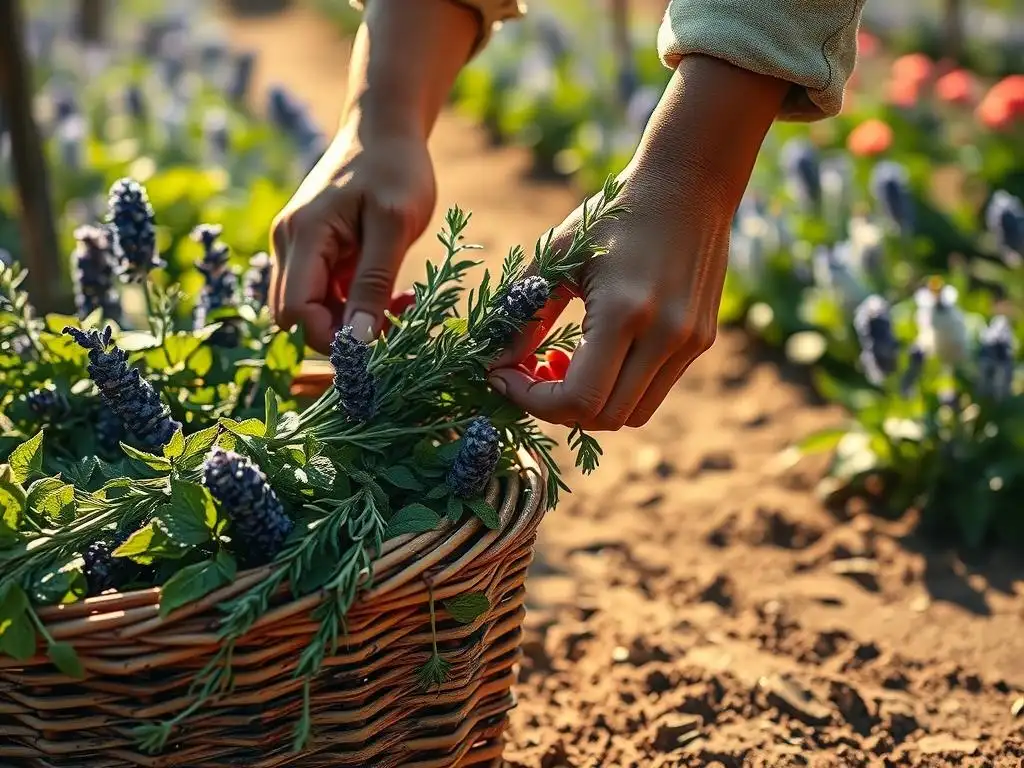
Welcome to CultivateYourFood, your guide to a thriving, sustainable garden! Ready to unlock the secrets to bountiful harvests? Learn the art of maximizing your herb yields with our comprehensive guide on Harvesting Herbs Best Practices. Discover the optimal timing, techniques, and tools to ensure you get the most flavor and fragrance from your homegrown herbs. Dive in and transform your garden into a fragrant paradise!
- Understanding the Best Time to Harvest Herbs for Optimal Flavor and Quality
- Essential Tools and Equipment for Successful Herb Harvesting
- Mastering the Art of Herb Harvesting Techniques
- Post-Harvest Care and Handling of Fresh Herbs
- Harvesting Herbs for Specific Uses: Culinary and Medicinal Applications
- Sustainable Practices in Herb Harvesting
- Frequently Asked Questions
- Final Reflection: A Bountiful Harvest: Nurturing Nature's Pharmacy
- Unlock Nature's Pantry: Start Harvesting Today!
Understanding the Best Time to Harvest Herbs for Optimal Flavor and Quality
Harvesting herbs at the optimal time is crucial for maximizing their flavor, aroma, and overall quality. This ultimate guide delves into the best practices for harvesting herbs, ensuring you get the most out of your homegrown bounty. We'll explore the ideal timing, various techniques, and essential tools, empowering you to cultivate and harvest herbs like a seasoned professional.
Mastering the art of herb harvesting is key to enjoying the freshest, most flavorful herbs in your culinary creations and maximizing the benefits of your sustainable herb garden. This guide focuses on achieving optimal results using organic and sustainable methods, aligning perfectly with the CultivateYourFood ethos. Knowing when and how to harvest your herbs will significantly impact the taste and potency of your final product, whether you're using them fresh or drying them for later use.
This isn't just about picking leaves; it's about understanding the plant's life cycle and maximizing its potential. Let's delve into the specifics of harvesting herbs for optimal results.
Identifying Peak Harvest Time for Different Herbs
The ideal harvesting time varies significantly depending on the herb. Some herbs are best harvested before they flower, while others reach peak flavor after flowering. Precise timing is critical for achieving the best flavor profile and maximizing the essential oils responsible for their unique aromas. Here's a breakdown of optimal harvest times for some common herbs:
| Herb | Peak Harvest Time | Notes |
|---|---|---|
| Basil | Before flowering, actively growing stage | Harvest regularly to encourage bushier growth and prevent flowering. |
| Chives | Anytime, before flowering is preferred | Cut back to about 1 inch above the soil line for continuous growth. |
| Cilantro | Before flowering | Flowers can make the leaves bitter. |
| Dill | Before flowering | Harvest the entire plant before it bolts (goes to seed). |
| Mint | Before flowering, actively growing stage | Harvest regularly to prevent it from becoming woody and losing flavor. |
| Parsley | Before flowering, or after flowering for a stronger flavor | Harvesting regularly will stimulate new growth. |
| Rosemary | Anytime, but young shoots are more tender | Harvest selectively, trimming only what you need. |
| Sage | Before flowering | Harvesting at this stage yields the most potent flavor. |
| Thyme | Before flowering | Harvest selectively, trimming only what you need. |
Understanding these variations allows you to tailor your harvesting schedule to each herb, ensuring you consistently reap the rewards of your efforts. Remember, consistent harvesting encourages bushier growth and prevents the plants from going to seed prematurely.
Harvesting Herbs Based on Their Growth Stage: From Seedling to Maturity
The stage of the herb's growth significantly impacts its flavor and quality. Harvesting too early can result in weak flavor, while harvesting too late might lead to bitterness or a woody texture. Consider these stages:
- Seedling Stage: Generally, avoid harvesting at this stage. Focus on nurturing the young plants to encourage strong growth.
- Vegetative Stage: This is the ideal time for most herbs. The plants are actively growing, producing abundant leaves, and are bursting with flavor.
- Flowering Stage: Some herbs, like parsley and sage, can develop a more robust flavor after flowering. However, for many others, such as basil and cilantro, flowering can negatively impact the taste, making it bitter or less aromatic.
- Maturity: As herbs mature, they can become woody and less flavorful. Regular harvesting during the vegetative stage prevents this from happening.
Careful observation of your plants and an understanding of their growth cycles will help you determine the perfect moment to harvest. Remember, regular, selective harvesting is better than one large harvest at the end of the season.
The Impact of Time of Day on Herb Harvesting: Morning vs. Evening
The time of day you harvest your herbs can also affect their quality. Harvesting in the morning, after the dew has dried but before the intense midday heat, is generally recommended. This is because:
- Essential Oils: Essential oils, responsible for the herb's aroma and flavor, are at their most concentrated in the morning.
- Moisture Content: Morning harvests result in herbs with less moisture, which helps with drying and preservation.
- Reduced Wilting: Harvesting in the cooler morning hours reduces wilting and helps maintain the herb's freshness.
While evening harvesting is possible, the herbs may contain more moisture, potentially leading to faster spoilage during drying. However, the differences might be negligible for immediate use. Ultimately, the best time to harvest is when you have time and the plants are ready. 🌿
Seasonal Considerations for Herb Harvesting: Spring, Summer, Autumn
Spring harvesting offers a unique set of considerations. Many herbs, particularly those that overwintered or were started indoors, will be ready for their first harvest in early spring. However, it's crucial to avoid harvesting too early, as young plants need time to establish strong root systems. Focus on harvesting only a small amount from each plant, taking only the outer leaves to encourage bushier growth.
Herbs like chives, parsley, and mint are particularly good candidates for early spring harvesting. Remember to avoid harvesting after a frost, as this can damage the plants and impact the flavor of the herbs. Gentle handling is key during this delicate stage of growth to prevent damage and ensure continued healthy growth throughout the season. Prioritize herbs that have fully developed leaves for the best flavor and yield.
Summer is the peak season for most herbs, offering abundant harvests. The warm temperatures and ample sunlight stimulate vigorous growth, resulting in a plentiful supply of flavorful leaves. During this period, you can harvest more frequently, often every few weeks depending on the herb and its growth rate. Regular harvesting encourages bushier growth and prevents the plants from becoming leggy or bolting (going to seed).
Remember to water deeply and consistently to support the plants' growth during the hot summer months. Consider harvesting in the morning after the dew has dried to avoid introducing moisture, which can promote fungal growth during the warmer temperatures. This is an excellent time to experiment with different herbs and explore their diverse culinary applications. Proper timing and techniques are crucial for maximizing yield and preserving the quality of your summer herbs.
Autumn brings a transition in herb harvesting. As temperatures cool, the growth rate of many herbs slows down. However, many herbs, especially those that are more cold-hardy, continue to produce leaves until the first frost. This is a great opportunity to harvest herbs for drying and preserving, ensuring a supply of fresh flavor throughout the winter months.
Before the first frost strikes, harvest as much as you can from your plants, being mindful of the potential for frost damage. Focus on harvesting herbs that are resilient to colder temperatures, and consider protecting more delicate plants with frost cloth. The flavor profile of some herbs can change slightly in autumn, offering a unique taste compared to their summer counterparts. Autumn harvesting is a time to appreciate the subtle changes in flavor and texture as the season transitions.
Essential Tools and Equipment for Successful Herb Harvesting
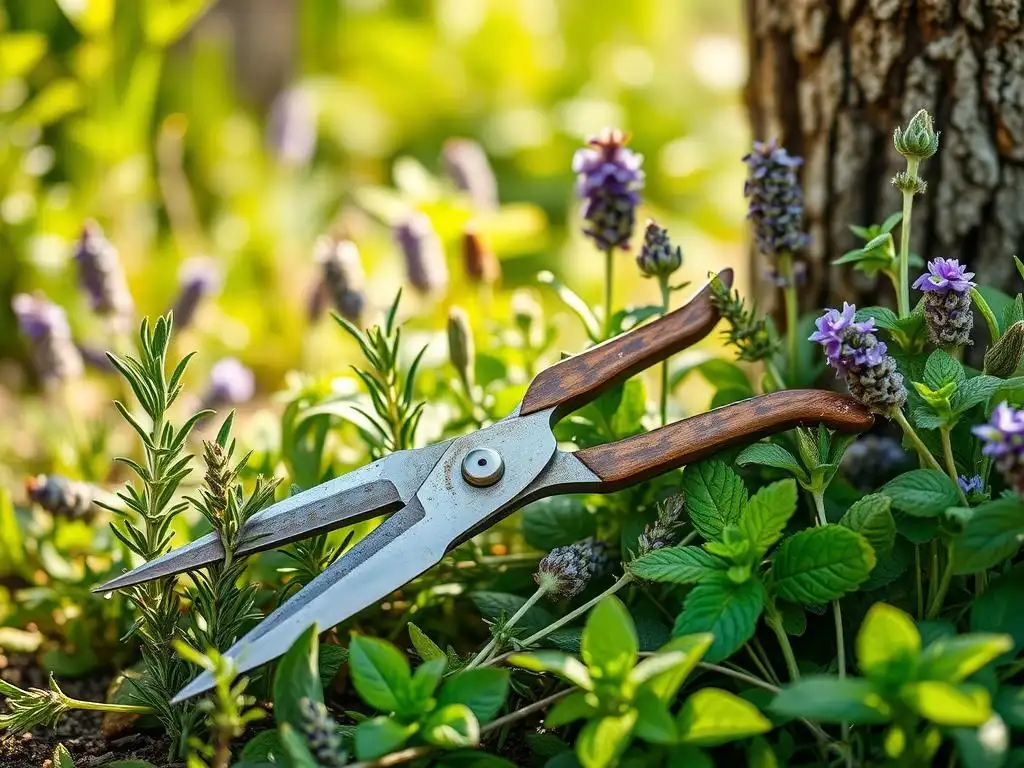
Gathering the right tools is crucial for a successful and efficient herb harvest. Using the appropriate equipment not only ensures a cleaner cut, minimizing damage to your plants, but also protects your hands from thorns, splinters, and potential irritants. Proper tools also contribute to the longevity of your herb plants, encouraging healthy regrowth and a bountiful harvest year after year. Following best practices in harvesting your herbs will yield better results in the long run.
Gathering Your Basic Herb Harvesting Kit: Scissors, Shears, and Gloves
A basic herb harvesting kit requires only a few essential items. First, you'll need a sharp pair of scissors or shears. Sharp blades make clean cuts, preventing bruising and the spread of disease. Dull blades crush the stems, increasing the risk of infection. Opt for scissors with comfortable handles to prevent hand fatigue during long harvesting sessions. Many gardeners prefer small, sharp-pointed scissors for delicate herbs like chives and parsley, while larger shears are ideal for bushier herbs like rosemary and thyme.
Gloves are equally important. While not strictly necessary for all herbs, gloves protect your hands from thorns (rosemary, for example), sap irritants (like some members of the carrot family), and potential insect bites or stings. Choose lightweight, breathable gloves that allow for dexterity. Consider nitrile gloves for superior protection against plant saps.
Consider this basic kit checklist:
- ✅ Sharp scissors
- ✅ Sharp shears (optional, but recommended for larger herbs)
- ✅ Pair of gardening gloves
Specialized Tools for Different Herb Types: Root Harvesting Fork
While scissors and shears suffice for most above-ground harvesting, some herbs, like parsley, require a slightly different approach. For herbs grown for their roots (like parsley root), you'll need a root harvesting fork. This specialized tool is designed to gently lift the entire root system without causing damage. The multiple tines of the fork loosen the soil around the roots, making it easier to extract the plant while maintaining the integrity of the root structure. Using a regular shovel or trowel can easily damage the roots, impacting their quality and marketability if you are harvesting for selling or preserving.
The difference between using a dedicated root fork and a shovel is significant. A shovel can easily sever the roots, leading to reduced yield and potentially harming the surrounding plants. The root fork's design minimizes this risk, enabling a cleaner extraction and maintaining the soil structure for future plantings.
Maintaining Your Herb Harvesting Tools: Cleaning and Storage
Proper maintenance of your harvesting tools is crucial for hygiene and longevity. After each use, thoroughly clean your scissors and shears with soapy water to remove any plant debris or soil. This simple step prevents the spread of disease and ensures the blades remain sharp. For more stubborn residues, a diluted bleach solution can be used, followed by a thorough rinsing.
Storing your tools correctly is just as important. Keep them clean and dry in a designated storage area to prevent rust and corrosion. A tool rack or a hanging organizer is ideal, keeping the tools readily accessible and organized. Protecting your investment with proper care ensures they remain functional and efficient for many harvests to come. Regular sharpening of your scissors and shears will also extend their lifespan and improve the quality of your cuts. Consider using a honing steel or sharpening stone for best results. This attention to detail reflects the commitment to best practices in herb harvesting.
Mastering the Art of Herb Harvesting Techniques
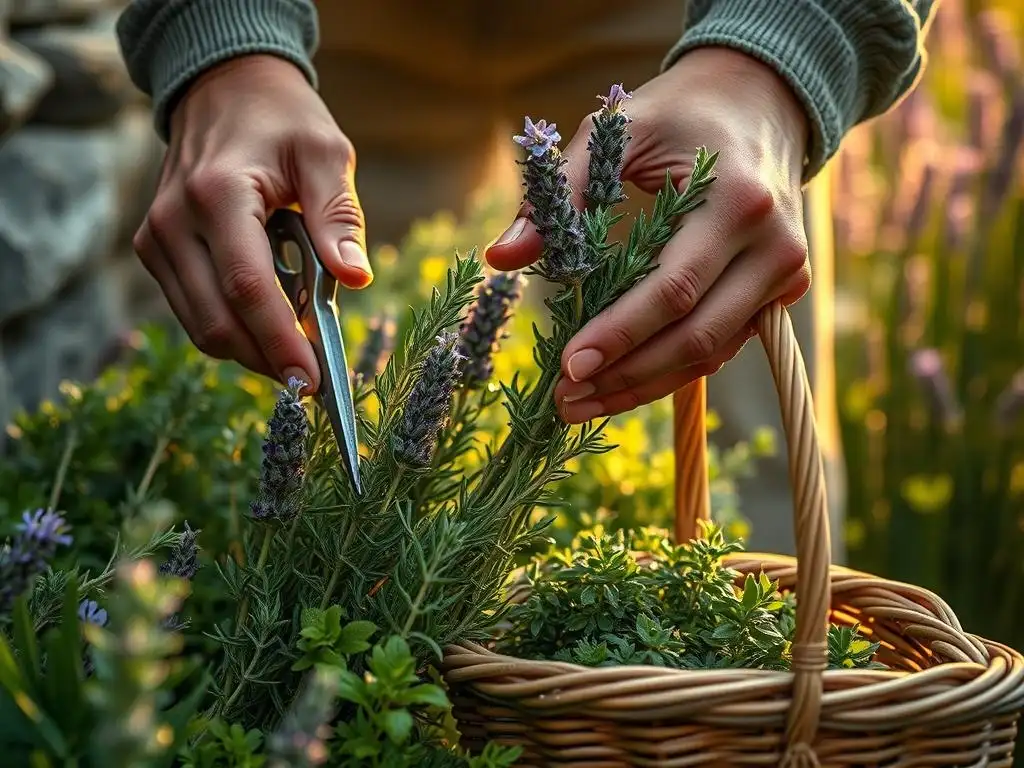
This section delves into the nuanced world of herb harvesting, focusing on techniques that maximize yield and maintain the quality and flavor of your precious herbs. Successfully harvesting herbs isn't just about snipping and grabbing; it's about understanding the specific needs of each plant and employing the best methods for optimal results. Following these best practices for harvesting herbs will ensure a bountiful and flavorful harvest throughout the growing season. Mastering these techniques contributes significantly to overall success in your herb garden, enhancing both yield and quality.
Proper Harvesting Techniques for Different Herb Types: Cutting vs. Pulling
Different herbs respond better to different harvesting techniques. Some thrive when you cut their stems, while others are better suited to being pulled from the ground. Understanding this distinction is crucial for maximizing yield and promoting healthy regrowth.
- Cutting: Most herbs benefit from cutting rather than pulling. This method involves using sharp shears or scissors to snip stems just above a leaf node or a pair of leaves. This encourages bushier growth and prevents damage to the root system. Examples of herbs that respond well to cutting include basil, chives, mint, oregano, and rosemary. When cutting, aim for about one-third to one-half of the plant's growth to avoid stressing it.
- Pulling: Certain herbs, particularly those with more delicate roots or that grow in clumps, are better suited to pulling. This technique involves gently pulling the entire plant from the ground, carefully removing only what you need while leaving the root system intact for future growth. This method is often used for herbs like parsley, cilantro, and dill, especially when harvesting the entire plant. However, remember to always leave a portion of the plant to allow for regrowth. Over-harvesting by pulling can significantly damage the plant.
| Herb Type | Harvesting Method | Notes |
|---|---|---|
| Basil | Cutting | Cut above a leaf node, encouraging bushier growth. |
| Chives | Cutting | Cut about one-third of the plant's growth. |
| Mint | Cutting | Cut back aggressively; mint is a vigorous grower. |
| Oregano | Cutting | Harvest selectively to maintain the plant’s shape and promote growth. |
| Rosemary | Cutting | Cut back stems to encourage new growth. |
| Parsley | Pulling or Cutting | Pulling is suitable for entire plant harvest; cutting for selective harvesting |
| Cilantro | Pulling or Cutting | Similar to parsley, choose the method based on your harvesting needs. |
| Dill | Pulling or Cutting | Pulling is often preferred, but cutting works for selective harvesting. |
Remember that consistent, smaller harvests are generally better than infrequent, large harvests. This approach ensures a continuous supply of fresh herbs and minimizes stress on the plants.
Avoiding Common Mistakes When Harvesting Herbs: Over-harvesting
Over-harvesting is a common mistake that can severely damage or even kill your herb plants. It's essential to practice restraint and harvest responsibly. Always leave enough foliage for the plant to continue photosynthesizing and producing energy for growth. Ignoring this crucial aspect can lead to weakened plants, reduced yields, and ultimately, plant death. Think of it like this: you wouldn't expect a fruit tree to produce a bountiful harvest if you stripped it bare every time you wanted a piece of fruit!
Over-harvesting can manifest in several ways:
- Taking too much at once: Harvesting more than half of the plant's foliage in a single session can severely stress it.
- Harvesting too frequently: Repeated harvests without allowing sufficient time for regrowth can deplete the plant's resources.
- Harvesting improperly: Damaging the roots or stems during harvesting can negatively impact the plant's health and future growth.
To avoid over-harvesting, follow these guidelines:
- Harvest selectively: Take only what you need, leaving ample foliage for the plant's continued growth.
- Rotate harvesting locations: Don't repeatedly harvest from the same area of the plant. Allow different parts to recover.
- Monitor plant health: If your herbs look stressed or unhealthy, reduce or temporarily stop harvesting.
Remember, patience is key! A little bit harvested regularly will provide a much more abundant and longer-lasting harvest than aggressive, infrequent harvesting.
Harvesting Herbs for Drying vs. Immediate Use: Different Approaches
The method you use to harvest herbs depends heavily on your intended use. Herbs destined for drying require a different approach than those intended for immediate consumption.
- Harvesting for Drying: For drying, it's best to harvest herbs in the morning after the dew has dried. The essential oils are most concentrated at this time, resulting in a more flavorful dried product. Harvest when the plants are actively growing but before they've flowered, except for herbs where flowers are desired (like lavender). Use sharp shears or scissors to make clean cuts, avoiding bruising the stems.
- Harvesting for Immediate Use: Herbs used immediately can be harvested at any time of day. However, harvesting in the morning, after the dew has dried, will generally provide the freshest and most flavorful herbs. You can harvest individual leaves, stems, or entire sprigs, depending on your preference and the herb type.
The key difference lies in the timing and the amount harvested. Drying requires a larger harvest at once, while immediate use allows for smaller, more frequent harvests. Proper drying techniques are also crucial for preserving the herbs' flavor and aroma. Improper drying can lead to mold, loss of essential oils, and a less desirable final product. Understanding these differences will allow you to optimize your harvesting strategies for both fresh and dried herb applications. This nuanced approach to harvesting is crucial for maximizing the benefits of your herb garden.
Harvesting Herbs for Freezing and Preserving: Best Practices
Harvesting herbs specifically for freezing or preserving requires a slightly different approach than harvesting for immediate use. The goal is to maintain the herb's flavor and color as much as possible throughout the process. For optimal results, harvest herbs in the morning after the dew has dried but before the heat of the day diminishes essential oils. This timing ensures the herbs are at their most fragrant and flavorful.
One crucial aspect of harvesting for preservation is choosing the right herbs. Not all herbs freeze or dry well. For example, leafy herbs like basil and cilantro tend to lose their texture when frozen, making them better suited for drying. Conversely, sturdy herbs like rosemary and thyme hold up better in the freezer. Understanding these nuances is key to successful preservation. Consider experimenting with small batches to determine which methods work best for your preferred herbs and your climate. Keeping detailed notes on your experiments will help you refine your techniques over time.
Proper cleaning is essential before freezing or drying. Gently rinse the herbs under cool water to remove any dirt or debris, then pat them completely dry with a clean towel or use a salad spinner. Excess moisture can lead to spoilage during freezing or mold growth during drying. Thoroughly dried herbs are crucial for preserving their quality and extending their shelf life. Remember, even small amounts of moisture can significantly impact the final product.
When freezing herbs, consider blanching them briefly (submerging in boiling water for a few seconds, then immediately plunging into ice water) to preserve their color and prevent enzymatic browning. This step is particularly helpful for leafy herbs that tend to discolor during freezing. After blanching, thoroughly dry the herbs again before portioning them into freezer-safe bags or containers. Label them clearly with the herb's name and the date of freezing for easy identification and optimal freshness. Remember to remove as much air as possible from the bags to minimize freezer burn.
For drying, several methods exist: air drying, oven drying, and microwave drying. Air drying is the gentlest method, preserving the most flavor and color but taking the longest. Oven drying is faster but requires careful monitoring to prevent scorching. Microwave drying is the quickest but can sometimes result in a loss of essential oils and a less desirable texture.
Experimentation will help you determine which method best suits your needs and the specific herbs you're preserving. Regardless of the method, proper ventilation and a cool, dry environment are crucial for preventing mold growth. Properly dried herbs should be brittle and easily crumble when rubbed between your fingers.
Post-Harvest Care and Handling of Fresh Herbs
Proper post-harvest handling is crucial for maintaining the quality and extending the shelf life of your freshly harvested herbs. Neglecting this critical step can lead to rapid wilting, browning, and a significant reduction in flavor and aroma. Following best practices for cleaning, storage, and preservation will ensure you enjoy the fruits (or rather, leaves!) of your labor for as long as possible. This section focuses on the "harvest herbs best practices" related to post-harvest care, a vital aspect often overlooked by even experienced gardeners.
Cleaning and Washing Harvested Herbs: Gentle Techniques
Washing your herbs correctly is the first step in preserving their freshness. Rough handling can bruise delicate leaves, leading to quicker deterioration. Avoid submerging herbs in water for extended periods, as this can cause them to become waterlogged and lose their vibrant color and flavor. Instead, opt for a gentle approach:
- Method 1: The Quick Rinse: Gently rinse the herbs under cool, running water. Use your hands to gently separate the leaves and remove any visible dirt or debris. Avoid forceful spraying which can damage the leaves.
- Method 2: The Dip and Swirl: For more thorough cleaning, fill a large bowl with cool water. Submerge the herbs briefly, swirling them gently to dislodge dirt. Immediately remove and drain thoroughly. This method is especially effective for herbs with deeply textured leaves, such as rosemary or thyme.
- Method 3: The Salad Spinner: A salad spinner provides a gentle yet efficient way to dry your herbs after washing. Simply place the washed herbs in the spinner and spin until most of the excess water is removed.
Remember to always pat your herbs dry with a clean kitchen towel before storing them. Leaving excess moisture can promote the growth of bacteria and mold, reducing their shelf life. This gentle handling is key to maintaining the quality and extending the shelf life of your harvest, a crucial part of "harvest herbs best practices."
Proper Storage Techniques for Fresh Herbs: Refrigeration and other methods
Once cleaned and dried, storing your herbs correctly is essential for preserving their freshness. Improper storage can lead to rapid wilting and loss of flavor. Here are several effective storage methods:
- Refrigeration: The most common method involves storing herbs in airtight containers or resealable bags in the refrigerator. However, even in the refrigerator, herbs can wilt quickly. To maintain their crispness, consider wrapping the herbs in a damp paper towel before placing them in a container. This maintains humidity without causing excess moisture.
- Freezing: For longer storage, you can freeze your herbs. Chop the herbs finely and store them in ice cube trays filled with water or olive oil. Once frozen, transfer the cubes to a freezer bag for convenient use in future recipes. Freezing preserves the herbs' flavor and color remarkably well.
- Drying: Drying herbs is another excellent way to extend their shelf life. Air drying is a simple and effective method, while dehydrators offer faster drying times. Properly dried herbs retain their flavor and aroma for months. This is often considered a core element of "harvest herbs best practices" for long-term storage.
Choosing the right storage method depends on your needs and the type of herb. Experiment with different techniques to find what works best for your specific herbs and preferences.
Extending the Shelf Life of Harvested Herbs: Tips and Tricks
Beyond proper cleaning and storage, several additional tips can help extend the life of your harvested herbs:
- Harvest at the Right Time: Harvesting herbs at the optimal time is crucial. Generally, harvest herbs in the morning after the dew has dried, avoiding the hottest part of the day. This minimizes water loss and helps maintain essential oils.
- Avoid Overcrowding: When storing herbs, avoid overcrowding the containers. Allow for adequate air circulation to prevent moisture buildup and the growth of mold.
- Use Quickly: Fresh herbs are at their peak flavor shortly after harvesting. Try to use them as soon as possible for the most intense flavor and aroma. This is a fundamental aspect of implementing "harvest herbs best practices."
- Consider Herb Butter or Oil: Infusing herbs into butter or oil is an excellent way to preserve their flavor and extend their shelf life. This method is particularly effective for herbs that don't freeze well.
By following these tips and techniques, you can significantly extend the shelf life of your harvested herbs and enjoy their fresh flavor for weeks, even months. Remember, consistent application of these "harvest herbs best practices" will reward you with the best quality and longest-lasting herbs from your garden.
Harvesting Herbs for Specific Uses: Culinary and Medicinal Applications
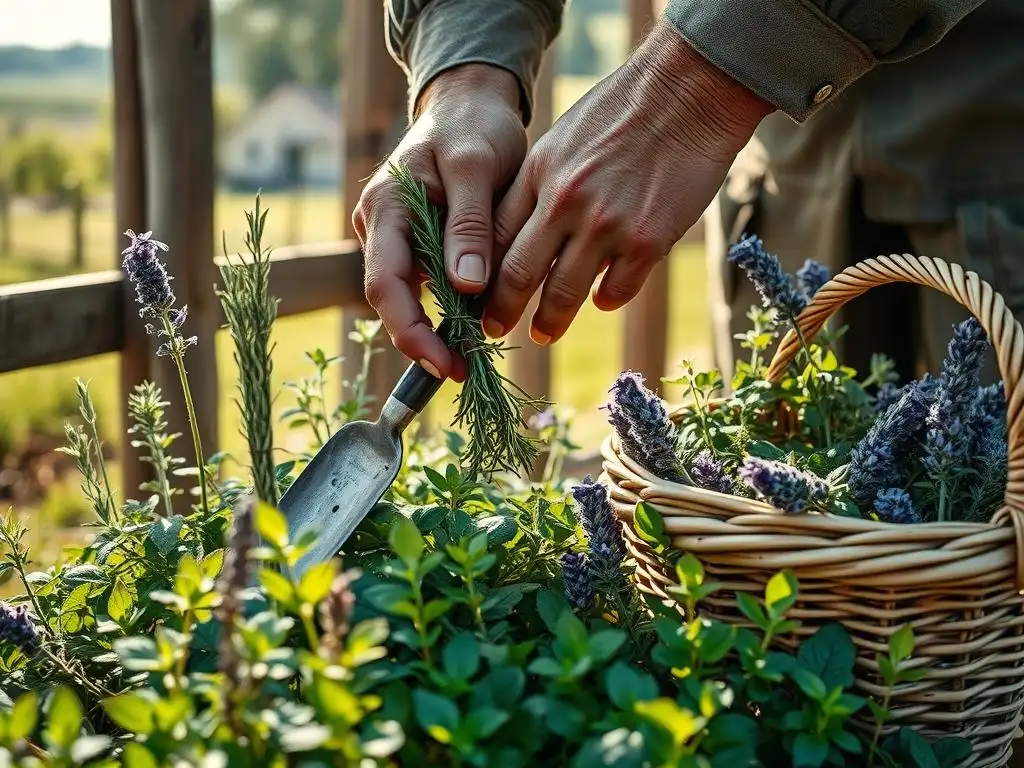
This section delves into the nuanced world of herb harvesting, focusing on how the timing and method of harvest directly impact the final product's intended use – be it culinary delight or medicinal benefit. Understanding these distinctions is crucial for maximizing the potency and flavor of your homegrown herbs. Optimizing your harvest for "harvest herbs best practices" means tailoring your approach to the herb's ultimate purpose.
Harvesting Herbs for Cooking: Maximizing Flavor and Aroma
The key to harvesting herbs for culinary use lies in capturing their peak flavor and aroma. This often means harvesting before the plants fully flower. For example, basil, known for its vibrant, slightly peppery taste, should be harvested when the plants are young and vigorous, ideally before they bolt (produce flowers). Harvesting basil regularly, pinching off the top sets of leaves, encourages bushier growth and prevents flowering, thus prolonging the harvest season and maintaining optimal flavor.
Different herbs have different optimal harvest times. Consider these examples:
| Herb | Optimal Harvest Time | Harvesting Method | Flavor Profile Enhancement Tip |
|---|---|---|---|
| Basil | Before flowering, young leaves | Pinch or cut above leaf node | Harvest in the morning after dew dries |
| Rosemary | Anytime, but young shoots are best | Snip stems or prune | Use sparingly, potent flavor |
| Thyme | Before flowering, young shoots | Snip stems or prune | Harvest in dry weather |
| Parsley | Throughout the growing season | Cut stems or individual leaves | Use fresh for best flavor |
| Chives | Harvest frequently, snipping tops | Snip tops with scissors | Store in water in the fridge |
Harvesting in the morning, after the dew has dried, is generally recommended for most culinary herbs. This allows the essential oils responsible for their flavor and aroma to be at their most concentrated. Improper harvesting, such as harvesting after a rain shower, can dilute these essential oils, leading to a less flavorful end product. Remember, consistency is key; regularly harvesting encourages new growth, leading to a longer and more productive harvest.
Harvesting Herbs for Medicinal Purposes: Ethical Considerations and Best Practices
Harvesting herbs for medicinal purposes requires a more considered approach. Ethical harvesting ensures the sustainability of the plant population and maximizes the medicinal compounds within the herb. It's important to only harvest a portion of the plant, leaving enough for regrowth and seed production. Over-harvesting can deplete the plant population, impacting future harvests and potentially damaging the ecosystem.
Furthermore, the time of harvest significantly influences the concentration of active medicinal compounds. Many medicinal herbs contain higher concentrations of these compounds at specific growth stages. For example, some herbs are best harvested when their flowers are in full bloom, while others are better harvested when their roots are fully developed. This information is often specific to the herb and requires research before harvesting. Always ensure you accurately identify the plant before using it for medicinal purposes, as misidentification can have serious consequences. 🌿
Creating Herb Blends: Combining Herbs for Optimal Benefits
Blending herbs can enhance their medicinal and culinary properties. Creating effective and balanced blends requires a deep understanding of individual herb properties and their synergistic effects. For example, combining chamomile and lavender creates a calming blend ideal for relaxation, while rosemary and thyme, when used together, boost flavor in savory dishes and are reputed to have synergistic health benefits.
When creating herb blends, consider the following:
- Complementary flavors and aromas: Choose herbs with compatible flavor profiles to create a harmonious blend.
- Synergistic effects: Some herbs enhance each other's medicinal properties when combined.
- Proportioning: The ratio of each herb in the blend is crucial for achieving the desired effect.
- Storage: Properly storing herb blends is vital to preserve their quality and potency. Proper drying and airtight storage are crucial for long-term preservation.
Experimentation is key to discovering your own unique and effective herb blends. Remember to always start with small batches and carefully document your recipes to allow for reproducibility and optimization. Careful attention to detail in every stage – from planting to harvesting and blending – is the ultimate path to achieving the best results when following "harvest herbs best practices".
Sustainable Practices in Herb Harvesting
Harvesting herbs is not just about gathering your bounty; it's an integral part of sustainable gardening. Employing environmentally conscious methods ensures the long-term health of your herb garden and minimizes your environmental impact. This section focuses on best practices for harvesting herbs sustainably, aligning with the principles of organic and regenerative agriculture. Mastering these techniques will not only yield a plentiful harvest but also contribute to a healthier planet. This is crucial for anyone aiming to follow harvest herbs best practices.
Minimizing Waste During Herb Harvesting
Minimizing waste is paramount in sustainable herb harvesting. Careful planning and precise techniques can significantly reduce the amount of plant material discarded. Before you even begin harvesting, assess your needs. Harvest only what you need to avoid unnecessary waste. For example, instead of harvesting entire branches of rosemary, consider picking just the sprigs you require for your current recipe.
Consider the following strategies for minimizing waste:
- Selective Harvesting: Instead of taking whole plants, harvest individual stems or leaves as needed. This allows the plant to continue growing and producing more herbs.
- Proper Storage: Immediately store harvested herbs appropriately to prevent spoilage. Proper storage extends shelf life and reduces waste. Different herbs require different storage methods, so research your specific herbs' optimal storage conditions.
- Composting: Any unavoidable plant waste (e.g., damaged leaves, stems) can be composted, providing valuable nutrients for future plantings. This transforms waste into a valuable resource.
- Preservation Techniques: Preserve excess herbs through drying, freezing, or pickling to extend their usability and reduce waste. This allows you to enjoy your harvest throughout the year.
Regenerative Harvesting Techniques for Long-Term Herb Health
Regenerative harvesting focuses on maintaining the health and vitality of your herb plants for future harvests. Unlike exploitative methods that deplete the plants, regenerative practices enhance their growth and resilience. This approach is crucial for achieving sustained yields year after year and reflects true harvest herbs best practices.
Here are key principles of regenerative herb harvesting:
- Avoid Over-Harvesting: Never harvest more than one-third of a plant's foliage at any given time. This allows the plant to recover and continue producing. Over-harvesting weakens the plant, making it susceptible to pests and diseases.
- Rotate Harvesting Locations: Rotate your harvesting spots within the herb bed to prevent depleting nutrients in one area. This method promotes even growth and prevents soil depletion.
- Harvest at the Right Time: Harvest herbs when their essential oils are most potent. This often coincides with the morning hours after the dew has dried. This ensures the highest quality and flavor.
- Use Sharp Tools: Employ sharp scissors or pruning shears to make clean cuts. Jagged cuts can injure the plant and increase the risk of infection. This detail is often overlooked in many approaches to harvest herbs best practices.
Composting Herb Trimmings: Sustainable Waste Management
Composting herb trimmings is a fantastic way to recycle plant waste and create nutrient-rich compost for your garden. Compost enriches the soil, improving its structure and providing essential nutrients for healthy plant growth. This practice is a cornerstone of sustainable gardening and essential for anyone serious about harvest herbs best practices.
Here’s how to effectively compost your herb trimmings:
- Chop and Add: Chop up larger stems and leaves before adding them to your compost pile. This speeds up the decomposition process.
- Maintain a Balance: Ensure a balanced mix of "green" (nitrogen-rich) and "brown" (carbon-rich) materials in your compost pile. Herb trimmings are generally considered "green" materials.
- Proper Moisture: Maintain adequate moisture levels in your compost pile. Too much or too little moisture can hinder decomposition.
- Turn Regularly: Regularly turn your compost pile to aerate it and promote even decomposition. This will accelerate the process and improve the quality of the finished compost.
By following these sustainable practices, you'll not only enjoy a bountiful harvest of delicious and aromatic herbs but also contribute to a healthier environment and a more resilient herb garden. Remember, sustainable harvesting is a continuous process of learning and refinement, always striving for better harvest herbs best practices.
Frequently Asked Questions
When is the best time to harvest herbs?
The best time to harvest most herbs is in the morning, after the dew has dried but before the sun gets too hot. This helps to preserve the essential oils and flavor of the herbs.
How do I harvest herbs without damaging the plants?
Harvest herbs using clean, sharp tools like scissors or pruners. Cut stems at a 45-degree angle, above a node, to encourage bushier growth. Avoid pulling stems from the plant.
What are the best tools for harvesting herbs?
Sharp scissors or pruners are ideal for most herbs. For larger herbs, you might consider using a harvesting knife. Always ensure your tools are clean to prevent the spread of disease.
How should I store freshly harvested herbs?
Immediately rinse and gently dry your herbs. Then, store them in a refrigerator in a plastic bag or airtight container to maintain freshness for several days. Alternatively, freeze them for longer storage.
Which herbs benefit most from regular harvesting?
Many herbs, like basil, mint, and cilantro, benefit from frequent harvesting. Regularly cutting back encourages bushier growth and prevents them from becoming leggy or flowering prematurely.
Final Reflection: A Bountiful Harvest: Nurturing Nature's Pharmacy
The art of harvesting herbs is more than just a skill; it's a connection to the earth, a practice that ensures both abundance and sustainability. In a world increasingly focused on processed foods and synthetic remedies, understanding the nuances of harvesting herbs—from the precise timing to the appropriate tools—becomes not just a hobby, but a vital act of self-reliance and environmental stewardship.
The knowledge shared in this guide—from recognizing the optimal harvest times for different herbs to employing gentle, respectful techniques—is crucial for preserving the vitality of our plant allies. This connection to nature, this mindful harvesting, resonates deeply with me. It's a practice that fosters a sense of gratitude and responsibility, reminding us of the delicate balance within the ecosystem. The earth laughs in flowers.
– Ralph Waldo Emerson. This quote beautifully encapsulates the joy and wonder inherent in cultivating and harvesting herbs, a process that connects us to the natural world's inherent beauty and abundance.
Now, I invite you to consider your own relationship with nature. Will you incorporate these best practices into your own herbal journey? Perhaps you'll start a small herb garden, or simply become more mindful of the herbs you already use. No matter your starting point, remember that every step you take towards understanding and respecting the natural world is a step towards a healthier, more fulfilling life. Let the bounty of your harvest reflect not only the abundance of nature, but also the richness of your connection to it.
Unlock Nature's Pantry: Start Harvesting Today!
Thank you for exploring the world of herb harvesting! We hope you've gained valuable insights to help you maximize your harvest. Now it's time to put your knowledge into practice. Let's get growing and harvesting!
- Begin your herb harvest today! Choose a herb from your garden, or even a bunch from the grocery store, and practice the techniques we discussed. Notice the difference in flavor and freshness.
- Share your harvest with friends and family! Surprise them with a fresh sprig of fragrant herbs in their next meal. A thoughtful, homegrown gift is always appreciated.
- Experiment with a new drying or preserving method. Consider how you might creatively use your abundant harvest; perhaps you could make infused oils or vinegars?
What unexpected flavor combinations will your freshly harvested herbs unlock in your next culinary creation?