
Winterizing Basil and Mint: How to Protect Your Herbs from Frost

Welcome to CultivateYourFood, your guide to a thriving, sustainable garden! Are you ready to defy the seasons and enjoy fresh herbs all year round? Learn the secrets to successfully overwintering basil and mint indoors, ensuring a bountiful harvest even during the coldest months. Discover practical, organic methods to protect your precious herbs from frost and keep them flourishing. Let's get started on your journey to year-round herb gardening!
- Understanding the Frost Sensitivity of Basil and Mint
-
Overwintering Basil and Mint Indoors: A Step-by-Step Guide
- Harvesting Basil and Mint Before Bringing Indoors
- Preparing Your Indoor Growing Space for Basil and Mint
- Repotting Basil and Mint for Indoor Growth
- Providing Adequate Light for Indoor Basil and Mint Growth
- Maintaining Proper Watering and Humidity Levels
- Fertilizing Your Indoor Basil and Mint Plants
- Monitoring for Pests and Diseases
- Troubleshooting Common Issues with Indoor Basil and Mint
- Alternative Methods for Overwintering Basil and Mint
- Preparing for the Next Growing Season: Spring Planting
- Frequently Asked Questions
- Final Reflection: The Enduring Fragrance of Homegrown Herbs
- Ready to Shield Your Herbs from Winter's Chill?
Understanding the Frost Sensitivity of Basil and Mint
Winter's arrival brings a chill to the air, posing a significant threat to many beloved herbs, including basil and mint. While both thrive in warmer months, their resilience to frost differs dramatically. This article will guide you through the essential steps to successfully overwinter basil and mint indoors, ensuring a bountiful harvest even when temperatures plummet.
We'll explore the unique challenges each herb presents and provide practical, sustainable methods to protect your precious plants, allowing you to enjoy fresh, homegrown herbs year-round. Learning how to overwinter basil and mint indoors not only saves you money on grocery store herbs but also connects you more deeply with the growth cycle of your plants, fostering a rewarding and enriching gardening experience. Protecting your herbs from frost is a crucial aspect of sustainable gardening, reducing the need for replacement plants in the spring and minimizing your environmental impact.
Basil's Vulnerability to Cold Temperatures
Basil ( Ocimum basilicum) is notoriously tender and highly susceptible to frost. Even a light frost can severely damage or even kill basil plants. Their optimal temperature range is between 70-80°F (21-27°C), making them unsuitable for outdoor survival in most climates once temperatures consistently dip below freezing. The key to overwintering basil successfully lies in bringing the plants indoors before the first frost. Signs of cold damage include wilting leaves, blackened stems, and a general decline in plant vigor. Once frost damage occurs, recovery is unlikely.
Therefore, proactive measures are essential. Careful monitoring of weather forecasts is crucial for timely indoor relocation. Delaying the process can lead to irreversible damage. Remember, prevention is key when it comes to protecting your basil from the cold. This ensures that you can continue to enjoy the fragrant leaves throughout the winter months.
Mint's Tolerance and Winter Hardiness
Unlike basil, mint ( Mentha spp.) exhibits greater cold hardiness, depending on the specific variety. While some mint varieties can tolerate light frosts, prolonged exposure to freezing temperatures can still cause significant damage.
However, many mint types are more resilient than basil and can often survive mild winters outdoors with proper protection. This protection might include mulching around the base of the plant or providing a physical barrier like a cold frame. Even with its greater hardiness compared to basil, bringing mint plants indoors during harsh winters significantly improves their chances of survival and ensures a robust growth in the following spring.
Indoor overwintering allows for controlled environmental conditions, optimizing light, temperature, and humidity for optimal growth. This method ensures a consistent supply of fresh mint leaves even during the coldest months. Overwintering your mint indoors is a simple yet effective method to guarantee a healthy and productive plant come springtime.
Overwintering Basil and Mint Indoors: A Step-by-Step Guide
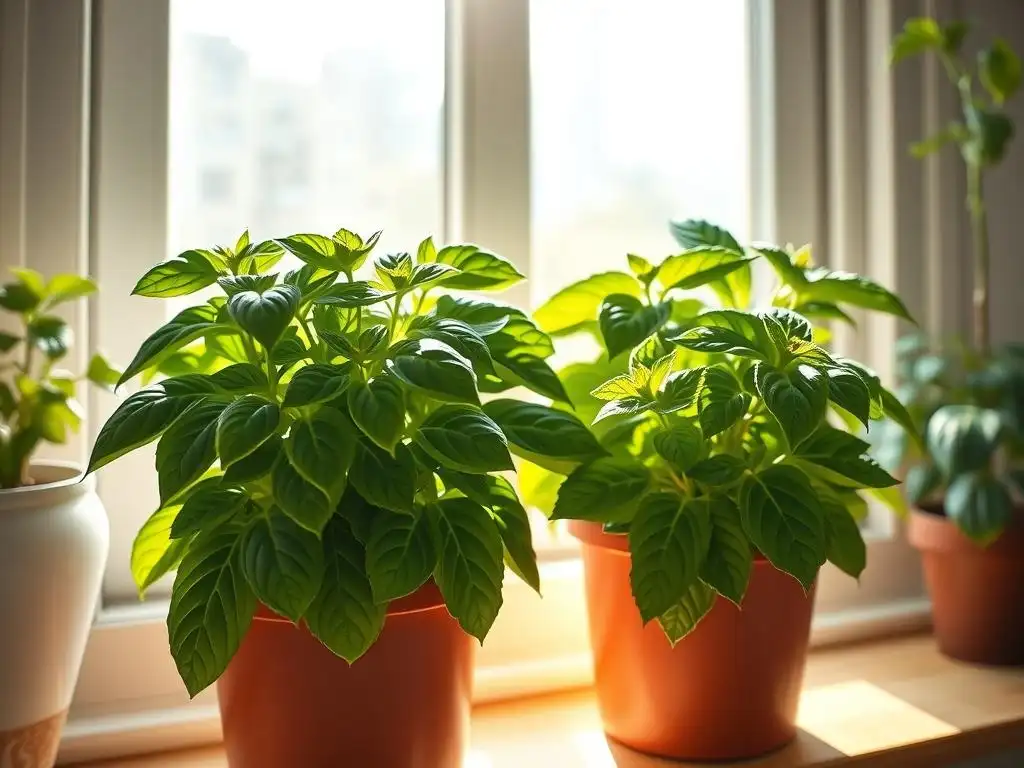
This section details the process of successfully overwintering basil and mint indoors, ensuring a continuous supply of fresh herbs throughout the colder months. We'll cover harvesting, preparing your indoor space, and repotting—essential steps for a smooth transition from garden to home. Successfully overwintering your basil and mint plants requires careful planning and execution, but the reward of fresh herbs all year round is well worth the effort. This guide focuses on practical techniques for bringing your beloved herbs indoors to thrive during winter.
Harvesting Basil and Mint Before Bringing Indoors
Before you move your basil and mint plants indoors, a crucial step is harvesting. This prevents bringing in pests or diseases and encourages bushier growth. Don't simply uproot the plants; instead, prune them back significantly. For basil, cut back about one-third to one-half of the plant's growth, removing any flowering stems.
Flowering saps energy from the plant, and you'll want to maximize the energy directed to root and leaf growth. For mint, which is a vigorous grower, you can be even more aggressive, removing up to two-thirds of the plant's growth. Remember to use clean, sharp shears or scissors to make clean cuts, preventing damage to the plant.
This pre-harvesting is not only crucial for preventing the introduction of pests and diseases indoors, but it also helps rejuvenate the plant, encouraging new growth once it is settled in its new environment. Consider drying some of your harvested herbs for later use. This way, you extend the harvest even further.
Remember to inspect your plants carefully before bringing them inside. Look for signs of pests or diseases, such as aphids, spider mites, or fungal infections. Addressing any issues before moving them indoors is crucial to prevent infestations from spreading within your home.
Preparing Your Indoor Growing Space for Basil and Mint
Selecting the right location indoors is paramount for successful overwintering. Basil and mint need ample sunlight, ideally six to eight hours per day. A south-facing window is usually ideal, but you might need to supplement with grow lights, especially during shorter winter days. The ideal temperature range for overwintering basil and mint indoors is between 65-75°F (18-24°C).
Avoid placing them near drafts or heating vents, as these can dry out the plants quickly. Humidity is also important; consider placing the pots on a humidity tray filled with pebbles and water to increase the humidity around the plants. Proper humidity levels significantly reduce the risk of pest infestations and stress on the plants.
Consider these factors when choosing your location:
| Factor | Ideal Conditions | Potential Issues | Mitigation Strategies |
|---|---|---|---|
| Sunlight | 6-8 hours of direct sunlight | Insufficient light leads to leggy growth and decline. | Supplement with grow lights; rotate plants regularly. |
| Temperature | 65-75°F (18-24°C) | Extreme temperatures cause stress and damage. | Choose a location away from drafts and heating vents. |
| Humidity | Moderate to high | Low humidity leads to dryness and pest problems. | Use a humidity tray; mist plants regularly. |
| Air Circulation | Good air circulation, but avoid drafts | Poor air circulation promotes disease. | Ensure sufficient space between plants. |
Repotting Basil and Mint for Indoor Growth
Once you've chosen your location, it's time to repot your herbs. Overwintering often necessitates a change of pot and soil. Select a pot slightly larger than the original, ensuring adequate drainage with drainage holes. Use a well-draining potting mix, avoiding heavy clay soils that can retain too much water. A good quality potting mix formulated for herbs or vegetables is ideal.
Gently remove the basil and mint plants from their original pots, ensuring you don't damage the roots. Loosen the root ball slightly to encourage new root growth. Place the plants in their new pots, filling the space with fresh potting mix, ensuring the soil level is the same as before. Water gently after repotting, avoiding overwatering. Overwatering is a common mistake that can lead to root rot, so allow the top inch of soil to dry out before watering again.
Remember to check the soil moisture regularly and adjust your watering schedule accordingly. The success of overwintering hinges on providing the optimal environment and care for your herbs. With proper attention to detail, you can enjoy fresh basil and mint throughout the winter months. 🌱
Providing Adequate Light for Indoor Basil and Mint Growth
Basil and mint, despite their resilience, require ample sunlight to thrive indoors during winter. A south-facing window is ideal, offering the most direct sunlight. However, even with optimal window placement, supplemental lighting may be necessary, especially during shorter winter days. Consider using grow lights, ensuring they are positioned appropriately to avoid burning the delicate leaves.
Aim for at least 6-8 hours of light per day, mimicking the conditions these plants would experience during their peak growing season. Regularly rotate your plants to ensure even light distribution and prevent leggy growth, where the plant stretches towards the light source, resulting in weak stems. Observe your plants closely; if they appear pale or leggy, increase the lighting duration or intensity.
Experimentation may be required to find the perfect lighting balance for your specific indoor environment. Remember that the intensity and duration of light will impact growth, so adjust accordingly based on your plants' response. Using a timer for your grow lights can ensure consistency and prevent accidental over- or under-lighting.
Maintaining Proper Watering and Humidity Levels
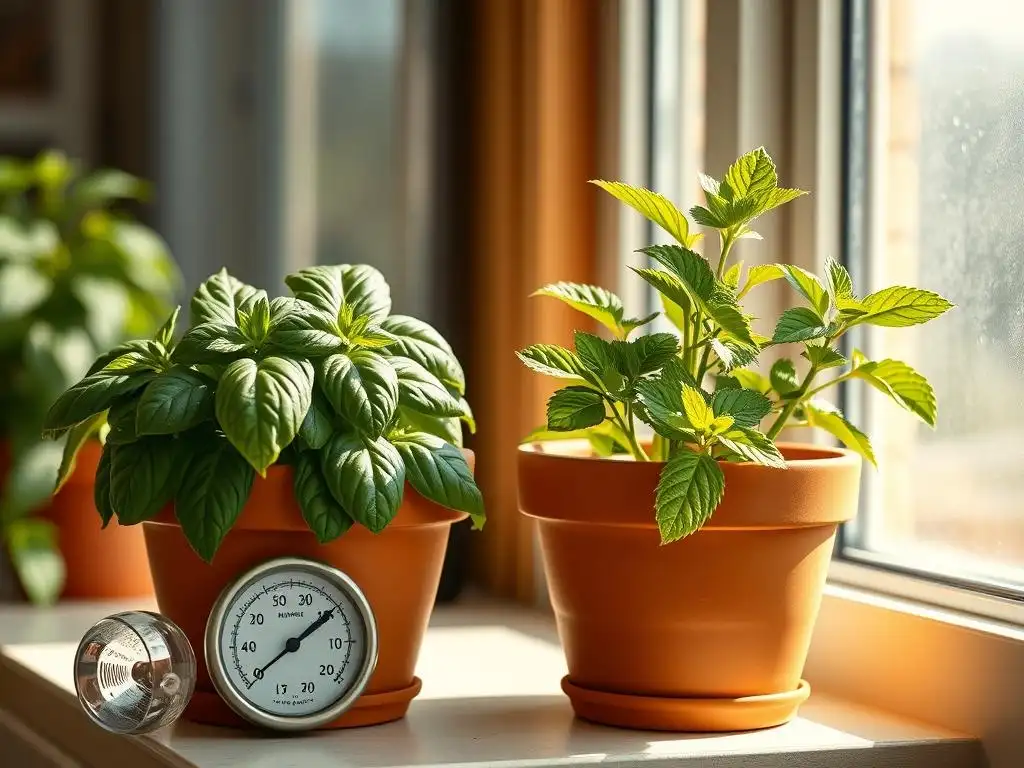
Overwatering is a common problem for indoor herbs during winter. The cooler temperatures and reduced sunlight slow down the plants’ metabolic rate, decreasing their water needs. Before watering, check the soil moisture by inserting your finger about an inch into the soil. Water only when the top inch feels dry. Overwatering leads to root rot, a fatal condition for basil and mint.
Use well-draining potting mix to avoid waterlogging. Ensure the pot has drainage holes to allow excess water to escape. Additionally, maintaining appropriate humidity is crucial. Basil and mint prefer higher humidity than many indoor environments offer.
You can increase humidity by grouping plants together, placing the pots on a humidity tray filled with pebbles and water, or using a humidifier. Regularly misting the leaves with water can also help, but avoid over-misting, which can lead to fungal diseases. Monitor your plants carefully for signs of wilting or leaf drop, which can indicate either underwatering or overwatering. Adjust your watering schedule accordingly to maintain optimal soil moisture.
Fertilizing Your Indoor Basil and Mint Plants
While not heavy feeders, basil and mint still benefit from occasional fertilization during their indoor overwintering period. However, avoid over-fertilizing, as this can lead to lush growth that is weak and susceptible to disease. A balanced liquid fertilizer diluted to half strength is ideal. Apply the fertilizer every 2-4 weeks, depending on the plant's growth rate and the type of fertilizer used.
Always follow the instructions on the fertilizer packaging carefully. Observe your plants; if they exhibit vigorous growth and healthy green foliage, you are likely providing adequate nutrients. If growth is stunted or leaves appear pale, you may need to increase the frequency or concentration of the fertilizer. Stop fertilizing completely several weeks before you expect to take cuttings or harvest leaves for culinary use.
This allows the plants to focus their energy on producing flavorful leaves rather than vegetative growth. Using a slow-release fertilizer can also be a convenient option, reducing the frequency of application. Remember that the specific nutrient requirements of basil and mint may vary slightly depending on the cultivar and growing conditions.
Monitoring for Pests and Diseases
Bringing your basil and mint indoors for the winter doesn't eliminate the risk of pests and diseases. In fact, the confined environment can sometimes exacerbate problems. Regular monitoring is crucial to catch any infestations or diseases early, before they spread and damage your precious herbs. A proactive approach is far more effective than reactive treatment.
One common pest to watch out for is aphids. These tiny insects suck the sap from leaves, causing yellowing and stunted growth. Regularly inspect the undersides of leaves, as this is where aphids often congregate. You might also see whiteflies, which are similarly damaging and leave behind a sticky residue called honeydew. Spider mites, another tiny pest, create fine webbing on leaves and can cause significant damage if left unchecked. Mealybugs, identifiable by their cottony white masses, are also a potential threat, particularly in drier indoor conditions.
Signs of disease can be more subtle. Look for unusual spots, discoloration, wilting, or leaf drop. Fungal diseases, such as powdery mildew (a white powdery coating on leaves), are more prevalent in humid environments. Bacterial diseases can cause leaf spots or rotting stems. Early detection is key to effective treatment. If you notice any signs of disease, isolate the affected plant immediately to prevent spreading.
Remember to check the soil as well. Signs of fungal issues might appear first in the soil before affecting the plant itself. Look for mold or unusual discoloration. Overwatering can create a breeding ground for fungal pathogens, so monitoring soil moisture is vital. Proper drainage is essential to prevent waterlogging and fungal growth. A well-draining potting mix helps maintain a healthy environment for your herbs.
Prompt identification and treatment are essential. For minor infestations, you might be able to control pests manually by wiping them off with a damp cloth or insecticidal soap. For more severe infestations or diseases, consider using organic pest control methods, such as neem oil or insecticidal soap, following the product instructions carefully. Always prioritize organic solutions to maintain a healthy and sustainable indoor herb garden. Remember to always monitor your plants regularly, even after treatment, to ensure the pests or diseases are eradicated.
Troubleshooting Common Issues with Indoor Basil and Mint
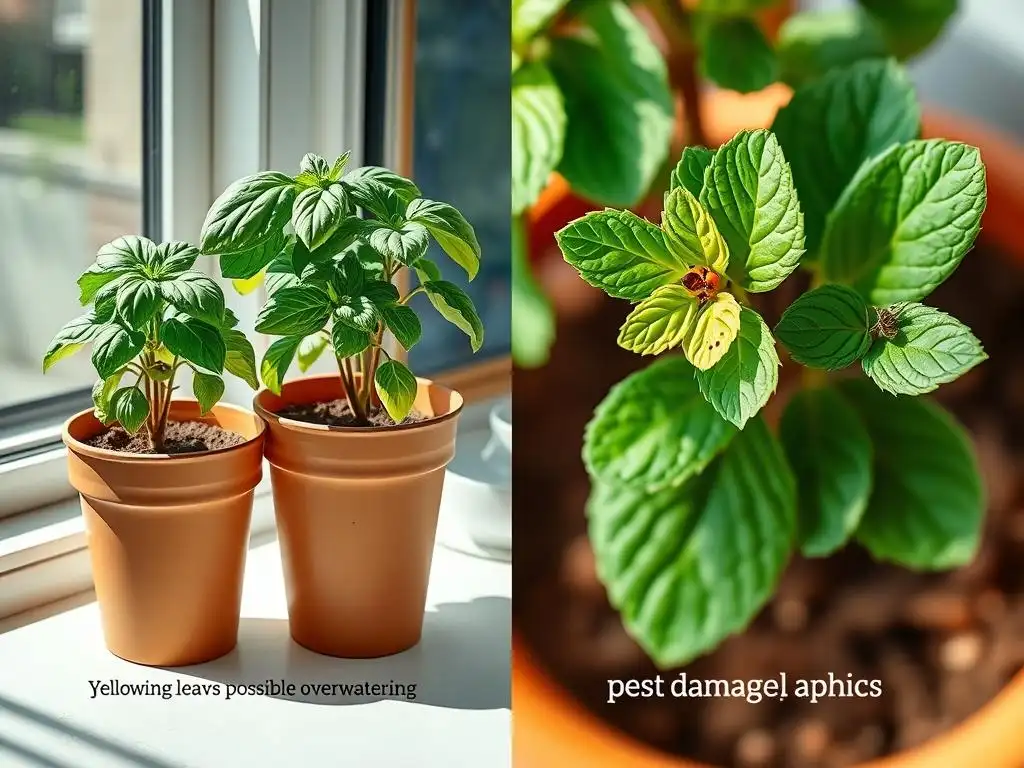
Overwintering basil and mint indoors presents unique challenges. While rewarding, successfully nurturing these aromatic herbs through the winter requires vigilance and proactive problem-solving. This section addresses common issues, offering practical solutions to keep your plants thriving. Successfully overwintering basil and mint indoors hinges on understanding and addressing these potential problems. Let's delve into the specifics.
Dealing with Leggy Growth in Indoor Basil
Leggy basil, characterized by tall, weak stems with sparse leaves, is a common problem when basil doesn't receive enough light. Indoor basil, especially during winter months with shorter days, often struggles to maintain its compact, bushy form. The plant stretches towards any available light source, resulting in weak, unattractive growth.
To combat leggy basil, increase light exposure. Supplement natural light with grow lights, ensuring at least 6-8 hours of light per day. Consider using full-spectrum grow lights that mimic natural sunlight, promoting healthy growth and preventing etiolation (excessive stem elongation). Rotate the plant regularly to ensure even light distribution on all sides. Pruning can also help; pinching back the growing tips encourages bushier growth and prevents the plant from becoming overly tall and leggy. This stimulates lateral branching, resulting in a fuller, more compact plant. Remember to use sharp, clean pruning shears to avoid damaging the plant.
Furthermore, ensure adequate nutrient levels. While over-fertilizing can lead to other problems, a balanced liquid fertilizer diluted to half strength can help support healthy growth and prevent legginess. Always follow the fertilizer's instructions carefully to avoid burning the roots. Finally, maintain appropriate spacing. Overcrowding can lead to leggy growth, so ensure sufficient space for air circulation and light penetration.
Preventing Root Rot in Indoor Mint
Root rot, a devastating fungal disease, is a significant threat to indoor mint during winter. Overwatering, poor drainage, and low temperatures all contribute to its development. The symptoms include wilting, yellowing leaves, and a foul odor emanating from the soil. Prevention is key.
Use well-draining potting mix. Avoid heavy clay soils that retain excess moisture. A mix specifically designed for herbs or a blend of potting soil, perlite, and vermiculite works well. Ensure the pot has adequate drainage holes to allow excess water to escape. Water only when the top inch of soil is dry to the touch. Avoid letting the pot sit in standing water, which creates a breeding ground for fungi. Consider using terracotta pots, which are porous and help regulate soil moisture.
Improve air circulation around the plant to prevent humidity buildup, which can encourage fungal growth. Avoid placing the mint plant in a poorly ventilated area or close to other plants. If root rot is already present, you might try repotting the plant into fresh, sterile soil, ensuring that any affected roots are carefully removed. However, if the damage is extensive, propagation from healthy cuttings might be necessary. Regularly inspecting the plant for early signs of root rot will greatly improve your chances of saving it.
Managing Pests and Diseases in Indoor Herbs
Indoor herbs, while sheltered from some outdoor pests, are still susceptible to infestations and diseases. Common culprits include aphids, spider mites, and fungal leaf spots. Early detection and prompt action are crucial for successful pest and disease management.
Regularly inspect your plants for any signs of infestation or disease. Look for small insects, discoloration of leaves, unusual spots, or wilting. Use a magnifying glass if necessary to identify small pests. For aphids and spider mites, you can try insecticidal soap or neem oil, both organic and relatively safe for indoor use.
Always follow the product instructions carefully. For fungal diseases, ensure good air circulation and avoid overwatering. Consider using a fungicide if the infection is severe, but choose an organic option if possible. Prevention is paramount; maintaining a clean and well-ventilated environment reduces the risk of pest and disease problems.
Proper sanitation, including regularly cleaning the pots and surrounding area, will also contribute to healthier plants. Remember to quarantine any newly acquired plants before introducing them to your existing collection to prevent the spread of pests and diseases. Early detection and appropriate treatment are crucial for protecting your valuable indoor herbs.
Alternative Methods for Overwintering Basil and Mint
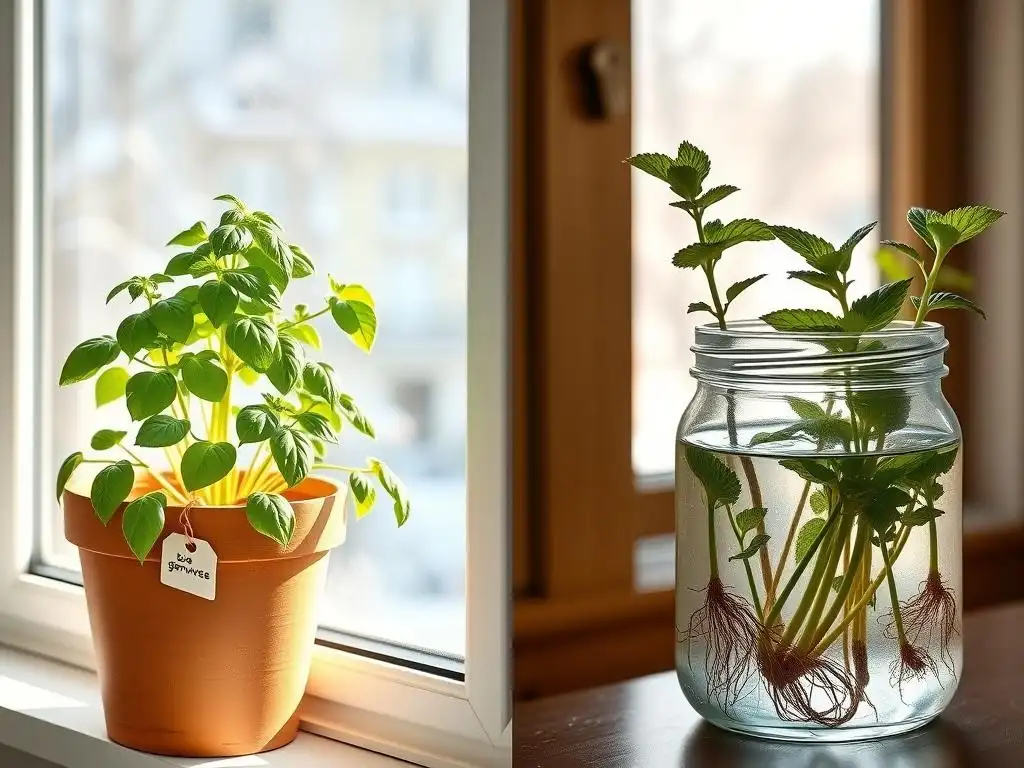
This section explores additional techniques beyond simply bringing your basil and mint plants indoors to ensure their survival through winter. These methods offer diverse approaches depending on your available space, resources, and the specific herb. Successfully overwintering basil and mint indoors, or even utilizing these alternative methods, contributes significantly to a sustainable and cost-effective herb garden.
Root Division for Mint Propagation
Mint, known for its vigorous growth, is particularly well-suited to propagation through root division. This method not only helps overwinter your existing plants but also allows you to expand your mint collection. The key is to carefully divide the root ball during the late fall or early spring.
Here's a step-by-step guide:
- Gently lift the mint plant: Carefully dig around the base of the plant, loosening the soil to avoid damaging the roots. Try to lift the entire root ball intact.
- Divide the root ball: Using a clean, sharp knife or trowel, carefully separate the root ball into several smaller sections. Each section should have several healthy stems and a good portion of roots attached.
- Repot or replant: Plant the divisions in individual pots filled with fresh, well-draining potting mix, or directly into your garden if the ground isn't frozen. Ensure the crown of the plant (where the stems emerge) is just at or slightly above the soil surface.
- Water thoroughly: Water the newly planted divisions well to help them settle and establish roots.
- Provide adequate light: Place the potted divisions in a sunny location indoors or protect them outdoors with a cold frame or other suitable cover.
This method not only saves your existing mint but also provides you with multiple new plants for next year's growing season. Remember, mint is a vigorous spreader; choose your planting location carefully! Properly overwintering mint indoors or out using this technique maximizes your yield and minimizes waste.
Taking Basil Cuttings for Propagation
Unlike mint, basil is less forgiving with root division. However, propagating basil from cuttings is a highly effective method for overwintering and expanding your supply. This technique allows you to save your favorite basil varieties while creating new plants for future harvests.
The process involves taking stem cuttings and rooting them in water or soil. Here’s how:
- Select healthy stems: Choose stems that are about 4-6 inches long, with several sets of leaves. The cuttings should be taken from healthy, vigorous growth.
- Prepare the cuttings: Remove the lower leaves from the bottom 2 inches of the stem. This prevents rot in the rooting medium.
- Root in water: Place the cuttings in a glass of water, ensuring that the lower nodes (where the leaves emerge) are submerged. Change the water every 2-3 days to prevent bacterial growth. Roots should appear within 2-3 weeks.
- Root in soil: Alternatively, plant the cuttings directly into a well-draining potting mix, keeping the soil consistently moist. Use a humidity dome or plastic bag to increase humidity and speed up rooting.
- Transfer to pots: Once the roots have developed, carefully transplant the rooted cuttings into individual pots with fresh potting mix.
Overwintering basil indoors using this cutting method allows you to maintain your preferred basil varieties and enjoy fresh basil throughout the year. Remember to provide adequate light and warmth for optimal growth.
Storing Basil and Mint Seeds for Next Year
Saving seeds is a simple and effective way to ensure you have basil and mint ready for planting the following spring. This method requires less effort than overwintering the plants themselves and allows for the preservation of genetic diversity within your herb garden.
Here’s how to collect and store seeds for both basil and mint:
- Basil: Allow some basil flower heads to fully mature and dry on the plant. The seed pods will turn brown and the seeds will be easily visible. Gently rub the pods to release the seeds.
- Mint: Mint flowers produce tiny seeds that are more challenging to collect. Allow some flowers to go to seed, then collect the seed heads once dried. However, mint is more easily propagated via root division, making seed saving less crucial.
Once collected, allow the seeds to dry completely in a well-ventilated area. Store them in airtight containers in a cool, dark, dry place. Properly stored seeds can maintain viability for 2-3 years. Overwintering basil and mint through seed saving offers a simple and effective method for ensuring next year’s harvest. Remember to label your containers clearly!
Preparing for the Next Growing Season: Spring Planting
Successfully overwintering basil and mint indoors sets the stage for a bountiful harvest the following spring and summer. However, simply keeping them alive through winter isn't enough; preparing them for a return to the outdoor garden requires a careful transition. This process ensures the plants don't experience shock and continue their robust growth.
The key is a gradual acclimatization, a process often referred to as "hardening off." This protects your plants from the sudden change in environmental conditions, minimizing stress and maximizing their chances of thriving. Neglecting this crucial step can lead to wilting, stunted growth, and even plant death.
Hardening Off Indoor Basil and Mint Plants
Bringing your overwintered basil and mint plants back outside too abruptly can be detrimental. The sudden exposure to intense sunlight, wind, and temperature fluctuations can severely stress the plants, leading to leaf burn and overall weakening. Hardening off is a gradual process that acclimates your indoor plants to the harsher outdoor conditions. This typically involves a period of several weeks.
Here's a step-by-step guide:
- Week 1-2: Begin by placing your plants in a sheltered outdoor location for a few hours each day, gradually increasing the exposure time. Choose a spot protected from direct sunlight and strong winds. A shaded patio or porch is ideal. Monitor the plants closely for signs of stress.
- Week 3-4: As the plants adjust, gradually increase their exposure to direct sunlight. Start with a few hours of morning sun and slowly increase the duration. Remember, even though they've been indoors, they still need to acclimate to the stronger outdoor UV rays.
- Week 5 onwards: After several weeks of gradual acclimatization, your plants should be ready for a full-time move back to their outdoor growing location. Continue monitoring them for any signs of stress and adjust the placement as needed. Consider using shade cloth during the hottest parts of the day if necessary.
Remember to water your plants regularly during the hardening-off process, as they may dry out more quickly in the sun and wind. Consistent watering prevents stress and helps them thrive. This careful transition ensures healthy growth and a bountiful harvest.
Transitioning Plants Back Outdoors
The transition from the controlled environment of your indoor space to the unpredictable outdoors requires careful planning. Consider the following factors when choosing the ideal location for your plants:
- Sunlight: Basil and mint need at least six hours of sunlight daily. Select a spot that receives ample sunlight, but also offers protection from harsh afternoon sun, especially during the hottest months.
- Soil: Ensure the soil is well-drained and rich in organic matter. Amend the soil with compost to improve its fertility and water retention.
- Spacing: Allow adequate spacing between plants to promote good air circulation and prevent the spread of diseases.
- Protection: If you live in an area with strong winds or frequent rain, consider providing some form of protection for your plants, such as a windbreak or a rain shelter.
This strategic relocation minimizes transplant shock and promotes healthy growth. Remember to water your plants deeply after transplanting and regularly thereafter to maintain soil moisture.
Maintaining Healthy Growth Through Spring and Summer
Once your basil and mint plants are successfully re-established outdoors, consistent care is crucial for maintaining healthy growth. This includes:
- Watering: Regular watering is essential, especially during dry periods. Aim to keep the soil consistently moist but not waterlogged. Overwatering can lead to root rot, while underwatering can cause stress and stunted growth.
- Fertilizing: Feed your plants regularly with a balanced organic fertilizer to provide essential nutrients for vigorous growth. Follow the instructions on the fertilizer packaging for proper application rates.
- Pest and Disease Control: Monitor your plants for pests and diseases. Implement preventative measures, such as proper spacing and good air circulation, to minimize the risk of infestations.
- Pruning: Regular pruning encourages bushier growth and prevents the plants from becoming leggy. Pinch off the top sets of leaves regularly to promote branching. This also helps keep your herbs in peak condition for harvesting.
By following these guidelines, you can ensure that your overwintered basil and mint plants flourish throughout the spring and summer, providing you with a plentiful supply of fresh herbs. Remember to harvest regularly to encourage continued growth, and enjoy the rewards of your hard work! Careful attention to detail in every stage – from overwintering to spring planting and beyond – is key to success in growing these aromatic herbs.
Frequently Asked Questions
How can I overwinter basil and mint indoors?
To overwinter basil and mint, take cuttings before the first frost. Plant them in pots with well-draining soil, providing ample sunlight and moderate watering.
What type of soil is best for overwintering herbs indoors?
Use a well-draining potting mix, avoiding heavy clay soils that retain too much moisture. A balanced soil with added compost or other organic matter is ideal.
How much sunlight do overwintering herbs need indoors?
Basil and mint require at least 6 hours of sunlight daily. Supplement with grow lights if necessary, especially during shorter winter days.
How often should I water my overwintering herbs?
Water your herbs when the top inch of soil feels dry. Avoid overwatering, which can lead to root rot. Adjust watering frequency based on the temperature and humidity of your home.
What are common problems when overwintering basil and mint indoors?
Common issues include leggy growth (due to insufficient light), pests, and root rot (due to overwatering). Regular monitoring and preventative measures are crucial.
Final Reflection: The Enduring Fragrance of Homegrown Herbs
The simple act of preserving basil and mint through winter extends far beyond mere culinary convenience; it's a testament to our connection with nature and the enduring power of nurturing life. In a world increasingly disconnected from its natural rhythms, the ability to coax these vibrant herbs through the cold months offers a tangible reminder of our capacity for care and resilience.
The ongoing influence of homegrown food, particularly herbs, speaks volumes about our desire for authenticity and connection to the source. It's a quiet rebellion against mass-produced, flavorless alternatives, a small act of defiance against the homogenization of our food systems. The best things in life are the simple things.
This simple adage rings true when considering the profound satisfaction derived from harvesting fresh basil or mint, even in the depths of winter, a taste of summer preserved through dedication and care.
Now, consider your own windowsill, your own small patch of earth, or even a simple pot. What small act of nurturing can you undertake? Will you join the ranks of those who brave the winter chill to preserve the vibrant flavors of summer? The journey of overwintering your herbs is not just about preserving plants; it's about cultivating a deeper connection with the natural world and the enduring satisfaction of nurturing life, one fragrant leaf at a time.
Ready to Shield Your Herbs from Winter's Chill?
Thank you for learning how to protect your precious herbs! You now have the knowledge to keep your herb garden thriving even during the harshest winter months. Let's put that knowledge into action:
- Prioritize bringing your most vulnerable herbs indoors. This is the most crucial step to ensure their survival. Don't wait until the first frost! Bring in plants like basil and mint before temperatures drop significantly.
- Propagate cuttings from your healthiest plants. This ensures you have backups ready for spring, even if some plants don't survive the winter. Take cuttings from strong, healthy plants and root them indoors.
- Share your winterizing successes (or challenges!) with fellow gardeners in the comments below. Let's learn from each other!
What clever winterizing methods will you use this year to protect your herbs?