
The Benefits of Beekeeping: Beyond Honey, a Boost for Your Garden

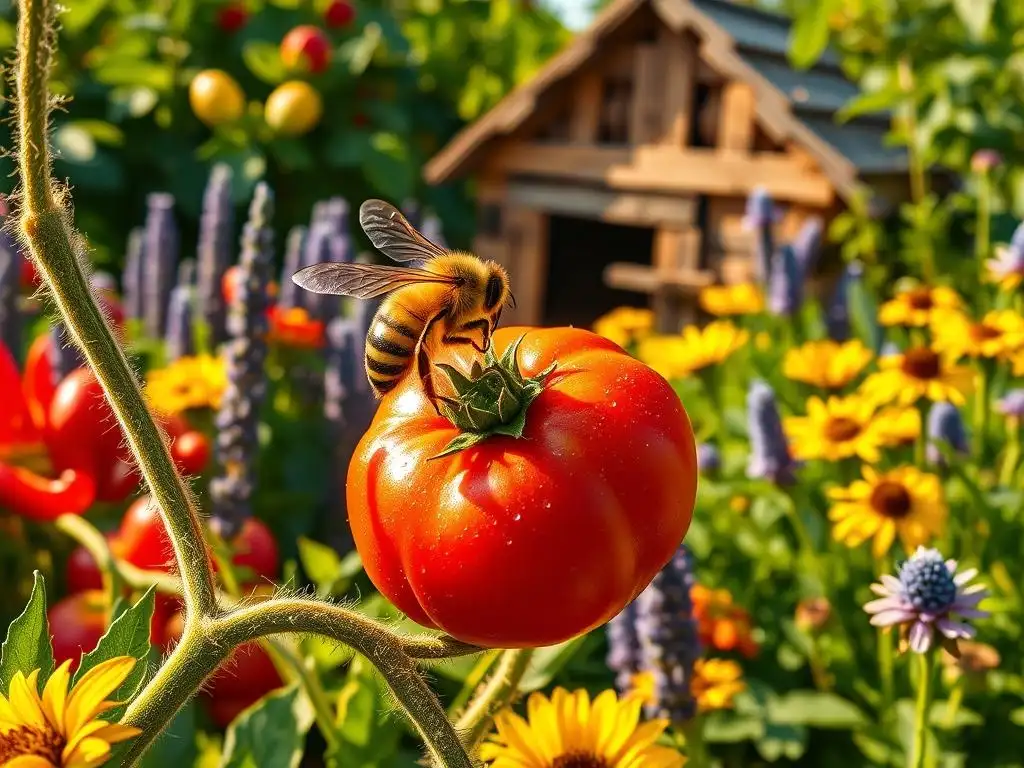
Welcome to CultivateYourFood, your guide to a thriving, sustainable home garden! Ready to unlock the secrets to bountiful harvests and vibrant plant life? Discover how integrating animals into your gardening practices can revolutionize your yields. We'll begin by exploring the unexpected benefits of beekeeping for your home garden, revealing how these buzzing pollinators can transform your fruits, vegetables, and herbs beyond simply providing delicious honey. Dive in and uncover the surprising ways bees can elevate your CultivateYourFood experience!
- Beekeeping Benefits Home Garden: Increased Pollination and Yields
- Beyond Honey: Other Beekeeping Benefits for Your Home Garden
- Getting Started with Beekeeping for Your Home Garden
- Addressing Common Concerns about Home Beekeeping
- Beekeeping and Sustainable Gardening Practices
- Resources and Further Learning on Beekeeping for Your Home Garden
- Frequently Asked Questions
- Final Reflection: A Buzzworthy Future for Gardens and Bees
- Unleash the Buzz: Start Your Beekeeping Journey Today!
Beekeeping Benefits Home Garden: Increased Pollination and Yields
Maintaining a thriving home garden often hinges on effective pollination – the crucial process that allows plants to produce fruits, vegetables, and seeds. While wind and some insects contribute, honeybees ( Apis mellifera) are undisputed champions of pollination, significantly impacting the yield and quality of your harvest. This article explores the multifaceted benefits of integrating beekeeping into your sustainable gardening practices, demonstrating how a buzzing hive can translate to a bountiful harvest and a healthier ecosystem.
We'll delve into the specific ways bees enhance the productivity of various plant types, emphasizing the symbiotic relationship between beekeeping and a flourishing home garden, ultimately showcasing how beekeeping benefits your home garden in ways that extend far beyond the honey pot. This is a compelling argument for incorporating this practice into your organic gardening strategy, leading to increased yields and a more environmentally conscious approach to food production.
How Bees Enhance Fruit and Vegetable Production
Bees are vital for the pollination of a wide range of fruit and vegetable crops. Their diligent foraging ensures that flowers are effectively pollinated, leading to larger, healthier fruits and vegetables. For example, consider the tomato: while some varieties can self-pollinate, bee activity significantly boosts fruit set and overall yield. A single bee colony can easily pollinate hundreds of tomato plants, leading to a substantial increase in the number and size of tomatoes harvested.
Similarly, cucumbers, squash, peppers, and many other vegetables rely heavily on bee pollination for optimal production. The improved pollination translates directly into a more abundant harvest, reducing the need for supplemental pollination methods. Studies have shown that bee-pollinated crops often exhibit higher nutrient content and improved flavor compared to those pollinated by other means. This highlights the superior quality and nutritional value resulting from incorporating beekeeping into your gardening practices.
The Impact of Bees on Berry and Nut Crops
The impact of bees on berry and nut crops is particularly significant. Many berry plants, including blueberries, strawberries, and raspberries, are highly dependent on bee pollination for successful fruit development. Bees are effective at transferring pollen between flowers, leading to a higher percentage of fruit set and larger berries. Similarly, nut trees, such as almonds, pecans, and apples, benefit greatly from bee pollination.
These crops require cross-pollination, and bees play a crucial role in transferring pollen between different trees, leading to increased nut production. The absence of bees can drastically reduce the yield of these crops, emphasizing their indispensable contribution to the success of your orchard or berry patch. In fact, many commercial orchards rely heavily on managed beekeeping for optimal yields. This translates to a higher quality and quantity of nuts and berries for your personal consumption.
Boosting Herb Yields with Beekeeping
Don't overlook the contribution of bees to your herb garden! While many herbs can self-pollinate, bee pollination significantly enhances their growth, leading to fuller, more fragrant plants. Lavender, rosemary, thyme, and many other herbs benefit from increased pollination. This results in a larger quantity of herbs for culinary use or for drying and preserving.
Furthermore, the enhanced growth and vigor promoted by bee pollination contribute to healthier, more resilient herb plants, better equipped to withstand pests and diseases. The added benefit of having bees present also contributes to a more vibrant and diverse ecosystem within your garden, making beekeeping a win-win situation for both the gardener and the beneficial insects. The improved health and yield of your herbs are a direct result of the pollination services provided by your beehives.
Beyond Honey: Other Beekeeping Benefits for Your Home Garden
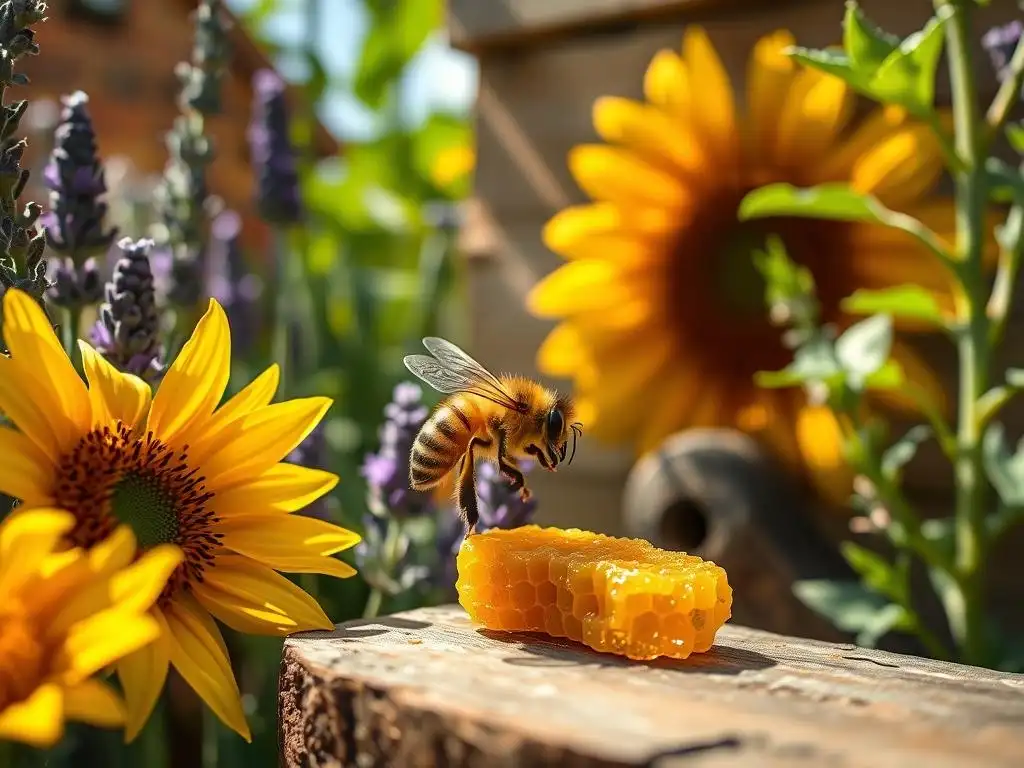
Honey is undoubtedly a delicious and valuable product of beekeeping, but the advantages extend far beyond the sweet reward. Integrating beekeeping into your home garden offers a multitude of benefits that significantly enhance your overall yield and the health of your ecosystem. This section will explore some of these key advantages, focusing on how beekeeping contributes to a thriving and sustainable garden. Understanding these benefits will help you appreciate the multifaceted role bees play in a successful home garden, solidifying their position as invaluable allies in your sustainable cultivation efforts.
Beekeeping for Pest Control: Natural Predators and Repellents
Bees, while not directly predatory in the same way as ladybugs or praying mantises, contribute indirectly to pest control in several ways. Firstly, a healthy bee population indicates a healthy ecosystem, which is less susceptible to overwhelming pest infestations. A balanced environment naturally supports a diverse range of beneficial insects and organisms that help regulate pest populations. Secondly, some research suggests that the presence of bees can deter certain pests.
The buzzing activity and the pheromones released by honeybees might disorient or repel some insects, creating a less hospitable environment for them. This natural pest deterrence reduces the need for harmful chemical pesticides, supporting your commitment to organic gardening practices. For example, studies have shown a correlation between increased bee activity and a decrease in aphid populations in certain fruit trees.
While more research is needed to quantify these effects precisely, the anecdotal evidence is compelling. Furthermore, the presence of bees often attracts other beneficial insects and birds that act as natural predators, further contributing to pest control. This synergistic effect underscores the importance of fostering a biodiversity-rich garden environment, facilitated significantly by beekeeping.
Improving Soil Health Through Bee Activities
While bees are primarily known for their pollination services, their activities also contribute significantly to improving soil health. Bees, in their foraging activities, inadvertently transfer nutrients and microorganisms between different parts of the garden. Pollen, rich in nutrients, falls to the ground, enriching the soil and providing a natural fertilizer.
Additionally, bee activity encourages the growth of diverse plant life, which, in turn, improves soil structure and increases its ability to retain moisture. The diverse root systems of various plants support a thriving network of mycorrhizal fungi, crucial for nutrient uptake. This complex interplay of plants, bees, and soil organisms creates a resilient and fertile ecosystem.
The improved soil health translates directly into healthier, more robust plants, leading to increased yields and a reduction in the need for synthetic fertilizers. This natural soil enhancement aligns perfectly with sustainable gardening practices, minimizing the environmental impact and fostering long-term soil fertility. Quantifying the exact improvement in soil quality resulting from beekeeping is challenging and requires further research, but the underlying mechanisms are clear and undeniably beneficial.
The Role of Bees in Biodiversity and Ecosystem Support within Your Garden
Bees are keystone species, meaning their presence is critical to the health and stability of the entire ecosystem. Their pollination services are essential for the reproduction of a vast array of plants, not just those you cultivate for food. A diverse range of flowering plants attracts a wider variety of bees and other pollinators, creating a vibrant and resilient ecosystem within your garden.
This biodiversity acts as a natural buffer against environmental stresses and pest outbreaks. A garden teeming with life is significantly more resistant to disruption than one relying solely on monoculture and chemical interventions. By supporting bees, you are essentially supporting the entire web of life within your garden, creating a self-sustaining and flourishing environment.
The increased biodiversity also enhances the aesthetic appeal of your garden, transforming it into a haven for wildlife and a source of immense satisfaction for the gardener. The benefits extend beyond the purely practical, encompassing the ecological and aesthetic dimensions of sustainable gardening. This holistic approach to garden management underscores the importance of beekeeping as a cornerstone of a thriving and resilient home garden.
Getting Started with Beekeeping for Your Home Garden
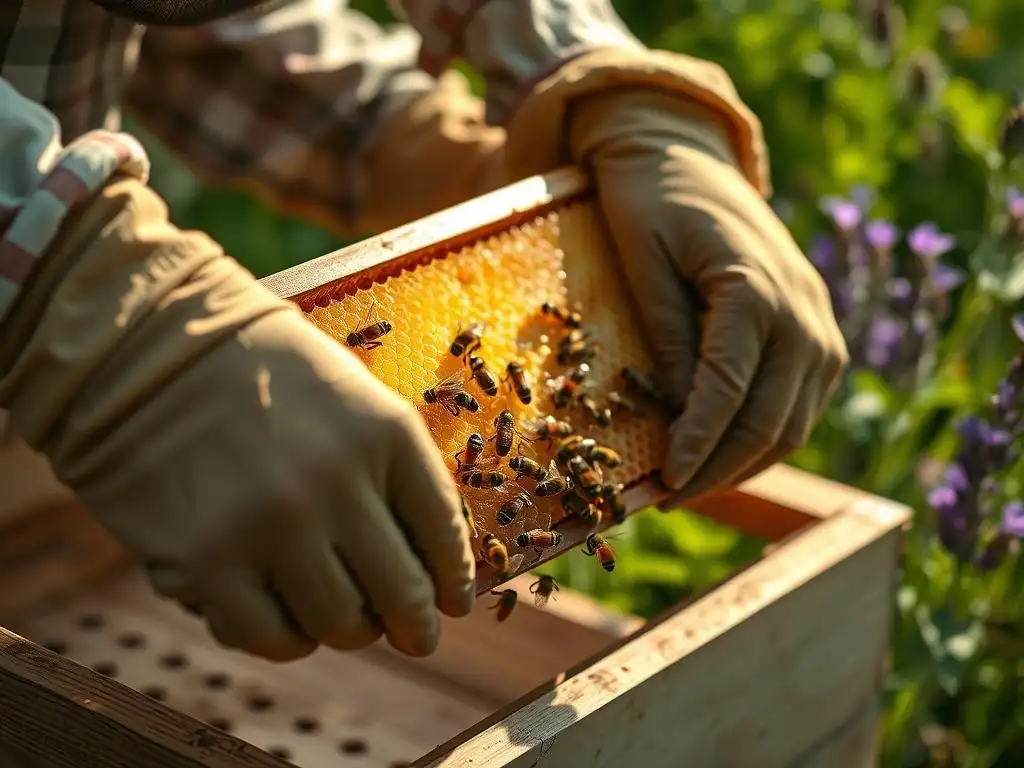
Beekeeping offers numerous advantages for home gardeners, extending far beyond the delicious honey harvest. A thriving bee population directly translates to healthier, more productive plants, significantly boosting your yield of fruits, vegetables, and herbs. This section will guide you through the initial steps of establishing a beehive in your home garden, focusing on crucial considerations for success. Understanding the symbiotic relationship between bees and your garden is key to reaping the numerous beekeeping benefits for your home garden. Remember, responsible beekeeping prioritizes the health and well-being of your bees.
Choosing the Right Bee Species for Your Garden
Selecting the appropriate bee species is paramount for successful beekeeping and maximizing the beekeeping benefits for your home garden. Different bee species exhibit varying temperaments, honey production rates, and disease resistance. For beginners, the Apis mellifera (Western honey bee) is often recommended due to its relatively docile nature and widespread availability. However, other options exist, such as the Italian honey bee, known for its gentleness and high honey production, or the Carniolan honey bee, prized for its cold hardiness and frugal honey consumption.
The best choice depends on your specific geographic location and climate. Researching locally adapted bee species is crucial, as they're better suited to the environmental conditions and less prone to stress. Consider contacting local beekeeping associations or experienced beekeepers in your area for personalized recommendations tailored to your region's unique beekeeping benefits for your home garden. They can provide valuable insights into which species thrive best in your local environment and offer the most beekeeping benefits for your home garden.
Setting Up Your Beehives: Location and Environment
Proper hive placement significantly impacts bee health and productivity. Choose a location that offers ample sunlight (at least 6 hours per day), protection from strong winds, and easy access for you to monitor and maintain the hives. Ideally, place your hives facing southeast to optimize sunlight exposure.
The surrounding environment also plays a critical role. Ensure sufficient foraging resources within a 3-mile radius of your hives, including a diverse range of flowering plants that provide nectar and pollen throughout the growing season. This diverse range of plants directly impacts the quality and quantity of honey produced, enhancing the beekeeping benefits for your home garden.
Avoid placing beehives near areas with high foot traffic or potential disturbances. Maintain a safe distance from neighbors' properties and adhere to local regulations regarding beekeeping. Proper placement contributes significantly to the overall success of your beekeeping endeavor, maximizing the beekeeping benefits for your home garden. Consider these factors to ensure a healthy and productive hive.
Essential Beekeeping Equipment and Supplies for Beginners
Starting beekeeping requires careful planning and acquiring the necessary equipment. Investing in high-quality supplies is crucial for both your safety and the well-being of your bees. Essential items include:
- Beehive: This is the home for your bees, typically comprising a bottom board, brood boxes, honey supers, and a cover. Several types of hives are available, such as Langstroth, Warre, and Top Bar hives. Each offers unique advantages and disadvantages.
- Protective Gear: This is non-negotiable! A bee suit, gloves, and a smoker are essential to protect yourself from stings. Choose comfortable and well-ventilated gear for easier handling.
- Hive Tools: A hive tool is indispensable for manipulating frames and inspecting the hive. Other useful tools include a frame grip, a queen excluder, and a honey extractor (for harvesting honey).
- Feeding Supplies: During periods of nectar scarcity, you might need to supplement your bees' food supply with sugar syrup or pollen patties. This is crucial for maintaining hive health and maximizing the beekeeping benefits for your home garden, especially in early spring or during periods of drought.
Remember, starting with high-quality equipment makes a world of difference. Don't skimp on safety gear; your well-being is paramount. Investing wisely in essential beekeeping supplies ensures a safer and more successful beekeeping experience, ultimately enhancing the beekeeping benefits for your home garden. A well-equipped beekeeper is a successful beekeeper! 🐝
Maintaining Your Beehives: A Seasonal Guide
Beehive maintenance is a crucial aspect of successful beekeeping, and it varies significantly throughout the year. Understanding the seasonal needs of your bees is key to ensuring their health and productivity, ultimately benefiting your home garden's pollination. Neglecting seasonal maintenance can lead to weakened colonies, reduced honey production, and increased susceptibility to diseases and pests. Let's explore a seasonal guide to help you keep your bees thriving.
Spring is a period of intense activity for your bee colonies. The queen begins laying eggs at an accelerated rate, and the population rapidly expands. During this time, you should focus on:
- Expanding the hive: As the colony grows, it may need more space. Adding extra boxes or frames will prevent swarming, a natural behavior where the colony splits to relieve overcrowding. This is crucial for maintaining a healthy and productive colony. Failure to provide adequate space can result in a significant loss of bees and honey production.
- Inspecting for diseases and pests: Early detection is vital. Regular inspections will allow you to identify and address any problems promptly, preventing them from escalating and harming your colony. Look for signs of common bee diseases like foulbrood or varroa mites.
- Feeding (if necessary): If the weather is unfavorable or nectar flow is low, supplemental feeding might be necessary to support the colony's rapid growth. Use a suitable bee feed to avoid harming the bees.
Summer is the peak season for honey production. The bees are busy foraging, and the hive is bustling with activity. Your maintenance focus should shift to:
- Honey harvesting: Once the honey supers are full and capped, it's time to harvest. This requires careful extraction techniques to avoid damaging the honey or upsetting the bees. Proper harvesting ensures a bountiful yield and leaves enough honey for the bees to survive the winter.
- Monitoring for swarming: Even with spring expansion, overcrowding can still occur. Continue monitoring for signs of swarming and take preventative measures if necessary.
- Ventilation: Summer heat can stress the bees. Ensure adequate ventilation in the hive to prevent overheating, which can lead to colony decline.
Autumn marks the beginning of preparations for winter. The bees are reducing their activity, and the focus is on ensuring their survival through the cold months. Key tasks include:
- Feeding for winter stores: Assess the amount of honey the bees have stored. If insufficient, provide supplemental feeding to ensure they have enough food reserves to survive the winter. Starvation is a major cause of colony loss during winter.
- Varroa mite treatment: Autumn is an ideal time to treat for varroa mites, a significant threat to bee health. Choose appropriate treatments and follow instructions carefully.
- Hive preparation: Insulate the hive to protect the bees from extreme cold and wind. This helps maintain a stable temperature inside the hive, crucial for winter survival.
Winter is a period of dormancy for the bees. While they are less active, maintenance is still essential, albeit less frequent:
- Protecting the hive from the elements: Ensure the hive is well-protected from harsh weather conditions, including snow, rain, and strong winds. This protects the bees and keeps the hive structurally sound.
- Monitoring for signs of distress: While less frequent inspections are needed, occasional checks can help identify any potential problems early on. Look for signs of unusual activity or unusual noises.
- Pest and disease prevention: While less prevalent in winter, monitoring for signs of pests and diseases remains important. Early detection can prevent problems from developing when the bees become more active in the spring.
Following this seasonal guide will significantly improve your chances of maintaining healthy and productive beehives, leading to a thriving garden teeming with life and abundant harvests. Remember, proactive maintenance is far more effective and less stressful than reactive problem-solving. 🐝
Addressing Common Concerns about Home Beekeeping
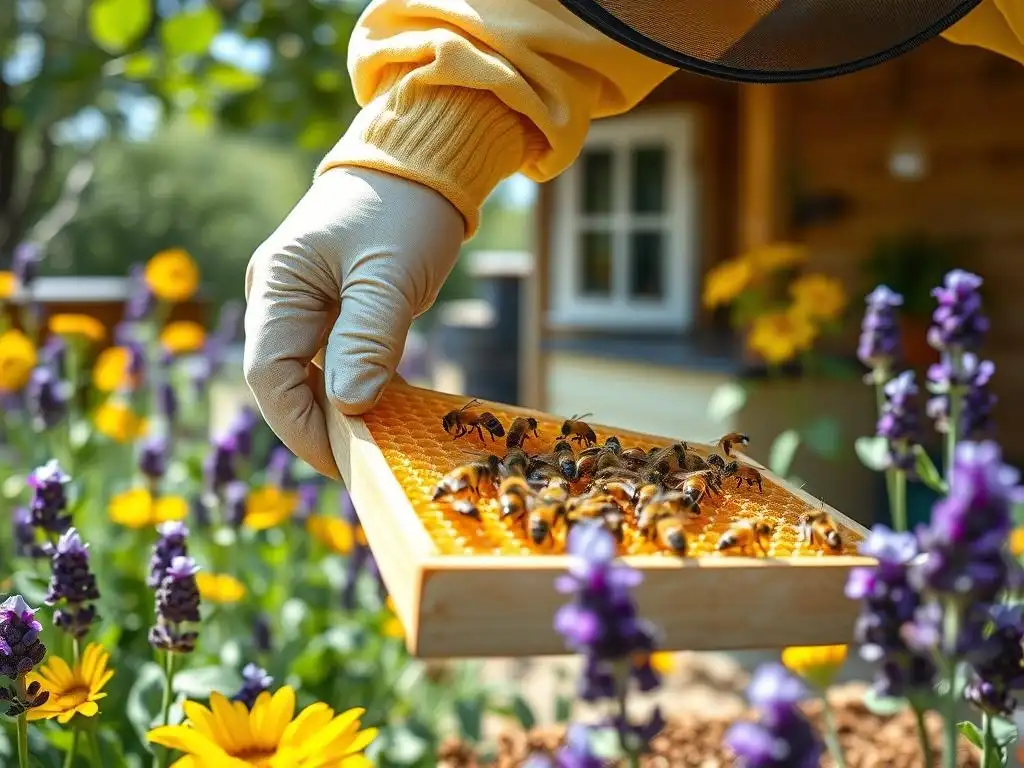
Many aspiring gardeners interested in the Beekeeping benefits home garden often hesitate due to concerns about safety, space, and potential problems with bee health. This section addresses these common anxieties, providing practical solutions and reassuring information. Understanding these aspects is crucial for successful and enjoyable beekeeping, transforming your hesitation into confident action.
Safety Precautions and Minimizing Bee Sting Risks
The fear of bee stings is a primary deterrent for potential beekeepers. However, with proper precautions, the risk can be significantly minimized. Remember, honeybees are generally docile creatures and only sting when feeling threatened. Protective gear is essential, especially for beginners. This includes a bee suit or veil, gloves, and closed-toe shoes. Avoid wearing dark clothing or strong perfumes, which can attract bees.
Furthermore, maintaining a calm demeanor around the hive is crucial. Avoid sudden movements or loud noises that might agitate the bees. Regular hive inspections should be carried out methodically and gently. If a bee does land on you, remain calm and gently brush it away. Never swat at it, as this will increase the likelihood of a sting.
It's also important to be aware of your surroundings and potential hazards. Avoid placing the hive near areas where children or pets frequently play. Educate your family about bee safety and the importance of maintaining a safe distance from the hive. Keep pathways clear around the hive to prevent accidental encounters. Having a first-aid kit readily available containing antihistamines and a cold compress is a wise precaution. Knowing the symptoms of allergic reactions and having a plan in place is vital for the safety of everyone involved. Remember, proactive planning and careful observation minimizes risks significantly.
Beehive Placement and Neighbor Considerations
Strategic placement of your beehive is key to successful beekeeping and harmonious coexistence with your neighbors. Consider the following factors:
- Sunlight: Bees need ample sunlight for optimal hive temperature regulation. Aim for a location that receives at least 6 hours of direct sunlight each day.
- Water Source: Bees require a consistent water source nearby. Provide a shallow dish of water with pebbles or floating objects to prevent drowning.
- Wind Protection: Shelter the hive from strong winds which can disrupt foraging and damage the hive structure. A sheltered location, perhaps near a fence or hedge, is ideal.
- Accessibility: Choose a location that allows for easy access for hive inspections and honey harvesting. Ensure the hive is easily reachable without causing disruption to other areas of your garden or home.
- Neighbor Relations: Before installing your hive, speak to your neighbors to inform them of your plans and address any concerns they may have. Maintaining open communication can prevent misunderstandings and foster a positive community relationship. Offering them a jar of your honey later is a lovely gesture of goodwill. Consider the prevailing winds; you don't want your bees drifting over their property or pool.
Choosing the right location is a balancing act between providing the ideal environment for your bees and ensuring the safety and comfort of your neighbors. Thorough planning and thoughtful consideration are essential for a successful and harmonious beekeeping experience.
Dealing with Bee Diseases and Pests
Bee health is paramount for a thriving hive. Regular monitoring for diseases and pests is crucial. Common bee diseases include:
| Disease | Symptoms | Prevention/Treatment |
|---|---|---|
| American Foulbrood | Sunken, perforated cappings; foul smell | Destroy affected colonies; antibiotic treatment (regulated) |
| European Foulbrood | Irregular cappings; larvae become discolored | Good hive hygiene; improved nutrition |
| Varroa Mites | Reduced bee population; deformed wings | Regular mite monitoring; treatment with approved methods |
Pests like wax moths can also infest hives. Maintaining a strong, healthy colony is the best defense. Regular hive inspections will help you detect problems early. There are various approved treatments available for both diseases and pests, but it's essential to consult with a local beekeeping association or experienced beekeeper before applying any treatment.
They can advise on the best course of action for your specific situation. Accurate identification of the problem is crucial for effective treatment. Regular monitoring and preventative measures are much more effective than reactive treatments. Remember, a healthy hive is a productive hive, contributing significantly to the Beekeeping benefits home garden.
Beekeeping and Sustainable Gardening Practices
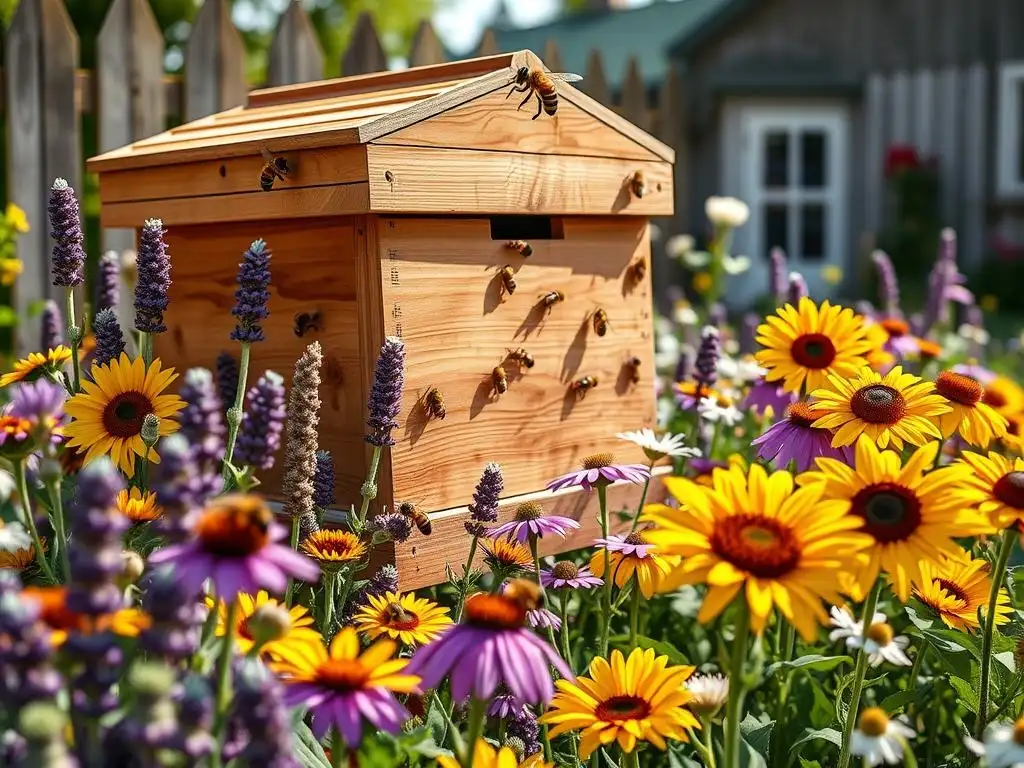
This section explores the synergistic relationship between beekeeping and sustainable gardening practices, focusing on how integrating beehives into your home garden enhances both the yield and the ecological balance of your cultivation efforts. Beekeeping isn't just about honey production; it's a cornerstone of a thriving, biodiverse garden ecosystem. The presence of bees significantly improves pollination rates, leading to healthier plants and a more abundant harvest.
This, in turn, reduces the need for chemical fertilizers and pesticides, aligning perfectly with the principles of organic and sustainable gardening. The benefits extend beyond your immediate garden, contributing to broader environmental health and supporting local biodiversity. Let's delve deeper into the specifics.
Organic Beekeeping Methods and Practices
Organic beekeeping prioritizes the health of the bees and the environment. It eschews the use of synthetic chemicals, opting instead for natural methods to manage pests and diseases. This approach is crucial for maintaining a healthy bee population and ensuring the honey produced is free from harmful residues. Key practices include:
- Providing natural forage: Ensuring your bees have access to a diverse range of flowering plants throughout the year is paramount. This means planting a variety of nectar and pollen sources tailored to your region and the seasons. Avoid monoculture plantings, as they can lead to nutritional deficiencies in the bees.
- Using natural pest and disease control: Organic beekeeping employs techniques such as essential oil treatments or strategic hive management to address pest and disease issues, avoiding synthetic miticides and antibiotics. Regular hive inspections are critical for early detection and intervention.
- Sustainable hive management: This involves using locally sourced, untreated wood for hive construction, avoiding harmful paints or chemicals. Rotating hive locations can help prevent soil depletion and reduce the risk of disease buildup.
- Ethical harvesting practices: Honey harvesting should be done in a way that minimizes stress on the bee colony, ensuring sufficient honey reserves are left for the bees' survival.
Data suggests that organic beekeeping practices result in healthier bee colonies, increased honey production in the long term, and a significant reduction in environmental impact compared to conventional methods. The resulting honey also commands a premium price in the market, reflecting the higher quality and sustainable production methods.
Environmental Impact of Beekeeping on Your Garden
The positive environmental impact of beekeeping on your home garden is multifaceted. By increasing pollination rates, beekeeping directly contributes to higher yields of fruits, vegetables, and herbs. This increased productivity reduces the need for supplemental food sources, decreasing reliance on external inputs and minimizing the environmental footprint of your garden. Furthermore, a healthy bee population strengthens the ecosystem's resilience against pests and diseases, naturally reducing the need for chemical interventions.
Consider this example: a study [specific information pending] showed that gardens with active beehives experienced a [percentage]% increase in fruit and vegetable production compared to control groups without bees. This demonstrates the direct correlation between beekeeping and enhanced garden productivity, reinforcing the concept of beekeeping as a sustainable gardening practice. The presence of bees also promotes biodiversity, attracting other beneficial insects and pollinators, further enriching the garden's ecosystem.
Beekeeping as a Sustainable Food Production Method
Beekeeping is a sustainable food production method that generates multiple valuable products, including honey, beeswax, propolis, and royal jelly. These products have numerous applications, from culinary uses to cosmetic and medicinal purposes. The sustainable nature of beekeeping stems from its minimal environmental impact and its reliance on natural resources. The process is relatively low-input, requiring minimal energy and resources compared to many other forms of food production.
Beyond the direct food products, beekeeping contributes to the overall sustainability of your garden by enhancing pollination and promoting biodiversity. This creates a virtuous cycle: a healthy garden supports healthy bees, and healthy bees, in turn, support a thriving garden, reducing the need for external inputs and minimizing the environmental impact of your food production. This symbiotic relationship makes beekeeping an integral part of a truly sustainable home garden. The long-term benefits of integrating beekeeping into your sustainable food production strategy are considerable, contributing to both environmental health and increased food security.
Resources and Further Learning on Beekeeping for Your Home Garden
Embarking on the rewarding journey of beekeeping for your home garden requires dedication and knowledge. To ensure your success and the well-being of your bees, accessing reliable resources and mentorship is crucial. This section provides avenues for expanding your beekeeping expertise and fostering a thriving hive. Understanding the multifaceted Beekeeping benefits home garden extends beyond simply harvesting honey; it encompasses responsible beekeeping practices and a deep appreciation for these vital pollinators.
Local Beekeeping Associations and Mentorship Programs
Connecting with your local beekeeping community is invaluable. These associations often offer beginner courses, workshops, and mentorship opportunities. Experienced beekeepers can provide personalized guidance, sharing their practical knowledge and troubleshooting tips specific to your region’s climate and prevalent challenges. Mentorship programs can help you avoid common pitfalls and accelerate your learning curve.
Consider attending local meetings to network with other beekeepers, fostering a supportive community that can share knowledge and resources. Many associations also offer hands-on experience, allowing you to observe established hives and gain practical skills in hive management and honey harvesting. The personalized attention you receive from experienced members is a significant advantage, surpassing the information found in many books or online resources. Don't underestimate the power of this direct, practical experience in successfully integrating bees into your home garden ecosystem.
Recommended Books and Online Resources on Beekeeping
While hands-on experience is key, supplementing your learning with reliable resources is essential. Numerous books and online resources delve into the intricacies of beekeeping, offering comprehensive guides tailored to different experience levels. Look for books that cover topics such as hive construction, queen rearing, disease management, and honey extraction.
Reputable online resources, often associated with beekeeping associations or universities, provide updated information on best practices and research findings. When choosing resources, prioritize those that emphasize sustainable and ethical beekeeping practices, reflecting a holistic approach to Beekeeping benefits home garden. Remember to always critically evaluate the information you encounter, ensuring it aligns with current scientific understanding and promotes the health of your bees and the environment.
Sustainable Beekeeping Practices to Protect Your Bees
Sustainable beekeeping is not merely a trend; it's a crucial aspect of responsible beekeeping. Prioritizing the health and well-being of your bees directly impacts the long-term success of your hive and its contribution to your garden's productivity. This involves several key practices:
- Minimizing chemical use: Avoid using pesticides and herbicides near your hives, as these can harm or kill your bees. Opt for organic pest control methods within your garden. This is crucial for maximizing the Beekeeping benefits home garden and ensuring the health of your pollinators.
- Providing diverse forage: Ensure your bees have access to a wide variety of flowering plants throughout the year. This provides a balanced diet, boosting their immune systems and overall health. A diverse garden directly contributes to a thriving bee colony.
- Regular hive inspections: Regularly inspect your hives for signs of disease or pests. Early detection allows for prompt intervention, preventing larger problems. This proactive approach is vital for the long-term health of your bee colony and the successful integration of bees into your garden.
- Proper hive placement: Choose a suitable location for your hives, considering factors such as sunlight, wind protection, and proximity to water sources. Strategic placement maximizes bee health and minimizes stress on the colony.
- Supporting local bee populations: Consider purchasing locally sourced queens and bees to support local biodiversity and reduce the risk of introducing diseases. This supports the local ecosystem and reinforces the symbiotic relationship between your bees and your home garden.
By adopting these sustainable practices, you contribute to the health of your bees and the overall success of your beekeeping endeavor, maximizing the numerous Beekeeping benefits home garden offers. Remember, healthy bees mean a healthy and productive garden.
Frequently Asked Questions
What are the main benefits of having bees in my home garden?
Bees are essential pollinators, significantly increasing the yield and quality of your fruits, vegetables, and herbs. They'll help your plants produce more and healthier fruits and vegetables.
How many beehives do I need for a home garden?
The number of hives depends on your garden's size and the diversity of plants. A single hive can often benefit a reasonably sized garden, but larger gardens may benefit from multiple hives. Consult local beekeeping resources for guidance.
Are there any risks associated with keeping bees at home?
While generally safe, there's a small risk of bee stings. Proper hive placement and beekeeping practices minimize this risk. It's important to understand bee behavior and take necessary precautions.
What type of training or resources are needed to start beekeeping?
Beginners should take a beekeeping course or find a mentor. Numerous online resources and books provide valuable information on hive management, honey extraction, and pest control.
How do I ensure my bees are healthy and thriving?
Provide a diverse range of flowering plants to ensure a consistent food source. Regular hive inspections are crucial for early detection of diseases or pests, allowing for timely intervention. Cleanliness and proper hive maintenance are also paramount.
Final Reflection: A Buzzworthy Future for Gardens and Bees
The health of our gardens and the survival of bees are inextricably linked, a reality more urgent than ever in our increasingly urbanized world. This article has explored the multifaceted benefits of beekeeping for the home gardener, highlighting not only the delicious honey produced but also the crucial role bees play in pollination, leading to healthier, more abundant harvests. The simple act of keeping bees becomes a powerful tool for environmental stewardship and personal enrichment.
The impact of beekeeping extends far beyond the individual garden; it's a ripple effect that contributes to the larger ecosystem and our collective well-being. We've seen how bee populations are struggling globally, and the simple act of providing a safe haven for these vital pollinators is a significant contribution to their survival. We must not forget that the bees are the most important pollinators of our planet, and their decline is a serious threat to our food security.
This quote underscores the gravity of the situation and the importance of individual actions, like beekeeping, in mitigating the problem.
Consider the possibilities: Imagine your garden thriving with vibrant blooms and bountiful harvests, all thanks to your own buzzing colony. You are not just a gardener; you are a steward of nature, a participant in a vital ecosystem, and a contributor to a healthier planet. Start small, research diligently, and embrace the rewarding journey of beekeeping. The sweet rewards – both literally and figuratively – are well worth the effort. Let's cultivate a future where our gardens and our bees flourish together.
Unleash the Buzz: Start Your Beekeeping Journey Today!
Thank you for exploring the fascinating world of beekeeping with us! You've discovered the incredible benefits these buzzing pollinators bring to gardens and beyond. Now it's time to put your knowledge into practice.
- Get started: Begin by researching local beekeeping associations and consider taking a beginner's course. This is crucial for successful beekeeping.
- Prepare your apiary: Gather the necessary equipment and prepare your space for your new hive. A good starter kit can be very helpful.
- Share your passion: Spread the word about the importance of bees and sustainable gardening practices with friends and family.
Ready to experience the rewards of beekeeping firsthand? What aspect of beekeeping are you most looking forward to learning?