
Building a Chicken Coop: Essential Considerations for Pest Control

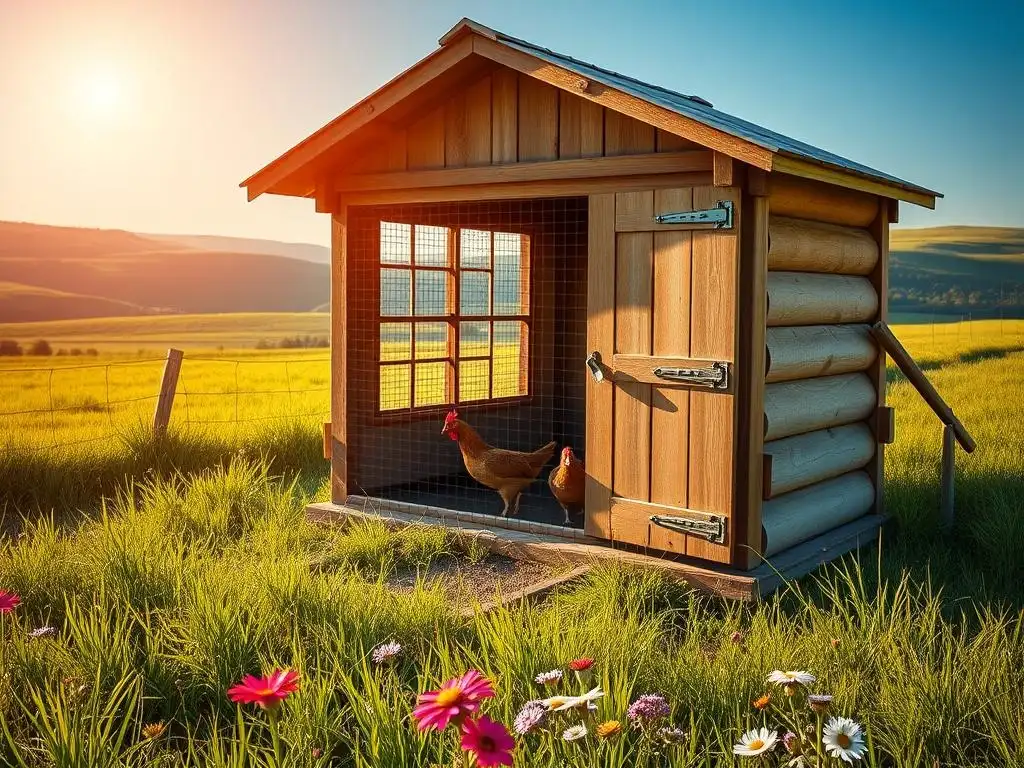
Ready to transform your backyard into a thriving ecosystem? At CultivateYourFood, we guide you on your journey to growing your own fruits, vegetables, and herbs using sustainable methods. But what about protecting your precious bounty from unwanted visitors? Learn how to successfully build a chicken coop with integrated pest control—a key step in creating a harmonious and productive garden—in our latest article on integrating animals into your gardening practices. Discover the secrets to a pest-free haven and unlock the full potential of your homegrown harvest.
- Planning Your Pest-Proof Chicken Coop: Location and Design
- Materials Selection for Pest Control in Chicken Coops
- Implementing Effective Pest Control Measures in Your Chicken Coop
- Maintaining a Clean and Pest-Free Chicken Coop
- Natural Pest Control Methods for Your Chicken Coop
- Advanced Pest Control Strategies for Challenging Situations
- Building a Chicken Coop: Long-Term Pest Prevention Strategies
-
Frequently Asked Questions
- What are the most common pests that affect chicken coops?
- How can I prevent rodents from entering my chicken coop?
- What measures can I take to control insects and mites in my chicken coop?
- How do I protect my chickens from predators like snakes or raccoons?
- What role does composting play in chicken coop pest control?
- Final Reflection: Protecting Your Flock: A Legacy of Safeguarding
- Secure Your Flock: Take Charge of Pest Control Now!
Planning Your Pest-Proof Chicken Coop: Location and Design
Building a chicken coop isn't just about providing shelter for your feathered friends; it's a crucial step in integrating them into your sustainable garden ecosystem for pest control and egg production. A well-designed coop acts as the first line of defense against pests, protecting your chickens and preventing the spread of diseases. This article will guide you through essential considerations for building a chicken coop that effectively minimizes pest problems, maximizing the benefits of your backyard flock.
We'll cover strategic location choices, pest-resistant construction techniques, and the incorporation of features that naturally deter unwanted visitors. By following these guidelines, you’ll ensure your chickens thrive, contributing to a healthier and more productive garden while simultaneously reducing the need for chemical pest control. This is particularly important for those aiming to maintain truly organic practices in their home gardens.
Choosing the Right Location to Minimize Pest Access
The location of your chicken coop significantly impacts its vulnerability to pests. Careful site selection is paramount for effective pest control. Consider these factors:
- Elevation: Building your coop on slightly elevated ground helps prevent water accumulation, which attracts rodents and insects. A raised foundation, even a simple one, can make a considerable difference.
- Sunlight and Ventilation: Adequate sunlight and airflow help discourage pests by creating an inhospitable environment. Good ventilation also minimizes the build-up of ammonia, which can attract flies and other insects.
- Distance from Structures: Maintaining a safe distance from your house and other buildings reduces the risk of pests traveling from these areas to your coop. Aim for at least 10 feet, ideally more.
- Proximity to Water Sources: While chickens need access to water, avoid placing the coop too close to ponds or other standing water sources that can attract unwanted creatures. A strategically placed water source for the chickens themselves, however, is essential.
- Ground Cover: Avoid placing the coop in areas with thick grass or weeds, which can provide hiding places for rodents and insects. Gravel or packed earth around the coop offers better pest prevention.
Designing a Coop to Deter Rodents and Predators: Materials and Construction
The materials you choose and the way you construct your coop directly influence its pest resistance. Careful selection and sturdy construction are key to a pest-proof design.
- Foundation: A solid concrete foundation is the best option, as it prevents burrowing rodents from accessing the coop. Alternatively, a raised foundation with metal mesh around the base provides a good barrier.
- Walls: Use robust materials that are difficult for predators to penetrate. Solid wood, treated lumber (ensure it's safe for chickens), or metal sheeting are all suitable choices. Avoid gaps and crevices where pests can enter.
- Roof: A secure roof is crucial. Choose durable materials like metal or asphalt shingles, ensuring they are properly sealed to prevent leaks and entry points. Overhanging eaves can also discourage pests from climbing onto the roof.
- Hardware Cloth: This fine mesh wire is essential for protecting against predators and rodents. Use it to reinforce any gaps in the walls or foundation and to cover any ventilation openings.
- Doors and Windows: Use strong, well-fitting doors and windows that close securely. Consider using sturdy latches and hinges that are difficult to tamper with.
Incorporating Pest-Resistant Features in Your Chicken Coop Design
Beyond the basic construction, several features can be incorporated to enhance pest control.
- Predator-Proof Run: A securely enclosed run, made with sturdy wire mesh, prevents larger predators from attacking your chickens. The mesh should be buried several inches underground to prevent burrowing.
- Regular Cleaning: Regular cleaning of the coop removes debris and waste that attract pests. Remove droppings and spilled feed daily, and thoroughly clean the coop at least once a week.
- Pest Control Measures: Consider using natural pest control methods within the coop, such as diatomaceous earth (food-grade only) to deter insects and rodents. Always research and use methods safe for your chickens.
- Monitoring and Prevention: Regularly inspect the coop for any signs of pest infestation. Addressing small problems early prevents them from becoming larger, more difficult issues. Early detection is key.
- Placement of Feeders and Waterers: Keep feeders and waterers elevated off the ground to prevent spillage and reduce pest attraction. Consider using feeders designed to minimize feed waste. 🤔 This reduces the attraction for pests.
By carefully considering these aspects of location, design, and preventative measures, you can build a chicken coop that is both safe and effective in supporting your integrated pest management strategy within your garden. Remember, a pest-resistant coop is a crucial investment in the long-term health and productivity of your backyard chicken operation.
Materials Selection for Pest Control in Chicken Coops
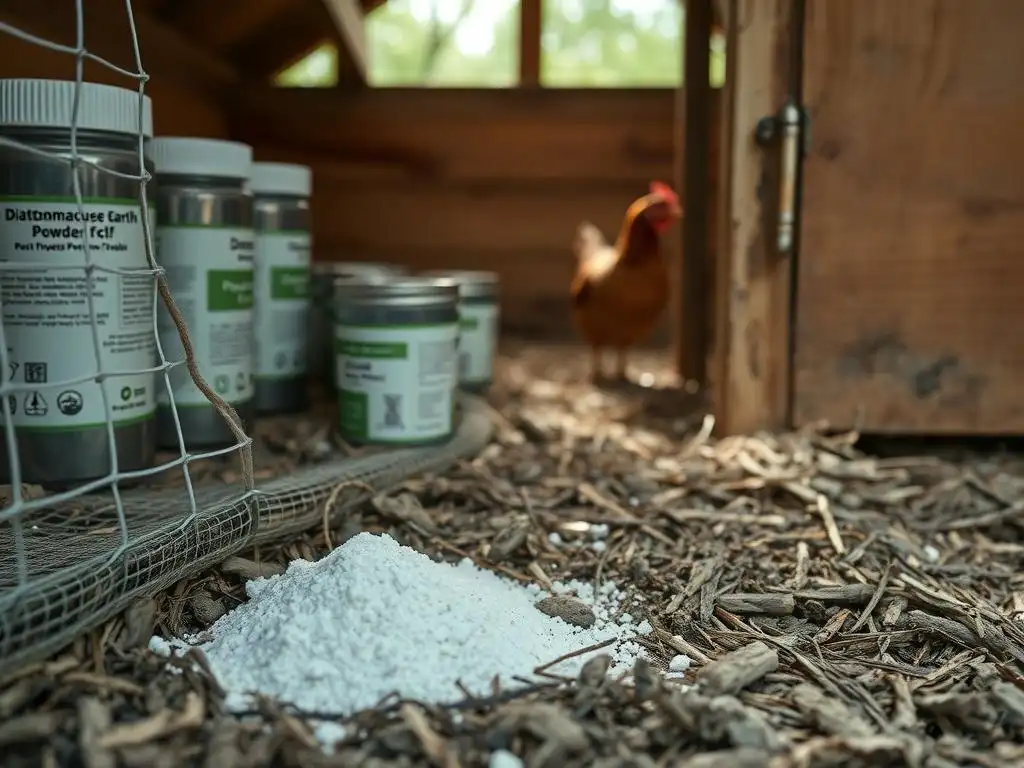
Building a chicken coop that effectively manages pests requires careful consideration of the materials used in its construction. The right materials can significantly reduce the risk of infestations and predation, minimizing the need for harsh chemicals and promoting a healthy environment for your flock. This section focuses on selecting materials specifically designed to deter common chicken coop pests. Effective pest control starts with proactive design and material choices. Choosing the right materials from the outset is a crucial step in building a pest-resistant chicken coop and contributes significantly to successful "build chicken coop pest control" strategies.
Selecting Pest-Resistant Wood for Coop Construction
The type of wood you choose for your coop's structure plays a vital role in pest resistance. Some woods are naturally more resistant to rot, insects, and weathering than others. Pressure-treated lumber is often a popular choice, but it's crucial to ensure it's treated with a formulation safe for poultry. Always check the label for any warnings regarding poultry contact. Avoid using treated lumber that contains arsenic or chromated copper arsenate (CCA), as these chemicals are toxic to chickens.
Cedar and redwood are excellent natural alternatives, known for their inherent pest-repelling properties. These woods contain natural oils that discourage many insects and fungi. However, they are more expensive than pressure-treated lumber. A cost-effective approach might involve using pressure-treated lumber for the frame and cedar or redwood for areas with direct chicken contact, such as roosting bars and nesting boxes. Regular inspection and maintenance are key regardless of the wood chosen. Look for signs of insect damage, rot, or mold, and address them promptly. Proper ventilation is also crucial to prevent moisture buildup, a breeding ground for many pests.
Using Metal Mesh to Prevent Predator and Rodent Entry
Metal mesh is indispensable for securing your chicken coop against predators and rodents. Hardware cloth, with its small mesh size (typically 1/4 inch or smaller), is essential for preventing weasels, rats, and mice from entering. Using this mesh for the coop's foundation and around any openings is vital. Don't skimp on quality; flimsy mesh can easily be compromised.
Consider the following when using metal mesh:
- Foundation: Bury hardware cloth at least a foot deep around the perimeter of the coop to prevent digging predators from accessing the coop. Extend it up the sides several inches to prevent climbing.
- Openings: Cover all openings, including vents and windows, with hardware cloth. Ensure a secure fit to prevent pests from squeezing through. Secure the mesh with staples or screws, ensuring no gaps are left.
- Run: If your chickens have a run, extend the hardware cloth underground around the perimeter to prevent digging predators.
Regularly inspect the mesh for any signs of damage or wear. Replace damaged sections promptly to maintain the integrity of your coop's security. Remember, a well-secured coop is the first line of defense against predators, significantly reducing the need for additional pest control measures.
Choosing Hardware Cloth for Ventilation and Pest Exclusion
While preventing entry is crucial, proper ventilation is equally important for a healthy chicken coop. Poor ventilation leads to moisture buildup, which attracts pests and promotes the growth of mold and mildew. Hardware cloth can be used strategically to create ventilated openings while still excluding pests. Instead of using larger gaps or open vents, incorporate small sections of hardware cloth into the coop's design.
This allows for airflow while preventing larger pests from entering. Consider:
- Wall Vents: Integrate small sections of hardware cloth into the coop walls to allow for passive ventilation.
- Roof Vents: Use hardware cloth under the roof overhang to allow air circulation while keeping out rain and pests. This improves air quality and reduces moisture.
Remember, a balance between ventilation and security is key. By combining the right materials and clever design, you can create a chicken coop that is both safe and comfortable for your chickens, while effectively minimizing pest problems. This careful approach to "build chicken coop pest control" ensures a healthier and more productive flock.
Implementing Effective Pest Control Measures in Your Chicken Coop
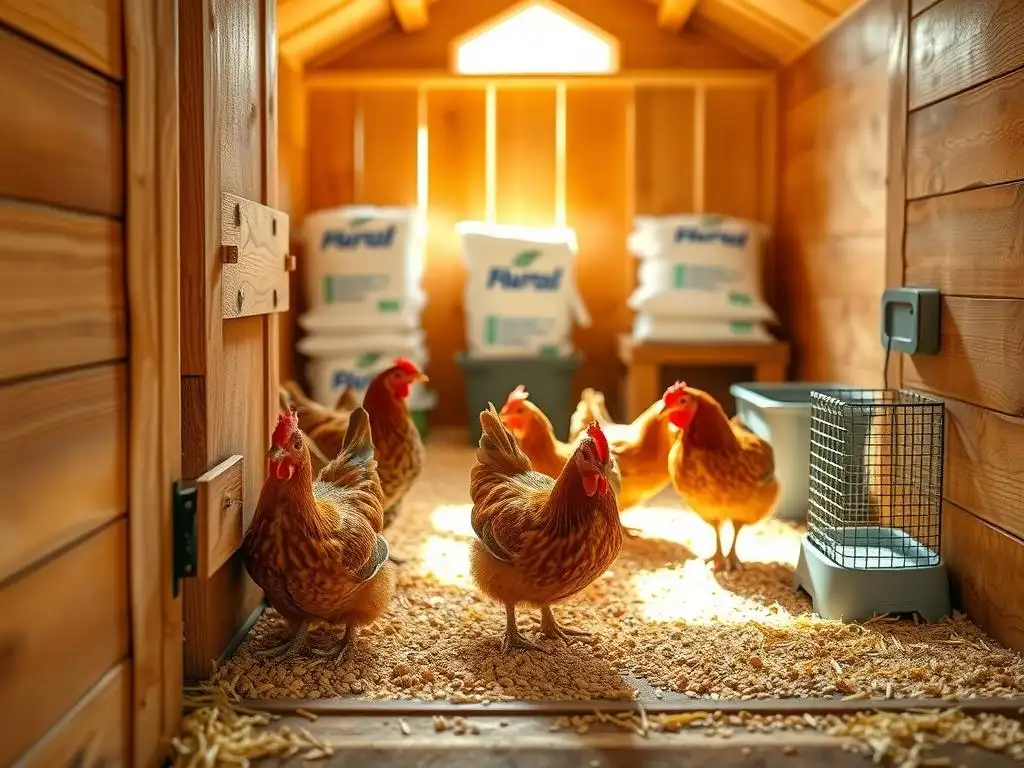
Building a chicken coop requires careful consideration of pest control from the outset. A well-planned coop minimizes pest problems, protecting your flock's health and your investment. Neglecting pest control can lead to disease transmission, reduced egg production, and even the loss of your birds. This section details proactive measures for a pest-free environment, focusing on rodent, bird, insect, and parasite management. Remember, a clean coop is the first line of defense against pests, significantly reducing the need for harsh chemicals.
Implementing Effective Rodent Control Strategies in the Coop
Rodents like mice and rats are attracted to chicken coops by spilled feed, droppings, and nesting materials. They can transmit diseases to your chickens and damage the coop's structure. Effective rodent control involves a multi-pronged approach:
- Sanitation: Regularly clean the coop, removing spilled feed, droppings, and any debris immediately. Store feed in sealed containers inaccessible to rodents. This simple step dramatically reduces their food source and attractiveness.
- Structural Integrity: Ensure your coop is built with rodent-proof materials. Seal any cracks or gaps in the walls, floor, and roof. Use metal mesh or hardware cloth for ventilation to prevent entry. Pay close attention to areas around pipes and wires.
- Trapping: Consider using humane traps strategically placed around the coop, checking them daily and disposing of any captured rodents appropriately. Poison is generally discouraged due to the risk of secondary poisoning for your chickens.
- Natural Repellents: Some natural repellents, such as peppermint oil or dryer sheets (placed strategically, not directly on the chickens), may deter rodents, though their effectiveness varies. More research is needed on the long-term efficacy of these methods for rodent control in chicken coops. [Specific data on repellent effectiveness pending].
Preventing Bird and Insect Infestations in Your Chicken Coop
Birds and insects can pose various threats to your chickens. Birds can prey on chicks or steal feed, while insects can spread diseases and parasites. Prevention is key:
- Secure Construction: Ensure your coop is securely enclosed, preventing access by larger birds. Solid roofing and well-fitting doors are essential.
- Fly Control: Maintain good ventilation to discourage flies. Regularly clean up droppings and spilled food. Consider using fly traps or fans for additional fly control.
- Insect Repellents: Use natural insect repellents such as diatomaceous earth (DE) cautiously. DE is effective against many insects but needs careful application to avoid inhalation by chickens. Always follow manufacturer's instructions carefully. [Specific recommendations for DE application pending].
- Regular Inspections: Regularly inspect the coop for signs of insect infestations, such as webs, larvae, or unusual chicken behavior. Early detection allows for prompt treatment.
Managing Parasites and Diseases: Prevention and Control
Parasites and diseases can severely impact your chicken flock's health and productivity. Proactive measures are crucial:
- Quarantine: Always quarantine new chickens for at least 30 days before introducing them to your existing flock. This helps prevent the introduction of diseases and parasites.
- Regular Health Checks: Regularly inspect your chickens for signs of illness or parasites, such as mites or lice. Consult a veterinarian if you suspect any health problems.
- Cleanliness and Sanitation: Maintaining a clean and dry coop is vital in preventing the spread of diseases. Regularly clean and disinfect the coop, using appropriate cleaning solutions.
- Vaccination: Consult your veterinarian about appropriate vaccinations for your chickens to protect against common diseases. Vaccination is a crucial preventative measure to maintain a healthy flock.
- Pest Control Integration: Remember that effective rodent and insect control also plays a significant role in preventing parasite transmission. A holistic approach to pest management is vital for overall flock health. Maintaining a clean and pest-free environment is the most effective long-term strategy to prevent many common chicken diseases.
Implementing these strategies will significantly reduce the risk of pest infestations and diseases in your chicken coop, contributing to a healthy and productive flock. Remember that consistent vigilance and proactive management are key to successfully integrating chickens into your garden ecosystem while minimizing pest problems.
Maintaining a Clean and Pest-Free Chicken Coop
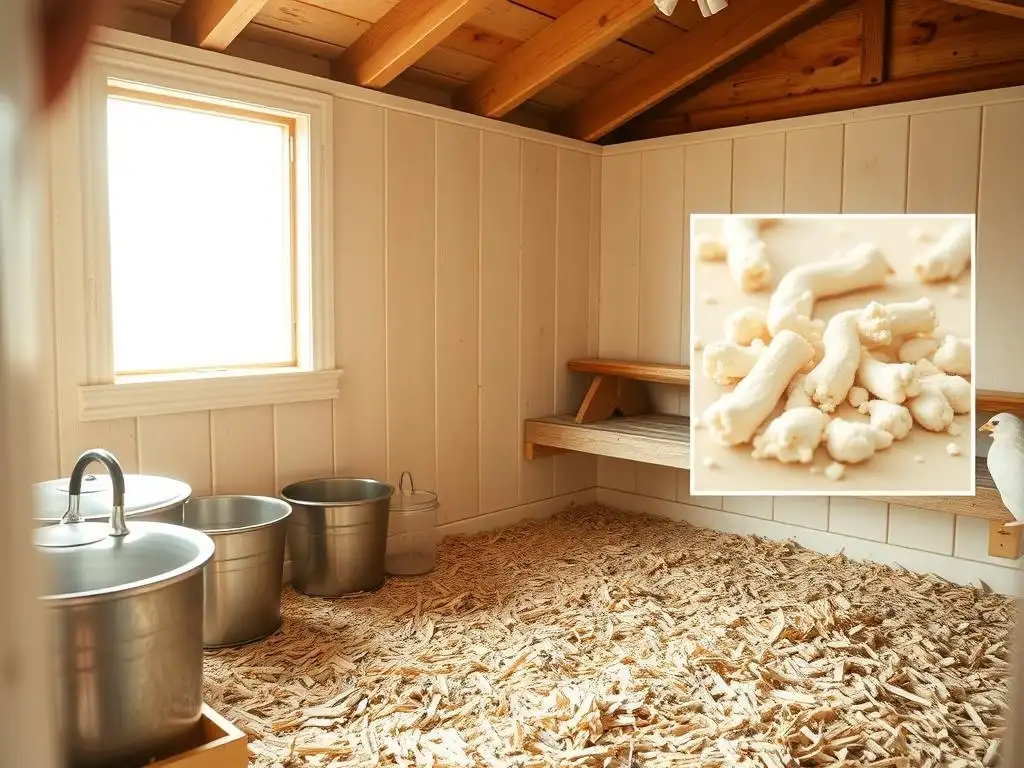
Maintaining a clean and pest-free chicken coop is paramount for the health of your flock and the success of your integrated pest management strategy in your garden. Neglecting coop hygiene can lead to a buildup of waste, attracting a range of pests that can harm your chickens and compromise your organic gardening efforts. This section focuses on practical steps to ensure your coop remains a healthy and pest-resistant environment. The key to effective "build chicken coop pest control" lies in proactive prevention.
Regular Cleaning and Sanitation Practices for Pest Prevention
Regular cleaning is the cornerstone of effective pest control in your chicken coop. A schedule of thorough cleaning should be implemented and strictly adhered to. This includes:
- Weekly Cleaning: Remove fresh droppings daily, but a more thorough weekly cleaning is crucial. This involves removing all accumulated bedding, sweeping and scrubbing the coop floor and walls with a stiff brush and a solution of hot water and a natural cleaner (avoid harsh chemicals). Pay close attention to corners and crevices where pests tend to hide.
- Monthly Deep Cleaning: Once a month, undertake a deeper clean. This includes removing all perches and nesting boxes and thoroughly scrubbing them with hot, soapy water. Allow everything to dry completely in the sun before replacing them. Consider using a pressure washer (if appropriate for your coop construction) to remove stubborn dirt and debris.
- Bedding Replacement: Replace the coop bedding entirely at least monthly, or more frequently if it becomes excessively soiled or damp. Using organic and absorbent bedding materials, like straw or wood shavings, helps absorb moisture and reduces the likelihood of pest infestations.
- Disinfection: Periodically disinfect the coop using a diluted solution of white vinegar or a commercially available poultry coop disinfectant (always follow product instructions carefully). This helps eliminate bacteria and parasites that can attract pests.
The frequency of cleaning might need adjustment based on your flock size and the climate. Larger flocks or warmer, humid climates will require more frequent cleaning to prevent the build-up of ammonia and attractants for pests like flies and rodents. Remember, a clean coop is a happy coop, and a happy coop is less susceptible to pest problems.
Proper Waste Management and Composting to Deter Pests
Effective waste management is integral to a successful "build chicken coop pest control" strategy. Improper disposal of chicken manure can create a breeding ground for pests. Composting chicken manure is a sustainable and effective solution. However, it requires careful management to prevent pest problems.
- Composting Techniques: Compost chicken manure in a designated area away from the coop and garden. Use a layered composting method, alternating layers of chicken manure with carbon-rich materials like dry leaves, straw, or wood chips. This helps balance the nitrogen levels and prevent excessive moisture, which attracts pests. Regularly turn the compost pile to ensure proper aeration and decomposition.
- Compost Bin Construction: Choose a well-ventilated compost bin with a lid to prevent attracting unwanted visitors. Consider using a bin with a base to prevent pests from burrowing underneath.
- Pest Monitoring: Regularly monitor your compost pile for signs of pests, such as flies or rodents. If you notice excessive pest activity, take immediate action, such as adding more carbon-rich materials or covering the pile with a tarp.
By properly managing chicken waste through composting, you not only reduce pest attraction but also create a valuable resource for your garden, enriching the soil with essential nutrients in a sustainable and environmentally friendly way.
Monitoring for Signs of Pests and Implementing Prompt Control Measures
Proactive monitoring is key to preventing a full-blown pest infestation in your chicken coop. Regularly inspect the coop for signs of pests, including:
- Rodents: Look for droppings, gnaw marks, and nesting materials.
- Insects: Check for signs of insect activity, such as webs, larvae, or adult insects.
- Parasites: Examine your chickens for signs of mites, lice, or other parasites.
Implementing prompt control measures is crucial once you detect any pest activity. This could involve:
- Trapping: Use humane traps to catch rodents.
- Natural Pesticides: Employ natural pest control methods, such as diatomaceous earth or essential oils (carefully research safe options for chickens).
- Professional Help: In cases of severe infestations, it may be necessary to seek professional pest control assistance.
Regular monitoring and prompt action are essential components of successful "build chicken coop pest control." By acting quickly, you can prevent minor infestations from escalating into larger, more difficult-to-manage problems. Remember, prevention is always better than cure, but swift action is vital when dealing with pests.
Natural Pest Control Methods for Your Chicken Coop
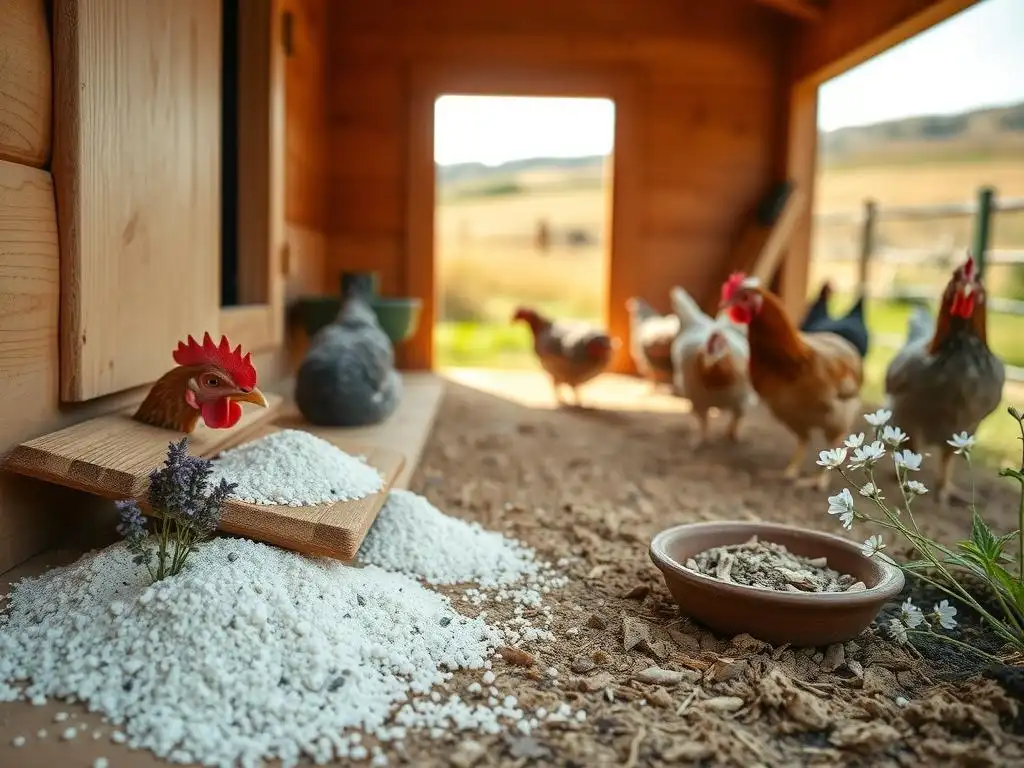
Building a chicken coop involves more than just providing shelter; it's about creating a healthy and pest-free environment for your flock. Effective pest control is crucial for the well-being of your chickens and the overall success of your backyard chicken operation. While chemical pesticides are often tempting, opting for natural methods aligns with sustainable and organic practices, protecting both your chickens and the environment.
This section focuses on several natural approaches to build a chicken coop that minimizes pest problems, contributing to a thriving and productive backyard ecosystem. This holistic approach to "build chicken coop pest control" will help you establish a robust and safe environment for your birds.
Utilizing Essential Oils and Natural Repellents
Essential oils, derived from various plants, offer a safe and effective way to deter common chicken coop pests like mites, flies, and rodents. Their potent aromas disrupt the pests' olfactory senses, making the coop an undesirable habitat. However, it's crucial to use these oils responsibly, ensuring they are chicken-safe and diluted appropriately.
Several essential oils exhibit strong pest-repelling properties. For instance, peppermint oil is highly effective against mites and fleas. Lavender oil, known for its calming properties for humans, also repels insects. Tea tree oil possesses potent antimicrobial properties beneficial in combating bacterial and fungal infestations. Cedar oil is another excellent choice, deterring both insects and rodents.
Remember, never apply undiluted essential oils directly to your chickens. Always dilute them with a carrier oil like coconut oil or vegetable oil. A general guideline is to use a ratio of 10-20 drops of essential oil per ounce of carrier oil. Apply the diluted solution sparingly to surfaces within the coop, avoiding direct contact with your chickens' food and water. Regular application, every few weeks, is recommended for optimal pest control. Proper ventilation is also key to preventing the buildup of strong scents.
Employing Diatomaceous Earth for Pest Control
Diatomaceous earth (DE) is a naturally occurring sedimentary rock composed of fossilized diatoms. Its microscopic, sharp edges make it an effective desiccant, dehydrating insects and mites upon contact. This leads to their death, offering a safe and eco-friendly approach to pest management within your chicken coop.
DE is a versatile tool, applicable in various ways within the coop. It can be sprinkled lightly on the coop floor, nests, and perches to control mites and other crawling insects. It's also beneficial in preventing insect infestations in your chicken's feed and water. Remember to use food-grade DE, specifically labeled for animal use, to ensure your chickens' safety. Avoid inhaling DE dust, as it can irritate the lungs. Always wear a mask when applying it.
Regular application is key to maintaining its effectiveness. You'll need to reapply DE after cleaning the coop or after significant rainfall, as it can lose its effectiveness when wet. This method, combined with other natural pest control strategies, can significantly reduce pest populations in your coop, promoting a cleaner and healthier environment for your birds. The effectiveness of DE can be enhanced by combining it with other natural repellents.
Introducing Beneficial Insects to Control Pests
Introducing beneficial insects into your chicken coop's environment can establish a natural balance, suppressing pest populations without harmful chemicals. This strategy is known as biological control, a cornerstone of integrated pest management (IPM). While less direct than other methods, it provides a long-term solution for pest control.
Predatory insects like ladybugs are highly effective against aphids, while lacewings devour many soft-bodied pests. Praying mantises are voracious predators, controlling a wide range of insects. Attracting these beneficial insects requires creating a suitable habitat. Planting flowering plants around your chicken coop, especially those that attract pollinators, will indirectly attract these beneficial predators. Avoid using broad-spectrum insecticides, as these will harm beneficial insects along with pests.
Monitoring your coop regularly is crucial for evaluating the success of this method. Observe insect populations to assess the impact of the beneficial insects. Adjust your approach as needed, ensuring a balance is maintained. This biological approach to "build chicken coop pest control" aligns perfectly with sustainable and organic chicken keeping.
Advanced Pest Control Strategies for Challenging Situations
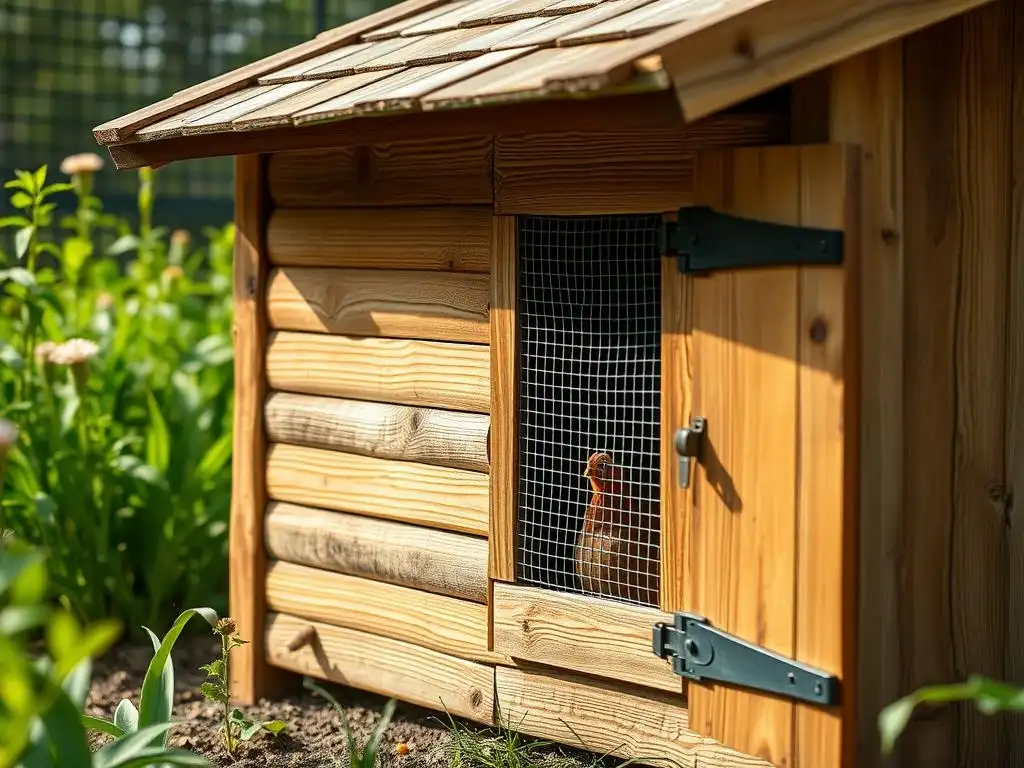
This section delves into more complex pest control scenarios you might encounter while operating your chicken coop. While basic preventative measures are crucial (as discussed elsewhere in this article), sometimes you'll need more robust strategies to tackle persistent infestations. Effective pest control is integral to maintaining the health and well-being of your flock, and the success of your "build chicken coop pest control" project.
Dealing with Persistent Rodent Infestations
Rodents, such as mice and rats, can be a significant problem in chicken coops, contaminating feed, damaging structures, and potentially spreading disease. Simple traps may not suffice in severe cases. Here's a multi-pronged approach to managing a persistent rodent infestation:
- Enhanced Sanitation: This is paramount. Remove all spilled feed immediately. Store feed in rodent-proof containers. Regularly clean the coop, removing droppings, spilled water, and any debris that might attract rodents. A clean coop is the first line of defense in your "build chicken coop pest control" strategy.
- Strategic Trapping: While simple snap traps are useful, consider using more effective methods like multi-catch traps or electronic traps. Place traps along walls, near entry points, and where rodent activity is observed. Remember to check and reset traps daily.
- Exclusion: Seal all potential entry points. Caulk gaps in walls and floors, repair damaged screens, and ensure that doors and windows close tightly. This is a long-term solution that will prevent future infestations. Investing in a well-built coop from the start is crucial for effective "build chicken coop pest control".
- Natural Repellents: Some natural repellents, like peppermint oil or mothballs (used cautiously and in well-ventilated areas), might deter rodents. However, these are supplementary measures and shouldn't replace effective trapping and exclusion techniques. Always research the safety of any repellent for your chickens before using it.
- Professional Help: If the infestation persists despite your efforts, consider contacting a professional pest control service. They have the expertise and tools to effectively eliminate a severe rodent problem. This can be a cost-effective solution in the long run, especially if the infestation impacts the structural integrity of your coop.
Managing Severe Bird or Insect Problems
Beyond the usual chicken mites, other birds or insects can pose a threat to your flock. Severe infestations require a more aggressive approach than simple preventative measures.
- Bird Predation: If larger birds are preying on your chickens, securing the coop is essential. Strengthening the coop's structure, adding chicken wire to vulnerable areas, and using netting over outdoor runs can significantly reduce predation risk. Regular inspection of the coop for any weaknesses is key to a successful "build chicken coop pest control" plan.
- Insect Control: For significant fly or insect problems, consider using targeted insecticides or natural pest control methods. Always follow the instructions carefully and choose products safe for chickens. Diatomaceous earth can be an effective natural insecticide. Proper ventilation in the coop can also help to reduce insect populations. Maintaining cleanliness and promptly removing dead insects is critical for effective "build chicken pest control".
- Monitoring and Prevention: Regularly inspect your coop for signs of infestation. Early detection allows for prompt intervention, preventing a minor problem from escalating into a major one. This proactive approach is a cornerstone of effective "build chicken coop pest control".
Addressing Parasite and Disease Outbreaks
Parasites and diseases can quickly decimate a chicken flock. Early detection and swift action are crucial.
- Veterinary Consultation: If you suspect a parasite or disease outbreak, contact an avian veterinarian immediately. They can diagnose the problem and recommend appropriate treatment. This is critical for the well-being of your chickens and for the success of your "build chicken coop pest control" efforts.
- Quarantine: Isolate affected birds to prevent the spread of disease or parasites to the rest of the flock. This is a crucial step in containing an outbreak.
- Hygiene and Sanitation: Thorough cleaning and disinfection of the coop and surrounding areas are essential after a disease or parasite outbreak. This helps to prevent re-infestation and protects future flocks. This is an important part of your overall "build chicken coop pest control" strategy.
- Preventative Measures: Vaccination and regular deworming can help prevent many common chicken diseases and parasite infestations. A healthy flock is less susceptible to disease outbreaks. This proactive approach is a vital component of effective "build chicken coop pest control".
Remember, a well-designed and maintained chicken coop, coupled with proactive pest control strategies, is crucial for a healthy and productive flock. A successful "build chicken coop pest control" plan requires vigilance and a multifaceted approach.
Building a Chicken Coop: Long-Term Pest Prevention Strategies
Building a chicken coop with integrated pest control in mind from the outset is crucial for long-term success and minimizing the need for harsh chemicals. A well-designed coop minimizes pest harborage and facilitates easy cleaning, significantly reducing infestation risks. This proactive approach is far more effective and sustainable than reactive pest control measures. The key is to understand the typical pests attracted to chicken coops—mites, rodents, flies, and even larger predators—and design the coop to deter them.
This includes careful consideration of materials, construction techniques, and ongoing maintenance. Proper ventilation, for example, helps regulate humidity and temperature, discouraging the growth of mold and mildew that attract pests. A well-ventilated coop also helps control ammonia buildup, a major attractant for flies. Furthermore, choosing materials resistant to decay and rot further enhances the coop's longevity and reduces the likelihood of pest infestations.
Regularly Inspecting and Maintaining Your Chicken Coop
Regular inspections are the cornerstone of effective pest control in your chicken coop. Think of it as a proactive health check for your chickens and their environment. A weekly visual inspection should be part of your routine. Look for signs of infestation, such as droppings, gnaw marks, unusual chicken behavior (restlessness, feather loss), or the presence of insects themselves. Pay close attention to areas where pests are likely to hide: cracks and crevices in the walls and floor, under nesting boxes, and around perches.
A monthly deep clean is equally important. Remove all accumulated droppings, spilled feed, and bedding. Thoroughly scrub all surfaces with a non-toxic cleaner—a simple solution of water and vinegar works wonders. Allow everything to dry completely before replacing fresh bedding. This eliminates food sources and breeding grounds for many pests. Regularly check and replace bedding as needed, ensuring it remains dry and clean.
Damp bedding is a breeding ground for mites and other parasites. Remember, a clean coop is a pest-resistant coop. Addressing small problems early prevents them from becoming major infestations. This preventative approach saves time, money, and stress in the long run. Consider using diatomaceous earth (DE) as a natural pest control agent in areas where pests are frequently found. Sprinkle it sparingly in corners and around perches.
Implementing Preventative Measures to Avoid Future Pest Problems
Preventative measures are far more effective than reactive treatments when it comes to building a chicken coop resistant to pests. Several key strategies can significantly reduce the risk of infestations:
- Secure Construction: Ensure your coop is built with robust materials and has no gaps or openings that pests can exploit. Use hardware cloth (not chicken wire) to protect against predators and rodents.
- Proper Ventilation: Adequate ventilation is crucial to regulate humidity and temperature, discouraging the growth of mold and mildew, which attract pests.
- Elevated Flooring: Raising the floor of the coop off the ground prevents moisture buildup and provides a barrier against rodents.
- Pest-Resistant Materials: Choose materials that are naturally resistant to decay and rot, such as cedar or treated lumber.
- Regular Cleaning: As previously mentioned, this is paramount to pest control. Establish a routine cleaning schedule and stick to it.
- Predator Protection: Consider measures to protect your chickens from larger predators, such as foxes or raccoons. This might include secure fencing around the coop and run.
Adapting Pest Control Strategies Based on Seasonal Changes
Pest pressure varies significantly throughout the year. Your pest control strategy should adapt to these seasonal changes. For example, fly populations explode during warmer months, requiring more frequent cleaning and potentially the use of fly traps. During winter, rodents may seek shelter in your coop, necessitating extra vigilance and potentially the use of rodent deterrents.
| Season | Key Pests | Prevention Strategies |
|---|---|---|
| Spring | Flies, mites | Increased cleaning frequency, fly traps, check for mites |
| Summer | Flies, mites, rodents | Regular cleaning, fly traps, rodent proofing, ventilation |
| Autumn | Rodents, mites | Secure coop, rodent proofing, check for mites |
| Winter | Rodents | Secure coop, rodent proofing, monitor coop temperature |
Understanding these seasonal variations allows you to proactively address potential problems before they escalate. This adaptability is key to maintaining a healthy and pest-free environment for your chickens year-round. Remember, prevention is always better than cure when it comes to pest control in your chicken coop. Regular monitoring and adjustments to your strategy will ensure your chickens remain healthy and productive. Consistent vigilance is the key to long-term success in building a chicken coop with effective pest control.
Frequently Asked Questions
What are the most common pests that affect chicken coops?
Common pests include rodents, birds, insects (like flies and mites), and snakes. Proper coop design and sanitation are key to prevention.
How can I prevent rodents from entering my chicken coop?
Use solid flooring and walls with no gaps. Secure all openings with hardware cloth, and store feed in sealed containers to eliminate attractants.
What measures can I take to control insects and mites in my chicken coop?
Regular cleaning and disinfection are crucial. Consider using diatomaceous earth as a natural insecticide, and provide adequate ventilation to reduce humidity.
How do I protect my chickens from predators like snakes or raccoons?
Strong, predator-proof fencing around the coop is vital. Secure doors and windows with robust latches, and consider using hardware cloth to protect vulnerable areas.
What role does composting play in chicken coop pest control?
Proper composting of chicken manure helps reduce attractants for pests. Composting also improves soil health which can indirectly benefit your chickens and reduce pest issues.
Final Reflection: Protecting Your Flock: A Legacy of Safeguarding
Building a secure and pest-free chicken coop isn't just about protecting your investment; it's about ensuring the health and well-being of your feathered friends. The methods discussed – from strategic coop design to diligent sanitation practices – are crucial not only for today's backyard chicken keepers but for generations to come. The simple act of creating a safe haven for chickens speaks volumes about our responsibility towards the animals we share our lives with.
The impact of effective pest control extends far beyond the individual coop. It influences the larger conversation surrounding responsible animal husbandry and sustainable farming practices. We must remember that our actions have ripple effects, impacting the environment and the animals we care for. The greatness of a nation and its moral progress can be judged by the way its animals are treated.
- Mahatma Gandhi. This quote underscores the ethical dimension of providing a safe and healthy environment for our chickens, reflecting our values and commitment to compassionate care.
Now, consider your own approach to chicken keeping. What steps can you take today to enhance the security of your coop? Perhaps it's reinforcing existing defenses, implementing a more rigorous cleaning schedule, or simply taking a moment to observe your flock for signs of distress. Embrace the challenge of creating a truly pest-proof haven, and in doing so, you'll not only protect your chickens but also cultivate a deeper connection with the natural world and the creatures we share it with.
Secure Your Flock: Take Charge of Pest Control Now!
Thanks for learning how to protect your chickens! You now have the knowledge to build a pest-resistant chicken coop. Ready to put your new skills to the test?
- Prioritize coop design: Begin building or modifying your coop today, focusing on the pest-prevention strategies discussed. A well-designed coop is your best defense against pests.
- Use high-quality materials: Invest in durable, pest-resistant materials to ensure your coop remains strong and protects your chickens for years to come. Consider using sturdy wood and secure mesh.
- Share your success: Inspire others by sharing your coop-building experience and photos on social media using #CultivateYourFoodCoop.
Ready to create the ultimate pest-proof haven for your chickens? What's the first step you'll take to protect your flock?