
Chickens and Compost: A Perfect Partnership for Garden Health

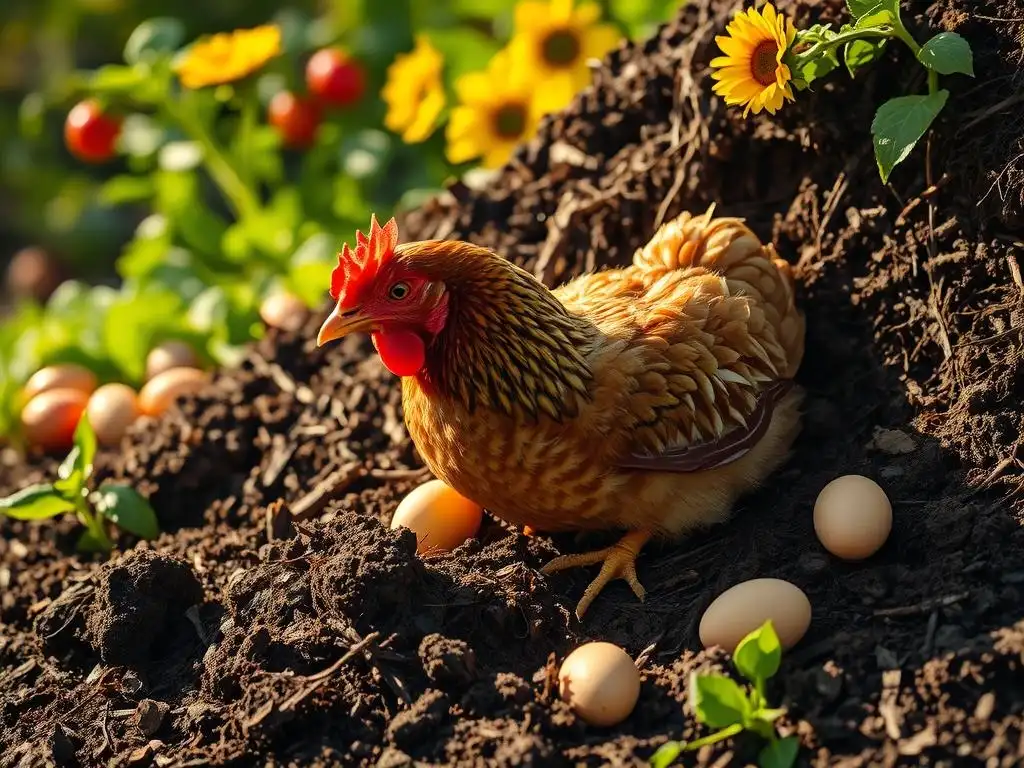
Ready to unlock the secrets to a thriving, organic garden? At CultivateYourFood, we believe everyone can grow their own delicious produce. This website is your guide to sustainable home gardening, from seed to harvest. Discover the incredible benefits of Chicken manure compost gardening, a powerful technique explored in our latest article, "Chickens and Compost: A Perfect Partnership for Garden Health," within our Integrating Animals in the Garden category. Learn how to transform your backyard into a bountiful ecosystem – let's get growing!
-
Understanding the Benefits of Chicken Manure Compost for Gardening
- Nutrient-Rich Chicken Manure: A Natural Fertilizer
- Improving Soil Structure with Chicken Manure Compost
- Preventing Soil-Borne Diseases with Compost from Chicken Droppings
- Boosting Microbial Activity in Your Garden Soil with Chicken Manure Compost
- Nutrient-Rich Soil for Abundant Harvests with Chicken Manure Compost
- Creating High-Quality Chicken Manure Compost
- Utilizing Chicken Manure Compost in Your Garden
- Safety Precautions When Using Chicken Manure Compost
- Chicken Manure Compost: A Sustainable Gardening Solution
- Frequently Asked Questions
- Final Reflection: Cultivating a Sustainable Future, One Chicken Coop at a Time
- Unlock Your Garden's Potential: Boost Yields with Chicken Manure!
Understanding the Benefits of Chicken Manure Compost for Gardening
Integrating livestock into your gardening practices offers numerous advantages, and few pairings are as synergistic as chickens and compost. This article delves into the remarkable benefits of using chicken manure compost to cultivate a thriving, healthy garden, exploring its role as a natural fertilizer, soil improver, and disease preventative. We'll examine how this readily available resource can significantly enhance your sustainable gardening efforts, promoting bountiful harvests while minimizing environmental impact. The practice of composting chicken manure is a cornerstone of organic gardening, offering a closed-loop system where waste is transformed into a valuable asset for your garden's health. By understanding the process and benefits, you can significantly improve your soil fertility and overall garden productivity. This approach aligns perfectly with the principles of sustainable and organic gardening, minimizing reliance on synthetic fertilizers and promoting biodiversity. Let's explore how this powerful combination can revolutionize your approach to "Chicken manure compost gardening".
Nutrient-Rich Chicken Manure: A Natural Fertilizer
Chicken manure is exceptionally rich in nitrogen (N), phosphorus (P), and potassium (K) – the essential macronutrients vital for robust plant growth. Unlike synthetic fertilizers, which can disrupt soil ecosystems and lead to nutrient runoff, chicken manure provides a slow-release source of these nutrients. This gradual release ensures plants receive a consistent supply throughout their growing season, promoting healthy vegetative growth, vibrant blooms, and abundant fruit and vegetable production. The precise nutrient composition varies depending on factors like the chicken's diet and the composting process. However, a well-composted chicken manure generally boasts a higher NPK ratio than many other animal manures. For example, a mature compost might contain approximately 1.5% Nitrogen, 1% Phosphorus, and 0.5% Potassium 1 . This makes it an ideal amendment for a wide variety of plants, from leafy greens to fruiting vegetables and flowering plants. Furthermore, chicken manure also contains beneficial micronutrients, like zinc and manganese, which contribute to overall plant health and resilience. Using chicken manure compost is a sustainable way to enrich your soil without resorting to harmful chemical fertilizers.
Improving Soil Structure with Chicken Manure Compost
Beyond its nutrient content, chicken manure compost significantly improves soil structure. The organic matter in the compost acts like a sponge, enhancing water retention and reducing the need for frequent watering. This is particularly beneficial in dry climates or during periods of drought.
The improved water retention also helps to prevent nutrient leaching, ensuring that plants have access to essential nutrients for longer periods. Moreover, the compost helps to create a more porous soil structure, allowing for better aeration. This improved aeration facilitates root growth, enabling plants to access water and nutrients more efficiently.
The addition of compost also enhances the soil's ability to drain excess water, preventing waterlogging which can damage plant roots and promote disease. The combination of improved water retention, aeration, and drainage creates an ideal environment for healthy root development and overall plant vigor. This leads to healthier plants that are better equipped to withstand environmental stress.
Preventing Soil-Borne Diseases with Compost from Chicken Droppings
Properly composted chicken manure helps to suppress soil-borne diseases. The high temperature reached during the composting process kills many harmful pathogens and weed seeds. The resulting compost is a much safer alternative to using raw chicken manure, which can contain harmful bacteria and parasites. Furthermore, the improved soil structure and increased microbial activity in the compost-amended soil create a more competitive environment for beneficial microbes.
These beneficial microbes outcompete disease-causing organisms, helping to prevent the establishment and spread of soil-borne pathogens. This natural disease suppression reduces the need for chemical pesticides and fungicides, promoting a healthier and more sustainable gardening practice. The improved soil health resulting from the use of chicken manure compost contributes to a more resilient and disease-resistant garden ecosystem. This is a key aspect of organic gardening, minimizing the reliance on harmful chemical interventions.
1 Note: These figures are approximate and can vary considerably depending on the composting method, the diet of the chickens, and other factors.
Boosting Microbial Activity in Your Garden Soil with Chicken Manure Compost
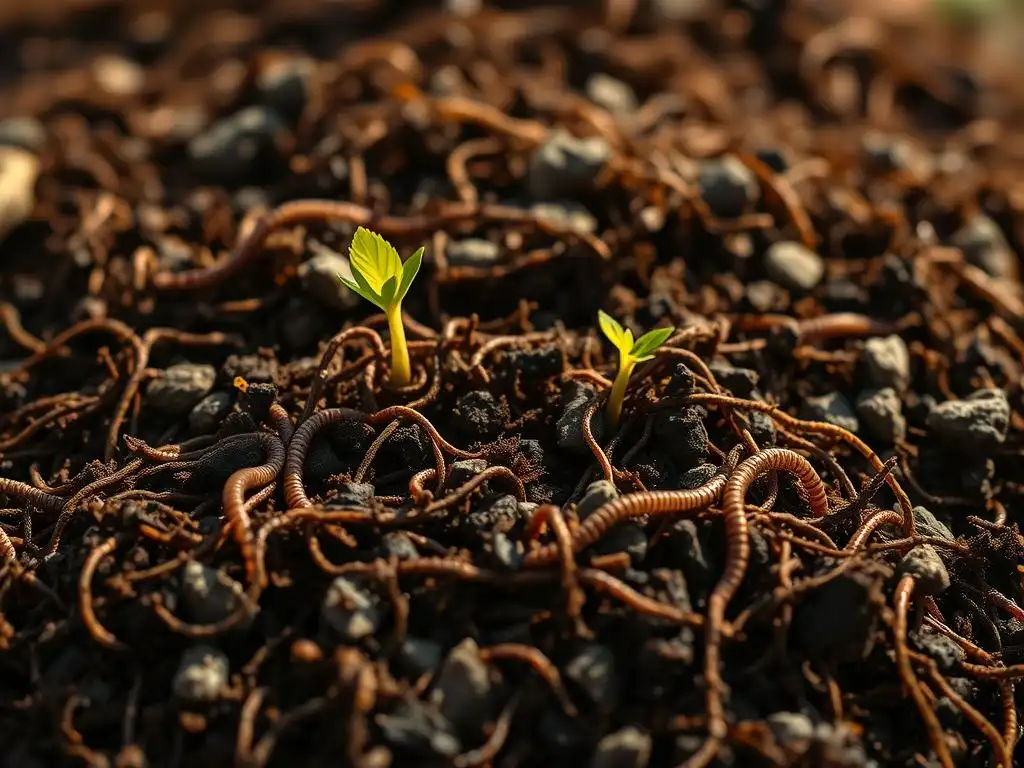
Chicken manure compost is a powerhouse for enhancing microbial life in your garden soil. This is crucial because a thriving soil microbiome is the foundation of healthy plant growth. Microbial organisms, such as bacteria, fungi, and actinomycetes, break down organic matter, making essential nutrients available to your plants. They also improve soil structure, aeration, and water retention – all vital aspects of a productive garden. The rich organic matter in chicken manure compost provides a feast for these beneficial microbes, significantly increasing their populations.
This leads to a more active and diverse soil ecosystem, capable of supporting vigorous plant growth and increased yields. Think of it as creating a bustling underground city teeming with life, all working together to nourish your plants. The result is healthier, more resilient plants that are better equipped to withstand disease and pests. This natural approach to soil improvement is a cornerstone of sustainable and organic gardening practices, providing a significant advantage over synthetic fertilizers. The improved soil structure also facilitates better root penetration, allowing plants to access water and nutrients more efficiently.
This translates to healthier plants with increased resistance to stress and a higher yield at harvest time. Properly composted chicken manure avoids the risk of burning plants, which can happen with fresh manure due to its high nitrogen content. Composting ensures a balanced nutrient release, promoting gradual and sustained growth. The process also significantly reduces the risk of spreading pathogens.
Nutrient-Rich Soil for Abundant Harvests with Chicken Manure Compost
Chicken manure is exceptionally rich in nitrogen (N), phosphorus (P), and potassium (K) – the three primary macronutrients essential for plant growth. However, the exact nutrient content varies depending on the chicken's diet and the composting process. For example, chickens fed a diet rich in protein will produce manure higher in nitrogen. The composting process itself also affects the nutrient ratios, breaking down complex organic molecules into forms readily available to plants. This is why using composted chicken manure, rather than fresh manure, is crucial.
Fresh manure can “burn” plants due to its high nitrogen concentration, potentially damaging young seedlings or sensitive plants. Composting mitigates this risk by allowing for a more controlled release of nutrients over time. A balanced supply of NPK is vital for various stages of plant development. Nitrogen promotes leafy growth, phosphorus supports root development and flowering, and potassium strengthens stems and improves disease resistance.
By supplementing your garden soil with chicken manure compost, you provide a natural and readily available source of these essential nutrients, leading to healthier, more vibrant plants and ultimately, more abundant harvests. The organic nature of the compost also fosters beneficial soil organisms, creating a synergistic effect that further enhances nutrient uptake and overall plant health. This holistic approach to fertilization ensures that your plants receive a complete and balanced nutritional profile, maximizing their growth potential. This directly translates to a more rewarding harvest, both in quantity and quality, making chicken manure compost a valuable asset for any gardener.
Creating High-Quality Chicken Manure Compost
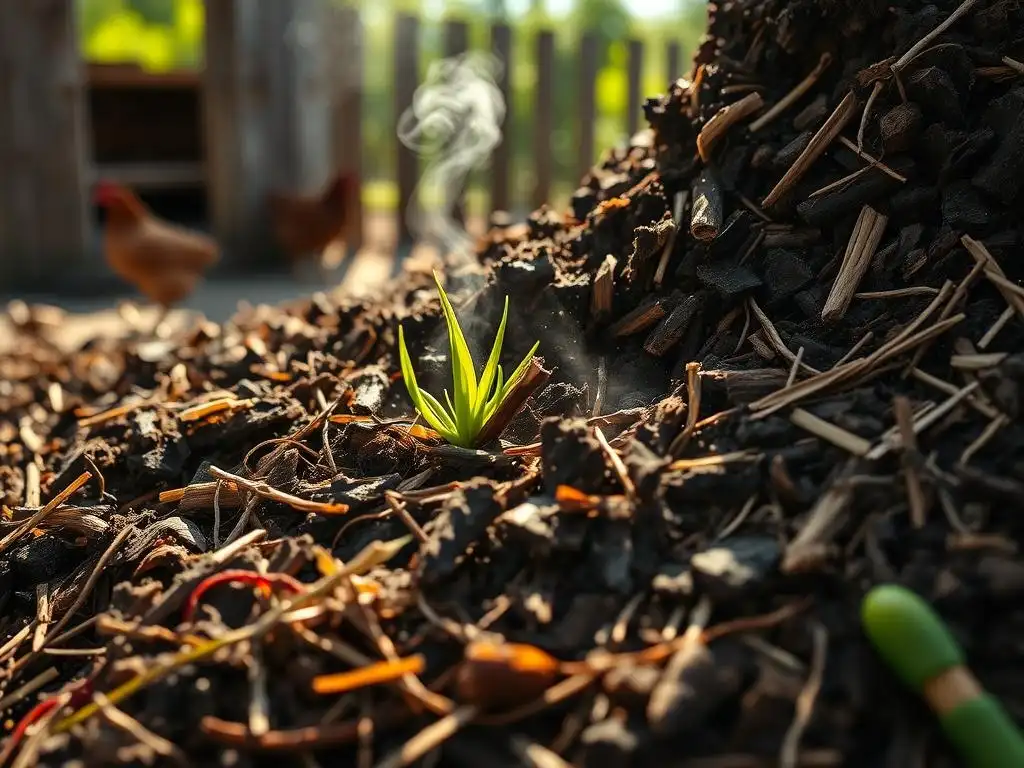
Chicken manure compost gardening is a fantastic way to boost your garden's fertility while responsibly managing chicken waste. This section delves into the specifics of creating a rich, nutrient-packed compost using chicken droppings, ensuring a healthy and thriving garden. We'll cover everything from collection methods to the crucial role of carbon-to-nitrogen ratios. Remember, proper composting is key to avoiding burning your plants with overly concentrated nitrogen.
Collecting Chicken Droppings: Best Practices and Considerations
Collecting chicken droppings efficiently is the first step towards successful chicken manure composting. Direct collection from the coop floor is the most common method. However, the frequency and method depend on your coop design and chicken population. For example, a deep litter system, where straw or wood shavings are layered and gradually decompose, requires less frequent removal but produces a more mature compost from the start. In contrast, a daily cleaning system requires more frequent collection but yields fresher droppings.
Several factors influence the quality of collected droppings:
- Frequency of Collection: More frequent collections prevent the accumulation of ammonia, which can volatilize valuable nitrogen and create unpleasant odors. Aim for daily or every other day collection for smaller flocks; less frequent for larger flocks using a deep litter method.
- Storage: Store collected droppings in a covered container to avoid attracting pests and prevent nutrient loss due to rain or sun exposure. A sealed bucket or covered bin will work well.
- Hygiene: Always wear gloves when handling chicken droppings to minimize the risk of bacterial contamination.
Proper collection not only ensures the quality of your compost but also maintains a clean and healthy environment for your chickens. This meticulous approach is vital for maximizing the benefits of chicken manure in your garden. Think of it as the foundation of your chicken manure compost gardening success.
Composting Chicken Manure: A Step-by-Step Guide
Composting chicken manure effectively requires a balanced approach. Simply piling it up won't suffice; you need a well-structured process to create a safe and nutrient-rich compost. Here's a practical, step-by-step guide:
- Layer Building: Begin with a layer of coarse brown materials like dried leaves, straw, or shredded cardboard at the base of your compost bin. This provides the necessary carbon for balancing the high nitrogen content of chicken manure.
- Alternating Layers: Alternate layers of chicken manure with brown materials, keeping a ratio of approximately 2 parts brown to 1 part chicken manure. This crucial step prevents burning and ensures proper decomposition. Regularly moisten the layers but avoid overwatering.
- Turning the Compost: Regularly turn the compost pile (every few days to a week) to aerate it and promote even decomposition. This also helps to regulate temperature and reduces the risk of odor issues.
- Monitoring Temperature and Moisture: Maintain a consistently moist environment and monitor the temperature. The ideal temperature for active decomposition is between 130-160°F (54-71°C). A thermometer can be helpful in monitoring this process effectively.
- Curing: Once the compost has cooled down and appears dark brown and crumbly (usually after several months), it's ready for use. This final curing phase ensures that any pathogens are eliminated.
The Importance of Carbon-to-Nitrogen Ratio in Chicken Manure Composting
The carbon-to-nitrogen (C:N) ratio is paramount in successful composting, especially when using chicken manure. Chicken manure is high in nitrogen, which is essential for plant growth but can "burn" plants if not properly balanced. Brown materials, such as dried leaves, straw, and wood chips, provide the necessary carbon to balance this high nitrogen content.
A balanced C:N ratio, generally around 25:1 to 30:1, is crucial for efficient decomposition and preventing unpleasant odors. If the nitrogen is too high, the decomposition process becomes anaerobic (without oxygen), producing ammonia and foul smells. Conversely, if the carbon is too high, the decomposition process slows down significantly.
Monitoring and adjusting the C:N ratio is essential. If you notice strong ammonia smells, add more brown materials. If the decomposition seems too slow, add more chicken manure (carefully, ensuring you still maintain a reasonable balance). Regularly monitoring and adjusting this ratio is key to achieving optimal results in your chicken manure compost gardening endeavors. This precise management ensures a healthy and productive garden.
Troubleshooting Common Chicken Manure Composting Problems
Chicken manure composting, while beneficial, can present some challenges. Understanding and addressing these issues is crucial for creating a high-quality compost that enhances your garden's health rather than harming it. One common problem is odor. High nitrogen levels in chicken manure can lead to unpleasant smells, especially if the pile isn't properly aerated.
To combat this, ensure your compost pile has sufficient airflow. Turning the pile regularly, using a pitchfork or similar tool, helps introduce oxygen and speeds up decomposition, reducing odor. Adding carbon-rich materials like shredded leaves, straw, or wood chips can also help balance the nitrogen and reduce odor. A well-balanced carbon-to-nitrogen ratio is key – aim for a ratio of around 30:1.
Another frequent issue is slow decomposition. This can be caused by several factors, including insufficient moisture, improper aeration, or an imbalance in the carbon-to-nitrogen ratio. Check your pile's moisture content; it should be consistently damp, like a wrung-out sponge. If it's too dry, water it thoroughly. If it's too wet, add more carbon-rich materials to absorb excess moisture.
Insufficient aeration can also impede decomposition. Ensure proper airflow by turning the pile frequently and creating a structure that promotes air circulation. A poorly balanced ratio of carbon and nitrogen can also slow down the process. Monitor the ratio and adjust accordingly by adding more carbon or nitrogen as needed.
Finally, pests and weed seeds can sometimes be a concern. While the composting process generally kills most weed seeds, it's important to start with clean materials. Avoid adding weeds or plant material with seeds to your compost pile. High temperatures within a well-managed compost pile can also help eliminate many pests.
However, monitoring your pile for any unwanted visitors is still a good practice. If you notice significant pest infestations, you may need to adjust your composting technique or consider removing the affected material. Remember that patience is key; the composting process takes time, and addressing these issues proactively will yield a nutrient-rich compost beneficial for your garden. The rewards of using your own chicken manure compost far outweigh the minor challenges encountered along the way.
Utilizing Chicken Manure Compost in Your Garden
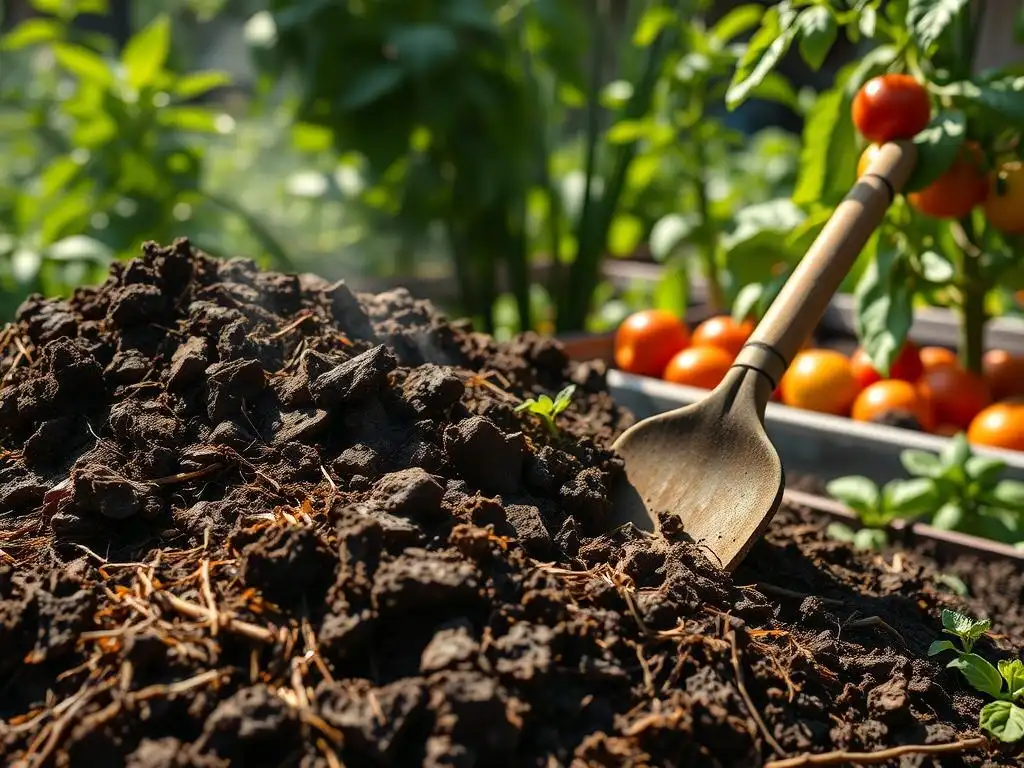
Chicken manure compost is a goldmine for gardeners practicing sustainable and organic methods. Its rich nutrient profile significantly boosts plant growth and overall garden health, making it a superior choice over many commercial fertilizers. Understanding how to properly use this potent compost is key to maximizing its benefits and avoiding potential pitfalls. Remember, fresh chicken manure is too potent for direct application and can burn plants. Composting is essential to safely harness its nutritional value.
Applying Chicken Manure Compost to Vegetable Beds
Applying chicken manure compost to your vegetable beds is straightforward but requires careful consideration. The ideal time is during the soil preparation phase before planting. Avoid applying it directly to seedlings or young plants. Instead, incorporate it into the soil by tilling or digging it in to a depth of about 6-8 inches. This ensures even distribution and prevents burning delicate roots.
A good rule of thumb is to amend your soil with approximately 2-4 inches of well-composted chicken manure per square foot. Heavier clay soils might benefit from the higher amount, while lighter, sandy soils may need less. Always monitor your soil's pH levels, as chicken manure can sometimes increase alkalinity. Regular soil testing is crucial for maintaining an optimal pH range for your chosen vegetables. Consider a soil test kit to monitor your soil's health and adjust your composting strategy accordingly. Remember, healthy soil is the foundation of a thriving vegetable garden. 🥕
Using Chicken Manure Compost for Fruit Trees and Shrubs
Fruit trees and shrubs, with their more established root systems, can tolerate chicken manure compost more readily than delicate seedlings. However, moderation is still key. Apply the compost as a mulch around the base of the plants, keeping it a few inches away from the trunk to prevent rot. A layer of 2-3 inches is generally sufficient. This method slowly releases nutrients into the soil as it decomposes, providing a sustained feed for your fruit-bearing plants.
The timing of application is important. Early spring, before new growth begins, is an ideal time for application. This allows the nutrients to be readily available as the plants start to actively grow. Avoid applying compost during periods of heavy rainfall, as this can lead to nutrient runoff and potentially contaminate nearby water sources. This sustainable practice ensures the long-term health of your plants and the environment. 🍎
Chicken Manure Tea: A Liquid Fertilizer for Your Plants
For a quick boost of nutrients, consider making chicken manure tea. This liquid fertilizer is easily prepared and provides a readily available source of nutrients for your plants. To make chicken manure tea, steep a small amount of well-composted chicken manure in water for a few days. The ratio should be approximately 1 part compost to 10 parts water. Strain the mixture before applying it to your plants. Remember, always dilute the tea before applying it to avoid burning your plants. A good starting point is to dilute the tea by half, or even more, with water.
Applying chicken manure tea is best done in the evening or on cloudy days to avoid burning the leaves. You can apply it directly to the soil or as a foliar spray, targeting the leaves and stems. This method is particularly useful for plants that show signs of nutrient deficiency, such as yellowing leaves or stunted growth. Regular applications of diluted chicken manure tea can improve overall plant health and yield. Remember to monitor your plants' response and adjust the concentration of the tea accordingly. 🌿
Avoiding Over-Fertilization with Chicken Manure Compost
Chicken manure is a potent fertilizer, significantly richer in nitrogen than cow or horse manure. This high nitrogen content is fantastic for boosting plant growth, but it can easily lead to over-fertilization if not managed carefully. Over-fertilizing with chicken manure compost can result in several negative consequences for your plants and soil. Plants may exhibit "burning," showing scorched leaves and stunted growth.
The excess nitrogen can also disrupt the delicate balance of nutrients in the soil, potentially harming beneficial microorganisms crucial for soil health and nutrient cycling. Furthermore, excessive nitrogen can leach into groundwater, contributing to water pollution. Therefore, understanding how to use chicken manure compost responsibly is crucial for reaping its benefits without harming your garden.
One key strategy is to dilute the chicken manure compost before application. Instead of using straight compost, mix it with other organic matter like peat moss, straw, or aged sawdust. This dilution reduces the concentration of nutrients, preventing the risk of burning. The ratio of chicken manure compost to other materials will depend on the age and composition of your compost, but a general guideline is to mix it at a 1:3 or even 1:5 ratio (chicken manure to other material). Always err on the side of caution, especially when dealing with fresh or less-composted manure.
Another important factor is the age of the compost. Fresh chicken manure is considerably hotter than aged compost and contains much higher concentrations of ammonia, which can be toxic to plants. Properly composted chicken manure, on the other hand, has undergone a decomposition process that reduces the ammonia content and stabilizes the nutrients, making it safer for use in your garden.
Aim for compost that is dark brown or black in color and crumbly in texture. The composting process should take several months, allowing for sufficient decomposition and reduction of harmful components. Testing your compost's nitrogen levels with a soil testing kit can also provide valuable insights into its suitability for your garden.
Finally, consider the type of plants you are fertilizing. Some plants are more sensitive to high nitrogen levels than others. Vegetables such as leafy greens generally benefit from higher nitrogen levels, while fruiting plants often require a more balanced nutrient profile. Knowing your plants' specific nutrient requirements will help you determine the appropriate amount of chicken manure compost to apply.
Over-fertilizing sensitive plants can lead to poor fruit production or even plant death. Always research the specific needs of your chosen plants and adjust your fertilization strategy accordingly. By following these guidelines, you can harness the power of chicken manure compost to cultivate a thriving and healthy garden while avoiding the pitfalls of over-fertilization. Remember, a little goes a long way, and patience is key to successful composting and fertilization.
Safety Precautions When Using Chicken Manure Compost
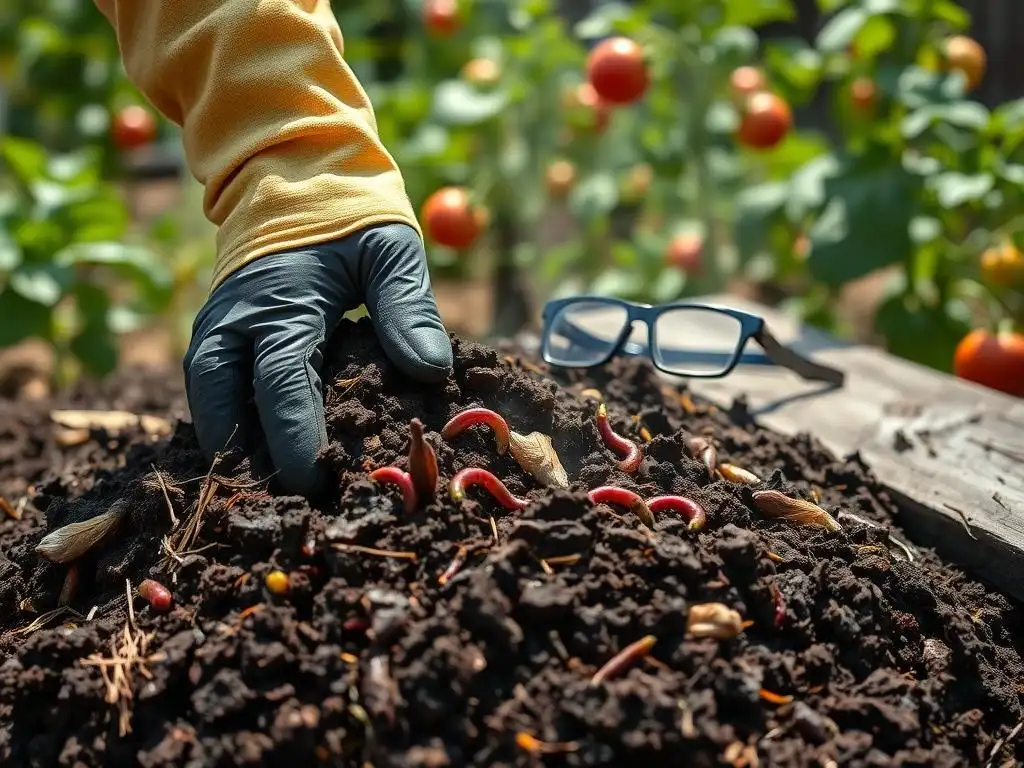
Chicken manure, while a fantastic fertilizer, presents certain risks if not handled correctly. Understanding these risks and implementing proper safety measures is crucial for successful and safe "Chicken manure compost gardening". Improper use can lead to plant damage and even health hazards. This section details vital precautions to ensure a healthy garden and a healthy you.
Potential Risks of Using Uncomposted Chicken Manure
Uncomposted chicken manure contains high levels of pathogens, including Salmonella, E. coli, and various parasites. These pathogens can cause serious illnesses in humans and animals if ingested or if they come into contact with open wounds. Furthermore, the high nitrogen content in fresh manure can "burn" plant roots, leading to stunted growth or plant death. The ammonia released during decomposition can also harm sensitive plants.
Therefore, never use fresh chicken manure directly on your garden beds. Always compost it thoroughly first. The composting process significantly reduces the pathogen load and converts the nitrogen into a more readily available form for plants.
Properly Composting Chicken Manure to Eliminate Pathogens
Effective composting is essential for safe and effective use of chicken manure in your garden. The process requires a specific carbon-to-nitrogen ratio, sufficient aeration, and consistent moisture levels. A good rule of thumb is to mix chicken manure with at least three times its volume of carbon-rich materials such as dried leaves, straw, wood chips, or shredded paper. This helps to balance the nitrogen content and promote efficient decomposition.
The ideal compost pile should be at least 3 feet by 3 feet to maintain sufficient heat for pathogen elimination. Regular turning of the pile is crucial for aeration and even decomposition. The pile should also be kept consistently moist, like a wrung-out sponge. A compost thermometer helps monitor the internal temperature. The composting process is considered complete when the temperature consistently falls below 40°C (104°F) and the material is dark, crumbly, and earthy-smelling. This process typically takes several months, varying depending on factors like ambient temperature and pile size.
Protecting Yourself from Bacterial Contamination During Handling
Even composted chicken manure can still harbor some pathogens, although at significantly reduced levels. Therefore, it's crucial to practice good hygiene when handling it. Always wear gloves when handling chicken manure compost, regardless of its stage of decomposition. Wash your hands thoroughly with soap and water after handling the compost, even if you wore gloves. Avoid touching your face or eyes while working with the compost.
Properly cleaning and disinfecting your gardening tools after use is also vital in preventing the spread of potential pathogens. Consider wearing a dust mask, especially when handling dry compost, to prevent inhaling any potentially harmful particles. Following these simple precautions significantly minimizes the risks associated with using chicken manure compost in your garden. Remember, a healthy gardener leads to a healthy garden!
Storing Chicken Manure Compost Safely
Proper storage of chicken manure compost is crucial to prevent the spread of harmful pathogens and to maintain its nutrient value. Improper storage can lead to unpleasant odors, attract pests, and even contaminate your garden or water sources. The key is to keep the compost pile away from areas where it could leach into the ground or be easily accessed by animals.
Storing your compost in a contained area is paramount. A simple, yet effective, method is to use a compost bin with a lid. This prevents rainwater from leaching out valuable nutrients and diluting the compost. It also minimizes the risk of runoff carrying contaminants into nearby water sources. Choose a bin made from durable, weather-resistant materials such as recycled plastic or wood. Ensure the bin is large enough to accommodate the volume of your compost pile, allowing for sufficient air circulation. A smaller bin might lead to compaction and anaerobic decomposition, resulting in foul smells and potentially harmful byproducts.
Beyond the bin itself, consider the location. Position your compost bin on a well-drained area, away from your house, water sources like wells or streams, and areas where children or pets frequently play. This separation minimizes the risk of exposure to potential pathogens. A slightly elevated location also helps prevent waterlogging, which can hinder the composting process and create an environment conducive to the growth of harmful bacteria. Avoid placing the compost pile directly on the ground; a gravel or wood base improves drainage and airflow.
Remember, even properly composted chicken manure still contains some microorganisms. While the composting process significantly reduces the risk of pathogen transmission, it's essential to practice good hygiene when handling the compost. Always wear gloves and wash your hands thoroughly after handling the compost, especially before preparing food or touching your face. This simple precaution protects you from any residual bacteria or parasites.
Regularly monitoring the compost pile for any signs of unusual activity, such as excessive moisture or unpleasant smells, is also recommended. Addressing these issues promptly prevents further complications. By following these safety measures, you can utilize the benefits of chicken manure compost while mitigating potential risks, maximizing its positive impact on your garden’s health.
Chicken Manure Compost: A Sustainable Gardening Solution
This section delves into the specifics of using chicken manure compost as a sustainable and effective gardening solution. We'll explore its benefits, how to properly prepare it, and its impact on your garden's overall health and productivity. Properly managed, chicken manure compost is a powerhouse for "Chicken manure compost gardening," significantly enriching your soil and minimizing your environmental impact.
Reducing Your Environmental Footprint with Chicken Manure Compost
Using chicken manure compost drastically reduces your reliance on commercially produced fertilizers, many of which contain harmful chemicals and contribute to environmental pollution. Commercially produced fertilizers often require significant energy for production and transportation, adding to their carbon footprint. In contrast, chicken manure compost is a readily available, renewable resource, turning a potential waste product into a valuable asset. By utilizing chicken manure from your own backyard flock (or sourcing it locally), you're actively participating in a closed-loop system, minimizing waste and transportation needs.
This sustainable practice aligns perfectly with the principles of organic gardening and reduces your overall environmental footprint. Consider this: a single backyard chicken can produce roughly 2-3 pounds of manure per week. Imagine the potential compost volume from a small flock! This translates into less reliance on environmentally taxing alternatives, making your garden truly sustainable.
Comparing Chicken Manure Compost to Other Organic Fertilizers
Chicken manure compost offers unique advantages over other organic fertilizers. While cow manure, horse manure, and other animal manures are also valuable soil amendments, chicken manure boasts a higher concentration of nitrogen, phosphorus, and potassium—essential nutrients for vigorous plant growth. This higher nutrient concentration means you need less chicken manure compost to achieve the same results, making it a more efficient and cost-effective choice.
Let's illustrate this with a table:
| Fertilizer Type | Nitrogen (N) | Phosphorus (P) | Potassium (K) | Other Benefits |
|---|---|---|---|---|
| Chicken Manure Compost | High | High | High | Fast-acting, readily available nutrients |
| Cow Manure Compost | Moderate | Moderate | Moderate | Improves soil structure, water retention |
| Horse Manure Compost | Moderate | Moderate | Moderate | Improves soil aeration, adds organic matter |
| Worm Castings | Moderate | Low | Moderate | Rich in micronutrients, improves soil texture |
The exact nutrient levels vary based on factors like the chicken's diet and the composting process, but generally, chicken manure compost provides a quicker boost of nutrients compared to other options. This makes it particularly beneficial for plants with high nutrient demands or for quick-growing vegetables. 🐔
The Long-Term Benefits of Using Chicken Manure Compost in Your Garden
The benefits of incorporating chicken manure compost extend beyond immediate nutrient boosts. Consistent use improves soil structure, enhancing drainage and aeration. This results in healthier root systems and increased resistance to diseases and pests.
The abundant organic matter in chicken manure compost also fosters a thriving soil microbiome, attracting beneficial microorganisms that further enhance nutrient availability and plant health. Over time, using chicken manure compost cultivates a rich, fertile soil that requires less supplemental fertilization, leading to a more resilient and productive garden. It's a long-term investment in the health and vitality of your growing space, truly embodying the spirit of "Chicken manure compost gardening" and sustainable practices.
The improved soil structure also leads to better water retention, reducing the frequency of watering and saving you time and water resources. This contributes to a more sustainable and environmentally friendly gardening practice. The long-term health benefits for your garden are undeniable, creating a positive feedback loop of improved soil health and increased plant productivity year after year.
Chicken Manure Compost and Integrated Pest Management (IPM) Strategies
Chicken manure compost isn't just a fantastic soil amendment; it's a key component of effective Integrated Pest Management (IPM) strategies. The rich nutrients in composted chicken manure promote vigorous plant growth. Strong, healthy plants are naturally more resistant to pests and diseases, reducing the need for chemical interventions. This is a cornerstone of IPM – focusing on preventative measures rather than reactive treatments. Think of it as building a strong immune system for your plants.
Furthermore, the beneficial microbes present in well-rotted chicken manure help to suppress populations of harmful soilborne pathogens and pests. These microbes compete with harmful organisms for resources, effectively reducing their numbers and minimizing the risk of infestation. This biological control is a crucial element of a sustainable and environmentally friendly gardening approach. Unlike harsh chemicals, these beneficial microbes don't harm beneficial insects or pollinators.
The application of composted chicken manure also enhances soil structure. Improved drainage and aeration created by the compost prevent fungal diseases that often thrive in compacted, waterlogged soil. This again reduces the need for chemical fungicides, aligning perfectly with IPM principles. A healthy soil ecosystem, nurtured by composted chicken manure, is far less susceptible to pest and disease outbreaks.
The slow-release nature of nutrients in composted chicken manure also plays a significant role in IPM. Unlike synthetic fertilizers that can lead to rapid, unbalanced growth making plants more vulnerable, composted manure provides a steady supply of nutrients. This promotes consistent, healthy growth, bolstering the plant's natural defenses against pests. The overall effect is a healthier, more resilient garden requiring less intervention. This is the essence of successful "Chicken manure compost gardening," allowing you to cultivate a thriving garden while minimizing environmental impact. 🐔🌱
Frequently Asked Questions
What is the benefit of using chicken manure compost in my garden?
Chicken manure compost is an excellent natural fertilizer, providing essential nutrients like nitrogen, phosphorus, and potassium to your plants. It also improves soil structure and water retention.
Is chicken manure safe to use directly in my garden?
No, fresh chicken manure is too strong and can burn your plants. It needs to be properly composted first to break down harmful chemicals and pathogens. Composting reduces the risk of plant damage.
How long does it take to properly compost chicken manure?
The composting time depends on factors like the size of your pile and the weather. Generally, it takes between 6 and 12 months to achieve a fully decomposed and safe compost. Turning the pile regularly speeds up the process.
How do I properly compost chicken manure?
Mix chicken manure with brown materials like dry leaves or straw to balance the nitrogen. Ensure proper aeration by turning the pile frequently. Maintain a moist environment, but avoid it becoming waterlogged.
Can I use chicken manure compost for all plants?
While beneficial for most plants, be cautious with delicate plants or seedlings. Start with a small amount of composted chicken manure and gradually increase it as needed. Always observe your plants for any adverse reactions.
Final Reflection: Cultivating a Sustainable Future, One Chicken Coop at a Time
The symbiotic relationship between chickens and compost isn't just a clever gardening trick; it's a powerful model for sustainable living in a world increasingly concerned with resource management and environmental impact. The benefits—from nutrient-rich soil to reduced waste—extend far beyond the backyard garden, offering a tangible pathway towards a more eco-conscious lifestyle.
Witnessing the transformation of chicken manure into rich compost, nurturing vibrant plant life, has profoundly impacted my own approach to gardening and waste management. It's a cycle of renewal that mirrors the interconnectedness of nature itself. The earth laughs in flowers.
– Ralph Waldo Emerson. This quote perfectly encapsulates the joy and abundance that can be achieved through understanding and harnessing these natural processes. The practice isn't just about healthier plants; it's about fostering a deeper respect for the natural world and our role within it.
Now, consider your own space, your own garden, even your own kitchen scraps. What small changes can you implement to create a more sustainable cycle? Perhaps you can start a small compost bin, or even explore the possibility of keeping a few chickens. The journey towards a healthier planet begins with small, intentional steps, and the rewards—both for your garden and your soul—are immeasurable. Let's cultivate a future where sustainability isn't just a buzzword, but a vibrant reality.
Unlock Your Garden's Potential: Boost Yields with Chicken Manure!
Thanks for exploring the amazing world of using chicken manure to enrich your garden soil! You've learned how this can lead to healthier, happier plants. Now it's time to put your new knowledge into action.
- Start composting your chicken manure today: Even small changes can make a huge difference! Regularly add your chickens' waste to your compost.
- Share your composting experiences with our community: Join the discussion in the comments below – we'd love to hear your tips and tricks, whether you're having great success or facing challenges.
- Consider upgrading your composting system: Once you see the benefits of enriched soil, you may find you need a larger compost bin to keep up with demand.
Ready to transform your garden? What's your biggest composting question or success so far?