
How to Find a Mentor for Beekeeping: Learning from the Experts

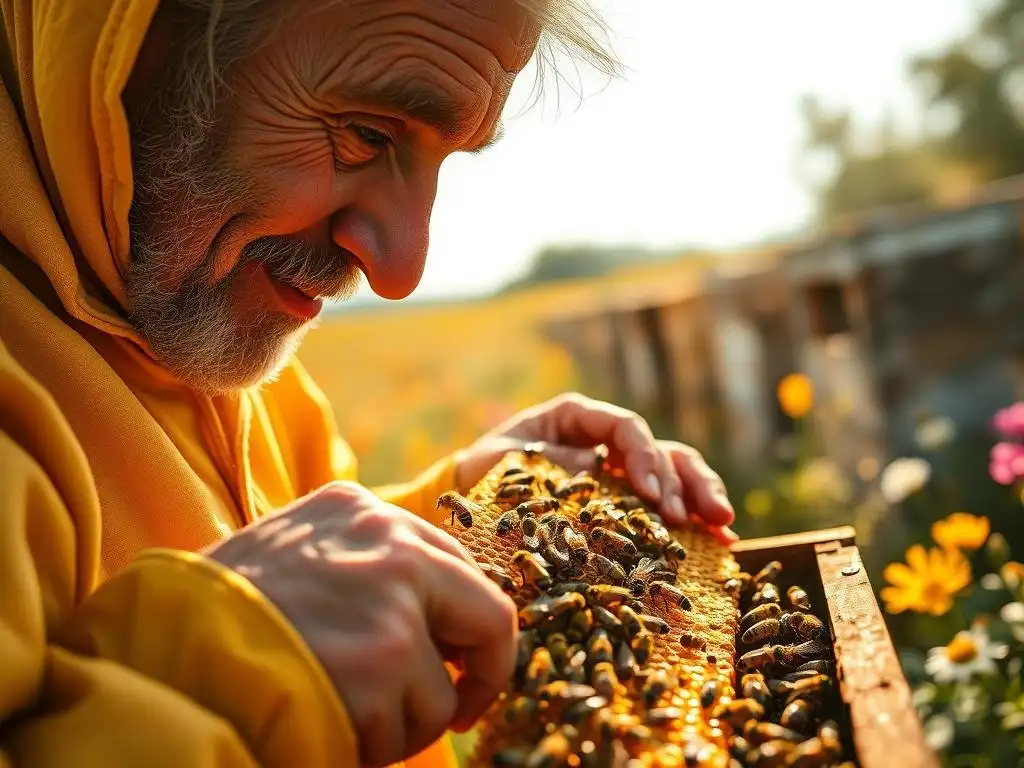
Welcome to CultivateYourFood, your guide to a thriving, sustainable garden! Ready to take your homegrown harvest to the next level? We believe that integrating animals, like bees, into your garden can dramatically increase yields and biodiversity. Discover how to find a beekeeping mentor locally and unlock the secrets to successful beekeeping – a journey that will enrich your garden and your life. Let's get started!
- The Importance of Finding a Beekeeping Mentor
- Identifying Potential Beekeeping Mentors in Your Area
- Approaching Potential Beekeeping Mentors: Making a Good Impression
- Building a Successful Mentorship Relationship
- Maintaining a Long-Term Mentorship in Beekeeping
- Finding Beekeeping Mentors Online: Resources and Platforms
- Frequently Asked Questions
- Final Reflection: The Buzz About Mentorship and Beekeeping's Future
- Unbelievably Awesome Next Steps: Find Your Beekeeping Mentor!
The Importance of Finding a Beekeeping Mentor
Embarking on the rewarding journey of beekeeping requires dedication, knowledge, and a touch of patience. While countless resources exist online and in libraries, nothing quite replaces the invaluable experience and personalized guidance of a seasoned beekeeping mentor. Finding a local mentor can significantly impact your success, transforming potential pitfalls into valuable learning opportunities.
This article explores the crucial role a mentor plays in your beekeeping endeavors, focusing on how to effectively find a beekeeping mentor locally, ultimately contributing to a thriving and sustainable apiary. Successfully navigating the complexities of beekeeping, from hive management to honey harvesting, is significantly easier with the support and expertise of someone who's been there. This is especially true when considering the delicate balance of maintaining a healthy hive and the environment.
Learning from experienced beekeepers not only accelerates your learning curve, it also fosters a deeper connection with this fascinating world, promoting responsible and ethical beekeeping practices. Let's delve into the numerous benefits of seeking out and connecting with a local beekeeping mentor.
Benefits of Experienced Guidance in Beekeeping
A skilled mentor offers much more than just theoretical knowledge; they provide practical, hands-on training that is invaluable. They can guide you through the intricacies of hive inspection, identifying potential problems early on, such as disease or pest infestations. This early detection can prevent significant losses and save your colony. Moreover, they can teach you efficient and sustainable honey harvesting techniques, ensuring both a bountiful harvest and the well-being of your bees.
Beyond the technical aspects, a mentor can offer invaluable advice on selecting appropriate hive locations, considering factors like sunlight exposure, water sources, and potential environmental hazards. They can help you understand local regulations and best practices for your specific area. This personalized approach ensures your beekeeping journey is not only successful but also compliant and environmentally responsible. Consider the difference between struggling through a problem alone versus having an expert guide you step-by-step.
The peace of mind and efficiency gained are immeasurable. Think of it as having a personal tutor dedicated to helping you cultivate your beekeeping skills. 🌎🐝
Avoiding Common Mistakes with Expert Advice
Beekeeping, while rewarding, is fraught with potential pitfalls. Inexperienced beekeepers often make costly mistakes that can significantly impact hive health and productivity. A mentor acts as a safeguard, guiding you away from common errors and helping you learn from the experiences of others. For example, they can prevent you from making mistakes in hive construction, queen introduction, or disease management.
These errors can lead to significant losses in time, resources, and even the entire colony. Imagine the frustration of losing a hive due to a preventable mistake—a mentor can help you avoid such scenarios entirely. They can offer insights into colony collapse disorder (CCD) prevention, sustainable hive management practices, and the importance of understanding your local bee flora.
Learning from their experience translates to a higher chance of success and a reduced environmental impact. Furthermore, a mentor can help you identify and address problems early on, preventing minor issues from escalating into major setbacks. This proactive approach is crucial for long-term success in beekeeping.
Building a Strong Beekeeping Network Locally
Connecting with a mentor often opens doors to a wider beekeeping community. This network provides access to shared knowledge, resources, and support. It's a chance to learn from multiple perspectives, expanding your understanding of beekeeping techniques and best practices. Think of it as joining a supportive community of like-minded individuals who share your passion.
Beyond the practical aspects, this network can offer emotional support and encouragement, fostering a sense of belonging and shared purpose. Participating in local beekeeping groups or workshops can provide additional learning opportunities and further strengthen your connections within the community. This network can become an invaluable resource throughout your beekeeping journey, providing ongoing support and guidance.
The collective knowledge and experiences shared within this group can prove invaluable in overcoming challenges and celebrating successes. Finding a mentor is not just about finding a teacher; it's about building a supportive community that shares your passion for beekeeping. 🤝🐝
Identifying Potential Beekeeping Mentors in Your Area
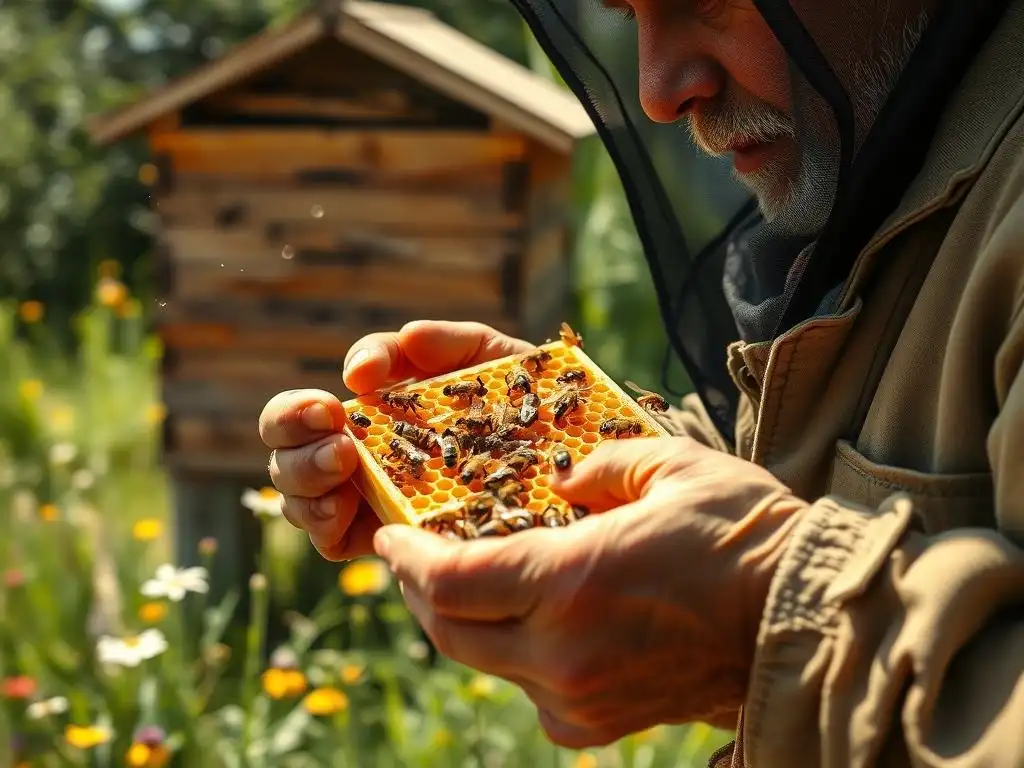
Finding the right mentor can significantly accelerate your beekeeping journey. This section focuses on practical strategies to locate experienced beekeepers in your local area who are willing to share their knowledge and expertise. Successfully finding a beekeeping mentor locally involves a multi-pronged approach, combining both online and offline methods. Remember, the ideal mentor is patient, knowledgeable, and passionate about sharing their experience with aspiring beekeepers.
Local Beekeeping Associations and Clubs
Local beekeeping associations and clubs are goldmines of information and connections. They often host workshops, meetings, and field days, providing excellent opportunities to meet experienced beekeepers. Many associations maintain member directories, allowing you to identify individuals willing to mentor newcomers. Participating actively in club events demonstrates your commitment and increases your chances of connecting with a potential mentor. Don't be afraid to introduce yourself and express your interest in learning from experienced beekeepers. Many seasoned beekeepers are eager to share their knowledge and help the next generation of beekeepers thrive.
Consider attending several meetings to get a feel for the group's dynamics and identify individuals who seem approachable and enthusiastic about teaching. Networking at these events is crucial. Engage in conversations, ask thoughtful questions, and demonstrate genuine interest in their beekeeping practices. Remember to be respectful of their time and experience.
Furthermore, many local clubs offer mentorship programs specifically designed to pair experienced beekeepers with beginners. Inquire about such programs during your first few meetings; this is often the most direct route to finding a mentor. Check your local association's website or contact them directly to learn about available mentorship opportunities.
Online Forums and Beekeeping Communities: Finding Local Contacts
While online forums and beekeeping communities are excellent resources for information, they can also be surprisingly effective in helping you find beekeeping mentor locally. Many online platforms allow users to specify their location, making it easier to connect with beekeepers in your immediate vicinity. Search for forums and groups dedicated to beekeeping in your region or state.
Actively participate in discussions, ask questions, and share your own experiences (even if limited). This helps you establish yourself as a dedicated and engaged member of the community. When you find someone whose experience and approach resonates with you, don't hesitate to send them a private message expressing your interest in learning from them and your desire to potentially establish a mentorship relationship. Be clear about your goals and what you hope to gain from a mentorship. Remember to be polite, respectful, and patient; not everyone will be able to commit to mentoring.
Reaching Out to Local Honey Producers and Apiaries
Local honey producers and apiaries are another excellent source of potential mentors. Visiting local farmers' markets or searching online for apiaries near you can provide opportunities to meet experienced beekeepers firsthand. When you visit an apiary or farmers' market, take the time to talk to the beekeeper. Express your interest in beekeeping and inquire about their experiences. A genuine interest in their craft and a willingness to learn will often be well-received.
Many honey producers are happy to share their knowledge and experience, particularly if they see a genuine interest and commitment from aspiring beekeepers. This approach allows you to observe their practices firsthand, building a relationship based on mutual respect and a shared passion for beekeeping. Remember to be mindful of their working environment and avoid disrupting their operations. A respectful and well-timed conversation can significantly increase your chances of finding a willing mentor. This method combines the practical aspect of learning through observation with the benefit of a personalized mentorship relationship.
Attending Beekeeping Workshops and Classes: Networking Opportunities
Attending local beekeeping workshops and classes presents a fantastic opportunity to not only enhance your beekeeping knowledge but also to connect with experienced beekeepers who could potentially become mentors. These events often attract a diverse group of individuals—from seasoned professionals to enthusiastic beginners—creating a rich networking environment. The shared passion for beekeeping fosters a collaborative atmosphere, making it easier to initiate conversations and build relationships.
Many workshops incorporate hands-on sessions, providing ample time for informal interactions with instructors and fellow participants. Don't hesitate to approach instructors after the class to express your interest in mentorship. Explain your goals and what you hope to learn, highlighting your commitment to sustainable and organic beekeeping practices. Similarly, engage with your fellow students; you might find someone with complementary skills or experience who's willing to share their knowledge.
Remember that building a mentorship relationship takes time and mutual respect. After a workshop, follow up with individuals who impressed you with a brief email reiterating your interest and suggesting a brief informal meeting to discuss beekeeping further. This proactive approach demonstrates your genuine enthusiasm and commitment to learning.
Networking at these events isn't just about finding a mentor; it's about building a supportive beekeeping community, which can be invaluable throughout your beekeeping journey. Consider bringing business cards with your contact information and a brief description of your beekeeping aspirations to make networking even more efficient. The connections you make at these workshops could lead to invaluable friendships and long-term mentoring relationships.
Moreover, attending multiple workshops and classes increases your chances of meeting a variety of experienced beekeepers, broadening your pool of potential mentors. Think of each workshop as a stepping stone towards finding the perfect fit for your mentorship needs.
Approaching Potential Beekeeping Mentors: Making a Good Impression
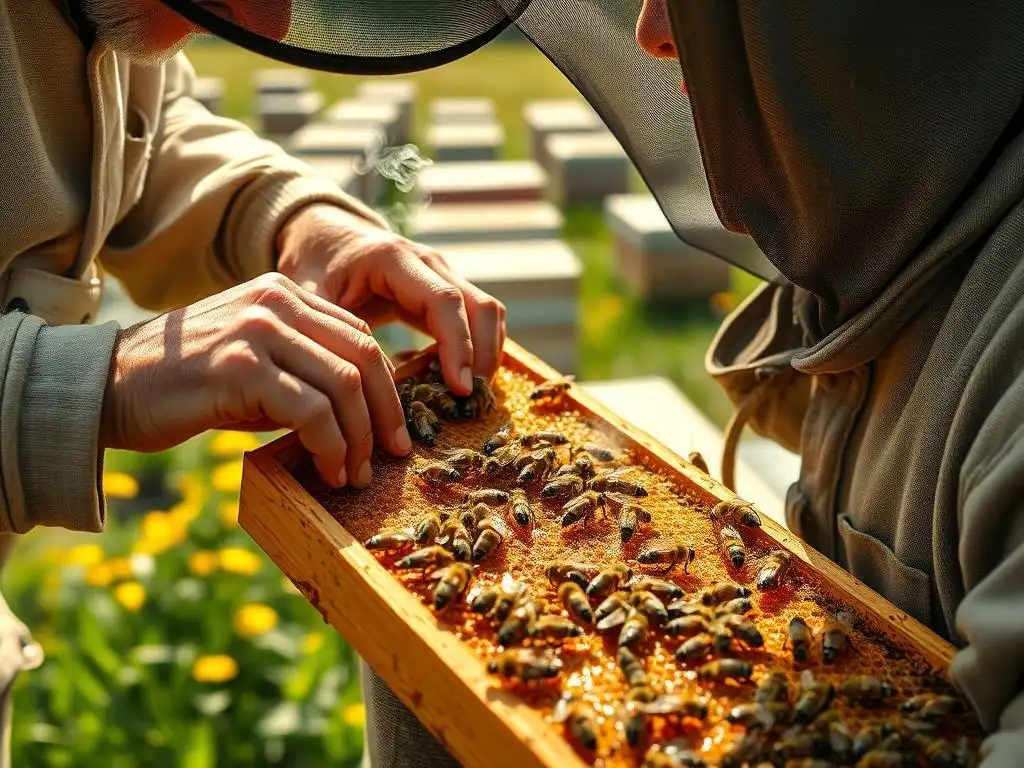
Finding the right beekeeping mentor can significantly impact your success and enjoyment of this rewarding hobby. Successfully connecting with an experienced beekeeper requires a thoughtful and respectful approach. This section focuses on strategies to make a positive first impression and establish a strong foundation for a mutually beneficial mentoring relationship. Remember, finding a beekeeping mentor locally is key to readily accessing their expertise and potentially even hands-on experience.
Crafting a Compelling Introduction and Explaining Your Goals
Your initial contact is crucial. Avoid generic emails or messages. Instead, personalize your approach. Research potential mentors beforehand; understanding their beekeeping style (e.g., Langstroth hives versus top-bar hives, organic practices versus conventional methods) allows you to tailor your communication. A compelling introduction should clearly state your interest in beekeeping and your specific reasons for seeking mentorship.
For example, instead of a generic "I'd like to be your mentee," try something like: "I'm writing to you because I deeply admire your work with [mention a specific achievement or project of the mentor, showing you've done your research]. I'm passionate about sustainable beekeeping and am particularly interested in [mention a specific area of beekeeping that aligns with the mentor's expertise, such as queen rearing or honey extraction]. I'm hoping to learn from your experience, especially in [mention a specific skill or knowledge area you're seeking to gain]."
Remember to highlight your enthusiasm and commitment. A genuine passion for beekeeping will resonate with potential mentors. They are often driven by a desire to share their knowledge and contribute to the growth of the beekeeping community.
Demonstrating Your Commitment to Beekeeping
Beyond simply expressing interest, demonstrating tangible commitment is key. Mentors invest significant time and energy; showing you're serious about learning will increase your chances of securing a mentorship. This commitment can be demonstrated in several ways:
- Research: Show you've already done your homework. Mention specific books you've read, online courses you've taken, or beekeeping associations you've joined.
- Equipment: If you've already invested in basic beekeeping equipment, mention this. It shows you're prepared to actively participate.
- Time Commitment: Be realistic about the time you can dedicate to learning and practicing beekeeping. A clear understanding of your availability will help the mentor assess the feasibility of the mentorship.
- Financial Investment: While not always necessary, expressing a willingness to contribute financially (e.g., for materials, workshops) demonstrates seriousness. This is especially pertinent when seeking advanced or specialized training.
This proactive approach shows potential mentors that you're not just looking for a shortcut, but rather a genuine learning partnership.
Setting Clear Expectations for Mentorship
Open communication about expectations is vital for a successful mentoring relationship. Before embarking on the mentorship, discuss:
- Frequency of Meetings: Determine how often you'll meet, whether it's weekly, monthly, or as needed.
- Duration of Mentorship: Establish a timeframe for the mentorship, acknowledging that it might evolve over time.
- Learning Goals: Clearly define what you hope to achieve through the mentorship. Specific, measurable, achievable, relevant, and time-bound (SMART) goals are highly beneficial.
- Communication Methods: Decide on the preferred communication channels (e.g., email, phone calls, in-person meetings).
- Roles and Responsibilities: Outline the roles and responsibilities of both the mentor and the mentee. This clarifies expectations and prevents misunderstandings.
By setting clear expectations upfront, you create a solid foundation for a productive and rewarding mentoring experience. Remember, finding a beekeeping mentor locally offers unparalleled access to practical, hands-on learning, transforming your beekeeping journey.
Showing Appreciation and Respect for Their Time and Expertise
Finding a beekeeping mentor requires recognizing that you're asking for a significant commitment of their time and knowledge. Experienced beekeepers often have busy schedules juggling their own hives, honey harvests, and other responsibilities. Therefore, demonstrating genuine appreciation from the outset is crucial to securing mentorship. A simple, heartfelt "thank you" for considering your request goes a long way. Furthermore, expressing your understanding of their valuable time and the effort involved in guiding a novice will show respect and maturity. Avoid demanding their time; instead, propose specific, manageable times for meetings or observations, demonstrating consideration for their schedule.
Beyond verbal expressions of gratitude, consider offering something tangible to show your appreciation. This doesn't need to be extravagant; a small, thoughtful gift, such as locally sourced honey or a bee-themed item, can be a nice gesture. More importantly, however, is showing your commitment by actively participating in the mentorship, diligently taking notes, and asking thoughtful questions. This demonstrates that you value their time and expertise and are actively engaged in the learning process.
Remember, consistent effort and respect are far more valuable than any material gift. Showing up prepared for each meeting, having researched beforehand, and actively participating in discussions will greatly enhance your chances of securing a long-term mentorship relationship. This demonstrates a willingness to learn and a deep respect for their experience, solidifying the positive impression you've made. A simple act like sending a thank-you note after each meeting further reinforces your appreciation and professionalism.
Building a Successful Mentorship Relationship
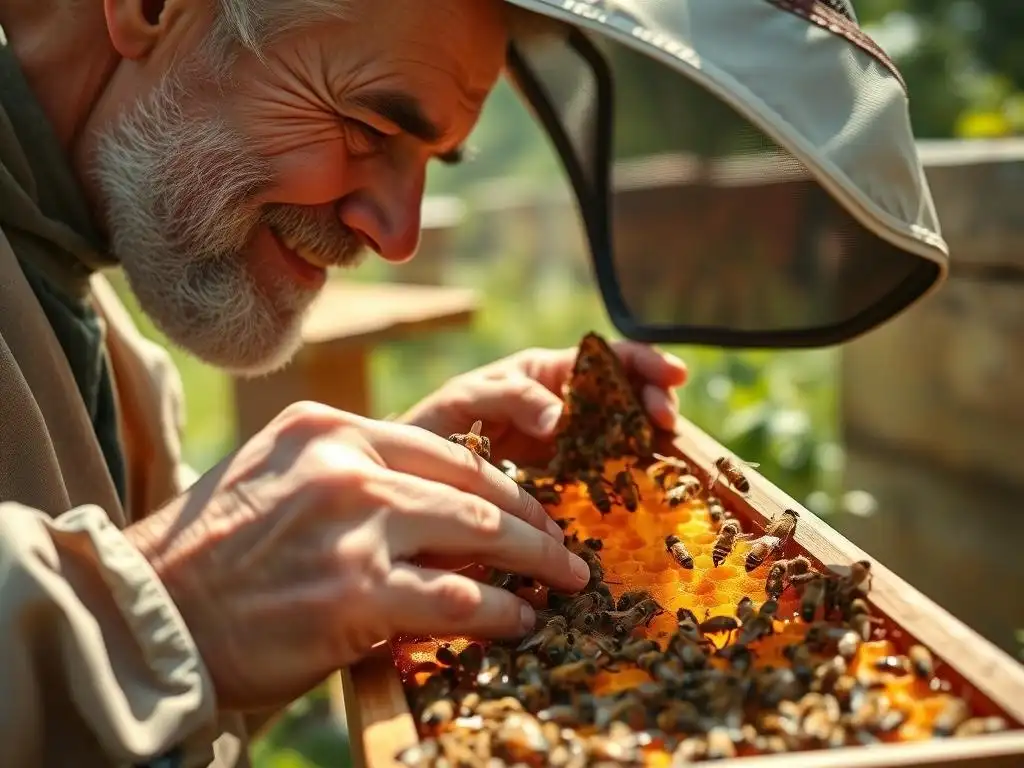
Finding a beekeeping mentor is a fantastic step towards successful beekeeping, but the relationship's success hinges on nurturing it effectively. A strong mentor-mentee bond fosters learning, growth, and a shared passion for bees. This section explores key elements for cultivating a thriving mentorship. Finding the right beekeeping mentor locally is only the first step; building a strong relationship is crucial for long-term success.
Regular Communication and Check-ins with your Beekeeping Mentor
Consistent communication is the cornerstone of any successful mentorship. Regular check-ins, whether weekly, bi-weekly, or monthly, help maintain momentum and address emerging challenges promptly. These shouldn't be solely focused on problems; they should also include discussions about successes, observations, and planned actions. Consider these communication strategies:
- Scheduled Calls or Meetings: Set aside dedicated time for discussions, allowing for focused conversation and detailed explanations. The frequency should be tailored to your needs and your mentor's availability. Aim for a balance between receiving guidance and providing updates on your progress.
- Email or Messaging for Quick Questions: For quick questions or updates, email or messaging apps offer a convenient alternative. This ensures you can seek clarification or share immediate observations without interrupting your mentor's schedule. However, remember to keep these brief and to the point. More complex issues should be handled through scheduled calls or meetings.
- Joint Apiary Visits: Hands-on learning is invaluable. Regular visits to your mentor's apiary allow for direct observation and participation in various beekeeping tasks. This provides context to theoretical discussions and allows for immediate feedback. Remember to always adhere to safety protocols and follow your mentor's instructions closely.
Observing Experienced Beekeepers in Action
Active observation is paramount in learning beekeeping techniques. Watching your mentor work their hives offers invaluable insights that go beyond theoretical knowledge. Pay close attention to:
- Hive Inspection Techniques: Note how your mentor carefully inspects the frames, identifies the queen, assesses brood patterns, and checks for diseases or pests. Observe their gentle handling of the bees and their efficient workflow. Ask questions about the reasoning behind each action.
- Honey Harvesting Methods: Witness the entire honey harvesting process, from extracting honey to bottling and labeling. Observe their methods for preventing contamination and ensuring honey quality. Understanding these practical aspects is crucial for successful honey production.
- Problem-Solving Strategies: Observe how your mentor addresses unexpected situations, such as swarm control or disease outbreaks. Their problem-solving skills are a valuable learning resource. Ask about their decision-making process and the rationale behind their actions. This will help you develop your own problem-solving abilities in the field.
Seeking Feedback and Constructive Criticism
Don't hesitate to actively solicit feedback from your mentor. Constructive criticism is essential for growth and improvement. To maximize the value of this feedback:
- Be Specific in Your Questions: Instead of asking general questions, frame your inquiries with specific details about your techniques or observations. For example, instead of asking "Am I doing this right? ", ask "Is my queen-finding method efficient, and are there any ways I could improve my speed and accuracy? ".
- Actively Listen and Take Notes: Pay close attention to your mentor's feedback, and take notes to ensure you don't miss any crucial points. Ask clarifying questions if anything is unclear. Respectful listening is key to a productive mentorship.
- Implement Feedback and Report Back: Show your commitment by implementing the suggestions you receive. During your next check-in, report back on the results and any further questions or challenges you've encountered. This demonstrates your proactive approach to learning and your commitment to the mentorship. This cycle of feedback, implementation, and reporting is essential for continuous improvement and building a robust beekeeping skillset. Finding a beekeeping mentor locally and effectively utilizing their expertise is a significant investment in your beekeeping journey.
Contributing to the Beekeeping Community: Giving Back
Finding a beekeeping mentor isn't just about receiving knowledge; it's about becoming a contributing member of a vibrant community. Mentorship is a two-way street, and actively participating in the beekeeping community strengthens the bonds of your mentorship and helps you grow as a beekeeper. This reciprocal relationship extends beyond your mentor-mentee dynamic, fostering a sense of shared purpose and collective learning.
One excellent way to give back is by attending local beekeeping association meetings. These gatherings offer opportunities to network with experienced beekeepers, share your own experiences (even the challenges! ), and learn from others' successes and failures. Many associations organize workshops and training sessions, providing valuable hands-on learning experiences. Volunteering your time to assist with these events allows you to further enhance your skills while contributing to the growth of your local beekeeping community. This active participation demonstrates your commitment to the craft and deepens your understanding of beekeeping practices beyond your individual mentorship.
Furthermore, consider mentoring others. Once you've gained sufficient experience and confidence under your mentor's guidance, you can "pay it forward" by sharing your knowledge with aspiring beekeepers. This could involve informally sharing tips and advice with fellow enthusiasts or formally participating in mentoring programs within your beekeeping association. Teaching others reinforces your own understanding and allows you to view beekeeping from a different perspective, strengthening your overall expertise. It's a remarkably rewarding experience that solidifies your place within the beekeeping community and contributes to its continued success.
The cycle of mentorship becomes a powerful tool for collective growth and the advancement of sustainable beekeeping practices. Remember, even small acts of sharing knowledge and support can have a significant impact on the wider beekeeping community. The more we give back, the stronger and more vibrant our beekeeping community becomes. 🐝
Maintaining a Long-Term Mentorship in Beekeeping
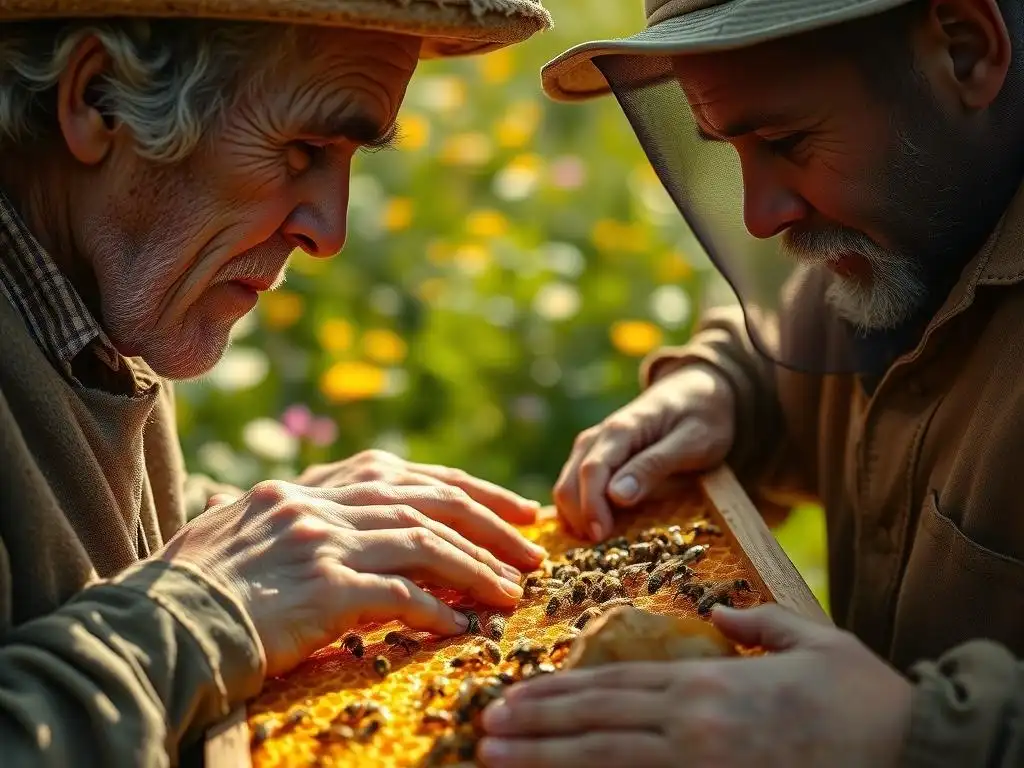
Finding a beekeeping mentor is a fantastic first step, but the real magic happens in nurturing that relationship over time. A successful mentorship isn't a one-time event; it's an ongoing process of learning, sharing, and mutual growth. This section will explore strategies for cultivating a lasting and rewarding mentorship that will significantly enhance your beekeeping journey. Remember, the goal is to find beekeeping mentor locally and build a strong, sustainable relationship.
Continuous Learning and Skill Development
A strong mentorship thrives on continuous learning. Your mentor's expertise is a valuable resource, and actively engaging with it is crucial. This doesn't just mean passively absorbing information; it means actively seeking challenges and opportunities to expand your knowledge.
Consider these avenues for ongoing learning:
- Regular Check-ins: Schedule regular meetings, even if it's just a quick phone call or a brief visit to the apiary, to discuss progress, challenges, and upcoming tasks. These consistent interactions keep the lines of communication open and foster a strong bond. Think of it as a regular "beekeeping huddle." 🐝
- Hands-on Practice: Don't be afraid to ask for help with specific tasks. Observing your mentor's techniques firsthand is invaluable. Ask questions about everything, from hive inspections to honey extraction. The more you actively participate, the faster you'll learn.
- Reading and Research: Your mentor can guide you towards relevant books, articles, and online resources. Supplement your hands-on learning with independent study to deepen your understanding of beekeeping practices and challenges. This shows initiative and a commitment to continuous improvement.
- Advanced Techniques: As your skills grow, challenge yourself and your mentor by exploring more advanced beekeeping techniques, like queen rearing or specific disease management strategies. This demonstrates your dedication and keeps the mentorship dynamic and engaging.
Staying Connected and Sharing Experiences
Maintaining a strong mentor-mentee relationship requires consistent effort to stay connected. Simply attending occasional workshops isn't enough. Think of ways to nurture the relationship outside of formal lessons.
- Seasonal Exchanges: Share the bounty of your harvests! A jar of honey or some beeswax candles can be a thoughtful gesture that strengthens the bond. This simple act of reciprocity fosters a sense of community and shared accomplishment.
- Informal Gatherings: Suggest casual gatherings at your apiary or theirs, perhaps a simple lunch or coffee break. These informal settings allow for more relaxed conversations and deeper connections.
- Mentorship Beyond Beekeeping: Build a relationship beyond the technical aspects of beekeeping. Sharing personal experiences and building trust outside the apiary can strengthen your connection.
- Feedback and Open Communication: Regularly provide feedback to your mentor on your progress and challenges. Open communication is key to a successful mentorship. Don't hesitate to express your concerns or celebrate your successes. This mutual sharing creates a supportive and collaborative learning environment.
Finding Opportunities for Collaboration and Joint Projects
Collaborating on projects can significantly enhance your mentorship. Joint ventures foster teamwork, shared learning, and a deeper understanding of beekeeping practices.
- Joint Apiary Management: Consider working together on a shared apiary. This offers a fantastic opportunity to learn from your mentor's experience while contributing your own skills and perspectives. This collaborative approach can accelerate your learning curve.
- Community Outreach: Collaborate on community outreach projects, such as educational workshops or presentations. Sharing your knowledge with others solidifies your understanding and strengthens your bond with your mentor. This is a great way to find beekeeping mentor locally and give back to the community.
- Research and Experimentation: Engage in joint research projects, such as testing different beekeeping techniques or studying the impact of local flora on honey production. This fosters a spirit of inquiry and allows for shared learning and discovery.
- Documentation and Sharing: Document your collaborative projects through written reports or presentations. This creates a tangible record of your shared learning and allows you to share your experiences with a wider audience. This also creates valuable learning resources for future beekeepers.
Remember, building a lasting mentorship takes time and effort. By actively engaging in continuous learning, staying connected, and collaborating on projects, you can cultivate a mutually rewarding relationship that will enrich your beekeeping journey for years to come. This focused approach will help you effectively find beekeeping mentor locally and build a lasting connection.
Supporting Your Mentor's Beekeeping Endeavors
Finding a beekeeping mentor is a two-way street. While you gain invaluable knowledge and experience, your mentor also benefits from the relationship. Actively supporting their beekeeping endeavors demonstrates your commitment and strengthens the mentorship bond. This support can manifest in various ways, both practical and emotional.
One significant way to support your mentor is through hands-on assistance. This could involve helping with hive inspections, honey extraction, or other physically demanding tasks. Even small contributions, like preparing equipment or cleaning tools, can make a considerable difference, especially for experienced beekeepers who may have physical limitations or time constraints. Remember to always ask before assisting; unsolicited help might be disruptive or even dangerous around bees.
Beyond physical labor, offering intellectual support is equally valuable. This could involve researching specific beekeeping challenges your mentor is facing, helping with record-keeping, or assisting with the marketing and sale of their honey or other bee products. For example, you might research sustainable packaging options or help create attractive labels for their honey jars. This demonstrates your initiative and commitment to learning and shows your mentor you are a valuable partner.
Finally, providing emotional support is crucial for a lasting mentorship. Beekeeping, like any agricultural endeavor, can be challenging and unpredictable. Unexpected losses, disease outbreaks, or poor honey yields are all possibilities. Being a supportive and empathetic listener during these difficult times can significantly strengthen your bond with your mentor and build their confidence.
A simple conversation, offering encouragement, or sharing relevant research findings can go a long way in building a supportive and lasting relationship. Remember that your mentor is sharing their expertise and passion with you; reciprocal care and consideration are essential for a flourishing mentorship. A strong mentor-mentee relationship built on mutual respect and support will benefit both parties for years to come, fostering a sustainable and thriving beekeeping community.
Finding Beekeeping Mentors Online: Resources and Platforms
Finding a beekeeping mentor can significantly enhance your learning journey, especially when starting. While local connections are invaluable, the internet offers a wealth of resources to connect with experienced beekeepers, discover online communities, and access educational materials. This section explores various online platforms and resources to help you find and connect with beekeeping mentors, even before you start looking locally. This can help you build a foundation of knowledge before seeking hands-on mentorship, making your interactions with a local mentor more efficient and productive.
Online Beekeeping Communities and Forums: Finding Local Mentors
Numerous online communities and forums cater specifically to beekeepers of all skill levels. These platforms provide a space to ask questions, share experiences, and connect with other beekeepers, potentially finding a mentor within your geographical area. Many forums have sections dedicated to specific regions, allowing you to easily find beekeepers in your local area.
For example, you might find a forum thread discussing challenges specific to your climate or floral resources, bringing together beekeepers with shared experiences. Actively participate in discussions, showcase your enthusiasm for beekeeping, and clearly state your interest in finding a mentor. Remember to be respectful and contribute positively to the community.
This approach increases your chances of connecting with someone willing to guide you. Don't be afraid to directly message individuals who seem experienced and approachable; express your interest in learning from their expertise and explain your beekeeping goals. The success of this method relies heavily on your proactive engagement within the community.
The quality of mentorship you receive will depend significantly on the platform you choose. Some forums are more active and responsive than others. Pay attention to the level of engagement, the expertise of the members, and the overall helpfulness of the community before investing significant time in a particular platform.
Beekeeping Blogs and Websites with Expert Advice
While not directly connecting you with a mentor, many beekeeping blogs and websites offer in-depth information and expert advice. These resources can significantly bolster your beekeeping knowledge and help you formulate informed questions when you do find a mentor. Reading articles and following experienced beekeepers online can provide valuable insights into various aspects of beekeeping, from hive management techniques to honey harvesting methods. Many bloggers and website owners are often receptive to questions from aspiring beekeepers, acting as an informal mentorship through their responses and content.
This indirect mentorship can be invaluable in building your confidence and understanding before seeking a more formal arrangement. The key is to actively engage with the content, participate in comments sections, and reach out to authors with specific questions. Remember that even a brief interaction with an experienced beekeeper online can be a valuable learning experience.
Consider subscribing to newsletters and following social media accounts of reputable beekeeping websites and blogs to stay updated with the latest information and advice. This passive learning approach will complement your active search for a local mentor.
Educational Videos and Courses: Enhancing Your Beekeeping Skills
Online educational videos and courses offer structured learning opportunities to enhance your beekeeping skills. While not a replacement for a hands-on mentor, these resources provide foundational knowledge that will make your interactions with a mentor more productive. Many platforms offer video tutorials on various beekeeping techniques, from setting up a hive to extracting honey. The advantage here is the ability to learn at your own pace and review material as needed.
These courses often feature expert beekeepers sharing their knowledge and experience, providing a virtual mentorship experience. Completing an online course can also demonstrate your commitment to beekeeping and your willingness to learn, making you a more attractive mentee to potential mentors. Moreover, many online courses include Q&A sessions or forums, allowing you to interact with instructors and other students, potentially finding additional support and resources.
Look for courses that emphasize practical skills and provide detailed explanations. Compare different courses based on reviews, curriculum, and instructor credentials to ensure you are investing your time in a high-quality learning experience. This preparation will significantly contribute to your success in finding and working with a local beekeeping mentor.
Finding a beekeeping mentor can be surprisingly easy through dedicated social media groups. These online communities often bring together experienced beekeepers and enthusiastic beginners, fostering a supportive environment for knowledge sharing and mentorship. Many groups are geographically focused, making it easier to find local mentors willing to offer in-person guidance. Look for groups on platforms like Facebook, Instagram, and even more specialized platforms like Nextdoor (if you are seeking highly local connections).
The key is to actively participate: ask questions, share your experiences, and demonstrate genuine interest in learning. Don't be afraid to directly message experienced beekeepers whose profiles or posts resonate with you; many are happy to offer advice or even mentorship. Remember to be respectful of their time and expertise.
It's crucial to carefully vet any potential mentor you find online. Look for individuals with a track record of successful beekeeping, demonstrated expertise in sustainable and organic practices, and a commitment to sharing their knowledge. Pay attention to the quality of their contributions to the group – do they offer thoughtful advice, respond to questions thoroughly, and contribute positively to the community?
Avoid individuals who seem dismissive of questions or offer unsubstantiated claims. A good mentor will be patient, supportive, and willing to guide you through the learning process, potentially even offering hands-on assistance. Remember, building trust is paramount in a mentorship relationship.
Beyond simply finding a mentor, social media groups also provide a wealth of information about local beekeeping resources. You might find discussions about local regulations, recommended suppliers for beekeeping equipment, or information about upcoming workshops and training opportunities. These groups often serve as a valuable hub for connecting with other beekeepers in your area, expanding your network and potential mentorship opportunities.
Active participation and engagement are key to maximizing the benefits of these online communities. Remember to always maintain a respectful and courteous demeanor while interacting with other group members. The more you engage and contribute, the more likely you are to build connections that could lead to a valuable mentorship opportunity.
Frequently Asked Questions
How can I find a local beekeeping mentor?
Finding a local mentor involves several steps. First, try searching online for local beekeeping associations or clubs. Then, attend meetings or contact them directly to inquire about mentorship opportunities. You can also explore online forums and social media groups dedicated to beekeeping in your area.
What qualities should I look for in a beekeeping mentor?
A good mentor should be experienced and knowledgeable, possessing a patient and supportive teaching style. Look for someone who is passionate about beekeeping and willing to share their expertise. Consider their teaching methods and whether they align with your learning style.
Are there any costs associated with finding a beekeeping mentor?
The cost varies greatly. Some mentors might offer their services pro bono, while others may charge a fee for their time and expertise. Many local beekeeping clubs offer mentorship programs at a reasonable cost or even for free. It's always good to discuss this upfront.
What if I can't find a local beekeeping mentor?
If finding a local mentor proves difficult, consider online resources and courses. Many experienced beekeepers offer online mentorship or tutorials. You could also connect with beekeepers in online communities to gain knowledge and support, even if it's not a formal mentorship.
How can I make the most of my mentorship relationship?
To maximize your learning, be prepared and engaged. Actively participate in discussions, ask questions, and take detailed notes. Respect your mentor's time and experience, and show your commitment to learning and following their guidance. Regular communication is key.
Final Reflection: The Buzz About Mentorship and Beekeeping's Future
Finding a local beekeeping mentor isn't just about acquiring skills; it's about safeguarding the future of this vital practice. The decline of bee populations is a global crisis, and the knowledge passed down through mentorship is crucial to reversing this trend. We need more beekeepers, and we need them to be well-trained and passionate.
The impact of mentorship extends far beyond individual beekeepers; it shapes entire communities. It fosters a sense of shared responsibility for environmental stewardship and builds a network of support that's essential for navigating the challenges of beekeeping. The best teachers are those who show you where to look, but don't tell you what to see.
This quote perfectly encapsulates the power of a good mentor – they guide you, but allow you to discover your own path within the fascinating world of apiculture. This personal discovery is what truly makes the experience enriching and sustainable.
Now, consider your own journey. Are you ready to take the next step? Perhaps you've already identified potential mentors in your area, or maybe this article has sparked a new interest in connecting with experienced beekeepers. Don't hesitate to reach out – the rewards of finding a mentor, both for your beekeeping skills and your personal growth, are immeasurable. Embrace the opportunity to learn, to contribute, and to become part of a vibrant community dedicated to the survival and thriving of these essential pollinators.
Unbelievably Awesome Next Steps: Find Your Beekeeping Mentor!
Congratulations on taking the first steps into the fascinating world of beekeeping! You've already gained valuable knowledge about finding the perfect mentor to guide you on this rewarding journey. Now it's time to put that knowledge into practice.
Here's how to take the next steps towards achieving your beekeeping dreams:
- Connect with local beekeepers: Don't rely solely on online searches. Actively reach out to beekeepers in your area—a phone call or email expressing your genuine interest in learning from their experience is often the most effective approach.
- Join your local beekeeping association or club: These groups are invaluable resources, providing access to a wealth of information, workshops, potential apprenticeships, and connections with experienced mentors in your community.
- Share this article with fellow aspiring beekeepers: Inspire others to pursue their beekeeping passions and build a supportive network together.
Ready to find your perfect mentor and begin your beekeeping adventure? What's the first step you'll take to connect with experienced beekeepers in your area?