
Honeybee Foraging Habits: Where Do They Find Their Food?

Welcome to CultivateYourFood, your guide to a thriving, sustainable garden! Ready to unlock the secrets of a bountiful harvest? We're diving deep into the fascinating world of honeybee foraging, and how understanding their honeybee foraging range map can dramatically impact your fruit and vegetable yields. Discover how integrating these essential pollinators can transform your homegrown paradise. Let's explore the intricate dance between bees and your garden – read on to learn more!
- Understanding the Honeybee Foraging Range Map
- Key Foraging Resources for Honeybees
- Optimizing Honeybee Foraging in Your Garden
- Honeybee Foraging Behavior: A Closer Look
- The Importance of Honeybee Foraging for Sustainable Agriculture
- Expanding Your Honeybee Foraging Range Map Knowledge
- Frequently Asked Questions
- Final Reflection: Mapping the Future of Honeybee Foraging
- Unlock the Secrets of Honeybee Foraging!
Understanding the Honeybee Foraging Range Map
Honeybees are vital pollinators, crucial for the health of our ecosystems and the production of many fruits, vegetables, and herbs. Understanding their foraging habits, particularly their foraging range, is essential for both beekeepers and gardeners aiming to maximize pollination and honey production. This article explores the factors influencing the distance honeybees travel to find food and introduces various techniques used to map their foraging areas.
Successfully mapping a honeybee foraging range provides valuable insights into optimizing hive placement, promoting biodiversity, and ensuring the overall well-being of these crucial insects. We'll delve into the complexities of honeybee foraging, providing a comprehensive guide to understanding and interpreting a "honeybee foraging range map," a critical tool for sustainable and successful beekeeping and gardening practices. This knowledge is key to understanding how to best support your local honeybee population and cultivate a thriving garden ecosystem.
Factors Influencing Honeybee Foraging Distance
Several factors intricately influence how far honeybees will travel from their hive in search of nectar and pollen. Let's examine some key aspects that determine their foraging radius and how this information can be represented on a honeybee foraging range map.
Terrain and Habitat Diversity
The landscape surrounding a beehive significantly impacts foraging distance. A diverse habitat with abundant floral resources within a short distance will encourage shorter foraging trips. 🏞️ Conversely, a monotonous landscape or one with sparse flowering plants will necessitate longer foraging flights.
Steep terrain and the presence of obstacles like rivers or large buildings also act as barriers, restricting the bees' foraging range and affecting the overall shape of the foraging range map. For example, a hive situated in a flat, flower-rich meadow will have a significantly different foraging range map compared to a hive located in a hilly region with scattered floral patches.
Beehive Location and Accessibility to Resources
The location of the beehive itself plays a crucial role. A hive placed near a diverse array of flowering plants will naturally have a smaller foraging range compared to a hive situated in a less favorable location. Accessibility is also key; if the path to valuable resources is obstructed by obstacles or requires bees to navigate difficult terrain, their foraging range will be reduced. This directly impacts the density and distribution of foraging activity represented on a honeybee foraging range map.
Nectar and Pollen Availability
The abundance and quality of available nectar and pollen sources are paramount. High concentrations of attractive flowers within a short distance will result in a smaller foraging radius, while low availability necessitates longer foraging flights. The type of flowers also matters; honeybees show preferences for certain species, and the distribution of these preferred plants will heavily influence their foraging patterns, directly influencing the shape and distribution of data points on a honeybee foraging range map. This is why diverse planting strategies are beneficial to honeybee populations.
Weather Conditions and Seasonal Variations
Weather significantly affects foraging behavior. Adverse conditions like strong winds, rain, or extreme temperatures drastically reduce foraging activity and shorten foraging distances. Seasonal variations in floral availability also impact foraging range; during peak bloom seasons, foraging ranges might be smaller due to ample resources nearby, while during lean periods, bees might venture further afield, leading to a larger, more dispersed foraging range map. This fluctuation needs to be considered when interpreting data from a foraging range map.
Mapping Honeybee Foraging Areas: Techniques and Tools
Mapping honeybee foraging areas requires employing various techniques and tools to accurately track their movements and identify their food sources. The resulting maps provide invaluable data for beekeepers and researchers alike.
Direct Observation and Tracking Methods
This traditional method involves visually observing honeybees as they leave and return to the hive, noting their flight paths and the types of flowers they visit. While labor-intensive, it offers valuable qualitative data. More advanced methods include marking bees with individually identifiable paint or using video recording to track their movements, improving accuracy and scope.
Pollen Analysis to Identify Foraging Sources
Analyzing pollen collected by honeybees is a highly effective way to determine their foraging sources. Microscopic examination of pollen loads in bee legs and hive samples reveals the types and quantities of pollen collected, providing direct evidence of their foraging destinations. This method, however, doesn't necessarily reveal the distance travelled, but rather the source of collected pollen.
Radio Frequency Identification (RFID) Tagging for Honeybees
RFID tagging allows for precise tracking of individual honeybees. Tiny RFID tags attached to bees can be detected by readers placed around the hive and at strategic locations in the foraging area, providing detailed information on their flight paths and distances travelled. This technology significantly enhances the accuracy of honeybee foraging range maps.
Using Geographic Information Systems (GIS) for Data Analysis
Geographic Information Systems (GIS) are powerful tools for analyzing and visualizing honeybee foraging data. GIS software allows researchers to integrate data from various sources—direct observations, pollen analysis, RFID tracking—to create detailed and interactive maps illustrating foraging ranges, identifying hotspots of floral resources, and analyzing the impact of environmental factors. GIS significantly enhances the interpretation and presentation of the data collected, producing comprehensive honeybee foraging range maps.
Key Foraging Resources for Honeybees
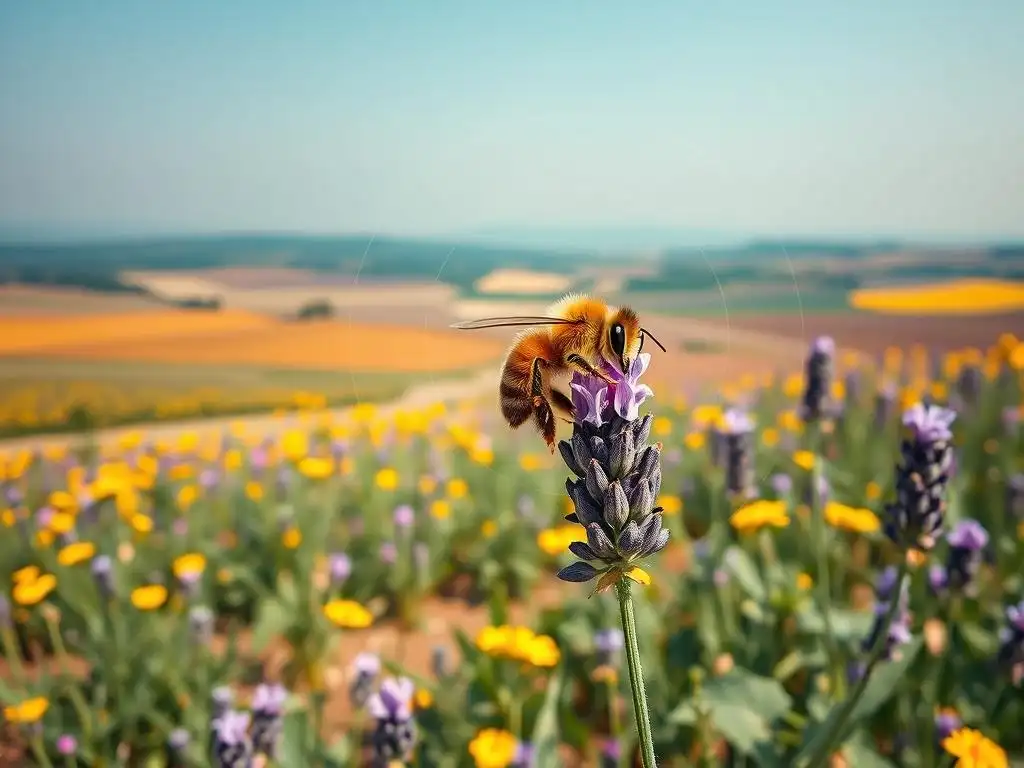
Honeybees, crucial pollinators for our gardens and ecosystems, rely on a diverse range of resources for their survival and colony health. Understanding their foraging habits, particularly their preferred nectar and pollen sources, is essential for supporting thriving bee populations. A comprehensive Honeybee foraging range map, while not directly visualizable here, would illustrate the spatial extent of their foraging activities, influenced by factors like colony size, resource availability, and landscape features. This section details the key resources honeybees seek, emphasizing seasonal variations and the importance of providing diverse options.
Nectar Sources: Floral Preferences and Seasonal Availability
Nectar, a sugary liquid produced by flowering plants, is the primary energy source for honeybees. Their floral preferences vary significantly throughout the year, reflecting the seasonal availability of different plant species. Providing a continuous supply of nectar-rich blooms is crucial for maintaining healthy and productive colonies. The following sections outline important nectar sources categorized by season.
Spring Blooming Plants for Honeybees
Spring marks the beginning of the honeybee foraging season. After winter, bees eagerly seek out early-blooming plants to replenish their energy reserves. Key nectar sources during this period include:
- Fruit trees: Apple, cherry, plum, and pear trees offer abundant nectar and are vital for early colony development. Their blooms provide a crucial boost after the lean winter months.
- Willow trees: Known for their early flowering, willows provide a valuable nectar source for foraging bees. Their catkins are particularly attractive to honeybees.
- Dandelions: Often overlooked, dandelions are a significant early-season nectar source, providing sustenance when other floral resources are scarce. They're a crucial early food source for honeybees.
- Crocus: These early spring blooms offer a vital nectar source for honeybees emerging from winter. Their vibrant colors attract bees from a distance.
Summer Blooming Plants for Honeybees
Summer offers a wider variety of nectar sources, with many plants blooming simultaneously. This abundance ensures a consistent supply of nectar for the colony's growing needs and honey production. Important summer nectar sources include:
- Lavender: Highly aromatic and attractive to bees, lavender provides both nectar and pollen. Its long blooming period makes it a valuable asset in a bee-friendly garden.
- Borage: A popular choice among beekeepers, borage produces abundant nectar and is easy to grow. Its blue flowers are highly visible to bees.
- Sunflower: Sunflowers are known for their large, nectar-rich flowers that attract numerous honeybees. They also produce a significant amount of pollen.
- Clover: Various clover species, such as white clover and red clover, are excellent nectar and pollen sources throughout the summer months.
Autumn Blooming Plants for Honeybees
As summer ends, the availability of nectar sources diminishes. Providing late-blooming plants is crucial for ensuring sufficient food reserves for the colony before winter. Key autumn nectar sources include:
- Goldenrod: A prolific late-season bloomer, goldenrod provides a valuable nectar source for honeybees preparing for winter. Its vibrant yellow flowers are a beacon for bees.
- Aster: Various aster species offer nectar and pollen late into the autumn. They play a crucial role in helping honeybees build up their winter stores.
- Sedum: Also known as stonecrop, sedum plants offer late-season nectar and are drought-tolerant, making them a valuable addition to a bee-friendly garden.
- Heathers: These hardy shrubs provide a crucial late-season nectar source for honeybees in many regions.
Pollen Sources: Nutritional Value and Impact on Colony Health
Pollen, the powdery substance produced by flowering plants, is essential for honeybee larval development and overall colony health. It provides vital proteins, vitamins, and other nutrients necessary for growth and reproduction. A diverse range of pollen sources is crucial for maintaining strong and resilient honeybee colonies.
High-Pollen Producing Plants for Beekeepers
Beekeepers often intentionally plant high-pollen producing plants to supplement natural sources and ensure adequate nutrition for their colonies. Some excellent choices include:
- Sunflower: As mentioned earlier, sunflowers are not only excellent nectar sources but also produce large quantities of pollen.
- Pumpkin: Pumpkin flowers are rich in pollen and are attractive to honeybees.
- Squash: Similar to pumpkins, squash plants also provide a good source of pollen.
- Alfalfa: Alfalfa is a valuable forage crop for honeybees, providing both nectar and substantial amounts of pollen.
Diverse Pollen Sources for Robust Honeybee Colonies
The importance of pollen diversity cannot be overstated. A varied diet ensures that the colony receives a complete range of essential nutrients. Monoculture plantings, where only one type of plant is present, can lead to nutritional deficiencies and weaken the colony's resilience to disease and stress. A healthy and diverse landscape is key.
The Importance of Pollen Diversity for Honeybee Health
A diet lacking in pollen diversity can lead to a number of issues, including:
- Reduced brood production: Insufficient protein from pollen can limit the colony's ability to raise young bees.
- Increased susceptibility to disease: Nutritional deficiencies can weaken the immune system of bees, making them more vulnerable to diseases and pests.
- Decreased foraging efficiency: Malnourished bees may be less efficient foragers, impacting honey production and colony growth. Providing a wide array of pollen-rich plants is essential for maintaining robust and healthy honeybee colonies. A healthy colony is a productive colony, contributing significantly to pollination services and the overall health of our ecosystem. 🐝
Optimizing Honeybee Foraging in Your Garden
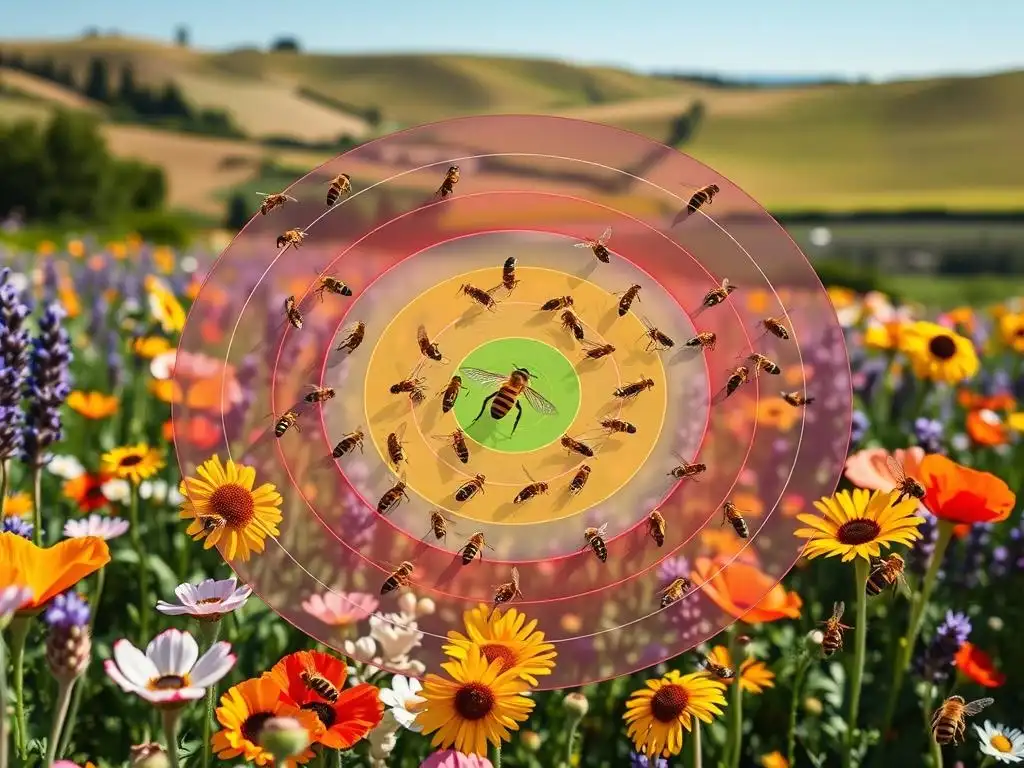
This section focuses on practical strategies to enhance honeybee foraging within your home garden, directly impacting honey production and pollination success. Understanding honeybee foraging range and optimizing your garden's attractiveness is key to maximizing their productivity and supporting their health. A well-planned garden can significantly reduce the need for supplemental feeding, while also providing a rich and diverse food source for your local honeybee population. Let's delve into the specifics.
Planting Bee-Attractive Plants for Enhanced Foraging
Attracting honeybees to your garden involves strategically planting species known for their pollen and nectar richness. The success of this approach hinges on choosing the right plants and arranging them effectively. Honeybees, like other pollinators, exhibit preferences for certain floral characteristics. Understanding these preferences is the first step in creating a bee-friendly haven.
Choosing Native Plants to Support Local Honeybees
Prioritizing native plant species is crucial. Local honeybees have evolved alongside these plants, developing a symbiotic relationship optimized for mutual benefit. Native plants often provide a more consistent and abundant food source than non-native varieties. For example, selecting native wildflowers like coneflowers ( Echinacea spp. ), goldenrods ( Solidago spp.
), and asters ( Symphyotrichum spp.) will significantly boost honeybee foraging success in your area. Researching the native flora specific to your region is essential for optimal results. A well-designed "honeybee foraging range map" for your local area would be extremely helpful in this process, identifying the prevalent native species that thrive in your specific climate and soil conditions.
Creating a Diverse Floral Calendar for Continuous Foraging
Honeybees require a consistent food source throughout the active foraging season. A diverse planting scheme ensures continuous nectar and pollen availability. This involves selecting plants with staggered bloom times, creating a succession of flowering plants from early spring to late autumn. Consider incorporating early bloomers like willows ( Salix spp.)
and dandelions ( Taraxacum officinale), followed by mid-season bloomers such as lavender ( Lavandula spp.) and borage ( Borago officinalis), and finally, late-season bloomers like sunflowers ( Helianthus annuus) and sedum ( Sedum spp.). This strategy guarantees a reliable food supply for your honeybees, minimizing their need to forage further afield.
Strategic Placement of Bee-Friendly Plants
The spatial arrangement of your bee-friendly plants also matters. Clustering plants of the same species together creates visual cues that attract honeybees, making it easier for them to locate abundant food sources. Consider planting these clusters in sunny areas, as bees are most active under direct sunlight. Avoid using pesticides, especially neonicotinoids, which are highly toxic to bees. Providing a water source, such as a shallow dish with pebbles, will also enhance the attractiveness of your garden to honeybees. Remember that even small garden spaces can be highly effective if planned thoughtfully.
Providing Supplemental Feeding During Periods of Scarcity
While creating a bee-friendly garden is the primary solution, supplemental feeding may be necessary during periods of nectar dearth, such as extended droughts or late frosts. This practice should be approached cautiously and strategically. Improper supplemental feeding can disrupt the natural foraging behavior of honeybees and even negatively impact their health.
Understanding When and How to Supplement Honeybee Nutrition
Supplemental feeding should only be considered as a last resort, when natural food sources are severely limited. Monitor your honeybees closely for signs of starvation, such as reduced activity and dwindling honey stores. If natural food sources are insufficient, provide supplemental feed strategically, avoiding overfeeding, which can lead to disease and robbing behavior among honeybee colonies. Always ensure that the feeder is clean and well-maintained to prevent the spread of diseases.
Types of Supplemental Feeds for Honeybees
Several types of supplemental feeds are available, including sugar syrup (a mixture of sugar and water) and pollen substitutes. Sugar syrup provides a readily available energy source, but lacks the essential nutrients found in pollen. Pollen substitutes should be used sparingly and only when pollen sources are extremely limited. Never use honey from unknown sources as supplemental feed, as it may carry diseases. Always follow the instructions carefully when preparing and administering any supplemental feed.
Avoiding Harmful Practices in Supplemental Feeding
Avoid using artificial sweeteners or other substances not specifically designed for honeybees. These can be harmful and even fatal. Overfeeding can lead to dysentery and other health problems. Place feeders strategically to minimize robbing behavior. Regularly monitor the feeder and clean it thoroughly to prevent the spread of diseases. Always prioritize creating a robust and diverse garden as the primary source of nutrition for your honeybees. Supplemental feeding should be a temporary measure, not a long-term solution.
Honeybee Foraging Behavior: A Closer Look
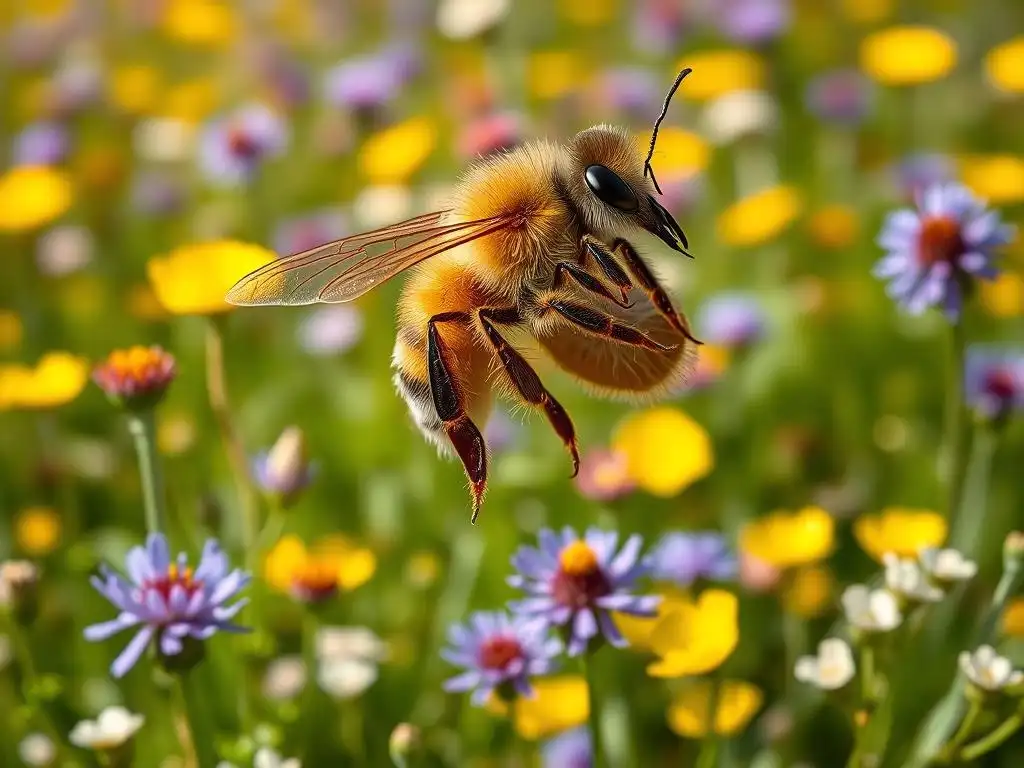
This section delves into the fascinating world of honeybee foraging behavior, exploring the intricate communication systems, competitive dynamics, and resource partitioning strategies employed by these vital pollinators. Understanding these aspects is crucial for beekeepers aiming to optimize honey production and support healthy honeybee populations, especially when considering a honeybee foraging range map.
Communication and Recruitment within the Honeybee Colony
Effective communication is paramount to a honeybee colony's foraging success. Bees don't simply wander aimlessly; they employ sophisticated methods to share information about lucrative food sources. This ensures efficient resource exploitation and minimizes wasted energy.
The Waggle Dance: Decoding Honeybee Communication
The waggle dance, a celebrated example of animal communication, is a key mechanism for recruiting foragers. A successful forager, upon returning to the hive, performs a specific dance on the honeycomb. The duration of the waggle run indicates the distance to the food source, while the angle of the run relative to gravity signifies its direction in relation to the sun.
This detailed information allows other bees to quickly locate and exploit the same resource. Variations in the dance, such as the intensity of the waggle and the accompanying buzzing sounds, can also convey information about the quality and abundance of the nectar and pollen. Observing these dances provides invaluable insights into the foraging range and preferences of a specific colony, data vital when creating a honeybee foraging range map.
Pheromones and Chemical Signals in Foraging Behavior
Beyond the waggle dance, honeybees utilize a complex system of pheromones to communicate foraging information. These chemical signals, often left on flowers or within the hive, can indicate the presence of a food source, its quality, and even the presence of competitors. For example, a bee might leave a scent trail leading back to a particularly abundant patch of nectar-rich flowers.
These pheromonal cues are crucial for coordinating foraging efforts and ensuring that the colony collectively exploits the most profitable resources available within their foraging range. Understanding these chemical cues can also assist in managing foraging competition, especially when creating a honeybee foraging range map for multiple colonies or species.
The Role of Scout Bees in Foraging Efficiency
Scout bees play a crucial role in optimizing foraging efficiency. These specialized bees actively search for new food sources, exploring the surrounding environment far beyond the established foraging range of the colony. Their discoveries, communicated through the waggle dance and pheromones, expand the colony's access to resources and help ensure its survival, especially during periods of scarcity. The success of scout bees directly impacts the accuracy and detail of a honeybee foraging range map, as their discoveries define the outer limits of the colony's foraging area.
Foraging Competition and Resource Partitioning
Honeybees are not the only organisms seeking nectar and pollen. Competition for these crucial resources exists between different honeybee colonies, as well as with other pollinators like bumblebees, butterflies, and other insects. Understanding these competitive interactions is essential for sustainable beekeeping practices.
Interactions Between Honeybee Colonies and Other Pollinators
The coexistence of different pollinator species within a given area presents complex ecological interactions. While direct aggression between honeybees and other pollinators is less common than competition for resources, the sheer abundance of honeybees in a managed apiary can significantly impact the foraging success of other, smaller, pollinator populations. This competition can lead to reduced foraging efficiency and potentially threaten the biodiversity of the local pollinator community. A comprehensive honeybee foraging range map, when coupled with maps showing the foraging ranges of other pollinators, can help visualize and manage these interactions.
Competition for Resources and its Impact on Colony Success
Competition for limited resources, such as nectar and pollen, can significantly influence the success of honeybee colonies. Intense competition can lead to reduced honey production, slower colony growth, and increased susceptibility to disease and stress. Understanding the intensity of competition within a particular area is crucial for beekeepers to manage their apiaries effectively and ensure the health and productivity of their colonies. The development of a honeybee foraging range map can help identify areas of high competition and inform strategies for mitigating its negative effects.
Strategies for Managing Competition in Shared Foraging Areas
Several strategies can be employed to manage competition for resources in areas where multiple honeybee colonies or different pollinator species coexist. These include strategic placement of hives to minimize overlap in foraging ranges, supplemental feeding during periods of resource scarcity, and promoting diverse floral resources within the foraging area to reduce competition pressure. Careful planning, based on a thorough understanding of foraging ranges (as depicted in a honeybee foraging range map), is essential for successful implementation of these strategies. This ensures the health and productivity of both managed and wild bee populations.
The Importance of Honeybee Foraging for Sustainable Agriculture
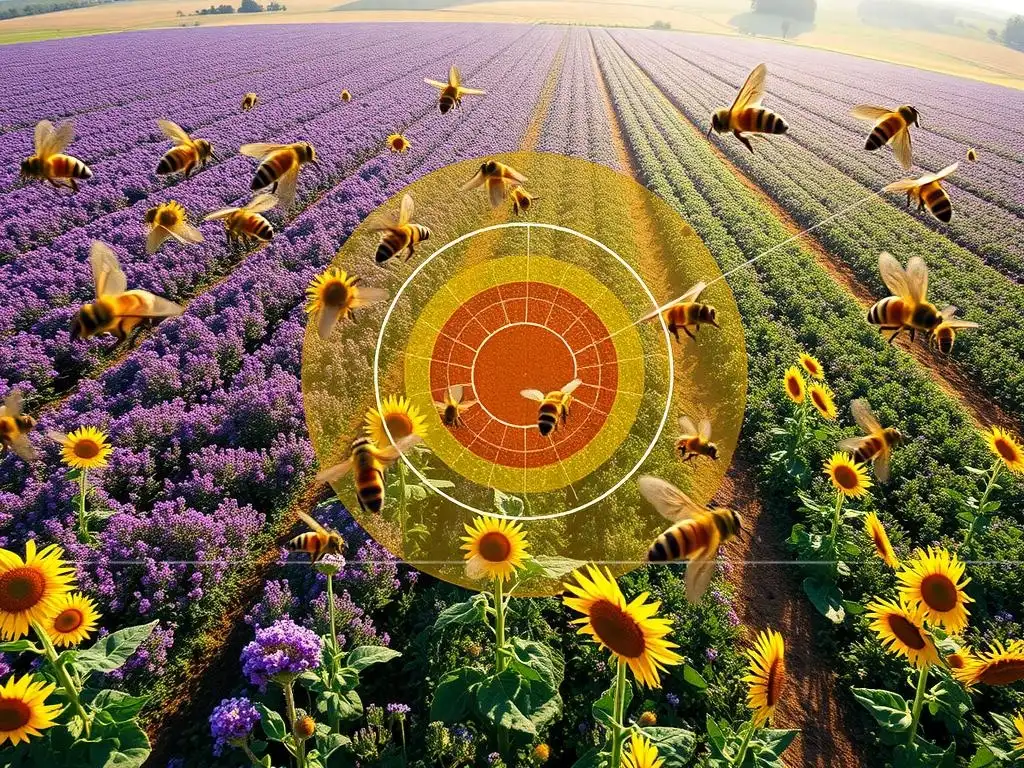
Honeybee foraging habits are intrinsically linked to the health of our ecosystems and the success of sustainable agriculture. Understanding their foraging range and the factors influencing it is crucial for supporting both wild and managed honeybee populations, which are essential for maintaining biodiversity and ensuring food security. A comprehensive understanding, even visualized through a hypothetical Honeybee foraging range map, would significantly improve our ability to protect these vital insects.
Honeybees as Key Pollinators for Crop Production
Honeybees are arguably the most important pollinators for a vast array of crops, contributing significantly to global food production. Their efficient pollen transfer directly impacts the yield and quality of fruits, vegetables, nuts, and seeds. Many commercially important crops, such as almonds, blueberries, and sunflowers, rely heavily on honeybee pollination for successful harvests. A single honeybee colony can pollinate acres of farmland, highlighting their economic importance.
Studies have shown that the absence of honeybees leads to drastically reduced yields and, in some cases, complete crop failure. This underscores the critical role honeybees play in maintaining a stable and productive agricultural system. The absence of effective pollination translates directly into economic losses for farmers and higher food prices for consumers.
The Economic Value of Honeybee Pollination Services
The economic value of honeybee pollination services is substantial and often underestimated. While the direct value of honey production is readily apparent, the indirect benefits of pollination are far more significant. A 2018 study estimated the annual value of honeybee pollination in the United States to be in the billions of dollars. This figure encompasses increased crop yields, improved fruit quality, and the prevention of crop failures.
These economic benefits highlight the importance of investing in honeybee conservation and habitat preservation. Understanding and mapping honeybee foraging ranges is a crucial step in optimizing pollination services and maximizing agricultural productivity. A detailed Honeybee foraging range map could help identify areas needing enhanced bee-friendly habitats to boost crop yields in surrounding farms.
Supporting Honeybee Populations for Increased Crop Yields
Supporting healthy honeybee populations is paramount to enhancing crop yields and ensuring food security. This involves a multi-pronged approach that includes providing diverse foraging habitats, reducing pesticide use, and combating diseases and pests that affect honeybees. Farmers can implement practices like planting bee-friendly flowering plants near their fields, creating pollinator strips along field borders, and reducing or eliminating the use of neonicotinoid pesticides.
These actions directly impact the foraging success of honeybees, resulting in increased pollination efficiency and higher crop yields. Furthermore, encouraging beekeeping practices that prioritize bee health and welfare contributes to the overall strength and resilience of honeybee populations. A Honeybee foraging range map could aid in identifying areas where supplemental feeding or habitat improvements are most needed.
The Impact of Habitat Loss on Honeybee Foraging and Agriculture
Habitat loss is a significant threat to honeybee populations and consequently, to agricultural productivity. The conversion of natural habitats into agricultural land, urbanization, and the widespread use of pesticides have all contributed to a decline in suitable foraging areas for honeybees. This reduction in floral diversity and available resources limits the foraging range of honeybees, negatively impacting their ability to effectively pollinate crops. The consequences include reduced crop yields, lower fruit quality, and increased reliance on costly and potentially harmful artificial pollination methods.
Protecting and restoring natural habitats, including creating corridors that connect fragmented foraging areas, is vital for ensuring the long-term health of honeybee populations and the sustainability of agricultural practices. A Honeybee foraging range map, combined with habitat suitability modeling, could pinpoint critical areas for conservation and restoration efforts. This would contribute greatly to the preservation of honeybee foraging grounds and enhance their contribution to sustainable agriculture.
Expanding Your Honeybee Foraging Range Map Knowledge
Understanding a honeybee's foraging range is crucial for successful beekeeping and maximizing pollination in your garden. A honeybee foraging range map, while not a literal map you can purchase, is a conceptual representation of the area a colony forages within. This area is dynamic, influenced by numerous factors and isn't a fixed circle radiating from the hive. Several factors significantly impact the foraging range, making a precise "map" difficult to define but crucial to understand.
Advanced Techniques in Honeybee Foraging Research
Traditional methods of tracking honeybee foraging range relied heavily on visual observation and marking individual bees. However, these techniques are time-consuming, labor-intensive, and can only provide limited data. Modern research leverages advanced technologies to provide a more comprehensive understanding. For instance:
- Radio Frequency Identification (RFID) tagging: Tiny RFID tags attached to bees allow researchers to track their movements with high precision using strategically placed readers around the apiary and surrounding areas. This provides detailed data on flight paths, foraging distances, and nectar source preferences.
- Stable isotope analysis: Analyzing the isotopic signature of pollen and nectar collected by bees provides insights into the geographical origin of their foraging resources. This technique helps to map out the foraging landscape and identify key floral resources within the honeybee's range.
- Genetic analysis: Analyzing the genetic diversity of pollen collected by bees can help identify the plant species visited, even if the plants themselves are not visually identifiable. This is particularly useful in complex habitats with many similar-looking flowers.
These advanced techniques offer a more nuanced understanding of honeybee foraging behavior, significantly improving our ability to create a more accurate, albeit still conceptual, “honeybee foraging range map”. The data gathered allows beekeepers and researchers to better manage bee colonies and optimize pollination strategies. For example, researchers might pinpoint specific areas where supplemental feeding is needed or identify areas with limited floral resources that could benefit from planting specific pollinator-friendly flowers.
Future Directions in Honeybee Foraging Studies
Future research on honeybee foraging range will likely focus on integrating these advanced techniques with other data sources, such as environmental data (weather patterns, land use changes) and bee colony health metrics. This integrated approach will allow for more predictive models of honeybee foraging behavior, ultimately leading to better conservation strategies and more sustainable beekeeping practices. Some key areas of future research include:
- Impact of climate change: Investigating how changing climate patterns affect honeybee foraging range and resource availability. This includes studying the effects of drought, extreme temperatures, and changes in flowering phenology.
- Pesticide impact: Assessing the effects of pesticide exposure on honeybee foraging behavior and range. This research could help develop strategies to minimize pesticide exposure and protect bee populations.
- Disease impact: Understanding how disease prevalence within a colony affects foraging efficiency and range. This could inform management practices aimed at improving colony health and resilience.
- Developing more sophisticated models: Creating predictive models that integrate various data sources to forecast honeybee foraging range under different environmental conditions. This would allow for proactive management strategies.
Resources for Further Learning about Honeybee Foraging
Understanding honeybee foraging habits is essential for any beekeeper or gardener interested in maximizing pollination and promoting bee health. While a definitive "honeybee foraging range map" remains a conceptual tool, the wealth of information available allows for a practical understanding of foraging behavior. Further research into the topics discussed above, combined with observations of your own bee colonies, will allow you to gain a deeper understanding of the foraging patterns in your specific location.
Consider exploring scientific journals, university research databases, and reputable beekeeping associations for detailed information on the latest research and best practices. Observational beekeeping, meticulously recording your observations over time, is also an invaluable tool for building your own understanding of the bees' foraging activities and their local environment. Remember that this is a dynamic process, and continuous learning is key to successful beekeeping.
Frequently Asked Questions
How far do honeybees typically forage for food?
Honeybees can forage up to a 5-kilometer radius from their hive, though the average foraging distance is much shorter, typically between 1-3 kilometers. This depends on factors like food availability and weather conditions.
What factors influence a honeybee's foraging range?
Several factors influence foraging range, including the availability of food sources, the density of flowers, competition from other bees, and weather conditions. A higher concentration of flowers near the hive means shorter foraging trips.
Is there a map that shows honeybee foraging ranges?
Unfortunately, there isn't a single, universally applicable map showing precise honeybee foraging ranges. The range is highly variable and depends on the specific location and environmental conditions. However, tools and techniques exist to estimate foraging ranges in a particular area.
How can I encourage honeybees to forage in my garden?
Plant a diverse range of flowering plants, providing a continuous supply of nectar and pollen throughout the growing season. Choose plants native to your region, as they are best suited to local honeybee populations. Avoid using pesticides, which can harm bees.
Can I use a "honeybee foraging range map" to plan my garden?
While a precise map isn't available, you can use information about honeybee foraging distances (1-3km) to understand the potential foraging area around your hive. Focus on creating a rich and varied habitat within that radius to support local bee populations.
Final Reflection: Mapping the Future of Honeybee Foraging
Understanding honeybee foraging habits is not merely an academic pursuit; it's a crucial element in ensuring the survival of these vital pollinators and, by extension, our food security. The intricate dance of honeybees across landscapes, their tireless search for nectar and pollen, directly impacts the health of our ecosystems and the abundance of our harvests. A clear understanding of their foraging range, as visualized through mapping technologies, is paramount to effective conservation efforts.
The impact of habitat loss and pesticide use on honeybee foraging ranges is deeply concerning. We've seen firsthand how shrinking habitats force bees to travel further, increasing their vulnerability and impacting colony health. This relentless pressure underscores the urgent need for sustainable agricultural practices and habitat restoration. The fate of the honeybee is inextricably linked to the fate of humanity.
This simple statement highlights the profound interconnectedness of our lives with these tiny creatures, and the responsibility we bear to protect them. The maps we create are not just visual representations; they are critical tools for understanding and addressing these challenges.
Now, consider your own role in this intricate web. What steps can you take to support honeybee populations in your community? Perhaps you can plant bee-friendly flowers in your garden, advocate for responsible pesticide use, or simply educate yourself and others about the importance of these vital pollinators. By understanding the foraging range of honeybees, we gain a powerful tool for conservation, and through conscious action, we can contribute to a future where these incredible insects thrive. Let's work together to map a brighter future for honeybees, and for ourselves.
Unlock the Secrets of Honeybee Foraging!
Thanks for exploring the fascinating world of honeybee foraging! You've gained valuable insights into their remarkable ability to find food. Ready to put your knowledge to use?
- Create a bee-friendly garden: Plant a diverse range of flowering plants that bloom throughout the year, providing a continuous food source for local honeybees. Lavender, sunflowers, and borage are excellent choices.
- Spread the word: Share the importance of bee-friendly gardening with friends and family, encouraging them to participate. Even small actions can make a significant difference.
- Track your bee sightings: Keep a record – a journal or simply notes on your phone – of when and where you see honeybees. This helps you understand your local bee population and identify the best times to plant bee-attracting flowers.
What steps will you take to support these vital pollinators and create a thriving bee-friendly environment?