
How to Read a Honeycomb: A Visual Guide to Colony Health

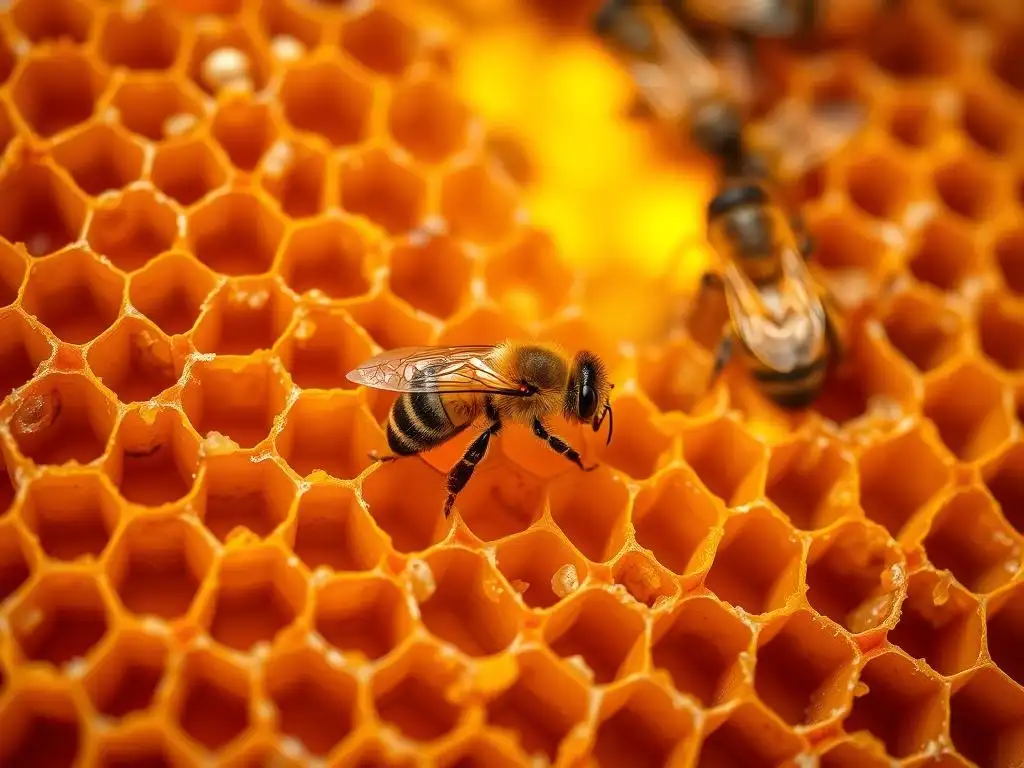
Welcome to CultivateYourFood, your guide to a thriving, sustainable garden! Ready to unlock the secrets of a healthy and productive ecosystem? Learn how to interpret the intricate world of your honeybee colony with our Honeycomb visual colony health guide, a crucial step in successfully integrating animals into your home garden. Discover how the visual cues within a honeycomb can reveal the vibrant health – or hidden struggles – of your buzzing helpers, and unlock the key to bountiful harvests. Dive in and uncover the fascinating insights waiting for you!
- Understanding Honeycomb Structure and its Significance for Beekeeping
- Assessing Bee Colony Health Through Honeycomb Inspection
- Practical Techniques for Honeycomb Inspection: A Step-by-Step Guide
- Interpreting Your Findings: A Guide to Honeycomb Analysis for Beekeepers
- Taking Action Based on Honeycomb Assessment: Treatment and Prevention Strategies
- Maintaining Healthy Honeycomb: Best Practices for Beekeepers
-
Frequently Asked Questions
- What is the significance of honeycomb color in assessing bee colony health?
- How do I identify signs of disease or pests in a honeycomb?
- What does the presence of pollen in the honeycomb indicate about the colony?
- How can I tell if my honeybees are storing enough honey for winter?
- What are the best practices for maintaining healthy honeycombs?
- Final Reflection: Unveiling the Secrets Within the Comb
- Unveil Your Hive's Secrets: Take Action for Thriving Bees!
Understanding Honeycomb Structure and its Significance for Beekeeping
Honeybees, vital pollinators and producers of delicious honey, create intricate and fascinating honeycombs. Understanding the structure and contents of a honeycomb is crucial for any beekeeper aiming to maintain a healthy and productive colony. This visual guide will equip you with the knowledge to assess the well-being of your bee colony simply by observing its honeycomb.
By learning to interpret the patterns of honey storage, brood development, and overall comb construction, you can proactively address potential problems and ensure the thriving of your bees. This is essential for sustainable and organic beekeeping practices, contributing to both your garden's productivity and the preservation of these vital insects.
This guide focuses on using visual cues from the honeycomb itself as a key indicator of colony health, minimizing the need for invasive inspections and promoting a more gentle approach to beekeeping. We will explore the different cell types, construction stages, and honey storage patterns, providing you with a comprehensive "Honeycomb visual colony health guide."
Identifying Worker, Drone, and Queen Cells: Size and Shape Variations
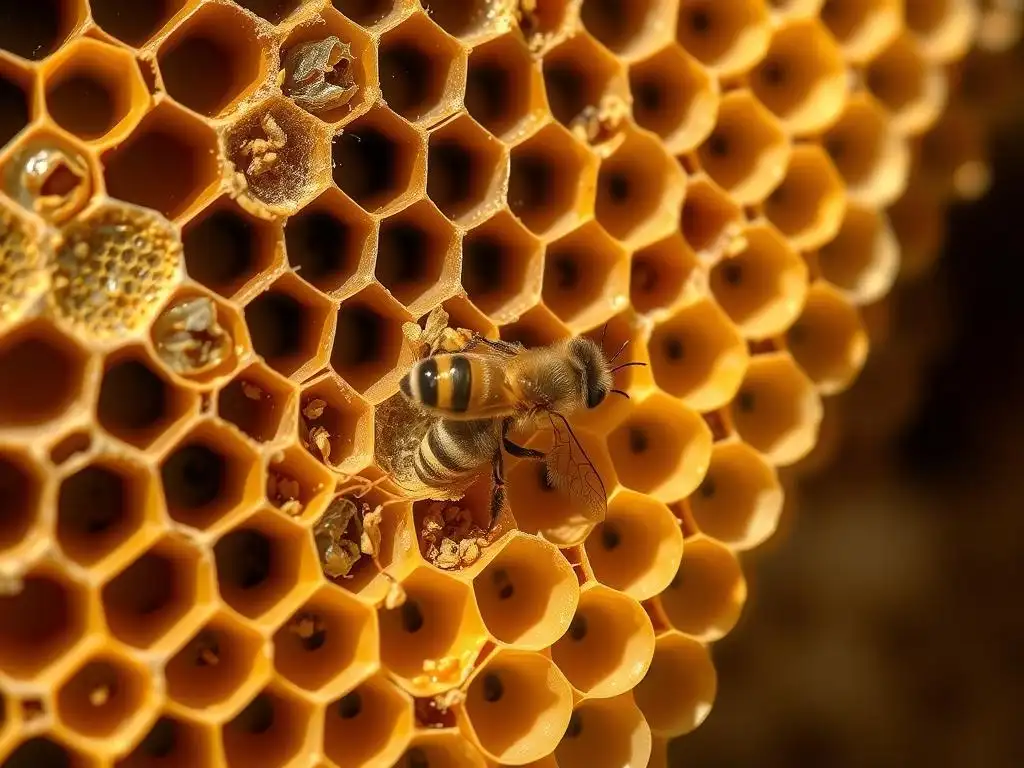
The hexagonal cells that make up the honeycomb are not all created equal. A keen eye can differentiate between the cells designed for rearing worker bees, drone bees, and the queen bee. Worker cells, the most numerous, are smaller and more tightly packed. They are typically around 5mm in length and are used to raise worker bees and store pollen and honey.
Drone cells, on the other hand, are significantly larger – approximately 6.5mm in length – and have a noticeably different, slightly domed appearance. These larger cells are specifically designed to nurture the male drone bees. Finally, the queen cell is dramatically different. It's a large, peanut-shaped cell that extends from the face of the honeycomb.
These cells are only built when the colony is preparing to swarm or replace the queen. Identifying the relative proportions of these cell types can offer valuable insights into the colony's reproductive health and overall strength. For example, a disproportionate number of drone cells might indicate a problem with the queen's ability to lay worker eggs.
| Cell Type | Size (approx. mm) | Shape Description | Purpose |
|---|---|---|---|
| Worker Cell | 5 | Hexagonal, closely packed | Worker bees, honey, pollen storage |
| Drone Cell | 6.5 | Hexagonal, larger, slightly domed | Drone bees |
| Queen Cell | Variable, much larger | Peanut-shaped, extending from comb | New queen bee development |
Recognizing the Stages of Honeycomb Construction: From Foundation to Filled Cell
The process of honeycomb construction itself reveals valuable information. A newly constructed comb will appear bright and pristine, often with a noticeable sheen. As the comb ages, it will darken and show signs of wear and tear, including propolis (bee glue) accumulation and potential damage.
Observing the stages of construction can help you assess the bees' activity levels and overall health. A lack of new comb construction might suggest a problem with the colony's resources or overall health. Conversely, rapid and extensive comb building indicates a thriving colony with plenty of resources.
Furthermore, the presence of uncapped brood cells (cells containing developing larvae) versus capped brood cells (cells sealed with a protective wax cap) provides a clear indication of the brood's development stage and the colony's reproductive cycle. A healthy colony will show a consistent pattern of brood development, reflecting the queen's egg-laying capacity. A patchy or uneven brood pattern may indicate problems with the queen, disease, or other issues.
Interpreting Honey Storage Patterns: Color, Texture, and Location
The way honey is stored within the honeycomb offers another layer of insights into colony health. The color of the honey varies depending on the nectar source, but inconsistencies in color within a single honeycomb can be a cause for concern. Similarly, the texture of the honey should be consistent. Granulated or crystallized honey might indicate storage issues or the presence of excess moisture.
The location of honey storage is also important. Healthy colonies generally store honey in the upper portions of the hive, leaving the lower areas for brood rearing. A reversed pattern, with honey stored in the lower areas and brood in the upper areas, may indicate a problem with the colony's overall organization or a lack of space. Additionally, observing the presence of pollen stores – typically a yellowish or brownish substance – is crucial.
Adequate pollen stores are essential for brood development and overall colony health. Insufficient pollen can significantly impact the colony's ability to raise new bees. Pay close attention to the distribution and quantity of pollen stores throughout the honeycomb.
Assessing Bee Colony Health Through Honeycomb Inspection
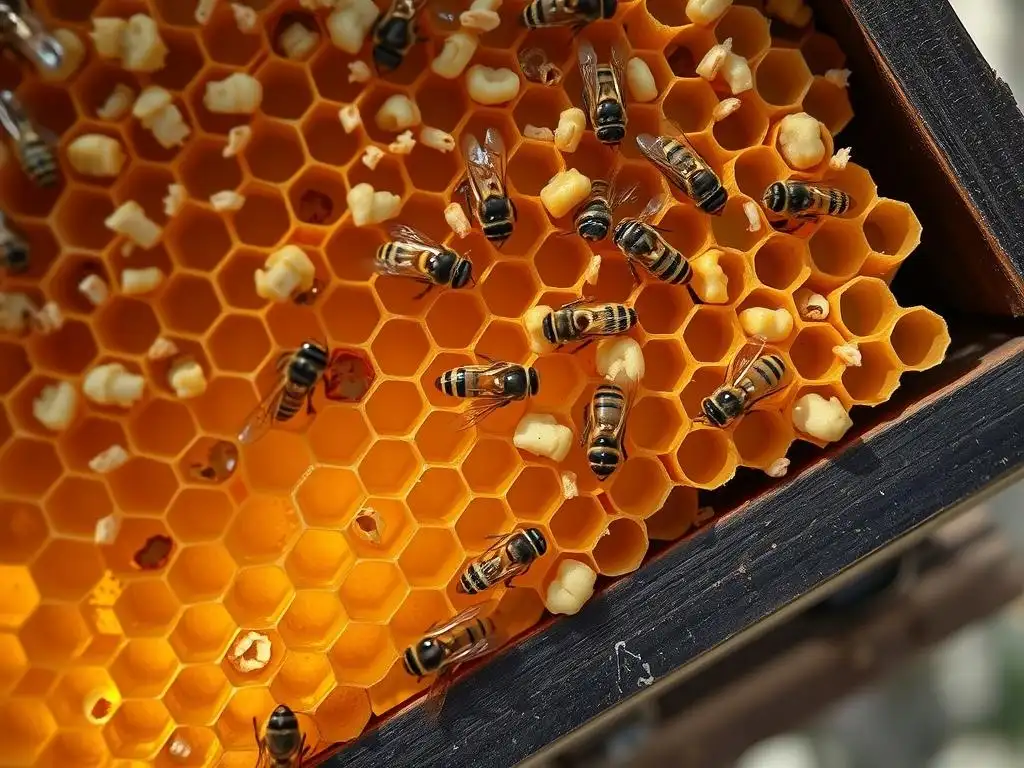
Honeycomb inspection is a crucial aspect of beekeeping, offering a window into the overall health and well-being of your bee colony. By carefully examining the honeycomb, you can gain valuable insights into various aspects of colony health, from brood development and disease presence to nutritional status and overall hive strength. This visual assessment, coupled with other beekeeping practices, allows for timely intervention and preventative measures, ultimately leading to a thriving and productive colony.
Regular, careful observation is key to implementing a successful "honeycomb visual colony health guide" strategy. This section will detail how to interpret various visual cues present within the honeycomb structure. Understanding these indicators is essential for any beekeeper aiming for sustainable and healthy honey production.
Visual Indicators of Healthy Honeycomb: Cleanliness, Structure, and Brood Pattern
A healthy honeycomb displays several key characteristics. Firstly, cleanliness is paramount. A healthy colony actively removes debris and waste, maintaining a clean and organized honeycomb structure. The presence of excessive debris, mold, or discoloration can indicate a problem. Secondly, the structure itself should be consistent and well-built. Cells should be uniformly sized and neatly arranged, showing no signs of damage or unevenness. Damaged or irregular cells can suggest pest infestation or structural issues within the hive.
Furthermore, the brood pattern provides crucial information. In a thriving colony, the brood (developing larvae and pupae) will be arranged in a compact, consistent pattern. A patchy or irregular brood pattern might signify queen issues, diseases, or nutritional deficiencies. Look for a solid, unbroken pattern of capped brood (sealed cells containing pupae) surrounded by a ring of younger larvae and eggs. Gaps or irregularities in this pattern warrant further investigation.
For example, a healthy honeycomb will exhibit:
| Feature | Healthy Appearance | Unhealthy Appearance |
|---|---|---|
| Cleanliness | Free of debris, mold, or discoloration | Presence of excessive debris, mold, or dark stains |
| Structure | Uniformly sized and neatly arranged cells | Damaged, irregular, or unevenly sized cells |
| Brood Pattern | Compact, consistent pattern; solid capped brood | Patchy, irregular pattern; gaps in capped brood |
Remember, consistent observation is key. Take notes on your observations over time to track changes and identify potential problems early. The ability to accurately interpret these visual cues is a vital skill for any beekeeper.
Detecting Diseases and Pests Through Honeycomb Examination: Signs of Varroa Mites, Foulbrood, and Chalkbrood
Honeycomb inspection plays a critical role in early disease detection. Several diseases manifest visually within the honeycomb. Varroa mites, for example, can be identified by observing deformed wings in adult bees or by spotting the mites themselves clinging to larvae or pupae. The presence of numerous mites is a serious threat to colony health and requires immediate attention. Careful examination of the brood cells is crucial for detecting varroa infestations.
American Foulbrood (AFB) and European Foulbrood (EFB) are bacterial diseases that affect brood. AFB is characterized by a ropy, coffee-colored brood, often with a sunken, perforated cappings. EFB, on the other hand, presents as a discolored, often yellowish-brown, brood with a less viscous consistency. Both diseases can decimate a colony if left untreated. The visual identification of these symptoms necessitates prompt action.
Chalkbrood, a fungal disease, is characterized by mummified larvae that appear white and chalky. These mummified larvae are often found scattered throughout the brood cells. The presence of chalkbrood suggests environmental factors that need addressing, such as poor ventilation or excessive humidity within the hive. The identification of these diseases through honeycomb examination is crucial for effective management.
Identifying Signs of Stress or Poor Nutrition in Honeycomb: Visual Cues of Nutritional Deficiency
Honeycomb can also reveal signs of stress or poor nutrition within the colony. A lack of pollen stores, for instance, can indicate a nutritional deficiency. Pollen is essential for brood development and overall colony health. Insufficient pollen stores, evidenced by empty or sparsely filled pollen cells, suggest a need for supplemental feeding. The color and quantity of pollen stored are important indicators of the colony's nutritional status.
Additionally, the presence of drone brood in excessive quantities could suggest a lack of available resources or a queen issue. A balanced ratio between worker and drone brood is typical in a healthy colony. An imbalance can be a sign of stress or environmental issues. Close observation of the ratio of worker and drone brood is essential for understanding the colony’s nutritional state and overall well-being.
Furthermore, the overall color and condition of the honey stored within the cells can indicate the quality and variety of nectar sources available to the bees. A lack of diversity in honey color might reflect a limited foraging range or poor nectar availability. Careful attention to these details provides a comprehensive assessment of the colony's nutritional health.
Practical Techniques for Honeycomb Inspection: A Step-by-Step Guide
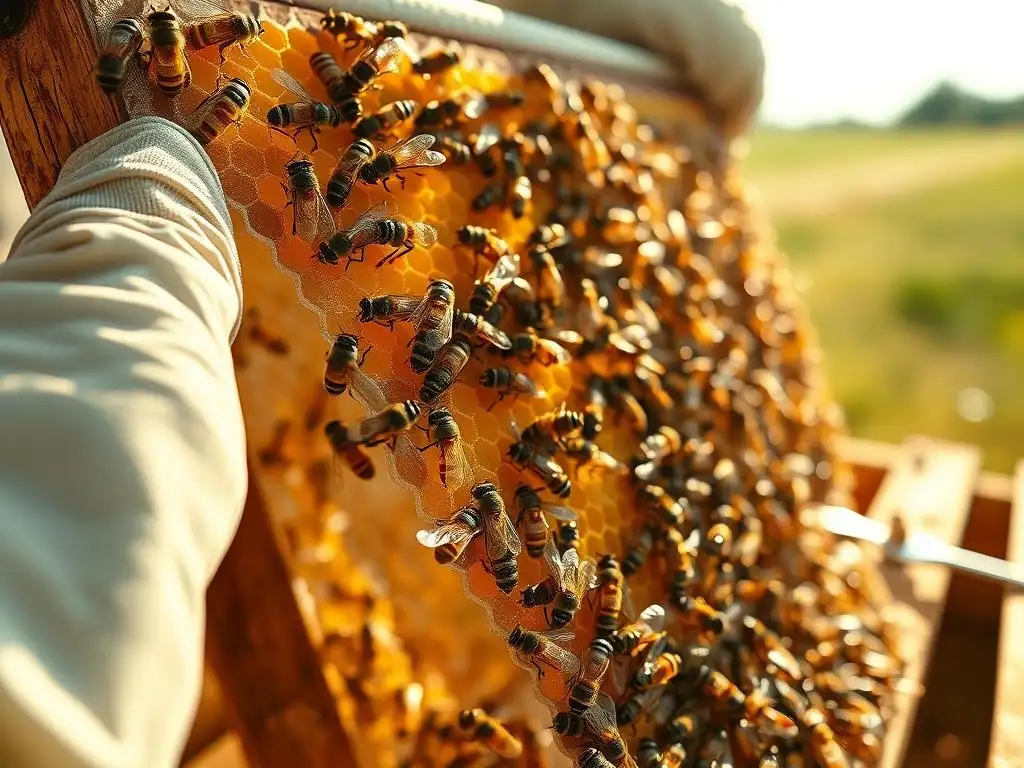
This section details the practical steps involved in inspecting a honeycomb for assessing colony health. Remember, careful and gentle handling is crucial to minimize stress on the bees and ensure your safety. A healthy, thriving colony is vital for successful pollination in your garden and, of course, delicious honey harvests. This honeycomb visual colony health guide will walk you through the process.
Preparing for Inspection: Protective Gear and Tools
Before you even approach the hive, proper preparation is paramount. Neglecting this step can lead to painful stings and inaccurate assessments. Your safety and the bees' well-being are equally important.
- Protective Gear: This is non-negotiable. Always wear a beekeeping suit, including a veil, gloves, and sturdy boots. Light-colored clothing is less likely to attract bees. Ensure all zippers and closures are securely fastened. Consider using a smoker to gently calm the bees before inspection; a few puffs of smoke can significantly reduce their aggression. This is especially important for beginners.
- Essential Tools: You'll need several tools for a thorough inspection. These include:
- A hive tool: This versatile tool is used to pry apart frames, scrape propolis, and generally manage the hive components.
- A frame grip: This helps you safely remove and handle frames without crushing bees.
- A queen excluder (optional): If you're checking for the queen's presence and location, this can be helpful.
The quality of your protective gear directly impacts your safety and the success of your inspection. Investing in durable, well-fitting equipment is a worthwhile investment for any beekeeper. Remember, a calm and prepared beekeeper makes for a calmer hive inspection.
Carefully Removing Frames: Minimizing Disturbance to the Colony
Once you're properly geared up, gently approach the hive. Avoid sudden movements or loud noises that could agitate the bees. The goal is to minimize disturbance to the colony while still gaining a clear view of the honeycomb.
The process of removing frames requires a delicate touch. Using your hive tool, carefully separate the frames from each other, working slowly and methodically. Avoid jarring the frames, as this can dislodge bees and potentially damage the honeycomb. A gentle rocking motion often works best.
Once separated, use your frame grip to carefully lift and remove each frame one at a time. Inspect each frame thoroughly before returning it to the hive. Observe the bees' behavior while you work; overly aggressive behavior might indicate a problem that needs addressing. Remember to always return the frames to their original positions to maintain the hive's structure and minimize bee disorientation.
Close Examination of the Honeycomb: Focusing on Key Indicators
This is where your keen observation skills come into play. A detailed examination of the honeycomb reveals a wealth of information about the colony's health. Look for the following key indicators:
| Indicator | Healthy Colony | Unhealthy Colony |
|---|---|---|
| Brood Pattern | Even, consistent pattern of capped brood | Irregular, patchy brood pattern; presence of chalkbrood |
| Larvae Appearance | Healthy, pearly white larvae | Discolored, sunken, or dead larvae |
| Honey Stores | Abundant, sealed honey stores | Sparse honey stores; signs of starvation |
| Pollen Stores | Ample, diverse colored pollen stores | Limited or absent pollen stores |
| Presence of Pests/Disease | Absence of visible pests or disease symptoms | Presence of varroa mites, wax moths, or other pests |
| Queen Presence | Queen present, laying eggs regularly | Absence of queen, or poor egg-laying performance |
Analyzing these indicators provides a comprehensive picture of the colony's overall health and well-being. A consistent and regular inspection schedule is crucial for early detection and intervention in case of any issues. Remember, a healthy honeycomb is a reflection of a thriving colony, contributing significantly to successful pollination and honey production in your garden. 🐝
Recording Observations: Maintaining a Honeycomb Inspection Log
Maintaining a detailed record of your honeycomb inspections is crucial for effective beekeeping and understanding your colony's health over time. A well-kept log allows you to track trends, identify potential problems early, and make informed decisions about your hive's management. This isn't just about jotting down a few notes; it's about creating a comprehensive history of your colony's well-being. Think of it as a vital health record for your bees.
Consider using a bound notebook or a dedicated digital spreadsheet to ensure consistency and easy access to past records. Your log should include the date of each inspection, the weather conditions (temperature, rainfall), and a detailed description of your observations. Don't underestimate the importance of noting seemingly minor details; these seemingly insignificant observations can be crucial in identifying subtle changes in the colony's health.
For example, a gradual decrease in brood production over several weeks, even if seemingly small, could signal an underlying problem like queen issues or disease. Similarly, a sudden increase in the number of drone cells might indicate swarming preparation, allowing you to take preventative measures. Consistent recording helps to detect these subtle shifts.
Your observations should include specific details about the brood pattern (even, patchy, or spotty), the presence of capped brood, the amount of pollen and honey stores, the overall activity level of the bees, and any signs of disease or pests (e.g., Varroa mites, chalkbrood). Use standardized terminology or create your own system to ensure consistency in your descriptions. A simple system of rating the brood pattern (e.g., 1-5, with 5 being perfect) can also be helpful for tracking changes over time.
Consider incorporating visual aids into your log. Sketching the arrangement of the brood nest or taking photographs can help you recall details later and provide valuable visual comparisons between inspections. While detailed drawings are not necessary, a simple representation of the brood pattern can be incredibly useful.
Remember, the goal is to create a clear, concise, and informative record that you can easily refer to in the future. This detailed log will be invaluable as you gain experience and learn to understand the nuances of your honeybee colony's health. A well-maintained honeycomb inspection log is an essential tool for any serious beekeeper aiming for a thriving and healthy hive.
Interpreting Your Findings: A Guide to Honeycomb Analysis for Beekeepers
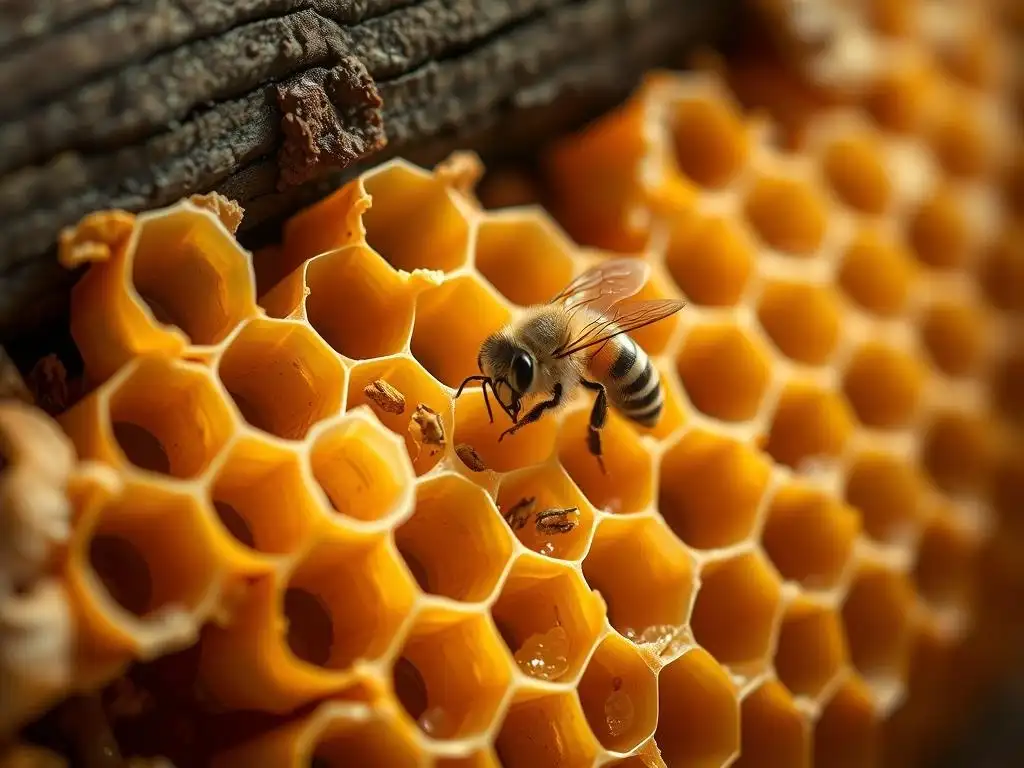
This section delves into the practical application of visual honeycomb inspection, translating observations into a comprehensive understanding of your bee colony's health. A healthy honeycomb is a cornerstone of a thriving hive, reflecting the bees' overall well-being and productivity. Analyzing the honeycomb provides crucial insights into various aspects of colony health, allowing for timely interventions when necessary. Remember, regular and careful observation is key to successful beekeeping.
Connecting Honeycomb Observations to Overall Colony Health
The appearance of your honeycomb offers a wealth of information about your colony's health. Several key factors should be carefully examined:
- Color and Texture: A healthy honeycomb will generally be a light, creamy white or yellowish color. Darkening or discoloration can indicate age, contamination, or the presence of pathogens. A brittle or crumbly texture might suggest problems with brood development or insufficient pollen stores. For instance, a significantly darkened honeycomb might signal the need for frame replacement, as older combs are more susceptible to disease and pest infestation.
- Brood Pattern: The brood pattern, the arrangement of developing bee larvae in the cells, is a critical indicator. A healthy brood pattern is uniformly capped, with few gaps or irregularities. A patchy or spotty brood pattern can suggest disease, queen issues (poor laying pattern), or nutritional deficiencies. For example, a significant amount of uncapped brood might indicate chilled brood or a problem with the queen's reproductive capacity.
- Pollen and Honey Stores: Adequate pollen and honey stores are essential for colony survival. Sufficient pollen indicates a healthy foraging population, while honey stores provide the colony's energy reserves. Low stores can signal problems with foraging conditions (lack of nectar flow), disease, or poor queen performance. Observing the amount and distribution of both pollen and honey can reveal important insights into the colony's overall resource management. A detailed record-keeping system can prove invaluable in tracking these changes over time.
- Pest and Disease Indicators: The honeycomb can reveal signs of various pests and diseases. For example, the presence of chalkbrood (a fungal disease) manifests as mummified larvae, while varroa mites can be detected by observing damaged brood or adult bees with visible mites. Careful examination for unusual patterns, discoloration, or the presence of unusual matter is critical for early detection. Early identification through honeycomb inspection is vital in preventing widespread colony collapse.
Taking Action Based on Honeycomb Assessment: Treatment and Prevention Strategies
Identifying problems through honeycomb analysis is only the first step. Effective beekeeping requires a proactive approach to treatment and prevention.
Preventing Honeycomb Problems: Proactive Beekeeping Practices
Preventing honeycomb issues is far more efficient than dealing with them after they arise. Several proactive measures can significantly reduce the risk of problems:
- Regular Inspections: Routine inspections of the honeycomb are crucial for early detection of any irregularities. Regular checks allow for timely intervention, minimizing the impact of any potential problems. Aim for inspections at least every 2-3 weeks, adjusting frequency based on the season and the colony's activity level.
- Frame Replacement: Old, dark combs should be regularly replaced. Older combs accumulate debris, pathogens, and residues, increasing the risk of disease and reducing the efficiency of brood rearing. Replacing combs helps maintain a hygienic and productive hive environment. Consider replacing approximately one-third of the frames each year.
- Proper Nutrition: Providing supplemental feed (pollen substitute or sugar syrup) when necessary ensures the colony has adequate resources to maintain its health and build strong combs. Supplementation is particularly important during periods of low nectar flow. Monitor pollen and honey stores diligently, supplementing when necessary to avoid starvation.
- Pest and Disease Management: Implementing integrated pest management (IPM) strategies, including regular monitoring for pests and diseases and employing appropriate treatments when necessary, is crucial for maintaining healthy combs and a thriving colony. This proactive approach minimizes the risk of significant infestations or outbreaks. Early detection and prompt treatment are paramount in mitigating the negative impact on the colony's health.
- Maintaining Hive Hygiene: Good hive hygiene is critical in preventing the build-up of pathogens and pests. Regular cleaning of the hive, removal of debris, and proper ventilation contribute to a healthy environment for the bees. A clean hive is significantly less prone to disease and pest infestations.
The information provided here serves as a guide. Always consult reputable beekeeping resources and experienced beekeepers for further assistance and specific advice tailored to your region and beekeeping practices. Remember, careful observation and proactive management are key to maintaining healthy honeycombs and thriving bee colonies. 🐝
Maintaining Healthy Honeycomb: Best Practices for Beekeepers
Maintaining healthy honeycomb is crucial for a thriving bee colony. A strong colony directly contributes to successful pollination of your garden fruits, vegetables, and herbs, leading to a bountiful harvest. This section focuses on practical steps beekeepers can take to ensure their honeycombs remain in optimal condition, promoting the overall health and productivity of their hives. This guide will help you understand how honeycomb visual inspection contributes to overall colony health.
Providing Adequate Space for Comb Building: Preventing Overcrowding
Overcrowding within the hive is a significant stressor for bees and can lead to swarming, reduced honey production, and increased susceptibility to diseases. Providing ample space for comb building is paramount. Insufficient space forces bees to build comb in irregular patterns, making it difficult to inspect for problems and potentially hindering honey extraction. A good rule of thumb is to monitor the amount of drawn comb and add additional frames or supers as needed, before the bees become overcrowded. This proactive approach minimizes stress and maintains a healthy honeycomb structure.
Consider using a variety of frame sizes to accommodate the colony's growth. For example, you might start with a standard number of frames and then add medium or shallow supers as the colony expands. Regular inspections are key; look for evidence of overcrowding such as bees clustering at the entrance, excessive propolis use, or queen cells indicating potential swarming behavior. Early intervention is key to preventing overcrowding and maintaining a healthy and productive hive. Careful observation of honeycomb visual cues can help in early detection of overcrowding.
Regular Cleaning and Maintenance of Honeycomb: Removing Debris and Damaged Sections
Regular cleaning is essential for maintaining a healthy and hygienic hive environment. Honeycomb can become soiled with debris, pollen, and other materials over time. Additionally, sections of comb may become damaged due to various factors, such as rough handling during inspection or natural wear and tear. Removing these damaged or soiled sections helps to prevent the spread of diseases and pests. Leaving damaged sections can provide a breeding ground for pathogens or parasites, potentially harming the colony's health.
Cleaning should be done carefully and systematically. Inspect each frame for signs of damage or debris. Damaged sections can be carefully cut out using a sharp knife, ensuring not to harm the bees. It is crucial to replace removed sections with new foundation or drawn comb to maintain adequate space. This regular maintenance improves honeycomb visual quality and contributes to overall colony health. Remember to wear appropriate protective gear during this process. Proper cleaning and maintenance are vital for a thriving colony and enhance the effectiveness of honeycomb visual colony health assessments.
Harvesting Honey Without Damaging the Honeycomb: Proper Techniques for Honey Extraction
Harvesting honey is an important aspect of beekeeping, but improper techniques can damage the honeycomb, potentially harming the colony. Damaging the honeycomb during honey extraction increases the risk of disease and weakens the colony's overall structure. Gentle and careful handling is crucial to ensure the bees are not disturbed unnecessarily and the honeycomb remains intact.
Several extraction methods minimize damage. Using an extractor is the most common method. This device spins the frames to force the honey out without destroying the comb. Alternatively, crushing and straining can be used, but this method destroys the comb and requires more effort. Regardless of the method, always leave enough honey for the bees to survive the winter.
Removing too much honey can starve the colony. Pay close attention to the honeycomb visual state during and after extraction. A damaged honeycomb is a clear indicator that the extraction process needs improvement. Proper honey extraction techniques are integral to the long-term health of the honeybee colony and ensure optimal results. Careful attention to detail during harvesting greatly contributes to maintaining the honeycomb's structural integrity and ensuring the colony's well-being.
Frequently Asked Questions
What is the significance of honeycomb color in assessing bee colony health?
Honeycomb color can indicate the age of the comb and indirectly, the colony's health. Darker combs might suggest older, potentially contaminated wax, while lighter combs generally indicate newer, healthier wax. Regular comb replacement is key.
How do I identify signs of disease or pests in a honeycomb?
Look for unusual discoloration, perforations, or presence of foreign materials like debris or webbing. Uncapped brood cells or missing pupae can also signal disease. Consult a beekeeping guide for detailed images of common problems.
What does the presence of pollen in the honeycomb indicate about the colony?
Pollen presence indicates a healthy foraging population and ample food stores. The abundance and variety of pollen colors suggest the diversity of available forage and the colony's overall strength. Lack of pollen is a serious warning sign.
How can I tell if my honeybees are storing enough honey for winter?
Assess the amount of capped honey cells in the honeycomb. A strong colony should have sufficient stores to survive the winter. The amount needed will depend on your climate and hive size; consult your local beekeeping resources for guidelines.
What are the best practices for maintaining healthy honeycombs?
Regular inspection is crucial. Remove old, dark combs and replace them with foundation or drawn comb. Practice good sanitation to prevent disease buildup. Consider rotating frames to distribute resources evenly.
Final Reflection: Unveiling the Secrets Within the Comb
Understanding the intricate language of the honeycomb is not merely a hobby for beekeepers; it's a crucial skill for ensuring the health and prosperity of these vital pollinators. The subtle shifts in color, texture, and brood pattern hold the key to early disease detection and preventative measures, impacting not only honey production but the very survival of entire colonies. This knowledge is more vital now than ever before, as bee populations face unprecedented challenges.
The journey into the heart of the honeycomb has profoundly altered my perspective on the fragility of these complex ecosystems. Observing the delicate balance within a thriving colony, and the stark contrast in a struggling one, has instilled a deep respect for the intricate work of the bees. The bee is more honored than other animals, not because she is more useful to man, but because she works for herself and nature.
- Karl von Frisch. This quote underscores the inherent value of understanding and protecting these industrious creatures, beyond their economic contribution. Their health reflects the health of our planet.
Now, it's your turn to take up the magnifying glass. Don't just look at a honeycomb; observe it. Learn to decipher the subtle cues, to become a silent observer of this bustling world. By understanding the visual indicators of colony health, you can become a more effective advocate for bees, whether you're a seasoned beekeeper, a curious gardener, or simply someone who appreciates the vital role these insects play in our ecosystem. The future of our honeybees, and indeed our own, depends on it.
Unveil Your Hive's Secrets: Take Action for Thriving Bees!
Thank you for learning about honeybee colony health! We hope this visual guide has provided valuable insights into your hive's well-being. Now, let's put that knowledge to work.
- Dive Deeper into Beekeeping: Conduct a thorough hive inspection, paying close attention to detail. Early identification of potential problems is key to a healthy colony.
- Share Your Observations: Connect with fellow beekeepers online or in your local community. Sharing your experiences—both successes and challenges—fosters learning and contributes to the collective knowledge base.
- Refine Your Beekeeping Techniques: Experiment with a new approach, such as modifying your feeding methods or using a different type of frame. Carefully track the results to see how it impacts your colony's health and productivity.
Ready to give your bees the best possible care? What changes will you make to your hive management based on what you've learned?