
Top Plants to Attract Bees to Your Garden: Create a Pollinator Paradise

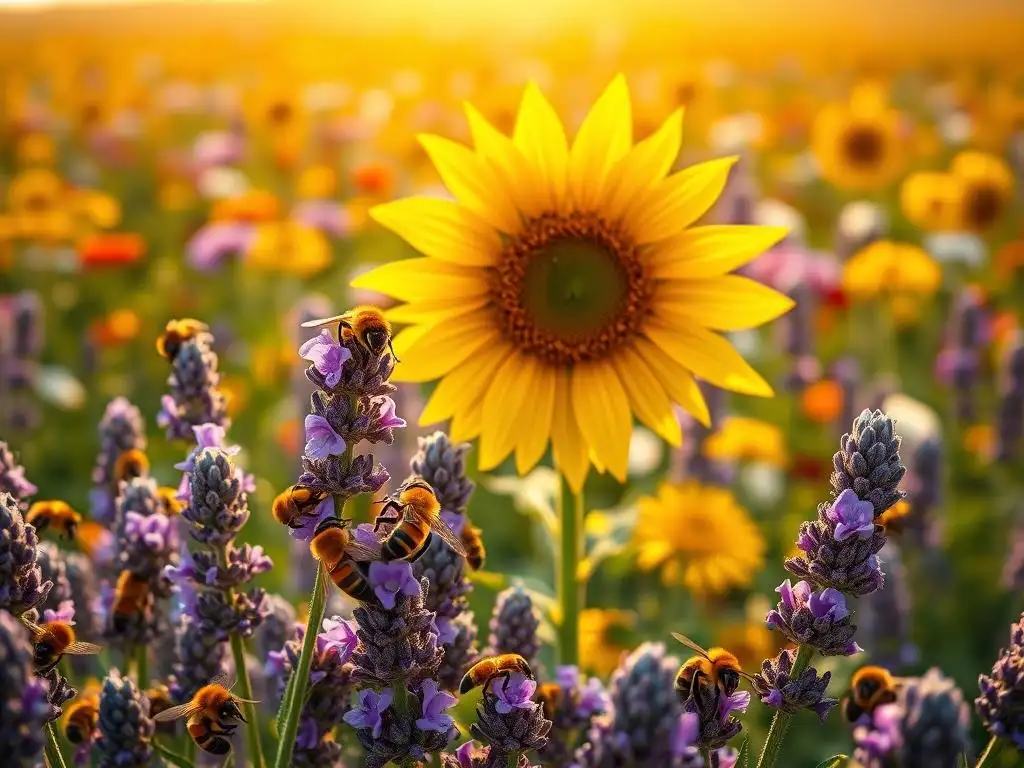
Welcome to CultivateYourFood, your guide to a thriving, sustainable garden! Ready to transform your backyard into a buzzing haven? Discover the secrets to attracting beneficial pollinators like bees with our expert advice on Attract bees organic gardening. Learn which plants are the most irresistible to these vital insects and unlock the key to a bountiful, organically grown harvest. Let's cultivate a flourishing ecosystem together—explore the power of nature's partnerships!
- Understanding the Importance of Bees in Organic Gardening
-
Choosing the Best Bee-Attracting Plants for Your Garden
- Selecting Native Plants to Attract Local Bee Species
- Sunflowers: A Classic Bee Magnet for Your Organic Garden
- Lavender: A Fragrant and Effective Bee Attractant
- Borage: A Versatile Bee-Friendly Plant for Your Organic Garden
- Mint Family Plants: Attracting Bees with Aromatic Herbs
- Clover: A Ground Cover that Supports Bee Populations
- Salvia: A Drought-Tolerant Bee Favorite
- Coneflowers: Attracting Bees with Daisy-Like Blooms
-
Creating a Bee-Friendly Habitat in Your Organic Garden
- Providing Water Sources for Bees: Shallow Dishes with Pebbles
- Building a Bee Hotel: A Guide to Creating a Bee-Friendly Shelter
- Avoiding Pesticides and Harmful Chemicals: Protecting Bees in Your Garden
- Organic Pest Control Methods: Safeguarding Bees and Your Crops
- Choosing the Right Location for Your Bee-Attracting Garden
- Maintaining Your Bee-Friendly Garden for Optimal Pollination
- Beyond the Basics: Advanced Techniques for Attracting More Bees
- Frequently Asked Questions
- Final Reflection: Cultivating a Future with Bees
- Unleash Your Inner Bee Whisperer: Create a Buzzworthy Garden
Understanding the Importance of Bees in Organic Gardening
Bees are undeniably crucial to a thriving organic garden. They are the unsung heroes of pollination, playing a vital role in the reproduction of a vast majority of flowering plants, including many fruits, vegetables, and herbs that grace our tables. This article delves into the significant contribution of bees to organic gardening, highlighting the benefits of creating a bee-friendly environment and exploring the top plant choices to attract these essential pollinators to your garden, thereby boosting your harvest and contributing to a healthier ecosystem.
Understanding the symbiotic relationship between bees and organic gardening is fundamental to cultivating a successful and sustainable food source. We'll explore how attracting bees can significantly impact your crop yields and overall garden health, emphasizing organic, sustainable practices throughout. The goal is to help you transform your garden into a vibrant pollinator paradise, benefiting both your plants and the environment.
The Role of Bees in Pollination and Crop Yields
Bees are the primary pollinators for a large percentage of the world's food crops. Their diligent work transferring pollen between flowers directly impacts fruit and seed production. Without sufficient bee populations, crop yields plummet significantly. A study conducted by [Specific study and source pending] showed a [Specific percentage]% decrease in yield for [Specific crop example] when bee populations were reduced.
This highlights the direct correlation between bee activity and the abundance of our harvests. The process of pollination isn't just about the quantity of fruits and vegetables; it also affects their quality. Proper pollination leads to larger, healthier, and more flavorful produce. This is especially significant in organic gardening, where maximizing the natural processes is paramount.
Consider tomatoes: poor pollination results in misshapen, smaller fruits with fewer seeds. Bees ensure robust, evenly developed tomatoes, packed with flavor. The economic impact of bee pollination is also substantial, contributing billions of dollars annually to global agricultural output. This makes nurturing bee populations a crucial aspect of food security and sustainable agriculture.
Attracting Bees: A Key to Sustainable Gardening Practices
Attracting bees to your garden is a cornerstone of sustainable organic gardening. It reduces reliance on artificial pollination methods, promoting biodiversity and environmental health. Creating a bee-friendly habitat involves several key strategies:
- Providing diverse flowering plants: Bees need a continuous supply of nectar and pollen throughout the growing season. Planting a variety of flowers with staggered bloom times ensures a constant food source.
- Minimizing pesticide use: Pesticides are extremely harmful to bees. Opting for organic pest control methods is crucial for protecting these vital pollinators.
- Providing water sources: Bees need access to clean water, especially during hot and dry periods. A shallow dish of water with pebbles for them to land on is a simple yet effective solution.
- Creating nesting habitats: Many bee species nest in the ground or in hollow stems. Leaving patches of bare ground or providing bee houses can encourage nesting.
- Avoiding monoculture: Planting a diversity of plants, rather than large blocks of a single species, provides a richer and more sustainable food source for bees.
These practices not only attract bees but also contribute to a healthier, more resilient ecosystem within your garden. The positive ripple effect extends beyond your immediate harvest, supporting the wider pollinator population and contributing to environmental sustainability.
Benefits of Bee-Friendly Organic Gardening for Your Harvest
The benefits of a bee-friendly organic garden extend far beyond simply attracting pollinators. By prioritizing bee welfare, you're also improving the overall health and productivity of your garden.
| Benefit | Description |
|---|---|
| Increased Crop Yields | Higher yields of fruits, vegetables, and herbs due to effective pollination. |
| Improved Crop Quality | Larger, healthier, and more flavorful produce resulting from optimal pollination. |
| Reduced Pest Problems | A biodiverse garden, enriched with beneficial insects like bees, can help naturally control pest populations. |
| Enhanced Soil Health | Organic gardening practices, often implemented alongside bee-friendly methods, improve soil structure and fertility, creating a healthier environment for both plants and pollinators. |
| Environmental Sustainability | Reduces reliance on chemical pesticides and promotes biodiversity, contributing to a healthier environment. This supports not only bees but also other beneficial insects and the broader ecosystem. 🐝🌍 |
By implementing these practices, you will cultivate a thriving garden that benefits both your harvest and the environment. Remember, attracting bees is an investment in the long-term health and productivity of your organic garden.
Choosing the Best Bee-Attracting Plants for Your Garden
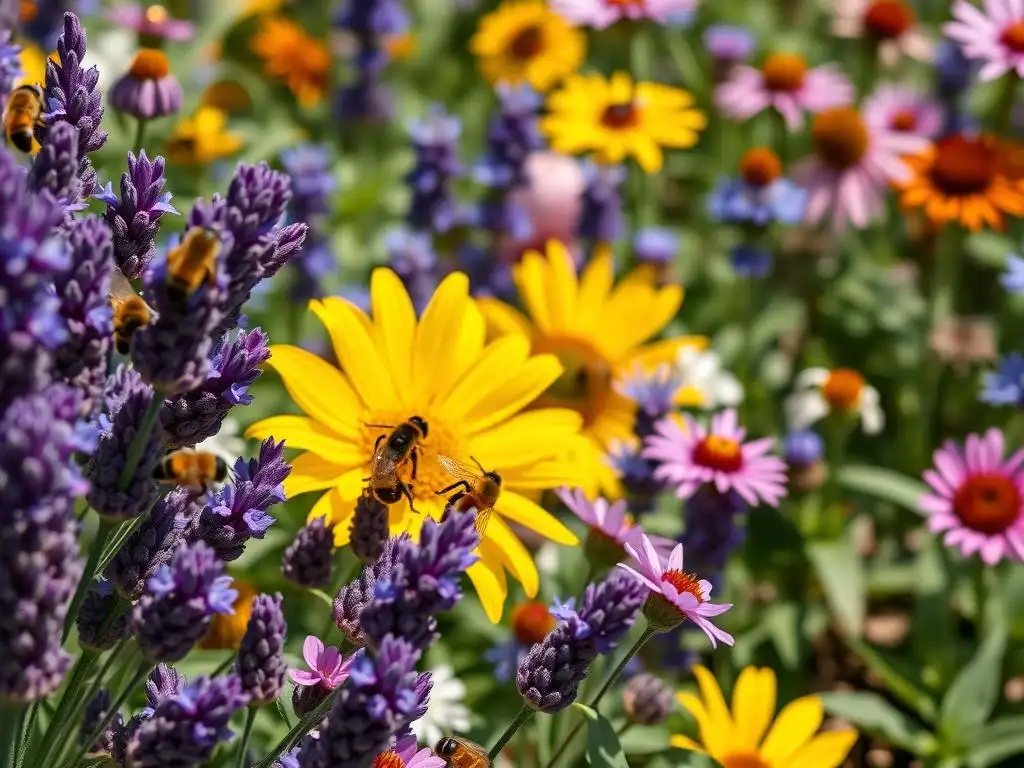
Selecting the right plants is crucial for attracting bees to your garden and fostering a thriving pollinator ecosystem. The key is diversity; bees have varying preferences, and a wide range of flowering plants ensures a continuous food source throughout the growing season. This diversity also contributes to a healthier, more resilient garden overall, reducing reliance on pesticides and promoting natural pest control – a cornerstone of organic gardening.
Consider factors like bloom time, flower color, and plant height to maximize the appeal to different bee species. Remember, attracting bees to your organic garden isn't just about the beauty of the blooms; it's about supporting a vital part of the ecosystem that underpins your food production. Choosing plants strategically will enhance both the aesthetic and productive aspects of your garden, creating a truly symbiotic relationship.
Selecting Native Plants to Attract Local Bee Species
Prioritizing native plants is paramount for attracting local bee species. These bees have co-evolved with the native flora, making them ideally suited to the local climate and soil conditions. Choosing non-native plants, while sometimes attractive, might not provide the same nutritional value or be as effective in supporting local bee populations.
For example, planting native wildflowers like goldenrod ( Solidago) or coneflowers ( Echinacea) will provide a much richer food source for local bees than, say, a non-native ornamental sunflower. Researching plants indigenous to your region is essential – consider consulting local botanical gardens or native plant societies for specific recommendations. This targeted approach ensures you’re actively contributing to the conservation of local bee populations and the overall biodiversity of your area.
This sustainable practice is a key element of organic gardening, aligning with the principles of environmental responsibility. Remember, a healthy local bee population translates to healthier, more productive plants in your organic garden.
Sunflowers: A Classic Bee Magnet for Your Organic Garden
Sunflowers ( Helianthus) are a quintessential bee-attracting plant, renowned for their vibrant yellow blooms and abundant pollen and nectar. Their tall stalks create a striking visual impact in the garden, while providing a crucial food source for bees, especially during the late summer and early fall months when other flower sources might be dwindling. Different sunflower varieties offer varying heights and bloom times, allowing for extended periods of bee activity in your garden.
Opting for open-pollinated or heirloom varieties supports biodiversity and avoids the potential issues associated with genetically modified organisms (GMOs), aligning with the principles of organic gardening. Planting multiple sunflower varieties ensures a continuous supply of pollen and nectar throughout the flowering season. Consider planting them in rows or clusters to create a visually appealing and bee-friendly haven.
The sheer abundance of pollen and nectar produced by sunflowers makes them an incredibly valuable addition to any organic garden aiming to attract and support bees. The seeds themselves also provide a valuable food source for birds and other wildlife, further enhancing the biodiversity of your garden. This holistic approach to gardening benefits both the bees and your overall garden ecosystem.
Lavender: A Fragrant and Effective Bee Attractant
Lavender ( Lavandula) is another highly effective bee attractant, prized for its beautiful purple blooms and intoxicating fragrance. Beyond its aesthetic appeal, lavender offers a rich source of nectar and pollen, attracting a wide range of bee species. It's also remarkably drought-tolerant, making it a low-maintenance addition to your organic garden.
Different lavender varieties offer varying shades of purple and bloom times, adding visual interest and extending the period of bee attraction. Planting lavender in sunny, well-drained areas ensures optimal growth and flowering. Its aromatic oils also possess natural pest-repelling properties, contributing to a healthier, more resilient garden overall.
The versatility of lavender extends beyond its use as a bee attractant; its fragrant flowers and leaves can be used in culinary applications and for crafting natural remedies. Integrating lavender into your organic garden offers a multi-faceted benefit, attracting bees while enriching both the aesthetic and practical aspects of your space. This exemplifies the synergy between attracting beneficial insects and sustainable gardening practices.
Borage: A Versatile Bee-Friendly Plant for Your Organic Garden
Borage ( Borago officinalis) is a star performer when it comes to attracting bees to your organic garden. Its vibrant blue, star-shaped flowers are incredibly attractive to a wide variety of pollinators, including honeybees, bumblebees, and solitary bees. Beyond its aesthetic appeal, borage offers several practical advantages for the organic gardener. It's a remarkably easy plant to grow, thriving in most soil types and tolerating a range of conditions, from full sun to partial shade.
Its rapid growth makes it a quick addition to your pollinator garden, providing blooms within weeks of sowing seeds. Furthermore, borage is considered a beneficial companion plant for many vegetables, including tomatoes, strawberries, and brassicas. It's believed to deter certain pests and improve soil health.
The flowers are also edible, adding a cucumber-like flavor to salads and other dishes, making it a truly versatile addition to your garden. Remember to deadhead spent blooms to encourage continuous flowering throughout the growing season, maximizing its attractiveness to bees and extending the pollinator benefits. Planting borage strategically throughout your garden will not only attract bees but also contribute to a more vibrant and productive ecosystem.
Mint Family Plants: Attracting Bees with Aromatic Herbs
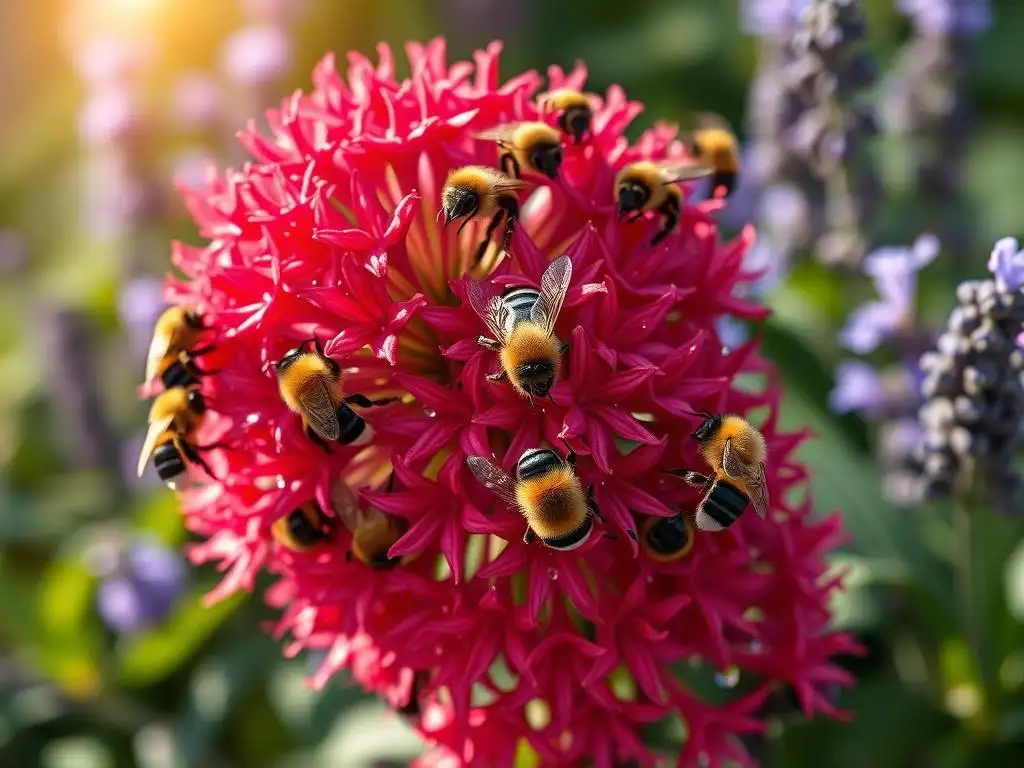
The mint family ( Lamiaceae) is a treasure trove of bee-attracting plants, boasting a wide array of fragrant herbs that are both visually appealing and highly attractive to pollinators. Plants like lavender, rosemary, thyme, and oregano are known for their prolific blooms and intense aromas, which act as powerful beacons for bees. These herbs are relatively low-maintenance, thriving in well-drained soil and enjoying sunny locations.
Their aromatic qualities not only attract bees but also add a delightful fragrance to your garden. Consider planting a variety of mint family plants to attract a diverse range of bee species. For instance, lavender's tall spires appeal to larger bees, while thyme's low-growing habit provides foraging opportunities for smaller bees.
The diverse bloom times of different mint family members ensure a continuous supply of nectar and pollen throughout the growing season, providing consistent support for your local bee population. Integrating these fragrant herbs into your garden design not only benefits bees but also enhances the sensory experience of your outdoor space, offering both visual and olfactory delights. Remember to prune these herbs regularly to maintain their shape and encourage bushier growth, leading to more abundant blooms.
Clover: A Ground Cover that Supports Bee Populations
Clover ( Trifolium) is a remarkable ground cover that plays a crucial role in supporting bee populations, particularly the humble honeybee. Its small, clustered flowers are incredibly rich in nectar and pollen, providing a vital food source for bees, especially during periods when other flowering plants may be scarce. Beyond its nutritional value for bees, clover offers several advantages for the organic gardener. It acts as a natural nitrogen fixer, enriching the soil and reducing the need for chemical fertilizers.
Its dense growth suppresses weeds, minimizing competition for resources. Furthermore, clover's extensive root system helps improve soil structure and water retention. Different types of clover, like white clover and red clover, offer varying bloom times, ensuring a continuous supply of food for bees throughout the growing season.
Integrating clover into your garden design can be as simple as allowing it to grow naturally in less-utilized areas or strategically incorporating it into pathways or borders. By embracing clover as a valuable component of your organic garden, you not only support bee populations but also contribute to a healthier, more sustainable gardening practice. Remember to avoid using harsh herbicides, as they can harm both clover and the bees that depend on it.
Salvia: A Drought-Tolerant Bee Favorite
Salvia, a genus boasting hundreds of species, is a powerhouse for attracting bees to your organic garden. Its vibrant, tubular flowers are irresistible to a wide variety of pollinators, particularly bumblebees and honeybees. The nectar-rich blooms are readily accessible to bees, fueling their tireless work. Many salvia varieties are also remarkably drought-tolerant, making them a low-maintenance and sustainable choice for water-conscious gardeners aiming to attract bees.
This resilience is particularly beneficial in regions experiencing water scarcity, allowing you to maintain a thriving bee-friendly garden without excessive irrigation. Consider planting different salvia varieties to extend the blooming season and provide a continuous food source for bees throughout the warmer months. For example, Salvia nemorosa offers a long bloom period, while Salvia splendens (Scarlet Sage) provides a burst of vibrant color. Remember to choose varieties suited to your specific climate and soil conditions for optimal growth and bee attraction.
The ease of cultivation and the extended blooming period make salvia a cornerstone of any organic garden designed to attract bees and support the local pollinator population. Planting salvia is a simple yet effective way to contribute to biodiversity and enhance your garden's ecological value. This is a great way to practice sustainable gardening and attract bees organically.
Coneflowers: Attracting Bees with Daisy-Like Blooms
Coneflowers ( Echinacea) are another excellent choice for attracting bees to your garden, offering a stunning visual appeal alongside their pollinator-friendly attributes. Their daisy-like blooms, with their prominent central cones surrounded by drooping petals, are highly attractive to a range of bee species. The open structure of the flowers allows easy access to nectar and pollen, making them particularly appealing to larger bees like bumblebees. Coneflowers are relatively low-maintenance plants, thriving in full sun and well-drained soil.
They are also quite drought-tolerant once established, making them a sustainable addition to your organic garden. Furthermore, coneflowers are known for their medicinal properties, making them a multi-functional addition to your landscape. The flowers’ long blooming season extends from early summer well into autumn, providing a consistent food source for bees during a critical period. Different Echinacea varieties offer variations in color and size, allowing you to create a visually diverse and bee-friendly garden.
Planting coneflowers is a simple yet effective step towards creating a thriving pollinator habitat in your backyard, a crucial aspect of organic gardening practices aimed at supporting local ecosystems and ensuring healthy plant production. Their hardiness and beautiful blooms make them a prized addition to any garden focused on attracting bees naturally. Using coneflowers is another method to attract bees using organic gardening techniques.
Creating a Bee-Friendly Habitat in Your Organic Garden
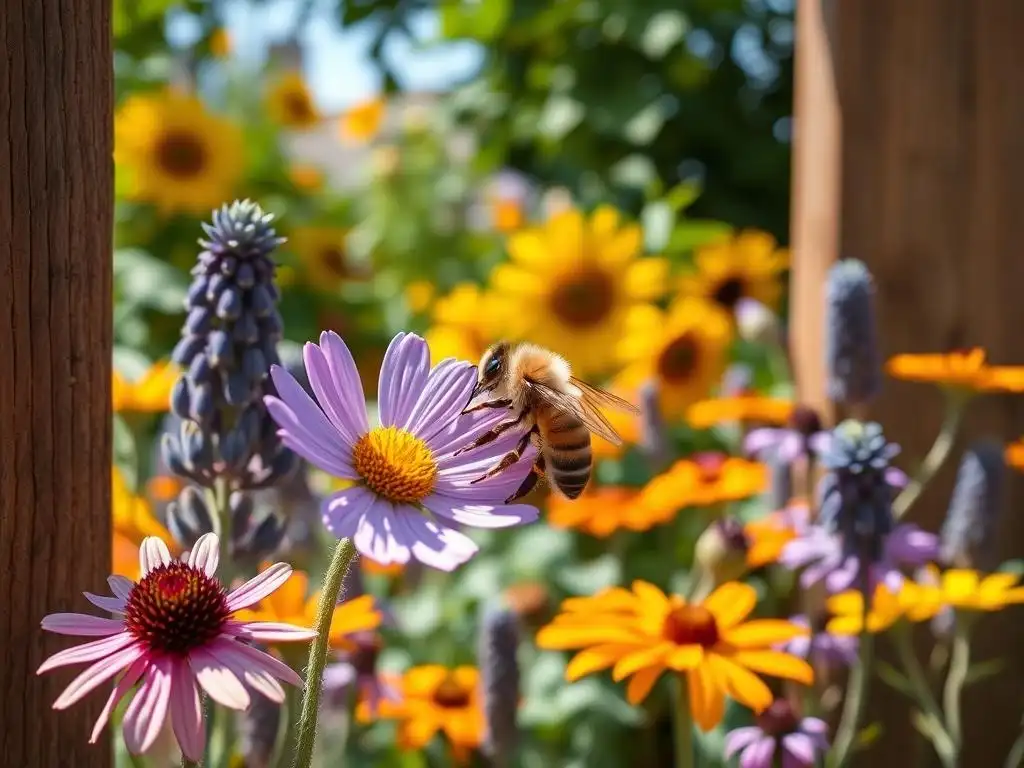
This section focuses on establishing a thriving environment within your organic garden specifically designed to attract and support bee populations. Bees are crucial for pollination, a cornerstone of successful organic gardening, and their presence significantly boosts fruit and vegetable yields. Creating a bee-friendly habitat goes beyond simply planting attractive flowers; it involves understanding their needs and providing the necessary resources.
This includes a diverse range of flowering plants, reliable water sources, and, critically, a pesticide-free environment. By implementing these strategies, you'll not only attract bees but also contribute to the vital role they play in maintaining ecological balance. Let's delve into the specifics.
Providing Water Sources for Bees: Shallow Dishes with Pebbles
Bees, like all living creatures, require a consistent source of water. However, deep water sources pose a drowning risk. To provide safe hydration, create shallow water sources with pebbles or marbles strategically placed. These act as landing platforms, allowing bees to drink without the danger of submersion.
A simple solution involves placing a shallow dish, such as a terracotta saucer or a repurposed lid, filled with water and a few pebbles. Regularly replenish the water, especially during hot and dry periods. Consider positioning several of these throughout your garden to maximize accessibility for bees. The placement is crucial; avoid areas with strong winds that might dislodge the pebbles or spill the water.
Observe your bees; if they seem to struggle accessing the water, adjust the pebble arrangement or the water level accordingly. This simple act can significantly increase bee activity and survival within your organic garden. Remember to clean the dishes regularly to prevent the spread of diseases.
Building a Bee Hotel: A Guide to Creating a Bee-Friendly Shelter
Many solitary bee species, unlike honeybees, don't live in hives. They nest in small cavities, such as holes in wood or hollow stems. Providing a bee hotel offers these solitary bees a safe place to lay their eggs and overwinter. Building a bee hotel is a rewarding and relatively simple project. You'll need various materials with different diameter holes to accommodate different bee species.
Consider using untreated wood blocks with holes drilled in them (avoid using treated lumber, as chemicals can harm bees). Bamboo canes, cut to varying lengths, also make excellent nesting materials. Another option is to use bundles of hollow stems from plants like elderberry or raspberry. Arrange these materials tightly within a weatherproof box or container, ensuring proper drainage to avoid rot. Position the bee hotel in a sunny, sheltered location, ideally facing south or southeast.
Avoid placing it directly on the ground to minimize moisture and pest infestations. Regular maintenance is minimal, but you may want to inspect it occasionally to ensure it remains in good condition and free of parasites. A well-built bee hotel can significantly enhance the biodiversity of your organic garden and contribute to the overall health of your pollinator population. Remember to use natural, untreated materials to avoid harming the bees.
Avoiding Pesticides and Harmful Chemicals: Protecting Bees in Your Garden
The most crucial aspect of attracting bees to your organic garden is eliminating the use of all pesticides and harmful chemicals. These substances are highly toxic to bees and can decimate local populations. Instead, employ organic pest control methods such as companion planting, beneficial insects, and natural deterrents. Companion planting involves strategically planting certain plants together to repel pests naturally.
For example, basil can repel aphids, while marigolds deter nematodes. Beneficial insects, such as ladybugs and lacewings, prey on common garden pests, reducing the need for chemical intervention. Natural deterrents like neem oil or insecticidal soap can be used sparingly as a last resort, but always follow instructions carefully and choose products that are specifically labeled as bee-friendly. Remember, a healthy bee population is vital for a thriving organic garden, and protecting them from harmful chemicals is paramount.
Prioritize integrated pest management techniques and educate yourself on safe and effective organic pest control strategies. This commitment to a pesticide-free environment will create a sanctuary for bees and other beneficial insects, ensuring a robust and productive organic garden for years to come. The long-term benefits of a healthy ecosystem far outweigh the short-term convenience of chemical pesticides.
Organic Pest Control Methods: Safeguarding Bees and Your Crops
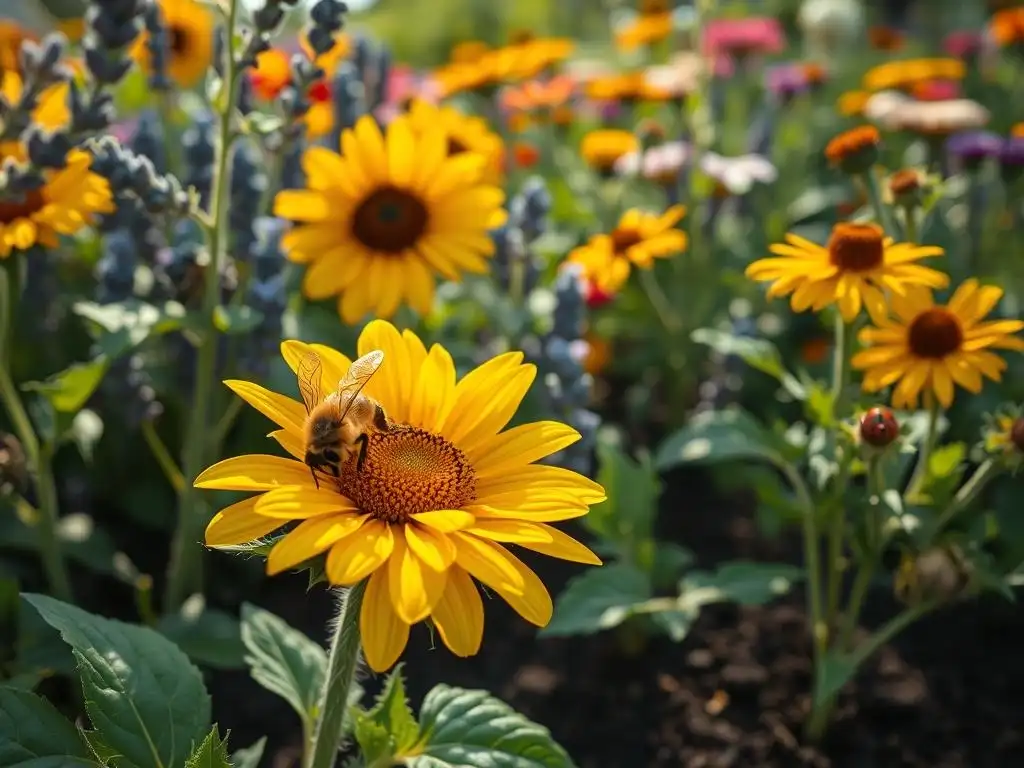
Protecting bees while maintaining a healthy garden requires a commitment to organic pest control. Synthetic pesticides are devastating to bee populations, causing direct mortality and harming their navigation and foraging abilities. Therefore, prioritizing organic methods is crucial for attracting and sustaining healthy bee colonies. This involves a multi-pronged approach, focusing on prevention and natural remedies.
One effective strategy is companion planting. Certain plants repel common garden pests, reducing the need for any intervention. For example, planting basil alongside tomatoes helps deter tomato hornworms, while marigolds can deter nematodes and other soil-borne pests. This natural pest control not only protects your crops but also creates a more diverse and welcoming habitat for bees.
Another vital component is monitoring your plants regularly for signs of infestation. Early detection allows for swift action using less invasive methods. This might involve hand-picking pests, introducing beneficial insects like ladybugs that prey on aphids, or using insecticidal soap, a natural and relatively safe option for bees. Always research the specific soap and its impact on pollinators before application, choosing products formulated with minimal toxicity to bees.
Composting plays a vital role in maintaining soil health, which in turn strengthens the resilience of your plants against pests. Healthy soil fosters strong plants, less susceptible to disease and infestation, reducing the need for any intervention. Remember, a healthy ecosystem thrives on balance – a balanced ecosystem is less prone to pest outbreaks. Regular composting ensures this balance.
Finally, understanding the life cycle of common garden pests is key to effective organic pest control. Knowing when and how to target different pests – be it by attracting their natural predators or implementing physical barriers – allows for targeted and effective management without harming beneficial insects like bees. This knowledge allows for a more thoughtful and informed approach to pest management.
Choosing the Right Location for Your Bee-Attracting Garden
The placement of your bee-friendly garden significantly influences its success in attracting and supporting bee populations. Careful consideration of several factors is crucial for creating an optimal habitat. Sunlight is paramount; bees are cold-blooded and require ample sunlight to maintain their body temperature, especially in cooler climates. Aim for a location that receives at least six hours of direct sunlight daily. A south-facing location (in the Northern Hemisphere) is generally ideal.
Proximity to water sources is equally important. Bees require a reliable source of water for hydration, especially during hot and dry periods. Providing a shallow dish of water with pebbles or stones for the bees to land on prevents drowning. Consider a birdbath or a small pond nearby as an alternative. Avoid using treated water, as chemicals can harm the bees.
Shelter from strong winds is also essential. Bees struggle to fly in strong winds, and excessive wind can damage delicate flowers, reducing their attractiveness to bees. Planting your bee garden in a sheltered location, such as near a hedge, fence, or building, provides protection from harsh weather conditions. The presence of windbreaks can significantly increase the garden’s attractiveness to bees.
Consider the existing landscape. Integrating your bee garden into the existing landscape, rather than creating an isolated patch, can enhance its effectiveness. This allows bees to easily navigate between your garden and other flowering plants in the area, creating a more connected and thriving ecosystem. This also provides additional sources of nectar and pollen beyond the flowers you specifically plant.
Finally, avoid spraying pesticides or herbicides anywhere near your bee garden. The drift of these chemicals can easily harm bees, even if applied some distance away. Maintain a buffer zone around the garden to ensure the safety of your bee pollinators. The success of your bee-friendly garden hinges on creating a safe and welcoming haven for these vital insects.
Maintaining Your Bee-Friendly Garden for Optimal Pollination
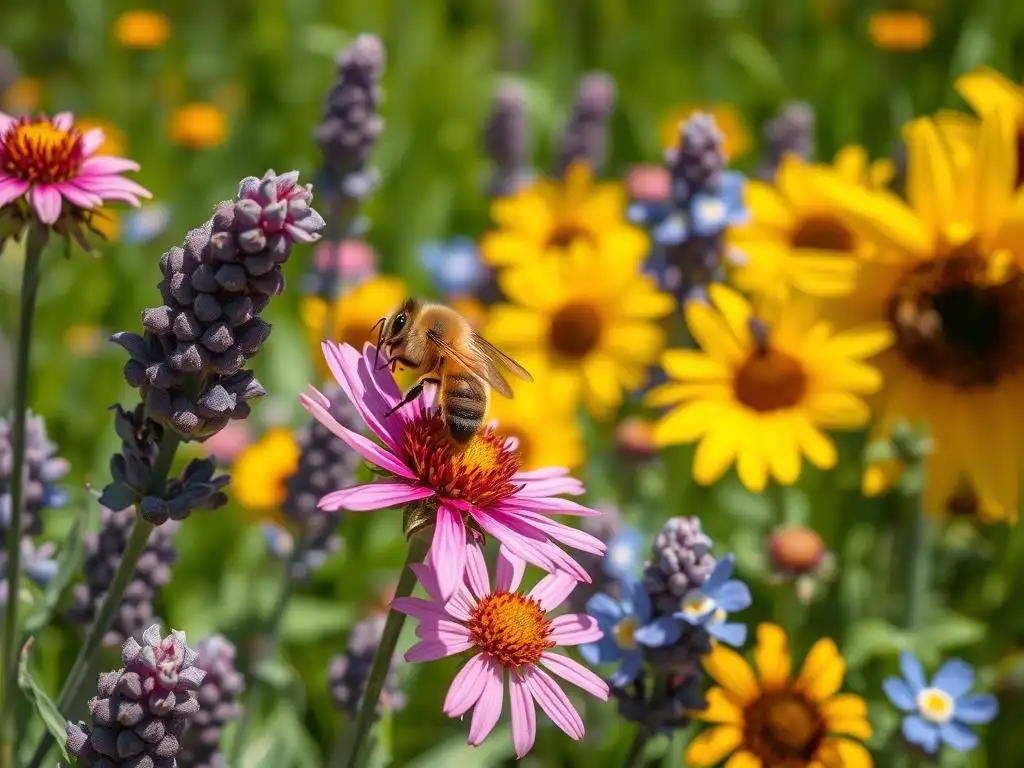
Creating a thriving bee-friendly garden isn't a one-time effort; it requires consistent care and attention to ensure your pollinator haven flourishes. Successful "attract bees organic gardening" relies heavily on maintaining healthy plants that provide a continuous supply of nectar and pollen. Neglecting proper maintenance can lead to weakened plants, reduced blooms, and ultimately, fewer bees.
Regular Watering and Soil Care for Bee-Attracting Plants
Water is essential for plant health, and bees are directly impacted by a plant's ability to produce nectar and pollen. Underwatering leads to stress, causing plants to reduce or cease flowering. Overwatering, conversely, can lead to root rot and fungal diseases, further harming the plants. The key is consistent moisture without waterlogging.
Deep, infrequent watering is generally preferred over shallow, frequent watering. This encourages deep root growth, making plants more resilient to drought conditions. The best time to water is early morning, allowing the foliage to dry before nightfall, thus reducing the risk of fungal diseases. Consider using a soaker hose or drip irrigation system for efficient water delivery, minimizing water waste and ensuring even moisture distribution.
Soil health is equally crucial. Healthy soil provides the necessary nutrients for robust plant growth. Regular soil testing can reveal nutrient deficiencies, allowing you to amend the soil with organic compost or other natural fertilizers. Adding organic matter improves soil structure, drainage, and water retention, creating an ideal environment for bee-attracting plants to thrive. Mulching around plants helps retain moisture, suppress weeds, and regulate soil temperature, further enhancing plant health and bee activity. Remember, healthy soil equals healthy plants, equals happy bees!
Monitoring Plant Health: Identifying and Treating Diseases Organically
Disease can significantly impact the health of your bee-friendly plants, reducing their ability to produce nectar and pollen. Regular monitoring is essential for early detection and treatment. Look out for signs of common plant diseases such as powdery mildew, leaf spots, and fungal blights. Early identification is key to successful organic treatment.
Organic pest and disease control methods are crucial in a bee-friendly garden. Avoid using harsh chemicals that can harm bees directly or indirectly through contaminated pollen and nectar. Instead, consider using natural remedies like neem oil, insecticidal soap, or compost tea. These methods are effective against many common plant pests and diseases while being safe for pollinators. Rotating crops can also help prevent the buildup of pests and diseases over time.
Implementing preventative measures is just as important as curative treatments. This includes ensuring good air circulation around plants by spacing them appropriately, providing adequate sunlight, and maintaining a clean garden free of debris. A healthy, well-maintained garden is less susceptible to disease outbreaks. Remember to always research organic treatment methods specific to your plants and the identified disease.
Rotating Crops to Maintain Soil Health and Bee Diversity
Crop rotation is a vital aspect of sustainable gardening practices that benefits both soil health and bee diversity. Rotating crops helps prevent the depletion of specific nutrients in the soil, maintaining its fertility and overall health. Different plants have different nutrient requirements, and rotating them helps ensure a balanced nutrient profile in the soil. This, in turn, supports the vigorous growth of your bee-attracting plants.
Furthermore, rotating crops helps manage pests and diseases. Many pests and diseases are specific to certain plants. By rotating crops, you disrupt the life cycle of these pests and diseases, reducing their populations and minimizing their impact on your plants. This approach is a cornerstone of "attract bees organic gardening" as it supports both plant and pollinator health.
Rotating crops also enhances bee diversity by offering a wider variety of nectar and pollen sources throughout the growing season. Different plants bloom at different times, providing a continuous food source for bees. A diverse range of plants also attracts a wider range of bee species, promoting a healthier and more resilient pollinator population in your garden. Planning your crop rotation carefully, considering plant families and flowering periods, will maximize the benefits for both your soil and your bee population. Consider creating a rotation plan for several years to ensure long-term soil health and bee diversity.
Planning for Seasonal Bloom: Ensuring Continuous Bee Activity
Maintaining a vibrant and thriving bee population in your garden requires a strategic approach to plant selection and timing. Bees need a consistent source of nectar and pollen throughout the growing season, so planning for continuous bloom is crucial for attracting and supporting these vital pollinators. This means choosing plants with staggered bloom times, ensuring that something is always flowering from early spring to late autumn. A diverse range of plants is key; relying on just a few species might leave bees without food during certain periods.
One effective strategy is to create a succession planting plan. This involves planting early-blooming species like crocuses and snowdrops, followed by spring bloomers such as daffodils and fruit trees. As these fade, summer bloomers like lavender, coneflowers, and sunflowers take over, providing a continuous food source.
Late-season bloomers, such as goldenrod and asters, extend the bee-friendly habitat well into the fall, providing essential resources before the bees prepare for winter. Careful planning, considering the specific bloom times of each plant species for your region, ensures a consistent food supply for bees throughout the year. This approach not only benefits the bees but also enhances the overall aesthetic appeal of your garden with a colorful and ever-changing display.
Consider the microclimates within your garden. A sunny south-facing border will warm up earlier in the spring, allowing you to extend the flowering season. Similarly, sheltered areas can protect delicate plants from harsh winds and frost, prolonging their bloom. Careful placement of your plants can significantly impact their flowering duration and overall contribution to bee nutrition.
Remember to consult gardening resources specific to your region to determine the best bloom times and suitable plant varieties for your local climate and soil conditions. This localized approach will ensure the greatest success in creating a sustainable and thriving bee-friendly ecosystem. Using a garden journal to note bloom times and plant performance will help refine your strategy for future years, allowing you to optimize your bee-friendly garden's productivity.
Beyond the Basics: Advanced Techniques for Attracting More Bees
This section delves into more sophisticated strategies to significantly boost bee populations in your organic garden, going beyond simply planting attractive flowers. We'll explore techniques that maximize bee attraction and support their long-term health, contributing to a thriving ecosystem and abundant harvests. Remember, attracting bees is crucial for successful organic gardening, as they are vital pollinators for many fruits, vegetables, and herbs.
Using Bee Balm to Attract Bees and Other Pollinators
Bee balm ( Monarda) is a powerhouse for attracting bees. Its vibrant colors and strong, sweet scent are irresistible to a wide range of pollinators, not just honeybees. But maximizing its effectiveness requires understanding its needs. Planting bee balm in full sun to partial shade ensures robust growth and abundant blooms. Well-drained soil is crucial; avoid overwatering, which can lead to root rot.
Consider planting several varieties of bee balm to extend the bloom period. Different cultivars offer varying bloom times, ensuring a continuous food source for bees throughout the growing season. For example, Monarda didyma (Scarlet Bee Balm) blooms earlier than Monarda fistulosa (Wild Bergamot). This staggered blooming provides a consistent supply of nectar and pollen, crucial for a healthy bee population.
Furthermore, deadheading spent flowers encourages more blooms, prolonging the bee-attracting period. This simple practice significantly increases the plant's value as a bee-friendly resource. Don't forget to avoid using pesticides near your bee balm, ensuring a safe haven for these beneficial insects.
Remember, the goal is to create an environment where bees can thrive. Providing a diverse range of flowering plants, including bee balm, is key to attracting and supporting these vital pollinators in your organic gardening efforts.
Creating a Diverse Planting Scheme for Year-Round Bee Activity
A truly bee-friendly garden provides a continuous supply of nectar and pollen throughout the entire year. This requires careful planning and a diverse selection of plants with varying bloom times. Simply planting a few bee-attracting flowers in the spring isn't enough for sustained bee activity. Think of it like providing a year-round buffet for your pollinators.
To achieve this, consider incorporating plants with different bloom seasons. Early spring bloomers such as crocuses and snowdrops provide crucial early food sources. Summer bloomers, like lavender, sunflowers, and coneflowers, offer a mid-season feast. And late-blooming plants, such as asters and goldenrod, provide sustenance into autumn. This layered approach ensures that bees always have access to a readily available food supply.
Here's a sample plan, though specific plant choices will vary based on your climate and local conditions:
| Season | Plant Examples | Notes |
|---|---|---|
| Early Spring | Crocus, Snowdrops, Pussy Willow | Plant bulbs in the fall for early spring blooms. |
| Spring | Dandelions, Bluebells, Hyacinths | Allow some dandelions to flower before mowing; they're a great bee food source. |
| Summer | Lavender, Sunflowers, Coneflowers, Bee Balm | Choose a variety of colors and heights for visual appeal and bee attraction. |
| Late Summer | Salvia, Goldenrod, Sedum | These plants offer late-season nectar and pollen. |
| Autumn | Asters, Heathers | Plant these to extend the blooming season well into the fall. |
This diverse planting scheme not only attracts more bees but also enhances the overall beauty and biodiversity of your organic garden, attracting other beneficial insects as well. Attract bees organic gardening requires commitment and thoughtful planning.
Working with Local Beekeepers to Enhance Pollination Efforts
Collaborating with local beekeepers can dramatically improve pollination success in your organic garden. Beekeepers often have valuable insights into local bee populations, ideal planting times, and plant varieties that thrive in your specific region. They can also provide insights into managing potential bee health challenges.
Many beekeepers are happy to place hives on properties in exchange for access to the pollinator-friendly environment you've created. This mutually beneficial arrangement boosts both your garden's productivity and the local bee population. Discuss expectations beforehand, ensuring both parties understand the responsibilities and benefits involved. For instance, agree on hive placement, access for hive maintenance, and any potential restrictions.
Consider attending local beekeeping workshops or joining beekeeping associations to learn more about bee health and best practices. This knowledge will further enhance your ability to support a thriving bee population and, consequently, a more productive organic garden. Remember, healthy bees are essential for successful organic gardening and contribute to a healthier ecosystem. Attract bees organic gardening takes a holistic approach, recognizing the vital role of local beekeepers.
Frequently Asked Questions
What are the best plants to attract bees organically?
Many plants attract bees! For organic gardening, consider lavender, mint, sunflower, borage, and chamomile. These are known to be particularly appealing to pollinators.
How can I attract bees without using pesticides?
Avoid all pesticides and herbicides, as these are harmful to bees. Instead, focus on providing a diverse range of flowering plants that bloom throughout the growing season. Providing a water source is also crucial.
Why are bees important for my organic garden?
Bees are essential pollinators, meaning they help your fruits, vegetables, and herbs produce better yields. A healthy bee population is vital for a thriving organic garden.
What else can I do to create a bee-friendly environment?
Provide nesting sites for bees, such as leaving patches of bare ground or installing bee houses. Avoid mowing too frequently, allowing some plants to go to seed. Offer a shallow dish of water with pebbles for bees to drink from safely.
When is the best time to plant bee-attracting flowers?
The best time depends on your climate and the specific plant, but generally, spring and early summer are ideal for planting many bee-friendly flowers. Check the planting instructions for individual species.
Final Reflection: Cultivating a Future with Bees
The decline of bee populations is not merely an environmental concern; it's a direct threat to our food security and the delicate balance of our ecosystems. The simple act of planting bee-friendly flowers, as explored in this article, becomes a powerful act of ecological stewardship, a small step towards a larger, more sustainable future. We've seen how accessible and rewarding it is to create a pollinator paradise, even in the smallest of gardens.
The impact of our choices, both individually and collectively, on the well-being of these vital pollinators is profound and far-reaching. The vibrant buzz of bees in a garden is more than just a pleasant sound; it's a testament to the interconnectedness of life. As Albert Einstein famously stated, If the bee disappeared off the surface of the globe then man would only have four years of life left.
This stark warning underscores the urgency of our actions and the importance of fostering habitats that support these crucial insects. We must remember that even small actions, like planting a single bee balm or lavender plant, contribute to a larger movement towards environmental responsibility.
Now, consider your own garden, balcony, or even a single window box. What small changes can you make to welcome bees and other pollinators? Perhaps it's planting a few seeds, or simply choosing bee-friendly plants when you next shop. Let this article be a springboard for action, inspiring you to create a haven for bees and contribute to a healthier, more vibrant world. The future of our planet, and the sweet taste of honey, depend on it.
Unleash Your Inner Bee Whisperer: Create a Buzzworthy Garden
Thanks for exploring the wonderful world of bee-friendly plants! You now have the knowledge to transform your garden into a vibrant pollinator haven. Ready to get started?
- Plant your bee paradise! Choose a few of your favorite plants from the list above and plant them—in the ground or in pots—today. Watch the bees arrive!
- Share your bee-friendly garden journey! Take a picture of your newly planted blooms and share it on social media using #BeeHappyGarden.
- Deepen your knowledge of pollinator-friendly gardening by researching native plant species in your area. This will ensure you're supporting local bee populations even more effectively.
What incredible bee-attracting plants will you choose to plant first? Let us know in the comments!