
Biological Pest Control: Introducing Natural Enemies into Your Garden

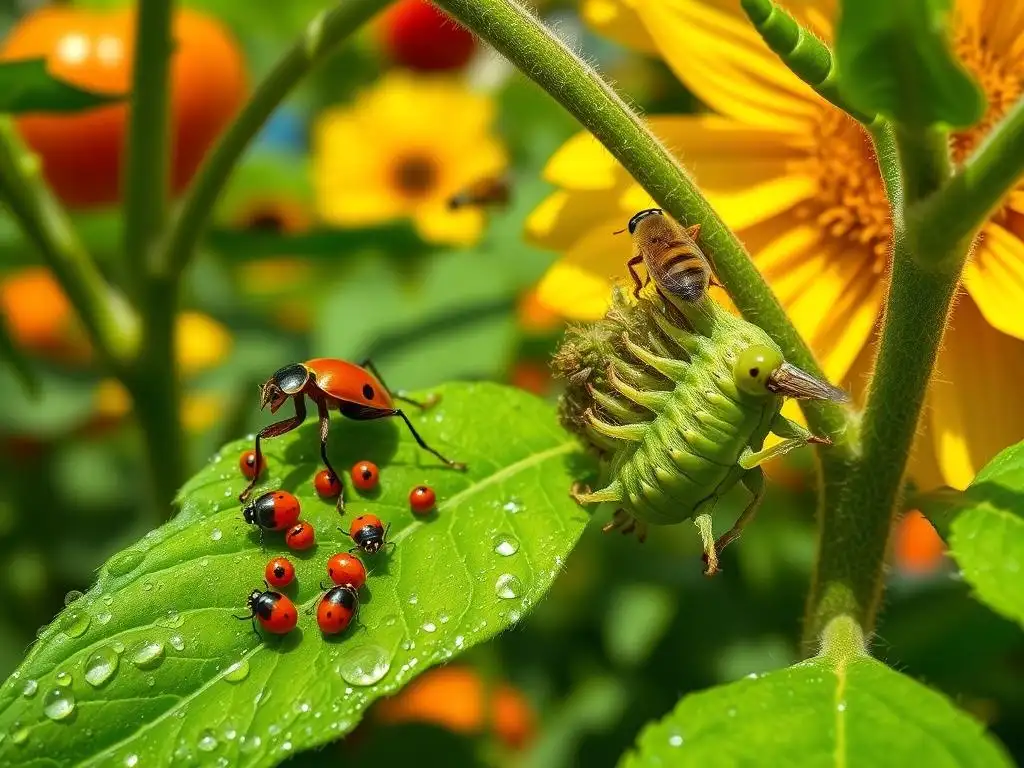
Ready to ditch the harmful chemicals and embrace a thriving, naturally pest-free garden? CultivateYourFood is your guide to growing vibrant fruits, vegetables, and herbs using sustainable methods. Discover the secrets to a bountiful harvest, starting with our in-depth exploration of natural pest control garden methods – learn how to harness the power of nature itself to protect your precious plants. Dive in and uncover the surprising world of biological pest control!
- Understanding Natural Pest Control Garden Methods
- Attracting Beneficial Insects to Your Garden: Creating a Habitat
- Introducing Beneficial Insects and Other Natural Enemies
- Maintaining a Balanced Ecosystem for Effective Natural Pest Control
- Case Studies: Successful Biological Pest Control in Home Gardens
- Troubleshooting Common Challenges in Biological Pest Control
- Frequently Asked Questions
- Final Reflection: Nurturing a Balanced Ecosystem in Your Garden
- Unlock Nature's Pest Control Power!
Understanding Natural Pest Control Garden Methods
Natural pest control, also known as biological pest control, is a sustainable and environmentally friendly approach to managing pests in your home garden. Unlike chemical pesticides which can harm beneficial insects, pollinators, and even you, biological control leverages the natural predators and parasites of garden pests to keep populations in check. This method promotes biodiversity, improves soil health, and ensures a healthier, more vibrant garden ecosystem.
This article explores the principles of biological pest control, guiding you through the process of identifying common garden pests, selecting appropriate beneficial insects, and effectively introducing them into your garden to achieve a thriving and pest-resistant environment. We'll delve into the benefits of this approach, providing you with practical strategies for implementing natural pest control as a core component of your organic gardening practices.
Implementing natural pest control is a key component of sustainable gardening and a vital step towards creating a thriving and healthy garden ecosystem. The focus on "natural pest control garden methods" emphasizes the holistic and environmentally conscious approach to pest management.
The Benefits of Biological Pest Control for Your Garden
Biological pest control offers numerous advantages over chemical methods. Firstly, it's significantly safer for the environment, protecting beneficial insects like bees and ladybugs crucial for pollination and overall garden health. Secondly, it contributes to a healthier soil ecosystem, fostering microbial diversity that enhances nutrient cycling and plant growth. This contrasts sharply with chemical pesticides which can disrupt soil microbial communities. Thirdly, it's generally more cost-effective in the long run, as you're not repeatedly purchasing chemical pesticides.
Finally, it promotes a more balanced and resilient garden ecosystem, reducing the likelihood of pest outbreaks. The long-term benefits extend beyond simply controlling pests; they encompass a healthier and more sustainable garden overall. The absence of harmful chemicals also means safer produce for consumption, contributing to a healthier lifestyle. Consider the following table summarizing the key advantages:
| Benefit Category | Specific Benefit | Impact on Garden |
|---|---|---|
| Environmental Safety | Protects beneficial insects and pollinators | Increased biodiversity and pollination |
| Soil Health | Enhances soil microbial diversity and nutrient cycling | Improved plant growth and overall health |
| Cost-Effectiveness | Reduced long-term costs compared to chemical pesticides | Increased savings and financial sustainability |
| Ecosystem Resilience | Creates a more balanced and resilient garden ecosystem | Reduced pest outbreaks and increased stability |
| Human Health | Safer produce, free from harmful chemical residues | Healthier and safer food for consumption |
Identifying Common Garden Pests and Their Natural Predators
Understanding the specific pests affecting your garden is crucial for effective biological control. Common garden pests include aphids, spider mites, whiteflies, caterpillars, and slugs. Each pest has specific natural predators. For example:
- Aphids: Ladybugs, lacewings, and parasitic wasps are effective predators of aphids.
- Spider mites: Predatory mites and certain insects can help control spider mite populations.
- Whiteflies: Parasitic wasps and ladybugs are beneficial for controlling whiteflies.
- Caterpillars: Parasitic wasps, predatory beetles, and birds are natural enemies of caterpillars.
- Slugs: Ground beetles, toads, and nematodes are effective in controlling slug populations.
Careful observation of your plants will help identify the specific pests present, allowing you to select the appropriate beneficial insects for control. Regular monitoring is key to early detection and proactive management. Remember to consult reliable resources to accurately identify both pests and their natural enemies before introducing any beneficial insects into your garden. Accurate identification prevents misidentification and ineffective control strategies.
Choosing the Right Beneficial Insects for Your Specific Pests
Selecting the right beneficial insects is crucial for successful biological pest control. Consider the following factors:
- Pest Specificity: Choose beneficial insects that specifically target the pest you're trying to control. Introducing a generalist predator might not be as effective.
- Environmental Suitability: Ensure the beneficial insects are suitable for your climate and garden conditions.
- Availability: Consider the availability of beneficial insects in your area. You may need to purchase them from a reputable supplier.
- Life Cycle: Understand the life cycle of the beneficial insects to ensure they'll be present when the pest population is at its peak.
Careful planning and selection will significantly increase the effectiveness of your biological pest control program. It is important to note that introducing beneficial insects is not a quick fix; it requires patience and observation to achieve optimal results. Successful implementation often involves a combination of methods and a holistic approach to garden management. The effectiveness of biological pest control is enhanced by maintaining a healthy and diverse garden environment.
Attracting Beneficial Insects to Your Garden: Creating a Habitat
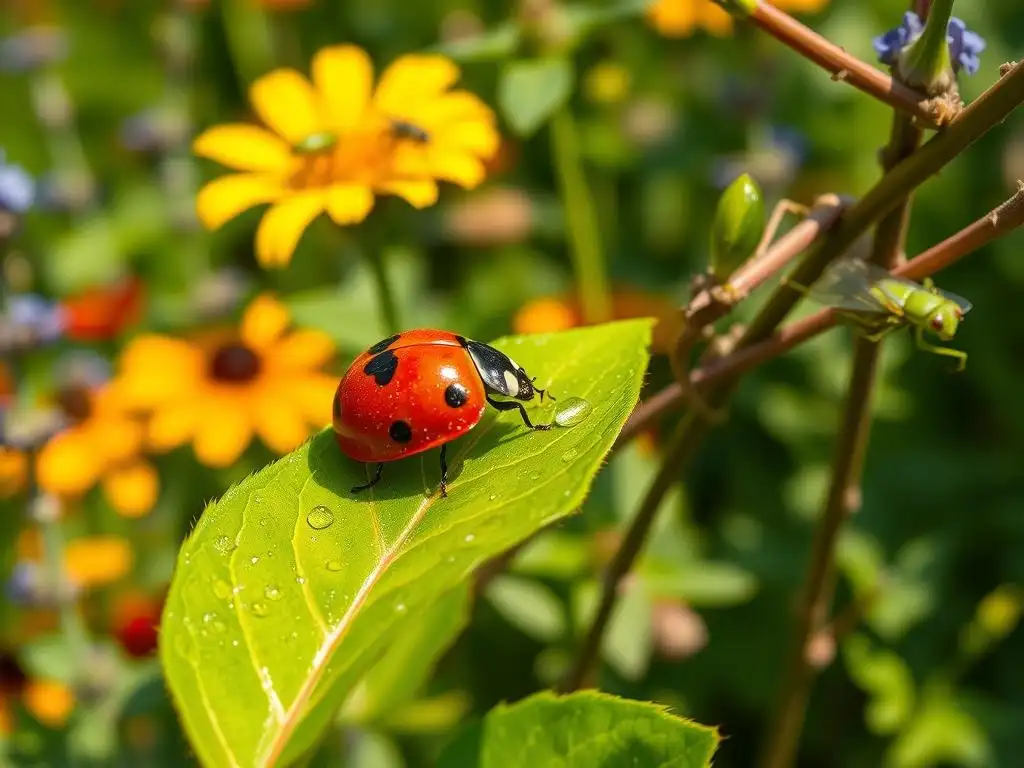
Successfully implementing natural pest control in your garden hinges on attracting beneficial insects. These natural predators and parasites offer a sustainable and effective alternative to chemical pesticides, helping to maintain a healthy ecosystem and reduce pest populations. Creating a welcoming habitat is crucial for attracting these helpful allies. By understanding their needs, you can transform your garden into a haven for beneficial insects, leading to a thriving and pest-resistant environment. This approach is a key element of effective natural pest control garden methods.
Providing Food Sources for Beneficial Insects: Planting Nectar and Pollen Plants
Beneficial insects, like ladybugs, lacewings, and hoverflies, require a consistent supply of nectar and pollen to survive and reproduce. These food sources fuel their activities, allowing them to effectively hunt down garden pests. Therefore, incorporating diverse flowering plants into your garden is paramount. Consider these options:
- Annuals: Calendula, sunflowers, cosmos, and zinnias provide vibrant blooms throughout the growing season, offering a continuous source of nectar and pollen. Their diverse colors also add aesthetic appeal to your garden.
- Perennials: Lavender, coneflowers, and yarrow offer long-lasting blooms and provide food for beneficial insects over an extended period. They are also low-maintenance options, adding to their practical appeal.
- Herbs: Dill, fennel, and cilantro are not only culinary delights but also attract beneficial insects. Their delicate flowers provide essential nutrients, supporting the insect populations that control pests.
Think about planting in succession – plant early bloomers, followed by mid-season and late-season flowering plants to ensure a continuous supply of food throughout the growing season. This strategy ensures that beneficial insects have access to a reliable food source, maximizing their effectiveness in controlling pests. This is a fundamental aspect of many natural pest control garden methods.
Creating Shelter and Nesting Sites for Beneficial Insects
Beyond food, beneficial insects require suitable shelter and nesting sites for overwintering and reproduction. Providing these elements significantly increases their chances of survival and establishment in your garden.
- Leave some leaf litter: Don't meticulously clean up all fallen leaves in the autumn. Many beneficial insects overwinter in leaf litter, using it as protection from harsh weather conditions. Leaving some leaf litter in protected areas provides valuable shelter.
- Provide dead wood and brush piles: These areas offer ideal nesting sites for many beneficial insects, particularly ground beetles and other beneficial creatures. Create small, undisturbed piles in less visible corners of the garden.
- Install insect hotels: Commercially available or DIY insect hotels provide various nooks and crannies for insects to nest and shelter. These can be particularly effective in attracting solitary bees and other beneficial insects.
- Use natural materials: Avoid using treated wood or materials that could harm beneficial insects. Stick to untreated wood, bamboo, and other natural materials when constructing shelters.
By providing diverse shelter options, you create a welcoming environment that encourages beneficial insects to establish themselves and thrive in your garden. This contributes significantly to the long-term success of your natural pest control garden methods.
Maintaining a Healthy Soil Ecosystem to Support Beneficial Organisms
A healthy soil ecosystem is the cornerstone of any successful organic gardening approach, including natural pest control. Beneficial microorganisms in the soil play a crucial role in suppressing pest populations and promoting plant health.
- Composting: Regular composting adds vital nutrients and beneficial microbes to your soil. This improves soil structure, aeration, and water retention, creating a favorable environment for beneficial organisms.
- Avoid soil disturbance: Excessive tilling or digging can disrupt the soil ecosystem, harming beneficial microorganisms. Minimize soil disturbance to maintain a healthy balance.
- Mulching: Applying mulch helps retain soil moisture, regulates soil temperature, and suppresses weeds, creating a more favorable environment for beneficial organisms. It also provides shelter for some beneficial insects.
- Crop rotation: Rotating crops helps prevent the buildup of specific pests and diseases, reducing the need for interventions and supporting the overall health of your soil.
Maintaining a healthy soil ecosystem is a foundational aspect of natural pest control garden methods. By nurturing the soil, you are indirectly promoting the growth and activity of beneficial organisms that naturally control pest populations. This holistic approach contributes to a more sustainable and productive garden.
Introducing Beneficial Insects and Other Natural Enemies
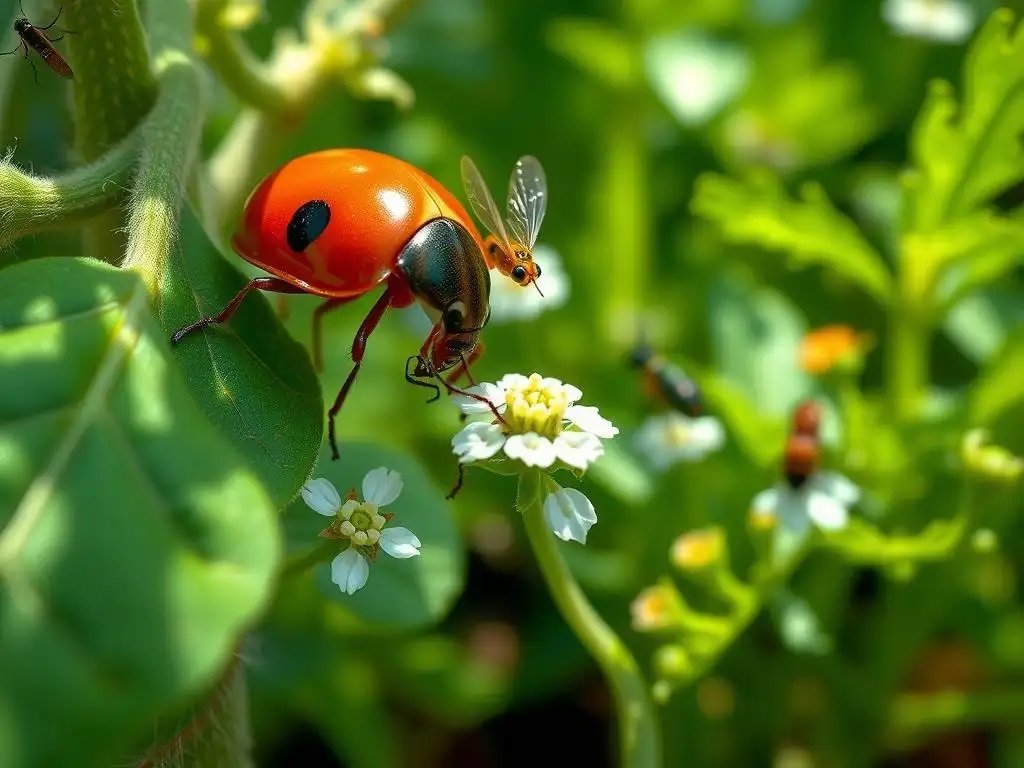
Natural pest control garden methods rely heavily on introducing beneficial organisms to your garden ecosystem. This approach leverages the natural predator-prey relationship to keep pest populations in check, minimizing the need for harmful chemical pesticides. This section delves into the specifics of introducing these helpful creatures, focusing on the selection, sourcing, and release of beneficial insects and other natural enemies. By understanding their roles and how to effectively integrate them, you can create a thriving, pest-resistant garden using sustainable practices. This is a key component of successful organic gardening and a cornerstone of environmentally conscious pest management.
Sourcing Beneficial Insects: Where to Buy and How to Release Them
Finding and introducing beneficial insects requires careful planning. Many reputable suppliers specialize in selling beneficial insects and other natural enemies for gardening purposes. These suppliers often offer a wide range of species, tailored to specific pest problems. For example, you might source ladybugs ( Coccinellidae) to control aphids, lacewings ( Chrysopidae) for various soft-bodied insects, or Trichogramma wasps for controlling moth larvae.
Before purchasing, identify the prevalent pests in your garden. This will help you choose the most effective beneficial insects. Consider the size of your garden when determining the quantity to order; supplier websites usually provide guidelines based on square footage.
When your beneficial insects arrive, it's crucial to release them correctly. The optimal time is usually in the evening or on a cloudy day to minimize stress and predation from birds. Follow the supplier's instructions carefully; this often involves gently releasing them near the affected plants, ensuring they have access to food sources (their target pests!). Avoid releasing them in direct sunlight or during periods of extreme heat or cold.
Remember to monitor the impact of your introduced beneficial insects. Regular observation will help you assess their effectiveness and make adjustments as needed. This continuous monitoring is a crucial aspect of effective natural pest control strategies in your garden.
Integrating Beneficial Nematodes for Soil Pest Control
Beneficial nematodes are microscopic worms that prey on various soil-dwelling pests, offering a powerful tool in natural pest control garden methods. These tiny warriors target a wide range of insects, including many common garden pests like grubs, cutworms, and fungus gnats. Unlike many other methods, nematodes work beneath the soil surface, making them particularly effective against hidden pests.
There are different species of nematodes, each targeting specific pests. Choosing the right nematode species is crucial for effective control. Research the predominant soil pests in your garden to select the appropriate nematode type.
Applying nematodes usually involves mixing them with water and then applying the solution directly to the soil. The best time to apply is typically in the evening or on a cloudy day, maintaining soil moisture after application. The nematodes require moisture to survive and effectively target their prey. Avoid applying during periods of extreme heat or when the soil is too dry.
Regular soil testing can help determine the effectiveness of nematode application. While nematodes offer a sustainable approach, their effectiveness can vary depending on soil conditions and pest populations. Therefore, consistent monitoring and potential reapplication may be necessary.
Utilizing Predatory Insects and Mites for Pest Management
Predatory insects and mites are another powerful tool in your arsenal of natural pest control garden methods. These tiny creatures actively hunt and feed on various garden pests. They are particularly effective against mites, aphids, and other small insects. The diversity of predatory species allows for targeted control of specific pests.
For instance, predatory mites are effective against spider mites, a common garden pest. Minute pirate bugs are voracious feeders, tackling a wide range of insects including thrips and aphids. Green lacewings are generalist predators, controlling various soft-bodied insects and their larvae.
Introducing these predators requires a similar approach to beneficial insects. Sourcing them from reputable suppliers ensures healthy and effective populations. Release them strategically near infested plants, providing them with immediate access to food. Maintaining appropriate environmental conditions—sufficient moisture and shade—is vital for their survival and effectiveness. Consistent monitoring is crucial to evaluate their impact and make informed decisions about further applications or adjustments to your natural pest control strategy. Remember, a healthy garden ecosystem supports the natural balance of predator and prey, enhancing the effectiveness of these beneficial organisms.
Maintaining a Balanced Ecosystem for Effective Natural Pest Control
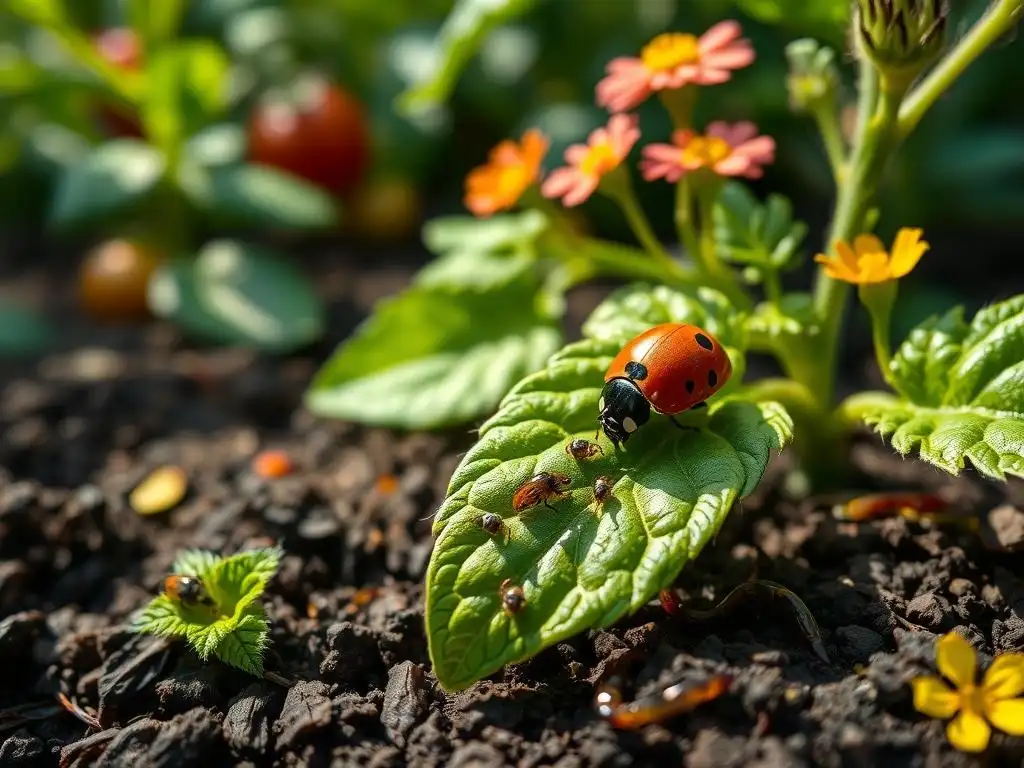
A thriving garden ecosystem is the cornerstone of successful natural pest control. The key is to create a habitat that supports a diverse range of beneficial insects, animals, and microorganisms that naturally prey on or compete with pest species. This approach shifts the focus from eliminating pests to managing their populations within a healthy, balanced environment. Think of it as fostering a natural "check and balance" system within your garden.
Instead of waging war on pests, you're cultivating a robust ecosystem where they become a minor, manageable element rather than a destructive force. This holistic strategy requires a deeper understanding of your garden's biodiversity and the intricate relationships between different organisms. Ignoring this interconnectedness can undermine even the most well-intentioned natural pest control efforts.
Monitoring Pest Populations and Beneficial Insect Activity
Regular monitoring is crucial for effective natural pest control. It allows you to identify pest problems early, before they escalate into significant damage. Furthermore, it helps you assess the effectiveness of your natural control strategies and adjust your approach as needed. A simple method is to regularly inspect your plants, noting any signs of pest damage (e.g., holes in leaves, wilting, discoloration). Keep a detailed record of your observations, including the type of pest, the extent of the infestation, and the date. This data will help you track population trends and make informed decisions.
Beyond pest monitoring, actively observe the presence and activity of beneficial insects. Ladybugs, lacewings, praying mantises, and parasitic wasps are just a few examples of natural predators that can significantly reduce pest populations. Their presence indicates a relatively healthy ecosystem. Conversely, a noticeable absence of these beneficial insects may signal an imbalance that needs attention.
You can attract beneficial insects by planting diverse flowering plants, providing shelter (like leaf litter or small rock piles), and avoiding the use of broad-spectrum insecticides. For example, planting dill and fennel attracts beneficial insects that prey on aphids. Consider creating a dedicated "insectary" area within your garden with plants specifically chosen to attract beneficial organisms.
Avoiding Pesticides and Harmful Chemicals: Protecting Beneficial Organisms
The use of synthetic pesticides is fundamentally incompatible with natural pest control methods. These chemicals indiscriminately kill both beneficial and harmful insects, disrupting the delicate balance of your garden ecosystem. Broad-spectrum insecticides can wipe out entire populations of natural predators, leaving your garden vulnerable to future pest outbreaks—often worse than before. This can lead to a vicious cycle of escalating pesticide use, harming the environment and potentially impacting your health.
Instead of reaching for chemical solutions, focus on preventative measures. This includes practicing crop rotation, choosing pest-resistant plant varieties, and maintaining good garden hygiene. Regular weeding removes potential hiding places for pests and reduces competition for resources. Proper watering and fertilization ensure healthy plant growth, making them less susceptible to pest infestations. Remember, a healthy plant is naturally more resistant to pests. Choosing organic fertilizers further supports the beneficial microorganisms in the soil, enhancing overall plant health and resilience.
Long-term Strategies for Sustainable Natural Pest Control in Your Garden
Sustainable natural pest control is a journey, not a destination. It requires a long-term commitment to creating and maintaining a healthy garden ecosystem. This involves continuous learning, observation, and adaptation. You'll need to experiment with different natural pest control techniques, tailoring your approach to the specific needs of your garden and the challenges presented by local pests.
Implementing diverse strategies is key. This might include companion planting (e.g., planting marigolds to repel nematodes), using natural repellents (e.g., neem oil), introducing beneficial nematodes (microscopic worms that prey on soil-dwelling pests), or creating physical barriers (e.g., row covers to protect seedlings). The effectiveness of each method will vary depending on the specific pest, the plant species, and the environmental conditions. Don't be afraid to try different approaches and to learn from your successes and failures.
Document your experiences and share your knowledge with other gardeners. Remember, creating a thriving, pest-resistant garden takes time, patience, and a deep respect for the intricate workings of nature. The rewards, however—a healthy, productive garden and a greater connection with the natural world—are immeasurable.
Case Studies: Successful Biological Pest Control in Home Gardens
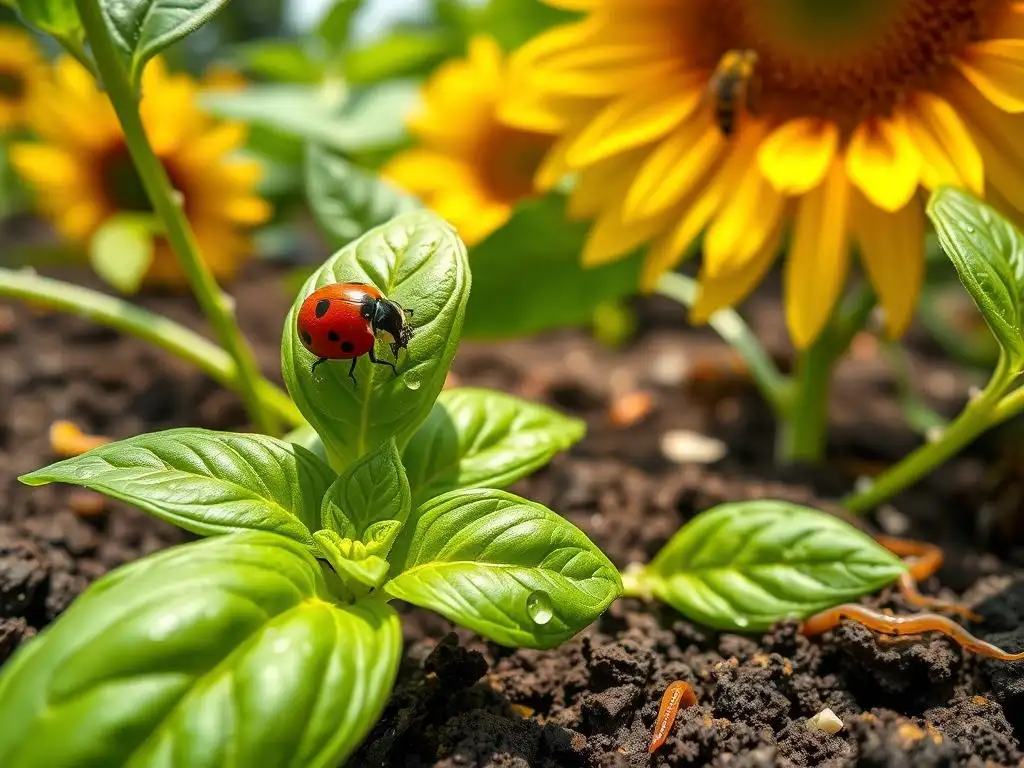
This section presents real-world examples of successful biological pest control strategies implemented in home gardens, showcasing the effectiveness of natural enemies in managing common garden pests. These case studies highlight the practical application of "natural pest control garden methods" and demonstrate how integrating beneficial insects and other organisms can significantly reduce reliance on chemical pesticides. We'll examine the specific pests targeted, the natural enemies employed, and the results achieved. Understanding these successes can empower you to implement similar strategies in your own garden.
Case Study 1: Controlling Aphids with Ladybugs
Aphids, those tiny sap-sucking insects, are a common nuisance in many gardens. They can quickly infest plants, causing stunted growth and weakening the overall health of your vegetables and herbs. However, introducing ladybugs ( Coccinellidae) offers a highly effective biological control solution. Ladybugs are voracious aphid predators, with a single ladybug larva capable of consuming hundreds of aphids during its development.
Several strategies can be employed to successfully integrate ladybugs into your aphid control program. One method involves purchasing ladybug larvae or adults from reputable suppliers and releasing them directly onto infested plants. Timing is crucial; release ladybugs when aphid populations are at their early stages for optimal impact.
Another approach focuses on creating a ladybug-friendly environment. Planting flowering plants that attract ladybugs, such as dill, fennel, and yarrow, provides a food source and encourages them to stay in your garden. This approach is more sustainable in the long run, fostering a natural balance and reducing the need for repeated introductions of ladybugs.
A homeowner in rural Oregon reported a 90% reduction in aphid infestation within two weeks of releasing 500 ladybug larvae onto their rose bushes. This success underscores the effectiveness of this method when implemented correctly. The key to success was consistent monitoring and timely intervention. Regular observation allowed for early detection of aphids and ensured the timely introduction of ladybugs, preventing a massive infestation.
Case Study 2: Managing Whiteflies with Minute Pirate Bugs
Whiteflies, tiny winged insects that cluster on the undersides of leaves, can cause significant damage to plants. They suck plant sap, leading to yellowing leaves, stunted growth, and the transmission of plant diseases. Minute pirate bugs ( Orius species) are effective predators of whiteflies, feeding on both the adult and immature stages.
Unlike ladybugs, minute pirate bugs are often less visible to the naked eye, but their impact is considerable. These tiny insects are highly mobile and readily move between plants, searching for their prey. Their effectiveness stems from their ability to quickly locate and consume large numbers of whiteflies. To encourage their presence, avoid the use of broad-spectrum insecticides, which can harm beneficial insects like minute pirate bugs. Instead, consider using insecticidal soaps or neem oil only when absolutely necessary, focusing on spot treatments to minimize harm to beneficial insects.
A detailed study conducted in a commercial greenhouse showed a 75% reduction in whitefly populations within four weeks of introducing minute pirate bugs, without any negative impact on the overall plant health. This demonstrates the efficacy of this approach in a controlled environment, and similar results can be expected in home gardens with proper implementation. The study emphasized the importance of maintaining a diverse plant community to provide alternative food sources for the pirate bugs.
Case Study 3: Using Nematodes to Combat Soil Pests
Soil-dwelling pests such as grubs, slugs, and other larvae can wreak havoc on your garden's health. Beneficial nematodes, microscopic roundworms, offer a powerful biological control against these subterranean menaces. Specific types of nematodes target specific pests; for instance, Steinernema carpocapsae is highly effective against various beetle larvae.
The application of nematodes involves introducing them into the soil, where they actively seek out and infect their target pests. The nematodes release bacteria that kill the pests, and then reproduce within the host, continuing the cycle of control. Proper application is crucial for success; nematodes require moist soil conditions to survive and thrive. It's recommended to apply them in the evening or on a cloudy day to avoid rapid drying of the soil.
A small-scale study involving tomato plants infested with root-feeding grubs showed a significant improvement in plant health and yield after the application of beneficial nematodes. The plants treated with nematodes showed a 60% reduction in grub populations and a 25% increase in fruit yield compared to untreated control plants. This highlights the potential of nematodes to improve both plant health and productivity. However, soil testing to identify the specific pests present is important to ensure the selection of the appropriate nematode species.
Troubleshooting Common Challenges in Biological Pest Control
Biological pest control, while highly effective and environmentally friendly, presents unique challenges. Successfully integrating natural enemies into your garden requires careful planning and ongoing monitoring. Understanding potential pitfalls and developing proactive solutions is crucial for maximizing the effectiveness of your natural pest control garden methods. This section focuses on common problems and strategies for overcoming them.
Dealing with Ineffective Natural Enemy Introductions
Introducing beneficial insects can sometimes yield disappointing results. Several factors can contribute to this, including improper release techniques, unsuitable environmental conditions, or the presence of competing organisms. For example, releasing ladybugs to control aphids might fail if the ladybugs find more appealing food sources elsewhere or if the environment is too hot and dry for their survival.
To improve the success rate, consider these steps:
- Species Selection: Thoroughly research the specific pests you're targeting and select natural enemies with proven effectiveness against them under your specific climate and garden conditions. The effectiveness of Trichogramma wasps, for example, varies significantly depending on temperature and humidity.
- Timing of Release: Release beneficial insects at the optimal time, coinciding with the peak pest population but before significant crop damage occurs. Early detection of pest infestations is essential for effective timing.
- Release Method: Follow the manufacturer's instructions carefully when releasing commercially purchased beneficial insects. Avoid releasing them during extreme temperatures or direct sunlight.
- Habitat Enhancement: Provide suitable habitat for natural enemies to thrive. This might include planting nectar-rich flowers to support pollinators and predators, or providing shelter such as leaf litter or artificial insect houses. A diverse planting scheme is key to supporting a diverse beneficial insect community.
- Monitoring and Evaluation: Regularly monitor your garden for both pest and beneficial insect populations. Track the effectiveness of your introductions and adjust your strategy as needed. Keep detailed records – this helps you to understand what worked, and equally importantly, what didn't work and why. This data-driven approach forms the basis of successful natural pest control garden methods.
Addressing the Potential for Beneficial Insect Decline
Even with successful introductions, beneficial insect populations can decline over time due to various factors. These factors can include:
- Pesticide Use: The application of even "organic" pesticides can inadvertently harm beneficial insects, undermining your biological control efforts. Choose pesticides with low toxicity to beneficial insects if absolutely necessary and always follow label instructions meticulously.
- Natural Predation: Beneficial insects are themselves prey to other organisms. Understanding the natural food web in your garden is critical for anticipating potential challenges.
- Disease: Beneficial insects can be susceptible to diseases, just like any other living organism. Maintaining a healthy garden environment and avoiding stress factors can help reduce the risk of disease outbreaks.
- Climate Extremes: Extreme temperatures, drought, or excessive rainfall can negatively impact beneficial insect populations. Consider microclimate management techniques to mitigate these effects.
To prevent declines, consider these strategies:
- Diversify your beneficial insects: Don't rely on a single species. Introducing several different types of beneficial insects can create a more resilient ecosystem.
- Regular monitoring: Keep a close eye on your beneficial insect populations to detect any declines early on.
- Supplementation: If populations decline, consider supplemental releases of beneficial insects.
- Habitat improvement: Continue to enhance the habitat in your garden to support beneficial insects.
Integrating Biological Control with Other Organic Pest Management Techniques
Biological control is most effective when integrated with other organic pest management techniques. A holistic approach is essential for long-term success. This includes:
- Crop Rotation: Rotating crops can disrupt pest life cycles and reduce pest pressure.
- Companion Planting: Planting certain plants together can repel pests or attract beneficial insects. Examples include planting marigolds to repel nematodes or basil to attract pollinators.
- Sanitation: Removing weeds, plant debris, and other potential breeding grounds for pests can significantly reduce pest populations. This is a cornerstone of effective natural pest control garden methods.
- Cultural Practices: Proper planting techniques, appropriate watering, and good soil health all contribute to a healthier garden and reduce pest susceptibility. Strong, healthy plants are far less prone to pest damage.
By combining biological control with these complementary methods, you can create a robust and sustainable pest management system that minimizes reliance on chemical pesticides and fosters a thriving garden ecosystem. Remember that patience and observation are key to success in implementing natural pest control garden methods.
Frequently Asked Questions
What are natural enemies in biological pest control?
Natural enemies are beneficial insects, birds, or other organisms that prey on or parasitize garden pests, helping to control their populations naturally. This includes ladybugs eating aphids, or parasitic wasps targeting caterpillars. They are a key component of a healthy ecosystem.
How do I attract beneficial insects to my garden?
Attract beneficial insects by planting a diversity of flowering plants, providing water sources, and avoiding the use of broad-spectrum pesticides. Consider planting nectar-rich flowers and herbs that specifically attract the insects you need.
Are there any specific plants that repel pests naturally?
Yes, many plants have natural pest-repelling properties. Examples include marigolds (repelling nematodes and some insects), basil (deterring many insects), and mint (repelling aphids and other pests). Strategic planting can help create a natural barrier.
What is the difference between biological and chemical pest control?
Biological control uses natural predators and other organisms to manage pests, while chemical control relies on synthetic pesticides. Biological control is more environmentally friendly and sustainable in the long run, though it may require more patience.
How long does it take to see results from biological pest control?
The timeframe varies depending on the pest and the natural enemy introduced. It might take several weeks or even months to see a significant reduction in pest populations. Patience and consistent application of the chosen methods are crucial for success.
Final Reflection: Nurturing a Balanced Ecosystem in Your Garden
The principles of biological pest control, once a niche practice, are now more vital than ever in the face of escalating environmental concerns and the growing resistance of pests to synthetic pesticides. A healthy garden, free from harmful chemicals, is not just aesthetically pleasing; it's a crucial step towards a more sustainable future for our planet and our communities.
The shift towards natural pest control reflects a broader societal awakening to the interconnectedness of our actions and their environmental consequences. We are increasingly recognizing the importance of biodiversity and the intricate web of life that supports our food systems and overall well-being. Nature is a temple where every creature has its place, and every creature has its role to play.
This quote encapsulates the essence of biological pest control, highlighting the power of understanding and harnessing natural processes to achieve a harmonious balance. The journey of learning about beneficial insects and their roles in the garden has been deeply rewarding, reinforcing my belief in the power of nature's solutions.
Consider the impact you can have. By embracing biological pest control, you are not just protecting your plants; you are actively participating in the creation of a healthier environment. Start small – research the beneficial insects native to your region, create habitats to attract them, and observe the subtle yet powerful interactions within your garden.
This journey of learning and observation will not only yield a thriving garden but also foster a deeper appreciation for the intricate beauty and resilience of the natural world. Let's cultivate a future where our gardens are vibrant ecosystems, teeming with life and free from harmful chemicals.
Unlock Nature's Pest Control Power!
Thanks for exploring the world of biological pest control! You've learned how to harness nature's power to protect your garden organically. Ready to put this knowledge into action?
- Design a beneficial insect habitat: Begin by identifying garden pests and researching beneficial insects that prey on them, such as ladybugs or lacewings. Create a welcoming environment with native plants and a water source. This is key to a thriving, pest-resistant garden.
- Share your biocontrol successes (and challenges!): Let's build a community of organic gardeners! Share your experiences and tips on our CultivateYourFood forum.
- Attract birds and bats: Installing birdhouses or bat houses can significantly reduce pest populations, providing additional protection.
What beneficial insect are you most excited to attract to your garden this season?