
Creating a PestResistant Garden: Design and Planting Strategies

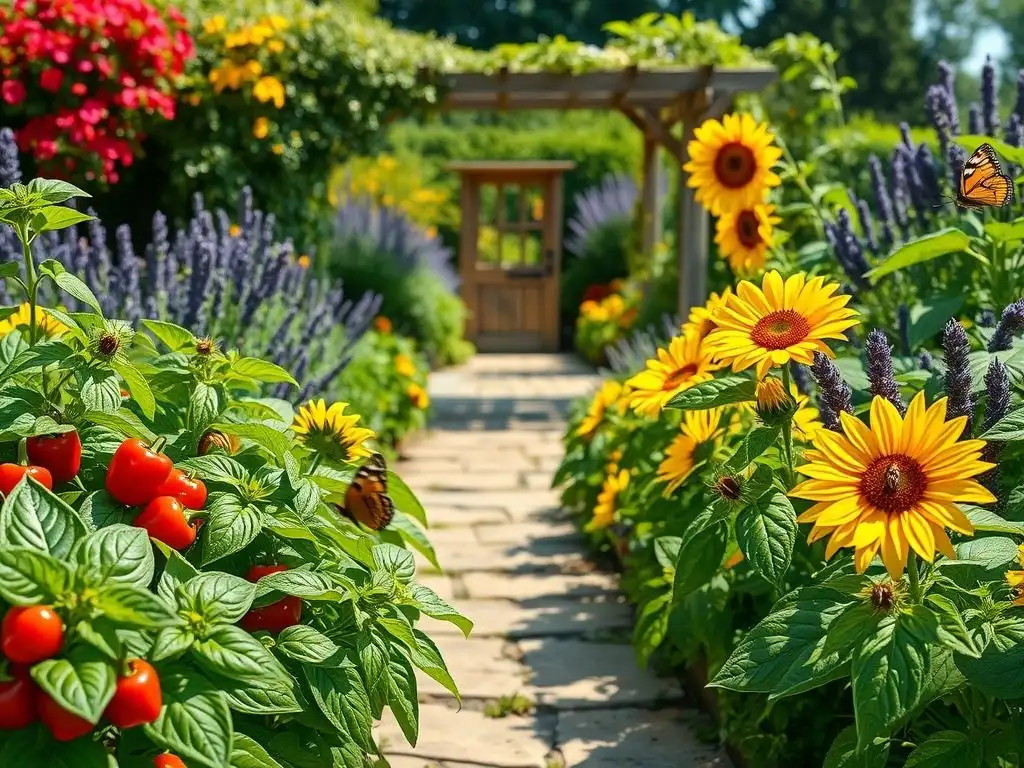
Welcome to CultivateYourFood, your guide to a thriving, sustainable garden! Are you tired of battling pests and losing your precious harvest? Discover the secrets to a pest-resistant garden design that will transform your growing experience. We'll explore innovative planting strategies and practical techniques to ensure a bountiful yield, all while embracing organic and sustainable practices. Learn how to create a resilient and thriving garden – let's get growing!
- Understanding Pest-Resistant Garden Design Principles
- Implementing Effective Planting Strategies for Pest Resistance
-
Advanced Techniques for a Pest-Resistant Garden
- Integrating Beneficial Insects into Your Garden Ecosystem
- Utilizing Natural Pest Control Methods (e.g., Neem Oil, Insecticidal Soap)
- Monitoring Your Garden Regularly for Early Pest Detection
- Implementing Integrated Pest Management (IPM) Strategies
- Adapting Your Pest Control Strategies Based on Seasonal Changes
- Maintaining Your Pest-Resistant Garden for Long-Term Success
- Frequently Asked Questions
- Final Reflection: Cultivating Resilience, One Seed at a Time
- Unleash Your Pest-Resistant Paradise!
Understanding Pest-Resistant Garden Design Principles
Creating a thriving, productive garden without resorting to harmful pesticides is entirely achievable. A pest-resistant garden design prioritizes preventative measures, leveraging the natural world to minimize pest infestations and maximize plant health. This approach focuses on understanding plant-pest interactions, strategic garden planning, and the selection of resilient plant varieties. By implementing these principles, you can significantly reduce your reliance on chemical interventions, fostering a healthier ecosystem in your garden and producing cleaner, safer food. This article explores key design and planting strategies to cultivate a truly pest-resistant garden, offering practical tips and techniques for both novice and experienced gardeners.
We will delve into selecting pest-resistant plants, utilizing companion planting, and designing your garden layout to deter pests naturally. This holistic approach not only protects your plants but also contributes to a more sustainable and environmentally friendly gardening practice. Let's begin building your resilient and productive garden! 🌱
Selecting Pest-Resistant Plant Varieties for Your Garden
Choosing the right plants is the cornerstone of a pest-resistant garden. Certain plant varieties possess natural defenses against common garden pests, reducing the likelihood of infestations. This resistance can stem from several factors, including:
- Tough leaves: Some plants have thick, hairy, or waxy leaves that make it difficult for pests to penetrate or feed upon them.
- Strong scents: Many herbs and aromatic plants emit strong odors that repel insects. Examples include basil, rosemary, and lavender.
- Chemical defenses: Some plants produce natural chemicals that are toxic or unpalatable to certain pests.
When selecting plants for your garden, prioritize those known for their pest resistance. Researching varieties specific to your region and climate is crucial. Consider consulting local nurseries or online resources for recommendations on pest-resistant plants suitable for your area. For example, certain tomato varieties exhibit resistance to common tomato pests like aphids and hornworms.
Similarly, some squash varieties are bred to withstand squash bugs and vine borers. Remember to rotate your crops annually to prevent pest buildup in the soil. This simple practice can dramatically reduce pest pressure over time. Careful plant selection is a proactive step towards a healthy and productive garden, minimizing the need for chemical intervention.
Utilizing Companion Planting for Natural Pest Control
Companion planting leverages the synergistic relationships between different plant species to deter pests and enhance overall garden health. Certain plants, when planted together, can repel pests, attract beneficial insects, or improve the overall health and vigor of their neighbors. This natural pest control method avoids the use of harmful chemicals and promotes biodiversity in your garden.
Here's a table showcasing some effective companion planting combinations:
| Plant | Beneficial Companion(s) | Pest Repelled |
|---|---|---|
| Marigolds | Many vegetables, tomatoes | Nematodes, whiteflies, aphids |
| Basil | Tomatoes, peppers, eggplants | Aphids, tomato hornworms, whiteflies |
| Garlic | Roses, many vegetables | Aphids, Japanese beetles, some fungal diseases |
| Mint | Cabbage family, cucumbers | Cabbage worms, ants |
| Chamomile | Many plants | Aphids, spider mites |
Careful planning and strategic placement of companion plants can create a mutually beneficial environment, reducing the risk of pest infestations and promoting a thriving garden ecosystem. Remember that effective companion planting requires research specific to your local climate and the pests prevalent in your area.
Designing Your Garden Layout to Minimize Pest Infestations
Garden layout plays a significant role in pest management. A well-designed garden can minimize pest access and movement, reducing the likelihood of widespread infestations.
Consider these design elements:
- Crop rotation: Rotating crops annually helps prevent pest buildup in the soil.
- Spacing: Adequate spacing between plants improves air circulation, reducing humidity and discouraging fungal diseases and some pests.
- Barriers: Physical barriers, such as row covers or netting, can protect plants from flying or crawling insects.
- Trap crops: Planting sacrificial crops to attract pests away from your main crops can be effective.
- Beneficial insect habitat: Incorporating flowering plants that attract beneficial insects like ladybugs and lacewings provides natural pest control.
By implementing these strategies, you can create a garden environment that is less hospitable to pests, leading to healthier plants and a more sustainable gardening experience. Remember that a combination of these strategies, tailored to your specific garden and local conditions, will yield the best results in creating a truly pest-resistant garden. 🎉
Creating Physical Barriers to Prevent Pest Access
Designing a pest-resistant garden begins with strategically limiting pest access to your plants. Physical barriers are a cornerstone of this approach, acting as the first line of defense against many common garden invaders. These barriers aren't about completely isolating your plants—that's impractical and often counterproductive—but rather about creating obstacles that make it significantly harder for pests to reach vulnerable areas.
One effective method involves using row covers. These lightweight fabrics, often made from spun-bonded polypropylene, can be draped over plants to prevent flying insects like whiteflies and aphids from laying eggs or feeding. Row covers are particularly useful for protecting young seedlings, which are especially susceptible to pest damage. Remember to choose a row cover with appropriate ventilation to prevent overheating and ensure proper plant growth. Consider using hoops or stakes to support the row cover and keep it off the plants.
Another excellent barrier is a well-maintained fence. While primarily intended for larger gardens, fences can be highly effective in keeping out larger pests like rabbits, deer, and groundhogs. The height of the fence should be determined by the size of the animals you're trying to deter; a taller fence will be required for deer, for example, than for rabbits. Ensure the fence is sturdy and has no gaps or openings that pests can exploit. Consider burying a portion of the fencing to prevent burrowing animals from undermining it.
Beyond fences and row covers, you can employ more localized barriers. For example, collars placed around individual plants can prevent soil-dwelling pests like slugs and snails from reaching the stems and leaves. These collars can be made from various materials, including metal, plastic, or even cardboard. Ensure the collar is tall enough to prevent the pests from climbing over it and that it's firmly placed in the ground to prevent pests from crawling underneath.
Furthermore, the strategic placement of plants themselves can act as a natural barrier. Taller plants can provide shade and shelter for more vulnerable species, discouraging certain pests that prefer sunnier conditions. This is a form of companion planting, a technique that utilizes the beneficial relationships between plants to improve overall garden health and pest resistance. Careful planning and consideration of plant heights and growth habits are crucial for successful implementation of this strategy. For example, planting taller sunflowers around your tomatoes can provide shade and deter some tomato hornworms.
The effectiveness of physical barriers is greatly enhanced when combined with other pest management techniques. They are not a standalone solution but a crucial element in a comprehensive pest-resistant garden design. Remember to regularly inspect your barriers for damage or gaps, ensuring their continued effectiveness throughout the growing season.
Implementing Effective Planting Strategies for Pest Resistance
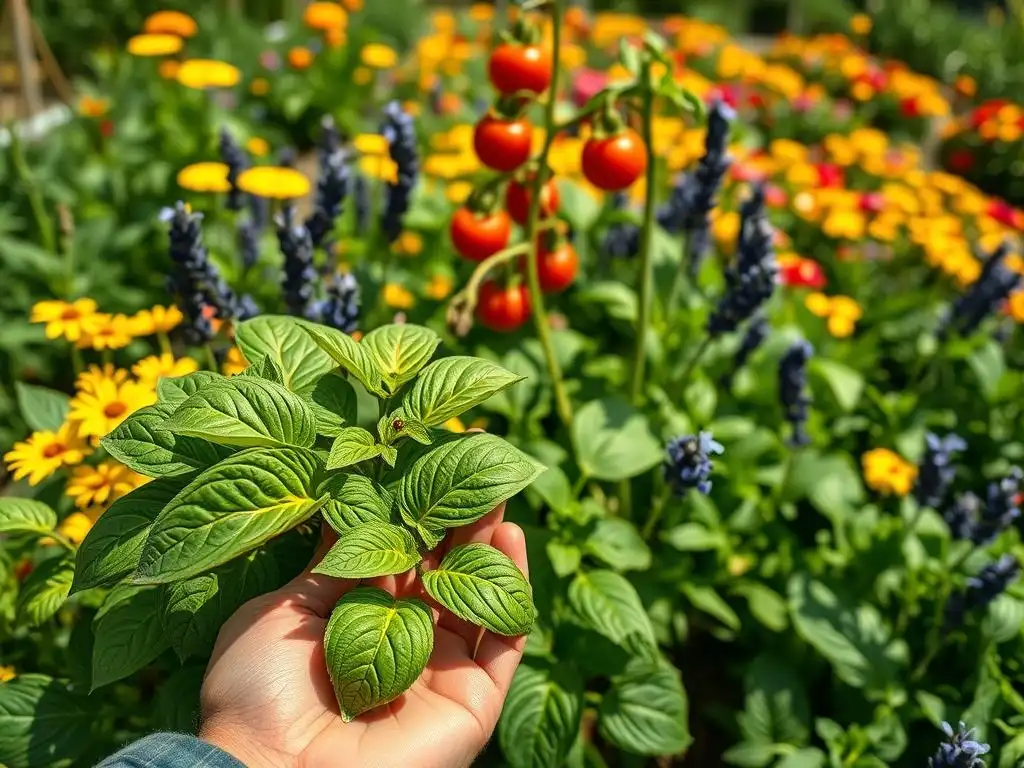
This section delves into the practical application of planting strategies designed to minimize pest infestations in your home garden. By carefully selecting plant locations, preparing the soil optimally, and employing precise watering techniques, you can significantly reduce your reliance on chemical pesticides and cultivate a thriving, pest-resistant garden. Remember, a healthy plant is far less susceptible to pest damage. This holistic approach is key to achieving a truly sustainable and organic gardening practice. Let's explore these crucial steps in detail.
Choosing the Right Location for Your Pest-Resistant Garden
The location of your garden plays a crucial role in its overall health and pest resistance. Sunlight, airflow, and proximity to water sources are all major factors to consider. A well-chosen location can dramatically reduce pest problems before you even plant a single seed.
Sunlight is essential for healthy plant growth, but excessive sun can stress plants, making them more vulnerable to pests. Aim for a location that receives at least six hours of direct sunlight per day, but also provides some shade during the hottest part of the day, particularly for delicate herbs and vegetables. Consider using shade cloth during peak sun hours if necessary.
Adequate airflow is another critical element. Good air circulation helps to prevent fungal diseases and discourages many pest insects that thrive in humid, stagnant conditions. Avoid planting in areas that are enclosed or sheltered, such as near dense hedges or walls. Instead, choose a location with open space that allows for a gentle breeze to pass through your garden.
Proximity to water sources is important for convenience, but avoid planting directly in areas prone to excessive moisture. Soggy soil can attract fungal diseases and pests that thrive in damp environments. Ensure proper drainage to prevent waterlogging and the subsequent attraction of pests. Consider using raised beds or containers to improve drainage if your soil is naturally heavy clay.
Preparing the Soil for Optimal Plant Health and Pest Resistance
Healthy soil is the foundation of a pest-resistant garden. Nutrient-rich soil strengthens plant immune systems, making them less susceptible to pest infestations. Preparing your soil correctly is a proactive measure that significantly enhances your garden's resilience.
Soil testing is the first step. A soil test will reveal your soil's pH level and nutrient content. This information is crucial for determining the necessary amendments to optimize soil health. Most local agricultural extension offices offer affordable soil testing services.
Amend your soil with organic matter. This improves soil structure, drainage, and water retention. Compost, well-rotted manure, and leaf mold are excellent choices. Incorporating these materials increases the soil's capacity to retain nutrients, promoting robust plant growth and resistance to pests. Aim for at least 2-4 inches of organic matter mixed into the top layer of soil.
Consider crop rotation. Rotating crops annually helps to break the pest and disease cycles. Different plant families have different pest vulnerabilities. By rotating your crops, you avoid concentrating pests in the same location year after year. For instance, planting legumes one year can improve soil fertility and reduce the need for fertilizers, which can inadvertently attract certain pests.
Implementing Proper Watering Techniques to Deter Pests
Watering is a crucial aspect of pest management. Improper watering practices can create an environment that encourages pest infestations. Consistent, deep watering promotes healthy root development, leading to strong, resilient plants.
Water deeply and infrequently. Shallow, frequent watering encourages shallow root systems, making plants more vulnerable to stress and pests. Instead, water deeply and less often, allowing the soil to dry slightly between waterings. This encourages deeper root growth, providing plants with a more stable water source and making them less susceptible to drought stress, which can attract pests.
Avoid overhead watering. Overhead watering can spread fungal diseases and create a humid environment that attracts certain pests. Use drip irrigation or soaker hoses to deliver water directly to the roots, minimizing leaf wetness and reducing the risk of disease and pest problems.
Monitor soil moisture regularly. Use a soil moisture meter or your finger to check soil moisture before watering. This prevents overwatering, which can lead to root rot and attract pests that thrive in damp conditions. Proper watering is a subtle yet powerful tool in creating a pest-resistant garden. Remember, a consistently healthy plant is less likely to become a target for pests.
Using Organic Mulch to Suppress Weeds and Pests
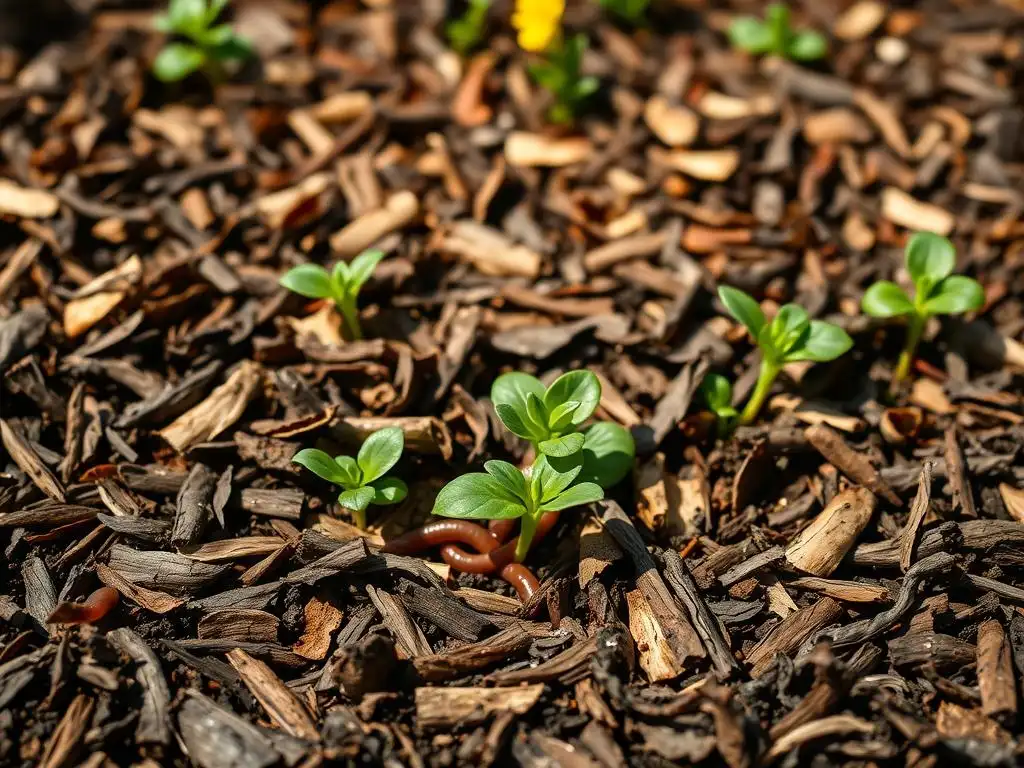
Organic mulching is a cornerstone of pest-resistant garden design. A thick layer of mulch—think 3-4 inches—acts as a physical barrier, preventing many pests from reaching your plants. Weeds, often harboring pests and diseases, are also significantly suppressed, reducing competition for resources and minimizing pest habitats. The decomposition process of the mulch also improves soil structure and fertility, indirectly boosting plant health and resilience against pests.
Different mulches offer varying benefits; for example, straw mulch excels at water retention, while wood chips provide excellent weed suppression. Consider the specific needs of your plants and local climate when choosing your mulch. For instance, a heavy clay soil might benefit from a lighter mulch like straw to improve drainage and aeration, while a sandy soil might need a heavier mulch like wood chips to retain moisture. Remember to avoid using freshly cut grass clippings as mulch, as they can compact and potentially introduce diseases.
Instead, opt for well-composted materials like shredded leaves, aged wood chips, or straw. Proper mulching is a proactive strategy that directly contributes to a healthier, more pest-resistant garden. Regularly replenish the mulch layer as it decomposes to maintain its effectiveness throughout the growing season. This simple practice significantly reduces the need for chemical pesticides, aligning perfectly with sustainable gardening principles.
Maintaining Consistent Soil Fertility for Strong Plants
Healthy, vigorous plants are far better equipped to withstand pest infestations than weakened, stressed ones. Maintaining consistent soil fertility is paramount to achieving this strength. Regular soil testing is crucial to understanding your soil's nutrient profile. This allows you to tailor your fertilization strategy to address specific deficiencies. Avoid over-fertilizing, as this can lead to soft, succulent growth that is more susceptible to pests.
Instead, focus on providing a balanced diet of essential nutrients through organic methods. Compost is an excellent source of organic matter, improving soil structure, drainage, and nutrient availability. Consider incorporating cover crops into your garden rotation. These plants, such as legumes (peas, beans), add nitrogen to the soil, reducing the need for synthetic fertilizers. Additionally, cover crops can suppress weeds and improve soil health.
Consider using a variety of organic fertilizers like bone meal, blood meal, or composted manure to provide a range of nutrients. Remember to always follow the instructions on fertilizer packaging to avoid over-application. By fostering healthy soil, you create a foundation for robust plants that are naturally more resistant to pest damage, minimizing the reliance on harmful pesticides and promoting a thriving, pest-resistant garden. This holistic approach to soil management is a fundamental aspect of sustainable gardening and effective pest control. 🌱
Advanced Techniques for a Pest-Resistant Garden
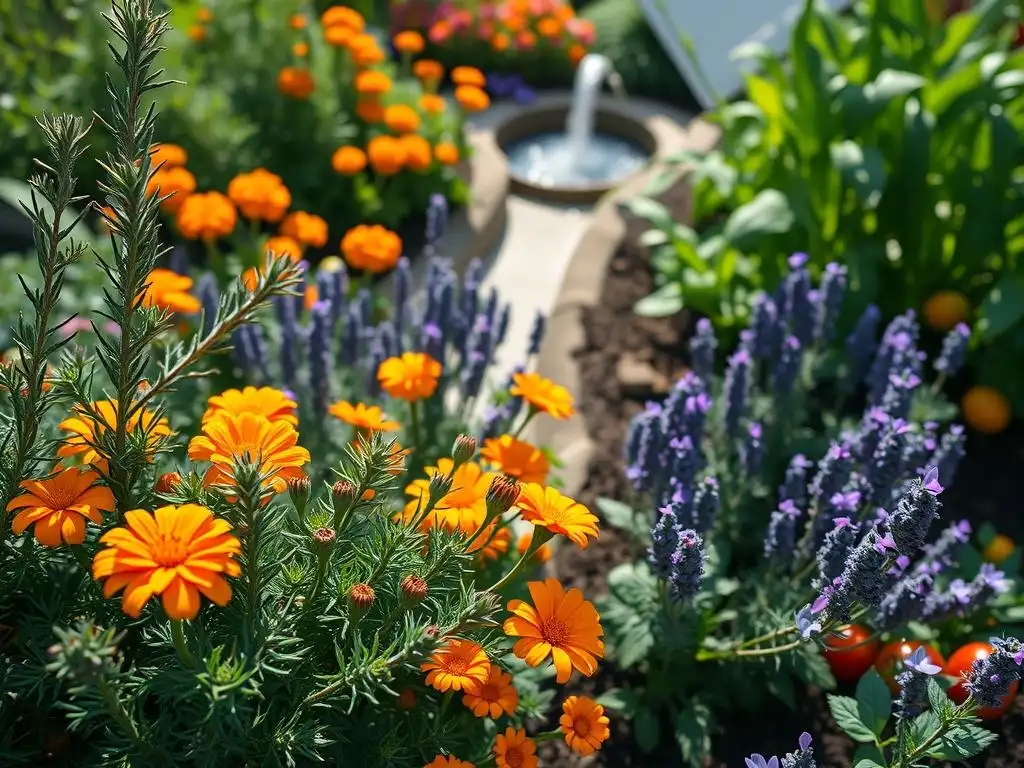
This section delves into sophisticated strategies beyond basic garden design to bolster your garden's natural pest resistance. We'll explore methods that actively encourage beneficial organisms and leverage natural pest control agents, transforming your garden into a self-regulating ecosystem. Implementing these techniques will significantly reduce your reliance on chemical pesticides, aligning with sustainable and organic gardening practices. Remember, a truly pest-resistant garden design is a proactive, multi-faceted approach.
Integrating Beneficial Insects into Your Garden Ecosystem
A thriving ecosystem is the cornerstone of a pest-resistant garden. Instead of solely focusing on eliminating pests, consider attracting beneficial insects that naturally control pest populations. These natural predators maintain a healthy balance, minimizing the need for harsh interventions. Think of it as creating a mini-food web within your garden.
The key is providing habitat and food sources for these helpful insects. Planting a diverse range of flowering plants, particularly those that attract pollinators like bees and butterflies, is crucial. These plants also attract beneficial insects such as ladybugs, lacewings, and praying mantises. These predators feed on aphids, mealybugs, and other common garden pests.
Here's a table showcasing some beneficial insects and their preferred prey:
| Beneficial Insect | Common Prey | Preferred Plantings |
|---|---|---|
| Ladybug | Aphids, mealybugs, spider mites | Dill, fennel, yarrow, daisies |
| Lacewing | Aphids, mealybugs, whiteflies | Queen Anne's Lace, cosmos, angelica |
| Praying Mantis | A wide variety of insects | Tall grasses, shrubs, sunflowers |
| Hoverfly | Aphids | Umbellifers (like carrots and dill) |
Providing shelter is equally important. Leaving some areas slightly unkempt, with leaf litter and brush piles, can create safe havens for these beneficial insects to overwinter. Avoid using broad-spectrum insecticides, as these can harm beneficial insects along with the pests. Careful planning and observation are key to fostering a vibrant ecosystem that works with nature, not against it.
Utilizing Natural Pest Control Methods (e.g., Neem Oil, Insecticidal Soap)
While attracting beneficial insects is a proactive approach, sometimes targeted intervention is necessary. Fortunately, several natural pest control methods offer effective solutions without the harmful side effects of synthetic pesticides. These methods are environmentally friendly and safe for beneficial insects and pollinators.
Neem oil, derived from the neem tree, is a versatile natural pesticide. It disrupts the life cycle of many insects, acting as both a repellent and a growth inhibitor. It's effective against a wide range of pests, including aphids, whiteflies, and mealybugs. Always dilute neem oil according to the product instructions, as overuse can harm plants.
Insecticidal soap is another effective option. This soap solution disrupts the cell membranes of soft-bodied insects, leading to dehydration and death. It’s particularly effective against aphids, spider mites, and whiteflies. Like neem oil, it's crucial to follow the instructions carefully and avoid spraying during the hottest part of the day to minimize plant damage.
Remember to always test any natural pesticide on a small area of your plants first to ensure it doesn't cause adverse reactions. Regular monitoring and timely application are essential for effective pest control. These natural methods provide a safer and more sustainable alternative to harsh chemicals, aligning perfectly with organic gardening principles.
Monitoring Your Garden Regularly for Early Pest Detection
Early detection is crucial for effective pest management. Regular monitoring allows you to address infestations before they escalate, minimizing damage and reducing the need for extensive intervention. A proactive approach is far more effective than reacting to a full-blown infestation.
Here's a simple monitoring checklist:
- [ ] Inspect plants regularly, paying close attention to the undersides of leaves and stems.
- [ ] Look for signs of damage, such as holes in leaves, wilting, or unusual discoloration.
- [ ] Identify any insects present and note their numbers.
- [ ] Keep a garden journal to track pest activity and the effectiveness of your control methods. This will help you understand seasonal pest patterns and refine your strategy over time. The journal should also include notes on the types of plants you are growing, the specific pests found, and the control methods used.
Early detection enables you to implement targeted interventions, such as handpicking pests or applying natural pesticides before a widespread infestation occurs. Regular monitoring is a crucial component of any successful pest management strategy, ensuring a healthy and productive garden. This proactive approach minimizes the risk of significant crop loss and reinforces the overall health of your pest-resistant garden design.
Implementing Integrated Pest Management (IPM) Strategies
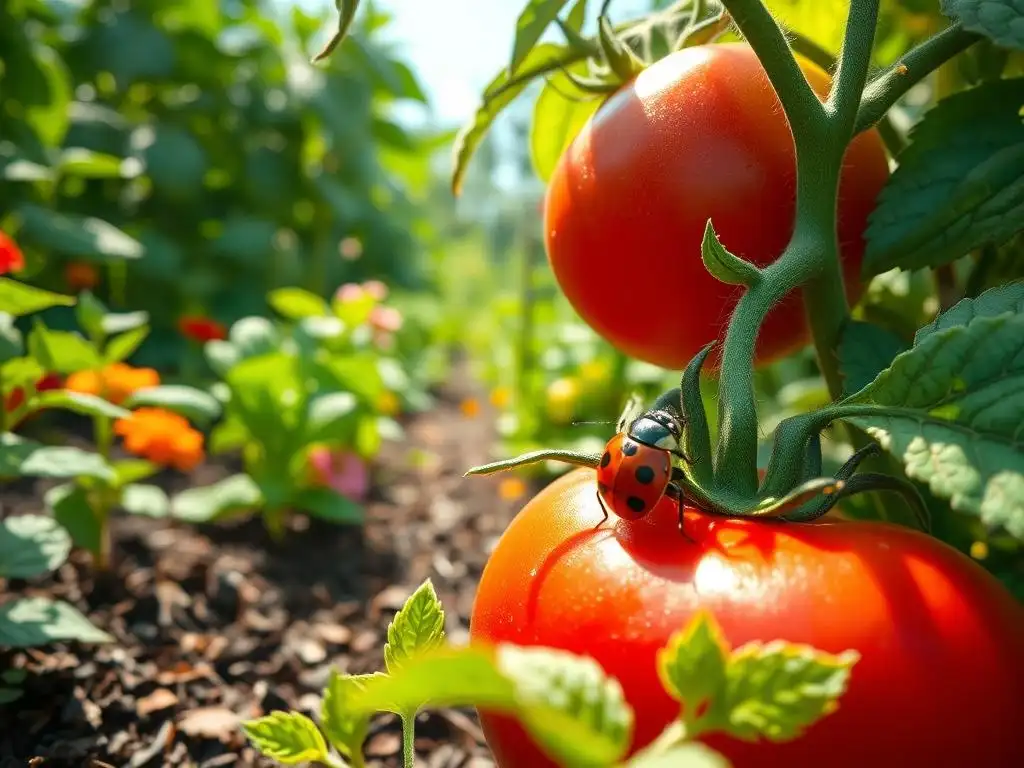
Integrated Pest Management (IPM) is a holistic approach to pest control that prioritizes prevention and minimizes the use of harmful pesticides. Instead of relying solely on chemical interventions, IPM utilizes a combination of techniques to keep pest populations below economically damaging levels. This multifaceted strategy considers the entire garden ecosystem, focusing on long-term solutions rather than quick fixes. A key element of IPM is regular monitoring.
This involves carefully inspecting plants for signs of pest infestation, such as chewed leaves, wilting, or the presence of insects themselves. Early detection allows for prompt intervention, preventing minor problems from escalating into major infestations. Accurate identification of the pest is crucial, as different pests require different management strategies. For example, a leaf-mining insect will require a different approach than an aphid infestation.
Beyond monitoring, IPM emphasizes preventative measures. These include choosing pest-resistant plant varieties, practicing crop rotation to disrupt pest life cycles, and maintaining healthy soil through composting and proper fertilization. Healthy plants are naturally more resilient to pests. Beneficial insects, such as ladybugs and lacewings, can be encouraged into the garden to control pest populations naturally.
Providing habitat for these beneficial insects, such as planting flowering plants that attract them, is a crucial aspect of this strategy. Only when preventative measures and biological controls prove insufficient should chemical pesticides be considered, and even then, the least toxic options should be prioritized, applied sparingly and judiciously following label instructions meticulously. This careful, considered approach is the hallmark of effective IPM, leading to a healthier garden and a more sustainable pest management practice. Remember, the goal isn't pest eradication, but rather maintaining a balance that allows for healthy plant growth.
Adapting Your Pest Control Strategies Based on Seasonal Changes
Pest pressure fluctuates throughout the growing season. Understanding these seasonal shifts is critical for effective pest management. For example, early spring might see an increase in slugs and snails, attracted to newly emerging seedlings.
Implementing preventative measures like slug barriers or diatomaceous earth at this time is crucial. Mid-summer often brings a surge in aphid populations, which can be managed through the introduction of beneficial insects or targeted application of insecticidal soap. Late summer and autumn may see a rise in fungal diseases due to increased humidity and cooler temperatures, necessitating proactive measures like improving air circulation and removing infected plant material.
Different pests thrive under varying environmental conditions. For instance, hot, dry weather might favor spider mites, while cooler, damp conditions might encourage fungal diseases. Monitoring your garden closely throughout the year, noting the prevalence of different pests and diseases, is crucial. Keeping detailed records can help you predict future pest outbreaks and adapt your strategies accordingly.
This might involve adjusting watering practices to minimize fungal growth, or using row covers to protect plants from insect pests during vulnerable periods. Seasonal changes also influence the effectiveness of various pest control methods. For example, certain beneficial insects might be more active during specific times of the year, making biological control more effective then.
Conversely, chemical pesticides may be less effective during periods of heavy rainfall, as they can be washed away. By understanding these seasonal dynamics and adapting your approach accordingly, you can significantly improve the effectiveness of your pest control efforts and maintain a thriving, pest-resistant garden throughout the year. This adaptability is key to long-term success in organic gardening.
Maintaining Your Pest-Resistant Garden for Long-Term Success
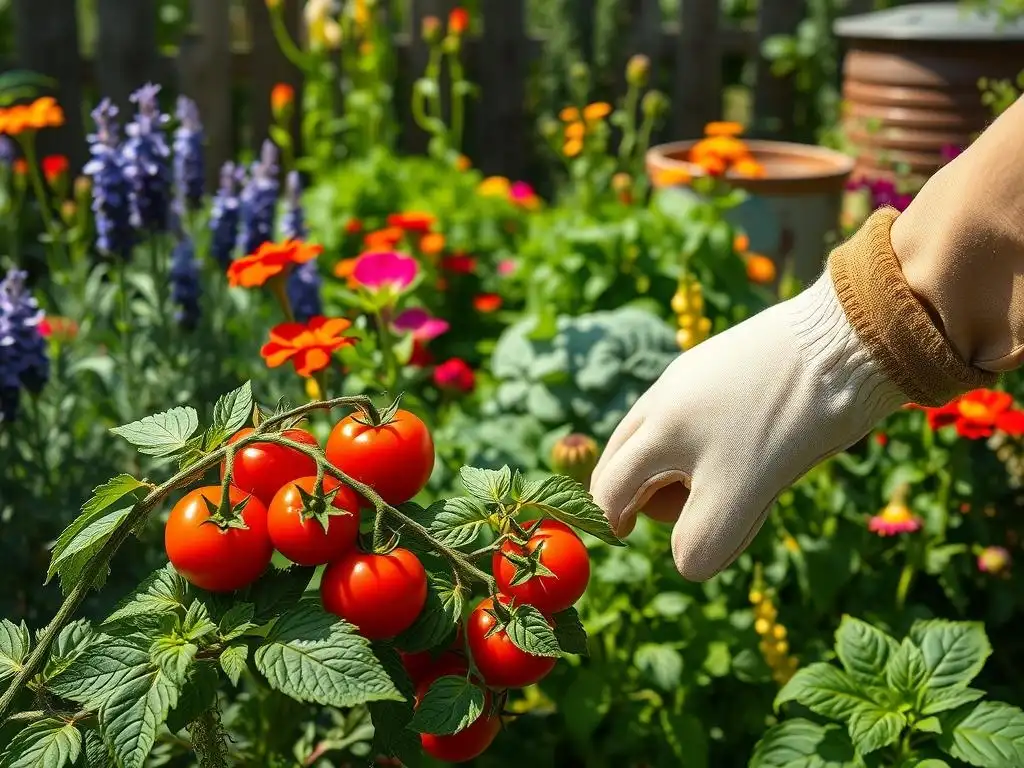
Creating a pest-resistant garden isn't a one-time effort; it's an ongoing process that requires vigilance and adaptation. Even with careful planning and planting, occasional pest issues can arise. The key to long-term success lies in proactive monitoring and adjustments to your gardening techniques. This section focuses on the crucial maintenance aspects that will help you keep your garden thriving and pest-free for years to come. Remember, a resilient garden is a continuously evolving ecosystem.
Regularly Inspecting Plants for Signs of Infestation
Regular inspections are the cornerstone of pest management. Early detection is crucial for minimizing damage and preventing widespread infestations. Aim to inspect your plants at least once a week, paying close attention to the undersides of leaves, stems, and buds. Look for:
- Visible insects: Aphids, caterpillars, beetles, and other insects are often easy to spot with the naked eye.
- Damage to leaves: Chewed leaves, holes, or discoloration can indicate insect feeding.
- Webbing: Spider mites and other pests often create webs on plants.
- Unusual growth: Stunted growth or wilting can be signs of root-feeding insects or other problems.
Keep a detailed garden journal to record your observations. Note the date, the affected plants, the type of pest (if identified), and the extent of the damage. This record will help you track pest activity over time and identify potential patterns or seasonal trends. For example, you might discover that certain pests are more prevalent during specific times of the year, allowing you to implement targeted preventative measures. A simple table can be helpful:
| Date | Plant Affected | Pest Observed | Damage Level | Action Taken |
|---|---|---|---|---|
| July 15, 2024 | Tomatoes | Aphids | Mild | Applied insecticidal soap |
| July 22, 2024 | Cucumbers | Cucumber beetles | Moderate | Handpicked beetles |
| August 5, 2024 | Basil | Spider mites | Severe | Removed infested leaves |
Remember, early intervention is key. Minor infestations can often be managed with simple methods like handpicking pests or using insecticidal soap. However, neglecting early signs can lead to larger problems requiring more intensive intervention.
Implementing Preventative Measures to Avoid Future Problems
Proactive measures are far more effective than reactive ones. By implementing preventative strategies, you can significantly reduce the likelihood of pest infestations. Some key preventative measures include:
- Crop rotation: Rotating your crops annually helps to disrupt pest life cycles and prevent the buildup of pests in the soil.
- Companion planting: Certain plant combinations can deter pests. For example, marigolds are known to repel many common garden pests.
- Maintaining soil health: Healthy soil supports healthy plants, which are more resistant to pests and diseases. Regular composting and the addition of organic matter are crucial.
- Proper watering: Avoid overwatering, as this can create conditions favorable for fungal diseases and attract certain pests.
- Sanitation: Remove fallen leaves, weeds, and other plant debris regularly to eliminate potential breeding grounds for pests.
By consistently practicing these preventative measures, you can significantly reduce the need for chemical interventions and create a more robust and resilient garden ecosystem. Think of your garden as a self-regulating system; the healthier the system, the less susceptible it will be to pest pressure. This proactive approach is a cornerstone of sustainable and organic gardening practices.
Adjusting Your Garden Design and Planting Strategies as Needed
Your initial pest-resistant garden design might need adjustments based on your observations and experiences. This adaptive approach is vital for long-term success. If you consistently encounter problems with a particular pest, consider these adjustments:
- Changing plant locations: If a specific area of your garden seems particularly prone to pest infestations, try moving susceptible plants to a different location.
- Altering plant spacing: Proper spacing allows for better air circulation, which can help prevent fungal diseases and reduce pest problems. Overcrowding creates ideal conditions for pests to thrive.
- Selecting different plant varieties: Some plant varieties are naturally more resistant to certain pests than others. Research pest-resistant cultivars for the plants you wish to grow.
- Integrating physical barriers: Consider using row covers or netting to protect plants from flying insects or other pests.
Regularly evaluating your garden's performance and making necessary adjustments will ensure that your pest-resistant strategies remain effective over time. Remember, gardening is a learning process, and continuous adaptation is key to achieving long-term success in creating and maintaining a thriving and pest-resistant garden. Embrace the challenges, learn from your experiences, and adapt your strategies as needed. The rewards of a healthy, abundant, and organically grown harvest are well worth the effort.
Harvesting and Compost Management for Sustainable Pest Control
Regular harvesting is crucial not only for enjoying the fruits (and vegetables!) of your labor but also for maintaining a healthy, pest-resistant garden. Leaving overripe or decaying produce on plants provides a breeding ground for insects and diseases. Promptly harvesting mature crops removes this attractant, significantly reducing pest pressure. For example, leaving rotting tomatoes on the vine can attract tomato hornworms and other pests, leading to a wider infestation. By consistently harvesting, you interrupt the pest lifecycle and minimize the chances of a significant outbreak.
Furthermore, proper compost management plays a vital role in sustainable pest control. Your compost pile should be managed carefully to avoid becoming a haven for pests. Ensure proper aeration to prevent anaerobic conditions that attract harmful insects and pathogens. Avoid adding diseased plants or weeds to your compost, as their pathogens can persist and contaminate your compost, potentially reintroducing pests into your garden.
A properly managed compost pile, however, provides beneficial nutrients for your soil, strengthening your plants' natural resistance to pests. The decomposition process also helps break down pest eggs and larvae, reducing their population. Regularly turning your compost pile ensures efficient decomposition and prevents the buildup of harmful organisms. Think of it as a natural pest-control system working for you.
Documenting Your Pest Control Efforts and Results
Maintaining detailed records of your pest control efforts is essential for long-term success. A comprehensive record-keeping system allows you to track pest infestations, the effectiveness of various control methods, and the overall health of your garden over time. This data is invaluable for making informed decisions in subsequent growing seasons. For example, you might note down the date of a particular pest infestation, the specific pest identified, the control measures implemented (e.g., handpicking, introducing beneficial insects, using organic pesticides), and the observed results. This information can be crucial in identifying patterns and predicting future outbreaks.
You can use a simple notebook, a spreadsheet, or even a dedicated gardening app to document your observations. Include relevant details such as weather conditions, plant health, and any other factors that may have influenced pest activity. This meticulous documentation will help you refine your pest management strategies over time, leading to a more resilient and productive garden. By analyzing your records, you can identify effective control methods, adapt your strategies to specific pests and conditions, and ultimately cultivate a thriving and pest-resistant garden year after year. Consider using a table to organize your data efficiently:
| Date | Pest Observed | Control Method Used | Results | Notes |
|---|---|---|---|---|
| 2024-07-15 | Aphids on Roses | Introduce Ladybugs | Significant reduction after 1 week | Hot, dry weather may have contributed |
| 2024-07-22 | Spider mites on beans | Neem oil spray | Moderate reduction, repeat application needed | Consider companion planting next season |
| 2024-07-29 | Slugs on lettuce | Beer traps, handpicking | Effective control, minimal damage | Regular monitoring crucial |
This detailed approach to record keeping will transform your garden from a reactive to a proactive pest management system. 🌱
Frequently Asked Questions
What is a pest-resistant garden design?
A pest-resistant garden design uses strategies to minimize pest problems before they start. This includes choosing pest-resistant plant varieties, creating a diverse and healthy ecosystem, and employing physical barriers to deter pests.
How do I choose pest-resistant plants?
Look for plants labeled as disease-resistant or having natural pest defenses. Research plants that are naturally unattractive to common pests in your area. Consult local nurseries or gardening experts for recommendations.
What role does companion planting play in pest resistance?
Companion planting involves strategically placing plants that repel pests near susceptible plants. For example, planting basil near tomatoes can deter tomato hornworms. This creates a more balanced ecosystem.
Are there any physical barriers I can use to deter pests?
Yes! Physical barriers such as netting, row covers, and fences can prevent pests from accessing your plants. You can also use mulch to deter slugs and snails.
How does a healthy soil contribute to a pest-resistant garden?
Healthy soil supports strong, vigorous plants that are better able to withstand pest attacks. Organic practices such as composting and avoiding harsh chemicals improve soil health and build natural resistance.
Final Reflection: Cultivating Resilience, One Seed at a Time
The fight for a thriving garden mirrors our own struggle for resilience in a changing world. Creating pest-resistant landscapes isn't just about beautiful blooms and bountiful harvests; it's about embracing sustainable practices that benefit both our environment and our well-being. The strategies outlined in this article—from companion planting to thoughtful plant selection—offer a blueprint for a more resilient future, one that prioritizes harmony over chemical warfare.
The journey towards a pest-resistant garden is a continuous learning process, a testament to the interconnectedness of nature and the power of observation. It's a journey I've personally found deeply rewarding, teaching me patience, adaptability, and a profound respect for the delicate balance of the ecosystem. The glory of gardening: hands in the dirt, head in the sun, heart with nature. To nurture a garden is to feed not just the body, but the soul.
This quote perfectly encapsulates the profound satisfaction derived from cultivating a healthy, thriving garden, free from the constant threat of pests.
Now, consider your own space. What small changes can you implement to create a more resilient garden? Perhaps it's planting a few marigolds amongst your tomatoes, or researching native plants better suited to your local climate. Start small, observe carefully, and allow the process to nurture not only your garden, but also your connection to the natural world. The rewards—a vibrant, thriving garden and a deeper appreciation for the earth—are well worth the effort.
Unleash Your Pest-Resistant Paradise!
Thank you for exploring pest-resistant gardening strategies with us! We hope you've gained valuable insights into creating a thriving, healthy garden that naturally deters pests. Now it's time to put your knowledge into action.
- Start designing your pest-resistant garden layout today! Sketch out your garden beds, considering plant placement and companion planting. This crucial first step will pave the way for a flourishing, pest-free haven.
- Share your garden plan (or a photo of your favorite pest-resistant plant!) on social media using #PestResistantParadise and tag @CultivateYourFood. Let's inspire each other!
- Consider experimenting with a new pest-resistant plant variety this season. Observe its growth and natural pest defenses—you might be surprised by the results!
Ready to transform your garden into a thriving ecosystem? What's the first pest-resistant plant you'll add?