
Fly Damage on Plants: Recognizing the Signs of Infestation

Welcome to CultivateYourFood, your guide to nurturing a thriving garden using sustainable, organic methods! Are you noticing unusual damage to your precious plants? Learn to identify plant fly infestations before they decimate your harvest. This crucial knowledge, found within our "Pest and Disease Control" section, will empower you to protect your fruits, vegetables, and herbs, ensuring a bountiful and healthy yield. Discover the secrets to a flourishing garden – explore more now!
- Identifying Plant Fly Infestations: Common Types and Their Impact
- Visual Identification of Fly Damage on Plants
- Prevention and Early Detection Strategies for Fly Infestations
- Natural and Organic Control Methods for Plant Flies
- When to Seek Professional Help for Severe Infestations
- Frequently Asked Questions
- Final Reflection: The Silent Struggle of Our Gardens
- Uncover Your Garden's Secrets: Take Action Against Fly Damage!
Identifying Plant Fly Infestations: Common Types and Their Impact
Cultivating a thriving garden, bursting with vibrant fruits, vegetables, and herbs, requires vigilance. One common threat to your homegrown bounty is the insidious damage caused by various types of plant flies. These tiny pests, often overlooked in their early stages, can significantly impact plant health and yield, leading to stunted growth, wilting, and even plant death.
This article will guide you through identifying common plant fly infestations, focusing on recognizing the subtle signs of their presence and understanding the specific damage each type inflicts. Learning to identify these infestations early is crucial for implementing effective, sustainable pest control measures and preserving the health of your precious plants. We'll explore several key fly species, focusing on their characteristic damage patterns and providing practical advice to help you protect your garden.
Early detection is key to preventing widespread damage and maintaining a healthy, productive garden using organic methods. Let's delve into the specifics of recognizing these common culprits.
Recognizing Leaf Miners: Identifying Fly Larvae Damage on Leaves
Leaf miners are the larvae of various small flies, including moths and beetles. Their damage is easily identifiable as serpentine or blotchy trails and tunnels within the leaves of your plants. These trails are typically visible as pale, discolored lines or blotches on the leaf surface. The larvae feed on the leaf's internal tissues, disrupting photosynthesis and weakening the plant.
Severe infestations can lead to leaf yellowing, drying, and premature leaf drop. Different leaf miner species target different plants; for instance, some specialize in tomatoes while others prefer herbs like basil. Careful observation of the leaf damage pattern, coupled with knowledge of the plants affected, can help narrow down the specific leaf miner species.
To effectively manage leaf miners, regular inspection of your plants is critical. Early detection allows for prompt intervention, minimizing damage and preventing widespread infestation. Organic methods such as Bacillus thuringiensis (Bt) can be effective in controlling leaf miner larvae. Manual removal of heavily infested leaves is also a viable option, especially for smaller infestations. Remember to dispose of removed leaves properly to prevent the spread of larvae. Maintaining a healthy, vigorous plant through proper watering and fertilization can also increase the plant's resilience to leaf miner attacks.
Identifying Damage from Fungus Gnats: Signs in Soil and on Plants
Fungus gnats are small, dark flies that breed in moist, decaying organic matter in the soil. While the adult flies themselves don't directly cause significant damage to plants, their larvae feed on the roots, hindering nutrient uptake. You'll often notice their presence by observing small, dark flies hovering around the soil surface, particularly when you water your plants. Infested plants may exhibit stunted growth, wilting, and yellowing leaves, similar to other nutrient deficiencies. However, unlike other pests, the larvae of fungus gnats are found in the soil, not directly on the plant's foliage.
Controlling fungus gnats requires a multifaceted approach. Allowing the soil to dry slightly between waterings is crucial, as this reduces the breeding grounds for the larvae. Improving soil drainage and aeration also helps. Sticky traps can effectively capture adult flies, reducing their population. Introducing beneficial nematodes to the soil can help control the larvae directly. Avoid overwatering and ensure proper drainage to prevent future infestations. Consistent monitoring and a combination of preventative and control measures are key to effectively managing fungus gnat populations.
Detecting Aphid Infestations: Small Flies and Their Impact on Plant Health
While aphids themselves aren't flies, they are often associated with small, winged flies that act as vectors, spreading these pests among plants. Aphids are tiny, pear-shaped insects that cluster on the undersides of leaves, stems, and buds. They suck sap from plants, causing stunted growth, leaf curling, and yellowing. Honeydew, a sticky, sweet substance excreted by aphids, is another telltale sign. This honeydew can attract sooty mold, further damaging the plant's health. The presence of ants tending to aphids is also a strong indicator of an infestation.
Managing aphid infestations requires a combined strategy. Regular inspection of your plants is crucial for early detection. Natural predators like ladybugs and lacewings can help control aphid populations. Strong jets of water can dislodge aphids from plants. Neem oil or insecticidal soap are effective organic controls that can be applied directly to the affected plant parts. Maintaining a healthy plant through proper care and fertilization enhances its resistance to aphid attacks. Remember to consistently monitor your plants to prevent a resurgence of aphids.
Recognizing Fruit Fly Damage: Signs of Infestation on Fruits and Vegetables
Fruit flies, while seemingly innocuous, can cause significant damage to ripening fruits and vegetables in your home garden. Identifying an infestation early is crucial to minimizing losses and preventing the spread. The most obvious sign is the presence of the flies themselves, small, dark-bodied insects buzzing around your produce. However, looking beyond the adults, you'll find more telling signs of infestation.
One key indicator is the presence of small, puncture wounds on the surface of fruits and vegetables. These wounds are often barely visible at first, appearing as tiny pinpricks or slightly sunken areas. As the infestation progresses, these wounds enlarge, and the affected fruit or vegetable may begin to rot or ferment prematurely. This rotting is often accompanied by a sour or yeasty smell, a clear signal that something is amiss. Inspect your produce carefully, paying close attention to areas that are hidden from view, such as the underside of leaves or between tightly clustered fruits.
Another telltale sign is the presence of larvae, or maggots. These small, white, legless grubs are typically found within the damaged fruit or vegetable itself. They feed on the decaying matter, further accelerating the rotting process. If you suspect a fruit fly infestation, carefully cut open suspect fruits or vegetables to check for the presence of these larvae.
You might find them wriggling within the flesh, particularly near the point of entry of the adult fly. Remember, early detection and swift action are paramount in managing a fruit fly infestation effectively. Regularly checking your produce and removing any damaged or rotting items can significantly reduce the risk of a widespread infestation. Maintaining a clean garden environment, promptly disposing of fallen fruit and vegetable debris, and avoiding overripe produce are further preventative measures.
Visual Identification of Fly Damage on Plants
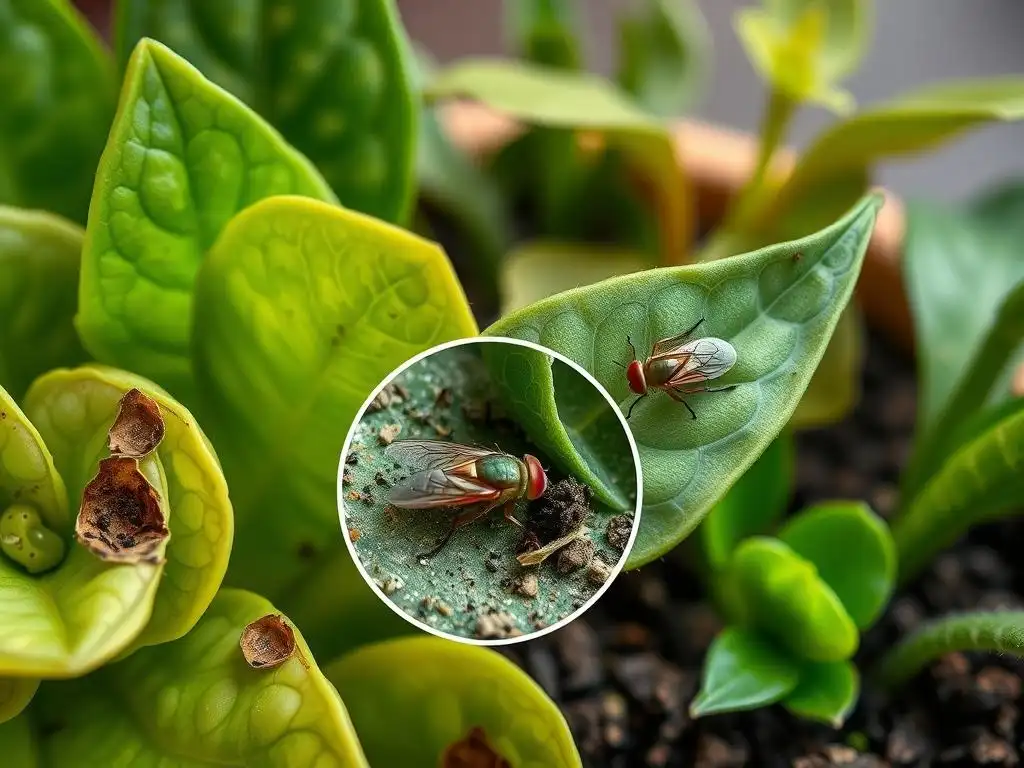
This section focuses on honing your skills to accurately identify plant fly infestations. Successfully identifying the culprit is the first crucial step in effective pest management. We'll delve into the visual cues left by various fly species, enabling you to distinguish their damage from other garden pests and implement targeted solutions. Remember, early detection is key to minimizing the impact on your precious plants. Accurate identification of plant fly infestations improves your chances of successful treatment and prevents the spread of damage.
Distinguishing Fly Damage from Other Pests: Comparing Symptoms
Identifying plant fly infestations requires careful observation and comparison with damage caused by other common garden pests. Fly damage often presents differently than that of aphids, caterpillars, or beetles. For example, while aphids cause leaf curling and stippling, leaf miners (a type of fly larva) create distinctive serpentine trails within the leaf tissue. Caterpillar damage typically involves large, irregular holes or chewed edges, whereas many fly larvae cause more subtle, localized damage.
Let's compare some key symptoms:
| Pest Type | Typical Damage | Visual Clues |
|---|---|---|
| Aphids | Leaf curling, stippling, honeydew secretion | Small, soft-bodied insects clustered on leaves |
| Caterpillars | Large, irregular holes, chewed leaf edges, webbing | Larvae visible on leaves, frass (droppings) |
| Leaf Miners (Fly Larvae) | Serpentine trails or blotches within leaves | Trails visible beneath the leaf surface |
| Thrips | Silvering or stippling on leaves, distorted growth | Tiny, slender insects, often difficult to see |
Remember, the specific symptoms can vary depending on the plant species and the type of fly involved. Consult reliable resources with images of various fly larvae and their damage for a more comprehensive understanding. Accurate identification of plant fly infestations is paramount for effective control.
Examining Leaf Damage Patterns: Holes, Mines, and Discoloration
Leaf damage is often the first visible sign of a fly infestation. Different fly species cause distinct patterns of damage. Let's explore these patterns in detail:
- Holes: Some adult flies may directly feed on leaves, creating small, irregular holes. These holes are usually scattered across the leaf surface, unlike the more uniform damage caused by some beetles. The size and distribution of the holes can provide clues about the type of fly involved.
- Mines: Leaf mining flies lay their eggs within leaf tissue. The larvae then feed on the leaf's interior, creating characteristic serpentine trails or blotches. These mines are visible as discolored streaks or patterns on the leaf surface. The shape and color of the mines can aid in identifying the specific species of leaf miner.
- Discoloration: Beyond mines, leaf discoloration can be a symptom. This can range from yellowing or browning patches to overall wilting. This often results from the larvae feeding on the leaf's internal tissues, disrupting nutrient flow and causing the leaf to lose its vibrant color. The extent and type of discoloration can help in identifying the fly species and the severity of the infestation. Careful observation of leaf discoloration patterns is key to identifying plant fly infestations effectively.
Assessing Stem and Root Damage: Signs of Infestation Below the Surface
While leaf damage is often the most noticeable sign, some flies target stems and roots. These infestations can be more challenging to detect but are equally important to address.
- Stem Damage: Some fly larvae bore into stems, causing wilting, stunted growth, or even the collapse of the plant. Examine stems carefully for any unusual discoloration, swelling, or holes. Galls (abnormal growths) on stems can also indicate the presence of stem-boring flies.
- Root Damage: Root maggots, the larvae of certain fly species, feed on plant roots. Infested plants may exhibit wilting, yellowing leaves, and stunted growth, similar to other root problems. However, carefully examining the roots often reveals the presence of the larvae themselves or the damage they've caused. Look for tunnels, discoloration, or even severed roots. Identifying plant fly infestations affecting roots requires digging up the plant, which should be done cautiously to avoid further damage.
Careful examination of both above-ground and below-ground plant parts is crucial for comprehensive identification of plant fly infestations. Remember, early detection and appropriate action are crucial for preserving the health and yield of your plants.
Identifying Fly Eggs and Larvae: Close Examination for Confirmation
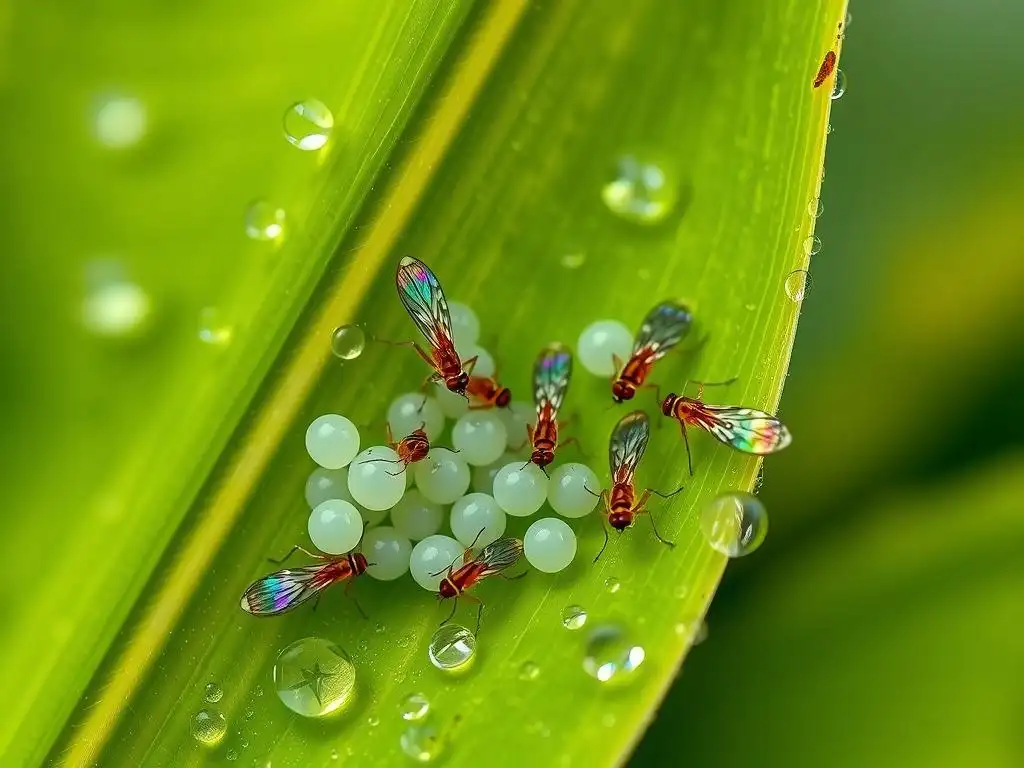
Identifying fly eggs and larvae requires a close examination of your plants. Fly eggs are typically tiny, oval, and white or cream-colored. They're often laid in clusters on the undersides of leaves, near leaf veins, or even within plant tissues. Finding these clusters can be a strong indicator of a fly infestation, particularly if you notice other signs of damage. However, size and color can vary depending on the specific fly species affecting your plants.
Some species lay their eggs individually, making detection more challenging. A magnifying glass can be invaluable in this process, allowing you to clearly see the minute details of the eggs. Remember to check stems, buds, and even the soil around the base of your plants as well, as egg-laying locations can be diverse. Careful observation is key to early detection and prevention of widespread infestation.
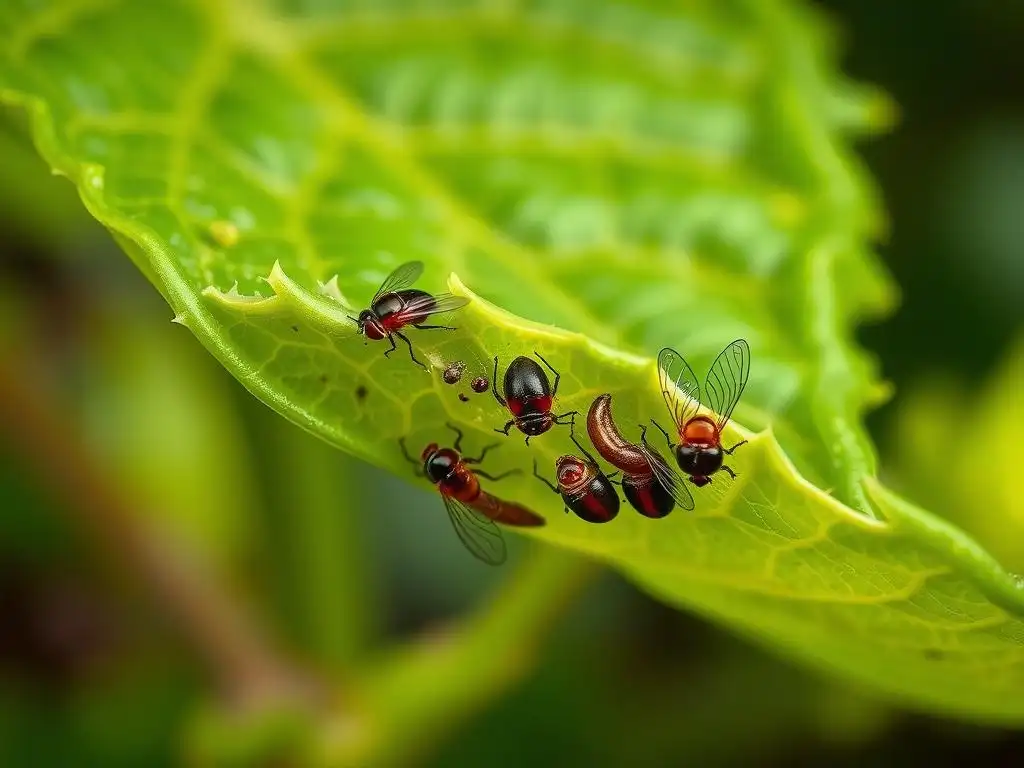
The larval stage, or maggots, are even more crucial to identify. These are typically legless, worm-like creatures that are creamy white or pale yellow, often with a slightly translucent appearance. They can be found feeding within plant tissues, causing significant damage. This damage often manifests as tunnels or mines within leaves, stems, or roots, depending on the fly species. Look for wilting leaves, stunted growth, or unusual holes in plant structures.
These are all signs that larvae might be present. Sometimes, you can gently remove a portion of the affected plant tissue to reveal the larvae directly. Pay close attention to the root system as well, especially if you are dealing with root maggots. These larvae feed on the roots, leading to wilting and ultimately plant death.
Careful digging and inspection of the root zone might be necessary for a thorough assessment. Be prepared to use a magnifying glass for a better view of these small, often hidden, pests. It's crucial to note that the appearance of larvae can vary slightly between different fly species, so having a reference image or consulting a gardening expert can be particularly useful. Prompt identification and action are essential to prevent significant yield losses.
Prevention and Early Detection Strategies for Fly Infestations
Effective management of plant fly infestations begins long before you see any visible damage. Proactive strategies focusing on prevention and early detection are crucial for minimizing the impact on your harvest and maintaining the health of your garden. Successfully identifying plant fly infestations relies on a combination of preventative measures and diligent monitoring. This section details key steps to take to protect your plants and catch infestations early.
Implementing Preventative Measures: Healthy Soil and Plant Practices
A healthy garden ecosystem is less susceptible to pest infestations, including those caused by flies. Strong, healthy plants are better equipped to withstand attacks. Several practices contribute to this resilience:
- Soil Health: Maintaining fertile, well-draining soil is paramount. Poorly drained soil can attract flies seeking moist environments to lay their eggs. Regular soil testing and amendments with compost or other organic matter improve soil structure and nutrient content, fostering plant vigor. Consider adding beneficial nematodes to your soil; these microscopic organisms prey on many fly larvae.
- Plant Selection: Choose plant varieties known for their resistance to common fly pests. Researching disease-resistant cultivars can significantly reduce the likelihood of infestation. A diverse planting scheme also helps prevent widespread damage, as a concentrated planting of a single species can be more attractive to pests.
- Crop Rotation: Rotating crops yearly disrupts the life cycle of many soil-borne pests, including fly larvae. Rotating crops prevents the buildup of pests in the soil and reduces the risk of subsequent infestations. Avoid planting the same family of plants in the same spot for consecutive years.
- Sanitation: Remove weeds and plant debris regularly. These can harbor pest eggs and larvae, providing ideal breeding grounds. Properly disposing of infected plant material prevents the spread of infestation. Composting should be done carefully, ensuring that infected plant material is fully composted before being used again in the garden.
Regular Plant Inspections: Early Detection of Fly Activity
Diligent monitoring is key to early detection. Regular inspections allow for swift intervention, preventing widespread damage. The frequency of inspection depends on the vulnerability of your plants and the prevalence of flies in your area. However, at least weekly inspections are advisable.
- Visual Inspection: Carefully examine the undersides of leaves, stems, and buds. Look for small eggs, larvae (maggots), or adult flies. Many plant flies are small and easily overlooked, so thorough examination is essential. Pay special attention to areas where plants are dense, providing shelter for pests.
- Signs of Damage: Learn to recognize the typical signs of fly damage, including wilting, yellowing leaves, stunted growth, and holes in leaves or fruit. Early detection of these symptoms can help you pinpoint the infestation and take action before significant damage occurs.
- Sticky Traps: Utilize yellow sticky traps strategically placed throughout your garden. These traps attract many flying insects, allowing you to monitor the presence and abundance of flies. Regularly check the traps and replace them as needed. The number of flies captured can indicate the severity of a potential infestation.
Monitoring Soil Conditions: Identifying Potential Breeding Grounds
Many plant flies breed in the soil, laying their eggs near the roots of plants. Monitoring soil conditions can help identify potential breeding grounds and prevent infestations.
- Soil Moisture: Maintain optimal soil moisture levels. Overwatering creates a favorable environment for fly larvae. Avoid waterlogging, which can lead to root rot and attract flies. Use proper irrigation techniques, such as drip irrigation, to prevent excessive moisture.
- Soil Temperature: Extreme temperatures can affect the life cycle of some fly species. While temperature control is difficult in an outdoor garden, understanding the optimal temperature range for the fly species affecting your plants can provide valuable insights.
- Soil Structure: Poor soil structure, characterized by compaction or poor drainage, can create suitable conditions for fly breeding. Regular soil aeration and amendment with organic matter can improve soil structure and make it less hospitable to flies. Observe the soil for signs of unusual activity, such as excessive burrowing or unusual numbers of small holes near plant roots. These could indicate the presence of fly larvae.
By implementing these preventative measures and maintaining a vigilant monitoring program, you can significantly reduce the risk of fly infestations and protect the health and productivity of your garden. Remember, early detection is crucial for effective management and minimizing damage.
Natural and Organic Control Methods for Plant Flies
This section focuses on environmentally friendly strategies to manage plant fly infestations, minimizing harm to beneficial insects and the environment. We'll explore several natural and organic control methods, providing detailed instructions and practical tips for effective implementation. Remember, early detection is key to successful pest control; the sooner you identify and address an infestation, the less damage your plants will suffer. Identifying plant fly infestations early is crucial for effective management.
Utilizing Beneficial Insects: Natural Predators of Plant Flies
Many beneficial insects prey on plant flies, offering a natural and sustainable way to control populations. Introducing these natural predators into your garden can significantly reduce reliance on chemical pesticides. The key is to create a habitat that attracts these helpful insects.
Several beneficial insect species are known for their effectiveness against plant flies. Ladybugs, for example, are voracious predators of aphids, which are often associated with plant flies. Lacewings are another excellent choice, with both larval and adult stages feeding on various soft-bodied insects, including some fly larvae. Hoverflies, while their larvae feed on aphids, the adult stage can also provide pollination benefits.
To attract these beneficial insects, plant a variety of flowering plants that provide nectar and pollen. These plants serve as food sources for the adults, encouraging them to stay and reproduce in your garden. Dill, fennel, and yarrow are particularly attractive to beneficial insects. Avoid the use of broad-spectrum insecticides, as these can harm beneficial insects along with the pests.
Consider providing shelter for beneficial insects. Leaving some areas of your garden slightly unkempt, with leaf litter and dead wood, can provide overwintering sites and nesting areas. This simple approach can significantly increase the population of beneficial insects in your garden, creating a naturally balanced ecosystem.
Implementing Homemade Traps: Effective and Eco-Friendly Solutions
Homemade traps offer a simple and effective way to monitor and control plant fly populations without resorting to harmful chemicals. These traps are easy to make using readily available materials, offering a cost-effective and environmentally friendly solution.
One effective method involves using yellow sticky traps. Plant flies are often attracted to yellow, making yellow sticky cards a particularly effective lure. Simply purchase yellow sticky cards or paint cardboard yellow and coat it with a non-toxic sticky substance like petroleum jelly or a commercial sticky trap glue. Place these traps near infested plants to capture adult flies.
Another effective homemade trap utilizes apple cider vinegar. The vinegar's pungent aroma attracts many types of flies. Fill a jar or container with a mixture of apple cider vinegar and a few drops of dish soap. The soap reduces the surface tension of the liquid, preventing flies from escaping once they've landed. Cover the top with plastic wrap, poking several small holes to allow the flies to enter.
Regularly monitor and replace the traps as needed. This will help you track the fly population and ensure the traps remain effective. Remember to dispose of the traps responsibly to avoid attracting more flies. This method is particularly effective for monitoring infestation levels and catching adult flies before they lay eggs.
Using Neem Oil and Other Organic Pesticides: Safe and Sustainable Control
Neem oil is a natural insecticide derived from the neem tree. It disrupts the life cycle of many insects, including plant flies, by interfering with their feeding and reproduction. It's a relatively safe option when used as directed, posing minimal risk to beneficial insects and pollinators compared to synthetic pesticides.
To use neem oil effectively, follow the manufacturer's instructions carefully. Dilute the neem oil according to the label's recommendations and apply it directly to the infested plants, ensuring thorough coverage. Repeat applications may be necessary, depending on the severity of the infestation and the specific type of plant fly.
Other organic pesticides, such as insecticidal soaps and horticultural oils, can also be effective against plant flies. These options work by directly contacting and killing the insects. Similar to neem oil, always follow the label instructions carefully to ensure safe and effective use. Remember that these organic options are often less persistent than synthetic pesticides, requiring more frequent applications. Always test a small area first to check for any adverse reactions on your plants. Organic pest control requires diligence and regular monitoring but provides a sustainable alternative to harmful chemicals.
Improving Soil Drainage and Aeration: Creating an Unfavorable Environment
Many plant flies, particularly fungus gnats, thrive in consistently moist, poorly aerated soil. Improving drainage and aeration can significantly disrupt their life cycle and reduce infestation levels. Waterlogged soil lacks oxygen, creating a perfect breeding ground for fungus gnats and other pests that feed on decaying organic matter. Conversely, well-drained soil with good aeration inhibits fungal growth and makes it difficult for larvae to survive.
One effective method is to amend heavy clay soils with organic matter like compost or well-rotted manure. This improves soil structure, creating air pockets that enhance drainage and aeration. The addition of organic matter also encourages beneficial soil microorganisms that compete with plant flies for resources. Remember to avoid over-watering, as this negates the benefits of improved drainage.
Observe your soil after watering; if it remains waterlogged for extended periods, further amendment or adjustments to your watering schedule are needed. For container plants, ensure pots have adequate drainage holes and use a well-draining potting mix. You can even add perlite or vermiculite to further enhance aeration.
Regular cultivation of the soil around plants also helps to improve aeration. Gentle tilling or loosening the top layer of soil allows for better air circulation, reducing soil moisture and creating a less hospitable environment for plant flies. However, be cautious not to damage plant roots during this process. Focus on loosening the soil several inches around the base of the plant, avoiding direct contact with the roots.
This technique is particularly beneficial for plants grown in raised beds or containers. Remember that consistency is key; regular soil cultivation is more effective than infrequent, deep tillage. The goal is to create a consistently well-aerated soil environment, deterring fly infestations. This approach, combined with other organic control methods, offers a holistic and sustainable solution to manage plant fly populations.
When to Seek Professional Help for Severe Infestations
Knowing when to call in the experts is crucial for effective pest management and preventing significant crop loss. While many minor fly infestations can be managed with home remedies and preventative measures, some situations demand professional intervention. This section helps you identify those situations and understand the benefits of seeking professional help. Successfully identifying plant fly infestations often hinges on early detection and appropriate action.
Determining the Severity of Infestation: Assessing the Extent of Damage
Assessing the severity of a fly infestation requires careful observation and a realistic evaluation of the damage. Don't panic at the first sight of a few flies; many plants can tolerate minor infestations. However, a significant infestation can quickly overwhelm your plants, leading to stunted growth, wilting, and even plant death. Here's a breakdown to help you gauge the severity:
- Low Severity: A few adult flies are visible, minimal leaf damage (e.g., small holes or discoloration), and plant growth appears largely unaffected. In this case, home remedies and preventative measures are usually sufficient.
- Medium Severity: A noticeable number of adult flies are present, along with visible larval activity (e.g., maggots in the soil or on plant parts). Leaf damage is more extensive, and plant growth is slightly stunted. More intensive management techniques, such as stronger insecticidal soaps or neem oil applications, might be necessary.
- High Severity: A large number of adult flies and larvae are present. Significant leaf damage is evident, with extensive wilting and stunted growth. Plants may be showing signs of severe stress or even dying. At this stage, professional intervention is strongly recommended to prevent total crop failure. The cost of professional treatment is often less than the cost of replacing lost plants.
Consider these additional factors:
| Factor | Low Severity | Medium Severity | High Severity |
|---|---|---|---|
| Fly Population | Few individuals | Noticeable number | Large number, possibly swarming |
| Larval Activity | Minimal or absent | Visible, localized | Widespread, extensive |
| Plant Damage | Minor leaf damage, minimal growth impact | Moderate leaf damage, stunted growth | Extensive leaf damage, severe growth stunting |
| Plant Health | Plants generally healthy | Plants showing signs of stress | Plants severely stressed, possibly dying |
Remember, early detection is key. Regular monitoring of your plants allows you to address infestations before they become severe, minimizing the need for professional intervention.
Contacting Local Horticultural Experts: Seeking Professional Advice and Treatment Options
If you determine that your infestation requires professional attention, several avenues are available. Local horticultural experts, such as certified arborists or pest control specialists with experience in organic gardening, can provide tailored solutions. They can accurately identify the specific type of fly affecting your plants, assess the extent of the damage, and recommend the most effective treatment strategies. Professional services often include:
- Accurate Identification: Experts can precisely identify the pest species, which is crucial for effective treatment.
- Customized Treatment Plans: They will develop a plan tailored to your specific situation, considering the type of plants, the severity of the infestation, and your preferred organic methods.
- Effective Control Measures: Professionals have access to advanced techniques and products for controlling fly infestations, going beyond simple home remedies.
- Preventative Strategies: They can offer advice on preventative measures to avoid future infestations.
Seeking professional help might seem like an added expense, but the long-term benefits – protecting your valuable plants and preventing further damage – often outweigh the cost. Investing in professional expertise can save you time, effort, and potentially the entire harvest. Remember, a healthy garden is a productive garden, and sometimes, professional help is the best way to ensure its health and vitality.
Frequently Asked Questions
How can I identify a plant fly infestation?
Several signs indicate a plant fly infestation. Look for yellowing or wilting leaves, small, dark-colored insects on the undersides of leaves, and sticky honeydew on the foliage. Sooty mold may also be present.
What are the common types of plant flies?
Several flies can infest plants, including fungus gnats, leaf miners, and aphids (although aphids are technically not flies, they are often grouped with them due to similar damage). Identifying the specific type helps determine the best treatment method.
What damage do plant flies cause to my plants?
Plant flies can cause significant damage, impacting plant health and yield. They suck sap from leaves and stems, leading to wilting, yellowing, and stunted growth. Severe infestations can kill plants.
How can I prevent plant fly infestations?
Preventing infestations starts with good garden hygiene. Ensure proper watering (avoiding overwatering), remove weeds, and practice crop rotation. Using beneficial insects can also help control populations.
What are some effective treatments for plant fly infestations?
Treatment options include introducing beneficial nematodes, using insecticidal soap, or employing natural pest control methods like neem oil. For severe infestations, consider using a systemic insecticide as a last resort.
Final Reflection: The Silent Struggle of Our Gardens
The unseen battle waged against our plants by insidious fly infestations is far more prevalent than many realize, impacting not only the aesthetic beauty of our gardens but also the health and productivity of our ecosystems. Understanding the subtle signs of these infestations is crucial for effective intervention and the preservation of our green spaces. Ignoring these silent struggles can lead to widespread damage and even the loss of beloved plants.
The impact of plant fly infestations extends far beyond the individual plant; it speaks to a larger conversation about the delicate balance within our environment. These tiny creatures, often overlooked, can significantly disrupt this balance, affecting biodiversity and the overall health of our gardens and farms. The earth laughs in flowers.
– Ralph Waldo Emerson. This simple quote reminds us of the profound connection between the health of our planet and the vibrant life it supports, a life easily threatened by unnoticed pests. The responsibility to protect this life, from the smallest insect to the largest tree, rests upon us.
Now, consider your own garden, your own balcony, or even the potted plant on your windowsill. Take a moment to observe closely. Are there subtle signs you might have previously overlooked? Armed with the knowledge gained from this article, you are now better equipped to identify and address any potential infestations. Don't let the silent struggle continue; take action, protect your plants, and contribute to the vibrant tapestry of life that surrounds us. The health of our gardens is a reflection of our own care and stewardship of the natural world.
Uncover Your Garden's Secrets: Take Action Against Fly Damage!
Thank you for learning about identifying fly damage on your plants! We hope this guide has provided you with the knowledge to protect your valuable crops. Now, let's put that knowledge to work.
- Inspect your plants thoroughly: Carefully examine all your plants for signs of fly infestation, paying particular attention to the undersides of leaves and stems. Early detection is key to effective prevention.
- Share your experiences (and photos!): Join our online community forum and share your experiences—including photos of any fly damage you've observed! Help fellow gardeners by contributing your knowledge and insights.
- Employ natural pest control: Consider implementing simple, organic pest control methods such as companion planting or introducing beneficial insects to your garden.
Ready to transform your garden into a thriving, pest-resistant oasis? Which natural pest control method are you most eager to try?