
Fusarium Wilt: Recognizing This SoilBorne Disease

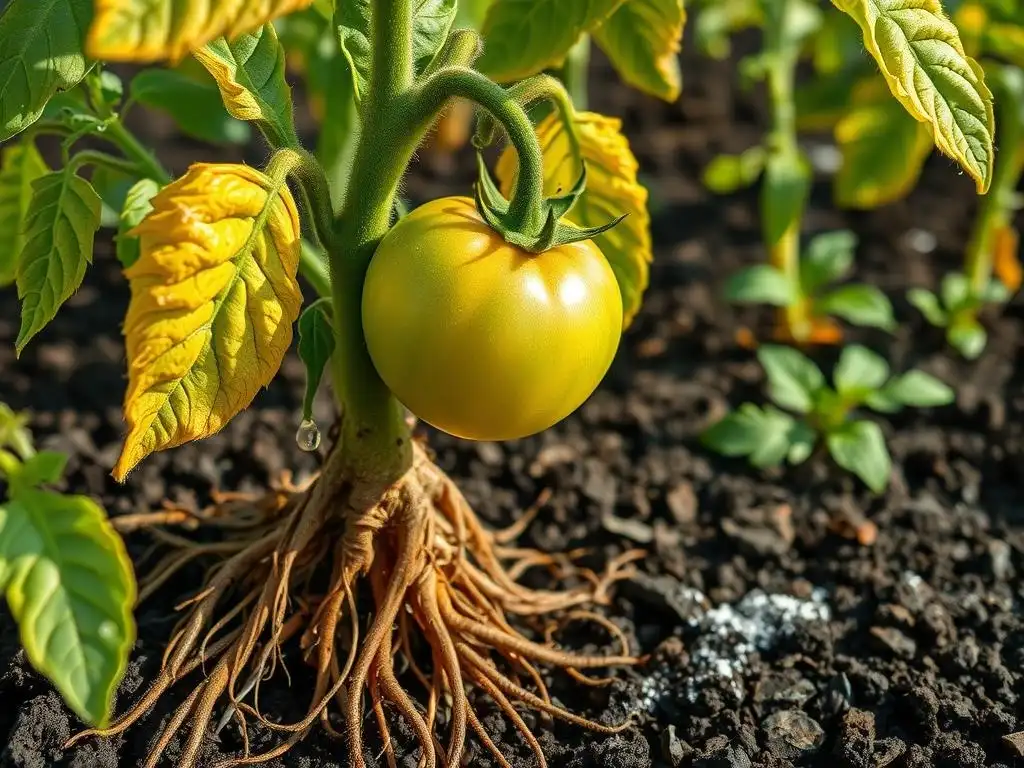
Welcome to CultivateYourFood, your guide to a thriving home garden! Are you ready to unlock the secrets to growing your own delicious and healthy produce? We're committed to sustainable and organic practices, and in this section, we delve into a crucial aspect of plant health: pest and disease control. Learn how to identify and combat the devastating effects of Fusarium wilt, a common soilborne disease, using entirely organic methods. Discover the techniques that will protect your harvest and ensure a bountiful yield – let's get growing!
- Understanding Fusarium Wilt: Symptoms and Identification
- Fusarium Wilt: Causes and Contributing Factors
- Organic Control of Fusarium Wilt
- Fusarium Wilt: Advanced Management Techniques
- Monitoring and Early Detection of Fusarium Wilt
- Frequently Asked Questions
- Final Reflection: The Enduring Battle Against Fusarium Wilt
- Unveil Your Soil's Secrets: Protect Your Harvest!
Understanding Fusarium Wilt: Symptoms and Identification
Fusarium wilt, a devastating soilborne fungal disease, poses a significant threat to home gardeners striving for healthy, organic harvests. This insidious disease attacks a wide range of plants, causing wilting, stunted growth, and ultimately, plant death. Understanding its symptoms and effective organic control methods is crucial for protecting your valuable crops.
This article will guide you through identifying Fusarium wilt in common garden plants and explore sustainable strategies to manage this challenging fungal infection, helping you achieve a thriving, organic garden while minimizing the impact of this persistent disease. We'll cover identification techniques, focusing on key symptoms and affected plant species, and emphasize the importance of preventative measures and organic control options for long-term garden health. The goal is to empower you with the knowledge to combat Fusarium wilt and ensure a bountiful harvest year after year, while upholding your commitment to sustainable and organic gardening practices.
Learning to effectively manage Fusarium wilt is an essential step in cultivating a resilient and healthy garden. Effective organic control of Fusarium wilt requires a multi-pronged approach, focusing on prevention, early detection, and sustainable management strategies.
Recognizing Fusarium Wilt in Tomatoes
Tomatoes are particularly susceptible to Fusarium wilt, often exhibiting classic symptoms. Initially, you might notice wilting in one or two sides of the plant, rather than a uniform droop. This uneven wilting is a key indicator. Further examination may reveal yellowing or browning of the leaves, starting at the lower leaves and progressing upwards.
The vascular system (the plant's veins) within the stem may show a characteristic discoloration – a brown or reddish-brown streaking visible when the stem is cut open. This discoloration is evidence of the fungus's invasion of the plant's water transport system. The plant might also demonstrate stunted growth, failing to reach its full potential size and yield. Early detection is critical for effective organic control.
Regular monitoring of your tomato plants, paying close attention to these symptoms, is crucial for prompt intervention. Remember, early detection significantly increases the chances of successful management. The use of disease-resistant tomato varieties is a proactive and effective organic control strategy.
Identifying Fusarium Wilt in Cucumbers and Melons
Cucurbits, including cucumbers and melons, are also vulnerable to Fusarium wilt. The symptoms are similar to those seen in tomatoes but may present slightly differently. Wilting, often unilateral (affecting one side of the plant first), is a common early sign. Leaf yellowing and browning can occur, but often appears more sudden and dramatic than in tomatoes. The affected plants might exhibit stunted growth and reduced fruit production.
Unlike tomatoes, the vascular discoloration in cucumbers and melons might be less pronounced, making diagnosis slightly more challenging. Careful examination of the stem's interior is crucial, along with observation of the characteristic wilting pattern. Implementing crop rotation is a vital organic control measure for cucumbers and melons, as the fungus can persist in the soil. Choosing disease-resistant varieties whenever possible is another effective preventative step. Remember to always clean your gardening tools thoroughly to avoid spreading the disease.
Fusarium Wilt in Other Plants: Affected Plant Species
Fusarium wilt's impact extends far beyond tomatoes and cucurbits. A wide range of plant species are susceptible, including but not limited to: bananas, cotton, potatoes, and various ornamentals. Symptoms are generally consistent across different plant species, characterized by wilting, leaf discoloration, and vascular discoloration.
However, the severity and speed of disease progression can vary depending on the host plant and environmental conditions. The specific symptoms might differ slightly, emphasizing the importance of recognizing the general characteristics of the disease rather than focusing on minute details specific to one plant. Implementing comprehensive soil health management practices, such as proper soil drainage and avoiding overwatering, are crucial for mitigating the risk of Fusarium wilt across all susceptible plants.
Organic soil amendments can improve soil health and reduce the likelihood of infection. Maintaining a healthy soil ecosystem is key to organic control. Remember that early detection and prompt action are paramount regardless of the affected plant species.
Distinguishing Fusarium Wilt from Other Diseases
Fusarium wilt can mimic other plant diseases, making accurate diagnosis crucial for effective treatment. One common challenge is differentiating it from other vascular wilts, such as those caused by Verticillium species. While both present similar wilting symptoms, key differences exist.
Verticillium wilt often affects a wider range of plant species than Fusarium, and its symptoms might progress more gradually. Furthermore, the vascular discoloration caused by Verticillium tends to be more diffuse and less sharply defined than the characteristic streaking seen in Fusarium wilt. Careful examination of the vascular tissue under a microscope is sometimes necessary for definitive identification, requiring the expertise of a plant pathologist or a well-equipped laboratory.
Another disease that can be confused with Fusarium wilt is root rot. Root rot, caused by various pathogens, primarily affects the root system, leading to wilting due to impaired water and nutrient uptake. However, unlike Fusarium wilt, which primarily affects the vascular system, root rot often doesn't display the characteristic vascular discoloration.
Furthermore, plants affected by root rot may show stunted growth and overall decline, rather than the localized wilting typical of Fusarium wilt. Inspecting the roots for signs of decay, such as discoloration and softening, can help distinguish root rot from Fusarium wilt. The presence of healthy vascular tissue in the stem further supports a diagnosis of root rot rather than Fusarium wilt.
Finally, nutrient deficiencies can sometimes mimic the symptoms of Fusarium wilt. Wilting can occur due to insufficient water or nutrient uptake, but unlike Fusarium wilt, these issues generally affect the whole plant uniformly, rather than causing localized wilting. Moreover, nutrient deficiencies may present with other characteristic symptoms, such as chlorosis (yellowing) of leaves or stunted growth, which are not typically associated with Fusarium wilt. Soil testing can help determine if nutrient deficiencies are the cause of the wilting, offering a clear distinction from Fusarium wilt.
Careful observation, detailed symptom analysis, and potentially laboratory testing are essential for accurate diagnosis and effective management of plant diseases. Correct identification is paramount for choosing the most appropriate control measures. Misdiagnosis can lead to ineffective treatments and potentially further plant damage.
Fusarium Wilt: Causes and Contributing Factors
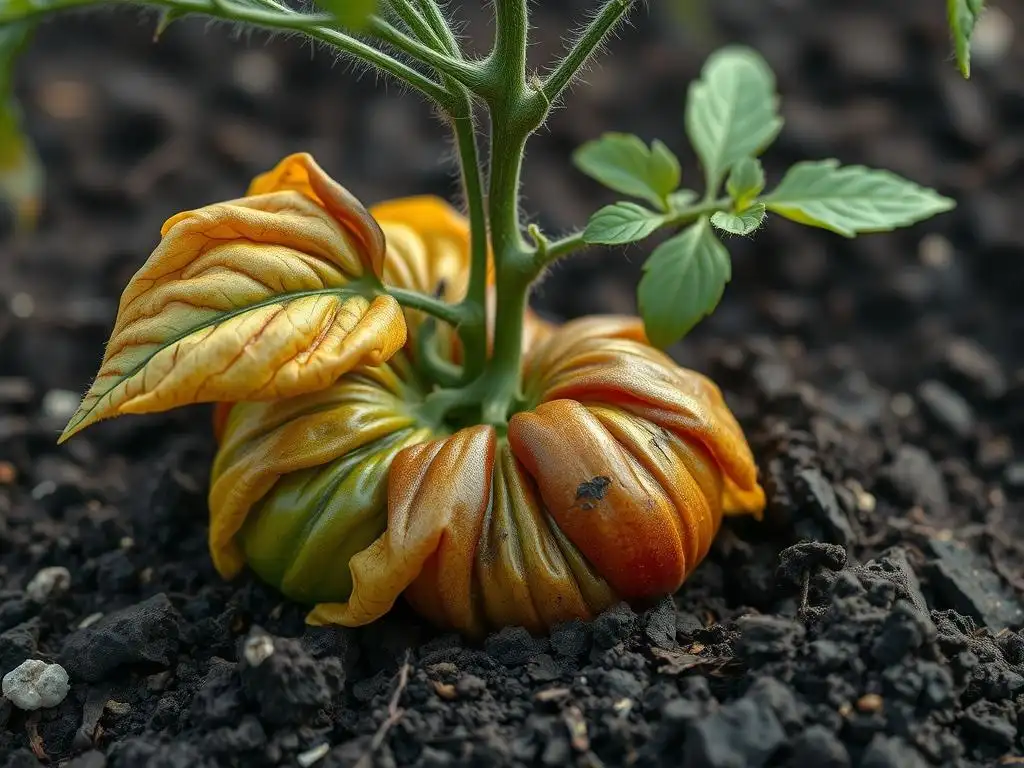
Fusarium wilt, a devastating soilborne disease, significantly impacts crop yields and plant health. Understanding its causes and contributing factors is crucial for effective management and implementing preventative measures. This section delves into the intricacies of Fusarium fungus, soil conditions conducive to its growth, and the influence of planting practices on disease incidence. Effective "Fusarium wilt organic control" strategies rely heavily on this foundational knowledge.
The Fusarium Fungus: Life Cycle and Spread
The Fusarium fungus, the culprit behind Fusarium wilt, exhibits a complex life cycle. It begins as microscopic spores, incredibly resilient structures that can persist in the soil for extended periods, even years, under unfavorable conditions. These spores can be spread through various means, including:
- Wind: Airborne spores can travel considerable distances, contaminating new areas.
- Water: Irrigation and rainwater can easily disseminate spores throughout the soil.
- Infected Plant Material: Diseased plants, including roots, stems, and seeds, serve as primary sources of inoculum. Improper disposal of infected plant debris contributes significantly to the spread of the disease.
- Farming Equipment: Tools and machinery can inadvertently carry spores from one area to another.
Once favorable conditions arise, the spores germinate, penetrating the plant's roots. The fungus then colonizes the vascular system, disrupting water and nutrient transport. This leads to the characteristic wilting symptoms of Fusarium wilt. The fungus produces additional spores within the infected plant, ensuring the continuation of the disease cycle. Understanding this life cycle is paramount for implementing effective "Fusarium wilt organic control" strategies. For example, meticulous sanitation practices, including the removal and proper disposal of infected plant material, are essential in breaking the disease cycle.
Soil Conditions Favoring Fusarium Wilt Development
Several soil conditions significantly influence the development and severity of Fusarium wilt. Specifically:
- Soil Temperature: Optimum soil temperatures for Fusarium growth typically range between 25°C and 30°C (77°F and 86°F). Warmer temperatures generally promote faster fungal growth and disease progression.
- Soil pH: Slightly alkaline soil conditions (pH above 7.0) often favor Fusarium development. Maintaining a slightly acidic to neutral soil pH can help suppress disease development.
- Soil Drainage: Poorly drained soils, prone to waterlogging, create an environment conducive to Fusarium growth. Well-drained soil is crucial for minimizing the risk of infection.
- Soil Organic Matter: While adequate organic matter is generally beneficial for soil health, excessive amounts can sometimes provide a suitable habitat for Fusarium spores. Maintaining a balanced level of organic matter is essential.
The interaction of these factors determines the overall susceptibility of the soil to Fusarium wilt. Careful monitoring of soil conditions, including regular soil testing, is essential for effective disease management. Amendments to improve soil drainage and pH adjustments are key aspects of "Fusarium wilt organic control."
Impact of Planting Practices on Fusarium Wilt Infection
Planting practices significantly influence the risk of Fusarium wilt infection. Several factors warrant careful consideration:
- Crop Rotation: Implementing diverse crop rotation strategies can help reduce the buildup of Fusarium inoculum in the soil. Rotating crops that are not susceptible to Fusarium wilt can significantly reduce disease pressure.
- Seed Selection: Using disease-resistant or tolerant cultivars is a crucial preventative measure. Choosing seeds from reputable sources that are certified disease-free minimizes the risk of introducing the pathogen.
- Planting Density: Overcrowding can increase humidity and create an environment conducive to fungal growth. Maintaining appropriate planting distances promotes better air circulation and reduces disease risk.
- Soil Sterilization (Organic Methods): While chemical soil sterilization is not an option for organic farming, using effective organic soil sterilization methods like solarization can significantly reduce the fungal population. This involves covering the soil with clear plastic to trap heat and kill pathogens.
Careful consideration of these planting practices is fundamental to a comprehensive "Fusarium wilt organic control" program. By implementing these strategies, growers can significantly reduce the risk of Fusarium wilt and enhance the overall health and productivity of their crops. The combination of preventative measures, coupled with monitoring soil conditions, forms the foundation of successful organic disease management.
Organic Control of Fusarium Wilt
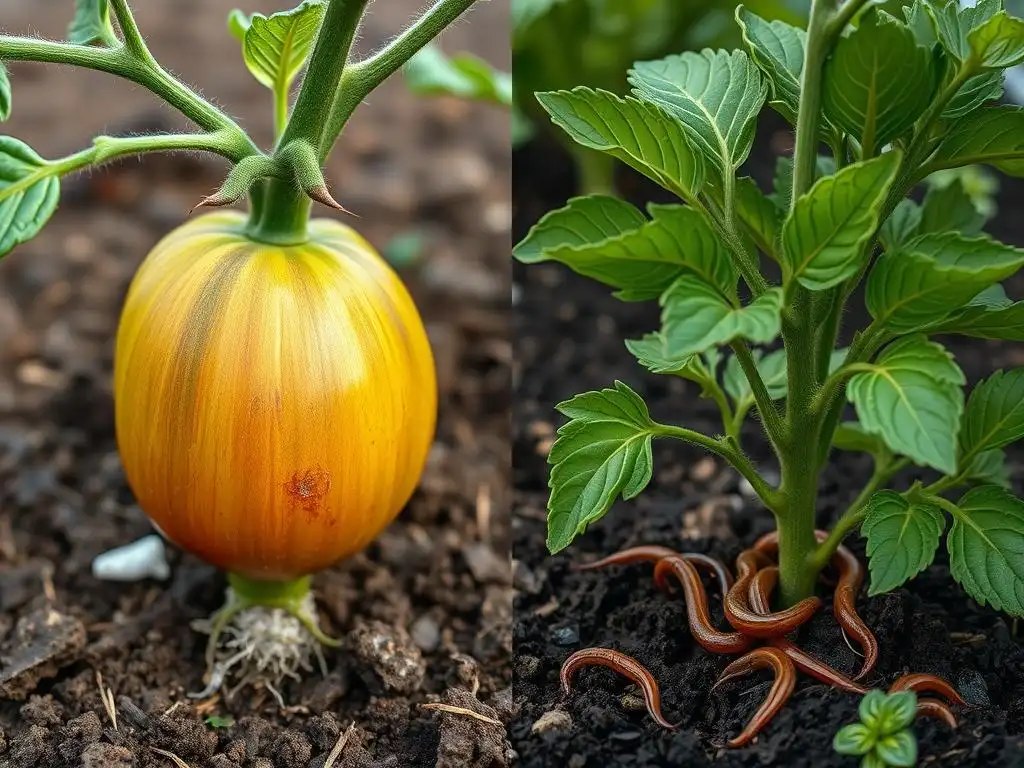
Fusarium wilt, a devastating soilborne disease affecting a wide range of plants, presents a significant challenge to home gardeners striving for organic practices. Fortunately, effective organic control methods exist, focusing on prevention, cultural practices, and biological control. This section details strategies to combat Fusarium wilt without resorting to harmful synthetic chemicals, promoting healthy and productive gardens. The key to successful Fusarium wilt organic control is a multifaceted approach combining proactive measures with responsive treatments.
Prevention Strategies: Avoiding Fusarium Wilt
Preventing Fusarium wilt is far more effective than trying to cure an infected plant. Proactive measures significantly reduce the risk of infestation and minimize the need for more intensive interventions later. Key preventative strategies include:
- Selecting Resistant Varieties: This is arguably the most crucial step. Many plant species have cultivars bred for resistance to Fusarium wilt. Researching and selecting resistant varieties specific to your chosen crops is paramount. For example, certain tomato varieties exhibit significantly higher resistance than others. Always check seed packets or plant tags for disease resistance information.
- Soil Health Management: Healthy soil is less susceptible to Fusarium wilt. Maintaining optimal soil structure, rich in organic matter, improves drainage and reduces the pathogen's ability to thrive. Regular composting and the addition of well-rotted manure enhance soil health, creating a less hospitable environment for the fungus.
- Crop Rotation: Rotating crops prevents the build-up of Fusarium spores in the soil. Avoid planting susceptible crops in the same location for consecutive years. A well-planned rotation, involving non-host plants, can significantly disrupt the pathogen's life cycle, reducing the risk of infection.
- Sanitation: Thorough sanitation practices are crucial. Remove and destroy infected plant debris immediately. Do not compost infected plants, as this can spread the disease. Clean and disinfect gardening tools after use to prevent the accidental spread of Fusarium spores. This includes pots, tools, and even your shoes!
Cultural Practices for Fusarium Wilt Management
Even with preventative measures, Fusarium wilt can still occur. Implementing effective cultural practices aids in managing the disease's spread and minimizing its impact. These practices work synergistically with preventative measures to create a robust defense against the pathogen:
- Watering Techniques: Avoid overhead watering, which can spread Fusarium spores. Instead, opt for drip irrigation or soaker hoses to minimize leaf wetness. Proper watering also reduces stress on plants, making them more resilient to diseases.
- Mulching: Applying a layer of organic mulch helps regulate soil temperature and moisture, creating a less favorable environment for Fusarium. Mulch also suppresses weeds, further reducing competition for resources.
- Soil Amendments: Certain soil amendments can help improve soil health and reduce Fusarium populations. For example, adding beneficial microbes, like Trichoderma species, can compete with Fusarium for resources. However, [specific data on effective amendment types and application rates pending].
- Monitoring and Early Detection: Regularly inspect your plants for symptoms of Fusarium wilt. Early detection is key to implementing effective management strategies before the disease spreads significantly. Knowing the symptoms for your specific crops is crucial for early intervention.
Biological Control Methods for Fusarium Wilt
Biological control utilizes naturally occurring organisms to suppress Fusarium wilt. These methods provide an environmentally friendly alternative to chemical treatments, promoting sustainable gardening practices. Examples include:
- Beneficial Fungi: Certain fungi, such as Trichoderma species, are known to antagonize Fusarium. These fungi compete with Fusarium for resources, reducing its population and minimizing disease severity. [Specific Trichoderma strains and application methods pending].
- Bacterial Antagonists: Some bacteria, such as Bacillus species, can also suppress Fusarium wilt. These bacteria produce antibiotics or other compounds that inhibit the growth of the pathogen. [Specific Bacillus strains and application methods pending].
- Compost Tea: Compost tea, a liquid extract from composted organic matter, is rich in beneficial microbes that can help suppress plant diseases, including Fusarium wilt. The application of compost tea can improve soil health and enhance plant resilience. However, [specific data on effective compost tea application rates and frequency pending].
The effectiveness of biological control methods often depends on factors like soil conditions, plant species, and the specific Fusarium strain involved. A combined approach, integrating preventative measures and cultural practices with biological control agents, generally yields the best results in achieving effective Fusarium wilt organic control. Further research into specific strains and application techniques is crucial for optimizing these methods.
Resistant Varieties: Choosing Fusarium-Tolerant Plants
Selecting resistant plant varieties is a cornerstone of organic Fusarium wilt control. This proactive approach significantly reduces the risk of infection and minimizes the need for more intensive interventions. The effectiveness of this strategy hinges on understanding which plant species and cultivars exhibit inherent resistance to specific Fusarium strains. For example, certain tomato varieties boast significantly higher resistance than others, making them ideal choices for areas with a history of Fusarium wilt. Similarly, within the melon family, some cultivars have been bred for improved tolerance, reducing crop losses.
It's crucial to note that "resistance" doesn't always mean complete immunity. Even resistant varieties can succumb to infection under exceptionally high disease pressure or when other stress factors weaken the plants. Therefore, selecting resistant varieties should be considered part of a broader integrated pest management (IPM) strategy, not a standalone solution.
Furthermore, the level of resistance can vary depending on the specific Fusarium strain prevalent in your region. Consulting with local agricultural extension services or seed suppliers is vital to identify varieties specifically known to perform well against the dominant Fusarium strains in your area. This localized approach ensures the best chance of success.
Choosing resistant varieties also involves understanding your specific needs and growing conditions. While resistance is a significant factor, you should also consider factors like yield, taste, and overall plant vigor. Simply selecting the most resistant variety might not be the best option if it produces a lower yield or subpar fruit quality.
A balanced approach, weighing resistance against other desirable traits, is essential for achieving a successful and sustainable harvest. This careful selection process is a key element in implementing effective Fusarium wilt organic control. Remember to always source seeds or seedlings from reputable suppliers to ensure the accuracy of varietal labeling and to minimize the risk of introducing the disease through contaminated planting material.
Fusarium Wilt: Advanced Management Techniques
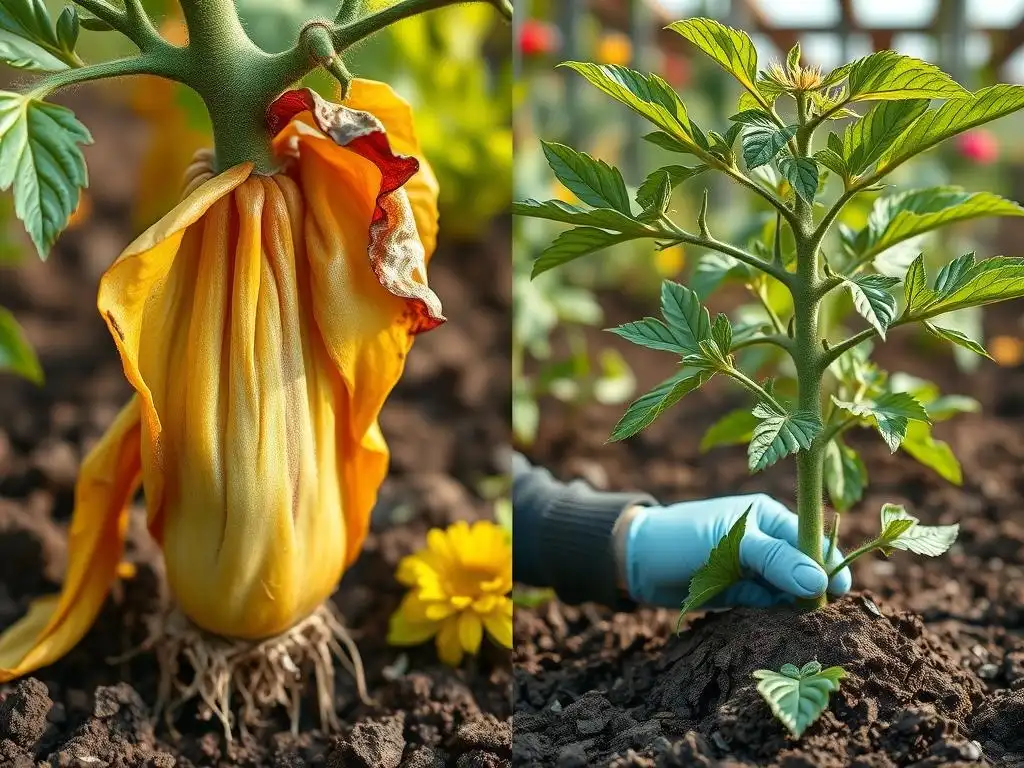
Fusarium wilt, a devastating soilborne disease affecting a wide range of crops, necessitates proactive and integrated management strategies. While complete eradication is often challenging, employing a combination of techniques can significantly reduce its impact and promote healthier plant growth. This section focuses on advanced management techniques that prioritize organic and sustainable approaches, aligning with the ethos of CultivateYourFood. Effective "Fusarium wilt organic control" requires a multi-pronged approach.
Soil Solarization for Fusarium Wilt Control
Soil solarization is a powerful, eco-friendly method for managing soilborne pathogens like Fusarium oxysporum, the causal agent of Fusarium wilt. This technique leverages the sun's energy to heat the soil, effectively killing many disease-causing organisms. The process involves covering the soil with clear polyethylene sheeting during the hottest months of the year. Sunlight trapped beneath the plastic raises soil temperatures to lethal levels for Fusarium spores and other pathogens.
Several factors influence the effectiveness of soil solarization:
- Timing: Solarization is most effective during the hottest and driest period of the year, typically summer. The soil should be moist but not waterlogged before covering.
- Plastic type: Use clear, 4-6 mil polyethylene sheeting for optimal heat retention. Thicker plastic might be necessary for heavier clay soils.
- Soil preparation: Proper soil preparation is crucial. Till the soil to a depth of at least 6 inches to ensure thorough heating. Remove any weeds or plant debris before covering.
- Duration: The duration of solarization depends on soil type, temperature, and the target pathogen. Generally, a period of 4-6 weeks is recommended for effective Fusarium control. However, [specific duration data for various soil types pending].
The effectiveness of soil solarization has been demonstrated in numerous studies, showing significant reductions in Fusarium populations and improved plant growth. For example, a study conducted in [location pending] showed a [percentage pending]% reduction in Fusarium wilt incidence in tomatoes following soil solarization. This makes it a valuable tool in your arsenal for "Fusarium wilt organic control".
Crop Rotation Strategies to Minimize Fusarium Wilt
Crop rotation is a cornerstone of sustainable agriculture and plays a significant role in managing Fusarium wilt. Rotating crops disrupts the disease cycle by preventing the build-up of Fusarium inoculum in the soil. Fusarium species are often host-specific, meaning they thrive on particular plant families. By rotating with non-host plants, you deprive the fungus of its preferred food source, limiting its survival and propagation.
Effective crop rotation strategies for Fusarium wilt management include:
- Non-host plants: Choose plants from families unrelated to those susceptible to Fusarium wilt. For example, if you've grown tomatoes (Solanaceae), rotate with legumes (Fabaceae), grasses (Poaceae), or brassicas (Brassicaceae). The specific choice depends on the crop affected and the prevalent Fusarium species.
- Rotation length: The duration of crop rotation varies depending on the pathogen's persistence in the soil. A minimum of 2-3 years is generally recommended, but [specific rotation lengths for different Fusarium species pending].
- Cover crops: Integrating cover crops into your rotation can further enhance disease suppression. Certain cover crops, like legumes, can improve soil health and suppress pathogens through various mechanisms. [Specific cover crop recommendations pending]
Careful planning and adherence to a well-designed rotation plan are vital for the long-term effectiveness of this method in your "Fusarium wilt organic control" strategy. The correct implementation of crop rotation can significantly reduce the disease's prevalence over time.
Integrating Organic Fungicides in Fusarium Wilt Management
While cultural practices like soil solarization and crop rotation are crucial, integrating organic fungicides can provide additional protection against Fusarium wilt. Several organic fungicides are effective against Fusarium oxysporum, offering a viable option for sustainable disease management.
These options include:
- Trichoderma harzianum: This beneficial fungus is a well-known biocontrol agent that competes with Fusarium for resources and produces compounds that inhibit its growth. It can be applied directly to the soil or as a seed treatment.
- Bacillus subtilis: Another beneficial bacterium that produces antibiotics effective against various plant pathogens, including Fusarium. It can be used as a soil drench or foliar spray.
- Other organic fungicides: [List of other organic fungicides and their efficacy against Fusarium wilt pending]
It's crucial to remember that organic fungicides are not a silver bullet. They are most effective when used as part of an integrated pest management (IPM) strategy that includes cultural practices. The efficacy of these organic fungicides can vary depending on factors such as environmental conditions and application methods. Careful consideration of these factors is essential for optimal results in your "Fusarium wilt organic control" efforts. Always follow label instructions carefully. The use of these organic alternatives demonstrates a commitment to sustainable and effective disease management.
Monitoring and Early Detection of Fusarium Wilt
Early detection is crucial for effective Fusarium wilt organic control. A proactive approach significantly improves the chances of managing this devastating soilborne disease before it causes widespread damage to your crops. This section details effective monitoring strategies focusing on visual inspection and soil analysis. Remember, prevention is always better than cure, and diligent monitoring is the cornerstone of preventative measures.
Regular Plant Inspections: Early Signs of Fusarium Wilt
Regular and thorough plant inspections are paramount in identifying Fusarium wilt early. This soilborne fungus attacks the vascular system of plants, initially manifesting in subtle ways. Look for these key indicators:
- Wilting: One of the most common early symptoms is wilting, often unilateral (affecting only one side of the plant) or occurring during the hottest part of the day. This is caused by the fungus blocking water and nutrient transport within the plant. Don't confuse this with simple drought stress; check the soil moisture levels.
- Yellowing (Chlorosis): Leaves may exhibit yellowing, starting at the lower leaves and progressing upwards. This discoloration is a result of nutrient deficiencies caused by the blockage of the vascular system. The yellowing can be uneven, affecting certain sections of the leaf more than others.
- Stunted Growth: Infected plants often show stunted growth compared to healthy plants of the same age and variety. This is a direct consequence of the impaired nutrient and water uptake. Measure plant height regularly to track potential growth discrepancies.
- Vascular Discoloration: This is the most definitive sign. If you carefully cut into the stem of a suspected plant, you may observe discoloration of the vascular tissue (xylem). The discoloration can range from brown to dark brown or even black, depending on the severity of the infection and the plant species. This internal damage is the hallmark of Fusarium wilt.
- Plant Death: In advanced stages, the plant may wilt severely and eventually die. Early detection before this stage is critical for successful management. Remove and destroy infected plants immediately to prevent the spread of the fungus.
Soil Testing for Fusarium Wilt Detection
While visual inspection identifies infected plants, soil testing provides a broader picture of the Fusarium wilt presence in your garden. Soil testing labs can detect the presence of Fusarium oxysporum, the fungus responsible for Fusarium wilt, using various techniques. This proactive measure allows for targeted intervention even before symptoms appear in your plants.
Soil samples should be collected from different areas of your garden, including areas where plants showed symptoms in previous years. Proper sampling techniques are crucial for accurate results. The lab will analyze the soil for the presence of Fusarium oxysporum DNA or fungal structures. The results will indicate the level of infestation, informing your disease management strategy. The test results might also highlight other soilborne pathogens, contributing to a holistic view of your garden's health. This information empowers you to tailor your Fusarium wilt organic control strategy for maximum effectiveness.
Implementing a Proactive Monitoring Plan
A proactive monitoring plan is essential for successful Fusarium wilt organic control. This plan should integrate both visual inspections and soil testing for comprehensive disease detection.
Here's a sample plan:
| Task | Frequency | Notes |
|---|---|---|
| Regular Plant Inspections | Weekly during growing season | Focus on early symptoms: wilting, yellowing, stunted growth, vascular discoloration |
| Soil Testing | Annually or as needed | Especially important before planting in areas with a history of Fusarium wilt |
| Sanitation Practices | After each harvest | Remove and destroy infected plant material; practice crop rotation |
| Record Keeping | Ongoing | Document observations, test results, and implemented control measures |
Implementing this plan, coupled with appropriate organic control measures, significantly reduces the risk of Fusarium wilt and protects your valuable crops. Remember that consistent monitoring and swift action are key to successful organic gardening and the prevention and management of this challenging disease. Early detection is your best defense against this destructive soilborne pathogen.
Frequently Asked Questions
What is Fusarium wilt?
Fusarium wilt is a soilborne fungal disease that affects many plants, including tomatoes, peppers, and bananas. It causes wilting, yellowing, and ultimately, plant death. Early detection is crucial for effective management.
How does Fusarium wilt spread?
The fungus survives in the soil for many years and spreads through contaminated soil and water. It enters the plant through the roots, disrupting water and nutrient uptake. Crop rotation can help prevent its spread.
Are there organic ways to control Fusarium wilt?
Yes, several organic control methods exist. These include using disease-resistant varieties, practicing crop rotation, and ensuring good soil drainage. Solarization can also help reduce fungal populations.
What are the symptoms of Fusarium wilt?
Symptoms include wilting of leaves, often starting on one side of the plant. Leaves may yellow and eventually brown. Stunting of growth is also a common symptom.
Can I save a plant affected by Fusarium wilt?
Unfortunately, once a plant is severely infected with Fusarium wilt, it's usually impossible to save. Focus on preventative measures and removing infected plants to avoid spreading the disease.
Final Reflection: The Enduring Battle Against Fusarium Wilt
The threat of Fusarium wilt remains a stark reality for organic farmers today, demanding innovative and sustainable solutions to protect crops and livelihoods. The devastating impact of this soilborne disease, coupled with the increasing pressure to adopt environmentally friendly farming practices, underscores the urgency for continued research and the implementation of effective organic control strategies. We cannot afford to underestimate the long-term consequences of unchecked Fusarium wilt.
The insidious nature of this disease, its ability to persist in the soil for years, profoundly impacts the choices and resilience of organic growers. It forces a constant reevaluation of farming practices, demanding a deep understanding of soil health and a commitment to preventative measures. This challenge, however, also fosters innovation and a deeper connection to the land. The earth laughs in flowers.
This quote, while seemingly simple, speaks to the profound joy and satisfaction derived from overcoming adversity and nurturing life from the soil, even in the face of such a formidable foe as Fusarium wilt.
The fight against Fusarium wilt is far from over. You, the reader, now armed with a deeper understanding of this disease and its organic management, hold a crucial role in shaping the future of sustainable agriculture. Consider the information presented here – the importance of crop rotation, resistant varieties, and soil health – and actively integrate these practices into your own approach to farming or gardening. Let us work together, sharing knowledge and experiences, to build a more resilient and sustainable agricultural system, one free from the devastating grip of Fusarium wilt.
Unveil Your Soil's Secrets: Protect Your Harvest!
Congratulations on learning about Fusarium wilt! You've gained valuable knowledge to protect your plants. Ready to put this knowledge into action and ensure a thriving garden?
- Implement preventative measures now: Begin by assessing your soil's drainage and planning a crop rotation strategy based on your newfound understanding. This is the first step towards healthier plants.
- Share your soil-saving tips: Let's cultivate a community of knowledgeable gardeners! Share your experiences and insights with other readers in the comments below.
- Explore natural pest control: Researching organic pest control methods can significantly enhance your preventative efforts.
What action will you take today to protect your plants from Fusarium wilt?