
Identifying Aphids: A Gardener's Guide to Recognizing These Tiny Pests

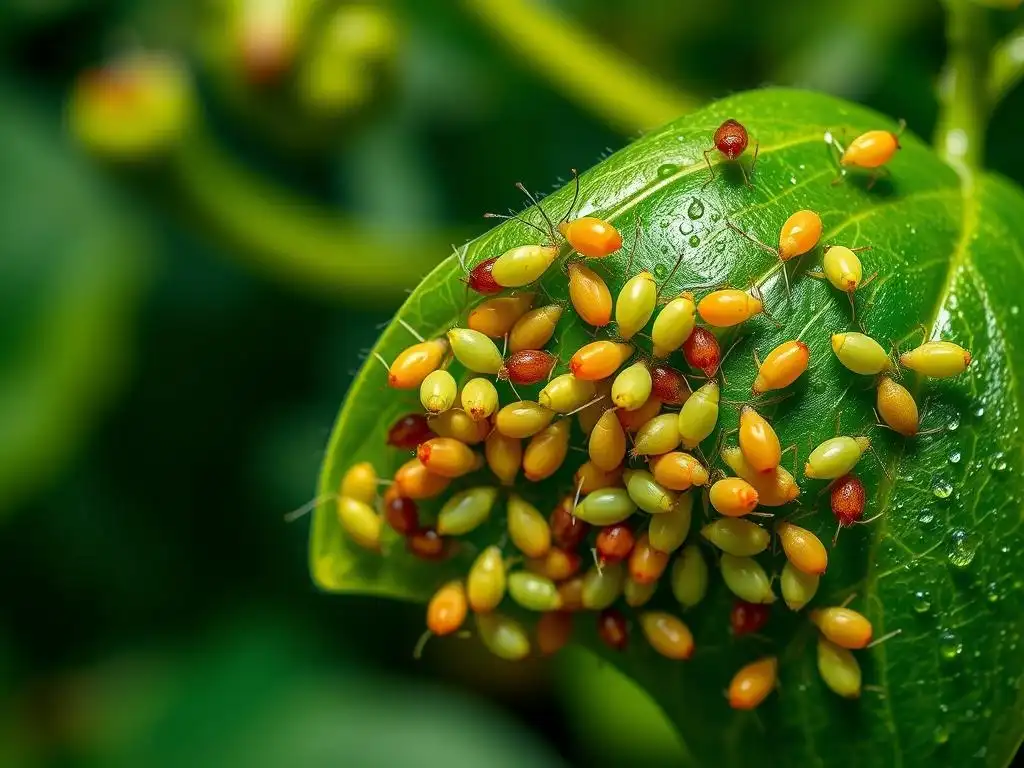
Welcome to CultivateYourFood, your guide to nurturing a thriving, sustainable garden! Are you ready to unlock the secrets to bountiful harvests? We'll equip you with the knowledge and techniques to grow your own fruits, vegetables, and herbs organically. But first, let's tackle a common challenge: learning to identify common garden aphids. This crucial first step in pest control will help you protect your precious plants and ensure a successful growing season. Read on to discover how to recognize these tiny invaders and take action before they wreak havoc on your garden!
- Understanding Common Garden Aphids: Types and Identification
- Aphid Life Cycle: Knowing the Stages of Infestation
- Signs of Aphid Infestation: Early Detection is Key
-
Effective Methods to Identify and Manage Aphid Infestations
- Visual Inspection: A Simple First Step in Aphid Identification
- Using a Magnifying Glass for Detailed Examination
- Checking for Aphid Colonies: Leaf Undersides, New Growth, etc.
- Monitoring Plant Health: Regular checks for early signs
- Visual Identification: Distinguishing Aphids from Other Insects
- Using Magnification Tools for Accurate Identification: Hand Lenses and Microscopes
- Organic and Sustainable Aphid Control Strategies
- Frequently Asked Questions
- Final Reflection: The Enduring Battle Against Tiny Garden Invaders
- Ready to Conquer Those Aphids?
Understanding Common Garden Aphids: Types and Identification
Aphids are minuscule, soft-bodied insects that represent a significant threat to home gardens. These sap-sucking pests can quickly decimate plants, causing stunted growth, leaf curling, and even plant death. Identifying common garden aphids is the crucial first step in effective pest management. This guide will equip you with the knowledge to recognize these tiny invaders, allowing you to implement timely and sustainable control measures before significant damage occurs.
We'll explore various aphid species, focusing on visual identification cues such as size, shape, color, and preferred host plants. Learning to identify aphids accurately allows for targeted interventions, minimizing the need for broad-spectrum pesticides and promoting a healthier, more sustainable garden ecosystem. Early detection is key to preventing a large-scale infestation and protecting your precious fruits, vegetables, and herbs. This guide will help you become a more confident and effective gardener, ready to tackle any aphid invasion.
Recognizing Aphid Size and Shape: A Visual Guide
Aphids are incredibly small, typically ranging in size from 1 to 3 millimeters. Think of the size of a pinhead – that gives you a good idea of their scale! Their bodies are generally pear-shaped, although this can vary slightly depending on the species. Many aphids have a soft, delicate appearance. You might notice their soft bodies are covered in a fine layer of wax.
Using a magnifying glass can greatly assist in observing their detailed features. Some species exhibit a more elongated or oval shape. While their size makes them difficult to spot at first glance, a careful examination of leaves and stems will often reveal clusters of these tiny pests. Look for subtle signs of their presence, such as honeydew (a sticky, sugary substance they excrete) or leaf distortion.
| Aphid Characteristic | Description |
|---|---|
| Size | 1-3 millimeters (approximately the size of a pinhead) |
| Shape | Pear-shaped, oval, or elongated |
| Body | Soft, delicate, often covered with a waxy layer |
Common Aphid Colors and Markings
Aphid coloration is highly variable, adding another layer of complexity to their identification. They can be found in a wide array of colors, including green, black, brown, yellow, red, and even pink! Some species display distinctive markings, such as stripes, spots, or patterns. These markings can be crucial for differentiating between species.
For example, the Macrosiphum euphorbiae (Potato aphid) is often described as having a dark body with a pale stripe down its back. Others, like the Aphis gossypii (Cotton aphid), are more uniformly colored. Pay close attention to both the overall color and any distinguishing patterns or markings when attempting to identify the specific aphid species affecting your plants. Remember, color alone isn't always definitive, so combining this observation with other identifying factors is essential.
Here's a simplified color guide:
- Green Aphids: Common and often found on a variety of plants.
- Black Aphids: Frequently observed on beans and other legumes.
- Brown Aphids: Can infest a range of plants, often appearing on roses.
- Yellow/Pink Aphids: These are less common but can be found on specific plants.
Identifying Aphids by Plant Host: Rose Aphids, Bean Aphids, etc.
Many aphid species exhibit a strong preference for specific host plants. Knowing the types of plants in your garden can significantly aid in aphid identification. For instance, rose aphids ( Macrosiphum rosae) are predominantly found on roses, while bean aphids ( Aphis fabae) favor legumes like beans and broad beans. This host plant specificity can be a valuable tool for narrowing down the possibilities. Observing the plant on which the aphids are located provides a strong clue to their identity.
However, remember that some aphid species are polyphagous, meaning they feed on a wider range of plants. This host plant association, combined with the information from previous sections, provides a more comprehensive approach to identification. Keep a detailed record of your observations, noting both the aphid's characteristics and the host plant. This information is invaluable for effective and targeted pest management strategies.
Distinguishing Aphids from Other Small Insects: Ladybugs, Lacewings, etc.
Aphids, while tiny, possess distinct characteristics that set them apart from other small insects often found in gardens. Confusing them with beneficial insects like ladybugs or lacewings can lead to unintended harm to your plants. Careful observation is key to accurate identification.
One crucial difference lies in their body shape. Aphids are typically pear-shaped, with soft bodies. Ladybugs, in contrast, are dome-shaped and have hard, shiny elytra (wing covers). Lacewings, while also delicate, have lacy wings that are easily visible, a feature entirely absent in aphids. Furthermore, aphids often cluster in large colonies on the undersides of leaves and stems, a behavior less common with ladybugs and lacewings, which are usually more solitary or found in smaller groups.
Color can be another helpful distinguishing feature, but it's not foolproof. Aphids exhibit a wide range of colors, from green and yellow to black and brown, sometimes even exhibiting a reddish hue. However, the uniformity of color within a colony can be a clue; aphids in a single colony tend to share a similar coloration. Ladybugs, on the other hand, display more variation in their markings and colors, even within a single species. Lacewings are typically characterized by their pale green or brown bodies and delicate, transparent wings.
Finally, consider their movement. Aphids are relatively slow-moving, often appearing almost stationary. Ladybugs are more agile, while lacewings are known for their graceful flight. Observing the insect's movement, combined with its physical characteristics, will significantly improve your ability to identify it correctly. Mistaking a beneficial insect for an aphid can lead to the unnecessary application of pesticides, harming beneficial insects and potentially disrupting the natural balance of your garden ecosystem. Therefore, accurate identification is crucial for effective and sustainable pest management.
Aphid Life Cycle: Knowing the Stages of Infestation
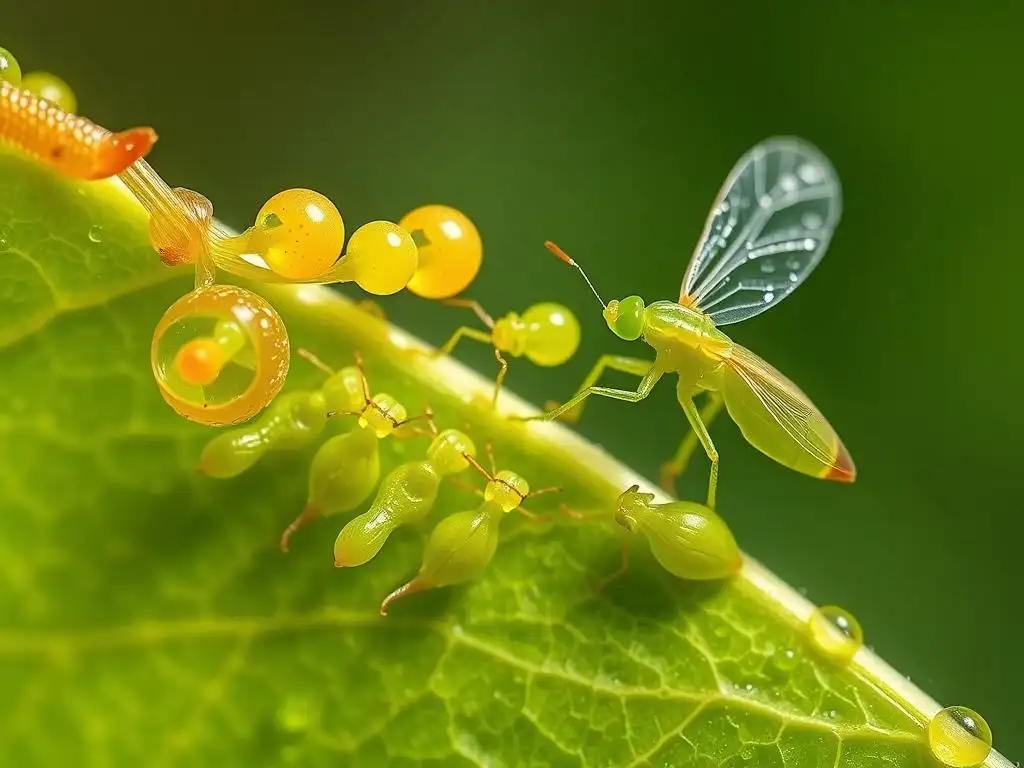
Understanding the aphid life cycle is crucial for effective pest management. Aphids undergo incomplete metamorphosis, meaning they don't have a pupal stage. Instead, they progress through three main stages: egg, nymph, and adult. Knowing how to identify aphids at each stage allows for early detection and intervention, preventing significant damage to your crops. Early identification is key to successfully implementing organic pest control methods and preventing widespread infestation. This knowledge empowers you to "Identify common garden aphids" effectively.
Egg Stage: Identifying Aphid Eggs on Plants
Aphid eggs are incredibly small, typically less than 1 millimeter in length. Their color varies greatly depending on the species, ranging from black and brown to pale green or even yellow. They're usually oval or oblong in shape. Finding them requires a keen eye and a magnifying glass might be helpful. Eggs are often laid in protected areas of the plant, such as crevices in the bark, under leaves, or near buds.
They are frequently found clustered together in groups of varying sizes. You'll often find them overwintering on host plants, hatching in the spring when conditions are favorable. Detecting these tiny eggs early is a critical step in preventing a significant aphid infestation. This is a crucial part of learning how to "Identify common garden aphids".
Nymph Stage: Recognizing Immature Aphids
Nymphs are essentially miniature versions of adult aphids, lacking only wings and full reproductive capabilities. They are often lighter in color than adults, and their bodies are less developed. They’re also quite mobile, crawling around the plant in search of food. Nymphs typically feed on plant sap, just like adults, causing similar damage such as leaf curling and stunted growth.
Observing these immature aphids is a clear indicator of an ongoing infestation and a prompt to take action. Their presence allows you to implement preventative measures before the adult aphids reach their reproductive peak. Identifying them helps in effectively managing the spread of "common garden aphids".
Adult Aphid Stage: Identifying Mature Aphids
Adult aphids are easily recognizable by their pear-shaped bodies, soft bodies, and long, slender legs. Their size is typically between 1 and 5 millimeters, depending on the species. They exhibit a wide range of colors, including green, black, brown, red, and even yellow. Some species have distinctive markings or patterns. Many adult aphids develop wings, enabling them to disperse easily to other plants.
These winged aphids are often the reason for rapid spread of infestations. Adult aphids are the most prolific feeders and breeders, causing the most significant damage. Their presence signals a need for immediate action to control the population before it explodes. Recognizing these mature insects is the final step in successfully learning how to "Identify common garden aphids" and implementing effective control strategies. This careful observation is critical for successful organic gardening.
Aphid Reproduction and Infestation Rate: Understanding the Spread
Aphids are remarkably prolific breeders, and understanding their reproductive strategies is crucial for effective pest management. Many aphid species reproduce asexually through a process called parthenogenesis. This means a single female aphid can produce numerous offspring without mating, leading to exponential population growth in a short period. A single aphid colony can quickly swell into thousands within a few weeks, especially under favorable conditions like warm temperatures and abundant food sources. This rapid reproduction is a key factor in their ability to overwhelm plants and cause significant damage.
Consider the impact of this rapid reproduction. Imagine a single aphid landing on a leaf of your prized rose bush. Within a week, that single aphid might produce dozens of offspring. These offspring, in turn, will begin reproducing within days, leading to a geometric increase in aphid numbers. This rapid multiplication explains why aphid infestations can seem to appear overnight, going from a few scattered individuals to a dense covering of pests in a surprisingly short time. Effective monitoring and early intervention are key to preventing this rapid escalation.
The rate of infestation is also influenced by environmental factors. Warm, humid weather is generally ideal for aphid reproduction and survival. Conversely, cold temperatures and strong winds can negatively impact their population growth. The availability of host plants is another crucial element. Aphids are highly specialized in their host preferences, meaning they often target specific plants.
A dense planting of a susceptible species will provide an ideal breeding ground, accelerating the infestation rate dramatically. Conversely, diverse planting schemes can help to naturally limit aphid populations by reducing the availability of suitable host plants. Careful observation of your garden's environment and the specific plants targeted by aphids is essential for understanding and managing infestation rates effectively. Understanding this rapid reproductive capacity is key to implementing timely and effective control measures.
Signs of Aphid Infestation: Early Detection is Key
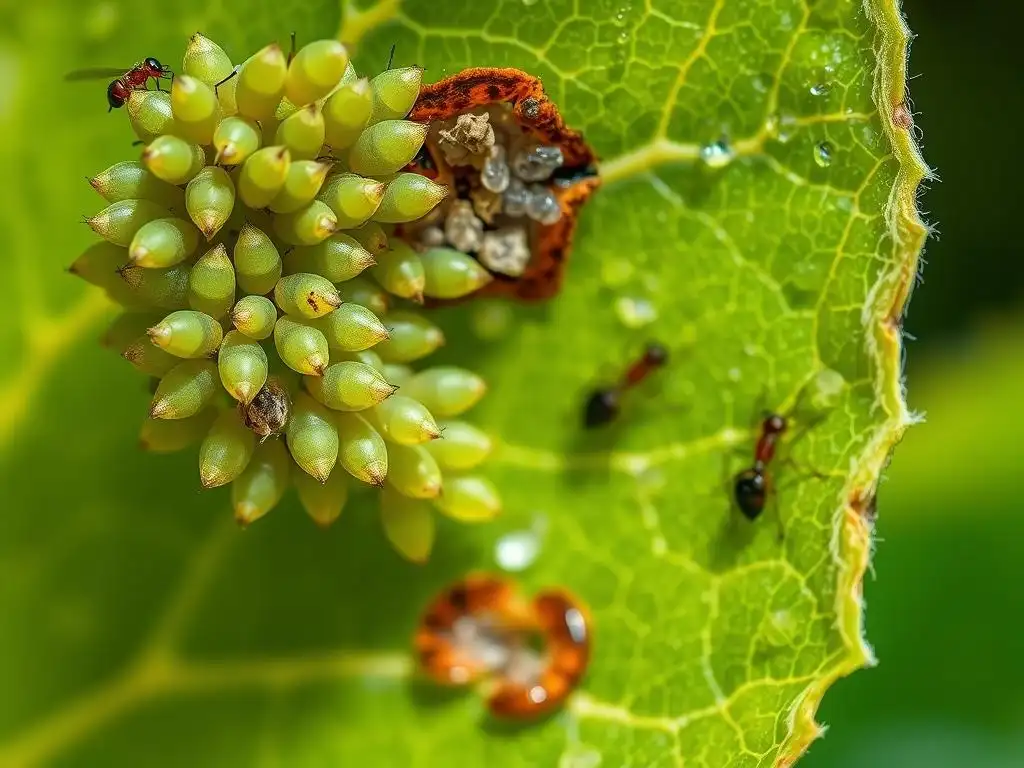
Identifying common garden aphids early is crucial for effective pest management. A proactive approach minimizes damage to your precious plants and reduces the need for harsh chemical interventions, aligning with our sustainable gardening philosophy. Ignoring early signs can lead to significant crop loss and necessitate more extensive control measures. This section details the key indicators of an aphid infestation, empowering you to take swift action. Remember, early detection is your best defense against these tiny but destructive pests.
Leaf Curling and Distortion: A Telltale Sign of Aphids
One of the most noticeable signs of an aphid infestation is leaf curling and distortion. Aphids, with their piercing-sucking mouthparts, feed on plant sap, weakening the plant and causing visible damage. This feeding activity often results in leaves that curl inwards, becoming distorted and misshapen. The degree of curling and distortion varies depending on the severity of the infestation and the plant species affected. For example, on delicate plants like roses, even a small infestation can cause noticeable leaf curling.
Conversely, more robust plants might show minimal signs until the infestation becomes quite severe. Regularly inspecting the leaves of your plants, paying close attention to their shape and texture, is a simple yet highly effective way to identify this early warning sign. Look for leaves that appear unusually crumpled, folded, or twisted—these are strong indicators of aphid activity. 🌿
Honeydew Production: Identifying the Sticky Residue
Another significant clue in identifying common garden aphids is the presence of honeydew. Honeydew is a sticky, sweet substance excreted by aphids as they feed on plant sap. This sugary residue coats the leaves, stems, and even the ground beneath infested plants.
It's often shiny and feels quite tacky to the touch. The honeydew itself isn't directly harmful to the plant, but it creates a perfect breeding ground for sooty mold, a secondary fungal infection that can further impair plant health. The presence of honeydew, therefore, acts as a double warning sign: it directly indicates aphid activity and indirectly points to the potential for a more serious fungal problem.
When inspecting your plants, carefully examine the leaves and stems for this characteristic sticky residue. A quick wipe with your finger will confirm its presence. The amount of honeydew can vary; a light dusting suggests a relatively small infestation, while a heavy coating indicates a more serious problem requiring immediate attention.
Sooty Mold: A Secondary Indicator of Aphid Infestation
Sooty mold is a black, powdery fungus that thrives on the honeydew secreted by aphids. This fungus doesn't directly attack the plant but forms a dark coating on leaves, stems, and fruit, hindering photosynthesis and reducing the plant's ability to produce food. The sooty mold itself isn't a primary indicator of aphids, but its presence is a strong secondary sign, confirming an existing infestation.
The appearance of sooty mold often accompanies a significant aphid population, signaling that the infestation has progressed beyond the early stages. While sooty mold can be cleaned off, the underlying aphid problem needs to be addressed to prevent its recurrence. The combination of honeydew and sooty mold presents a clear indication of a substantial aphid infestation, highlighting the need for prompt and effective control measures.
Regularly inspecting your plants for this dark, powdery coating can prevent more extensive damage and maintain the health of your garden. 🦠
Wilting Plants and Reduced Growth: Signs of Severe Infestation
Severe aphid infestations can significantly impact plant health, leading to visible signs of distress. One of the most noticeable symptoms is wilting. This isn't the wilting you might see from underwatering; instead, aphid-infested plants exhibit a general droopiness, even when adequately watered. This is because aphids, with their piercing-sucking mouthparts, drain the plant's sap, depriving it of essential nutrients and moisture. The plant struggles to maintain turgor pressure – the internal water pressure that keeps it upright and firm – resulting in a noticeable wilt.
You might observe this wilting across the entire plant or localized to specific branches or leaves, depending on the severity and location of the aphid colonies. The wilting is often accompanied by a general decline in plant vigor. New growth appears stunted, leaves may be smaller than normal, and the overall growth rate is significantly reduced. Healthy, vibrant green foliage will appear pale, yellowed, or even distorted. This reduced growth is a direct consequence of the aphids' continuous sap-sucking, hindering the plant's ability to photosynthesize efficiently and produce the energy it needs to thrive.
In extreme cases, severe wilting and stunted growth can lead to the death of the plant if the infestation is not addressed promptly. Early detection of these symptoms is crucial for effective treatment and preventing irreversible damage. Regularly inspecting your plants, particularly the undersides of leaves where aphids often congregate, is a proactive step towards identifying and managing these pests before they cause significant harm. Remember, early intervention is key to preventing widespread damage and protecting your valuable plants.
Effective Methods to Identify and Manage Aphid Infestations
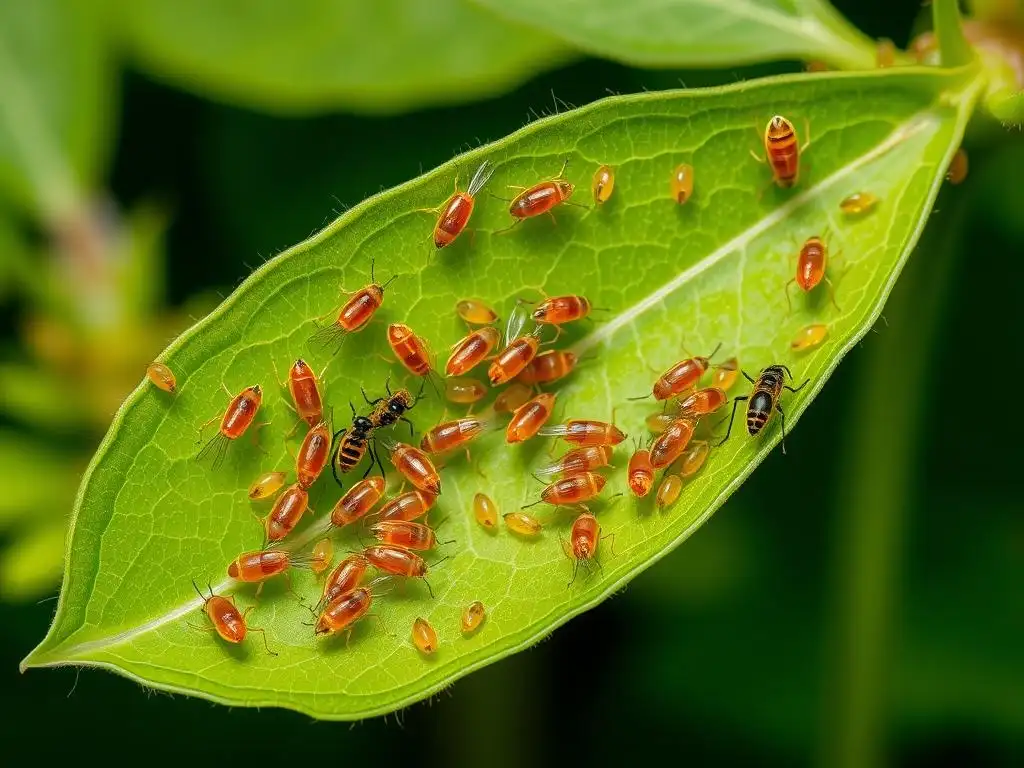
This section focuses on practical, hands-on techniques for identifying and managing aphid infestations in your home garden. Early detection is crucial for preventing widespread damage to your fruits, vegetables, and herbs. Remember, successful aphid control relies on a combination of careful observation and timely intervention using sustainable methods. Let's delve into the specifics of identifying these tiny, yet destructive pests.
Visual Inspection: A Simple First Step in Aphid Identification
The first and often easiest method for identifying common garden aphids is through visual inspection. Aphids are typically small, soft-bodied insects, ranging in size from 1 to 10 millimeters. Their color varies greatly depending on the species and the plant they infest; you might encounter green, black, brown, white, or even reddish aphids. Look for these tell-tale signs during your routine garden checks:
- Clustering: Aphids often gather in large colonies, particularly on young, tender growth. This clustering behavior is a key indicator of an infestation.
- Distinctive Shapes: While size and color vary, aphids generally have a pear-shaped body with long, slender legs and antennae.
- Honeydew: Aphids secrete a sticky, sweet substance called honeydew. This residue is often visible on leaves and stems below the aphid colony, sometimes attracting ants. The presence of honeydew is a strong indicator of an aphid problem, even if the aphids themselves are difficult to spot initially.
- Leaf Curl or Distortion: Heavy aphid infestations can cause leaves to curl, distort, or become stunted. This damage is a secondary sign, but often a very noticeable one.
Regular visual checks, especially on new growth and the undersides of leaves (see next section), will allow for early detection and prompt treatment, minimizing the impact on your plants. Remember to check all parts of the plant, including stems and buds.
Using a Magnifying Glass for Detailed Examination
While visual inspection is a good starting point to identify common garden aphids, using a magnifying glass can significantly improve your accuracy. A simple hand lens, even a relatively inexpensive one, can provide a much clearer view of these tiny insects. This allows for easier identification of specific aphid species, facilitating targeted treatment strategies.
Using a magnifying glass, you can clearly observe:
- Body features: Examine the aphid's body shape, color, and any distinguishing markings. These details are crucial for precise identification.
- Antennae length: The length of the antennae can help differentiate between various aphid species.
- Siphunculi (cornecles): Many aphids possess siphunculi, which are tube-like structures on their abdomen. These structures are used to secrete defensive fluids. Observing their presence and shape adds to the identification process.
- Presence of eggs: During certain times of the year, you may find aphid eggs on the plant. These are usually small, oval, and often laid in clusters.
By combining visual inspection with magnification, you'll gain a much more precise understanding of the type of aphid infestation you're dealing with and can then choose the most appropriate control method.
Checking for Aphid Colonies: Leaf Undersides, New Growth, etc.
Aphids have a preference for certain areas of plants. Knowing their favored locations significantly increases the chance of early detection. Therefore, when inspecting your plants for aphids, concentrate your efforts on these prime locations:
| Location | Why Aphids Favor This Area | Tips for Inspection |
|---|---|---|
| Leaf Undersides | Provides protection from predators and harsh weather conditions | Carefully turn over each leaf to inspect the underside thoroughly. |
| New Growth | Tender, young shoots are easier to penetrate for feeding. | Pay close attention to the tips of stems and new leaves. |
| Buds | Similar to new growth, buds offer easy access to plant sap. | Gently open buds to check for aphids concealed within. |
| Stems | Aphids may cluster along stems, particularly near leaf junctions. | Examine the stems thoroughly, paying attention to crevices. |
Remember that early detection is key. Regular, diligent inspections using these techniques will help you identify common garden aphids before they cause significant damage to your precious plants. Early intervention, using organic and sustainable methods, is the most effective way to manage aphid infestations and protect your harvest. 🌱
Monitoring Plant Health: Regular checks for early signs
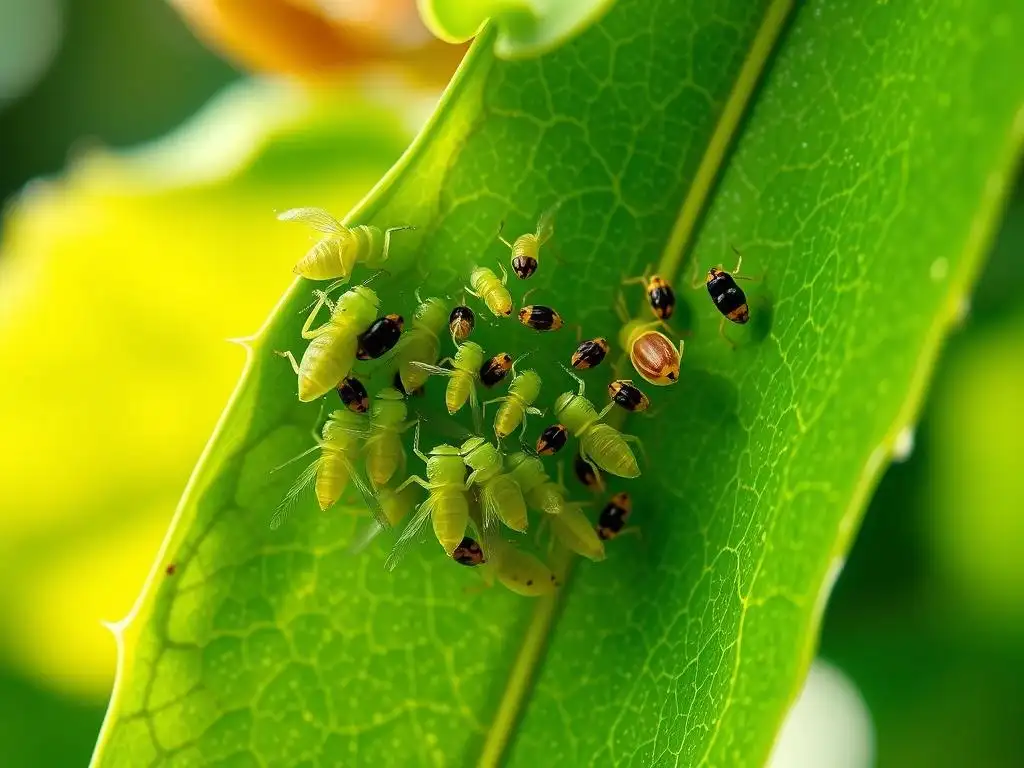
Regularly inspecting your plants is the first and most crucial step in identifying and managing aphid infestations. Early detection significantly increases your chances of successful control before a large-scale infestation occurs. Aim for a thorough check at least once a week, more frequently during periods of rapid plant growth or warm, humid weather when aphids thrive. Focus your attention on the undersides of leaves, buds, and young shoots – these are aphid hotspots.
Look for clusters of tiny, pear-shaped insects, often with a noticeable waxy coating. You might also see signs of their feeding, such as curled or distorted leaves, sticky honeydew (a sugary excretion), and sooty mold growing on the honeydew. Don't forget to check the stems and any new growth for signs of infestation. The earlier you catch an infestation, the easier it will be to manage it using less intensive methods.
Even a small number of aphids can quickly multiply, so prompt action is key. Remember to check all your plants, not just those you suspect might be affected, as aphids can easily spread from one plant to another. A proactive approach to monitoring plant health is fundamental to successful aphid management and overall garden health.
Visual Identification: Distinguishing Aphids from Other Insects
While aphids are relatively easy to identify, it's important to distinguish them from other small insects that might be present in your garden. Knowing the specific aphid species can help you tailor your control methods more effectively. Use a magnifying glass to examine the insects closely. Aphids are typically soft-bodied, pear-shaped, and range in color from green, yellow, and black to brown and even red, depending on the species and the plant they're feeding on.
They usually have long, slender legs and antennae. Compare your observations to images and descriptions in field guides or online resources specializing in garden pests. Pay close attention to the size, color, and any distinguishing physical characteristics. For example, some aphids have a waxy coating, while others might have siphunculi (tube-like structures on their abdomen).
Misidentifying the insect could lead to ineffective control strategies. Accurate visual identification is crucial for choosing the right approach to manage the infestation, whether it's through natural methods or the application of specific pesticides. Take high-quality pictures to aid in identification if needed; a clear image can be incredibly valuable when seeking expert advice.
Using Magnification Tools for Accurate Identification: Hand Lenses and Microscopes
While you can often visually identify aphids with the naked eye, utilizing magnification tools significantly enhances accuracy, particularly when dealing with smaller or less obvious aphid species. A simple hand lens, even a 10x magnification, allows for a much clearer view of the aphid's characteristics, such as its size, color, and body shape. This level of detail is crucial for differentiating aphids from other similar-looking insects.
For a more thorough examination, a low-power microscope (10x to 40x) can provide even greater detail, revealing fine structures like siphunculi and antennae, which are key identifiers. This is especially helpful in identifying the specific aphid species infesting your plants. Knowing the species helps determine the most effective control method.
For example, some aphid species are more susceptible to certain natural predators or pesticides. Using magnification tools helps confirm the presence of aphids and enables you to choose the most targeted and effective control strategy, minimizing the environmental impact and maximizing the chances of successful pest management. The investment in a hand lens or microscope is a valuable tool for any serious gardener.
Organic and Sustainable Aphid Control Strategies
Dealing with aphids organically is crucial for maintaining the health of your plants and the environment. Avoid harsh chemicals that can harm beneficial insects and pollute your soil. Instead, focus on integrated pest management (IPM) strategies that prioritize prevention and sustainable solutions. This section will explore several organic and sustainable methods to effectively manage aphid infestations while keeping your garden thriving and eco-friendly. Successfully identifying common garden aphids is the first step towards implementing effective control.
Natural Predators: Encouraging Beneficial Insects
One of the most effective ways to control aphids organically is to encourage their natural enemies to inhabit your garden. These beneficial insects will help keep aphid populations in check naturally, reducing the need for chemical interventions. Many insects prey on aphids, significantly impacting their lifecycle and preventing large-scale infestations.
Several key beneficial insects are particularly effective aphid predators. Ladybugs, for instance, are voracious aphid eaters, both in their larval and adult stages. Lacewings, similarly, are effective predators, with their larvae consuming large numbers of aphids. Hoverflies, while their adult forms feed on nectar and pollen, their larvae are dedicated aphid hunters. Syrphid flies are another excellent example of beneficial insects that can help control aphid populations.
To attract these beneficial insects, plant a diverse range of flowering plants that provide nectar and pollen sources. These "companion plants" not only support the predators but also improve the overall health and biodiversity of your garden ecosystem. Avoid using broad-spectrum insecticides that could inadvertently harm these beneficial insects, undermining your pest control efforts. Careful monitoring of your plants will enable you to identify and encourage the presence of these natural aphid control agents. This proactive approach is a cornerstone of identifying common garden aphids and managing them sustainably.
Homemade Insecticidal Soaps: Safe and Effective Solutions
Homemade insecticidal soaps offer a safe and effective alternative to commercial pesticides for controlling aphids. These soaps work by disrupting the aphids' cell membranes, leading to dehydration and death. They are significantly less harmful to beneficial insects and the environment compared to chemical pesticides, making them a key component of any organic gardening strategy.
A simple recipe involves combining a few tablespoons of mild dish soap (avoid those with added fragrances or chemicals) with a gallon of water. Thoroughly mix the solution and apply it directly to the affected plants, ensuring complete coverage of the leaves and stems where aphids are concentrated. It's essential to test the solution on a small area of the plant first to ensure it doesn't cause damage.
Reapplication may be necessary, depending on the severity of the infestation and weather conditions. Remember, consistent application is key to effectively managing aphid populations using this method. This approach is particularly useful when identifying common garden aphids early, allowing for a less intensive intervention.
Water Spraying: A Simple and Effective Method for Light Infestations
For very light aphid infestations, a simple water spray can be surprisingly effective. A strong stream of water from a hose can dislodge aphids from plants, reducing their numbers and preventing further damage. This method is best suited for easily accessible plants and is most effective when used early in the infestation. While not a complete solution for large infestations, it's a valuable tool for early intervention and prevention.
This low-impact approach is environmentally friendly and an excellent complement to other organic control methods. Regular inspection of your plants allows you to identify common garden aphids early, and the water spray method becomes a highly effective and readily available solution. Combine this with the careful monitoring mentioned previously to ensure long-term success in managing this common garden pest.
Neem Oil Application: A Natural and Effective Treatment
Neem oil, derived from the neem tree ( Azadirachta indica), is a potent and widely used organic insecticide. Its effectiveness against aphids stems from its ability to disrupt their life cycle. Neem oil doesn't kill aphids instantly like some chemical pesticides; instead, it acts as an antifeedant, preventing aphids from feeding on your plants. This leads to starvation and ultimately, a reduction in their population. Furthermore, neem oil interferes with aphid reproduction, hindering their ability to lay eggs and thus limiting future infestations. Applying neem oil is relatively straightforward.
You'll need to dilute the oil according to the manufacturer's instructions – typically, a ratio of 1-2 tablespoons per gallon of water is recommended. Thorough coverage of the affected plant parts is crucial, ensuring that the oil reaches the aphids directly. Remember to apply neem oil in the early morning or evening to minimize evaporation and maximize its effectiveness. It's also important to note that neem oil is most effective as a preventative measure or in the early stages of an infestation. For heavy infestations, a combination of neem oil and other organic control methods may be necessary. Always test a small area of your plant first to ensure that the neem oil doesn't cause any adverse reactions.
Regular applications, typically every 7-10 days, may be needed to maintain control, especially during periods of rapid aphid reproduction. Proper application and persistence are key to successfully utilizing neem oil in your organic aphid control strategy. Remember to always wear protective gloves and clothing when handling neem oil. Dispose of leftover oil responsibly according to local regulations. Proper stewardship of this natural resource is vital for its continued effectiveness and environmental safety.
Frequently Asked Questions
What are aphids, and why are they a problem for my garden?
Aphids are tiny, soft-bodied insects that suck the sap from plants. This sap-sucking weakens plants, stunts growth, and can lead to leaf curling, yellowing, and even plant death. They also transmit plant viruses.
How can I identify aphids in my garden?
Aphids are usually small (1/16 to 1/8 inch long) and pear-shaped. They come in various colors, including green, black, brown, and white. Look for them clustered on the undersides of leaves, near new growth, or on stems.
What are some common signs of an aphid infestation?
Look for curled or distorted leaves, sticky honeydew (a sugary substance aphids excrete), sooty mold growing on the honeydew, and the presence of ants (which farm aphids for honeydew). Wilting plants can also be an indicator.
Are there any natural ways to control aphids?
Yes! Strong water sprays can dislodge aphids. Introducing beneficial insects like ladybugs or lacewings can help control populations. Neem oil is also an effective organic pesticide.
What should I do if I have a severe aphid infestation?
For severe infestations, you may need to use a stronger insecticide. However, always prioritize organic and sustainable options first, and consider contacting a local gardening expert for advice before resorting to harsh chemicals.
Final Reflection: The Enduring Battle Against Tiny Garden Invaders
Understanding aphids is not merely a matter of botanical knowledge; it's a crucial skill for every gardener striving for a thriving, healthy garden. The seemingly insignificant aphid, with its minuscule size, poses a significant threat to plant health and the overall success of our gardening endeavors. Ignoring these pests can lead to widespread damage, impacting both yield and the aesthetic beauty of our green spaces.
The impact of aphids extends far beyond the individual garden; they represent a constant challenge to sustainable agriculture and the preservation of biodiversity. Their prolific reproduction and adaptability make them a persistent foe. The greatest threat to our planet is the belief that someone else will save it.
– Robert Swan. This quote, while addressing a broader environmental concern, resonates deeply with the responsibility each gardener bears in managing these tiny, yet powerful, pests. We must actively participate in protecting our gardens, not just for our personal enjoyment, but for the health of the wider ecosystem.
Now, armed with the knowledge gained from this guide, I invite you to step into your garden with a new perspective. Don't just see plants; see a vibrant ecosystem teeming with life, both beneficial and detrimental. Take the time to carefully inspect your plants, identifying potential aphid infestations early. Remember the strategies discussed – from natural predators to effective organic controls – and empower yourself to cultivate a thriving garden, free from the destructive power of these tiny invaders. Your garden's future, and the health of your plants, depends on it.
Ready to Conquer Those Aphids?
Thank you for learning about identifying aphids! We hope this guide has equipped you with the knowledge to protect your plants. Now it's time to put that knowledge into action.
- Inspect your garden thoroughly for aphids today. Carefully check the undersides of leaves and new growth; early detection is crucial.
- Share this guide with other gardeners who might be battling these pests. Knowledge sharing is incredibly valuable.
- Consider using a natural aphid deterrent, such as a soapy water spray. Many recipes are available online; experiment to find what works best for you.
Ready to share your success (or challenges) in fighting aphids? What's your preferred method for dealing with these tiny invaders?