
Identifying Common Plant Diseases by Leaf Color Changes

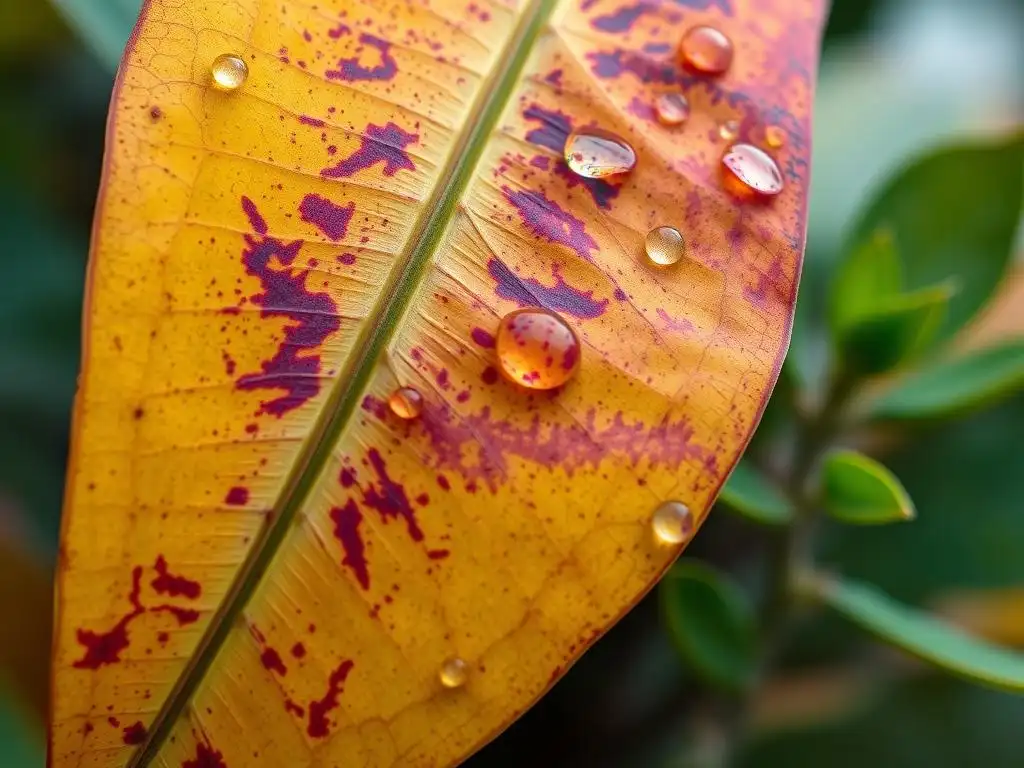
Welcome to CultivateYourFood, your guide to nurturing a thriving garden using sustainable and organic methods! Are you puzzled by the subtle shifts in your plants' leaf color? This could be more than just a change of season. Our in-depth Leaf color plant disease guide within our Pest and Disease Control section will help you decipher these vital clues and safeguard your precious fruits, vegetables, and herbs from unseen threats. Discover how to identify common plant diseases early and implement effective, eco-friendly solutions – unlock the secrets to a healthy and abundant harvest!
- Understanding Leaf Color Changes as Indicators of Plant Disease
- Yellowing Leaves: Causes and Diagnoses
- Browning Leaves: Deciphering the Clues
- Reddish or Purple Leaves: Interpreting Unusual Pigmentation
- Leaf Spotting: Identifying Patterns and Associated Diseases
- Leaf Wilting and Color Changes: A Comprehensive Look
- Using a Leaf Color Plant Disease Guide for Effective Treatment
-
Frequently Asked Questions
- What leaf colors indicate a plant disease?
- How can I differentiate between nutrient deficiencies and diseases based on leaf color?
- Are there specific leaf color changes associated with fungal diseases?
- What should I do if I notice unusual leaf color changes on my plants?
- Where can I find more information on diagnosing plant diseases using leaf color?
- Final Reflection: Unlocking the Secrets Whispered by Leaves
- Uncover Your Garden's Secrets: Diagnose & Treat Plant Illnesses Now
Understanding Leaf Color Changes as Indicators of Plant Disease
Leaf color is a crucial indicator of a plant's overall health. A vibrant, consistent coloration speaks volumes about the plant's well-being, reflecting proper nutrient uptake, sufficient sunlight, and an absence of disease or pest infestation. However, deviations from this healthy palette—subtle shifts in hue, unusual spotting, or overall discoloration—often serve as early warning signs of underlying plant diseases. This guide will help you understand how leaf color changes can signal various plant diseases, enabling early diagnosis and timely intervention.
Learning to interpret these visual cues is a cornerstone of successful home gardening, allowing for proactive disease management and the preservation of your precious fruits, vegetables, and herbs. This "Leaf color plant disease guide" will equip you with the knowledge to cultivate a thriving, healthy garden using sustainable and organic practices. We'll explore common disease indicators, emphasizing the importance of prompt diagnosis in maintaining the vitality of your plants.
Recognizing Healthy Leaf Coloration in Various Plants
Before we delve into the signs of disease, it's crucial to establish a baseline understanding of what constitutes healthy leaf coloration for different plant types. Healthy leaves exhibit a range of colors depending on the species and variety. For instance:
- Tomatoes: Mature tomato leaves should display a deep, rich green color. Slight variations in shade are normal, but significant yellowing or browning should raise concerns.
- Lettuce: Healthy lettuce leaves boast a vibrant, light green color, with a uniform texture and no discoloration.
- Basil: Basil leaves should be a bright, intense green. Yellowing or dark brown spots can indicate stress or disease.
The key is to familiarize yourself with the typical appearance of your specific plants. Regular observation will help you quickly identify any unusual changes in leaf color. Maintaining detailed records, including photographs, can be invaluable in tracking changes over time and documenting the health of your plants. This will allow for more effective diagnosis and treatment. Remember, consistent monitoring is key to early detection of potential problems.
Early Signs of Disease: Subtle Leaf Color Shifts
Early detection is critical in managing plant diseases effectively. Often, the first visible symptom is a subtle shift in leaf coloration. These changes can manifest in several ways:
- Chlorosis: This yellowing of leaves is often caused by nutrient deficiencies (like iron or magnesium) or viral infections. The yellowing may be uniform across the entire leaf or may appear in patches.
- Necrosis: This browning or blackening of leaf tissue indicates cell death, often due to fungal or bacterial infections. Necrosis may appear as spots, blotches, or a general browning of the leaf.
- Anthocyanin Production: Some plants respond to stress by producing anthocyanins, which cause a reddish or purplish discoloration of the leaves. While this can be a natural response, it can also signal a problem.
The appearance of these subtle changes should prompt closer inspection and potential intervention. A magnifying glass can help you examine the leaves for signs of pests or fungal growth. Keep in mind that the intensity and location of discoloration can offer valuable clues about the specific disease affecting your plant. For example, yellowing between leaf veins often suggests a nutrient deficiency, while spotty discoloration may indicate a fungal infection.
The Importance of Timely Diagnosis in Plant Health Management
Timely diagnosis is paramount in effectively managing plant diseases. Early intervention increases the likelihood of successful treatment and minimizes the spread of disease to other plants. Delaying treatment can lead to severe damage, reduced yields, and even plant death. A prompt response often involves simple measures such as adjusting watering practices, providing appropriate nutrients, or applying organic fungicides or pest control solutions.
By carefully observing leaf color changes and understanding their significance, you can effectively protect your homegrown fruits, vegetables, and herbs. This proactive approach is a vital aspect of sustainable and organic gardening practices, ensuring a healthy and bountiful harvest. Remember, a healthy plant starts with diligent observation and prompt action. 🌱
Yellowing Leaves: Causes and Diagnoses
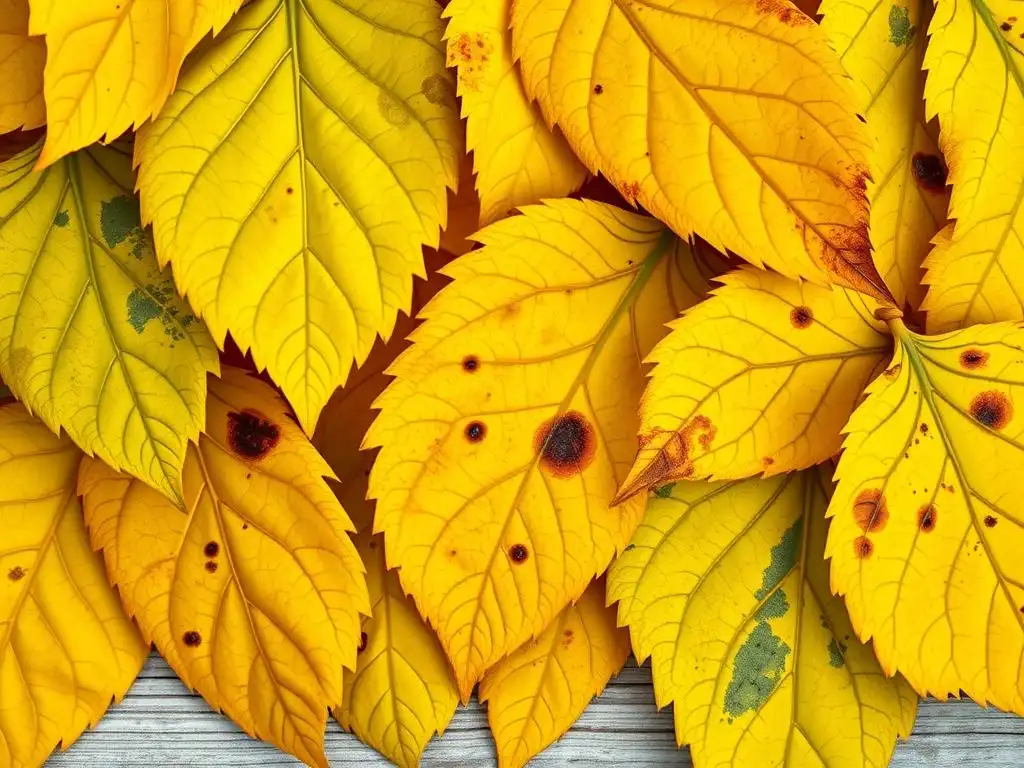
Yellowing leaves, a common symptom across numerous plant species, often serve as an early warning sign of underlying issues. Understanding the causes behind this discoloration is crucial for effective diagnosis and treatment. This section focuses specifically on interpreting yellowing leaves as indicators of plant disease, providing a "leaf color plant disease guide" to help you identify and address the problem.
We'll explore various factors contributing to this symptom, guiding you through a process of elimination to pinpoint the culprit. Accurate diagnosis is key to preventing further damage and ensuring a healthy harvest. Remember, prompt action is often essential for successful intervention.
Chlorosis: Nutrient Deficiencies and Their Impact on Leaf Color
Chlorosis, the yellowing of leaves due to insufficient chlorophyll production, is frequently linked to nutrient deficiencies. Different nutrient imbalances manifest in unique patterns. For instance, iron deficiency often presents as interveinal chlorosis – yellowing between the leaf veins, while magnesium deficiency may cause yellowing along the leaf margins, progressing inward. Nitrogen deficiency, a very common cause, typically results in a general yellowing of older leaves first, as the plant re-allocates nitrogen from older to newer growth.
To effectively diagnose chlorosis, consider the following:
- Leaf age: Are older or younger leaves affected? This helps narrow down the potential nutrient deficiency.
- Pattern of yellowing: Is the yellowing uniform, interveinal, or marginal?
- Soil type and pH: Certain soil conditions can hinder nutrient uptake, leading to chlorosis. A soil test can provide valuable insights.
- Recent fertilization practices: Over-fertilization with certain nutrients can also create imbalances, leading to chlorosis.
A simple leaf tissue test can confirm nutrient deficiencies and provide specific recommendations for corrective fertilization. It's important to use fertilizers appropriate for your plant type and soil conditions to avoid further problems.
While nutrient deficiencies are a frequent cause of yellowing leaves, bacterial and viral infections can also produce similar symptoms. These infections often present with additional symptoms beyond simple discoloration. Bacterial infections might be accompanied by water-soaked lesions or wilting, while viral infections could show leaf mottling, distortion, or stunted growth.
Identifying the specific pathogen requires closer examination. Look for:
- Presence of lesions or spots: Bacterial infections often cause distinct lesions or spots on the leaves, which can be water-soaked or have a different texture than the surrounding tissue.
- Leaf distortion or mottling: Viral infections often cause leaf distortion, curling, or mottling (a pattern of irregular spots or blotches).
- Systemic symptoms: Viral infections tend to affect the entire plant, while bacterial infections may be localized.
Unfortunately, there is often no cure for viral infections in plants. Removing and destroying infected plants is usually the best course of action to prevent the spread of the disease. Bacterial infections may respond to appropriate bactericides, but early detection and treatment are crucial.
Fungal Diseases Causing Yellowing Leaves: Identification and Treatment
Various fungal diseases can cause yellowing leaves, often accompanied by other symptoms such as leaf spots, powdery mildew, or rust. These diseases thrive in humid conditions and can spread rapidly.
Identifying the specific fungus requires careful observation:
- Powdery mildew: A white powdery coating on the leaves is characteristic of powdery mildew.
- Leaf spots: Distinct spots or lesions on the leaves, often with a characteristic color or pattern, may indicate various fungal leaf spot diseases.
- Rust: Orange or brown pustules on the undersides of leaves are indicative of rust diseases.
Effective treatment strategies depend on the specific fungal pathogen. Fungal diseases can often be managed with fungicides, but preventative measures, such as ensuring good air circulation and avoiding overhead watering, are essential. Maintaining a clean growing environment and removing infected plant debris are also crucial preventative steps in your "leaf color plant disease guide." Remember, early detection and prompt treatment are key to minimizing the impact of fungal diseases on your plants.
Browning Leaves: Deciphering the Clues
Leaf browning is a common symptom indicating various underlying issues in your plants. A comprehensive understanding of the different types of browning and their associated causes is crucial for effective diagnosis and treatment. This section serves as a detailed guide to help you decipher the clues hidden within your plants' browning leaves, leading you towards a successful resolution.
This guide will help you master the art of diagnosing plant diseases using leaf color, providing you with the knowledge to become a true expert in plant health. This is a key component of your successful journey towards a thriving organic garden. Remember, early detection is key to preventing widespread damage and ensuring a bountiful harvest.
Leaf Scorch: Environmental Stressors and Disease Indicators
Leaf scorch manifests as browning of the leaf margins, progressing inwards. It's often caused by environmental factors like excessive heat, drought, or insufficient watering. However, it can also be a symptom of certain diseases. The key difference lies in the pattern of browning. Environmental stress typically causes a uniform browning across multiple leaves, particularly those most exposed to sun or wind. Disease-induced leaf scorch often presents with irregular browning patterns, potentially accompanied by other symptoms like wilting or leaf drop.
For instance, consider a tomato plant experiencing severe heat stress. The leaves, especially the lower ones, will exhibit a gradual, uniform browning starting from the edges. This is clearly differentiated from a fungal infection like Verticillium wilt, which causes irregular browning and wilting, often affecting only one side of the plant initially. Careful observation of the pattern and progression of browning is therefore crucial in differentiating between environmental stress and disease. Monitoring soil moisture levels and providing adequate shade during heatwaves can mitigate environmental stress-induced leaf scorch.
Regularly checking your plants for signs of stress, including wilting, leaf discoloration, and overall plant vigor, will allow early detection and swift intervention. Early diagnosis is vital in preventing the spread of diseases and ensuring a healthy harvest. Remember to always consider the broader context of your garden environment when assessing leaf scorch.
Anthracnose and Other Fungal Infections Leading to Browning
Anthracnose, a common fungal disease affecting various plants, often causes characteristic brown spots or lesions on leaves. These lesions can expand, causing significant leaf browning and potentially leading to defoliation. Other fungal diseases, such as leaf spot and blight, can also result in brown spots and lesions, although their appearance might vary depending on the specific pathogen and plant species. Identification often requires close examination of the lesions, noting their size, shape, and any distinctive features like concentric rings or fruiting bodies.
For example, anthracnose on beans typically presents as small, dark brown lesions with reddish-brown margins, eventually coalescing to form larger, necrotic areas. Contrast this with leaf spot caused by Septoria lycopersici on tomatoes, which exhibits small, dark brown spots with yellow halos. Accurate identification is paramount for effective treatment, as different fungal pathogens respond to different fungicides. Proper sanitation, crop rotation, and the use of disease-resistant cultivars are crucial preventative measures.
Understanding the specific characteristics of different fungal diseases affecting your chosen plants is essential for accurate identification and effective treatment. Consulting a plant pathology guide or seeking advice from a local agricultural extension office can be invaluable in confirming your diagnosis and selecting appropriate management strategies. Prevention is always the most effective strategy, so ensure proper spacing to promote good air circulation, and avoid overhead watering.
Pest Infestations and Their Contribution to Leaf Browning
Certain pest infestations can directly or indirectly contribute to leaf browning. Direct damage may involve leaf miners creating tunnels within leaves, causing browning trails. Sucking insects, such as aphids and spider mites, can weaken plants, leaving them more susceptible to secondary infections and browning. These pests extract plant sap, leading to leaf discoloration and stunted growth, eventually causing browning and wilting. Additionally, some pests may introduce pathogens during feeding, exacerbating the problem.
For example, spider mites cause stippling and yellowing initially, gradually leading to browning and leaf drop as the infestation progresses. Leaf miners leave visible trails of brown damage within the leaf tissue. Careful observation, using a magnifying glass if necessary, is key to identifying these pests. Integrated pest management strategies, such as introducing beneficial insects, using insecticidal soaps, or employing other organic pest control methods, are essential in managing pest populations and preventing leaf browning.
Regular monitoring for pest activity is crucial. Early detection and prompt intervention prevent significant damage and maintain the health and vigor of your plants. Consider using sticky traps to monitor pest populations and employing appropriate biological controls to keep infestations under control, ensuring a vibrant and healthy garden.
Reddish or Purple Leaves: Interpreting Unusual Pigmentation
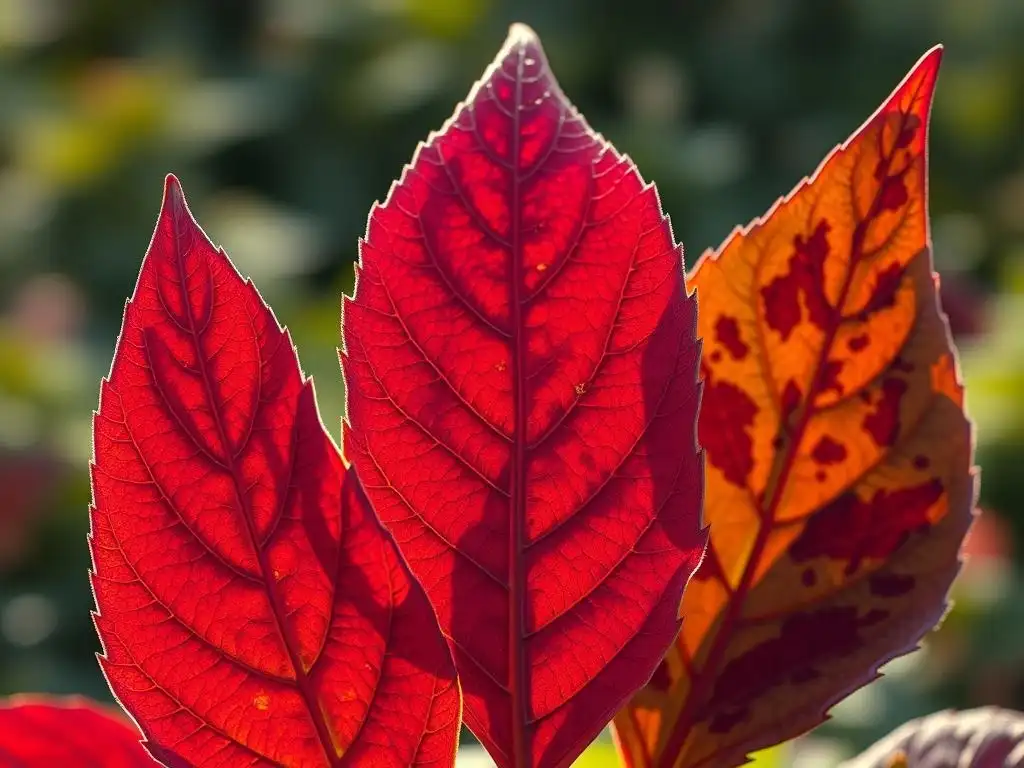
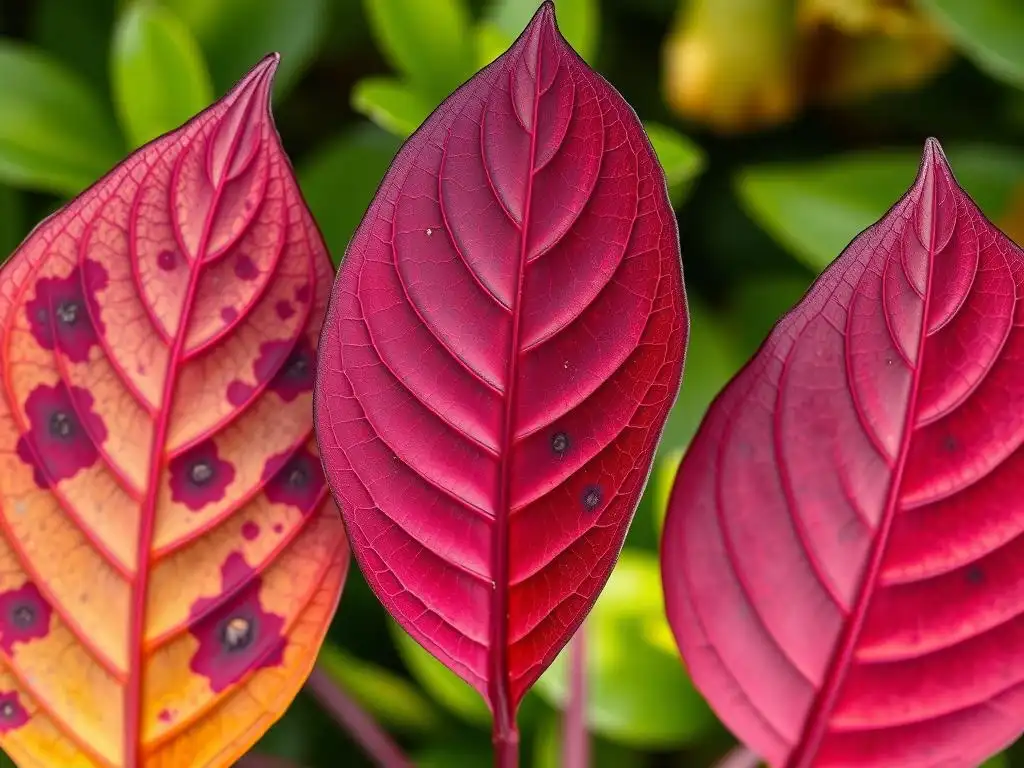
Reddish or purple leaves on your plants can be a sign of several underlying issues, ranging from simple nutrient deficiencies to more serious viral infections. This section of our Leaf color plant disease guide will help you diagnose the cause and take appropriate action. Understanding the nuances of leaf discoloration is crucial for successful organic gardening. Let's explore the common culprits behind this unusual pigmentation.
Nutrient Imbalances and Their Effect on Leaf Coloration
One of the most frequent causes of reddish or purplish leaves is a deficiency in phosphorus (P). Phosphorus plays a vital role in root development, flowering, and overall plant vigor. When phosphorus levels are low, plants may struggle to produce chlorophyll efficiently, leading to a reddish or purplish hue, particularly on older leaves. This is because phosphorus is often mobile within the plant, and during deficiency, it is redistributed from older leaves to newer growth.
This deficiency often manifests differently depending on the plant species. For example, tomatoes might show dark purplish stems and leaf undersides, while peppers may exhibit a general reddening of the foliage. Similarly, a lack of nitrogen (N) can also contribute to purplish leaves, although this is more often accompanied by overall yellowing and stunted growth.
To confirm a nutrient deficiency, a soil test is recommended. Soil testing kits are readily available, providing a detailed analysis of your soil's nutrient composition. Based on the results, you can amend your soil with appropriate organic fertilizers to restore the balance. For instance, adding composted manure or bone meal can increase phosphorus levels naturally. Remember that prevention is key; regular soil testing and the use of compost help to maintain optimal nutrient levels, minimizing the risk of nutrient-related leaf discoloration.
Stress-Induced Pigmentation: Cold Damage and Other Factors
Environmental stress can also trigger reddish or purplish coloration in plant leaves. Cold temperatures are a common culprit. When exposed to unexpectedly low temperatures, some plants may produce anthocyanins, pigments that give leaves a reddish or purplish appearance. This is a protective mechanism, though it can be alarming to the gardener. These pigments can help protect the plant from cold damage by absorbing and dissipating excess light energy.
Other stress factors, such as drought, can also induce anthocyanin production. Drought stress can lead to a decrease in chlorophyll production, making the reddish or purplish pigments more visible. Similarly, extreme heat or sudden changes in temperature can also trigger stress responses resulting in leaf discoloration. Proper watering, mulching to regulate soil temperature, and selecting plants appropriate for your climate are crucial preventive measures. Observing the overall health of the plant—alongside the leaf color—is crucial in distinguishing stress-induced pigmentation from other issues. Wilting, stunted growth, or leaf curling would further support a stress diagnosis.
While nutrient deficiencies and stress are common reasons for reddish leaves, some viral infections can also cause similar symptoms. Viral infections are more complex and often involve a wider range of symptoms, such as leaf mottling, distortion, or stunted growth. Reddish or purplish discoloration may appear alongside these other symptoms. Unlike nutrient deficiencies or stress, viral infections are difficult to cure. Prevention is the best approach. This often involves using disease-free planting material, practicing proper sanitation, and controlling insect vectors that can transmit viruses.
Unfortunately, definitive diagnosis of plant viruses often requires laboratory testing. If you suspect a viral infection, consider contacting your local agricultural extension office or a plant diagnostic clinic for assistance. Early detection and removal of infected plants can help prevent the spread of the virus to healthy plants in your garden. Careful observation and a holistic approach to plant health management are essential in distinguishing viral infections from other causes of reddish leaf discoloration. Remember, a healthy plant is your best defense against disease.
Leaf Spotting: Identifying Patterns and Associated Diseases
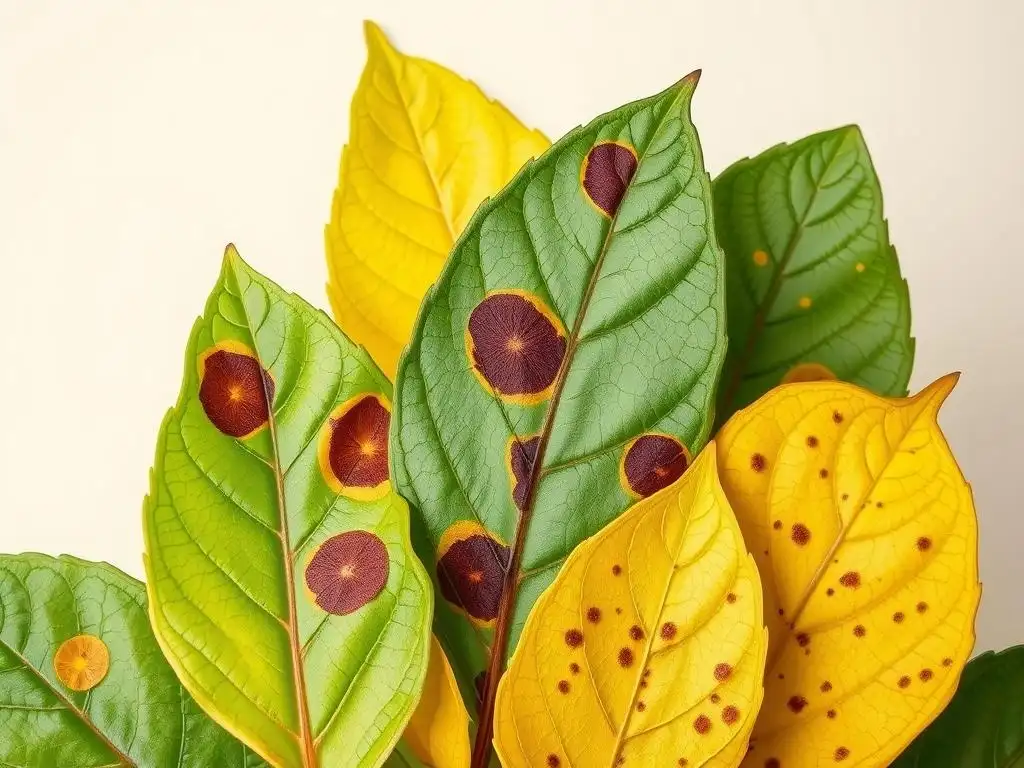
Leaf spotting, a common plant ailment, manifests as discolored patches on leaves, significantly impacting plant health and yield. This section provides a detailed guide to diagnosing leaf spot diseases based on their visual characteristics and associated pathogens. Understanding the nuances of leaf spot patterns is crucial for effective disease management and preventing widespread crop loss. A keen eye for detail, coupled with knowledge of common pathogens, is key to successful identification. This "Leaf color plant disease guide" will empower you to effectively diagnose and address these issues in your garden.
Bacterial Leaf Spot: Symptoms, Diagnosis, and Control
Bacterial leaf spot, caused by various Xanthomonas and Pseudomonas species, presents as small, water-soaked lesions that gradually enlarge and may develop a yellow halo. These spots often have irregular shapes and can coalesce, covering large portions of the leaf. Severe infections lead to leaf blight and defoliation, weakening the plant and reducing fruit production. Diagnosis is often based on visual symptoms and confirmation through laboratory testing.
Control strategies primarily focus on preventative measures, including using disease-resistant cultivars, practicing crop rotation, and ensuring proper sanitation. Avoid overhead watering, which spreads bacteria, and promptly remove and destroy infected plant debris. In some cases, copper-based fungicides may offer some control, but their effectiveness varies depending on the specific bacterial pathogen.
Early detection and prompt action are critical to minimizing the impact of bacterial leaf spot. For example, a tomato plant exhibiting small, dark brown spots with yellow margins is a strong indicator of bacterial leaf spot. Early intervention, such as removing infected leaves and applying a copper-based spray, can prevent significant damage.
Fungal Leaf Spots: Diverse Appearances and Treatment Strategies
Fungal leaf spots, caused by a wide array of fungi, exhibit a far greater diversity in appearance than bacterial spots. Symptoms range from small, circular spots with defined margins (e.g., Cercospora leaf spot) to larger, irregular blotches with concentric rings (e.g., target spot). Some fungal leaf spots may be accompanied by powdery mildew or other secondary infections. Accurate identification often requires microscopic examination of the fungal structures (spores, mycelium) on the leaf surface.
Management of fungal leaf spots involves a multifaceted approach. Good sanitation practices, such as removing fallen leaves and crop debris, are crucial in reducing inoculum levels. Proper spacing between plants promotes air circulation, reducing humidity and fungal growth. Fungicides, both organic and chemical, can be effective, but their application timing and frequency depend on the specific fungus and the disease severity.
For instance, a preventative application of neem oil or baking soda solution can help control fungal leaf spots in many cases. Regular monitoring and early intervention are key to preventing significant crop losses. The application of appropriate fungicides should always follow label instructions carefully.
Viral leaf spots, unlike bacterial and fungal infections, are often characterized by more subtle and systemic symptoms. The spots may be smaller and less defined than those caused by bacteria or fungi, and the overall plant may show signs of stunting, chlorosis (yellowing), or mosaic patterns. Viral diseases are typically spread by insect vectors (aphids, whiteflies) or through infected planting material. Accurate diagnosis often requires laboratory testing, as visual symptoms alone may not be sufficient.
Unfortunately, there are currently no effective cures for viral plant diseases. Management strategies focus primarily on prevention. This includes using certified virus-free planting material, controlling insect vectors with appropriate insecticides, and promptly removing and destroying infected plants. Resistant cultivars, where available, provide the most effective long-term control.
Early detection and removal of infected plants can prevent the spread of the virus to other plants. Regular inspection of your plants for unusual symptoms is a crucial part of preventing viral diseases and ensuring a healthy garden. Remember, early detection is crucial in managing viral leaf spots, minimizing the impact on your plants. 🌱
Leaf Wilting and Color Changes: A Comprehensive Look
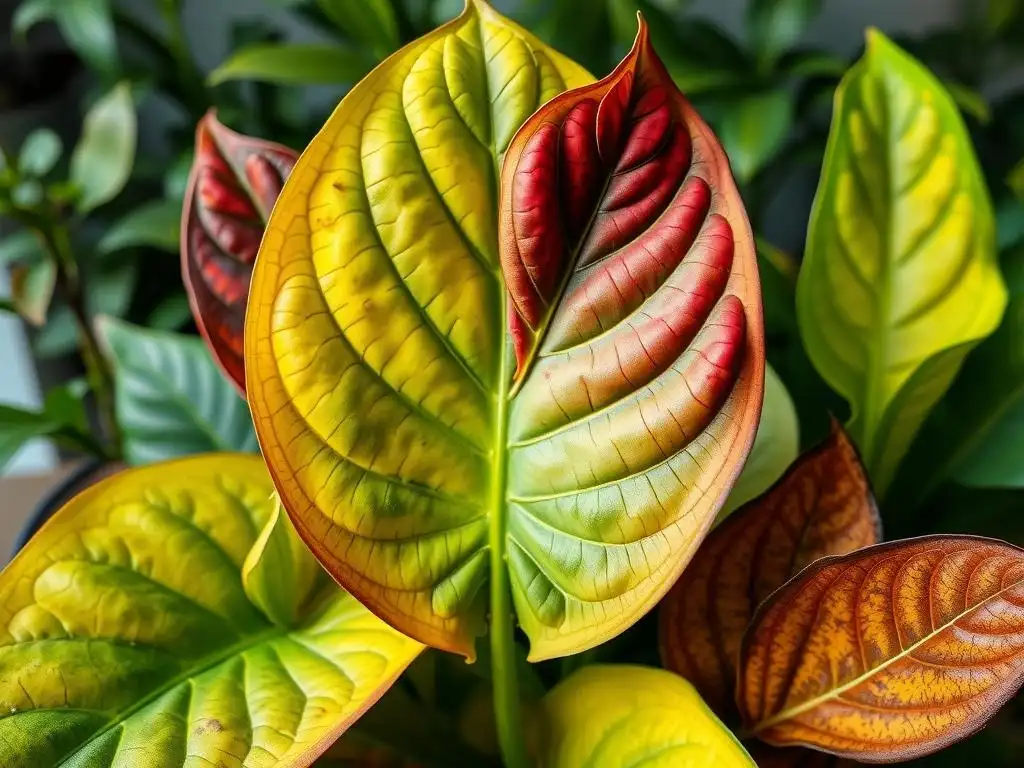
Leaf color changes are often a crucial early warning sign of plant diseases. A "Leaf color plant disease guide" is essential for any gardener aiming for healthy, thriving plants. While a change in leaf color isn't always indicative of disease – factors like nutrient deficiencies or environmental stress can also play a role – a significant alteration coupled with wilting or other symptoms should trigger a closer examination.
This section focuses on wilting diseases, which frequently manifest as dramatic shifts in leaf coloration, providing valuable insight into diagnosis and management. Understanding these patterns is critical for effective disease control, minimizing crop losses, and maintaining the overall health of your garden. We'll explore several key wilting diseases and their characteristic leaf color changes.
Verticillium Wilt: Symptoms, Diagnosis, and Management Techniques
Verticillium wilt, caused by Verticillium dahliae and Verticillium albo-atrum, is a devastating soilborne disease affecting a wide range of plants, including tomatoes, potatoes, peppers, and eggplants. One of the most noticeable symptoms is the characteristic wilting and yellowing of leaves. Initially, the wilting might be unilateral, affecting only one side of the plant, before progressing to encompass the entire plant. The leaves often exhibit a mottled yellowing pattern, with some areas turning brown or even black as the disease progresses. The discoloration often begins on the lower leaves and gradually moves upwards.
Diagnosis involves carefully examining the affected plant's vascular system. Cutting a stem reveals dark brown or black streaks within the xylem vessels – the plant's water-conducting tissue. This discoloration is a hallmark of Verticillium wilt. Unfortunately, there's no cure for Verticillium wilt once it's established. Management focuses on preventative measures:
- Crop rotation: Rotating crops with non-susceptible plants for several years is crucial to break the disease cycle.
- Soil solarization: Heating the soil using clear plastic sheeting can significantly reduce the Verticillium population.
- Resistant varieties: Choosing plant varieties known for their resistance to Verticillium wilt is a proactive approach.
- Sanitation: Removing and destroying infected plant debris prevents the fungus from overwintering in the soil.
Proper sanitation and preventative measures are key to minimizing Verticillium wilt's impact on your garden. Early detection through observation of leaf color changes is crucial in implementing effective management techniques.
Fusarium Wilt: Identification and Control Measures
Fusarium wilt, caused by various Fusarium species, is another significant wilting disease affecting a broad spectrum of plants. Similar to Verticillium wilt, it's a soilborne disease. The symptoms often begin with yellowing and wilting of lower leaves, progressing upwards. The leaves may exhibit a yellowing or browning that's often more localized than in Verticillium wilt, sometimes appearing as V-shaped patterns. The vascular system, when examined, will also display discoloration, typically brown or reddish-brown.
Identifying Fusarium wilt often requires laboratory testing, as its symptoms can overlap with other diseases. Control measures are similar to those for Verticillium wilt and emphasize prevention:
- Resistant cultivars: Selecting disease-resistant varieties is a primary strategy.
- Soil fumigation: [Specific information pending] on the effectiveness and environmental impact of soil fumigation for Fusarium wilt control.
- Crop rotation: Rotating crops to break the disease cycle is essential.
- Seed treatment: Treating seeds with fungicides can help prevent infection.
Other Wilting Diseases Affecting Leaf Color and Plant Health
Beyond Verticillium and Fusarium wilts, several other pathogens can cause leaf color changes and wilting. These include:
- Bacterial wilts: These diseases often cause rapid wilting and leaf discoloration, sometimes with a slimy or foul odor. The affected leaves may turn yellow, brown, or even black.
- Root rot diseases: Root rot, caused by various fungi and oomycetes, can restrict water uptake, leading to wilting and leaf discoloration. The leaves may yellow, brown, or wilt depending on the severity of the root damage.
- Phytophthora root rot: This specific root rot can cause similar symptoms, with leaves exhibiting a yellowing and wilting pattern. The affected plants often exhibit stunted growth and reduced yield.
Accurate diagnosis of these diseases often requires laboratory testing to distinguish them from nutrient deficiencies or other environmental factors. A comprehensive approach combining proper sanitation, resistant cultivars, and appropriate cultural practices is essential for managing these diverse wilting diseases and their associated leaf color changes. Careful observation and prompt action are key to protecting your plants from these devastating ailments. Remember, a healthy plant is a vibrant plant! 🌱
Using a Leaf Color Plant Disease Guide for Effective Treatment
A comprehensive Leaf color plant disease guide is crucial for successful home gardening. Leaf color changes are often the first visible symptom of a plant disease, providing valuable clues for early diagnosis and effective treatment. This section focuses on leveraging this information for optimal plant health. Understanding the nuances of color changes – from subtle yellowing to dramatic browning – is key to identifying the underlying issue.
Creating a Plant Health Journal for Accurate Record Keeping
Maintaining a detailed plant health journal is invaluable. This isn't just about jotting down planting dates; it's about meticulously documenting observations of your plants' health over time. Consider the following entries for your journal:
- Date: Record the date of each observation.
- Plant Species: Specify the exact plant affected (e.g., 'Roma tomato', 'basil').
- Location: Note the plant's location in your garden (e.g., 'South-facing bed, row 2').
- Leaf Color Changes: Describe the changes precisely (e.g., 'yellowing of lower leaves', 'brown spots on upper leaves', 'overall chlorosis'). Include specific leaf sections affected.
- Other Symptoms: Document additional symptoms like wilting, stunted growth, presence of pests, or unusual leaf texture.
- Environmental Conditions: Note relevant weather patterns (e.g., recent rainfall, prolonged drought, extreme temperatures).
- Actions Taken: Record any treatments applied (e.g., fungicide application, watering adjustments).
- Observations after Treatment: Document the plant's response to any treatment applied.
By consistently recording this information, you create a valuable historical record. This allows you to identify patterns, track disease progression, and evaluate the effectiveness of your treatment strategies. For example, noticing repeated yellowing in lower leaves during periods of drought might indicate a watering issue, whereas consistent browning spots might suggest a fungal infection. This detailed approach transforms your journal from a simple diary into a powerful diagnostic tool. 🧑🌾
Implementing Preventative Measures to Reduce Disease Risk
Proactive measures are far more effective than reactive treatments. A robust preventative strategy significantly reduces the risk of leaf color changes indicative of disease. Several key steps can be integrated into your gardening practice:
- Choosing Disease-Resistant Varieties: Selecting disease-resistant cultivars is a foundational step. Many seed catalogs and nurseries specify disease resistance for various plant species. This is your first line of defense.
- Proper Spacing and Air Circulation: Adequate spacing prevents overcrowding, promoting good air circulation which reduces humidity and the spread of fungal diseases. This simple step dramatically minimizes the risk of many common plant ailments.
- Sanitation and Hygiene: Cleanliness is paramount. Remove and properly dispose of infected plant material to prevent the spread of pathogens. Sterilize gardening tools between uses to avoid cross-contamination.
- Soil Health: Healthy soil is the cornerstone of healthy plants. Regular soil testing and amending with compost improve soil structure, nutrient availability, and disease resistance.
- Watering Practices: Avoid overhead watering, which promotes fungal growth. Water deeply at the base of the plants instead. Consistent, even moisture is crucial for plant health.
Implementing these preventative measures creates a resilient garden environment, minimizing the need for disease treatments and reducing the likelihood of seeing those tell-tale leaf color changes. A proactive approach saves time, resources, and ensures a bountiful harvest.
Choosing Appropriate Treatments Based on Disease Identification
Once you've identified a plant disease using your leaf color plant disease guide and your detailed journal, choosing the right treatment is crucial. This often depends on the specific pathogen involved. However, some general principles apply:
- Fungal Diseases: These often manifest as brown spots, leaf blight, or powdery mildew. Treatments typically involve fungicides, but organic options like neem oil or baking soda solutions can be effective for less severe cases.
- Viral Diseases: Viral diseases are often incurable. Removal and destruction of infected plants are usually the only option. Preventative measures are particularly important here.
- Bacterial Diseases: Bacterial infections can cause wilting, leaf spots, or cankers. Copper-based fungicides can sometimes help, but early detection and removal of affected plant parts are vital.
- Nutrient Deficiencies: Yellowing or discoloration can also indicate nutrient deficiencies. Soil testing can pinpoint specific deficiencies, and appropriate fertilizers can remedy the problem.
Remember, accurate identification is paramount. If unsure about the diagnosis, seek advice from experienced gardeners or local agricultural extension services. Always follow label instructions carefully when using any treatment, prioritizing environmentally friendly and organic options whenever possible. Your detailed records will be invaluable in making informed treatment decisions and tracking their effectiveness.
Frequently Asked Questions
What leaf colors indicate a plant disease?
Several leaf color changes can signal disease. Yellowing often suggests nutrient deficiencies or root rot. Browning might indicate fungal infections or sunscald, while purpling can be a sign of phosphorus deficiency or cold stress.
How can I differentiate between nutrient deficiencies and diseases based on leaf color?
Nutrient deficiencies often show a patterned discoloration, affecting specific areas of the plant. Diseases, however, may cause more random or widespread color changes. Soil testing can help determine nutrient levels.
Are there specific leaf color changes associated with fungal diseases?
Yes, many fungal diseases cause browning, spotting, or wilting of leaves. Look for lesions or powdery mildew on the foliage. Early detection and treatment are crucial.
What should I do if I notice unusual leaf color changes on my plants?
First, carefully observe the pattern and extent of the discoloration. Then, research potential causes based on the plant species and symptoms. Consider consulting a local gardening expert or testing your soil.
Where can I find more information on diagnosing plant diseases using leaf color?
Our website, CultivateYourFood, offers many resources on identifying plant diseases through leaf color changes and other symptoms. You can find detailed guides and articles on various techniques for organic pest and disease control.
Final Reflection: Unlocking the Secrets Whispered by Leaves
Understanding leaf color changes is not merely a botanical curiosity; it's a vital skill for safeguarding the health of our gardens and ecosystems. The ability to accurately identify plant diseases through subtle shifts in leaf pigmentation can mean the difference between a thriving plant and a devastating loss. This knowledge empowers us to intervene early, preventing widespread damage and preserving biodiversity.
The impact of plant diseases extends far beyond the individual plant; it ripples through entire ecosystems, affecting food security, economic stability, and the overall beauty of our natural world. The earth laughs in flowers.
– Ralph Waldo Emerson. This simple quote highlights the profound connection between the health of plants and the vibrancy of our lives. My own journey in learning to identify plant diseases through leaf color has deepened my appreciation for the intricate balance of nature and the crucial role we play in its preservation. It's a constant learning process, a testament to the enduring mystery and wonder of the plant kingdom.
Now, I invite you to take this knowledge and apply it in your own green spaces. Observe your plants closely, noting any changes in leaf color or texture. Use this guide as a starting point for your own investigations, and remember that even the smallest details can hold the key to understanding and addressing plant health issues. Let's work together to cultivate healthier gardens and a more vibrant world, one leaf at a time.
Uncover Your Garden's Secrets: Diagnose & Treat Plant Illnesses Now
Thank you for learning how to identify plant diseases by observing leaf color changes! You now have the knowledge to address many common garden problems. Let's put that knowledge to work!
- Begin your plant disease detective work: Carefully examine your plants, noting any unusual leaf color variations. Use the information in the article to identify potential problems. Compare your observations to images and descriptions of common plant diseases.
- Share your findings (and photos!): Post pictures of affected leaves on our CultivateYourFood forum—other gardeners may have encountered similar issues and can offer advice or solutions.
- Maintain a detailed plant health journal: Track your observations and treatments to better understand your plants' needs over time. This will help you prevent future problems and improve plant health.
What interesting leaf color changes have you observed in your garden today?