
Identifying Plant Diseases: A StepbyStep Approach

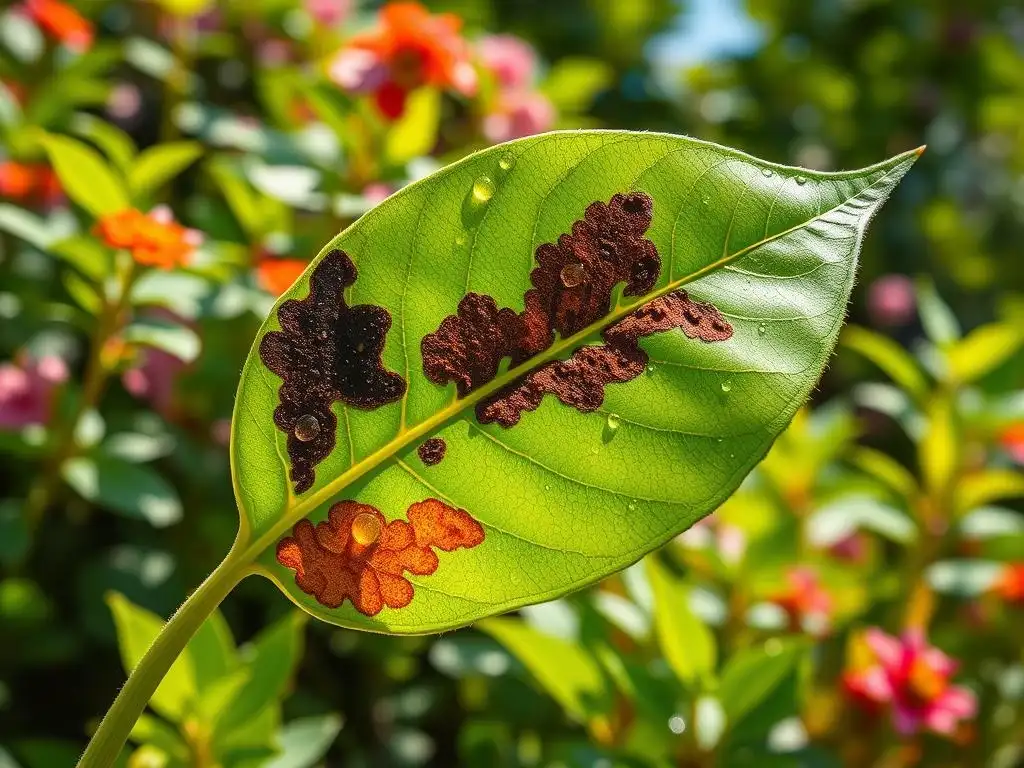
Ready to unlock the secrets to a thriving, organic garden? At CultivateYourFood, we empower you to grow your own delicious fruits, vegetables, and herbs. But even the greenest thumb faces challenges. This is why understanding how to Identify common plant diseases is crucial for a bountiful harvest. Dive in and discover a step-by-step approach to protecting your plants and ensuring a successful growing season – your flourishing garden awaits!
-
Understanding Common Plant Diseases and Their Symptoms
- Recognizing Leaf Spot Diseases: Identification and Treatment
- Identifying Powdery Mildew: Symptoms and Organic Solutions
- Diagnosing Root Rot: Signs, Prevention, and Management
- Detecting Blight Diseases: Identifying and Addressing Various Types
- Recognizing Viral Infections in Plants: Symptoms and Challenges
-
A Step-by-Step Guide to Identifying Plant Diseases
- Step 1: Visual Inspection of Your Plants - Initial Disease Detection
- Step 2: Detailed Examination of Affected Areas - Close-up Inspection Techniques
- Step 3: Analyzing Symptoms: Leaf Spots, Wilting, Yellowing, and More
- Step 4: Considering Environmental Factors - Impact of Weather and Growing Conditions
- Step 5: Using Diagnostic Tools and Resources - Online Guides and Expert Help
- Step 6: Taking Samples for Expert Analysis - When Professional Help is Needed
-
Effective Disease Management Strategies for Home Gardeners
- Implementing Preventative Measures: Proactive Disease Control
- Employing Organic Disease Control Methods: Sustainable Solutions
- Using Biological Controls: Beneficial Microorganisms and Natural Predators
- Correcting Cultural Practices: Soil Health and Plant Nutrition
- When to Use Chemical Controls: A Last Resort Approach
- Case Studies: Identifying and Treating Specific Plant Diseases
- Frequently Asked Questions
- Final Reflection: Cultivating a Healthier Future, One Plant at a Time
- Unleash Your Green Thumb: Diagnose and Defeat Plant Diseases!
Understanding Common Plant Diseases and Their Symptoms
Cultivating a thriving garden, bursting with vibrant fruits, vegetables, and herbs, requires vigilance. One of the biggest challenges faced by home gardeners is identifying and managing plant diseases. Early detection is crucial for effective treatment and preventing widespread damage to your precious crops. This guide provides a step-by-step approach to identifying common plant diseases, focusing on recognizing key symptoms and implementing sustainable, organic solutions.
We’ll explore several prevalent diseases, equipping you with the knowledge to safeguard your garden and ensure a bountiful harvest. Understanding the nuances of plant diseases empowers you to make informed decisions, promoting healthy plant growth and minimizing the need for harsh chemical interventions. Learning to identify common plant diseases is a fundamental skill for any serious gardener, allowing for proactive intervention and the preservation of your organic gardening efforts. This approach not only protects your plants but also contributes to a healthier environment.
Recognizing Leaf Spot Diseases: Identification and Treatment
Leaf spot diseases manifest as small, discolored spots on leaves, often circular or irregular in shape. These spots can vary in color, from brown and black to yellow or reddish-brown, depending on the specific pathogen. Some leaf spots may be surrounded by a yellow halo. The severity of the disease can range from minor cosmetic damage to severe defoliation, impacting plant health and yield.
Several factors contribute to the development of leaf spot diseases, including fungal, bacterial, and viral pathogens. High humidity and warm temperatures often create favorable conditions for their spread. Poor air circulation within the plant canopy can also exacerbate the problem.
Organic treatment options include:
- Improving air circulation: Pruning overcrowded plants to improve airflow can significantly reduce the risk of leaf spot diseases.
- Removing infected leaves: Promptly removing and disposing of affected leaves prevents the spread of the disease. Do not compost infected plant material.
- Applying a copper fungicide: Copper-based fungicides can be effective in controlling some leaf spot diseases, but always follow label instructions carefully. Consider rotating with other organic fungicides to reduce the risk of resistance.
- Using a baking soda spray: A solution of baking soda and water can help control some fungal leaf spot diseases. [Specific concentration pending]
Identifying Powdery Mildew: Symptoms and Organic Solutions
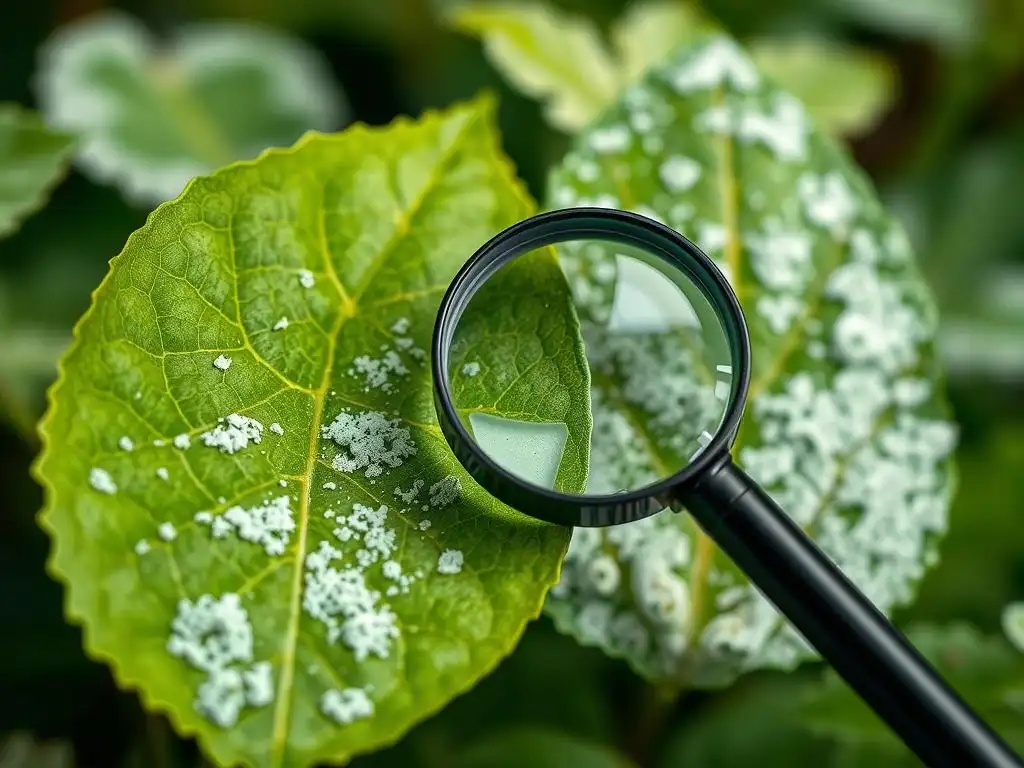
Powdery mildew is a common fungal disease recognizable by its characteristic white, powdery coating on leaves, stems, and flowers. This coating is actually a mass of fungal spores. The affected plant parts may appear stunted, and the leaves can become distorted or yellow. Severe infections can lead to reduced yields and plant death.
Powdery mildew thrives in warm, humid conditions with poor air circulation. It is particularly prevalent in densely planted areas or when plants are shaded. The fungus overwinters on plant debris, making sanitation crucial for disease prevention.
Effective organic control strategies include:
- Improving air circulation: As with leaf spot diseases, ensuring good air circulation around plants is essential for preventing powdery mildew.
- Using neem oil: Neem oil is a natural insecticide and fungicide that can effectively control powdery mildew. [Specific application instructions pending]
- Applying a potassium bicarbonate spray: Potassium bicarbonate is a naturally occurring fungicide that can help manage powdery mildew outbreaks. [Specific concentration pending]
- Maintaining healthy plants: Strong, healthy plants are less susceptible to disease. Proper watering, fertilization, and sunlight exposure can boost plant immunity.
Diagnosing Root Rot: Signs, Prevention, and Management
Root rot, caused by various soilborne pathogens, is a serious disease that can affect plants of all types. It typically begins with a gradual decline in plant vigor, yellowing leaves, and wilting, even when the soil is adequately moist. The roots become discolored, mushy, and may have a foul odor. In advanced stages, the plant may collapse and die.
Overwatering, poor drainage, and compacted soil create ideal conditions for root rot pathogens to thrive. These pathogens are often present in the soil, but they only cause disease when conditions are favorable.
Managing root rot requires a multi-pronged approach:
- Improving soil drainage: Ensure your soil drains well to prevent waterlogging. Amend heavy clay soils with organic matter to improve drainage.
- Avoiding overwatering: Water plants deeply but infrequently, allowing the soil to dry slightly between waterings.
- Using well-draining potting mixes: For container plants, use a well-draining potting mix that allows excess water to escape.
- Rotating crops: Rotating crops can help to break the disease cycle and reduce the buildup of pathogens in the soil. [Specific crop rotation strategies pending]
- Solarization: Solarization involves covering the soil with clear plastic to heat the soil and kill pathogens. [Specific solarization methods pending]
Detecting Blight Diseases: Identifying and Addressing Various Types
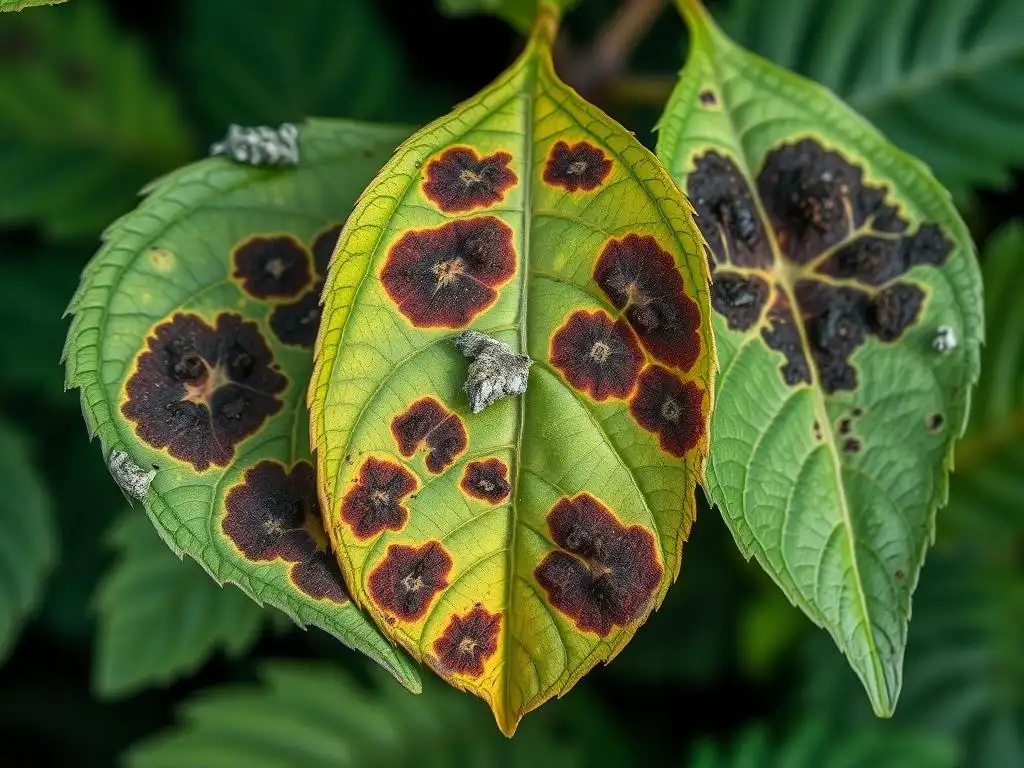
Blight diseases, characterized by rapid tissue death and discoloration, are a significant threat to homegrown fruits, vegetables, and herbs. Identifying the specific type of blight is crucial for effective treatment. Several common types exhibit distinct symptoms. For instance, early blight on tomatoes manifests as dark brown, concentric rings on leaves, often accompanied by target-spot lesions on fruits.
Left unchecked, early blight can severely impact yield. Conversely, late blight, a more aggressive disease, causes water-soaked lesions on leaves and stems, rapidly spreading under humid conditions. These lesions can quickly turn brown and black, leading to plant collapse. The infamous Irish potato famine was a direct consequence of late blight.
Effective management strategies for blight diseases involve a multi-pronged approach. Preventive measures, such as planting disease-resistant varieties and ensuring good air circulation around plants, are crucial. Rotating crops annually helps break the disease cycle, preventing the build-up of pathogens in the soil. Sanitation is also key; removing and destroying infected plant debris prevents the spread of the disease.
In cases of severe infection, applying appropriate fungicides, following label instructions carefully, might be necessary. However, organic options like copper-based fungicides or neem oil are often preferred for their lower environmental impact. Remember, early detection is paramount in managing blight effectively, minimizing the damage to your precious crops. Regular monitoring of your plants, paying close attention to leaf discoloration and unusual spots, is essential for early intervention.
Viral infections in plants present unique challenges for home gardeners. Unlike fungal or bacterial diseases, viral infections are often harder to detect and control. Symptoms can be subtle and vary widely depending on the specific virus and the host plant. Common indicators include stunted growth, leaf mosaic (mottling or discoloration), yellowing, curling, or distortion of leaves.
Some viruses can even cause fruit malformations. For example, the Cucumber Mosaic Virus (CMV) affects a broad range of plants, causing leaf distortion, mosaic patterns, and reduced yields. Similarly, Tomato Spotted Wilt Virus (TSWV) can cause severe damage to tomatoes, peppers, and other plants, resulting in stunted growth, leaf discoloration, and necrotic spots on fruits.
The difficulty in managing viral plant diseases stems from the fact that there are no effective chemical cures. Once a plant is infected, it often remains infected for its entire life cycle. Therefore, prevention is the most crucial aspect of viral disease management. This includes using certified virus-free seeds or seedlings, controlling insect vectors (many viruses are transmitted by aphids, whiteflies, and thrips), and practicing good sanitation to prevent the spread of the virus from infected plants to healthy ones.
Removing and destroying infected plants promptly can help limit the spread within your garden. Furthermore, selecting disease-resistant varieties, when available, is another important preventative strategy. Regular monitoring of your plants for any unusual symptoms is crucial for early detection, enabling prompt action to minimize the impact of viral infections on your harvest. Remember, early identification is key to minimizing the spread and damage caused by these persistent plant pathogens.
A Step-by-Step Guide to Identifying Plant Diseases
This section provides a practical, step-by-step approach to identifying common plant diseases in your home garden. Early and accurate identification is crucial for effective treatment and preventing widespread damage to your fruits, vegetables, and herbs. Learning to identify common plant diseases empowers you to cultivate a thriving and healthy garden using sustainable methods.
Step 1: Visual Inspection of Your Plants - Initial Disease Detection
Begin by conducting a thorough visual inspection of your entire garden. This initial survey aims to identify plants exhibiting unusual symptoms, allowing for early intervention. Look for any deviations from the norm in terms of plant growth, leaf color, and overall health. Pay close attention to:
- Unusual leaf coloration: Changes in leaf color, such as yellowing (chlorosis), browning (necrosis), or the appearance of unusual spots or blotches, are often early indicators of disease. For example, a sudden yellowing of leaves between the veins could suggest a nutrient deficiency, while widespread browning might signal a fungal infection. Take note of the specific color changes and their location on the plant.
- Changes in plant growth: Stunted growth, wilting, or unusual leaf curling are all potential symptoms. Compare the affected plants to healthy plants of the same species to highlight the differences. For instance, a noticeably slower growth rate in your tomato plants compared to others might indicate a problem.
- Presence of unusual growths: Look for any abnormal growths on stems, leaves, or fruits, such as powdery mildew (a white, powdery coating), rust (orange or brown pustules), or galls (abnormal swellings). Document these findings carefully, including the type of growth and its location.
- Presence of pests: While not directly a disease, pest infestations often weaken plants, making them more susceptible to diseases. Check for insects, mites, or other visible pests. Identifying these early can prevent secondary problems.
Remember to note the date of observation and the specific location within your garden for each affected plant. This detailed record will be invaluable in tracking the disease's progression and determining its cause.
Step 2: Detailed Examination of Affected Areas - Close-up Inspection Techniques
Once you've identified plants with suspicious symptoms, move to a more detailed examination. Use a magnifying glass or hand lens to get a closer look at the affected areas. This allows for more precise identification of the disease agent:
- Leaf Spots: Examine leaf spots carefully. Note their size, shape, color, and whether they have a margin (a defined edge). Are the spots raised or sunken? Are they surrounded by a halo of discoloration? Detailed observation of leaf spots can help differentiate between fungal, bacterial, or viral diseases.
- Wilting: If wilting is observed, check the roots for signs of root rot (darkened, mushy roots). Gently pull up a few plants to examine the root system. Root rot often indicates excessive watering or poorly drained soil.
- Yellowing (Chlorosis): Note the pattern of yellowing. Is it uniform across the leaf, or is it concentrated between the veins? This can help distinguish between nutrient deficiencies and diseases. Consider soil testing to rule out nutrient deficiencies.
A close-up inspection will provide crucial information to narrow down the possible causes of the observed symptoms. Take detailed notes and, if possible, take photographs to document your findings. Detailed documentation aids in accurate identification and effective treatment.
Step 3: Analyzing Symptoms: Leaf Spots, Wilting, Yellowing, and More
This step involves interpreting the symptoms observed during the visual inspections. Different plant diseases manifest with unique symptom combinations. Here's a brief overview of common symptoms and their potential causes:
| Symptom | Potential Causes | Additional Notes |
|---|---|---|
| Leaf Spots | Fungal diseases, bacterial diseases, viruses | Note color, shape, size, and presence of a halo. |
| Wilting | Fungal root rot, drought stress, pest damage | Check roots for damage or discoloration. |
| Yellowing | Nutrient deficiencies, viral diseases, root rot | Note the pattern of yellowing. |
| Powdery Mildew | Erysiphe species (fungus) | White powdery coating on leaves and stems. |
| Rust | Various rust fungi | Orange or brown pustules on leaves and stems. |
Remember that accurate diagnosis often requires a combination of visual observation and knowledge of the specific plant species and its typical growth patterns. While this guide helps you identify common plant diseases, consulting with a local agricultural extension office or experienced gardener can provide further assistance if you are unsure about a diagnosis. Early detection and appropriate treatment are key to maintaining a healthy and productive home garden. 🌱
Step 4: Considering Environmental Factors - Impact of Weather and Growing Conditions
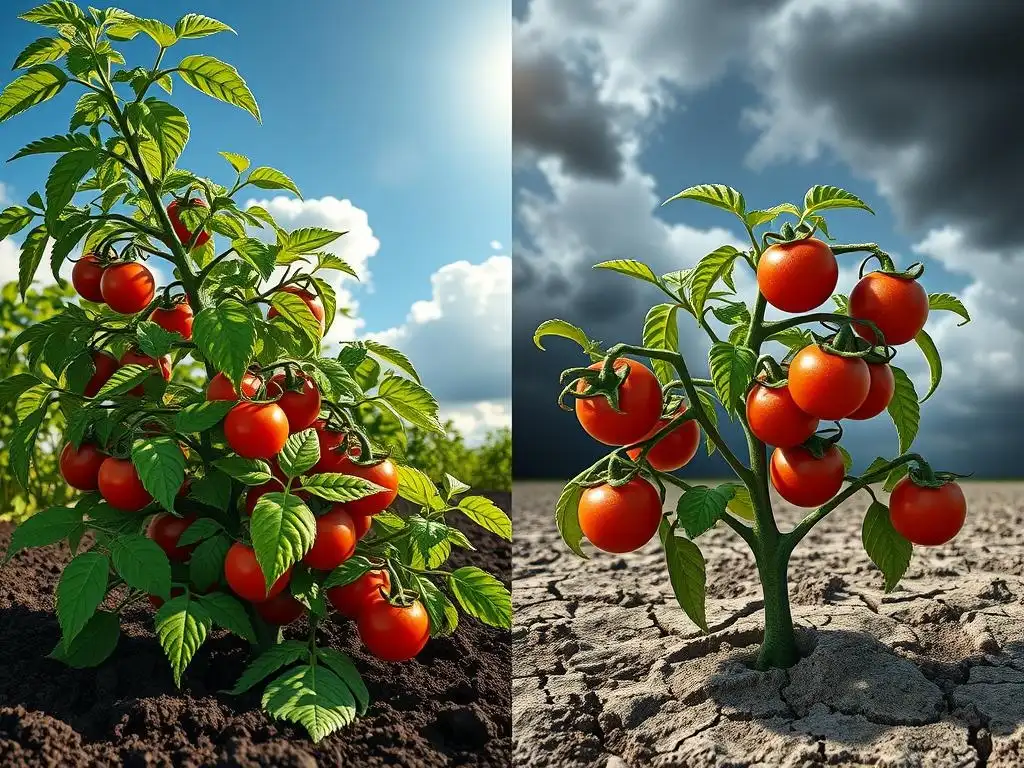
Understanding the environmental conditions your plants are experiencing is crucial for identifying plant diseases accurately. Many diseases thrive under specific weather patterns or growing conditions. For example, excessive rainfall can lead to fungal infections like powdery mildew or blight, while prolonged periods of drought can weaken plants, making them more susceptible to various diseases. High humidity also creates an ideal environment for many fungal pathogens to flourish. Conversely, overly dry conditions can stress plants, making them vulnerable to diseases.
Consider the specific weather patterns in your region. Were there unusually heavy rains or prolonged periods of drought during the crucial growth stages of your plants? Note the average temperature and humidity levels during the time your plants started showing symptoms. This information can provide valuable clues about the potential disease.
Furthermore, the growing conditions themselves play a significant role. Poor soil drainage can lead to root rot, while inadequate sunlight exposure can weaken plants and make them more susceptible to infection. Overcrowding can also create a humid microclimate, promoting fungal growth. Examine the soil composition, drainage, and sunlight exposure of your affected plants. Compare these conditions to the ideal requirements for the specific plant species. Disparities could be a contributing factor to the disease. Keeping detailed records of your gardening practices, including weather conditions and growing conditions, can be invaluable in future disease identification and prevention.
Step 5: Using Diagnostic Tools and Resources - Online Guides and Expert Help
Once you've carefully observed your plants and considered environmental factors, it's time to utilize available diagnostic tools and resources. The internet offers a wealth of information on identifying common plant diseases. Many websites and online guides provide detailed descriptions of various plant diseases, accompanied by images and illustrations. These resources can help narrow down the possibilities based on the symptoms you've observed.
However, caution is warranted. Online resources should be used as a starting point, not a definitive diagnosis. Relying solely on online information can lead to misidentification and inappropriate treatment. Always cross-reference information from multiple reputable sources. Look for resources provided by universities, agricultural extension services, or established gardening organizations. These sources often provide more accurate and reliable information than less credible websites.
For more complex cases, seeking expert help is highly recommended. Local agricultural extension offices employ trained professionals who can assist in identifying plant diseases. They often have access to diagnostic labs that can perform more advanced testing. Contacting a local nursery or garden center can also be beneficial. Experienced staff can often recognize common diseases and provide advice on treatment. Don't hesitate to seek professional help if you are unsure about the diagnosis or if the disease appears severe. Early and accurate identification is key to effective treatment and preventing further spread.
Step 6: Taking Samples for Expert Analysis - When Professional Help is Needed
In situations where you're unable to confidently identify a plant disease using the previous steps, taking samples for expert analysis is the next crucial step. This is particularly important for serious or unusual diseases where incorrect treatment could harm the plant or spread the disease further. When collecting samples, it's essential to gather representative specimens that clearly show the symptoms. This often includes both healthy and diseased parts of the plant.
For example, if you suspect a fungal infection, collect leaf samples showing characteristic spots or discoloration, including both affected and unaffected areas. If the problem seems to originate from the roots, carefully dig up a portion of the root system, ensuring you include both healthy and affected roots. Remember to handle the samples gently to avoid damaging them further and potentially contaminating other plants.
Properly packaging the samples is also important to prevent contamination and damage during transport. Use clean plastic bags or containers, and label them clearly with the plant species, date, and a brief description of the symptoms.
Once you have the samples prepared, contact your local agricultural extension office, a university plant pathology department, or a reputable plant diagnostic laboratory. They will be able to provide instructions on sample submission and analysis. The cost and turnaround time for analysis can vary, but the information gained will often be invaluable in ensuring accurate diagnosis and effective treatment. Remember, preventing the spread of disease is crucial, and seeking professional help is a vital part of protecting your garden and other plants.
Effective Disease Management Strategies for Home Gardeners
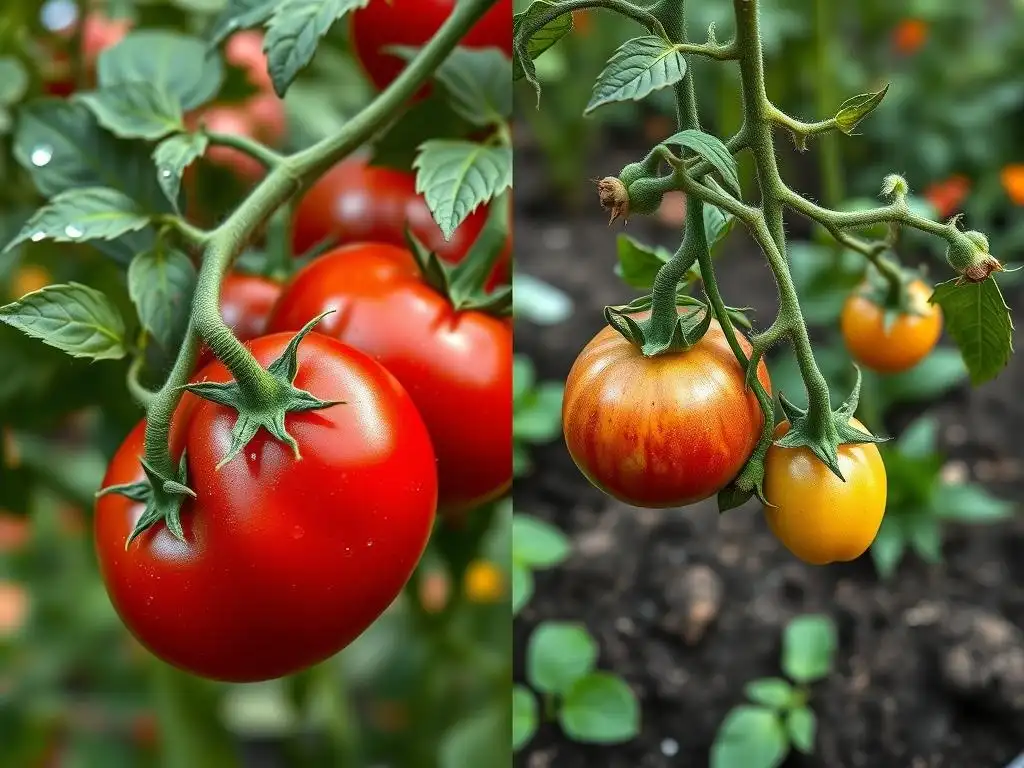
Effective disease management in your home garden hinges on a multi-pronged approach that combines preventative measures, organic control methods, and the strategic use of biological controls. Ignoring any one of these aspects can significantly increase your susceptibility to plant diseases, leading to reduced yields and unhealthy plants. Successfully identifying common plant diseases is only the first step; effective management is crucial for long-term garden health. This section will delve into practical strategies to minimize disease pressure and promote thriving plants.
Implementing Preventative Measures: Proactive Disease Control
Preventing plant diseases is far more effective and less resource-intensive than treating them. Proactive measures significantly reduce the likelihood of infection and minimize the need for more aggressive interventions later. These preventative strategies are fundamental to maintaining a healthy and productive garden.
Several key preventative practices should be implemented:
- Choosing disease-resistant varieties: Opting for plant varieties known for their resistance to common diseases in your region is a cornerstone of preventative disease management. Seed catalogs and plant nurseries often list disease resistance ratings. For example, many tomato varieties offer resistance to late blight, a devastating fungal disease. Selecting these resilient options drastically reduces your risk.
- Proper sanitation: Maintaining a clean garden environment is paramount. Remove and destroy infected plant debris promptly. This prevents the overwintering of pathogens, reducing the initial inoculum for the next growing season. Tools should also be sanitized regularly between uses to avoid spreading diseases.
- Appropriate watering techniques: Overwatering creates ideal conditions for fungal diseases to thrive. Water at the base of plants, avoiding overhead watering which can spread spores. Ensure good soil drainage to prevent waterlogging.
- Optimal spacing: Providing adequate spacing between plants promotes good air circulation, reducing humidity and minimizing the spread of airborne pathogens. Crowded plants are more susceptible to disease outbreaks.
- Crop rotation: Rotating crops yearly helps break disease cycles. Different plant families have different susceptibility to specific pathogens. Rotating prevents the buildup of pathogens in the soil associated with a particular plant.
This proactive approach minimizes the need for reactive interventions later in the growing season. By prioritizing these preventative steps, you're building a strong foundation for a healthy garden.
Employing Organic Disease Control Methods: Sustainable Solutions
Organic disease control methods prioritize environmentally friendly approaches that minimize harm to beneficial insects and the environment. While they may require more diligent monitoring and sometimes slower action than chemical treatments, they offer a sustainable and safer alternative for your home garden.
Several organic methods are highly effective:
- Copper fungicides: Copper-based fungicides can be effective against various fungal diseases. However, it's crucial to use them judiciously, following label instructions carefully, as overuse can negatively impact soil health.
- Baking soda solutions: A simple solution of baking soda and water can be effective against certain fungal diseases. This method is generally safe and easily accessible.
- Neem oil: Neem oil is a natural insecticide and fungicide derived from the neem tree. It's effective against a range of pests and diseases, acting as both a preventative and curative treatment.
- Composting: Healthy compost improves soil structure and enhances plant vigor, increasing the plant’s natural resistance to diseases. Composting also helps break down plant debris, reducing the risk of pathogen buildup.
The efficacy of these organic methods depends on early detection and consistent application. Regular monitoring of your plants is crucial for early intervention, preventing minor issues from escalating into major problems.
Using Biological Controls: Beneficial Microorganisms and Natural Predators
Biological control utilizes beneficial organisms to suppress plant diseases. This approach leverages the natural interactions within the ecosystem to control pathogens without resorting to synthetic chemicals. This strategy represents a sustainable and environmentally friendly approach to disease management.
Several biological control methods are available:
- Beneficial bacteria and fungi: Introducing beneficial microorganisms to the soil can outcompete harmful pathogens for resources, suppressing disease development. These microbes can enhance plant health and resistance.
- Predatory insects: Certain insects prey on disease vectors, such as aphids which can transmit viral diseases. Encouraging the presence of these beneficial insects through habitat creation can naturally control disease spread. For example, ladybugs are effective predators of aphids.
- Resistant plant varieties: As mentioned previously, selecting disease-resistant plant varieties strengthens their natural defenses and reduces the reliance on external control methods. This inherent resistance is a powerful biological control strategy.
Implementing these biological controls requires a deeper understanding of the garden ecosystem. Creating a diverse and healthy environment that supports beneficial organisms is key to their effectiveness. This approach fosters a balanced and resilient garden ecosystem capable of naturally managing diseases.
Correcting Cultural Practices: Soil Health and Plant Nutrition
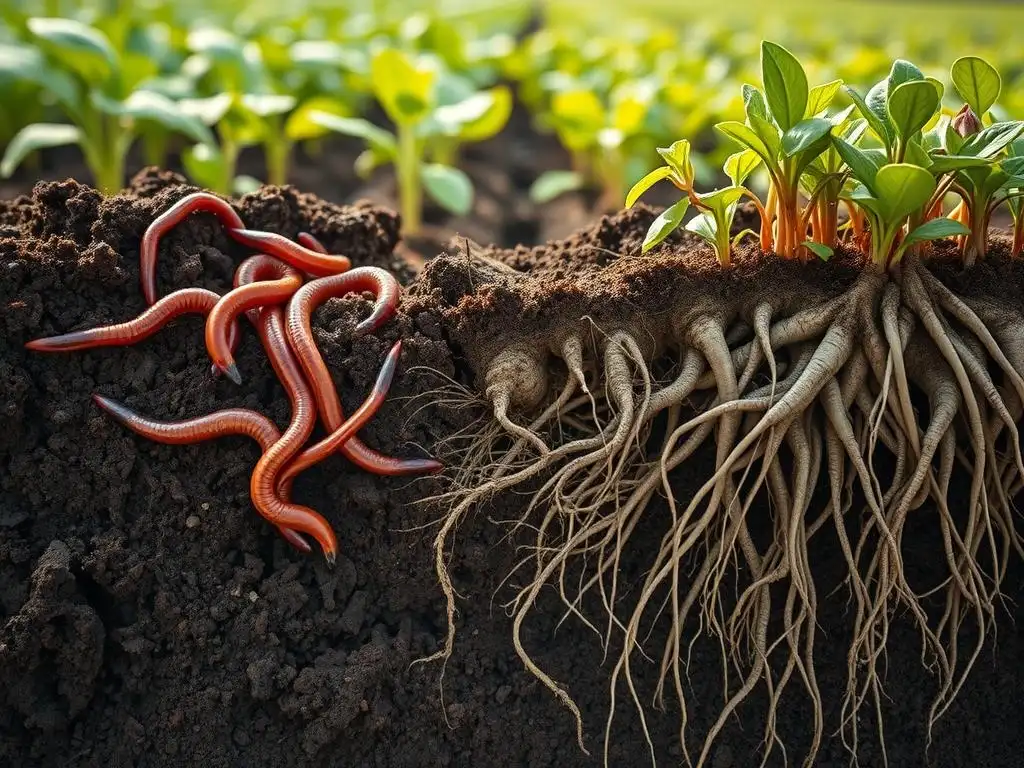
Healthy soil is the cornerstone of disease resistance in plants. Many plant diseases thrive in environments that are stressed or unbalanced. By focusing on improving soil health and providing optimal plant nutrition, you significantly reduce the likelihood of disease outbreaks. This preventative approach is far more effective and sustainable than relying solely on chemical interventions.
One crucial aspect is ensuring proper soil drainage. Waterlogged soil creates the perfect breeding ground for fungal pathogens, leading to root rot and other debilitating diseases. Amend heavy clay soils with organic matter like compost to improve drainage and aeration. Conversely, sandy soils, prone to drying out quickly, benefit from the addition of organic matter to retain moisture and nutrients essential for strong plant growth.
Regular soil testing can help determine nutrient deficiencies, allowing you to tailor fertilizer applications to the specific needs of your plants. Avoid over-fertilizing, as excessive nutrients can weaken plants and make them more susceptible to disease. A balanced approach focusing on organic fertilizers, such as composted manure or seaweed extracts, promotes healthy microbial activity in the soil, further enhancing disease resistance. Remember that healthy plants are far less likely to succumb to disease than stressed or nutrient-deficient ones.
For example, tomato plants suffering from a lack of potassium are more vulnerable to fungal leaf spot. By conducting regular soil tests and adjusting your fertilization strategy accordingly, you can proactively prevent many common plant diseases. Consider implementing cover cropping techniques to improve soil structure and fertility, further enhancing your plants' resilience.
When to Use Chemical Controls: A Last Resort Approach
While organic and cultural practices form the bedrock of effective disease management, there are instances where chemical controls might be necessary. However, this should always be considered a last resort, employed only when all other methods have failed and the disease poses a significant threat to the entire crop. The overuse of chemical pesticides can harm beneficial insects, disrupt soil ecosystems, and even contaminate groundwater. Therefore, responsible and judicious use is paramount. Before resorting to chemical controls, carefully identify the disease using reliable resources and confirm its severity.
Choose the least toxic chemical control option available, and always follow the label instructions precisely. Consider the environmental impact and potential risks to pollinators and other beneficial organisms in your garden. Furthermore, target your application carefully to minimize the impact on non-target organisms. For example, instead of blanket spraying, you might opt for spot treatment of only infected plants. Regular monitoring is crucial to assess the effectiveness of the treatment and prevent further spread.
Document your chemical applications, including the type of pesticide, application date, and affected plants. This record-keeping aids in future disease management decisions and helps you track potential long-term effects. Remember that integrating chemical controls with preventative measures such as crop rotation and resistant varieties provides a more holistic and sustainable approach to disease management. Always prioritize preventing disease through proactive cultural practices and consider chemical controls only as a last resort, employed strategically and responsibly.
Case Studies: Identifying and Treating Specific Plant Diseases
This section delves into specific examples of common plant diseases, illustrating the practical application of the diagnostic steps outlined in the previous sections. We’ll examine the symptoms, likely causes, and effective organic treatment methods for each case. Remember, early detection is crucial for successful treatment and minimizing crop loss. Successfully identifying common plant diseases is key to a thriving garden.
Case Study 1: Diagnosing and Treating Tomato Blight
Tomato blight, encompassing both early and late blight, is a devastating disease for tomato plants. Early blight manifests as small, brown spots on the lower leaves, often with concentric rings. These spots enlarge, and the leaves may eventually yellow and drop. Late blight, caused by the Phytophthora infestans pathogen, presents with dark brown or black lesions on leaves and stems, often spreading rapidly in humid conditions. It can also affect the fruit, causing dark, leathery spots.
The key to differentiating between early and late blight lies in the speed of the disease's progression and the appearance of the lesions. Early blight progresses more slowly and is typically confined to the lower leaves initially. Late blight, however, spreads with alarming speed, often affecting the entire plant in a matter of days, especially in wet weather.
Organic treatment options for blight include:
- Improving air circulation: Spacing plants adequately prevents leaf wetness, hindering fungal spore germination.
- Removing infected leaves: Promptly removing and disposing of infected plant material prevents the spread of the disease. Do not compost infected material.
- Copper-based fungicides: These are effective against both early and late blight, but should be used judiciously and according to label instructions. Always prioritize preventative measures.
- Crop rotation: Rotating your tomato plants annually helps to break the disease cycle and reduce the likelihood of reinfection.
Case Study 2: Managing Powdery Mildew on Cucumbers
Powdery mildew is a common fungal disease easily identified by its characteristic white, powdery coating on leaves, stems, and even fruit. This coating is actually a mass of fungal spores. The disease thrives in warm, humid conditions with poor air circulation. It weakens the plant, reduces yield, and can eventually lead to leaf death. Identifying powdery mildew early is crucial for preventing widespread infection.
Effective organic management strategies include:
- Improved air circulation: Similar to blight, proper spacing and pruning improve airflow, reducing humidity and spore germination.
- Baking soda spray: A solution of baking soda, water, and a bit of liquid soap can be effective in controlling powdery mildew. [Specific recipe and application instructions pending]
- Neem oil: Neem oil is a natural insecticide and fungicide that can also help manage powdery mildew. Apply according to label instructions.
- Resistant varieties: Choosing cucumber varieties known for their resistance to powdery mildew is a proactive preventative measure.
Case Study 3: Addressing Root Rot in Roses
Root rot, often caused by various soilborne fungi, is a serious problem for roses and many other plants. Symptoms include wilting, yellowing leaves, stunted growth, and a general decline in plant health. The roots themselves will often appear dark, mushy, and decayed. Proper soil drainage is key to preventing root rot. Identifying the presence of root rot requires careful examination of the root system.
Successful management of root rot involves:
- Improving soil drainage: Well-drained soil is essential. Amend heavy clay soils with organic matter like compost to improve drainage and aeration.
- Avoiding overwatering: Overwatering creates waterlogged conditions that favor fungal growth. Water deeply but less frequently.
- Soil sterilization (if severe): In severe cases, sterilizing the soil with solarization (covering the soil with clear plastic to heat it) may be necessary before replanting.
- Fungicides (as a last resort): In severe cases, organic fungicides might be considered, but improving soil drainage and watering practices are far more effective preventative measures. Always prioritize cultural practices over chemical interventions.
Frequently Asked Questions
How can I identify common plant diseases?
A visual inspection is crucial. Look for unusual spots, wilting, discoloration, or pests. Compare your observations to images online or in gardening books to narrow down possibilities.
What are some common signs of fungal diseases?
Fungal diseases often present as powdery mildew, leaf spots, or blights. You might also see moldy growth on plant parts. Addressing moisture levels is key to prevention.
How do I differentiate between fungal and bacterial diseases?
Bacterial infections often cause water-soaked lesions or soft rots, while fungal infections frequently show powdery or fuzzy growths. Sometimes, laboratory testing is needed for definitive identification.
Unfortunately, there's no cure for most viral plant diseases. Focus on preventing future infections through sanitation and using disease-resistant varieties. Remove and destroy infected plants.
What are some sustainable ways to manage plant diseases?
Preventative measures are key. These include proper sanitation, crop rotation, using disease-resistant varieties, and ensuring adequate air circulation. Consider organic pest control methods as needed.
Final Reflection: Cultivating a Healthier Future, One Plant at a Time
Identifying plant diseases accurately is not merely a horticultural skill; it's a crucial step towards ensuring food security and preserving biodiversity. The ability to diagnose plant ailments early allows for timely intervention, preventing widespread damage and protecting valuable crops and ecosystems. This knowledge empowers individuals, from home gardeners to large-scale agricultural operations, to make informed decisions that safeguard the health of our planet's plant life.
The impact of plant diseases extends far beyond the individual plant; it ripples through entire ecosystems and affects our global food supply. Understanding the subtle signs of disease, as explored in this guide, is a vital step in mitigating these impacts. The earth laughs in flowers.
– Ralph Waldo Emerson. This simple truth underscores the importance of nurturing our plant life, and recognizing that their health is intrinsically linked to our own well-being. The knowledge gained from understanding plant diseases allows us to appreciate the delicate balance of nature and our role in preserving it.
Now, consider your own garden, your local park, or even the plants you see on your daily commute. Take a moment to observe them more closely, armed with the knowledge you've gained. What signs of disease, if any, do you notice? This article has provided you with the tools; now it's time to put them into practice. By actively engaging with the health of the plants around you, you become a vital part of a larger effort to protect and nurture the green world that sustains us all.
Unleash Your Green Thumb: Diagnose and Defeat Plant Diseases!
Congratulations on taking the first step towards becoming a plant disease detective! You've gained valuable knowledge to protect your precious plants, and now it's time to put it into practice.
Here's how to proceed:
- First, grab your magnifying glass and notebook! Carefully examine your plants today, using the step-by-step guide we've provided. Note any suspicious spots, discoloration, or unusual growth patterns. Detailed observations are crucial for accurate diagnosis.
- Share your findings (and any photos!) with fellow gardening enthusiasts in the CultivateYourFood community forum. A fresh perspective can often be invaluable, and someone else may have encountered a similar problem.
- Challenge yourself to learn the names of five common plant diseases this week. This will significantly improve your ability to care for your plants in the future.
What plant disease are you most interested in learning about?