
Natural Remedies for Grape Diseases: Specific Solutions for Grape Vines

Ready to unlock the secrets to a thriving, organic garden bursting with delicious fruits and vegetables? At CultivateYourFood, we're passionate about empowering home growers like you. This site is your guide to sustainable and eco-friendly gardening. But what happens when disease threatens your precious harvest? Learn how to combat common grapevine ailments naturally with our in-depth guide on organic grape disease remedies – discover effective solutions and protect your vines without harmful chemicals. Let's cultivate a healthier, more abundant garden together!
-
Identifying Common Grape Diseases & Organic Solutions
- Recognizing Downy Mildew in Grapevines and Organic Treatments
- Powdery Mildew in Grapes: Natural Prevention and Control Methods
- Anthracnose in Grapes: Organic Remedies and Prevention Strategies
- Black Rot of Grapes: Natural Approaches to Management and Eradication
- Phomopsis Cane and Leaf Spot: Identifying and Treating with Organic Methods
- Organic Grape Disease Remedies: Using Nature's Power
- Preventing Grape Diseases with Organic Practices
- Advanced Organic Grape Disease Management
- Case Study: Successfully Treating a Grapevine with Downy Mildew Organically
- Frequently Asked Questions
- Final Reflection: Cultivating Healthier Vines, a Greener Future
- Unleash Your Vine's Potential: Nurture Healthier Grapes
Identifying Common Grape Diseases & Organic Solutions
Growing your own grapes can be incredibly rewarding, offering the sweetness of homegrown fruit and the satisfaction of sustainable gardening. However, like any plant, grapevines are susceptible to various diseases. This article focuses on identifying common grape diseases and providing effective, organic solutions to keep your vines healthy and productive. We'll explore natural remedies for some of the most prevalent issues, empowering you to cultivate thriving grapevines using environmentally friendly practices.
Choosing organic grape disease remedies not only protects your plants but also contributes to a healthier ecosystem and reduces your reliance on potentially harmful chemical pesticides. We'll delve into specific organic treatments for common problems, offering practical advice and detailed steps to ensure successful implementation in your home garden. Let's explore the natural ways to combat grapevine diseases and cultivate a bountiful harvest.
Recognizing Downy Mildew in Grapevines and Organic Treatments
Downy mildew, caused by the oomycete Plasmopara viticola, is a devastating grapevine disease. It thrives in humid conditions and can quickly decimate a vineyard if left unchecked. Early detection is key. Look for oil-spotted lesions on the upper leaf surface, often appearing yellow-green or pale initially. On the underside of the leaves, you'll see a characteristic grayish-white, downy growth – the sporulation of the fungus. Infected berries may also show rot and discoloration.
Organic treatments for downy mildew focus on prevention and timely intervention. Practicing good vineyard hygiene, such as removing infected leaves and debris, is crucial. Copper-based fungicides, while considered relatively safe compared to synthetic alternatives, should be used judiciously and according to label instructions. They work by inhibiting the fungus's growth. Another effective organic approach is the use of potassium bicarbonate sprays.
These act as a preventative measure, creating an alkaline environment that inhibits fungal development. Regular applications, particularly during periods of high humidity and rainfall, are vital for successful control. Consider integrating biological control methods, such as introducing beneficial microorganisms that compete with the pathogen, for a more holistic approach. Remember, consistent monitoring and prompt action are essential for managing downy mildew organically.
Powdery Mildew in Grapes: Natural Prevention and Control Methods
Powdery mildew, caused by the fungus Erysiphe necator, is another significant threat to grape production. Unlike downy mildew, it thrives in drier conditions. The telltale sign is a white, powdery coating on the leaves, shoots, and berries. This coating is the fungal mycelium, which absorbs nutrients from the plant, hindering growth and fruit development. Severely infected berries may crack and become unmarketable.
Organic control of powdery mildew involves a multi-pronged strategy. Proper air circulation is vital; therefore, pruning to improve airflow within the canopy is essential. Using resistant grape varieties can significantly reduce the likelihood of infection. Several organic fungicides can be effective, including sulfur-based products. Sulfur works by interfering with the fungus's life cycle.
However, it's crucial to apply sulfur correctly, avoiding high temperatures, as this can damage the plant. Another option is neem oil, a natural insecticide with antifungal properties that can help suppress powdery mildew. Regular applications, especially during periods of dry, warm weather, are key to controlling this disease. Consider using a combination of these methods for optimal results. Remember to always follow product instructions carefully.
Anthracnose in Grapes: Organic Remedies and Prevention Strategies
Anthracnose, caused by various Colletotrichum species, manifests as dark, sunken lesions on leaves, shoots, and berries. These lesions can expand, causing leaf drop, shoot dieback, and significant fruit damage. The fungus survives in infected plant debris, making sanitation crucial for disease management. Early symptoms might be subtle, appearing as small, dark spots that gradually enlarge and become more noticeable.
Organic management of anthracnose begins with good vineyard sanitation. Removing and destroying infected plant material prevents the fungus from overwintering and spreading. Copper-based fungicides can be effective in preventing and controlling anthracnose, but as with downy mildew, they should be used strategically and according to label directions. Some organic fungicides, such as those containing Bacillus subtilis, a beneficial bacterium, can also help suppress anthracnose.
These bacteria compete with the pathogen, reducing its ability to establish itself. Maintaining good vineyard hygiene, including proper pruning and training to enhance air circulation, is vital in preventing anthracnose. Regular monitoring and timely application of appropriate organic treatments are essential for effective disease management. The use of resistant grape varieties should also be considered for long-term disease control.
Black Rot of Grapes: Natural Approaches to Management and Eradication
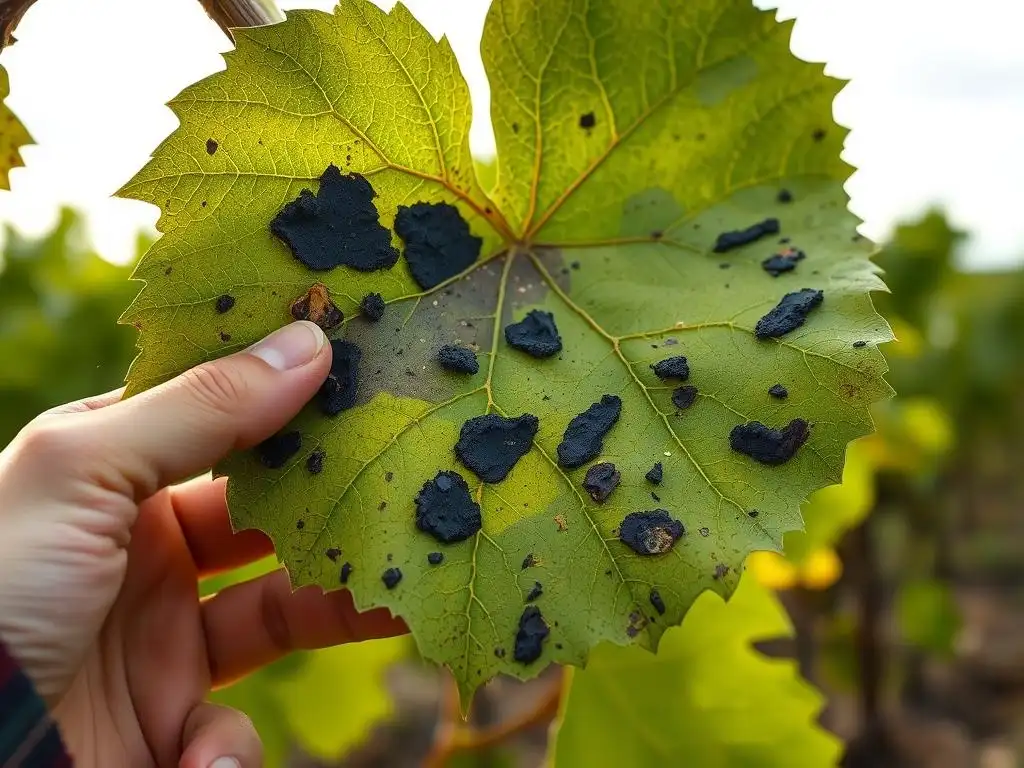
Black rot, caused by the fungus Guignardia bidwellii, is a devastating grape disease affecting both leaves and fruit. Early identification is crucial for effective management. Symptoms typically appear as small, dark brown spots on leaves, often with a reddish-brown margin. These spots enlarge, becoming irregular and sometimes developing concentric rings. On grapes, the disease manifests as small, dark lesions that rapidly expand, leading to mummified berries that cling to the vine throughout the winter. These mummified berries act as a primary source of infection for the following season.
Effective organic management of black rot requires a multi-pronged approach. Sanitation is paramount. Remove and destroy all infected leaves, canes, and mummified berries in the fall. Proper disposal, such as burning or burying deeply, is critical to prevent the fungus from overwintering. Pruning is also essential. Remove infected canes during dormant season to reduce inoculum levels. Ensure good air circulation within the canopy by thinning out dense foliage, which helps reduce humidity and minimizes fungal growth.
Beyond sanitation, organic fungicides can play a role. Copper-based fungicides, while not strictly organic in some certifications, are widely used and considered relatively safe for the environment when applied responsibly. Following label instructions meticulously is crucial to avoid phytotoxicity and environmental damage. The timing of application is key; preventative sprays beginning at bud break and continuing at intervals throughout the growing season are often necessary.
Regular monitoring for new infections is vital to ensure timely intervention. Some growers have reported success with using a diluted baking soda spray (1 tablespoon baking soda per gallon of water) as a preventative measure, though its efficacy can vary depending on the severity of the infection. Further research is needed to fully understand the effectiveness of this method. Finally, selecting disease-resistant grape varieties is a long-term strategy for reducing black rot incidence.
Phomopsis Cane and Leaf Spot: Identifying and Treating with Organic Methods
Phomopsis cane and leaf spot, caused by the fungus Phomopsis viticola, is another common grape disease that can significantly impact yield and vine health. This disease primarily affects young shoots and canes, although leaves can also be affected. Symptoms on leaves appear as small, dark brown to purple spots, often with a tan center. These lesions are often surrounded by a dark margin.
On canes, the disease manifests as dark, sunken cankers that can girdle and kill the shoot. These cankers are often accompanied by a characteristic cracking of the cane's bark. The disease can lead to reduced fruit production, poor fruit quality, and increased susceptibility to other diseases.
Organic management of Phomopsis focuses on preventative measures and good vineyard hygiene. As with black rot, sanitation is crucial. Remove and destroy infected canes and leaves during pruning. Proper disposal is essential to limit the spread of the fungus. Pruning techniques are also important; avoid wounding canes during pruning to minimize entry points for the pathogen. Using clean, sharp pruning tools is vital to prevent the spread of disease from one vine to another. Good vineyard hygiene also includes practices that reduce humidity, such as proper vine spacing and training systems that promote air circulation within the canopy.
Organic fungicides can be used to suppress Phomopsis, but their effectiveness is often limited. Copper-based fungicides can provide some protection, particularly if applied preventatively at bud break and repeated at intervals throughout the growing season. However, achieving complete control with organic fungicides is often challenging. As with black rot, the timing of application is crucial for success.
Some growers are exploring the use of biofungicides, which are derived from natural sources, although more research is needed to determine their overall effectiveness against Phomopsis. The selection of disease-resistant cultivars is also a vital long-term strategy for managing this disease organically. The use of resistant rootstocks can also contribute to improved vine health and resilience against Phomopsis.
Organic Grape Disease Remedies: Using Nature's Power
This section delves into effective and sustainable organic grape disease remedies, harnessing the power of nature to protect your precious vines. We'll explore several readily available, eco-friendly options to combat common grapevine ailments, minimizing environmental impact while maximizing yield and fruit quality. Remember, early detection and preventative measures are crucial for successful organic grape growing. Consistent monitoring of your vines is key to identifying problems before they escalate.
Utilizing Baking Soda for Grapevine Disease Control
Baking soda (sodium bicarbonate), a common household item, offers a surprisingly effective and safe organic solution for controlling several grapevine diseases. Its alkaline nature disrupts the fungal growth of pathogens like Botrytis cinerea (gray mold) and powdery mildew. The application method is simple: mix 1 tablespoon of baking soda with 1 gallon of water and a teaspoon of liquid soap (to help the solution adhere to the leaves).
Thoroughly spray the affected areas, ensuring complete coverage, especially on the undersides of leaves. Repeat the application every 7-10 days, or as needed, depending on the severity of the infection and weather conditions. Remember to avoid spraying during peak sun hours to prevent leaf burn.
Studies have shown that baking soda solutions can significantly reduce disease incidence when applied proactively, acting as a preventative measure as well as a treatment. However, it's crucial to note that baking soda is not a cure-all; severe infections may require more intensive intervention. Consistent monitoring and timely application are vital for optimal results. This method is particularly effective for powdery mildew, a common fungal disease characterized by a white, powdery coating on leaves and fruit. Early intervention with baking soda can prevent widespread infection and protect the yield of your grapes.
Copper Fungicide Alternatives for Organic Grape Growing
While copper fungicides have been traditionally used in viticulture, their use should be approached cautiously due to potential environmental concerns. Excessive copper application can accumulate in the soil, harming beneficial microorganisms and potentially impacting water quality. Therefore, exploring organic alternatives is crucial for sustainable grape growing. Several effective copper-free options exist, including:
- Potassium bicarbonate: This compound offers similar disease control properties to copper fungicides, effectively combating powdery mildew and other fungal diseases. It's considered less harmful to the environment and beneficial insects.
- Serenade® (Bacillus subtilis): This biofungicide is a naturally occurring bacterium that inhibits the growth of various plant pathogens. It’s a particularly effective organic option against downy mildew.
- Lime sulfur: A traditional, yet effective, organic fungicide, lime sulfur works by disrupting the fungal cell walls. However, it requires careful application to avoid damaging the plants. It is highly effective against powdery mildew and other fungal diseases.
Choosing the right alternative depends on the specific disease affecting your vines and local climate conditions. Always follow the product instructions carefully for optimal results and to minimize any potential risks. Remember to rotate different organic fungicides to prevent the development of resistance in the fungal pathogens. This integrated pest management approach ensures the long-term effectiveness of your organic disease control strategy.
Neem Oil as a Natural Fungicide for Grapes
Neem oil, extracted from the neem tree, is a versatile and powerful natural fungicide with insecticidal properties. It disrupts the fungal life cycle, inhibiting spore germination and mycelial growth. For grapevine diseases, neem oil is particularly effective against powdery mildew and other fungal infections. Mix 1-2 tablespoons of neem oil with 1 gallon of water and a few drops of liquid soap (to aid adherence). Apply the solution as a foliar spray, ensuring thorough coverage of the affected areas. Repeat applications every 7-10 days, or as needed, depending on the severity of the infection and weather conditions.
The effectiveness of neem oil is enhanced by its ability to act as a preventative measure. Regular application can help prevent fungal infections from taking hold in the first place. This proactive approach is crucial in organic grape growing, minimizing the need for more intensive interventions.
Moreover, neem oil's insecticidal properties provide added benefits, controlling various pests that might weaken the vines and increase their susceptibility to diseases. However, always test a small area before applying neem oil to the entire vine to ensure it doesn't cause any adverse reactions. This organic approach to grape disease management promotes healthy vines and a bountiful harvest.
Effective Compost Tea for Disease Prevention in Grapes
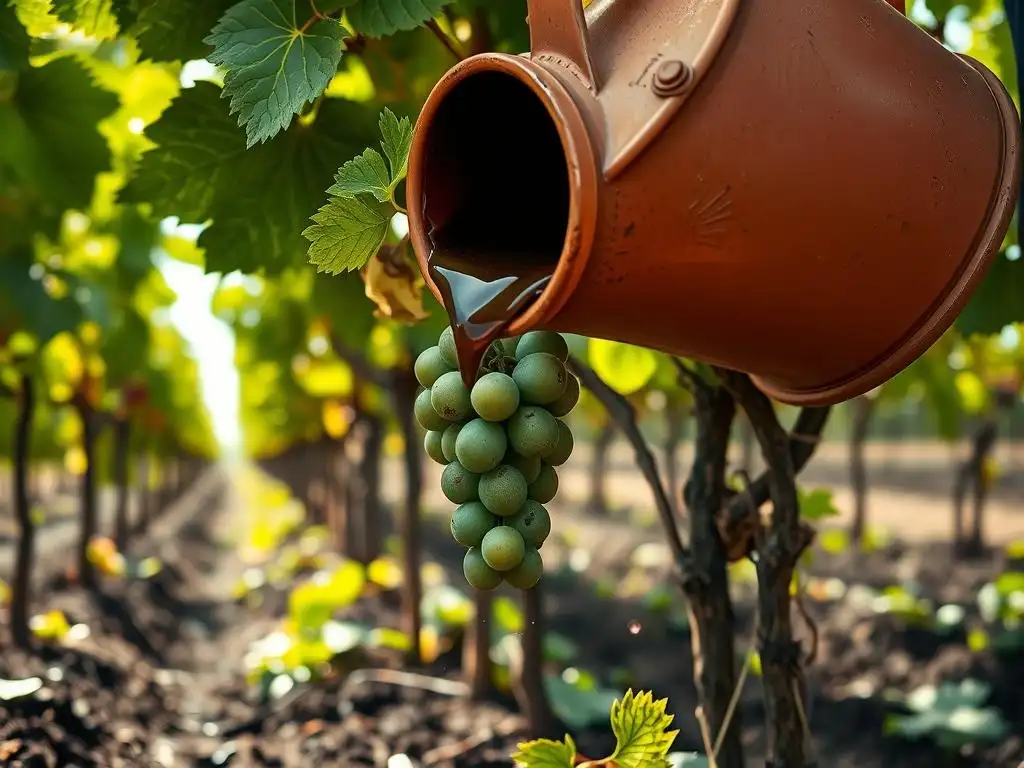
Compost tea, a brew teeming with beneficial microorganisms, acts as a powerful preventative measure against many common grape diseases. Its effectiveness stems from the diverse microbial community it fosters, which outcompetes harmful pathogens for resources and space on the grapevine. This competitive exclusion is a cornerstone of organic disease management. A healthy population of beneficial bacteria and fungi in the soil and on the plant itself creates a less hospitable environment for disease-causing organisms.
The application of compost tea is relatively straightforward. While specific recipes vary, the fundamental principle involves steeping compost in water for a period of time, often with aeration to promote microbial growth. The resulting liquid is rich in nutrients and beneficial microbes, readily absorbed by the grapevine's roots and leaves via foliar sprays. Regular applications, perhaps every two to three weeks during the growing season, can significantly bolster the plant's natural defenses.
The frequency should be adjusted based on the specific needs of the vineyard and the observed health of the vines. For example, a vine showing early signs of stress might benefit from more frequent applications. It's crucial to remember that compost tea is a preventative measure; it's most effective when applied before disease symptoms appear.
Early season applications are particularly beneficial in building a robust microbial community that can withstand disease pressure. Furthermore, the quality of the compost used directly impacts the effectiveness of the tea. A well-aged, diverse compost will yield a superior tea with a higher concentration of beneficial microorganisms.
Beneficial Microbes and their Role in Organic Grapevine Health
The foundation of organic grapevine health lies in the intricate balance of beneficial microbes within the soil and on the plant itself. These microscopic allies play a crucial role in disease suppression, nutrient uptake, and overall plant vigor. Several key microbial groups contribute to this natural defense system.
For instance, Bacillus species are well-known for their ability to produce antibiotics that inhibit the growth of various plant pathogens, including those that affect grapevines. Similarly, certain strains of Trichoderma fungi act as effective biocontrol agents, parasitizing and suppressing the growth of harmful fungi that cause diseases like powdery mildew and downy mildew. These fungi are particularly important in organic viticulture because they provide a natural alternative to chemical fungicides.
Beyond disease suppression, beneficial microbes facilitate nutrient cycling, making essential nutrients more available to the grapevine. Mycorrhizal fungi, for example, form symbiotic relationships with grapevine roots, extending their reach into the soil and enhancing nutrient uptake, particularly phosphorus and other micronutrients. This improved nutrient access contributes to stronger, healthier vines, better equipped to resist diseases.
Furthermore, rhizosphere bacteria, the microbial communities living in the soil around the roots, help to improve soil structure and water retention, creating a more favorable environment for grapevine growth. Maintaining a healthy, diverse soil microbiome is therefore paramount for the long-term health and resilience of organic grapevines.
Practices such as cover cropping, mulching, and avoiding excessive tillage all help to foster this beneficial microbial community, strengthening the vine's natural resistance to disease and promoting robust growth. The integration of these beneficial microbes into an overall organic grapevine management strategy is key to achieving sustainable and healthy yields.
Preventing Grape Diseases with Organic Practices
Effective management of grape diseases relies heavily on preventative measures. While treating existing infections is crucial, focusing on proactive, organic practices significantly reduces the likelihood of disease outbreaks and minimizes the need for harsh chemical interventions. This approach aligns perfectly with the principles of sustainable gardening and ensures healthier, more productive grapevines. Adopting these strategies not only protects your plants but also contributes to a healthier environment. The key lies in understanding the interconnectedness of various factors influencing grapevine health and implementing holistic solutions. This section explores several organic practices crucial for preventing common grape diseases.
Soil Health and its Impact on Grapevine Disease Resistance
Healthy soil forms the foundation of healthy grapevines. Nutrient-rich soil with good drainage and appropriate pH levels enhances the plants' natural resistance to diseases. Poor soil conditions often weaken grapevines, making them more susceptible to infections. Improving soil health involves several key steps:
- Regular Soil Testing: Conduct regular soil tests to determine nutrient levels, pH, and organic matter content. This allows for precise adjustments to meet the specific needs of your grapevines. Knowing your soil's composition is the first step to effective soil management.
- Composting and Organic Matter: Incorporating compost and other organic materials significantly improves soil structure, aeration, and nutrient availability. Compost acts as a natural fertilizer, providing essential nutrients in a readily available form while also improving water retention. Aim for a consistently rich organic matter content in your soil.
- Cover Cropping: Planting cover crops during the off-season helps prevent soil erosion, suppress weeds, and improve soil fertility. Legumes, for instance, fix nitrogen in the soil, reducing the need for synthetic nitrogen fertilizers. This natural fertilization process is highly beneficial for long-term soil health and grapevine vigor.
- Mulching: Applying mulch around grapevines helps retain soil moisture, suppress weeds, and regulate soil temperature. This creates a more stable and favorable environment for healthy root development, reducing stress on the plants and bolstering their disease resistance. Organic mulches, like wood chips or straw, are ideal for this purpose.
Proper Pruning Techniques to Minimize Grape Disease Risk
Proper pruning is not merely about shaping the vine; it's a crucial aspect of disease prevention. Overcrowded canopies create humid microclimates, which are ideal breeding grounds for fungal diseases. Careful pruning promotes better air circulation and sunlight penetration, reducing humidity and minimizing disease risk. Here's what to consider:
- Timing: Pruning should be done during the dormant season, typically late winter or early spring, before bud break. This minimizes the spread of diseases through pruning wounds.
- Techniques: Employ proper pruning techniques to maintain an open canopy structure. Remove dead, damaged, or diseased canes and unnecessary shoots to improve air circulation and sunlight penetration.
- Sanitation: Clean and disinfect pruning tools between cuts to prevent the spread of pathogens from one vine to another. This simple step significantly reduces the risk of cross-contamination. A solution of bleach and water is effective for disinfecting pruning tools.
- Removing Suckers and Water Sprouts: Regularly remove suckers (shoots arising from the base of the vine) and water sprouts (vigorous shoots arising from older wood) to improve air circulation and prevent overcrowding. These shoots can harbor diseases and compete with fruiting canes for resources.
Importance of Air Circulation for Preventing Fungal Diseases in Grapes
Many grape diseases, particularly fungal infections like powdery mildew and downy mildew, thrive in humid environments with poor air circulation. These pathogens require moisture to germinate and spread. Therefore, ensuring adequate airflow through the canopy is a critical preventative measure.
- Vine Spacing: Proper vine spacing is essential for creating sufficient airflow within the vineyard or garden. Overcrowded vines create a damp environment, promoting fungal growth.
- Training Systems: Utilizing appropriate training systems, such as vertical shoot positioning or trellis systems, can significantly improve air circulation. These systems help to elevate the canopy, allowing for better air movement and reducing humidity.
- Leaf Removal: Careful leaf removal, especially around the fruit zone, can improve air circulation and sunlight penetration, reducing the risk of fungal diseases. However, avoid excessive leaf removal, as leaves are crucial for photosynthesis. A balanced approach is key.
- Monitoring Weather Conditions: Regularly monitor weather conditions. Periods of high humidity and rainfall increase the risk of fungal diseases. Adjust your practices accordingly, perhaps increasing air circulation or applying preventative organic treatments if necessary. Staying informed about the weather allows for proactive adjustments in your disease management strategy.
This proactive approach to organic grape disease management, emphasizing soil health, pruning techniques, and air circulation, significantly reduces the need for chemical interventions, promoting healthy vines and a sustainable cultivation practice. Remember that consistent monitoring and prompt action are vital for success in preventing grape diseases organically.
Choosing Disease-Resistant Grape Varieties for Your Garden
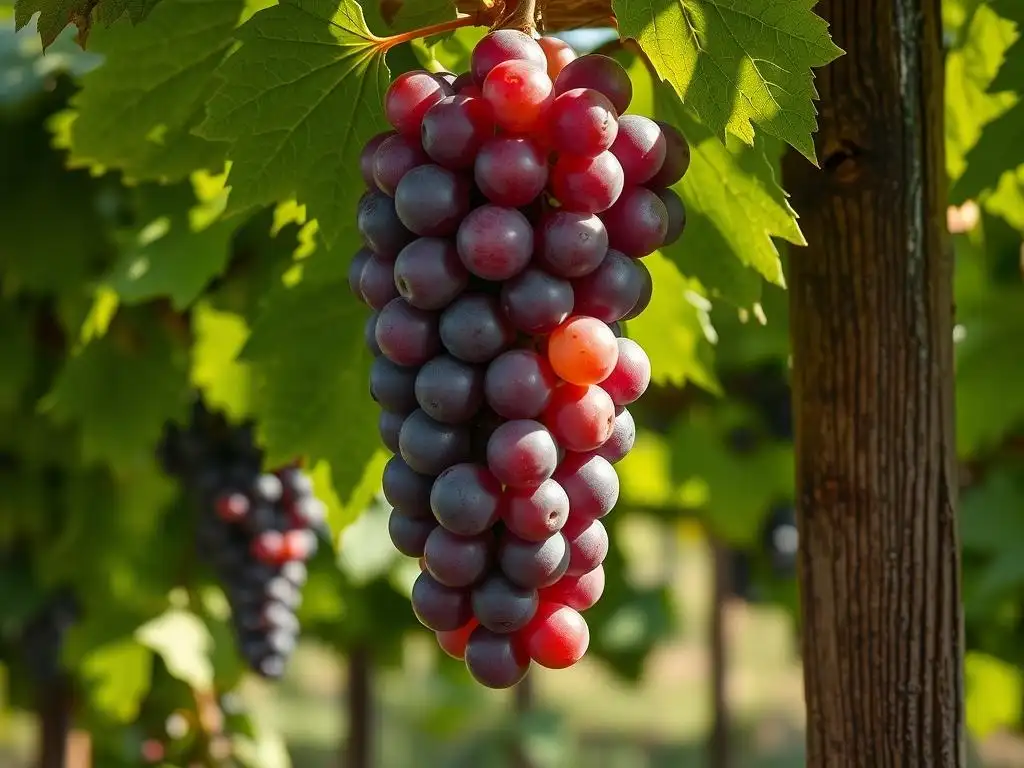
Selecting disease-resistant grape varieties is a cornerstone of organic grape growing and a crucial first step in preventing many common grape diseases. This proactive approach significantly reduces the need for chemical interventions, aligning perfectly with sustainable and organic gardening practices. Instead of battling diseases after they appear, you're preventing them from taking hold in the first place.
Several factors influence a variety's disease resistance. For instance, some varieties exhibit inherent resistance to powdery mildew, a prevalent fungal disease that coats leaves and grapes in a white, powdery substance, hindering photosynthesis and fruit development. Others show strong resistance to downy mildew, another fungal disease causing leaf spots and rotting fruit, often appearing as oily spots on the undersides of leaves. Black rot, a fungal disease that can decimate entire bunches of grapes, also has varying impacts on different varieties. Some are practically immune, while others are highly susceptible.
When choosing your grapevines, research varieties known for their disease resistance in your specific climate. Local nurseries and agricultural extension offices are invaluable resources. They can provide tailored recommendations based on your region's prevalent diseases and environmental conditions. For example, in humid climates, prioritizing varieties with high resistance to downy mildew is crucial.
In drier climates, powdery mildew resistance might be the primary concern. Don't hesitate to ask experienced growers in your area for their insights and preferred varieties. Their firsthand experience can be incredibly helpful. Remember to check the cultivar descriptions carefully; reputable suppliers will often highlight a variety's disease resistance profile.
Organic Mulching Strategies to Protect Grapevines
Organic mulching is a powerful tool in the fight against grape diseases. It's a simple yet effective technique that offers multiple benefits, all contributing to healthier vines and a reduced risk of disease. By implementing a proper mulching strategy, you create a more favorable environment for your grapevines, discouraging the growth of disease-causing organisms while improving overall vine health.
Several organic materials work well as mulch for grapevines. Shredded leaves, grass clippings, straw, and wood chips are all excellent choices. These materials help regulate soil temperature, preventing extreme fluctuations that can stress the vines and make them more vulnerable to disease. They also suppress weeds, reducing competition for nutrients and water, and creating a less hospitable environment for fungal spores and other pathogens. The mulch layer also improves soil structure, enhancing drainage and aeration, which are critical for healthy root development. Well-drained soil is less likely to harbor waterlogged conditions that favor fungal diseases.
The application of mulch is straightforward. Apply a layer of mulch several inches deep around the base of your grapevines, ensuring it doesn't directly contact the vine's trunk to avoid rot. Maintaining a consistent layer throughout the growing season is important. As the mulch decomposes, it enriches the soil with organic matter, further boosting vine health and resilience to diseases.
Regular replenishment of the mulch layer ensures its effectiveness throughout the year. This simple, yet powerful, organic practice significantly contributes to the overall health and disease resistance of your grapevines, offering a natural and sustainable solution to a common problem. Remember to monitor the mulch layer, ensuring it doesn’t become compacted and remains effective in suppressing weeds and regulating soil moisture.
Advanced Organic Grape Disease Management
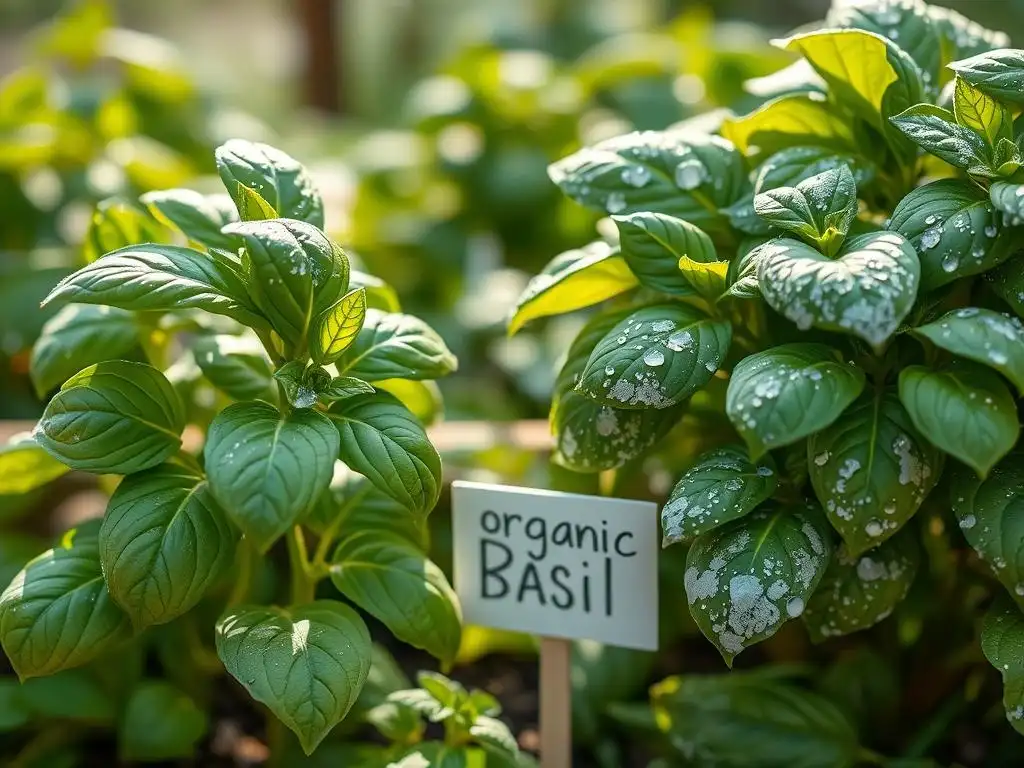
This section delves into sophisticated organic strategies for managing grapevine diseases, moving beyond basic preventative measures. Effective grape cultivation necessitates a proactive and holistic approach, combining various techniques for optimal results. We'll explore how to integrate several methods to achieve robust vine health and high-quality yields, while maintaining an organic and sustainable growing environment. The focus here is on organic grape disease remedies, ensuring a healthy harvest without resorting to harmful chemicals.
Integrated Pest Management (IPM) for Grapevines
Integrated Pest Management (IPM) is a cornerstone of successful organic viticulture. It's a holistic approach that prioritizes prevention and minimizes the use of any intervention, organic or otherwise, only when absolutely necessary. IPM for grapevines involves a careful balance of several key strategies:
- Cultural Practices: These are the foundational elements of IPM. Proper vineyard site selection, considering factors like sunlight, drainage, and air circulation, is crucial in preventing disease development. Maintaining appropriate vine spacing promotes airflow, reducing humidity which many fungal diseases thrive on. Pruning techniques also play a significant role; removing excess foliage improves air circulation and sunlight penetration, discouraging fungal growth. Proper soil management, including the use of organic compost and cover crops, enhances soil health and strengthens vine resistance to disease.
- Biological Control: Introducing beneficial insects and microorganisms into the vineyard ecosystem can help control pest populations naturally. For instance, certain predatory mites and ladybugs can effectively control spider mites, a common grapevine pest. The use of beneficial nematodes can help manage soilborne pests. The effectiveness of these biocontrol agents is highly dependent on factors like vineyard conditions and the specific pest pressure. [Specific beneficial insect and nematode species and their efficacy data pending].
- Monitoring and Surveillance: Regular scouting of the vineyard is paramount in early disease detection. This involves visually inspecting vines for signs of disease, including leaf spots, discoloration, and wilting. Early detection allows for timely intervention, minimizing the spread of disease and reducing the need for extensive treatments. Accurate record-keeping, noting the location and severity of infestations, aids in long-term disease management.
- Organic Treatments: When necessary, organic treatments can supplement cultural and biological controls. These treatments might include copper sprays (used judiciously to avoid copper buildup in the soil), sulfur applications for powdery mildew, or other approved organic fungicides. Always follow label instructions carefully and consider the environmental impact of any treatment. The timing and frequency of these applications are crucial for effectiveness and to minimize potential negative effects on beneficial organisms.
Monitoring Grapevine Health for Early Disease Detection
Early detection is crucial in managing grapevine diseases effectively, minimizing the impact and preventing widespread outbreaks. Regular monitoring involves a multi-pronged approach:
- Visual Inspection: Regularly walk through the vineyard, carefully examining vines for any signs of disease. Look for leaf spots, discoloration, wilting, unusual growth patterns, and the presence of pests. Pay close attention to the lower leaves and any areas with poor air circulation, as these are often the first to show symptoms. A magnifying glass can be useful for detecting small insects or early signs of disease.
- Sampling: If you suspect a disease, collect samples of affected leaves, stems, or fruit for closer examination. You can consult with a local agricultural extension office or a plant pathologist for accurate diagnosis and recommendations. Proper sampling techniques are essential to ensure accurate results. [Specific sampling protocols pending].
- Record Keeping: Maintain detailed records of your observations, including the date, location, severity of the problem, and any actions taken. This information is invaluable for tracking disease trends, identifying patterns, and evaluating the effectiveness of your management strategies. The data can also be helpful in planning for future seasons. A simple spreadsheet or a dedicated notebook can be used for record-keeping.
Biopesticides for Grapevine Disease Control: A Comprehensive Overview
Biopesticides offer a powerful tool in organic grapevine disease management. These naturally derived pesticides provide effective control while minimizing environmental impact. However, understanding their specific applications and limitations is crucial for effective use.
- Types of Biopesticides: Several biopesticides are registered for use on grapevines. These include microbial pesticides (bacteria, fungi, viruses), botanical pesticides (derived from plants), and biochemical pesticides (naturally occurring substances that disrupt pest life cycles). [Specific examples of registered biopesticides for grapevine diseases and their mode of action pending].
- Application Methods: Biopesticides can be applied using various methods, including spraying, dusting, or soil drenching. The chosen method depends on the specific biopesticide and the target pest or disease. Proper application techniques are crucial for effectiveness and to minimize environmental impact. [Details on application methods for different biopesticides pending].
- Efficacy and Limitations: While biopesticides offer a valuable alternative to synthetic pesticides, their efficacy can vary depending on factors such as environmental conditions, pest pressure, and application timing. Some biopesticides may require multiple applications for effective control. Understanding these limitations is essential for realistic expectations and integrated pest management strategies. Furthermore, some biopesticides may have a shorter residual effect compared to synthetic counterparts, necessitating more frequent applications. A thorough understanding of the specific product label is vital.
Combining Natural Remedies for Enhanced Effectiveness
Effective organic grape disease management often involves a multifaceted approach. Instead of relying on a single remedy, combining different natural methods can significantly boost their effectiveness and reduce the risk of disease recurrence. This integrated pest management (IPM) strategy leverages the synergistic effects of various treatments. For example, using a neem oil spray to control powdery mildew, coupled with improved air circulation achieved through proper vine spacing and pruning, creates a less hospitable environment for fungal growth. This combined approach is far more effective than using neem oil alone.
Another successful combination involves using baking soda solutions to combat downy mildew alongside the application of compost tea, which strengthens the plant's overall health and resilience. The baking soda helps directly control the fungus, while the compost tea fortifies the vine's natural defenses, making it less susceptible to future infections. Remember that the specific combination will depend on the disease and the severity of the infestation.
Always start with less aggressive methods and only escalate to stronger treatments if necessary. Careful observation of your vines is crucial to determine the optimal combination for your specific needs. Regular monitoring allows you to adjust your approach as the situation evolves, ensuring the most effective organic grape disease control.
A well-planned, integrated approach minimizes the risk of resistance development, a significant concern with single-remedy strategies. The key is to create a holistic system that supports the health of your vines while effectively managing disease.
Documenting Your Organic Grape Disease Management Practices
Maintaining detailed records of your organic grape disease management efforts is crucial for several reasons. Firstly, it allows you to track the effectiveness of different remedies over time. By noting the date of application, the specific remedy used, the severity of the infection before and after treatment, and any observed changes in the vine's health, you can identify which strategies work best for your specific conditions and grape varietals. This data-driven approach allows for continuous improvement and refinement of your disease management practices.
Secondly, comprehensive documentation provides invaluable information for future seasons. Understanding past successes and failures can help you predict potential problems and proactively implement preventative measures. For example, if you experienced a severe outbreak of powdery mildew in a particularly humid summer, you can adjust your pruning techniques for better air circulation the following year, or plan for more frequent applications of a preventative remedy. This preventative approach is a cornerstone of successful organic gardening.
Finally, thorough records are essential for troubleshooting. If you encounter unexpected problems or a disease becomes difficult to control, reviewing your past records can help pinpoint the potential cause. Did a change in weather patterns coincide with an increase in disease severity? Did you alter your application methods?
This historical data provides valuable context for problem-solving and helps you to adapt your strategies accordingly. Consider using a simple spreadsheet or a dedicated gardening journal to record your observations and treatment details. This detailed record-keeping will significantly contribute to the long-term health and productivity of your grape vines. Accurate documentation is a vital part of responsible and successful organic grape cultivation.
Case Study: Successfully Treating a Grapevine with Downy Mildew Organically
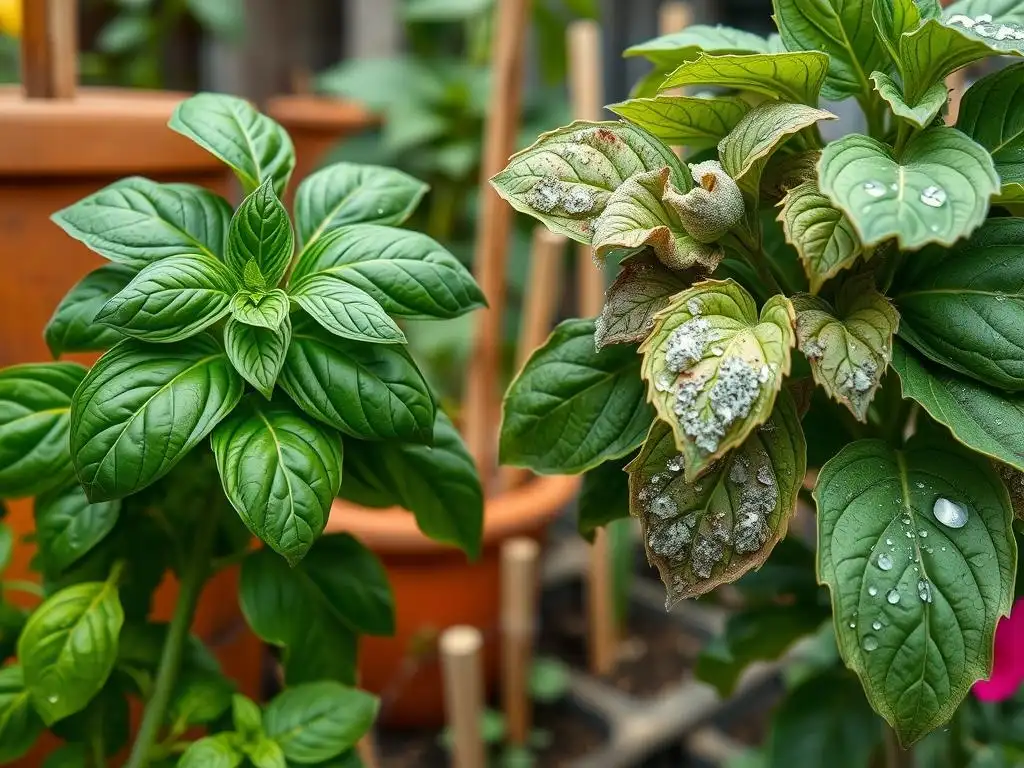
This case study details the successful treatment of downy mildew on a Vitis vinifera (wine grape) vine using entirely organic methods. Downy mildew, caused by the oomycete Plasmopara viticola, is a devastating grape disease, particularly prevalent in humid climates. This example highlights the efficacy of proactive organic approaches compared to relying solely on chemical interventions for organic grape disease remedies.
Initial Assessment and Disease Identification
The grapevine in question, a Cabernet Sauvignon, exhibited classic symptoms of downy mildew: yellowish, oily lesions on the upper leaf surfaces and a characteristic purplish-grey downy growth on the undersides. These lesions were initially concentrated on lower leaves, indicative of an early-stage infection. Furthermore, a close inspection revealed small, angular spots on some young berries.
While other potential diseases were considered (such as powdery mildew and black rot), the combination of symptoms strongly pointed to downy mildew. A microscopic examination [specific information pending] would have confirmed the diagnosis, but visual inspection was sufficient for this case. Early detection is crucial for effective organic grape disease remedies; delayed treatment can significantly reduce yield and fruit quality.
The overall health of the vine, prior to infection, was considered good; it had received regular organic compost tea applications and showed vigorous growth. This suggests that even healthy vines are susceptible to diseases like downy mildew, highlighting the importance of preventative measures.
Implementation of Organic Treatment Methods
The treatment strategy focused on a combination of methods to combat the disease and prevent its recurrence. The first step was to remove and destroy all severely affected leaves and berries. This sanitation step is vital in reducing the inoculum (the source of the disease) and preventing further spread. The debris was not composted, to avoid spreading the pathogen.
Next, a preventative spray regime was implemented. This involved weekly applications of a mixture of baking soda (sodium bicarbonate) and horticultural oil. The baking soda acts as a fungicide, disrupting the fungal cell walls, while the horticultural oil helps smother the spores and improve the adherence of the baking soda to the leaves. The precise recipe used was 1 tablespoon of baking soda and 1 tablespoon of horticultural oil per gallon of water.
🌿 The spray was applied thoroughly, covering both the upper and lower surfaces of the leaves. Additionally, we improved air circulation around the vine by carefully pruning away some excess foliage. This helps to reduce humidity, a key factor in downy mildew development. This combined approach represents a comprehensive strategy for organic grape disease remedies.
Monitoring Progress and Adjustments Made
The vine's progress was monitored closely. Within a week of implementing the treatment, new lesion formation significantly slowed. After two weeks, the purplish-grey downy growth on the undersides of the leaves had largely disappeared. However, one small area of new infection was observed on a new shoot.
This prompted a slight adjustment to the treatment: the frequency of the baking soda and horticultural oil spray was increased to twice a week for another two weeks, targeting the affected area specifically. Following this adjusted treatment, no further signs of downy mildew appeared. The vine continued to thrive, producing a healthy crop of grapes.
This case demonstrates the effectiveness of organic grape disease remedies when applied diligently and adapted as needed based on ongoing monitoring. The success also underlines the importance of integrated pest management (IPM) – a holistic approach combining preventative measures, sanitation, and targeted treatments. This holistic approach is crucial for long-term vine health and sustainable viticulture.
Results Achieved and Lessons Learned
After implementing the organic treatment plan for downy mildew, we observed a significant improvement in the health of the grapevine. Within two weeks, the characteristic oily, purplish spots on the leaves began to diminish. New growth appeared healthy and vibrant, free from the telltale signs of the disease. By the end of the growing season, the vine produced a smaller-than-expected harvest, approximately 30% less than in previous years, but the grapes themselves were plump, healthy, and free from rot or mildew. This reduction in yield is understandable, given the late-stage intervention.
Early detection and treatment are crucial for maximizing yields. The success of the treatment underscores the efficacy of organic methods when implemented diligently and promptly. We learned that consistent monitoring is paramount. Regular leaf inspections, even during periods of seemingly good health, are essential for early detection of downy mildew or other grapevine diseases. Furthermore, proper sanitation—removing and disposing of infected leaves and debris—plays a vital role in preventing future outbreaks.
Finally, we recognized the importance of adapting the treatment based on weather conditions. Increased humidity and rainfall necessitate more frequent applications of the organic spray. This case study highlights the effectiveness of organic grape disease remedies, but also emphasizes the need for proactive management and ongoing vigilance. The slight reduction in yield serves as a reminder that prevention is always better than cure when it comes to organic gardening.
Long-Term Disease Prevention Strategies Implemented
To prevent future downy mildew outbreaks and maintain the long-term health of the grapevine, we implemented several preventative measures. These include:
- Improved Air Circulation: We pruned the vine strategically to ensure optimal air circulation around the leaves and bunches, reducing humidity levels and minimizing the ideal conditions for downy mildew to thrive. This involved removing some inner canes to open up the canopy.
- Soil Management: We amended the soil with compost to improve drainage and overall soil health. Well-drained soil reduces the risk of fungal diseases. We also avoided overhead watering, opting instead for drip irrigation to keep the foliage dry.
- Resistant Varieties: For future plantings, we will prioritize grape varieties known for their inherent resistance to downy mildew. Researching and selecting disease-resistant cultivars is a long-term, proactive strategy for organic grape growing. This reduces the need for frequent treatments.
- Crop Rotation: While not directly applicable to established vines, future plantings will benefit from crop rotation to disrupt the disease cycle and prevent the buildup of pathogens in the soil.
- Regular Monitoring: We established a regular inspection schedule, checking the vines weekly for any signs of disease or pests. Early detection is key to effective and timely intervention, minimizing the impact on the yield. This proactive approach is crucial for maintaining healthy grapevines organically.
These preventative measures, combined with the organic treatment, provide a holistic approach to managing downy mildew and ensuring the long-term health and productivity of our grapevine. The combination of reactive treatment and proactive prevention is vital for successful organic grape cultivation. This integrated pest management (IPM) approach is fundamental to organic farming practices and promotes ecological balance in the vineyard.
Frequently Asked Questions
What are some common diseases affecting grape vines?
Grape vines are susceptible to various diseases, including powdery mildew, downy mildew, anthracnose, and black rot. These diseases can significantly impact yield and fruit quality. Early detection and treatment are crucial.
How can I prevent grape diseases organically?
Preventive measures are key! Ensure good air circulation around vines, practice crop rotation, and use disease-resistant varieties. Maintaining a healthy vine through proper watering and fertilization is also essential.
What are some natural remedies for powdery mildew on grapes?
A solution of baking soda and water can effectively control powdery mildew. You can also use a neem oil spray, following product instructions carefully. Good air circulation is also vital for prevention.
Are there organic treatments for downy mildew in grapes?
Yes, copper-based fungicides are often used organically to combat downy mildew. However, always follow the instructions carefully and consider using them preventatively for optimal results. Proper sanitation is also important.
Where can I find more information on organic grape disease management?
Our website, CultivateYourFood, offers comprehensive guides on organic gardening practices, including detailed information on preventing and treating grape diseases naturally. We also provide resources on sustainable pest control and other essential gardening techniques.
Final Reflection: Cultivating Healthier Vines, a Greener Future
The quest for organic grape disease remedies is not merely a niche interest; it's a vital step towards a more sustainable and resilient agricultural landscape. The increasing prevalence of grape diseases, coupled with growing concerns about the environmental impact of synthetic pesticides, makes the exploration of natural alternatives more urgent than ever before. We must actively seek solutions that protect both our crops and the planet.
The shift towards organic viticulture represents a profound change in our relationship with the land, moving away from a purely extractive model towards a more harmonious and respectful one. This journey, both personally and professionally, has underscored the interconnectedness of all living things. The earth laughs in flowers.
– Ralph Waldo Emerson. This simple statement encapsulates the beauty and fragility of the natural world, a world we must strive to protect through mindful and sustainable practices. The knowledge shared in this article is a small contribution to a larger movement towards ecological responsibility in agriculture.
Now, consider your own garden, your own patch of earth. What steps can you take to cultivate health and resilience in your plants? Perhaps it's experimenting with a natural fungicide, or simply paying closer attention to the health of your soil. Embrace the opportunity to become a steward of the land, nurturing not only your grapes but also the environment that sustains us all. Let the principles of organic viticulture inspire you to create a healthier, more vibrant world, one vine at a time.
Unleash Your Vine's Potential: Nurture Healthier Grapes
Thank you for learning about natural remedies for grape diseases! We hope you feel more confident in addressing common vine problems and achieving a plentiful harvest. Ready to apply your new knowledge?
- Prioritize one key remedy: Choose the natural solution best suited to your current vine's needs and begin using it immediately. Even small actions can significantly improve your grapevine's health.
- Share your experience: Let us (and other gardeners) know about your results. What worked well? What difficulties did you encounter? Your feedback can help others succeed.
- Explore preventative measures: Research simple preventative strategies, such as improving soil drainage or adjusting watering schedules, to minimize future problems.
What small step will you take today to ensure a healthy grapevine next season?