
Natural Remedies for Sooty Mold: How to Clean and Protect Your Plants

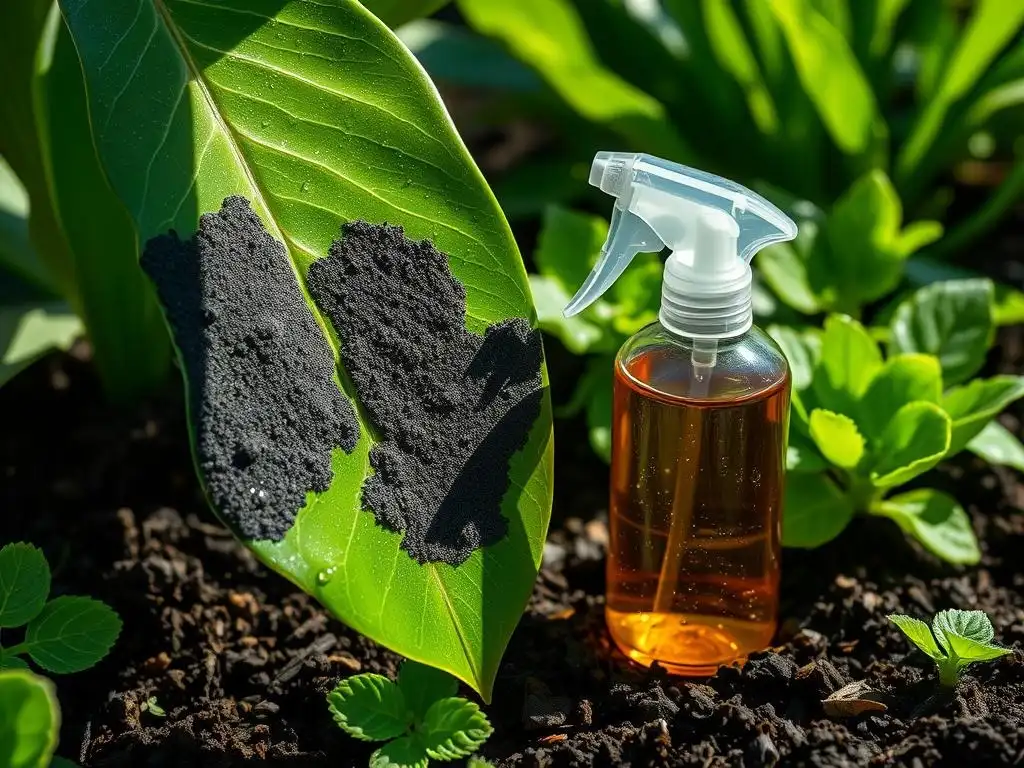
Welcome to CultivateYourFood, your guide to a thriving, sustainable garden! Are you battling a frustrating outbreak of sooty mold on your precious plants? Don't despair! We've got you covered. Discover effective and organic solutions to reclaim the health and beauty of your fruits, vegetables, and herbs. Learn how to identify, treat, and prevent this common plant ailment with our expert advice on Organic Sooty Mold Plant Treatment. Dive in and start cultivating a healthier, more bountiful garden today!
- Understanding Sooty Mold: Identification and Causes
- Organic Sooty Mold Plant Treatment: Effective Natural Solutions
- Preventing Future Sooty Mold Infestations
- Long-Term Strategies for Organic Sooty Mold Prevention
- Frequently Asked Questions
- Final Reflection: Reclaiming Plant Health Through Nature's Wisdom
- Rediscover the Vibrancy of Your Plants!
Understanding Sooty Mold: Identification and Causes
Sooty mold, a common fungal disease affecting a wide variety of plants, can significantly impact the health and appearance of your homegrown fruits, vegetables, and herbs. This unsightly black coating, while not directly harmful to the plant itself, can severely impede photosynthesis, hindering growth and reducing yields. This article will delve into effective organic sooty mold plant treatment methods, focusing on identifying the issue, understanding its causes, and implementing natural remedies to protect your precious plants.
We'll explore the intricacies of this fungal growth, emphasizing sustainable and organic practices in line with the CultivateYourFood ethos. Learning to recognize and address sooty mold effectively is crucial for maintaining a thriving and healthy garden, ensuring abundant harvests of organic produce. This guide provides a comprehensive approach to organic sooty mold plant treatment, empowering you to tackle this common garden challenge successfully.
Identifying Sooty Mold on Your Plants
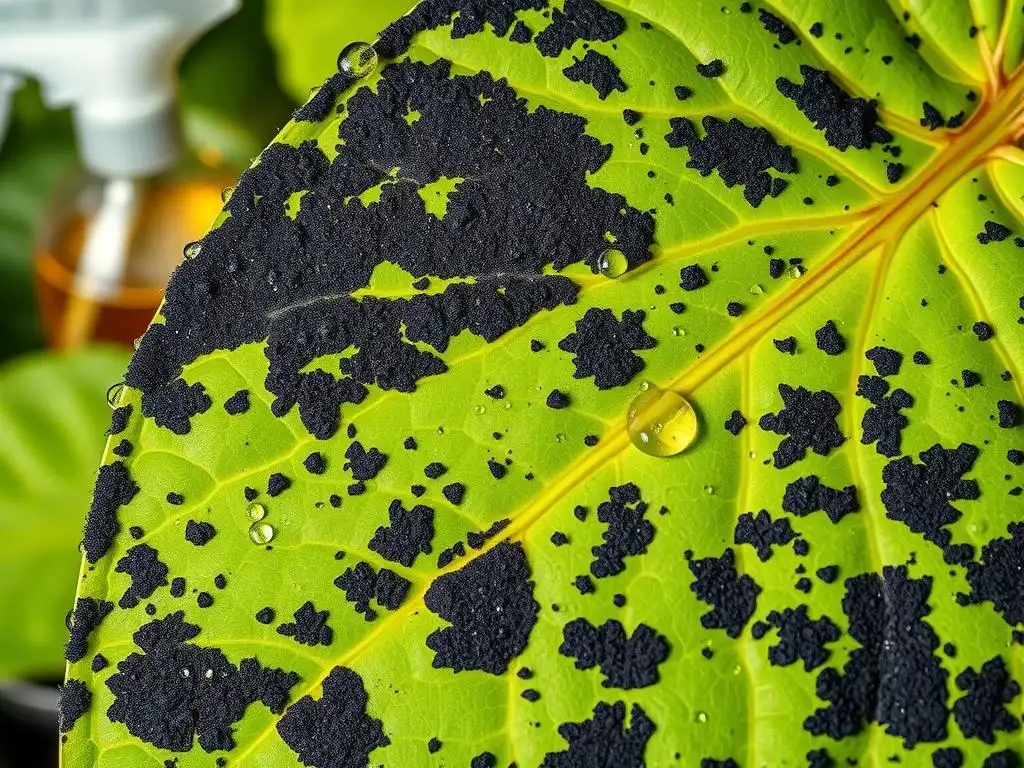
Sooty mold presents as a dark, black, sooty film on leaves, stems, and even fruits. It's often easily wiped off initially, but persistent infestations can lead to a thicker, more tenacious coating. The appearance can vary slightly depending on the affected plant and the severity of the infestation. It's crucial to distinguish sooty mold from other plant diseases.
Unlike powdery mildew, which appears as a white or gray powdery coating, sooty mold has a distinctly darker, almost velvety texture. A magnifying glass can be helpful in identifying the characteristic fungal growth. Look for a lack of defined spots or lesions; sooty mold tends to spread as a more uniform coating across the plant surface. Early detection is key to effective treatment.
Regular inspection of your plants, particularly the undersides of leaves, is crucial for early identification. If you suspect sooty mold, carefully examine your plants, paying close attention to any unusual discoloration or texture changes. Remember, early intervention is crucial for successful organic sooty mold plant treatment. 🧐
Common Causes of Sooty Mold Infestation
Sooty mold itself isn't a primary plant disease; rather, it's a secondary infection resulting from the presence of honeydew, a sticky, sugary substance secreted by sap-sucking insects like aphids, whiteflies, and scale insects. These insects feed on plant sap, excreting honeydew as a byproduct. The fungus thrives on this sugary residue, rapidly colonizing the affected areas. Therefore, effective organic sooty mold plant treatment necessitates addressing the underlying insect infestation.
This often involves a combination of strategies, including manual removal of insects, introducing beneficial insects like ladybugs, and using insecticidal soaps or neem oil. Ignoring the insects and focusing solely on the sooty mold will likely lead to recurring infestations. Understanding the root cause—the honeydew-producing insects—is paramount for long-term success. A holistic approach, encompassing both insect control and fungal treatment, is the most effective way to manage and prevent sooty mold.
The Relationship Between Sooty Mold and Honeydew
The connection between sooty mold and honeydew is symbiotic, yet parasitic. The honeydew serves as the perfect nutrient source for the sooty mold fungus, allowing it to flourish. The fungus, in turn, doesn't directly harm the plant, but its presence blocks sunlight, reducing photosynthesis and ultimately affecting plant health and productivity. This reduced photosynthetic capacity can lead to stunted growth, weakened plants, and reduced yields.
This is why simply removing the sooty mold is insufficient; the underlying insect infestation must be addressed. Imagine the honeydew as the fuel for the sooty mold fire—you need to cut off the fuel supply to extinguish the fire. By controlling the honeydew-producing insects, you starve the sooty mold and prevent further spread.
This integrated pest management approach forms the cornerstone of effective organic sooty mold plant treatment. Addressing both the symptom (sooty mold) and the cause (honeydew-producing insects) is crucial for long-term plant health and robust harvests. 🌱
Organic Sooty Mold Plant Treatment: Effective Natural Solutions
Sooty mold, a common fungal disease affecting many garden plants, presents a frustrating challenge for home gardeners. Fortunately, effective organic sooty mold plant treatment is possible without resorting to harsh chemicals. This section explores natural solutions for cleaning and preventing this unsightly and potentially damaging fungal growth, emphasizing environmentally friendly methods aligned with sustainable gardening practices.
Understanding the underlying cause of sooty mold – honeydew secreted by sap-sucking insects like aphids and whiteflies – is crucial for successful treatment. Simply removing the sooty mold itself is only a temporary fix; addressing the insect infestation is key for long-term control. This holistic approach ensures healthier plants and a more vibrant garden.
Cleaning Sooty Mold from Infected Plants
Cleaning sooty mold from your plants is the first step in an effective organic treatment strategy. Remember, the sooty mold itself is not the primary problem; it's a symptom of an insect infestation. Therefore, cleaning should be coupled with measures to control those insects. Before you begin, gather your supplies: a soft cloth or sponge, mild soapy water (we'll detail a specific recipe below), and a garden hose with a gentle spray setting.
Begin by gently wiping the sooty mold from the leaves and stems of your infected plants. Avoid harsh scrubbing, as this can damage delicate plant tissues. Use a soft cloth or sponge, and work your way systematically from the top to the bottom of the plant. For heavily infested plants, you may need to repeat this process several times.
Once you've physically removed as much sooty mold as possible, rinse the plant thoroughly with water from a garden hose. This removes any remaining residue and helps prevent the mold from re-establishing itself. The key is to be gentle and thorough – patience is essential for success. Observe your plants closely after cleaning for any signs of re-infestation.
DIY Soapy Water Solution for Sooty Mold Removal
A simple and highly effective DIY soapy water solution provides a gentle yet effective method for cleaning sooty mold. This approach offers a natural and readily available alternative to commercial pesticides. The key is using a mild soap; harsh detergents can damage your plants. Here’s a recipe:
- Ingredients:
- 1 gallon of lukewarm water
- 1-2 tablespoons of mild dish soap (avoid those with added fragrances or harsh chemicals)
- Optional: 1 tablespoon of horticultural oil (for added insect control)
- Instructions:
- Mix the water and dish soap thoroughly in a bucket or watering can. Ensure the soap is completely dissolved.
- If using horticultural oil, add it to the mixture and stir gently.
- Using a soft cloth or sponge, apply the solution to the affected areas of your plants.
- Gently wipe away the sooty mold.
- Rinse the plants thoroughly with clean water to remove any soap residue.
Remember to always test this solution on a small, inconspicuous area of your plant first to ensure it doesn't cause any adverse reactions. Repeat the application as needed, paying close attention to the underside of leaves where insects often hide. This simple, organic solution offers a powerful and environmentally friendly approach to sooty mold removal.
Using Baking Soda for Sooty Mold Control
Baking soda offers another natural and effective approach to controlling sooty mold. Its mild alkalinity helps disrupt the fungal growth and can also assist in controlling the insects that produce the honeydew which is the underlying cause of the sooty mold. However, it's important to note that baking soda is not a cure-all and should be used in conjunction with other organic methods, such as removing the sooty mold and controlling the insect population.
Here's how to use a baking soda solution:
- Recipe: Mix 1 teaspoon of baking soda with 1 gallon of water.
- Application: Spray the solution directly onto the affected plant parts, ensuring to cover both the upper and lower surfaces of leaves. Avoid over-spraying, as this could potentially damage the plant.
- Frequency: Apply the solution every 7-10 days, or as needed, depending on the severity of the infestation. Monitor your plants closely for any signs of improvement or adverse reactions.
Remember to always test a small area of the plant first to check for any sensitivity before applying the baking soda solution to the entire plant. Using baking soda as part of a comprehensive organic sooty mold treatment strategy can contribute to healthier, more resilient plants. Always remember to address the underlying insect problem for lasting results. Combine this method with regular cleaning and insect control for optimal effectiveness.
Neem Oil as a Natural Sooty Mold Treatment
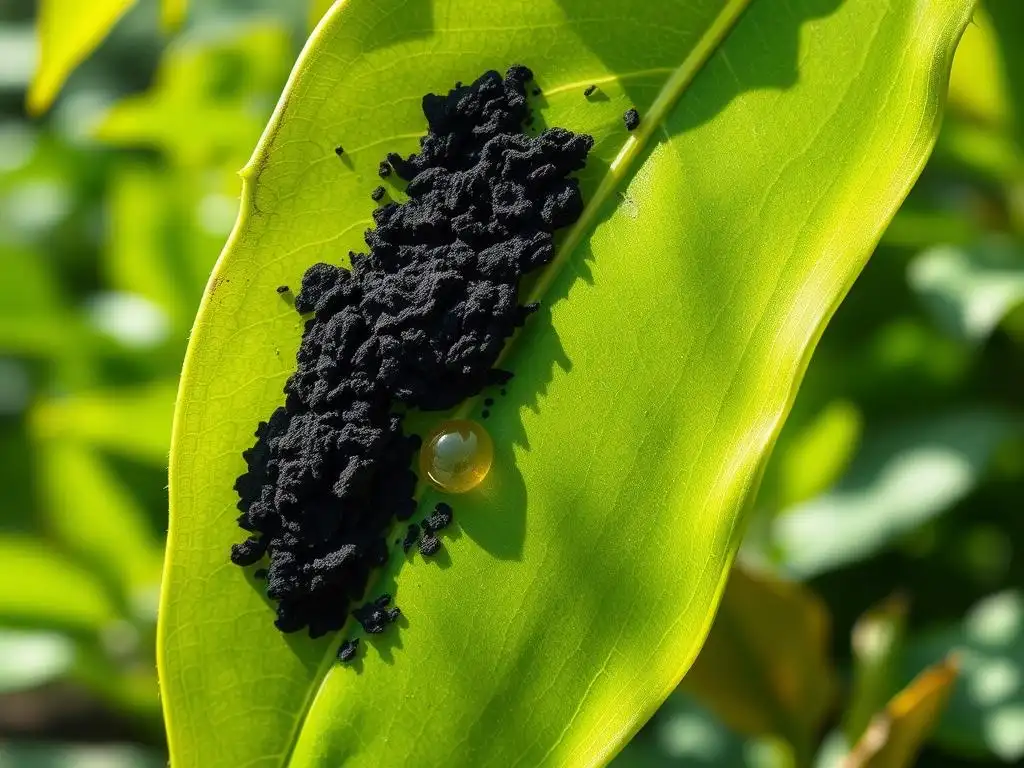
Neem oil, derived from the neem tree ( Azadirachta indica), is a versatile and effective organic pesticide with insecticidal and fungicidal properties. Its effectiveness against sooty mold stems from its ability to control the sap-sucking insects that cause it. Sooty mold itself isn't a plant disease in the traditional sense; it's a fungus that thrives on the honeydew excreted by insects like aphids, whiteflies, and scale. By targeting these insects, neem oil indirectly combats sooty mold.
Applying neem oil is relatively straightforward. Mix it according to the manufacturer's instructions – typically diluting it with water – and spray thoroughly onto the affected plant parts, ensuring coverage of both the upper and lower leaf surfaces. Remember to treat the entire plant, as insects can quickly re-infest if any areas are missed.
Repeat applications may be necessary, especially during periods of high insect activity or humid conditions. The frequency will depend on the severity of the infestation and the specific product used; always refer to the product label for guidance. It's crucial to note that neem oil is most effective as a preventative measure, applied before a significant infestation occurs.
Regular application can help keep insect populations low, thus preventing the buildup of honeydew and subsequent sooty mold development. Furthermore, some studies suggest that neem oil may possess direct antifungal properties against certain fungi, although its primary mechanism against sooty mold is via insect control.
The Role of Horticultural Oil in Sooty Mold Management
Horticultural oil, also known as dormant oil, is another effective organic solution for managing sooty mold. Unlike neem oil, which acts as both an insecticide and fungicide, horticultural oil primarily functions as a suffocating agent for insects. It works by coating the insects, blocking their breathing pores and ultimately leading to their death. This indirect control of the insect population significantly reduces honeydew production, thereby hindering the growth of sooty mold.
The application process for horticultural oil is similar to neem oil. Mix the oil according to the label instructions, ensuring proper dilution with water. Thorough spraying is crucial, covering all plant surfaces to ensure contact with the insects. However, horticultural oils are generally best applied during the dormant season for many plants (late fall/winter) or early spring, before new growth emerges, to avoid potential damage to the plant.
Applying horticultural oil during the growing season requires careful consideration, as it can potentially damage tender new leaves. Always choose oils specifically designed for use during the growing season if application is necessary at this time. Moreover, the efficacy of horticultural oil can be affected by temperature. Extremely hot or cold temperatures can reduce its effectiveness.
Therefore, checking the weather forecast before applying is recommended. The choice between neem oil and horticultural oil depends on various factors, including the type of insects present, the time of year, and the specific needs of the plant. Both, however, offer environmentally friendly alternatives to chemical pesticides in the fight against sooty mold.
Preventing Future Sooty Mold Infestations
Sooty mold, while unsightly, is a symptom of a larger problem: a honeydew-producing insect infestation. Therefore, preventing future outbreaks centers around proactive pest management and maintaining healthy growing conditions. Simply cleaning off the sooty mold won't solve the issue; it will likely return unless the underlying cause is addressed. A holistic approach incorporating several strategies is key to long-term sooty mold control and achieving organic plant health. This is crucial for effective organic sooty mold plant treatment.
Identifying and Treating Underlying Pest Infestations (Aphids, Whiteflies, etc.)
The most effective organic sooty mold plant treatment begins with identifying and eliminating the insects producing the honeydew. Common culprits include aphids, whiteflies, mealybugs, and scale insects. These tiny pests feed on plant sap, excreting a sticky substance (honeydew) that serves as the perfect breeding ground for sooty mold.
Careful observation is crucial. Inspect the undersides of leaves, stems, and buds for small insects, sticky residues, and the telltale black sooty mold itself. A magnifying glass can be invaluable for identifying smaller pests.
Once identified, implement organic pest control measures. This could involve:
- Manual Removal: For small infestations, physically removing insects with a strong stream of water or by wiping them off with a damp cloth can be effective.
- Insecticidal Soaps: These are readily available organic pesticides that disrupt the cell membranes of soft-bodied insects like aphids and whiteflies. Always follow label instructions carefully.
- Neem Oil: Another effective organic option, neem oil disrupts the insect's life cycle, preventing reproduction and controlling infestations. Again, careful application according to label instructions is essential.
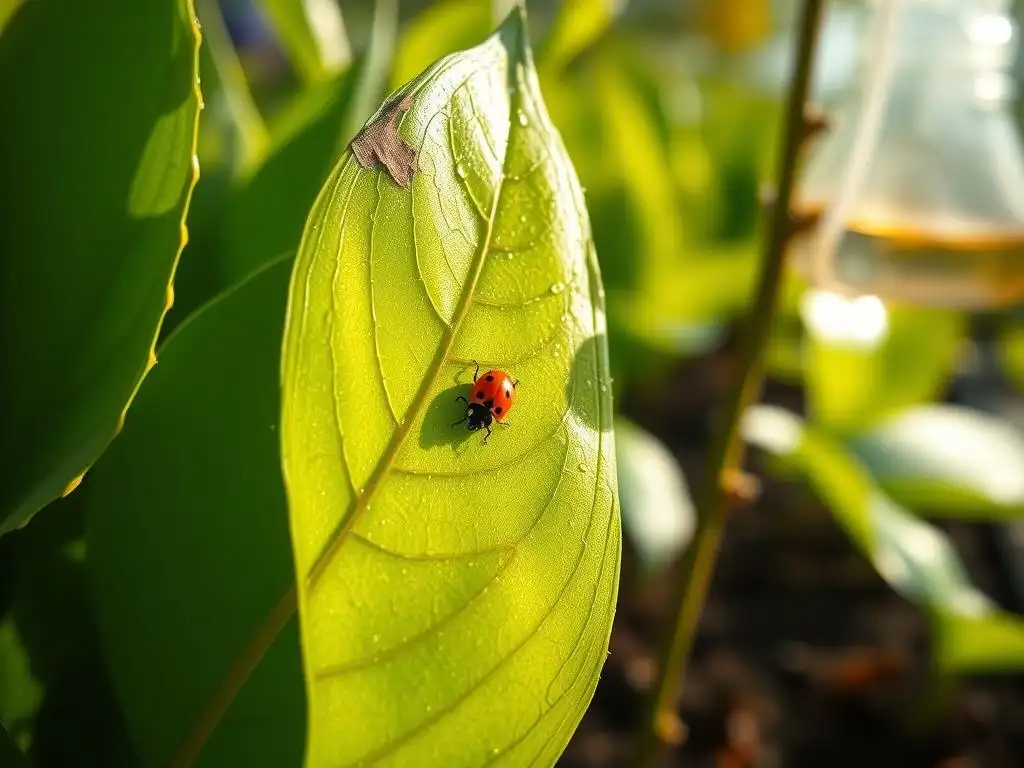
- Beneficial Insects: Introducing predatory insects, such as ladybugs or lacewings, can provide natural biological control. These beneficial insects feed on the honeydew-producing pests, thereby reducing their populations and minimizing the risk of sooty mold.
Regular monitoring is vital. Even after treatment, continue inspecting your plants regularly to catch any new infestations early. Early detection is key to preventing a large-scale outbreak and the subsequent spread of sooty mold. Remember, consistent vigilance is a cornerstone of successful organic sooty mold plant treatment.
Maintaining Proper Plant Hygiene and Sanitation
Maintaining cleanliness around your plants is a proactive measure to prevent sooty mold and other plant diseases. Good hygiene minimizes the chances of pest infestations and provides a less hospitable environment for fungal growth. This forms a crucial part of your organic sooty mold plant treatment strategy.
This involves several key practices:
- Regular Cleaning: Remove fallen leaves and debris from around your plants. These decaying materials can harbor pests and provide a breeding ground for fungi.
- Pruning: Regular pruning improves air circulation and removes any diseased or infested plant parts, preventing the spread of pests and diseases.
- Tool Sanitation: Always clean and disinfect your gardening tools after each use to prevent the spread of diseases between plants. A simple solution of bleach and water can be effective.
- Soil Management: Healthy, well-draining soil is less susceptible to fungal diseases. Amend the soil with compost to improve its structure and drainage. Avoid overwatering, as excessively moist soil encourages fungal growth.
By consistently maintaining a clean and organized growing environment, you significantly reduce the likelihood of sooty mold and other plant diseases. This preventative approach is far more efficient than dealing with widespread infestations later.
Improving Air Circulation Around Plants
Poor air circulation creates a humid microclimate that favors the growth of sooty mold and other fungal diseases. Improving airflow around your plants is a simple yet highly effective method of preventing future infestations. This is particularly important for plants grown indoors or in densely packed areas. This is a crucial element of any effective organic sooty mold plant treatment.
Consider these strategies to enhance air circulation:
- Spacing: Ensure adequate spacing between plants to allow for proper air movement. Overcrowding restricts airflow, creating a humid environment ideal for sooty mold.
- Ventilation: For indoor plants, provide adequate ventilation to reduce humidity. Open windows or use fans to increase air circulation.
- Pruning: Pruning helps to open up the plant canopy, allowing for better air penetration. Remove any overcrowded or dead branches to improve airflow.
- Plant Placement: Avoid placing plants in areas with poor air circulation, such as dark corners or sheltered spots.
By optimizing air circulation, you create a less hospitable environment for sooty mold and other fungi, thus reducing the risk of future infestations and contributing to the overall health and vigor of your plants. This preventative approach is a crucial part of a successful and sustainable organic sooty mold plant treatment strategy.
Adjusting Watering Practices to Prevent Excess Moisture
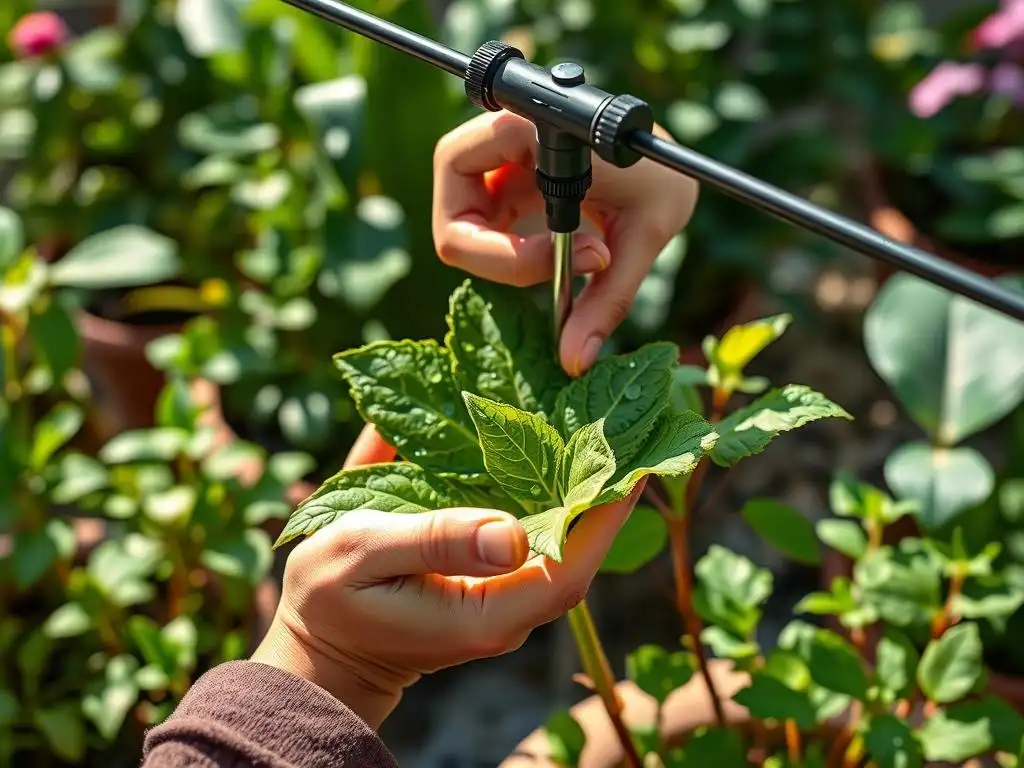
Overwatering is a significant contributor to sooty mold development, as it creates the ideal humid environment for the honeydew-producing insects (aphids, whiteflies, etc.) that are the root cause of this fungal growth. Therefore, adjusting your watering habits is crucial for organic sooty mold plant treatment and prevention. Instead of following a rigid schedule, focus on the needs of your specific plants and the prevailing weather conditions. Check the soil moisture before watering; if the top inch or two feels dry to the touch, it's time to water.
Avoid overhead watering, which keeps foliage wet for extended periods, encouraging fungal growth. Instead, opt for watering at the base of the plant, allowing the water to penetrate the soil gradually. This technique minimizes leaf wetness and reduces the risk of fungal infections. Consider using a soaker hose or drip irrigation system for efficient and controlled watering. These methods deliver water directly to the roots, preventing excess moisture on the leaves.
Regularly monitor your plants for signs of overwatering, such as yellowing leaves or wilting despite adequate moisture in the soil. These are crucial indicators that you need to adjust your watering strategy to avoid creating a haven for sooty mold. Remember, prevention is key in organic gardening, and mindful watering is a cornerstone of effective sooty mold prevention. Consistent monitoring and adjustments are essential to maintain a healthy balance.
Choosing Disease-Resistant Plant Varieties
Selecting plant varieties inherently resistant to pests and diseases is a proactive approach to minimizing the risk of sooty mold infestations. Many plant species have been bred for increased resistance to common pests, which directly reduces the likelihood of honeydew production and, consequently, sooty mold. Researching and choosing these disease-resistant varieties is a powerful tool in your arsenal for organic sooty mold plant treatment and long-term prevention. When selecting plants for your garden, look for varieties described as having "disease resistance" or "pest resistance" on plant tags or in online descriptions.
These descriptions often highlight specific pests and diseases the plant is less susceptible to. For example, some rose varieties exhibit better resistance to aphids than others, thus reducing the chance of a sooty mold problem. Similarly, certain tomato varieties are bred to resist common fungal diseases, indirectly protecting them from the secondary issue of sooty mold.
Consulting with local nurseries or experienced gardeners can provide valuable insights into which varieties thrive in your specific climate and exhibit strong resistance to common pests in your area. By investing in disease-resistant plants, you significantly reduce the need for chemical interventions and create a healthier, more resilient garden, naturally preventing the conditions that lead to sooty mold. This is an essential aspect of organic sooty mold plant treatment and a long-term strategy for a healthier garden.
Long-Term Strategies for Organic Sooty Mold Prevention
Sooty mold, while unsightly, is a symptom of a larger problem: sap-sucking insects. Treating the mold itself is only a temporary solution; a truly effective approach requires focusing on preventing the insects that cause it in the first place. This section details long-term, organic strategies to keep sooty mold at bay, fostering a thriving and resilient garden. Effective organic sooty mold plant treatment hinges on proactive prevention.
Creating a Healthy Soil Environment
A robust, healthy soil environment is the cornerstone of disease resistance in plants. Healthy soil teeming with beneficial microorganisms provides plants with the nutrients they need to fight off pests and diseases, including the insects that lead to sooty mold. Here's how to cultivate such an environment:
- Composting: Regularly composting kitchen scraps and yard waste creates nutrient-rich humus, improving soil structure and aeration. This enhanced soil structure allows for better water drainage and root penetration, reducing stress on plants and making them less susceptible to pests. Aim for a compost pile with a good mix of "greens" (nitrogen-rich materials like grass clippings) and "browns" (carbon-rich materials like dried leaves). The ideal ratio is generally around 2:1 (browns to greens).
- Soil Testing: Understanding your soil's pH and nutrient levels is crucial. A soil test can reveal deficiencies that need addressing. Amendments like lime (to raise pH) or sulfur (to lower pH) can be added based on the results. Similarly, adding organic matter like compost helps improve the overall nutrient content of the soil.
- Crop Rotation: Rotating crops annually helps prevent the buildup of pests and diseases in the soil. Different plants have varying nutrient requirements and susceptibility to pests, so rotating helps break pest cycles and maintain soil health. For instance, planting a legume (like beans or peas) one year can improve soil nitrogen levels, benefiting subsequent crops.
Boosting Plant Immunity with Natural Fertilizers
Nutritious plants are stronger plants, better equipped to withstand pest infestations. Natural fertilizers provide the essential nutrients plants need without the harsh chemicals found in synthetic fertilizers, which can weaken plant defenses.
- Seaweed Extract: Rich in vitamins, minerals, and growth hormones, seaweed extract acts as a natural plant tonic, boosting overall plant health and resilience. It improves nutrient uptake and strengthens cell walls, making plants less vulnerable to pests and diseases. It can be applied as a foliar spray or added to the soil.
- Compost Tea: A liquid extract made from compost, compost tea is a potent source of beneficial microorganisms. These microbes help plants absorb nutrients more efficiently and improve soil health, indirectly strengthening the plant's immune system. Homemade compost tea is easy to brew and a highly effective organic sooty mold plant treatment approach.
- Worm Castings: These are the excretions of earthworms and are incredibly rich in nutrients. They improve soil structure, aeration, and water retention, making them an excellent soil amendment to boost plant health and resistance to pests. They also contain beneficial microorganisms that promote healthy plant growth.
Beneficial Insects and Their Role in Pest Control
Introducing beneficial insects into your garden is a natural and effective way to control populations of sap-sucking insects, thereby preventing sooty mold. These beneficial insects prey on or parasitize the pests, reducing their numbers naturally.
- Ladybugs: These voracious predators feed on aphids, mealybugs, and other soft-bodied insects that often cause sooty mold. Introducing ladybugs to your garden can significantly reduce these pest populations.
- Lacewings: Both the adult and larval stages of lacewings are effective predators, feeding on a wide range of insect pests, including aphids and whiteflies.
- Praying Mantises: These impressive insects are ambush predators, catching and devouring a variety of insects, including those that contribute to sooty mold development. Attracting them to your garden through the use of flowering plants can be beneficial.
Remember, consistent and attentive gardening practices are key to long-term success in organic sooty mold plant treatment. By focusing on preventative measures, you create a garden ecosystem that is naturally resistant to this and other plant diseases. 🌱
Regular Monitoring and Early Intervention
Regular inspection of your plants is the cornerstone of effective sooty mold management. Early detection significantly improves the chances of successful treatment and minimizes the spread of the fungus. Aim for a weekly inspection, particularly during periods of high humidity and aphid activity, the primary culprits behind sooty mold outbreaks.
Focus your attention on the undersides of leaves, where aphids often congregate, and examine stems for signs of honeydew, the sticky substance that fuels sooty mold growth. A magnifying glass can be incredibly helpful in identifying tiny aphids or other sap-sucking insects. Remember, even small infestations, if left unchecked, can quickly escalate into widespread sooty mold problems.
Early intervention, whether through natural pest control methods or a gentle wash with soapy water, is far more effective and less disruptive than dealing with a large-scale infestation. This proactive approach is crucial for maintaining the health and vitality of your plants while preserving the organic integrity of your garden.
Early detection is paramount because sooty mold, while unsightly, is often a symptom of a larger problem: an infestation of sap-sucking insects. Addressing these insects directly is key to long-term control of sooty mold. By regularly monitoring your plants and identifying potential problems early, you can avoid the need for harsh chemical treatments and maintain a healthy, thriving garden using organic methods. This diligent observation allows you to implement prompt, targeted interventions, preventing a minor issue from blossoming into a major problem.
Consider keeping a small notebook or using a gardening app to track your observations, noting any changes in plant health or the presence of pests. This detailed record will help you identify patterns and refine your preventative measures over time. This careful monitoring not only helps prevent sooty mold but also helps ensure the overall health and productivity of your plants.
Frequently Asked Questions
What is sooty mold?
Sooty mold is a fungal growth that appears as a black, sooty film on plant leaves. It doesn't directly harm the plant, but it's a symptom of a sap-sucking insect infestation, like aphids or scale. Treating the underlying insect problem is key.
How do I identify sooty mold on my plants?
Look for a black, powdery residue on leaves and stems. It often feels fuzzy or velvety to the touch. If you suspect sooty mold, check for insects underneath the leaves.
What are some natural ways to treat sooty mold?
First, remove the insects causing the problem using insecticidal soap or neem oil. Then, gently wipe down the affected leaves with a damp cloth to remove the mold. Improving air circulation around plants can also help prevent future outbreaks.
Will sooty mold harm my plants?
Sooty mold itself is not directly harmful to plants. However, the heavy coating can block sunlight, hindering photosynthesis. The underlying insect infestation is the real threat to plant health.
How can I prevent sooty mold in the future?
Regularly inspect your plants for pests. Use preventative measures like introducing beneficial insects or applying neem oil as a preventative. Maintain good air circulation to reduce humidity, a condition that favors mold growth.
Final Reflection: Reclaiming Plant Health Through Nature's Wisdom
The fight against sooty mold isn't just about aesthetics; it's about safeguarding the health and vitality of our plant companions. A seemingly minor fungal issue, sooty mold signals a deeper imbalance in our gardens, highlighting the interconnectedness of plant health and environmental harmony. Ignoring it risks further damage and compromises the overall well-being of our green spaces.
The journey towards effective, organic sooty mold treatment has profoundly shifted my perspective on gardening. It's not just about applying chemicals; it's about understanding the underlying causes and fostering a resilient ecosystem. This holistic approach, focusing on prevention and natural remedies, resonates deeply with my personal values. The earth laughs in flowers.
– Ralph Waldo Emerson. This quote perfectly encapsulates the joy and responsibility we have in nurturing the natural world, and combating sooty mold is a small but significant step in that direction.
Now, consider your own plants. Are they thriving, or are they showing signs of stress? Take a moment to observe their needs, identify potential problems, and explore the natural solutions discussed in this article. Empower yourself to become a more conscious gardener, one who prioritizes the health of their plants and the environment. By embracing organic methods, you're not just treating sooty mold; you're building a healthier, more sustainable garden for years to come.
Rediscover the Vibrancy of Your Plants!
Thank you for learning about tackling sooty mold! We hope you feel confident in your ability to keep your plants thriving. Ready to put your knowledge into practice?
- Prioritize preventative care: Regularly inspect your plants for signs of pests; early detection is crucial for preventing sooty mold.
- Treat and Share: Gently treat existing sooty mold with a homemade solution (as discussed in the article) and share your results in the comments below! Let's build a supportive community of plant lovers.
- Embrace Natural Pest Control: Explore natural pest control methods to maintain a healthy, pest-free environment for your plants.
What's your best tip for preventing sooty mold and keeping your plants looking their best? We'd love to hear it!