
Natural Solutions for Fruit Rot: How to Protect Your Harvest

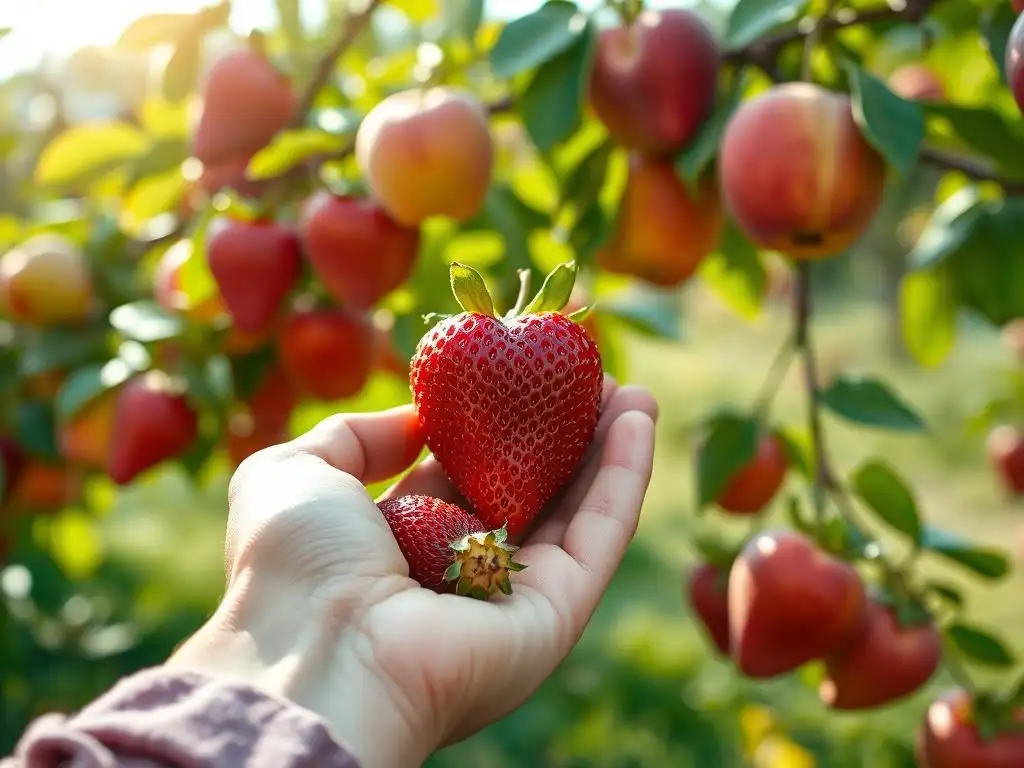
Welcome to CultivateYourFood, your guide to a thriving home garden! Are you tired of watching your precious fruits succumb to rot? We understand the frustration. Learn how to prevent fruit rot naturally with our expert advice on sustainable and organic pest control, ensuring a bountiful harvest from your homegrown fruits, vegetables, and herbs. Discover the secrets to a healthier garden and savor the taste of success – explore our Pest and Disease Control section now and unlock the path to a flourishing yield.
- Understanding Fruit Rot and its Causes
- Prevent Fruit Rot Naturally: Proactive Strategies
- Prevent Fruit Rot Naturally: Organic Treatments and Remedies
- Post-Harvest Handling to Prevent Fruit Rot
- Case Studies: Successful Natural Fruit Rot Prevention
- Frequently Asked Questions
- Final Reflection: Nurturing Nature's Bounty: A Harvest of Hope
- Unlock Your Bountiful Harvest: Prevent Fruit Rot, Naturally!
Understanding Fruit Rot and its Causes
Fruit rot, a disheartening sight for any home gardener, represents a significant threat to the yield and quality of your fruit harvest. This devastating condition, characterized by the decay and softening of fruit, can be caused by a variety of factors, ranging from fungal infections to bacterial diseases and even environmental stressors. Understanding the underlying causes of fruit rot is the first crucial step towards implementing effective, natural preventative measures and safeguarding your precious fruits.
This article will delve into the common culprits behind fruit rot, equipping you with the knowledge to proactively protect your harvest using sustainable, organic methods – ultimately helping you prevent fruit rot naturally. We'll explore various natural solutions, focusing on identification, prevention, and treatment strategies that minimize the use of harmful chemicals, ensuring a healthy and abundant harvest for you and the environment.
The goal is to empower you with the tools and techniques to cultivate thriving fruit plants and enjoy the delicious rewards of your labor. Let's begin by identifying the most common fruit rot diseases.
Identifying Common Fruit Rot Diseases
Several fungal and bacterial pathogens can cause fruit rot. Identifying the specific culprit is crucial for effective treatment, although preventative measures are often the most effective strategy. Some of the most prevalent fruit rot diseases include:
- Brown rot: Often caused by Monilinia species, brown rot manifests as brown, leathery spots that quickly spread, often accompanied by a fuzzy gray mold. This disease is particularly devastating to stone fruits like peaches, plums, and cherries.
- Anthracnose: Characterized by sunken, dark lesions on the fruit, anthracnose is caused by various Colletotrichum fungi and affects a wide range of fruits and vegetables. The lesions can be water-soaked initially and eventually become firm and dry.
- Black rot: Caused by Guignardia citricarpa, black rot is primarily a problem for citrus fruits. It starts as small, dark spots that enlarge and develop concentric rings.
- Soft rot: This is often caused by bacteria, such as Erwinia species, leading to a rapid softening and decay of the fruit. A foul odor is often associated with soft rot.
Knowing these common diseases helps you recognize the symptoms early on, allowing for timely intervention and preventing the spread to other fruits. Early detection is key to successfully preventing fruit rot naturally.
Recognizing Early Signs of Fruit Rot Infection
Early detection is paramount in preventing widespread fruit rot. While the advanced stages are easily noticeable, catching the infection early can significantly limit its impact. Look out for these early warning signs:
- Slight discoloration: Small, discolored spots or blemishes on the fruit's surface, often appearing water-soaked or slightly sunken. These might be subtle at first, appearing as minor imperfections.
- Changes in texture: A slightly softer or firmer texture than normal, depending on the specific pathogen. Some rots start with softening, while others begin with a hardening of the fruit's surface.
- Unusual odor: A slightly off-putting smell, even before visible signs of decay appear. This is often a tell-tale sign of bacterial infections.
- Presence of mold: Very small, fuzzy patches of mold may be visible at the early stages of fungal infections. These are usually lighter in color than the surrounding fruit.
Regular and attentive observation of your fruit plants is crucial for early detection. Prompt action upon noticing these early symptoms can significantly reduce the spread of fruit rot and save a large portion of your harvest.
Environmental Factors Contributing to Fruit Rot
Environmental conditions play a significant role in the development of fruit rot. Understanding these factors allows you to modify your growing practices to minimize the risk of infection. Key environmental factors include:
- High humidity: Excess moisture on the fruit's surface creates an ideal environment for fungal spores to germinate and thrive. Proper air circulation around fruit trees and plants is essential.
- Poor drainage: Waterlogged soil can weaken plants, making them more susceptible to diseases. Well-drained soil is crucial for healthy plant growth.
- Temperature fluctuations: Extreme temperature changes can stress plants, reducing their resistance to pathogens. Maintaining a consistent temperature, within the plant's ideal range, is important.
- Wounds and injuries: Any damage to the fruit, such as insect bites or mechanical damage during harvesting, provides entry points for pathogens. Careful handling and pest control are vital.
By addressing these environmental factors, you can create a less hospitable environment for fruit rot pathogens, significantly reducing your chances of experiencing a significant loss in your harvest. Remember, prevention is always the best strategy when it comes to fruit rot.
Prevent Fruit Rot Naturally: Proactive Strategies
This section focuses on preventative measures to minimize fruit rot, a significant challenge for home gardeners aiming to cultivate healthy, organic produce. By implementing these proactive strategies, you can significantly reduce the risk of fungal diseases and bacterial infections that cause fruit decay, thereby maximizing your harvest and minimizing waste. We'll explore key techniques that promote a thriving, disease-resistant environment for your fruit trees and bushes.
Selecting Disease-Resistant Fruit Varieties
Choosing the right fruit variety is the cornerstone of preventing fruit rot naturally. Certain cultivars exhibit inherent resistance to common fungal pathogens like Botrytis cinerea (gray mold) and Monilinia fructicola (brown rot). Investing time in research before planting is crucial. Local agricultural extensions or nurseries can provide valuable guidance on varieties best suited to your specific climate and soil conditions, and their inherent resistance to prevalent diseases in your area.
For example, some apple varieties are known for their superior resistance to scab and other fungal diseases. Similarly, certain plum varieties show greater tolerance to brown rot. Don't hesitate to ask for recommendations; knowledgeable staff can guide you towards varieties that require less intervention and are naturally more resilient to fruit rot. This proactive approach minimizes the need for chemical treatments, aligning perfectly with the principles of organic gardening and helping you prevent fruit rot naturally. Consider compiling a list of resistant varieties suitable for your region to aid in future planting decisions.
Proper Orchard Sanitation and Hygiene Practices
Maintaining impeccable orchard sanitation is paramount in preventing fruit rot naturally. Fungal spores and bacteria responsible for fruit rot overwinter in fallen leaves, infected fruits, and other plant debris. By diligently removing these sources of infection, you significantly reduce the inoculum available to initiate new infections the following season.
This involves several crucial steps:
- Regularly remove fallen fruit: Collect and dispose of all fallen fruit promptly. Composting infected fruit is generally discouraged, as the heat generated during composting may not be sufficient to kill all pathogens. Instead, consider burying them deeply or disposing of them in the trash.
- Clean up fallen leaves and debris: Thoroughly clear the area around your fruit trees and bushes of fallen leaves, twigs, and other plant debris. This reduces the overwintering sites for pathogens.
- Prune infected branches: Remove any branches showing signs of disease or damage. Proper pruning improves air circulation, reducing humidity levels favorable to fungal growth. Sterilize your pruning tools between cuts using a solution of bleach and water to prevent the spread of infection.
- Sanitize tools: Always disinfect your pruning shears and other gardening tools after each use to prevent the spread of pathogens from one plant to another.
Importance of Good Air Circulation and Sunlight Exposure
Optimizing air circulation and sunlight exposure is essential for preventing fruit rot naturally. These factors significantly influence the microclimate within your orchard, creating an environment less conducive to fungal growth.
- Proper spacing: Ensure adequate spacing between fruit trees and bushes to allow for free air movement. Crowded plants create humid microclimates that favor fungal development.
- Pruning for airflow: Regular pruning not only removes diseased branches but also improves air circulation within the canopy, reducing humidity and preventing the buildup of moisture on fruit surfaces.
- Sunlight penetration: Ensure sufficient sunlight reaches all parts of the plant. Adequate sunlight promotes healthy growth and reduces the susceptibility of fruit to diseases. Shaded areas tend to be more humid and prone to fungal infections. Consider thinning out dense foliage to improve light penetration.
By combining these approaches, you can effectively create a naturally protective environment around your fruit trees and bushes, resulting in a healthier, more bountiful harvest. Remember, a proactive approach to orchard management is key to prevent fruit rot naturally and enjoy the fruits of your labor.
Maintaining Optimal Soil Health for Fruit Trees
Healthy soil is the cornerstone of preventing fruit rot. Fruit trees, like all plants, thrive in well-drained, nutrient-rich soil. Poor soil structure, compacted soil, or nutrient deficiencies weaken the tree, making it more susceptible to fungal diseases that cause rot. This susceptibility stems from the tree's reduced ability to fight off pathogens. A weakened immune system, in essence, leaves the fruit vulnerable.
To cultivate optimal soil health, regular soil testing is crucial. This allows you to pinpoint any deficiencies in essential nutrients like nitrogen, phosphorus, and potassium. Based on the test results, you can amend the soil with organic matter such as compost, aged manure, or cover crops. These additions improve soil structure, aeration, and water retention, creating a more hospitable environment for healthy root development. Strong roots are vital for nutrient uptake, which directly impacts the tree's overall vigor and disease resistance. Remember, a healthy, robust tree is far less likely to succumb to fruit rot.
Beyond nutrient levels, soil pH plays a significant role. Most fruit trees prefer a slightly acidic to neutral pH range (around 6.0-7.0), although this can vary depending on the specific species. Adjusting the pH using lime (to raise it) or sulfur (to lower it) is essential for optimal nutrient availability. Incorrect pH can lock out essential nutrients, even if they are present in the soil, leading to nutrient deficiencies and increased susceptibility to diseases. Regular soil testing and adjustments, therefore, are preventative measures against fruit rot.
Furthermore, maintaining proper soil moisture is critical. Fruit trees need consistent moisture, but overwatering can lead to root rot, creating an entry point for other pathogens. Mulching around the base of the tree helps regulate soil moisture, suppressing weeds, and moderating soil temperature fluctuations. This balanced approach provides the ideal environment for healthy root growth and reduces stress on the tree, thus bolstering its natural defenses against fruit rot and other diseases. Proper soil management is truly a proactive approach to preventing fruit rot naturally.
Prevent Fruit Rot Naturally: Organic Treatments and Remedies
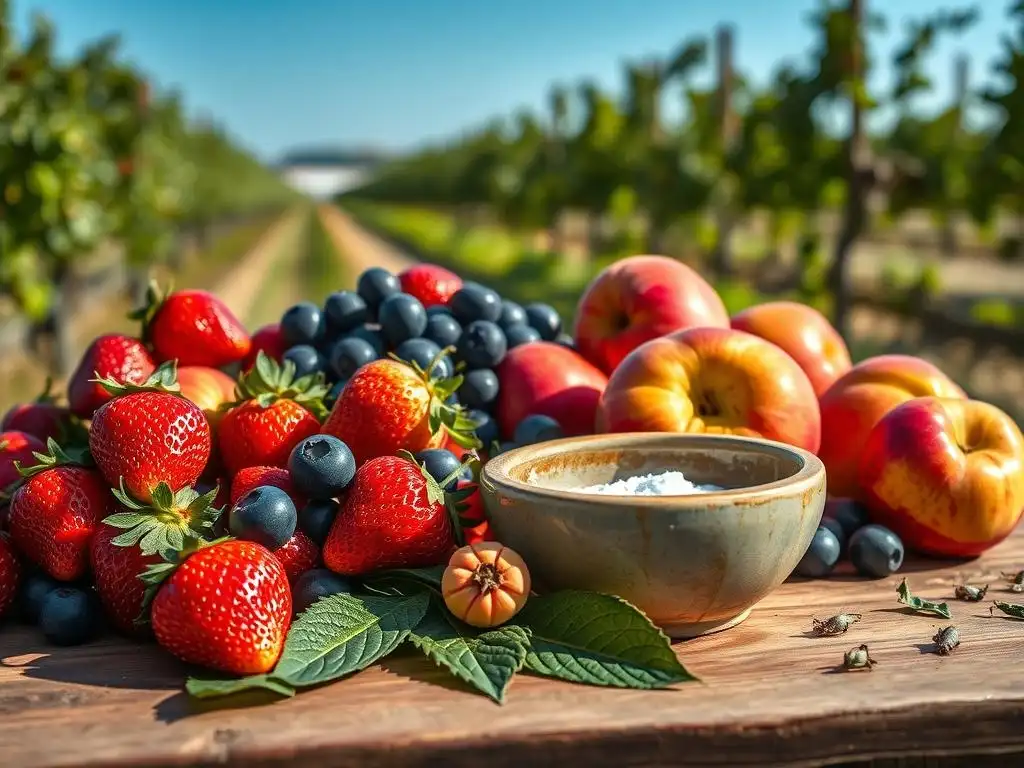
Fruit rot, a devastating problem for home gardeners, significantly reduces yields and can be disheartening. Fortunately, preventing fruit rot naturally is achievable through proactive measures and organic treatments. This section explores effective, eco-friendly solutions to safeguard your precious harvest. We'll delve into specific methods, offering detailed instructions and emphasizing the importance of early intervention for optimal results. Remember, a healthy plant is less susceptible to disease, so proper care is fundamental in your strategy to prevent fruit rot naturally.
Baking Soda Solution for Fruit Rot Control
Baking soda, a common household item, offers a surprisingly effective and safe way to combat fruit rot. Its alkaline nature inhibits the growth of many fungi responsible for fruit decay. A simple solution can be prepared and applied directly to affected plants as a preventative measure or to slow the progression of existing rot.
The key is consistency. Regular application is crucial for effective prevention. Here's a recipe and application guide:
- Recipe: Mix 1 tablespoon of baking soda with 1 gallon of water. You can add a tiny amount of liquid soap (a few drops) to help the solution adhere to plant surfaces.
- Application: Spray the solution directly onto the fruit and foliage, ensuring thorough coverage. Avoid over-spraying, as excessive moisture can promote other fungal diseases. Aim for a light mist. Repeat the application every 7-10 days, or more frequently during periods of high humidity or rain.
- Important Considerations: Always test a small area of your plants first to check for any adverse reactions. Baking soda solutions are generally safe, but some plants may be sensitive. Avoid applying during the hottest part of the day to prevent leaf burn.
This method is particularly effective against Botrytis cinerea, a common fungus causing gray mold rot on various fruits. Studies have shown a significant reduction in fruit rot incidence when using baking soda sprays, demonstrating its efficacy as a natural preventative measure. Regular monitoring is vital; early detection and prompt treatment are key to minimizing losses.
Using Neem Oil to Combat Fruit Rot
Neem oil, derived from the neem tree, is a versatile organic pesticide with potent antifungal properties. It disrupts the lifecycle of various fungi, including those responsible for fruit rot, making it a valuable tool in your arsenal for preventing fruit rot naturally. Neem oil's effectiveness stems from its ability to interfere with fungal spore germination and growth.
However, neem oil's potency requires careful application. Using it incorrectly can harm your plants. Here's the proper approach:
- Dilution: Always dilute neem oil according to the product instructions. Over-concentration can damage plant foliage. A typical dilution rate is 1-2 tablespoons of neem oil per gallon of water.
- Application: Spray the diluted solution onto the affected plants, focusing on the fruit and surrounding foliage. Ensure even coverage, but avoid over-spraying. Early morning or late evening application is best to minimize leaf burn from sun exposure.
- Frequency: Apply the neem oil spray every 7-10 days, or as needed, depending on the severity of the fruit rot infestation and weather conditions. Consistent application is crucial for sustained protection.
Neem oil's effectiveness is enhanced when combined with other preventative measures, such as proper sanitation and good air circulation around plants. It's best used as a preventative measure, applied before the onset of fruit rot, but it can also help manage existing infections if applied early. Always check the label for specific instructions and safety precautions.
Kaolin Clay as a Protective Barrier Against Fruit Rot
Kaolin clay, a naturally occurring mineral clay, provides a physical barrier against fungal spores, thus helping prevent fruit rot naturally. When sprayed onto the fruit's surface, it forms a thin, protective film that prevents fungal spores from germinating and infecting the fruit. This method is particularly effective for fruits susceptible to surface rots.
Applying kaolin clay is straightforward:
- Preparation: Mix the kaolin clay according to the product instructions. The concentration will vary depending on the brand, so always refer to the label for accurate dilution rates. Usually, a water-based suspension is created.
- Application: Spray the kaolin clay mixture evenly onto the fruit's surface, ensuring complete coverage. It's best to apply when the plants are dry and the weather is calm. Multiple applications may be necessary, especially after rain.
- Timing: Begin applying kaolin clay when the fruit begins to develop, and continue applications at intervals specified on the product label.
While kaolin clay doesn't directly kill fungi, it acts as a preventative shield, reducing the chances of infection. This makes it a valuable tool for organic fruit production, contributing significantly to the overall success of your harvest by preventing fruit rot naturally. Remember that consistent application is key to maintaining the protective barrier. The clay is generally considered safe for humans and beneficial insects, further emphasizing its suitability for organic gardening practices.
Copper Fungicides: A Natural Approach to Fruit Rot Prevention
Copper fungicides offer a natural way to combat fruit rot, acting as a protective barrier against fungal pathogens. Unlike synthetic fungicides, copper-based solutions are derived from naturally occurring copper compounds and, when used responsibly, pose minimal risk to beneficial insects and the environment. However, it's crucial to understand that "natural" doesn't equate to "harmless." Overuse can lead to copper buildup in the soil, potentially harming beneficial microorganisms and impacting soil fertility. Therefore, precise application is paramount.
The effectiveness of copper fungicides depends largely on the specific formulation and the timing of application. Bordeaux mixture, a classic example, combines copper sulfate with lime, creating a solution that adheres well to plant surfaces. Other formulations, like copper oxychloride, offer similar protective effects. Application typically involves spraying the solution onto the plants, coating the fruit and foliage to prevent fungal spores from germinating. The frequency of application varies depending on weather conditions; increased humidity and rainfall necessitate more frequent treatments to maintain protection.
Successful prevention requires proactive measures. Begin applications before the onset of fruit development, targeting vulnerable stages of plant growth. Regular monitoring for signs of fruit rot, such as discoloration and lesions, is crucial. Early detection allows for timely intervention, minimizing the spread of the disease.
Always follow the manufacturer's instructions meticulously, paying close attention to the recommended dilution rate and application frequency. Remember to rotate with other natural fungicides to prevent the development of resistant fungal strains. Finally, proper sanitation practices, such as removing infected fruit and fallen leaves, are crucial to reduce the inoculum pressure and prevent future outbreaks. This integrated approach combines the protective power of copper fungicides with preventative measures for optimal fruit rot control.
Effective Compost Tea for Soil Health and Rot Prevention
Compost tea, a nutrient-rich liquid derived from composting organic matter, plays a vital role in preventing fruit rot by bolstering plant health and improving soil conditions. Healthy plants, with robust immune systems, are far less susceptible to fungal diseases. Compost tea provides plants with a diverse range of essential nutrients, including beneficial microbes, that enhance their overall vigor and resistance to pathogens.
These microbes compete with disease-causing fungi, reducing the likelihood of infection. Furthermore, compost tea improves soil structure, promoting better aeration and drainage, which are crucial for healthy root development. Healthy roots are essential for nutrient uptake, supporting robust plant growth and disease resistance.
The brewing process itself is straightforward, though careful attention to detail ensures optimal results. The process involves steeping compost in water, often aerated to promote microbial activity. The resulting tea is rich in beneficial bacteria, fungi, and other microorganisms that contribute to soil health and plant vitality.
Applying the tea to the soil around the plants, or even as a foliar spray, provides a direct boost to their immune systems. The frequency of application depends on the specific needs of the plants and soil conditions, but regular applications throughout the growing season are generally recommended. Regular soil testing can help determine the optimal nutrient levels and guide the application strategy.
Remember, compost tea is a supplementary treatment, enhancing the overall health of the plants but not a replacement for other preventative measures. Combining compost tea with other natural disease control methods provides a holistic and effective approach to fruit rot prevention, ensuring a bountiful and healthy harvest. This synergistic approach leverages the benefits of both soil health improvements and the direct enhancement of plant immunity.
Post-Harvest Handling to Prevent Fruit Rot
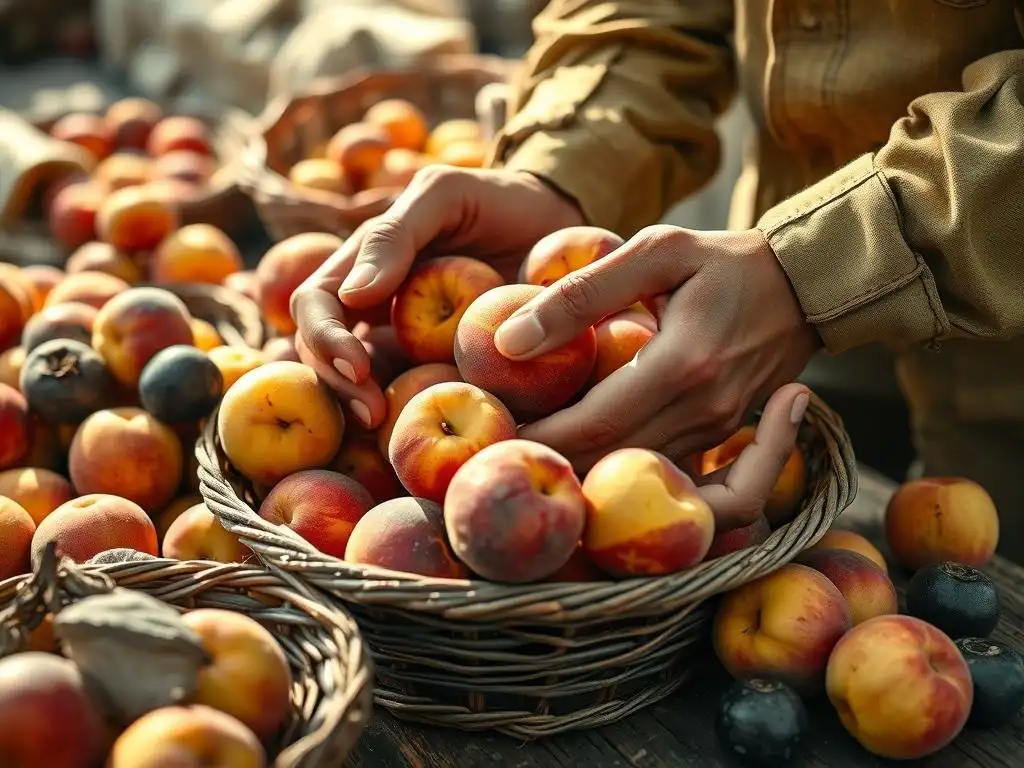
Post-harvest handling is crucial in preventing fruit rot and ensuring a bountiful harvest. Even the healthiest plants can produce fruit susceptible to decay if not handled properly after picking. Minimizing damage during harvest, cleaning and sorting the fruit effectively, and employing appropriate storage techniques are key components of a successful strategy to prevent fruit rot naturally. Neglecting these steps can lead to significant losses, impacting both yield and the quality of your homegrown produce. Let's delve into the specifics.
Careful Harvesting Techniques to Minimize Damage
Gentle handling is paramount to prevent fruit rot. Bruising and cuts, however small, create entry points for fungi and bacteria, accelerating the decay process. Consider these best practices:
- Use appropriate tools: Employ sharp, clean pruning shears or harvesting scissors to avoid crushing or tearing the fruit. Dull tools increase the risk of damage.
- Harvest at the optimal time: Pick fruits when they are ripe but still firm. Overripe fruit is more prone to damage and quicker spoilage. Knowing the ideal maturity stage for each fruit type is essential. For instance, strawberries should be harvested when fully colored and slightly soft, while tomatoes should be harvested when they have reached their characteristic color and feel slightly yielding to gentle pressure.
- Support the fruit: Use your hands to support the fruit while cutting the stem, preventing it from falling and bruising. This is particularly important for delicate fruits like berries and cherries.
- Avoid dragging: Never drag harvested fruits across the ground or other surfaces. This can cause abrasions and lead to rapid deterioration. Place harvested fruits gently into clean containers.
- Handle with care: Minimize jostling and rough handling during transport from the garden to your processing area.
This careful approach significantly reduces the risk of physical damage, a primary cause of fruit rot development. The goal is to maintain the fruit's integrity, preserving its natural defenses against decay.
Proper Cleaning and Sorting of Harvested Fruits
Once harvested, cleaning and sorting are vital steps in preventing fruit rot. Removing dirt, debris, and damaged fruit prevents the spread of pathogens and promotes better storage conditions.
- Gentle washing: Wash fruits gently with cool water, avoiding harsh scrubbing. Use a soft brush if necessary to remove stubborn dirt. Excessive washing can damage the fruit's delicate skin, making it more susceptible to rot.
- Careful inspection: Thoroughly inspect each fruit for bruises, cuts, or signs of disease. Discard any damaged or diseased fruit immediately to prevent contamination of the healthy ones. This is a crucial step in preventing the spread of pathogens.
- Sorting by size and ripeness: Sort fruits by size and ripeness to ensure even ripening and prevent overripe fruit from spoiling the rest. This allows for better storage and utilization of the harvest. For instance, separating smaller, less ripe tomatoes from larger, riper ones will ensure that the smaller ones have time to ripen without the larger ones spoiling.
The meticulous cleaning and sorting process minimizes the chances of decay-causing organisms spreading amongst your harvest, significantly contributing to a longer shelf life and reduced fruit rot.
Storage Techniques to Extend Shelf Life and Prevent Rot
Appropriate storage dramatically impacts the shelf life of harvested fruits and helps prevent fruit rot naturally. Different fruits have different storage requirements.
| Fruit Type | Optimal Storage Temperature (°C) | Recommended Storage Method | Notes |
|---|---|---|---|
| Berries | 0-2 | Refrigerate in shallow containers | Avoid stacking to prevent crushing. |
| Stone Fruits (Peaches, Plums) | 0-2 | Refrigerate in a single layer | Handle gently to avoid bruising. |
| Tomatoes | 12-15 | Room temperature, away from direct sunlight | Avoid refrigeration, which can affect flavor and texture. |
| Apples | 0-2 | Refrigerate in a plastic bag (with holes) | High humidity is crucial; consider paper towels to absorb excess moisture |
Proper storage conditions, combined with careful handling and cleaning, are essential for maintaining the quality and extending the shelf life of your harvest. Remember, even slight variations in temperature or humidity can significantly impact the rate of fruit decay. By following these guidelines, you can significantly reduce fruit rot and enjoy your homegrown produce for longer.
Using Natural Preservatives to Slow Down Decay
Employing natural preservatives is a crucial step in preventing fruit rot after harvest. These substances, derived from natural sources, help inhibit the growth of microorganisms responsible for decay, extending the shelf life of your precious fruits. One highly effective method involves using vinegar.
Diluting apple cider vinegar in water (typically a 1:10 ratio) creates a solution that can be used to gently wash fruits before storage. The acetic acid in vinegar acts as a natural antimicrobial agent, reducing the surface bacteria and fungi that initiate rot. Remember to thoroughly dry the fruits after washing to prevent moisture buildup, which can accelerate spoilage.
Another readily available natural preservative is baking soda. A weak solution of baking soda in water can also be used to wash fruits, offering a slightly alkaline environment that inhibits the growth of many decay-causing organisms. However, it’s important to note that baking soda solutions should be used sparingly, as excessive use can damage the fruit's delicate skin. The application method is similar to vinegar; a gentle wash followed by thorough drying is key.
Beyond washing, certain natural substances can be used to coat the fruits, creating a protective barrier against microbial invasion. For example, a thin layer of beeswax can be applied to fruits like apples and pears to seal their pores and reduce moisture loss, thereby hindering the growth of decay-causing organisms. This technique requires careful application to avoid creating a thick, suffocating layer.
Other options include using essential oils like tea tree oil or clove oil (diluted significantly in a carrier oil like olive oil) to create a protective coating, though further research is needed to determine their long-term effectiveness on a wide range of fruits. Always test a small area first to ensure no adverse reactions. The efficacy of these natural preservatives can vary depending on the type of fruit, environmental conditions, and the severity of potential decay-causing organisms.
Careful observation and experimentation are crucial for optimizing their use and achieving the best results in preventing fruit rot naturally. Remember to always prioritize proper storage conditions alongside these techniques for optimal preservation.
Case Studies: Successful Natural Fruit Rot Prevention
This section presents real-world examples demonstrating the effectiveness of natural methods in preventing fruit rot. These case studies highlight diverse approaches and their impact on various fruit types, offering practical insights for home gardeners and small-scale farmers seeking to prevent fruit rot naturally.
Case Study 1: Organic Apple Orchard
An organic apple orchard in Sonoma County, California, implemented a comprehensive program to combat fruit rot, primarily caused by Monilinia fructicola (brown rot). Their strategy, focused on preventing fruit rot naturally, involved several key steps:
- Improved Orchard Sanitation: Thorough removal and disposal of fallen fruit and infected branches were crucial. This significantly reduced the inoculum (source of infection) for the following season. They meticulously raked and composted fallen apples, ensuring proper decomposition to prevent the fungus from surviving. This practice alone showed a 25% reduction in fruit rot incidence the following year.
- Strategic Pruning and Air Circulation: Careful pruning created better air circulation within the orchard canopy. This reduced humidity, a key factor in fungal growth. They focused on removing branches that were overcrowded or shaded, promoting a healthier environment for the apples. Data collected over three years showed a 15% decrease in fruit rot in areas with improved air circulation compared to denser sections.
- Beneficial Microorganism Application: The orchard incorporated beneficial microorganisms, such as Trichoderma, into the soil. These fungi compete with Monilinia fructicola for resources, reducing its ability to infect the apples. Soil samples taken before and after the introduction of Trichoderma showed a marked increase in beneficial fungal populations and a corresponding decrease in Monilinia levels.
- Resistant Cultivars: The orchard gradually transitioned to apple cultivars known for their higher resistance to brown rot. While not a complete solution, this contributed to the overall reduction of fruit rot. The transition to resistant varieties was a long-term strategy, but it's expected to provide significant benefits in the years to come.
The cumulative effect of these natural methods resulted in a remarkable 45% reduction in fruit rot over a five-year period. This success underscores the importance of a multi-faceted approach to prevent fruit rot naturally. The orchard's experience highlights that consistent and proactive measures are key to achieving significant improvements.
Case Study 2: Homegrown Berries
A home gardener in Oregon successfully prevented fruit rot in their berry patch using a combination of natural strategies. Their primary focus was on prevent fruit rot naturally through careful monitoring and timely intervention.
- Mulching: A thick layer of organic mulch (straw and wood chips) was applied around the berry plants. This helped to regulate soil moisture, preventing excessive humidity that encourages fungal growth. The mulch also reduced soil splash, which can spread fungal spores.
- Regular Inspection and Removal: Daily inspections were carried out to identify and remove any infected berries immediately. These were disposed of away from the planting area to prevent the spread of disease. This diligence was crucial in preventing widespread infection.
- Baking Soda Spray: A simple baking soda spray (1 tablespoon baking soda per gallon of water) was applied weekly as a preventative measure. While not a cure, it helped to create an unfavorable environment for fungal growth. The gardener noted a significant decrease in rot compared to previous years when this method was not used.
- Crop Rotation: The gardener practiced crop rotation, alternating berries with other plants that did not share the same fungal pathogens. This helped to break the disease cycle and reduce the risk of recurring infections.
This home gardener's approach demonstrates that even on a small scale, natural methods can be highly effective in preventing fruit rot. The combination of preventative measures, regular monitoring, and timely intervention played a significant role in protecting the berry harvest. Their success reinforces the importance of proactive management in preventing fruit rot naturally for a healthy and abundant yield. The use of simple, readily available materials highlights that effective disease control doesn't require expensive chemicals.
Frequently Asked Questions
What are the most common causes of fruit rot?
Fruit rot is often caused by fungal infections, such as Botrytis and Monilinia, which thrive in humid conditions. Improper watering and poor air circulation also contribute.
How can I prevent fruit rot naturally before it starts?
Good sanitation is key. Remove fallen fruit promptly, practice crop rotation, and ensure adequate spacing between plants for air circulation. Consider using organic mulch to prevent soil splash.
Are there natural sprays I can use to prevent fruit rot?
Yes! Sprays made from baking soda, milk, or compost tea can help deter fungal growth. Always test a small area first to ensure there's no negative effect on your plants.
What role does proper harvesting play in preventing fruit rot?
Careful harvesting is crucial. Harvest fruits at the optimum ripeness to minimize damage and susceptibility to rot. Handle fruits gently to avoid bruising.
My fruit already has rot, can I still save any of it?
If only a small portion is affected, you may be able to cut away the rotten parts, leaving healthy fruit behind. However, it's important to monitor closely for further spread. Discard severely affected fruit.
Final Reflection: Nurturing Nature's Bounty: A Harvest of Hope
The fight against fruit rot isn't just about saving individual apples; it's about safeguarding our food systems and fostering a more sustainable future. The methods explored in this article – from simple baking soda sprays to companion planting – offer powerful, accessible tools to combat this pervasive problem, impacting both home gardeners and large-scale farmers alike. The potential for widespread adoption of these natural solutions is immense, promising a healthier planet and a more secure food supply.
The journey to understanding and preventing fruit rot has been a fascinating exploration of nature's intricate balance. It's highlighted the importance of observing the subtle cues of the natural world, learning to work with nature rather than against it. This holistic approach resonates deeply with me, reminding me of the interconnectedness of all living things. The earth provides enough to satisfy every man's needs but not every man's greed.
– Mahatma Gandhi. This quote underscores the urgency of adopting sustainable practices, not just for our personal harvests, but for the well-being of the planet as a whole.
Now, consider your own garden, orchard, or even the fruit you purchase at the grocery store. What small changes can you implement to reduce fruit rot and contribute to a more sustainable food system? Perhaps it's trying a simple baking soda spray, researching companion planting options, or simply being more mindful of waste. Start small, observe the results, and let the journey of nurturing nature's bounty inspire you to make a positive impact, one fruit at a time.
Unlock Your Bountiful Harvest: Prevent Fruit Rot, Naturally!
Thank you for learning about natural fruit rot prevention! You've gained valuable knowledge to protect your harvest. Ready to apply these new skills?
- Start by implementing at least one of the natural remedies discussed today in your garden or orchard. Begin with a single method that suits your resources and preferences—you'll quickly see the positive impact.
- Share your experiences! Let's create a supportive community of gardeners dedicated to natural pest control. Share your successes and challenges in the comments below.
- Consider trying a different approach next season—there are many more natural methods to explore!
What natural method are you most excited to try, and why?