
Natural Treatments for Mosaic Virus: Managing Viral Infections in Plants


Ready to unlock the secrets of a thriving, organic garden? At CultivateYourFood, we empower you to grow your own delicious fruits, vegetables, and herbs. But what happens when disease strikes? This is where our expertise comes in. Learn about effective, sustainable solutions, including natural treatments for common plant ailments like the Organic Mosaic Virus, and discover how to cultivate a healthy and bountiful harvest. Dive into our comprehensive guide and reclaim your garden's vitality.
- Understanding Mosaic Virus in Plants: Symptoms and Identification
- Organic Mosaic Virus Plant Control: Natural Approaches
- Natural Remedies for Mosaic Virus Control: Neem Oil
- Natural Remedies for Mosaic Virus Control: Potassium Bicarbonate
- Preventing Mosaic Virus in Your Garden: Best Practices
- When to Seek Professional Help: Managing Severe Mosaic Virus Infections
- Frequently Asked Questions
- Final Reflection: Cultivating Resilience: The Future of Organic Plant Virus Management
- Unveil Healthier Plants: Take Action Against Mosaic Virus
Understanding Mosaic Virus in Plants: Symptoms and Identification
Mosaic viruses represent a significant challenge for home gardeners and farmers alike, impacting the yield and health of various crops. This article will explore effective, organic methods for managing these viral infections, focusing on natural treatments to combat the effects of mosaic viruses and promote healthy plant growth. We'll delve into identifying the symptoms, understanding the different types of mosaic viruses, and implementing early detection strategies for successful management.
Choosing organic methods not only protects the environment but also ensures the safety of your food. The goal is to empower you with the knowledge to effectively address mosaic virus infestations in your garden using sustainable and eco-friendly approaches, providing a comprehensive guide to organic mosaic virus plant cure. This is crucial for maintaining healthy, productive plants without resorting to harsh chemicals.
Recognizing Mosaic Virus Symptoms: Yellowing, Mottling, and Distortion
Mosaic viruses manifest in distinctive ways, making early identification critical. The most common symptoms include:
- Leaf discoloration: Leaves often exhibit a mottled appearance, with patches of yellow, green, or white interspersed throughout the normally green leaf tissue. This "mosaic" pattern gives the virus its name. The severity of discoloration varies depending on the plant species and the specific virus strain. Sometimes, the yellowing is more pronounced along the leaf veins.
- Leaf distortion: Leaves may be stunted, wrinkled, or curled, exhibiting unusual shapes and sizes compared to healthy leaves. This distortion is often accompanied by reduced leaf size and overall plant vigor. Severe cases can lead to significantly deformed leaves.
- Growth stunting: Infected plants often exhibit reduced growth rates compared to healthy plants. This stunting can be noticeable across the entire plant, leading to smaller overall size and reduced yield.
- Flowering abnormalities: In some cases, mosaic viruses can affect the flowers, leading to abnormalities in their shape, color, and size. This can result in reduced fruit or seed production.
The intensity of these symptoms can vary greatly, depending on factors such as the plant species, the specific viral strain, the environmental conditions, and the plant's overall health. It's important to carefully examine your plants regularly and compare them to healthy specimens to detect subtle changes indicative of infection.
Identifying Different Types of Mosaic Viruses Affecting Common Crops
Numerous mosaic viruses exist, each affecting a range of plant species. Some common examples include:
| Virus Name | Affected Crops | Characteristic Symptoms |
|---|---|---|
| Cucumber Mosaic Virus (CMV) | Cucumbers, tomatoes, peppers, beans, lettuce | Mottling, leaf distortion, stunting, reduced yield |
| Tobacco Mosaic Virus (TMV) | Tomatoes, peppers, tobacco, many other plants | Mottling, leaf distortion, necrotic lesions, growth stunting |
| Potato Virus Y (PVY) | Potatoes, tomatoes, peppers | Leaf rolling, mosaic patterns, necrotic spots, yield loss |
| Bean Common Mosaic Virus (BCMV) | Beans | Mottling, leaf distortion, stunting, seed discoloration |
Accurate identification of the specific virus is often challenging for home gardeners and requires laboratory testing. However, recognizing the common symptoms and the types of plants affected can help you narrow down the possibilities and implement appropriate management strategies.
Early Detection of Mosaic Virus: Crucial for Effective Management
Early detection is paramount in managing mosaic virus infections. Regular plant inspections are crucial. Look for the characteristic symptoms described above, paying close attention to new growth. The earlier you identify an infection, the better the chances of limiting its spread and minimizing the damage to your plants.
Implementing preventative measures, such as using disease-free seeds and maintaining good sanitation practices, is also crucial in preventing mosaic virus outbreaks. Remember that mosaic viruses are transmitted through various means, including infected seeds, contaminated tools, and insect vectors. Therefore, proactive measures are crucial to minimize the risk of infection. Prompt action, combined with natural treatments, can significantly improve the chances of a successful outcome in managing these viral infections organically.
Organic Mosaic Virus Plant Control: Natural Approaches
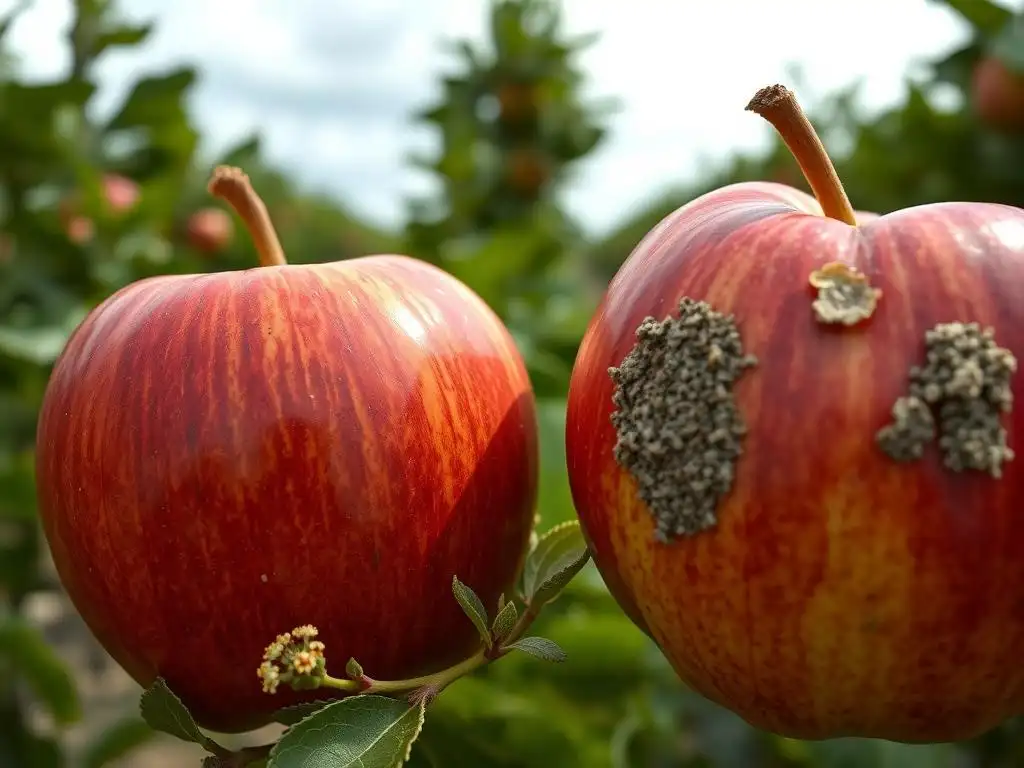
This section explores effective, organic methods for managing mosaic virus in your home garden, focusing on prevention and mitigation strategies. While a complete "cure" for mosaic virus doesn't exist, these natural approaches significantly reduce its impact and promote healthier plants. Remember, early detection and swift action are crucial for minimizing losses.
The goal is to strengthen your plants' natural defenses and create an environment less hospitable to the virus. This organic approach to managing mosaic virus aligns perfectly with the sustainable gardening principles championed by CultivateYourFood. We'll discuss proactive measures, bolstering plant immunity, and implementing strict sanitation practices to combat this pervasive plant disease.
Using Resistant Plant Varieties: A Proactive Approach to Mosaic Virus Prevention
Choosing plant varieties known for their resistance to mosaic viruses is the most effective preventative measure. This proactive approach minimizes the risk of infection from the start. Many plant breeders are developing cultivars with increased resistance to common mosaic viruses. For example, certain tomato varieties exhibit significantly higher resistance to Tomato Mosaic Virus (ToMV) than others.
Similarly, some cucumber varieties show improved resilience against Cucumber Mosaic Virus (CMV). Before planting, thoroughly research the specific mosaic viruses prevalent in your region and select varieties specifically bred for resistance to those strains. Look for information on seed packets or from reputable plant nurseries. Investing time in this research pays off significantly in reduced disease management efforts and healthier harvests.
The effectiveness of resistant varieties varies depending on the specific virus strain and environmental conditions. While a resistant variety may not be completely immune, it will likely exhibit a much lower infection rate and reduced disease severity compared to susceptible cultivars. This means fewer losses due to stunted growth, reduced yield, and disfigured produce. Always check the plant tags or seed packets for resistance ratings, preferably from independent testing sources. Remember that even resistant varieties benefit from the other preventative measures discussed below.
Improving Plant Health and Immunity: Soil Health and Nutrition for Virus Resistance
A plant's overall health plays a crucial role in its ability to withstand viral infections. Strong, healthy plants are more resilient to diseases, including mosaic viruses. Optimizing soil health and providing adequate nutrition are vital for achieving this. Healthy soil provides the foundation for robust plant growth. It should be rich in organic matter, well-drained, and have a balanced pH level. Regular soil testing can help identify deficiencies and guide appropriate amendments.
Specifically, ensuring sufficient levels of potassium and phosphorus is particularly important. These nutrients contribute significantly to a plant's overall vigor and disease resistance. Organic fertilizers, such as compost, worm castings, and bone meal, provide these nutrients in a slow-release form, promoting sustained plant health. Avoid over-fertilizing with nitrogen, as this can make plants more susceptible to diseases. Regular soil testing and adjusting nutrient levels based on the results are essential. Also, consider using beneficial soil microbes. These microorganisms improve soil structure, nutrient availability, and plant immunity, creating a more resilient environment for your plants.
Employing Cultural Practices: Sanitation and Hygiene to Prevent Mosaic Virus Spread
Maintaining strict sanitation and hygiene practices in your garden is crucial in preventing the spread of mosaic viruses. These viruses are easily transmitted through contaminated tools, hands, and even clothing. Following these guidelines can significantly reduce the risk of infection:
- Clean tools regularly: Disinfect pruning shears, trowels, and other gardening tools with a solution of 10% bleach and water between plants. Allow tools to air dry completely before using them on other plants.
- Wash your hands: Wash your hands thoroughly with soap and water before and after handling plants, especially if you've worked with infected plants.
- Remove infected plants: Remove and destroy any plants showing symptoms of mosaic virus immediately. Do not compost infected plants, as the virus can persist in the compost. Dispose of them in sealed plastic bags in the trash.
- Practice crop rotation: Rotate your crops annually to prevent the buildup of viruses in the soil. Avoid planting susceptible plants in the same location year after year.
- Control insect vectors: Aphids and other insects can transmit mosaic viruses. Implement integrated pest management (IPM) strategies to control these vectors organically. This could include introducing beneficial insects or using insecticidal soaps.
Consistent adherence to these cultural practices significantly reduces the risk of mosaic virus transmission, protecting your entire garden from this debilitating disease. Remember, a healthy garden is a resilient garden. By combining these organic control methods, you can effectively manage mosaic virus and foster a thriving, sustainable food production system.
Natural Remedies for Mosaic Virus Control: Neem Oil

Mosaic viruses, unfortunately, don't have a "cure" in the traditional sense. However, managing their spread and mitigating their effects using organic methods is possible. Neem oil, a powerful natural pesticide derived from the neem tree ( Azadirachta indica), offers a promising approach to organic mosaic virus plant cure strategies. While it won't eradicate the virus itself, it can significantly reduce its impact by controlling the insect vectors that spread it. This section details the use of neem oil as a natural treatment for managing mosaic virus infections in plants.
Mechanism of Action for Neem Oil
Neem oil's effectiveness against mosaic viruses stems from its impact on the insect vectors that transmit them. Many mosaic viruses are spread by aphids, whiteflies, and other sap-sucking insects. Neem oil acts as a powerful insecticide through several mechanisms:
- Antifeedant: It disrupts the insects' feeding behavior, making them less likely to feed on your plants and thus less likely to transmit the virus. This is a crucial aspect of preventing the spread of the virus within your garden.
- Growth Disruptor: Neem oil interferes with the insects' hormonal systems, disrupting their molting and reproduction cycles. This leads to reduced populations over time, further minimizing the risk of virus transmission.
- Repellent: The strong odor of neem oil acts as a repellent, deterring insects from landing on and feeding from your plants in the first place. This preventative measure is key to proactive mosaic virus management.
Studies have shown that neem oil applications can significantly reduce aphid populations, thereby indirectly reducing the incidence of virus transmission. The exact effectiveness varies depending on the specific virus, the insect vector, and the application method, but consistent use can make a noticeable difference in protecting your plants. 🌱
Application Methods and Dosage for Neem Oil
Correct application is key to maximizing the effectiveness of neem oil. Avoid applying during the hottest part of the day to prevent leaf burn. Always follow the manufacturer's instructions on the specific neem oil product you are using, as concentrations vary.
Here's a general guideline:
| Application Method | Dosage | Frequency | Considerations |
|---|---|---|---|
| Foliar Spray | 1-2% solution (1-2 tsp per quart of water) | Every 7-10 days, or as needed | Thoroughly coat plant leaves, including undersides. |
| Drench | Higher concentration (follow product instructions) | Less frequent, depending on soil type | Water thoroughly after application to avoid leaf burn. |
Remember to always test a small area of your plant first to ensure no adverse reactions occur before treating the entire plant. Consistent application is vital for successful mosaic virus management using neem oil.
Precautions and Considerations when using Neem Oil
While neem oil is generally considered safe for use in organic gardening, there are some precautions to take:
- Toxicity: While considered safe for humans and pets when used as directed, avoid direct contact with skin and eyes. Wear gloves and protective eyewear during application.
- Compatibility: Neem oil may not be compatible with all pesticides. Check the label for compatibility information before mixing with other products.
- Effectiveness: Neem oil is most effective as a preventative measure and for controlling early infestations. It may not be as effective against already established, large-scale infestations. Early detection and prompt treatment are crucial.
- Environmental Impact: While considered environmentally friendly, avoid over-application, as it could potentially harm beneficial insects. Always use the minimum effective dosage.
- Storage: Store neem oil in a cool, dark place to maintain its effectiveness.
By following these guidelines and using neem oil responsibly, you can significantly reduce the impact of mosaic viruses on your plants while maintaining an organic and sustainable gardening practice. Remember that integrated pest management strategies, combining neem oil with other preventative methods, are often the most effective approach to long-term mosaic virus control.
Natural Remedies for Mosaic Virus Control: Potassium Bicarbonate

Mosaic viruses, sadly, don't have a single "cure," but we can significantly mitigate their impact using organic methods. Potassium bicarbonate (KHCO₃) stands out as a promising natural remedy for managing mosaic virus symptoms and preventing further spread. It's a readily available, environmentally friendly option that offers a safer alternative to harsh chemical pesticides.
This section focuses on understanding and effectively using potassium bicarbonate as part of your integrated pest management (IPM) strategy for combating mosaic virus infections in your home garden. Remember, while potassium bicarbonate can help manage symptoms, it won't eradicate the virus itself. A proactive approach, including disease-resistant varieties and sanitation, is crucial for long-term success.
Mechanism of Action for Potassium Bicarbonate
Potassium bicarbonate's effectiveness against mosaic viruses isn't about directly killing the virus. Instead, it works primarily as a protectant and a growth enhancer. The exact mechanisms are still under research, but several key actions are believed to be at play:
- Strengthening Plant Defenses: Potassium is a vital nutrient for plant health, playing a crucial role in strengthening cell walls. A potassium-rich environment, provided by potassium bicarbonate applications, helps plants become more resilient to stress, including viral infections. This bolstering effect makes plants less susceptible to infection and helps them better withstand the virus's impact.
- Altering pH: Potassium bicarbonate slightly increases the pH of the plant's surface, creating an environment less favorable for the virus's replication and spread. This subtle pH shift can disrupt the virus's life cycle, slowing down its progression.
- Indirect Effects: By promoting healthy plant growth, potassium bicarbonate indirectly combats the negative effects of mosaic viruses. Stronger plants with robust growth are better able to tolerate the stress caused by viral infections, leading to less severe symptoms and a healthier overall plant.
Think of potassium bicarbonate as a supportive measure, not a direct attack. It helps your plants fight back against the virus, rather than directly eliminating the pathogen. This approach aligns perfectly with organic gardening principles, focusing on plant health and resilience.
Application Methods and Dosage for Potassium Bicarbonate
Applying potassium bicarbonate effectively requires careful attention to detail. The concentration and method of application will vary depending on the plant species and the severity of the infection. Always start with a lower concentration and observe the plant's response before increasing the dosage.
Here's a general guideline:
| Plant Type | Concentration (%) | Application Method | Frequency |
|---|---|---|---|
| Leafy Greens | 0.5 - 1 | Foliar Spray | Every 7-10 days |
| Tomatoes, Peppers | 0.5 - 1.5 | Foliar Spray | Every 7-10 days |
| Fruit Trees | 1 - 2 | Foliar Spray & Drenching | Every 14 days |
| Other Vegetables | 0.5 - 1.5 | Foliar Spray | Every 7-10 days |
Foliar Spray: Mix the specified amount of potassium bicarbonate in water and apply as a fine mist to thoroughly coat the leaves, ensuring coverage of both upper and lower surfaces. Avoid spraying during the hottest part of the day to prevent leaf burn.
Drenching: For fruit trees and some vegetables, a soil drench can also be beneficial. Apply the solution directly to the soil around the base of the plant.
Remember to always test a small area of your plant first to check for any adverse reactions before treating the entire plant. 🌱
Precautions and Considerations when using Potassium Bicarbonate
While potassium bicarbonate is generally safe, certain precautions should be taken:
- Avoid Over-Application: Excessive use can lead to leaf burn or other damage. Always follow the recommended dosage and observe your plants closely for any signs of stress.
- Compatibility: Potassium bicarbonate may not be compatible with all other pesticides or fertilizers. Check the compatibility before mixing.
- Personal Safety: Wear gloves and eye protection when handling and applying potassium bicarbonate. Avoid inhalation or ingestion.
- Environmental Impact: While considered environmentally friendly, it's still important to use it responsibly and avoid runoff into waterways.
- Effectiveness Varies: The effectiveness of potassium bicarbonate against mosaic viruses can vary depending on several factors, including the specific virus strain, the plant species, and environmental conditions. It's best used as part of a broader integrated pest management strategy.
By carefully following these guidelines and integrating potassium bicarbonate into a comprehensive approach, you can significantly reduce the impact of mosaic viruses on your plants and maintain a healthy, thriving organic garden. Remember, prevention is key! Choose disease-resistant varieties whenever possible and maintain good garden hygiene to minimize the risk of infection.
Preventing Mosaic Virus in Your Garden: Best Practices
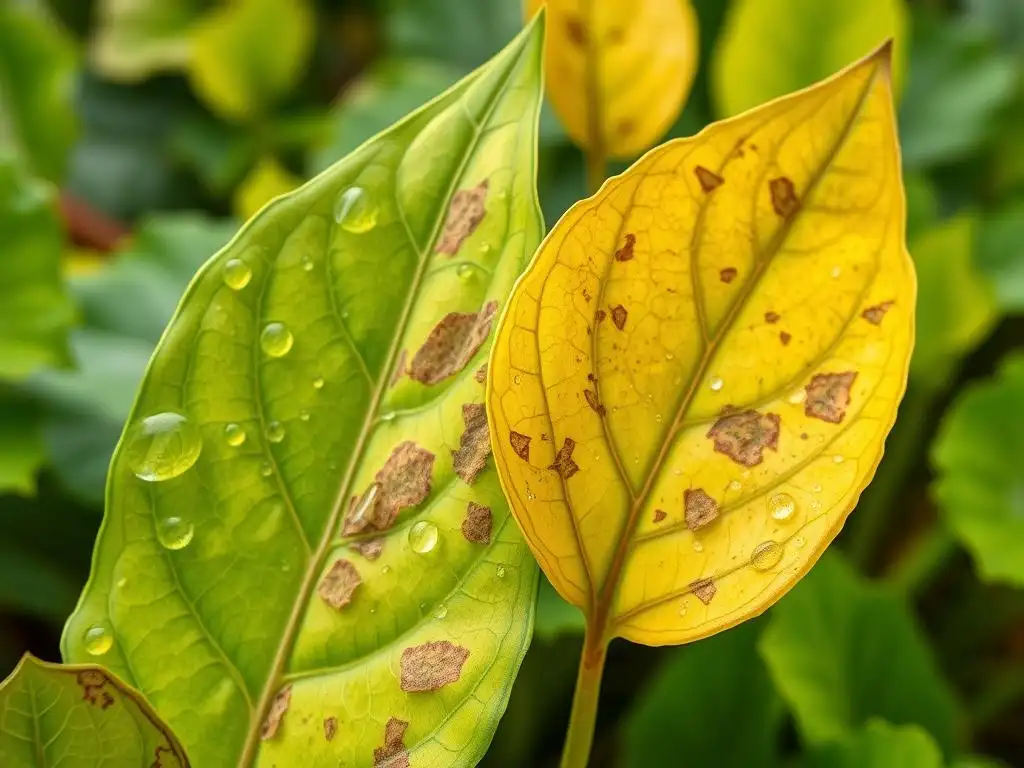
Preventing mosaic virus infection is far more effective and less stressful than dealing with an outbreak. A proactive approach, focusing on sanitation, plant selection, and garden management, significantly reduces the risk of this devastating plant disease. Implementing these organic mosaic virus plant cure preventative measures will save you time, resources, and heartache in the long run.
Sanitation and Hygiene in the Garden: Preventing Virus Transmission
Maintaining impeccable sanitation and hygiene is paramount in preventing the spread of mosaic viruses. These viruses are easily transmitted through contaminated tools, hands, and even clothing. Think of it as a highly contagious cold for your plants!
Here's a detailed breakdown of essential practices:
- Sterilize tools regularly: After working with any plant, especially if you suspect infection, thoroughly disinfect your pruning shears, trowels, and other gardening tools. A simple solution of 1 part bleach to 9 parts water is effective. Allow tools to soak for at least 10 minutes before rinsing and drying completely. Consider using a dedicated set of tools for healthy plants to minimize cross-contamination.
- Practice good hand hygiene: Wash your hands thoroughly with soap and water before and after handling plants. This simple step significantly reduces the risk of transferring the virus from one plant to another.
- Remove and destroy infected plants immediately: Don't hesitate. Infected plants are a major source of virus transmission. Dispose of them properly – preferably by burning (check local regulations) or burying deeply in a location away from your garden. Never compost infected plant material.
- Clean up garden debris: Fallen leaves and other plant debris can harbor the virus. Regularly remove and dispose of this material, preventing it from becoming a breeding ground for pests and diseases. This includes weeds, which can also act as virus reservoirs.
Choosing Healthy Planting Material: Avoiding Infected Plants
Starting with healthy planting material is the cornerstone of mosaic virus prevention. Purchasing infected plants is a surefire way to introduce the virus into your garden.
- Source plants from reputable nurseries: Choose nurseries known for their rigorous quality control and disease management practices. Ask about their disease prevention protocols.
- Inspect plants carefully before purchase: Before buying any plant, examine it thoroughly for signs of mosaic virus, such as mottled leaves, stunted growth, and leaf distortion. If you see any suspicious symptoms, avoid purchasing that plant.
- Preferably use seeds: While not foolproof, starting plants from seeds minimizes the risk of introducing the virus compared to using cuttings or transplants from potentially infected sources. Ensure seeds are sourced from reputable suppliers.
- Quarantine new plants: Upon bringing new plants home, quarantine them for at least two weeks, observing them closely for any signs of disease before introducing them to your established garden. This allows for early detection and isolation of any infected plants.
Crop Rotation Strategies to Minimize Mosaic Virus Risk
Crop rotation is a valuable organic mosaic virus plant cure preventative strategy. By rotating crops, you disrupt the life cycle of the virus and reduce its ability to persist in the soil. This is particularly effective because many mosaic viruses are transmitted by vectors, like aphids, which can overwinter in the soil or on other plants.
- Rotate susceptible crops: Don't plant susceptible crops in the same location year after year. For example, if you grew tomatoes one year, plant a non-susceptible crop like legumes in the same spot the following year.
- Maintain a diverse planting scheme: A diverse garden with a variety of plants reduces the concentration of any particular susceptible crop, minimizing the chance of a widespread viral outbreak.
- Plan your rotations carefully: Consider the specific plants susceptible to mosaic virus in your area and plan your rotations accordingly. Research your local climate and common plant diseases to optimize your strategy. A well-thought-out rotation plan will significantly reduce the risk of mosaic virus infections and other diseases.
When to Seek Professional Help: Managing Severe Mosaic Virus Infections
Even with diligent application of organic mosaic virus plant cure methods, some mosaic virus infections may prove too severe for home management. Knowing when to seek professional help is crucial for preventing widespread damage and protecting the health of your garden. Early intervention is key, as the virus can spread rapidly, impacting yield and potentially infecting other plants. This section outlines how to assess the severity of your infection and when to enlist the help of agricultural experts.
Assessing the Severity of Mosaic Virus Infection
Determining the severity of a mosaic virus infection requires careful observation and assessment. Several factors contribute to this evaluation:
- Extent of Infection: Is the mosaic pattern limited to a few leaves, or has it spread throughout the entire plant? Widespread symptoms indicate a more advanced stage of infection.
- Plant Vitality: Is the plant showing signs of significant decline, such as stunted growth, wilting, or leaf drop? These are indicators of severe stress caused by the virus.
- Rate of Spread: How quickly is the virus spreading within the affected plant and to neighboring plants? Rapid progression warrants immediate attention.
- Plant Species: Some plant species are more susceptible to mosaic viruses than others. A severe infection in a highly susceptible plant may require professional intervention sooner than a less susceptible plant showing similar symptoms.
- Economic Impact: If the affected plant contributes significantly to your food production, a severe infection could impact your harvest, making professional intervention economically justifiable.
Consider this example: You notice mosaic symptoms on your tomato plant. Initially, only a few leaves are affected, and the plant seems otherwise healthy. This might warrant observation and application of home remedies. However, if within a week, the entire plant is exhibiting severe symptoms, including stunted growth and wilting, and you notice similar symptoms on nearby pepper plants, professional help is strongly advised. Early intervention can significantly improve the chances of mitigating the damage. Remember, early detection is paramount in managing any plant disease effectively. Regular monitoring of your plants is essential for early identification and timely response.
Contacting Local Agricultural Experts for Guidance
If you've assessed your mosaic virus infection as severe, contacting local agricultural experts is your next step. Several resources can provide valuable guidance and support:
- Local Agricultural Extension Offices: These offices often employ specialists who can identify plant diseases, advise on appropriate treatments, and provide information on organic mosaic virus plant cure methods specific to your region and plant type. They can also offer insights into disease prevention strategies for future harvests.
- Certified Horticultural Therapists: These professionals can offer personalized advice tailored to your garden's specific needs and can provide support in managing the infection while minimizing environmental impact.
- University-Based Plant Pathology Departments: Universities often have departments dedicated to plant pathology research and extension. They can provide access to advanced diagnostic techniques and specialized knowledge.
- Local nurseries and garden centers: While they may not have the same level of expertise as the resources mentioned above, knowledgeable staff at reputable nurseries can offer valuable advice based on their experience. They can also be a good source of information on locally adapted organic mosaic virus plant cure methods.
Reaching out to these experts provides access to a wealth of knowledge and resources beyond the scope of home remedies. They can help you accurately identify the specific virus strain, assess the extent of the damage, and recommend appropriate management strategies. They can also help determine the best course of action to prevent further spread and minimize future risks. Don't hesitate to seek professional help when needed; it's a crucial step in protecting your garden and ensuring a bountiful harvest. Remember, prevention is always better than cure, but when disease strikes, access to expert advice is invaluable.
Frequently Asked Questions
What is Organic Mosaic Virus?
Organic Mosaic Virus isn't a specific virus. The term "mosaic virus" refers to a group of viruses causing mottled leaf patterns in plants. These viruses are spread through various means, including insects.
Is there a cure for mosaic virus in plants?
Unfortunately, there's no cure for mosaic viruses once a plant is infected. The focus is on prevention through sanitation and pest control.
What are some natural treatments to manage mosaic virus?
While you can't cure it, practices like removing infected plants, improving plant vigor with proper care, and employing beneficial insects can help manage the spread.
How can I prevent mosaic virus in my garden?
Prevention is key! Use disease-free seeds or seedlings, practice good hygiene, control insect vectors, and rotate your crops. These steps significantly reduce the risk.
Are there specific organic pesticides effective against mosaic viruses?
No, organic pesticides target insects and other pests that may spread the virus, but they won't cure the virus itself. Focus on preventing the spread through the measures mentioned above.
Final Reflection: Cultivating Resilience: The Future of Organic Plant Virus Management
The fight against mosaic viruses in plants is not just a battle for bountiful harvests; it's a crucial step in securing a sustainable and resilient food system. The devastating impact of these viruses, coupled with the growing concerns surrounding synthetic pesticides, underscores the urgent need for effective and environmentally friendly solutions. Organic approaches, as explored throughout this article, offer a powerful pathway towards achieving this goal.
The shift towards organic mosaic virus management represents a profound change in our relationship with nature. We are moving away from a purely reactive, chemical-based approach to a more proactive, holistic understanding of plant health. This paradigm shift necessitates a deeper appreciation for the intricate balance within ecosystems and the vital role biodiversity plays in disease resistance. The best way to predict the future is to create it.
- Abraham Lincoln. This quote perfectly encapsulates the proactive spirit needed to develop and implement sustainable solutions for plant virus control, moving beyond simply reacting to outbreaks and instead actively shaping a healthier future for our crops.
Consider the information presented within this article – the diverse range of natural treatments, the importance of preventative measures, and the potential for bio-control agents. You now possess the knowledge to cultivate healthier plants, contribute to a more sustainable agricultural landscape, and actively participate in the creation of a resilient food future. Embrace these organic methods, experiment with different approaches, and share your experiences. Together, we can build a future where healthy plants thrive, ensuring food security for generations to come.
Unveil Healthier Plants: Take Action Against Mosaic Virus
Thanks for exploring natural solutions for mosaic virus! You've learned valuable techniques to protect your plants. Ready to put this knowledge into action?
- Prioritize preventative measures: Begin by thoroughly cleaning your gardening tools and maintaining a clean growing environment. This is crucial for preventing mosaic virus.
- Strengthen your plants’ resilience: Use organic soil amendments and beneficial microbes to boost your plants' natural defenses against diseases.
- Share your experience: Let the CultivateYourFood community know what worked (or didn't) for you in combating mosaic virus. Your experiences can help others!
What creative solutions will you use to keep your garden thriving and free from mosaic virus?