
Organic Pest Control: Using Garlic to Repel Garden Pests

Ready to transform your garden into a thriving, pest-free haven? At CultivateYourFood, we're passionate about helping you grow delicious, organic produce right in your backyard. Discover the power of nature with our guide on repelling garden pests with garlic – a simple, effective, and sustainable solution. Learn how this common kitchen staple can be your secret weapon against unwanted visitors, and unlock the secrets to a bountiful harvest. Let's get started!
- Understanding Garlic's Pest-Repelling Properties
- Preparing Garlic for Pest Control
- Applying Garlic-Based Repellents in Your Garden
- Enhancing Garlic's Pest Control Effectiveness
- Troubleshooting and Common Questions
- Frequently Asked Questions
- Final Reflection: The Enduring Power of Nature's Pesticides
- Unleash Your Garlic Power: Protect Your Garden Naturally!
Understanding Garlic's Pest-Repelling Properties
Garlic, Allium sativum, is more than just a culinary delight; it's a powerful and effective natural pest repellent for your home garden. For centuries, gardeners have leveraged its pungent aroma to deter a wide range of insects and other garden pests, offering a sustainable and environmentally friendly alternative to harsh chemical pesticides. This article explores the science behind garlic's pest-repelling capabilities, providing practical advice on how to effectively utilize this readily available resource to protect your fruits, vegetables, and herbs. We'll delve into the specific compounds responsible for its effectiveness, examine its impact on various common garden pests, and review the scientific evidence supporting its use as a natural pest control method.
By understanding these aspects, you can confidently incorporate garlic into your organic pest management strategy, cultivating a thriving and healthy garden without resorting to harmful chemicals. Let's explore the power of garlic in repelling garden pests! 🧄
The Active Compounds in Garlic: Allicin and Others
The pungent odor associated with garlic is largely due to the presence of sulfur-containing compounds, most notably allicin. Allicin isn't present in the intact garlic clove; instead, it's formed when the enzyme alliinase comes into contact with alliin, another compound found in garlic, upon crushing or cutting the clove. This enzymatic reaction releases allicin, a volatile and highly reactive compound with potent insecticidal and fungicidal properties.
Beyond allicin, garlic also contains other sulfur-containing compounds like diallyl disulfide and diallyl trisulfide, which contribute to its overall pest-repelling effects. These compounds act as deterrents, disrupting the feeding and reproductive cycles of various insects and other garden pests. The exact mechanisms vary depending on the pest species, but generally involve disrupting their nervous systems or repelling them through their strong, unpleasant smell.
The concentration of these active compounds can vary depending on factors like the garlic variety, growing conditions, and storage methods. Further research is ongoing to fully elucidate the complex interplay of these compounds and their specific effects on different pest species.
How Garlic Affects Common Garden Pests
Garlic's effectiveness as a pest repellent extends to a wide range of common garden pests. Many soft-bodied insects, such as aphids, spider mites, and whiteflies, are particularly susceptible to its effects. The strong odor emitted by garlic interferes with their feeding behavior and can even lead to mortality. Similarly, certain types of caterpillars and slugs are often deterred by the presence of garlic in the garden.
The precise mechanism varies depending on the pest: some are repelled by the smell, while others may experience physiological disruptions from ingesting garlic-infused soil or plant material. For example, studies show that garlic extracts can significantly reduce aphid populations on plants. However, it's important to note that garlic may not be effective against all pests.
Hard-shelled insects, for instance, may be less affected by the odor. The effectiveness of garlic also depends on factors such as the concentration of the active compounds, the method of application, and environmental conditions. [Specific data on efficacy against various pests pending].
Scientific Evidence Supporting Garlic's Pest Control Efficacy
Numerous studies support the use of garlic as a natural pest control agent. Research consistently demonstrates its efficacy in reducing pest populations in various agricultural settings. While the exact mechanisms may differ based on the pest and application method, several studies have showcased significant reductions in pest infestations following the application of garlic extracts or preparations.
For instance, several peer-reviewed publications have reported the successful use of garlic sprays to manage aphid infestations on vegetable crops. Furthermore, research indicates that garlic can also enhance the growth and health of plants, potentially indirectly contributing to improved pest resistance. This is attributed to the presence of other beneficial compounds in garlic that may stimulate plant growth and defense mechanisms.
However, more research is needed to fully understand the long-term effects and optimal application methods for maximizing its pest control potential. The ongoing investigation into the precise mechanisms of action and optimization of application techniques will further solidify the position of garlic as a valuable tool in sustainable pest management strategies.
Preparing Garlic for Pest Control

This section details the crucial first steps in harnessing the pest-repelling power of garlic. Proper preparation is key to maximizing the effectiveness of your garlic-based repellent, ensuring you successfully repel garden pests with garlic. We'll cover harvesting, preparation, and storage techniques to maintain the potency of the garlic's active compounds. Remember, the fresher the garlic, the stronger the repellent effect.
Harvesting and Preparing Garlic for Repellent Use
The timing of your garlic harvest significantly impacts its potency as a pest repellent. Ideally, harvest garlic when the leaves are about 50% brown and the bulbs feel firm. This usually occurs in late summer or early fall, depending on your climate and the specific garlic variety. Avoid harvesting too early, as this will result in smaller bulbs with less potent compounds. Harvesting too late can lead to the bulbs splitting and becoming susceptible to rot.
Once harvested, carefully remove the soil from the bulbs. Allow them to cure in a well-ventilated, shaded area for 2-4 weeks. This curing process helps to dry the outer layers, preventing spoilage and concentrating the active compounds. After curing, trim off the excess stems and roots. You can then either use the whole cloves or process them further depending on your chosen repellent method. Remember to handle the garlic with clean hands and tools to prevent contamination and maintain its effectiveness. Proper handling is critical when aiming to repel garden pests with garlic effectively.
Making Garlic Spray: A Step-by-Step Guide
A garlic spray is a versatile and readily applicable pest repellent. Here's a simple, effective recipe:
- Ingredients:
- 1 cup chopped garlic cloves
- 1 quart of water
- A blender or food processor
- A fine-mesh strainer or cheesecloth
- A spray bottle
- Instructions:
- Blend the garlic cloves with water until a smooth paste is formed.
- Strain the mixture through a fine-mesh strainer or cheesecloth to remove the garlic pulp.
- Pour the resulting liquid into a spray bottle.
- Add a few drops of liquid dish soap (optional, as a surfactant to aid in spreading).
- Shake well before each use.
- Application: Apply the spray directly to plants, focusing on the leaves and stems where pests are most likely to congregate. Avoid spraying during peak sun hours to prevent leaf burn. Reapply every few days, or after rain, for optimal protection. Remember to test the spray on a small area of the plant first to ensure it doesn't cause any adverse effects. This simple spray is a highly effective way to repel garden pests with garlic.
Creating Garlic-Infused Water for Soil Drenching
Garlic-infused water offers a soil-based approach to pest control. This method is particularly effective against soil-borne pests and nematodes.
- Preparation: Finely chop approximately 1 cup of garlic cloves. Place them in a gallon of water. Let the mixture steep for at least 24 hours, preferably 48 hours. The longer it steeps, the more potent the solution becomes. You can also add other natural pest repellents like neem oil or chili peppers to enhance the effectiveness (though this is optional).
- Application: Strain the garlic-infused water through a fine-mesh strainer or cheesecloth before use. Water your plants thoroughly with the garlic-infused water, ensuring the solution reaches the root zone. Repeat every 7-10 days, or as needed. This method provides a longer-lasting protective effect compared to the spray method. While less immediate than a spray, this method provides long-term pest protection and is an effective way to repel garden pests with garlic. Remember to always monitor your plants for any signs of pest infestation, regardless of the pest control method you employ. 🌱
Applying Garlic-Based Repellents in Your Garden
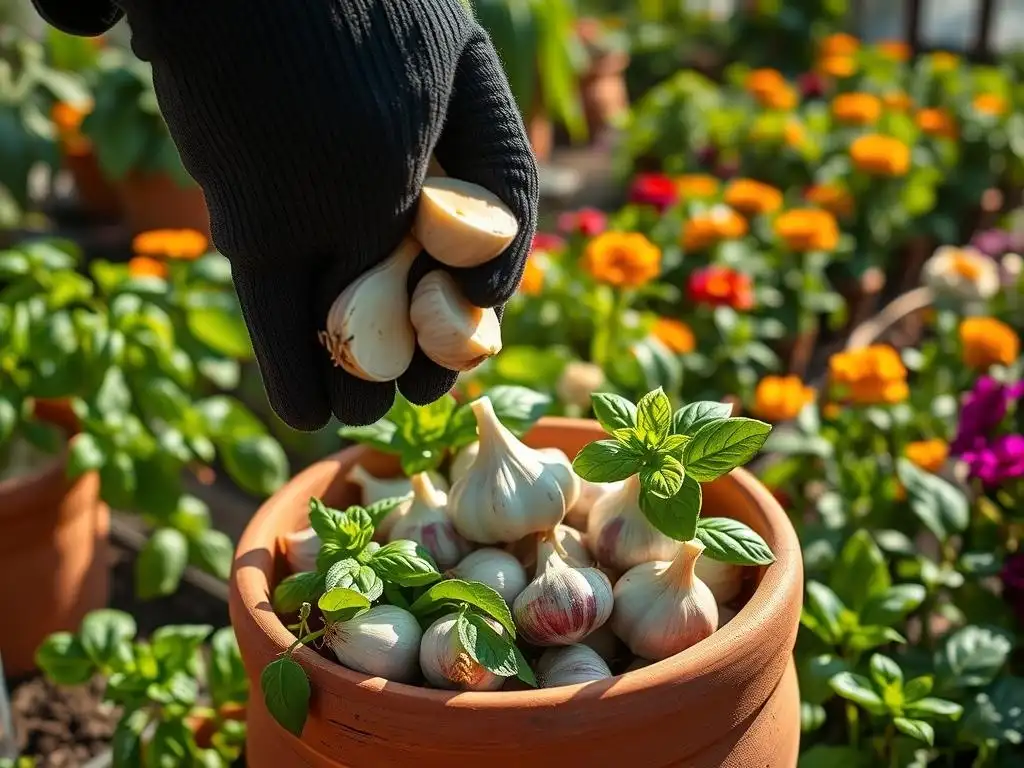
This section delves into the practical application of garlic-based repellents in your home garden. We'll explore different methods for preparing and using garlic sprays and solutions, emphasizing sustainable and organic practices. Remember, consistent application is key to effective pest control. The pungent aroma of garlic disrupts the olfactory senses of many insects, deterring them from feeding on your precious plants. The effectiveness varies depending on the pest and the concentration of the garlic solution.
Targeting Specific Pests with Garlic Spray
Garlic spray is a versatile tool in your organic pest control arsenal. Its effectiveness against various pests is well documented, though the concentration and application method might need adjustments. Let's explore some specific examples:
- Aphids: Aphids are tiny, soft-bodied insects that suck the sap from plants, causing stunted growth and wilting. A strong garlic spray, applied directly to the infested areas, can effectively control aphid populations. Consider adding a few drops of liquid soap to the spray to increase its adhesion to the plant leaves. Regular spraying, ideally every 3-5 days during peak aphid activity, is recommended.
- Cabbage worms: These caterpillars are notorious for devouring cabbage, broccoli, and other cruciferous vegetables. A garlic spray, combined with neem oil (another effective organic pesticide), can create a powerful deterrent. Spray the plants thoroughly, focusing on the undersides of the leaves where caterpillars often hide.
- Slugs and snails: These slimy pests can wreak havoc on your garden, leaving trails of destruction in their wake. While garlic spray might not be the primary solution for these creatures, it can act as a deterrent, especially when combined with physical barriers or other organic slug repellents. Sprinkle crushed garlic cloves around vulnerable plants to create a physical and olfactory barrier.
| Pest | Garlic Spray Effectiveness | Additional Strategies |
|---|---|---|
| Aphids | High | Liquid soap addition, frequent application |
| Cabbage worms | Moderate to High | Combine with neem oil, target undersides of leaves |
| Slugs/Snails | Moderate (deterrent) | Physical barriers, diatomaceous earth, beer traps |
Using Garlic to Protect Vegetables
Garlic's protective properties extend across a wide range of vegetables. Its pungent aroma repels many common vegetable pests, promoting healthy plant growth and higher yields. Here's how to leverage garlic's power to protect your vegetable patch:
Protecting your tomatoes from tomato hornworms requires a multi-pronged approach. While a garlic spray can help deter some hornworms, handpicking the large, green caterpillars is often the most effective method. Regularly inspect your tomato plants and remove any hornworms you find.
For leafy greens like lettuce and spinach, a preventative garlic spray can help reduce the risk of infestations by aphids and other leaf-eating insects. Apply the spray every 7-10 days, particularly during periods of warm, humid weather when pest activity is high.
Using Garlic to Protect Fruits
The application of garlic-based repellents extends to fruit plants as well, offering a natural way to safeguard your harvest. However, the effectiveness might vary depending on the specific fruit and the target pest. Here are some examples:
Protecting berry bushes from pests like spider mites and aphids can be achieved through regular garlic sprays. Ensure thorough coverage of the leaves and stems. Remember to test a small area before widespread application to ensure no negative reaction on the plant.
For fruit trees, a preventative garlic spray can help deter some insects, but it's important to note that more robust measures might be necessary for severe infestations. Garlic spray is best used as part of an integrated pest management (IPM) strategy. Combining it with other organic methods and careful monitoring will yield the best results. Remember that strong garlic solutions might burn delicate plant tissues, so always dilute properly. Over-application can be harmful to beneficial insects.
Remember to always practice safe handling and disposal of garlic-based repellents. Wear gloves and eye protection when preparing and applying the sprays. Dispose of leftover solutions responsibly.
Using Garlic to Protect Herbs
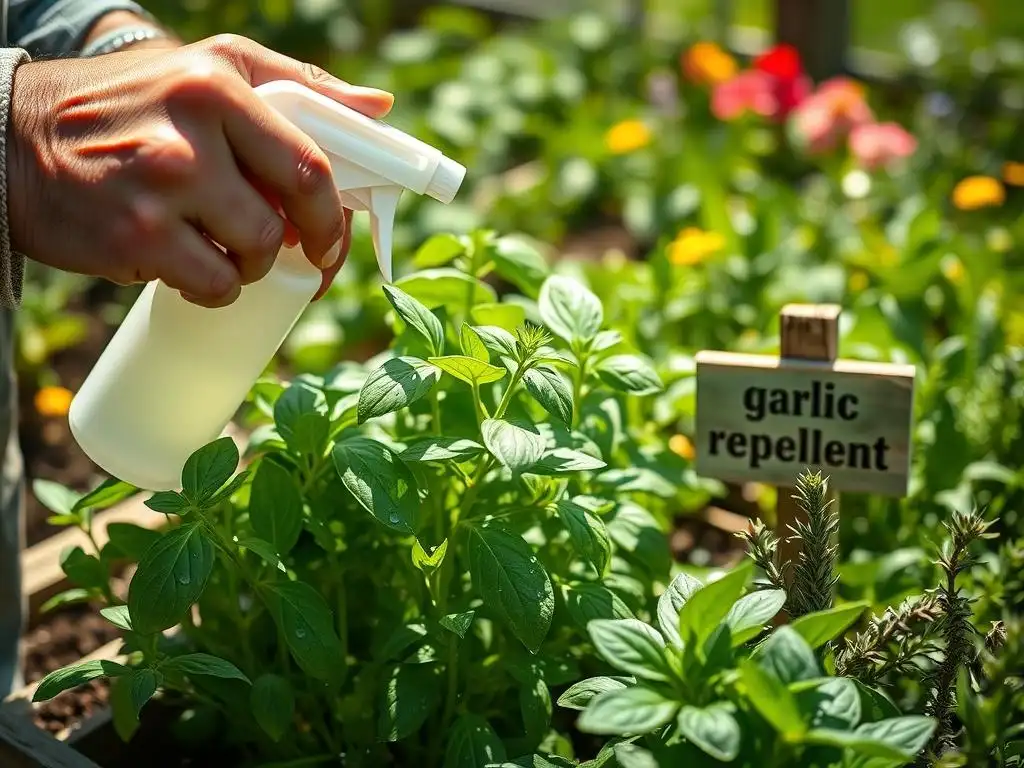
Fragrant herbs like basil, rosemary, and thyme are particularly susceptible to various pests. Aphids, spider mites, and whiteflies are common culprits, often attracted to the tender leaves. Garlic's pungent odor acts as a powerful deterrent, effectively repelling these insects. To protect your herbs, you can create a simple garlic spray.
Finely chop several cloves of garlic, steep them in a liter of water for at least 24 hours, then strain the mixture. This potent garlic infusion can be sprayed directly onto the leaves of your herbs, ensuring thorough coverage. Remember to apply this spray in the early morning or evening to avoid scorching the leaves due to sunlight. For optimal results, repeat the application every few days, especially after rainfall which washes away the repellent.
This method not only helps repel pests but also provides a natural boost to the plants. Some gardeners also report improved herb flavor profiles after consistent application of garlic spray, though this is anecdotal and requires further research. However, the observed pest reduction is a significant benefit.
Applying Garlic Repellent to Soil
While spraying the foliage is effective, applying garlic directly to the soil provides a longer-lasting preventative measure against soil-borne pests and nematodes. You can achieve this by incorporating garlic into your soil during planting. Simply crush several cloves of garlic and mix them directly into the soil around the base of your plants. The pungent aroma will permeate the soil, creating an inhospitable environment for many harmful insects and their larvae.
Alternatively, you can create a garlic-infused compost tea. This involves steeping chopped garlic in water for a few days, then diluting this mixture with water before watering your plants. This method slowly introduces the garlic repellent into the soil, providing sustained protection over time.
The concentration should be carefully adjusted; too much garlic can harm the plants. Remember to always start with a diluted solution and observe the plants for any adverse reactions before increasing the concentration. Regular soil testing and observation are key to determining the optimal application frequency and concentration.
Preventing Pest Infestations with Garlic Barriers
Creating physical barriers infused with garlic can offer an extra layer of protection. For example, you can plant garlic cloves around the perimeter of your vegetable beds. The strong scent will deter many crawling insects from entering the area. This acts as a natural, living barrier, protecting your valuable crops.
Another effective technique is to create a garlic-infused mulch. Mix chopped garlic into your chosen mulch material—straw, wood chips, or even shredded leaves—and apply it around your plants. This not only repels pests but also helps retain soil moisture and suppresses weeds. The combination of the physical barrier and the pungent garlic scent creates a formidable defense against various garden pests.
However, remember that this method might require more frequent replenishment of the garlic-infused mulch, especially after heavy rainfall or strong winds. Regular monitoring and maintenance are crucial for ensuring the effectiveness of this barrier. Experimenting with different mulch types and garlic concentrations will help you find the best solution for your specific garden needs.
Enhancing Garlic's Pest Control Effectiveness
This section delves into practical strategies to maximize the pest-repelling power of garlic in your garden. While garlic's natural properties are effective against a range of common garden pests, understanding how to best utilize it can significantly improve results. We'll explore how to combine garlic with other natural repellents, optimize application timing, and monitor pest activity for ongoing effectiveness. Remember, consistent effort is key to successful organic pest control.
Combining Garlic with Other Natural Repellents
Garlic's effectiveness as a pest repellent can be significantly boosted when combined with other natural substances. This synergistic effect creates a more potent and broader-spectrum defense against various pests. For example, combining a garlic spray with a neem oil solution can provide a powerful one-two punch against aphids and other soft-bodied insects. The garlic acts as a repellent, while the neem oil disrupts their life cycle.
Another effective combination involves mixing garlic spray with a solution of insecticidal soap. Insecticidal soap works by disrupting the cell membranes of insects, causing dehydration and death. Used in conjunction with the garlic repellent, this approach offers a dual-pronged attack, deterring pests while also eliminating existing infestations. The precise ratios for these combinations will vary depending on the specific pests you're targeting and the concentration of your garlic spray and other solutions. Always test a small area first to ensure compatibility with your plants.
Optimizing Application Timing for Maximum Impact
Timing is crucial for maximizing the effectiveness of any pest control strategy, and garlic is no exception. The best time to apply garlic spray is typically in the early morning or evening when temperatures are cooler and the sun's intensity is lower. This prevents the spray from evaporating too quickly and ensures better adherence to plant surfaces. Moreover, applying the spray before a significant pest infestation occurs can be incredibly beneficial in preventing problems before they escalate.
Regular preventative applications, perhaps every 7-10 days, can significantly reduce the likelihood of a major infestation. Remember to always check the weather forecast before spraying; avoid application before rain as it will wash away the repellent. Consistent application is vital for repelling garden pests with garlic successfully.
Monitoring Pest Activity and Adjusting Application
Effective organic pest control is not a one-time event; it's an ongoing process requiring consistent monitoring and adaptation. Regularly inspect your plants for signs of pest activity. Look for chewed leaves, wilting, discoloration, or the presence of insects themselves. Maintain detailed records of your observations, noting the types of pests present, their severity, and the dates of your garlic spray applications.
This data will help you understand the effectiveness of your approach and make necessary adjustments. If you notice a significant increase in pest activity despite regular applications, you may need to consider supplementing your garlic spray with other organic control methods, such as introducing beneficial insects or using row covers. Remember, flexibility and adaptation are key to successfully repelling garden pests with garlic and other organic methods. Careful monitoring allows for timely intervention, preventing minor issues from escalating into significant problems.
Troubleshooting and Common Questions
This section addresses common challenges encountered when using garlic to repel garden pests and offers solutions to optimize its effectiveness. Remember, while garlic is a powerful natural repellent, it's not a silver bullet and its efficacy can depend on several factors.
Dealing with Resistant Pests
Some pests may exhibit resistance to garlic's repellent properties, particularly if they've been exposed to it repeatedly. This resistance isn't necessarily a genetic adaptation in the pest itself, but rather a behavioral adjustment. Pests might simply learn to tolerate the smell over time or find alternative food sources.
To combat resistant pests, consider these strategies:
- Rotate your pest control methods: Don't rely solely on garlic. Integrate other organic pest control techniques, such as neem oil, diatomaceous earth, or companion planting, into your strategy. Rotating methods prevents pests from adapting to a single repellent.
- Increase garlic concentration: Experiment with stronger garlic sprays or increase the frequency of application. You might consider using a stronger garlic extract or increasing the amount of fresh garlic used in your homemade spray. However, always test a small area first to avoid harming your plants.
- Combine garlic with other repellents: Synergistic effects can be achieved by combining garlic with other natural repellents. For example, a mixture of garlic, chili pepper, and soap can be more effective than garlic alone. [Specific ratios pending further research].
- Improve plant health: Healthy plants are naturally more resistant to pests. Ensure your plants receive adequate sunlight, water, and nutrients. Strong, vigorous plants are less susceptible to infestation.
Remember to monitor pest populations closely and adjust your strategy accordingly. Consistent observation is key to effective organic pest control.
Storage and Shelf Life of Garlic-Based Repellents
The shelf life of garlic-based repellents varies depending on the preparation method. Freshly made sprays are generally most effective but have a shorter shelf life – usually only a few days. They should be stored in an airtight container in the refrigerator to maintain effectiveness and prevent spoilage. The presence of water can accelerate decomposition and reduce the repellent's potency.
Pre-made commercial garlic sprays often contain preservatives, extending their shelf life considerably. Always check the product label for specific storage instructions and expiration dates.
For homemade garlic sprays, consider these storage tips to maximize their longevity:
- Use airtight containers: Glass jars with tight-fitting lids are ideal. Avoid using metal containers, as they can react with the garlic and potentially affect the repellent's effectiveness.
- Refrigerate: Cold temperatures slow down microbial growth and extend the shelf life.
- Avoid direct sunlight: Sunlight can degrade the active compounds in garlic, reducing its potency.
Safety Precautions When Using Garlic in the Garden
While garlic is generally considered safe for use in the garden, it's crucial to take some safety precautions:
- Avoid contact with eyes: Garlic can irritate the eyes. Wear safety glasses or goggles when preparing and applying garlic sprays.
- Handle with gloves: Some individuals may experience skin irritation from prolonged contact with garlic. Wearing gloves minimizes this risk.
- Proper ventilation: When making large batches of garlic spray, work in a well-ventilated area to avoid inhaling strong fumes.
- Test on a small area: Before applying a garlic spray liberally, test it on a small section of your plants to ensure it doesn't cause any damage. Certain plant varieties may be more sensitive to garlic than others.
- Pet safety: Keep pets away from freshly treated plants until the spray has dried completely. Garlic can be toxic to some animals.
🐕🦺 🐶 🐈
Remember that consistent monitoring and a proactive approach are essential for successful organic pest control. By understanding the limitations and taking necessary precautions, you can effectively use garlic to repel garden pests and cultivate a thriving, healthy garden.
Frequently Asked Questions
How effective is garlic in repelling garden pests?
Garlic is a surprisingly effective natural repellent for many common garden pests. Its strong scent disrupts their feeding and mating cycles, deterring them from your plants. However, effectiveness varies depending on the pest and its concentration.
What's the best way to use garlic to repel pests?
You can use garlic in several ways: spraying a garlic solution, planting garlic cloves amongst your vegetables, or using commercially available garlic-based pest control products. Experiment to find what works best for your garden.
Which pests are repelled by garlic?
Garlic is effective against a wide range of pests, including aphids, spider mites, cabbage moths, and some fungal diseases. It's not a silver bullet, however, and some pests may be unaffected.
How do I make a garlic spray for pest control?
Blend several cloves of garlic with water, strain the mixture, and add a little liquid soap for better adhesion. Always test a small area first to ensure it doesn't harm your plants before applying it widely.
Is garlic spray harmful to beneficial insects or humans?
Garlic spray is generally considered safe for beneficial insects and humans when used as directed. However, avoid direct contact with your skin and eyes, and always rinse thoroughly after application.
Final Reflection: The Enduring Power of Nature's Pesticides
The simple act of planting garlic cloves alongside vulnerable plants offers a powerful, sustainable solution to a pervasive problem: protecting our gardens from pests. This seemingly small act, detailed throughout this article, speaks volumes about the potential of natural pest control methods in a world increasingly reliant on harmful chemicals. The impact extends far beyond individual gardens, offering a glimpse into a future where ecological balance and human needs can coexist harmoniously.
The enduring influence of garlic as a pest repellent is a testament to the wisdom of traditional farming practices and the untapped potential of nature's own arsenal. It's a reminder that effective solutions often lie in simplicity, readily available to anyone with a garden patch and a willingness to learn. The earth laughs in flowers.
This quote, though seemingly unrelated at first glance, perfectly captures the joy and satisfaction derived from nurturing a thriving garden using methods that respect the delicate balance of the ecosystem. The knowledge gained from understanding natural pest control methods, like using garlic, empowers us to become more active participants in this balance, rather than passive observers.
Now, consider your own garden, balcony, or even a single potted plant. What small changes can you make to incorporate natural pest control methods? Will you plant garlic alongside your tomatoes or experiment with other natural repellents? The journey towards a healthier, more sustainable garden begins with a single step, a single clove of garlic planted with intention. Embrace the power of nature, and watch your garden flourish, not just with vibrant blooms and bountiful harvests, but also with a renewed sense of connection to the earth and its inherent wisdom.
Unleash Your Garlic Power: Protect Your Garden Naturally!
Thanks for exploring the natural pest-control power of garlic! You've learned practical ways to protect your garden without harmful chemicals. Ready to put this knowledge to work?
- Make your own garlic spray: Create your potent, pest-repelling solution today! Follow the recipe in this article for best results.
- Share your gardening success: Post pictures of your thriving, pest-free plants on social media and inspire others to adopt natural pest control methods! Use #GarlicGarden on your favorite platform.
- Explore other natural pest control options: Discover more organic solutions on our website's resources (cultivateyourfood.org).
How will you integrate garlic into your garden's defense strategy this season?