
The Power of Vinegar: An Organic Pest Control Solution

Welcome to CultivateYourFood, your guide to a thriving, sustainable garden! Ready to ditch harmful chemicals and embrace nature's bounty? Discover the incredible power of organic pest control with our in-depth exploration of organic pest control vinegar. Learn how this simple, readily available ingredient can transform your gardening experience and protect your precious plants from unwanted pests. Let's cultivate a healthier, more vibrant garden together – read on to unlock the secrets!
Understanding Vinegar's Role in Organic Pest Control
Vinegar, a common household staple, offers a surprisingly effective and environmentally friendly solution for managing common garden pests. This article delves into the power of vinegar as a potent yet gentle organic pest control method, exploring its applications, effectiveness, and safety for your plants and the environment. We’ll examine how its acidic nature disrupts pest life cycles, offering a sustainable alternative to harsh chemical pesticides.
Choosing organic pest control is crucial for protecting beneficial insects, pollinators, and the overall health of your garden ecosystem, and vinegar fits perfectly into this sustainable approach. Learning to leverage vinegar's pest-deterrent properties will empower you to cultivate a thriving, healthy garden without resorting to harmful chemicals. This guide will equip you with the knowledge and practical steps to effectively utilize vinegar for organic pest control, helping you achieve a bountiful harvest while respecting the delicate balance of nature.
Vinegar's Acidity: The Key to Pest Control
Vinegar's effectiveness as a pest control agent stems primarily from its acetic acid content. This acid, typically found at concentrations of around 5% in household vinegar, disrupts the delicate pH balance of many insects and weeds. When sprayed directly onto pests, the acetic acid can damage their exoskeletons, leading to dehydration and ultimately, death. The exact mechanism varies depending on the pest, but the disruption of their physiological processes is a consistent effect.
For example, aphids, a common garden pest, are particularly vulnerable to vinegar's acidic properties. Furthermore, the strong smell of vinegar can act as a repellent, discouraging pests from approaching your plants in the first place. This dual action – both direct toxicity and repellent effect – makes vinegar a versatile and effective organic pest control solution.
Effective Applications of Vinegar in the Garden
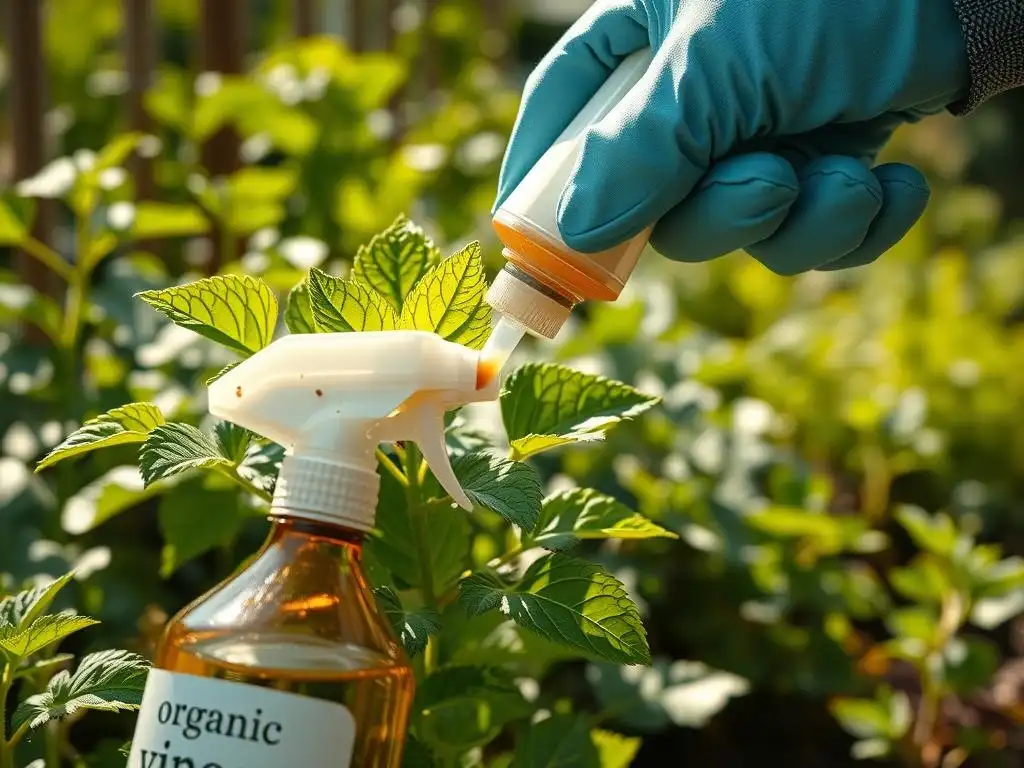
Vinegar can be applied in several ways depending on the specific pest and the severity of the infestation. A simple dilution of white vinegar with water (typically a 1:1 ratio, but this can be adjusted based on plant sensitivity) is often sufficient for many common garden pests. This diluted solution can be sprayed directly onto affected plants, ensuring thorough coverage of leaves and stems. For more stubborn infestations, a stronger concentration may be necessary, but always test a small area first to ensure it doesn't damage your plants.
Remember to avoid spraying during peak sun hours, as the vinegar solution can intensify the sun's effect on the foliage. For weed control, undiluted white vinegar can be spot-treated directly onto weeds, effectively killing them by disrupting their cellular processes. However, be mindful to avoid spraying on desirable plants, as the undiluted vinegar can also damage them.
Safety Precautions and Considerations
While vinegar is generally considered safe for use in organic pest control, some precautions are necessary. Always dilute vinegar before spraying on plants, as undiluted vinegar can damage foliage. Test a small area first to assess your plants' tolerance. Avoid spraying on edible plants shortly before harvest to prevent any residue from remaining on the produce.
Furthermore, remember that vinegar is not a silver bullet solution; it's most effective against soft-bodied insects and weeds. For more serious infestations or different types of pests, it might be necessary to combine vinegar with other organic pest control methods, such as introducing beneficial insects or using insecticidal soaps. Regular monitoring of your plants and consistent application of vinegar are key to effective pest management. Always wear gloves and eye protection when handling and applying vinegar solutions.
Comparing Vinegar to Other Organic Pest Control Methods
Compared to other organic pest control methods such as neem oil or insecticidal soaps, vinegar offers several advantages. It’s readily available and inexpensive, making it an accessible option for home gardeners. Its preparation is simple, requiring only dilution with water. Moreover, it is biodegradable and poses minimal risk to the environment, unlike many synthetic pesticides.
However, its effectiveness is limited compared to some stronger organic solutions, and it may not be suitable for all types of pests. Therefore, a holistic approach integrating various organic methods, including vinegar, is often the most effective strategy for maintaining a healthy and pest-free garden. Choosing the right method depends on the specific pest, the severity of the infestation, and your garden's unique conditions.
Frequently Asked Questions
What is the benefit of using vinegar for pest control?
Vinegar offers a safe and effective organic solution for controlling various garden pests. Its acetic acid content disrupts the life cycle of many insects and weeds. It's a readily available and environmentally friendly alternative to chemical pesticides.
What kind of vinegar is best for pest control?
White distilled vinegar is generally recommended for pest control due to its high acidity and lack of added ingredients. Avoid using flavored vinegars as they may contain additives that could harm plants. Undiluted vinegar is often most effective but test a small area first.
How do I use vinegar to control pests?
The application method depends on the pest. You can spray it directly on plants affected by aphids or other soft-bodied insects, or use it as a soil drench to control weeds. Always dilute appropriately to avoid damaging plants.
Is vinegar pest control harmful to beneficial insects?
Vinegar can harm some beneficial insects if not used carefully. It's crucial to target the application to affected areas to minimize impact on pollinators and other helpful creatures. Consider using it in the evening to reduce evaporation and protect beneficial insects.
Are there any limitations to using vinegar for pest control?
Vinegar is not effective against all pests. It is best suited for soft-bodied insects and some weeds. Severe infestations may require a more comprehensive approach. Always conduct a small test patch before widespread application to prevent plant damage.
Final Reflection: The Enduring Power of Nature's Pesticide
The resurgence of interest in organic pest control methods, driven by concerns about chemical pesticide use and environmental sustainability, highlights the enduring relevance of simple, effective solutions like vinegar. Vinegar's efficacy as a natural pest deterrent, coupled with its readily available and affordable nature, positions it as a powerful tool in the fight for healthier gardens and homes.
The shift towards environmentally conscious living has profoundly impacted our relationship with the natural world, pushing us to seek alternatives to harsh chemicals. This movement underscores the importance of understanding and harnessing the power of nature's resources. The earth provides enough to satisfy every man's needs but not every man's greed.
- Mahatma Gandhi. This quote perfectly encapsulates the need for sustainable practices, and vinegar's role as a sustainable pest control solution fits squarely within this philosophy. It's a testament to the ingenuity of nature and our ability to utilize its gifts responsibly.
Consider the impact you can make by incorporating vinegar into your pest control strategy. Think about the small, yet significant, contribution you're making to a healthier environment, one plant, one garden, one home at a time. This isn't just about eliminating pests; it's about embracing a holistic approach to gardening and living that respects both our planet and our well-being. Start small, experiment with different applications, and discover the power of this humble household staple in creating a more sustainable and harmonious relationship with the natural world.
Unleash the Power of Nature: Protect Your Garden Today
Thank you for exploring the amazing pest-control potential of vinegar! You've learned how to harness this simple, organic solution to protect your plants. Now it's time to put your knowledge into action.
- Create your own vinegar spray: This is the most important step – start protecting your garden from unwanted pests immediately! Remember to dilute the vinegar properly. For example, a common ratio is one part vinegar to ten parts water, but you may need to adjust this depending on the specific pest and plant.
- Share your results: Let's build a community of natural gardeners. Share your experiences and tips in the comments below. We'd love to hear about your successes and any challenges you encounter.
- Experiment with different dilutions: Finding the optimal dilution for your specific pests and plants may require some experimentation. Keep detailed notes to track what works best.
Ready to see your garden thrive naturally? What's your next step towards a thriving, pest-free garden?