
Preventing the Spread of Disease: Best Garden Practices

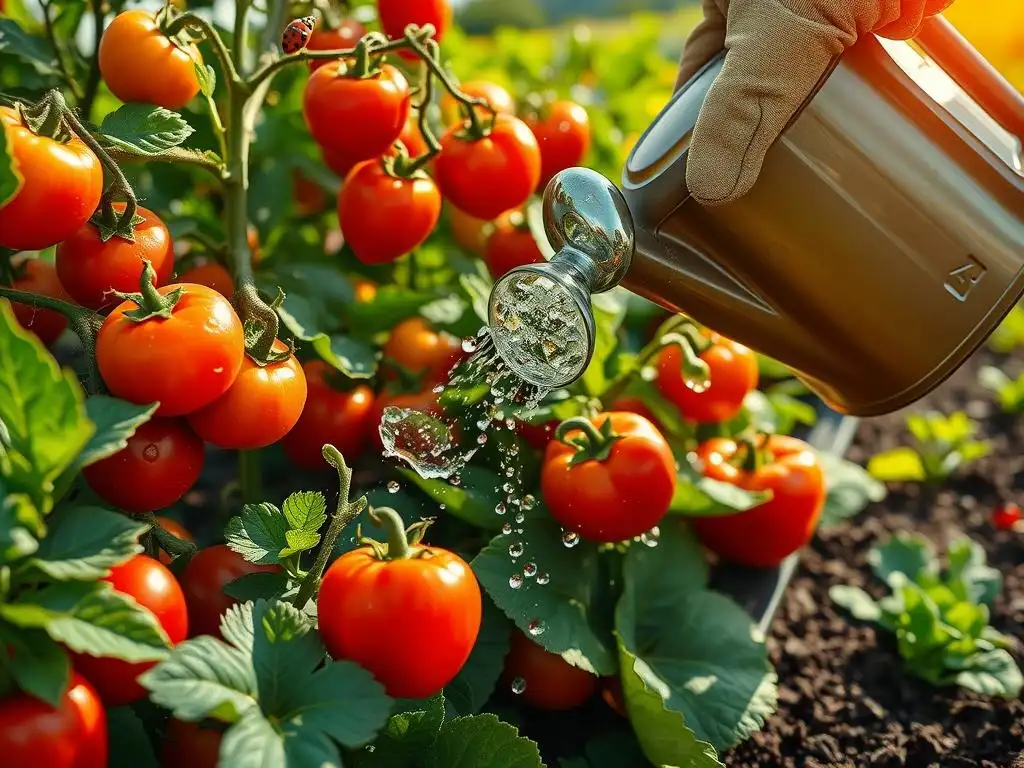
Welcome to CultivateYourFood, your guide to a thriving, sustainable garden! Are you ready to unlock the secrets to a bountiful harvest without resorting to harmful chemicals? Learn how to prevent garden disease naturally and keep your fruits, vegetables, and herbs flourishing. Discover effective, organic methods for protecting your plants and ensuring a healthy, delicious yield. Dive in and explore our expert advice on creating a vibrant and resilient garden ecosystem.
- Understanding and Preventing Garden Diseases Naturally
- Implementing Proactive Disease Prevention Strategies
- Natural Pest and Disease Control Methods
- Preventing Disease Spread Through Garden Hygiene
- Monitoring and Responding to Disease Outbreaks
- Maintaining a Healthy Garden Ecosystem for Natural Disease Resistance
- Frequently Asked Questions
- Final Reflection: Cultivating Health, Naturally
- Grow a Healthier Garden – And a Healthier You!
Understanding and Preventing Garden Diseases Naturally
Cultivating a thriving garden, bursting with healthy fruits, vegetables, and herbs, requires more than just sunlight and water. A crucial aspect of successful organic gardening is proactively preventing the spread of diseases. This article focuses on natural methods to protect your plants, emphasizing early detection and preventative measures to minimize the need for chemical interventions. We'll explore practical strategies to maintain a healthy and productive garden, using sustainable practices that are both effective and environmentally friendly.
Learning to identify common diseases, understand their spread, and implement proper sanitation techniques are key steps in preventing garden disease naturally and ensuring a bountiful harvest. This holistic approach not only protects your plants but also contributes to a healthier ecosystem in your garden and beyond. By focusing on prevention, you can significantly reduce the reliance on harsh chemicals, creating a safer and more sustainable growing environment.
Identifying Common Garden Diseases: Early Detection is Key
Early detection is paramount in preventing the widespread impact of garden diseases. Many diseases, if caught early, can be managed effectively with minimal intervention. Regular inspection of your plants is crucial. Look for any unusual discoloration, wilting, spots, or growths. Keep a keen eye out for changes in leaf texture or shape, and carefully examine stems and fruits for signs of decay or infestation.
Here's a breakdown of some common indicators:
- Leaf Spots: Small, discolored spots on leaves can indicate fungal or bacterial infections. The color and shape of these spots can vary depending on the specific disease.
- Wilting: Sudden or progressive wilting of plants can be a symptom of root rot, fungal diseases affecting the vascular system, or even pest infestations.
- Powdery Mildew: A white, powdery coating on leaves is a telltale sign of powdery mildew, a common fungal disease.
- Blight: Blight manifests as brown or black lesions on leaves, stems, or fruits, often leading to rapid decay.
- Rust: Orange or brown pustules on leaves indicate a rust infection, a fungal disease that can significantly weaken the plant.
Maintaining detailed records of your observations, including dates, affected plants, and symptoms, can be invaluable in tracking disease progression and tailoring your response. This information also helps identify recurring issues and inform future preventative strategies. Remember, a picture is worth a thousand words; taking photos of affected areas can be extremely helpful for later identification and treatment.
Recognizing Disease Symptoms in Fruits, Vegetables, and Herbs
Disease symptoms can manifest differently depending on the type of plant affected. For instance, fungal diseases in tomatoes might present as blossom-end rot or early blight, while similar symptoms in cucumbers could indicate anthracnose or downy mildew. The specific symptoms also depend on the stage of plant development and environmental factors.
| Plant Type | Common Diseases | Symptoms |
|---|---|---|
| Tomatoes | Early Blight, Late Blight, Blossom-End Rot | Leaf spots, wilting, fruit rot |
| Cucumbers | Anthracnose, Downy Mildew | Leaf spots, wilting, fruit lesions |
| Leafy Greens | Downy Mildew, Leaf Spot Diseases | Yellowing, browning, and spotting of leaves |
| Berries | Gray Mold, Powdery Mildew | Decaying fruit, powdery white coating on leaves and fruit |
| Herbs (Basil etc.) | Downy Mildew, Leaf Spot Diseases | Similar to leafy greens; rapid wilt in severe cases |
Understanding these nuances is crucial for effective disease management. Consulting reliable resources, like gardening guides or local agricultural extension offices, can help you accurately identify the specific disease affecting your plants.
The Role of Sanitation in Preventing Plant Diseases
Sanitation plays a crucial role in preventing the spread of diseases. Good hygiene practices significantly reduce the risk of infection and promote a healthy garden environment. Several key sanitation practices include:
- Removing infected plant material: Promptly remove and destroy any infected plants or plant parts. Do not compost infected material, as this could spread the disease. Dispose of it in the trash or burn it (if permitted by local regulations).
- Cleaning garden tools: Disinfect your gardening tools regularly using a solution of bleach and water (1 part bleach to 9 parts water) or rubbing alcohol. This prevents the accidental spread of diseases from one plant to another.
- Rotating crops: Rotating your crops each year helps to break the cycle of soilborne diseases. Avoid planting the same type of plant in the same location for consecutive years.
- Practicing crop rotation: Alternating the types of plants grown in a particular area each year reduces the build-up of pathogens specific to certain plants.
- Maintaining good soil health: Healthy soil is less susceptible to disease. Use organic matter like compost to improve soil structure and fertility, making plants more resilient.
- Watering properly: Avoid overhead watering, which can spread diseases. Water at the base of the plants to keep foliage dry.
By diligently following these sanitation practices, you can create a much healthier environment for your plants and significantly reduce the risk of disease outbreaks. Remember, prevention is always better than cure, especially when it comes to protecting your garden’s health naturally. 🌱
Implementing Proactive Disease Prevention Strategies
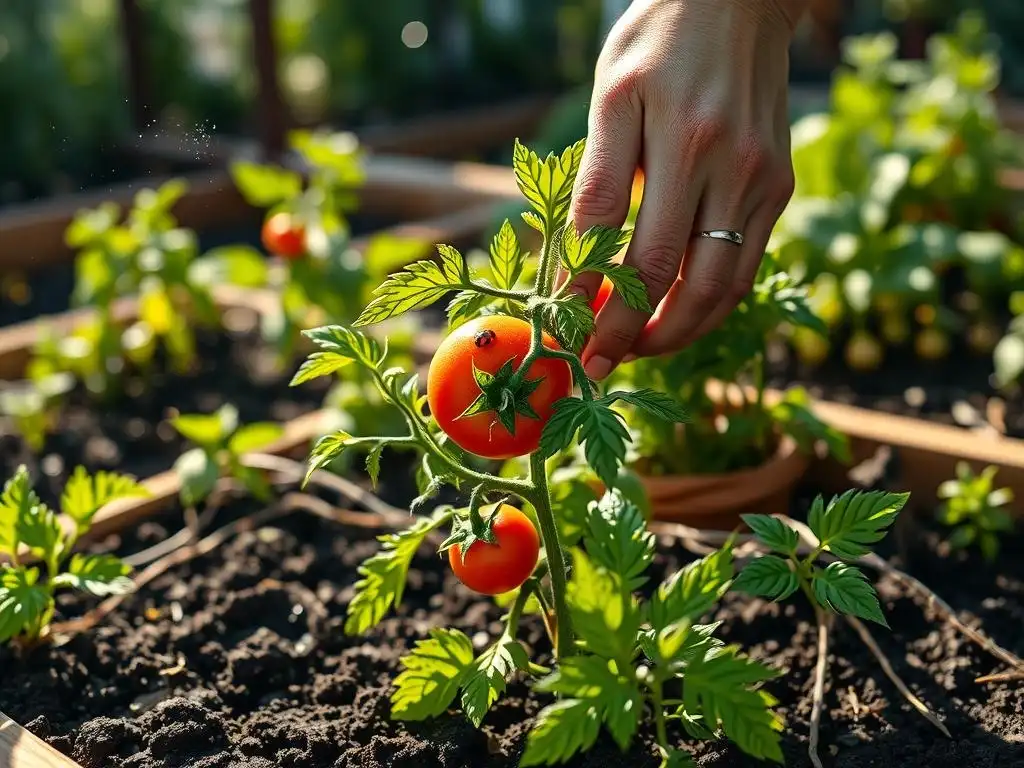
Preventing garden disease naturally is paramount for a thriving and productive garden. Reactive measures, while sometimes necessary, are less effective and often more resource-intensive than a proactive approach. This section details crucial preventative strategies to minimize disease outbreaks and foster healthy plant growth. By prioritizing these techniques, you significantly reduce the need for chemical interventions, aligning with sustainable and organic gardening principles. This proactive approach helps you prevent garden disease naturally, leading to a healthier and more bountiful harvest.
Choosing Disease-Resistant Plant Varieties
Selecting disease-resistant plant varieties is the cornerstone of a proactive disease prevention strategy. Investing time in researching cultivars known for their resilience against common diseases in your region pays significant dividends. Many seed catalogs and plant nurseries provide detailed information on disease resistance. For example, certain tomato varieties exhibit resistance to late blight, a devastating fungal disease. Similarly, many squash varieties are bred to resist powdery mildew.
Choosing these resilient plants significantly reduces the likelihood of disease outbreaks, minimizing the need for intervention. Think of it as preventative medicine for your garden. It’s far easier to prevent a disease than to cure it. This approach not only saves you time and effort but also contributes to a healthier ecosystem within your garden. Consider consulting local gardening experts or your agricultural extension office for recommendations tailored to your specific region and climate. They can provide invaluable insights into the best disease-resistant varieties for your area.
Maintaining Optimal Soil Health for Disease Prevention
Healthy soil is the foundation of healthy plants. Soil that is well-balanced and rich in organic matter is less susceptible to disease. Optimizing soil health is crucial for preventing garden disease naturally. This involves several key practices:
- Regular Soil Testing: Conduct regular soil tests to determine nutrient levels and pH. This allows for targeted amendments to address deficiencies or imbalances. Knowing your soil's composition is vital to tailoring your approach and ensuring your plants have the nutrients they need to fight off disease.
- Composting: Incorporating compost into your soil improves drainage, aeration, and nutrient availability. Compost also introduces beneficial microbes that compete with disease-causing pathogens. Aim for a minimum of 2-3 inches of compost added annually.
- Crop Rotation: Rotating crops prevents the buildup of pathogens associated with specific plant families. For instance, rotating tomatoes (nightshades) with legumes helps break disease cycles. A well-planned rotation strategy can significantly reduce the incidence of soilborne diseases.
- Avoiding Over-fertilization: Excessive fertilization, particularly with nitrogen, can weaken plant tissues and make them more vulnerable to disease. A balanced nutrient regimen is key to strong, disease-resistant plants.
The Importance of Proper Watering Techniques to Prevent Disease
Proper watering techniques are often overlooked but play a crucial role in disease prevention. Overwatering creates moist conditions that favor fungal diseases, while underwatering stresses plants, making them more susceptible to infection. Here's how to optimize your watering practices:
- Watering at the base of plants: Avoid overhead watering, which can spread pathogens. Water deeply and less frequently, encouraging strong root development. Deep watering encourages deep root growth, making plants more resilient to drought and disease.
- Watering in the morning: Allowing foliage to dry before nightfall helps prevent fungal growth. Morning watering gives plants ample time to dry before evening, reducing the risk of fungal diseases.
- Mulching: Applying a layer of mulch around plants helps retain soil moisture, reducing the need for frequent watering and minimizing fluctuations in soil moisture levels. Consistent moisture levels are crucial for healthy plant growth and disease prevention. Mulching also helps regulate soil temperature and suppress weeds.
By implementing these proactive strategies, you can significantly reduce the risk of disease in your garden and cultivate a thriving, healthy ecosystem. Remember, preventing garden disease naturally is an ongoing process that requires consistent attention and care, but the rewards are well worth the effort. 🌱
Utilizing Organic Mulch to Suppress Garden Diseases
Organic mulching is a cornerstone of preventative disease management in the garden. A thick layer of mulch—typically 2-4 inches—acts as a natural barrier, preventing soilborne pathogens from splashing onto plant foliage via rainwater or irrigation. This is crucial because many fungal diseases, like early blight on tomatoes or powdery mildew on cucumbers, require moisture on the leaves to germinate and spread. By reducing the amount of moisture reaching the leaves, mulch significantly hinders disease development.
Furthermore, organic mulch, such as straw, wood chips, or shredded leaves, helps regulate soil temperature and moisture. Consistent soil moisture is often a breeding ground for fungal diseases. Mulch moderates fluctuations, preventing both overly wet conditions that encourage fungal growth and excessively dry conditions that weaken plants, making them more susceptible to infection. This temperature regulation is particularly beneficial during periods of intense heat or cold, which can stress plants and compromise their defenses.
The type of mulch you choose also matters. For example, straw mulch excels at suppressing weeds, which can harbor diseases and pests. Wood chips offer excellent long-term soil improvement, gradually decomposing and enriching the soil with organic matter. However, freshly cut wood chips can sometimes tie up nitrogen in the soil, so it’s advisable to use well-composted wood chips or supplement with nitrogen-rich fertilizer if needed.
Remember to avoid using mulch that contains diseased plant material, as this could introduce pathogens into your garden. Regularly replenishing your mulch layer throughout the growing season ensures continuous protection. This proactive approach is far more effective and sustainable than resorting to chemical treatments after disease outbreaks occur. The long-term benefits of healthy soil and strong plants far outweigh the initial effort of establishing a good mulch layer.
Natural Pest and Disease Control Methods
This section explores effective, sustainable strategies to prevent garden diseases naturally, minimizing reliance on chemical pesticides and promoting a thriving, healthy ecosystem within your garden. By understanding and implementing these methods, you can significantly reduce the risk of disease outbreaks and maintain robust plant health. The core principle revolves around creating a garden environment less hospitable to pathogens while simultaneously bolstering the resilience of your plants. This holistic approach not only protects your plants but also safeguards the environment and your own well-being.
Implementing Integrated Pest Management (IPM) Strategies
Integrated Pest Management (IPM) is a cornerstone of natural disease prevention. It's a proactive approach that prioritizes prevention over reactive treatment. Instead of immediately resorting to chemical intervention, IPM involves carefully monitoring your garden for signs of disease and pests, identifying the specific problem, and then implementing the least harmful and most effective control method. This often involves a multi-pronged strategy combining several techniques.
For instance, proper sanitation is crucial. Removing fallen leaves, dead plant material, and weeds eliminates potential breeding grounds for pathogens. Regularly inspecting plants allows for early detection of problems, enabling prompt intervention before widespread infection. This early detection is key to preventing garden disease naturally.
Consider using sticky traps to monitor pest populations and assess the severity of infestations. Furthermore, crop rotation helps break pest and disease cycles by preventing the buildup of pathogens in the soil. Rotating your crops strategically—for example, planting tomatoes one year and legumes the next—disrupts the life cycle of many common garden pests and diseases.
IPM also emphasizes selecting disease-resistant plant varieties. Many plant cultivars are bred for their inherent resistance to specific diseases. Choosing these varieties significantly reduces the need for interventions. Finally, proper watering and fertilization practices contribute to robust plant health, making them more resistant to diseases. Overwatering or underwatering can weaken plants, making them more susceptible to pathogens. Similarly, nutrient deficiencies can compromise plant vigor, thus increasing vulnerability.
Utilizing Beneficial Insects for Natural Disease Control
Many insects play a vital role in naturally controlling garden pests and diseases. These beneficial insects act as natural predators or parasites, keeping pest populations in check and reducing the need for chemical intervention. Encouraging their presence in your garden is a powerful strategy for preventing garden disease naturally.
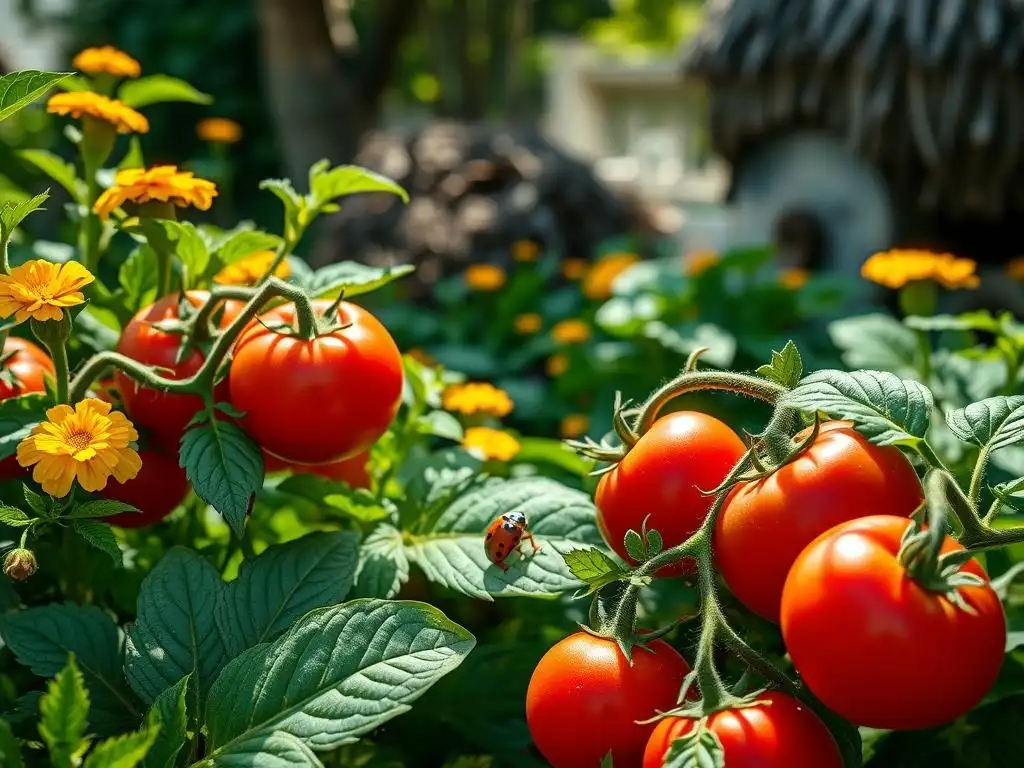
For example, ladybugs are voracious aphid predators, effectively controlling aphid populations that can weaken plants and transmit diseases. Lacewings are also beneficial, with their larvae feeding on aphids, mealybugs, and other soft-bodied insects. Ground beetles are effective at controlling slugs and snails, which can damage plants and spread diseases. Praying mantises are ambush predators, feeding on a wide range of insects, including many common garden pests.
To attract these beneficial insects, plant flowers that provide nectar and pollen. These flowering plants serve as food sources, encouraging beneficial insects to reside and reproduce in your garden. Avoid using broad-spectrum insecticides, as these can harm beneficial insects along with the pests they're targeting. Providing habitat, such as shelter and overwintering sites, can also attract and support beneficial insect populations. Creating a diverse garden ecosystem that supports a variety of insects is key to natural pest and disease control.
Harnessing the Power of Composting for Soil Health and Disease Prevention
Healthy soil is the foundation of a healthy garden, and composting plays a crucial role in achieving and maintaining that health. Compost improves soil structure, aeration, and drainage, creating an environment less conducive to the development of many plant diseases. It also provides essential nutrients that strengthen plants, making them more resistant to disease. In essence, compost is a powerful tool in preventing garden disease naturally.
The process of composting breaks down organic matter, including plant debris, kitchen scraps, and yard waste. This decomposition process creates a rich, nutrient-rich soil amendment. The beneficial microorganisms present in compost also help suppress soilborne pathogens, reducing the risk of diseases like root rot and damping-off. Furthermore, compost improves water retention, reducing the need for frequent watering which can sometimes lead to disease problems.
The improved soil structure also allows for better root penetration, promoting stronger, healthier plants. By regularly incorporating compost into your garden soil, you are actively building a disease-resistant environment for your plants. This proactive approach to soil health is an essential component of natural disease prevention.
Organic Fungicides and Natural Disease Treatments
Preventing garden disease naturally often involves harnessing the power of organic fungicides and natural disease treatments. These methods offer a safer and more environmentally friendly approach compared to synthetic chemicals, protecting beneficial insects and pollinators while safeguarding the health of your soil and plants. Many effective options are readily available, or even already in your kitchen!
One highly effective organic fungicide is a simple baking soda solution. A mixture of one tablespoon of baking soda per gallon of water, sprayed directly onto affected leaves, can effectively combat fungal diseases like powdery mildew and black spot. Remember to thoroughly coat the foliage, ensuring the solution reaches both the upper and lower surfaces of the leaves.
This treatment should be repeated every 7-10 days, or as needed, depending on the severity of the infection and weather conditions. For best results, apply during the early morning or late evening to minimize water evaporation and prevent leaf burn. Always test on a small area of the plant first before applying liberally.
Another readily accessible natural remedy is neem oil. Derived from the neem tree, this oil acts as a broad-spectrum fungicide, effectively controlling various fungal pathogens. Neem oil's effectiveness stems from its ability to disrupt the fungal life cycle, preventing spore germination and inhibiting fungal growth. It's crucial to follow the product label instructions carefully, as the concentration of neem oil can vary depending on the product.
Dilute it appropriately to avoid damaging your plants. Neem oil is particularly effective against powdery mildew and other fungal leaf spots. It offers the added benefit of acting as a natural insecticide, addressing pest problems simultaneously.
Beyond baking soda and neem oil, several other natural substances exhibit strong fungicidal properties. These include:
- Milk: Diluted milk (1:9 ratio of milk to water) can be sprayed on plants to control powdery mildew. The casein in milk interferes with fungal growth.
- Compost tea: Rich in beneficial microbes, compost tea strengthens plant immunity, making them more resistant to diseases. It's a preventative measure rather than a direct cure.
- Garlic spray: Garlic's strong antifungal properties can be harnessed by creating a spray from crushed garlic cloves steeped in water. This spray should be strained before application.
- Horsetail tea: Horsetail contains silica, which strengthens plant cell walls, making them more resistant to fungal infections.
Remember that prevention is key. Practicing good garden hygiene, such as removing infected plant debris promptly and ensuring proper air circulation amongst your plants, significantly minimizes the risk of disease outbreaks. By combining preventative measures with these organic fungicides and treatments, you can effectively prevent the spread of garden diseases naturally, promoting a healthy and thriving garden.
Preventing Disease Spread Through Garden Hygiene
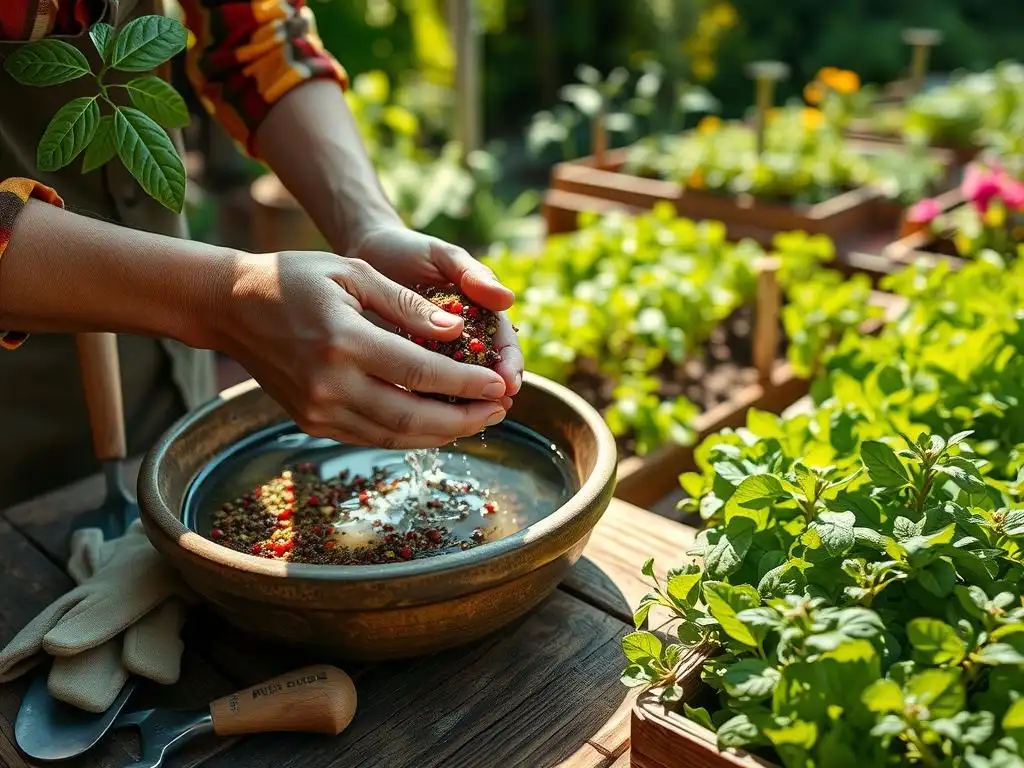
Maintaining impeccable garden hygiene is paramount to preventing the spread of disease and promoting the overall health of your plants. A clean garden is a healthy garden, significantly reducing the risk of your plants succumbing to various pathogens. This proactive approach to disease prevention is a cornerstone of organic and sustainable gardening, allowing you to "prevent garden disease naturally" and minimize the need for chemical interventions. Let's delve into the specifics.
Cleaning and Disinfecting Garden Tools to Prevent Contamination
Contaminated garden tools are a major vector for the spread of plant diseases. Spores, bacteria, and viruses can easily hitchhike on your tools from one plant to another, causing widespread infection. Therefore, regular cleaning and disinfection are crucial. The best practice involves a two-step process:
- Cleaning: After each use, thoroughly clean your tools with soap and water. Remove any visible soil, plant debris, or other contaminants. A stiff brush can help remove stubborn residue from trowels, spades, and other implements. This initial cleaning removes the bulk of potential pathogens.
- Disinfection: Following the cleaning, disinfect your tools using a suitable solution. A 10% bleach solution (1 part bleach to 9 parts water) is effective for many common garden pathogens. Alternatively, you can use a solution of isopropyl alcohol (70% concentration). Submerge your tools completely for at least 10-15 minutes, ensuring all surfaces are thoroughly treated. After disinfection, rinse the tools with clean water and allow them to air dry completely before storing.
Remember to always wear gloves when handling cleaning and disinfecting solutions. Proper tool hygiene is a simple yet highly effective strategy to "prevent garden disease naturally." Neglecting this step can easily undo the benefits of other disease prevention methods. Consider creating a dedicated cleaning station near your garden for easy access and consistent application of this vital practice.
Removing and Disposing of Infected Plant Material Properly
Prompt identification and removal of infected plant material is crucial in limiting disease spread. Leaving infected plants in your garden allows pathogens to multiply and spread to healthy plants through wind, water, or insects. The method of disposal depends on the severity and nature of the infection:
-
Mild Infections: For minor infections, you can often remove the affected leaves or stems, ensuring you take a margin of healthy tissue to prevent further spread. Dispose of the removed material in sealed plastic bags in your household trash.
-
Severe Infections: If the infection is widespread or severe, the entire plant may need to be removed. Again, dispose of the plant in sealed plastic bags. Never compost infected plants, as this can spread the disease throughout your compost pile and contaminate your soil. Burning infected plants is generally not recommended unless local regulations permit and you have the appropriate safety measures in place.
The disposal method should aim to prevent the spread of disease to other areas of your garden. Proper disposal is a key element in successfully answering the question of how to "prevent garden disease naturally," as it directly reduces the inoculum pressure in your garden.
Practicing Crop Rotation to Reduce Disease Buildup
Crop rotation is a valuable and time-tested technique for preventing disease buildup in the soil. Many plant pathogens survive in the soil for extended periods, infecting plants of the same family year after year. By rotating your crops, you disrupt the pathogen's life cycle and reduce the likelihood of infection.
For example, if you planted tomatoes one year, avoid planting other members of the nightshade family (such as potatoes, peppers, and eggplants) in the same location the following year. Instead, plant something from a different plant family, such as legumes (beans, peas), brassicas (cabbage, broccoli), or cucurbits (cucumbers, squash). This simple practice significantly reduces the risk of soilborne diseases.
A well-planned crop rotation strategy is a fundamental aspect of long-term garden health and sustainability. It’s an effective, natural, and cost-effective way to "prevent garden disease naturally," making it an essential component of any organic gardening plan. A four or five-year rotation plan is often recommended for optimal disease control. Careful planning and record-keeping are key to successful crop rotation. Consider using a garden journal to track your planting schedule and ensure proper crop rotation.
Monitoring and Responding to Disease Outbreaks
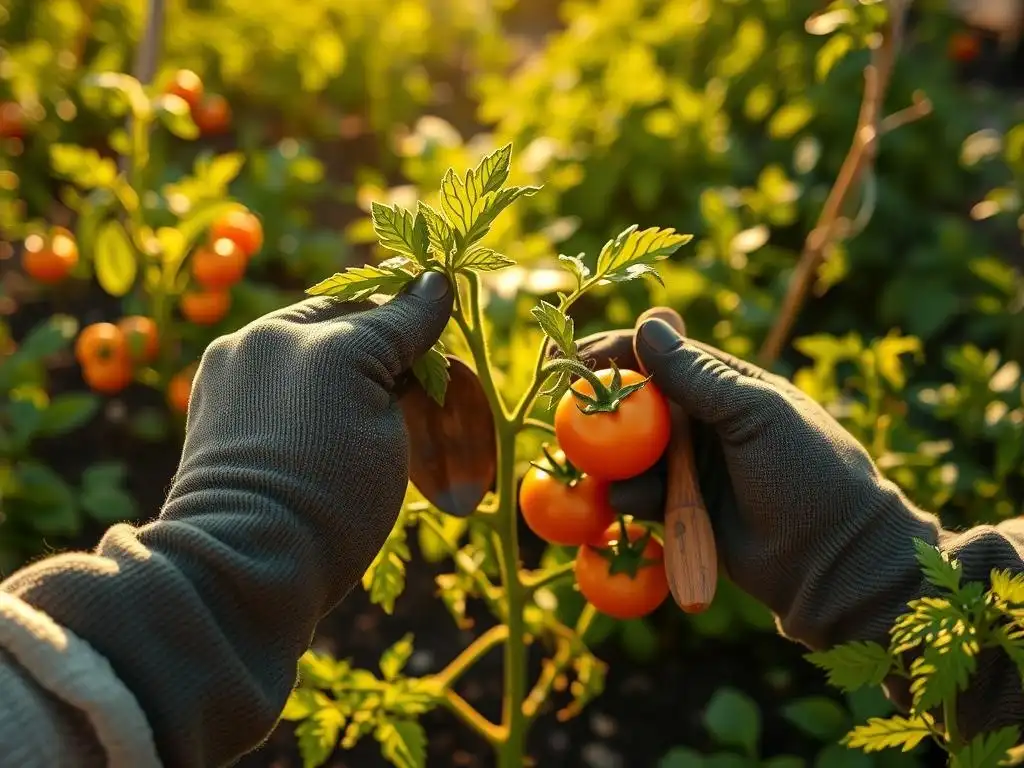
Effective disease prevention in your garden relies heavily on proactive monitoring and swift responses. Ignoring early signs can lead to widespread infection, impacting yields and potentially harming the overall health of your garden ecosystem. This section details crucial steps to take in preventing the spread of garden disease naturally.
Regular Garden Inspections for Early Disease Detection
Regular and thorough inspections are the cornerstone of preventing garden disease naturally. Aim for at least weekly checks, increasing frequency during periods of high humidity or rainfall, known disease vectors for your region. These inspections should be meticulous, covering every plant from top to bottom.
Look for subtle signs of disease, such as:
- Leaf discoloration: Yellowing, browning, spotting, or unusual changes in leaf color. Note the pattern – is it localized or widespread?
- Wilting: Sudden or progressive wilting, even with adequate watering, is a strong indicator of root or vascular disease.
- Lesions or spots: Examine leaves, stems, and fruits for any unusual lesions, spots, or scabs. Note size, color, and shape.
- Unusual growth: Check for stunted growth, distorted leaves, or abnormal growths.
- Presence of pests: Many pests act as vectors for diseases. Their presence warrants close examination for accompanying diseases.
Consider using a checklist or a simple notebook to record your observations. Note the date, affected plant species, the specific symptoms observed, and the location within your garden. This detailed record will prove invaluable in tracking disease progression and tailoring your response. For example, recording that "On July 15th, three tomato plants in the south bed showed yellowing lower leaves and small brown spots" provides far more actionable information than a general note of "some tomato problems." This level of detail is crucial for preventing garden disease naturally and effectively.
Implementing Quick Action Plans for Disease Management
Once a disease is detected, swift action is crucial to prevent its spread. Delaying treatment can exponentially increase the affected area and necessitate more drastic measures later. Your quick action plan should include:
- Isolation: Immediately isolate affected plants from healthy ones to contain the spread. This might involve physically separating them or removing them entirely.
- Removal of infected plant parts: Carefully remove and dispose of infected leaves, stems, fruits, or entire plants, depending on the severity and nature of the disease. Do not compost infected material; instead, seal it in plastic bags and discard it in the trash to prevent the spread of pathogens.
- Sanitation: Thoroughly clean your gardening tools with a diluted bleach solution (1 part bleach to 9 parts water) after working with infected plants. This prevents the unintentional spread of disease to other parts of your garden.
- Natural treatments: Employ natural disease control methods such as applying neem oil, copper fungicide, or potassium bicarbonate, following label instructions carefully. Always prioritize organic and sustainable methods to prevent garden disease naturally.
- Monitoring and reassessment: After implementing your initial response, continue to monitor the affected area closely. If the disease persists or spreads, you may need to adjust your strategy.
Remember, early intervention is key. The sooner you address a disease outbreak, the more likely you are to manage it effectively and prevent widespread damage, thereby preventing garden disease naturally and sustainably.
Documenting Disease Outbreaks for Future Prevention
Maintaining a detailed record of disease outbreaks is essential for long-term garden health. This record serves as a valuable learning tool, allowing you to identify patterns, understand disease cycles, and implement preventative measures in subsequent seasons. Your documentation should include:
- Date of detection: Record the exact date when the disease was first noticed.
- Plant species affected: Specify the exact plant species and cultivar.
- Symptoms observed: Provide a detailed description of the symptoms, including photographs if possible.
- Location in the garden: Note the exact location of the affected plants within your garden. This helps identify potential environmental factors contributing to the disease.
- Treatment applied: Document the specific treatments used, including the type of product, application method, and dosage.
- Outcome: Record the effectiveness of the treatment and the ultimate outcome of the disease outbreak.
This detailed documentation allows you to build a historical database of your garden's disease history. This information is invaluable for making informed decisions about crop rotation, soil management, and other preventative practices in future growing seasons, helping you prevent garden disease naturally year after year. By analyzing past outbreaks, you can proactively address potential problems before they escalate. This approach is essential for the long-term health and productivity of your garden.
Maintaining a Healthy Garden Ecosystem for Natural Disease Resistance
Preventing garden disease naturally hinges on creating a thriving garden ecosystem. A robust and balanced environment is far less susceptible to disease outbreaks than a stressed or imbalanced one. This section focuses on practical steps to bolster your garden's natural defenses against plant diseases, minimizing the need for chemical interventions. We'll explore how fostering biodiversity, nurturing beneficial microbes, and attracting natural predators can significantly reduce disease pressure. Remember, a healthy garden is a resilient garden.
Fostering Biodiversity in Your Garden to Combat Disease
Biodiversity is your garden's best defense against disease. A monoculture—planting only one type of plant—creates a buffet for pathogens, allowing them to quickly spread. In contrast, a diverse planting scheme confuses pests and diseases, making it harder for them to find suitable hosts. Consider interplanting: placing different plant species together. For example, planting marigolds alongside tomatoes can repel nematodes, a common tomato pest that can also contribute to disease. Similarly, basil repels many common garden pests, thereby indirectly reducing disease risk.
The benefits extend beyond pest control. Diverse plantings support a wider range of beneficial insects and microbes that further contribute to disease suppression. A study by the University of California, Davis, showed that gardens with higher plant diversity experienced significantly lower levels of fungal diseases compared to monoculture plots. This highlights the importance of integrating a variety of plants, including flowering plants to attract pollinators and beneficial insects, into your garden design for holistic disease prevention. Remember to rotate your crops annually to further break disease cycles.
Attracting Beneficial Microbes to Enhance Soil Health and Disease Suppression
Healthy soil is the foundation of a healthy garden. Beneficial microbes, such as mycorrhizal fungi and various bacteria, play a critical role in disease suppression. These microorganisms compete with pathogens for resources, produce antibiotics that inhibit disease development, and enhance plant immunity. Promoting a thriving microbial community in your soil is therefore crucial for preventing garden disease naturally.
Several practices can boost your soil's microbial life. Composting is paramount; it introduces diverse organic matter, which serves as food for these beneficial organisms. Avoid using chemical fertilizers, which can disrupt the delicate balance of your soil ecosystem and harm beneficial microbes. Instead, opt for organic fertilizers like compost tea or worm castings. These provide slow-release nutrients and enhance soil structure, creating an ideal habitat for beneficial microbes. No-till gardening minimizes soil disruption, protecting the intricate network of soil organisms vital for disease suppression.
The diversity of microbes in your soil is crucial. A single type of compost might not provide the full range of microbes needed for optimum plant health and disease resistance. Consider using a variety of compost sources, including leaf mold, grass clippings, and food scraps, to ensure a diverse microbial population. Regular soil testing can help assess your soil's health and guide adjustments to your soil management practices.
Supporting Natural Pest Predators to Reduce Disease Vectors
Many pests act as vectors for plant diseases, carrying pathogens from one plant to another. By supporting natural predators, you can reduce pest populations and, consequently, the spread of disease. Beneficial insects such as ladybugs, lacewings, and praying mantises feed on aphids, whiteflies, and other common garden pests, thereby breaking the disease transmission cycle.
Attracting these beneficial insects requires creating a habitat that meets their needs. Plant a variety of flowering plants that provide nectar and pollen, offering food sources for these predators. Avoid using broad-spectrum insecticides, which can harm both pests and beneficial insects. Instead, consider using targeted pest control methods such as handpicking or insecticidal soap only when necessary.
Providing shelter, such as brush piles or rock piles, can also encourage beneficial insects to stay in your garden. Remember, a balanced ecosystem with a robust population of natural predators is your best ally in preventing garden disease naturally. Careful observation of your garden will help you identify potential problems early and implement appropriate solutions before they escalate.
Frequently Asked Questions
How can I prevent garden diseases naturally?
Many natural methods prevent garden diseases. Improving soil health with compost and practicing crop rotation are crucial. Using beneficial insects and avoiding overhead watering also helps.
What are some common garden diseases?
Common diseases include powdery mildew, blight, and various fungal infections. These are often caused by poor air circulation, overwatering, or infected plants.
How important is sanitation in preventing garden diseases?
Sanitation is extremely important. Remove and destroy infected plants immediately, sterilize gardening tools, and clean up fallen leaves to reduce disease sources.
Can companion planting help prevent garden diseases?
Yes, companion planting can be beneficial. Certain plants, like marigolds, can deter pests and improve soil health, indirectly preventing disease. Research effective pairings for your specific garden.
What should I do if I suspect a disease in my garden?
Identify the specific disease if possible. Then, isolate infected plants, remove affected parts, and consider natural treatments like neem oil or diluted baking soda solutions. Seek professional advice if needed.
Final Reflection: Cultivating Health, Naturally
The health of our gardens mirrors the health of our planet, and preventing disease naturally is not just a gardening practice; it's a vital step towards a sustainable future. Ignoring the interconnectedness of our ecosystems and our own well-being has dire consequences, leading to a reliance on harmful chemicals and unsustainable practices. We must actively choose healthier alternatives.
The shift towards natural disease prevention in gardening reflects a broader cultural awakening, a growing awareness of the impact our choices have on the environment and our own bodies. We are increasingly recognizing the importance of biodiversity, soil health, and integrated pest management. The earth laughs in flowers.
– Ralph Waldo Emerson. This quote speaks to the inherent joy and resilience of nature, a resilience we can nurture and support through mindful gardening practices. The more we understand the delicate balance within our gardens, the more we understand the delicate balance within ourselves and the world around us.
Now, consider your own garden – or even your own life. What small changes can you make to cultivate a healthier, more resilient environment? Perhaps it's choosing disease-resistant plant varieties, improving your soil health with compost, or simply observing your plants more closely to catch problems early. Embrace the power of prevention, not just for your garden, but for the well-being of our shared planet. Let's cultivate a future where health and sustainability thrive together, naturally.
Grow a Healthier Garden – And a Healthier You!
Thank you for learning how to protect your garden—and yourself—from disease. You now have the knowledge to cultivate a thriving, healthy garden. Ready to put it into action?
- Implement at least one disease prevention technique from this week's article. Even a small change, such as improving soil drainage or rotating your crops, can make a big difference!
- Share this article with a fellow gardening enthusiast—let's spread the word about healthy gardening practices!
- Consider keeping a detailed garden journal to track your progress and the effectiveness of each preventative measure you've used.
What's one small step you'll take today to create a healthier, more resilient garden?