
The Secret World of Beneficial Garden Insects

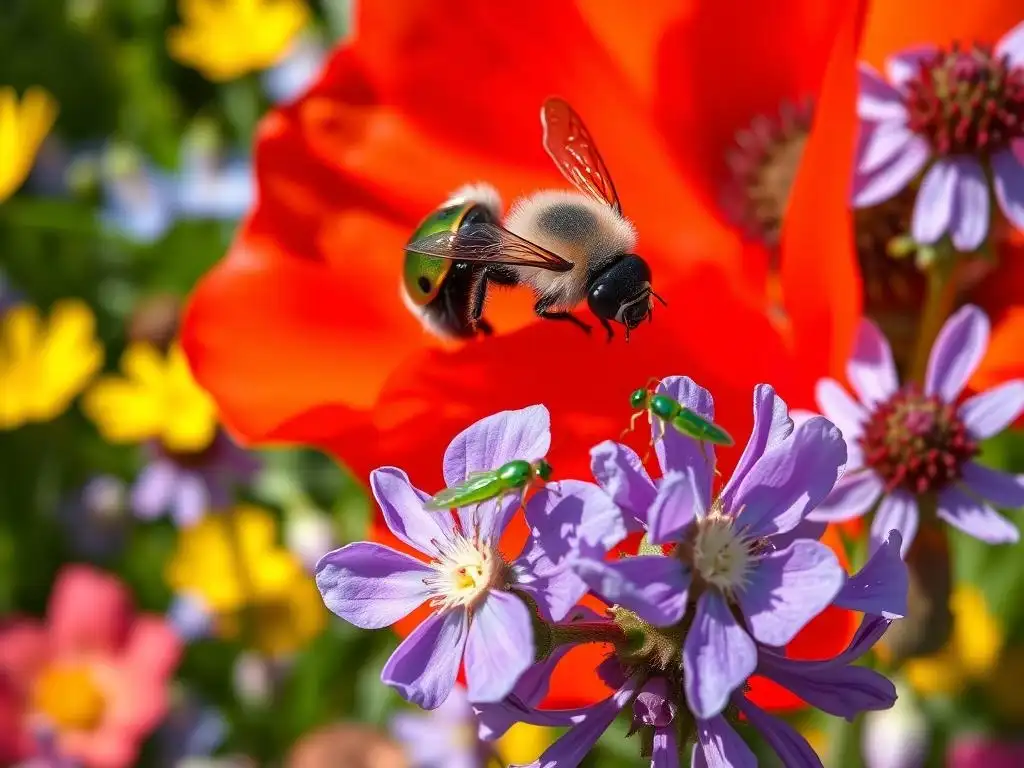
Ready to transform your garden into a thriving ecosystem? At CultivateYourFood, we empower you to grow your own delicious and healthy produce using sustainable methods. Discover the fascinating world of beneficial insects and learn how they can be your secret weapon against pests. Our Beneficial Garden Insects guide reveals the incredible allies waiting to help you cultivate a bountiful and pest-free harvest – are you ready to unlock their power?
- Understanding Beneficial Insects in Your Garden Ecosystem
- Attracting Beneficial Insects to Your Garden: A Comprehensive Guide
- Beneficial Insects for Specific Pests: A Targeted Approach
- Boosting Your Garden's Biodiversity: Beyond Beneficial Insects
- Maintaining a Thriving Ecosystem: Long-Term Strategies
- Frequently Asked Questions
- Final Reflection: Nurturing Nature's Tiny Helpers
- Unleash Your Garden's Secret Helpers!
Understanding Beneficial Insects in Your Garden Ecosystem
Cultivating a thriving garden often involves a delicate balancing act. While we strive for bountiful harvests of fruits, vegetables, and herbs, we also face the constant challenge of pest management. This guide delves into the fascinating world of beneficial insects—nature's own army of pest control—and how attracting them can significantly reduce your reliance on harmful chemical pesticides.
By understanding their roles and recognizing both beneficial insects and their common garden pest targets, you can create a vibrant, sustainable ecosystem that naturally protects your plants. This approach aligns perfectly with the principles of organic gardening and allows you to cultivate your food with minimal environmental impact, fostering a healthier garden and a healthier planet.
We'll explore how to identify these helpful creatures, understand their vital roles in pest control, and learn how to encourage their presence in your garden. This "Beneficial garden insects guide" will empower you to harness the power of nature for a more successful and environmentally friendly gardening experience.
Identifying Key Beneficial Insects: A Visual Guide
Identifying beneficial insects can be a rewarding experience, allowing you to appreciate the intricate workings of your garden ecosystem. Many beneficial insects are easily recognizable, even to the novice gardener. However, a closer look can reveal subtle differences that help you distinguish between beneficials and their less desirable counterparts.
Here's a glimpse of some key beneficial insects you might find:
- Ladybugs (Coccinellidae): These iconic beetles are voracious aphid eaters, consuming hundreds throughout their lifecycle. Their bright red and black coloration is a clear indicator of their beneficial nature. Look for both adults and larvae – the larvae are small, alligator-shaped creatures, often black with orange markings. 🐞
- Lacewings (Chrysopidae): With delicate, lacy wings, adult lacewings are beautiful to behold. Their larvae, however, are fearsome predators, effectively controlling aphids, mealybugs, and other soft-bodied insects. They are often brown or green in color. 💚
- Praying Mantises (Mantodea): These masters of camouflage are ambush predators, patiently waiting to seize unsuspecting prey. Their powerful forelegs, held in a "praying" position, are perfect for capturing a wide range of insects, including many common garden pests. 螳螂
- Hoverflies (Syrphidae): Often mistaken for bees or wasps due to their similar coloring, hoverflies are harmless to humans. Their larvae feed on aphids, making them valuable allies in your garden. You can identify them by their characteristic hovering flight pattern. 🐝
- Ground Beetles (Carabidae): These nocturnal hunters patrol the soil, consuming slugs, snails, and other ground-dwelling pests. Their dark, shiny bodies and long legs are easily distinguishable. 🪲
This is just a small selection of the many beneficial insects that can inhabit your garden. Further research into your specific region's insect fauna will provide a more comprehensive understanding of the beneficial insects present in your area.
The Role of Beneficial Insects in Natural Pest Control
Beneficial insects play a crucial role in maintaining the ecological balance in your garden. They act as natural predators and parasites, keeping pest populations in check without the need for harmful chemical interventions. This natural pest control approach is not only environmentally friendly but also often more effective in the long run, as it prevents the development of pesticide resistance that can occur with chemical treatments.
The impact of beneficial insects is multifaceted:
- Direct Pest Consumption: Many beneficial insects, such as ladybugs and lacewings, directly consume large numbers of common garden pests, reducing their populations significantly.
- Parasitism: Some beneficial insects, like parasitic wasps, lay their eggs inside or on pest insects. The developing wasp larvae then consume the host, ultimately killing the pest.
- Competition: By competing with pests for resources like food and habitat, beneficial insects can help to limit pest population growth.
The presence of a diverse range of beneficial insects indicates a healthy and balanced garden ecosystem. A thriving ecosystem is less susceptible to pest outbreaks, requiring minimal intervention from the gardener.
Recognizing Common Garden Pests and Their Natural Enemies
Understanding the relationship between common garden pests and their natural enemies is crucial for effective natural pest control. By identifying both the pests and their beneficial predators, you can implement strategies to attract and support the beneficial insects, thereby reducing pest damage.
| Common Garden Pest | Natural Enemy(ies) | Description of Pest Damage |
|---|---|---|
| Aphids | Ladybugs, Lacewings, Hoverflies | Suck plant sap, causing stunted growth and leaf curling. |
| Whiteflies | Lacewings, Parasitic Wasps | Suck plant sap, causing yellowing and wilting of leaves. |
| Mealybugs | Lacewings, Ladybugs | Suck plant sap, forming white, cottony masses on plants. |
| Spider Mites | Predatory Mites | Suck plant sap, causing stippling and webbing on leaves. |
| Cabbage White Butterfly Larvae | Parasitic Wasps, predatory beetles (e.g., ground beetles) | Chew holes in leaves, particularly of brassica plants. |
By carefully observing your garden and identifying both the pests and their beneficial counterparts, you can create a more balanced and productive environment. Remember, a healthy ecosystem is your best defense against pest infestations. Attract and support these beneficial insects, and you'll be well on your way to a naturally thriving garden!
Attracting Beneficial Insects to Your Garden: A Comprehensive Guide
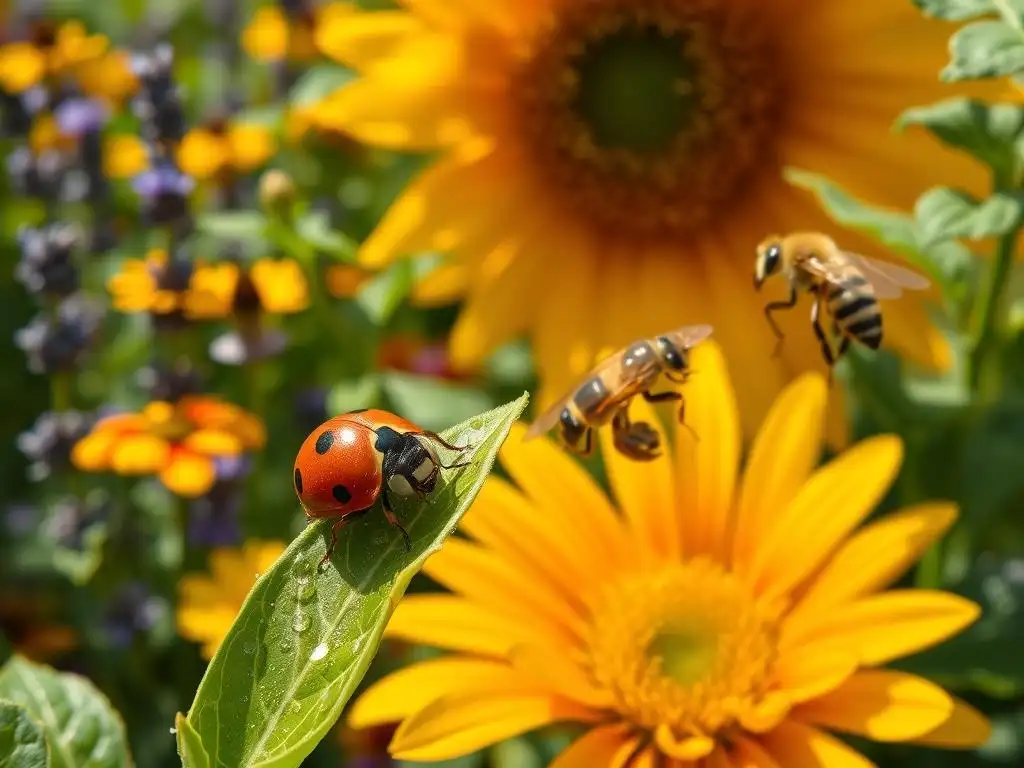
This section delves into the practical strategies for attracting beneficial garden insects, crucial allies in any sustainable gardening approach. A thriving population of these natural predators significantly reduces the need for harmful chemical pesticides, leading to healthier plants and a more environmentally friendly garden. This guide provides a detailed, actionable plan to cultivate a haven for these beneficial creatures. Remember, attracting beneficial insects is a key component of an effective beneficial garden insects guide.
Creating a Habitat for Beneficial Insects: Plant Diversity and Shelter
A diverse garden ecosystem is the cornerstone of attracting beneficial insects. Monoculture plantings, while efficient for harvesting specific crops, offer limited resources and habitats. Instead, cultivate a variety of plants, including flowering species that provide nectar and pollen, as well as plants offering shelter and nesting sites. Consider incorporating:
- Native plants: These are naturally adapted to your local climate and often support a wider range of beneficial insects compared to exotic species. Research native plants specific to your region for optimal results.
- Flowering plants with varying bloom times: This ensures a continuous food supply throughout the growing season. Think about staggered planting to maximize this effect. For example, early bloomers like crocus and snowdrops can be followed by later bloomers like coneflowers and sunflowers.
- Plants with different heights and structures: This creates varied microhabitats, providing shelter from predators and harsh weather conditions. Include ground covers, shrubs, and taller plants to maximize diversity.
- Leaf litter and brush piles: These seemingly unkempt areas provide excellent overwintering sites and nesting habitats for many beneficial insects. Resist the urge to completely clear your garden of all debris. A small, designated area for leaf litter can greatly boost beneficial insect populations.
- Dead wood and hollow stems: These can serve as nesting sites for solitary bees and other insects. Leave some dead plant stalks standing over winter to provide valuable shelter.
Remember, even small changes can make a big difference. The more diverse and complex your garden's structure, the greater the variety of beneficial insects you'll attract. This approach is key to building a robust and resilient garden ecosystem, a vital aspect of any beneficial garden insects guide.
Providing Food Sources for Beneficial Insects: Nectar and Pollen Plants
Beneficial insects, like predatory wasps and ladybugs, require a reliable source of nectar and pollen for sustenance. These food sources are essential for their survival and reproduction, ensuring a healthy population to control pests. Incorporate plants known to attract these beneficial insects, including:
- Umbellifers (Apiaceae): Plants like dill, fennel, and yarrow are known to attract a wide range of beneficial insects. Their flat-topped flower clusters provide ample space for insects to feed.
- Asteraceae (Compositae): Sunflowers, daisies, and coneflowers are excellent choices, providing both nectar and pollen. Their vibrant blooms are also visually appealing.
- Borage: This plant is a favorite among many beneficial insects and produces beautiful blue flowers.
- Calendula: These bright orange flowers attract beneficial insects and are also known for their medicinal properties.
Creating a diverse selection of flowering plants with overlapping bloom times ensures a consistent food supply throughout the growing season. Consider creating a dedicated "insectary" – a small area specifically planted with nectar- and pollen-rich plants to attract and support beneficial insects. This dedicated space maximizes the beneficial impact on pest control. This strategy is vital to any comprehensive beneficial garden insects guide.
Avoiding Harmful Pesticides: Protecting Beneficial Insect Populations
The use of broad-spectrum pesticides poses a significant threat to beneficial insects, indiscriminately killing both pests and beneficial predators. This can disrupt the delicate balance of your garden ecosystem, leading to increased pest problems in the long run.
To protect beneficial insects, adopt a holistic pest management approach that prioritizes prevention and natural controls:
- Handpicking: Manually removing pests is an effective method for small infestations.
- Water sprays: A strong jet of water can dislodge many pests from plants.
- Biological controls: Introduce natural predators such as ladybugs or lacewings to control specific pests.
- Neem oil: This natural insecticide is less harmful to beneficial insects compared to synthetic pesticides.
- Insect traps: These can help to monitor and control specific pest populations without harming beneficial insects.
By minimizing or eliminating the use of harmful pesticides, you create a safe and supportive environment for beneficial insects, allowing them to thrive and effectively manage pest populations. This crucial step is often overlooked in less thorough beneficial garden insects guide resources. Prioritizing natural methods is essential for long-term garden health and sustainability.
Water Sources for Beneficial Insects: Creating Hydration Stations
Providing a reliable water source is crucial for attracting beneficial insects to your garden. Unlike larger animals, many beneficial insects are small and may struggle to access water from larger sources like puddles or birdbaths. They often need shallow, accessible water sources to drink and even bathe in to keep their bodies clean and functioning optimally. Dehydration can significantly impact their ability to hunt pests and pollinate your plants.
Creating hydration stations is surprisingly easy and can be incredibly effective. A simple shallow dish filled with water and pebbles or marbles is an excellent solution. The pebbles provide a landing platform, preventing insects from drowning. You can place several of these small dishes strategically throughout your garden, near flowering plants and vegetable patches. Consider using terracotta saucers under potted plants; these naturally collect condensation and provide a ready source of water.
Another effective method is to create a "watering station" using a recycled container with holes drilled into the lid. Fill the container with water, and the holes will create a gentle mist or dripping effect, attracting thirsty insects. This method is particularly useful during hot, dry periods when water evaporates quickly from shallow dishes. Experiment with different designs and materials to find what works best in your garden environment.
Remember to regularly replenish the water, especially during hot weather, and clean the dishes to prevent the growth of harmful bacteria or algae. A clean water source is essential for the health and well-being of your beneficial insect allies. By providing these simple hydration stations, you significantly enhance your garden's attractiveness to these vital garden helpers, contributing to a thriving and pest-resistant ecosystem.
Beneficial Insects for Specific Pests: A Targeted Approach
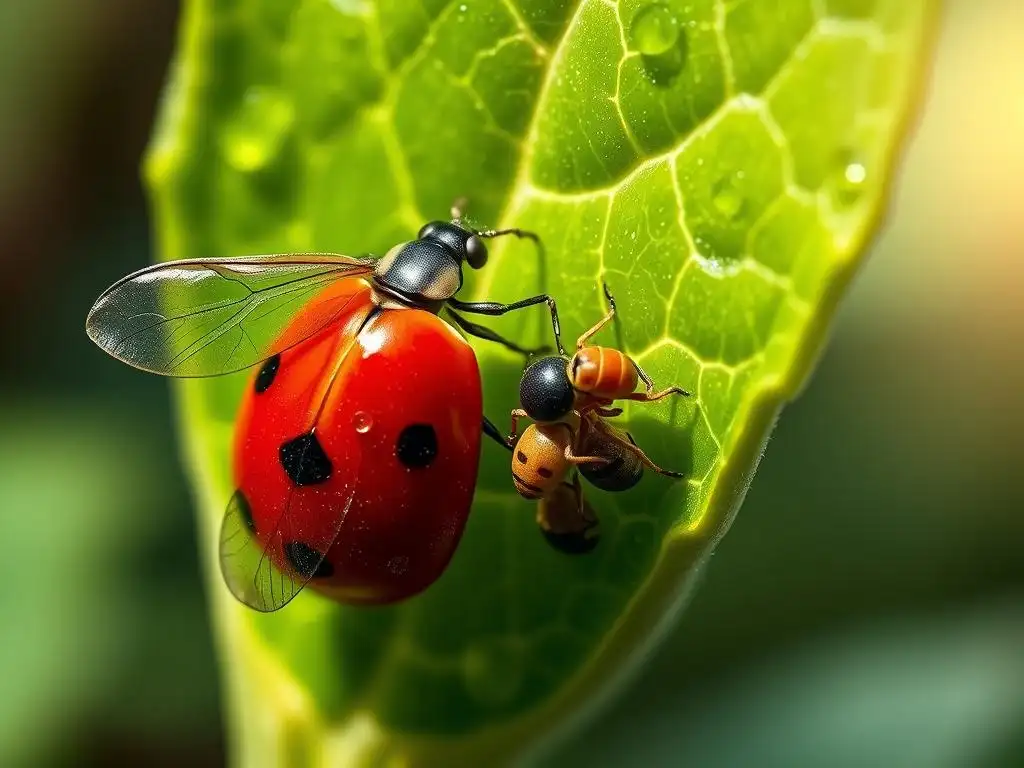
This section delves into the fascinating world of beneficial insects and their specific roles in controlling common garden pests. Understanding which insects target which pests is crucial for effective, natural pest management. A well-planned, biodiverse garden attracts these natural allies, reducing the need for harmful pesticides and promoting a thriving ecosystem. This guide will help you identify key beneficial insects and their preferred prey, empowering you to cultivate a healthy and productive garden using a "beneficial garden insects" strategy.
Aphid Control: Ladybugs, Lacewings, and Hoverflies
Aphids, those tiny sap-sucking pests, are a common nuisance in many gardens. Fortunately, several beneficial insects relish them. Ladybugs (Coccinellidae), in both their larval and adult stages, are voracious aphid predators, consuming hundreds during their lifetime. Their distinctive red and black markings make them easily identifiable.
Lacewings (Chrysopidae) are equally effective; their larvae, often called "aphid lions," are particularly aggressive hunters. They have long, sickle-shaped mandibles perfectly adapted for grabbing and draining aphids. Finally, hoverflies (Syrphidae) are often mistaken for bees or wasps due to their similar appearance, but their larvae are dedicated aphid predators. A single hoverfly larva can consume hundreds of aphids before pupating.
To attract these beneficial insects, plant flowering plants that provide nectar and pollen, such as dill, fennel, yarrow, and Queen Anne's lace. These plants serve as food sources for the adult beneficial insects, encouraging them to stay and reproduce in your garden. Providing shelter, such as leaf litter or brush piles, can also increase their numbers. Avoid using broad-spectrum insecticides, as these will harm beneficial insects along with the pests. Consider using insecticidal soap or neem oil as targeted treatments for severe aphid infestations, but always apply these carefully to minimize harm to beneficial insects.
Whitefly Control: Minute Pirate Bugs and Parasitic Wasps
Whiteflies are another common garden pest, especially problematic for greenhouse growers and those cultivating vegetables like tomatoes and cucumbers. These tiny, winged insects suck plant sap, leading to stunted growth and yellowing leaves. Minute pirate bugs (Orius insidiosus) are tiny but mighty predators of whiteflies, feeding on both the adult and nymph stages.
Their small size allows them to effectively navigate the dense foliage where whiteflies often congregate. Parasitic wasps, belonging to various families, are another powerful ally in whitefly control. These wasps lay their eggs inside whitefly nymphs or eggs, eventually killing the host insect as the wasp larva develops.
Attracting these beneficial insects requires a slightly different approach. Maintaining a diverse planting scheme, including plants that offer nectar and pollen, is still important. Additionally, providing habitat with diverse plant structures allows for better hiding and overwintering locations. Encouraging natural predators through practices like companion planting can also significantly boost their numbers. For example, planting herbs like basil and rosemary are known to attract minute pirate bugs.
Caterpillar Control: Braconid Wasps, Trichogramma Wasps, and Bacillus thuringiensis (Bt)
Caterpillars, the larval stage of moths and butterflies, can cause significant damage to garden plants, defoliating entire crops if left unchecked. Several beneficial insects are adept at controlling caterpillar populations. Braconid wasps (Braconidae) are parasitoids, laying their eggs inside caterpillars. The wasp larvae then feed on the caterpillar from within, eventually killing it. Trichogramma wasps (Trichogrammatidae) are even smaller, targeting the eggs of moths and butterflies, preventing caterpillars from ever hatching.
These tiny wasps are often used in commercial biological control programs. While not strictly an insect, Bacillus thuringiensis (Bt) is a naturally occurring bacterium that produces toxins lethal to caterpillars. Bt is available commercially as a spray and is a safe and effective option when used correctly. It’s crucial to note that Bt is specific to caterpillars, making it a safer alternative to broad-spectrum insecticides.
To encourage braconid and trichogramma wasps, maintain a diverse and healthy garden with flowering plants providing pollen and nectar. Avoid using insecticides that will kill these beneficial wasps. Bacillus thuringiensis (Bt) can be used strategically, particularly on young caterpillars, as older caterpillars may have developed a tolerance. Remember to always follow the label instructions when applying Bt or any other biological control agent. Careful monitoring of caterpillar populations is crucial for timing interventions effectively.
Spider Mite Control: Predatory Mites and Beneficial Insects
Spider mites, tiny arachnids that suck the sap from plants, are a common garden nuisance. They can quickly infest plants, causing stippling, yellowing, and even leaf drop. Chemical pesticides are often ineffective and harmful to the environment, making beneficial insects a much more sustainable solution. Several predatory mites are incredibly effective at controlling spider mite populations. These tiny warriors are often microscopic, making them almost invisible to the naked eye, but their impact is undeniable. They actively hunt and feed on spider mites, significantly reducing their numbers and preventing widespread infestations.
One of the most commonly used predatory mites is Phytoseiulus persimilis. This species is highly effective against spider mites and readily reproduces in the garden environment. Amblyseius cucumeris is another excellent choice, known for its ability to thrive in a wider range of conditions and also feed on pollen, making it a more resilient predator. Introducing these beneficial mites is often done through commercially available products.
These products usually consist of thousands of mites in a carrier material, which can be easily applied to infested plants. The key to success is early detection. Identifying a spider mite infestation early allows for a quicker and more effective intervention with predatory mites, preventing a major outbreak.
Beyond predatory mites, certain insects also contribute to spider mite control. Lacewings, for example, while not solely focused on spider mites, will consume them opportunistically as part of their diet. Their larvae are particularly voracious predators, consuming a wide range of small insects and mites.
Encouraging lacewing populations in your garden through the provision of flowering plants that attract them will indirectly aid in spider mite control. Similarly, ladybugs, while better known for their aphid-munching prowess, will also consume spider mites when available. A diverse garden teeming with flowering plants and other insect-attracting elements will naturally support a complex ecosystem, including these beneficial insects that help maintain balance and control pest populations.
Remember that a healthy garden ecosystem is the best defense against any pest, including spider mites. The integrated approach, combining predatory mites with a diverse and supportive habitat, is the most effective and sustainable way to manage spider mites and ensure a thriving garden.
Boosting Your Garden's Biodiversity: Beyond Beneficial Insects
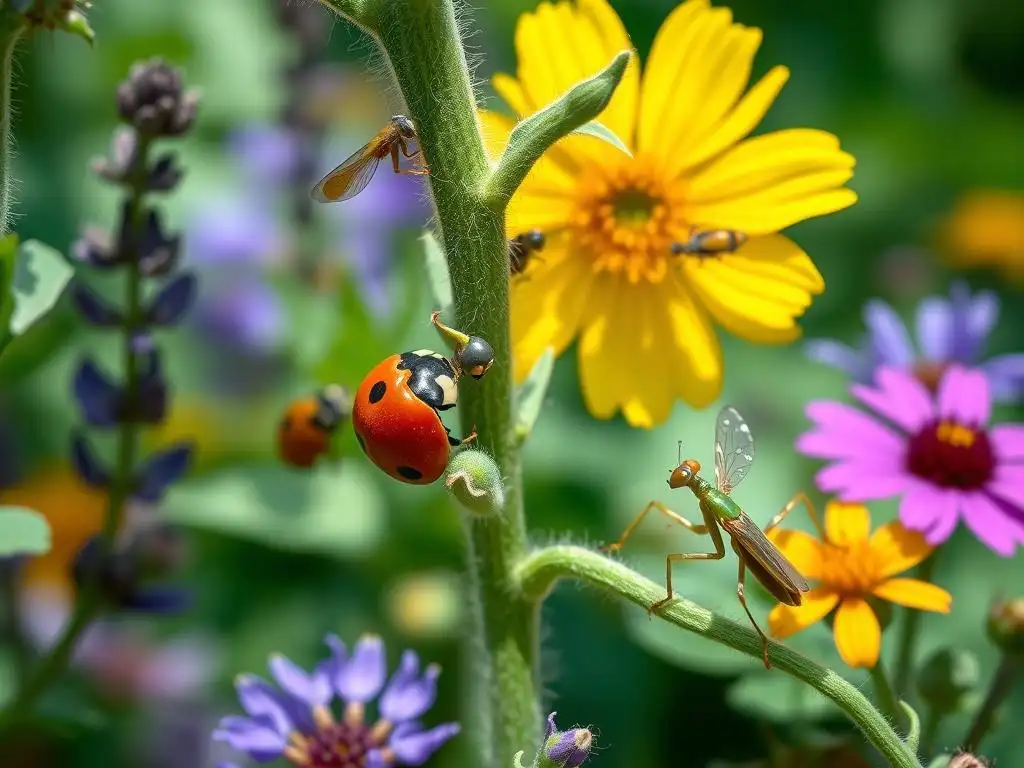
Biodiversity is the cornerstone of a thriving, resilient garden ecosystem. While beneficial insects are crucial for natural pest control, a truly robust garden relies on a wider range of organisms. This interconnectedness ensures a balanced environment where pests are kept in check without the need for harmful chemicals. Think of it as a complex web of life, where each element plays a vital role. Focusing solely on attracting beneficial garden insects overlooks the significant contribution of other beneficial organisms, leading to an incomplete and potentially less effective pest management strategy. A truly holistic approach considers the entire ecosystem.
Encouraging Pollinators: Bees, Butterflies, and Hummingbirds
Pollinators are often overlooked in the context of pest control, but their role is paramount. Healthy pollination directly impacts the yield and quality of your fruits, vegetables, and herbs. Attracting these beneficial creatures is as crucial as attracting predatory insects. Consider these strategies:
- Plant a diverse range of flowering plants: Provide a continuous bloom throughout the growing season to offer a consistent food source. Aim for a variety of colors, shapes, and sizes to attract a wider range of pollinators. Think about including native plants, as they are often best suited to your local pollinator species.
- Provide water sources: A shallow dish of water with pebbles or stones will provide a safe place for pollinators to drink.
- Avoid pesticides: Pesticides indiscriminately kill beneficial insects, including pollinators. Opt for natural pest control methods whenever possible.
- Create nesting habitats: Leave some areas of your garden a little wilder to provide nesting sites for bees and other pollinators. For example, leave hollow stems standing or provide bee hotels.
The economic impact of pollinators is significant. A study by [specific information pending] highlights the substantial contribution of pollinators to agricultural productivity. This underscores the importance of actively encouraging their presence in your garden, not just for the aesthetic appeal but for the tangible benefits to your harvest. The presence of vibrant butterflies and busy bees is a clear indication of a healthy and productive garden ecosystem. This is a key element of a successful beneficial garden insects guide.
Supporting Soil Health: The Role of Beneficial Microorganisms
The soil is teeming with life, and a healthy soil microbiome is essential for plant health and resilience. Beneficial microorganisms, such as mycorrhizal fungi and nitrogen-fixing bacteria, play a vital role in nutrient cycling, disease suppression, and overall plant vigor. A robust soil ecosystem contributes significantly to the overall success of your garden, acting as a natural defense against many pests and diseases.
- Avoid tilling: Tilling disrupts the soil structure and damages the delicate network of beneficial microorganisms. Opt for no-till or minimal-till gardening practices.
- Add organic matter: Compost, leaf mold, and other organic materials provide food for beneficial microorganisms and improve soil structure.
- Mulch your garden beds: Mulch helps retain moisture, suppresses weeds, and regulates soil temperature, all of which contribute to a healthy soil environment.
- Use cover crops: Cover crops, such as clover or rye, improve soil health and can even suppress some pests.
These practices build a strong foundation for healthy plant growth, reducing the need for chemical interventions. A healthy soil teeming with beneficial microorganisms is an excellent preventative measure against many garden challenges. This is directly linked to the success of attracting and maintaining a healthy population of beneficial garden insects.
Integrated Pest Management (IPM) Strategies: A Holistic Approach
Integrated Pest Management (IPM) is a holistic approach to pest control that prioritizes prevention and utilizes a variety of strategies to minimize pest damage while minimizing environmental impact. It’s a crucial element of any beneficial garden insects guide. The core principles of IPM include:
- Monitoring: Regularly inspect your plants for signs of pests and diseases. Early detection allows for prompt intervention, preventing widespread infestations.
- Prevention: Use cultural practices, such as crop rotation, companion planting, and proper sanitation, to prevent pest problems before they occur.
- Biological control: Utilize beneficial insects, nematodes, and other natural predators to control pests.
- Chemical control (as a last resort): If natural methods fail, use the least toxic pesticides possible, targeting specific pests and minimizing environmental impact.
IPM is not a single technique but a philosophy. It emphasizes a balanced ecosystem where natural controls are maximized, reducing reliance on harmful chemicals. By understanding the intricate relationships within your garden ecosystem and implementing IPM strategies, you can cultivate a thriving and resilient garden, rich in biodiversity and bountiful harvests. This approach is far more effective and sustainable than simply focusing on a few beneficial garden insects.
Maintaining a Thriving Ecosystem: Long-Term Strategies
This section focuses on establishing and maintaining a garden ecosystem that naturally supports beneficial insects. Attracting and retaining these helpful creatures is a long-term commitment, requiring consistent effort and observation. A healthy ecosystem minimizes the need for harsh chemical interventions, aligning perfectly with sustainable and organic gardening practices. The key is to create a habitat that provides food, shelter, and nesting sites for beneficial insects throughout the year.
Monitoring Your Garden: Identifying Pests and Beneficial Insects
Regular monitoring is crucial for understanding the dynamics of your garden ecosystem. This involves visually inspecting plants for signs of both pest damage and the presence of beneficial insects. A magnifying glass can be helpful for closer examination. Keep a detailed garden journal, noting the types and numbers of insects observed, along with the location and date.
This data will help you track population fluctuations and identify potential problems early. For example, noticing a sudden increase in aphids might prompt you to check for ladybugs or lacewings, their natural predators. Conversely, a significant ladybug population suggests a healthy balance within the ecosystem. Learning to identify common beneficial insects and their prey is key to effective monitoring.
Consider purchasing a field guide specific to your region to aid in identification. Accurate identification allows for targeted interventions, if necessary, avoiding unnecessary disruption to the beneficial insect populations. Remember, a healthy, balanced ecosystem will naturally regulate pest populations, minimizing the need for intervention.
Sustainable Gardening Practices: Protecting Beneficial Insect Populations
Sustainable gardening practices are essential for maintaining a thriving population of beneficial insects. Avoid the use of broad-spectrum pesticides, which can harm both beneficial and harmful insects indiscriminately. Instead, opt for targeted treatments or natural pest control methods when necessary. Providing diverse habitats is critical. Include a variety of flowering plants to provide nectar and pollen sources throughout the growing season.
Different plants attract different beneficial insects. For instance, dill and fennel attract beneficial parasitic wasps, while yarrow and goldenrod attract hoverflies. Leaving some areas of your garden slightly unkempt can provide shelter and overwintering sites for many beneficial insects. This might include leaving leaf litter or creating small rock piles. Also, avoid tilling the soil excessively, as this can disrupt the habitat of beneficial insects living in the soil.
Water conservation strategies also play a role. Consistent watering helps support the overall health of the plants, which in turn supports the insects that feed on them. Remember, a healthy plant is less susceptible to pests, reducing the need for intervention. The use of companion planting, strategically placing plants that repel pests near vulnerable crops, also supports a healthy ecosystem without the need for harmful chemicals.
Further Resources and Learning Opportunities
To further enhance your understanding of beneficial garden insects and their role in sustainable gardening, explore additional resources. Local agricultural extension offices often offer workshops and educational materials on integrated pest management (IPM) and beneficial insect identification. Numerous online resources, including university websites and specialized gardening blogs, provide in-depth information on various aspects of beneficial insects. Participating in local gardening groups or communities can provide opportunities to learn from experienced gardeners and share your own experiences.
Consider attending workshops or seminars on topics such as composting and organic pest control, which directly impact the health of your garden ecosystem. Continuous learning and practical application are key to successfully cultivating a thriving garden environment that supports a diverse and beneficial insect population. Remember, attracting and maintaining beneficial insects is an ongoing process, requiring consistent observation, learning, and adaptation to the unique conditions of your garden.
Frequently Asked Questions
What are beneficial garden insects?
Beneficial garden insects are predators and parasitoids that help control pest populations in your garden. They naturally reduce the need for harmful pesticides, promoting a healthy ecosystem. Examples include ladybugs, lacewings, and praying mantises.
How can I attract beneficial insects to my garden?
Attract beneficial insects by planting a diverse range of flowering plants, providing water sources, and avoiding the use of broad-spectrum pesticides. Native plants are especially effective. Creating a habitat that supports their life cycle is crucial.
What are some common beneficial insects I might find?
Common beneficial insects include ladybugs (aphid predators), lacewings (aphid and other pest predators), praying mantises (generalist predators), and ground beetles (slug and snail predators). Each plays a vital role in pest control.
How do I know if an insect is beneficial or harmful?
Identifying insects can be tricky, but resources like field guides and online databases can help. Look for characteristics like predatory behavior (eating other insects) or parasitism (laying eggs on or in pests). If unsure, err on the side of caution and observe before acting.
Are there any risks associated with using beneficial insects for pest control?
While generally safe and effective, using beneficial insects for pest control has minimal risks. They are unlikely to harm crops or people. However, introducing too many of a specific species could potentially disrupt the natural balance, so start with smaller numbers.
Final Reflection: Nurturing Nature's Tiny Helpers
The delicate balance of our gardens hinges on the often-overlooked world of beneficial insects; understanding their crucial role is not just a hobbyist's pursuit, but a vital step towards sustainable and thriving ecosystems. Ignoring these tiny creatures means missing out on a powerful, natural pest control system and a richer, more biodiverse garden experience. Their presence is a testament to the interconnectedness of nature, reminding us that even the smallest beings play a significant part in the larger whole.
The more I researched and wrote about beneficial insects, the more I realized how deeply intertwined their well-being is with our own. Their presence or absence is a direct reflection of the health of our environment, a silent indicator of the choices we make in our gardens and beyond. We do not inherit the earth from our ancestors, we borrow it from our children.
This quote perfectly encapsulates the responsibility we have to nurture these beneficial insects, ensuring future generations can also benefit from their invaluable contributions.
Now, consider your own garden. What steps can you take to attract and support these tiny allies? Perhaps it's planting a diverse range of flowering plants, providing water sources, or simply resisting the urge to reach for chemical pesticides. By making conscious choices to foster a welcoming environment for beneficial insects, you're not just improving your garden; you're actively participating in the preservation of a vital part of our natural world. Let's work together to cultivate a future where both our gardens and our planet thrive, teeming with life, large and small.
Unleash Your Garden's Secret Helpers!
Thanks for exploring the fascinating world of beneficial garden insects! You've learned how these tiny creatures can dramatically improve your garden's health and yield. Ready to put this knowledge into action?
- Create a haven for beneficial insects: Designate a small area of your garden as a haven for these helpful insects—perhaps a patch of wildflowers, a small rock pile, or a brush pile. This provides shelter and food sources.
- Reduce or eliminate pesticide use: Minimize or eliminate harmful pesticides, which can unintentionally harm beneficial insects along with pests. Consider natural pest control methods such as companion planting or introducing predator insects instead.
- Share your knowledge: Tell your gardening friends and family about the incredible world of beneficial insects! Inspire them to create thriving, pest-resistant gardens.
What beneficial insect will you welcome into your garden first? Perhaps a ladybug or a lacewing?