
Squash Bug Nymphs: How to Spot Them Early

Ready to unlock the secrets of a bountiful, homegrown harvest? At CultivateYourFood, we empower you to cultivate fruits, vegetables, and herbs organically, sustainably, and successfully. But even the most diligent gardener faces challenges. That's why understanding pests like squash bugs is crucial. Learn how to Identify squash bug nymphs early and protect your precious plants – your journey to a thriving garden starts now!
- Understanding Squash Bug Nymphs and Their Impact
- Recognizing Squash Bug Nymph Characteristics: A Visual Guide
- Where to Look for Squash Bug Nymphs on Your Plants
- Effective Methods for Early Detection of Squash Bug Nymphs
- Confirming Squash Bug Nymph Presence: Next Steps
- Frequently Asked Questions
- Final Reflection: The Tiny Threat, the Bountiful Harvest
- Unleash Your Inner Pest Detective!
Understanding Squash Bug Nymphs and Their Impact
Squash bugs are a significant threat to healthy squash, pumpkin, and zucchini plants. These insidious pests, often overlooked in their early stages, can quickly decimate a harvest if left unchecked. This article focuses on identifying squash bug nymphs – the immature stage of these insects – early on, a crucial step in effective pest management.
We'll explore the key differences between adult squash bugs and their nymphs, the importance of early detection, and the specific damage these tiny creatures inflict on your precious plants. Learning to identify squash bug nymphs early is a vital skill for any gardener aiming to cultivate a thriving and bountiful harvest using organic methods, ensuring the health and sustainability of your homegrown food. This knowledge empowers you to implement preventative measures and effective, environmentally friendly control strategies before significant damage occurs, ultimately safeguarding your yield.
Identifying Squash Bugs: Adults vs. Nymphs
Identifying squash bug nymphs requires a keen eye. Unlike their adult counterparts, nymphs are smaller and exhibit a distinct appearance. Adult squash bugs are approximately ⅝ inch long, with a flat, oval body. They are typically dark brown or black. However, squash bug nymphs undergo several molts as they grow.
| Stage | Appearance | Size (approx.) |
|---|---|---|
| First Instar | Small, almost translucent, light green or yellow | ⅛ inch |
| Later Instars | Gradually darken, becoming reddish-brown to black | ¼ - ½ inch |
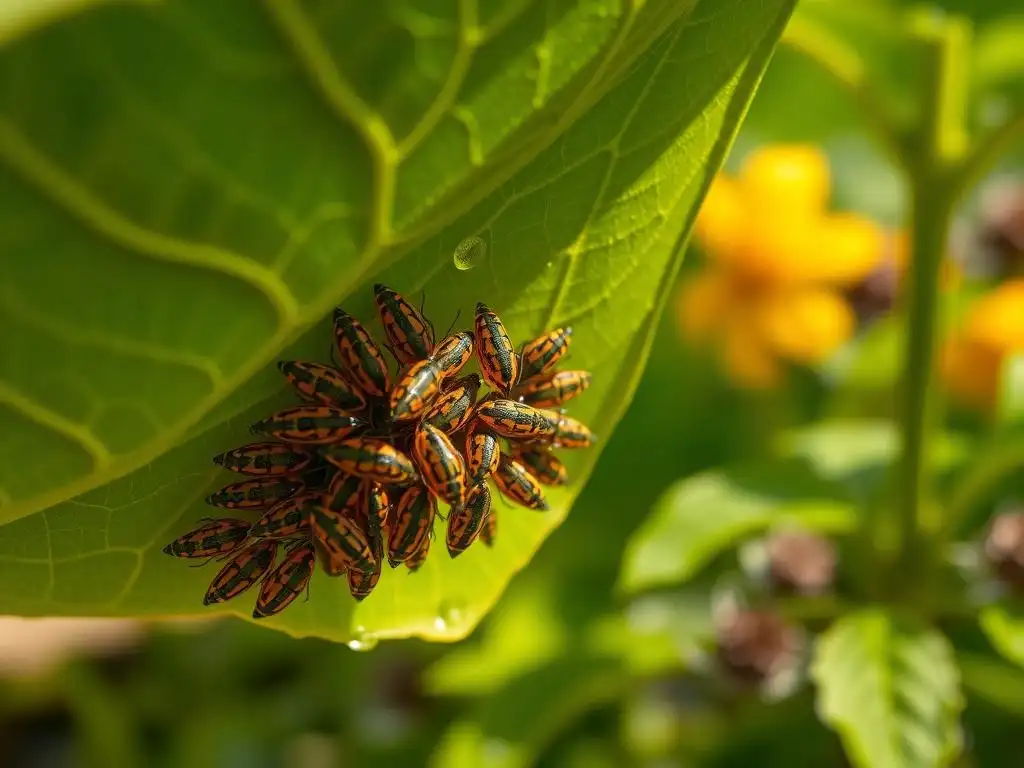
The younger nymphs are often mistaken for other garden insects. They are noticeably smaller and lighter in color than adults, initially appearing almost translucent with a greenish or yellowish hue. As they mature through several molts (instars), their bodies darken, transitioning to reddish-brown and eventually a darker, almost black color, similar to the adults, but still noticeably smaller. Careful observation, particularly on the undersides of leaves and near the base of plants, is key to early detection. 🔎
Early Detection: Why It Matters for Squash Plant Health
Early detection of squash bug nymphs is paramount for several reasons. Firstly, the younger nymphs are significantly more vulnerable to control methods than their adult counterparts. This means that organic and sustainable pest control strategies, such as insecticidal soap or neem oil, are far more effective against these younger, less developed insects.
Secondly, a small infestation of nymphs, if addressed promptly, is far easier to manage than a large population of adult squash bugs that have already begun to lay eggs. A single adult female can lay up to 150 eggs over her lifetime! Therefore, addressing the problem early prevents a rapid exponential increase in the pest population.
Finally, early detection minimizes the damage done to your plants. The longer the infestation goes unchecked, the more extensive the damage, potentially leading to wilting, stunted growth, and ultimately, crop failure. Early intervention directly correlates with better plant health and higher yields. Early detection is your best weapon against squash bug infestations! 💪
The Damage Caused by Squash Bug Nymphs on Your Plants
Squash bug nymphs, like their adult counterparts, feed on the sap of squash plants by piercing the stems and leaves with their piercing-sucking mouthparts. This feeding activity causes several types of damage:
- Wilting: The sap extraction weakens the plant, leading to wilting, especially during hot and dry weather.
- Stunting: The loss of nutrients inhibits the plant's growth, resulting in smaller and less productive plants.
- Yellowing and Browning: The leaves may develop yellow or brown spots and eventually die back.
- Fruit Damage: Although less common, heavy infestations can affect fruit development, leading to smaller or deformed squash.
The cumulative effect of these damages can be devastating, significantly reducing your harvest. Therefore, identifying and managing squash bug nymphs early is critical for maintaining healthy and productive squash plants. Remember, prevention and early intervention are key to protecting your garden and ensuring a successful harvest. 🌱
Recognizing Squash Bug Nymph Characteristics: A Visual Guide
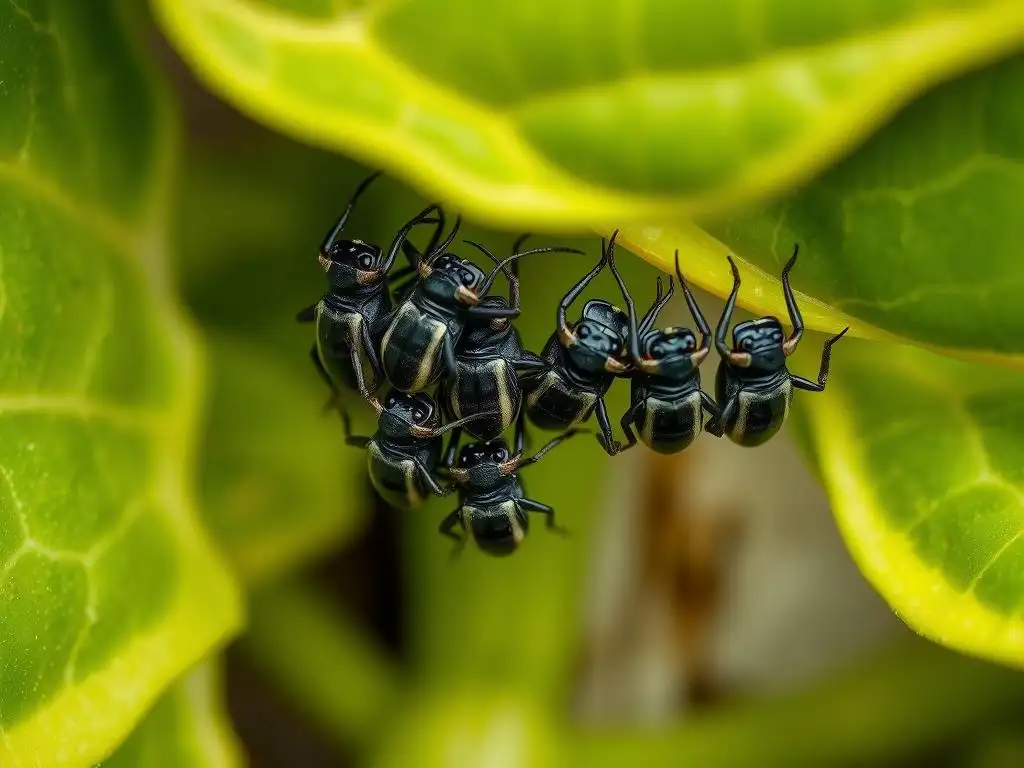
Identifying squash bug nymphs early is crucial for effective pest management and protecting your squash harvest. These tiny insects, often overlooked, can quickly multiply and devastate your plants. This section provides a detailed visual guide to help you confidently identify squash bug nymphs in your garden. Early detection allows for swift intervention, minimizing damage and maximizing your yield. We'll focus on key characteristics to differentiate them from beneficial insects and other garden pests.
Size and Color of Young Squash Bugs
Newly hatched squash bug nymphs are incredibly small, measuring only about ⅛ inch (3mm) in length. Their size makes them easy to miss during routine garden checks. Initially, they are a dark grayish-brown or black color, almost appearing as tiny specks against the foliage. As they mature, the nymphs gradually increase in size and their color may shift slightly.
Older nymphs, before reaching adulthood, can reach about ½ inch (12mm) in length and develop more distinct markings. Their color deepens, becoming a darker brown or even black with lighter markings along their bodies. Observing these subtle changes in size and color can be key to identifying them at various stages of their development. Remember, consistent monitoring is key; the earlier you spot them, the better.
Distinguishing Nymphs from Other Garden Insects
Differentiating squash bug nymphs from other beneficial insects or harmless garden dwellers is essential to avoid unnecessary pesticide application. Several insects share a similar size and dark coloration, leading to potential misidentification. Unlike some beneficial insects that might exhibit bright colors or distinctive markings, squash bug nymphs remain relatively uniformly dark. Their shape is also key: they are typically oval-shaped and somewhat flattened.
Furthermore, their behavior can help in identification. Squash bug nymphs tend to cluster on the undersides of leaves, near the stems, or at the base of the plant, unlike many other insects that may be more active and mobile on the upper leaf surfaces. Careful observation of their size, color, shape, and behavior will significantly improve your accuracy in distinguishing them from other garden insects. A magnifying glass can be invaluable for close examination of their features.
Identifying Squash Bug Nymphs at Different Stages
Squash bug nymphs undergo several molts as they grow, exhibiting slight changes in appearance at each stage. Early instar nymphs (the first few stages after hatching) are nearly uniformly dark, making them particularly challenging to spot. As they mature (later instars), they become slightly larger and may exhibit subtle variations in color and markings, with some nymphs showing a hint of lighter banding or speckling.
These changes are gradual, and distinguishing between the various instars requires close observation. A helpful strategy is to compare the nymphs' size to a known reference point, like a millimeter ruler, to track their growth over time. This will help you better assess their developmental stage and adjust your control measures accordingly.
Remember that consistent monitoring, even daily checks during peak squash bug season, is crucial for successful identification across all developmental stages. Early detection is vital for effective management. You can create a simple chart to track the nymphs' size and characteristics over time, aiding in your identification process.
Where to Look for Squash Bug Nymphs on Your Plants
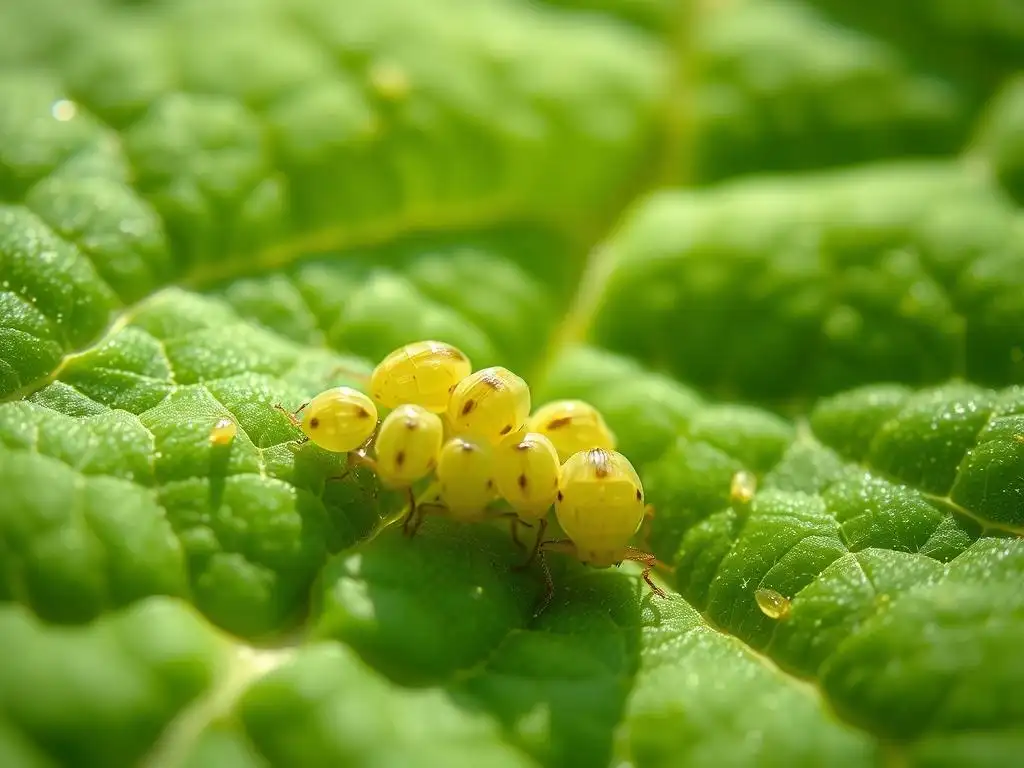
Identifying squash bug nymphs early is crucial for effective pest management. These tiny insects, often overlooked in their nymph stage, can quickly decimate your squash harvest if left unchecked. Knowing their preferred habitats significantly improves your chances of early detection and successful control. This section focuses on the prime locations where you're most likely to find squash bug nymphs on your plants. Early identification is key to preventing a full-blown infestation. Remember, a proactive approach is always better than reactive damage control.
Favorite Hiding Spots of Squash Bug Nymphs
Squash bug nymphs, unlike the adults, aren't as adept at escaping detection. They tend to cluster together in sheltered areas, making them easier to spot if you know where to look. Their favorite hiding spots include:
- Undersides of leaves: Nymphs prefer the shaded, humid environment under large leaves. The leaf's protection shields them from direct sunlight and predators. Thoroughly examining the underside of leaves, especially those closest to the ground, is essential.
- Leaf axils: The junctions where leaves meet the stem (leaf axils) offer excellent protection and humidity. These areas often harbor large groups of nymphs. Pay close attention to the base of the plant.
- Around the base of the plant: The soil near the plant's base provides moisture and shade. Nymphs often congregate here, using the soil and plant debris as camouflage. Careful inspection of the soil line is vital.
- Within flower buds: While less common than other hiding spots, nymphs may also be found within unopened flower buds. Gently examine the buds for any signs of small, dark insects.
- On younger leaves: Nymphs are drawn to the tender, new growth of squash plants. These leaves often have a higher moisture content and offer better protection than mature leaves.
Remember to check all these locations regularly, especially during the warmer months when squash bug activity is highest. Early detection is your best defense against significant crop damage.
Inspecting Squash Plants for Nymph Infestations
Regular inspection is the cornerstone of successful squash bug nymph management. The earlier you detect an infestation, the easier it is to control. Here's a step-by-step approach to inspecting your squash plants:
- Visual inspection: Begin by visually examining the entire plant. Look for any signs of clustering insects or stippling (small, pale spots) on the leaves—a common sign of feeding damage.
- Leaf examination: Carefully turn over each leaf to check the undersides. Use a magnifying glass if necessary to aid in the identification of small nymphs.
- Stem inspection: Inspect the stems and leaf axils thoroughly. Look for groups of nymphs clustered together.
- Base examination: Check the area around the base of the plant, including the soil and nearby debris.
- Frequency of inspection: Regular inspections, ideally once or twice a week, are essential during the growing season. This allows for early detection and prompt intervention, minimizing the impact on your plants.
Early detection is key to preventing a significant infestation. A proactive approach, combined with regular monitoring, can significantly reduce the damage caused by squash bug nymphs. The earlier you identify the problem, the less likely a large-scale infestation will take hold.
Checking Under Leaves and Around the Stems
The undersides of leaves and the areas around the stems are prime locations for squash bug nymph infestations. These areas offer protection from the elements and predators. Here's a closer look at how to inspect these critical areas effectively:
- Underside of leaves: Use a flashlight to illuminate the undersides of the leaves, making it easier to spot the dark-colored nymphs. Look for clusters of nymphs, as they often congregate in groups. Pay particular attention to the younger, more tender leaves.
- Around stems: Gently move the leaves to expose the stems and leaf axils. Look for nymphs clinging to the stems or hidden within the leaf axils. Use your fingers to gently probe the area if necessary, but be careful not to damage the plant.
- Tools to aid inspection: A magnifying glass can be extremely helpful in identifying small nymphs. A strong flashlight can also improve visibility, especially in shady areas.
Remember, early detection is vital. Regular and thorough inspections, focusing on these key areas, are your best defense against a devastating squash bug nymph infestation. Consistent monitoring will allow you to address the problem promptly and protect your harvest.
Effective Methods for Early Detection of Squash Bug Nymphs
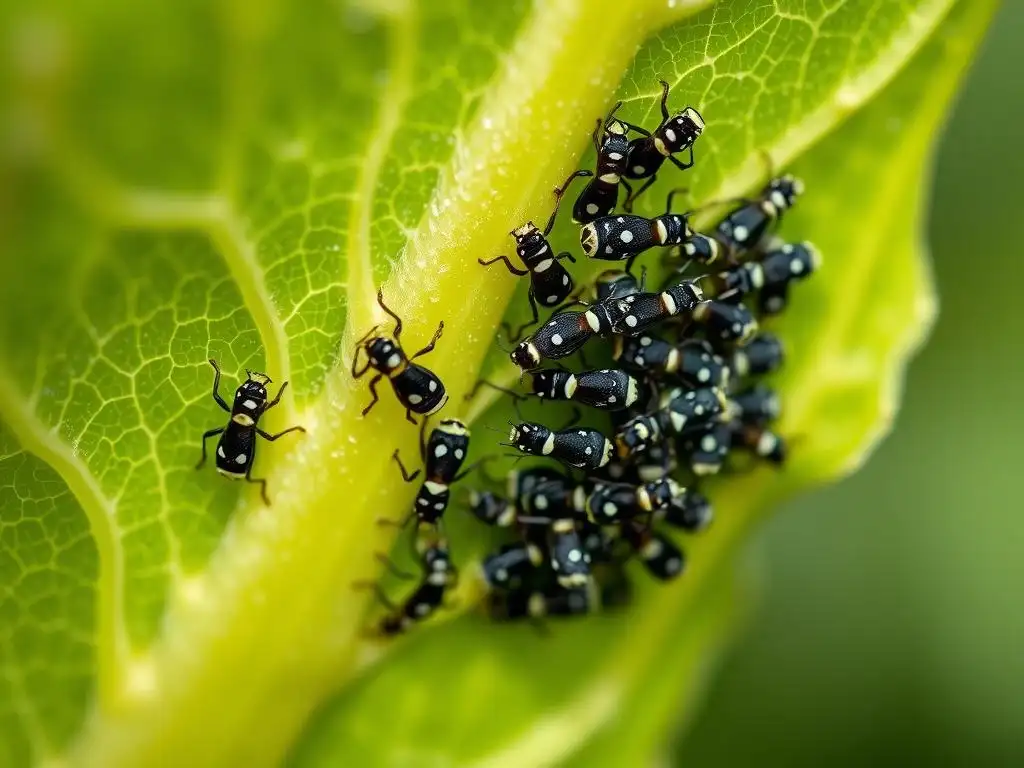
Early identification of squash bug nymphs is crucial for effective pest management and preventing significant crop damage. These tiny insects, often overlooked in their early stages, can quickly multiply and devastate your squash plants. This section details practical methods for proactively identifying these pests before a full-blown infestation occurs, allowing for timely intervention and minimizing the impact on your harvest. Successfully identifying squash bug nymphs early is key to protecting your yield.
Regular Plant Inspections: A Proactive Approach
Regular and thorough inspections of your squash plants are the cornerstone of early nymph detection. Aim for at least twice a week, especially during peak squash bug activity (typically spring and fall). Focus your attention on the undersides of leaves, where nymphs tend to congregate, feeding on plant sap.
A systematic approach is recommended: start at the base of the plant and carefully examine each leaf, stem, and fruit. Don't forget to check the soil around the base of the plant, as nymphs may sometimes shelter there. Pay particular attention to younger, more tender growth, as these are the preferred feeding sites for nymphs.
Using a consistent schedule helps you build a baseline understanding of your plants' normal appearance, making it easier to spot any irregularities. Document your observations – a simple notebook or digital record can be invaluable in tracking pest activity over time. Early detection is significantly improved with consistent monitoring and diligent inspection. Remember, the earlier you identify the problem, the easier it is to manage.
Using a Magnifying Glass for Detailed Examination
While adult squash bugs are relatively large and easily visible, nymphs are much smaller and require closer examination. A magnifying glass significantly enhances your ability to identify these tiny pests. The magnifying glass allows for detailed observation of the nymphs' characteristic features: their small size (around ⅛ inch), oval shape, and dark coloration (often ranging from black to dark brown). Younger nymphs are often paler than older ones. A magnifying glass also helps to differentiate nymphs from other beneficial insects that might be present on your plants.
Using a hand lens with at least 5x magnification is recommended for optimal viewing. Systematically examine the undersides of leaves, focusing on areas where you suspect nymph activity. The magnifying glass allows for a clearer view of the nymphs' feeding damage, small punctures on the leaves that could be indicative of an infestation. This meticulous examination is particularly valuable in the early stages of infestation when nymph populations are still relatively low.
Recognizing Early Signs of Infestation: Wilting and Yellowing
Even before you visually spot the nymphs, your squash plants may exhibit telltale signs of an infestation. Observe your plants carefully for signs of wilting, especially in localized areas. This wilting is often caused by the nymphs' sucking action, which deprives the plant of essential nutrients and moisture. Yellowing or stippling of leaves, particularly on the undersides, is another common early symptom. These symptoms, coupled with the presence of tiny dark spots (frass or insect excrement), indicate a potential squash bug nymph problem.
Note that these symptoms can also be caused by other factors, such as drought or disease. However, if you observe these alongside the presence of nymphs, it confirms the infestation. Early detection of these visual cues, combined with regular inspections and magnification, significantly improves your chances of effective pest management. Remember, acting promptly is vital to preserving the health and yield of your squash plants. Early identification is the most effective approach to preventing widespread damage.
Confirming Squash Bug Nymph Presence: Next Steps
Once you suspect the presence of squash bug nymphs on your plants, careful observation is key to confirm their identity and determine the extent of the infestation. Identifying squash bug nymphs early is crucial for effective management and preventing significant crop damage. Don't rush to judgment; a thorough inspection will save you time and resources in the long run. Remember, early detection is your best defense against a widespread infestation.
Distinguishing Squash Bug Damage from Other Issues
Squash bug nymph damage can sometimes be mistaken for other issues affecting squash plants. Knowing the specific signs of squash bug infestation allows for accurate identification and targeted treatment. For example, while wilting leaves can indicate a variety of problems, including drought stress or root rot, squash bug damage often presents with a characteristic stippling or spotting on the leaves. This stippling is caused by the nymphs' piercing-sucking mouthparts as they feed on plant sap. Furthermore, you might observe small, dark spots of excrement on the leaves, another telltale sign of squash bug activity.
Unlike some pests that cause visible holes in leaves, squash bugs, both nymphs and adults, primarily cause damage by sucking plant fluids, resulting in wilting, stunted growth, and ultimately, plant death if left unchecked. Compare your observations with images of squash bug nymphs from reliable sources. Note the size, color (ranging from light green to dark brown), and clustering behavior. You'll often find them congregated on the undersides of leaves or near the base of the plant, sheltered from direct sunlight. Pay close attention to the details; accurate identification is paramount to choosing the right control method.
Consulting with Local Gardening Experts for Assistance
If you're still uncertain after a careful examination, don't hesitate to seek expert advice. Local agricultural extension offices, master gardeners, or experienced gardeners in your community can provide valuable assistance in identifying pests and recommending appropriate control strategies. They often have access to resources and expertise that can help you pinpoint the exact pest affecting your plants. Sharing photos of the affected plants and the suspected nymphs can greatly aid in accurate identification.
Many local gardening groups also offer workshops and consultations; utilizing these resources can be beneficial in building your gardening skills and preventing future pest problems. Remember, getting a second opinion is always a good idea, especially when dealing with potentially damaging pests like squash bugs. This proactive approach ensures you're taking the most effective steps to protect your harvest.
Implementing Organic Pest Control Measures After Identification
Once you've confirmed the presence of squash bug nymphs, implementing organic pest control measures is crucial for protecting your squash plants. A range of environmentally friendly options exist to manage these pests effectively, minimizing harm to beneficial insects and your overall garden ecosystem. Start by physically removing nymphs from the plants. This can be done by hand-picking them and dropping them into a bucket of soapy water.
This method is particularly effective for small infestations. However, for larger infestations, consider using insecticidal soap or neem oil. These organic pesticides are relatively safe for beneficial insects and are biodegradable, minimizing environmental impact. Always follow the instructions on the product label carefully.
Moreover, promoting beneficial insects in your garden, such as ladybugs and lacewings, can help control squash bug populations naturally. Providing habitats for these insects through planting diverse flowering plants can encourage their presence and increase their effectiveness as natural predators. Remember, a healthy, balanced garden ecosystem is less susceptible to pest infestations. Consistent monitoring and proactive measures are key to maintaining a thriving squash patch.
Frequently Asked Questions
How can I identify squash bug nymphs early?
Squash bug nymphs are small and black or dark brown. They are often found clustered underneath leaves near the stem of the plant. Look closely for these tiny insects, especially on the undersides of leaves.
What do squash bug nymphs look like?
Nymphs are smaller than adults, lacking the fully developed wings of adults. They're usually dark-colored and have a somewhat oval shape. Look for clusters of these small insects.
What is the best way to control squash bug nymphs?
Early detection is key! Handpicking is effective for small infestations. You can also use insecticidal soap or neem oil for larger infestations, always following label instructions carefully.
Are squash bug nymphs harmful to my plants?
Yes, squash bug nymphs, like adults, suck sap from the plant, causing wilting, yellowing leaves, and stunted growth. Early detection and control are crucial to protect your plants.
How can I prevent squash bug nymphs from infesting my plants next year?
Crop rotation is an excellent preventative measure. Also, clean up all plant debris in the fall to remove overwintering eggs and nymphs. Consider using row covers to protect young plants.
Final Reflection: The Tiny Threat, the Bountiful Harvest
Early identification of squash bug nymphs is not merely a gardening tip; it's the cornerstone of a successful harvest. A seemingly insignificant pest, left unchecked, can decimate an entire crop, transforming a summer of anticipation into autumnal disappointment. This knowledge, readily accessible, empowers us to protect our gardens and enjoy the fruits (and vegetables!) of our labor.
The ongoing struggle against garden pests highlights our interconnectedness with the natural world. We are not simply observers, but active participants in a delicate ecosystem. Understanding the life cycle of these tiny creatures, recognizing their subtle signs, allows us to intervene responsibly and sustainably. The glory of gardening: hands in the dirt, head in the sun, heart with nature. To nurture a garden is to feed not just the body, but the soul.
This quote speaks to the deeper meaning of tending our gardens, a meaning often overshadowed by the challenges of pest control.
You now possess the knowledge to identify squash bug nymphs early. Use this power wisely. Don't let a few tiny insects steal the joy of a bountiful harvest. Observe your plants regularly, learn to recognize the subtle signs of infestation, and act swiftly but thoughtfully. Your vigilance will not only protect your crops but will deepen your connection to the natural world and the rewarding process of nurturing life, from seed to table.
Unleash Your Inner Pest Detective!
Thanks for learning about squash bug nymphs! You now have the knowledge to protect your plants. Ready to safeguard your harvest?
- Thoroughly inspect your squash plants: Check under leaves and around stems—nymphs often hide in unexpected places! Early detection is crucial.
- Handpick and dispose of any visible nymphs in soapy water. This simple method quickly reduces their numbers.
- Share your pest-detecting skills and this information with fellow gardeners. Help build a community of proactive plant protectors.
What unique approach will you use to protect your plants from squash bug nymphs this season?