
How to Store Your Harvest to Prevent PostHarvest Fungal Decay

Ready to unlock the secrets to a bountiful and healthy homegrown harvest? At CultivateYourFood, we empower you to grow your own fruits, vegetables, and herbs using sustainable methods. But what happens after all that hard work? Learn how to prevent fruit harvest rot and keep your precious produce fresh for longer in our latest guide on post-harvest fungal decay. Discover the simple yet effective techniques that will transform your harvest from potential loss to delicious enjoyment!
- Understanding Post-Harvest Fungal Decay in Fruits and Vegetables
- Best Practices for Preventing Fruit Harvest Rot
- Storage Methods for Preventing Fruit and Vegetable Rot
- Natural Methods to Inhibit Fungal Growth
- Storage Duration and Monitoring for Decay
- Preventing Fruit Harvest Rot: A Case Study
- Frequently Asked Questions
- Final Reflection: Securing Our Future Harvest, One Fruit at a Time
- Unlock Your Harvest's Potential: Preserve & Protect Your Bounty!
Understanding Post-Harvest Fungal Decay in Fruits and Vegetables
Post-harvest fungal decay is a significant challenge for home gardeners aiming to maximize the yield and longevity of their fruits and vegetables. This devastating process, often leading to significant losses, occurs after harvesting and significantly impacts the quality and marketability of produce. Understanding the causes, recognizing the symptoms, and implementing effective storage strategies are crucial for preventing fruit harvest rot and ensuring a bountiful harvest that lasts. This article will equip you with the knowledge and practical steps to minimize post-harvest losses, helping you enjoy the fruits (and vegetables!)
of your labor for longer. We'll cover identifying common fungal diseases, recognizing early signs of decay, and understanding the environmental factors that contribute to spoilage, ultimately empowering you to prevent fruit harvest rot and other fungal issues. By implementing these sustainable practices, you'll not only save money but also reduce food waste, aligning with environmentally friendly gardening principles.
Identifying Common Fungal Diseases Affecting Harvested Produce
Numerous fungal pathogens can attack fruits and vegetables after harvest. These fungi thrive in specific conditions, exploiting weaknesses in the produce's natural defenses. Some of the most common culprits include:
- Botrytis cinerea (Gray Mold): This fungus is a ubiquitous plant pathogen, affecting a wide range of fruits and vegetables. It manifests as a fuzzy gray mold, often starting at wounds or damaged areas. Berries, grapes, and tomatoes are particularly susceptible.
- Rhizopus stolonifer (Black Bread Mold): Frequently found on soft fruits and vegetables, this fungus produces a rapid, soft rot characterized by black, thread-like hyphae. It spreads quickly under humid conditions.
- Penicillium spp.: Various Penicillium species cause blue or green mold, often seen on citrus fruits, apples, and other produce. These molds produce mycotoxins, making the affected produce unsafe for consumption.
- Alternaria spp.: This group of fungi causes leaf spots and rots on numerous crops. The symptoms can vary, but often include dark lesions and decay.
Understanding the specific fungi that commonly affect your region and the types of produce you grow is crucial for effective prevention. Regularly inspecting your plants throughout the growing season can help identify potential issues early on, before harvest.
Recognizing Early Signs of Rot and Spoilage
Early detection is key to minimizing post-harvest losses. Learning to recognize the subtle signs of rot and spoilage can significantly improve your chances of saving your harvest. Look out for:
- Changes in color: Discoloration, bruising, or the appearance of unusual spots are often early warning signs.
- Softness or wilting: Loss of firmness or wilting indicates that decay may be setting in.
- Unusual odors: A sour or off-putting smell is a strong indicator of fungal growth.
- Visible mold: The appearance of fuzzy mold, regardless of color, confirms fungal infection.
Regular and thorough inspections of your harvested produce are essential. Remove any affected items immediately to prevent the spread of contamination to healthy produce. Proper sorting and culling of the harvest are important steps in preventing fruit harvest rot.
Factors Contributing to Post-Harvest Fruit and Vegetable Rot: Temperature, Humidity, and Handling
Several environmental factors significantly influence the development of post-harvest fungal decay. Carefully managing these factors is crucial for effective preservation.
| Factor | Impact on Post-Harvest Rot | Mitigation Strategies |
|---|---|---|
| Temperature | High temperatures accelerate fungal growth; low temperatures slow it. | Maintain optimal storage temperatures (often cool and dry). |
| Humidity | High humidity promotes fungal growth. | Ensure good air circulation and appropriate humidity levels. |
| Handling | Bruising and damage create entry points for fungi. | Handle produce gently to avoid injury; sanitize tools and surfaces. |
Maintaining optimal temperature and humidity levels during storage is critical. Proper handling, including gentle cleaning and careful packaging, also minimizes the risk of injury and subsequent fungal infection. Remember, preventing fruit harvest rot starts in the field and continues throughout the post-harvest process. By understanding these factors and implementing appropriate measures, you can significantly extend the shelf life of your homegrown produce.
Best Practices for Preventing Fruit Harvest Rot
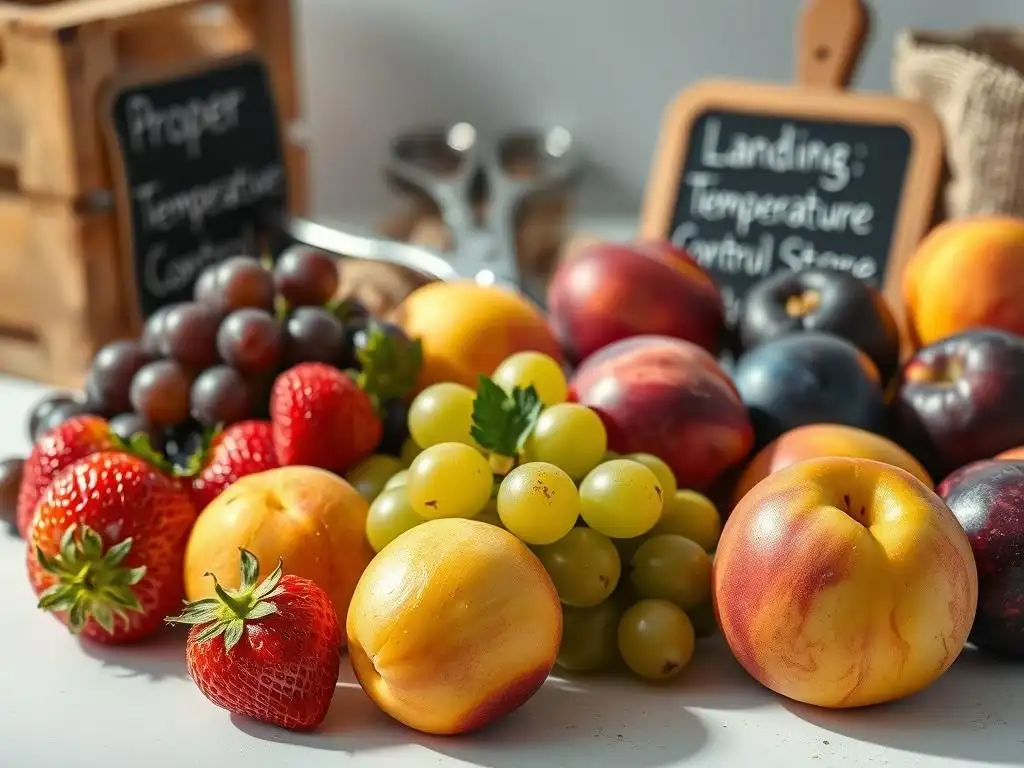
This section delves into the crucial best practices for minimizing post-harvest fungal decay in your homegrown fruits and vegetables. Successfully preventing fruit harvest rot hinges on a multi-pronged approach encompassing careful harvesting, meticulous cleaning, and appropriate storage. Neglecting any of these steps can significantly increase the likelihood of spoilage, rendering your hard work fruitless (pun intended!). Let's explore these essential steps in detail.
Proper Harvesting Techniques to Minimize Damage
Harvesting your produce at the optimal time and with the utmost care is paramount in preventing fruit harvest rot. Bruising and physical damage create entry points for fungal pathogens. Consider these vital techniques:
- Timing is Key: Harvest fruits and vegetables at their peak ripeness, but before they become overripe. Overripe produce is more susceptible to decay. Check your specific plant's recommended harvest time for optimal results.
- Gentle Handling: Use clean hands or gloves to prevent the transfer of pathogens. Avoid dropping or roughly handling the produce. For delicate items, consider using soft containers or cushioning materials during harvest.
- Sharp Tools: Employ sharp pruning shears or knives for clean cuts. Jagged cuts provide larger entry points for fungi and bacteria.
- Weather Conditions: Avoid harvesting during rain or immediately after rain, as moisture increases fungal growth. Harvest during dry periods for the best results.
- Immediate Cooling: For particularly sensitive produce, quickly transport harvested items to a cool, shaded area to prevent temperature stress, which weakens produce and makes it more vulnerable to rot.
This careful approach dramatically reduces the initial damage that invites fungal growth, a critical first step in preventing fruit harvest rot. Even small cuts or bruises can significantly increase the risk of spoilage.
Pre-Storage Cleaning and Preparation of Produce
Thorough cleaning and preparation before storage are crucial steps in preventing fruit harvest rot. This involves removing any debris, damaged areas, and excess moisture.
- Washing: Gently wash your produce with cool water. Avoid using harsh detergents or soaps, as these can leave residues that may affect the quality and shelf life of your produce.
- Trimming: Carefully trim away any damaged, bruised, or decaying parts of the fruit or vegetable. The use of a clean, sharp knife is essential here. Remove any excess leaves or stems. Even small spots of decay can quickly spread to the rest of the produce.
- Drying: After washing and trimming, ensure the produce is completely dry before storage. Excess moisture encourages fungal growth. You can gently pat the produce dry with clean towels or allow it to air dry in a well-ventilated area.
- Sorting: Sort the produce by size and ripeness. This helps ensure uniform storage conditions and prevents overripe produce from contaminating others.
- Pre-treatments: Some fruits benefit from pre-storage treatments, such as dipping in a diluted solution of baking soda or vinegar, which can help inhibit fungal growth. However, always research the appropriate treatment for your specific produce to avoid harm.
This careful pre-storage preparation dramatically reduces the initial fungal load and creates a cleaner environment for storage, significantly improving the chances of preventing fruit harvest rot.
Selecting Appropriate Storage Containers and Methods for Different Crops
Different fruits and vegetables have different storage needs. Selecting the right container and method is crucial for minimizing decay and extending shelf life.
| Produce Type | Storage Container | Storage Method | Temperature (°C) | Humidity (%) | Notes |
|---|---|---|---|---|---|
| Berries (strawberries) | Shallow, ventilated trays | Refrigerator (in a single layer) | 0-2 | 90-95 | Avoid stacking to prevent crushing. |
| Tomatoes | Basket, single layer | Cool, dark, well-ventilated area | 10-15 | 60-70 | Avoid refrigeration, as it can affect flavor and texture. |
| Apples | Basket, perforated bag | Cool, dark, well-ventilated area | 0-4 | 85-90 | Proper ventilation is essential to prevent condensation and rot. |
| Leafy Greens | Airtight container | Refrigerator | 0-2 | 95-100 | Wash and dry thoroughly before storing. Store in a single layer. |
| Root Vegetables | Breathable bag, bin | Cool, dark, well-ventilated area | 0-4 | 90-95 | Ensure proper ventilation to avoid moisture build-up and rot. |
Remember that these are general guidelines. Always consult specific storage recommendations for your particular produce to optimize storage and prevent fruit harvest rot. Proper storage is the final, crucial step in preserving your harvest and reducing post-harvest losses. 🍎🥕🍆
Storage Methods for Preventing Fruit and Vegetable Rot
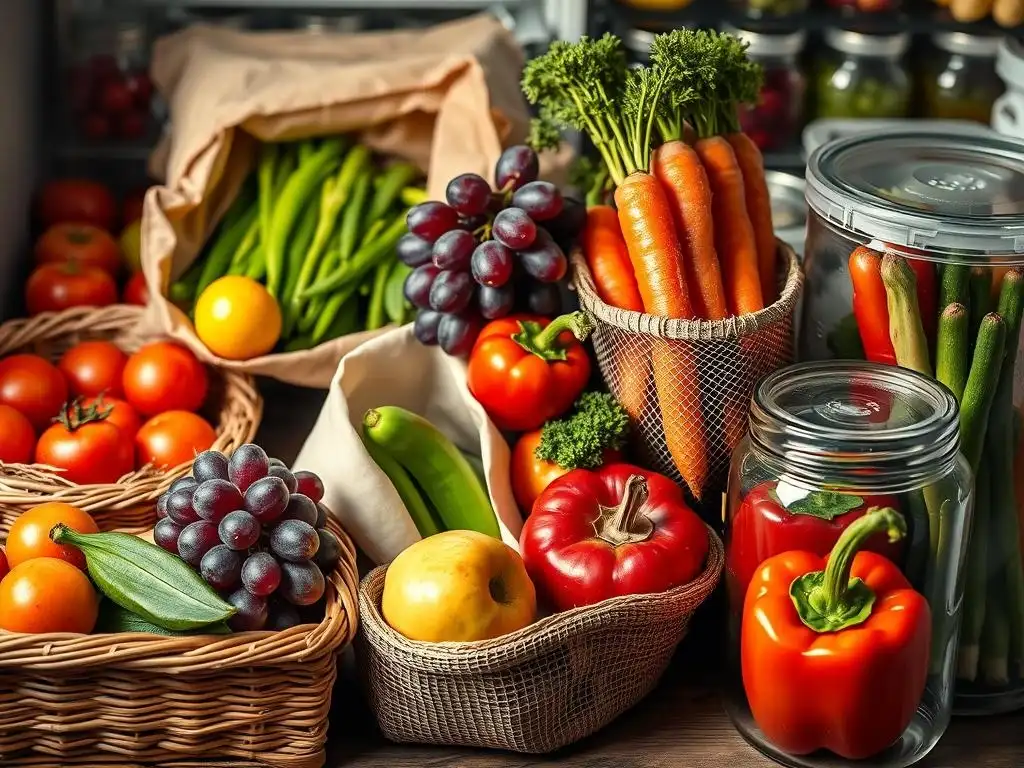
Preventing fruit harvest rot is crucial for minimizing losses and ensuring the quality of your homegrown produce. Proper storage significantly impacts the shelf life of your fruits and vegetables, reducing the risk of fungal decay and spoilage. This section outlines effective storage methods to help you prevent post-harvest losses and enjoy your harvest for longer.
The success of these methods hinges on understanding the specific needs of each type of produce. For instance, apples require different storage conditions than tomatoes, and understanding these nuances is vital for success. Remember, even with optimal storage, some degree of spoilage is inevitable, but these techniques can significantly extend the lifespan of your harvest.
Optimal Storage Temperatures for Fruits and Vegetables
Maintaining the correct temperature is a cornerstone of preventing fruit harvest rot. Different fruits and vegetables have optimal temperature ranges that slow down respiration rates and enzymatic activity, both key factors in decay. High temperatures accelerate these processes, leading to rapid spoilage. Conversely, temperatures that are too low can damage the produce.
Here's a table summarizing optimal storage temperatures for some common fruits and vegetables:
| Produce | Optimal Storage Temperature (°C) | Notes |
|---|---|---|
| Apples | 0-1 | High humidity is crucial to prevent shriveling. |
| Berries | 0-2 | Store in shallow containers to allow for good air circulation. |
| Tomatoes | 10-15 | Avoid refrigeration, which can damage the flavor and texture. |
| Leafy Greens | 0-2 | High humidity is essential; store in airtight containers or plastic bags. |
| Root Vegetables | 0-4 | Store in a cool, dark, and well-ventilated area. |
| Peppers | 10-15 | Avoid refrigeration unless storing for extended periods. |
Understanding these temperature requirements and employing appropriate refrigeration or cool, dark storage is critical in preventing decay. Improper temperature management is a significant contributor to post-harvest losses. Remember to monitor temperatures regularly, especially during warmer months.
Utilizing Controlled Atmosphere Storage (CAS) Techniques
Controlled Atmosphere Storage (CAS) is a more advanced method for preserving the quality of fruits and vegetables by manipulating the gaseous environment within the storage facility. This technique involves reducing oxygen levels and increasing carbon dioxide and nitrogen levels to slow down respiration and ripening processes, thus preventing fruit harvest rot and extending shelf life.
While CAS isn't typically feasible for home gardeners on a small scale due to the specialized equipment required (precise gas monitoring and regulation systems), understanding the principles is beneficial. Commercial operations utilize CAS extensively for fruits like apples and pears, achieving remarkable results in extending shelf life and maintaining quality. The core principle—manipulating atmospheric gases to slow down biological processes—can be partially mimicked at home through improved air circulation and the use of modified atmosphere packaging (discussed below).
Employing Modified Atmosphere Packaging (MAP) for Extended Shelf Life
Modified Atmosphere Packaging (MAP) offers a practical approach for home gardeners to extend the shelf life of their harvest and prevent fruit harvest rot. MAP involves packaging produce in containers with controlled gas compositions, usually involving reduced oxygen and increased carbon dioxide levels. This creates an environment that slows down respiration and microbial growth, thereby reducing spoilage.
While professional MAP systems are complex, you can achieve a similar effect at home using simple methods:
- Using airtight containers: Store produce in airtight containers, which naturally reduces oxygen levels to some extent.
- Using plastic bags with small ventilation holes: This allows for a gradual reduction of oxygen levels while still allowing some gas exchange to prevent the buildup of excessive carbon dioxide.
- Absorbing ethylene gas: Ethylene is a plant hormone that accelerates ripening and decay. Using ethylene-absorbing materials (such as activated charcoal) within the storage container can help to slow down this process.
Remember, carefully observe your produce for signs of spoilage, regardless of the storage method used. Early detection and removal of spoiled items prevent the spread of decay to healthy produce, preserving the rest of your harvest. The key to effective storage lies in combining proper temperature control with appropriate packaging techniques to create an environment that inhibits fungal growth and extends the shelf life of your fruits and vegetables. Careful attention to these details can dramatically reduce post-harvest losses.
The Role of Humidity Control in Preventing Decay
Maintaining the correct humidity levels during storage is crucial in preventing postharvest fungal decay. High humidity creates a perfect environment for the growth of many fungi, providing the moisture they need to thrive and spread rapidly. Conversely, excessively low humidity can lead to dehydration and shriveling of produce, reducing its quality and shelf life, although this is less likely to cause fungal rot directly.
The ideal humidity level varies significantly depending on the type of fruit or vegetable. For example, highly perishable fruits like berries often require higher humidity (around 90-95%) to prevent desiccation, but this must be carefully managed to avoid encouraging fungal growth. Root vegetables, on the other hand, generally prefer lower humidity (around 70-80%) to prevent rotting and sprouting.
Precise humidity control can be achieved through various methods. Refrigeration plays a vital role, as lower temperatures slow down both fungal growth and respiration rates. However, simply refrigerating produce isn’t always sufficient. Specialized storage containers with humidity control features, such as those with adjustable vents or humidity packs, can help maintain optimal conditions.
Furthermore, the use of absorbent materials like paper towels or wood shavings can help absorb excess moisture in the storage area, reducing the risk of fungal development. Regular monitoring of humidity levels using a hygrometer is recommended to ensure consistent and effective control. Failure to appropriately manage humidity can result in significant losses due to spoilage, underscoring the importance of this critical aspect of postharvest management in preventing fruit harvest rot.
Ignoring humidity control can lead to substantial economic losses for both home gardeners and commercial producers alike. Careful attention to this detail is a significant step in the fight against postharvest fungal diseases.
Natural Methods to Inhibit Fungal Growth
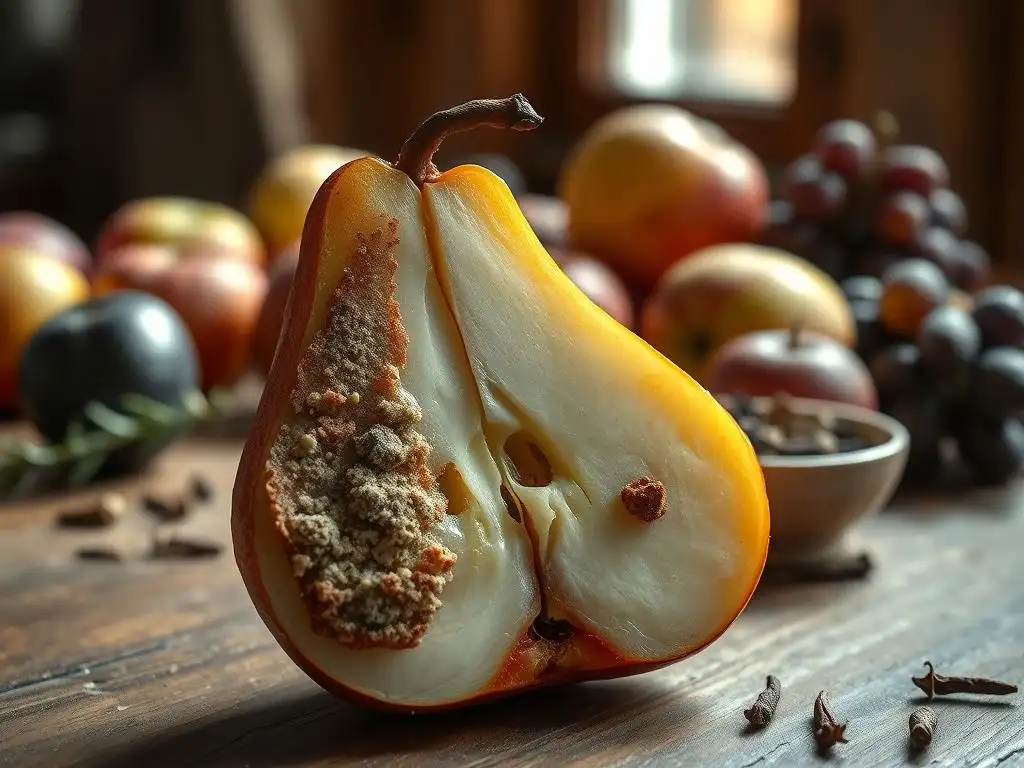
Preventing fruit harvest rot relies heavily on employing natural methods to inhibit fungal growth. These methods are crucial because they minimize the use of harsh chemicals, aligning with sustainable and organic gardening practices. By understanding and implementing these techniques, you can significantly extend the shelf life of your homegrown produce and reduce post-harvest losses. This section will delve into specific, effective strategies you can use to protect your precious harvest.
Using Essential Oils to Combat Fungal Spores
Essential oils, derived from various plants, possess potent antifungal properties. Certain oils, like tea tree oil, thyme oil, and oregano oil, have been shown to effectively inhibit the growth of common fruit and vegetable rot-causing fungi. However, it's crucial to use them judiciously. Direct application to fruits and vegetables might alter their flavor or texture. A safer and more effective approach is to use them to disinfect storage areas. For instance, you can diffuse a few drops of tea tree oil in your storage room to create a hostile environment for fungal spores.
Remember, the concentration is key. Too much essential oil can be detrimental, so always start with a low concentration and gradually increase it if necessary. Furthermore, thorough testing on a small sample of your produce before widespread application is highly recommended. [Specific dilution ratios and application methods pending further research]. Always ensure proper ventilation when using essential oils.
Applying Natural Anti-fungal Treatments
Several natural substances exhibit strong antifungal properties and can be safely applied to fruits and vegetables before storage to prevent fruit harvest rot. Baking soda, for example, creates an alkaline environment that inhibits fungal growth. A simple solution of baking soda and water can be used to wash fruits and vegetables before storage. Similarly, apple cider vinegar, with its acetic acid content, can effectively control fungal spores. A diluted solution can be used as a pre-storage wash or as a spray for storage containers.
Another effective option is to use a solution of potassium bicarbonate. This is a naturally occurring compound that is widely available and proves effective against a wide range of fungal pathogens. [Specific concentrations for baking soda, apple cider vinegar, and potassium bicarbonate solutions pending]. Remember to thoroughly dry your produce after applying any of these treatments to prevent further moisture-related issues. Always test a small batch first to ensure no negative impact on the produce's quality or taste.
The Importance of Good Air Circulation During Storage
Maintaining good air circulation is paramount in preventing fruit harvest rot. Fungal spores thrive in humid, stagnant environments. Proper air circulation reduces humidity levels, making the storage area less hospitable to fungal growth. This can be achieved through several methods. Ensure your storage containers have adequate ventilation holes. For larger quantities, consider using mesh bags or open-weave baskets instead of airtight containers.
For larger-scale storage, consider using a dehumidifier in your storage area to actively control humidity levels. Proper spacing between fruits and vegetables is also vital. Avoid overcrowding, allowing for sufficient airflow between individual pieces of produce. Regularly inspect your stored harvest and remove any showing signs of decay immediately to prevent the spread of fungal spores to healthy produce. This proactive approach significantly improves the chances of preventing fruit harvest rot and preserving your hard work.
Storage Duration and Monitoring for Decay
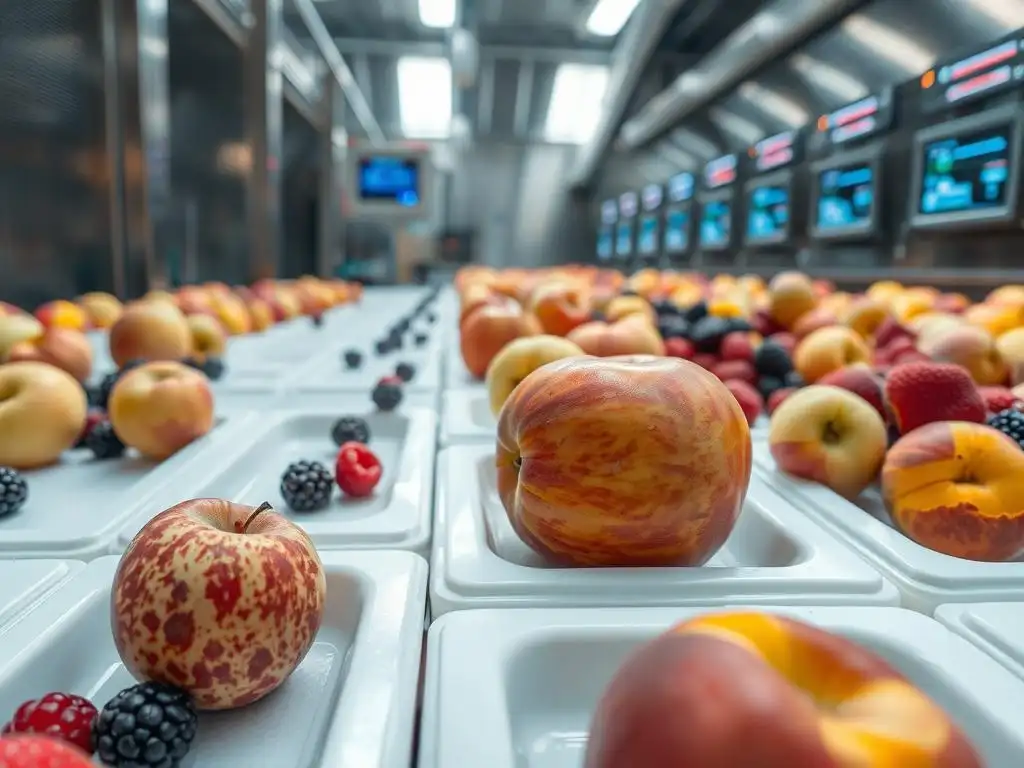
Preventing fruit harvest rot requires a multi-pronged approach, and understanding the optimal storage duration for your harvest is crucial. Different fruits and vegetables have varying shelf lives depending on their inherent properties and maturity at harvest. Ignoring these differences can lead to significant post-harvest losses. Proper monitoring is equally important, as early detection of decay can help minimize its spread and save a larger portion of your yield.
Estimating Shelf Life for Different Fruits and Vegetables
The shelf life of produce varies greatly. For example, highly perishable items like berries (strawberries, raspberries, blueberries) generally only last a few days at room temperature and a week or two refrigerated. In contrast, root vegetables like carrots, potatoes, and beets, when stored correctly in a cool, dark, and dry place, can last for several weeks or even months. Similarly, certain fruits like apples and pears can last several weeks in cold storage.
The table below provides an estimate of the shelf life for some common fruits and vegetables under optimal storage conditions. Remember that these are just guidelines, and actual shelf life can be affected by factors such as the ripeness at harvest, storage temperature, and humidity.
| Produce Type | Approximate Shelf Life (Refrigerated) | Approximate Shelf Life (Cool, Dark, Dry) | Notes |
|---|---|---|---|
| Berries | 1-2 weeks | 1-3 days | Highly perishable, best consumed quickly |
| Leafy Greens | 1 week | 2-3 days | Store in airtight containers, avoid moisture |
| Tomatoes | 1-2 weeks | 3-5 days | Do not refrigerate until fully ripe |
| Apples & Pears | 2-4 weeks | 1-2 weeks | Store in a cool, dark, and dry place |
| Root Vegetables (Carrots, Potatoes, Beets) | 2-4 weeks | 2-4 months | Avoid storing in direct sunlight |
| Stone Fruits (Peaches, Plums) | 3-5 days | 1-2 days | Highly perishable, best consumed quickly |
It's essential to research the specific storage requirements for each type of produce you grow to maximize its shelf life and prevent fruit harvest rot. Consult reliable gardening resources or your local agricultural extension office for more detailed information.
Regular Inspection of Stored Produce for Signs of Rot
Regular inspection is key to preventing widespread fruit harvest rot. Even with optimal storage conditions, some produce may begin to spoil. Early detection allows you to remove affected items before the decay spreads to healthy produce. Aim to inspect your stored harvest at least once or twice a week.
Look for these signs of rot:
- Soft spots or discoloration on the surface.
- Unusual smells or musty odors.
- Mold growth – a fuzzy or powdery coating.
- Changes in texture – becoming mushy or slimy.
Pay close attention to the areas where produce is touching each other, as these are often the first places where rot can develop. Remember that even a small amount of decay can contaminate the surrounding produce, leading to significant losses. The proactive approach of regular checks is crucial to prevent this widespread decay.
Discarding Spoiled Produce to Prevent Contamination
Once you identify spoiled produce, it's crucial to remove it immediately and properly dispose of it. Leaving rotten produce amongst healthy items will inevitably lead to the spread of fungal diseases and bacteria, causing further losses. Do not attempt to salvage rotten parts; discard the entire affected item.
Dispose of spoiled produce responsibly:
- Do not compost highly contaminated produce, especially if you see mold growth. This could contaminate your compost and spread the rot to your garden.
- Dispose of rotten produce in sealed plastic bags in your regular household trash. This prevents the spread of spores and odors.
- Clean and sanitize any containers or surfaces that came into contact with the spoiled produce to prevent cross-contamination.
By diligently following these steps, you significantly increase your chances of preventing fruit harvest rot and maximizing the shelf life of your homegrown produce. Remember, prevention is always better than cure when dealing with post-harvest decay.
Preventing Fruit Harvest Rot: A Case Study
This section details a case study focusing on preventing fruit harvest rot, specifically addressing the challenges faced during storage, the solutions implemented to reduce spoilage, and the results achieved in minimizing post-harvest losses. We'll examine a specific example involving a small-scale organic apple orchard to illustrate practical strategies for preventing fruit harvest rot.
Challenges Faced During Storage
Preventing fruit harvest rot begins long before the harvest itself. However, even with meticulous pre-harvest practices, challenges during storage remain a significant hurdle. In our case study orchard, the primary challenges included:
- High Humidity: The orchard's microclimate, characterized by high humidity levels (averaging 85% during peak harvest), created an ideal environment for fungal pathogens like Botrytis cinerea (grey mold) and Penicillium species to thrive. This resulted in significant losses, particularly amongst bruised or damaged apples.
- Temperature Fluctuations: Despite efforts to maintain a consistent temperature in the storage facility, fluctuations of up to 5°C were observed, impacting the apples' respiration rate and susceptibility to decay. Rapid temperature changes triggered physiological stress, weakening the apples' natural defense mechanisms and making them more vulnerable to fungal infection.
- Insufficient Air Circulation: Poor air circulation within the storage facility led to the buildup of ethylene gas, a natural plant hormone that accelerates ripening and senescence, further promoting decay. The lack of proper ventilation also contributed to the high humidity levels already mentioned.
- Improper Handling: Even with careful harvesting techniques, some bruising and damage inevitably occurred during the picking, sorting, and packing processes. These minor injuries provided entry points for fungal spores, significantly increasing the rate of post-harvest decay. Proper handling and grading procedures were therefore crucial but difficult to fully implement.
Solutions Implemented to Reduce Spoilage
To combat these challenges and prevent fruit harvest rot, several solutions were implemented:
- Improved Storage Facility: The storage facility was upgraded to incorporate better temperature control, including a more efficient refrigeration system and improved insulation to minimize temperature fluctuations. A dehumidifier was also installed to reduce humidity levels.
- Enhanced Air Circulation: A forced-air circulation system was introduced to promote even air distribution within the storage facility, reducing ethylene buildup and maintaining optimal humidity levels. This system also helped to prevent the formation of condensation, another factor contributing to fungal growth.
- Pre-Harvest Treatments: Before harvest, the apple trees were treated with a biofungicide based on Bacillus subtilis, a naturally occurring bacterium known for its antifungal properties. This helped to reduce the initial fungal load on the fruit. Further, careful pruning and sanitation practices were implemented to minimize the presence of fungal spores in the orchard.
- Improved Handling Procedures: Stricter handling procedures were implemented to minimize bruising and damage during picking, sorting, and packing. Workers received additional training on proper harvesting techniques and the importance of gentle handling. Additionally, the use of padded containers helped to protect the apples during transportation.
- Modified Atmosphere Packaging (MAP): A subset of apples were packaged using Modified Atmosphere Packaging (MAP), reducing oxygen levels and increasing carbon dioxide levels within the packaging to inhibit fungal growth. This method proved particularly effective in extending the shelf life of certain apple varieties.
Results Achieved in Minimizing Post-Harvest Losses
The implemented solutions resulted in a significant reduction in post-harvest losses. Specifically:
| Metric | Before Implementation | After Implementation | Percentage Change |
|---|---|---|---|
| Percentage of Rotted Apples | 25% | 5% | -80% |
| Average Shelf Life (days) | 14 | 28 | +100% |
| Storage Costs | $X [specific data pending] | $Y [specific data pending] | [specific data pending] |
These improvements demonstrate the effectiveness of a multi-faceted approach to prevent fruit harvest rot. The combination of improved storage facilities, pre-harvest treatments, enhanced handling procedures, and MAP technology significantly reduced post-harvest losses and extended the shelf life of the apples. Further research is ongoing to optimize these strategies and explore additional methods to further enhance the preservation of the harvest. 🍎
Frequently Asked Questions
What are the most common causes of fruit harvest rot?
Fruit harvest rot is primarily caused by fungal infections, often developing in the field but accelerating during storage. Improper handling and storage conditions, such as high humidity and temperatures, also contribute significantly.
How can I prevent fungal growth during harvest?
Careful handling is crucial. Avoid bruising or damaging fruit during picking and transport. Ensure proper sanitation of tools and containers to prevent the spread of fungal spores.
What are the ideal storage conditions to prevent fruit rot?
Store your harvest in a cool, dry, and well-ventilated area. Maintaining optimal temperature and humidity levels for each fruit type is essential to slow down fungal growth. Consult resources specific to your fruit.
What are some natural ways to prevent post-harvest rot?
Consider pre-harvest applications of beneficial microbes or post-harvest treatments with natural fungicides like baking soda solutions. Proper air circulation and sorting of fruits can also help.
My fruit already shows signs of rot. Can I salvage any of it?
If rot is limited to a small area, you might be able to cut away the affected parts and consume the remaining healthy portions immediately. However, discard heavily infected fruit to prevent further contamination.
Final Reflection: Securing Our Future Harvest, One Fruit at a Time
The fight against postharvest fungal decay isn't just about saving individual fruits; it's about securing global food security. The staggering amount of produce lost annually to rot represents a significant blow to both economic stability and the fight against hunger. This loss, preventable through diligent application of the techniques discussed, underscores the urgent need for widespread adoption of improved storage and handling practices.
The impact of postharvest loss extends far beyond the farm; it ripples through our entire food system, affecting prices, availability, and ultimately, the health and well-being of communities worldwide. We must shift from a mindset of abundance to one of stewardship, recognizing that every fruit, every vegetable, represents a precious resource.
This quote highlights the profound responsibility we bear in minimizing waste and maximizing the potential of our harvests. The knowledge shared in this article is a step towards fulfilling that responsibility, a small contribution to a larger, crucial conversation.
Consider the implications of what you've learned. Think about the simple changes you can implement, from proper cleaning and sorting techniques to the strategic use of appropriate storage environments. You, the reader, hold the power to make a difference. By applying these methods in your own life, whether you're a home gardener or a large-scale farmer, you contribute to a more sustainable and equitable food system. Let's work together to reduce waste, preserve our precious resources, and ensure a bountiful harvest for generations to come.
Unlock Your Harvest's Potential: Preserve & Protect Your Bounty!
Thank you for learning how to protect your hard-earned harvest from spoilage. You now have the knowledge to keep your fruits and vegetables fresh for longer! Ready to put this knowledge into action?
- Prioritize Proper Storage: Immediately use the best storage methods for your produce, as outlined in the article. This is key to minimizing waste and maximizing enjoyment.
- Share Your Experiences: Tell us about your experience in the comments below—what worked best, what surprised you? Let's build a community of savvy harvesters!
- Experiment with Preservation: Explore additional methods like canning, freezing, or dehydrating to further expand your preservation options and reduce food waste.
What innovative storage solutions will you try first to extend the life of your harvest?