
How to Test Your Soil for Fungal Pathogens

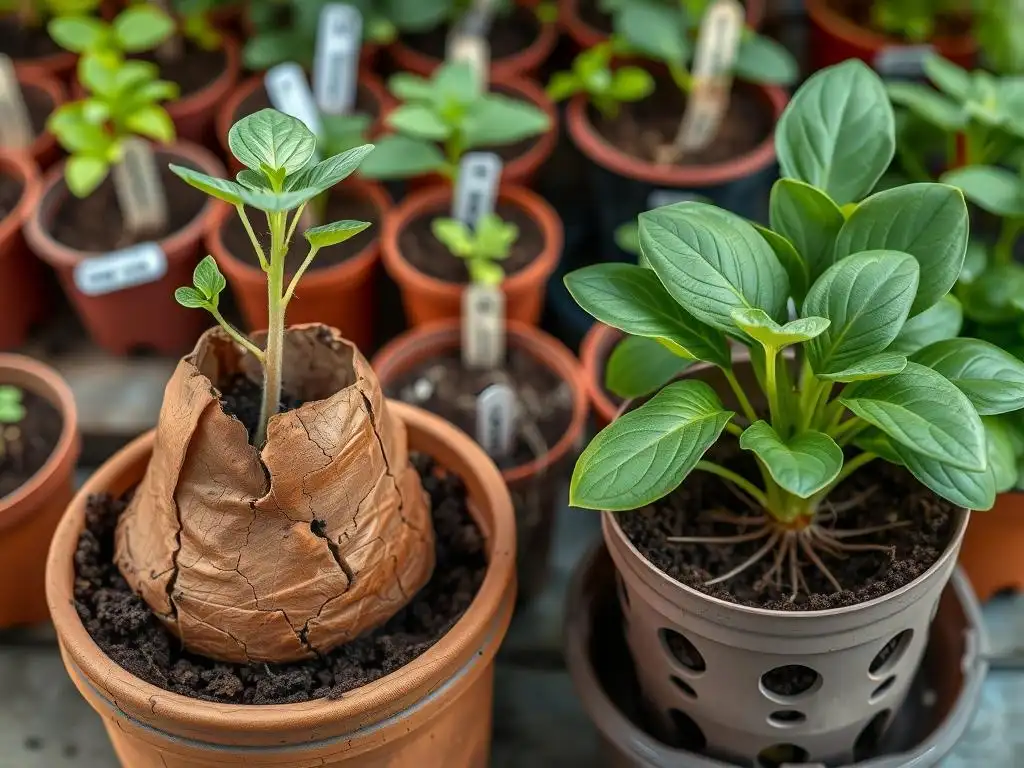
Ready to unlock the secrets to a thriving home garden? At CultivateYourFood, we empower you to grow your own delicious and healthy produce using sustainable methods. But even the greenest thumb can face unexpected challenges. That's why we're diving deep into the critical subject of soil health, starting with a crucial step often overlooked: learning how to perform a home soil fungal disease test. Is your soil harboring hidden pathogens that could sabotage your harvest? Discover the answers and protect your plants by exploring our comprehensive guide on testing for fungal diseases.
- Understanding Fungal Pathogens in Your Home Garden Soil
- Methods for Home Soil Fungal Disease Testing
- Interpreting Your Soil Test Results for Fungal Diseases
- Effective Strategies for Managing Fungal Pathogens in Your Soil
- Maintaining Soil Health to Prevent Future Fungal Infections
- Frequently Asked Questions
- Final Reflection: Cultivating Healthy Soil, One Test at a Time
- Uncover Your Soil's Secrets: Take Action Now!
Understanding Fungal Pathogens in Your Home Garden Soil
Fungal pathogens represent a significant threat to the health and productivity of home gardens. Unlike visible pests, these microscopic organisms can silently wreak havoc on your fruits, vegetables, and herbs, leading to significant crop losses and frustrating gardening experiences. This article will guide you through a practical approach to testing your soil for fungal pathogens, empowering you to proactively manage these insidious threats and cultivate a thriving, healthy garden using sustainable practices.
Early detection is key to successful treatment, and understanding the common fungal diseases and their symptoms is the first step in protecting your precious plants. We will explore effective methods for identifying these pathogens and implementing preventative measures to maintain a vibrant and bountiful organic garden.
Successfully managing home soil fungal disease is achievable with the right knowledge and proactive approach, ensuring a rewarding gardening experience year after year. This guide focuses on providing you with the tools and understanding necessary to perform a basic home soil fungal disease test, enabling you to take control of your garden's health.
Identifying Common Fungal Diseases Affecting Homegrown Plants
Many fungal diseases can affect homegrown plants. Accurate identification is crucial for effective treatment. Some of the most prevalent fungal pathogens include:
- Powdery Mildew: This common disease appears as a white, powdery coating on leaves and stems, often affecting a wide range of plants. Early symptoms include small, circular white patches that can spread rapidly under favorable conditions (high humidity and moderate temperatures).
- Downy Mildew: Unlike powdery mildew, downy mildew typically presents as fuzzy, grayish-purple patches on the undersides of leaves. Affected leaves often yellow and eventually die. This disease thrives in cool, damp conditions.
- Root Rot: This devastating disease affects the roots of plants, causing wilting, stunted growth, and eventually plant death. Several fungi can cause root rot, and symptoms can vary depending on the specific pathogen. Often, affected roots will appear brown, mushy, and decayed.
- Leaf Spot Diseases: These diseases manifest as various-sized spots on leaves, ranging in color from brown to black. They can cause leaf defoliation and reduce plant vigor. Many different fungi cause leaf spots, so precise identification requires careful observation and potentially laboratory analysis.
- Blights: Blights are rapidly spreading diseases that can quickly kill plant tissues. They often start as small spots that enlarge and coalesce, leading to complete leaf or stem death. Early detection and prompt action are crucial for managing blights.
Understanding these common fungal diseases and their characteristic symptoms is essential for a successful home soil fungal disease test and subsequent treatment. Accurate identification is the first step in protecting your plants.
Recognizing Symptoms of Fungal Infections in Your Crops
Recognizing the subtle signs of fungal infections in your crops is crucial for early intervention. While the specific symptoms vary depending on the pathogen and the host plant, some general signs to watch for include:
- Wilting: Unexpected wilting, even with adequate watering, can indicate root rot or other fungal diseases affecting the plant's ability to absorb water and nutrients.
- Leaf discoloration: Yellowing, browning, or spotting of leaves are common indicators of fungal infections. The pattern and color of discoloration can provide clues about the specific pathogen.
- Unusual growth patterns: Stunted growth, distorted leaves, or unusual growths on stems or leaves can be indicative of fungal diseases.
- Lesions and spots: The presence of lesions or spots on leaves, stems, or fruits can be a clear sign of fungal infection. Note the size, shape, color, and distribution of these lesions.
- Mold or mildew: The visible presence of mold or mildew (powdery or fuzzy) is a strong indication of a fungal infection.
Careful observation of your plants is essential. Regularly inspect your crops for any unusual changes, comparing them to healthy plants of the same species. Taking detailed notes and photographs can be helpful in tracking the progression of any symptoms.
The Importance of Early Detection in Soil Fungal Disease Management
Early detection of fungal pathogens in your soil is paramount for effective disease management. The quicker you identify a problem, the more effective your treatment strategy will be, and the less likely the disease will spread to other plants in your garden. Delayed detection often leads to more severe infections, requiring more aggressive (and potentially less sustainable) interventions. Early detection allows for:
- Targeted treatment: Early detection allows you to implement targeted treatments, using less aggressive methods such as cultural practices (improving soil drainage, adjusting watering techniques) or applying organic fungicides.
- Reduced crop losses: Early intervention minimizes crop losses by preventing the disease from spreading and severely damaging your plants.
- Prevention of disease spread: Prompt action prevents the disease from spreading to healthy plants in your garden, protecting your overall yield.
- Maintenance of soil health: Early detection and appropriate treatment helps maintain the overall health of your garden soil, preventing long-term damage from fungal infections.
A proactive approach to fungal disease management, starting with early detection through a home soil fungal disease test, is crucial for a healthy and productive organic garden. The information provided above serves as a foundation for understanding and addressing fungal pathogens in your home garden.
Methods for Home Soil Fungal Disease Testing
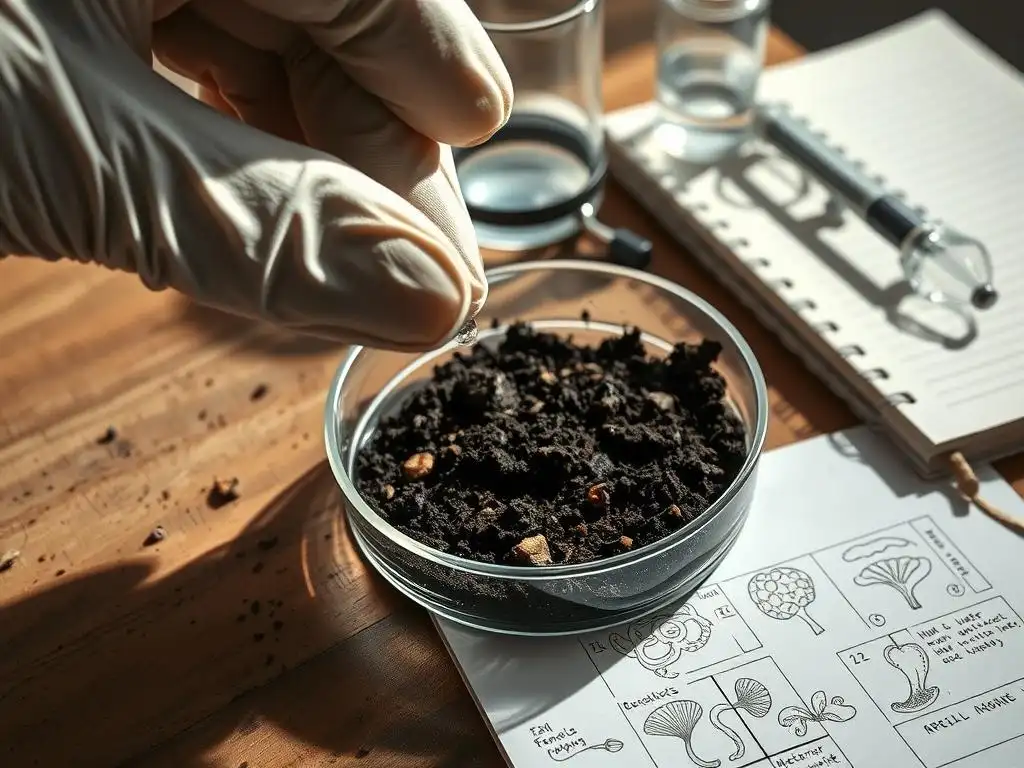
This section details various methods for detecting fungal pathogens in your home garden soil, empowering you to proactively address potential fungal diseases and cultivate healthy plants. Choosing the right method depends on your resources, the level of detail required, and your comfort level with scientific techniques. Effective management of home soil fungal disease starts with accurate diagnosis.
Visual Inspection of Soil and Plants for Fungal Indicators
A preliminary assessment of your soil and plants can often reveal signs of fungal infection, providing a valuable first step in your home soil fungal disease test. This simple, non-invasive method allows for early detection, potentially preventing widespread damage. Look for these key indicators:
- Changes in Soil Texture: Healthy soil generally has a crumbly structure. Compacted, waterlogged soil, or soil with unusual stickiness, could signal fungal activity. Observe if the soil appears unusually dry or if there's a noticeable lack of aeration.
- Unusual Plant Growth: Observe your plants carefully. Stunted growth, wilting, yellowing leaves, or unusual spots or lesions on leaves, stems, or fruits, may indicate underlying fungal issues. Note the specific patterns of damage – for example, circular spots often indicate specific fungal diseases.
- Presence of Mycelium: Fungal mycelium (the vegetative part of a fungus) may be visible as white, gray, or other colored thread-like structures on the soil surface, around plant roots, or on plant debris. This is a strong indication of a fungal infection.
- Fruiting Bodies: Depending on the fungus, you might observe macroscopic fruiting bodies like mushrooms or toadstools growing in your garden. These are the reproductive structures of certain fungi. Their presence warrants further investigation.
Remember to carefully document your observations, noting the affected plants, the severity of the symptoms, and the specific location in your garden. This information helps track the progression of the disease and informs subsequent testing or treatment. A keen eye and careful observation are crucial components of a successful home soil fungal disease test. Even without sophisticated equipment, early detection through visual inspection can significantly improve your chances of successful intervention.
Using a Simple Home Soil Test Kit for Fungal Pathogens
While not as precise as laboratory analysis, readily available home soil test kits offer a convenient and relatively inexpensive way to screen for common fungal pathogens. These kits typically employ methods designed to detect the presence of fungal DNA or specific fungal metabolites. The accuracy varies widely depending on the kit's design and the specific fungal pathogens it targets.
Before using a kit, carefully read the instructions. Ensure that you collect a representative soil sample from the affected area, following the kit's specific guidelines on sample size and collection method. Proper sampling is crucial to obtain reliable results.
Many home kits focus on identifying broad categories of fungi, rather than specific species. While this might not offer a precise diagnosis, it can indicate the presence of a fungal problem requiring further attention. The results might suggest the need for professional laboratory analysis or targeted treatment strategies.
Consider factors like the kit's sensitivity and specificity when choosing a kit. Check reviews and compare different brands to find one that suits your needs and budget. Remember that a negative result doesn't always guarantee the absence of fungal pathogens; a positive result, however, warrants immediate action. These kits serve as a valuable screening tool as part of your overall home soil fungal disease test strategy.
Sending Soil Samples to a Professional Laboratory for Analysis
For the most accurate and comprehensive home soil fungal disease test, sending soil samples to a professional laboratory is the gold standard. Laboratories employ sophisticated techniques, such as PCR (polymerase chain reaction) and other molecular methods, to identify fungal pathogens with high precision. This method allows for the identification of specific fungal species, providing a detailed understanding of the disease's etiology.
When submitting samples, ensure you follow the laboratory's guidelines meticulously. This typically involves providing a detailed history of the affected plants, including symptoms observed, and carefully collecting and packaging the samples to prevent contamination. Some labs require specific types of containers and preservatives.
Laboratory analysis often provides a detailed report identifying the fungal pathogens present, their abundance, and potentially, recommendations for treatment. The cost of professional laboratory analysis is typically higher than home test kits, but the accuracy and detailed information provided justify the expense for serious or persistent fungal problems. The results can be invaluable in developing effective and targeted management strategies for your garden. This method represents the most thorough approach to your home soil fungal disease test.
Advanced Techniques for Detecting Specific Fungal Pathogens
Detecting specific fungal pathogens in your home soil often requires techniques beyond simple visual inspection or basic home tests. These advanced methods provide a higher degree of accuracy and can pinpoint the exact species of fungus affecting your plants, enabling targeted treatment strategies. These methods are typically more complex and may require specialized equipment or laboratory analysis.
One such technique is Polymerase Chain Reaction (PCR). PCR is a molecular biology technique that amplifies specific DNA sequences. By using primers designed to target the DNA of a particular fungal pathogen, PCR can detect even minute amounts of fungal DNA present in a soil sample. This is incredibly sensitive and allows for early detection before visible symptoms appear on your plants.
However, PCR requires specialized equipment and expertise, usually found in a professional laboratory setting. The results are highly specific, identifying the exact fungal species present. This precision is invaluable in cases of recurring fungal infections or when dealing with particularly stubborn diseases. The cost associated with PCR testing can be relatively high, depending on the lab and the number of fungal pathogens targeted.
Another sophisticated method involves immunological assays, such as ELISA (Enzyme-Linked Immunosorbent Assay). ELISA uses antibodies specific to certain fungal antigens. If the target fungus is present in the soil sample, the antibodies will bind to the antigens, producing a detectable signal. This method is relatively fast and can be adapted for field use, although it may still require some laboratory equipment for accurate measurement.
The sensitivity of ELISA varies depending on the quality of the antibodies used and the concentration of the fungal antigen in the soil. While not as sensitive as PCR in some cases, ELISA offers a quicker turnaround time and can be more cost-effective for certain applications. This makes it a valuable tool for larger-scale testing or situations where rapid results are crucial.
Finally, microscopic examination of soil samples can be employed, though this is less effective for detecting all fungal pathogens. This method involves preparing a soil suspension and examining it under a microscope to look for fungal structures such as hyphae, spores, or sclerotia. While this can provide visual confirmation of fungal presence, identifying the specific pathogen can be challenging without expertise in fungal morphology.
This method is helpful for confirming the presence of a suspected fungal pathogen, especially if combined with other techniques. The accuracy depends heavily on the skill of the microscopist and the quality of the sample preparation. Therefore, it's best used as a complementary technique rather than a standalone diagnostic tool for "home soil fungal disease test".
Interpreting Your Soil Test Results for Fungal Diseases
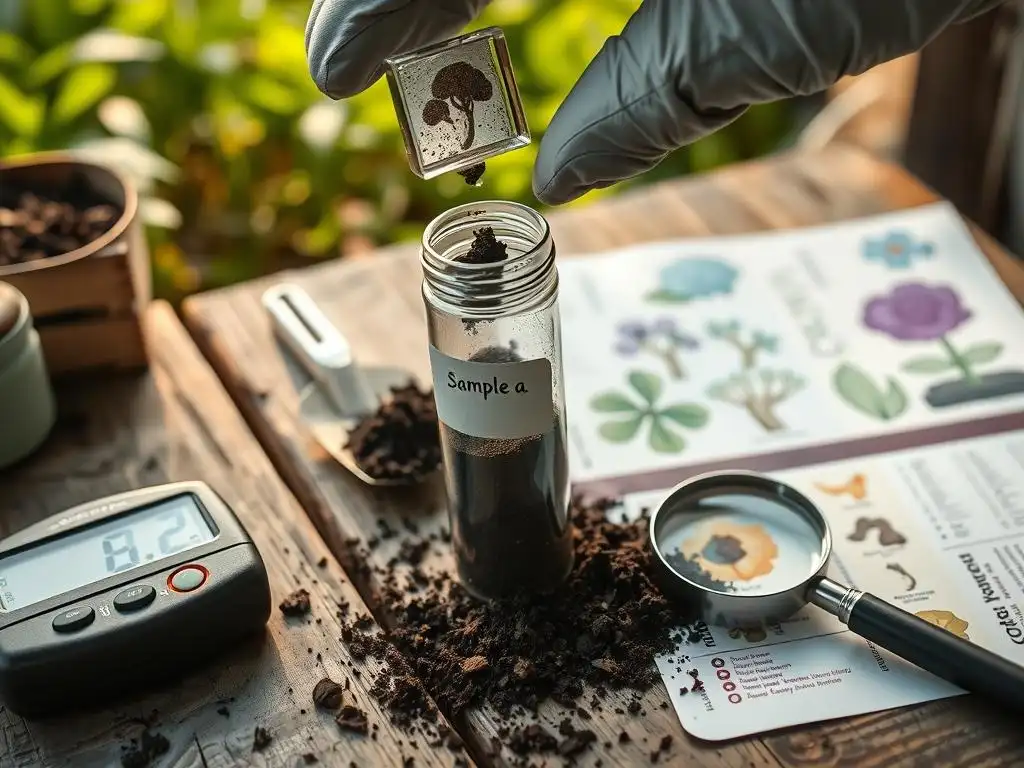
This section focuses on understanding the results of your home soil fungal disease test and determining the appropriate course of action. Accurate interpretation is crucial for effective treatment and preventing further spread of fungal pathogens in your garden. Remember, a positive result doesn't automatically mean doom and gloom; many fungal populations exist naturally in soil without causing significant harm. The key is understanding the severity of the infection and choosing the right response.
Understanding the Test Report: Identifying Specific Pathogens
A comprehensive soil test for fungal pathogens should identify specific fungal species present in your sample. The report will typically list the pathogens detected and their relative abundance. This information is paramount in determining the best management strategy. For instance, identifying Phytophthora infestans (responsible for late blight in tomatoes and potatoes) allows you to tailor your approach, focusing on preventative measures like crop rotation and avoiding overhead watering. Conversely, detecting a common soil fungus like Trichoderma might require no intervention, as many Trichoderma species are beneficial and help suppress other harmful fungi.
The test report might use different terminology to express the level of each pathogen. You might see terms like "high," "moderate," "low," or numerical values representing colony-forming units (CFUs) per gram of soil. Understanding these quantifications is vital. A "high" concentration of a known plant pathogen indicates a serious issue requiring immediate action, while a "low" level of a generally harmless fungus might be insignificant.
Consider this example report snippet:
| Pathogen | Abundance | Potential Impact |
|---|---|---|
| Fusarium oxysporum | High | Severe wilt in susceptible plants |
| Rhizoctonia solani | Moderate | Root rot, damping-off in seedlings |
| Trichoderma harzianum | Low | Generally beneficial, biocontrol agent |
| Pythium ultimum | High | Damping-off, root rot, particularly in young plants |
Understanding the specific pathogens and their abundance allows you to target your efforts effectively, preventing unnecessary treatments and ensuring optimal results. Remember to always consult reliable resources or a gardening expert for interpretation if needed.
Assessing the Severity of Fungal Infection in Your Soil
The severity of fungal infection isn't solely determined by the presence of a pathogen but also its concentration and the susceptibility of your intended plants. A high concentration of a weakly pathogenic fungus might be less concerning than a low concentration of a highly virulent one. The health and resilience of your plants also play a significant role. Healthy plants are better equipped to withstand fungal attacks.
Several factors influence the severity assessment:
- Pathogen Concentration: As mentioned, higher concentrations generally indicate a more severe infection.
- Plant Susceptibility: Some plants are naturally more resistant to specific fungal pathogens. Knowing your plant's susceptibility is key.
- Environmental Factors: Soil moisture, temperature, and aeration significantly impact fungal growth. Favorable conditions can exacerbate an infection.
- Visual Symptoms: Even before testing, observe your plants for symptoms like wilting, leaf spots, or root rot. These can provide valuable clues about the severity of the problem.
A severe fungal infection might necessitate drastic measures, such as soil sterilization or complete removal of infected plants. A less severe infection, on the other hand, might be managed with less aggressive methods like amending soil with compost or using biocontrol agents. Careful assessment is crucial for effective and sustainable solutions.
Determining the Next Steps Based on Your Test Results
After interpreting your home soil fungal disease test results, you need to develop a plan of action. This plan will depend heavily on the identified pathogens and the assessed severity of the infection. Several options are available, ranging from preventative measures to more aggressive treatments.
- No Action Necessary: If the test reveals only low levels of generally harmless fungi, no intervention might be required. Continue monitoring your plants for any signs of disease.
- Preventative Measures: For moderate levels of potential pathogens or a history of fungal issues, preventative measures are crucial. These include:
- Crop Rotation: Rotating crops helps break the disease cycle.
- Soil Amendment: Adding compost improves soil drainage and aeration, reducing the risk of fungal growth.
- Sanitation: Removing infected plant debris prevents the spread of pathogens.
- Proper Watering: Avoid overhead watering to minimize leaf wetness, which favors fungal growth.
- Treatment: If the test reveals a severe fungal infection, more aggressive treatment is necessary. Options include:
- Biocontrol Agents: Introducing beneficial microorganisms that compete with or suppress harmful fungi.
- Chemical Fungicides: Use only as a last resort and follow label instructions carefully. Consider the environmental impact and potential harm to beneficial organisms.
- Soil Solarization: Heating the soil with sunlight to kill pathogens.
- Soil Sterilization: A more drastic measure involving heat or chemicals, generally used only in severe cases.
Remember, a proactive approach is key to managing fungal diseases. Regular soil testing, combined with good gardening practices, can significantly reduce the risk of infection and maintain a healthy garden. Always prioritize sustainable and environmentally friendly methods whenever possible.
Effective Strategies for Managing Fungal Pathogens in Your Soil
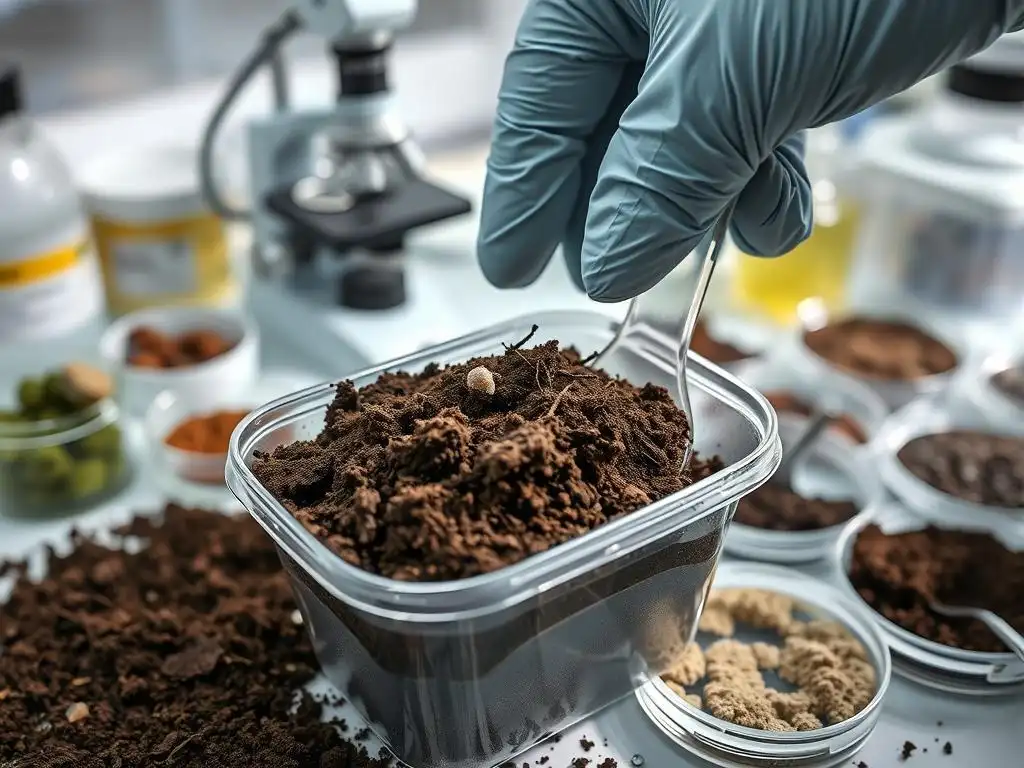
This section focuses on proactive and reactive strategies for managing fungal pathogens in your home garden soil. Effective management hinges on a multi-pronged approach combining preventative measures, organic treatments, and, in severe cases, chemical intervention. Remember, early detection is key to minimizing damage and preventing widespread infection. Ignoring early signs of fungal disease can lead to significant crop losses and soil degradation. This section provides you with the tools to effectively monitor and address fungal issues in your home soil.
Implementing Preventative Measures to Avoid Fungal Diseases
Preventing fungal diseases is far easier—and more cost-effective—than treating them. Proactive gardening practices significantly reduce the risk of fungal infestations. This involves several key steps:
- Proper Soil Drainage: Fungal spores thrive in damp, poorly-drained soil. Ensure your garden beds have adequate drainage to prevent waterlogging. Amend heavy clay soils with organic matter like compost to improve drainage and aeration. Raised beds are also an excellent solution for improving drainage.
- Crop Rotation: Rotating your crops annually helps break the disease cycle. Different plant families have different susceptibility to various fungal pathogens. By rotating crops, you prevent the buildup of specific fungal spores in the soil. For example, avoid planting members of the same plant family (e.g., tomatoes, peppers, and eggplants) in the same location for consecutive seasons.
- Seed Selection: Opt for disease-resistant seed varieties whenever possible. Seed companies often specify disease resistance on seed packets. Choosing these varieties minimizes the risk of fungal infections from the outset.
- Sanitation: Cleanliness is paramount. Remove and destroy infected plant debris immediately. Do not compost infected plant material as this can spread the disease. Thoroughly clean garden tools between uses to prevent the spread of fungal spores.
- Mulching: Applying a layer of organic mulch, such as straw or shredded leaves, helps regulate soil moisture and temperature, making it less hospitable to fungal growth. However, avoid over-mulching, as this can create overly moist conditions.
Organic and Sustainable Treatments for Fungal Soil Infections
If you detect fungal infections despite preventative measures, several organic and sustainable treatments can effectively manage the problem. These methods are environmentally friendly and safer for you, your family, and beneficial soil organisms.
- Beneficial Microorganisms: Introducing beneficial microorganisms, such as mycorrhizal fungi, can help suppress harmful fungal pathogens. These beneficial fungi compete with harmful fungi for resources and can improve overall soil health. Compost tea, rich in these beneficial microbes, is an excellent way to introduce them to your soil.
- Composting: Regular composting enriches the soil with beneficial microbes and improves its overall structure, making it less susceptible to fungal diseases. Ensure your compost pile reaches high enough temperatures to kill fungal pathogens.
- Neem Oil: Neem oil is a natural insecticide and fungicide that can effectively control some fungal pathogens. Always follow the product instructions carefully.
- Copper Fungicides: While technically inorganic, copper-based fungicides are considered relatively sustainable compared to synthetic chemicals. They are effective against a broad range of fungal diseases but should be used sparingly to avoid harming beneficial soil organisms and building up copper in the soil. Always follow label instructions carefully.
Chemical Control Options for Severe Fungal Infestations
In cases of severe fungal infestations where organic methods have proven ineffective, chemical fungicides may be necessary. However, this should be a last resort, as chemical fungicides can harm beneficial soil organisms and potentially contaminate your produce. Choose fungicides specifically designed for the identified fungal pathogen and always follow the manufacturer's instructions meticulously. Pay close attention to the pre-harvest interval to ensure the safety of your food.
Wear appropriate protective gear when handling chemical fungicides. Consider the environmental impact and the potential risks to human health before resorting to chemical control. Remember that the best approach to dealing with a home soil fungal disease is prevention through sustainable practices.
Soil Remediation Techniques to Improve Soil Health and Suppress Fungal Growth
Soil remediation is crucial in managing fungal pathogens and promoting a thriving garden environment. Several techniques can effectively improve soil health and suppress fungal growth, leading to healthier plants and a reduced risk of disease. These methods focus on creating an environment less hospitable to fungal pathogens while encouraging beneficial microorganisms.
One primary strategy involves improving soil drainage. Fungal pathogens thrive in consistently moist conditions. Poorly drained soil retains excess water, creating ideal breeding grounds for many fungi. Addressing drainage issues, such as amending heavy clay soils with organic matter like compost or using raised beds, significantly reduces the risk of fungal infections. This simple step can drastically alter the soil's environment, making it less suitable for fungal proliferation. For example, a garden bed consistently plagued by Phytophthora root rot might experience a dramatic improvement after the addition of coarse sand to improve drainage.
Another effective approach is enhancing soil aeration. Good aeration allows for sufficient oxygen flow, which many beneficial soil microbes require to thrive. These beneficial microbes compete with fungal pathogens for resources, effectively suppressing their growth. Aerating the soil can be achieved through various methods, including tilling (though this should be done cautiously to avoid disrupting soil structure), incorporating organic matter, and avoiding compaction by reducing foot traffic in sensitive areas. The increased oxygen availability creates a more balanced microbial ecosystem, tilting the scales in favor of beneficial bacteria and fungi, naturally reducing the impact of harmful pathogens.
Furthermore, optimizing soil pH is crucial. Many fungal pathogens have a preferred pH range. By adjusting your soil's pH to a level less favorable to the specific pathogen affecting your plants, you can significantly reduce its ability to establish itself.
A soil test will reveal your current pH, and amendments like lime (to raise pH) or sulfur (to lower pH) can be used to adjust it. It's important to note that different plants have different ideal pH ranges, so consider the needs of your specific crops when making adjustments. For instance, a soil too alkaline might favor certain fungal diseases affecting roses, while an overly acidic soil might promote others in tomato plants.
Finally, the introduction of beneficial microbes through compost tea or other bioaugmentation techniques can be highly effective. Compost tea, a liquid extract from composted organic matter, contains a diverse population of beneficial bacteria, fungi, and other microorganisms that compete with pathogens for nutrients and space. These beneficial organisms can also produce antibiotics and other compounds that inhibit the growth of harmful fungi.
Applying compost tea regularly can help establish a healthy soil microbiome, creating a natural defense against fungal diseases. Regular soil testing and monitoring are crucial to ensure the continued effectiveness of these remediation techniques. Remember that a healthy soil ecosystem is the best defense against fungal pathogens.
Maintaining Soil Health to Prevent Future Fungal Infections
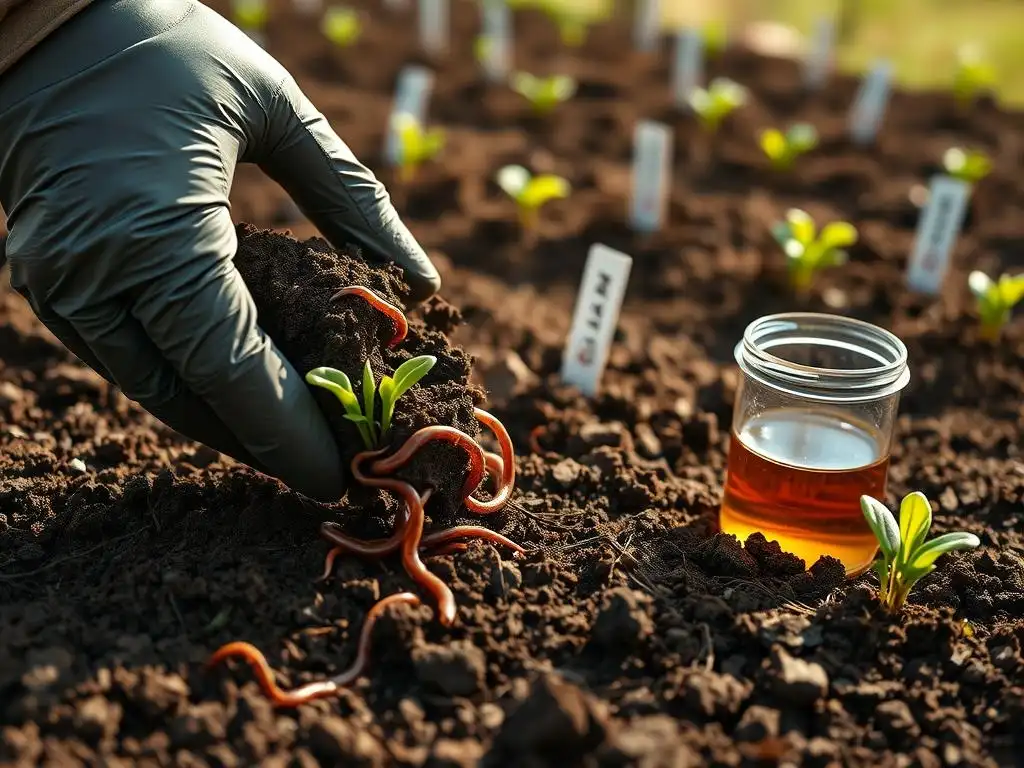
Preventing fungal diseases starts long before you see any symptoms on your plants. A healthy soil ecosystem is less susceptible to fungal pathogens. Proactive soil management is crucial for long-term success in your home garden, acting as a natural defense against a range of soilborne fungal diseases. This includes everything from common root rots to more serious blights affecting fruits and vegetables.
Regular soil testing for fungal pathogens is only one piece of the puzzle; cultivating healthy soil is the foundation for disease resistance. By focusing on soil health, you significantly reduce your reliance on chemical treatments and create a thriving environment for your plants. This approach aligns perfectly with sustainable and organic gardening practices. Let's explore some key strategies.
Improving Soil Drainage and Aeration
Poor drainage is a breeding ground for many soilborne fungal diseases. Waterlogged soil lacks oxygen, creating an anaerobic environment where fungal pathogens thrive. Improving drainage is critical for preventing fungal infections. This can be achieved through several methods:
- Raised beds: Raised beds improve drainage by elevating the soil above the surrounding ground. This allows excess water to drain away easily. Consider using materials that are porous and allow for good air circulation, such as untreated wood or repurposed materials.
- Amending heavy clay soils: Clay soils are notorious for their poor drainage. Amending clay soil with organic matter like compost, well-rotted manure, or peat moss improves its structure, creating more space for air and water to circulate. This increased porosity helps prevent waterlogging and reduces the risk of fungal diseases. Aim for a soil texture that is crumbly and easy to work with.
- Adding gravel or perlite: Incorporating gravel or perlite into heavy clay soils can also enhance drainage. These materials provide spaces within the soil matrix for water to flow through. However, ensure you don't overdo it, as excessive amounts can negatively impact nutrient retention.
- Avoid overwatering: Overwatering is a common cause of poor drainage and subsequent fungal infections. Water only when the top inch of soil is dry to the touch. Observe your plants for signs of wilting, which indicates a need for watering. Consistent, moderate watering is better than infrequent, heavy watering.
Balancing Soil pH for Optimal Plant Health
Soil pH significantly impacts nutrient availability and plant health. Many fungal pathogens prefer specific pH ranges. By maintaining a soil pH within the optimal range for your plants, you can create an environment less hospitable to these pathogens. Regular soil testing using a home soil test kit is recommended to monitor your soil's pH. The ideal pH range varies depending on the plant species. For example, most vegetables prefer a slightly acidic to neutral pH (6.0-7.0), while some plants, like blueberries, thrive in more acidic conditions.
A simple soil test kit will provide you with a pH reading. If your soil pH is outside the optimal range, you can adjust it by adding amendments. To lower the pH (make it more acidic), you can add elemental sulfur. To raise the pH (make it more alkaline), you can add lime. Always follow the instructions on the amendment packaging carefully, and remember that adjusting pH takes time. Regular monitoring is essential to ensure that the pH remains within the desired range.
Using Organic Mulch and Compost to Enhance Soil Health
Organic mulch and compost are invaluable tools for improving soil health and reducing the risk of fungal diseases. Mulch acts as a protective barrier, preventing soilborne pathogens from splashing onto plant leaves. It also helps regulate soil temperature and moisture levels, creating a more stable environment less conducive to fungal growth. Use organic materials like shredded leaves, straw, or wood chips. Avoid using plastic mulch, as it can trap moisture and increase the risk of fungal diseases.
Compost is a rich source of organic matter that improves soil structure, drainage, and aeration, while also providing essential nutrients to plants. The beneficial microorganisms in compost help suppress many soilborne pathogens. Regularly adding compost to your garden beds improves overall soil health and reduces susceptibility to fungal infections. Aim to incorporate a layer of compost at least a few inches deep each year.
This helps to improve soil health over time and create a more resilient garden. The combination of mulch and compost creates a powerful defense against various fungal diseases. Remember to always use high-quality compost that has been properly composted to avoid introducing any pathogens.
Crop Rotation Strategies to Reduce Fungal Disease Pressure
Crop rotation is a cornerstone of sustainable gardening and a highly effective strategy in minimizing fungal diseases. The basic principle revolves around preventing the buildup of specific fungal pathogens in the soil. Many fungal pathogens have a narrow host range, meaning they only infect certain plant species. By rotating your crops, you effectively break the life cycle of these fungi.
For example, if you had a problem with Fusarium wilt in your tomatoes one year (a common soilborne fungal disease), planting a non-susceptible crop like legumes (beans, peas) or brassicas (broccoli, cabbage) the following year will significantly reduce the inoculum of the pathogen in the soil. This is because the fungus lacks a host to infect and its survival is compromised. The length of the rotation period depends on the pathogen's survival ability in the soil; some fungi can persist for years, requiring longer rotations, while others may be controlled with a shorter cycle. Ideally, a three to four-year rotation plan is recommended for effective disease suppression.
Careful planning is key – consult resources specific to your region and the types of plants you grow to determine the best rotation schedule for your specific fungal issues. Consider keeping a detailed garden journal to track past crops and disease occurrences to inform future rotations. Remember, effective crop rotation is about more than just switching plant families; it's about disrupting the pathogen's life cycle and promoting overall soil health.
Practicing Sanitation in Your Garden to Minimize Fungal Spores
Maintaining a clean and sanitary garden environment is crucial in minimizing fungal spores and preventing future infections. This involves several key practices, starting with removing all infected plant material immediately upon detection. Do not compost infected plants; instead, bag them securely and dispose of them in the trash to prevent spreading spores. This is particularly important for soilborne pathogens that can overwinter in infected plant debris. Regular weeding is also essential, as weeds can harbor fungal pathogens and provide a breeding ground for disease.
Remove weeds promptly and dispose of them properly. After harvesting, thoroughly clean your gardening tools with a solution of bleach and water to prevent the accidental spread of fungal spores. This simple step can make a significant difference in reducing disease pressure. Additionally, consider sterilizing your pots and seed trays before replanting to eliminate any lingering pathogens.
Finally, avoid overhead watering, as excessive moisture on plant foliage creates ideal conditions for fungal spore germination and growth. Opt for drip irrigation or watering at the base of the plants to keep foliage dry. By diligently implementing these sanitation practices, you create a less hospitable environment for fungal pathogens, significantly reducing the risk of future infections and improving the overall health of your garden. Remember, even small improvements in garden sanitation can lead to substantial reductions in fungal diseases.
Frequently Asked Questions
What is a home soil fungal disease test?
A home soil fungal disease test allows you to identify potential fungal pathogens in your soil before planting. This helps prevent crop failure by enabling early intervention and treatment. It's a crucial step for sustainable gardening.
Why should I test my soil for fungal diseases?
Testing prevents the spread of harmful fungi, protecting your plants and yield. Early detection allows for proactive treatment, preventing widespread infection and saving your crops. It's a key aspect of organic gardening practices.
Are home soil fungal disease tests accurate?
Home tests offer a general indication of fungal presence. While not as precise as lab tests, they provide valuable information to guide your treatment decisions. Consider professional testing for definitive diagnosis.
What are some signs of fungal diseases in my soil?
Look for discolored or wilting plants, unusual growths on roots or stems, and musty odors emanating from the soil. These are all potential indicators of a fungal problem needing attention.
How can I prevent fungal diseases in my home soil?
Practice good soil hygiene, including crop rotation, proper composting, and avoiding overwatering. Maintaining optimal soil drainage and using disease-resistant plant varieties also helps.
Final Reflection: Cultivating Healthy Soil, One Test at a Time
Understanding the microscopic world beneath our feet is crucial for cultivating thriving gardens and landscapes. The prevalence of fungal pathogens in soil, often unseen and underestimated, directly impacts plant health and the overall success of our gardening endeavors. Ignoring these silent threats can lead to significant losses and frustration, highlighting the importance of proactive soil testing.
The impact of fungal diseases on our gardens extends beyond mere aesthetics; it speaks to a deeper connection with the natural world and the delicate balance within our ecosystems. The land is our mother, and we must treat her with respect.
This timeless wisdom underscores the responsibility we have to understand and nurture the soil that sustains us. Learning to identify and address fungal pathogens empowers us to become more conscious stewards of our environment, fostering healthier plants and a more vibrant ecosystem. This knowledge allows us to move beyond reactive treatments and towards a preventative approach, ensuring the long-term health and productivity of our gardens.
Now, consider the power you hold. Armed with the knowledge from this article, you can take charge of your soil's health. Don't let unseen fungal pathogens dictate the fate of your plants. Take the initiative, perform a simple soil test, and embark on a journey of informed gardening. The vibrant blooms and bountiful harvests that await are a testament to your dedication and the health of the soil you cultivate. Let's work together to build a future where healthy soil is the foundation of thriving gardens and a sustainable world.
Uncover Your Soil's Secrets: Take Action Now!
Thanks for learning about identifying fungal pathogens in your soil! Empowering yourself with this knowledge is the first step towards a healthier, more productive garden. Now, let's put that knowledge into practice.
- Perform a soil test: Gather your supplies and follow the steps in the article to analyze a soil sample from your garden. This is a crucial next step!
- Share your results and any questions with our community in the comments below. Let's learn from each other!
- Consider starting a soil journal to track your findings over time – this simple habit can significantly improve your gardening success in the long run.
Ready to unlock your garden's potential? What steps will you take to address any fungal problems you discover?