
Using a Plant Disease Identification Guide

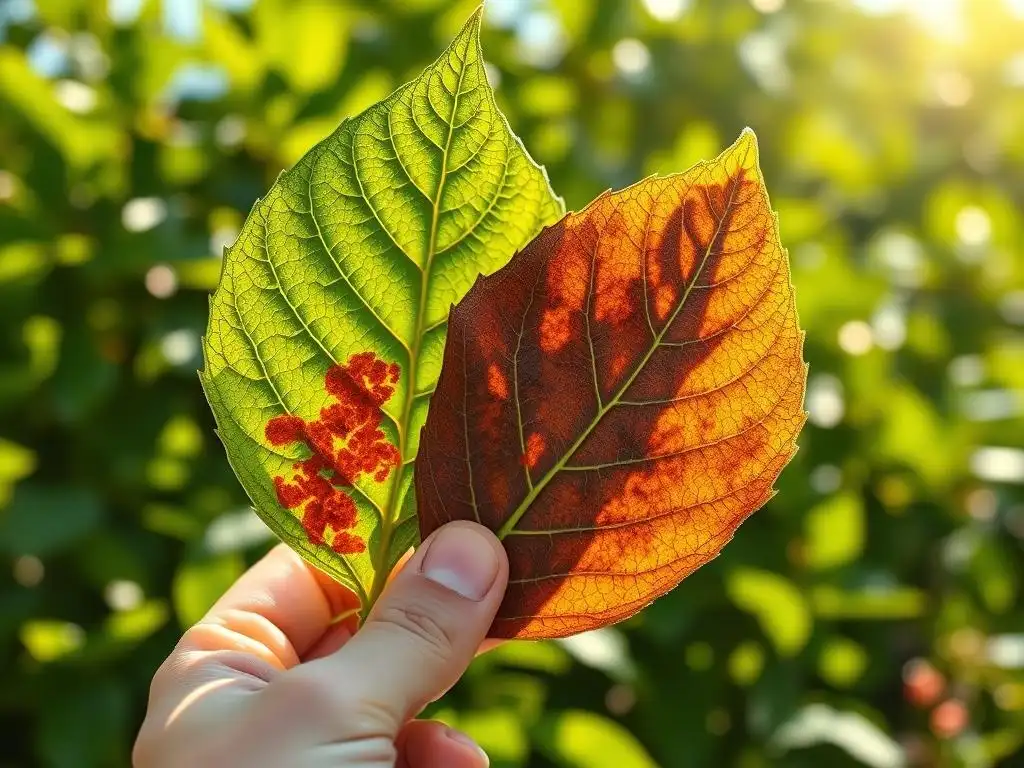
Welcome to CultivateYourFood, your guide to a thriving, sustainable garden! Ready to unlock the secrets to bountiful harvests? We'll empower you to grow your own fruits, vegetables, and herbs organically, from seed to table. But what happens when unexpected challenges arise? Learn how to easily identify plant diseases with our comprehensive guide and keep your precious plants flourishing. Discover the solutions you need to maintain a healthy garden and avoid costly mistakes – let's get growing!
- Understanding Plant Disease Symptoms for Accurate Identification
-
Utilizing a Plant Disease Identification Guide: A Step-by-Step Approach
- Gathering Necessary Information: Plant Type, Symptoms, and Environmental Conditions
- Accessing Online Resources: Utilizing Web-Based Plant Disease Identification Tools
- Consulting Physical Guides: Using Books and Printed Materials for Plant Disease Diagnosis
- Photographing Affected Plants for Accurate Identification: Tips for Clear and Detailed Images
- Comparing Symptoms to Guide Images: Matching Observed Symptoms to Guide Descriptions
-
Effective Strategies for Plant Disease Identification
- Using Multiple Resources: Combining Online and Offline Identification Methods
- Considering Environmental Factors: Impact of Weather and Soil Conditions on Disease Development
- Seeking Expert Advice: Consulting with Local Garden Centers or Agricultural Extension Offices
- Keeping Detailed Records: Maintaining a Plant Health Journal for Future Reference
- Preventing Future Plant Diseases: Implementing Preventive Measures and Integrated Pest Management (IPM)
-
Interpreting Identification Results and Next Steps
- Understanding Disease Severity: Assessing the Extent of Plant Damage
- Choosing Appropriate Treatment Options: Selecting Organic and Sustainable Control Methods
- Implementing Effective Treatment Strategies: Applying Organic Fungicides, Bactericides, or other treatments
- Monitoring Plant Health: Regularly Checking for Disease Recurrence or New Symptoms
- Refining Identification Skills: Continued Learning and Observation for Improved Accuracy
- Frequently Asked Questions
- Final Reflection: Cultivating a Healthier Future, One Plant at a Time
- Unleash Your Inner Green Thumb: Diagnose & Thrive!
Understanding Plant Disease Symptoms for Accurate Identification
Cultivating a thriving garden, brimming with healthy fruits, vegetables, and herbs, requires vigilance. One of the biggest challenges faced by home gardeners is accurately identifying and addressing plant diseases. Early and precise identification is crucial for effective treatment and preventing widespread infection, ultimately safeguarding your harvest. This guide will equip you with the knowledge to identify plant diseases easily, focusing on recognizing the characteristic symptoms of common fungal, bacterial, and viral infections.
By learning to distinguish these symptoms, you'll be better prepared to protect your precious plants and ensure a bountiful yield using sustainable and organic methods. Understanding the subtle differences between diseases will empower you to choose the most appropriate and effective treatment strategy, minimizing environmental impact and maximizing your garden's health. Let's delve into the specifics of identifying these common plant ailments.
Recognizing Common Fungal Diseases: Leaf Spots, Powdery Mildew, and Blights
Fungal diseases are prevalent in home gardens, often thriving in humid conditions. Several key visual symptoms can help you identify them:
- Leaf Spots: These appear as circular or irregular spots on leaves, varying in color from brown to black, often with a yellow halo. The severity can range from small, scattered spots to extensive leaf damage. Examples include Alternaria leaf spot and Septoria leaf spot, affecting various plants. Early detection is crucial, as these spots can hinder photosynthesis and weaken the plant.
- Powdery Mildew: This disease manifests as a white or grayish powdery coating on leaves, stems, and flowers. It often starts in patches and can spread rapidly, eventually covering the entire plant surface. The powdery mildew fungus interferes with plant growth and can lead to stunted development and reduced yield. Many plants are susceptible, including cucurbits, roses, and grapes.
- Blights: Blights are characterized by rapid and widespread damage, often causing sudden wilting and death of plant tissues. They can affect leaves, stems, flowers, or fruits. Early blight, late blight (famously affecting potatoes and tomatoes), and fire blight (affecting apple and pear trees) are examples that demonstrate the wide range of plants affected and the devastating impact they can have. These blights often require immediate intervention to prevent significant crop loss.
Identifying Bacterial Diseases: Wilts, Soft Rots, and Canker
Bacterial diseases often present different symptoms than fungal diseases, requiring a keen eye for detail:
- Wilts: Bacterial wilts cause the plant to suddenly wilt, even when the soil is adequately moist. This is due to the bacteria blocking the plant's vascular system, preventing water uptake. The leaves often droop and eventually turn brown and die. Specific bacterial wilts target different plant species. For example, bacterial wilt affects tomatoes, peppers, and other solanaceous plants.
- Soft Rots: These are characterized by a mushy, watery decay of plant tissues, usually starting at the base of the stem or on fruits. The affected areas often have a foul odor. Soft rots are frequently caused by bacteria that thrive in moist conditions. Many vegetables, including carrots, potatoes, and lettuce, are susceptible to soft rot.
- Canker: Cankers appear as sunken, discolored lesions on stems, branches, or fruits. They can girdle the stem, cutting off the flow of nutrients and water, leading to branch dieback or plant death. Bacterial cankers can affect a wide variety of plants, including citrus trees, stone fruits, and hardwoods.
Viral diseases can be challenging to identify visually, but some common symptoms include:
- Mosaic Patterns: These are characterized by irregular patterns of light and dark green or yellow discoloration on leaves. The pattern resembles a mosaic, hence the name. These patterns are often caused by viruses that interfere with chlorophyll production. Many plants are susceptible, including tomatoes, cucumbers, and peppers.
- Stunting: Viral infections often lead to stunted growth. Plants may be significantly smaller than healthy plants of the same age and variety. This is due to the virus disrupting the plant's normal growth processes.
- Yellowing (Chlorosis): Yellowing of leaves is a common symptom of many viral infections. This is due to the virus interfering with chlorophyll production, causing a loss of green pigment. The yellowing can be localized or affect the entire plant. This symptom alone isn't diagnostic, but in conjunction with other symptoms, it can help narrow down the possibilities. Careful observation and comparison to healthy plants are crucial for identifying viral diseases. Unfortunately, there are often limited effective treatments for viral plant diseases. Prevention through sanitation and disease-resistant varieties is paramount.
Distinguishing Nutrient Deficiencies from Diseases: Visual Clues and Soil Testing
Nutrient deficiencies and diseases can present similar symptoms in plants, making accurate identification crucial for effective treatment. Often, both manifest as discoloration, stunted growth, or wilting. However, understanding the subtle differences is key to successfully addressing the underlying issue. Failing to differentiate can lead to ineffective treatments and further damage to your plants. Let's explore how to distinguish between these two common plant problems.
One of the most effective ways to identify a nutrient deficiency versus a disease is through careful observation of the visual clues. Nutrient deficiencies typically affect the entire plant or specific parts in a uniform pattern. For example, a nitrogen deficiency will often manifest as a general yellowing of older leaves, starting at the base of the plant and progressing upwards.
Phosphorus deficiency, on the other hand, might show up as stunted growth and dark green or purplish leaves. In contrast, diseases often present with localized symptoms, such as spots, lesions, or wilting affecting only certain parts of the plant, and may appear irregularly across the plant. For instance, a fungal leaf spot disease will typically show distinct, circular spots on the leaves, often with a characteristic color and texture.
Soil testing plays a vital role in confirming suspected nutrient deficiencies. A simple soil test kit can provide valuable information about the levels of essential nutrients in your soil. These tests often measure the levels of nitrogen (N), phosphorus (P), and potassium (K), along with other important micronutrients.
Low levels of a specific nutrient in the soil test results strongly suggest a nutrient deficiency, guiding you towards appropriate fertilization strategies to correct the imbalance. Soil testing is crucial because it provides objective data, helping eliminate guesswork and ensuring you address the actual nutrient deficiency, rather than misdiagnosing it as a disease.
Remember, sometimes a plant might suffer from both a nutrient deficiency and a disease simultaneously. A plant weakened by a nutrient deficiency is more susceptible to disease. Therefore, a comprehensive approach that includes both visual inspection and soil testing is essential for accurate diagnosis and effective treatment.
This combined approach allows for a holistic understanding of the plant's health and enables you to implement targeted solutions to address both nutrient imbalances and diseases effectively. For example, a tomato plant exhibiting yellowing leaves and brown spots might indicate both a potassium deficiency (yellowing) and a fungal leaf spot disease (brown spots). Addressing both issues simultaneously will result in a healthier and more productive plant.
Utilizing a Plant Disease Identification Guide: A Step-by-Step Approach
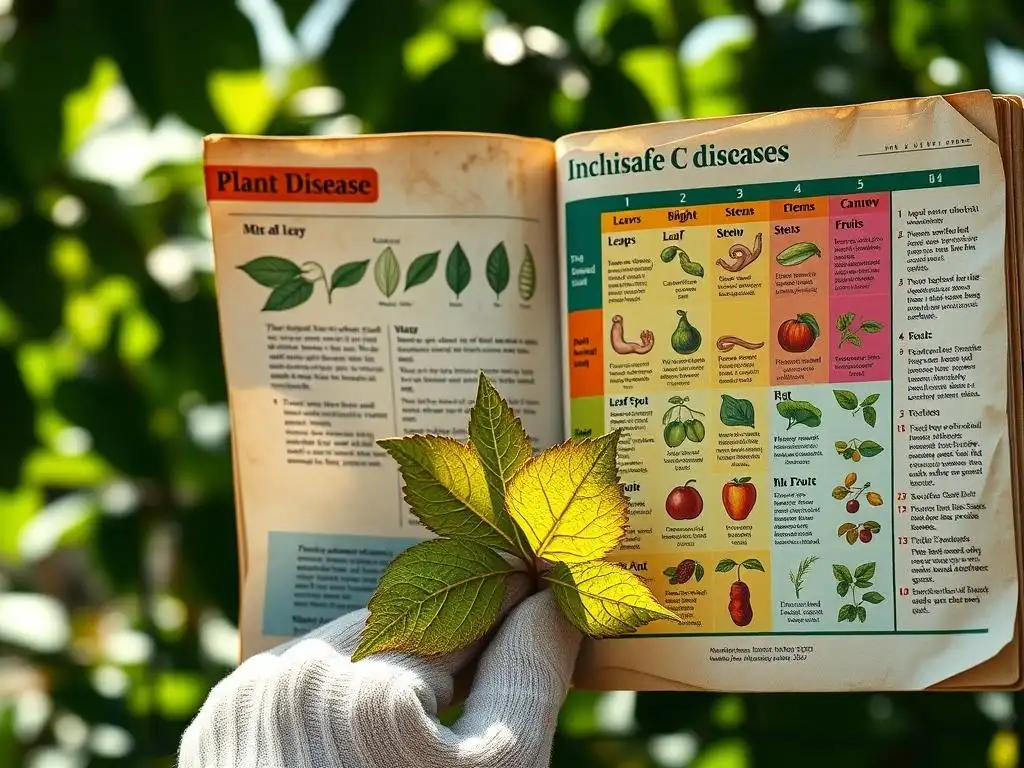
This section details how to effectively use plant disease identification guides, both online and offline, to accurately diagnose and treat plant ailments. Successfully identifying plant diseases easily is crucial for effective treatment and preventing widespread damage in your garden. Remember, early detection is key to successful intervention.
Gathering Necessary Information: Plant Type, Symptoms, and Environmental Conditions
Before you even open a plant disease identification guide, gathering comprehensive information about your affected plant is crucial. Accurate identification hinges on detailed observation. Consider these points:
- Plant Species: Knowing the precise species of your plant is paramount. A disease affecting a tomato plant will present differently than one affecting a pepper plant, even if the symptoms appear similar at first glance. Use a plant identification guide if necessary to confirm the species.
- Symptom Description: Be meticulous in your description of the symptoms. Note the location of the affected areas (leaves, stems, fruits, roots), the color changes (yellowing, browning, blackening), the texture changes (wilting, spots, lesions), and the presence of any unusual growths, mold, or insects. Use descriptive terms like "circular brown spots with yellow halos" or "powdery white coating on leaves" instead of vague terms like "sick leaves".
- Environmental Factors: Environmental conditions significantly influence disease development. Note the amount of sunlight the plant receives, the frequency and amount of watering, the soil type and drainage, and recent weather patterns (heavy rain, drought, extreme temperatures). These factors can provide critical clues to the underlying cause of the disease.
For example, if you observe yellowing leaves on your basil plant accompanied by poor drainage in the soil after a period of heavy rain, you might suspect root rot. This detailed information significantly narrows down the possibilities when using a disease identification guide. Accurate observation is the first step to identifying plant diseases easily.
Accessing Online Resources: Utilizing Web-Based Plant Disease Identification Tools
Many online resources offer sophisticated plant disease identification tools. These tools often utilize image recognition technology or interactive questionnaires to assist in diagnosis. However, be aware of the limitations:
- Image Quality: Ensure your photos are clear, well-lit, and show the symptoms clearly. Blurry or poorly lit images can lead to inaccurate identifications.
- Accuracy Variability: The accuracy of online tools varies greatly. Always cross-reference information from multiple sources to confirm the diagnosis. Don't solely rely on a single online tool.
- Specificity of Information: Some websites might offer general advice, while others provide more detailed information, including treatment options. Look for reputable sources backed by agricultural universities or established gardening organizations.
Utilizing multiple online tools, combined with your detailed observations, increases the chance of correctly identifying plant diseases easily. Treat online diagnostics as a starting point, not a definitive answer.
Consulting Physical Guides: Using Books and Printed Materials for Plant Disease Diagnosis
While online resources are readily available, comprehensive physical plant disease identification guides offer a valuable alternative. These guides often contain detailed descriptions, high-quality images, and information about the life cycle and management of various diseases.
- Detailed Descriptions: Printed guides typically provide more thorough descriptions of symptoms, including subtle variations that might be missed in online tools.
- High-Quality Images: The images in printed guides are usually of higher resolution and better quality, facilitating more accurate visual comparisons.
- Offline Access: Unlike online resources, physical guides are accessible even without an internet connection, making them ideal for use in the field.
However, physical guides might not always be up-to-date with the latest research. It's important to choose a recently published guide to ensure the information is current. The combination of online and offline resources offers a robust approach to identifying plant diseases easily and effectively.
Photographing Affected Plants for Accurate Identification: Tips for Clear and Detailed Images
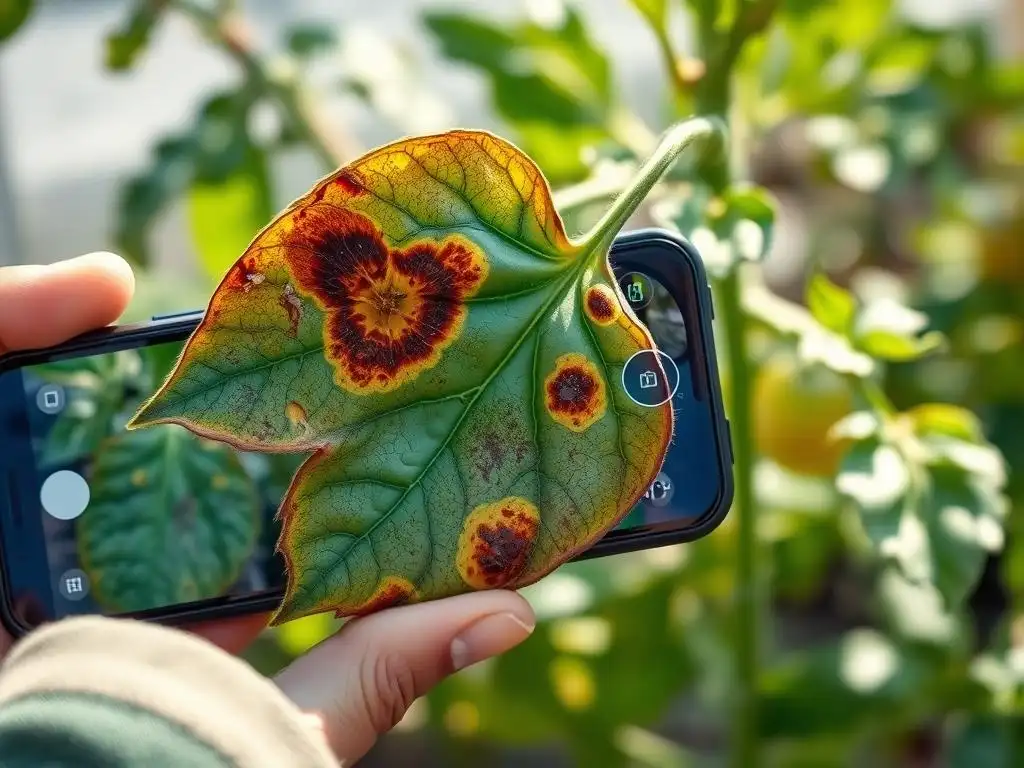
Accurately identifying plant diseases often hinges on the quality of the photographs you take. A blurry or poorly lit image can hinder identification efforts, leading to incorrect diagnoses and ineffective treatment. To ensure you capture the necessary details for easy identification, follow these guidelines:
First, ensure good lighting. Natural, diffused sunlight is ideal. Avoid harsh shadows that can obscure important symptoms. A cloudy day or early morning light often provides the best illumination. Avoid using flash, as it can wash out colors and details. If shooting indoors, use soft, diffused artificial light.
Next, focus on the affected area. Zoom in to capture clear close-up shots of the symptoms – spots, wilting leaves, discoloration, unusual growths, etc. Take multiple shots from different angles to showcase the extent and nature of the damage. For example, if a leaf shows both upper and lower side damage, capture images of both.
Furthermore, include a scale reference. Place a common object of known size, such as a ruler or coin, next to the affected area. This allows experts (or your plant disease identification guide) to gauge the size and scale of the problem accurately. This is crucial for differentiating between similar diseases that might have slightly different symptom sizes.
Finally, capture the overall plant health. While focusing on the diseased areas is important, take a few wider shots to show the overall health of the plant. This provides context and helps identify potential contributing factors, such as nutrient deficiencies or environmental stress, that might be exacerbating the disease.
Consider taking a photo of the entire plant to show the overall spread of the disease. A healthy plant with only a few affected leaves will require a different approach than a plant with widespread damage. Remember, the more information you provide visually, the easier it will be to identify the plant disease easily.
Comparing Symptoms to Guide Images: Matching Observed Symptoms to Guide Descriptions
Once you have high-quality photographs of your affected plant, the next step involves carefully comparing the observed symptoms to the images and descriptions provided in your chosen plant disease identification guide. This requires a methodical and observant approach.
Begin by carefully examining your images. Note the color, size, shape, and location of any spots, lesions, or other visible symptoms. Pay attention to the texture of the affected areas – are they powdery, crusty, slimy, or something else? Observe the affected plant parts – are leaves, stems, fruits, or roots affected? Document all observed symptoms meticulously.
Next, consult your plant disease identification guide. Most guides organize diseases by plant type and symptom type, making it easier to narrow down the possibilities. Start by identifying the plant species affected and then look for images and descriptions that match your observations. Pay close attention to the details – even subtle differences in color or shape can be crucial for accurate identification.
Furthermore, consider the environmental context. Your plant's environment plays a significant role in disease development. Was the plant exposed to excessive moisture, drought, or extreme temperatures? Note the growing conditions when comparing your observations to the guide's descriptions. Many diseases are more prevalent under specific environmental conditions.
Finally, don't be afraid to consider multiple possibilities. Sometimes, the symptoms might overlap between several diseases. If you're unsure, consider consulting multiple identification guides or seeking expert advice. Remember, correctly identifying the plant disease easily is key to effective treatment and preventing further spread. Comparing your findings carefully and methodically improves your chances of success.
Effective Strategies for Plant Disease Identification
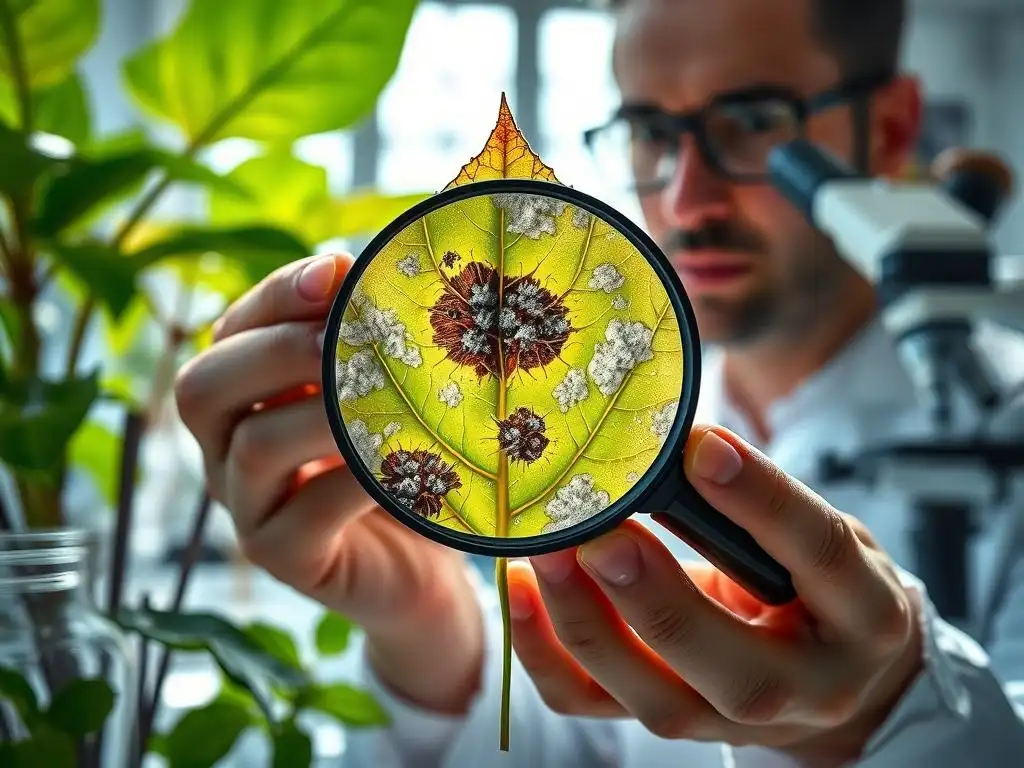
This section focuses on practical methods to effectively identify plant diseases, a crucial step in implementing successful treatment strategies. Early and accurate identification is key to minimizing crop loss and maintaining healthy plants. Successfully identifying plant diseases easily relies on a multi-pronged approach, combining visual inspection with the use of various resources and expert consultation.
Using Multiple Resources: Combining Online and Offline Identification Methods
Identifying plant diseases easily often requires a combination of online and offline resources. Relying solely on one method can lead to misdiagnosis. A robust strategy involves cross-referencing information from multiple sources to confirm your suspicions.
Online resources, such as specialized websites and mobile applications dedicated to plant health, offer a wealth of information, often including image databases and detailed descriptions of various diseases. Many apps allow you to upload photos of affected plants for automated analysis, providing potential diagnoses. However, it's crucial to remember that these automated systems are not foolproof. Always treat the results as a suggestion, not a definitive diagnosis.
Offline resources also play a vital role. Comprehensive plant disease identification guides, often available at garden centers or libraries, provide detailed descriptions and illustrations of common diseases affecting specific plants. These guides typically offer information on symptoms, causal agents, and management strategies. Consider consulting older, more established guides alongside newer digital resources for a broader perspective. The combination of these resources—online databases and detailed offline guides—enhances the accuracy and reliability of your plant disease identification.
Considering Environmental Factors: Impact of Weather and Soil Conditions on Disease Development
Accurate plant disease identification goes beyond simply recognizing visual symptoms. Environmental factors play a significant role in disease development, influencing both the likelihood of infection and the severity of symptoms. Understanding the impact of weather and soil conditions is crucial for a precise diagnosis and effective management.
For example, prolonged periods of high humidity and rainfall create ideal conditions for fungal diseases like powdery mildew and downy mildew. These diseases thrive in moist environments, leading to rapid spread and severe damage. Conversely, drought stress can weaken plants, making them more susceptible to various diseases. Similarly, poor soil drainage can lead to root rot, a common and devastating disease. Soil pH also impacts disease susceptibility; some pathogens thrive in acidic conditions, while others prefer alkaline soil.
Analyzing environmental conditions alongside visual symptoms can significantly improve the accuracy of your diagnosis. For instance, observing leaf spots alongside consistently wet weather might point towards a fungal infection, while wilting coupled with poorly drained soil suggests root rot. This holistic approach, considering both observable symptoms and environmental context, is essential for effective disease management and improving your ability to identify plant diseases easily.
Seeking Expert Advice: Consulting with Local Garden Centers or Agricultural Extension Offices
Even with thorough research and observation, some plant diseases can be challenging to identify definitively. In such cases, seeking expert advice is invaluable. Local garden centers often employ staff with horticultural expertise who can assist in diagnosing plant diseases based on your description and visual inspection of the affected plant. They can provide valuable insights and recommend appropriate treatment options.
Agricultural extension offices offer another excellent resource. These offices provide unbiased scientific advice and support to home gardeners and farmers alike. Their staff, often trained agricultural specialists, can provide accurate identification of plant diseases and recommend sustainable and effective management strategies tailored to your specific situation. They can also offer insights into local disease prevalence and provide valuable preventative measures. Don't hesitate to leverage these resources; it's a crucial step in ensuring the long-term health and productivity of your garden. Sometimes, expert eyes are needed to identify plant diseases easily and accurately.
Keeping Detailed Records: Maintaining a Plant Health Journal for Future Reference

Maintaining a detailed plant health journal is crucial for effectively identifying plant diseases and preventing future outbreaks. Think of it as a personalized plant detective's notebook! This journal shouldn't just be a list of plants; it needs to track key information that can help you pinpoint problems quickly. Consider including the following information for each plant:
- Plant Species and Cultivar: Precisely identify the plant, including its specific cultivar. This detail is essential, as different cultivars can exhibit varying susceptibility to certain diseases. For example, a 'Roma' tomato may be more resistant to blight than a 'Brandywine'.
- Planting Date: Knowing the planting date helps you understand the plant's developmental stage when symptoms appeared. This is crucial, as disease progression often correlates with the plant's growth cycle.
- Location: Note where the plant is located in your garden. This can reveal patterns – perhaps a specific area has consistently poor drainage, leading to fungal issues.
- Watering and Fertilizing Schedule: Document your irrigation and fertilization practices. Overwatering can create conditions favorable for fungal diseases, while nutrient deficiencies can weaken plants and make them more susceptible.
- Symptoms: This is the heart of your journal. Record the date you first noticed symptoms, their location on the plant (leaves, stems, fruits), and a detailed description. Include photographs if possible; a picture is worth a thousand words, especially when describing subtle color changes or unusual growths. Use clear and specific terminology; instead of "sick leaves," describe them as "yellowing leaves with brown spots."
- Treatment Applied: If you applied any treatment (fungicide, insecticide, etc. ), record the product name, application date, and dosage. This allows you to track the effectiveness of different treatments and learn what works best for your garden.
By meticulously documenting this information, you create a valuable resource for future reference. Analyzing past records can help you identify recurring patterns and predict potential problems before they become serious. For example, if you notice a specific fungal disease reoccurring in the same location each year, you might need to improve drainage or rotate your crops. This proactive approach to plant health management is key to successful gardening.
Preventing Future Plant Diseases: Implementing Preventive Measures and Integrated Pest Management (IPM)
Once you've identified a plant disease, the next crucial step is preventing its recurrence. This is where preventative measures and Integrated Pest Management (IPM) strategies come into play. These methods focus on minimizing disease pressure before it even becomes a problem. A proactive approach is far more effective than reactive treatment.
- Sanitation is Key: Remove and properly dispose of infected plant material immediately. Don't compost diseased plants; this can spread the disease. Sterilize your gardening tools after each use to prevent the spread of pathogens. Maintaining a clean garden environment is fundamental to disease prevention.
- Crop Rotation: Rotating your crops annually helps disrupt disease cycles. Many pathogens survive in the soil, so changing the plant species you grow in a particular area can significantly reduce the risk of infection. For example, avoid planting tomatoes in the same location year after year.
- Choose Disease-Resistant Varieties: When selecting plants, opt for disease-resistant cultivars whenever possible. Many seed catalogs and nurseries provide information on a plant's disease resistance. This is a simple yet highly effective preventative measure.
- Proper Watering Techniques: Avoid overhead watering, which can spread fungal spores. Instead, water at the base of the plant to keep foliage dry. Ensure proper drainage to prevent waterlogged soil, a breeding ground for many pathogens.
- Integrated Pest Management (IPM): IPM is a holistic approach that emphasizes prevention and monitoring. It uses a combination of methods, including cultural controls (crop rotation, sanitation), biological controls (beneficial insects), and chemical controls (only when absolutely necessary and using the least toxic options). IPM minimizes the reliance on harmful pesticides, promoting both plant health and environmental sustainability. Careful observation is key; early detection allows for less intensive interventions.
By implementing these preventative strategies and adopting an IPM approach, you can significantly reduce the incidence of plant diseases, creating a healthier and more productive garden. Remember, prevention is always better than cure, and a proactive approach saves time, effort, and ultimately, your plants.
Interpreting Identification Results and Next Steps
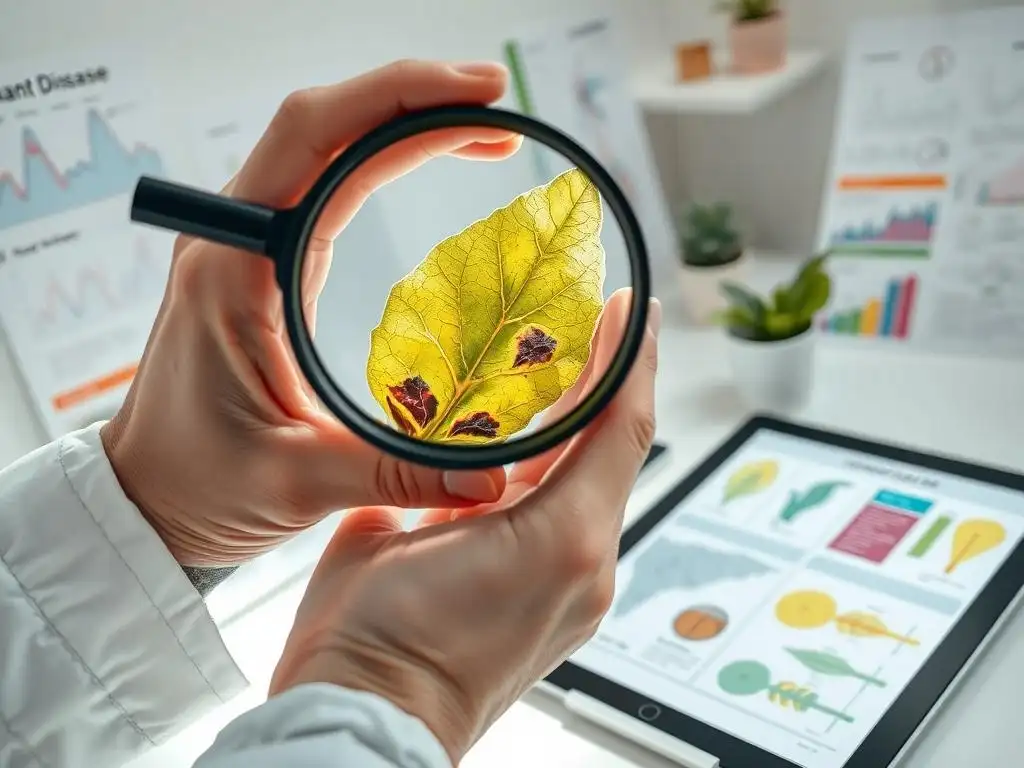
Once you've used a plant disease identification guide and narrowed down the potential culprits affecting your plants, the next crucial step is understanding what your findings mean and how to proceed. Accurate identification is only half the battle; effective treatment relies on a clear understanding of the disease's severity and selecting the right approach. This section will guide you through interpreting your results and choosing the most appropriate course of action. Identifying plant diseases easily requires careful observation and a systematic approach to treatment.
Understanding Disease Severity: Assessing the Extent of Plant Damage
Accurately assessing the extent of plant damage is key to determining the necessary treatment. A minor infection might respond to simple cultural practices, while a severe infestation could necessitate stronger interventions. Consider these factors when evaluating disease severity:
- Percentage of infected plant parts: Is a single leaf affected, or is the entire plant showing signs of disease? A higher percentage of infected plant parts indicates a more severe infection. For example, if 80% of your tomato plants show signs of blight, that's much more serious than if only one leaf on a single plant is affected.
- Rate of disease progression: How quickly is the disease spreading? A rapidly progressing disease requires immediate and decisive action. Observe your plants daily or every other day to monitor the speed of the infection's spread. Take photos to track the progression.
- Visible symptoms: The type and severity of symptoms – leaf spots, wilting, discoloration, etc. – provide valuable clues. A few small leaf spots are less concerning than extensive leaf blight or root rot. Consult your plant disease identification guide for descriptions of symptom severity levels for each disease.
- Overall plant health: Is the plant still vigorous and producing, or is it showing signs of significant stress? Weak plants are more susceptible to further damage and may require more intensive care.
Remember, early detection and intervention are crucial for effectively managing plant diseases. Acting quickly can prevent the disease from spreading further and causing irreparable damage. Regular plant inspections are a key part of preventative plant care.
Choosing Appropriate Treatment Options: Selecting Organic and Sustainable Control Methods
Once you've assessed the severity of the plant disease, selecting the appropriate treatment is crucial. For a home garden committed to sustainable and organic practices, chemical pesticides are generally avoided. Instead, prioritize these organic and sustainable control methods:
- Cultural practices: These are often the first line of defense. They include:
- Improving soil health: Healthy soil supports strong plants better equipped to resist disease. Composting and adding organic matter strengthens the soil's microbial life, enhancing plant resilience.
- Proper watering: Avoid overhead watering, which can spread fungal diseases. Water deeply and less frequently at the base of the plants.
- Good sanitation: Remove and destroy infected plant parts immediately to prevent the spread of disease. This includes fallen leaves and plant debris. Proper disposal is essential to prevent further infection.
- Crop rotation: Rotating crops helps to break disease cycles by preventing the buildup of pathogens in the soil.
- Biological control: This involves using beneficial organisms to control plant diseases. For example, introducing beneficial nematodes can help control certain soilborne pathogens.
- Organic fungicides and bactericides: These are available commercially and can effectively combat many plant diseases. Always follow the instructions carefully and select products specifically designed for your identified disease.
Implementing Effective Treatment Strategies: Applying Organic Fungicides, Bactericides, or other treatments
The application of organic treatments requires precision and attention to detail for optimal results. Here's a guide to effective implementation:
| Treatment Type | Application Method | Precautions | Success Factors |
|---|---|---|---|
| Organic Fungicide | Spraying, drenching (depending on the product) | Follow label instructions precisely. Protect yourself with appropriate gear. | Consistent application, proper coverage of plant surfaces. |
| Organic Bactericide | Similar to fungicides | Follow label instructions precisely. Protect yourself with appropriate gear. | Consistent application, proper coverage of plant surfaces. |
| Cultural Practices | Varies (watering, sanitation, etc.) | Thoroughness is key; attention to detail prevents recurrence. | Regular monitoring, prompt action when necessary. |
| Biological Control | Varies (introducing beneficial organisms) | Research compatibility with other methods and existing organisms. | Proper introduction and environmental conditions. |
Remember, patience is key when treating plant diseases. It may take several applications or a combination of methods to see significant improvement. Regular monitoring is crucial to assess the effectiveness of your chosen treatment strategy. If the disease persists or worsens, reconsider your approach and consult with a local agricultural extension office or experienced gardener for further guidance. Successfully identifying plant diseases easily is only the first step; consistent and informed action is essential for a healthy and thriving garden. 🌱
Monitoring Plant Health: Regularly Checking for Disease Recurrence or New Symptoms
Once you've identified a plant disease and implemented treatment, the job isn't over. Regular monitoring is crucial for successful disease management and preventing future outbreaks. Think of it like this: you wouldn't just treat a cold once and expect it to disappear forever. Similarly, plant diseases can return, especially if conditions remain favorable for their development. Consistent observation allows for early detection of recurring infections or the emergence of new symptoms.
A good practice is to establish a routine inspection schedule. For example, you could check your plants twice a week, focusing on areas that are most susceptible to disease or where you've previously observed problems. Look closely at leaves, stems, fruits, and roots for any unusual discoloration, spots, wilting, or deformities.
Pay attention to subtle changes, as early detection often leads to more effective treatment. Keep detailed records of your observations, noting the date, the affected plants, the specific symptoms, and any treatments applied. This will help you track the disease's progression and identify any patterns.
For example, if you notice a particular disease recurring every year after heavy rainfall, you can adjust your gardening practices accordingly, perhaps by improving drainage or providing better air circulation. Remember, prevention is better than cure, so proactive monitoring is an invaluable tool in your arsenal against plant diseases. Early identification significantly increases the chances of successful treatment and minimizes potential crop losses.
Refining Identification Skills: Continued Learning and Observation for Improved Accuracy
Accurately identifying plant diseases is a skill that improves with experience and continued learning. While using a plant disease identification guide is a great starting point, it's important to understand that visual identification alone isn't always foolproof. Some diseases can present similar symptoms, and environmental factors can influence disease expression. Therefore, continuous learning is vital to honing your diagnostic abilities.
Invest time in studying different plant diseases and their characteristics. Read books, articles, and online resources dedicated to plant pathology. Consider attending workshops or online courses focusing on plant health and disease management. The more you learn, the better equipped you'll be to differentiate between various diseases and their symptoms.
Additionally, regular observation of your plants, even when they are healthy, will familiarize you with their normal growth patterns and help you detect subtle deviations from the norm more quickly. This increased familiarity with your plants will act as a baseline for comparison when assessing potential disease symptoms. Document your observations diligently, including detailed descriptions of symptoms and the resulting actions you took.
This creates a valuable personal database for future reference and improves your ability to identify diseases more accurately over time. Remember, becoming an expert in identifying plant diseases takes time and effort, but the payoff is healthier, more productive plants and a greater sense of accomplishment in your gardening endeavors. It's a journey of continuous learning and observation, ultimately leading to more effective disease management and a thriving garden.
Frequently Asked Questions
How can I use this guide to identify plant diseases easily?
This guide provides visual aids and descriptions of common plant diseases. By comparing your plant's symptoms to the images and information provided, you can quickly narrow down the possibilities. Remember to consider your plant type and growing conditions.
What information should I gather before using the guide?
Before using the guide, note the specific symptoms on your plant (e.g., spots, wilting, discoloration). Also, consider the plant species, its location, and any recent environmental changes (weather, watering). This will help you pinpoint the issue.
Are all plant diseases covered in this guide?
While the guide covers many common plant diseases, it may not include every possible ailment. If you are unable to identify the disease, consult a local agricultural extension office or experienced gardener for further assistance.
What should I do after identifying a plant disease?
Once identified, take appropriate action based on the disease's nature. This might involve pruning affected parts, applying an organic treatment, or adjusting your growing practices. Always follow the guide's recommended solutions.
Can I prevent plant diseases using organic methods?
Yes! Preventive measures are crucial. These include ensuring proper soil drainage, providing adequate sunlight and watering, maintaining good plant spacing, and practicing crop rotation. Using organic compost also helps boost plant health and resistance.
Final Reflection: Cultivating a Healthier Future, One Plant at a Time
The ability to accurately identify plant diseases is no longer a niche skill; it's a crucial tool for ensuring food security, protecting biodiversity, and fostering sustainable gardening practices. The devastating impact of unchecked plant diseases on global agriculture and ecosystems underscores the urgent need for accessible and effective identification methods. This is especially true as climate change exacerbates existing challenges and introduces new threats.
Learning to recognize the subtle signs of plant distress has profoundly changed my own approach to gardening, transforming it from a purely aesthetic pursuit into a more mindful and responsible endeavor. The earth laughs in flowers.
This quote, while seemingly simple, encapsulates the profound connection between our well-being and the health of the natural world. Understanding plant diseases allows us to participate more actively in nurturing this connection, fostering a deeper appreciation for the intricate web of life that sustains us. The impact extends beyond individual gardens; widespread adoption of effective identification techniques can contribute significantly to broader conservation efforts.
Now, consider your own green spaces, whether a sprawling garden or a single potted plant. Take a moment to observe your plants closely. Are there any unusual spots, wilting leaves, or changes in growth patterns? Armed with the knowledge gained from this guide, you are empowered to diagnose potential problems early, preventing further damage and ensuring the continued health and vibrancy of your plants. Let's cultivate a healthier future, one identified and treated plant at a time.
Unleash Your Inner Green Thumb: Diagnose & Thrive!
Thank you for learning about plant disease identification! We hope you feel more confident tackling plant problems. Ready to put your knowledge into practice?
- Prioritize your most ailing plant: Give it immediate attention using the techniques you've learned. A little care can make a big difference!
- Share your experience: Tell us about your plant's recovery—or the challenges you're facing—in the comments below! We're a community that thrives on sharing knowledge and experience.
- Implement a preventative strategy: Consider using one of the preventative measures discussed in the article to protect your healthy plants. Prevention is key to a thriving garden.
What innovative approach will you take first to keep your plants healthy and flourishing?