
Dehydrators for Jerky: Preserving Meats and PlantBased Proteins

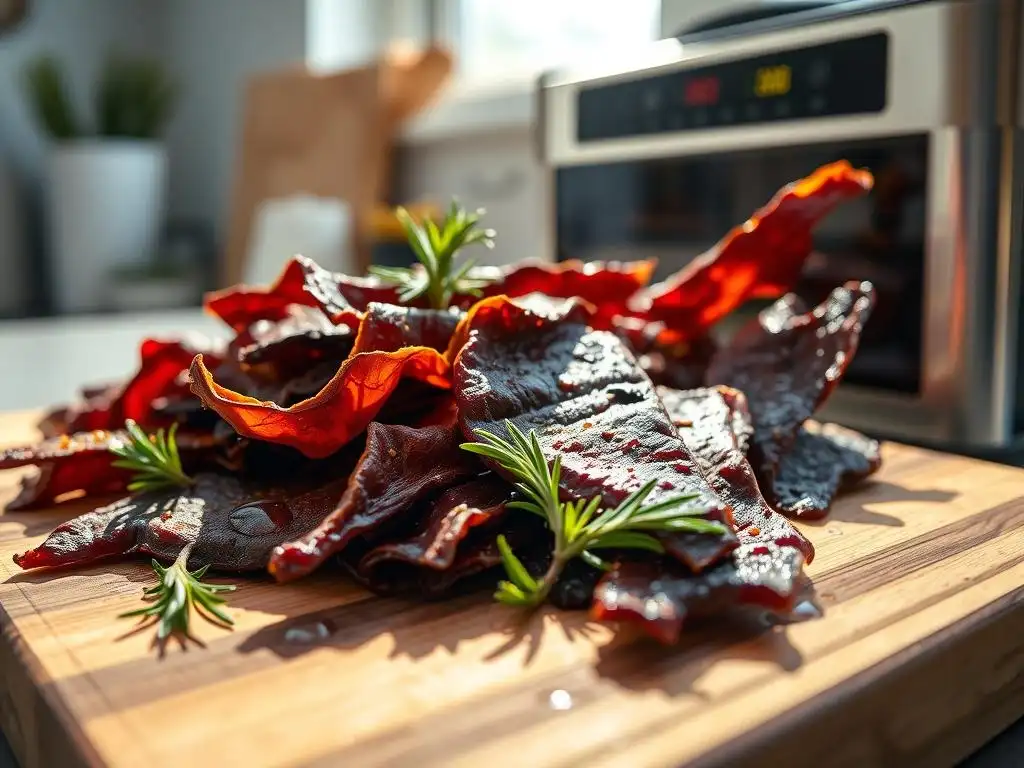
Welcome to CultivateYourFood, your guide to growing a thriving, sustainable garden! Are you ready to take your homegrown bounty to the next level? Learn how to effortlessly preserve your harvest with techniques like organically dehydrating your own jerky at home, a surprisingly simple process that extends the life of your favorite fruits, vegetables, and even meats. Discover the secrets to successful preservation and unlock a world of flavor and self-sufficiency. Explore our "Preserving Your Harvest" section to get started – your taste buds will thank you!
- Understanding the Benefits of Homemade Jerky
- Choosing the Right Dehydrator for Jerky Making
- Making Organic Jerky at Home: A Step-by-Step Guide
- Troubleshooting Common Jerky Making Problems
- Expanding Your Jerky Horizons: Recipes and Ideas
- Conclusion: Enjoying the Fruits (and Meats!) of Your Labor
- Frequently Asked Questions
- Final Reflection: The Enduring Power of Homemade Jerky
- Unleash Your Inner Food Preserver!
Understanding the Benefits of Homemade Jerky
Creating your own jerky at home using a dehydrator offers a compelling alternative to store-bought options, especially if you prioritize organic, sustainable practices and are interested in dehydrating jerky organically at home. This process allows for complete control over ingredients, ensuring quality and freshness while potentially saving you money. This article will explore the advantages of making your own jerky, focusing on the health benefits, the ability to use organic ingredients, and the cost-effectiveness compared to commercially produced jerky.
We'll delve into the specifics of dehydrating jerky organically at home, providing you with the knowledge to confidently embark on this rewarding culinary journey. From selecting the best cuts of meat (or plant-based alternatives) to understanding the optimal dehydration process, we'll cover all the essentials to help you successfully preserve your own delicious and healthy jerky.
Why Dehydrate Jerky? Healthier Snacking and Food Preservation
Dehydrating jerky is a fantastic method for preserving meat and plant-based proteins, extending their shelf life significantly. This process removes moisture, inhibiting the growth of bacteria and mold, thus preventing spoilage. The result is a shelf-stable snack that can be enjoyed for weeks, even months, when stored properly. Furthermore, homemade jerky offers a healthier alternative to store-bought options, often laden with added sugars, sodium, and preservatives.
By making your own, you can control the ingredient list, opting for leaner cuts of meat, organic spices, and minimal added salt. This allows for a significantly healthier snacking option, perfect for fueling active lifestyles or simply enjoying a flavorful, guilt-free treat. The process also allows you to experiment with different flavor profiles and spice combinations, tailoring your jerky to your exact preferences.
Organic Jerky: Controlling Ingredients and Quality
One of the most significant advantages of making jerky at home is the ability to control the ingredients and ensure their quality. When you dehydrate jerky organically at home, you can source organic meats and plant-based proteins, avoiding potentially harmful antibiotics, hormones, and pesticides often found in conventionally raised animals. Similarly, you can choose organic spices and seasonings, eliminating the risk of exposure to synthetic additives.
This level of control allows you to create a truly healthy and wholesome snack, free from undesirable chemicals and preservatives. Knowing exactly what goes into your jerky provides peace of mind and allows you to cater to specific dietary needs or preferences, such as avoiding gluten, soy, or other allergens. The transparency of the process is a key benefit for health-conscious individuals.
Cost Savings: Making Jerky at Home vs. Store-Bought
While the initial investment in a dehydrator might seem significant, making your own jerky can ultimately save you money in the long run. Store-bought jerky is often expensive, particularly organic varieties. By purchasing larger cuts of meat or plant-based proteins in bulk and dehydrating them yourself, you can significantly reduce the cost per serving.
Furthermore, you avoid paying a premium for commercially-produced jerky, which often includes added costs associated with packaging, shipping, and marketing. The savings become even more pronounced when considering the long shelf life of homemade jerky; you're essentially making a substantial amount of snacks upfront, reducing the frequency of future purchases. The potential cost savings, combined with the health benefits and quality control, make homemade jerky a financially smart and healthy choice.
Exploring Different Protein Sources for Jerky: Meat and Plant-Based Options
The beauty of making jerky at home lies in the incredible versatility of protein sources. While traditional jerky focuses on meat, the possibilities extend far beyond beef, pork, or venison. Home dehydrators open up a world of delicious and nutritious plant-based alternatives, allowing you to cater to various dietary needs and preferences.
Let's delve into the diverse options available:
Meat-Based Jerky: The classic choice, meat-based jerky offers a familiar savory flavor profile. Lean cuts of meat are crucial for successful dehydration; fattier cuts can become rancid during the process. Popular options include:
- Beef: A timeless favorite, beef jerky provides a hearty and substantial texture. Choosing grass-fed beef enhances the nutritional value and supports sustainable farming practices.
- Venison: Lean and flavorful, venison jerky offers a unique gamey taste. Sourcing ethically-raised venison is essential for maintaining organic principles.
- Turkey: A leaner alternative to beef, turkey jerky provides a milder flavor and a more tender texture. Ground turkey can also be used, offering a different mouthfeel.
- Chicken: Chicken jerky offers a delicate flavor and a relatively quick dehydration time. Similar to turkey, ground chicken can also be used for a different texture.
- Pork: While requiring careful preparation to ensure safety, pork jerky can be delicious when properly cured and dehydrated. It's crucial to use lean cuts and follow safe food handling practices.
Plant-Based Jerky: The rise in plant-based diets has led to a surge in innovative plant-based jerky options. These alternatives provide a delicious and sustainable way to enjoy jerky without meat. Some popular choices include:
- Soy: Soy-based jerky is a long-standing favorite, offering a hearty texture and a savory flavor. It's important to choose organic soy products to avoid genetically modified organisms (GMOs).
- Mushrooms: Certain types of mushrooms, like portobello or shiitake, dehydrate beautifully, creating a chewy texture and an umami-rich flavor. Their earthy notes provide a unique alternative to meat-based jerky.
- Jackfruit: This tropical fruit's texture becomes remarkably meat-like when dehydrated, making it a perfect substitute for pulled pork or chicken jerky. Its mild flavor readily absorbs marinades, allowing for incredible flavor customization.
- Tofu: Firm or extra-firm tofu can be pressed and marinated before dehydration, resulting in a chewy and protein-rich jerky. Experiment with different marinades to achieve diverse flavor profiles.
- Seitan: A wheat-based protein, seitan, offers a meaty texture and a neutral flavor that takes on marinades exceptionally well. It's a great option for those seeking a high-protein, gluten-free alternative (though it is naturally gluten-containing).
Remember to always prioritize organic and sustainably sourced ingredients when making your jerky at home, aligning with the principles of organic home food preservation and enhancing both the flavor and nutritional value of your creations. Experiment with different combinations of spices and marinades to find your perfect jerky recipe! The possibilities are truly endless.
Choosing the Right Dehydrator for Jerky Making
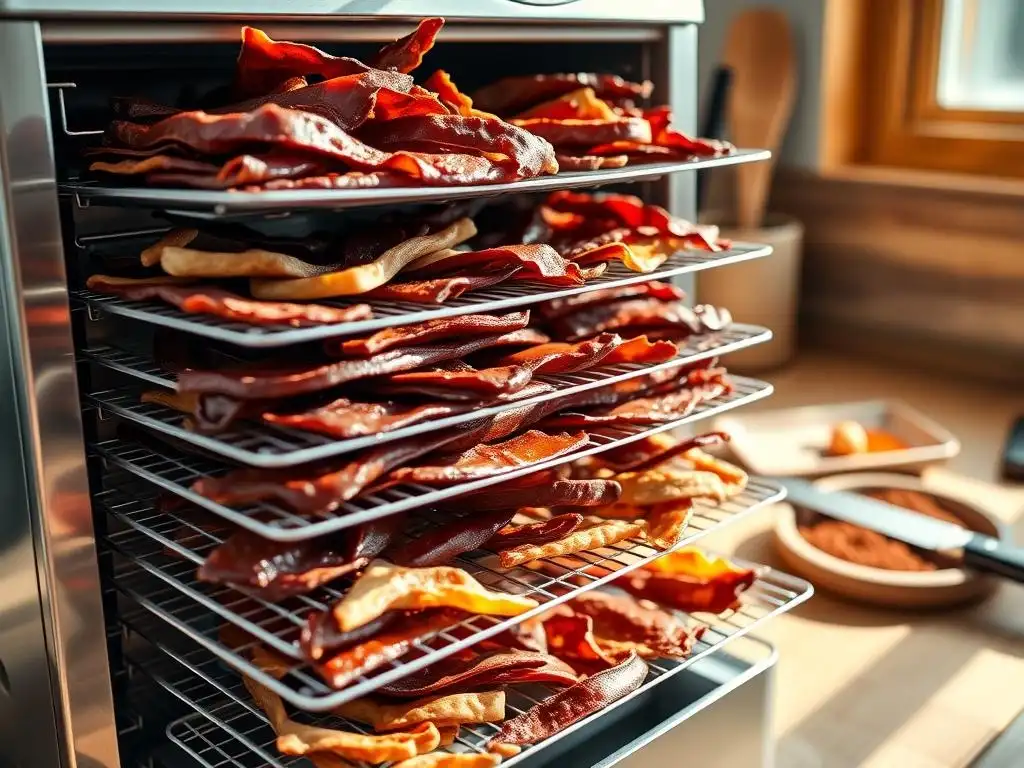
This section focuses on selecting the ideal dehydrator for creating delicious and safe jerky, whether you're dehydrating meat or plant-based proteins organically at home. The process requires specific features to ensure even drying and optimal preservation. Choosing the right equipment is crucial for achieving the perfect texture and preventing spoilage.
Key Features to Look for in a Dehydrator for Jerky
Several key features distinguish a good jerky dehydrator from a mediocre one. These features directly impact the quality, safety, and efficiency of your jerky-making process. Prioritizing these aspects will significantly improve your results and overall experience.
Temperature Control for Optimal Jerky Consistency
Precise temperature control is paramount for dehydrating jerky organically at home. Different meats and plant-based proteins require specific temperature ranges to achieve optimal results. Too high a temperature can lead to tough, rubbery jerky, while too low a temperature increases the risk of bacterial growth and spoilage. Look for dehydrators with a digital thermostat offering a wide temperature range (ideally from 95°F to 165°F) and precise increments (at least 5°F). This allows for meticulous control, ensuring your jerky is perfectly dried without compromising its quality or safety.
Airflow Optimization for Even Drying
Even airflow is essential for preventing uneven drying and potential spoilage. Uneven drying can result in some areas being moist and susceptible to bacterial growth, while other areas become overly dry and brittle. Consider dehydrators with features designed to maximize airflow, such as multiple fans, adjustable vents, and strategically placed trays. Some models incorporate horizontal airflow, which ensures more consistent drying compared to vertical airflow systems. Proper airflow is crucial for dehydrating jerky organically at home, guaranteeing a safe and delicious final product.
Capacity and Tray Size: Matching Your Jerky Production Needs
The capacity and tray size of your dehydrator should align with your jerky production needs. Consider how much jerky you typically make in a single batch. Smaller dehydrators are ideal for smaller households or those who make jerky less frequently. Larger models are better suited for larger families or those who make jerky in bulk. Pay attention to the dimensions of the trays and ensure they accommodate your preferred jerky thickness and cutting style. Also, consider the total number of trays – more trays means you can process larger quantities simultaneously, saving you time and effort.
Durability and Ease of Cleaning: Long-Term Investment
A good dehydrator is a long-term investment. Choose a model constructed from durable materials that can withstand repeated use and cleaning. Stainless steel is a popular choice for its durability and ease of cleaning. Consider the ease of cleaning the trays and other components. Dishwasher-safe trays are a significant advantage, saving you time and effort. A durable and easy-to-clean dehydrator ensures years of reliable service, making it a worthwhile investment for your organic jerky-making endeavors.
Best Dehydrators for Jerky: A Comparative Review
This section provides a comparative review of several top-rated dehydrators, specifically focusing on their suitability for jerky production. Each model offers unique features and benefits, catering to different needs and budgets. We'll highlight their strengths and weaknesses to help you make an informed decision.
Excalibur 9-Tray Dehydrator: A Top Performer for Large Batches
The Excalibur 9-Tray Dehydrator is renowned for its exceptional performance and large capacity. Its horizontal airflow system ensures even drying, crucial for making large batches of jerky. The high-quality construction and numerous trays make it a top choice for those who frequently make large quantities of jerky. Its precise temperature control and ease of cleaning add to its appeal. However, its larger size and higher price point may not be suitable for everyone.
Nesco FD-1020 Gardenmaster Dehydrator: A Budget-Friendly Option
The Nesco FD-1020 Gardenmaster Dehydrator offers a more budget-friendly option without sacrificing essential features. While it may not have the same capacity as higher-end models, it still provides decent performance for smaller batches. Its simpler design makes it easy to use and clean. It's a solid choice for beginners or those on a tighter budget looking to dehydrate jerky organically at home.
Cosori Pro 10-in-1 Dehydrator: Versatile for Jerky and Other Foods
The Cosori Pro 10-in-1 Dehydrator stands out for its versatility. While capable of making excellent jerky, its multiple functions extend beyond jerky production, making it a worthwhile investment for those who also dehydrate fruits, vegetables, and other foods. Its digital controls and large capacity are significant advantages. However, its multi-functionality may come at a slightly higher price point.
Secura 5-Tray Dehydrator: Compact and Easy to Use
The Secura 5-Tray Dehydrator is a compact and user-friendly option, ideal for smaller kitchens or those who make smaller batches of jerky. Its compact size and easy-to-clean design make it a practical choice for those who value convenience. While its capacity is smaller than some other models, it's a great entry-level option for those new to dehydrating jerky organically at home.
Making Organic Jerky at Home: A Step-by-Step Guide
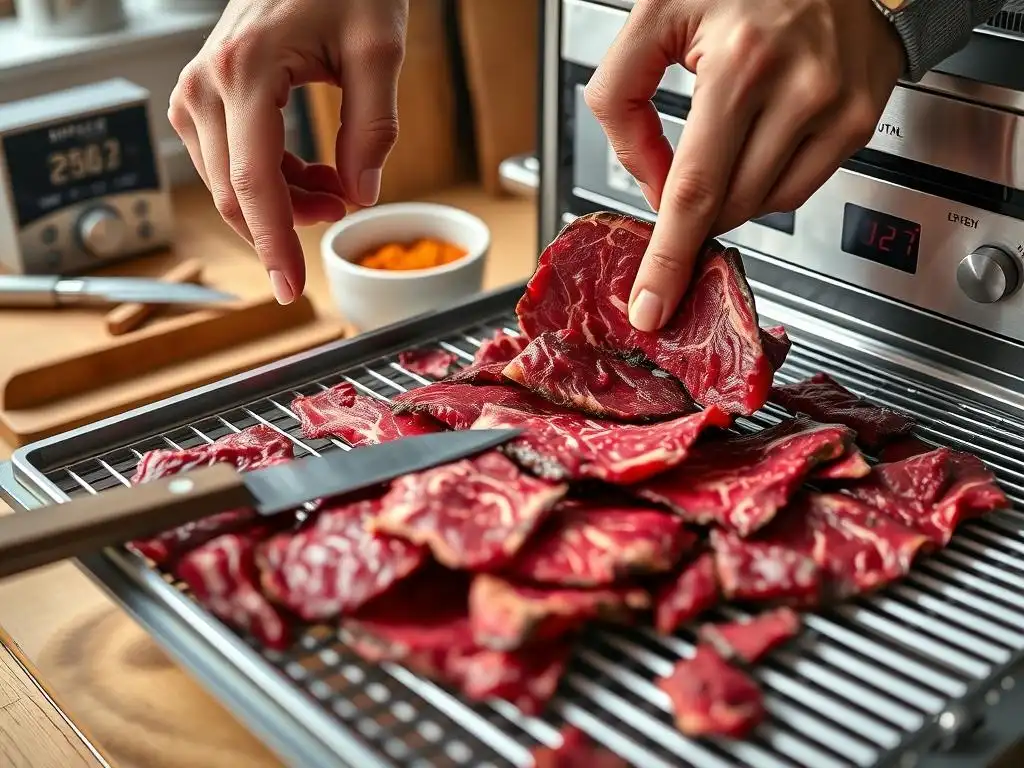
This section details the process of creating delicious and healthy jerky using organic ingredients and a food dehydrator. We'll cover everything from selecting the best meats and plant-based alternatives to achieving the perfect texture through careful monitoring of the dehydration process. Remember, dehydrating your own jerky allows for complete control over ingredients and ensures a final product free from unwanted additives, perfectly aligning with our philosophy of dehydrate jerky organically at home.
Preparing Your Ingredients for Dehydration
This crucial first step ensures the quality and taste of your final jerky. Careful selection and preparation maximize flavor and texture.
Selecting High-Quality, Organic Meats (Beef, Venison, etc.)
When choosing meat for your jerky, prioritize organic, grass-fed options whenever possible. Look for labels that clearly indicate the source and farming practices. The quality of the starting material directly impacts the final product's taste and texture. Lean cuts of beef, venison, or even bison are ideal; excess fat will render and create an undesirable greasy texture. Remember to trim away any visible fat before slicing. For example, a lean cut of organic beef sirloin provides a fantastic base for delicious jerky. Consider the ethical sourcing of your meat; choosing responsibly raised animals contributes to sustainable food practices.
Preparing Plant-Based Jerky Alternatives (Tofu, Seitan, Mushrooms)
For plant-based jerky, the possibilities are endless! Firm or extra-firm tofu pressed to remove excess water makes an excellent base. Similarly, seitan, a wheat gluten product, offers a chewy texture perfect for jerky. Mushrooms, such as shiitake or oyster mushrooms, provide an umami-rich alternative. Before dehydration, ensure your plant-based proteins are thoroughly pressed to remove excess moisture, preventing mold growth and ensuring even drying. For instance, pressing tofu between paper towels for at least 30 minutes significantly improves the dehydration process and final product.
Marinating Your Jerky for Flavor and Tenderness: Homemade Recipes
Marinades are key to creating flavorful and tender jerky. Experiment with various combinations of spices, herbs, and liquids. A basic marinade might include soy sauce (or tamari for gluten-free), Worcestershire sauce (check for organic options! ), garlic powder, onion powder, smoked paprika, and black pepper. For a sweeter jerky, add maple syrup or honey (again, organic is best!). Allow the meat or plant-based protein to marinate for at least 4 hours, or preferably overnight in the refrigerator, to allow the flavors to fully penetrate. Consider using reusable containers to minimize environmental impact. Here are a few example marinade combinations:
| Marinade Type | Ingredients | Notes |
|---|---|---|
| Spicy Sweet | Soy sauce, maple syrup, chili powder, garlic powder | Adjust sweetness and spice level to your preference. |
| Savory & Smoky | Worcestershire sauce, liquid smoke, onion powder, black pepper | Use a high-quality liquid smoke for the best flavor. |
| Teriyaki-Inspired | Soy sauce, mirin, ginger, garlic, brown sugar | A classic combination, perfect for both meat and tofu jerky. |
| Mushroom Umami Boost | Soy sauce, balsamic vinegar, dried mushrooms, thyme | Ideal for mushroom jerky, enhances the earthy flavors. |
The Dehydration Process: Time and Temperature Considerations
The dehydration process requires careful attention to time and temperature to ensure the jerky is perfectly dry and safe to eat.
Achieving the Perfect Jerky Texture: Avoiding Over- or Under-Drying
The ideal jerky texture is chewy but not tough, and completely dry to prevent bacterial growth. Over-drying results in brittle, hard jerky, while under-drying can lead to spoilage. The dehydration time depends on the thickness of your jerky slices, the type of dehydrator, and the ambient humidity. Thinner slices require less time, typically ranging from 6-12 hours for meat and 8-16 hours for plant-based alternatives. Regularly check the jerky during the process, and adjust the time as needed. A handy trick is to slightly bend a piece – it should be flexible, but not soft.
Monitoring Your Jerky During Dehydration
Consistent monitoring is crucial for successful jerky making. Check your jerky regularly, especially during the first few hours of dehydration. The temperature should remain consistent throughout the process. Most dehydrators have adjustable temperature settings; a temperature between 135-160°F (57-71°C) is generally recommended. Look for signs of uneven drying; if some pieces are drying faster than others, rearrange them to ensure even airflow.
Remember, safety is paramount; improperly dried jerky can be unsafe for consumption. Use a food thermometer to ensure the internal temperature reaches a safe level. Properly dehydrated jerky should have a leathery texture and be completely dry throughout. This process helps in achieving the goal of dehydrate jerky organically at home safely and efficiently.
Storing Your Homemade Jerky: Maintaining Freshness and Quality
Proper storage is crucial for extending the shelf life of your homemade jerky and ensuring it remains safe and delicious. Neglecting this step can lead to spoilage, rendering your hard work wasted. Factors like temperature, humidity, and airtightness significantly impact the jerky's longevity. Successfully dehydrating your jerky is only half the battle; proper storage is the other half, ensuring you can enjoy your organic jerky for weeks, even months. Let's explore the best practices for optimal jerky storage.
Proper Storage Techniques for Long-Term Preservation
Several methods contribute to long-term preservation. The most effective approach involves a combination of techniques to minimize exposure to moisture, oxygen, and temperature fluctuations. First, ensure your jerky is completely cool before storing it. Warm jerky is more susceptible to mold growth. Then, consider using airtight containers.
Glass jars with tight-fitting lids or vacuum-sealed bags are excellent choices. These prevent exposure to air, a major factor in spoilage. Properly sealed containers also help maintain the jerky's texture, preventing it from becoming brittle or tough. Storing your jerky in a cool, dark, and dry place is also essential. Avoid areas with high humidity, as moisture can promote mold and bacterial growth.
A pantry or a cool basement is ideal. Refrigeration can extend the shelf life further, especially in warmer climates. While not strictly necessary for short-term storage, refrigeration is highly recommended for longer preservation, especially during hotter months. Remember to always label your containers with the date of preparation to easily track their freshness.
Recognizing Spoilage Signs in Homemade Jerky
Even with proper storage, it's important to know the signs of spoilage to ensure food safety. Spoiled jerky will exhibit several noticeable changes. First, look for mold growth. Mold appears as fuzzy, colored spots on the surface of the jerky. Discard any jerky showing even the slightest sign of mold; it's unsafe to consume. Secondly, check for unusual odors.
Spoiled jerky often develops an off-putting, sour, or rancid smell. Trust your nose; if something smells amiss, it's best to err on the side of caution and discard the jerky. Thirdly, examine the texture. Spoiled jerky may become slimy or sticky, a clear indication of bacterial growth. Finally, pay attention to the color. While some color change is normal during dehydration, significant discoloration, such as unusual darkening or dullness, can suggest spoilage.
If you observe any of these signs, it's crucial to immediately discard the affected jerky to prevent foodborne illness. Remember, when in doubt, throw it out! Prioritizing food safety is paramount when preserving your own food. This careful attention to detail ensures you enjoy the fruits (or meats!) of your labor safely and deliciously.
Troubleshooting Common Jerky Making Problems
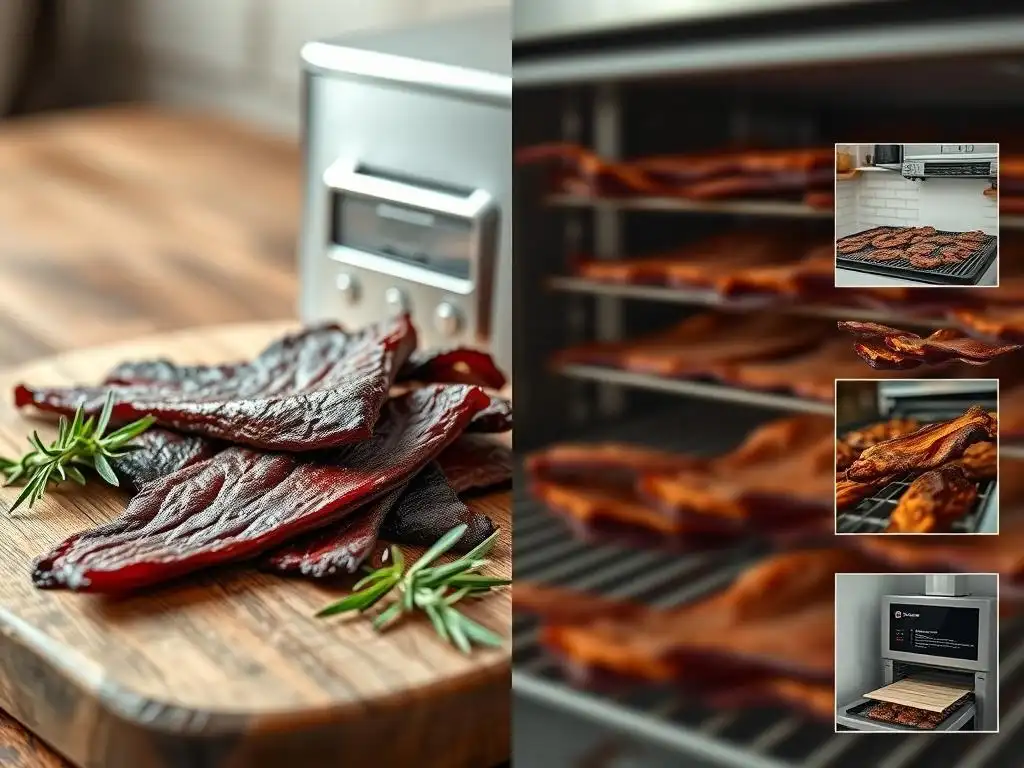
Making jerky, whether meat-based or plant-based, at home using a dehydrator offers a rewarding experience, but it's not always smooth sailing. Successfully dehydrating jerky organically at home requires attention to detail and understanding potential pitfalls. This section addresses common problems and provides solutions to ensure you consistently produce delicious, safe, and shelf-stable jerky. Let's dive into some frequently encountered issues and how to overcome them.
Dealing with Uneven Drying in Your Dehydrator
Uneven drying is a common frustration for home jerky makers. It results in some pieces being dry and crispy while others remain chewy or even damp, potentially leading to spoilage. Several factors contribute to this problem:
- Overcrowding the dehydrator: Cramming too much jerky onto the trays restricts airflow, creating hot spots and uneven drying. Always leave space between pieces for optimal air circulation. A good rule of thumb is to arrange the jerky in a single layer, ensuring at least ½ inch between each piece.
- Inconsistent tray placement: Some dehydrators have varying temperature zones across the trays. Experiment with rotating trays halfway through the drying process to ensure even distribution of heat. This is particularly important in larger dehydrators with multiple trays.
- Poor airflow: Check your dehydrator's fan and vents for obstructions. Ensure the vents are clear and the fan is functioning correctly. Clogged filters can also impede airflow, leading to uneven drying. Clean your dehydrator regularly to maintain optimal airflow.
- Jerky thickness inconsistencies: Pieces of jerky that are thicker will take longer to dehydrate than thinner ones. Aim for uniform thickness when preparing your jerky to ensure even drying throughout. Consider using a meat slicer for consistent thickness, particularly with tougher cuts of meat.
- High humidity: High ambient humidity can significantly impact drying times and evenness. Try dehydrating on a drier day, or use a dehydrator with a built-in humidity control function if available.
Preventing Mold or Bacteria Growth in Homemade Jerky
Food safety is paramount when making jerky at home. Mold and bacterial growth can occur if proper drying and storage techniques are not followed. Here's how to minimize these risks:
- Properly prepared ingredients: Begin with high-quality, fresh ingredients. Ensure meat is properly cleaned and trimmed of any fat or gristle. For plant-based jerky, use fresh, high-quality ingredients and follow hygiene protocols as you would with meat.
- Sufficient drying time: The most crucial step is ensuring your jerky is completely dehydrated. Under-dried jerky is a breeding ground for bacteria and mold. Use a meat thermometer to check the internal temperature. For meat jerky, aim for an internal temperature of 160°F (71°C) to kill harmful bacteria. For plant-based jerky, follow specific drying guidelines based on the chosen ingredients.
- Proper storage: Store your dried jerky in an airtight container in a cool, dry, dark place. Refrigeration is recommended for long-term storage (up to several weeks), and freezing can extend shelf life even further. Avoid storing jerky in humid or warm environments.
- Organic practices: Using organic ingredients helps to minimize exposure to harmful chemicals and pesticides, contributing to the overall safety and quality of your jerky.
Adjusting Recipes for Different Protein Sources and Dehydrators
Dehydrating different types of jerky requires recipe adjustments. The drying time and temperature will vary depending on the protein source (beef, turkey, tofu, mushrooms, etc.) and the specific model of your dehydrator.
| Protein Source | Typical Drying Time (hours) | Temperature (°F) | Notes |
|---|---|---|---|
| Beef Jerky | 12-18 | 135-160 | Thicker cuts require longer drying times. |
| Turkey Jerky | 8-12 | 135-155 | Leaner than beef, dries faster. |
| Tofu Jerky | 6-10 | 130-145 | Requires less drying time and lower temperatures than meat-based jerky. |
| Mushroom Jerky | 4-8 | 125-140 | Dries quickly; monitor closely to prevent over-drying. |
Remember to always consult specific recipes for the protein source you are using and adjust drying times and temperatures based on your dehydrator's instructions and your desired level of dryness. Experimentation is key to mastering the art of making delicious and safely dehydrated jerky organically at home!
Expanding Your Jerky Horizons: Recipes and Ideas
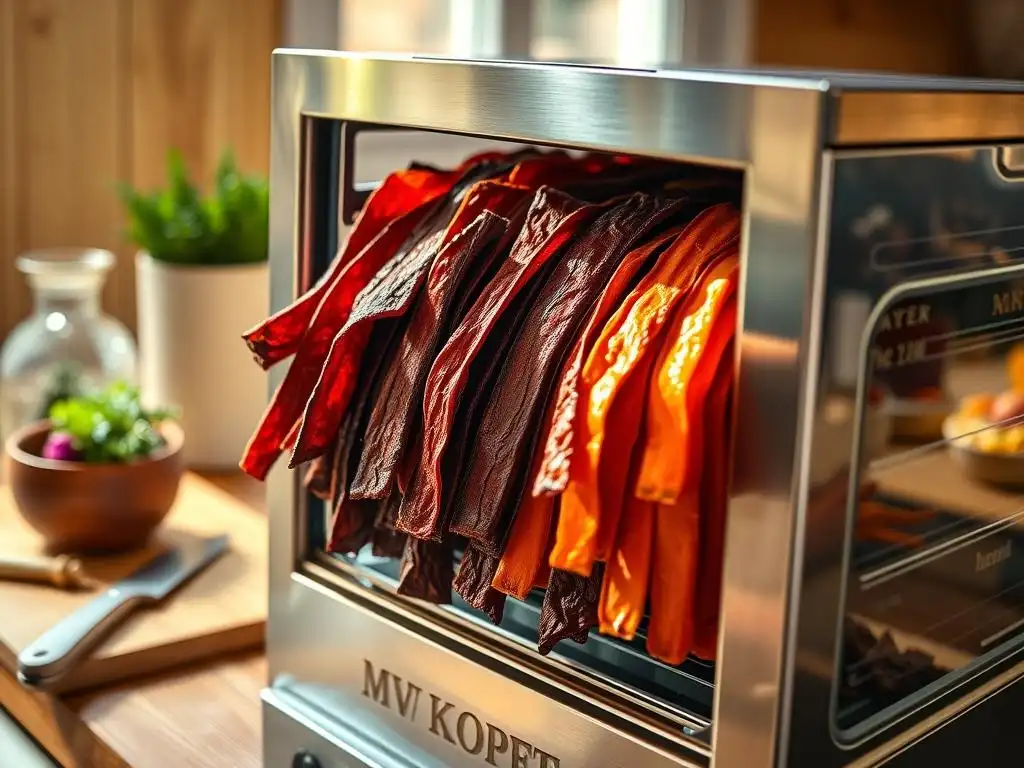
This section explores the exciting world of jerky creation beyond the basics, focusing on how to dehydrate jerky organically at home with diverse and flavorful options. We'll move beyond the standard beef jerky and delve into creative marinades and alternative protein sources. Remember, successful jerky making hinges on proper dehydration techniques and the use of high-quality, organic ingredients.
Creative Jerky Marinades and Flavor Combinations
The key to exceptional jerky lies in the marinade. Experimenting with different flavor profiles is half the fun! Here are some ideas to inspire your culinary adventures:
- Classic Sweet & Spicy: Combine soy sauce (or coconut aminos for a gluten-free option), brown sugar, chili powder, garlic powder, onion powder, and a touch of smoked paprika. Adjust the sweetness and spice levels to your preference. This marinade works wonderfully with beef, venison, and even mushrooms.
- Teriyaki Delight: Blend soy sauce (or coconut aminos), honey or maple syrup, ginger, garlic, and sesame oil for a savory-sweet taste. This is excellent for chicken, turkey, and tofu.
- Spicy Chipotle: Mix chipotle peppers in adobo sauce, lime juice, cumin, oregano, and a pinch of cayenne pepper for a fiery kick. Perfect for beef, pork, and jackfruit.
- Mediterranean Herb: Combine olive oil, lemon juice, oregano, thyme, rosemary, garlic, and salt. This creates a bright, herbaceous flavor profile ideally suited to lamb, chicken, or even zucchini.
Remember to marinate your chosen protein for at least 4 hours, or preferably overnight, in the refrigerator to allow the flavors to fully penetrate. Longer marinating times often result in more tender and flavorful jerky.
Exploring Different Cuts of Meat and Plant-Based Proteins for Jerky
While beef is a popular choice, many other meats and plant-based proteins are equally suitable for jerky. The key is to select cuts with a lower fat content to prevent excessive greasiness during dehydration.
| Protein Source | Recommended Cuts/Types | Considerations |
|---|---|---|
| Beef | Sirloin, flank steak, eye of round | Lean cuts are essential for optimal results. |
| Venison | Similar to beef, lean cuts are preferred | May require longer dehydration times. |
| Chicken | Breast, thigh (remove excess fat) | Thinner cuts dehydrate more quickly. |
| Turkey | Breast | Similar to chicken, lean cuts are ideal. |
| Pork (less common) | Tenderloin | Use caution, as it requires careful dehydration. |
| Tofu | Extra-firm | Press thoroughly to remove excess moisture. |
| Mushrooms | Shiitake, oyster | Thicker slices may require pre-cooking. |
| Jackfruit | Young, green jackfruit | Requires pre-cooking and seasoning. |
Experimentation is key! Don't be afraid to try different combinations to discover your favorite jerky recipes. Remember to always practice safe food handling techniques when preparing jerky to dehydrate jerky organically at home.
Preserving Fruits and Vegetables with Your Dehydrator (linking to other relevant articles on the site)
While this article focuses on dehydrating jerky, your dehydrator is a versatile tool for preserving a wide range of fruits and vegetables. To learn more about dehydrating your harvest, please refer to our other informative articles on:
- [Article Title: Dehydrating Fruits for Long-Term Storage] 🍎
- [Article Title: The Ultimate Guide to Dehydrating Vegetables] 🥕
- [Article Title: Making Delicious Fruit Leather at Home] 🥭
By mastering the art of dehydrating fruits and vegetables, you can extend the life of your homegrown produce and enjoy its flavor throughout the year. This aligns perfectly with our commitment to sustainable and organic food preservation. Remember, using your dehydrator to dehydrate jerky organically at home is just the beginning of your food preservation journey!
Conclusion: Enjoying the Fruits (and Meats!) of Your Labor
This journey into the world of dehydrators, specifically focusing on how to dehydrate jerky organically at home, has hopefully equipped you with the knowledge and confidence to embark on your own preservation adventures. Whether you're aiming for classic beef jerky, adventurous venison, or innovative plant-based jerky alternatives, the process is surprisingly straightforward and rewarding. The ability to control the ingredients, ensuring organic and sustainable practices throughout, is a significant advantage.
You’re not just preserving food; you’re preserving quality and peace of mind. The rich flavors and satisfying texture of homemade jerky, crafted with care and precision, far surpass anything commercially available. Remember, the key is patience and attention to detail – from selecting high-quality ingredients to monitoring the dehydration process.
The Advantages of Making Your Own Jerky at Home
The benefits of making your own jerky extend far beyond simple cost savings. While the initial investment in a dehydrator might seem significant, the long-term rewards are substantial. Consider these key advantages:
- Complete Ingredient Control: You dictate every aspect of your jerky, from the type and quality of meat or plant-based protein to the seasonings and curing methods. This allows for complete control over the nutritional value and flavor profile, ensuring it aligns perfectly with your dietary needs and preferences. This is particularly crucial when aiming to dehydrate jerky organically at home, avoiding unwanted additives or preservatives.
- Enhanced Flavor and Texture: Homemade jerky offers a superior taste and texture compared to store-bought options. The absence of artificial preservatives and flavor enhancers allows the natural flavors of the ingredients to shine through, resulting in a more authentic and satisfying culinary experience. You can experiment with diverse marinades and spice blends, creating unique and personalized jerky creations.
- Sustainability and Reduced Waste: By making your own jerky, you actively reduce food waste. You can use leftover cuts of meat or vegetables that might otherwise be discarded, transforming them into delicious and nutritious snacks. This aligns perfectly with the sustainable and organic practices championed by CultivateYourFood, minimizing your environmental impact.
- Cost-Effectiveness (Long-Term): While the initial investment in a dehydrator represents a cost, the long-term savings become apparent as you consistently create your own jerky. The cost per serving is significantly lower than purchasing commercially produced jerky, especially when considering the superior quality and control over ingredients. This becomes increasingly beneficial as your jerky-making skills improve and your efficiency increases.
Resources for Further Learning About Food Preservation Techniques
Beyond jerky, the world of food preservation is vast and rewarding. There's a wealth of knowledge readily available to help you expand your skills and explore new techniques. Consider these avenues for deepening your understanding:
- Online Courses and Workshops: Numerous online platforms offer courses on various food preservation techniques, including canning, pickling, fermenting, and freezing. These courses often provide detailed instructions, helpful tips, and expert guidance.
- Books and Publications: Many excellent books dedicated to food preservation are available, covering a wide range of techniques and recipes. These books offer comprehensive information, often including historical context and cultural insights into specific preservation methods.
- Local Community Groups and Organizations: Connect with local gardening clubs, farmers' markets, or community organizations focused on sustainable living. These groups often host workshops, share knowledge, and provide opportunities for hands-on learning.
- Government and University Extension Programs: Many government agencies and universities offer resources and educational programs focused on food preservation, often providing practical advice and research-based information.
By continuing to explore and refine your skills, you'll unlock a whole new level of self-sufficiency and culinary creativity. Happy preserving! 🎉
Frequently Asked Questions
Can I dehydrate jerky organically at home?
Yes! You absolutely can. Ensure you use organic, humanely raised meat and follow safe food handling practices throughout the process.
What type of dehydrator is best for making organic jerky?
A good quality food dehydrator with adjustable temperature settings is ideal. Look for models with good airflow to ensure even drying and prevent mold growth.
How long does it take to dehydrate jerky organically?
Drying time depends on the thickness of the jerky and your dehydrator, but generally, it takes 12-24 hours. Always check for dryness before removing.
What are some organic options for plant-based jerky?
You can dehydrate organic mushrooms, tempeh, or seitan. Marinate them with your favorite organic spices and seasonings for extra flavor.
How do I ensure my homemade jerky stays safe?
Maintaining proper hygiene is crucial. Use clean equipment, thoroughly wash your hands, and ensure the jerky reaches a safe internal temperature during dehydration to prevent bacterial growth.
Final Reflection: The Enduring Power of Homemade Jerky
The ability to preserve food at home, especially using organic methods, is more relevant today than ever before. As concerns about food security, sustainability, and the origins of our food grow, the simple act of dehydrating your own jerky becomes a powerful statement of self-reliance and mindful consumption.
The shift towards home food preservation isn't just a trend; it's a reclaiming of traditional skills and a deeper connection to the food we eat. This journey into the world of jerky-making has highlighted the satisfaction of transforming simple ingredients into delicious, long-lasting snacks. The best things in life are homemade,
a sentiment often repeated, rings truer than ever when considering the quality and control offered by home dehydration. The process itself becomes a meditative practice, a mindful connection to the source of our nourishment.
Now, consider your own kitchen. Imagine the possibilities: the vibrant colors of sun-dried tomatoes, the savory aroma of perfectly dehydrated beef jerky, or the satisfying crunch of organically-made fruit leather. You have the power to control the ingredients, the process, and ultimately, the quality of the food you consume. Embrace the opportunity to learn, experiment, and savor the fruits – or should I say, the jerky – of your labor. Start small, explore different recipes, and discover the joy of creating your own delicious and healthy snacks. The journey of homemade jerky is just the beginning.
Unleash Your Inner Food Preserver!
Thank you for exploring the world of dehydrators and their amazing potential for preserving food! You've learned how to create delicious and long-lasting snacks and meals—now it's time to put that knowledge into practice.
- Start your first dehydrating project today! Choose a favorite recipe, or try something new and exciting. The journey to self-sufficiency begins with one delicious bite.
- Share your creations with our community! Post a picture of your dehydrated treats on social media and tag us—we love seeing your successes!
- Browse our extensive recipe collection for inspiration. You might discover a surprising new favorite!
What exciting flavors will you explore in your first dehydrating project?