
Maximizing Freezer Space for Your Garden Harvest

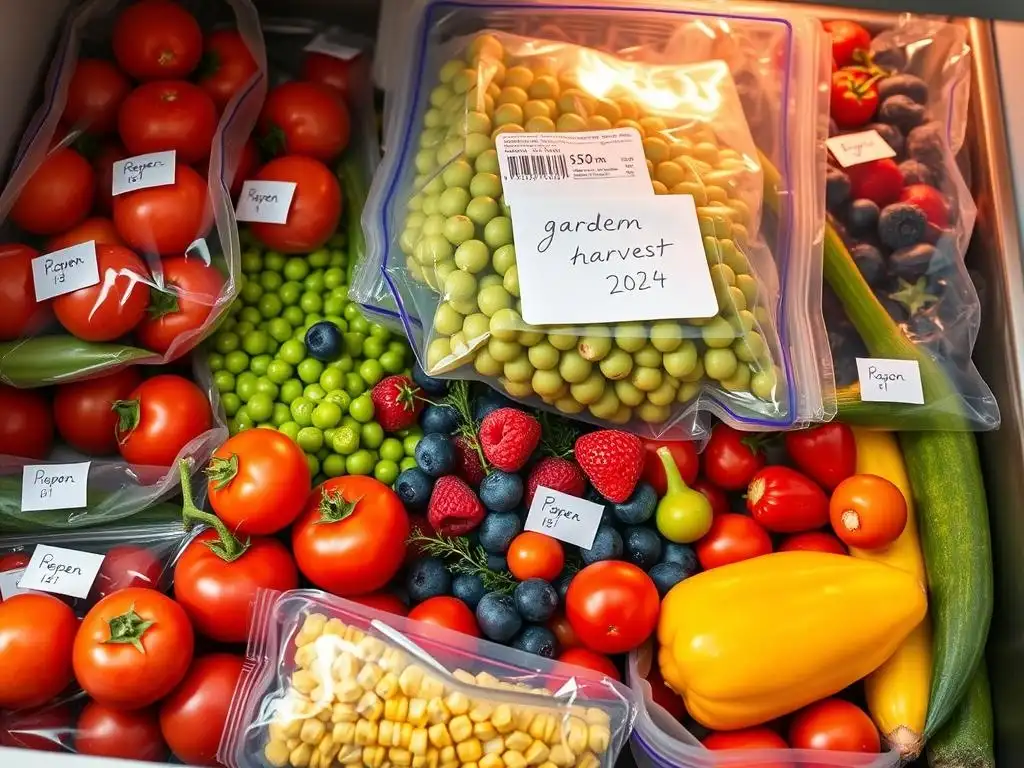
Ready to transform your bountiful garden harvest into delicious meals all year round? At CultivateYourFood, we're passionate about sustainable and organic home gardening. Learn how to maximize your freezer space and preserve the peak flavor of your fruits, vegetables, and herbs with our expert guide on freezing garden harvest efficiently. Discover the secrets to extending your harvest's lifespan and minimizing waste – your taste buds (and your freezer) will thank you!
- Planning Your Freezer Garden: Efficient Space Management Strategies
- Optimal Freezing Techniques for Maximum Space Utilization
- Choosing the Right Freezer Containers and Bags for Your Garden Harvest
- Maximizing Space with Creative Freezer Organization
- Freezing Specific Garden Produce: Techniques and Space-Saving Tips
- Dealing with Excess Harvest: Beyond Freezing – Dehydration and Canning as Alternatives
- Long-Term Storage and Rotation: Preventing Freezer Burn and Maximizing Shelf Life
-
Frequently Asked Questions
- How much space will my garden harvest actually take up in the freezer?
- What's the best way to prepare my produce before freezing?
- What are the best containers for freezing garden produce?
- How long can I store my frozen garden harvest?
- Are there specific techniques for freezing different types of produce?
- Final Reflection: A Bountiful Harvest, Preserved for Years to Come
- Unlock Your Freezer's Hidden Potential!
Planning Your Freezer Garden: Efficient Space Management Strategies
Freezing your bountiful garden harvest is a fantastic way to enjoy fresh produce year-round, reducing food waste and maximizing your gardening efforts. This guide focuses on efficient freezer space management, ensuring you can preserve the fruits, vegetables, and herbs from your garden without sacrificing valuable freezer real estate. We’ll walk you through strategies to assess your freezer's capacity, inventory your current frozen goods, and implement a system for tracking your frozen garden produce – all crucial steps for efficient and sustainable preservation.
Mastering these techniques will transform your freezer from a chaotic storage space into an organized extension of your garden, allowing you to truly enjoy the rewards of your hard work throughout the year. This is particularly important for those practicing sustainable and organic gardening, where maximizing the yield and minimizing waste are key principles.
Assessing Your Freezer Capacity: Understanding Cubic Feet and Available Space for Freezing Garden Harvest
Before diving into the harvest, understanding your freezer's capacity is paramount. Knowing how much space you actually have available is the first step in efficient freezing. Most freezers list their capacity in cubic feet (cu ft). However, the usable space is often less than the advertised capacity due to shelving, drawers, and the inherent shape of the freezer itself. To accurately assess your available space for your garden harvest, consider these points:
- Measure your freezer: Use a measuring tape to determine the internal dimensions (height, width, and depth) of your freezer's usable space. Don't forget to account for any obstructions.
- Calculate the volume: Multiply the dimensions to find the total cubic feet. This will give you a rough estimate.
- Account for existing items: Temporarily remove some items to get a clearer picture of available space. Consider the space occupied by already frozen items and plan accordingly.
- Consider packaging: Remember that frozen produce will need appropriate containers, which will further reduce available space. Allow for this in your calculations.
- Estimate space per item: Based on the size and packaging of your typical frozen produce, estimate how much space each item will occupy. This will help you project how much of your harvest you can realistically freeze.
For example, a freezer advertised as 7 cu ft might only have 5-6 cu ft of truly usable space after accounting for all the factors mentioned above. Accurate assessment prevents overcrowding and ensures proper freezing temperatures are maintained for optimal food preservation. Accurate measurements are key to avoiding freezer burn and maximizing the shelf life of your precious garden bounty.
Inventorying Your Existing Frozen Goods: Making Room for the New Harvest
Before you begin freezing your fresh harvest, take stock of what's already in your freezer. A thorough inventory helps you identify items nearing their expiration date, freeing up valuable space for the new produce. This process also helps you plan meals effectively, ensuring you use existing frozen goods before they become freezer burn casualties. Here's how to conduct a thorough inventory:
- Empty your freezer (partially or completely): This gives you a clear view of what you have. If completely emptying is impractical, at least remove enough items to get a good visual and inventory.
- Categorize your frozen goods: Group similar items together (e.g., fruits, vegetables, herbs, meats).
- Check expiration dates: Identify items approaching their use-by date. These should be prioritized for consumption to make room for the new harvest.
- Take photos or notes: A quick photograph or a written list can help you track what you have and when it needs to be used. This simple step can dramatically reduce food waste.
- Consider a "first in, first out" (FIFO) system: As you restock, place older items towards the front to ensure they're used before newer ones.
This process is not only helpful for maximizing space but also for reducing food waste—a key element of sustainable gardening practices. By actively managing your freezer inventory, you'll ensure that your garden's yield is used effectively and efficiently.
Creating a Freezer Inventory System: Tracking Your Frozen Garden Produce for Efficient Use and Avoiding Waste
Maintaining a consistent inventory system is crucial for long-term freezer management. This prevents overstocking, reduces waste, and helps you plan meals effectively. Consider these options for tracking your frozen garden produce:
- Spreadsheet: Use a spreadsheet software (like Google Sheets or Excel) to create a database of your frozen items. Include columns for item name, date frozen, quantity, and estimated expiration date.
- Labeling system: Clearly label all containers with the contents and freezing date. Use a consistent labeling method for easy identification.
- Freezer organization: Organize your freezer by category and date, placing older items in more accessible locations.
- Regular inventory checks: Conduct regular checks (monthly, for example) to review expiration dates and adjust your inventory accordingly. This helps prevent freezer burn and food spoilage.
- Meal planning integration: Use your inventory to plan meals around what you already have frozen, minimizing waste and maximizing the use of your garden's bounty.
Implementing a robust inventory system is an investment in minimizing food waste and maximizing the benefits of your homegrown harvest. By consistently tracking and managing your frozen goods, you ensure that every ounce of your hard work translates into delicious, healthy meals throughout the year. 🥕🍅🌶️
Optimal Freezing Techniques for Maximum Space Utilization
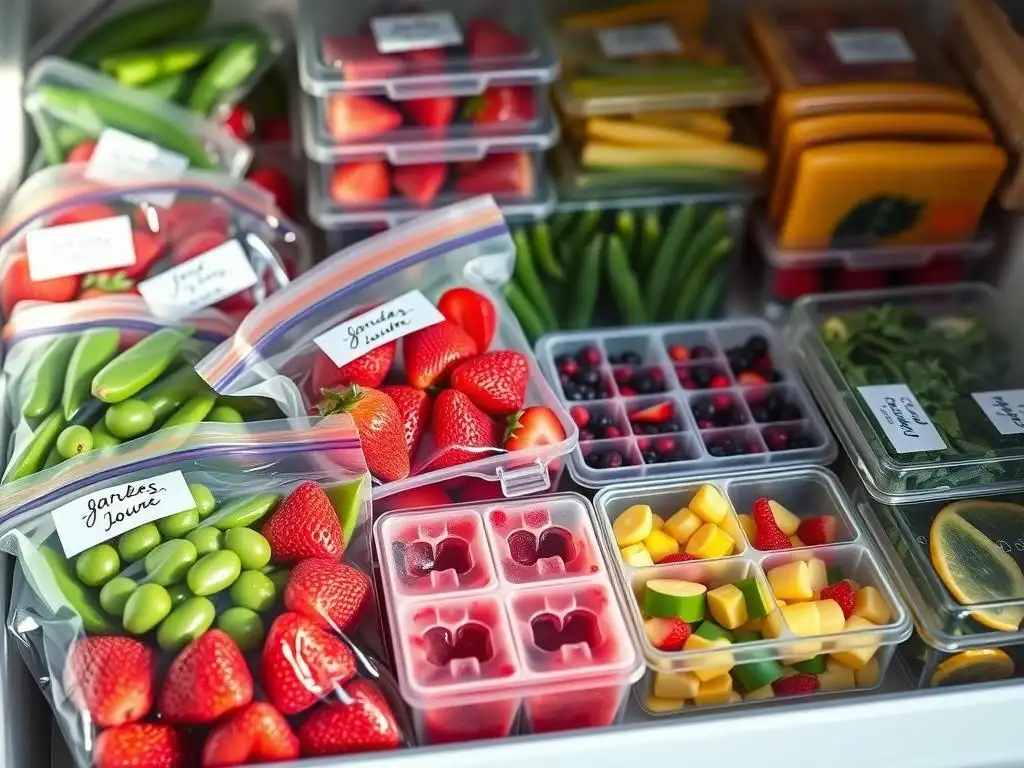
Efficiently freezing your garden harvest requires more than just tossing produce into bags. Optimizing your freezing techniques directly impacts the space your harvest occupies in your freezer, extending its shelf life and minimizing waste. This section focuses on maximizing space utilization through improved freezing methods, directly addressing the need for "Freezing garden harvest efficiently." We'll explore several key techniques to help you preserve your bounty while saving valuable freezer real estate. The goal is to ensure your frozen vegetables, fruits, and herbs remain high-quality for as long as possible, minimizing freezer burn and maximizing storage efficiency.
Blanching Vegetables Before Freezing: Preserving Quality and Color for Extended Storage
Blanching, a quick dip in boiling water followed by an ice bath, is crucial for preserving the vibrant color, texture, and nutritional value of many vegetables before freezing. This process inactivates enzymes that cause deterioration during frozen storage. Think of it as a preemptive strike against freezer burn and loss of quality. Without blanching, your frozen vegetables might emerge from the freezer looking dull and limp. For example, broccoli left unblanched will quickly turn brown and lose its crispness.
The blanching process itself is straightforward but requires precision. Different vegetables require different blanching times. Over-blanching can result in mushy vegetables, while under-blanching leaves enzymes active, leading to quicker degradation. Consult reliable sources for specific blanching times for your chosen vegetables. A simple timer and a large bowl of ice water are your essential tools. Proper blanching is a key step in "Freezing garden harvest efficiently," ensuring your vegetables retain their quality and take up less space due to reduced volume loss during storage.
Proper Portioning for Freezing: Using Freezer Bags and Containers Effectively
Proper portioning is paramount for efficient freezer space management. Freezing large quantities of produce in single, bulky containers not only wastes space but also makes it difficult to retrieve only the amount you need, potentially leading to freezer burn on the remaining portions. Instead, consider portioning your harvest into smaller, manageable units.
For example, instead of freezing a whole batch of peas in a single large bag, portion them into smaller freezer bags, each containing the amount needed for a single meal. This allows for easier retrieval and reduces waste. Similarly, for herbs, consider freezing them in ice cube trays filled with water or oil, creating individual cubes easily added to soups or sauces. This method addresses “Freezing garden harvest efficiently” by optimizing space and minimizing food waste.
Using reusable freezer-safe containers is also an excellent way to manage space and reduce plastic waste. Choose containers that are stackable and seal tightly to prevent freezer burn. Clearly label each container with the contents and date, further enhancing organization and reducing potential food waste. Efficient portioning is a critical aspect of maximizing your freezer space and ensuring your garden harvest remains usable.
Vacuum Sealing for Maximum Freezer Space Efficiency: A Comparison of FoodSaver vs. Weston Vacuum Sealers
Vacuum sealing is a superior method for preserving your garden harvest, significantly extending shelf life and reducing freezer burn. By removing air from the packaging, vacuum sealing minimizes oxidation and ice crystal formation, resulting in higher-quality produce after thawing. This is a highly effective method for "Freezing garden harvest efficiently," leading to significant space savings.
Two popular brands stand out: FoodSaver and Weston. Both offer excellent vacuum sealing capabilities, but they differ in features and price points. FoodSaver models generally offer a wider range of options, including various bag sizes and accessories, while Weston machines are often favored for their durability and higher sealing power, particularly beneficial for thicker items.
The choice between FoodSaver and Weston ultimately depends on your specific needs and budget. Consider factors like the volume of produce you plan to freeze, the types of containers you prefer to use, and your budget when making your decision. Both brands offer excellent solutions for preserving your harvest and maximizing your freezer space. Investing in a quality vacuum sealer is a valuable addition to any home gardener's toolkit, contributing significantly to your ability to "Freeze garden harvest efficiently."
Choosing the Right Freezer Containers and Bags for Your Garden Harvest
Freezing your garden harvest efficiently requires selecting the right containers and bags to maintain quality and prevent freezer burn. The choice depends on factors like the type of produce, storage time, and your personal preferences. Let's explore some popular options to help you maximize your freezer space and minimize waste.
Freezer-Safe Bags: A Comparison of Ziploc Freezer Bags vs. Glad Press'n Seal Freezer Bags
Both Ziploc freezer bags and Glad Press'n Seal freezer bags are popular choices for freezing garden produce. However, they offer distinct advantages and disadvantages.
Ziploc freezer bags are widely available, relatively inexpensive, and offer a good seal. They are suitable for smaller quantities of produce like herbs, berries, or individual portions of chopped vegetables. However, they can be prone to leaks if overfilled or damaged. Furthermore, they are not reusable, contributing to plastic waste.
| Feature | Ziploc Freezer Bags | Glad Press'n Seal Freezer Bags |
|---|---|---|
| Cost | Low | Moderate |
| Seal Strength | Good, but prone to leaks if overfilled | Excellent, creates a tight seal |
| Reusability | No | No |
| Space Efficiency | Moderate | Good, can conform to contents |
| Best for | Smaller quantities, herbs, berries | Larger quantities, liquids, purees |
Glad Press'n Seal bags, on the other hand, are known for their superior seal, minimizing the risk of freezer burn and leakage. Their flexible design allows them to conform to the shape of the contents, optimizing space utilization. However, they tend to be more expensive than Ziploc bags and, like Ziploc bags, are not reusable. They are particularly well-suited for freezing liquids like soups or sauces made from your garden harvest. Choosing between the two depends largely on your budget and the type of produce you're freezing.
Reusable Freezer Containers: The Benefits of Glass vs. Plastic for Long-Term Storage of Garden Produce
Reusable freezer containers offer a more sustainable and often more durable alternative to disposable bags. Glass and plastic are the two most common materials.
Glass containers are excellent for long-term storage, as they are non-porous and don't absorb odors or flavors. They are also safe for repeated freezing and thawing. However, they are heavier, more fragile, and can take up more space than flexible bags. Properly labeling and handling glass containers is crucial to avoid breakage.
Plastic containers, particularly those made from BPA-free materials, provide a lighter and more shatter-proof option. Many are stackable, maximizing freezer space. However, some plastics can degrade over time or leach chemicals into food, especially with repeated freezing and thawing. Always choose BPA-free, freezer-safe plastic containers. Look for containers specifically designed for freezer use.
Labeling Your Frozen Goods: Clear and Concise Labeling for Easy Identification and Rotation
Efficient freezing of your garden harvest isn't complete without proper labeling. Clear and concise labeling is essential for easy identification and proper rotation, ensuring you use older items before they degrade. Your labels should include:
- Name of the produce: e.g., "Peaches," "Green Beans," "Tomato Sauce"
- Date of freezing: This allows for efficient stock rotation, using older frozen goods first. Using a date helps prevent freezer burn and ensures quality.
- Quantity (optional): Useful for larger batches, like gallons of soup or quarts of berries.
Consider using a permanent marker or waterproof labels to ensure the information remains legible even after repeated exposure to cold temperatures. A well-organized freezer saves time and reduces food waste. Implementing a FIFO (First In, First Out) system will also help in managing your frozen garden harvest efficiently. This ensures that the oldest items are used first. This simple strategy helps prevent food waste and maximizes the benefits of freezing your garden produce.
Maximizing Space with Creative Freezer Organization
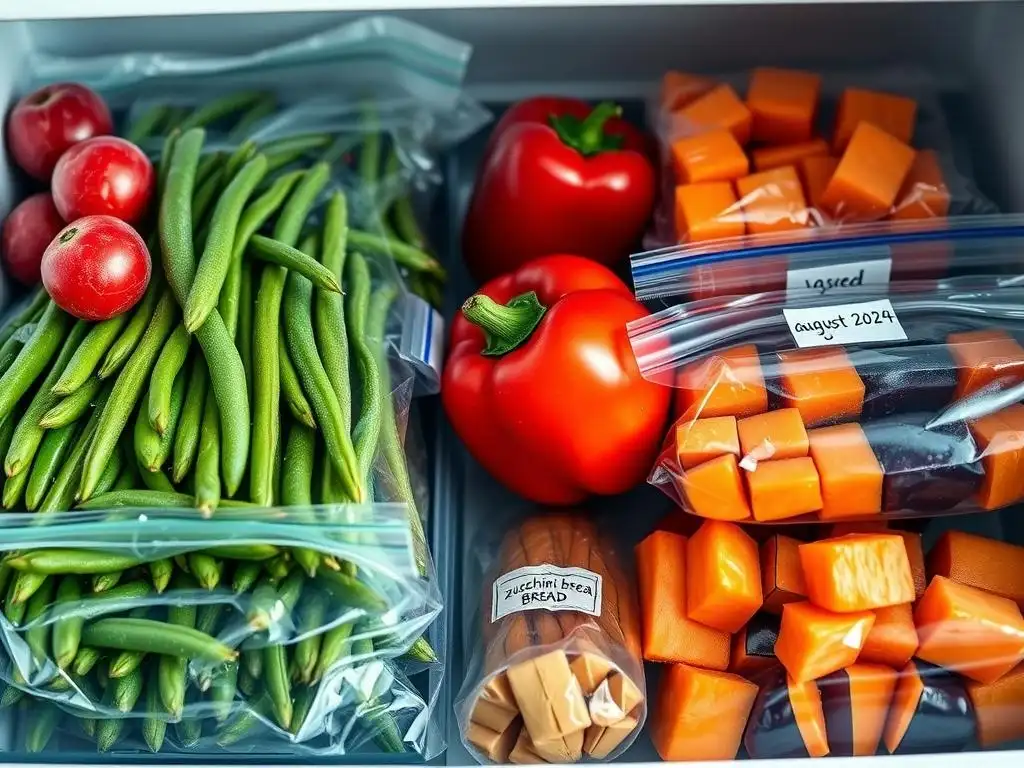
Freezing your garden harvest efficiently is key to preserving the bounty of your hard work. But maximizing freezer space can be a challenge. This section focuses on creative strategies to optimize your freezer's capacity, ensuring you can store all your fruits, vegetables, and herbs without sacrificing valuable real estate. We'll explore practical solutions to organize your frozen produce, minimizing wasted space and maximizing accessibility. Efficient freezing techniques translate directly to efficient storage – so let's dive in!
Vertical Freezer Organization: Using Dividers and Trays for Efficient Stacking
Vertical organization is your secret weapon in the battle against freezer clutter. Instead of haphazardly piling bags and containers, consider implementing a vertical system. This significantly increases usable space, especially in upright freezers. Think of it like building a vertical garden for your frozen produce!
Investing in freezer dividers or trays is a simple yet highly effective solution. These dividers create distinct sections within your freezer, preventing items from toppling over and maximizing the use of vertical space. You can purchase ready-made dividers, or even improvise using sturdy cardboard boxes (lined with freezer-safe plastic bags) or repurposed plastic containers.
Consider categorizing your frozen goods. For example, one section might be dedicated to berries, another to herbs, and yet another to vegetables. This not only improves organization but also speeds up the retrieval process. Clear labeling is crucial – use a permanent marker to clearly identify the contents and date of freezing. This helps prevent freezer burn and ensures you use older items first, minimizing waste. This efficient approach helps you practice "first in, first out" (FIFO) effectively – a cornerstone of freezing garden harvest efficiently.
Utilizing Freezer Drawer Space: Maximizing Vertical Space with Stackable Containers
Freezer drawers, while convenient, often suffer from wasted space if not organized properly. Stackable, clear containers are ideal for maximizing vertical space in these drawers. Choose containers that are specifically designed for freezer use – these are typically made of durable, freezer-safe plastic and designed to withstand temperature fluctuations.
When stacking containers, ensure they are securely placed to prevent shifting or tipping. Using smaller containers for smaller quantities of produce allows for better stacking and easier retrieval. Avoid overfilling containers, as this can lead to uneven freezing and potential damage to the produce. Remember, efficient stacking is crucial for freezing garden harvest efficiently.
Consider using a combination of shallow and deep containers to accommodate different volumes of produce. For example, herbs might fit well in shallow containers, while larger vegetables might require deeper ones. Again, clear labeling is key to maintaining an organized and efficient freezer system. A well-organized freezer not only saves space but also saves you time and stress when searching for specific items. Think of it as a mini-inventory system for your frozen food. This systematic approach significantly enhances the efficiency of freezing your garden harvest.
Freezing Specific Garden Produce: Techniques and Space-Saving Tips
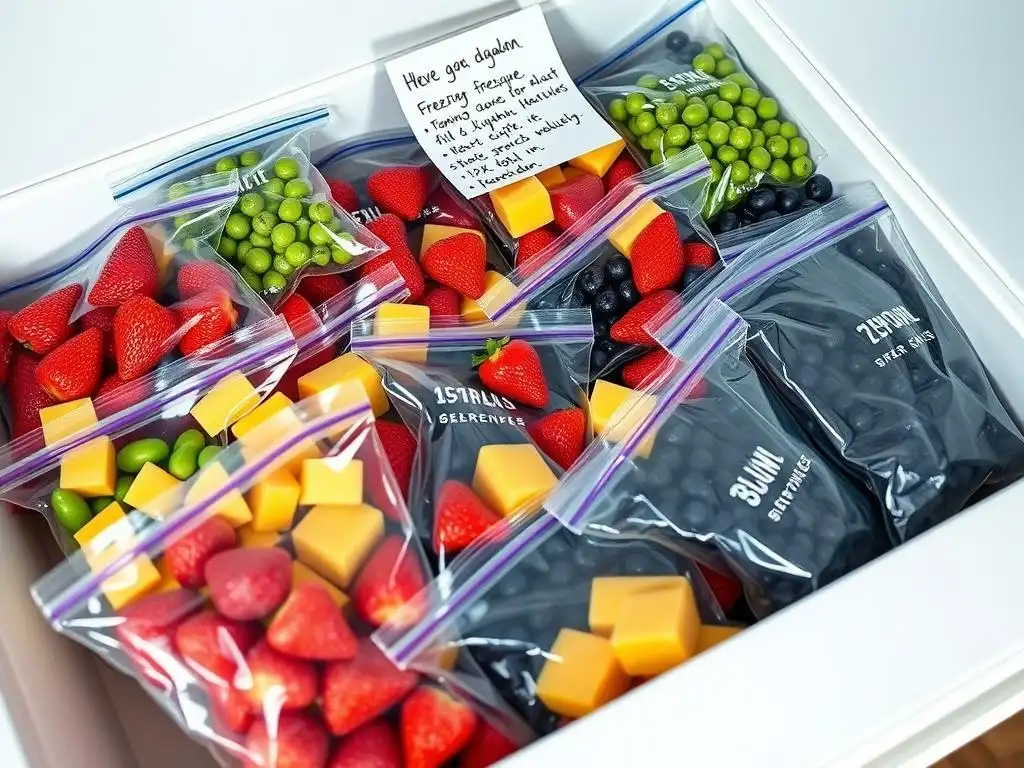
This section delves into the specifics of freezing various garden harvests, offering techniques to maximize freezer space and preserve the quality of your produce. Efficient freezing is key to enjoying the fruits (and vegetables!) of your labor throughout the year. We'll explore best practices for different types of produce, focusing on maximizing flavor and minimizing wasted space. Remember, proper preparation is crucial for successful freezing and "Freezing garden harvest efficiently" is our ultimate goal.
Freezing Berries: Proper Preparation and Storage Techniques for Maximum Flavor Retention
Berries, with their delicate nature, require careful handling to retain their flavor and texture after freezing. The key is to freeze them quickly, preventing the formation of large ice crystals that can damage their cell structure.
First, sort your berries, removing any that are overripe, damaged, or moldy. Gently wash them in cold water and allow them to completely dry on paper towels. This step is critical to prevent excess moisture, which can lead to freezer burn.
For optimal space-saving, consider freezing berries in a single layer on a baking sheet lined with parchment paper. Once frozen solid (this usually takes a few hours), you can transfer them to freezer bags, removing as much air as possible. This method prevents them from clumping together, making it easier to portion out later.
Another effective technique is to freeze berries in ice cube trays. This allows for easy portioning for smoothies or other recipes. Simply fill each cube compartment with berries, top with a little water or juice (optional), and freeze. Once frozen, pop the berry cubes out and store them in a freezer bag.
Remember to label your bags with the type of berry and the date of freezing. Properly frozen berries can last for up to 12 months, retaining much of their delicious flavor and nutritional value. 🍓
Freezing Herbs: Preserving Freshness and Aroma
Freezing herbs requires a slightly different approach than freezing berries. The goal is to maintain their vibrant color, intense aroma, and flavor. Simply freezing whole sprigs often results in a loss of quality.
The best method involves finely chopping the herbs before freezing. This increases the surface area, allowing for quicker freezing and preventing ice crystal formation. You can then freeze them in ice cube trays using a little olive oil or water to create herb-infused cubes perfect for soups, stews, or sauces. Alternatively, you can spread the chopped herbs thinly on a baking sheet, freeze them solid, and then transfer them to a freezer bag. This "flash-freezing" method helps maintain the herbs' texture and aroma.
Another space-saving technique is to mix chopped herbs with olive oil to create a paste. This mixture can then be portioned into ice cube trays or small containers. This method preserves both the flavor and the aroma of your herbs exceptionally well. 🌿
Freezing Fruits and Vegetables: Tips for Efficient Freezing of Tomatoes, Peppers, and other produce
Freezing fruits and vegetables like tomatoes and peppers requires blanching—a quick dip in boiling water followed by an immediate ice bath—to inactivate enzymes that can cause loss of flavor, color, and texture. This step is particularly important for larger pieces of produce.
For tomatoes, consider blanching them briefly (about 30 seconds) before removing the skins and seeds. Then, you can chop them and freeze them in ice cube trays or freezer bags. Similarly, peppers can be blanched, seeded, and chopped before freezing.
Larger vegetables, such as zucchini or squash, can be diced or sliced before blanching. This ensures even cooking and prevents large pieces from becoming mushy after freezing.
Remember to always label your containers clearly with the contents and date. Properly blanched and frozen vegetables retain their nutritional value and can be used in soups, stews, sauces, or other recipes throughout the year. 🍅🌶️
Remember, efficient freezing of your garden harvest not only saves space but also ensures you can enjoy the bounty of your garden all year round. By following these techniques, you can maximize the shelf life and quality of your frozen produce.
Dealing with Excess Harvest: Beyond Freezing – Dehydration and Canning as Alternatives
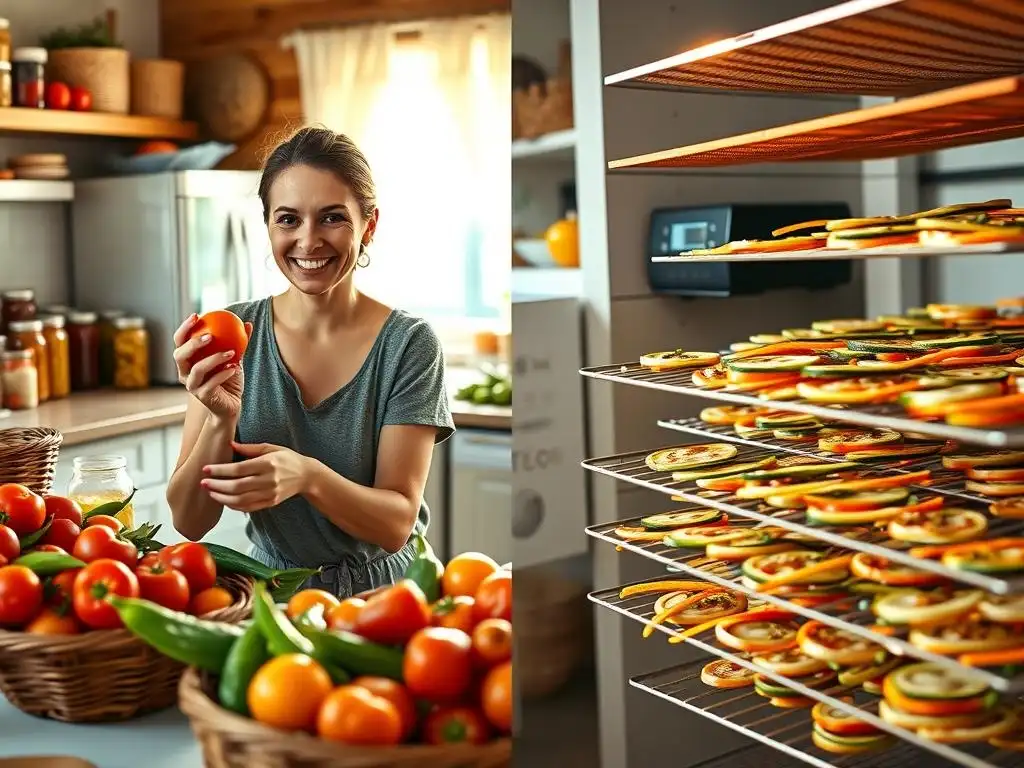
Freezing is a fantastic method for preserving your garden bounty, but sometimes you might find yourself with an abundance of produce that even your freezer can't handle. Efficiently freezing your garden harvest is crucial, but don't forget that other excellent preservation techniques exist! This section explores dehydration and canning as viable alternatives to maximize your harvest's lifespan and minimize waste. Learning to utilize these methods will enhance your overall food preservation strategy, ensuring you enjoy the fruits (and vegetables!) of your labor year-round. Proper planning and understanding these methods are key to efficient preservation of your garden's output.
Dehydrating Your Excess Produce: A Comparison of Dehydrators: Nesco FD-1020 vs. Excalibur 9-Tray Dehydrator
Dehydration is an excellent method for preserving many fruits and vegetables, extending their shelf life significantly. This process removes moisture, inhibiting the growth of microorganisms that cause spoilage. However, choosing the right dehydrator can impact efficiency and results. Let's compare two popular models: the Nesco FD-1020 and the Excalibur 9-Tray Dehydrator.
The Nesco FD-1020 is a budget-friendly option known for its ease of use and compact design. Its relatively small footprint makes it ideal for smaller harvests or those with limited counter space. However, its lower capacity might necessitate multiple drying cycles for larger harvests. It’s a great choice for beginners and those looking for a straightforward solution. Drying times may be slightly longer compared to higher-end models.
The Excalibur 9-Tray Dehydrator, on the other hand, boasts a larger capacity and superior airflow, resulting in faster drying times and more even dehydration. Its horizontal airflow system ensures consistent drying across all trays, minimizing the risk of unevenly dried produce. While more expensive upfront, the Excalibur represents a long-term investment for those who frequently dehydrate large quantities of produce, making it a more efficient choice for maximizing preservation of a large garden harvest. The investment pays off in terms of time saved and consistent quality.
| Feature | Nesco FD-1020 | Excalibur 9-Tray Dehydrator |
|---|---|---|
| Price | Budget-friendly | More expensive |
| Capacity | Lower | Higher |
| Drying Time | Longer | Faster |
| Airflow | Less efficient | Superior, horizontal airflow |
| Ease of Use | Easy | Relatively easy |
| Ideal for | Beginners, smaller harvests | Large harvests, frequent use |
Canning as a Preservation Method: A Guide to Safe Canning Practices for Fruits and Vegetables
Canning, a time-tested method, involves preserving food in airtight jars by heating it to a temperature that destroys spoilage organisms. Proper canning techniques are crucial for food safety; improper canning can lead to botulism, a severe and potentially fatal illness. Therefore, adhering to established guidelines is paramount.
Canning fruits and vegetables requires careful preparation and precise execution. This involves sterilizing jars and lids, properly packing the produce, and processing the jars in a boiling water bath or pressure canner (depending on the food and altitude). Accurate processing times are essential to ensure adequate heat penetration and microbial destruction. Following tested recipes and using a reliable canning guide is vital for success and safety. Always use a pressure canner for low-acid foods like vegetables to prevent botulism. Fruits, being higher in acidity, can generally be safely processed in a boiling water bath.
Remember, safe canning practices are non-negotiable. Improperly canned food can be dangerous, so invest in a reliable pressure canner if you plan to can low-acid foods. Consult reputable resources, such as the National Center for Home Food Preservation, for detailed instructions and up-to-date guidelines. Careful attention to detail and adherence to these guidelines will ensure you enjoy your home-canned goods safely and efficiently, maximizing the utilization of your seasonal garden harvest. This helps in efficiently freezing your garden harvest while also having alternative preservation methods readily available. 🍅🥕🍎
Long-Term Storage and Rotation: Preventing Freezer Burn and Maximizing Shelf Life
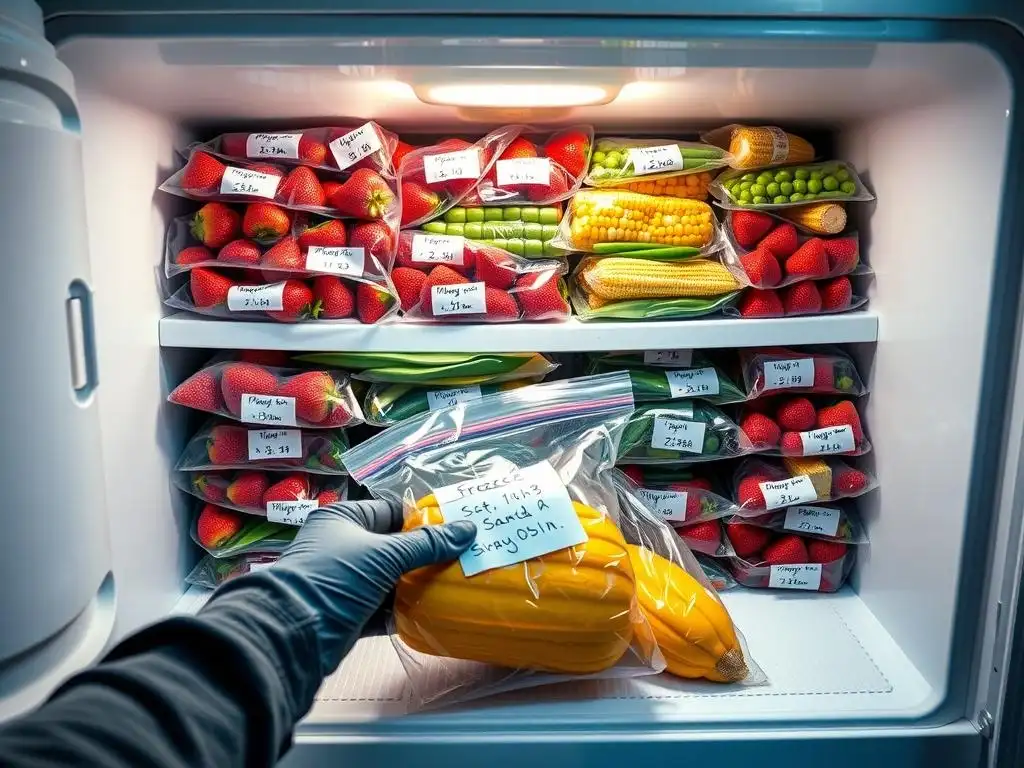
Efficiently freezing your garden harvest isn't just about the initial freezing process; it's about long-term storage and rotation to prevent waste and maintain quality. Proper storage techniques significantly impact the shelf life of your frozen produce, minimizing freezer burn and ensuring you enjoy the fruits (and vegetables!) of your labor for months to come. This involves a combination of smart packaging, organized storage, and a consistent inventory system.
FIFO Method for Freezer Inventory: First In, First Out
Implementing the FIFO (First In, First Out) method is crucial for maximizing the shelf life of your frozen garden harvest. This simply means using the oldest items first. Imagine your freezer as a conveyor belt; the newest additions go to the back, while the older items are moved to the front for easy access. This prevents older items from getting lost and forgotten, reducing the risk of freezer burn and ensuring you use your produce before its quality degrades.
To effectively utilize FIFO, consider labeling your packages with the date of freezing. You can use a simple label maker or even write the date directly on freezer-safe tape. Visually inspecting your freezer regularly will also help you identify older items and prioritize their use. Think of it as a game of freezer Tetris – constantly rotating your inventory to keep the flow going. This consistent rotation is key to "Freezing garden harvest efficiently".
Detecting and Dealing with Freezer Burn: Identifying and Addressing Freezer Burn in Your Frozen Produce
Freezer burn is the enemy of long-term frozen food storage. It's characterized by a dry, whitish discoloration on the surface of frozen food, often accompanied by a loss of flavor and texture. While it doesn't make the food unsafe to eat, it significantly diminishes its quality.
Several factors contribute to freezer burn, including insufficient packaging (allowing air to reach the food), fluctuating freezer temperatures, and improper storage. Detecting freezer burn is relatively straightforward. Look for those tell-tale white patches or crystals on the surface of your frozen produce. If you notice freezer burn, it’s best to use that portion of the food first. While you can still consume it, the texture and flavor may be compromised.
Preventing freezer burn is far easier than dealing with it. Ensure you use airtight, freezer-safe containers or bags, removing as much air as possible before sealing. Properly wrapping individual portions also helps maintain quality. Using vacuum sealers can significantly reduce the chances of freezer burn, as they remove almost all air from the packaging.
Maintaining Freezer Temperature: The Importance of Consistent Temperatures for Optimal Food Preservation
Maintaining a consistent freezer temperature is paramount for preserving the quality of your frozen garden harvest. Fluctuations in temperature can lead to the formation of ice crystals, which contribute to freezer burn and affect the texture of your food.
Ideally, your freezer should maintain a temperature of 0°F (-18°C) or lower. Regularly check your freezer's temperature using a thermometer. Many modern freezers have digital displays showing the internal temperature, but a separate thermometer provides an independent verification. If you notice any significant temperature fluctuations, investigate potential causes.
This might involve checking the freezer door seal for proper closure, ensuring adequate ventilation around the freezer, or even contacting a repair service if necessary. Consistent temperatures are a crucial element in "Freezing garden harvest efficiently" and prolonging the shelf life of your precious harvest. Remember, a well-maintained freezer is your best friend in preserving the bounty of your garden throughout the year.
Frequently Asked Questions
How much space will my garden harvest actually take up in the freezer?
The space needed depends on the volume of your harvest and how efficiently you pack it. Consider using flat containers or freezer bags to maximize space. Pre-blanching vegetables can also reduce their volume.
What's the best way to prepare my produce before freezing?
Proper preparation is crucial. Wash and thoroughly dry all produce. Most fruits and vegetables benefit from blanching (briefly boiling then immediately cooling in ice water) to inactivate enzymes and preserve color and texture.
What are the best containers for freezing garden produce?
Use airtight freezer-safe containers or heavy-duty freezer bags. Avoid using glass containers as they can break. Label and date everything clearly for easy identification.
How long can I store my frozen garden harvest?
Most fruits and vegetables can be stored in the freezer for 10-12 months while maintaining good quality. However, the quality might start to degrade after that.
Are there specific techniques for freezing different types of produce?
Yes, different fruits and vegetables require slightly different preparations. Some, like berries, can be frozen whole. Others, like peas or corn, are best frozen after blanching. Research specific freezing instructions for each type of produce to maintain optimal quality.
Final Reflection: A Bountiful Harvest, Preserved for Years to Come
The efficient preservation of our garden's bounty is not merely a matter of convenience; it's a vital act of sustainability and resourcefulness in a world facing increasing food insecurity. Learning to maximize freezer space allows us to enjoy the fruits (and vegetables!) of our labor long after the growing season ends, reducing food waste and ensuring access to nutritious, homegrown food throughout the year.
The impact of preserving our harvests extends beyond our individual kitchens; it connects us to a richer, more sustainable food system. It fosters a deeper appreciation for the land, the seasons, and the effort involved in producing food. This mindful approach to food production and preservation resonates with a growing movement towards self-sufficiency and a reduced reliance on industrial food systems. We must learn to live in harmony with nature, not dominate it.
This sentiment, while applicable to many aspects of life, holds particular weight when considering our relationship with the food we consume.
Consider the possibilities: Imagine the satisfaction of pulling out a bag of homegrown peas in the dead of winter, the vibrant color and taste a stark contrast to the bland offerings of the supermarket. This is more than just efficient freezing; it's about building resilience, connecting with nature, and savoring the rewards of your hard work. Take the lessons from this article, experiment with different freezing techniques, and discover the joy of a freezer brimming with the flavors of your garden, a testament to your dedication and a delicious reward for your efforts.
Thank you for learning how to maximize your freezer space for your bountiful garden harvest! We hope you gained valuable insights into preserving your hard work. Now, let's put that knowledge into practice.
- First Step: Begin by taking inventory of your freezer. Create a detailed list of everything currently stored inside. This will help you plan how best to incorporate your new harvest.
- Start Preserving Now: Choose one of your garden items—perhaps those extra zucchini or a surplus of berries—and process it immediately while it's fresh.
- Share Your Tips: Share your best freezer organization tip on our CultivateYourFood community forum! Let's help each other maximize our preserving efforts.
What ingenious freezer organization trick are you most excited to try?