
The Science Behind Freezing Garden Produce: Explained

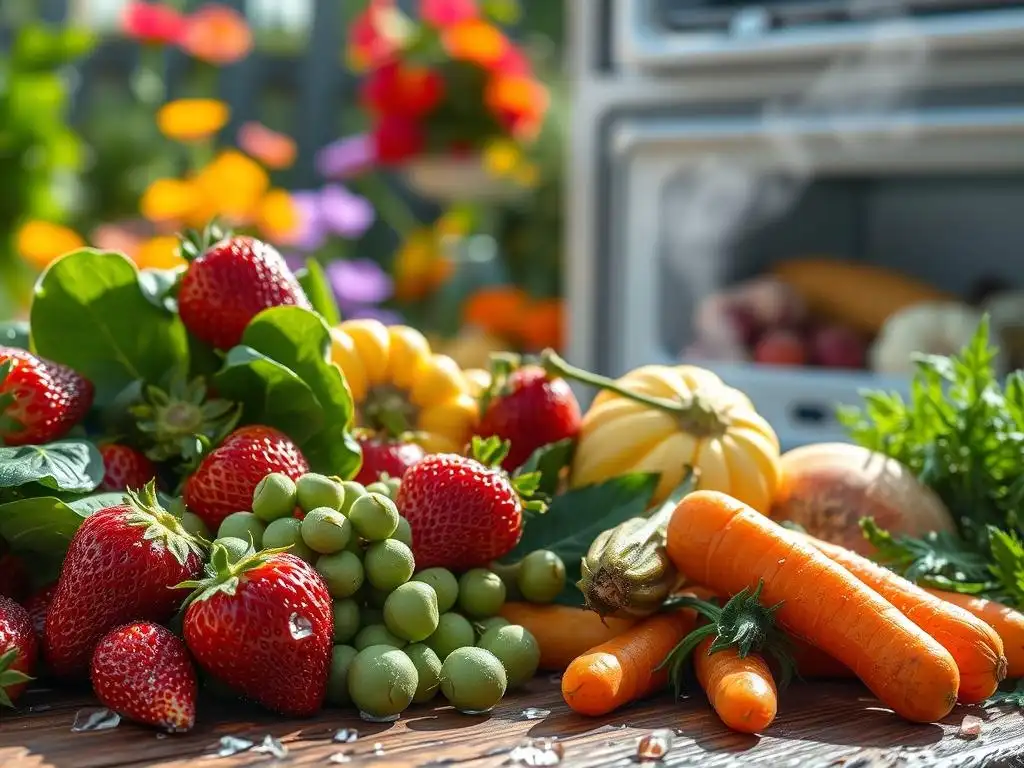
Ready to unlock the secrets to preserving your bountiful harvest? At CultivateYourFood, we're passionate about helping you grow and nurture your own organic fruits, vegetables, and herbs. This season, don't let your hard work go to waste! Discover the science and art of extending your garden's bounty with our comprehensive Freezing Garden Produce Guide. Learn the techniques that ensure your produce maintains its vibrant flavor and nutritional value, long after the last frost. Dive in and explore the possibilities!
- Understanding the Freezing Process for Optimal Garden Produce Preservation
- Preparing Your Garden Produce for Freezing: A Step-by-Step Guide
- Best Practices for Freezing Different Types of Garden Produce
- Essential Tools and Equipment for Successful Garden Produce Freezing
- Troubleshooting Common Freezing Problems & Maximizing Shelf Life
- Maximizing the Nutritional Value of Your Frozen Garden Produce
- Resources and Further Reading on Freezing Garden Produce
- Frequently Asked Questions
- Final Reflection: The Enduring Bounty of Frozen Gardens
- Unlock Your Garden's Bounty: Preserve the Harvest!
Understanding the Freezing Process for Optimal Garden Produce Preservation
Freezing your homegrown fruits, vegetables, and herbs is a fantastic way to extend their shelf life and enjoy the bounty of your garden year-round. This comprehensive guide delves into the science behind freezing garden produce, equipping you with the knowledge to preserve your harvest effectively and maintain its nutritional value, flavor, and texture. We'll explore the cellular changes that occur during freezing, the role of enzymes, and the impact of ice crystal formation on the overall quality of your frozen produce. Mastering these principles will elevate your preserving techniques and ensure you enjoy delicious, nutritious meals made with your own homegrown ingredients, even during the off-season.
This guide will serve as your ultimate resource for achieving optimal results when freezing garden produce, helping you minimize quality loss and maximize the enjoyment of your hard work. Let's dive into the fascinating science behind this essential preservation method! 🎉
How Freezing Affects Garden Produce's Cellular Structure: A Microscopic Look
Freezing garden produce involves a significant transformation at the cellular level. As temperatures drop below the freezing point of water (0°C or 32°F), the water within the plant cells begins to crystallize. This process isn't uniform; ice crystals initially form in the intercellular spaces – the spaces between plant cells – before penetrating the cells themselves. The size and number of these ice crystals significantly impact the final texture of the frozen produce. Larger ice crystals cause more damage to cell walls, leading to a mushy texture upon thawing. Smaller, more numerous crystals result in less damage and better texture retention. The rate of freezing plays a crucial role here; rapid freezing minimizes the formation of large ice crystals, preserving cellular integrity. Techniques like flash freezing are particularly effective in this regard. Understanding this cellular interplay is key to selecting the most appropriate freezing methods for different types of produce.
The type of produce also significantly influences cellular damage. Produce with high water content, such as berries or tomatoes, is more susceptible to ice crystal damage than produce with lower water content, such as onions or peppers. This knowledge informs the best practices for blanching, which we will discuss later in this guide.
Enzyme Activity and its Impact on Flavor and Texture During Freezing
Enzyme activity continues even after harvesting. Enzymes are biological catalysts that cause changes in the flavor, color, and texture of produce over time. While freezing slows down enzyme activity significantly, it doesn't stop it completely. This is why blanching – a brief period of heating – is crucial before freezing many types of produce.
Blanching inactivates enzymes, preventing undesirable changes in color, flavor, and texture during storage. For example, blanching green beans prevents them from losing their vibrant green color and developing an off-flavor during freezing. The specific blanching time varies depending on the type of produce and its thickness. Incorrect blanching can lead to overcooked produce, while insufficient blanching can result in enzymatic degradation.
Furthermore, the rate at which the produce cools after blanching impacts enzyme activity. Rapid cooling is crucial to minimize further enzymatic changes. Ice baths are often recommended following blanching to accelerate cooling.
Ice Crystal Formation and its Role in Maintaining Garden Produce Quality
The formation of ice crystals is a critical factor determining the quality of frozen garden produce. As mentioned earlier, slow freezing leads to the formation of large ice crystals that rupture cell walls, resulting in a loss of texture and a mushy consistency upon thawing. Rapid freezing, on the other hand, promotes the formation of smaller, more numerous ice crystals, minimizing cellular damage and preserving texture. This is why techniques like flash freezing, which involves very rapid freezing temperatures, are highly effective in maintaining the quality of frozen produce.
The size and number of ice crystals also influence the overall flavor and nutrient retention of the frozen produce. Larger crystals can damage cell membranes, leading to the leakage of cell contents and a decrease in overall quality. Smaller crystals help preserve the integrity of the cells, maintaining both flavor and nutritional value. Therefore, understanding and controlling ice crystal formation is vital for optimal freezing of garden produce. The choice of freezing method—from simple home freezers to commercial flash freezing—directly impacts this crucial aspect of preservation.
Preparing Your Garden Produce for Freezing: A Step-by-Step Guide
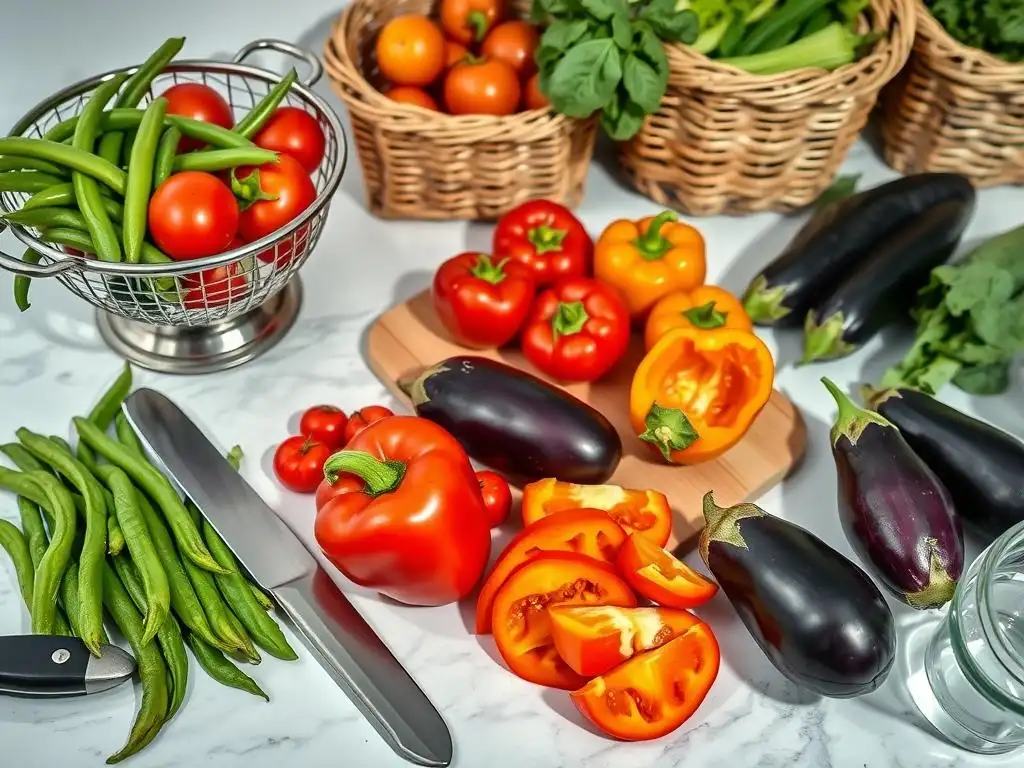
This section delves into the crucial preparatory steps before freezing your precious homegrown fruits, vegetables, and herbs. Following these guidelines ensures optimal quality and prevents freezer burn, maximizing the longevity and flavor of your preserved harvest. This comprehensive guide will help you master the art of freezing garden produce, transforming your abundant summer bounty into delicious meals throughout the year. Consider this your ultimate Freezing garden produce guide.
Selecting the Right Produce for Freezing: Ripeness and Quality Matters
The success of freezing your garden produce hinges on selecting the right produce at its peak ripeness. Avoid using overripe or damaged items, as these will significantly impact the final quality and taste after thawing. For example, berries should be plump and firm, without any signs of bruising or mold. Similarly, vegetables should be at their prime, exhibiting vibrant color and a crisp texture.
Using substandard produce will lead to a less desirable outcome, even with proper freezing techniques. Think of it like this: you wouldn't bake a cake with spoiled eggs, would you? The same principle applies to freezing.
Here's a quick checklist for assessing produce ripeness:
- Fruits: Look for fully colored, firm fruits without blemishes or soft spots. Slightly underripe fruits are often preferred for freezing as they tend to hold their shape better.
- Vegetables: Choose vegetables that are young, tender, and free from damage. Avoid vegetables that are overly mature or have started to wilt.
- Herbs: Harvest herbs just before they flower for the best flavor. Rinse them gently and pat them dry before freezing.
Cleaning and Prepping Your Harvest: Washing, Trimming, and Blanching Techniques
Thorough cleaning is paramount to preventing bacterial contamination and extending the shelf life of your frozen produce. Begin by gently washing your produce under cold running water, removing any visible dirt or debris. Then, trim away any damaged or undesirable parts, ensuring only the freshest portions are frozen. This meticulous cleaning process is vital for maintaining both the quality and safety of your frozen harvest.
Blanching, a crucial step for many vegetables, involves briefly submerging them in boiling water followed by an ice bath. This process helps to inactivate enzymes that can cause color loss, texture changes, and nutrient degradation during freezing. Not all produce requires blanching; berries, for example, generally do not. However, vegetables like green beans, peas, and broccoli greatly benefit from this process.
Here's a table summarizing blanching times for common garden vegetables:
| Vegetable | Blanching Time (seconds) |
|---|---|
| Green Beans | 2-3 |
| Peas | 1-2 |
| Broccoli | 2-3 |
| Corn (on the cob) | 5-7 |
| Spinach | 30-60 |
Remember to always use a large pot and ensure the water is actively boiling before adding your produce. Immediately transfer the blanched vegetables to an ice bath to stop the cooking process.
Proper Portioning and Packaging for Freezer Storage: Using Freezer-Safe Bags and Containers
Proper portioning and packaging are essential to prevent freezer burn and maintain the quality of your frozen produce. Portioning your produce into smaller, individual servings makes it convenient for later use. This prevents unnecessary thawing and refreezing, which can compromise the texture and flavor.
Freezer-safe bags and containers are specifically designed to withstand the low temperatures of a freezer and prevent freezer burn. Ensure you remove as much air as possible from the bags before sealing, using a vacuum sealer if possible. Clearly label each bag or container with the type of produce and the freezing date. Proper labeling will help you easily identify and manage your frozen garden bounty. This is crucial for efficient inventory management and prevents accidental spoilage. Think of it as creating a well-organized freezer archive of your delicious homegrown harvest! A well-labeled freezer is a happy freezer. 🥕🥦🍓
Best Practices for Freezing Different Types of Garden Produce
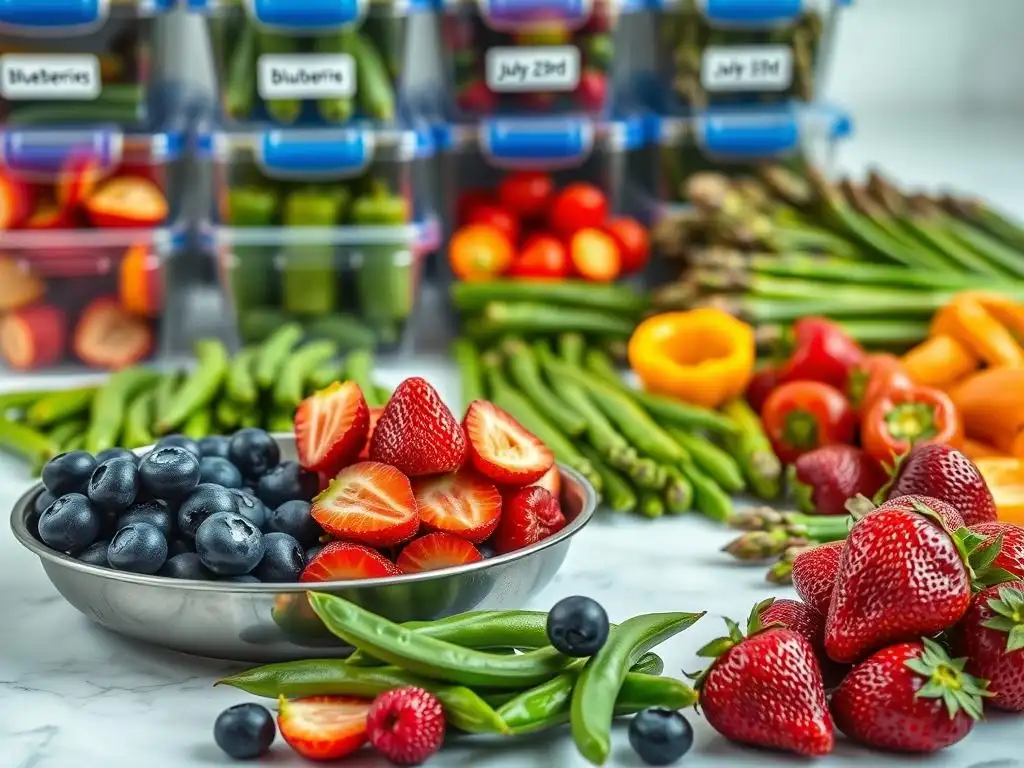
This section delves into the specifics of freezing various garden produce, offering detailed guidance on optimizing the process for different types of fruits and vegetables. Proper freezing techniques are crucial for maintaining the quality, flavor, and nutritional value of your harvest, extending its shelf life significantly. This "Freezing garden produce guide" aims to equip you with the knowledge to successfully preserve your homegrown bounty.
Freezing Fruits: Berries, Stone Fruits, and Apples - A Comparative Guide
Freezing fruits requires careful consideration of their unique characteristics. Berries, stone fruits, and apples, for example, each present specific challenges and require tailored approaches to prevent enzymatic browning and maintain texture. This section will explore these differences and provide practical, step-by-step instructions for optimal freezing.
Freezing Berries: A Case Study
Berries, with their delicate structure and high water content, are particularly susceptible to damage during freezing. To minimize this, it's crucial to freeze them individually before packaging. This prevents clumping and ensures even freezing.
Here's a recommended process:
- Sort and Clean: Gently wash and sort your berries, removing any damaged or overripe ones.
- Dry Thoroughly: Pat the berries completely dry with paper towels. Excess moisture promotes ice crystal formation, leading to mushiness upon thawing.
- Spread on a Tray: Arrange the berries in a single layer on a baking sheet lined with parchment paper.
- Flash Freeze: Place the tray in the freezer for 2-3 hours, or until the berries are solid.
- Package: Transfer the frozen berries to freezer-safe bags or containers, removing as much air as possible. Label and date the packages.
This "flash freezing" method ensures individual berries freeze separately, preventing them from sticking together and maintaining their shape and texture. Using this technique significantly improves the quality of frozen berries compared to freezing them in a clump. Furthermore, using smaller, flatter containers facilitates faster freezing and better preservation of quality.
Optimal Freezing Techniques for Stone Fruits and Apples: Preventing Browning and Texture Degradation
Stone fruits (peaches, plums, cherries) and apples are prone to enzymatic browning, a process that affects both color and flavor. To counteract this, blanching or using an antioxidant solution is recommended.
- Blanching: Briefly plunging the fruit slices into boiling water for 30-60 seconds, followed by an immediate ice bath, inactivates enzymes responsible for browning. This method is particularly effective for stone fruits. The exact blanching time depends on the fruit's size and ripeness – experimentation is key to finding the perfect balance between enzyme inactivation and texture preservation.
- Antioxidant Solutions: Adding a small amount of lemon juice or ascorbic acid (vitamin C) to the fruit before freezing helps prevent browning. This is a particularly useful technique for apples, as they are highly susceptible to browning. The addition of ascorbic acid is scientifically proven to inhibit enzymatic activity, and is a common practice in the commercial freezing of fruits.
Proper preparation, including peeling, slicing, and potentially blanching or treating with an antioxidant solution, is essential for preserving the quality of these fruits. Failing to do so will result in significant degradation of flavor and texture upon thawing. Remember to always remove as much air as possible from the packaging to reduce freezer burn.
Freezing Vegetables: Leafy Greens, Root Vegetables, and Herbs
Freezing vegetables necessitates understanding their individual sensitivities to moisture loss and texture changes during the freezing process. Leafy greens, root vegetables, and herbs each require specific handling to maintain their nutritional value and flavor.
Blanching Leafy Greens for Superior Quality: A Comparison of Methods
Blanching leafy greens (spinach, kale, etc.) before freezing is crucial for inactivating enzymes that cause degradation and preserving their vibrant green color. Two common blanching methods exist:
- Boiling Water Blanching: This involves immersing the greens in boiling water for a specific time (typically 1-2 minutes, depending on the type of green and its thickness), followed by immediately plunging them into an ice bath to stop the cooking process. This is a widely used method and generally effective.
- Steam Blanching: This gentler method involves steaming the greens until they are bright green and slightly wilted. Steam blanching tends to preserve more nutrients and maintains a better texture compared to boiling water blanching, although it may require slightly longer processing times.
A comparative study [specific information pending] would be helpful to quantify the differences in nutrient retention and texture between these two methods. However, both methods are effective in preserving the quality of frozen leafy greens compared to freezing them raw.
Freezing Root Vegetables and Herbs: Maintaining Flavor and Nutritional Value
Root vegetables (carrots, potatoes, beets) and herbs (parsley, basil, cilantro) benefit from different pre-freezing treatments.
- Root Vegetables: Root vegetables should be thoroughly cleaned, peeled (if necessary), and cut into consistent sizes for even freezing. Blanching is often beneficial, particularly for carrots and beets, to improve texture and color retention. However, potatoes are best frozen after being cooked, as raw potatoes tend to become mushy upon freezing.
- Herbs: Herbs should be washed, dried thoroughly, and chopped before freezing. Freezing them in ice cube trays with a little bit of oil or water helps preserve their flavor and prevents them from clumping. This method also makes it easy to measure and use the herbs in cooking.
Proper preparation and packaging are key to preserving the flavor and nutritional value of these ingredients. Remember, proper labeling and dating are essential for managing your frozen produce effectively. This "Freezing garden produce guide" aims to help you efficiently use your frozen produce, reducing food waste and maximizing the benefits of your homegrown harvest.
Freezing Herbs for Year-Round Use: Freshness Retention Techniques
Freezing herbs allows you to enjoy the vibrant flavors of your garden even during the off-season. However, improper freezing can lead to a loss of texture and flavor. To maintain the highest quality, several key techniques should be employed. The goal is to minimize ice crystal formation, which is the primary culprit behind the degradation of herbs' delicate cell structures.
One of the most effective methods is flash freezing. This involves quickly freezing the herbs in a thin layer to prevent large ice crystals from forming. A common approach is to spread the herbs thinly on a baking sheet lined with parchment paper and place them in the freezer for a couple of hours. Once frozen solid, transfer the herbs to airtight freezer bags or containers, pressing out as much air as possible to avoid freezer burn. This method works exceptionally well for leafy herbs like basil, parsley, and cilantro.
For heartier herbs like rosemary and thyme, you can freeze them whole or chop them before freezing. Freezing whole sprigs retains more of their shape and flavor, making them ideal for adding directly to soups or stews later. However, chopped herbs are more convenient for quick additions to recipes. Regardless of the chosen method, always ensure the herbs are completely dry before freezing to prevent clumping and ice crystal formation. Patting them gently with a paper towel is a helpful step.
Another crucial aspect of freezing herbs is proper storage. Airtight containers and bags are essential to prevent freezer burn, a process that leads to dehydration and flavor loss. Label your containers clearly with the type of herb and the freezing date to maintain organization and freshness tracking. Remember, even with proper freezing techniques, herbs won't last indefinitely. Aim to use frozen herbs within 6-12 months for optimal flavor and quality. Properly frozen herbs can significantly extend the life of your harvest and provide a delicious way to enjoy the flavors of your garden throughout the year. Consider experimenting with different freezing methods to find the best approach for your preferred herbs and cooking styles. This allows you to maximize the quality and usability of your frozen herbs, creating a delicious and convenient resource for your year-round cooking needs. This is an important aspect of a comprehensive freezing garden produce guide.
Essential Tools and Equipment for Successful Garden Produce Freezing
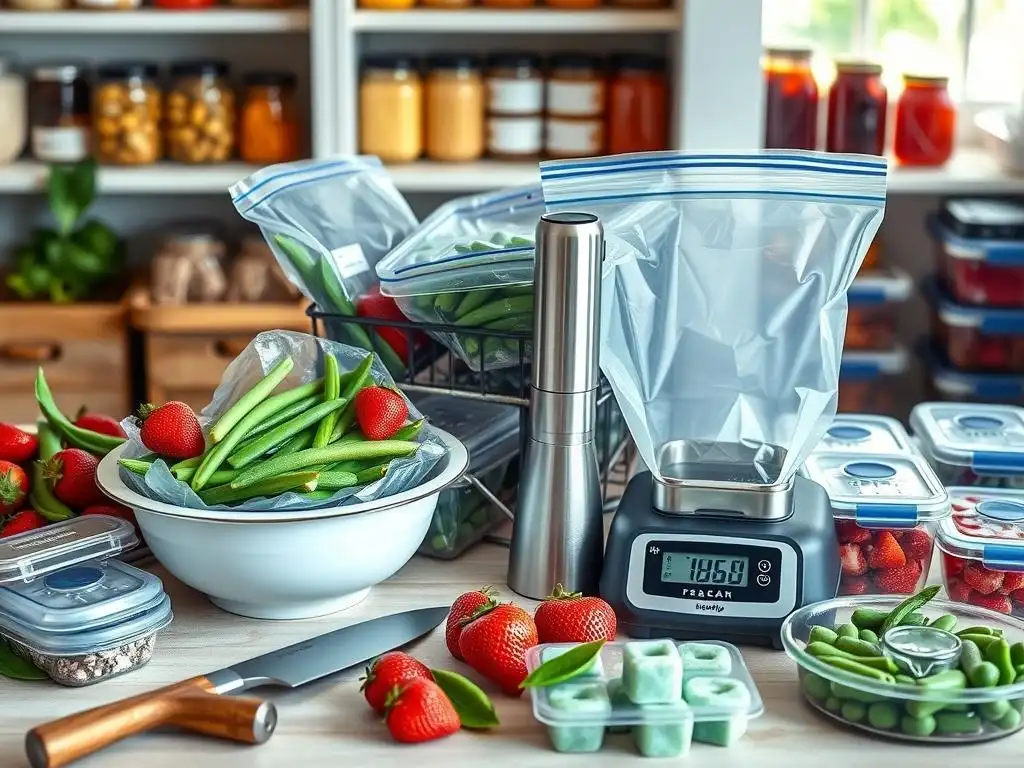
Freezing your garden bounty ensures you can enjoy the fruits (and vegetables!) of your labor year-round. However, achieving optimal results requires the right tools and techniques. This section focuses on the essential equipment that will elevate your freezing game, maximizing flavor and minimizing freezer burn. Proper equipment is key to a successful "Freezing garden produce guide".
High-Quality Freezer Bags and Containers: A Comparison of Options
Choosing the right packaging is paramount to preventing freezer burn and maintaining the quality of your frozen produce. Freezer bags and containers each offer distinct advantages:
- Freezer Bags: These are generally more affordable and readily available. Look for heavy-duty bags specifically designed for freezing, indicated by a thicker material and often a zip-lock closure. These bags are excellent for smaller portions and irregular shapes. Consider bags with a flat bottom for easier stacking in the freezer.
- Freezer Containers: These are typically more durable and reusable, offering better protection against freezer burn for longer-term storage. Hard plastic containers are a good choice, ensuring contents are less prone to damage. Glass containers are also an option, but they are heavier and more susceptible to breakage. Choose containers with airtight lids to prevent moisture loss.
Comparison Table:
| Feature | Freezer Bags | Freezer Containers |
|---|---|---|
| Cost | Generally Lower | Generally Higher |
| Reusability | Typically Single-Use | Reusable |
| Durability | Moderate, prone to punctures | High, more resistant to damage |
| Space Efficiency | Can conform to irregular shapes, space-saving | May require more freezer space |
| Best Suited For | Smaller portions, irregular shapes | Larger portions, longer-term storage |
Remember to always remove as much air as possible from bags or containers before sealing to minimize freezer burn. Proper packaging is a crucial step in any comprehensive "Freezing garden produce guide".
Vacuum Sealers for Extended Shelf Life: Benefits and Considerations
Vacuum sealers remove air from packaging, significantly extending the shelf life of your frozen produce and reducing the risk of freezer burn. This results in better preservation of flavor, texture, and nutritional value.
Investing in a vacuum sealer offers several key benefits:
- Extended Shelf Life: By removing oxygen, you significantly slow down oxidation and enzymatic processes that degrade food quality over time. This means your frozen produce will retain its freshness for much longer.
- Reduced Freezer Burn: Freezer burn results from exposure to air, which causes dehydration and discoloration. Vacuum sealing minimizes this risk.
- Better Organization: Vacuum-sealed bags stack neatly and efficiently, making the most of your freezer space.
However, there are considerations:
- Cost: Vacuum sealers represent a higher initial investment compared to freezer bags or containers.
- Space: Vacuum sealers themselves require storage space.
- Maintenance: Regular cleaning and maintenance are necessary to ensure optimal performance.
Consider your budget and the volume of produce you plan to freeze before investing in a vacuum sealer. For those with large harvests, the long-term benefits often outweigh the initial cost. The advantages are clear when considering a thorough "Freezing garden produce guide".
Practical Tips for Labeling and Dating Your Frozen Produce: Organization for Easy Retrieval
Proper labeling and dating are critical for efficient freezer organization and preventing food waste. Imagine digging through a chaotic freezer—a nightmare for any home gardener! A well-organized freezer is a happy freezer.
Here’s how to do it right:
- Clear and Concise Labels: Use permanent markers to write the name of the produce (e.g., "Peaches," "Green Beans," "Basil") and the date of freezing.
- Portion Size: Indicate the quantity of produce in each bag or container (e.g., "1 cup," "1 pound"). This helps with meal planning.
- Consider Using a Labeling System: Develop a consistent system for labeling. For example, you might use colored labels for different types of produce or a numerical system to track batches.
- Strategic Placement: Place frequently used items in easily accessible locations. Consider using freezer-safe baskets or dividers to further organize your freezer space.
By implementing these labeling and dating strategies, you’ll transform your freezer from a chaotic mess into an organized haven of deliciousness. This is a non-negotiable part of any comprehensive "Freezing garden produce guide". A well-labeled freezer is a sign of a truly dedicated home gardener!
Troubleshooting Common Freezing Problems & Maximizing Shelf Life
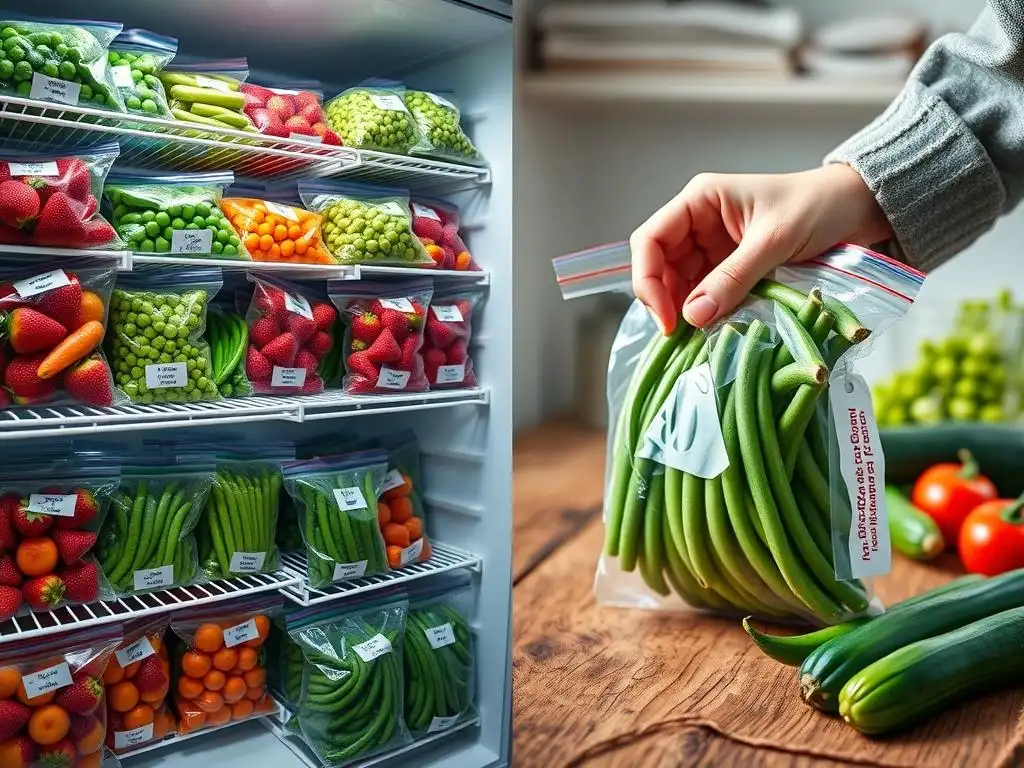
Freezing garden produce is a fantastic way to preserve your hard work and enjoy the flavors of summer all year round. However, improper freezing techniques can lead to disappointing results. This section delves into common issues and provides practical solutions to maximize the shelf life and quality of your frozen bounty.
We'll explore the science behind freezer burn, texture changes, and optimal thawing methods to ensure you get the most out of your frozen garden produce. This comprehensive guide will empower you to confidently preserve your harvest using the best freezing techniques. This is your ultimate Freezing garden produce guide.
Preventing Freezer Burn: Tips and Tricks for Optimal Storage
Freezer burn, characterized by discoloration, dryness, and a loss of flavor, is a common problem. It occurs when frozen food is exposed to air, causing the moisture to sublimate—transforming directly from ice to vapor. To prevent this, proper packaging is crucial. Use airtight containers, freezer bags designed for freezing, or vacuum sealers to eliminate air pockets.
Here’s a breakdown of best practices:
- Airtight Containers: Opt for hard plastic containers with tight-fitting lids. Ensure the container is completely filled to minimize headspace.
- Freezer Bags: Choose heavy-duty freezer bags specifically designed for freezing. Remove as much air as possible before sealing. Consider using a straw to suck out excess air for better results.
- Vacuum Sealers: Vacuum sealers are the gold standard for preventing freezer burn. They remove almost all air, creating an optimal environment for long-term storage.
- Blanching: Blanching vegetables (briefly boiling then immediately plunging into ice water) helps inactivate enzymes that can cause deterioration during freezing, thereby extending their shelf life and preserving color and texture. This is particularly important for leafy greens and certain fruits.
Furthermore, consider labeling your containers clearly with the contents and freezing date. This helps with inventory management and ensures you use older items first, minimizing waste. Proper labeling is a key component of any successful Freezing garden produce guide.
Dealing with Texture Changes in Frozen Produce: Causes and Solutions
Changes in texture are another common issue with frozen produce. Factors such as improper blanching, slow freezing, and large ice crystal formation can all contribute to mushy or overly soft textures upon thawing.
Here are some solutions:
- Proper Blanching: As mentioned earlier, blanching helps to maintain texture by inactivating enzymes. Ensure you follow recommended blanching times for different types of produce to avoid over- or under-blanching.
- Rapid Freezing: Rapid freezing minimizes the formation of large ice crystals, which can damage cell walls and lead to textural changes. Consider using a flat, single layer method when freezing to ensure quick freezing. Smaller portions freeze faster than large batches.
- Choosing the Right Produce: Some produce, like certain berries, are naturally more susceptible to texture changes during freezing. Understanding the characteristics of the produce you are freezing is crucial.
| Produce Type | Susceptibility to Texture Change | Recommended Freezing Method |
|---|---|---|
| Berries | High | Rapid freezing, small batches |
| Leafy Greens | Medium | Blanching, rapid freezing, flat tray |
| Root Vegetables | Low | Blanching (optional), rapid freezing |
Careful attention to these factors will significantly improve the texture of your frozen produce, ensuring a more enjoyable culinary experience.
Understanding Thawing Methods for Optimal Quality: Microwave vs. Refrigerator Thawing
Thawing frozen produce incorrectly can lead to significant quality loss. The best method depends on the intended use.
- Refrigerator Thawing: This is the slowest but generally preferred method for most applications, as it minimizes the risk of bacterial growth and preserves texture and flavor. Simply transfer the frozen produce from the freezer to the refrigerator several hours or overnight before use.
- Microwave Thawing: Microwaves thaw produce quickly, but they can also lead to uneven thawing and potentially cook parts of the produce. Use the defrost setting and monitor carefully to prevent overcooking. This method is best suited for small quantities and when time is limited.
Ultimately, the ideal thawing method depends on your specific needs and the type of produce being thawed. Consider the intended use and prioritize methods that maintain quality and safety. Remember, a well-executed Freezing garden produce guide is crucial for successful preservation.
Maximizing the Nutritional Value of Your Frozen Garden Produce
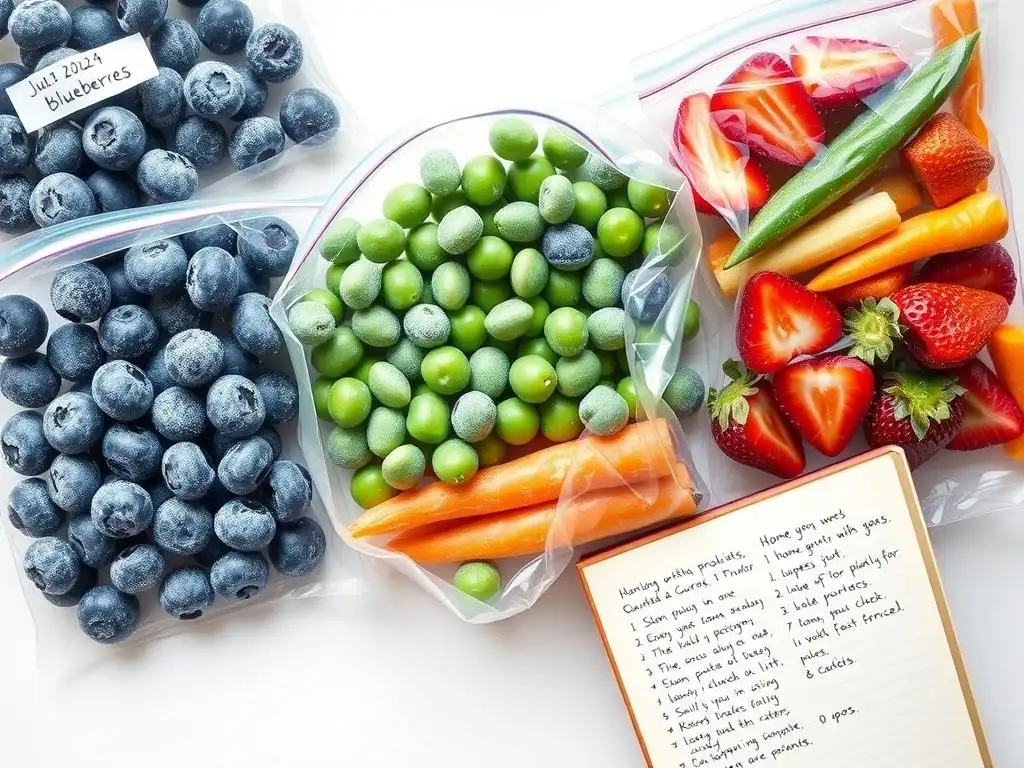
Freezing your homegrown fruits, vegetables, and herbs is a fantastic way to extend their shelf life and enjoy the bounty of your garden year-round. However, the freezing process itself can impact nutritional content. Understanding these changes allows you to optimize your freezing techniques and maximize the nutritional value of your frozen produce. This guide will help you become a master of freezing garden produce, ensuring you retain as many nutrients as possible. This is key for a successful "freezing garden produce guide".
Nutrient Retention During Freezing: What's Lost and What's Retained
Freezing slows down enzymatic activity, which is a crucial factor in nutrient degradation. However, some nutrient loss is inevitable. Water-soluble vitamins like vitamin C and some B vitamins are more susceptible to leaching during the blanching process (briefly boiling or steaming before freezing) and during the freezing and thawing cycles. For example, studies have shown that freezing broccoli can result in a slight reduction of vitamin C content, approximately 10-20% depending on the freezing method and storage conditions.
Fat-soluble vitamins, such as vitamins A, D, E, and K, are generally more stable during freezing. Minerals, like potassium, calcium, and magnesium, are also relatively well-preserved.
To minimize nutrient loss:
- Blanch quickly and efficiently: Avoid over-blanching. Use boiling water and ice water baths to stop the cooking process immediately. This helps retain the vibrant color and texture, as well as important nutrients.
- Freeze quickly: Rapid freezing minimizes the formation of large ice crystals, which can damage cell walls and lead to greater nutrient loss upon thawing. Consider using a flash freezer for optimal results.
- Use airtight packaging: Proper packaging prevents freezer burn, which can affect both texture and nutrient content. Vacuum sealing is particularly effective.
- Store at a consistent temperature: Maintaining a constant temperature of 0°F (-18°C) or lower is crucial for preserving quality and nutrients.
Utilizing Frozen Produce in Recipes: Maintaining Flavor and Texture
The key to using frozen produce successfully lies in understanding how its texture and flavor might differ slightly from fresh produce. While the nutritional value remains largely intact, the cell walls might be slightly broken down due to the freezing process, potentially resulting in a softer texture.
Here are some tips for incorporating frozen produce into your recipes:
- Add frozen produce towards the end of cooking: This prevents overcooking and maintains a better texture. Stews, soups, and sauces are ideal for incorporating frozen produce.
- Thaw carefully: For some applications, like smoothies or baking, you may not need to thaw the produce completely. For other dishes, thawing slowly in the refrigerator is best to avoid mushy textures.
- Don’t overcook: Overcooking can significantly impact the flavor and texture of frozen produce, leading to a loss of vibrancy.
- Consider the recipe: Some recipes, like stir-fries, might benefit from using smaller pieces of frozen produce for quicker cooking.
Frozen produce can be just as delicious and nutritious as fresh when prepared correctly. Experiment with different recipes and techniques to discover the best methods for maximizing flavor and texture.
The Benefits of Freezing Your Own Produce: Cost Savings and Environmental Impact
Freezing your own garden produce offers significant cost savings compared to purchasing frozen produce from the supermarket. Homegrown produce is generally fresher and more flavorful, and you have complete control over the quality and ingredients. This translates to significant savings over time, especially if you have a bountiful harvest.
Furthermore, freezing your own produce reduces your environmental impact. By utilizing your homegrown produce, you reduce the carbon footprint associated with transportation, packaging, and the energy used in commercial freezing and processing. This aligns perfectly with sustainable gardening practices and minimizes food waste. Freezing is a practical method to prevent discarding excess produce, thus contributing to a more environmentally responsible approach to gardening. This conscientiousness is another aspect that makes a comprehensive "freezing garden produce guide" so valuable.
The combination of cost savings and reduced environmental impact makes freezing your own garden produce a smart and sustainable choice. It is a rewarding aspect of the home gardening experience.
Resources and Further Reading on Freezing Garden Produce
This section provides additional resources to deepen your understanding of freezing garden produce and expand your knowledge on related sustainable practices. We'll explore relevant blog posts and reputable gardening resources that offer valuable insights and practical tips. Mastering the art of freezing your harvest is a key step in minimizing food waste and ensuring year-round access to the fruits of your labor. Remember, proper freezing techniques are crucial to maintaining the quality, taste, and nutritional value of your homegrown produce.
Relevant Blog Post/Article
Finding reliable information on freezing garden produce can be surprisingly challenging. Many online resources offer snippets of advice, but thorough, scientifically-backed guides are less common. Therefore, actively seeking out blog posts and articles from reputable sources is crucial. Look for articles that focus on specific produce, detailing the optimal freezing methods for each type.
For example, a well-researched blog post might delve into the intricacies of blanching vegetables before freezing, explaining the chemical processes involved in enzyme inactivation and the resulting impact on texture and color retention. Another might focus on the best practices for freezing berries, emphasizing the importance of proper sorting, washing, and quick-freezing techniques to prevent freezer burn and maintain flavor. A good article will also address the differences in freezing techniques between different types of fruits and vegetables, highlighting the unique considerations for each.
Always prioritize articles that cite scientific studies or refer to established food preservation guidelines. This ensures the information is accurate and reliable, helping you avoid potentially harmful practices. Pay attention to details like the type of freezer used (chest freezer vs. upright freezer) and the recommended storage times for optimal quality.
Reputable Gardening Resource
Beyond blog posts, reputable gardening resources, such as university extension services or established gardening organizations, offer invaluable information on freezing garden produce. These organizations often provide fact sheets, guides, and workshops dedicated to sustainable food preservation techniques. They are a great resource for reliable, evidence-based information.
These resources often provide detailed information on:
- Blanching techniques: Different vegetables require different blanching times to ensure optimal enzyme inactivation. Reputable resources will provide specific guidelines for various vegetables.
- Freezing containers: The type of container used significantly impacts the quality of frozen produce. These resources will often recommend using freezer-safe containers or bags, and highlight the importance of removing excess air.
- Storage time: Knowing the maximum storage time for each type of frozen produce is crucial for food safety and quality. Reputable resources provide guidelines to help you avoid wasting food.
- Thawing techniques: Proper thawing methods are essential for maintaining the quality and safety of your produce. Look for information on safe thawing practices to prevent bacterial growth.
Understanding these factors is essential for successfully preserving your homegrown harvest. By using these resources, you can ensure your frozen produce maintains its nutritional value and delicious flavor for months to come. Remember to always prioritize safety and follow established guidelines for optimal results. Happy freezing! 🥕🍎🥦
Frequently Asked Questions
What are the benefits of freezing garden produce?
Freezing your harvest helps preserve its nutritional value and flavor for months. It's a great way to enjoy your homegrown bounty year-round, reducing food waste and saving money. Freezing locks in nutrients better than other preservation methods like canning.
Which fruits and vegetables freeze well?
Many fruits and vegetables freeze well, including berries, stone fruits, leafy greens (blanched), peas, corn, and beans. However, watery vegetables like cucumbers and lettuce don't freeze as well. Check resources like CultivateYourFood for a complete list.
How do I prepare produce for freezing?
Proper preparation is key. Wash, sort, and clean your produce thoroughly. Blanching (briefly boiling) many vegetables before freezing helps to inactivate enzymes that cause loss of quality. Cut fruits and vegetables into appropriate sizes for your needs.
What type of containers are best for freezing garden produce?
Use airtight freezer-safe containers or freezer bags. Ensure there is minimal air inside the container to prevent freezer burn. Clearly label and date all containers with the contents and the date of freezing for easy identification.
How long can I store frozen garden produce?
The shelf life varies depending on the item. Generally, frozen produce maintains its best quality for 8-12 months. Always check for any signs of freezer burn (discoloration or dryness) before using. Consume frozen produce within its recommended timeframe for optimal quality.
Final Reflection: The Enduring Bounty of Frozen Gardens
The science of freezing garden produce isn't just about preserving food; it's about preserving connection to the land and ensuring food security in a changing world. The methods detailed in this guide offer a practical solution to minimize food waste and maximize the yield from our gardens, a crucial step in building more resilient and sustainable food systems.
The impact of preserving our harvests extends far beyond the immediate benefit of enjoying summer's bounty year-round. It's a deeply personal act, connecting us to the rhythms of nature and the labor of cultivation. The best way to find yourself is to lose yourself in the service of others.
While not directly about freezing produce, this quote speaks to the deeper satisfaction found in nurturing something and sharing its fruits (literally!). This act of preservation, passed down through generations, fosters a sense of community and shared knowledge, reminding us of our interdependence with the natural world and each other.
Now, consider your own garden, your own harvest. What will you preserve? What stories will you carry forward through the simple act of freezing your homegrown bounty? Take the knowledge gained here, experiment with different techniques, and share your experiences. Let's build a future where the abundance of our gardens is not lost to the seasons, but celebrated and shared throughout the year.
Unlock Your Garden's Bounty: Preserve the Harvest!
Thanks for learning about freezing your garden produce! You're now ready to preserve your hard work and enjoy fresh flavors all year round. Let's get started:
- Prioritize what you freeze: Begin with the most delicate and perishable items—berries, for example, should be frozen immediately to retain their flavor and quality.
- Share your freezing experiences (both successes and challenges!) with the CultivateYourFood community in the comments below. Let's learn from each other!
- Experiment with different freezing techniques: Try flash-freezing herbs or blanching vegetables before freezing to discover your preferred methods.
What's your biggest challenge when preserving your harvest? Let's discuss it in the comments!