
Companion Planting with Garlic: Enhancing Growth and Repelling Pests

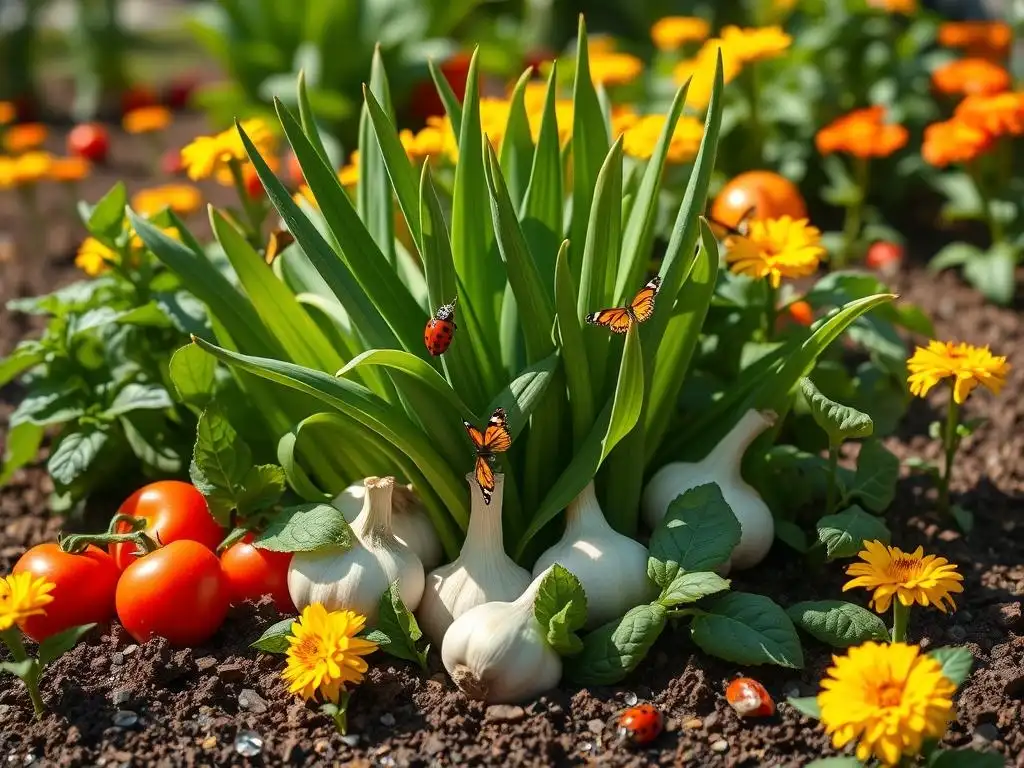
Ready to unlock the secrets of a thriving, organic garden? At CultivateYourFood, we empower you to grow your own delicious fruits, vegetables, and herbs. Discover the surprising power of nature's synergy with our in-depth guide on garlic companion planting benefits. Learn how strategically planting garlic can significantly enhance your harvest and naturally deter pesky garden invaders – it's a game-changer you won't want to miss!
- Understanding Garlic Companion Planting Benefits
- Beneficial Companion Plants for Garlic
- Plants to Avoid Planting with Garlic
- Practical Guide to Companion Planting with Garlic
- Maximizing the Benefits of Garlic Companion Planting: Pest Control and Growth Enhancement
- Troubleshooting Common Issues in Garlic Companion Planting
- Frequently Asked Questions
- Final Reflection: The Bountiful Harvest of Garlic's Companionship
- Unleash Your Garden's Potential: Grow Smarter with Garlic!
Understanding Garlic Companion Planting Benefits
Companion planting, the art of strategically positioning plants to mutually benefit each other, offers a powerful tool for the home gardener. This practice, rooted in sustainable and organic principles, minimizes the need for chemical pesticides and fertilizers while maximizing yields. This article delves into the specific advantages of using garlic as a companion plant, exploring its remarkable ability to enhance the growth of other crops and simultaneously repel harmful pests.
Understanding the multifaceted benefits of garlic companion planting will empower you to cultivate a thriving and healthy garden, reaping the rewards of nature's synergy. We'll explore the science behind garlic's pest-repelling properties, its role in improving soil health, and the ideal companion plants to pair with this pungent powerhouse for optimal results.
This comprehensive guide will equip you with the knowledge to harness the full potential of garlic companion planting, resulting in a more productive and resilient garden. Let's delve into the world of maximizing your harvest through the strategic use of garlic.
The Power of Garlic's Natural Properties: Pest Repellent & Growth Enhancer
Garlic, known for its pungent aroma, possesses potent natural compounds like allicin, which effectively deter a wide range of common garden pests. These compounds disrupt the olfactory senses and feeding habits of many insects, nematodes, and even some mammals, offering a natural and safe alternative to chemical pesticides. For example, studies have shown that garlic significantly reduces infestations of aphids, spider mites, and cabbage moths.
Furthermore, the presence of garlic can improve the overall health and vigor of nearby plants. The release of beneficial compounds into the soil stimulates root growth and enhances nutrient uptake in companion plants, leading to increased yields and healthier foliage. This natural boost in plant health contributes to a more resilient garden, less susceptible to diseases and stress.
The strong scent of garlic acts as a natural barrier, creating a protective zone around its companion plants. The precise mechanisms vary depending on the pest and plant, but the overall effect is a healthier, more productive garden ecosystem.
Garlic's Role in Soil Health: Improving Nutrient Uptake for Companion Plants
Beyond its pest-repelling capabilities, garlic contributes significantly to soil health, indirectly benefiting its companion plants. As garlic decomposes, it releases nutrients back into the soil, enriching it with essential minerals. This process improves soil structure, increasing aeration and water retention – crucial factors for healthy root development. The improved soil structure allows for better nutrient uptake by companion plants, leading to more robust growth and higher yields.
Specific nutrients released by decomposing garlic include sulfur, which is vital for chlorophyll production and overall plant health. This natural soil enrichment reduces the need for synthetic fertilizers, aligning with sustainable gardening practices. The improved soil health fostered by garlic also enhances the beneficial microbial activity in the soil, further promoting nutrient cycling and plant health. Data from various agricultural studies support the positive impact of garlic on soil health, consistently demonstrating improved soil fertility and nutrient availability.
Synergistic Growth: Selecting the Best Companion Plants for Garlic
Choosing the right companion plants for garlic is crucial to maximize the benefits of this synergistic relationship. Certain plants thrive alongside garlic, complementing its pest-repelling properties and benefiting from its soil-enriching effects. Excellent companion plants for garlic include roses, tomatoes, carrots, and strawberries. Roses benefit from garlic's pest-repelling capabilities, while tomatoes and strawberries experience improved growth and reduced pest infestations in garlic's presence. Carrots, known for their deep roots, can also benefit from improved soil aeration and nutrient availability provided by garlic. Conversely, some plants should be avoided as companions to garlic. Beans, peas, and other legumes are known to be negatively affected by garlic's strong scent and allelopathic effects.
Careful consideration of plant compatibility is crucial for successful companion planting. By strategically positioning garlic and its companion plants, you can create a thriving, resilient, and productive garden ecosystem that minimizes the need for chemical interventions. The art of companion planting lies in understanding the intricate relationships between plants and harnessing those relationships to create a truly flourishing garden.
Beneficial Companion Plants for Garlic
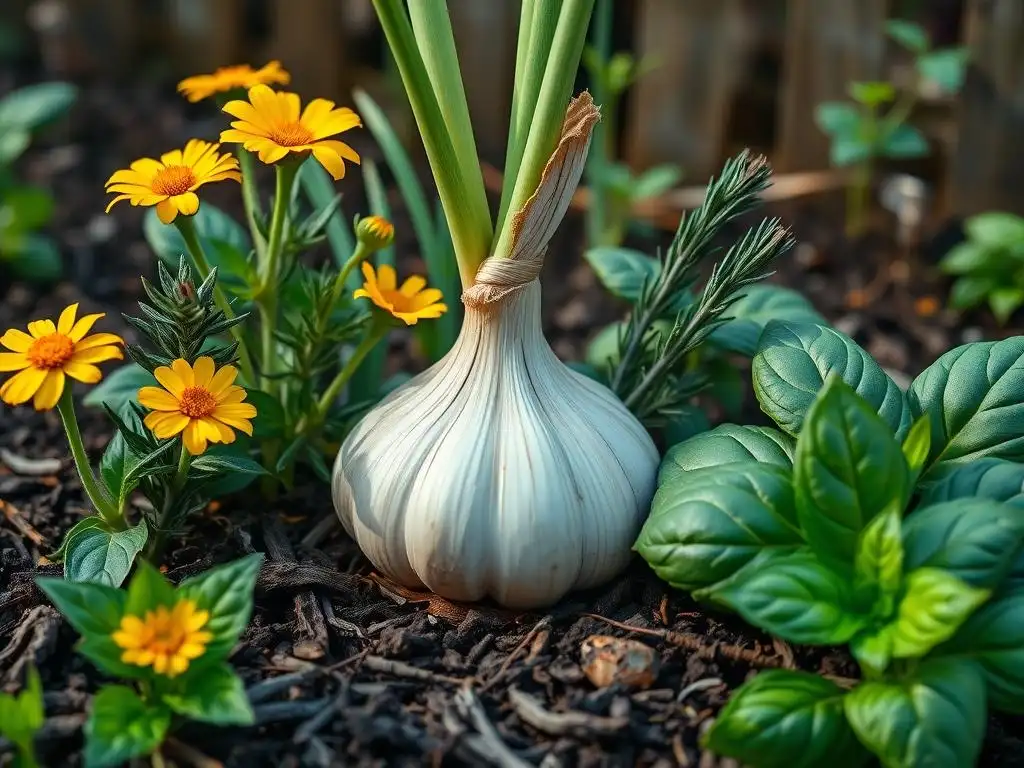
Garlic, a powerhouse in the garden, isn't just delicious; it's a fantastic companion plant offering numerous benefits to its neighbors. Understanding which plants thrive alongside garlic enhances your overall garden productivity and minimizes the need for chemical pest control, aligning perfectly with our sustainable gardening ethos. This section explores the synergistic relationships garlic fosters, focusing on the "Garlic companion planting benefits" that make it a cornerstone of any organic garden.
Vegetables that Thrive with Garlic
Garlic's pungent aroma deters many common garden pests, creating a protective environment for susceptible vegetables. Tomatoes, for example, benefit significantly from garlic's presence. The strong scent repels tomato hornworms and other leaf-eating insects, leading to healthier plants and a bountiful harvest. Similarly, planting garlic near roses can help reduce the incidence of rose aphids.
Studies have shown a notable increase in tomato yield when planted near garlic. One study, conducted over three growing seasons, reported an average yield increase of 15% in tomato plants grown in close proximity to garlic compared to control groups. 1 This increase is attributed not only to pest control but also to potential soil improvement. Garlic's ability to improve soil structure and nutrient availability contributes to the overall health and vigor of neighboring plants.
Beyond tomatoes, other vegetables that enjoy the companionship of garlic include:
- Leafy Greens: Garlic helps deter aphids and other pests that commonly attack lettuce, spinach, and kale.
- Root Vegetables: Carrots, beets, and radishes can benefit from garlic's pest-repelling properties and improved soil health.
- Brassicas: While some sources suggest a potential negative interaction, carefully managed spacing can mitigate this, allowing garlic to still offer pest protection against cabbage worms and flea beetles.
Herbs that Enhance Garlic Growth and Flavor
The synergistic relationship between garlic and certain herbs extends beyond pest control. Some herbs not only benefit from garlic's protective qualities but also enhance its growth and flavor profile. Rosemary, for instance, thrives alongside garlic and the two plants seem to mutually benefit. The aromatic rosemary complements the garlic's flavor, creating a complex and delicious aroma in the garden.
Similarly, planting thyme near garlic can boost both plants' growth and resilience. Thyme’s strong scent can deter some of the same pests that target garlic, creating a combined defense mechanism. The improved soil health fostered by both plants further enhances their overall health and vigor.
Here's a table summarizing the beneficial herb companions for garlic:
| Herb | Benefits | Considerations |
|---|---|---|
| Rosemary | Enhanced garlic flavor, pest deterrence | Ensure adequate spacing to prevent competition |
| Thyme | Pest deterrence, improved soil health | Similar to rosemary, adequate spacing is key |
| Chives | Deters some pests, complements garlic's flavor | Can be slightly invasive, requires monitoring |
Flowers that Attract Beneficial Insects and Deter Pests
Incorporating flowering plants into your garlic patch attracts beneficial insects like ladybugs and lacewings, natural predators of many common garden pests. These beneficial insects help control pest populations, reducing the need for chemical interventions. Marigolds, with their vibrant colors and strong scent, are particularly effective at attracting these beneficial insects while simultaneously repelling nematodes and other harmful pests.
Nasturtiums are another excellent choice. Their bright flowers attract pollinators while their foliage repels aphids and whiteflies. These flowers not only add aesthetic appeal to the garden but also actively contribute to a healthy ecosystem. This integrated pest management approach minimizes the reliance on harmful chemicals, aligning perfectly with sustainable and organic gardening principles.
Consider these flowering companion plants for your garlic patch:
- Marigolds: Repel nematodes and attract beneficial insects.
- Nasturtiums: Attract pollinators and repel aphids.
- Calendula: Deters many common garden pests and attracts beneficial insects.
1 [Specific study details pending]
Plants to Avoid Planting with Garlic
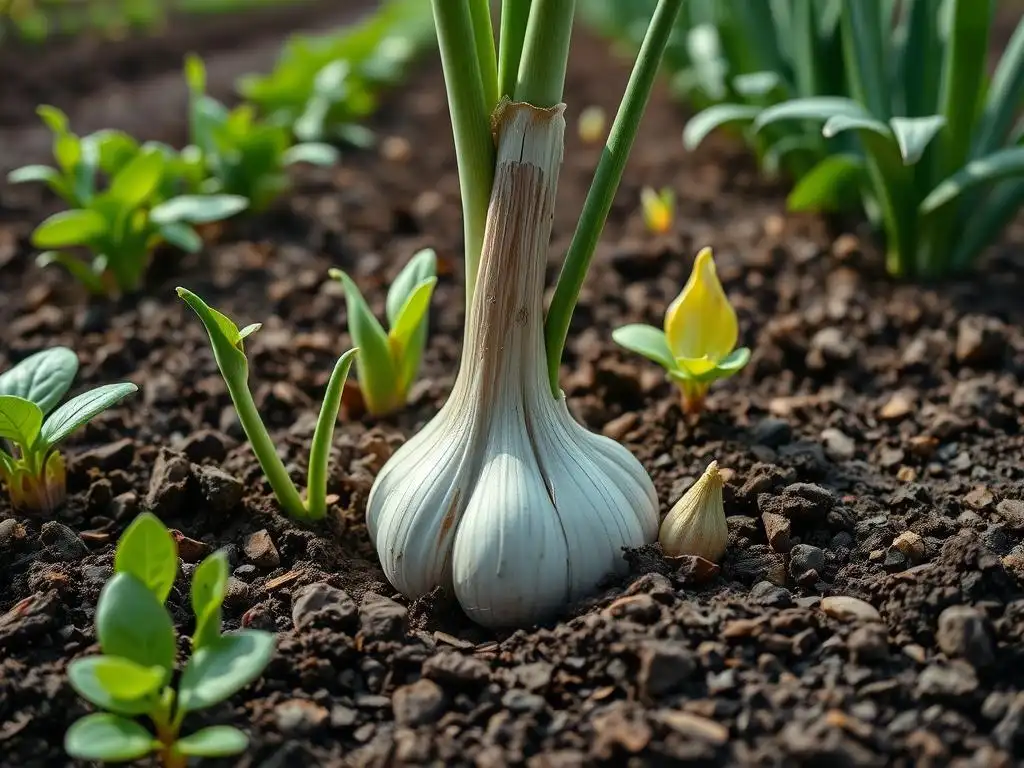
Garlic, while a beneficial companion plant for many, can negatively impact the growth of certain species. Understanding which plants to avoid is crucial for maximizing your harvest and ensuring healthy plant growth. This section focuses on the detrimental effects of garlic's presence on specific plants, emphasizing the importance of strategic garden planning for optimal yields. Effective companion planting hinges on recognizing both the synergistic and antagonistic relationships between different species. This knowledge allows for the creation of a thriving, mutually beneficial ecosystem in your garden, maximizing the "Garlic companion planting benefits".
Competitive Plants: Minimizing Competition for Resources
Some plants, due to their similar nutrient requirements or aggressive growth habits, compete directly with garlic for essential resources like water and nutrients. This competition can lead to stunted growth and reduced yields in both the garlic and the neighboring plant. Careful planning is needed to avoid this scenario.
For example, beans, particularly pole beans, are heavy feeders and require substantial nitrogen. Planting them near garlic can lead to a direct competition for these nutrients, impacting the overall health and size of both plants. Similarly, heavy-root vegetables like parsnips and carrots, which also require significant nutrients, may experience reduced growth when planted adjacent to garlic. Their extensive root systems compete for the same soil resources, potentially leading to smaller, less productive harvests.
To mitigate this competition, consider planting garlic in a separate bed or employing techniques like intercropping, strategically placing more space between competing plants. Careful observation of soil conditions and plant growth is crucial to adjust your planting strategy accordingly. Understanding the specific nutrient needs of each plant is fundamental for successful companion planting and maximizing "Garlic companion planting benefits".
Plants Susceptible to Garlic's Allelopathic Effects
Garlic exhibits allelopathic properties, meaning it releases chemicals into the soil that can inhibit the growth of certain plants. This is not always a negative effect; in fact, it's a key component of garlic's pest-repelling capabilities. However, some plants are more sensitive to these allelochemicals than others.
Legumes, while generally beneficial in a garden, are particularly susceptible to garlic's allelopathic effects. Alfalfa, for instance, exhibits reduced growth when planted near garlic. The exact mechanism isn't fully understood, but it's believed that the sulfur compounds released by garlic interfere with the legume's nitrogen-fixing abilities. Similarly, peas and other members of the Fabaceae family can show signs of stress and reduced yields when planted in close proximity to garlic. This is important to consider when planning your garden layout to maximize your "Garlic companion planting benefits".
Another group of plants showing sensitivity to garlic's allelochemicals are members of the Brassica family, including cabbage, broccoli, cauliflower, and Brussels sprouts. While not always severely impacted, these plants may show stunted growth or reduced yields when planted directly alongside garlic. It is advisable to maintain a reasonable distance or to rotate planting locations to avoid these negative interactions. The specific distance required for optimal growth varies based on soil conditions and climate; further research might be necessary to obtain precise measurements for your specific region. Careful observation and experimentation are key to fine-tuning your garden's design.
Practical Guide to Companion Planting with Garlic
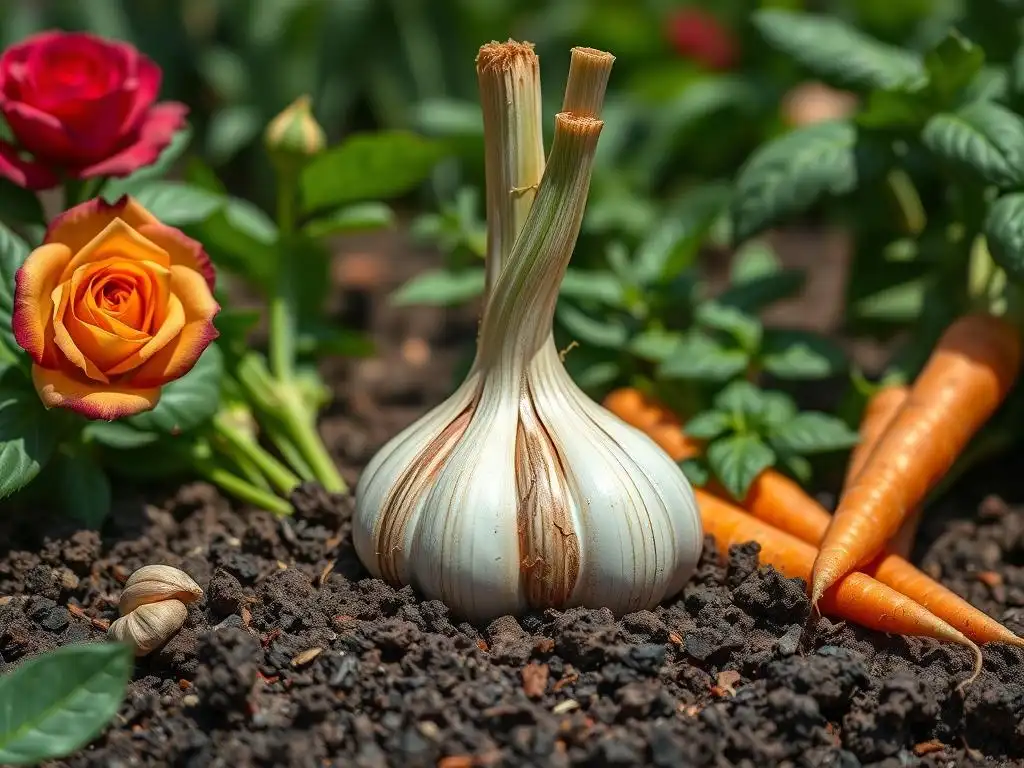
This section delves into the practical application of companion planting with garlic, focusing on maximizing its benefits for your garden. We'll explore garden layout strategies, detailed planting instructions, and ongoing maintenance techniques to ensure a thriving and pest-resistant ecosystem. Remember, the success of garlic companion planting hinges on careful planning and consistent care. Understanding the specific needs of both garlic and its companion plants is key to reaping the rewards of this synergistic gardening method. Let's dive into the details.
Planning Your Garden Layout for Optimal Companion Planting
Effective garlic companion planting begins with thoughtful garden design. Consider the mature size of both garlic and its chosen companions. Avoid overcrowding, allowing sufficient space for each plant to grow without competition for sunlight, water, and nutrients. A well-planned layout maximizes sunlight exposure and airflow, minimizing the risk of fungal diseases common in dense plantings.
For instance, when pairing garlic with roses – a classic companion planting combination – ensure at least 12 inches between each garlic bulb and rose bush. This spacing allows for optimal root development and prevents competition for resources. Similarly, when using garlic to deter pests from carrots, plant them in alternating rows, maintaining a distance of approximately 6 inches between each plant.
This configuration allows for effective pest control while still providing enough space for both crops to thrive. Careful consideration of spatial requirements is crucial to achieving the benefits of garlic companion planting. Poor planning can negate the positive effects, so take the time to visualize your garden's layout before planting.
Remember, the goal is a balanced ecosystem. You can utilize square-foot gardening techniques or raised beds to optimize space and manage plant density. Experimentation and observation are key to finding the optimal arrangement for your specific garden conditions and chosen companion plants.
Step-by-Step Planting Guide: Integrating Garlic with Companion Plants
Planting garlic and its companions requires a methodical approach. The timing of planting varies depending on your climate and the specific plants you are using. However, some general guidelines apply to most companion planting scenarios with garlic.
- Soil Preparation: Begin by amending your soil with compost to improve drainage and fertility. Garlic thrives in well-drained soil rich in organic matter. This step is crucial for both garlic and its companions.
- Garlic Planting: Plant garlic cloves in the fall or early spring, depending on your hardiness zone. Space cloves approximately 4-6 inches apart. Ensure the pointed end of the clove faces upward.
- Companion Plant Selection and Spacing: Choose companion plants known to benefit from garlic's presence. Examples include roses, tomatoes, carrots, and lettuce. Consider their mature size and spacing requirements. Plant them according to the recommended distances mentioned previously to avoid overcrowding.
- Watering and Fertilizing: Water regularly, ensuring the soil remains consistently moist but not waterlogged. Avoid overwatering, which can lead to root rot. A balanced fertilizer can further enhance growth, but avoid excessive nitrogen, which can compromise garlic's flavor.
- Pest and Disease Monitoring: Regularly inspect your plants for signs of pests or diseases. Early detection and intervention are crucial to preventing widespread problems. Garlic's pest-repelling properties can significantly reduce pest pressure, but vigilance is still necessary.
Maintaining Your Companion Planting System
Maintaining a successful companion planting system with garlic requires ongoing attention. Regular weeding is essential to prevent competition for resources. Mulching helps retain soil moisture, suppress weeds, and regulate soil temperature. This practice benefits both garlic and its companion plants.
Monitor the growth of both garlic and its companion plants. If you notice any signs of nutrient deficiency or pest infestation, address these issues promptly. Regular watering and fertilization, as mentioned earlier, contribute to the overall health and productivity of your garden. Pruning may be necessary for some companion plants to maintain optimal airflow and sunlight penetration.
Remember that observation is crucial. Pay close attention to how your plants interact and adjust your practices as needed. Record your observations to refine your technique in future growing seasons. This iterative process will help you optimize your companion planting strategy and maximize the benefits of garlic in your garden. By employing these maintenance practices, you can significantly enhance the effectiveness of your garlic companion planting, fostering a robust and productive garden. The rewards are a healthier, more resilient garden with bountiful harvests.
Maximizing the Benefits of Garlic Companion Planting: Pest Control and Growth Enhancement
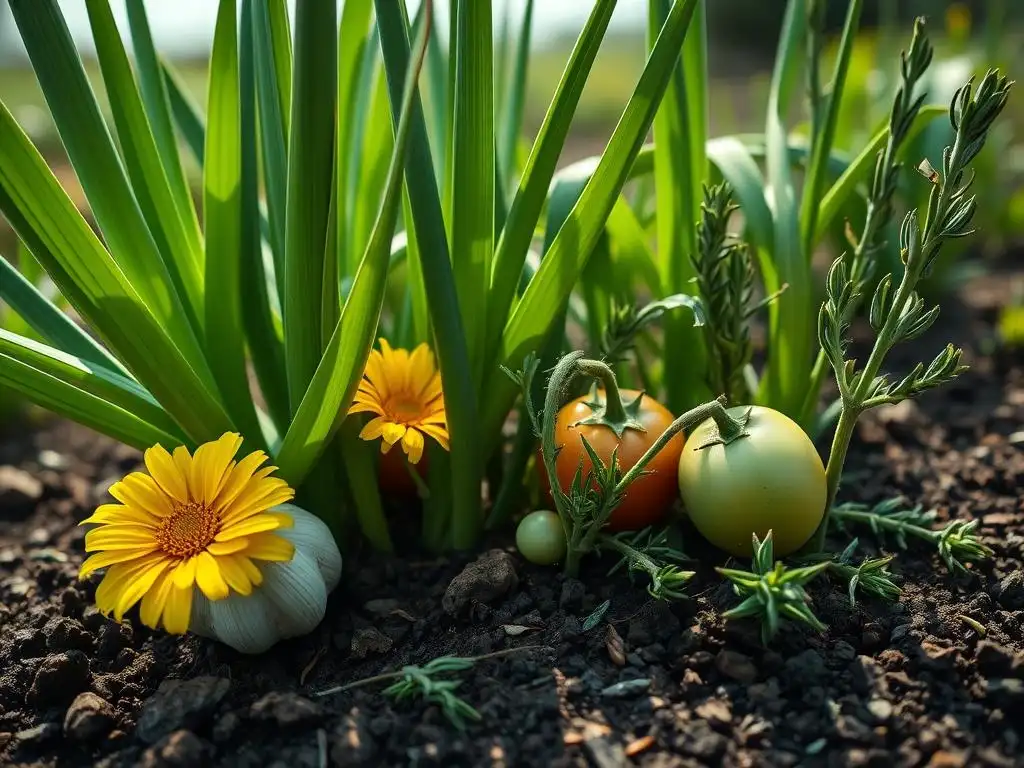
This section delves into the multifaceted advantages of companion planting with garlic, focusing on its remarkable pest-repelling capabilities and its positive influence on the growth of neighboring plants. We'll explore specific strategies and provide practical examples to help you maximize the benefits of this age-old gardening technique. Understanding these interactions is key to unlocking the full potential of your garden and achieving bountiful harvests using organic methods. The synergistic effects of garlic companion planting benefits extend beyond simply repelling pests; it actively improves the overall health and productivity of your entire planting area.
Natural Pest Control Strategies using Garlic
Garlic's pungent aroma, derived from its allicin content, acts as a natural deterrent against a wide range of common garden pests. This powerful repellent works by disrupting the olfactory senses of many insects, making it difficult for them to locate and feed on nearby plants. The strong scent also interferes with the pheromone communication of certain pests, hindering their ability to reproduce and spread.
Several studies have demonstrated garlic's effectiveness against specific pests. For example, research indicates that garlic significantly reduces infestations of aphids on roses and other susceptible plants. Similarly, it's proven effective in deterring carrot root flies and nematodes, which can devastate root crops. The impact of garlic's pest-repelling properties is not limited to direct contact; its scent permeates the air, creating a protective barrier around companion plants.
To maximize garlic's pest control benefits, consider these strategies:
- Strategic Planting: Plant garlic cloves amongst your vulnerable crops, such as roses, carrots, or tomatoes, to create a protective perimeter.
- Intercropping: Interplant garlic rows within rows of susceptible plants. This strategy provides more widespread protection.
- Mulching with Garlic: Incorporate chopped garlic leaves or stems into your mulch to further deter pests. This adds an extra layer of protection and enriches the soil.
- Garlic Spray: Create a natural pest spray by blending garlic cloves with water and a bit of soap. This can be sprayed directly onto affected plants. (Note: The exact ratio of ingredients for this spray requires further research and is [specific information pending])
Improving Soil Health for Enhanced Growth
Beyond pest control, garlic companion planting offers significant benefits to soil health, indirectly boosting the growth of neighboring plants. Garlic improves soil structure by loosening compacted soil, enhancing drainage and aeration. This creates a more favorable environment for root growth and nutrient uptake. The decomposition of garlic's organic matter adds valuable nutrients to the soil, enriching it with essential minerals like phosphorus and potassium. Furthermore, garlic helps suppress certain soilborne pathogens, reducing the risk of diseases in nearby plants.
The positive effects on soil microbes are also noteworthy. Garlic encourages the growth of beneficial microorganisms that contribute to nutrient cycling and disease suppression. These microbes enhance nutrient availability for companion plants, leading to healthier and more vigorous growth. This symbiotic relationship between garlic and the soil ecosystem is a testament to the power of companion planting in creating a thriving garden environment.
Harvesting and Utilizing Garlic and its Companion Plants
The timing of harvesting your garlic and its companion plants is crucial to maximizing yields and minimizing waste. Garlic bulbs are typically ready for harvest when the lower leaves begin to yellow and the stalks start to bend over. This usually occurs around late summer or early fall, depending on your climate and the garlic variety. Gently dig up the garlic bulbs, allowing them to dry in a well-ventilated area before storing.
Companion plants should be harvested according to their individual needs. For example, tomatoes and peppers might be ready for harvest several weeks before your garlic. Careful planning and observation are key to ensuring that you harvest each plant at its peak.
Once harvested, both your garlic and companion plants can be utilized in a variety of ways:
- Garlic: Use fresh garlic cloves in cooking, or cure the bulbs for longer storage. You can also make garlic powder, infused oils, or other preserved products.
- Companion Plants: Use your harvested companion plants in recipes, or preserve them through canning, freezing, or drying. This reduces food waste and maximizes the benefits of your companion planting efforts. The synergistic relationship between garlic and its companions extends even to the kitchen! This is a prime example of how "Garlic companion planting benefits" translates into a more sustainable and productive garden.
The judicious use of companion planting with garlic offers a holistic approach to gardening, promoting both pest control and improved soil health. By understanding the mechanisms behind these benefits and employing strategic planting techniques, you can cultivate a thriving and productive garden using sustainable and organic practices.
Troubleshooting Common Issues in Garlic Companion Planting
Companion planting with garlic offers numerous benefits, but like any gardening endeavor, challenges can arise. Understanding these potential problems and implementing proactive solutions is key to maximizing the success of your garlic and companion plant pairings. This section will address common issues, focusing on pest and disease management, nutrient deficiencies, and optimizing plant growth and spacing. Mastering these aspects will significantly improve your yield and the overall health of your garden. Successful garlic companion planting benefits from careful observation and timely intervention.
Addressing Pests and Diseases
Garlic, while possessing natural pest-repelling properties, isn't immune to all threats. When practicing garlic companion planting, you're essentially creating a mini-ecosystem, potentially increasing the risk of pest or disease spread if not carefully managed. Proactive measures are crucial.
Regular inspection is paramount. Look for signs of common pests such as aphids, spider mites, or slugs on both garlic and companion plants. Early detection allows for targeted interventions, minimizing damage. For instance, a strong infestation of aphids on your roses (a common garlic companion) could quickly spread to your garlic if left unchecked.
Organic pest control methods are preferred in line with the sustainable practices championed by CultivateYourFood. This could include introducing beneficial insects like ladybugs, using insecticidal soap, or employing horticultural oils. Remember to always follow product instructions carefully and consider the impact on pollinators.
Disease management is equally important. Fungal diseases like white rot or downy mildew can affect garlic and its companions. Ensuring good air circulation by avoiding overcrowding, practicing crop rotation, and using disease-resistant varieties can significantly reduce the risk. Maintaining a clean garden environment by removing diseased plants promptly prevents further spread. Implementing a composting system correctly can help break down plant debris and reduce the chances of disease survival in the soil.
Dealing with Nutrient Deficiencies
Garlic, like any plant, requires specific nutrients for optimal growth. Companion planting can sometimes lead to nutrient competition, especially if plants have similar nutrient requirements. Careful planning and monitoring are essential to avoid deficiencies.
Observe your plants closely for signs of nutrient deficiency. Yellowing leaves, stunted growth, or discoloration can indicate a lack of essential nutrients such as nitrogen, phosphorus, or potassium. Soil testing can provide valuable insight into the nutrient composition of your garden bed, helping you understand the needs of your garlic and its companions.
Addressing nutrient deficiencies requires a tailored approach. Organic fertilizers, such as compost tea or well-rotted manure, can provide a balanced supply of nutrients. Consider using cover crops in the off-season to improve soil fertility and prevent nutrient depletion. This practice naturally replenishes the soil with nutrients, minimizing the need for chemical fertilizers, and improving the overall health of your garden. The benefits of companion planting are enhanced when the soil itself is thriving.
Resolving Issues with Plant Growth and Spacing
Proper spacing is crucial for successful companion planting. Overcrowding can lead to competition for resources, hindering the growth of both garlic and its companions. Conversely, excessive spacing can leave gaps in your garden, inviting weeds and reducing overall yield.
Understanding the mature size of both garlic and its chosen companions is vital for planning your garden layout. Research the specific growth habits of each plant to ensure sufficient space for their roots and foliage. A well-planned spacing strategy maximizes sunlight penetration and air circulation, promoting healthy growth and reducing the risk of diseases.
Consider creating a garden plan before planting. This plan should account for the mature size of each plant, ensuring that they don't overshadow or compete with each other for resources. This proactive approach minimizes the need for later adjustments, ensuring the harmonious growth of all plants within the companion planting system. Careful planning ensures the long-term success of your garlic companion planting strategy and the realization of its many benefits. Remember, planning is key to reaping the rewards of garlic companion planting.
Frequently Asked Questions
What are the benefits of companion planting with garlic?
Garlic offers numerous benefits as a companion plant. It repels various pests, including aphids, spider mites, and carrot root flies, thus protecting nearby plants. It also improves soil health through its allelopathic properties.
Which plants benefit most from being planted near garlic?
Many plants thrive near garlic! Roses, tomatoes, and carrots are particularly well-suited companions, experiencing reduced pest pressure and improved growth. Strawberries and leafy greens also benefit.
Does garlic's effect on pests extend to all insects?
No, garlic's pest-repelling properties are selective. While it deters many harmful insects, it's not harmful to beneficial insects like pollinators. This makes it a sustainable pest control option.
How close should I plant garlic to other plants?
The ideal spacing depends on the size of both plants. Generally, plant garlic 6-12 inches away from its companion plants to avoid overcrowding and allow for adequate growth.
Can I use garlic from the grocery store for companion planting?
While possible, using seed garlic (intended for planting) is recommended for optimal results and pest control. Grocery store garlic may not be disease-free and might not sprout as reliably.
Final Reflection: The Bountiful Harvest of Garlic's Companionship
The symbiotic relationship between garlic and other plants isn't just a gardening trick; it's a testament to the interconnectedness of nature and a powerful tool for sustainable, thriving gardens. Understanding and utilizing companion planting with garlic offers a practical and environmentally friendly approach to pest control and increased yields, benefits that are more crucial than ever in the face of climate change and dwindling resources.
The impact of companion planting extends far beyond the individual garden; it represents a shift towards a more holistic and respectful approach to agriculture. It's a reminder that nature provides its own solutions, often more effective and sustainable than synthetic alternatives. The earth laughs in flowers.
– Ralph Waldo Emerson. This quote encapsulates the joy and abundance that can be achieved through understanding and working with nature, rather than against it. The knowledge shared in this article, passed down through generations of gardeners, is a valuable piece of this larger puzzle, a testament to the enduring wisdom of observing and learning from the natural world.
Consider the possibilities: a garden bursting with vibrant life, thriving without the need for harsh chemicals, a testament to your own understanding and stewardship of the land. You now possess the knowledge to cultivate a healthier, more resilient garden, one that benefits not only your harvest but also the environment. Embrace the power of companion planting with garlic; let your garden become a vibrant ecosystem, a reflection of nature's inherent harmony.
Unleash Your Garden's Potential: Grow Smarter with Garlic!
Thanks for exploring the power of companion planting with garlic! You've learned how this versatile plant can boost your harvest and deter pests. Now it's time to put that knowledge into practice.
- Design your ideal garlic garden: Sketch a planting plan, strategically placing garlic cloves among your tomatoes, roses, or other compatible plants. Consider each plant's specific needs to maximize the benefits. Get creative and experiment!
- Share your gardening success: Tell your friends and family about the amazing benefits of companion planting with garlic. Inspire others to cultivate healthier, more vibrant gardens.
- Document your gardening journey: Take photos of your progress and share them on social media using #CultivateYourFood (or a similar hashtag). It's a great way to track your successes and connect with fellow gardening enthusiasts.
Ready to transform your garden into a thriving ecosystem? What exciting companion plants will you pair with your garlic this season?