
Diagnosing and Treating Common Heirloom Tomato Pests

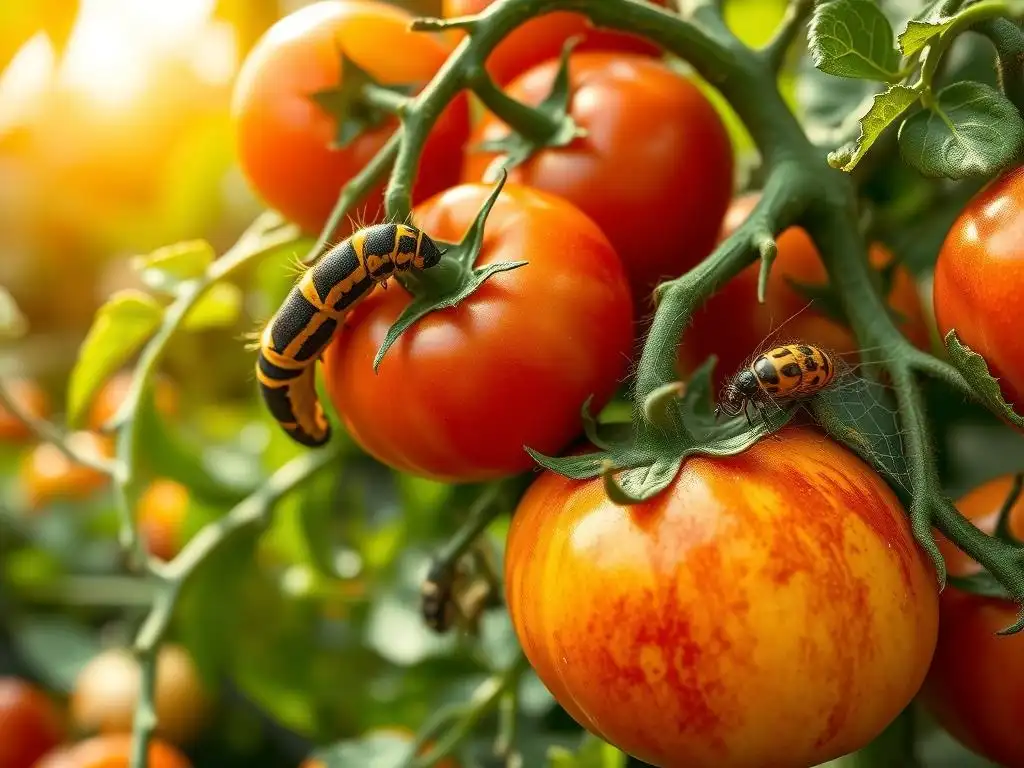
Ready to unlock the secrets to a bountiful harvest of vibrant, delicious heirloom tomatoes? At CultivateYourFood, we're passionate about helping you grow your own food organically. This website is your guide to sustainable gardening, and we're diving deep into a critical topic today: Heirloom tomato pest control. Discover effective, eco-friendly solutions to common problems and learn how to nurture your plants from seed to succulent, sun-ripened fruit. Let's get started!
- Identifying Common Heirloom Tomato Pests
- Effective Heirloom Tomato Pest Control Strategies
- Organic Heirloom Tomato Pest Control: A Sustainable Approach
- Case Studies: Successful Heirloom Tomato Pest Control
- Resources and Further Reading on Heirloom Tomato Pest Control
-
Frequently Asked Questions
- What are some common pests that affect heirloom tomatoes?
- How can I prevent heirloom tomato pests organically?
- What are some organic pest control methods for heirloom tomatoes?
- Are there specific pests that particularly target heirloom tomatoes?
- When is the best time to inspect my heirloom tomatoes for pests?
- Final Reflection: Nurturing the Legacy: Heirloom Tomato Pest Control and the Future of Our Food
- Unleash Your Heirloom Tomato's Full Potential!
Identifying Common Heirloom Tomato Pests
Growing heirloom tomatoes can be a rewarding experience, connecting you with the rich history and unique flavors of these varieties. However, even the most diligent gardener faces the challenge of pests and diseases. This guide focuses on identifying and treating common heirloom tomato pests, ensuring a bountiful harvest while employing sustainable and organic pest control methods.
We'll explore the visual cues of various pests and diseases, providing practical, environmentally friendly solutions to protect your precious plants. Understanding these challenges is crucial for achieving healthy, thriving tomato plants, and this article will equip you with the knowledge to tackle them head-on. Successful heirloom tomato pest control is key to maximizing yield and quality, and this guide provides the foundational information needed for organic and sustainable practices.
Recognizing Blossom-End Rot in Heirloom Tomatoes
Blossom-end rot is a common physiological disorder affecting heirloom tomatoes, appearing as a dark, leathery spot at the blossom end (the bottom) of the fruit. It's not caused by a pest, but rather by inconsistent watering practices.
The key to preventing blossom-end rot lies in consistent soil moisture. Irregular watering, particularly alternating between very dry and very wet soil, disrupts calcium uptake by the plant. Tomatoes need a steady supply of calcium for healthy fruit development.
Here's what you should do:
- Maintain consistent soil moisture: Aim for evenly moist soil, avoiding both drought and waterlogging. Mulching around the plants can help retain moisture and regulate soil temperature.
- Improve soil drainage: If your soil is poorly draining, amend it with organic matter like compost to improve its structure and water retention.
- Use a balanced fertilizer: Ensure your fertilizer provides adequate calcium. A soil test can help determine if calcium levels are low and guide appropriate amendments.
Remember, prevention is key! Consistent watering and proper soil management are your best defense against blossom-end rot. Early detection is important, but preventing it from occurring in the first place is much more effective.
Identifying Early and Late Blight in Heirloom Tomatoes
Early and late blight are fungal diseases that can devastate tomato plants. While both cause leaf spots and fruit rot, they have distinct characteristics:
| Feature | Early Blight | Late Blight |
|---|---|---|
| Leaf Spots | Small, brown spots with concentric rings | Larger, dark brown to black spots, often with a fuzzy appearance |
| Stem Lesions | Small, dark brown lesions | Larger, dark brown to black lesions, often with a dark, water-soaked appearance |
| Fruit Rot | Small, brown spots that may become larger | Large, dark brown to black spots, often with a firm, leathery texture |
| Spores | Often visible as olive-green spores | Often visible as white, fluffy mold on leaves and stems |
Early blight typically appears earlier in the season, while late blight often shows up later, particularly during periods of high humidity and cool temperatures. Both can spread rapidly, so early detection and action are crucial.
Treatment options include:
- Removing infected plants: This prevents the spread of the disease.
- Using copper fungicides: These are effective but should be used sparingly and according to label instructions. Organic alternatives such as neem oil or compost tea can also be considered, although their effectiveness may vary.
- Improving air circulation: Spacing plants appropriately allows for better airflow, reducing the humidity that fosters fungal growth.
Spotting Tomato Hornworms on Your Plants
Tomato hornworms are large, green caterpillars that can quickly defoliate tomato plants. They are voracious eaters and can cause significant damage if left unchecked. Identifying them early is key to minimizing their impact.
Identifying hornworms is relatively straightforward: they are large (up to 4 inches long), green caterpillars with a horn-like projection at their rear end. They blend in well with the foliage, so careful inspection is necessary. Look for:
- Large holes in leaves: This is a clear sign of feeding damage.
- Frass (caterpillar droppings): These dark, pellet-like droppings are another indicator of hornworm presence.
- The caterpillars themselves: A careful examination of the plants, especially at dusk or dawn when they are most active, will reveal the culprits.
Control methods include:
- Handpicking: The most effective and environmentally friendly method. Simply remove the hornworms and dispose of them.
- Bacillus thuringiensis (Bt): A naturally occurring bacterium that is toxic to hornworms but harmless to humans and beneficial insects. It is available as a spray.
- Introducing natural predators: Certain parasitic wasps and flies prey on hornworms. Encouraging biodiversity in your garden can help attract these beneficial insects.
Remember to regularly monitor your heirloom tomato plants for pests and diseases. Early detection and prompt action are essential for maintaining a healthy and productive crop. Happy gardening! 🍅🐛
Detecting Aphids and Spider Mites on Heirloom Tomatoes
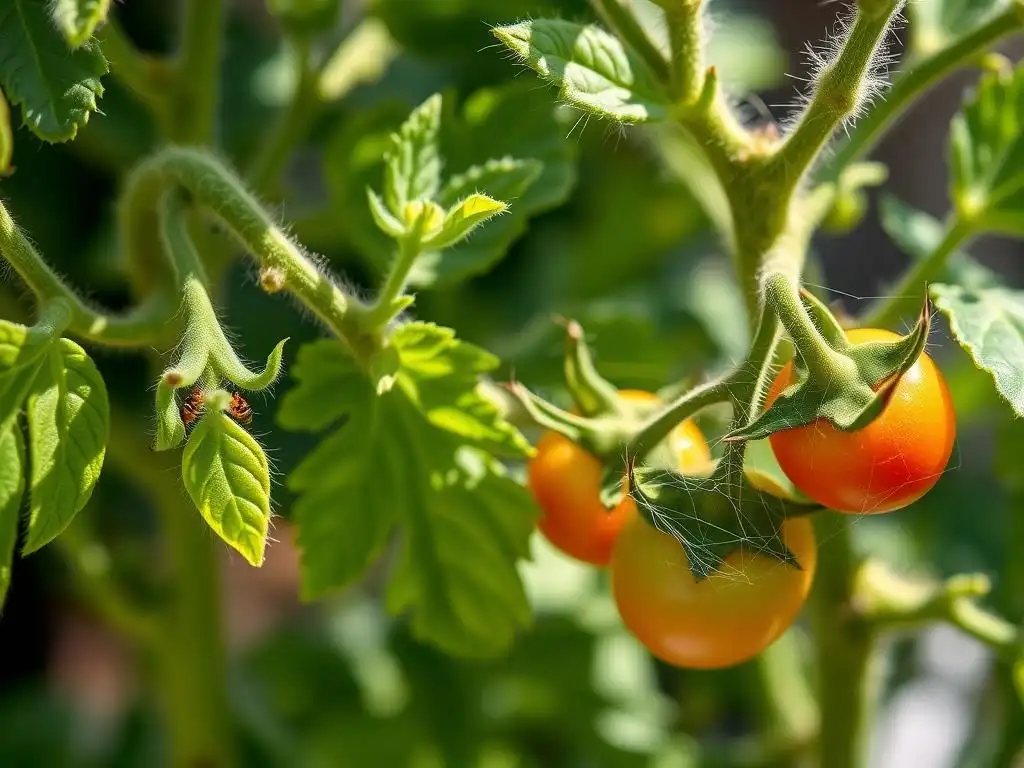
Aphids and spider mites are tiny but destructive pests that can severely impact heirloom tomato yields. Aphids, soft-bodied insects, typically cluster on the undersides of leaves, stems, and new growth. Their feeding weakens plants, causing leaf curling, yellowing, and stunted growth. A close inspection, often aided by a magnifying glass, is crucial for detection. Look for tiny, pear-shaped insects, often green, black, or brown, depending on the species.
Heavy infestations can lead to the production of honeydew, a sticky substance that attracts sooty mold, further compromising the plant's health. Effective heirloom tomato pest control for aphids includes regular monitoring, hand-picking where feasible, and the introduction of beneficial insects like ladybugs 🐞 which are natural predators. Strong water sprays can dislodge aphids, but repeated applications may be necessary. Neem oil is also a common organic control method.
Spider mites, on the other hand, are microscopic arachnids. Their presence is often indicated by fine webbing on leaves and stippling (tiny, pale spots) on the leaf surfaces. These spots, caused by the mites' sucking mouthparts, eventually lead to leaf bronzing and defoliation. Infestations can spread rapidly, particularly in hot, dry conditions. Early detection is key for successful heirloom tomato pest control.
Regularly inspecting the undersides of leaves with a magnifying glass is essential. Similar to aphid control, strong water sprays can help, but miticides, such as insecticidal soaps, may be necessary for heavier infestations. Maintaining high humidity through proper watering can also help deter spider mite populations. Remember, proactive monitoring and early intervention are crucial for preventing widespread damage.
Recognizing Whiteflies and Their Damage
Whiteflies are tiny, white, flying insects that often congregate on the undersides of tomato leaves. Their feeding weakens plants and causes yellowing and distortion of leaves. A telltale sign of a whitefly infestation is the presence of a sticky honeydew, similar to that produced by aphids. This honeydew attracts sooty mold, a black fungus that further reduces photosynthesis and plant health.
Adult whiteflies are easily visible to the naked eye, appearing as small, white specks that fly up when the plant is disturbed. However, identifying the immature stages (nymphs) requires closer inspection. These nymphs are flat, oval, and pale yellow or green, clinging tightly to the leaf surface. Effective heirloom tomato pest control for whiteflies involves a multi-pronged approach.
Sticky yellow traps can monitor populations and capture many adults. Insecticidal soaps and neem oil are also effective organic control options. Regularly hosing down the plants with water can dislodge nymphs, though this method may require repeated applications. Introducing beneficial insects, such as lacewings, can also be a helpful long-term solution for sustainable heirloom tomato pest control.
Identifying Tomato Spotted Wilt Virus (TSWV)
Unlike the previous pests, Tomato Spotted Wilt Virus (TSWV) is not an insect itself but a viral disease spread by thrips, tiny, slender insects. TSWV is a significant threat to heirloom tomatoes, causing severe damage and significantly reducing yields. Identifying TSWV requires careful observation of plant symptoms. Infected plants often exhibit ringspots or concentric circles on leaves, as well as brown or necrotic spots and streaks.
The symptoms can vary depending on the tomato variety and the severity of the infection. Flowers may be distorted or fail to develop properly. Unfortunately, there is no cure for TSWV once a plant is infected. The focus of heirloom tomato pest control in this case shifts to preventing the spread of the virus.
This primarily involves controlling thrips populations through the use of insecticidal soaps, sticky traps, or beneficial insects. Removing and destroying infected plants promptly is crucial to prevent the virus from spreading to healthy plants. Choosing TSWV-resistant heirloom tomato varieties, when available, is a proactive strategy for preventing this devastating disease. Rotating crops and practicing good sanitation are also important preventative measures.
Effective Heirloom Tomato Pest Control Strategies
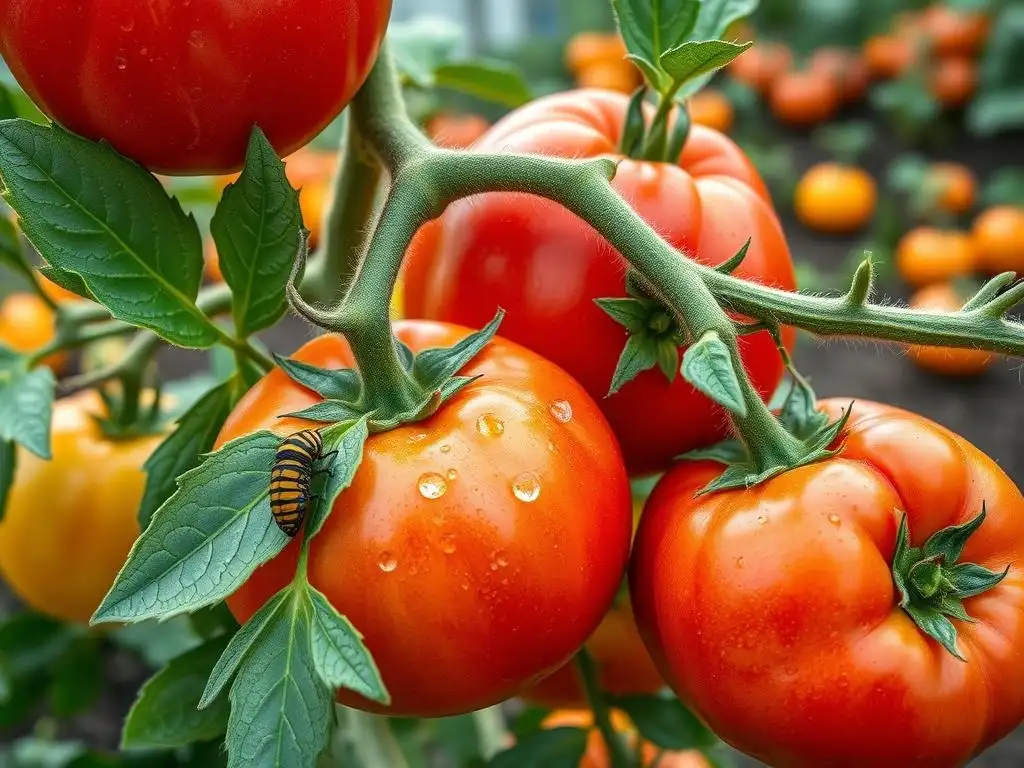
Heirloom tomato pest control requires a multifaceted approach combining preventative measures with natural solutions. Ignoring pests can lead to significant crop loss, impacting both yield and the quality of your heirloom tomatoes. This section details effective strategies to protect your precious plants, focusing on organic and sustainable methods to maintain the integrity of your heirloom varieties. Effective heirloom tomato pest control is crucial for a bountiful harvest.
Implementing Preventative Measures for Heirloom Tomato Pests
Proactive steps significantly reduce the risk of infestations, minimizing the need for reactive treatments later. A healthy plant is far less susceptible to pests and diseases.
Choosing Disease-Resistant Heirloom Tomato Varieties
Selecting heirloom tomato varieties known for their resistance to common diseases is a cornerstone of preventative pest control. Research varieties suited to your climate and known for their resilience against blight, fusarium wilt, and other prevalent issues. For example, some heirloom varieties boast a natural resistance to early blight, significantly reducing the risk of infection. Consulting seed catalogs and online resources dedicated to heirloom tomatoes can help you identify suitable resistant cultivars. Investing time in selecting resistant varieties pays off in reduced pest management efforts and higher yields.
Ensuring Proper Spacing and Air Circulation
Adequate spacing between tomato plants is vital. Overcrowding creates humid microclimates, perfect breeding grounds for fungal diseases and attracting pests. Proper spacing ensures good air circulation, reducing humidity and preventing the spread of diseases. The recommended spacing varies depending on the variety, but generally, aim for at least 2-3 feet between plants. Good air circulation is a simple yet highly effective preventative measure. This is crucial for heirloom tomato pest control, as many pests thrive in damp conditions.
Maintaining Consistent Watering Practices
Inconsistent watering weakens plants, making them more vulnerable to pests and diseases. Aim for deep, infrequent watering rather than shallow, frequent watering. This encourages deep root growth, making the plants more drought-tolerant and robust. Water at the base of the plant to avoid wetting the foliage, reducing the risk of fungal diseases. Consistent watering, coupled with proper drainage, is a key component of a holistic heirloom tomato pest control strategy.
Utilizing Organic Mulch for Soil Health
Organic mulch, such as straw or shredded leaves, provides several benefits. It helps retain soil moisture, suppress weeds (competitors for resources), and regulate soil temperature. Furthermore, mulch can act as a physical barrier, preventing some soilborne pests from reaching your plants. By improving soil health, you create a stronger foundation for healthy, pest-resistant plants. This is a sustainable and effective method for heirloom tomato pest control, enhancing both plant health and soil fertility.
Natural Pest Control Methods for Heirloom Tomatoes
Once pests appear, natural methods offer effective and environmentally friendly solutions. These methods minimize harm to beneficial insects and the environment, aligning with sustainable gardening practices.
Introducing Beneficial Insects like Ladybugs
Ladybugs are voracious predators of aphids and other common tomato pests. Introducing ladybugs to your garden can provide natural pest control. You can purchase ladybugs from garden centers or attract them naturally by planting flowers that attract them, such as dill or yarrow. The presence of beneficial insects significantly reduces the need for chemical interventions. This is a bio-integrated approach to heirloom tomato pest control, promoting biodiversity in your garden.
Using Neem Oil for Pest Management
Neem oil is a natural insecticide derived from the neem tree. It disrupts the life cycle of many insects, acting as both a repellent and a pesticide. Apply neem oil according to the product instructions, ensuring thorough coverage of the plant. Neem oil is effective against various pests, including aphids, whiteflies, and spider mites, offering a broad-spectrum natural solution. It's a valuable tool in organic heirloom tomato pest control.
Employing Diatomaceous Earth (DE) as a Natural Insecticide
Diatomaceous earth (DE) is a naturally occurring sedimentary rock composed of fossilized diatoms. Its microscopic particles act as a physical abrasive, damaging the exoskeletons of insects. Apply DE as a dust around the base of your plants and on the foliage. It's particularly effective against crawling insects like slugs and snails. DE is a safe and effective natural insecticide for heirloom tomato pest control, posing minimal risk to beneficial insects or humans.
Crafting Homemade Insecticidal Soaps
Homemade insecticidal soaps offer a simple and effective solution for controlling soft-bodied insects like aphids and whiteflies. Mix a solution of water and mild dish soap, then spray it directly onto the affected plants. Be cautious not to overdo it, as excessive soap can harm your plants. This method provides a readily available and cost-effective approach to heirloom tomato pest control. It's a sustainable and accessible option for home gardeners.
Managing Severe Infestations of Heirloom Tomato Pests
Severe infestations of heirloom tomato pests require a multi-pronged approach that combines preventative measures with aggressive treatment strategies. Ignoring a severe infestation can lead to significant crop loss, impacting both yield and the overall health of your plants. Early detection is key; regular inspection of your plants, ideally daily or every other day during peak growing season, can help you catch problems before they escalate.
Look for signs of damage, such as leaf discoloration, holes in leaves and fruit, or the presence of insects themselves. Remember, even a small infestation can quickly multiply, especially in warm, humid conditions ideal for many pests. Therefore, swift action is crucial.
The severity of the infestation will dictate the intensity of the control measures. A moderately severe infestation might respond well to a combination of hand-picking pests and the application of a mild insecticidal soap. However, a truly severe infestation may necessitate a more robust strategy including the introduction of beneficial insects (as discussed below) or, as a last resort, the use of organic pesticides.
It's important to monitor the effectiveness of your chosen method and adjust your approach accordingly. Keep detailed records of your pest control efforts, noting the type of pest, the severity of the infestation, the date of treatment, and the results observed. This information will be invaluable for future planning and will help you refine your pest management practices over time.
Don't hesitate to consult with experienced gardeners or local agricultural extension offices for personalized advice. They can often provide tailored recommendations based on your specific location and the prevalent pests in your area.
Implementing Biological Controls for Pests
Biological controls offer a sustainable and environmentally friendly approach to heirloom tomato pest control. This method leverages the natural predators and parasites of common tomato pests to reduce their populations. For instance, introducing ladybugs to your garden can significantly decrease aphid populations, as ladybugs are voracious aphid predators. Similarly, lacewings are effective against a wide range of soft-bodied insects, while parasitic wasps can target specific pest larvae. These beneficial insects can be purchased from reputable suppliers and released into your garden strategically, focusing on areas with high pest activity.
Successful implementation of biological controls requires careful consideration. Understanding the life cycle and preferred habitats of both the pest and its natural enemy is crucial for maximizing effectiveness. For example, providing suitable shelter and food sources for the beneficial insects will encourage them to stay and reproduce in your garden. This might involve planting specific flowers that attract them or creating microhabitats using mulch or other garden features.
Avoid using broad-spectrum insecticides, as these can harm beneficial insects along with the pests you're trying to control. Remember, building a thriving ecosystem in your garden is key to long-term pest management. The diverse range of beneficial organisms will act as a natural defense against many common heirloom tomato pests.
Using Organic Pesticides as a Last Resort
Organic pesticides should be considered only after other methods, such as hand-picking, cultural controls, and biological controls, have proven ineffective in managing a severe infestation. The use of organic pesticides should always be a last resort due to their potential impact on beneficial insects and other non-target organisms. When choosing an organic pesticide, carefully read the label and follow the instructions precisely. Pay close attention to the application rate, the timing of application, and any safety precautions. Always wear protective gear, such as gloves and eye protection, when handling any pesticide.
Some commonly used organic pesticides for heirloom tomatoes include neem oil, insecticidal soap, and spinosad. Neem oil disrupts the life cycle of many insects, while insecticidal soap works by physically suffocating soft-bodied insects. Spinosad is a naturally derived bacterium that is effective against a range of pests.
Remember to rotate your organic pesticides to prevent the development of resistance in the pest population. This means alternating between different types of organic pesticides or using a combination of approaches. It is crucial to monitor the effectiveness of the organic pesticide and to cease application if it's not yielding the desired results or if you observe any adverse effects on beneficial insects or your plants.
Pruning Infected Plant Parts
Pruning infected plant parts is a crucial step in preventing the spread of pests and diseases within your heirloom tomato plants. This involves carefully removing any leaves, stems, or fruits that show significant signs of pest infestation or disease. For example, if you notice leaves with extensive damage from aphids or tomato hornworms, remove the affected leaves promptly. Similarly, if you find fruit that is rotting or infested with insects, remove it immediately to prevent the spread of pathogens.
When pruning, use clean, sharp pruning shears to minimize damage to the plant. It's important to sterilize your pruning shears between cuts, especially if you are dealing with a disease, to prevent the spread of pathogens from one plant part to another. You can sterilize your shears by wiping them down with rubbing alcohol or a diluted bleach solution. Dispose of the infected plant material properly.
Do not compost infected plant matter, as this can spread the pests or diseases to other plants. Instead, bag the infected plant parts and dispose of them in the trash. Regular pruning, combined with other pest control measures, can significantly improve the health and productivity of your heirloom tomato plants. Remember to inspect your plants regularly and prune promptly to prevent minor problems from escalating into major infestations.
Organic Heirloom Tomato Pest Control: A Sustainable Approach
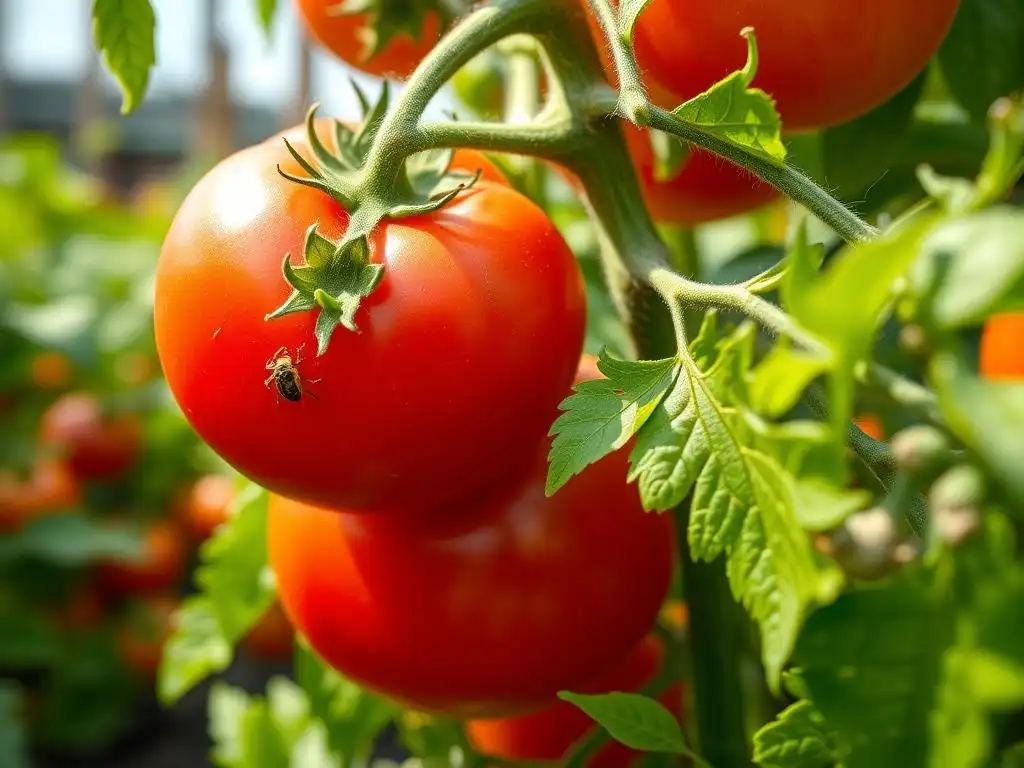
This section focuses on implementing effective heirloom tomato pest control strategies that align with sustainable and organic gardening principles. We'll explore methods that minimize environmental impact while maximizing the health and yield of your precious heirloom tomatoes. Remember, a healthy plant is less susceptible to pests, so preventative measures are key to successful heirloom tomato pest control. This approach prioritizes long-term soil health and plant vigor over quick fixes.
The Importance of Sustainable Pest Management Practices
Sustainable pest management for heirloom tomatoes emphasizes prevention and integrated pest management (IPM) techniques. Instead of relying solely on chemical pesticides, which can harm beneficial insects, pollinate plants, and contaminate the soil and your tomatoes, we adopt a holistic approach. This involves careful observation, early intervention, and a variety of non-toxic control methods. The goal isn't eradication, but rather maintaining a balance between pest populations and plant health. A successful strategy considers the entire ecosystem of your garden, fostering biodiversity to naturally control pests.
For example, introducing beneficial insects like ladybugs, lacewings, and praying mantises can significantly reduce aphid and other pest populations. These beneficial insects act as natural predators, keeping pest numbers in check without the need for harmful chemicals. This natural approach is far more effective in the long run and ensures the health of your soil and plants. The use of pheromone traps can also effectively monitor and reduce pest populations.
Long-Term Strategies for Healthy Heirloom Tomato Plants
Building healthy heirloom tomato plants is the cornerstone of effective pest control. A strong, vigorous plant is better equipped to withstand pest attacks. Several key practices contribute to this robustness:
- Choosing disease-resistant varieties: Selecting heirloom tomato varieties known for their resistance to common diseases reduces the likelihood of pest infestations. Researching and selecting the right variety for your climate and soil conditions is crucial.
- Proper planting and spacing: Adequate spacing allows for good air circulation, preventing fungal diseases which can weaken plants and make them more susceptible to pests. Proper planting depth ensures healthy root development.
- Regular watering and fertilization: Consistent watering prevents stress, and balanced fertilization provides the nutrients necessary for strong growth. Over-fertilizing with nitrogen can make plants more susceptible to certain pests; balanced, organic fertilizers are preferred.
- Crop rotation: Rotating your tomato plants yearly helps break pest and disease cycles in the soil. Avoid planting tomatoes in the same spot year after year.
Implementing these long-term strategies minimizes the need for reactive pest control measures and ensures healthier, more resilient plants over time. This proactive approach is essential for successful heirloom tomato pest control.
Composting and Soil Health for Pest Prevention
Healthy soil is the foundation of healthy plants. Composting plays a vital role in building soil health and reducing pest problems. Compost improves soil structure, drainage, and nutrient content, creating an environment less hospitable to many common tomato pests. It also supports the growth of beneficial soil microorganisms that help suppress harmful pathogens.
The benefits of using compost extend beyond pest control. It improves water retention, reduces the need for chemical fertilizers, and enhances the overall health and vigor of your tomato plants. This holistic approach to soil management is crucial for sustainable heirloom tomato cultivation and contributes to a thriving garden ecosystem. Remember to regularly amend your soil with compost to maintain its health and fertility, creating a robust defense against pests and diseases. By focusing on soil health, you're proactively building resilience into your heirloom tomato plants, significantly reducing the need for reactive pest control measures. 🌱
Case Studies: Successful Heirloom Tomato Pest Control
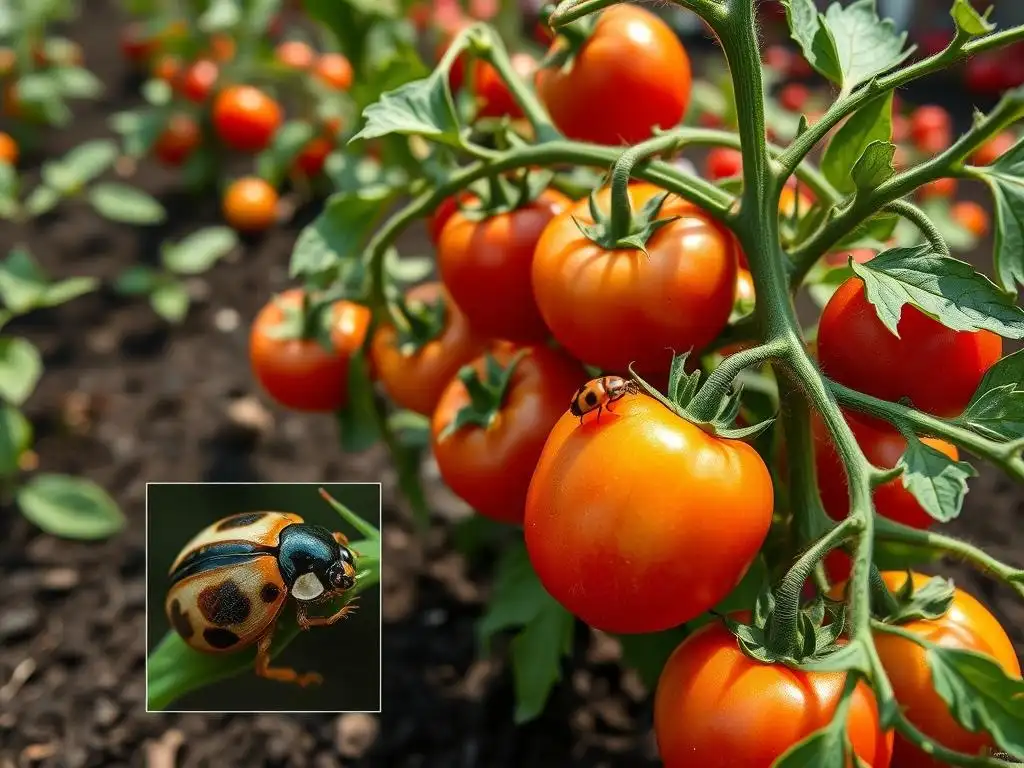
This section details successful strategies employed by home gardeners in managing common heirloom tomato pests. These case studies highlight the effectiveness of organic and sustainable pest control methods, offering practical examples for your own garden. Remember, early detection and preventative measures are key to successful heirloom tomato pest control.
Case Study 1: Managing Blossom-End Rot in a Home Garden
Blossom-end rot, a physiological disorder rather than a pest, often affects heirloom tomatoes due to their demanding nutritional needs. One gardener, Mary from rural Vermont, experienced significant blossom-end rot in her prize-winning Brandywine tomatoes. She initially blamed pests, but after consulting with a local agricultural extension office, she discovered the root cause: inconsistent watering.
Mary's soil, while rich in organic matter, suffered from inconsistent moisture levels. Periods of drought followed by heavy watering created stress, leading to calcium deficiency and the characteristic black, leathery lesions at the blossom end of her tomatoes. Her solution involved implementing a consistent watering schedule, using a drip irrigation system to provide even moisture to the soil. She also added a layer of organic mulch to help retain moisture and regulate soil temperature.
Within two weeks, the incidence of blossom-end rot dramatically decreased, and her harvest improved significantly. This case highlights the importance of proper watering techniques in heirloom tomato cultivation and the effectiveness of simple, sustainable solutions. The improved moisture consistency also reduced the need for additional fertilizers, reinforcing the importance of sustainable practices in heirloom tomato pest control.
Case Study 2: Eradicating Tomato Hornworms Organically
Tomato hornworms are a serious threat to heirloom tomatoes, capable of decimating a plant overnight. John, an urban gardener in Chicago, faced a severe infestation of these voracious pests on his Cherokee Purple tomatoes. Instead of resorting to chemical pesticides, John opted for a more organic approach.
His strategy involved a combination of methods. Firstly, he diligently handpicked the large, green hornworms from his plants, disposing of them in soapy water. This is a labor-intensive method, but highly effective for small infestations. Secondly, he introduced beneficial insects, such as ladybugs and lacewings, which prey on hornworm eggs and smaller larvae. He attracted these beneficial insects by planting flowering herbs like dill and fennel nearby, providing them with food and habitat.
Finally, he used Bacillus thuringiensis (Bt), a naturally occurring bacterium that is toxic to hornworms but harmless to humans and other beneficial insects. He applied Bt as a foliar spray according to package instructions. This integrated pest management (IPM) approach allowed John to effectively eradicate the hornworm infestation without harming his plants or the environment. The combination of handpicking, beneficial insects, and Bt proved to be a sustainable and effective solution for heirloom tomato pest control.
Case Study 3: Preventing Early Blight with Preventative Measures
Early blight, a fungal disease, can devastate heirloom tomato plants. Unlike the previous cases, this example focuses on preventative measures rather than reactive treatment. Sarah, a gardener in California, prioritized preventative strategies to avoid early blight in her heirloom tomatoes.
Sarah's preventative measures involved several key steps. She started with disease-resistant heirloom tomato varieties, choosing cultivars known for their resilience to early blight. She also practiced crop rotation, avoiding planting tomatoes in the same location year after year. Good air circulation was ensured by spacing her plants adequately and avoiding overhead watering, which can promote fungal growth.
Finally, she maintained a clean garden, promptly removing any fallen leaves or debris that could harbor the early blight fungus. By focusing on preventative measures, Sarah successfully protected her heirloom tomatoes from early blight, demonstrating the importance of proactive pest control for sustainable and successful gardening. This highlights a crucial aspect of heirloom tomato pest control: prevention is often more effective and less resource-intensive than treatment. The use of resistant varieties combined with good sanitation practices minimized the risk of early blight significantly.
Resources and Further Reading on Heirloom Tomato Pest Control
This section provides you with valuable resources to delve deeper into the fascinating, and sometimes challenging, world of heirloom tomato pest control. Understanding these pests and their management is crucial for a bountiful harvest. We've compiled a list of recommended books and websites, along with relevant research articles, to further enhance your knowledge and skills in organic heirloom tomato pest management.
Recommended Books and Websites
Finding reliable information on heirloom tomato pest control can sometimes feel like searching for a needle in a haystack. To help you navigate this, we've curated a selection of resources known for their accuracy and practical advice. These resources offer a wealth of information, going beyond the basics and delving into the nuances of specific pest issues.
Many resources offer general pest control advice, but finding those specifically tailored to the unique needs of heirloom tomatoes is key. Heirloom varieties, with their diverse genetic makeup, can sometimes exhibit different susceptibility to pests compared to hybrid varieties.
Here’s a starting point for your research:
- Books: Look for books focusing on organic gardening and pest control methods. Titles often include phrases like "organic pest control," "natural gardening," or "heirloom vegetable gardening." Pay close attention to reviews and author credentials to ensure the information is reliable and up-to-date. A good book will provide detailed descriptions of common pests, their life cycles, and effective, sustainable control methods.
- Websites: While many websites offer gardening advice, be discerning! Prioritize those from reputable universities, agricultural extension services, or established gardening organizations. These institutions often conduct research and provide evidence-based recommendations. Look for websites that emphasize sustainable and organic practices, aligning with the core values of CultivateYourFood. Reliable websites will often cite their sources and offer detailed explanations of their recommendations.
Relevant Research Articles
Scientific research plays a vital role in understanding and combating heirloom tomato pests. Academic journals and research databases provide in-depth analyses of pest biology, behavior, and effective control strategies. While this research can be dense, it offers invaluable insights that can inform your gardening practices.
Unfortunately, finding readily accessible research specifically on heirloom tomato pest control can be difficult. Much of the existing research focuses on common tomato pests, without always differentiating between heirloom and hybrid varieties. However, understanding the broader research on tomato pests provides a strong foundation.
To access relevant research, consider these strategies:
- Search Keywords: Use precise search terms when searching academic databases like PubMed, Google Scholar, and Web of Science. Try variations of "tomato pest control," "organic tomato pest management," "Heirloom tomato pest resistance," and "sustainable tomato pest control." Adding terms like "biological control" or "integrated pest management (IPM)" will help refine your search.
- University Extension Services: Many university extension services conduct research on local pests and provide research-based recommendations for their regions. Their websites often contain research summaries and practical guides that are more accessible than full-length research articles.
- Focus on Pest-Specific Research: Instead of searching broadly for "Heirloom tomato pest control," focus on specific pests affecting your heirloom tomatoes. For example, if you're dealing with tomato hornworms, search for research specifically on Manduca sexta (the scientific name for the tomato hornworm). This approach will yield more targeted and relevant results.
Remember, staying informed and continually learning is crucial for successful heirloom tomato cultivation. By utilizing these resources, you can effectively diagnose and treat pests, ensuring a healthy and productive garden season. Happy gardening!
Frequently Asked Questions
What are some common pests that affect heirloom tomatoes?
Heirloom tomatoes are susceptible to many common garden pests, including tomato hornworms, aphids, whiteflies, spider mites, and flea beetles. Early detection is key to effective control.
How can I prevent heirloom tomato pests organically?
Companion planting with basil, marigolds, and other pest-repelling plants can help. Maintaining good garden hygiene, including removing weeds and debris, also reduces pest habitats. Regularly inspecting your plants for early signs of infestation is crucial.
What are some organic pest control methods for heirloom tomatoes?
Use neem oil or insecticidal soap sprays to target many common pests. Handpicking larger pests like hornworms is effective. Introduce beneficial insects like ladybugs to control aphid populations.
Are there specific pests that particularly target heirloom tomatoes?
While many pests affect all tomatoes, some heirloom varieties might be more susceptible to certain pests depending on their specific characteristics. Regular monitoring is crucial to identify any issues early.
When is the best time to inspect my heirloom tomatoes for pests?
Inspect your plants regularly, ideally every few days, paying close attention to the undersides of leaves and stems. Early detection allows for swift and effective intervention, minimizing damage.
Final Reflection: Nurturing the Legacy: Heirloom Tomato Pest Control and the Future of Our Food
The fight for healthy heirloom tomatoes is not just a battle against pests; it's a fight for biodiversity and the preservation of culinary heritage. The methods outlined in this article—from preventative measures like companion planting to targeted organic treatments—are crucial not only for bountiful harvests but also for safeguarding the unique genetic diversity these precious plants represent. Ignoring these threats risks losing irreplaceable varieties, impacting both our food security and cultural landscape.
The ongoing struggle to protect heirloom tomatoes mirrors a larger societal challenge: our responsibility to nurture and protect the natural world that sustains us. These plants, often passed down through generations, carry with them stories and flavors that are increasingly threatened by pests and diseases. We do not inherit the earth from our ancestors; we borrow it from our children.
– Native American Proverb. This quote underscores the urgency of our actions, reminding us that our stewardship extends beyond our own lifetimes. The knowledge shared here is a step towards responsible and sustainable gardening practices, ensuring future generations can enjoy the unique bounty of heirloom tomatoes.
Now, consider your own garden, your own connection to the food you eat. What steps can you take to protect your heirloom tomatoes, and indeed, all the plants that nourish you? Embrace the challenge of sustainable pest control, not just as a means to a delicious harvest, but as a contribution to a healthier, more vibrant future. Let the legacy of heirloom tomatoes inspire you to cultivate a deeper relationship with nature and a commitment to responsible gardening practices.
Unleash Your Heirloom Tomato's Full Potential!
Thank you for learning about protecting your precious heirloom tomatoes! We hope you feel empowered to combat common garden pests. Ready to put your knowledge into practice?
- Prioritize prevention: Begin by assessing your garden for potential threats and implement preventative strategies such as companion planting or using natural pest deterrents. This is the most effective way to keep your plants healthy and productive.
- Share your experiences: Tell us about your successes and challenges—what pest control methods have worked best for you? Sharing your knowledge benefits the entire gardening community.
- Tailor your approach: Different heirloom tomato varieties have unique needs. Refine your pest management plan to address the specific vulnerabilities of each type you grow.
What challenges are you facing with your heirloom tomatoes this season, and what strategies will you employ to overcome them?