
Discover the World of Exotic Salad Greens

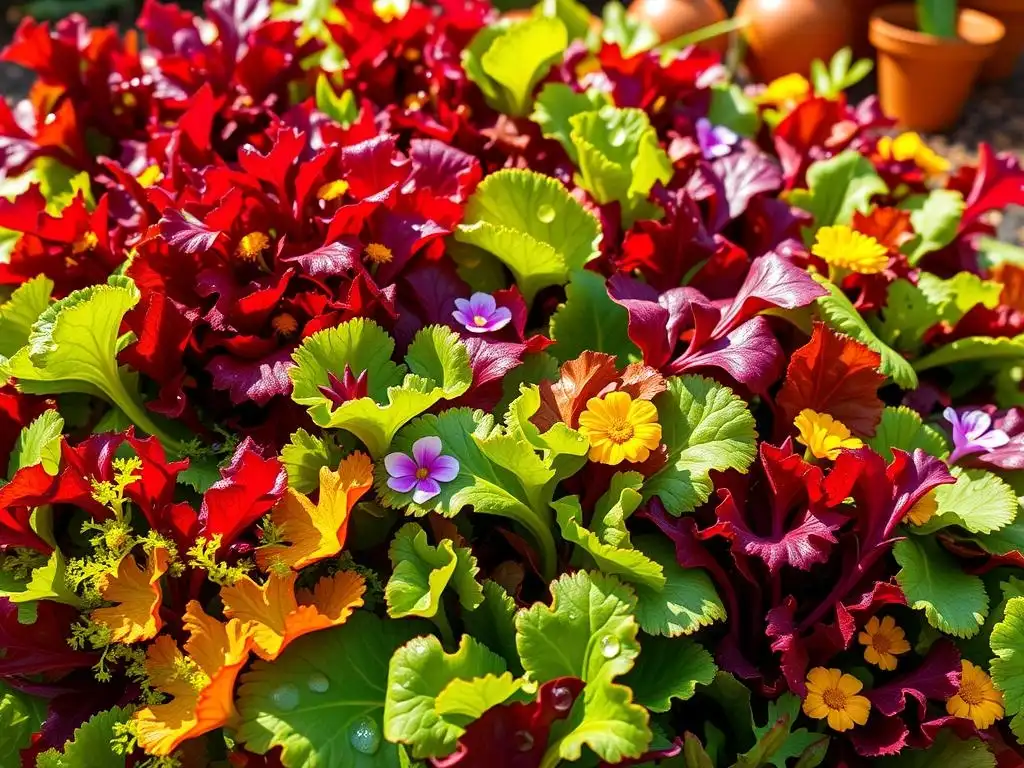
Ready to transform your garden into a vibrant oasis of flavor? At CultivateYourFood, we empower you to grow your own delicious and nutritious food using sustainable methods. Intrigued by the possibilities? Then dive into our latest article on growing exotic salad greens, where we unlock the secrets to cultivating a stunning and diverse array of unique greens right in your backyard. Prepare to be amazed by the incredible variety and surprising ease of growing your own exotic salad bounty!
- Introduction to Growing Exotic Salad Greens at Home
- Popular Exotic Salad Greens to Grow
- Optimizing Your Exotic Salad Green Garden
- Harvesting and Storing Your Exotic Greens
- Recipes and Culinary Uses of Exotic Salad Greens
- Expanding Your Exotic Green Collection
-
Frequently Asked Questions
- What are some examples of exotic salad greens I can grow at home?
- How do I start growing exotic salad greens from seed?
- What kind of soil and sunlight do exotic salad greens need?
- How can I prevent pests and diseases when growing exotic salad greens?
- When is the best time to harvest exotic salad greens?
- Final Reflection: Cultivating a World of Flavor and Possibility
- Unleash Your Inner Salad Chef!
Introduction to Growing Exotic Salad Greens at Home
Embark on a culinary adventure by cultivating a vibrant array of exotic salad greens right in your own backyard! This comprehensive guide delves into the exciting world of growing unusual and flavorful leafy greens, offering a refreshing alternative to common lettuce varieties. From the initial planting stages to the satisfying harvest, we'll explore sustainable and organic practices to ensure a bountiful crop of unique greens that will elevate your salads and add a touch of the extraordinary to your homegrown produce.
This guide is perfect for both seasoned gardeners looking to expand their repertoire and beginners eager to explore the diverse and delicious world of exotic salad greens. Learn how to successfully Grow exotic salad greens and transform your meals with the vibrant flavors and textures these unique plants offer.
The Allure of Unique Salad Greens
The world of salad greens extends far beyond the familiar iceberg and romaine. A plethora of exotic varieties offer a captivating array of tastes, textures, and colors, promising a truly unique culinary experience. Imagine the peppery kick of mizuna, the slightly sweet and nutty flavor of tatsoi, or the vibrant red hues of red mustard greens.
These aren't just pretty additions to your plate; they boast a nutritional profile often surpassing their more common counterparts, packing a punch of vitamins, minerals, and antioxidants. Growing these exotic greens at home allows you to control the growing process, ensuring freshness and reducing your environmental impact – a win-win for both your palate and the planet 🌎. The satisfaction of harvesting your own unique greens is unparalleled, adding an extra layer of enjoyment to your meals.
Benefits of Cultivating Exotic Leafy Greens
Beyond their culinary appeal, cultivating exotic leafy greens offers a multitude of advantages. These benefits extend beyond the simple enjoyment of a delicious and varied salad:
- Enhanced Nutritional Value: Many exotic greens are powerhouses of nutrients, often exceeding the vitamin and mineral content of common lettuce varieties. For example, red mustard greens are exceptionally rich in vitamin K and antioxidants.
- Year-Round Harvesting (in suitable climates): Depending on your climate and the specific variety chosen, you might be able to enjoy a continuous harvest throughout the year, extending your access to fresh, homegrown greens.
- Pest Resistance: Some exotic greens exhibit natural resistance to common pests and diseases, reducing the need for chemical interventions and promoting sustainable gardening practices.
- Improved Soil Health: Growing a diverse range of plants, including exotic greens, contributes to a healthier and more balanced soil ecosystem.
- Unique Flavors and Textures: The sheer variety of flavors and textures available is a major draw. From the spicy bite of arugula to the delicate sweetness of komatsuna, your salads will never be boring again!
Choosing the Right Exotic Greens for Your Garden
Selecting the right exotic greens for your garden depends on several factors, including your climate, available space, and personal preferences. Consider these key aspects when making your choices:
| Green Variety | Flavor Profile | Growing Conditions | Difficulty Level |
|---|---|---|---|
| Mizuna | Peppery, slightly spicy | Cool-season, full sun | Easy |
| Tatsoi | Mild, nutty | Cool-season, partial shade | Easy |
| Red Mustard Greens | Spicy, slightly bitter | Cool-season, full sun | Easy |
| Komatsuna | Mild, slightly sweet | Cool-season, full sun | Easy |
| Amaranth | Earthy, slightly sweet | Warm-season, full sun | Medium |
Remember to research the specific needs of each variety you choose to ensure optimal growth and a bountiful harvest. Happy gardening! 🎉
Popular Exotic Salad Greens to Grow
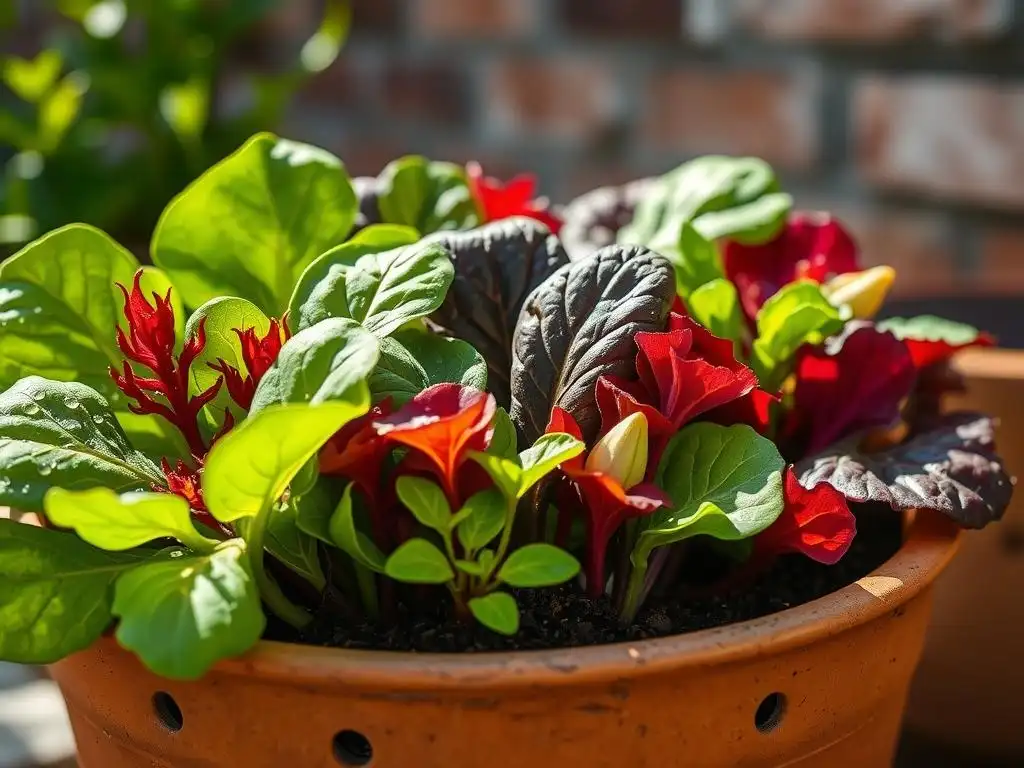
This section delves into the exciting world of less-common salad greens, offering detailed guidance on cultivating these flavorful additions to your home garden. Growing exotic salad greens can significantly enhance the taste and visual appeal of your salads, providing a unique culinary experience. We'll explore popular varieties, emphasizing sustainable and organic practices to ensure a healthy and bountiful harvest.
Mizuna: A Spicy and Peppery Delight
Mizuna, a member of the Brassica family, offers a delightful peppery kick that elevates any salad. Its frilly, deeply lobed leaves add a visually appealing texture, making it a standout choice for both culinary and aesthetic reasons. Its relatively fast growth cycle makes it a rewarding crop for beginner gardeners eager to experience the joys of growing exotic salad greens.
Planting and Growing Mizuna
Mizuna thrives in cool-season conditions, preferring full sun to partial shade. Direct sowing is the preferred method. Sow seeds about ¼ inch deep and 1 inch apart, thinning to 2-3 inches once seedlings emerge. Maintain consistently moist soil, but avoid overwatering which can lead to root rot. Regular weeding is crucial, especially in the early stages of growth.
Consider using organic mulch to suppress weeds and retain soil moisture. Mizuna is relatively pest-resistant, but monitoring for common brassica pests like aphids is advisable. Implementing companion planting techniques, such as intercropping with herbs like chamomile, can further deter pests. For optimal growth, ensure your soil is rich in organic matter. Adding compost before planting significantly improves soil structure and nutrient content, contributing to healthier, more vigorous plants.
Harvesting and Using Mizuna
Mizuna is ready for harvest approximately 4-6 weeks after sowing. Harvest by cutting the outer leaves, allowing the inner leaves to continue growing for a successive harvest. You can harvest multiple times from a single planting, extending your enjoyment of this flavorful green. Mizuna’s peppery flavor pairs well with a variety of ingredients.
It’s delicious in salads, added to stir-fries, or used as a garnish. Its slightly bitter notes complement sweeter vegetables and fruits beautifully. Consider experimenting with different dressings and combinations to discover your favorite way to enjoy this versatile green. Remember to harvest regularly to encourage continuous growth and prevent the plant from bolting (going to seed).
Red Mustard Greens: A Vibrant and Flavorful Addition
Red mustard greens boast a vibrant crimson hue and a slightly spicy, peppery flavor, providing a striking visual and taste contrast to more traditional greens. Their nutritional value is also impressive, making them a healthy and flavorful addition to any diet. Growing red mustard greens is relatively straightforward, even for novice gardeners looking to expand their repertoire of exotic salad greens.
Planting and Growing Red Mustard Greens
Red mustard greens are a cool-season crop, thriving in full sun to partial shade. Like mizuna, direct sowing is recommended. Sow seeds about ¼ inch deep and 1 inch apart, thinning to 4-6 inches once seedlings emerge. Maintain evenly moist soil and weed regularly.
These greens are relatively fast-growing, maturing in about 4-6 weeks. Similar to Mizuna, incorporating organic compost into the soil before planting will promote vigorous growth and healthy plants. Regular fertilization with an organic fertilizer can also boost growth and yield. Monitor for pests such as flea beetles and aphids, implementing organic pest control methods as needed (e.g., insecticidal soap).
Harvesting and Using Red Mustard Greens
Harvest red mustard greens by cutting the outer leaves, leaving the inner leaves to continue growing. Multiple harvests are possible from a single planting. The leaves can be harvested at any size, from baby greens to mature leaves, depending on your preference. Larger leaves may have a slightly more intense flavor. Red mustard greens add a beautiful pop of color and a peppery punch to salads. They can also be sautéed, steamed, or added to soups and stews.
Their vibrant color persists even after cooking, making them an attractive addition to a variety of dishes. Experiment with different cooking methods to discover your favorite way to enjoy these flavorful and visually appealing greens. Remember to harvest regularly to maintain the quality and prevent bolting. The intense red color makes them a visually stunning addition to any plate, enhancing the overall presentation of your culinary creations. 🥕
Tatsoi: A Mild and Sweet Green
Tatsoi, a member of the Brassica family, offers a mild, sweet flavor profile that makes it a delightful addition to any salad. Its dark green, spoon-shaped leaves are visually appealing and provide a pleasant textural contrast to other greens. Unlike some of its spicier cousins, tatsoi is remarkably versatile, lending itself well to both raw consumption and cooked dishes. Its slightly peppery note, subtle compared to arugula or mustard greens, makes it a fantastic choice for those seeking a less assertive flavor in their salads.
The leaves are tender and succulent, even when grown in slightly warmer conditions, making it a relatively forgiving crop for home gardeners. Many find its flavor reminiscent of spinach with a hint of bok choy, a pleasing combination that appeals to a broad range of palates. Growing tatsoi successfully requires attention to specific details, as outlined below.
Planting and Growing Tatsoi
Tatsoi thrives in cool weather conditions, ideally between 55-65°F (13-18°C). Direct sowing is recommended, usually in the fall or early spring, depending on your climate. Prepare well-drained soil rich in organic matter. Sow seeds about ½ inch deep and 1 inch apart. Thin seedlings to 4-6 inches apart once they have a few true leaves to prevent overcrowding. Consistent moisture is crucial, especially during germination and early growth.
Mulching helps retain soil moisture and suppress weeds. While tatsoi is relatively pest-resistant, monitor for aphids and flea beetles, addressing any infestations promptly with organic pest control methods. Regular weeding is essential to ensure healthy growth. Proper spacing will ensure adequate air circulation, minimizing the risk of fungal diseases. Consider succession planting to extend your harvest throughout the season.
Harvesting and Using Tatsoi
Tatsoi is ready for harvest approximately 4-6 weeks after sowing. Harvest the outer leaves first, allowing the inner leaves to continue growing for a later harvest. You can harvest individual leaves as needed, or cut the entire plant at ground level, leaving a small portion of the stem to allow for regrowth. The entire plant, including the leaves and stems, is edible.
Tatsoi can be enjoyed raw in salads, added to sandwiches, or used as a garnish. It also holds up well to cooking, making it suitable for stir-fries, soups, or as a side dish. Its mild flavor complements many other ingredients, making it a versatile addition to a wide variety of dishes. Consider blanching tatsoi briefly before adding it to salads to enhance its texture and flavor.
Komatsuna: A Unique Japanese Mustard Green
Komatsuna, also known as Japanese mustard spinach, offers a distinctly different flavor profile compared to other mustard greens. Its leaves are typically long and narrow, with a slightly more intense mustard flavor than tatsoi but still milder than some other mustard greens. This peppery kick makes it a standout ingredient in salads, adding a welcome zing.
The leaves are tender and slightly succulent, providing a satisfying texture. Komatsuna is a popular choice in Japanese cuisine, where it is often used in stir-fries, soups, and other cooked dishes. Its nutritional value is also significant, as it’s a good source of vitamins A and C. Cultivating komatsuna successfully requires understanding its specific needs.
Planting and Growing Komatsuna
Komatsuna, like tatsoi, prefers cool weather conditions. It thrives in temperatures between 55-70°F (13-21°C). Direct sowing is the preferred method, typically in early spring or fall. Choose a location with well-drained soil rich in organic matter. Sow seeds about ½ inch deep and space them 1-2 inches apart. Thin seedlings to 4-6 inches apart once they have several true leaves. Consistent watering is crucial, especially during germination and early growth. Mulching helps retain soil moisture and suppress weeds. Komatsuna is relatively pest-resistant but monitor for common pests like aphids and flea beetles, implementing organic pest control measures as needed.
Harvesting and Using Komatsuna
Komatsuna is typically ready for harvest 4-6 weeks after sowing, depending on the growing conditions. Harvest the outer leaves first, allowing the inner leaves to continue growing. You can harvest individual leaves or cut the entire plant at the base, leaving a portion of the stem to encourage regrowth. The leaves and stems are both edible.
Komatsuna can be added to salads, used as a garnish, or incorporated into various cooked dishes. Its slightly peppery flavor pairs well with other vegetables and meats in stir-fries, soups, and other culinary applications. Consider lightly steaming or sautéing komatsuna to enhance its flavor and texture. Its unique flavor and versatility make it a valuable addition to any home garden.
Optimizing Your Exotic Salad Green Garden
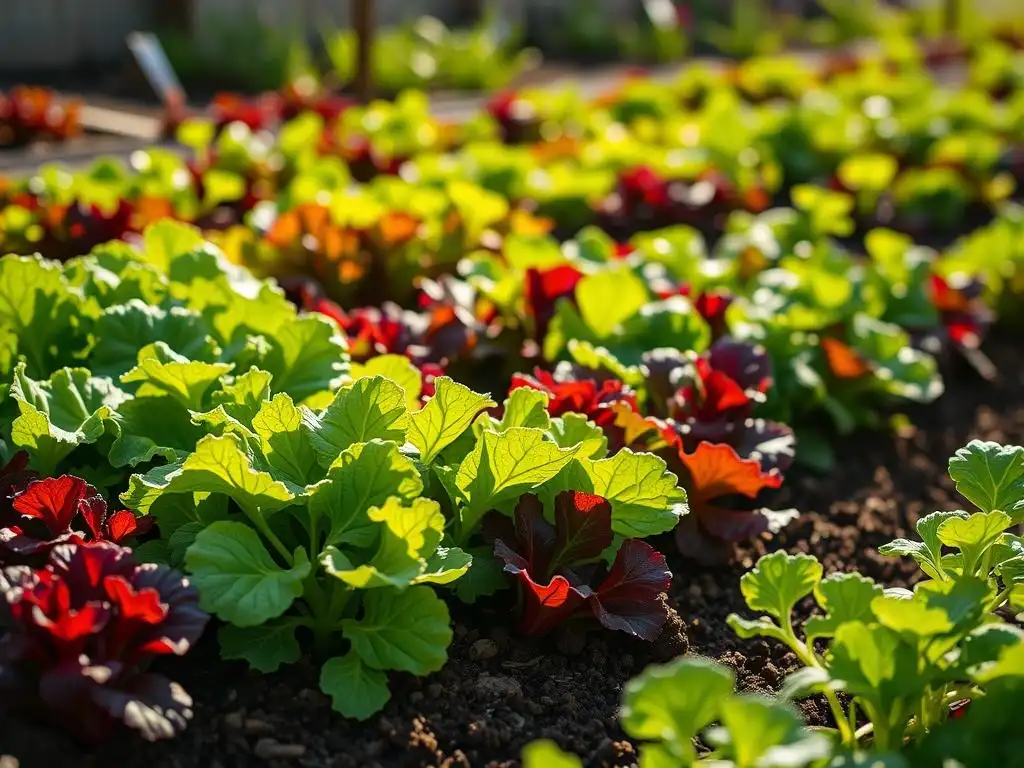
Growing exotic salad greens offers a rewarding culinary adventure, but success hinges on understanding their specific needs. This section delves into the crucial aspects of cultivating a thriving, vibrant patch of these unique greens. From preparing the ideal soil to safeguarding against pests, mastering these techniques will significantly improve your harvest and overall gardening experience. Let's explore how to best grow exotic salad greens.
Soil Preparation for Exotic Greens
The foundation of any successful garden, especially one dedicated to delicate exotic greens, lies in proper soil preparation. These plants thrive in loose, well-draining soil rich in organic matter. Heavy clay soils can suffocate roots, while sandy soils may not retain enough moisture. Therefore, amending your soil is often crucial.
Before planting, test your soil's pH. Most exotic greens prefer a slightly acidic to neutral pH range (6.0-7.0). You can purchase a soil testing kit from most garden centers. If your soil's pH is outside the ideal range, amend it with lime to raise the pH or sulfur to lower it. Follow the product instructions carefully for the appropriate amount.
Next, incorporate plenty of organic matter. This improves soil structure, aeration, and water retention. Excellent options include well-rotted compost, aged manure, and peat moss. Mix in several inches of organic matter before planting, ensuring it's evenly distributed throughout the planting area. This will provide a nutrient-rich environment for your exotic greens to flourish. Remember, healthy soil directly translates to healthy plants! Consider adding a layer of mulch after planting to help retain moisture and suppress weeds.
Sunlight and Watering Requirements
Sunlight and watering are two critical factors influencing the growth and health of your exotic salad greens. The specific requirements vary slightly depending on the variety, but generally, these greens need ample sunlight and consistent moisture.
Most exotic greens prefer at least six hours of direct sunlight daily. However, some varieties, particularly those with delicate leaves, may benefit from some shade during the hottest part of the day to prevent scorching. Observe your plants carefully; wilting leaves are a clear sign of needing more water or shade.
Consistent watering is essential, especially during dry spells. Aim for moist, but not waterlogged, soil. Overwatering can lead to root rot, while underwatering results in wilting and stunted growth. A good rule of thumb is to water deeply but infrequently, allowing the top inch or two of soil to dry out between waterings. Consider using a drip irrigation system for even moisture distribution, minimizing water waste and preventing fungal diseases. The best time to water is early in the morning, allowing the leaves to dry before nightfall, reducing the risk of fungal infections.
Protecting Exotic Greens from Pests and Diseases
Protecting your precious exotic greens from pests and diseases is vital to a successful harvest. Regular monitoring and proactive measures are key to preventing infestations and outbreaks.
Common pests include aphids, slugs, and caterpillars. Regularly inspect your plants for signs of infestation, such as chewed leaves, wilting, or the presence of insects. For smaller infestations, handpicking pests is often sufficient. For larger infestations, consider using organic pest control methods, such as insecticidal soap or neem oil. These are less harmful to beneficial insects and pollinators.
Diseases are often caused by fungal pathogens, thriving in humid conditions. Ensure good air circulation around your plants by spacing them appropriately and avoiding overhead watering. If diseases do appear, remove and destroy affected plants promptly to prevent spread. Practicing crop rotation can also help reduce the risk of disease recurrence. Remember, prevention is key; healthy plants are more resilient to pests and diseases. Regularly monitor your plants for any signs of trouble, and address issues promptly to maintain a thriving exotic salad green garden.
Companion Planting for Enhanced Growth
Companion planting is a powerful technique to boost the growth and health of your exotic salad greens while minimizing pest problems. The basic principle is to plant certain species together that benefit each other. Some plants repel pests that might target your greens, while others improve soil conditions or attract beneficial insects. For example, planting nasturtiums alongside your greens can deter aphids and whiteflies, common enemies of many leafy greens.
Their vibrant flowers also add a splash of color to your garden! Similarly, marigolds are known for their pest-repelling properties, particularly against nematodes, which can damage roots. Strategically placing marigolds throughout your exotic salad green patch can act as a natural deterrent.
Beyond pest control, some companion plants enhance soil fertility. For instance, legumes like beans or peas fix nitrogen in the soil, enriching it for your greens. Planting them nearby provides a natural fertilizer, reducing the need for synthetic options. However, careful consideration is key; some plants can have negative interactions. Avoid planting strong-growing herbs like mint or rosemary directly next to delicate greens, as they can outcompete them for resources.
Careful planning and observation are essential for successful companion planting. Consider researching specific companion plants that are beneficial for the particular exotic greens you're cultivating. For instance, the best companions for mizuna might differ from those ideal for tatsoi. The rewards of well-planned companion planting—healthier, more resilient plants and reduced pest pressure—make it a valuable technique for any gardener growing exotic salad greens. 🌱
Harvesting and Storing Your Exotic Greens
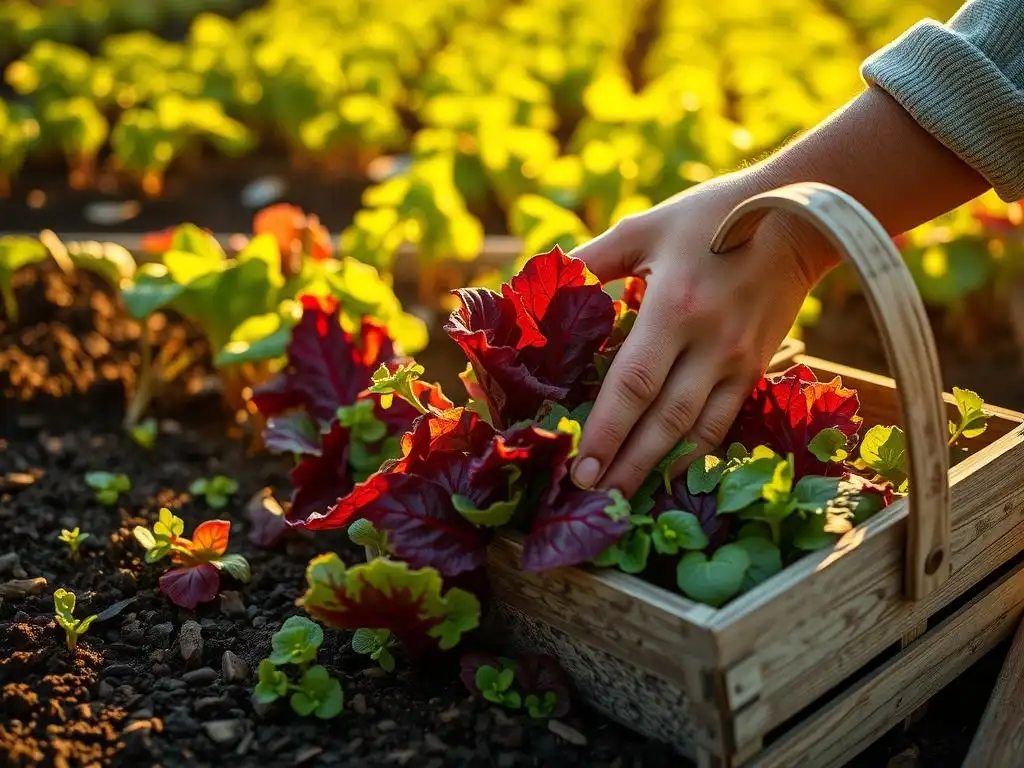
This section focuses on the crucial steps of harvesting and storing your exotic salad greens to maximize their flavor and shelf life. Proper techniques ensure you enjoy the fruits (or rather, leaves!) of your labor for as long as possible. Mastering these methods will elevate your homegrown salad game significantly, allowing you to truly grow exotic salad greens with confidence.
Knowing When to Harvest Exotic Salad Greens
The ideal harvest time for exotic salad greens varies depending on the specific variety. However, a general rule of thumb is to harvest when the leaves are young and tender, before they become tough or bitter. This typically means harvesting when the plants have reached a height of approximately 4-6 inches, but always refer to the specific planting instructions for your chosen variety. For example, Mizuna is ready for harvest around 30 days after sowing, while Red Russian Kale can be harvested continuously over several months.
Here's a handy table summarizing the approximate harvest times for some popular exotic salad greens:
| Exotic Salad Green | Approximate Harvest Time (Days after sowing) | Notes |
|---|---|---|
| Mizuna | 30 | Harvest young leaves for best flavor. |
| Red Russian Kale | 45-60 (continuous harvest) | Can be harvested repeatedly over several months. |
| Tatsoi | 45-60 | Harvest outer leaves first, leaving inner leaves to continue growing. |
| Komatsuna | 40-50 | Similar to Tatsoi, harvest outer leaves first. |
| Amaranth | 45-60 (continuous harvest) | Can be harvested repeatedly, both leaves and seeds. |
Remember to examine your plants regularly. Look for vibrant, deep colors and avoid harvesting during the hottest part of the day to minimize wilting. Harvesting in the morning, after the dew has dried, is generally recommended. Observing your plants closely will allow you to develop an intuition for the optimal harvest time for each type.
Proper Harvesting Techniques for Maximum Yield
Harvesting correctly is key to maximizing your yield and promoting continued growth, especially when you grow exotic salad greens. Avoid simply pulling up the entire plant unless specifically instructed for a particular variety. Instead, use clean scissors or a sharp knife to cut the leaves just above the soil line. This prevents damage to the crown of the plant, allowing it to continue producing new leaves for a longer harvest period.
For leafy greens like Mizuna and Tatsoi, you can harvest outer leaves first, leaving the younger, inner leaves to mature. This technique ensures a continuous supply of fresh greens over several weeks. For loose-leaf varieties, cut individual leaves or small bunches, as needed. For more robust plants like kale, you can harvest whole leaves or even the entire top of the plant, leaving the lower leaves to continue growing.
- Tip: Always use clean and sharp tools to prevent the spread of diseases.
Storing Exotic Greens for Freshness
Proper storage is just as important as proper harvesting to maintain the quality and extend the shelf life of your exotic greens. Once harvested, rinse your greens gently under cool water to remove any dirt or debris. Pat them dry with a clean towel or salad spinner to prevent premature wilting.
Several methods can help keep your exotic salad greens fresh:
- Refrigeration: Store your harvested greens in airtight containers or reusable bags lined with paper towels to absorb excess moisture. This method can keep your greens fresh for up to a week.
- Freezing: Blanch your greens briefly in boiling water, then plunge them into ice water to stop the cooking process. This helps retain their color and nutrients. After drying, you can freeze them in freezer bags for longer storage.
- Quick Pickling: For longer storage and unique flavor profiles, consider quick pickling some of your harvest. This preserves the greens and adds a tangy twist to your salads.
Remember, freshness is key! The faster you can process and store your harvested greens, the better their quality will be. By following these guidelines, you can enjoy the delicious flavors of your homegrown exotic salad greens for days, even weeks, after harvest. 🌱
Recipes and Culinary Uses of Exotic Salad Greens
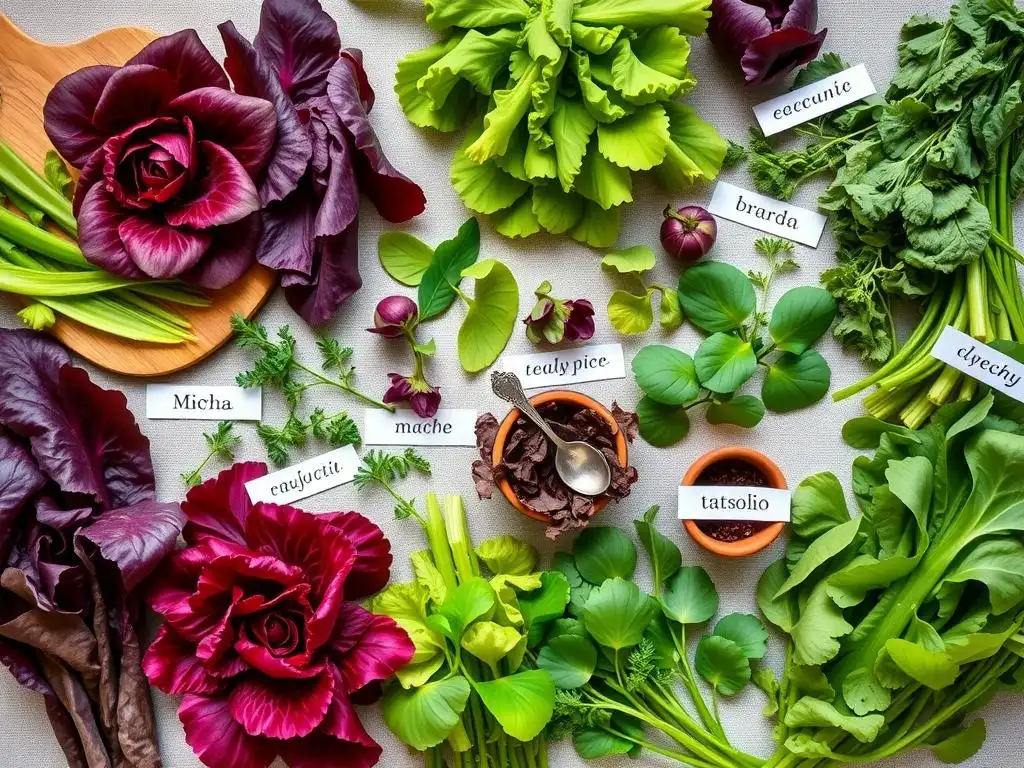
This section explores the culinary versatility of exotic salad greens, showcasing their unique flavors and textures in delicious and easy-to-prepare recipes. These recipes highlight the delightful tastes often overlooked in standard lettuce mixes, encouraging you to grow exotic salad greens and expand your culinary horizons. We'll move beyond the basics, focusing on preparations that celebrate the distinct characteristics of each green. Remember to always wash your greens thoroughly before use.
Mizuna Salad with Citrus Vinaigrette
Mizuna, with its peppery bite and slightly serrated leaves, is a fantastic base for a light and refreshing salad. Its slightly spicy character pairs beautifully with the bright acidity of citrus. This recipe is perfect for a light lunch or a vibrant side dish.
The key to this salad is the balance between the peppery mizuna and the sweet and tart vinaigrette. Too much vinaigrette will overpower the delicate mizuna flavor, while too little will leave the salad feeling dry. Experiment with the amounts to find your perfect balance!
Ingredients:
- 5 oz Mizuna, washed and dried
- 1/4 cup Orange juice, freshly squeezed
- 2 tbsp Lemon juice, freshly squeezed
- 1 tbsp Olive oil
- 1 tsp Honey or maple syrup
- 1/4 tsp Dijon mustard
- Salt and freshly ground black pepper to taste
- Optional: Toasted slivered almonds, crumbled feta cheese
Instructions:
- In a small bowl, whisk together the orange juice, lemon juice, olive oil, honey (or maple syrup), and Dijon mustard. Season with salt and pepper to taste.
- Gently toss the mizuna with the citrus vinaigrette.
- Serve immediately, garnished with toasted almonds and/or feta cheese (optional). Enjoy the delightful peppery flavor!
Red Mustard Greens with Sesame Ginger Dressing
Red mustard greens, with their vibrant color and slightly spicy, peppery flavor, are a nutritional powerhouse. This recipe utilizes a sesame ginger dressing to complement the greens' inherent pungency, creating a flavorful and balanced dish. The vibrant color adds a beautiful pop to any meal!
This recipe is easily adaptable. Feel free to add other vegetables like shredded carrots or bell peppers for extra crunch and nutrition. Toasted sesame seeds add a delightful nutty flavor and visual appeal.
Ingredients:
- 6 oz Red mustard greens, washed and roughly chopped
- 2 tbsp Sesame oil
- 1 tbsp Rice vinegar
- 1 tbsp Soy sauce (low sodium preferred)
- 1 tbsp grated fresh ginger
- 1 tsp Honey or maple syrup
- 1/2 tsp Sesame seeds, toasted
- Optional: 1/4 cup chopped scallions
Instructions:
- In a small bowl, whisk together the sesame oil, rice vinegar, soy sauce, ginger, and honey (or maple syrup).
- Add the chopped red mustard greens to the bowl and toss gently to coat with the dressing.
- Sprinkle with toasted sesame seeds and chopped scallions (optional).
- Serve immediately or chill for later. The flavors will meld beautifully!
Tatsoi Stir-fry with Garlic and Shrimp
Tatsoi, with its tender leaves and mild, slightly sweet flavor, lends itself well to stir-fries. This recipe pairs the delicate tatsoi with savory shrimp and aromatic garlic, creating a quick, easy, and flavorful meal. The contrast of textures—tender tatsoi and succulent shrimp—is delightful.
This recipe is a great way to use up leftover cooked shrimp, making it a perfect weeknight meal. Feel free to substitute chicken or tofu for a vegetarian option. Adding other vegetables, such as snow peas or mushrooms, will enhance the nutritional value and flavor complexity.
Ingredients:
- 8 oz Tatsoi, washed and roughly chopped
- 1 lb Shrimp, peeled and deveined
- 2 cloves Garlic, minced
- 1 tbsp Olive oil
- 1 tbsp Soy sauce (low sodium preferred)
- 1 tsp Sesame oil
- Salt and freshly ground black pepper to taste
Instructions:
- Heat the olive oil in a wok or large skillet over medium-high heat.
- Add the shrimp and cook until pink and opaque, about 2-3 minutes per side. Remove from the wok and set aside.
- Add the minced garlic to the wok and cook for about 30 seconds, until fragrant.
- Add the tatsoi and stir-fry for 1-2 minutes, until wilted but still slightly crisp.
- Return the shrimp to the wok. Stir in the soy sauce and sesame oil. Season with salt and pepper to taste.
- Serve immediately. Enjoy this quick and flavorful stir-fry! 🍜
Komatsuna in Miso Soup
Komatsuna, with its slightly peppery and subtly sweet flavor, adds a delightful complexity to the classic Japanese miso soup. Its tender leaves hold up well to the warm broth without becoming mushy, providing a pleasant textural contrast. The earthy notes of komatsuna beautifully complement the savory umami of the miso paste. This simple soup is incredibly versatile; you can adjust the ingredients to your preference, adding tofu, mushrooms, or other vegetables to enhance the flavor profile. For a truly authentic taste, use a high-quality dashi stock as a base for the soup.
To prepare komatsuna for miso soup, simply wash the leaves thoroughly and remove any tough stems. Chop the leaves into bite-sized pieces. In a pot, bring the dashi stock to a simmer. Add the komatsuna and cook for just a minute or two, until the leaves are wilted but still retain their vibrant green color.
Stir in the miso paste, ensuring it's fully dissolved, and avoid boiling the soup after adding the miso, as this can destroy its delicate flavor and beneficial enzymes. Serve immediately, garnished with a sprinkle of finely chopped scallions for an added touch of freshness. The resulting soup is not only delicious but also a healthy and nutritious meal, packed with vitamins and minerals from both the komatsuna and miso.
Experiment with different types of miso paste – white miso offers a milder flavor, while red miso imparts a richer, more robust taste. This simple recipe allows for endless customization, making it a perfect dish for both beginner cooks and seasoned culinary enthusiasts seeking to explore the versatility of komatsuna. Remember to taste and adjust the seasoning to your liking; a pinch of salt or a squeeze of lemon can elevate the flavor even further.
Expanding Your Exotic Green Collection
This section delves into the exciting world beyond the common lettuce and spinach, exploring the diverse and delicious realm of exotic salad greens. Growing these unique varieties not only adds a vibrant pop of color and flavor to your meals but also enhances the overall biodiversity of your garden. Successfully growing exotic salad greens is a rewarding experience that expands your culinary horizons and contributes to a more sustainable food system. Let's explore some options and techniques to help you succeed in this endeavor.
Exploring Other Unusual Salad Greens
Beyond the already mentioned varieties, a whole world of unusual and flavorful greens awaits the adventurous home grower. Consider these options to truly diversify your salad game:
- Mizuna: This peppery Japanese mustard green offers a delightful bite and a slightly spicy kick. Its deeply lobed leaves add visual interest to any salad. Mizuna thrives in cooler temperatures, making it a great choice for spring and fall planting. It's also relatively fast-growing, providing a quick harvest.
- Red Russian Kale: This striking kale boasts deep reddish-purple leaves with a slightly sweeter, less bitter taste than traditional green kale. It's highly nutritious and incredibly cold-hardy, often surviving mild frosts. Red Russian kale is also a visually stunning addition to your garden.
- Tatsoi: This Asian green offers a mild, slightly nutty flavor and tender leaves that are perfect for baby greens salads. Its spoon-shaped leaves are unique and attractive. Tatsoi is relatively low-maintenance and tolerates some shade.
- Claytonia (Miner's Lettuce): A truly unique addition, Miner's Lettuce offers a succulent, slightly lemony flavor. It's a low-growing, spreading plant that thrives in moist, shady conditions, making it a great ground cover or addition to a woodland garden. It's highly cold-tolerant and can even overwinter in milder climates.
The possibilities are virtually endless! Experimenting with different varieties allows you to discover your personal favorites and cultivate a unique and flavorful salad garden tailored to your preferences and growing conditions. Remember to research the specific needs of each variety to ensure optimal growth and yield. Consider factors such as sun exposure, soil type, and water requirements before planting.
Sourcing Seeds and Plants for Exotic Varieties
Finding seeds and plants for exotic salad greens might require a little more effort than sourcing common varieties. However, the rewards are well worth the search. Here are some avenues to explore:
- Specialty Seed Companies: Many online and mail-order seed companies specialize in heirloom and unusual varieties, including exotic salad greens. Look for companies with detailed descriptions and growing information.
- Local Nurseries and Garden Centers: Your local nurseries and garden centers may carry some exotic varieties, especially during peak growing seasons. Don't hesitate to ask—they may be able to order specific varieties for you.
- Online Marketplaces: Online marketplaces can offer a wide selection of seeds and plants, but be sure to check reviews and seller ratings before purchasing. Pay close attention to shipping and handling to ensure the plants or seeds arrive in good condition.
When purchasing seeds, look for descriptions that specify germination rates and growing requirements. This information will help you determine the best planting time and techniques for your specific location and climate. For plants, examine them carefully for any signs of disease or pests before purchasing.
Tips for Successful Seed Starting
Starting exotic salad greens from seed can be a fulfilling experience, allowing you to control the entire growing process from germination to harvest. Here are some key tips for success:
- Start Indoors: Many exotic varieties benefit from a head start indoors, especially in colder climates. Use seed starting mix, not garden soil, to ensure proper drainage and aeration.
- Proper Lighting: Provide adequate light, either with grow lights or a sunny windowsill. Seedlings need at least 6-8 hours of light per day.
- Consistent Moisture: Keep the soil consistently moist, but not soggy. Overwatering can lead to damping-off, a fungal disease that can kill seedlings.
- Hardening Off: Before transplanting seedlings outdoors, gradually acclimate them to outdoor conditions over a period of several days. This process, known as "hardening off," helps them adjust to the changes in temperature, light, and humidity.
- Thinning: Thin seedlings to the appropriate spacing once they have developed a few true leaves. This prevents overcrowding and allows for better air circulation, reducing the risk of disease.
By following these tips and paying attention to the specific needs of each variety, you'll significantly increase your chances of successfully growing a vibrant and flavorful collection of exotic salad greens. Remember that patience and observation are key to successful gardening! Enjoy the process of cultivating these unique and delicious additions to your culinary repertoire.
Frequently Asked Questions
What are some examples of exotic salad greens I can grow at home?
You can grow a variety of exciting greens! Consider Mizuna, with its peppery bite, Red Mustard Greens for a vibrant color and spicy kick, or Tatsoi, offering a mild, buttery flavor. Many more options exist depending on your climate.
How do I start growing exotic salad greens from seed?
Begin by starting seeds indoors 6-8 weeks before the last expected frost. Use a seed-starting mix and provide plenty of sunlight. Once seedlings emerge, thin them to prevent overcrowding.
What kind of soil and sunlight do exotic salad greens need?
Most exotic greens thrive in well-drained, fertile soil rich in organic matter. They need at least 6 hours of sunlight per day, but some varieties tolerate partial shade. Amend your soil with compost for best results.
How can I prevent pests and diseases when growing exotic salad greens?
Practice crop rotation to avoid soilborne diseases. Regularly inspect plants for pests and use organic pest control methods like insecticidal soap or neem oil if necessary. Good air circulation also helps prevent problems.
When is the best time to harvest exotic salad greens?
Harvesting depends on the specific variety, but generally, you can begin harvesting baby leaves when they reach a few inches tall. For mature leaves, wait until the plants are fully grown, usually 6-8 weeks after sowing. Harvest regularly to encourage continued growth.
Final Reflection: Cultivating a World of Flavor and Possibility
The vibrant world of exotic salad greens offers not just a culinary adventure, but a pathway to a more sustainable and flavorful future. From the peppery bite of mizuna to the sweet earthiness of tatsoi, these unique greens are transforming our plates and challenging our perceptions of what constitutes a "salad." Their growing popularity reflects a growing desire for diverse, healthy, and locally sourced food.
The journey into cultivating these exotic varieties has been profoundly rewarding, not only for the delicious harvests but also for the deeper connection it fosters with the natural world. The simple act of nurturing a seed into a vibrant plant offers a profound sense of accomplishment and a tangible link to the food we consume. The glory of gardening: hands in the dirt, head in the sun, heart with nature. To nurture a garden is to feed not just the body, but the soul.
This quote perfectly encapsulates the transformative power of growing your own food, a power amplified tenfold when exploring the exciting realm of exotic greens.
Now, it's your turn. Consider the possibilities that await you. Will you embark on the adventure of growing your own vibrant mix of exotic salad greens? Imagine the unique flavors, the satisfying harvest, and the pride in creating something beautiful and delicious with your own hands. The world of exotic greens awaits – embrace the challenge, and savor the rewards.
Unleash Your Inner Salad Chef!
Thanks for exploring the exciting world of exotic salad greens with us! We hope you've discovered some new favorites to add to your culinary repertoire. Now it's time to put your newfound knowledge into practice.
- Craft your dream salad: Incorporate a new green you learned about today into your next salad. Experiment with different textures and flavors to create a truly unique and delicious dish!
- Share your creations: Post a picture of your exotic salad on social media and tag us @CultivateYourFood – we'd love to see your culinary creations!
- Challenge a friend: Encourage a friend to try a new green this week and share their experience. Let's spread the joy of delicious and nutritious eating!
What unexpected flavor combinations will you create with your new favorite exotic greens?