
Garlic Growing Myths: Debunking Common Misconceptions

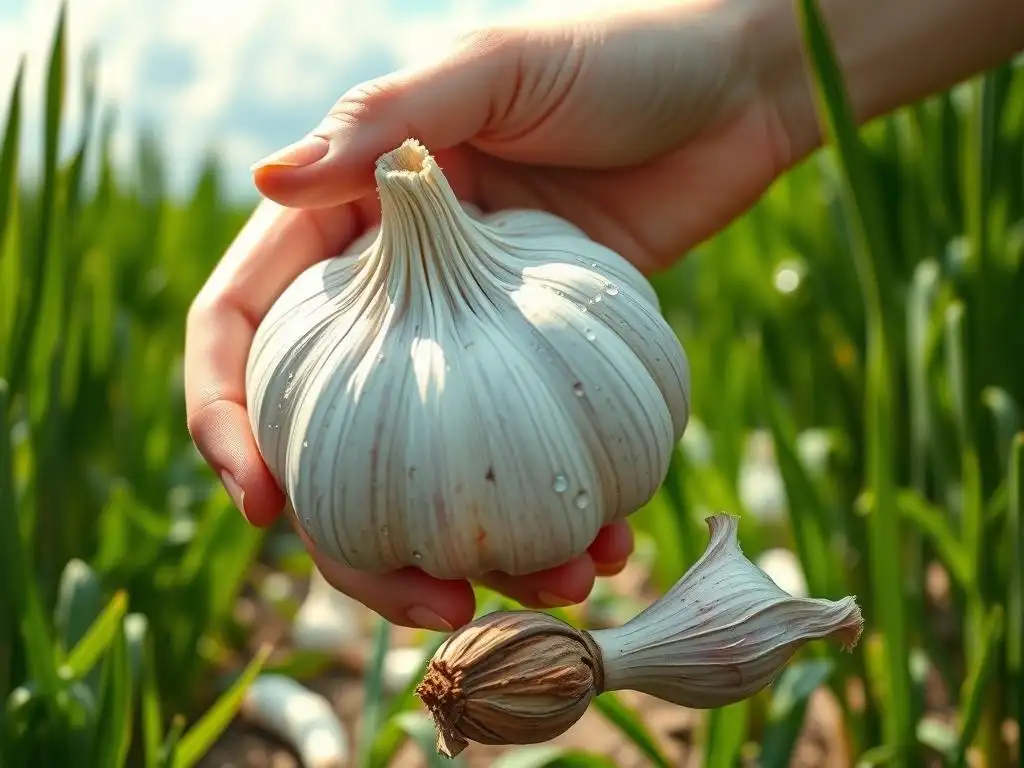
Ready to unlock the secrets of a bountiful garlic harvest? At CultivateYourFood, we're passionate about helping you grow your own delicious and nutritious food organically. Forget everything you think you know about garlic cultivation – we're diving headfirst into "Debunking Garlic Growing Myths", exposing common misconceptions and revealing the simple techniques for a truly impressive yield. Prepare to be surprised by what you discover as you embark on your journey towards sustainable home gardening!
- Introduction: Separating Fact from Fiction in Garlic Cultivation
- Myth 1: All Garlic is Created Equal: Understanding Garlic Varieties and Their Needs
- Myth 2: Garlic Only Needs to be Planted in the Fall: Exploring Spring Planting Techniques
- Myth 3: More Sunlight is Always Better for Garlic Growth: The Ideal Light Exposure
- Myth 4: Garlic Needs No Fertilizer: Optimizing Soil Nutrients for Abundant Harvests
- Myth 5: Pest and Disease Control is Unnecessary: Protecting Your Garlic Crop
- Myth 6: Larger Cloves Always Produce Larger Bulbs: The Truth About Garlic Clove Size
- Myth 7: Harvesting Garlic is a Simple Process: Timing and Techniques for Optimal Harvest
- Conclusion: Cultivating a Thriving Garlic Crop Based on Facts, Not Myths
- Frequently Asked Questions
- Final Reflection: Harvesting Truth from Garlic Myths
- Unleash Your Inner Garlic Gardener: Grow Bigger, Better Bulbs!
Introduction: Separating Fact from Fiction in Garlic Cultivation
Garlic, a culinary staple and potent medicinal herb, is surprisingly misunderstood when it comes to cultivation. Many gardeners perpetuate myths and misinformation, leading to disappointing harvests and unnecessary frustration. This comprehensive guide aims to debunk common garlic growing myths, empowering you to cultivate healthy, robust garlic plants using sustainable and organic methods. We will explore the importance of accurate information, examine prevalent misconceptions, and provide evidence-based practices for achieving optimal garlic growth.
From planting techniques to pest control, we’ll equip you with the knowledge to transform your garden into a thriving garlic patch, yielding bountiful harvests year after year. This article is your definitive resource for separating fact from fiction in the world of garlic cultivation, helping you achieve the perfect garlic crop you've always dreamed of. Let's get started on your journey to garlic mastery! 🧄
The Importance of Accurate Garlic Growing Information
Accurate information is paramount to successful garlic cultivation. Misconceptions can lead to wasted time, resources, and ultimately, a poor harvest. Many established gardening practices are based on anecdotal evidence or outdated techniques, rather than scientific research. For example, the belief that garlic needs full sun exposure all day long is a common myth; in reality, partial shade during the hottest part of the day can actually improve yield and bulb size, especially in warmer climates.
Similarly, the idea that all garlic varieties are created equal is false. Different varieties have specific needs regarding planting depth, soil type, and chilling requirements. By dispelling these myths and embracing evidence-based practices, you’ll dramatically increase your chances of a successful and abundant garlic harvest. This section will focus on why reliable information is crucial and how it directly impacts the health and growth of your garlic plants.
We'll explore real-world examples of how inaccurate information has led to failed crops and contrast them with successful outcomes achieved through evidence-based cultivation methods. The benefits of using proven techniques are considerable, resulting in healthier plants, larger bulbs, and a more rewarding gardening experience. We will also discuss the sources of reliable garlic growing information – from reputable research institutions to experienced organic gardeners.
Myth 1: All Garlic is Created Equal: Understanding Garlic Varieties and Their Needs
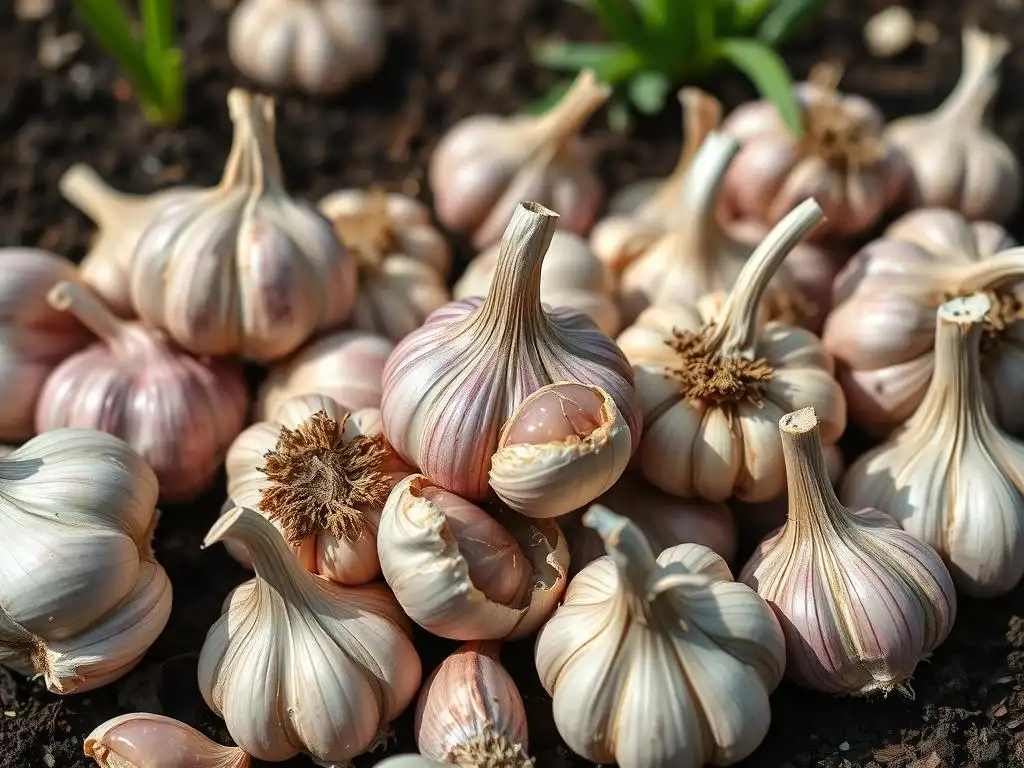
The assumption that all garlic is the same is a significant hurdle for many aspiring garlic growers. In reality, the world of Allium sativum boasts a surprising diversity, with variations in taste, size, storage potential, and growing requirements. Debunking this myth is crucial to achieving a successful harvest. Choosing the right garlic variety is paramount; planting the wrong type can lead to disappointing yields or even complete failure. This section will clarify the key distinctions and help you select the perfect garlic for your climate and gardening goals.
Hardneck vs. Softneck Garlic: Choosing the Right Variety for Your Climate
The primary division within the garlic family is between hardneck and softneck varieties. This distinction significantly impacts their suitability for different climates and gardening styles.
- Hardneck Garlic: These varieties possess a central, hard stalk ("scape") that emerges from the bulb before the leaves fully mature. This scape, often harvested and used for cooking, signifies a stronger, more robust plant, typically better suited to colder climates. Hardneck garlic generally produces fewer, larger cloves, often with a more intense flavor. They are less likely to store as long as softneck varieties but offer a superior culinary experience for many. Examples include Rocambole, Porcelain, and Purple Stripe garlic.
- Softneck Garlic: Lacking the hard scape, softneck varieties produce more numerous, smaller cloves, usually with a milder flavor compared to hardneck. Their flexibility makes them ideal for braiding, a common storage method, and their longer storage life is a significant advantage. Softneck garlic is better adapted to warmer climates and tends to produce higher yields. Popular examples include Artichoke, Silverskin, and Creole garlic.
| Garlic Type | Scape | Cloves | Flavor | Climate Suitability | Storage Life |
|---|---|---|---|---|---|
| Hardneck | Present | Fewer, Larger | Intense | Cooler | Shorter |
| Softneck | Absent | More Numerous, Smaller | Milder | Warmer | Longer |
Choosing between hardneck and softneck garlic is a crucial step in planning your garlic garden. Consider your local climate, the length of your growing season, and your preferred garlic flavor profile when making your selection.
Regional Variations and Optimal Growing Conditions for Specific Garlic Types
Even within hardneck and softneck categories, significant variations exist. Specific garlic types thrive under particular conditions. For instance, some varieties, like the cold-hardy Siberian garlic, are well-suited to shorter growing seasons and frigid winters, while others, like the heat-tolerant Creole garlic, excel in warmer climates with extended growing periods.
Understanding these regional variations is crucial for maximizing your yield. Consider the following factors when selecting a garlic variety:
- Chill Hours: The number of hours of cold temperatures (typically below 45°F or 7°C) required for proper bulb development. This is especially important for hardneck garlic varieties.
- Day Length: The length of daylight hours influences garlic growth and bulb formation. Some varieties are more sensitive to photoperiod than others.
- Soil Drainage: Garlic requires well-drained soil to prevent root rot. Heavy clay soils should be amended with organic matter to improve drainage.
- Soil pH: Garlic prefers slightly acidic to neutral soil (pH 6.0-7.0). A soil test can help determine if adjustments are needed.
The success of your garlic planting hinges on selecting a variety that aligns with your region's climate and soil conditions. Researching the specific needs of your chosen variety is key to achieving a bountiful harvest. Failing to consider these regional nuances can significantly impact the quality and quantity of your garlic crop. Proper research and careful selection are key to debunking the myth that all garlic is the same. Remember, choosing the right variety is the foundation of a successful garlic garden.
Myth 2: Garlic Only Needs to be Planted in the Fall: Exploring Spring Planting Techniques
Many gardeners believe that garlic thrives only when planted in the fall. While fall planting offers advantages, it's a misconception to think spring planting is impossible. Successfully growing garlic in the spring requires understanding its unique needs and adapting your techniques. This section debunks the myth surrounding fall-only planting and explores the viability, benefits, and challenges of spring garlic cultivation.
We will examine the crucial steps to ensure a bountiful harvest, even when planting in spring. Proper preparation and clove selection are key to success. Let's delve into the details of spring garlic planting and overcome this common misconception about garlic growing.
The Benefits and Challenges of Spring Planting Garlic
Spring planting offers several advantages, particularly for gardeners in warmer climates where fall-planted garlic might bolt (produce a flower stalk prematurely, reducing bulb size). Spring planting allows you to bypass the risk of harsh winter conditions that can damage young garlic plants. Furthermore, spring planting allows for a potentially shorter growing season, resulting in an earlier harvest.
However, spring planting also presents challenges. The shorter growing season means less time for the bulbs to mature fully, potentially resulting in smaller bulbs compared to fall-planted garlic. The warmer temperatures of spring can also lead to faster growth, potentially increasing the risk of pests and diseases if not properly managed. Careful monitoring and proactive pest control strategies are crucial for success.
| Season | Advantages | Challenges |
|---|---|---|
| Fall | Larger bulbs, longer growing season, established roots before winter | Risk of winter damage, potential for bolting in warmer climates |
| Spring | Avoids winter damage, shorter growing season, earlier harvest | Smaller bulbs, faster growth, increased pest risk |
The success of spring garlic planting hinges on careful timing, soil preparation, and selecting the right garlic cloves. Choosing the right variety is also important; some varieties are better suited for spring planting than others. Careful observation and adaptation are key to overcoming the challenges and enjoying a successful spring garlic harvest.
Preparing the Soil and Selecting Garlic Cloves for Spring Planting
Preparing the soil for spring planting is just as crucial as it is for fall planting. The soil should be well-drained, loose, and rich in organic matter. Amend heavy clay soils with compost or other organic materials to improve drainage and aeration. Garlic prefers slightly acidic to neutral soil (pH 6.0-7.0). A soil test can help determine your soil's pH and nutrient levels, guiding you in making necessary adjustments.
Choosing healthy, disease-free cloves is paramount. Select large, plump cloves from a reputable source, ensuring they are firm and free from blemishes or soft spots. Separate the cloves carefully from the bulb, discarding any damaged or shriveled ones. Larger cloves generally produce larger bulbs, though the size of the final bulb also depends on growing conditions. Remember to treat your cloves with care to avoid damage which could affect the final yield.
Before planting, consider pre-treating the cloves. Some gardeners soak the cloves in a diluted solution of compost tea or a natural fungicide for several hours to boost their immunity and increase the chances of a successful harvest. This step is not mandatory but can provide an extra layer of protection against fungal diseases. Proper soil preparation and clove selection are essential steps towards debunking the myth that garlic can only be planted in the fall. By following these steps, spring garlic planting can be equally rewarding.
Myth 3: More Sunlight is Always Better for Garlic Growth: The Ideal Light Exposure
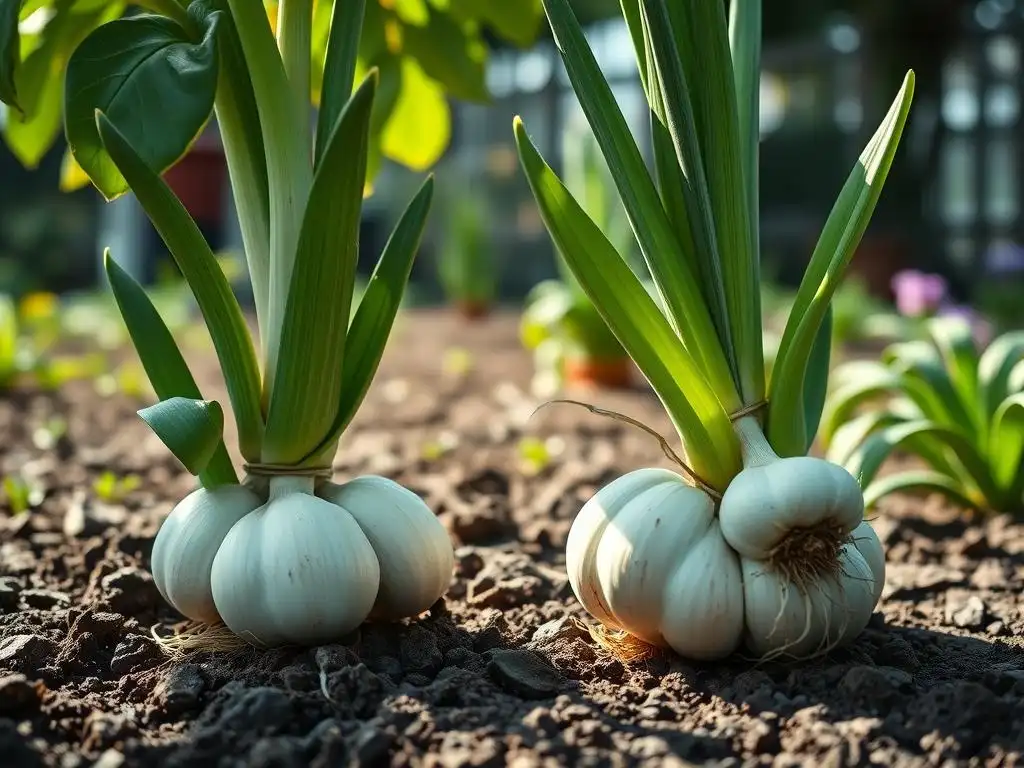
Many novice garlic growers assume that the more sunlight their plants receive, the better they will grow. This couldn't be further from the truth. While garlic does require sunlight for photosynthesis, excessive sun exposure can actually hinder growth and even lead to plant stress and reduced yields. This section will explore the optimal light conditions for cultivating healthy and productive garlic plants, debunking the myth that more sunlight is always beneficial. Understanding the delicate balance between sunlight and shade is crucial for maximizing your garlic harvest.
The Importance of Balanced Sunlight and Shade
Garlic thrives in areas that receive at least 6-8 hours of sunlight per day, but the quality of that sunlight is just as important as the quantity. Direct, intense sunlight for the entire day, particularly during the hottest part of the summer, can scorch the leaves, leading to reduced photosynthetic activity and overall plant health. The ideal scenario involves a combination of direct sunlight and some light shade, especially during the peak heat of the day.
This can be achieved naturally through strategic planting (e.g., planting taller companion plants nearby) or by providing some artificial shade during the hottest hours. This approach mimics the natural growing conditions found in many regions where garlic thrives. Think of it this way: garlic is a hardy plant, but even hardy plants benefit from some respite from the scorching sun.
Consider the following table illustrating the impact of various sunlight exposure levels on garlic growth:
| Sunlight Exposure (hours/day) | Leaf Health | Bulb Size | Yield | Notes |
|---|---|---|---|---|
| < 4 | Poor | Small | Low | Insufficient sunlight for optimal growth |
| 6-8 | Excellent | Medium to Large | High | Ideal range for most garlic varieties |
| > 10 | Scorched, Wilted | Small, Poor Form | Low | Excessive sun can damage leaves and reduce yield |
Understanding the Impact of Excessive Sun on Garlic Growth
Excessive sun exposure can manifest in several ways:
- Leaf Scorching: The leaves of garlic plants exposed to prolonged periods of intense sunlight can become scorched, turning brown and crispy at the edges. This reduces the plant's ability to photosynthesize, impacting bulb development.
- Reduced Yield: Plants under constant intense sun stress will divert energy to survival mechanisms rather than bulb formation. This results in smaller, less robust garlic bulbs with lower overall yield.
- Premature Bolting: Excessive heat can trigger premature bolting (flower stalk development), which redirects energy away from bulb formation, leading to smaller bulbs and potentially affecting the taste and storage quality of the garlic. This is especially true for softneck garlic varieties.
- Water Stress: Intense sun increases the rate of water evaporation from the soil, leading to dehydration and stress in the garlic plants. This necessitates more frequent watering, which can be challenging, particularly in dry climates.
By understanding the nuances of sunlight exposure and providing your garlic plants with the right balance of sun and shade, you can significantly improve their growth, health, and overall yield. Remember, the goal is not to maximize sunlight hours, but to optimize the conditions for healthy and productive garlic growth – a crucial element in debunking common garlic growing myths. 🧄
Myth 4: Garlic Needs No Fertilizer: Optimizing Soil Nutrients for Abundant Harvests
Garlic, despite its reputation for hardiness, thrives with proper nutrition. The belief that it needs no fertilizer is a common misconception that can lead to smaller bulbs and reduced yields. While garlic is relatively low-maintenance, neglecting soil fertility significantly impacts its growth and overall health. Debunking this myth requires understanding the essential nutrients garlic needs and employing effective organic fertilizing techniques.
Essential Nutrients for Healthy Garlic Growth
Garlic, like all plants, requires a balanced supply of macronutrients and micronutrients for optimal growth. The three primary macronutrients – nitrogen (N), phosphorus (P), and potassium (K) – are crucial for various stages of development. Nitrogen promotes vigorous leaf growth, phosphorus supports root development and bulb formation, and potassium enhances disease resistance and overall plant strength.
A deficiency in any of these macronutrients can manifest in various ways. Nitrogen deficiency, for instance, leads to pale, yellowing leaves and stunted growth. Phosphorus deficiency results in poor root development and smaller bulbs, while potassium deficiency weakens the plant, making it more susceptible to diseases and pests.
Beyond the macronutrients, micronutrients such as iron, manganese, zinc, and boron are also essential, albeit in smaller quantities. These micronutrients play vital roles in various metabolic processes within the garlic plant. A deficiency in micronutrients can lead to chlorosis (yellowing of leaves), stunted growth, and reduced yield.
It's important to note that the specific nutrient requirements of garlic can vary depending on the soil type, climate, and cultivar. Regular soil testing is highly recommended to determine the existing nutrient levels and identify any deficiencies that need to be addressed. This allows for a targeted approach to fertilization, maximizing efficiency and minimizing waste.
Organic Fertilizing Methods for Superior Garlic Production
Employing organic methods ensures that your garlic receives the necessary nutrients without resorting to harmful chemicals. Several excellent options exist for providing your garlic with a boost:
- Compost: A well-rotted compost is an excellent source of organic matter and essential nutrients. Incorporating compost into the soil before planting improves soil structure, drainage, and water retention, creating an ideal environment for garlic growth. Aim for at least 2-3 inches of compost worked into the top layer of soil.
- Aged Manure: Aged manure, especially from herbivores like cows or horses, provides a slow-release source of nutrients. Avoid using fresh manure, as it can burn the garlic plants. Aged manure should be well-composted and free of weed seeds.
- Bone Meal: Bone meal is a natural source of phosphorus, which is vital for bulb formation. It's a slow-release fertilizer, providing a steady supply of phosphorus throughout the growing season.
- Wood Ash: Wood ash, from hardwood trees, is a good source of potassium and other micronutrients. However, use it sparingly, as excessive amounts can alter soil pH.
- Seaweed Extract: Seaweed extract is a rich source of various micronutrients and growth hormones. It can be applied as a foliar spray or incorporated into the soil.
By employing these organic fertilizing methods, you can provide your garlic plants with the nutrients they need to thrive, resulting in larger, more flavorful bulbs and a bountiful harvest. Remember, a balanced approach, informed by regular soil testing, is key to maximizing garlic production and debunking the myth that garlic needs no fertilizer.
Myth 5: Pest and Disease Control is Unnecessary: Protecting Your Garlic Crop
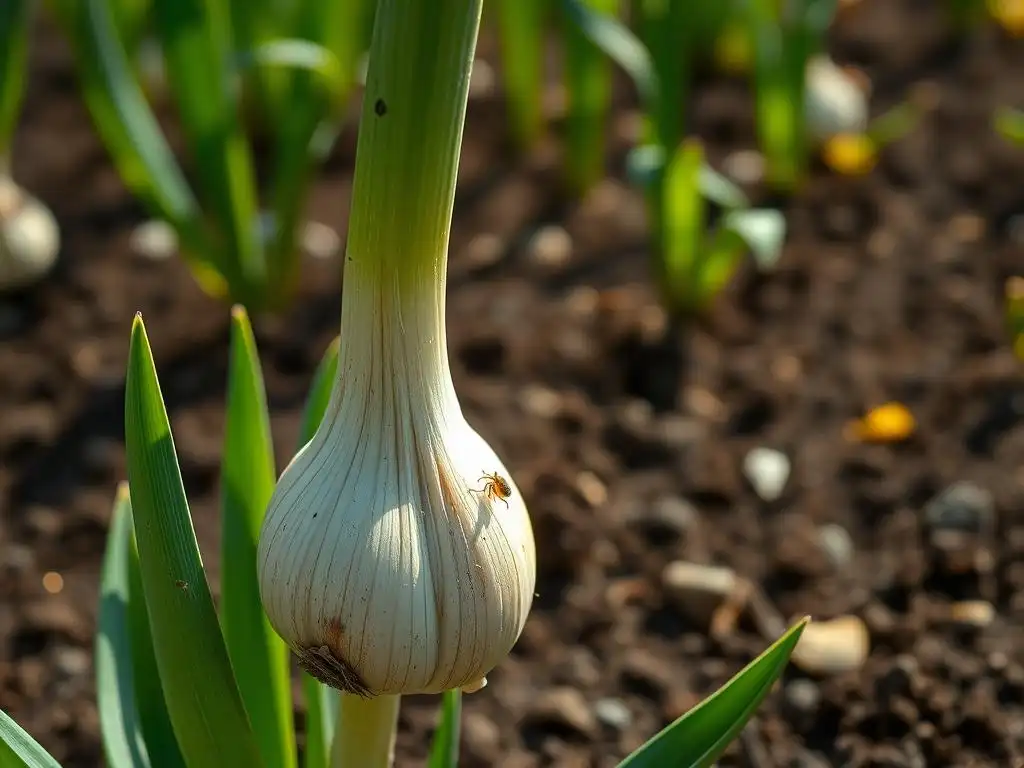
Many novice garlic growers believe that garlic, with its pungent aroma, is naturally pest and disease-resistant. While garlic possesses some inherent defenses, neglecting pest and disease control can significantly impact yield and quality. This myth stems from a misunderstanding of garlic's resilience; it's not invincible, but rather requires proactive management to thrive. Ignoring potential threats can lead to significant losses, undermining the entire growing season's effort. Proactive pest and disease management is crucial for maximizing your harvest and ensuring healthy, flavorful garlic. This section will explore common threats and effective, sustainable solutions.
Common Garlic Pests and Diseases
Garlic, despite its robust nature, is susceptible to several pests and diseases. Understanding these threats is the first step towards effective prevention and control. Let's delve into some common culprits:
- Pests:
- Garlic mites: These microscopic pests feed on garlic bulbs, causing discoloration and reduced yield. Symptoms include stunted growth and deformed cloves. Early detection is key.
- Nematodes: These microscopic worms live in the soil and attack the roots, weakening the plants and reducing garlic bulb size. Rotation of crops is crucial in managing nematode populations.
- Thrips: These tiny insects feed on garlic leaves, causing silvery streaks and distorted growth. They can also transmit viruses.
- Slugs and Snails: These mollusks can devour garlic leaves, especially young seedlings. Physical barriers or natural repellents can be effective.
- Diseases:
- White rot: This fungal disease attacks the roots and bulbs, causing them to rot and become unusable. Proper soil drainage and crop rotation are vital for prevention.
- Downy mildew: This fungal disease appears as purplish spots on the leaves, eventually leading to leaf blight. Good air circulation and resistant varieties can help.
- Neck rot: This fungal disease affects the neck of the garlic bulb after harvest, leading to spoilage during storage. Proper curing is essential to prevent neck rot.
- Bacterial soft rot: This bacterial disease causes the bulbs to become soft and mushy, making them unsuitable for consumption. Sanitation and disease-free planting material are crucial.
Natural and Organic Pest and Disease Management Strategies
Effective pest and disease management for garlic doesn't require harsh chemicals. Numerous natural and organic strategies can help protect your crop while adhering to sustainable practices. Consider these options:
- Crop Rotation: Rotating garlic with non-allium crops (e.g., legumes, brassicas) helps break pest and disease cycles, reducing the build-up of pathogens and pests in the soil. This is particularly effective against nematodes and white rot.
- Companion Planting: Certain plants, such as rosemary, thyme, and chives, repel some pests. Planting these alongside garlic can deter insects and improve overall plant health.
- Soil Health: Maintaining healthy soil rich in organic matter strengthens garlic plants and increases their resilience to pests and diseases. Composting and adding beneficial microbes enhance soil health.
- Resistant Varieties: Choosing garlic varieties known for their disease resistance is a proactive step towards minimizing pest and disease problems. Research varieties suitable for your region.
- Biological Control: Introducing beneficial insects, such as ladybugs or lacewings, can help control pest populations naturally. These predators feed on many common garlic pests.
- Physical Barriers: Using row covers can protect young garlic seedlings from slugs and snails. Proper spacing also promotes good air circulation, reducing fungal diseases.
- Careful Harvesting and Curing: Proper curing of harvested garlic helps prevent neck rot and other storage diseases. Ensure good air circulation during the curing process.
By implementing these natural and organic methods, you can effectively manage pests and diseases in your garlic patch, cultivating a healthy and bountiful harvest while upholding sustainable gardening practices. Remember, proactive management is key to "debunking" the myth that garlic needs no protection. Regular inspection of your plants is crucial for early detection and timely intervention.
Myth 6: Larger Cloves Always Produce Larger Bulbs: The Truth About Garlic Clove Size
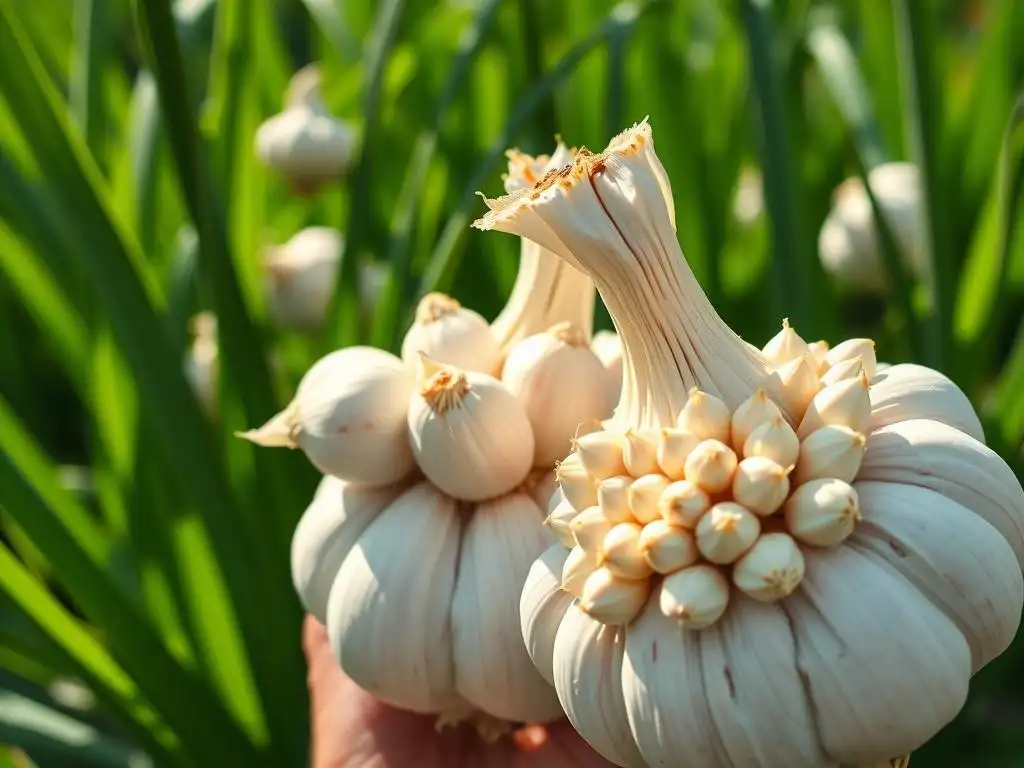
This common misconception stems from a logical, yet ultimately flawed, assumption. Many gardeners believe that planting a large clove will automatically result in a large garlic bulb. While there's a correlation, it's not a guaranteed causation. The size of the final bulb is influenced by a multitude of factors beyond just the initial clove size. Let's delve deeper into the nuances of garlic clove selection and yield.
The Relationship Between Clove Size and Bulb Yield
The size of the clove you plant contributes to the initial vigor of the plant. A larger clove generally provides more stored energy, leading to faster early growth. This head start can be beneficial, particularly in shorter growing seasons. However, this advantage diminishes as the plant matures. Factors like soil quality, sunlight exposure, watering consistency, and overall plant health play a far more significant role in determining the final bulb size.
Think of it like this: a larger seed doesn't automatically guarantee a larger tree. While it might initially grow faster, the tree's ultimate size depends on environmental conditions and proper care throughout its life cycle. Similarly, a large garlic clove provides a strong beginning, but optimal growing conditions are crucial for maximizing bulb size.
Studies have shown that while larger cloves might on average produce slightly larger bulbs, the difference is often negligible and not consistently predictable. The variation in bulb size within a single planting, even when using cloves of uniform size, is substantial. This variability highlights the dominance of other factors over the initial clove size.
Selecting the Right Size Cloves for Planting
So, what size cloves should you plant? The ideal size is generally considered to be medium-sized cloves – neither too large nor too small. Extremely large cloves can sometimes be less vigorous due to potential overcrowding within the parent bulb, potentially leading to uneven development. Conversely, very small cloves may lack sufficient stored energy to compete effectively and produce smaller bulbs.
Here's a helpful guide:
| Clove Size | Planting Recommendation | Expected Outcome |
|---|---|---|
| Very Small (<1cm) | Avoid if possible | Often results in smaller bulbs or failure |
| Medium (1-1.5cm) | Ideal | Generally produces good sized, healthy bulbs |
| Large (>1.5cm) | Use cautiously | May produce larger bulbs but not consistently |
Remember, consistent, quality care throughout the growing season – including proper soil preparation, adequate watering, and effective pest management – will yield far greater returns than simply focusing on the size of the initial clove. Prioritizing healthy, disease-free cloves from a reputable source is far more crucial than obsessing over size. The focus should be on planting healthy, robust cloves, regardless of their exact dimensions. Ultimately, the best way to ensure a bountiful harvest is to cultivate a thriving growing environment for your garlic. 🧄
Myth 7: Harvesting Garlic is a Simple Process: Timing and Techniques for Optimal Harvest
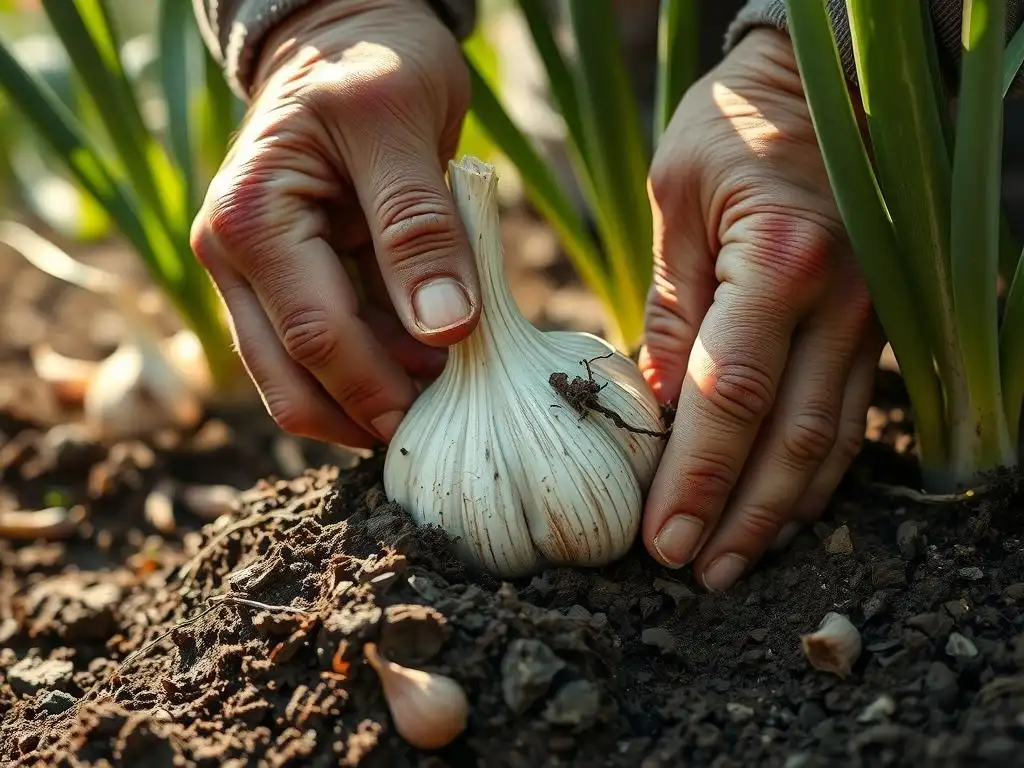
Harvesting garlic might seem straightforward, but getting the timing and technique right is crucial for maximizing yield and storage life. Many believe you can simply pull garlic whenever the leaves turn brown, but this can lead to lower quality bulbs and reduced shelf-life. Debunking this myth requires understanding the subtle signs of maturity and employing careful harvesting techniques. Optimal harvest timing directly impacts the garlic's ability to cure properly, preventing rot and ensuring flavorful cloves for months to come.
Signs of Garlic Maturity: Knowing When to Harvest
Determining the ideal harvest time for garlic involves observing several key indicators. Don't solely rely on the foliage turning brown; this can be misleading, as it may occur due to drought stress rather than full maturity. Instead, focus on these crucial signs:
- Leaf Curls and Browning: While complete browning isn't the sole indicator, observe the lower leaves. Once about 50-70% of the lower leaves have turned brown and begun to curl, it's a good sign the bulb is approaching maturity. This signifies that the plant has transferred most of its energy into the bulb's development.
- Bulb Size and Firmness: Gently dig up a test plant to check the bulb's size and firmness. The bulb should feel firm and fully developed. Avoid harvesting too early, as immature bulbs will be smaller and less flavorful, and won't store well.
- Scape Formation (Hardneck Garlic): Hardneck garlic varieties produce a flower stalk called a scape. When the scapes begin to curl, it's a strong indicator that the bulbs are nearing maturity. Many gardeners harvest scapes for culinary use, but remember that removing scapes slightly reduces bulb size.
- Timing: In most regions, garlic is typically ready for harvest between late June and early August. However, precise timing depends heavily on the variety planted, the climate, and the planting date. Consult your seed packet or local gardening resources for specific regional guidelines. Precise timing is crucial for debunking the myth that harvesting is simple; it requires attentiveness to the subtle cues from your plants.
Proper Harvesting Techniques to Preserve Garlic Quality
Once you've identified the signs of maturity, careful harvesting techniques are essential to preserve the garlic's quality. Rough handling can damage the bulbs, leading to bruising and susceptibility to diseases.
- Gentle Excavation: Use a garden fork or trowel to gently loosen the soil around the garlic plants, avoiding direct contact with the bulbs as much as possible. This prevents damage that could compromise storage.
- Top-Heavy Lifting: Gently lift the plants from the soil, keeping them upright to minimize the risk of breaking apart the bulbs. The heavier the bulb, the more careful you need to be.
- Thorough Cleaning: Once lifted, brush away excess soil from the bulbs and leaves. A gentle rinse with water can be helpful, but ensure the bulbs dry completely before curing.
- Curing Process: Curing is vital for preserving the garlic's quality. Allow the garlic to cure in a well-ventilated, dry, and shaded area for 2-4 weeks. Proper curing helps the bulbs dry out, preventing rot and mold, extending their shelf-life. This process is essential for debunking the myth that simply pulling the garlic is sufficient; post-harvest care is key to long-term storage.
The proper combination of observing maturity signs and employing careful harvesting and curing techniques ensures a bountiful harvest of high-quality garlic that will last for many months. Remember, patience and attention to detail are key to debunking the common misconception that harvesting garlic is a simple process. 🧄
Conclusion: Cultivating a Thriving Garlic Crop Based on Facts, Not Myths
Successfully growing garlic hinges on understanding its needs and dispelling common misconceptions. By debunking garlic growing myths, we pave the way for a bountiful harvest. This section summarizes key takeaways and points you towards further resources for enriching your organic garlic cultivation journey. Remember, sustainable practices are crucial for healthy soil and thriving plants, leading to delicious, homegrown garlic. Let's move beyond the folklore and embrace evidence-based gardening.
Putting the Myths to Rest: A Summary of Key Takeaways
Let's recap the crucial points we've covered, focusing on what truly matters for successful garlic cultivation:
- Myth 1 (Debunked): Garlic needs full sun all day. Reality: While garlic appreciates ample sunlight (6-8 hours), it can tolerate some afternoon shade, especially in hotter climates. This helps prevent scorching and ensures optimal growth.
- Myth 2 (Debunked): Planting garlic cloves deeply ensures better yields. Reality: Planting too deep can hinder sprouting. Aim for a planting depth of 2-4 inches, depending on clove size and soil type. Proper spacing is also key to prevent overcrowding and optimize growth.
- Myth 3 (Debunked): Any type of garlic works for planting. Reality: Hardneck garlic varieties produce scapes (flower stalks) and generally don't store as long as softneck varieties. Softneck varieties are better suited for long-term storage. Choose the variety that aligns with your needs.
- Myth 4 (Debunked): You don't need to amend your soil before planting garlic. Reality: Healthy soil is fundamental. Amend your soil with compost or other organic matter to improve drainage, aeration, and nutrient content. This promotes strong root development and disease resistance.
- Myth 5 (Debunked): Garlic is pest-free. Reality: Garlic, like other plants, can be susceptible to pests and diseases. Practicing crop rotation, maintaining good soil health, and using organic pest control methods are crucial for prevention.
The table below summarizes the key differences between hardneck and softneck garlic:
| Feature | Hardneck Garlic | Softneck Garlic |
|---|---|---|
| Storage Life | Shorter | Longer |
| Scape Production | Produces scapes (flower stalks) | Does not produce scapes |
| Cold Hardiness | More cold-hardy | Less cold-hardy |
| Climate Suitability | Cooler climates | Warmer climates |
| Flavor Profile | Often stronger, more pungent flavor | Often milder flavor |
Remember, consistent observation and adjustments are critical to optimizing your garlic growth. Pay close attention to your plants and adapt your practices accordingly. This iterative process is key to mastering the art of garlic cultivation. 🌱
Resources for Further Learning on Organic Garlic Cultivation
To deepen your knowledge and refine your garlic-growing skills, consider exploring these additional resources:
- Local agricultural extension offices: These offices often provide valuable, region-specific information on gardening practices.
- Organic gardening books and websites: Numerous resources offer detailed guidance on organic methods and sustainable practices.
- Master Gardener programs: These programs offer comprehensive training in various aspects of gardening, including organic cultivation techniques.
- Online forums and communities: Connecting with other gardeners can provide invaluable insights and support.
By combining practical experience with continuous learning, you can cultivate a thriving garlic crop, year after year. Happy gardening! 🧄
Frequently Asked Questions
What are some common myths surrounding garlic cultivation?
Many believe garlic needs full sun all day, but it thrives in partial shade. Another myth is that all garlic varieties are the same; however, different types have varying needs and growth habits. Finally, many think garlic is difficult to grow, but with proper preparation and care, it's quite manageable.
Is it true that garlic needs a lot of sunlight to grow well?
No, while garlic appreciates sunlight, 6-8 hours of sunlight per day is sufficient. Too much direct sun can actually scorch the leaves and reduce the yield. Partial shade during the hottest part of the day can be beneficial.
Can I grow garlic from cloves purchased at the grocery store?
Generally, yes, but choose organic, untreated cloves. Avoid cloves treated with growth inhibitors as they may not sprout. Ensure the cloves are firm and plump and free from any signs of disease or damage.
How often should I water my garlic plants?
Water deeply and regularly, especially during dry spells and early growth stages. However, avoid overwatering, which can lead to root rot. Well-draining soil is crucial for healthy garlic growth.
What are the best ways to prevent pests and diseases in my garlic crop?
Practice crop rotation, ensuring garlic isn't planted in the same spot year after year. Good soil health and proper spacing help prevent diseases. Natural pest control methods, like companion planting, can also be effective.
Final Reflection: Harvesting Truth from Garlic Myths
The seemingly simple act of growing garlic is rife with misinformation, yet understanding the truth behind these myths is crucial for a bountiful harvest and a deeper connection with our food. Successfully debunking these misconceptions not only improves gardening success but also highlights the importance of critical thinking when approaching any agricultural endeavor. The widespread nature of these myths underscores the need for reliable information and hands-on experience.
The impact of these garlic-growing myths extends beyond the individual garden, influencing the availability and cost of this vital culinary ingredient. The perpetuation of inaccurate information can lead to lower yields, impacting both home gardeners and commercial farmers alike. This, in turn, affects the overall food system. The more we know about the natural world, the more we appreciate its complexity and the more effectively we can interact with it.
This quote speaks to the importance of accurate information in achieving a sustainable and thriving relationship with our environment, starting with something as seemingly simple as growing garlic.
Now, consider your own gardening practices. Are you relying on outdated advice or hearsay? Take this opportunity to examine your assumptions and embrace the power of evidence-based gardening. Challenge the myths you've encountered, experiment with different techniques, and most importantly, enjoy the journey of learning and growing – both your garlic and your understanding of the natural world. Let the pursuit of a perfect garlic bulb be a catalyst for a deeper appreciation of the interconnectedness of nature and the power of knowledge.
Unleash Your Inner Garlic Gardener: Grow Bigger, Better Bulbs!
Thanks for exploring the world of garlic growing with us! We hope you've discovered helpful tips to improve your harvest. Now it's time to put your knowledge into action.
- Plant your garlic this fall! This crucial step will significantly improve your garlic harvest next summer. Carefully select your cloves and plant the bulbs before the first frost.
- Share your garlic-growing experience with friends and family, inspiring them to grow their own delicious garlic.
- Explore our extensive resources on garlic varieties. We offer detailed information about each type, including flavor profiles and ideal growing conditions.
Ready to transform your garden into a garlic paradise? Which garlic variety are you most excited to grow this year?