
The History of Garlic Cultivation: From Ancient Times to Today

Welcome to CultivateYourFood, your guide to nurturing a thriving garden using sustainable and organic methods! Are you ready to uncover the rich history behind one of the world's most versatile and beloved crops? Our journey begins with the intriguing story of organic garlic growing, tracing its cultivation from ancient civilizations to modern-day practices. Discover the secrets passed down through generations and learn how you can cultivate this pungent powerhouse in your own backyard. Let's delve into the fascinating world of organic garlic – its history awaits!
- Organic Garlic Growing History: Ancient Civilizations and Garlic's Early Use
- The Spread of Garlic: Medieval Times and Beyond
- Organic Garlic Growing History: Evolution of Cultivation Techniques
- Organic Garlic Growing History: Modern Varieties and Their Origins
- The Future of Organic Garlic Cultivation: Challenges and Opportunities
- Frequently Asked Questions
- Final Reflection: The Enduring Legacy of Garlic
- Unleash Your Inner Gardener: Grow Your Own Garlic!
Organic Garlic Growing History: Ancient Civilizations and Garlic's Early Use
Garlic, Allium sativum, boasts a rich history interwoven with human civilization, its cultivation spanning millennia and continents. This journey, from ancient medicinal uses to its modern role as a culinary staple, offers a fascinating glimpse into the evolution of agriculture and our relationship with this pungent bulb.
Exploring the organic garlic growing history reveals not only its enduring popularity but also its significant contributions to various cultures throughout history. This article delves into the captivating story of garlic, tracing its cultivation from ancient civilizations to its contemporary presence in gardens and kitchens worldwide, focusing particularly on the development of organic growing practices which have become increasingly important in recent years.
We will examine its use in ancient societies, highlighting its medicinal and culinary significance, and uncovering the practices that laid the groundwork for modern organic garlic cultivation. Understanding this history provides valuable context for today's gardeners, allowing for a deeper appreciation of this resilient and versatile plant.
Garlic Cultivation in Ancient Egypt: Evidence and Applications
Evidence suggests garlic cultivation in Ancient Egypt dates back to at least 4,000 years ago. Hieroglyphics depict garlic, and archaeological findings confirm its presence in tombs and settlements. Far from being a mere culinary ingredient, garlic held significant symbolic and practical value.
It was considered a powerful medicine, used to treat a range of ailments including respiratory problems and infections. Workers constructing the pyramids were reportedly given rations of garlic to boost their strength and endurance, highlighting its perceived nutritional benefits. The Egyptians also used garlic in religious ceremonies and embalming practices, showcasing its multifaceted role in their society.
While specific organic growing techniques from that era are unknown, we can infer that their methods likely involved sustainable practices due to the limited resources and knowledge available at the time. The integration of garlic into various aspects of Egyptian life illustrates its early importance as both a food source and a medicinal remedy. Their understanding of garlic's properties laid the foundation for future generations to further explore and utilize this remarkable plant.
Mesopotamian and Ancient Greek Garlic Use: Culinary and Medicinal Practices
The cultivation of garlic extended eastward to Mesopotamia, where it was also highly valued. Clay tablets from this region contain recipes and medical texts referencing garlic, providing insights into its culinary and medicinal uses in ancient Mesopotamian society. Similarly, in ancient Greece, garlic was widely used both as a food and a medicine. Hippocrates, considered the "Father of Medicine," prescribed garlic for various conditions, demonstrating its established role in the Greek medical system.
Ancient Greek athletes were known to consume garlic believing it enhanced their performance, highlighting yet another practical application. While the specifics of their agricultural practices remain largely undocumented, it is plausible that early cultivation techniques, though not explicitly "organic" in the modern sense, involved sustainable methods dictated by the available resources and ecological context. The widespread use of garlic across these ancient civilizations underscores its enduring appeal and its significance in diverse cultures.
Roman Empire's Influence on Garlic Cultivation and Trade
The Roman Empire played a crucial role in spreading the cultivation of garlic throughout its vast territories. Roman soldiers were known to consume garlic to maintain strength and prevent disease, contributing to its dissemination across Europe. The Romans also employed garlic for medicinal purposes and incorporated it into their culinary traditions.
This widespread adoption during the Roman era led to further development of garlic cultivation techniques, though detailed records regarding specific organic practices are scarce. The empire's extensive trade networks facilitated the exchange of agricultural knowledge and the distribution of garlic across Europe and beyond.
The Roman Empire's impact on garlic cultivation served as a catalyst for its continued growth and adoption in various parts of the world, setting the stage for its enduring presence in global cuisine and medicine. The legacy of Roman garlic cultivation provides a valuable link between ancient agricultural practices and modern approaches to organic garlic growing.
The Spread of Garlic: Medieval Times and Beyond
Garlic's journey across continents continued with vigor throughout the medieval period and beyond. Its cultivation wasn't merely a culinary pursuit; it held significant cultural and medicinal value, influencing trade routes and shaping agricultural practices across diverse regions. Understanding this period is crucial to appreciating the global ubiquity of garlic today and its enduring place in organic garlic growing history.
Garlic Cultivation in the Middle Ages: Europe and Asia
The Middle Ages witnessed widespread garlic cultivation across Europe and Asia. In Europe, monastic orders played a vital role in preserving and disseminating agricultural knowledge, including garlic cultivation techniques. Monasteries, with their extensive gardens and reliance on self-sufficiency, ensured the continued presence of garlic in the diet and as a medicinal resource.
Detailed records, though scarce, suggest a significant increase in garlic production, driven by both culinary demand and its reputed medicinal properties. This period also saw the development of diverse garlic varieties adapted to specific regional climates and soil conditions. For instance, certain regions in France and Spain became known for cultivating unique garlic strains, contributing to the rich tapestry of organic garlic growing history.
Meanwhile, in Asia, garlic cultivation continued its long tradition. Ancient techniques were refined, and new methods of propagation and preservation were developed. Garlic's use in traditional medicine and cuisine remained central to Asian cultures, solidifying its place in their agricultural practices.
The trade routes of the Silk Road facilitated the exchange of garlic varieties and cultivation techniques between East and West, enriching the genetic diversity of garlic worldwide. The meticulous record-keeping of some Asian cultures offers valuable insights into the specific methods of organic garlic growing history employed during this era, revealing techniques that are still relevant today. These techniques often emphasized sustainable practices, mirroring the values of modern organic farming.
Garlic's Role in Traditional Medicine: Historical Perspectives
Throughout the Middle Ages, and long before, garlic held a prominent place in traditional medicine systems across numerous cultures. Its purported antimicrobial, antiviral, and antioxidant properties made it a valuable remedy for various ailments. From warding off evil spirits (a belief prevalent in many ancient cultures) to treating infections and promoting overall well-being, garlic's medicinal applications were deeply ingrained in societal practices.
Medieval texts, including herbals and medical treatises, frequently cite garlic's medicinal virtues, highlighting its use in treating respiratory illnesses, digestive problems, and even parasitic infestations. While many of these traditional applications lack rigorous scientific validation by modern standards, they reveal the profound influence of garlic on the historical understanding of health and wellness, and its integral place in organic garlic growing history. The enduring legacy of these traditional uses continues to inspire research into garlic's potential health benefits.
Further research is needed to fully document the detailed use of garlic in various traditional medicine systems across different regions and time periods. [Specific information pending]
The Columbian Exchange and Garlic's Journey to the Americas
The Columbian Exchange, the widespread transfer of plants, animals, and diseases between the Old World and the New World following Columbus's voyages, significantly impacted garlic's global distribution. Garlic, already a staple in Europe and Asia, was introduced to the Americas, where it quickly adapted to the new environment and became an integral part of the burgeoning agricultural landscape. Its adaptability and ease of cultivation contributed to its rapid spread throughout the Americas, enriching the culinary traditions and agricultural practices of the continent.
The exchange also led to the cross-pollination of garlic varieties, leading to the development of new strains adapted to the diverse climates of the Americas. This period marked a crucial turning point in organic garlic growing history, expanding garlic's reach to a new continent and enriching its global diversity.
The impact of the Columbian Exchange on garlic cultivation in the Americas requires further investigation, particularly concerning the specific varieties introduced and their adaptation to the local ecosystems. [Specific information pending] Understanding this exchange is crucial for appreciating the complex history of this versatile plant and its continuing role in sustainable agriculture.
Organic Garlic Growing History: Evolution of Cultivation Techniques
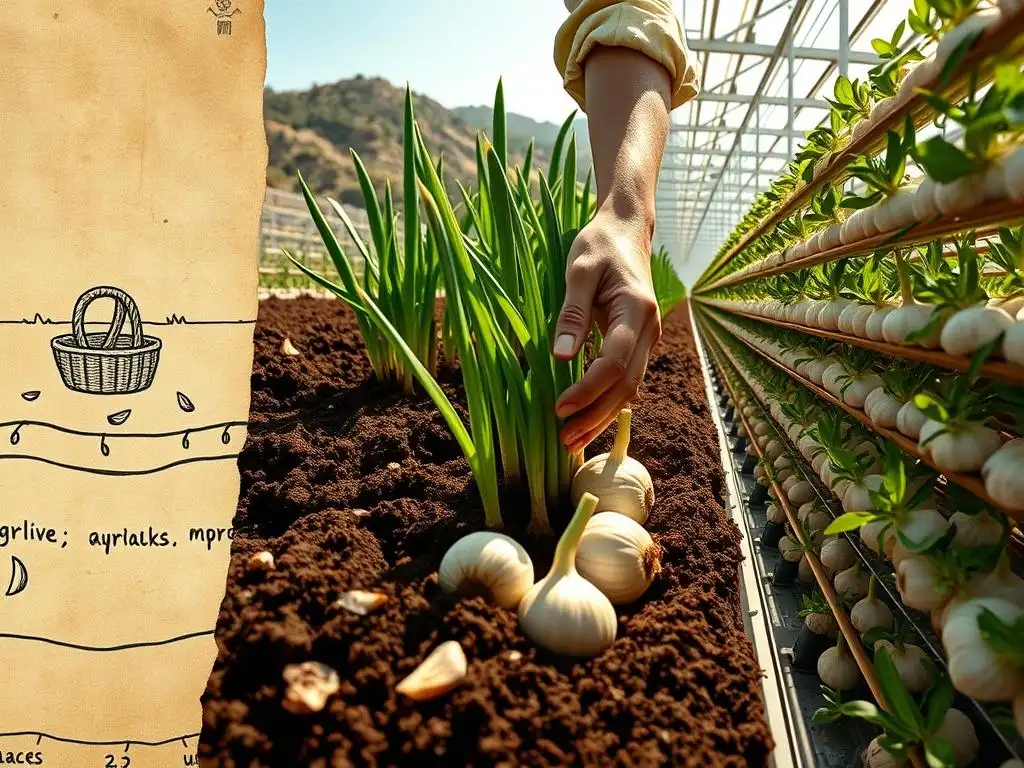
This section delves into the fascinating journey of garlic cultivation, tracing its evolution from ancient practices to modern organic farming methods. Understanding this history provides valuable insights into optimizing your own organic garlic growing efforts. We'll explore the shift from traditional methods to contemporary sustainable approaches, highlighting the key changes and their impact on both garlic quality and environmental sustainability. The keyword "Organic garlic growing history" is central to this exploration.
Traditional Garlic Growing Methods: Historical Practices
Ancient civilizations recognized garlic's culinary and medicinal value, cultivating it long before recorded history. Evidence suggests garlic cultivation dates back to at least 4,000 years ago in Central Asia. Traditional methods often involved:
- Simple soil preparation: Ploughing or tilling was rudimentary, relying on manual labor or animal power. Soil fertility was maintained through crop rotation and the addition of organic matter like composted manure. This aligns with the core principles of modern organic farming.
- Seed saving: Garlic cloves, rather than specialized seeds, were used for propagation. Farmers carefully selected the best cloves from their harvest to ensure high yields and desirable traits in subsequent generations. This process of careful selection represents an early form of plant breeding.
- Integrated Pest Management (IPM): While sophisticated pesticides were unavailable, farmers employed natural methods to manage pests. This often involved companion planting, using certain plants to repel pests or attract beneficial insects. For example, planting marigolds alongside garlic is a traditional technique still used today.
- Water management: Irrigation techniques varied based on local conditions. In arid regions, efficient water management was crucial, often involving carefully planned irrigation systems or relying on natural rainfall. Water conservation remains a significant aspect of sustainable garlic farming.
The success of these traditional methods depended heavily on local knowledge, passed down through generations of farmers. This intimate understanding of the land and the garlic plant itself is a crucial element often lost in modern, large-scale agriculture.
The Impact of Modern Agriculture on Garlic Production
The 20th century witnessed a dramatic shift in agricultural practices, including garlic cultivation. The introduction of synthetic fertilizers and pesticides dramatically increased yields, but at a cost. This intensive approach often led to:
- Soil degradation: The overuse of chemical fertilizers depleted soil nutrients and disrupted its natural microbial balance. This negatively impacted long-term soil health and fertility.
- Water pollution: Runoff from chemical fertilizers and pesticides contaminated water sources, harming aquatic ecosystems and potentially impacting human health.
- Loss of biodiversity: Monoculture farming practices, where large areas are planted with a single crop like garlic, reduced biodiversity, making crops more vulnerable to pests and diseases.
- Reduced nutritional value: Some studies suggest that garlic grown with synthetic fertilizers may have a lower concentration of certain beneficial compounds compared to organically grown garlic.
This intensive approach, while boosting production, compromised the long-term sustainability of garlic cultivation and negatively impacted the environment. The rise of organic garlic farming represents a conscious effort to reverse these trends.
The Rise of Organic Garlic Farming: Sustainable Practices and Benefits
Organic garlic farming emphasizes sustainable and environmentally friendly practices. This approach prioritizes soil health, biodiversity, and the reduction of environmental impact. Key characteristics include:
- Soil health: Organic farmers focus on building healthy soil through composting, cover cropping, and crop rotation. These practices improve soil structure, water retention, and nutrient availability.
- Pest and disease management: Organic garlic farming relies on natural pest control methods, such as companion planting, beneficial insects, and organic pesticides. This minimizes the environmental impact and reduces the risk of pesticide residues in the final product.
- Water conservation: Efficient irrigation techniques, such as drip irrigation, help conserve water and minimize water waste.
- Biodiversity: Organic farms often incorporate a diverse range of crops, promoting biodiversity and reducing the risk of pests and diseases. This contributes to a healthier and more resilient ecosystem.
The benefits of organic garlic farming extend beyond environmental sustainability. Organically grown garlic is often considered to have a superior flavor and higher nutritional value than conventionally grown garlic. Consumers increasingly seek out organic garlic, reflecting a growing awareness of the importance of sustainable agricultural practices and healthier food choices. The increasing popularity of organic garlic cultivation signifies a return to traditional values, emphasizing the long-term health of the soil and the environment while delivering a superior product. This reflects a growing interest in the "Organic garlic growing history" and the importance of sustainable practices.
Organic Garlic Growing History: Modern Varieties and Their Origins
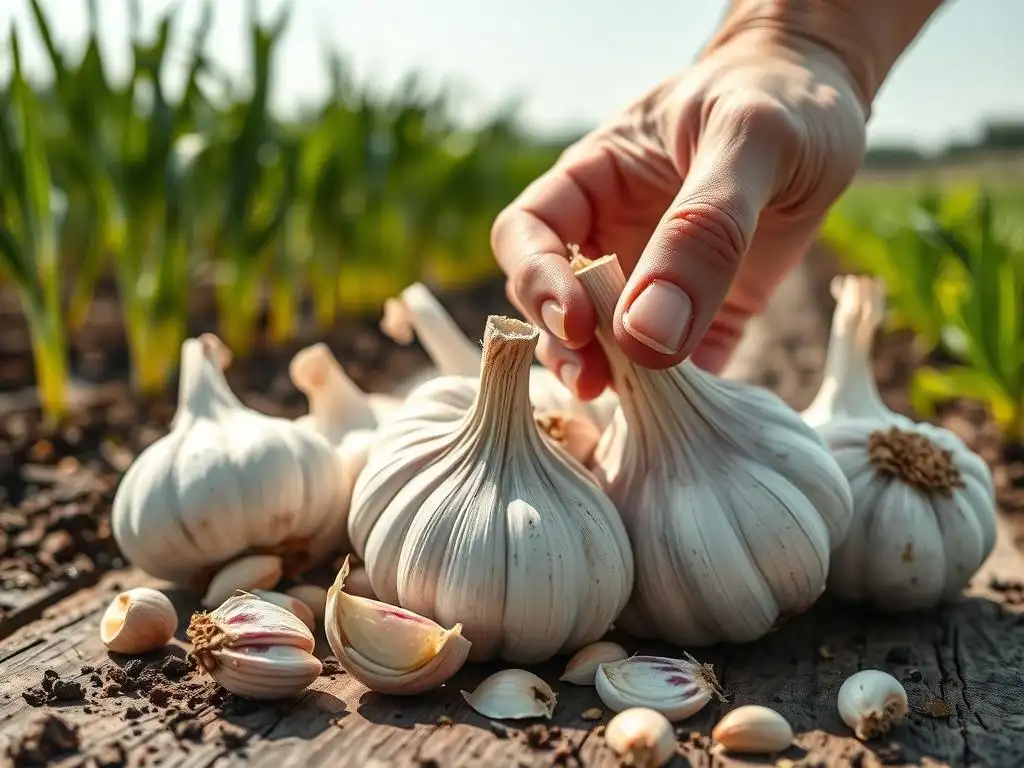
The journey of organic garlic growing, while deeply rooted in antiquity, has seen significant developments in recent centuries. Understanding the history of modern garlic varieties is crucial for appreciating the diversity and resilience of this essential crop. The shift towards organic practices has further shaped the cultivation and selection of specific cultivars, emphasizing natural pest and disease resistance. This section delves into the origins and characteristics of some prominent modern garlic varieties, highlighting their role in sustainable agriculture.
Exploring Diverse Garlic Cultivars: Regional Variations and Characteristics
Garlic's adaptability has led to the development of numerous cultivars, each with unique traits tailored to specific climates and growing conditions. Regional variations play a significant role in determining the characteristics of the bulb, including size, shape, color, and flavor profile. For example, the softneck varieties, often favored for braiding and longer storage, are commonly found in warmer climates, while hardneck varieties, known for their robust flavor and scapes, thrive in cooler regions. Within these categories, countless variations exist. Consider the following examples:
| Cultivar Type | Characteristics | Region of Origin (Example) | Typical Growing Season | Notes |
|---|---|---|---|---|
| Softneck | Large bulbs, multiple cloves, good storage | California | Long, warm | Often used commercially due to ease of handling and consistent size. |
| Hardneck | Smaller bulbs, fewer cloves, pungent flavor, scapes | Eastern Europe | Shorter, cooler | Highly valued for culinary use due to intense flavor profile. |
| Rocambole | Medium-sized bulbs, distinct cloves, strong flavor | Mediterranean Region | Moderate | Offers a balance between hardneck and softneck characteristics. |
| Porcelain | Small to medium bulbs, many small cloves, mild flavor | Asia | Variable | Often used for pickling or as a garnish due to their delicate flavor. |
The development of these diverse cultivars is a testament to centuries of careful selection and adaptation, reflecting the interplay between human intervention and natural selection in shaping the characteristics of organic garlic. Further research into the genetic makeup of these varieties could unlock even greater potential for disease resistance and improved yield in organic farming systems.
The Development of Disease-Resistant Garlic Varieties
The increasing demand for organic garlic has spurred research into developing cultivars naturally resistant to common diseases. Traditional breeding techniques, combined with a deeper understanding of garlic genetics, have led to significant progress in this area. While complete immunity is rare, breeding programs focus on enhancing resistance to common fungal and viral pathogens. For example, some varieties show improved tolerance to white rot, a devastating soilborne disease that can severely impact garlic yields.
Developing disease-resistant varieties is paramount for successful organic cultivation, minimizing the need for chemical interventions. This approach not only protects the health of the soil but also ensures the quality and safety of the harvested garlic. [Specific examples of disease-resistant varieties and their performance data pending].
Preserving Genetic Diversity in Garlic: Protecting Heirloom Varieties
The preservation of heirloom garlic varieties is crucial for maintaining genetic diversity within the species. These older cultivars often possess unique flavor profiles, disease resistance traits, and adaptations to specific environmental conditions. Their loss would represent a significant blow to both culinary heritage and the potential for future breeding programs. Organic farming, with its emphasis on biodiversity, plays a vital role in conserving these valuable resources.
Seed saving and exchange programs among organic growers are crucial for the continued propagation of heirloom garlic, ensuring that these genetic treasures are not lost to time. The ongoing documentation and characterization of heirloom varieties are essential steps in safeguarding this important agricultural legacy. This effort not only protects our food supply but also celebrates the rich history of organic garlic cultivation.
The Future of Organic Garlic Cultivation: Challenges and Opportunities
The future of organic garlic cultivation presents a fascinating blend of challenges and opportunities. While the demand for organically grown garlic continues to rise, driven by increasing consumer awareness of health and environmental concerns, growers face significant hurdles. Successfully navigating these challenges will require innovation, adaptation, and a collaborative approach across the entire supply chain. The organic garlic growing history, rich with tradition, must now adapt to the realities of a changing world.
Sustainable Garlic Farming Practices for the Future
Sustainable practices are paramount for the future of organic garlic farming. This means moving beyond simply avoiding synthetic pesticides and fertilizers to adopting holistic approaches that enhance soil health, conserve water, and reduce the overall environmental footprint. Key areas of focus include:
- Improved Soil Management: Implementing techniques like cover cropping, crop rotation, and compost application are crucial for building soil fertility and resilience. Data suggests that using composted manure can increase garlic yields by up to 20%, while simultaneously improving soil structure and water retention. This is vital in regions prone to drought.
- Water Conservation: Efficient irrigation techniques, such as drip irrigation, are essential in arid and semi-arid regions, where water scarcity is a growing concern. Careful monitoring of soil moisture levels, using tools like soil moisture sensors, can help optimize water use and prevent water stress in garlic plants.
- Integrated Pest Management (IPM): IPM strategies, focusing on preventative measures and biological controls, are crucial for managing pests and diseases organically. This could involve using beneficial insects, companion planting, and cultural practices to minimize pest pressure. For example, planting marigolds alongside garlic can deter certain pests.
- Reduced tillage: Minimizing soil disturbance through no-till or reduced-till farming practices helps to improve soil structure, reduce erosion, and enhance water infiltration.
Addressing Climate Change Impacts on Garlic Production
Climate change poses a significant threat to garlic production worldwide. Changes in temperature and rainfall patterns, increased frequency of extreme weather events, and the spread of pests and diseases are all impacting yields and quality. Addressing these impacts requires a multifaceted approach:
- Developing Climate-Resilient Varieties: Research into developing garlic varieties that are more tolerant to heat, drought, and disease is crucial for ensuring future production. This includes exploring genetic diversity within existing garlic varieties and potentially utilizing advanced breeding techniques.
- Adapting Cultivation Practices: Farmers may need to adapt their planting times, irrigation strategies, and pest management approaches to mitigate the impacts of climate change. This could involve adjusting planting dates to avoid periods of extreme heat or drought.
- Improving infrastructure: Investing in infrastructure like improved irrigation systems and storage facilities can help mitigate the impacts of extreme weather events and ensure the post-harvest quality of organic garlic.
The Role of Research and Innovation in Organic Garlic Farming
Research and innovation are vital for advancing sustainable and resilient organic garlic cultivation. Areas requiring further investigation include:
- Organic Pest and Disease Management: Continued research is needed to develop effective and environmentally friendly methods for controlling pests and diseases in organic garlic production. This includes exploring the use of biopesticides and biofungicides.
- Improving Nutrient Use Efficiency: Research focused on enhancing the nutrient use efficiency of garlic plants can help reduce fertilizer inputs and minimize environmental impacts. This could involve exploring the use of biostimulants or improving fertilizer application techniques.
- Precision Agriculture Technologies: The adoption of precision agriculture technologies, such as sensor-based monitoring systems and data analytics, can help optimize resource use, improve yields, and enhance overall farm management.
The future of organic garlic cultivation hinges on the adoption of sustainable practices, adaptation to climate change, and continuous investment in research and innovation. By embracing these challenges, the organic garlic growing history can be extended, ensuring a thriving industry for generations to come. 🧄
Frequently Asked Questions
What is the earliest known evidence of garlic cultivation?
Evidence suggests garlic cultivation dates back to ancient Egypt, with finds in tombs dating to 5000 years ago. Its use was widespread across various ancient civilizations.
How was garlic used in ancient civilizations?
Garlic held significant cultural and medicinal importance in ancient societies. It was used not only as food but also in religious ceremonies, traditional medicine, and even as a form of payment.
Did garlic cultivation change much over the centuries?
While the basic methods of planting and harvesting remained similar, advancements in agricultural techniques and global trade significantly impacted garlic cultivation's scale and distribution over the centuries.
What role did organic practices play in the history of garlic growing?
Historically, garlic cultivation was largely organic, relying on natural methods. The modern era saw the introduction of synthetic fertilizers and pesticides, but interest in organic growing is now experiencing a resurgence.
How has the popularity of garlic changed over time?
Garlic's popularity has remained remarkably consistent throughout history, valued for its flavour and perceived health benefits. Today, its use is global and widespread in numerous cuisines and applications.
Final Reflection: The Enduring Legacy of Garlic
The history of garlic cultivation isn't just a story of a pungent bulb; it's a testament to humanity's enduring connection with the earth and its bounty. From ancient Egyptian tombs to modern organic farms, garlic's journey reflects our evolving relationship with food, medicine, and the very soil that sustains us. Its persistent presence throughout history underscores its vital role, not just as a culinary staple, but as a symbol of resilience and adaptation.
The impact of garlic extends far beyond the simple act of adding flavor to a dish. Its cultivation practices, particularly the shift towards organic methods, reflect a growing awareness of environmental sustainability and the importance of preserving biodiversity. The earth provides enough to satisfy every man's needs but not every man's greed.
- Mahatma Gandhi. This quote perfectly encapsulates the challenges and opportunities presented by the evolution of garlic farming, reminding us of the delicate balance between human needs and the health of our planet. The increasing demand for organically grown garlic speaks volumes about our collective desire for healthier food systems and a more sustainable future.
Consider, for a moment, the humble garlic clove. It represents not only a rich history but also a future where conscious cultivation practices are prioritized. You, the reader, hold the power to contribute to this future. By choosing organically grown garlic, supporting local farmers, and perhaps even experimenting with growing your own, you become a part of this enduring legacy. Let the story of garlic inspire you to connect more deeply with your food, your environment, and the rich tapestry of human history woven into every clove.
Unleash Your Inner Gardener: Grow Your Own Garlic!
Thanks for exploring the fascinating history of garlic with us! We hope you gained a deeper appreciation for this versatile and ancient plant. Now it's time to put your knowledge into practice.
- Start your own garlic garden! Even a small patch can yield a rewarding harvest. Growing your own food, from planting to enjoying the fruits of your labor, is incredibly satisfying.
- Share your garlic-growing journey! Tell us about your experiences, challenges, and successes on our CultivateYourFood community forum. Let's connect and learn from each other.
- Choose a garlic variety that suits your climate and preferences to ensure a bountiful and flavorful harvest.
Ready to cultivate your own delicious garlic? Which variety will you choose for your first harvest?