
How to Identify and Control Tomato Hornworms on Heirloom Plants

Ready to unlock the secrets of a bountiful, homegrown harvest? At CultivateYourFood, we empower you to cultivate fruits, vegetables, and herbs organically. But what happens when pesky pests threaten your precious plants? This is where our expertise comes in. Learn how to effectively Control heirloom tomato hornworms and protect your prized heirloom tomatoes – discover the surprisingly simple solutions that await within!
- Identifying Tomato Hornworms on Heirloom Tomatoes
-
Organic Control Methods for Heirloom Tomato Hornworms
- Handpicking and Removal: A Simple and Effective Approach
- Bacillus thuringiensis (Bt): A Natural Bacterial Control
- Neem Oil Spray: Repelling and Controlling Hornworms
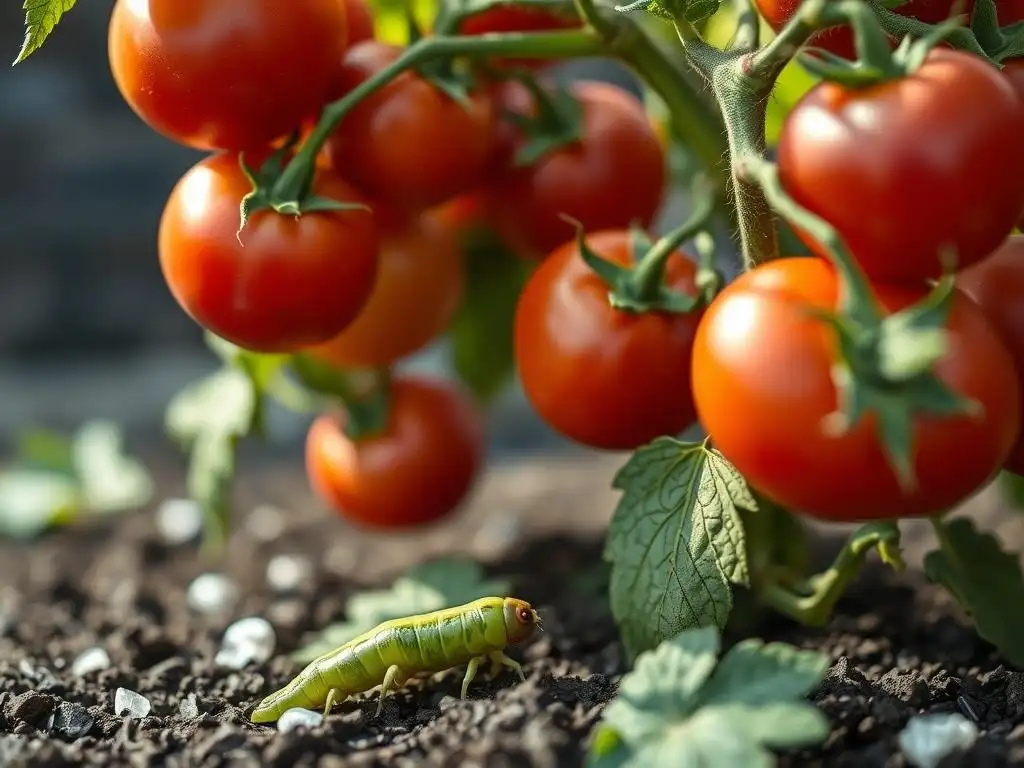
- Diatomaceous Earth: A Natural Insecticide for Hornworm Control
- Bacillus thuringiensis (Bt): A Biological Control Agent
- Handpicking and Removal: A Simple and Effective Method
- Preventing Future Infestations of Tomato Hornworms
- Advanced Strategies for Severe Hornworm Infestations
- Harvesting Heirloom Tomatoes After Hornworm Control
-
Frequently Asked Questions
- What are heirloom tomato hornworms?
- How can I identify tomato hornworms on my heirloom plants?
- What are the most effective methods for controlling tomato hornworms organically?
- Are there any preventative measures I can take to avoid tomato hornworms?
- My heirloom tomatoes are heavily infested – is it too late to save them?
- Final Reflection: Protecting Our Heirloom Legacy, One Hornworm at a Time
- Unleash Your Heirloom Tomatoes' Full Potential!
Identifying Tomato Hornworms on Heirloom Tomatoes
Growing heirloom tomatoes is a rewarding experience, offering a diverse array of flavors and colors unavailable in commercially produced varieties. However, the unique characteristics that make heirloom tomatoes so special can sometimes make them more susceptible to certain pests. Among the most damaging threats to a thriving heirloom tomato crop is the tomato hornworm. This comprehensive guide will equip you with the knowledge and strategies to effectively identify and control these voracious insects, ensuring a bountiful harvest of your prized heirloom tomatoes.
We'll explore identification techniques, distinguishing hornworms from other pests, and effective, sustainable control methods that minimize harm to your plants and the environment. Protecting your investment in these unique and delicious plants is key, and understanding your enemy is the first step towards victory! 🍅
Recognizing the Hornworm: Size, Appearance, and Key Features
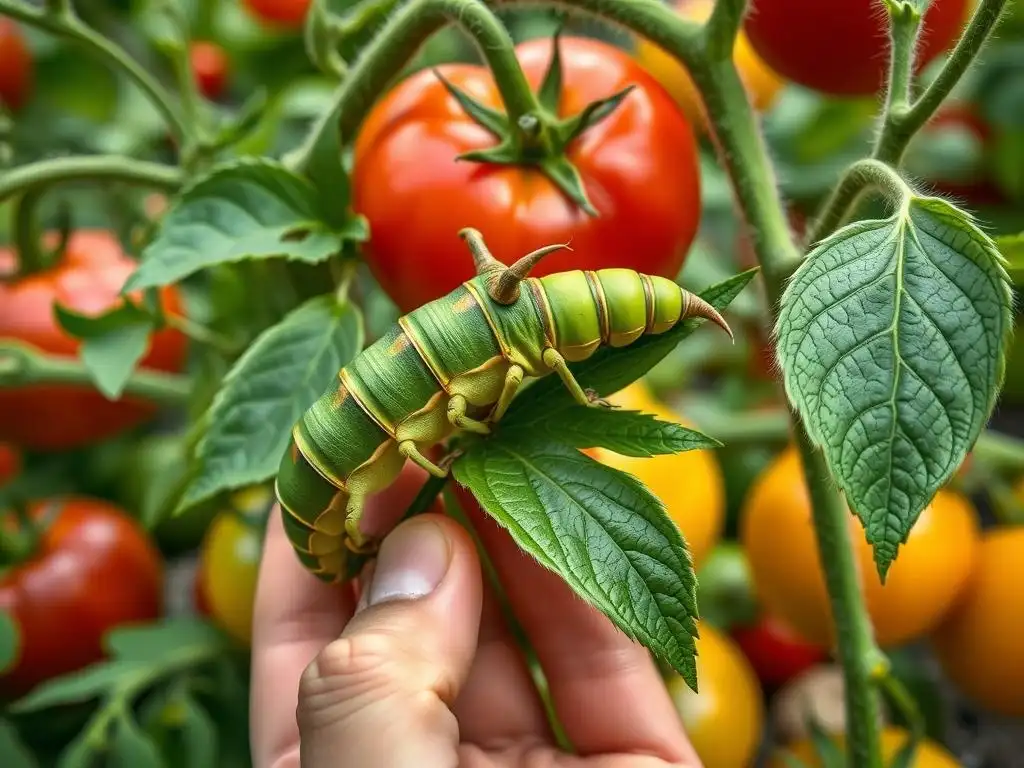
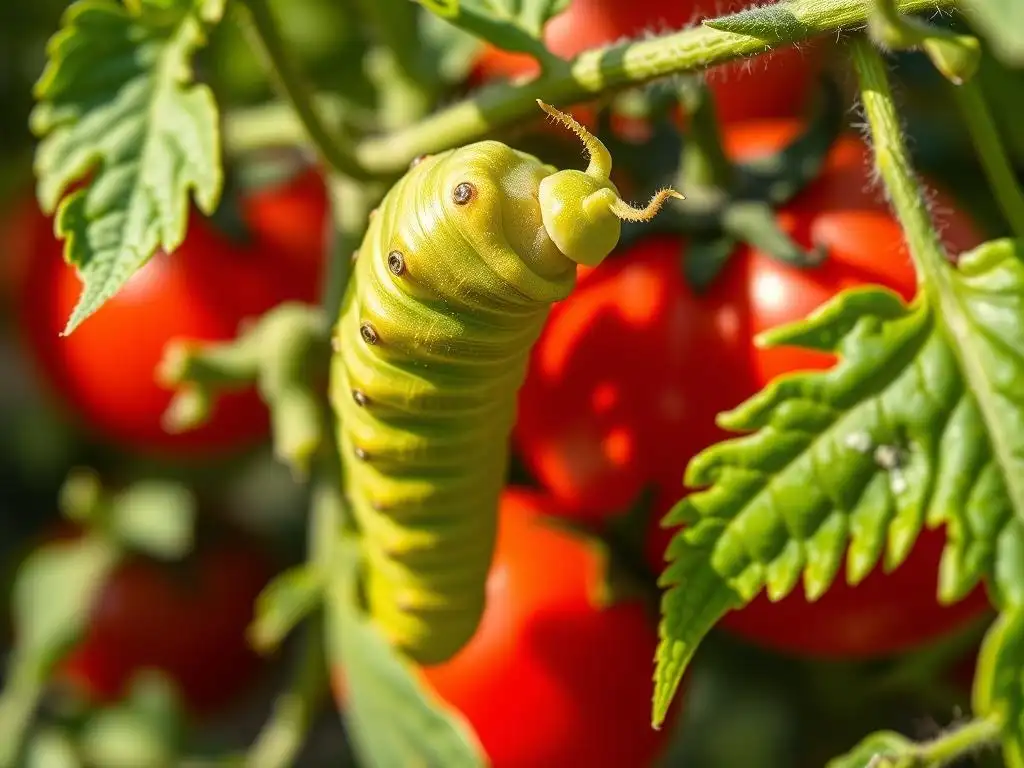
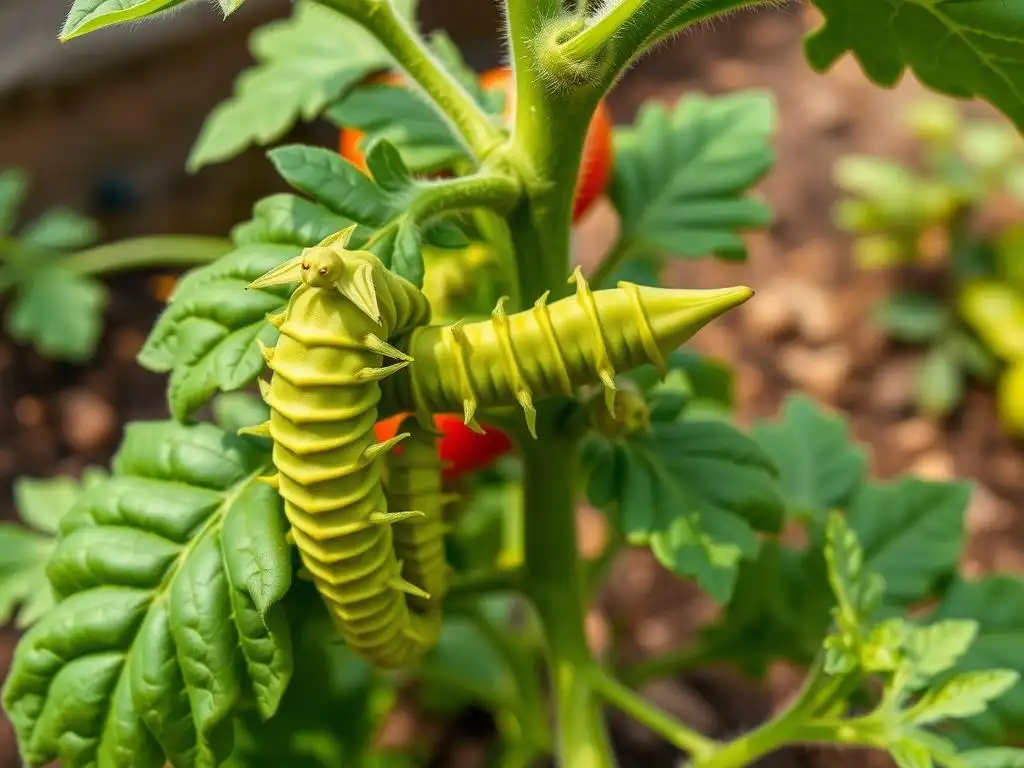
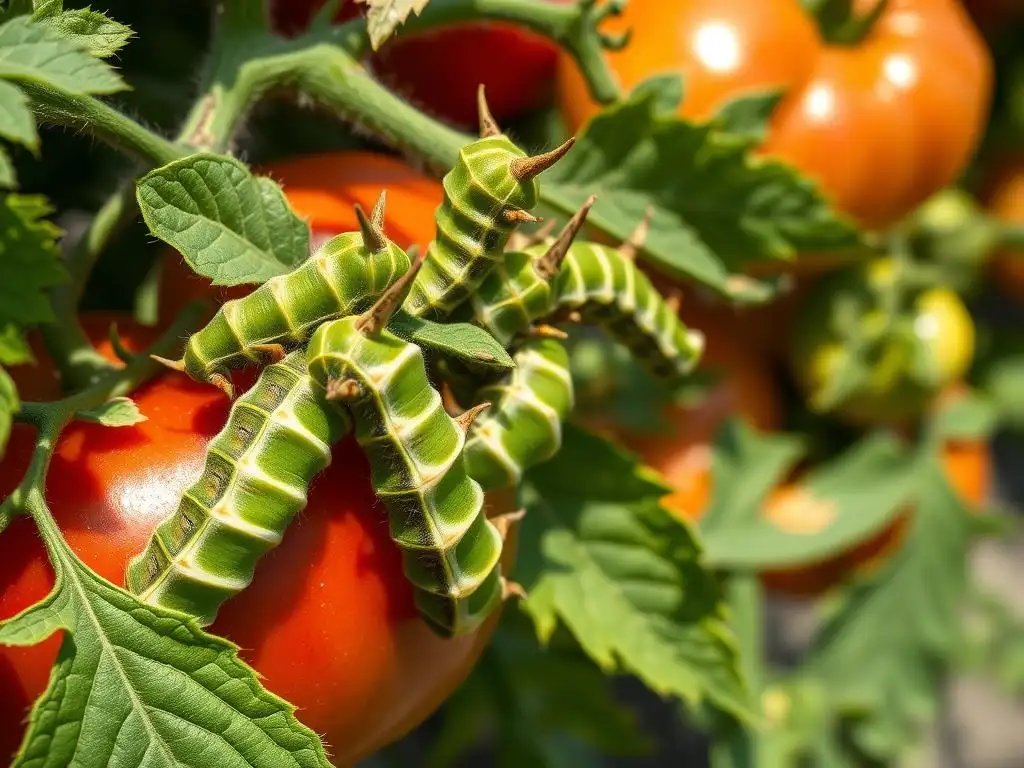
Tomato hornworms are large, robust caterpillars, typically reaching lengths of 3-5 inches. Their striking appearance makes them relatively easy to identify. They possess a vibrant green body, often subtly marked with white diagonal stripes along their sides. These stripes can vary in prominence depending on the age and variety of the hornworm. The most distinctive feature, however, is the horn-like projection at the posterior end of their body – hence the name "hornworm."
This horn is typically a dark brown or black color and is relatively straight, not curved. Their bodies are also quite smooth, lacking the hairy texture of some other caterpillars. Inspecting your plants regularly, especially during the evening hours when they are most active, will greatly increase your chances of early detection. Early detection is crucial for effective control before significant damage occurs. Early hornworm identification can save your tomato plants!
Distinguishing Hornworms from Other Tomato Pests
While the tomato hornworm’s size and distinctive markings usually make it easy to identify, it’s important to be able to distinguish it from other pests that might infest your heirloom tomato plants. Several other insects can cause damage, and misidentification could lead to ineffective control measures. For example, the tobacco hornworm, a close relative, is very similar in appearance but has seven V-shaped markings along its sides instead of diagonal stripes. Additionally, smaller caterpillars, such as armyworms or cutworms, may also feed on tomato foliage but are considerably smaller and lack the prominent horn.
Careful observation, paying close attention to size, markings, and the presence of the horn, is crucial for accurate identification. A magnifying glass can be helpful for examining smaller pests and distinguishing fine details. Knowing the difference is critical for choosing the most effective and targeted control method.
Where Hornworms Typically Hide on Heirloom Tomato Plants
Tomato hornworms are masters of camouflage, blending seamlessly with the foliage of your tomato plants. They often feed on the leaves, stems, and even the fruit itself, leaving behind significant damage in their wake. Look closely at the underside of leaves, particularly those in the upper canopy of the plant. They also frequently hide amongst the dense foliage near the main stem, making them difficult to spot.
Examine the plant thoroughly, turning leaves and carefully inspecting the stems for any signs of feeding damage or the presence of the hornworm itself. Regular inspections, paying close attention to the plant's structure and the areas where hornworms are most likely to hide, will maximize your chances of early detection and effective control. Remember, early detection is key to minimizing damage to your precious heirloom tomato crop!
Checking for Hornworm Damage: Leaf Damage and Feces
Identifying tomato hornworms on your precious heirloom tomatoes requires a keen eye for subtle signs of their presence. Often, you'll find evidence before you spot the worm itself. One of the first indicators is characteristic leaf damage. Hornworms are voracious eaters, and their feeding habits leave behind a distinctive pattern.
Instead of neatly trimmed bites, you'll see large, irregular chunks missing from the leaves, sometimes leaving only the leaf veins intact. This damage is often concentrated on the upper leaves of the plant, where the hornworms prefer to feed. You might also notice that the leaves are skeletonized – meaning the soft tissue is eaten away, leaving only the tougher veins behind. These are significant clues that hornworms are feasting on your plants.
Beyond leaf damage, another telltale sign is the presence of hornworm droppings, or frass. Frass is dark, granular, and often found directly underneath the infested leaves. It's similar in appearance to small pellets of dark-colored birdseed.
The quantity of frass can be an indication of the hornworm's size and how long it has been feeding on your plants. A large amount of frass suggests a larger hornworm and a more significant infestation. Finding frass is a strong indicator that you need to investigate further to locate the culprit.
Careful examination of the leaves, stems, and surrounding soil, with a focus on areas exhibiting significant leaf damage, will greatly increase your chances of identifying the hornworm itself. Remember, early detection is key to effective control of these pests on your heirloom tomatoes. Regular inspection of your plants, paying close attention to leaf condition and searching for frass, is an essential part of proactive heirloom tomato pest management.
Organic Control Methods for Heirloom Tomato Hornworms
This section focuses on effective, organic methods to control tomato hornworms on your prized heirloom tomato plants. These methods prioritize the health of your plants and the environment, avoiding harsh chemicals that can harm beneficial insects and pollinator populations. Remember, early detection is key to minimizing damage. Regular monitoring of your plants is crucial for successful hornworm control.
Handpicking and Removal: A Simple and Effective Approach
The most straightforward method for controlling heirloom tomato hornworms is manual removal. This simple approach is highly effective, especially for smaller infestations. Early morning or evening are the best times to search for hornworms, as they are most active during these cooler periods.
Hornworms are surprisingly easy to spot; their large size and green coloration make them stand out against the foliage. Carefully inspect the undersides of leaves, as they often hide there. Once located, simply pluck the hornworm from the plant and dispose of it. You can drop them into a bucket of soapy water to kill them, or crush them. Avoid simply dropping them on the ground; they may crawl back onto your plants.
Consistent handpicking, combined with other preventative measures, can significantly reduce hornworm populations and protect your heirloom tomato harvest. This method is particularly suitable for smaller gardens and those who prefer a completely chemical-free approach to pest control. Remember to wear gloves when handling hornworms, as some people may experience minor skin irritation.
Bacillus thuringiensis (Bt): A Natural Bacterial Control
Bacillus thuringiensis (Bt) is a naturally occurring soil bacterium that produces toxins lethal to certain insects, including tomato hornworms. Bt is considered a safe and effective organic control method, with minimal impact on beneficial insects and the environment.
Bt products are available commercially as sprays or dusts. When applying Bt, ensure thorough coverage of the plant's foliage, paying particular attention to the undersides of leaves where hornworms tend to feed. Follow the product label instructions carefully regarding application rates and safety precautions. Bt works by disrupting the hornworm's digestive system, causing them to stop feeding and eventually die.
This process can take a few days, so don't be discouraged if you don't see immediate results. Multiple applications may be necessary, especially during periods of high hornworm activity. The effectiveness of Bt can be reduced by direct sunlight, so avoid applying it during the hottest part of the day.
Neem Oil Spray: Repelling and Controlling Hornworms
Neem oil, extracted from the seeds of the neem tree, acts as both a repellent and a mild insecticide. It disrupts the hornworm's feeding and development, effectively controlling populations. Neem oil is another organic option that’s generally safe for beneficial insects and pollinators when used according to label directions.
When using neem oil, mix it with water according to the manufacturer’s instructions. A thorough spray application, covering all plant surfaces, is crucial for effectiveness. Apply the neem oil spray in the evening or on cloudy days to minimize the risk of leaf burn from the sun. Regular applications, every 7-10 days, are often needed to maintain control, especially during periods of high hornworm pressure.
Remember that neem oil can leave a residue on the foliage, so avoid spraying just before harvesting your tomatoes. Always test a small area of your plants first to ensure there's no adverse reaction. Neem oil can also help deter other common tomato pests.
Diatomaceous Earth: A Natural Insecticide for Hornworm Control
Diatomaceous earth (DE) is a naturally occurring sedimentary rock composed of fossilized diatoms. Its microscopic, sharp edges make it an effective insecticide against a variety of soft-bodied insects, including tomato hornworms. When hornworms crawl through DE, the tiny particles cut into their exoskeletons, causing dehydration and ultimately death. This method is entirely organic and poses no threat to beneficial insects or pollinators, making it a perfect choice for sustainable gardening practices.
The application is simple: lightly dust the plants, focusing on the areas where hornworms are most likely to congregate – typically the undersides of leaves and near the stems. Reapply after rain or watering, as DE can be washed away. It's crucial to use food-grade diatomaceous earth, as other types may contain harmful chemicals. Remember to wear a mask when applying DE, as inhaling the fine dust can be irritating to the lungs.
While DE is highly effective, it might not provide immediate results; you'll likely see a reduction in hornworm activity within a few days, but complete eradication may take a bit longer, depending on the infestation severity. Consistent application is key to successful hornworm control with diatomaceous earth. Many heirloom tomato growers swear by this method for its effectiveness and environmentally friendly nature. For best results, combine DE application with other organic control methods for a more comprehensive approach.
Bacillus thuringiensis (Bt): A Biological Control Agent
Bacillus thuringiensis (Bt) is a bacterium that produces toxins lethal to various moth and butterfly larvae, including tomato hornworms. Bt is a naturally occurring biological control agent, meaning it doesn't harm beneficial insects or other organisms in your garden, unlike synthetic pesticides. Several commercially available Bt products are specifically formulated for hornworm control. These products usually come as a liquid or powder that you mix with water and spray directly onto the plants.
The bacteria interfere with the hornworm's digestive system, preventing them from feeding and eventually killing them. Unlike DE, Bt works faster, often showing visible effects within a day or two. However, Bt is most effective on younger hornworms. Larger, more mature hornworms may be less susceptible.
It's also important to note that Bt's effectiveness can be reduced by sunlight and rain, so reapplication may be necessary, especially after periods of inclement weather. Always follow the product instructions carefully, paying attention to the recommended dilution rate and application frequency. Organic gardening practices often encourage the use of Bt as a safe and effective way to manage tomato hornworm populations without harming the environment or beneficial insects. This method is particularly valuable for preventing significant damage to heirloom tomato plants.
Handpicking and Removal: A Simple and Effective Method
Handpicking and removing tomato hornworms is a straightforward and environmentally friendly method, particularly effective for small infestations or as a supplemental approach to other control strategies. Simply inspect your plants regularly, looking for the large, green caterpillars. Hornworms are easily identifiable due to their size and distinctive features. Once you locate them, carefully remove them from the plant and dispose of them. You can simply drop them into a bucket of soapy water to kill them or crush them.
Regular monitoring is key to the success of this method. Early detection and prompt removal can prevent significant damage to your heirloom tomatoes. While this method might be time-consuming for large-scale infestations, it's a valuable tool for organic gardening and an excellent way to reduce hornworm populations without resorting to chemicals. Combining handpicking with other methods offers a comprehensive and effective integrated pest management strategy.
Preventing Future Infestations of Tomato Hornworms
Preventing future infestations of tomato hornworms on your precious heirloom tomatoes requires a multi-pronged approach focusing on proactive measures rather than solely reactive control. This section details effective strategies to minimize the risk of these voracious pests decimating your harvest. Successfully controlling heirloom tomato hornworms relies heavily on preventative practices.
Choosing Resistant Heirloom Tomato Varieties
While no heirloom tomato variety is completely immune to hornworms, some exhibit greater resistance than others. Choosing varieties known for their thicker foliage or faster growth can provide a degree of natural protection. Thicker leaves can make it harder for hornworms to penetrate and feed, while faster growth allows the plant to compensate for some damage. Unfortunately, comprehensive data comparing the hornworm resistance of all heirloom tomato varieties is [specific information pending], but anecdotal evidence from experienced gardeners points towards certain varieties showing more resilience.
Thorough research and communication within gardening communities are key to identifying these robust varieties. Consider asking local gardening experts or checking online forums dedicated to heirloom tomatoes for specific recommendations tailored to your region’s climate and growing conditions. This proactive step significantly reduces the likelihood of severe infestations.
Companion Planting: Natural Repellents for Hornworms
Companion planting leverages the synergistic relationships between different plants to deter pests and improve overall plant health. Strategic placement of certain plants near your heirloom tomatoes can act as natural repellents for hornworms. For example, strong-smelling herbs like basil, rosemary, and marigolds are known to disrupt the hornworm's olfactory senses, making it harder for them to locate your tomato plants. Furthermore, these herbs can attract beneficial insects like ladybugs and lacewings, which prey on hornworm eggs and young larvae, providing a biological control mechanism.
The effective spacing and arrangement of companion plants require careful consideration. A common recommendation is to plant basil every few tomato plants, creating a fragrant barrier. Remember that the effectiveness of companion planting can vary depending on the specific plant combinations and environmental conditions. Experimentation and observation are crucial to determine the optimal strategy for your garden.
Maintaining Healthy Heirloom Tomato Plants: Prevention through Strong Growth
A healthy, vigorous heirloom tomato plant is less susceptible to hornworm infestations. Strong plants are better equipped to withstand the damage caused by these pests. Providing optimal growing conditions is paramount in bolstering plant health. This includes:
- Consistent Watering: Avoid both underwatering and overwatering. Maintain consistently moist (but not soggy) soil.
- Nutrient-Rich Soil: Use a high-quality soil amendment rich in organic matter to ensure the plants receive the necessary nutrients for robust growth. Regular fertilization throughout the growing season is also recommended.
- Sunlight Exposure: Heirloom tomatoes require ample sunlight (at least 6-8 hours daily). Ensure your plants receive adequate sunlight exposure.
- Proper Spacing: Avoid overcrowding plants to allow for good air circulation, reducing the risk of fungal diseases which can weaken plants and make them more vulnerable to pests.
By meticulously attending to these aspects of plant care, you significantly enhance the resilience of your heirloom tomatoes, reducing their vulnerability to hornworm attacks. Remember, a proactive approach focusing on prevention is far more effective and less labor-intensive than battling a full-blown infestation. This proactive strategy is crucial for successful control of heirloom tomato hornworms and ensures a bountiful harvest.
Regular Monitoring and Early Detection of Hornworms
Regularly inspecting your heirloom tomato plants is the cornerstone of effective hornworm control. Early detection significantly increases your chances of managing an infestation before it causes substantial damage. Aim to check your plants at least twice a week, focusing on the undersides of leaves where hornworms often hide. Look for telltale signs: large, green caterpillars (they can grow up to 4 inches long!
), droppings (frass) that resemble small, dark pellets, and the characteristic defoliation caused by their voracious appetites. Even small hornworms can quickly consume a significant portion of foliage, so prompt action is key. Consider using a magnifying glass to help you spot smaller larvae, especially during their initial stages of development.
The earlier you detect them, the fewer plants will be affected, and the less severe the damage will be. Remember, a few hornworms can quickly multiply, so diligent monitoring is crucial for preventing a major infestation and safeguarding your heirloom tomato harvest. Many gardeners find that morning is the best time for inspection, as the hornworms are often less active during the cooler hours.
Proactive monitoring extends beyond simply looking for the caterpillars themselves. Pay close attention to the overall health of your plants. Wilting, unusual discoloration, or significant leaf loss could all be indicators of a hornworm problem, even before you visually spot the culprits. This holistic approach allows you to identify potential infestations before they become widespread, minimizing the need for drastic intervention later.
Documenting your observations in a garden journal can also be beneficial, allowing you to track the presence or absence of hornworms over time and identify potential patterns in their emergence or spread. This data can help you develop more effective control strategies in subsequent growing seasons. Remember, prevention is always better than cure, and regular monitoring is the first step towards a successful heirloom tomato harvest, free from devastating hornworm infestations.
Advanced Strategies for Severe Hornworm Infestations
This section delves into more intensive methods for managing severe tomato hornworm infestations on your heirloom tomato plants, moving beyond basic handpicking. These strategies are best employed when a significant population of hornworms threatens the health and yield of your plants. Remember, prevention is key, but these tactics offer effective control when needed. Effective control of heirloom tomato hornworms requires a multifaceted approach.
Introducing Beneficial Insects: Natural Predators of Hornworms
Introducing beneficial insects into your garden ecosystem provides a sustainable and environmentally friendly way to control hornworm populations. These natural predators actively hunt and consume hornworms, reducing your reliance on chemical pesticides. Several insects are particularly effective:
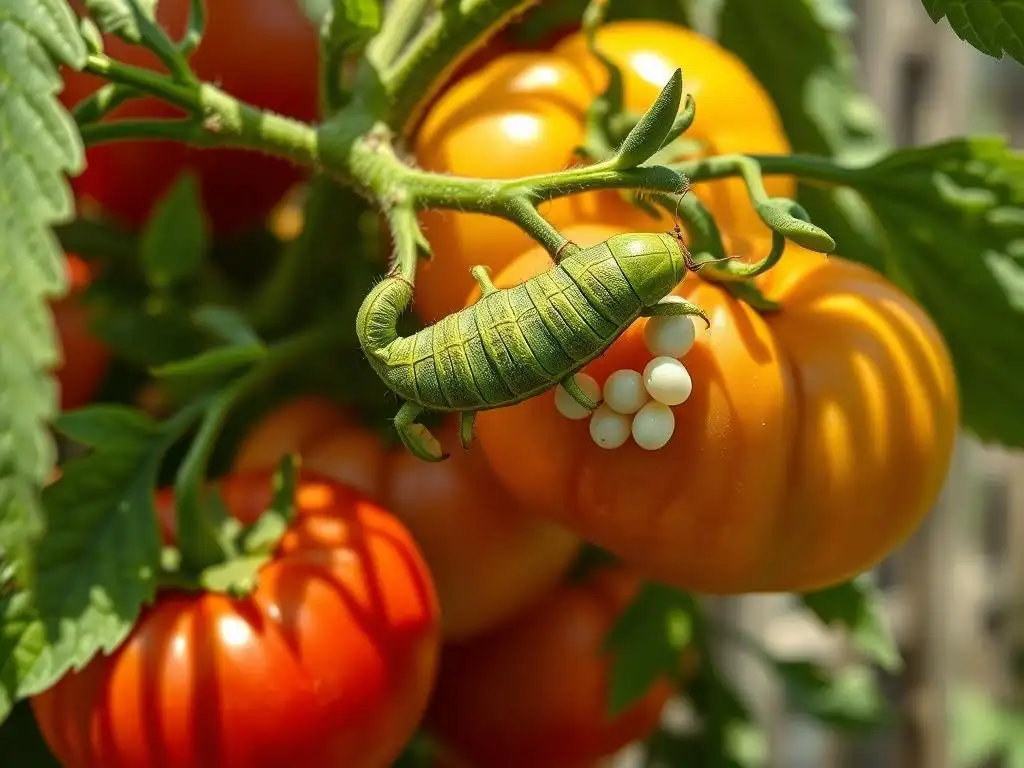
- Braconid Wasps: These tiny wasps are parasitoids, meaning they lay their eggs inside hornworm larvae. The wasp larvae then consume the hornworm from the inside, eventually killing it. You'll often see small, white cocoons attached to a hornworm – a sure sign of successful parasitism! Attracting braconid wasps involves planting a diverse range of flowering plants that provide nectar and pollen.
- Lacewings: Both adult and larval lacewings are voracious predators, feeding on a variety of soft-bodied insects, including hornworms. They are attracted to areas with abundant aphids and other small insects, so maintaining a balanced ecosystem is crucial.
- Praying Mantises: These iconic predators are ambush hunters, readily consuming hornworms of all sizes. While they aren't specifically targeted at hornworms, their presence significantly reduces overall pest pressure. Providing shelter, such as tall grasses or shrubs, encourages them to stay in your garden.
The effectiveness of introducing beneficial insects hinges on creating a hospitable environment. Avoid using broad-spectrum insecticides, as these will kill beneficial insects along with the pests. Instead, focus on integrated pest management techniques (discussed below). Monitoring your garden regularly will help you assess the success of your beneficial insect introduction.
Using Row Covers: Protecting Plants from Hornworm Infestation
Row covers offer a physical barrier, preventing hornworms (and other pests) from reaching your valuable heirloom tomato plants. These lightweight fabrics allow sunlight, water, and air to reach the plants while creating an impenetrable shield against many insect pests. Several types of row covers exist, each with varying levels of protection and breathability:
- Floating Row Covers: These lightweight, loosely draped covers are ideal for early-season protection and can be easily removed for pollination. They provide good protection against hornworms, but may not be sufficient for established infestations.
- Fine Mesh Netting: This type of row cover provides a more robust barrier, effectively preventing even smaller insects from reaching your plants. It's particularly useful for established plants already vulnerable to hornworm infestations.
The timing of row cover application is crucial. Ideally, you should install them before hornworms become established. Ensure proper ventilation to prevent overheating and excessive moisture build-up under the cover. Remember to remove the row cover during flowering to allow for successful pollination. Regular inspection is still necessary, as some pests might still find their way inside.
Integrated Pest Management (IPM) for Heirloom Tomatoes
Integrated Pest Management (IPM) is a holistic approach that combines various strategies to minimize pest damage while minimizing environmental impact. For heirloom tomato hornworms, an effective IPM strategy might include:
| Strategy | Description | Effectiveness | Environmental Impact |
|---|---|---|---|
| Monitoring | Regularly inspect plants for hornworm eggs and larvae. | High | Very Low |
| Handpicking | Remove and destroy hornworms manually. | Moderate | Very Low |
| Beneficial Insects | Introduce natural predators like braconid wasps and lacewings. | Moderate to High | Very Low |
| Row Covers | Use floating row covers or fine mesh netting to prevent hornworm access. | Moderate to High | Low |
| Bacillus thuringiensis (Bt) | Apply Bt spray, a naturally occurring bacterium toxic to hornworms but harmless to humans and beneficial insects. | High | Low |
| Crop Rotation | Rotate tomato crops to disrupt pest life cycles. | Moderate | Very Low |
Implementing IPM for heirloom tomato hornworms requires careful observation and a proactive approach. Combining multiple strategies, such as monitoring, handpicking, and the introduction of beneficial insects, often yields the best results while minimizing the need for chemical interventions. Remember that consistent monitoring is the cornerstone of a successful IPM program. Early detection allows for timely intervention, preventing severe infestations and protecting your precious heirloom tomatoes.
Harvesting Heirloom Tomatoes After Hornworm Control
Successfully controlling tomato hornworms on your prized heirloom tomato plants is a significant step towards a bountiful harvest. However, the journey doesn't end with eradication; careful harvesting and post-harvest handling are crucial to preserving the quality and flavor of your hard-earned tomatoes. This section details the best practices for harvesting and preserving your heirloom tomatoes after tackling those pesky hornworms.
Inspecting Tomatoes for Hornworm Damage Before Harvesting
Before you begin picking, thoroughly inspect each tomato plant. Even after successful hornworm control, there might be lingering signs of damage. Look for:
- Holes and scarring: Hornworms, even small ones, leave behind noticeable holes and scarring on the fruit. These tomatoes may still be edible, but their marketability might be reduced. Consider these for immediate consumption or processing (like making sauce).
- Frass (worm droppings): The presence of dark, granular frass indicates recent hornworm activity. While the worm might be gone, the area around the frass should be carefully examined for any remaining damage or hidden larvae.
- Damaged stems and leaves: Extensive damage to the plant's foliage can impact the tomato's overall health and development, potentially affecting its taste and quality. Remove any severely damaged leaves to improve air circulation and prevent further issues.
Remember, early detection is key! Regular inspection throughout the growing season helps minimize losses and ensures you harvest the best possible heirloom tomatoes. A quick visual check before harvesting can save you from bringing in damaged produce. Consider using gloves during this inspection to avoid spreading any potential diseases.
Safe Handling and Cleaning of Harvested Tomatoes
Gently harvest your heirloom tomatoes, avoiding any rough handling that might bruise the delicate fruit. Use pruning shears or a sharp knife to cut the tomatoes from the vine, leaving a small portion of the stem attached. This helps prevent rot and extends the shelf life.
Once harvested, carefully clean the tomatoes. While heirloom tomatoes are generally quite hardy, washing them gently removes any lingering dirt, insect frass, or other contaminants. Use a gentle spray of cool water, avoiding strong jets that could damage the fruit's skin. Avoid using harsh detergents or chemicals, which could affect the taste and safety of your tomatoes.
Tip: For extra care, consider using a soft-bristled brush to gently remove any stubborn dirt or debris.
This method is especially useful for heirloom tomatoes with delicate or irregular surfaces.
Storing and Preserving Heirloom Tomatoes After Harvesting
Proper storage is crucial for extending the shelf life of your heirloom tomatoes. Avoid storing them in the refrigerator immediately after harvesting, as the cold can damage their flavor and texture. Instead, store them at room temperature in a single layer on a clean, dry surface, ensuring good air circulation. Overripe or damaged tomatoes should be used immediately for sauces, jams, or other preserves.
For longer-term storage, consider:
- Freezing: Freezing is an excellent way to preserve the flavor and nutrients of heirloom tomatoes. Blanch them briefly in boiling water before freezing to maintain their texture.
- Canning: Canning allows you to preserve tomatoes for an extended period. Follow safe canning practices to avoid spoilage and ensure food safety.
- Dehydrating: Dehydrating is a great option for preserving tomatoes for use in sauces, powders, or as a snack.
By following these post-harvest handling techniques, you can enjoy the fruits of your labor – delicious, healthy, and perfectly preserved heirloom tomatoes – long after the final hornworm is vanquished. Remember that proper storage is as critical as careful cultivation in ensuring your heirloom tomato harvest's success. Careful attention to these details will reward you with the best possible flavor and quality.
Frequently Asked Questions
What are heirloom tomato hornworms?
Heirloom tomato hornworms are the larval stage of the five-spotted hawk moth. They are large, green caterpillars that can severely damage heirloom tomato plants, and other plants in the nightshade family. They are particularly devastating to heirloom varieties due to their often less robust defenses.
How can I identify tomato hornworms on my heirloom plants?
Look for large, green caterpillars with a horn-like projection on their rear end. They can be difficult to spot due to their excellent camouflage. Check the undersides of leaves and stems carefully for evidence of feeding (large holes in leaves).
What are the most effective methods for controlling tomato hornworms organically?
Handpicking is the most effective organic method. You can also introduce beneficial insects like parasitic wasps. Bacillus thuringiensis (Bt) is a naturally occurring bacteria that is highly effective against hornworms.
Are there any preventative measures I can take to avoid tomato hornworms?
Planting companion plants like basil or marigolds can deter hornworms. Regularly inspecting your plants for eggs and small larvae allows for early intervention before significant damage occurs. Maintaining a clean garden helps reduce hiding places.
My heirloom tomatoes are heavily infested – is it too late to save them?
Even with heavy infestation, you may still be able to save some of your harvest. Immediately remove all visible hornworms. Follow up with a treatment of Bt or another organic control method. Monitor carefully for further infestations.
Final Reflection: Protecting Our Heirloom Legacy, One Hornworm at a Time
The fight to protect our heirloom tomatoes isn't just about preserving delicious varieties; it's about safeguarding a piece of agricultural history. These unique plants, carrying generations of genetic diversity, are vulnerable to pests like the tomato hornworm, a threat that demands our attention and proactive solutions. Ignoring this challenge risks losing irreplaceable heritage crops.
The impact of these voracious pests extends beyond the individual gardener's plot. The loss of heirloom varieties due to unchecked infestations represents a broader cultural loss, diminishing the rich tapestry of flavors and traditions passed down through generations. We must not allow the past to be buried under the weight of neglect.
This sentiment rings true when considering the importance of actively preserving our heirloom plants and the knowledge associated with their cultivation. The ongoing struggle against pests like the hornworm highlights the constant vigilance required to maintain biodiversity and appreciate the legacy of those who came before us.
Now, I challenge you to take what you've learned and apply it to your own garden. Observe your plants carefully, identify potential threats early, and implement the control methods discussed. By actively participating in the preservation of these precious heirloom tomatoes, you become a custodian of culinary history, ensuring that future generations can savor the unique flavors and appreciate the rich heritage they represent. Let's work together to protect our heirloom legacy, one hornworm at a time.
Unleash Your Heirloom Tomatoes' Full Potential!
Thank you for learning how to combat tomato hornworms! You're now equipped to protect your precious heirloom plants. Ready to put your new knowledge into action?
- Implement your hornworm defense plan: Begin by carefully inspecting your plants for signs of these pests. Choose the best approach for your garden—hand-picking, using Bacillus thuringiensis, or introducing beneficial insects—based on the methods discussed.
- Share your results: Let's build a thriving community of heirloom gardeners. Share your experiences and photos of your successes and challenges on our social media channels!
- Learn more about pest control: Explore our comprehensive guide on organic pest control methods for all your garden needs. It's packed with more tips and tricks for a healthy, thriving garden.
What strategies will you use to keep hornworms away and ensure a bountiful harvest of delicious heirloom tomatoes?