
LateSeason Care for Extending Your Heirloom Tomato Harvest

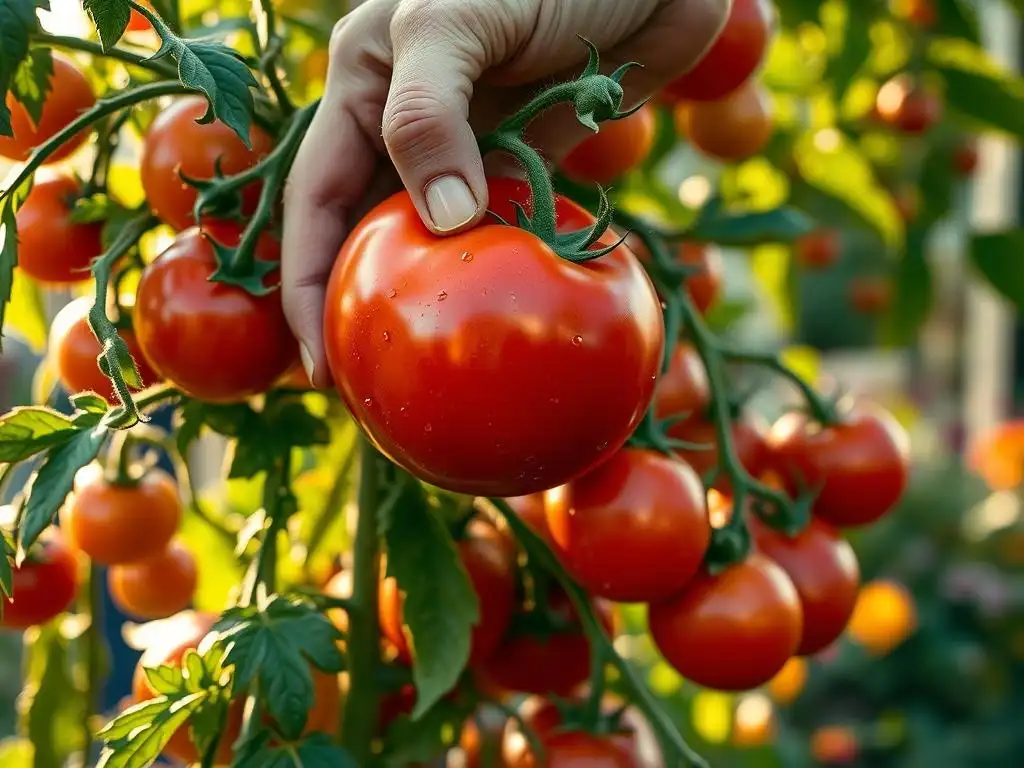
Ready to unlock the secrets to a bountiful harvest, even as the season winds down? At CultivateYourFood, we're passionate about helping you grow vibrant fruits, vegetables, and herbs organically. This season, discover how to extend your heirloom tomato harvest long after the first frost. Learn the essential late-season care techniques that will keep your plants producing juicy, flavorful tomatoes for weeks to come. Dive in and let's cultivate a truly exceptional garden together!
- Maximizing Your Heirloom Tomato Yield in Autumn
- Late-Season Watering Strategies for Heirloom Tomatoes
- Pest and Disease Management for a Longer Harvest
- Harvesting and Storing Your Late-Season Tomatoes
- Preparing Your Heirloom Tomato Plants for Winter
-
Frequently Asked Questions
- How can I extend the harvest of my heirloom tomatoes late into the season?
- What are the key factors influencing a long heirloom tomato harvest?
- My heirloom tomato plants are showing signs of disease. What should I do?
- When should I stop watering my heirloom tomato plants in the fall?
- What are some ways to protect my heirloom tomatoes from frost?
- Final Reflection: Harvesting the Bounty of Patience and Knowledge
- Unlock a Late-Season Tomato Bounty!
Maximizing Your Heirloom Tomato Yield in Autumn
Extending the heirloom tomato harvest into the late season requires a strategic approach that combines protective measures against the encroaching autumn chill with targeted nutritional support. This guide provides practical, sustainable techniques to coax those last luscious tomatoes from your plants, ensuring you enjoy the fruits of your labor well into the fall. We'll explore methods to safeguard your plants from early frost, and techniques to boost their nutrient levels for extended production.
By following these organic and sustainable practices, you can significantly extend your heirloom tomato harvest and enjoy the vibrant flavors of homegrown tomatoes for longer. This is crucial, as heirloom tomatoes, with their unique genetic diversity, often possess a shorter growing season than their hybrid counterparts, making late-season care all the more important for maximizing your yield. The techniques outlined below will help you successfully navigate the challenges of autumn and reap a bountiful reward.
Protecting Against Early Frost: Strategies for Late-Season Tomato Plants
Protecting your precious heirloom tomato plants from early frost is paramount to extending your harvest. Sudden temperature drops can severely damage or even kill your plants, resulting in a premature end to your tomato production. Several effective, organic strategies can help mitigate this risk:
- Row Covers: Lightweight row covers provide a protective barrier against light frost and temperature fluctuations. These covers allow sunlight and air circulation while preventing the plants from experiencing the full brunt of cold temperatures. Remember to remove the covers during the day to allow for proper photosynthesis and ventilation, then replace them in the evening as temperatures drop.
- Cold Frames: For more substantial protection, consider using cold frames. These miniature greenhouses provide a more controlled microclimate, shielding your plants from frost and wind. Cold frames can be constructed from readily available materials, making them a cost-effective and sustainable solution.
- Water Management: Proper soil moisture is crucial for frost protection. Well-hydrated soil holds heat more effectively than dry soil, providing a degree of insulation for the plant's roots. However, avoid overwatering, as soggy soil can increase the risk of root rot.
- Plant Positioning: Strategically positioning your plants can make a significant difference. Placing them near a south-facing wall or other heat-retaining structure can help them absorb more warmth during the day. Additionally, avoid low-lying areas prone to frost pockets.
- Mulching: A thick layer of organic mulch around the base of your plants helps insulate the soil and retain moisture, creating a warmer microclimate for the roots. This can provide added protection against light frost.
Nutrient Boost for Extended Production: Late-Season Fertilizing Techniques
Even with frost protection, your plants will need a nutritional boost to continue producing ripe tomatoes into late autumn. Avoid using synthetic fertilizers, opting instead for organic options that support both plant health and soil fertility.
- Compost Tea: Compost tea is a nutrient-rich liquid fertilizer that provides a gentle and readily available source of nutrients for your plants. It's rich in beneficial microbes that improve soil health and enhance nutrient uptake.
- Fish Emulsion: A natural, liquid fertilizer derived from fish, fish emulsion is a fantastic source of nitrogen and other essential nutrients. Use it according to the package instructions, ensuring you don't over-fertilize your plants.
- Seaweed Extract: Seaweed extract is a rich source of micronutrients and growth hormones, which can stimulate late-season fruit production. It also enhances the plant's resilience to stress, making it particularly beneficial during cooler temperatures.
- Worm Castings: Worm castings are a highly effective organic fertilizer, providing a slow-release source of nutrients. They improve soil structure and aeration, further enhancing nutrient uptake by your plants.
Remember to adjust your fertilizing schedule based on your specific soil conditions and plant needs. Regular monitoring of your plants and soil will help you determine when additional nutrients are needed. By implementing these techniques, you can significantly extend the life and productivity of your heirloom tomato plants, enjoying a delicious and abundant harvest well into the fall. 🍅
Late-Season Watering Strategies for Heirloom Tomatoes
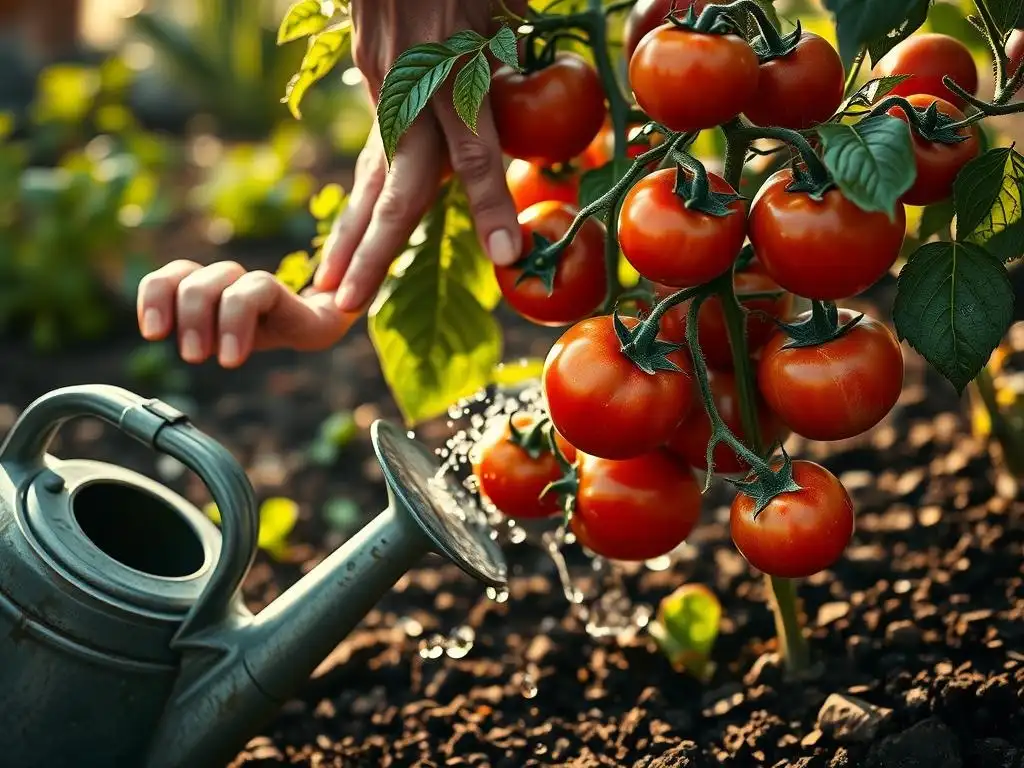
Extending your heirloom tomato harvest into the late season requires a nuanced approach to watering. The goal is to provide adequate moisture for fruit development and ripening without encouraging fungal diseases or stressing the plants. Overwatering and underwatering both present significant risks, leading to reduced yields and compromised fruit quality. Therefore, careful monitoring and adjustment are key to success. This section will detail strategies for optimizing late-season watering and maximizing your heirloom tomato harvest.
Avoiding Overwatering and Underwatering: Finding the Right Balance
The ideal watering schedule for late-season tomatoes depends on several factors, including soil type, weather conditions, and plant maturity. Sandy soils drain quickly and require more frequent watering than clay soils, which retain moisture longer. Hot, sunny weather will increase evaporation rates, necessitating more frequent watering. Mature plants with established root systems generally require less frequent but deeper watering compared to younger plants.
To avoid overwatering, it's crucial to feel the soil before irrigating. Insert your finger about 2 inches into the soil. If the soil feels dry at this depth, it's time to water. Avoid frequent, shallow watering, which encourages shallow root growth and makes plants more susceptible to drought stress. Instead, aim for infrequent, deep watering that encourages deep root penetration. This deep watering helps plants access moisture reserves during periods of dry weather, crucial for extending the harvest. Signs of overwatering include yellowing leaves, wilting, and the development of fungal diseases.
Underwatering, on the other hand, results in stunted growth, blossom drop, and smaller, less flavorful fruit. Fruits may also crack due to inconsistent moisture levels. Regular monitoring is essential to prevent both extremes. A consistent watering schedule, adapted to the prevailing weather and soil conditions, is the best way to maintain optimal moisture levels and extend the harvest period. Consider using a soil moisture meter for precise measurement, especially during periods of fluctuating weather.
Mulching Techniques for Moisture Retention and Temperature Regulation
Mulching is a valuable technique for conserving soil moisture and regulating soil temperature, both crucial for extending the heirloom tomato harvest into the late season. A layer of mulch acts as a barrier, reducing evaporation from the soil surface. This helps maintain consistent soil moisture levels, reducing the frequency of watering and minimizing stress on the plants. Furthermore, mulch helps regulate soil temperature, protecting the roots from extreme heat and cold. This temperature regulation promotes healthy root development and prevents stress, contributing to a longer harvest period.
Several materials can be used as mulch, each offering unique benefits. Organic mulches, such as straw, shredded leaves, and compost, are excellent choices for improving soil fertility while conserving moisture. They also decompose over time, enriching the soil. Inorganic mulches, such as plastic sheeting or landscape fabric, are effective at suppressing weeds and conserving moisture but do not improve soil fertility.
The choice of mulch depends on personal preferences and available resources. However, a 2-4 inch layer of any chosen mulch around the base of the plants, leaving some space around the stems to avoid rot, is generally recommended. Proper mulching significantly contributes to extending your heirloom tomato harvest by creating a more favorable environment for the plants.
Pest and Disease Management for a Longer Harvest
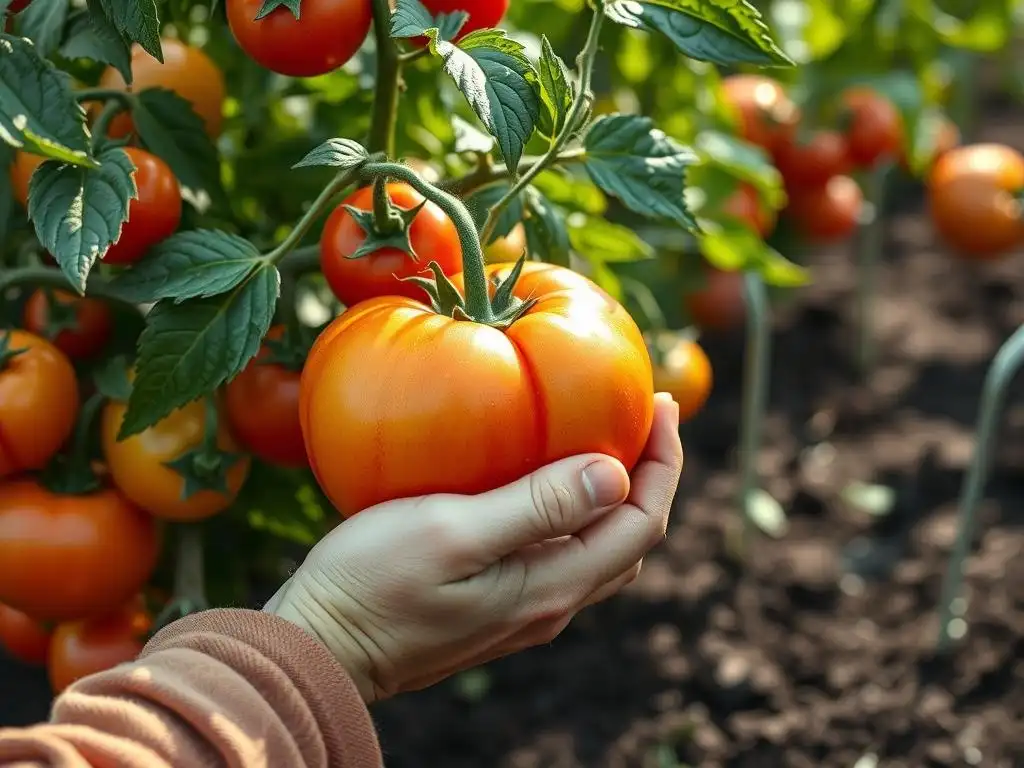
Extending your heirloom tomato harvest into late autumn requires vigilance against pests and diseases that thrive in cooler, damper conditions. These late-season challenges can significantly impact fruit production and quality if left unchecked. Proactive management is key to maximizing your yield and enjoying delicious tomatoes well into the fall. This section focuses on identifying and addressing common late-season issues, and implementing effective, organic pest control strategies.
Identifying and Addressing Common Late-Season Tomato Problems
Late in the growing season, heirloom tomatoes, prized for their unique flavors and varieties, become particularly vulnerable to several issues. The most common include:
- Blossom-End Rot: This physiological disorder manifests as a dark, leathery spot at the blossom end of the fruit. It's often caused by inconsistent watering, leading to calcium deficiency. Consistent soil moisture is crucial, avoiding both overwatering and drought stress. Mulching helps regulate soil moisture levels.
- Septoria Leaf Spot: This fungal disease presents as small, dark brown spots with light centers on leaves. It spreads rapidly in humid conditions. Good air circulation around plants is essential, achieved through proper spacing and pruning. Removing infected leaves promptly and practicing crop rotation can help prevent future outbreaks.
- Early Blight: Another fungal disease, early blight shows up as concentric brown spots on leaves and stems. It can quickly defoliate plants, reducing photosynthesis and fruit production. Again, good air circulation and removing affected plant debris are critical preventative measures. Consider using copper-based fungicides (always following label instructions carefully) as a last resort.
- Late Blight: A more aggressive fungal disease, late blight, can devastate tomato plants rapidly, especially in cool, wet weather. Symptoms include brown, water-soaked spots on leaves and stems, often accompanied by white mold on the undersides of leaves. Unfortunately, once late blight takes hold, it's difficult to control organically. Prevention through proper spacing and avoiding overhead watering is paramount.
| Problem | Symptoms | Organic Control Measures |
|---|---|---|
| Blossom-End Rot | Dark, leathery spot at blossom end of fruit | Consistent watering, mulching |
| Septoria Leaf Spot | Small, dark brown spots with light centers | Good air circulation, remove infected leaves, crop rotation |
| Early Blight | Concentric brown spots on leaves and stems | Good air circulation, remove affected debris, copper fungicides (carefully) |
| Late Blight | Brown, water-soaked spots, white mold underside | Prevention through spacing and avoiding overhead watering |
Organic Pest Control Methods for Heirloom Tomatoes
Protecting your heirloom tomatoes from pests organically is vital for maintaining the integrity of your harvest and ensuring the safety of your food. Several effective strategies can minimize pest damage without resorting to harmful chemicals:
- Beneficial Insects: Introducing beneficial insects like ladybugs, lacewings, and praying mantises can help control aphid and other pest populations naturally. These predators feed on many common tomato pests, providing a natural form of pest control.
- Companion Planting: Planting basil, marigolds, and other companion plants around your tomatoes can deter some pests and improve overall plant health. These plants either repel pests directly or attract beneficial insects.
- Handpicking: Regularly inspect your plants and handpick pests like hornworms and tomato hornworms. This is particularly effective for larger pests and allows for early intervention.
- Row Covers: Using row covers can protect young plants from pests and prevent the spread of diseases. They create a physical barrier, preventing access to the plants.
- Neem Oil: Neem oil is a natural insecticide derived from the neem tree. It disrupts the life cycle of many insects, making it an effective organic control option. Always follow label instructions carefully and use it sparingly.
Remember that a proactive, integrated approach combining several of these methods is the most effective way to ensure a healthy and bountiful heirloom tomato harvest well into the fall. Careful monitoring and quick action are crucial in extending the season and enjoying the fruits of your labor. Consistent observation for early signs of problems is key to successful organic pest management. 🍅
Harvesting and Storing Your Late-Season Tomatoes
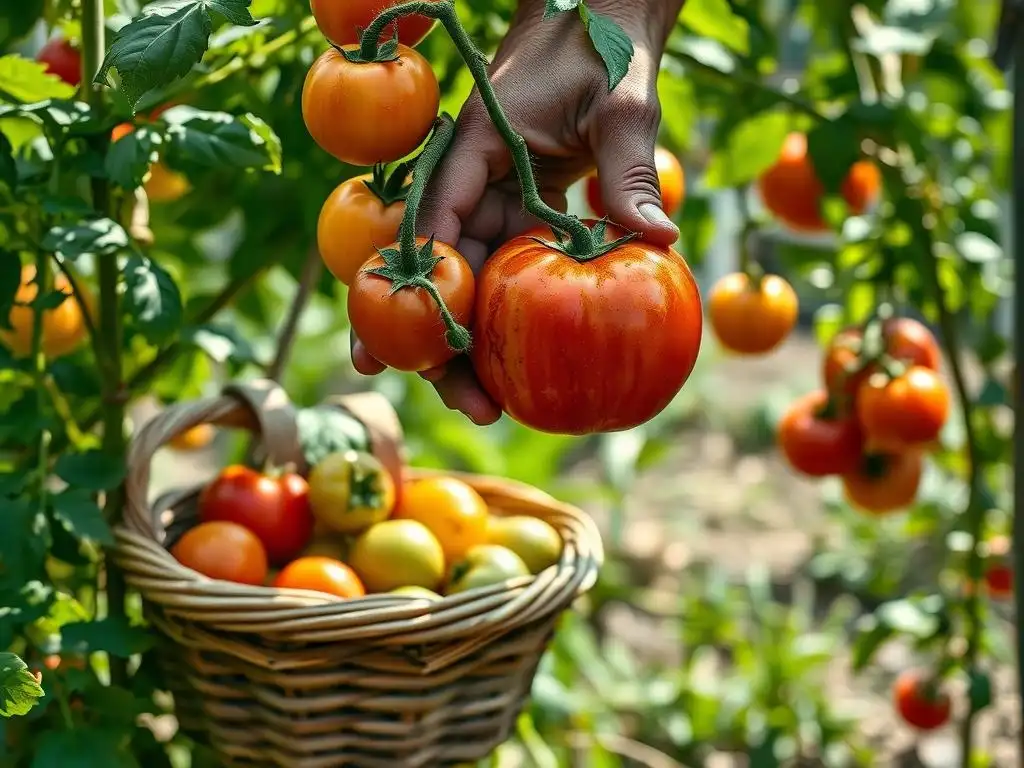
This section focuses on maximizing your heirloom tomato yield by employing optimal harvesting and storage techniques. Proper handling significantly impacts the longevity and quality of your late-season harvest, allowing you to enjoy the fruits of your labor well into the autumn months. Extending your heirloom tomato harvest requires attention to detail at every stage, from recognizing ripeness to selecting appropriate storage methods.
Recognizing Ripeness in Heirloom Tomatoes: Color, Texture, and Taste Cues
Determining the perfect moment to harvest your heirloom tomatoes is crucial for achieving optimal flavor and extending their shelf life. Unlike commercially grown varieties, heirloom tomatoes exhibit a wider range of colors and textures at maturity. Relying solely on color can be misleading.
Heirloom tomato ripeness is best assessed by considering a combination of visual, tactile, and olfactory cues:
- Color: While many heirloom varieties turn a deep red, others may ripen to yellow, orange, green, purple, or even black. The specific color depends entirely on the cultivar. Look for a rich, even coloration throughout the tomato, avoiding those with green shoulders or pale patches. A slight softening of the color near the stem is often a good indicator.
- Texture: Gently press the tomato near the stem. A ripe tomato will yield slightly to gentle pressure, indicating a soft but firm texture. Avoid tomatoes that are overly hard or feel mushy.
- Aroma: A ripe heirloom tomato often possesses a sweet, fragrant aroma. Sniff the tomato near the stem; a pleasant, fruity scent suggests ripeness.
Remember, the best way to learn to identify ripeness is through experience. Start by harvesting a few tomatoes at slightly different stages of ripeness to compare their flavor and texture. This will help you fine-tune your harvesting technique for optimal results. This process is key to extending the heirloom tomato harvest.
Proper Harvesting Techniques to Avoid Damage
Careful harvesting techniques are paramount to preventing damage and extending the shelf life of your tomatoes. Bruising or cuts can significantly shorten the time your tomatoes remain fresh. Here's a step-by-step guide:
- Choose the right time: Harvest tomatoes in the morning after the dew has dried. This minimizes the risk of spreading fungal diseases and allows the tomatoes to dry slightly before storage.
- Use sharp tools: Employ clean, sharp pruning shears or a knife to detach the tomatoes from the vine. Avoid twisting or pulling the tomatoes, as this can damage the fruit and stem. A clean cut minimizes the risk of introducing bacteria.
- Handle with care: Support the weight of the tomato with your hand as you cut to prevent any damage. Avoid squeezing or dropping the tomatoes.
- Gentle cleaning: If necessary, gently wipe away any dirt or debris with a soft cloth. Avoid washing the tomatoes until just before consumption, as excess moisture can lead to spoilage.
By following these guidelines, you can ensure that your harvested tomatoes arrive at their storage destination in pristine condition, maximizing their potential shelf life and helping extend your heirloom tomato harvest.
Storage Methods for Extending Shelf Life of Harvested Tomatoes
Proper storage is essential for extending the shelf life of your freshly harvested heirloom tomatoes. Different methods suit varying needs and quantities.
- Room Temperature Storage: Ripe tomatoes should be stored at room temperature (ideally between 65-70°F) in a single layer, avoiding overcrowding. This allows for proper air circulation and prevents bruising. They should be used within a few days.
- Refrigerator Storage: While refrigeration is generally discouraged for ripe tomatoes as it can impact their flavor and texture, it can extend their shelf life for a short period (2-3 days). Store unripe tomatoes in the refrigerator to slow down the ripening process.
- Preservation Methods: For longer-term storage, consider preservation techniques such as canning, freezing, or making tomato sauce or paste. These methods allow you to enjoy your heirloom tomatoes throughout the year. Canning, in particular, is a great way to extend your heirloom tomato harvest beyond the growing season.
Remember to inspect your stored tomatoes regularly, discarding any that show signs of spoilage. Proper harvesting and storage are essential components of maximizing your heirloom tomato harvest, allowing you to savor the taste of your homegrown bounty for as long as possible.
Preparing Your Heirloom Tomato Plants for Winter
Extending your heirloom tomato harvest into late autumn requires proactive preparation as temperatures drop. This isn't just about prolonging the season; it's about ensuring the health and vitality of your plants for the following year. Proper late-season care significantly impacts the success of your next growing season. We'll focus on key strategies to maximize your yield and protect your investment.
Cleaning Up Your Garden After Harvest: Compost and Disease Prevention
Once your heirloom tomato harvest winds down, don't simply abandon the plants. Cleaning up your garden bed is crucial for preventing the spread of diseases and pests that can overwinter in the soil. Removing all plant debris—leaves, stems, and fallen fruit—is the first step. This prevents fungal diseases like early blight and late blight from taking hold over the winter months. These diseases can significantly impact next year's crop if left unchecked.
Many gardeners make the mistake of discarding this valuable material. Instead, consider composting! Composting transforms plant debris into nutrient-rich soil amendment, reducing the need for chemical fertilizers. Proper composting requires a balanced mix of "green" (nitrogen-rich) and "brown" (carbon-rich) materials. Your tomato plants, while technically a "green," have a high carbon content after drying. Ensure a sufficient amount of brown materials like dried leaves or straw are included to maintain a healthy carbon-to-nitrogen ratio in your compost pile. This process not only enriches your soil but also helps to break down any potential disease pathogens.
Here's a simple guide to composting your tomato plant remains:
| Material | Type | Ratio (Approximate) | Notes |
|---|---|---|---|
| Tomato plant debris | Brown/Green | 1 part | Allow to dry slightly before adding to the compost pile. |
| Dried leaves | Brown | 2 parts | Provides crucial carbon for balanced decomposition. |
| Grass clippings | Green | 1 part | Use sparingly to avoid attracting pests. |
| Straw | Brown | 1 part | Helps with aeration and moisture retention. |
Remember to turn your compost pile regularly to ensure proper aeration and decomposition. A well-managed compost pile will greatly benefit your soil and contribute to a healthy garden environment, promoting a bountiful heirloom tomato harvest next year. Improper composting, however, might not fully eliminate pathogens.
Protecting Your Tomato Plants from Winter Damage
Even after harvesting, your heirloom tomato plants can still contribute to your garden's health. Protecting them from harsh winter elements can help extend their life and improve soil health. Consider these methods:
- Mulching: Applying a thick layer of organic mulch (straw, shredded leaves) around the base of the plants helps insulate the soil, protecting the roots from freezing temperatures. This also suppresses weeds and retains soil moisture.
- Plant Removal (Partial): Rather than completely removing the plants, consider leaving the lower stems and roots in the ground. They will decompose slowly, enriching the soil with organic matter. This is especially beneficial if you are practicing no-till gardening methods.
- Winter Cover: If you live in an area with particularly harsh winters, consider using row covers or other protective materials to shield your plants from extreme cold, wind, and snow. This will give your plants a better chance of surviving until spring. However, be mindful of potential moisture buildup under the covers.
By implementing these strategies, you not only extend the current harvest but also lay the groundwork for a more successful and abundant heirloom tomato harvest in the following year. Remember, extending your harvest isn't just about the current year's yield – it's a crucial step in cultivating a thriving and sustainable garden. Careful consideration of soil health and disease prevention is paramount in maximizing your long-term success with heirloom tomatoes. 🍅
Frequently Asked Questions
How can I extend the harvest of my heirloom tomatoes late into the season?
By providing consistent care, such as watering, fertilizing, and removing suckers, you can encourage your plants to produce fruit well into the fall. Protecting plants from frost is also crucial.
What are the key factors influencing a long heirloom tomato harvest?
The success depends on several factors: suitable climate, proper planting techniques, consistent watering and fertilization, and pest and disease management. Choosing disease-resistant varieties also helps.
My heirloom tomato plants are showing signs of disease. What should I do?
Identify the specific disease and take appropriate action. This might involve removing affected leaves, using organic fungicides, or improving air circulation. Prevention is key – choose disease-resistant varieties and practice good sanitation.
When should I stop watering my heirloom tomato plants in the fall?
Continue watering regularly until the first frost. Reduce watering gradually after the first frost, allowing the soil to dry slightly between waterings to help prevent rot.
What are some ways to protect my heirloom tomatoes from frost?
Use row covers, cloches, or even old blankets to protect plants from unexpected frosts. Bringing particularly vulnerable plants indoors is another option. Monitoring weather forecasts is essential.
Final Reflection: Harvesting the Bounty of Patience and Knowledge
The art of extending your heirloom tomato harvest isn't merely about prolonging the season; it's about deepening your connection with the land and savoring the fruits of your labor long after the first frost. This knowledge, once considered a niche skill, is becoming increasingly vital as climate change throws unpredictable weather patterns our way and the desire for locally-grown, heirloom varieties surges. We need to be resourceful and adaptable to ensure these precious plants continue to thrive.
The impact of understanding late-season care extends beyond simply more tomatoes; it's about fostering a deeper appreciation for the cyclical nature of life and the rewards of attentive stewardship. The glory of gardening: hands in the dirt, head in the sun, heart with nature. To nurture a garden is to feed not just the body, but the soul.
This quote perfectly encapsulates the emotional connection we build with our plants, and extending the harvest amplifies that connection, offering a longer period of mindful engagement with the natural world. It's a lesson in patience, resilience, and the profound satisfaction of nurturing something from seed to ripe, juicy fruit.
Now, consider your own garden, or even your own goals. What aspects of late-season care can you apply to other areas of your life? How can you nurture your own "harvest" – be it a project, a relationship, or a personal ambition – by providing the necessary care and attention even when the going gets tough? Embrace the lessons learned here, and let the bounty of your efforts extend far beyond the tomato patch. Let the spirit of perseverance and mindful cultivation guide you towards a richer, more fulfilling life.
Unlock a Late-Season Tomato Bounty!
Thanks for joining us on this journey to extend your heirloom tomato harvest! You've learned valuable techniques to keep those delicious fruits coming well into the fall. Now, it's time to put your knowledge into practice.
- Prioritize late-season care: Begin implementing the strategies discussed immediately. Check your plants daily, adjust watering according to weather conditions, and continue supporting them with stakes or cages.
- Share your results: We'd love to hear about your late-season tomato growing experiences! Share your successes and challenges, along with photos, on our CultivateYourFood community forum.
- Plan for next year: Don't let the end of this season be the end of your tomato journey. Starting seeds indoors now will ensure an even earlier and more abundant harvest next year.
Ready to extend your tomato bounty beyond expectations? What's the first step you'll take to keep those delicious heirlooms thriving?