
Saving Heirloom Tomato Seeds for Next Year's Garden

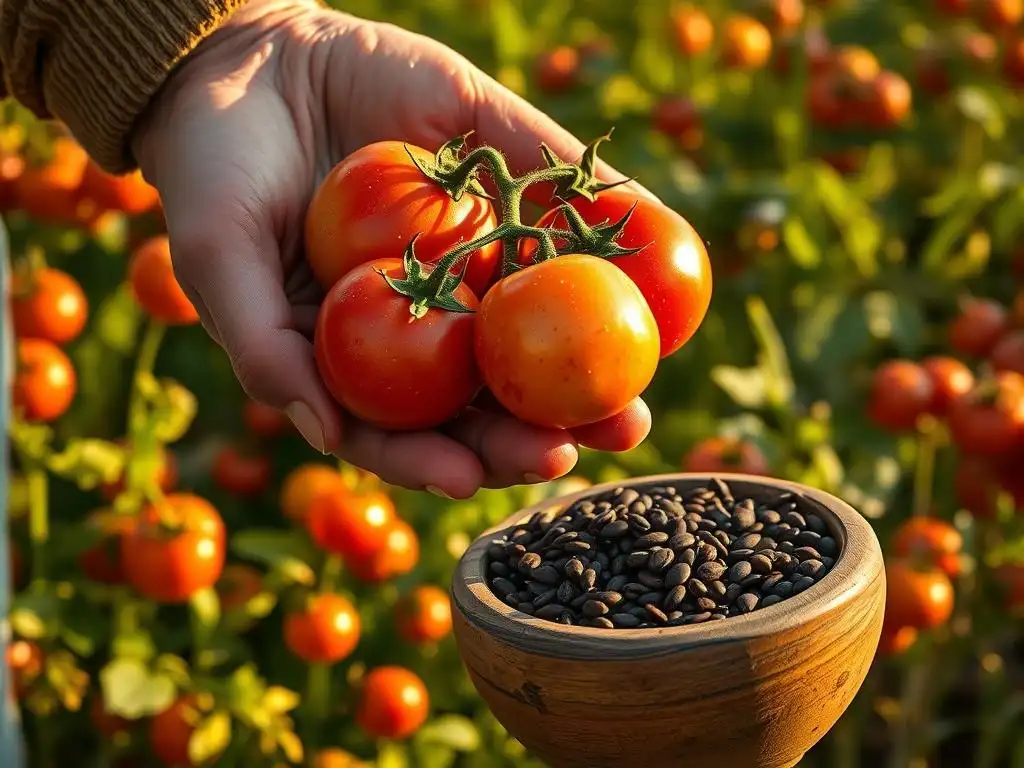
Welcome to CultivateYourFood, your guide to nurturing a thriving garden using sustainable and organic methods! Are you ready to unlock the secrets of preserving your harvest and ensuring bountiful yields year after year? Then delve into our expert advice on saving heirloom tomato seeds, a crucial step in cultivating your own unique and flavorful varieties. Discover how to safeguard this precious legacy and ensure a vibrant garden for seasons to come. Let's cultivate a future rich in homegrown goodness!
- Why Save Heirloom Tomato Seeds? Preserving Genetic Diversity and Flavor
- Selecting the Best Tomatoes for Seed Saving
- Harvesting and Preparing Heirloom Tomato Seeds
- Drying and Storing Your Heirloom Tomato Seeds
- Planting Your Saved Heirloom Tomato Seeds: Next Year's Harvest
- Troubleshooting Common Issues with Heirloom Tomato Seed Saving
-
Frequently Asked Questions
- How do I know if my tomato is a good candidate for seed saving?
- When is the best time to collect seeds from my heirloom tomatoes?
- What is the process for extracting seeds from heirloom tomatoes?
- How should I store my saved heirloom tomato seeds?
- What are the benefits of saving my own heirloom tomato seeds?
- Final Reflection: The Enduring Legacy of the Heirloom Tomato
- Unlock the Secrets of Your Heirloom Tomatoes!
Why Save Heirloom Tomato Seeds? Preserving Genetic Diversity and Flavor
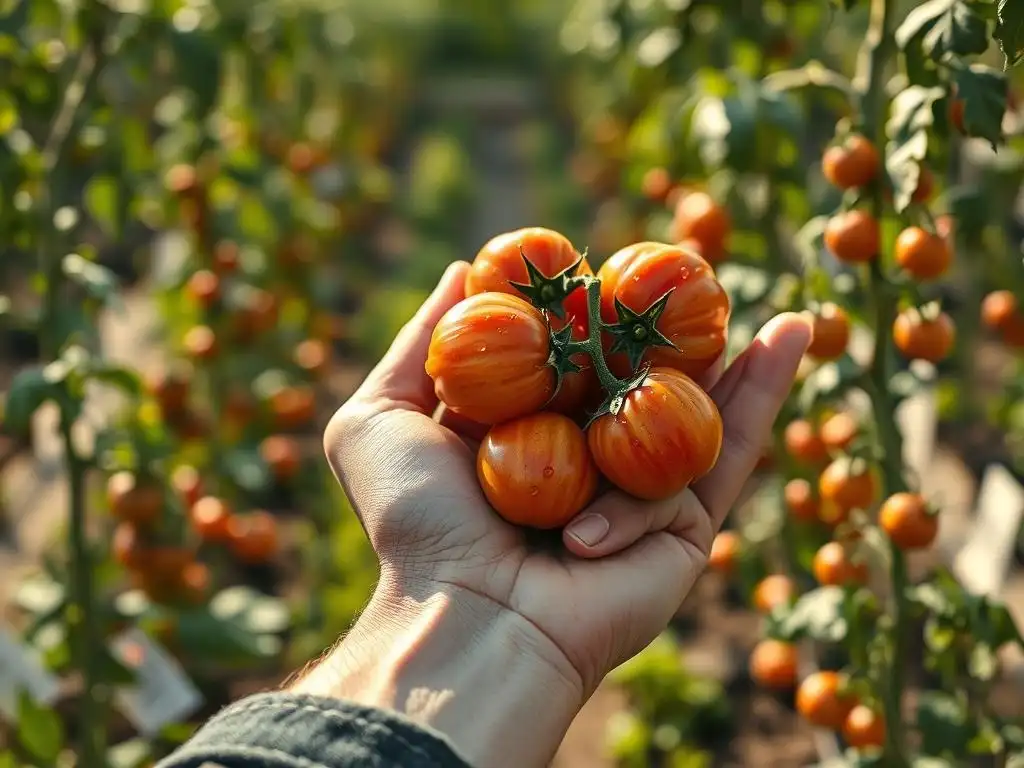
Saving heirloom tomato seeds is more than just a cost-saving measure; it's an act of preserving biodiversity and culinary heritage. Heirloom tomatoes, unlike their hybrid counterparts, are open-pollinated, meaning their seeds will produce plants that are genetically similar to the parent plant. This allows you to cultivate the same unique flavors, colors, and textures year after year, ensuring a consistent and delicious harvest.
By saving your own seeds, you contribute to the preservation of these precious varieties, safeguarding them from extinction and ensuring their availability for future generations of gardeners. This practice fosters a deeper connection with your food source and allows you to actively participate in the ongoing story of heirloom tomatoes. The satisfaction of nurturing a plant from seed, grown from your own harvest, is unparalleled.
It's a journey that connects you to the land, to the history of the tomato, and to the future of sustainable gardening. This guide will walk you through the process of saving heirloom tomato seeds, empowering you to continue this rewarding tradition.
The Benefits of Growing from Seed: Cost Savings and Unique Varieties
Growing heirloom tomatoes from saved seeds offers significant financial advantages. Purchasing heirloom tomato seedlings each year can become a considerable expense, especially if you're cultivating multiple varieties. Saving your seeds dramatically reduces these costs, allowing you to allocate your budget to other gardening needs, such as soil amendments or pest control solutions. Furthermore, saving seeds provides access to a wider range of heirloom varieties that may not be readily available commercially.
Seed catalogs often feature limited selections, while saving your own seeds unlocks the possibility of cultivating rare and unique varieties, adding diversity and excitement to your garden. Consider the potential: Imagine growing a unique variety passed down through your family, or a rare cultivar discovered at a local farmers' market. This practice empowers you to curate your own unique collection, tailored to your palate and gardening preferences.
| Benefit Category | Specific Benefit | Quantifiable Example |
|---|---|---|
| Cost Savings | Reduced seed purchasing costs | Saving seeds from 5 plants could save $25-$50 annually. |
| Variety Access | Access to rare or unique heirloom varieties | Cultivating a 'Cherokee Purple' unavailable locally. |
| Genetic Diversity | Preservation of specific heirloom tomato genetics | Maintaining a family heirloom variety for decades. |
| Environmental Impact | Reduced reliance on commercial seed production | Lower transportation emissions and packaging waste. |
Maintaining Heirloom Tomato Traits: A Legacy of Flavor and Heritage
The preservation of heirloom tomato traits is paramount when saving seeds. Careful selection of the parent plants is critical to ensure the desirable characteristics are passed on to the next generation. Choose only the healthiest and most representative plants from your harvest, avoiding those exhibiting diseases, poor fruit production, or undesirable traits.
Select fruits that are fully ripe, exhibiting the characteristics you value most, such as color, size, flavor and disease resistance. Properly storing seeds is equally important; improper storage can compromise viability and reduce germination rates. By following best practices for seed saving and selection, you ensure that the unique qualities of your heirloom tomatoes are preserved for years to come, effectively maintaining the legacy of these exceptional varieties.
This dedication to preserving heirloom traits not only ensures a delicious harvest for yourself but also contributes to the preservation of a rich agricultural heritage. The seeds you save today are the foundation of your garden's future, ensuring a continued legacy of flavor and diversity.
Selecting the Best Tomatoes for Seed Saving
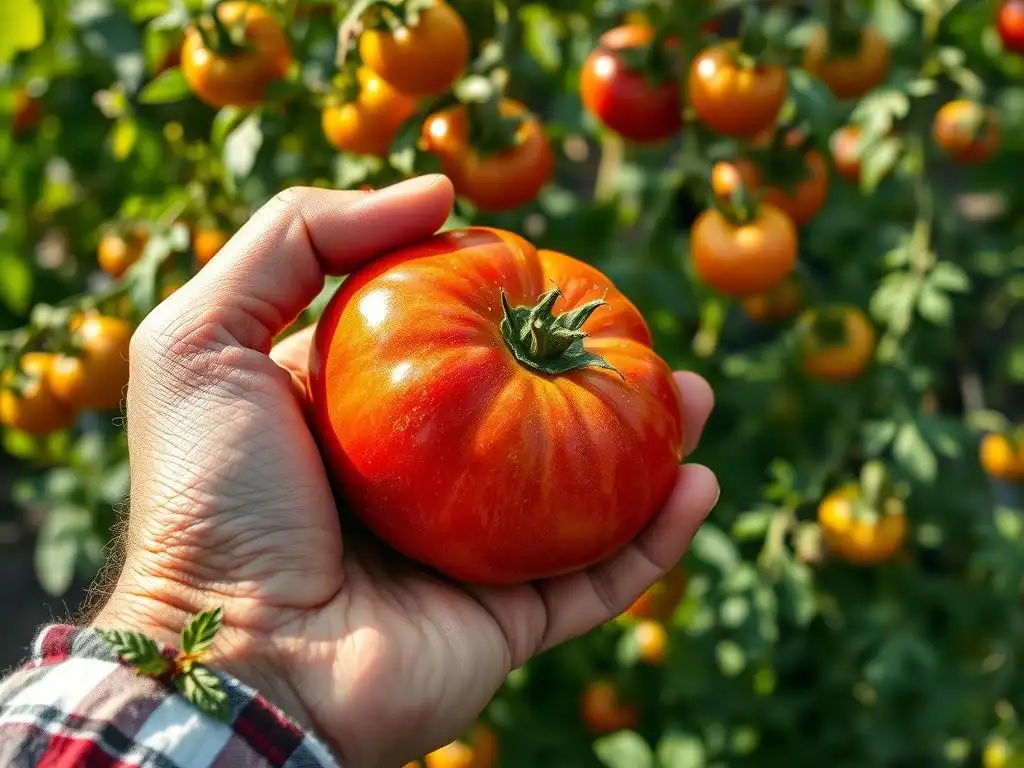
Saving heirloom tomato seeds is a rewarding way to preserve genetic diversity and ensure a bountiful harvest year after year. However, not all tomatoes are created equal when it comes to seed saving. Careful selection of the parent plants is crucial for producing high-quality seeds that will reliably germinate and grow into healthy plants. This section focuses on choosing the best tomatoes for seed saving, ensuring your efforts yield strong, vibrant plants in the next growing season.
Choosing Mature and Healthy Tomatoes: Identifying Optimal Fruit
The first step in saving heirloom tomato seeds is selecting the right fruit. You need tomatoes that are fully mature, exhibiting the characteristic color and firmness of their variety. Avoid using tomatoes that are:
- Underripe: Underripe tomatoes haven't fully developed their seeds, resulting in weaker germination rates. The seeds might be underdeveloped and lack the necessary nutrients for successful sprouting.
- Overripe: Overripe tomatoes, while flavorful, are often prone to rot and fungal diseases. This can contaminate the seeds and compromise their viability. Look for signs of decay such as soft spots or mold.
- Damaged: Tomatoes with cracks, bruises, or insect damage should be avoided. These imperfections can introduce pathogens that negatively impact seed quality.
The ideal tomato for seed saving is fully mature, displaying its peak color and exhibiting a firm texture. Consider the following characteristics:
| Characteristic | Description | Importance |
|---|---|---|
| Color | Deep, rich color characteristic of the variety. | Indicates full maturity and optimal seed development. |
| Firmness | Firm to the touch, without soft spots or blemishes. | Prevents rot and contamination, ensuring seed viability. |
| Size and Shape | Typical size and shape for the specific heirloom tomato variety. | Ensures genetic consistency in the next generation. |
| Absence of Disease | Free from any signs of disease, such as spots, discoloration, or wilting. | Prevents disease transmission to the next generation of plants. |
Remember, patience is key. Allow the tomatoes to fully ripen on the vine for optimal seed quality. This ensures the seeds are fully developed and have the best chance of germination. Harvesting at the peak of ripeness is paramount for successful seed saving. A slightly underripe tomato will yield weaker seeds, while an overripe one risks contamination.
Avoiding Hybrid Tomatoes: Understanding Seed Purity
Saving seeds from hybrid tomatoes is generally not recommended for maintaining the desirable traits of the parent plants. Hybrid tomatoes are the result of cross-breeding two distinct varieties, and their seeds will not produce plants that are true to either parent. This means the offspring will likely exhibit unpredictable characteristics, differing significantly from the original plant in terms of size, taste, and disease resistance.
Heirloom tomatoes, on the other hand, are open-pollinated varieties. This means that when you save seeds from an heirloom tomato, the resulting plants will, barring unforeseen cross-pollination, closely resemble the parent plant. Maintaining the purity of heirloom varieties is a crucial aspect of seed saving. Therefore, accurate identification of your tomatoes as heirloom varieties is essential before attempting to save their seeds.
Consult reputable seed catalogs or experienced gardeners to confirm the heirloom status of your plants. The unique characteristics that define an heirloom tomato— its flavor profile, size, color, and resistance to specific diseases—are preserved through the careful selection and saving of seeds from pure heirloom lines. This preservation contributes to the ongoing availability of these valuable genetic resources for future generations of gardeners.
Harvesting and Preparing Heirloom Tomato Seeds
This section details the crucial steps involved in saving heirloom tomato seeds, ensuring a bountiful harvest for next year's garden. Saving your own seeds allows you to preserve unique varieties and cultivate plants perfectly adapted to your specific climate and soil conditions. Remember, proper seed saving techniques are key to maintaining the genetic integrity of your heirloom tomatoes.
The Perfect Time for Harvesting: Signs of Ripeness
Determining the optimal time to harvest your tomatoes for seed saving is paramount. Don't rush the process! Harvesting too early can result in seeds that are underdeveloped and less viable. Conversely, waiting too long increases the risk of disease and rot.
The ideal time is when the tomatoes are fully ripe, exhibiting their characteristic color and showing signs of slight softening. This usually means the tomato is fully plump and the skin is smooth and slightly yielding to gentle pressure. Avoid tomatoes that have been damaged by pests, diseases, or frost. These can compromise the quality and viability of the seeds.
Look for these key indicators of ripeness:
- Deep color: The tomatoes should display their characteristic deep red, yellow, orange, or purple hue, depending on the variety. A dull or pale color suggests immaturity.
- Softness: Gently squeeze the tomato. It should feel slightly soft to the touch, but not mushy or overripe.
- Sweet aroma: A ripe tomato will have a sweet, fragrant aroma.
Remember, the specific ripeness indicators may vary slightly depending on the heirloom tomato variety. Observe your plants carefully and harvest only the healthiest, fully ripe fruit. This careful selection is vital for obtaining high-quality seeds.
Cleaning and Processing the Seeds: A Step-by-Step Guide
Once you've harvested your ripe tomatoes, carefully extract the seeds. This process requires gentle handling to avoid damaging the delicate seeds. Here's a step-by-step guide:
- Cut open the tomato: Slice the tomato in half or into quarters, depending on its size.
- Scoop out the seeds and pulp: Using a spoon or your fingers, gently scoop out the seeds and surrounding pulp into a bowl or container.
- Remove large debris: Remove any large pieces of pulp or stem tissue. This will help prevent unwanted fermentation byproducts.
- Fermentation (optional): While not strictly necessary for all varieties, fermentation can help to remove the pulp and inhibit the growth of fungi. (See next section for detailed fermentation instructions).
- Rinse and strain: Thoroughly rinse the seeds and pulp mixture under cool running water, gently rubbing the mixture between your fingers to separate the seeds from the pulp. Strain the mixture through a fine-mesh sieve to collect the clean seeds.
- Dry the seeds: Spread the clean seeds in a single layer on a clean paper towel or screen. Allow them to air dry in a cool, dark, well-ventilated area for several days, or until completely dry. Avoid direct sunlight.
- Store the seeds: Once completely dry, store the seeds in a cool, dry, dark place in airtight containers. Proper storage can maintain seed viability for several years. Label your containers clearly with the variety name and the harvest date.
Fermentation Method for Seed Cleaning: Removing Pulp and Inhibiting Fungi
Fermenting tomato seeds is a traditional method that helps remove the surrounding pulp and inhibits the growth of fungi, improving seed viability. This process is particularly beneficial for heirloom varieties prone to fungal infections.
- Prepare the mixture: Place the scooped seeds and pulp in a clean glass jar. Add a small amount of water—just enough to cover the seeds.
- Ferment: Cover the jar with a cheesecloth or fine mesh and leave it in a warm place (around 70-75°F) for 2-5 days. The mixture will begin to ferment, producing a slightly foul odor. This is normal.
- Monitor the fermentation: Check the mixture daily. The fermentation process is complete when the pulp begins to separate from the seeds and the mixture develops a slightly sour smell.
- Rinse and strain: Once fermented, rinse the seeds thoroughly under cool running water. The pulp should easily separate from the seeds. Strain the mixture through a fine-mesh sieve to collect the clean seeds.
- Dry and store: Follow steps 6 and 7 from the previous section to dry and store your clean seeds.
Remember, meticulous attention to detail during each step is essential for successful heirloom tomato seed saving. Happy gardening! 🍅
Drying and Storing Your Heirloom Tomato Seeds
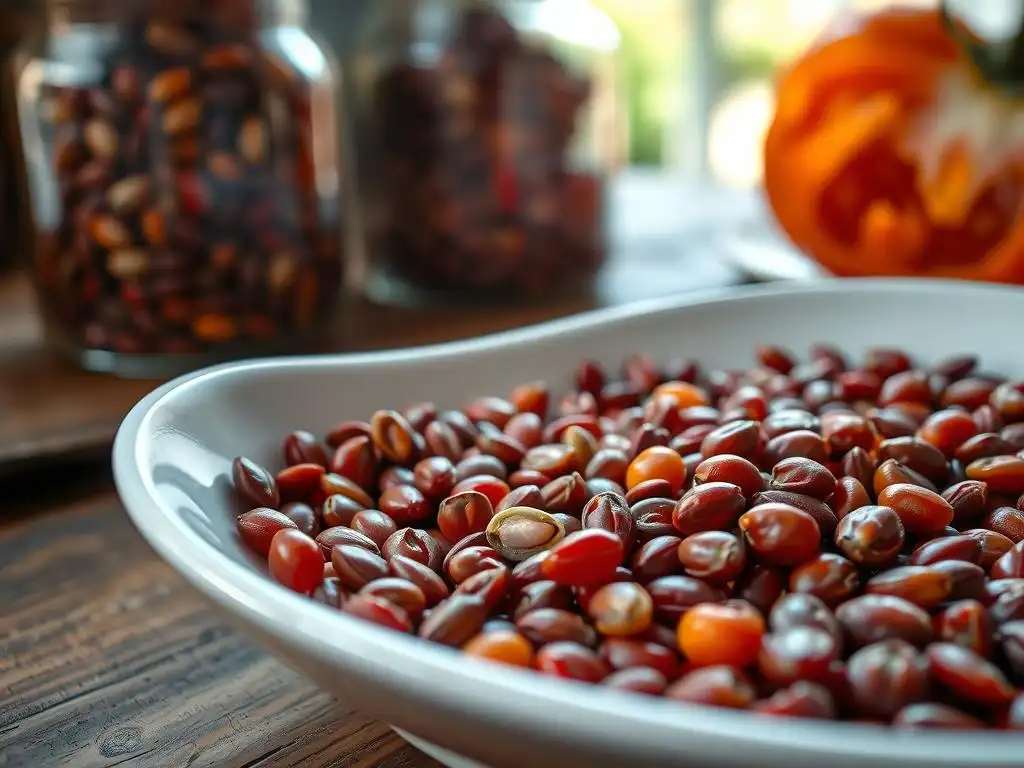
This section details the crucial steps in preserving your precious heirloom tomato seeds, ensuring a bountiful harvest next year. Proper drying and storage are paramount to maintaining seed viability and preventing fungal growth or degradation. Learning how to save heirloom tomato seeds effectively is a rewarding skill for any home gardener.
Drying Heirloom Tomato Seeds Properly: Ensuring Viability
The drying process is the first critical step in saving heirloom tomato seeds. Improper drying can lead to mold, rot, and significantly reduced germination rates. Here's a step-by-step guide:
- Selection: Choose ripe, healthy tomatoes from your best-performing plants. Avoid tomatoes showing signs of disease or damage. The most mature fruits will yield the best seeds.
- Fermentation (Optional but Recommended): For some heirloom varieties, a short fermentation period can improve germination rates. This process helps break down the pulp and separates the seeds. Simply mash the tomato pulp in a clean container, add a bit of water, and cover. Let it sit at room temperature for 24-72 hours, stirring occasionally. You'll notice fermentation starting as the mixture bubbles slightly.
- Cleaning: After fermentation (or if skipping this step), gently rinse the seeds under cool, running water to remove the pulp. Rub the seeds between your fingers to further separate them. Spread the clean seeds on a clean, absorbent surface like a paper towel or screen.
- Drying: Arrange the seeds in a single layer to ensure even drying. A warm, dry, and well-ventilated area is ideal. Avoid direct sunlight, which can damage the seeds. Drying typically takes 1-3 weeks, depending on humidity. The seeds are ready when they are completely dry and crisp. They should not be sticky or gummy to the touch.
- Testing for Dryness: A good way to check dryness is to gently rub a few seeds between your fingers. If they are completely dry and separate easily, they are ready for storage.
Storing Seeds for Long-Term Viability: Optimal Conditions and Containers
Proper storage is just as important as proper drying. The goal is to maintain a cool, dry, and dark environment to prevent seed deterioration. Here are some best practices for saving heirloom tomato seeds for long-term storage:
- Temperature: Ideal storage temperature is between 32°F (0°C) and 41°F (5°C). A refrigerator is perfect.
- Humidity: Low humidity is key. High humidity promotes mold growth. Use airtight containers to prevent moisture absorption.
- Light: Keep seeds away from direct light. Light can degrade seeds and reduce their viability.
- Containers: Several options are suitable:
- Paper envelopes: Affordable and readily available, but may not be completely airtight.
- Glass jars: Excellent for long-term storage, providing a good seal and protecting against moisture and light.
- Airtight plastic containers: A cost-effective alternative to glass, but ensure they are food-grade and BPA-free.
- Desiccants (Optional): Adding a desiccant packet (like silica gel) can further reduce humidity inside the container, extending seed longevity.
Labeling and Organizing Your Seed Collection: Maintaining Accurate Records
Maintaining accurate records is crucial for identifying your heirloom tomato varieties. Good organization prevents confusion and ensures you know what you're planting the following year.
- Clear Labeling: Each seed packet or container should be clearly labeled with:
- Variety Name
- Year Harvested
- Any special notes (e.g., growth habit, flavor profile).
- Organization System: Develop a system to organize your seed collection. This might involve:
- Alphabetical order by variety name
- Categorization by plant type (e.g., cherry tomatoes, paste tomatoes)
- Chronological order by harvest year
- Seed Inventory: Maintain a written or digital inventory of your seeds. This will help you track seed viability and plan your garden accordingly. This inventory is a key part of successfully saving heirloom tomato seeds year after year. Including germination rates from previous years will improve your success in future plantings.
Remember, consistent effort in drying, storing, and organizing your seeds is crucial for the long-term preservation of your heirloom tomato varieties. With careful attention to these details, you can enjoy the fruits (and seeds!) of your labor for years to come. 🍅
Planting Your Saved Heirloom Tomato Seeds: Next Year's Harvest

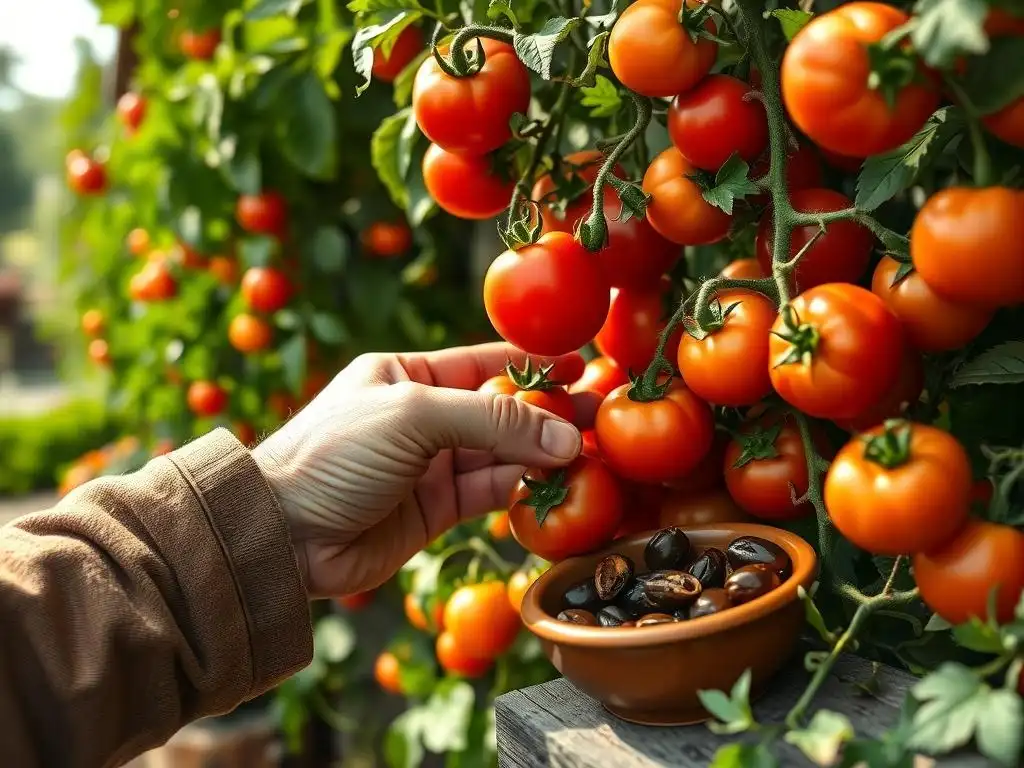
This section details the process of planting your carefully saved heirloom tomato seeds, ensuring a bountiful harvest next year. Remember, success hinges on proper timing, technique, and a little patience. Saving heirloom tomato seeds is a rewarding endeavor, allowing you to cultivate unique varieties year after year, preserving genetic diversity and enjoying the fruits (or rather, vegetables!) of your labor.
Starting Heirloom Tomatoes Indoors: Timing and Techniques
Starting your heirloom tomato seeds indoors gives them a head start, resulting in earlier harvests. The ideal time to begin sowing depends on your climate and the last expected frost date in your region. Generally, aim to start seeds 6-8 weeks before the last frost. This allows ample time for seedlings to develop strong root systems before transplanting outdoors.
For optimal germination, use a seed-starting mix, not garden soil. Garden soil is often too dense and can hinder seedling development. Sow seeds about ¼ inch deep in small pots or seed trays, spacing them appropriately to avoid overcrowding. Gently water the soil, keeping it consistently moist but not soggy. A humidity dome or plastic wrap can help maintain humidity levels, crucial for successful germination. Place the containers in a warm location (around 70-75°F) with indirect sunlight. Germination typically takes 7-14 days, but it can vary depending on the variety.
Once seedlings emerge, provide them with plenty of light. A sunny windowsill might suffice, but supplementing with grow lights is highly recommended, especially during shorter winter days. This ensures strong, leggy seedlings. Avoid overwatering, which can lead to damping-off, a fungal disease that can kill young seedlings. As seedlings grow, gradually acclimate them to lower humidity levels to prevent shock during transplanting. This process of slowly introducing them to outdoor conditions is crucial.
Remember to label your containers clearly with the heirloom tomato variety and planting date. This will be invaluable as your seedlings grow and you prepare for transplanting. Careful record-keeping is an essential part of successful seed saving and cultivation.
Transplanting Seedlings Outdoors: Hardening Off and Optimal Conditions
Successfully transplanting your heirloom tomato seedlings requires careful preparation. Before moving them outdoors, you need to "harden off" the seedlings. This process gradually acclimates them to the harsher conditions of the outdoor environment, minimizing transplant shock. Start by placing the seedlings outdoors for a short period each day, gradually increasing the duration and intensity of exposure over a week or two. Begin with a couple of hours of morning sun and gradually increase the time until they can tolerate full sun for several hours. Protect them from strong winds and extreme temperatures during this process.
When transplanting, choose a location that receives at least 6-8 hours of direct sunlight daily. Heirloom tomatoes are sun-worshippers! Ensure the soil is well-drained and rich in organic matter. Amend heavy clay soils with compost or other organic amendments to improve drainage and aeration. Plant seedlings deeply, burying the lower stems to encourage strong root development. Space plants appropriately, following the recommended spacing guidelines for your specific variety. This prevents overcrowding and promotes good air circulation, reducing the risk of fungal diseases.
After transplanting, water thoroughly and mulch around the plants to retain moisture and suppress weeds. Regular watering, especially during dry spells, is critical, particularly during the establishment phase. Consistent moisture helps the seedlings to thrive and establish strong root systems. Mulching helps to conserve water and maintain a consistent soil temperature, protecting the roots from extreme heat or cold.
Protecting Seedlings from Pests and Diseases: Organic Pest Control Methods
Protecting your precious heirloom tomato seedlings from pests and diseases is crucial for a successful harvest. Employing organic pest control methods helps maintain the integrity of your organic gardening practices and safeguards the health of your plants.
Common tomato pests include aphids, whiteflies, and tomato hornworms. Regularly inspect your plants for signs of infestation. Early detection is key to effective pest management. For aphids and whiteflies, a strong spray of water can often dislodge them. Neem oil is a natural insecticide effective against many common tomato pests. Bacillus thuringiensis (Bt) is a naturally occurring bacterium that is effective against tomato hornworms and other caterpillars. Introduce beneficial insects such as ladybugs and lacewings to your garden, as they prey on many common pests. These natural predators can provide long-term pest control.
Fungal diseases like blight and early blight can be problematic. Ensure good air circulation by spacing plants appropriately and avoiding overhead watering. Rotate your tomato crops annually to prevent the buildup of soilborne pathogens. Consider using copper fungicides as a last resort, but always follow label instructions carefully. Maintaining a healthy soil ecosystem through composting and proper soil preparation strengthens your plants' natural resistance to disease. A strong, healthy plant is less susceptible to pests and diseases.
Remember, prevention is key. By following good cultural practices, such as proper spacing, watering, and sanitation, you can significantly reduce the risk of pest and disease problems. Regular monitoring and early intervention are crucial for managing any issues that may arise. Using organic methods ensures that your heirloom tomatoes remain healthy and safe for consumption.
Troubleshooting Common Issues with Heirloom Tomato Seed Saving
Saving heirloom tomato seeds can be incredibly rewarding, connecting you directly to the heritage of your garden. However, the process isn't always straightforward. This section addresses common challenges encountered when saving heirloom tomato seeds and provides practical solutions to maximize your success rate for next year's planting. Careful attention to detail at each stage – from selection to storage – significantly impacts germination success. Let's delve into some frequently encountered problems and their solutions.
Dealing with Seed Germination Problems: Identifying and Addressing Issues
Seed germination issues are a common frustration for those saving heirloom tomato seeds. Poor germination can stem from several factors, including seed viability, improper storage conditions, and even the health of the parent plant. Identifying the root cause is crucial for improvement.
Several factors can negatively impact germination:
- Seed Viability: Not all seeds are created equal. Even under ideal conditions, some seeds simply won't germinate due to inherent factors. Using seeds from healthy, vigorous parent plants significantly increases the chances of success. Select seeds from the ripest, healthiest tomatoes.
- Improper Drying: Insufficient drying leads to mold and rot, compromising seed viability. Seeds must be thoroughly dried before storage to prevent fungal growth and bacterial contamination. This usually takes several weeks in a well-ventilated, dry area.
- Storage Conditions: Incorrect storage conditions (too much humidity, fluctuating temperatures, exposure to light) can damage seeds, reducing their germination potential. Seeds should be stored in a cool, dark, and dry place in airtight containers.
- Seed Age: Older seeds have lower germination rates. While heirloom seeds can retain viability for several years under ideal conditions, using fresh seeds whenever possible significantly boosts your chances of success.
Addressing the Issues:
To improve germination rates, consider the following:
- Seed Testing: Before planting, perform a germination test. Place a small sample of seeds on a damp paper towel in a sealed bag. After a few days, observe the germination rate. This gives you an idea of the overall viability of your seed batch.
- Improved Drying Techniques: Use a dehydrator or a well-ventilated area with low humidity to ensure thorough drying. Proper drying is the cornerstone of successful seed saving.
- Optimized Storage: Use airtight containers and store seeds in a cool, dark, and dry environment, ideally between 32°F and 41°F (0°C and 5°C).
- Seed Scarification: For some heirloom varieties, scarification (slightly nicking the seed coat) can help improve germination. This is particularly useful for seeds with hard seed coats.
Preventing Seed Rot and Mold: Hygiene and Storage Practices
Seed rot and mold are significant threats to your heirloom tomato seed collection. These issues stem primarily from improper hygiene and storage conditions. Maintaining cleanliness throughout the seed-saving process is paramount.
Hygiene Practices:
- Clean Hands and Tools: Always wash your hands thoroughly before handling seeds. Clean and sterilize any tools used in the process.
- Clean Seeds: Remove any pulp or debris from the seeds before drying. This reduces the risk of fungal growth.
- Proper Drying: Thorough drying is crucial. Damp seeds provide the ideal environment for mold and rot to thrive.
Storage Practices:
- Airtight Containers: Store seeds in airtight containers to prevent moisture absorption. Glass jars are ideal.
- Cool, Dark, and Dry Environment: Maintain a consistent temperature and humidity level. Avoid fluctuations that can promote mold growth.
- Regular Inspection: Periodically inspect your stored seeds for any signs of mold or rot. Discard any affected seeds immediately.
Low Germination Rates: Potential Causes and Solutions
Even with careful attention to detail, you might still experience lower-than-expected germination rates. Several factors can contribute to this.
Potential Causes:
- Seed Age: Older seeds are less likely to germinate.
- Environmental Factors: Extreme temperatures during storage or germination can negatively impact seed viability.
- Genetic Factors: Some heirloom varieties have inherently lower germination rates.
- Improper Sowing Techniques: Incorrect planting depth or soil conditions can hinder germination.
Solutions:
- Use Fresh Seeds: Prioritize using seeds from the current year's harvest.
- Optimize Germination Conditions: Provide consistent warmth and moisture. A seed starting mat can be helpful.
- Improve Sowing Technique: Ensure proper planting depth and soil conditions.
- Consider Seed Treatment: In some cases, treating seeds with a fungicide can prevent fungal diseases that might reduce germination rates. However, always follow the manufacturer's instructions carefully. Organic alternatives are also available.
Remember, patience and careful observation are key to successful heirloom tomato seed saving. By addressing these common issues proactively, you can significantly increase your chances of enjoying a bountiful harvest from your saved seeds year after year. Happy gardening! 🍅
Frequently Asked Questions
How do I know if my tomato is a good candidate for seed saving?
Choose ripe, healthy tomatoes from your best-producing plants. Avoid tomatoes with signs of disease or blemishes. Select varieties that are open-pollinated or clearly labeled as heirloom.
When is the best time to collect seeds from my heirloom tomatoes?
The ideal time is after the tomatoes are fully ripe and have started to overripen slightly on the vine. This ensures the seeds are mature enough for germination.
What is the process for extracting seeds from heirloom tomatoes?
Scoop out the seeds and pulp into a container. Allow the mixture to ferment for a few days, then rinse thoroughly to remove the pulp. Dry the seeds completely before storing.
How should I store my saved heirloom tomato seeds?
Store your seeds in a cool, dark, and dry place in an airtight container. Properly stored seeds can remain viable for several years. Label your containers clearly with the variety name and year.
What are the benefits of saving my own heirloom tomato seeds?
Saving heirloom tomato seeds helps preserve genetic diversity, allows you to grow your favorite varieties year after year, and is a sustainable gardening practice. It's also cost-effective!
Final Reflection: The Enduring Legacy of the Heirloom Tomato
The simple act of saving heirloom tomato seeds connects us to generations past and secures a vibrant future for our gardens and our culinary heritage. This seemingly small practice holds immense power, impacting not only our individual food security but also the biodiversity of our planet. The seeds we save are more than just genetic material; they are living links to history, carrying with them the flavors and resilience of tomatoes cultivated over centuries.
The enduring appeal of heirloom tomatoes lies not just in their unique tastes and colors, but in the tangible connection they offer to the land and to our ancestors. These seeds, passed down through families and communities, represent a powerful narrative of cultural preservation. To plant a garden is to believe in tomorrow,
Audrey Hepburn famously said, and saving seeds amplifies this belief, extending our hope and responsibility into the future. It's a deeply satisfying act, one that fosters a sense of stewardship and reminds us of the interconnectedness of our actions with the natural world.
Now, consider your own garden, your own culinary traditions. What seeds will you save this year? What stories will you carry forward with each tiny seed you carefully collect and store? This is more than just a gardening practice; it's an act of cultural preservation, a testament to our connection with the earth, and a legacy you can build for generations to come. Embrace the simple act, and reap the rewards of a richer, more flavorful, and more meaningful harvest.
Unlock the Secrets of Your Heirloom Tomatoes!
Thanks for learning how to save heirloom tomato seeds! You now have the knowledge to grow even more delicious tomatoes next year. Ready to put your skills to the test?
- **Start saving those seeds today! ** Follow the steps in this article to ensure your seeds are properly dried and stored for optimal germination. This is key to a bountiful harvest next year.
- **Share your experiences—both successes and challenges—in the comments below. ** Let's build a community of heirloom tomato enthusiasts!
- Experiment with different heirloom varieties next year—what exciting new flavors will you discover?
Which unique heirloom tomato will you grow next year?